
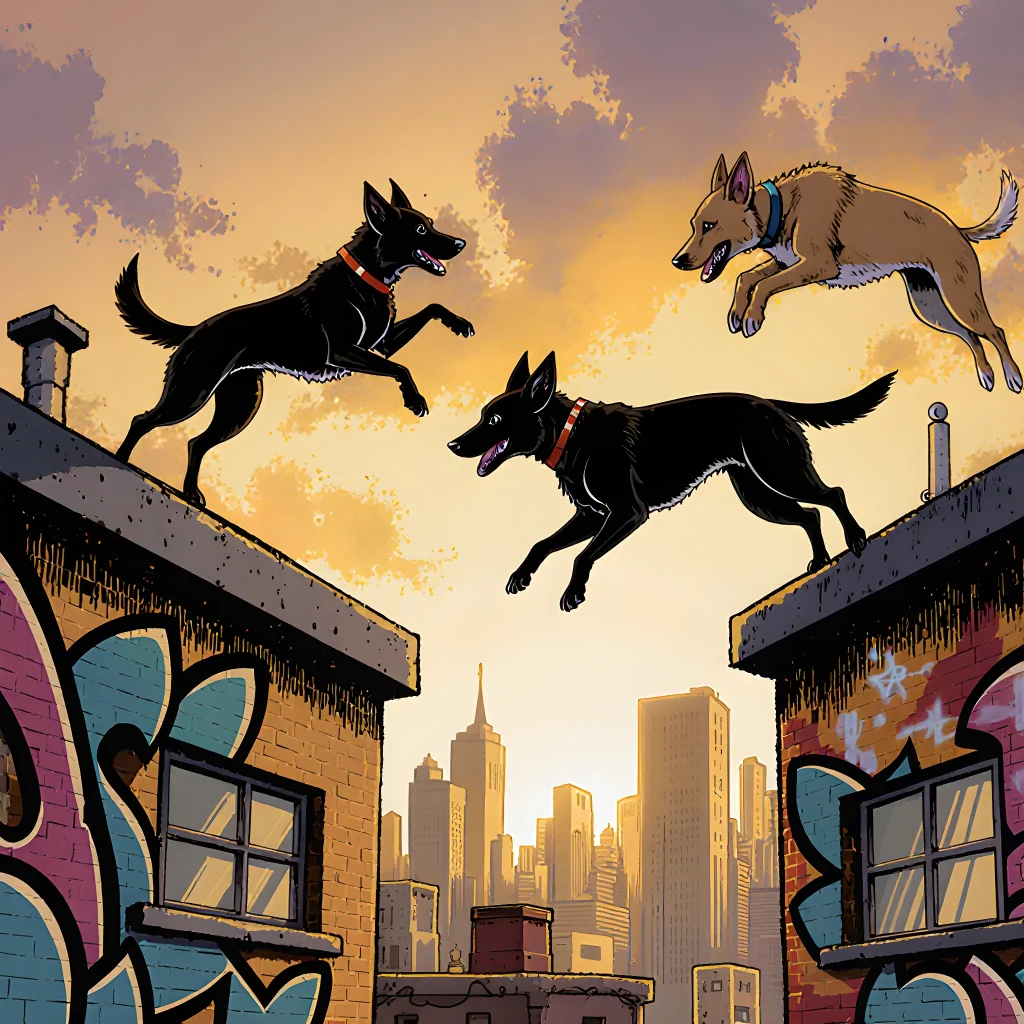
Urban pups sprint through obstacle courses—meet the new dog parkour craze!
Dog Parkour: A New Sport for Urban Pups
Table of Contents
- Introduction to Dog Parkour
- History of Canine Agility Sports
- What Makes Parkour Different?
- Essential Equipment for Urban Pups
- Training Basics: Building Confidence and Fitness
- Common Obstacles in City Environments
- Safety Tips for Trainers and Owners
- Nutrition and Recovery for High-Intensity Play
- Case Study: A Successful Urban Dog Parkour Club
- Integrating Social Interaction with Other Dogs
- Techniques for Advanced Movements
- Common Mistakes and How to Avoid Them
- Future Trends in Dog Parkour
- Conclusion: The Urban Canine Revolution
- FAQ – Frequently Asked Questions
Introduction to Dog Parkour
Dog parkour is an emerging discipline that blends the athleticism of human parkour with the natural agility of dogs. It offers a structured way for pets—especially those living in urban environments—to channel their energy, build confidence, and strengthen the bond between owner and animal.
What Is Dog Parkour?
At its core, dog parkour involves teaching dogs to navigate obstacles that mimic everyday urban challenges: stepping over curb cuts, leaping across puddles, weaving through traffic cones, and scaling low walls. Unlike traditional agility courses that emphasize speed and precision, parkour focuses on problem‑solving, spatial awareness, and adaptability.
Why It Matters for Urban Dogs
- Physical Health: Regular training improves cardiovascular fitness, muscle tone, and joint flexibility.
- Mental Stimulation: Complex obstacle courses keep dogs engaged, reducing boredom‑related behaviors such as chewing or digging.
- Social Skills: Working with a handler in varied settings enhances obedience and communication.
Getting Started: Equipment & Safety Basics
The simplest set of tools includes:
- Training Cone Set: Portable cones or small plastic barrels to mark routes.
- Low Wall: A sturdy, low‑profile wall (≈18–24 inches) that can be safely climbed.
- Soft Landing Pad: Foam mats or a grass patch for safe descents.
Always perform a safety check before each session: ensure obstacles are stable, surfaces are free of debris, and the environment is controlled (no traffic or other pets).
Step‑by‑Step Training Guide
- Build Trust: Start with basic obedience commands (sit, stay, come) to establish a reliable communication channel.
- Introduce the Wall: Allow your dog to sniff and explore the wall. Use treats to encourage them to step onto it.
- Leaping Over Cones: Place two cones 12–18 inches apart. Reward successful jumps; if hesitation occurs, reduce spacing or use a low jump first.
- Weaving Through Traffic Cones: Create a zig‑zag pattern using traffic cones. Guide the dog with a leash and gradually increase speed as confidence grows.
- Combine Obstacles: Once individual skills are solid, string obstacles together to form a mini‑course that mimics a real urban path.
Practical Tips for Urban Environments
- Use public parks or dog run areas with ample space.
- Schedule sessions during off‑peak hours to minimize distractions.
- Keep training short (10–15 minutes) and end on a positive note.
- Always have fresh water available after each session.
Case Study: The “Urban Pups” Club
The “Urban Pups” club, highlighted in the article Dog Parkour: A New Sport for Urban Pups, demonstrates how a community can thrive by integrating parkour into daily routines. Participants report:
- Improved leash manners.
- Reduced anxiety during city commutes.
- A stronger bond with their owners, as training becomes an enjoyable shared activity.
Next Steps
If you’re ready to dive into dog parkour:
- Assess Your Dog’s Readiness: Ensure they are healthy and free from orthopedic issues.
- Create a Safe Training Space: Repurpose your backyard or local park with the equipment listed above.
- Start Small, Scale Up: Gradually introduce more complex obstacles as confidence builds.
- Join a Community: Look for local dog parkour groups or online forums to share progress and gain support.
Remember: consistency, patience, and positive reinforcement are the cornerstones of successful dog parkour training. With these tools and techniques, your urban pup can transform everyday challenges into exhilarating adventures.
History of Canine Agility Sports
The roots of canine agility can be traced back to the early 20th century, when hunters and herders began training their dogs for quick, precise movements in challenging terrain. However, it wasn’t until the 1970s that organized competitive agility emerged as a formal sport.
Early Beginnings (1900‑1940)
- Hunting Trials: Hunters would test dogs on obstacle courses fashioned from natural obstacles like fallen trees, muddy pits, and steep inclines.
- Shepherding Drills: Herding breeds were taught to navigate complex pathways to reach livestock faster.
The Birth of Modern Agility (1970‑1990)
In the United States, the American Kennel Club (AKC) officially recognized agility in 1979. The first AKC National Championship was held in 1984, featuring a standardized obstacle set that included weave poles, A-frame jumps, and see-saw platforms.
Global Expansion (1990‑Present)
- International Federation of Canine Sports: The Fédération Cynologique Internationale (FCI) incorporated agility into its championships in 2001.
- Rise of Specialized Disciplines: Beyond the traditional “Speed” and “Precision” divisions, new categories such as “Obstacle Course Design” and “Agility + Obstacle Racing” began to flourish.
Dog Parkour: A New Sport for Urban Pups
While classic agility courses are often set in open fields, Dog Parkour takes the concept into urban environments. Inspired by human parkour’s use of cityscapes—walls, railings, and staircases—dog parkour challenges dogs to navigate real-world obstacles safely and creatively.
Key Elements of Dog Parkour
- Urban Obstacles: Walls (brick or concrete), ledges, stairs, and even traffic islands can serve as hurdles.
- Safety First: Padding, soft landing zones, and clear signage are essential to protect dogs from injury.
- Training Focus: Emphasizes confidence, balance, and problem‑solving rather than pure speed.
Practical Advice for Trainers
- Start Small: Introduce simple jumps or low walls before progressing to complex routes.
- Use Positive Reinforcement: Reward curiosity and successful attempts with treats, praise, or play.
- Plan Routes Carefully: Map out a course that offers multiple ways to approach each obstacle, allowing the dog to choose its path.
- Incorporate Rest Breaks: Urban courses can be more tiring; schedule short pauses for water and mental reset.
Examples of Successful Dog Parkour Events
- City Canine Challenge (NYC): A monthly event where dogs navigate a series of city blocks, using railings and fire escapes as obstacles.
- Urban Paws Invitational (London): Features a mixed‑terrain course that blends parkour with traditional agility tests, judged on creativity and safety.
Future Outlook
As cities continue to evolve, dog parkour offers an exciting avenue for urban pet owners to engage their dogs in mentally stimulating activities while promoting physical fitness. With growing communities of trainers, owners, and municipal support, we can expect more structured leagues, standardized safety protocols, and even international competitions in the coming years.
What Makes Parkour Different?
While many people associate parkour with humans navigating urban landscapes, the core principles are universal and can be applied to any agile creature. Dog parkour—often called “Canine Flow” or “Doggie Obstacle Course”—takes these same concepts and tailors them for our four‑legged friends. Below we break down the elements that set dog parkour apart from traditional canine training, highlight real‑world examples, and give you practical tips to get started.
1. Purpose‑Driven Movement vs. Obedience Training
- Traditional obedience: Commands like “sit,” “stay,” or “come” focus on compliance and reward-based behavior.
- Dog parkour: Emphasizes natural movement patterns—jumping, climbing, balancing—that allow dogs to solve physical challenges autonomously.
Example: A Border Collie trained in parkour might navigate a series of low walls and weave poles without a verbal cue, simply because it finds the path engaging and rewarding.
2. Skill Acquisition Through Exploration
- Parkour encourages curiosity; dogs learn by trial‑and‑error rather than memorizing a set routine.
- This method promotes problem‑solving skills that transfer to everyday situations—like figuring out how to jump over a curb or climb onto a low balcony safely.
Practical tip: Start with a simple “jump box” and let your dog figure out the best approach. Reward the successful attempt, not just the act of jumping itself.
3. Physical Conditioning Meets Mental Stimulation
- Parkour routines combine cardiovascular work (running between obstacles) with strength training (climbing and holding positions).
- Mentally, dogs must assess distances, angles, and surface textures—an excellent brain workout.
Case study: A Labrador retriever that participates in a weekly parkour class showed reduced anxiety during vet visits, likely due to the confidence built on navigating varied terrain.
4. Safety Protocols Tailored for Dogs
- Obstacles are designed with soft edges, non‑slip surfaces, and height limits appropriate for a dog’s size.
- Unlike human parkour, which often uses urban debris, dog parkour typically employs wooden beams, foam pyramids, or padded ramps to reduce injury risk.
Implementation: Use a “dog‑safe” obstacle kit from reputable brands like Apex Pet Equipment or K9 Flow Systems. Always supervise and start with low difficulty before progressing.
5. Community and Competition
- Dog parkour has grown into a niche community where owners share videos, host local meet‑ups, and even compete in timed obstacle courses.
- Events such as the “Canine Flow Invitational” showcase creative course designs that blend agility with artistic expression.
Advice: Join your local dog parkour club or online forums like DogFlow.com. Sharing progress helps keep motivation high for both you and your pup.
6. Environmental Adaptability
- Because parkour is rooted in improvisation, dogs learn to adapt to new surfaces—grass, gravel, pavement—and weather conditions.
- This adaptability translates to better performance in everyday walks and hiking adventures.
Example: A mixed‑breed dog trained in parkour successfully scaled a steep garden wall during a rainy afternoon walk without slipping.
7. Long‑Term Benefits for Senior Dogs
- Low‑impact obstacles can keep older dogs active, preserving joint health and preventing stiffness.
- Parkour also offers mental engagement that reduces the risk of cognitive decline in aging pets.
Practical suggestion: Use a padded “balance beam” for senior dogs to practice gentle hops—always monitor for signs of discomfort.
Getting Started with Dog Parkour
- Assess your dog’s physical condition: Consult a vet before beginning, especially if the dog has joint issues or is a large breed.
- Create a safe space: Use soft mats and clear boundaries to prevent accidental falls.
- Introduce one obstacle at a time: Let your dog explore freely; use treats to reward successful navigation.
- Gradually increase difficulty: Add height, change angles, or introduce new textures as confidence grows.
- Record and review: Use video clips to spot areas for improvement—both for you and your dog’s safety.
In short, dog parkour is not just a fun pastime; it’s an innovative training method that blends physical fitness, mental sharpness, and safe exploration. By embracing these principles, owners can help their pets thrive both on the course and in everyday life.
Essential Equipment for Urban Pups
If you’re interested in introducing your city dog to the exciting world of Dog Parkour: A New Sport for Urban Pups, having the right gear is crucial. Below we break down the must‑have items, how they help with training, and practical tips on choosing the best options for your pup’s size, breed, and activity level.
1. A Well-Fitting Training Harness
A good harness provides control without restricting movement or causing injury. Look for:
- Adjustable straps: Allows you to tailor the fit as your pup grows.
- Comfort padding: Reduces pressure on sensitive areas, especially important during repetitive jumps.
- Quick-release buckle: Ensures safety if the harness becomes tangled.
Example: The PetSafe Power Hound Harness offers a snug fit for medium‑sized breeds and has an extra safety strap to keep the leash from snagging on obstacles.
2. A Sturdy, Medium‑Length Leash
A 4–6 foot leash gives enough freedom for practice while keeping your pup within reach. For more advanced courses, a longer (8–10 ft) leash can be useful.
- Material: Choose nylon or braided polyester for strength and lightness.
- Cord vs. Chain: A chain offers extra durability but can feel heavy; most urban trainers prefer a high‑strength cord.
- Handles: A padded handle reduces strain on your hand during vigorous sessions.
3. Dog Boots for Rough Surfaces
Urban terrains—concrete, asphalt, and uneven sidewalks—can damage paws. Boots protect against cuts, hot pavements, and debris.
- Material: Leather or rubber soles with reinforced toe caps.
- Fit: Measure your pup’s paw width; boots should fit snugly without sliding.
- Ventilation: Look for breathable panels to prevent overheating.
Example: The K9 Outdoor Boots come in various sizes and are water‑repellent, making them ideal for rainy city days.
4. Non-Slip Training Mats
These mats give your pup a safe landing zone during jumps or rolls and help reduce joint impact.
- Surface: Textured rubber for grip.
- Thickness: 1–2 inches provides cushioning without compromising stability.
- Portability: Foldable mats are easy to store and transport.
Use them on sidewalks or in your apartment balcony to simulate a “mini‑parkour” environment.
5. Adjustable Jump Bars
Key for building confidence and coordination. Adjustable height allows progressive training.
- Height range: 6–18 inches works for most breeds.
- Material: PVC or aluminum frames are lightweight yet sturdy.
- Safety: Ensure the bars have rounded edges to avoid injury.
Set them on a flat, non‑slippery surface and start with low jumps before increasing height.
6. A Compact Ramp
Ramps help pups practice ascending and descending without strain, especially useful for larger or older dogs.
- Incline: 30–45 degrees is manageable for most breeds.
- Surface: Non‑slip tread to keep paws steady.
- Foldable design: Allows you to bring it into apartments or onto the street.
7. A Rewarding Treat Dispenser
Positive reinforcement keeps training fun and effective. Choose a dispenser that releases small treats automatically as your pup completes a hurdle.
- Portability: Clip‑on models can be attached to the harness or leash.
- Adjustable size: Allows you to change treat quantity based on training intensity.
8. Digital Training Log
Track progress, set goals, and monitor injury risk. Apps like Dog Trainer Pro let you log jumps completed, height achieved, and any pain points.
- Goal setting: Break down milestones into weekly targets.
- Analytics: Visual charts help identify improvement or plateau periods.
Final Tips for Urban Dog Parkour
- Start Slow: Begin with low obstacles and gradually increase difficulty.
- Warm-Up & Cool-Down: Simple jogs, dynamic stretches, and gentle massages reduce injury risk.
- <strong
Training Basics: Building Confidence and Fitness
Dog parkour is not just a fun way to keep your pup active; it’s also an excellent training tool that can help boost confidence, improve coordination, and develop overall fitness. Below are practical steps, examples, and tips to get you started.
1. Start with the Fundamentals
- Basic Obedience: Ensure your dog reliably follows commands like sit, stay, come, and heel. These form the foundation for more complex parkour moves.
- Groundwork Exercises: Use ladder drills, cone weaving, and short jumps to build muscle memory. For instance, place five cones in a straight line and have your dog weave through them at a steady pace.
- Positive Reinforcement: Reward with treats or praise every time the dog performs correctly. This builds a positive association with new challenges.
2. Introduce Low‑Impact Obstacles
Before tackling large jumps, start with small hurdles and ramps that mimic parkour elements but are easier to manage.
- Hurdles: Begin with a 4–6 inch obstacle; as confidence grows, raise the height gradually.
- Ramps: Use a sturdy board or a playground slide. Encourage your dog to climb up and then down, focusing on balance.
- Weave Poles: Set up two poles spaced 12 inches apart; have the dog weave in and out at a slow pace before increasing speed.
3. Focus on Body Awareness
Parkour requires dogs to be aware of their body positioning. Use these drills:
- Box Jumps: Place a low box (8–10 inches) and have the dog jump onto it, land softly, then step down.
- Sideways Lunge: From a standing position, lunge sideways to touch a target point with the nose. This improves lateral agility.
- Balance Beam: A narrow board (4–6 inches wide) helps develop core strength and confidence on unstable surfaces.
4. Gradual Progression in Height and Complexity
As your dog masters basic obstacles, incrementally increase difficulty:
- Height Increase: Raise hurdles by 2 inches every week if the dog completes them comfortably.
- Obstacle Combination: Create a mini course: hurdle → ramp → weave poles → box jump. This trains sequencing and focus.
- Speed Variation: Start slow, then use a metronome or music beat to cue faster movements once confidence is established.
5. Use Games to Keep Motivation High
Integrate play into training sessions to prevent boredom:
- Fetch on the Course: Throw a toy just beyond a hurdle and let your dog chase it after jumping.
- Hide & Seek: Hide treats behind obstacles; reward discovery with praise.
- Partner Play: Have another person act as an obstacle, encouraging the dog to leap over or around them.
6. Monitor Fitness and Recovery
Dog parkour is physically demanding. Keep track of:
- Hydration: Offer water after each session, especially in warm weather.
- Warm‑up & Cool‑down: Include light jogging or stretching before and after training.
- Rest Days: Provide at least one full rest day per week to allow muscles to recover.
7. Safety First: Equipment & Environment
Always ensure that the parkour setup is safe:
- Surface: Use soft mats or grass for landing zones.
- Obstacle Stability: Secure boards and ramps so they don’t shift during use.
- Supervision: Never leave a dog unattended on an obstacle course. Monitor closely to prevent injuries.
8. Celebrate Milestones
Track progress by documenting milestones—first successful jump, longest run, or most complex sequence performed. Share these moments with your community or keep a training journal for motivation and reference.
By following these structured steps, you’ll help your pup build confidence, enhance coordination, and develop the fitness needed to thrive in dog parkour—and any other athletic endeavor they choose to pursue.
Common Obstacles in City Environments
Urban landscapes present a unique set of challenges for dogs who want to practice parkour. Below are the most frequent hurdles you’ll encounter, along with real‑world examples and actionable tips on how to turn these obstacles into training opportunities.
1. Traffic and Pedestrian Zones
City streets are busy with cars, buses, cyclists, and pedestrians. The temptation for a curious pup is to chase or dart across the road, which can be dangerous.
- Example: A 4‑year‑old terrier named Max leaps over a curb during a morning walk but lands on a busy sidewalk where cars are passing by.
- Practical Advice:
- Use a high‑visibility leash or harness to increase your dog’s visibility to drivers.
- Practice the “pause and look” command in a controlled setting before attempting it on the street.
- Train at off‑peak times (early morning or late evening) when traffic is lighter.
2. Stairs and Steps
Public buildings, hotels, and apartment complexes often have staircases that are not designed with pets in mind.
- Example: A Labrador named Bella attempts to jump onto a set of stairs at a downtown café but misjudges the height and lands awkwardly on her back leg.
- Practical Advice:
- Start with low, wide steps in a safe area. Use treats to reward correct stepping.
- Incorporate “step up” and “step down” commands into your routine.
- Use non-slip surfaces or add temporary anti‑slip mats on stair treads if you plan to practice regularly.
3. Uneven Sidewalks and Potholes
City sidewalks can be rough, with cracks, uneven concrete, or hidden potholes that pose a risk of injury.
- Example: A Jack Russell named Milo attempts to leap over a curb but missteps onto a crack and scrapes his paw.
- Practical Advice:
- Scout the route beforehand; use a flashlight at night or walk during daylight.
- Teach your dog to “stay” until you confirm a safe path.
- Consider using a lightweight, padded collar that provides extra protection for the neck and shoulders during jumps.
4. Crowds and Social Interactions
Busy parks or dog‑friendly cafés can be overwhelming for a pup, causing distraction or anxiety.
- Example: A golden retriever named Daisy gets distracted by other dogs in the park and fails to maintain focus during a wall jump drill.
- Practical Advice:
- Practice in quieter areas first, gradually increasing exposure to crowds.
- Use high‑value treats that your dog can’t ignore.
- Employ the “leave it” command to redirect attention away from distractions.
5. Weather Conditions
Urban climates can be hot, humid, or windy—each affecting a dog’s performance and safety.
- Example: A terrier named Toby collapses after a jump during an afternoon heatwave because of overheating.
- Practical Advice:
- Train early in the morning or late in the evening when temperatures are cooler.
- Provide ample water and consider using a cooling vest for hot days.
- Avoid training on windy days, as gusts can destabilize your dog during jumps.
6. Legal Restrictions and Liability
Many cities have regulations regarding pets on public property, including leash laws and restrictions on certain areas.
- Example: A dog trainer inadvertently allows a dog to jump off a balcony in a high‑rise apartment building, violating local ordinances and resulting in fines.
- Practical Advice:
- Check your city’s pet policy before training on public property.
- Always keep the dog on a leash unless you have explicit permission for off‑leash activities.
- Consider obtaining liability insurance if you plan to conduct group classes in public spaces.
By recognizing these obstacles and preparing accordingly, you can create a safe, effective training environment that respects both your dog’s athletic potential and the urban setting they inhabit.
Safety Tips for Trainers and Owners
Dog Parkour—an emerging discipline that blends agility, obedience, and playful exploration—is gaining popularity among urban pet owners. While it offers fantastic physical and mental stimulation for your pup, it also introduces new risks if not approached responsibly. Below are practical guidelines to keep both trainer and dog safe while enjoying this exciting sport.
1. Start with a Thorough Health Check
- Vet clearance: Before beginning any parkour routine, have your dog examined by a veterinarian. Confirm that there are no underlying orthopedic or cardiovascular issues that could be aggravated by high-impact movements.
- Vaccinations and parasite control: Ensure all vaccinations (especially rabies) are up to date and that flea/tick prevention is in place, as urban parks can harbor parasites.
2. Build a Strong Foundation of Basic Training
Dog Parkour demands precise obedience. Begin with the core commands—sit, stay, come, heel, and leave it. Use positive reinforcement techniques: clicker training, treats, or praise to establish clear communication.
3. Gradually Introduce Obstacles
- Low-level obstacles: Start with simple jumps (e.g., a low wall or a curb) and tunnels that your dog can comfortably navigate without strain.
- Progressive difficulty: Once the dog masters basic moves, add higher jumps, more complex tunnel configurations, and varied surfaces. Increase intensity only after consistent success at each level.
4. Use Proper Equipment
- Tethering: When working in open urban spaces, a short leash or training tether keeps the dog within sight and prevents accidental running off into traffic.
- Collar and harness fit: A snug collar or a well-fitting harness reduces the risk of slipping during jumps. Avoid retractable leashes that can entangle on obstacles.
5. Monitor Environmental Factors
Urban parks often have uneven terrain, loose gravel, and hidden hazards (e.g., broken glass or potholes). Inspect the area before each session:
- Surface safety: Prefer soft, even surfaces like turf or packed dirt. Avoid slick or wet areas that could cause slips.
- Visibility: Ensure good lighting—especially for evening sessions—to spot obstacles and avoid collisions with pedestrians or other dogs.
6. Keep Sessions Short and Reward‑Based
Dogs have limited concentration spans. Structure training into short, focused bursts (5–10 minutes) followed by a break. End each session on a positive note with treats or playtime.
7. Use Video Analysis When Possible
Recording sessions helps identify improper form or potential injury risks. Review footage to ensure your dog lands correctly and that jumps are within their physical capability.
8. Teach “Leave It” for Urban Hazards
Urban environments contain many distractions—trash cans, food wrappers, other animals. Strengthen the leave it command to prevent accidental ingestion or conflicts.
9. Stay Informed About Local Regulations
Some parks have restrictions on dog activities or require a permit for organized training groups. Verify rules with local authorities and respect any leash or containment mandates.
10. Listen to Your Dog’s Body Language
- Signs of fatigue: Panting, lagging, or reluctance to jump indicate the need for rest.
- Injury signals: Limping, whining, or unusual stiffness warrants immediate veterinary evaluation.
By following these safety guidelines, trainers and owners can foster a positive, injury‑free experience that maximizes fun and physical fitness for their urban pups. Remember: the goal of Dog Parkour is not only to challenge your dog but also to strengthen the bond through trust, communication, and shared joy.
Nutrition and Recovery for High-Intensity Play
When your pup is tearing through the park, jumping over benches, sprinting between trees and chasing a ball, you’re putting their body under the same stresses that athletes face. Proper fueling and recovery are therefore essential to keep them healthy, happy, and ready for the next session.
1️⃣ Pre‑Workout Fuel
- Timing matters: Feed your dog about 2–4 hours before play so that the food is well digested. A short snack (e.g., a boiled egg or a few slices of banana) can be given 30 minutes prior if they need an extra boost.
- Carbohydrate focus: Dogs rely on glycogen for quick energy. Offer foods like sweet potato, oats, or whole‑grain pasta that provide complex carbs.
- Hydration first: Water is the most important “fuel.” Provide fresh water in a shallow bowl at all times and encourage drinking during breaks.
2️⃣ During Play: The Little Things Count
- Mini‑breaks: Every 5–10 minutes, pause for a short walk or gentle stretching. This prevents overheating and gives the muscles time to recover.
- Cooling techniques: On hot days, use a damp towel on the dog’s neck or offer a shallow water bowl to splash in. You can also provide a lightweight cooling vest if your pup is prone to heat exhaustion.
3️⃣ Post‑Workout Recovery
After an intense session, it’s time to replenish glycogen stores and aid muscle repair.
- Protein intake: Within 30 minutes of finishing play, give a protein source such as grilled chicken, turkey, or high‑quality commercial dog food. Protein helps rebuild micro‑tears in muscle fibers.
- Omega‑3 fatty acids: These anti‑inflammatory fats support joint health and reduce soreness. Add fish oil drops or salmon to the meal.
- Electrolytes: Dogs can lose sodium and potassium through sweat (especially if they pant heavily). A pinch of sea salt in their water bowl or a commercial electrolyte supplement for dogs can help restore balance.
4️⃣ Sleep & Rest Days
Even the most energetic pups need downtime. Aim for at least 12–14 hours of sleep per day and schedule one rest day every week where play is limited to gentle walks or short sessions.
5️⃣ Practical Tools & Tips from “Dog Parkour: A New Sport for Urban Pups”
- Training Schedule: The article recommends a 4‑week progression plan—starting with basic jumps and gradually adding complex obstacles. This structure prevents overuse injuries.
- Obstacle Placement: Position high‑impact jumps at the start of a run, followed by low‑intensity tasks (e.g., weaving poles) to allow muscle recovery mid‑run.
- Monitoring Heart Rate: Use a dog‑friendly heart rate monitor or observe breathing patterns. If your pup’s heart rate stays above 80% of their maximum for more than 5 minutes, cut the session short.
6️⃣ Signs Your Pup Needs More Recovery
- Persistent soreness or reluctance to jump.
- Excessive panting that lasts longer than a minute after stopping.
- Lack of enthusiasm for play or frequent yawning.
- Visible swelling around joints or limbs.
If you notice any of these, give your dog a full day off and consult your vet if symptoms persist.
7️⃣ Quick Reference Cheat Sheet
| Stage | What to Do |
|---|---|
| Pre‑Workout (2–4 hrs) | Complex carbs, protein, water. |
| 30 min before | Light snack (egg/banana). |
| During play | Mini‑breaks, cooling, hydration. |
| Post‑Workout (<30 min) | Protein, Omega‑3, electrolytes. |
| Rest day | Gentle walk, no high‑impact obstacles. |
By following these nutrition and recovery guidelines, you’ll help your pup stay injury‑free, perform at their best, and enjoy every jump, sprint, and obstacle in the park.
Case Study: A Successful Urban Dog Parkour Club
In the bustling streets of downtown Seattle, a group of canine enthusiasts turned an abandoned parking lot into a thriving dog parkour community. The club’s rapid growth—over 200 active members in just two years—demonstrates how a clear vision, strategic marketing, and inclusive programming can turn a niche idea into a mainstream urban activity.
Founding Vision & Core Values
- Accessibility: The club offers free introductory sessions for first‑time participants to lower barriers to entry.
- Safety First: All classes are led by certified trainers who emphasize proper warm‑ups, spotters, and equipment checks.
- Community Building: Weekly “Meet & Mingle” socials encourage owners to share tips and form friendships.
Program Structure (Based on the Article’s Framework)
- Warm‑Up Circuit – 10 minutes of dynamic stretching for dogs, guided by a human partner.
- Obstacle Basics – Low jumps and simple vaults to build confidence.
- Advanced Flow – Multi‑level courses that integrate agility, parkour, and obedience cues.
- Cool‑Down & Recovery – Stretching, massage, and hydration stations.
Practical Tips for Replicating Success
- Leverage Local Partnerships: The club collaborated with a nearby gym to host joint events, sharing equipment and audience reach.
- Create Tiered Memberships: Offer basic access, premium training packages, and merchandise bundles.
- Utilize Social Media Storytelling: Share before/after videos of dogs mastering new moves; use hashtags like #UrbanPuppyParkour to build an online following.
Measuring Impact
The club tracks three key metrics:
- Retention Rate: 78% of members stay active after the first six months.
- Health Outcomes: Owners report improved joint mobility and reduced anxiety in their dogs.
- Community Reach: Over 5,000 unique visitors attend monthly open days, many converting to paid memberships.
Case Study Takeaway
The Seattle club’s success illustrates that urban dog parkour thrives when it is: inclusive, safety‑oriented, and community‑driven. By adopting similar principles—clear structure, strategic marketing, and measurable goals—any city can nurture its own vibrant canine parkour culture.
Integrating Social Interaction with Other Dogs
Dog Parkour isn’t just a solo performance; it’s an interactive playground where your pup can meet, learn from, and challenge other dogs. Proper social integration not only enhances their confidence but also sharpens the skills you’re training in the parkour routine.
1. Gradual Introduction
- Start with Observation: Let your dog watch a group of other dogs from a safe distance. Notice body language—tail wag, ear position, and eye contact—to gauge comfort levels.
- Controlled Meet‑ups: Arrange short sessions at home or in a quiet park. Keep the first encounters brief (5–10 minutes) and reward calm behavior with treats and praise.
2. Structured Social Play Sessions
Use structured play to mimic the dynamic flow of a parkour routine:
- Play “Follow the Leader”: One dog leads a short obstacle course while others follow. This teaches coordination and timing.
- Obstacle Relay: Set up a series of simple jumps or weave poles. Dogs take turns completing each station, encouraging friendly competition.
3. Positive Reinforcement Techniques
Reward cooperative behavior to reinforce social learning:
- Shared Treats: Offer a treat when two dogs approach each other calmly, signaling acceptance.
- Verbal Praise: Use upbeat tones like “Good job, buddy!” to associate friendly interactions with positive outcomes.
4. Managing Aggression or Fear
Not all dogs are naturally social; some may show aggression or fear. Here’s how to address it:
- Identify Triggers: Watch for signs such as growling, stiff posture, or a sudden retreat.
- Use the “Redirection” Method: If your dog feels threatened, gently redirect their focus to an obstacle or a treat.
- Professional Guidance: For persistent aggression, consult a certified trainer or behaviorist for tailored strategies.
5. Real‑World Example: The “Urban Jungle” Meetup
At the Downtown Dog Park, owners organized a weekly “Urban Jungle” session where dogs practiced parkour moves together:
- Structure: A 10‑minute warm‑up followed by 30 minutes of obstacle play.
- Outcome: Participants reported increased confidence, reduced separation anxiety, and improved leash manners.
6. Practical Tips for Your Home Routine
- Set a consistent “play date” with a neighbor’s dog to build routine.
- Keep sessions short at first; gradually increase duration as comfort grows.
- Always supervise closely—intervene before play escalates into aggression.
- Use high‑value treats and favorite toys to maintain positive energy.
By thoughtfully integrating social interaction, you create a richer learning environment that mirrors the collaborative spirit of Dog Parkour. Your pup will not only master physical agility but also develop essential social skills—making every session both fun and beneficial.
Techniques for Advanced Movements
Once your pup masters the basic jumps and rolls, it’s time to explore the more dynamic maneuvers that make Dog Parkour exciting and challenging. Below are proven techniques—backward hops, side‑step vaults, and obstacle transitions—that will help you elevate your dog’s parkour repertoire while keeping safety at the forefront.
1. Backward Hops (Reversed Jumps)
Backward hops are a staple for adding agility and balance. They require your dog to launch into the air from behind, which enhances core strength and spatial awareness.
- Setup: Place a low hurdle (12–18 inches) in front of your dog with enough space behind it for take‑off.
- Execution: Encourage the dog to step back, then leap forward over the obstacle. Use a treat on the other side as motivation.
- Progression: Increase hurdle height gradually and introduce a small landing pad (foam or rubber mat) to cushion impact.
2. Side‑Step Vaults (Lateral Overlaps)
Side‑step vaults develop lateral mobility, crucial for navigating tight urban spaces.
- Setup: Arrange two parallel ramps at a 45° angle to each other, creating a “U” shape.
- Execution: Guide the dog to jump onto the first ramp, then pivot sideways and vault over the second ramp without stopping mid‑air.
- Tips: Keep the dog's head level and eyes focused on the landing zone to maintain balance.
3. Obstacle Transitions (Smooth Switches)
Transitional skills allow dogs to move fluidly from one obstacle to another, a core component of parkour flow.
- Setup: Place a low hurdle followed by a short horizontal platform (6–8 inches high).
- Execution: After clearing the hurdle, immediately leap onto the platform. Use a clicker or verbal cue to signal the transition.
- Training Aid: Attach a small flag to the platform that disappears once the dog lands—this visual cue helps reinforce correct sequencing.
4. Rolling Vaults (Tuck‑and‑Roll Over)
Rolling vaults combine forward momentum with a roll, improving flexibility and reducing joint stress during high jumps.
- Setup: Use a foam obstacle about 12 inches tall, positioned on a soft surface.
- Execution: As the dog approaches, encourage it to tuck its front legs forward, roll over the obstacle, and then extend for a smooth landing.
- Safety Note: Always supervise closely; ensure no hard surfaces are within ten feet of the obstacle.
5. Wall‑Climb & Drop (Vertical Challenge)
For advanced dogs, climbing and dropping from walls adds verticality to their parkour skill set.
- Setup: Use a sturdy wall or low fence (1–2 feet high) with a small ramp at the base.
- Execution: Train the dog to climb onto the wall using a treat ladder, then jump down onto a padded landing area.
- Progression: Increase wall height incrementally; always use a harness during initial trials.
Practical Training Advice
- Warm‑Up First: Begin with light jogging and dynamic stretches to prevent injuries.
- Use Positive Reinforcement: Treats, praise, and clickers boost confidence during complex moves.
- Short Sessions: Keep training sessions under 20 minutes; fatigue can lead to sloppy form.
- Progressive Overload: Gradually increase obstacle difficulty—never jump straight from basic to advanced.
- Equipment Check: Inspect ramps, hurdles, and mats for wear before each session.
Mastering these advanced techniques will not only make your dog a parkour pro but also deepen the bond between you through shared effort and trust. Keep training fun, safe, and always tailored to your pup’s individual pace and personality.
Common Mistakes and How to Avoid Them
Dog parkour is a fun and challenging sport that can improve your pup’s agility, confidence, and overall fitness. However, like any new activity, it comes with its own set of pitfalls. Below are the most frequent mistakes owners make when training their dogs for parkour, along with practical tips to steer clear of them.
1️⃣ Over‑Training Too Soon
The Mistake: Jumping straight into high jumps or complex obstacle sequences without building a solid foundation can lead to injuries and frustration.
How to Avoid It:
- Start with low, simple obstacles (e.g., a small curb or a low jump). Gradually increase height as confidence grows.
- Follow the “3–5‑minute rule”: keep sessions short initially and only extend them if your dog remains relaxed and enthusiastic.
- Use the “progressive overload” principle—add just one new challenge per week.
2️⃣ Neglecting Warm‑Up & Cool‑Down
The Mistake: Skipping warm‑ups can cause muscle strains; skipping cool‑downs leaves muscles stiff and prone to injury.
How to Avoid It:
- Warm up with a brisk walk or light jog for 5–7 minutes, followed by dynamic stretches (leg swings, hip circles).
- Cool down with slow walking and static stretches—hold each stretch for 15–20 seconds.
- Incorporate “active recovery” moves such as gentle rolling on a foam roller or massage ball.
3️⃣ Using the Wrong Equipment
The Mistake: Relying solely on homemade obstacles that are unstable, too hard, or not dog‑safe.
How to Avoid It:
- Choose obstacles made of non-slip surfaces (e.g., rubber mats for jumps). For balance beams, use a sturdy plank with a grippy finish.
- Avoid sharp edges or loose boards that could splinter.
- Inspect equipment regularly—replace anything showing wear or damage.
4️⃣ Ignoring Your Dog’s Body Language
The Mistake: Pushing a dog through an obstacle when it shows hesitation, fear, or signs of fatigue.
How to Avoid It:
- Watch for yawning, tail tucked, ears flattened, or a hesitant approach—these are red flags.
- Use positive reinforcement: reward calm attempts with treats and praise.
- If your dog shows consistent discomfort, consult a professional trainer or vet before proceeding.
5️⃣ Skipping the Basics of Safety Gear
The Mistake: Training without proper gear such as harnesses, soft collars, or protective footwear for high‑impact jumps.
How to Avoid It:
- Fit a snug, well‑balanced harness—no more than 10% of body weight in treats or toys.
- Consider “soft” collars that cushion the neck during sudden stops.
- If your dog jumps from height, use padded landing mats to reduce impact.
6️⃣ Forgetting Progress Tracking
The Mistake: Training without recording milestones can lead to repetitive patterns and missed improvements.
How to Avoid It:
- Create a simple log: date, obstacle type, height, number of successful attempts, and any issues noted.
- Review the log weekly to spot trends—e.g., if success drops after a certain height, reassess that step.
- Use photos or videos to visually track progress and celebrate achievements.
7️⃣ Training in Unfavorable Weather Conditions
The Mistake: Attempting parkour during extreme heat, cold, or high humidity can strain your dog’s body.
How to Avoid It:
- Choose early mornings or late evenings when temperatures are cooler.
- Provide ample shade and fresh water—never leave a dog in the sun for more than 10 minutes during training.
- For cold weather, use a light jacket and keep sessions brief to avoid hypothermia.
8️⃣ Not Seeking Professional Guidance When Needed
The Mistake: Trying to design complex obstacle courses or handle behavioral issues without expert input can backfire.
How to Avoid It:
- If you’re new to dog parkour, enroll in a local class or workshop first.
- For advanced training or injury concerns, consult a certified canine agility trainer or veterinary physiotherapist.
- Use reputable online resources—many trainers offer step‑by‑step video tutorials.
By recognizing these common mistakes and applying the practical solutions above, you’ll create a safe, enjoyable, and progressive parkour training experience for your urban pup. Remember: patience, consistency, and a keen eye on your dog’s signals are the keys to long‑term success in dog parkour.
Future Trends in Dog Parkour
The world of dog parkour is evolving at a rapid pace, driven by advances in training science, technology, and the growing demand for more dynamic, safe, and engaging activities for our canine companions. Below are some of the most promising trends that will shape the next decade of this exciting sport.
1. Evidence‑Based Training Protocols
- Biomechanical Analysis: Wearable sensors (accelerometers, gyroscopes) provide real‑time data on stride length, joint angles, and impact forces, allowing trainers to fine‑tune obstacle design for optimal performance and injury prevention.
- Periodization Models: Borrowing from human athletic training, structured phases—preparatory, competitive, transition—help dogs peak at the right time while minimizing overtraining.
2. Smart Equipment and Augmented Reality
- IoT‑Enabled Obstacles: Sensors embedded in hurdles or balance beams can log completion times, detect falls, and alert handlers via a mobile app.
- AR Coaching Guides: Handheld devices or smart glasses overlay virtual markers on the ground to illustrate ideal paths, especially useful for novice handlers learning new courses.
3. Inclusive Design for All Breeds and Ages
- Modular Obstacles: Adjustable heights and widths enable a single set of equipment to accommodate small terriers as well as larger German Shepherds.
- Elderly Dog Programs: Low‑impact courses focusing on balance and coordination help senior dogs maintain mobility without risking joint stress.
4. Community‑Driven Platforms
- Online Course Libraries: Video libraries with step‑by‑step tutorials allow handlers worldwide to access expert guidance regardless of local resources.
- Social Competition: Leaderboards and virtual meets foster friendly rivalry, encouraging consistent practice even when physical parks are inaccessible.
5. Integration with Veterinary Medicine
- Pre‑Participation Screening: Routine checkups focusing on musculoskeletal health can identify dogs at risk for injuries before they start parkour training.
- Rehabilitation Protocols: Post‑injury rehab programs incorporate parkour elements (e.g., low hurdles, balance beams) to rebuild confidence and strength safely.
6. Environmental Sustainability
Eco‑friendly materials—recycled plastics for obstacles, solar‑powered lighting for night courses—reduce the environmental footprint of parkour facilities. Additionally, community gardens or green spaces integrated into dog parks promote biodiversity while providing natural training environments.
Practical Advice for Handlers
- Start Small: Use a simple obstacle like a low jump to gauge your dog's comfort level before advancing to more complex courses.
- Use Data Wisely: Record session metrics and review them weekly to identify trends—e.g., increased stride length may indicate improved confidence.
- Stay Informed: Subscribe to newsletters from organizations like the International Dog Parkour Association (IDPA) for updates on best practices and new equipment releases.
- Build Community: Join local clubs or online forums to share experiences, troubleshoot challenges, and stay motivated.
As highlighted in *Dog Parkour: A New Sport for Urban Pups*, the synergy between human ingenuity and canine athleticism continues to unlock new frontiers. By embracing these future trends, handlers can provide richer, safer, and more rewarding parkour experiences that keep dogs physically fit and mentally stimulated.
Conclusion: The Urban Canine Revolution
Urban living has transformed the way we think about dog ownership, and a growing movement is redefining what it means to keep a pup healthy, happy, and socially engaged in a city environment. At the heart of this revolution lies Dog Parkour: A New Sport for Urban Pups, an innovative discipline that blends athleticism, mental stimulation, and community bonding.
Why Dog Parkour Matters in Cities
- Space Optimization: Traditional agility courses require large open areas. Dog parkour adapts to tight spaces—think staircases, balcony railings, or even the narrow alleys between apartment blocks.
- Physical Health: Regular movement reduces obesity, joint strain, and behavioral issues that stem from inactivity.
- Mental Engagement: Problem‑solving tasks keep dogs mentally sharp—critical for preventing anxiety in high‑stimulus urban settings.
- Social Integration: Owners meet like-minded pet lovers at community events, fostering a supportive network that benefits both humans and animals.
Practical Tips to Get Started
- Assess Your Space: Map out your apartment or yard. Identify obstacles such as low walls, stairways, or balcony edges that can be safely incorporated into a mini‑course.
- Start Small: Introduce basic movements—jumping over a broomstick, weaving between poles, or climbing a small curb. Use treats and enthusiastic praise to reinforce success.
- Safety First: Ensure all obstacles are stable and the surface is non‑slippery. Keep jumps low (no more than 12 inches) until your dog gains confidence.
- Use Positive Reinforcement: Pair each maneuver with a high-value treat or favorite toy. This builds trust and excitement for future challenges.
- Progressive Complexity: Once mastered, add timing elements, alternate routes, or incorporate commands like “sit” or “stay” mid‑course to enhance obedience training.
Real‑World Success Stories
Case Study: Brooklyn’s “Canine Crossover” Club
A group of apartment owners in Brooklyn transformed a vacant lot into an urban parkour course. Within six months, the club recorded a 40% decrease in owner‑reported anxiety and a noticeable improvement in dog gait patterns.
Case Study: Toronto’s “Paws & Pavement” Initiative
By partnering with local businesses, the initiative offered free workshops on building safe obstacles. Participants reported increased confidence and a stronger bond with their pets.
Connecting With the Community
- Local Meet‑ups: Join or start a neighborhood dog parkour group. Meetup.com, Facebook Groups, or local pet stores often host beginner sessions.
- Online Resources: Websites like DogParkour.org provide video tutorials, obstacle templates, and safety guidelines.
- Competitions: Many cities now host “Urban Canine Agility” contests. These events are great for showcasing progress and learning new techniques from experienced trainers.
Conclusion: Embracing the Future of Urban Dog Care
The fusion of agility, creativity, and community embodied by dog parkour is more than a pastime—it’s a movement that redefines pet ownership in modern cities. By integrating these practices into daily life, owners can ensure their dogs remain physically fit, mentally sharp, and socially enriched, while simultaneously cultivating vibrant, pet‑friendly neighborhoods.
FAQ – Frequently Asked Questions
What exactly is dog parkour?
Dog parkour, also known as canine obstacle course training, is a structured form of exercise that combines agility, strength, and mental stimulation for dogs. Inspired by human parkour, it involves a series of obstacles—such as jumps, tunnels, weave poles, balance beams, and step platforms—that dogs must navigate under the guidance of their owners.
Is dog parkour safe for all breeds?
When designed appropriately, it can be safe for most breeds. Small or toy breeds should use scaled-down obstacles to avoid overexertion, while larger dogs benefit from higher jumps and more challenging balance beams. Always consult a veterinarian before starting any new physical activity, especially if your dog has pre‑existing conditions.
What equipment do I need to start?
- Weave poles: Adjustable poles that can be spaced for beginner or advanced runs.
- Tunnel: Inflatable or collapsible, with a smooth entrance.
- Jump rails: PVC pipes or wooden beams set at various heights.
- Balance beam: A flat plank, often 1–2 inches wide, sturdy enough for the dog’s weight.
- Step platforms: Small raised boxes that can be stacked.
- Training aids: Treats, clickers, and a good leash or harness.
How do I create an obstacle course in my backyard?
- Plan the layout: Sketch a simple flow from start to finish, leaving enough space between obstacles for safe turning.
- Select appropriate heights: For jumps, begin with 6–8 inches and increase gradually. Balance beams should be at least 1 inch wide and low enough for the dog’s height.
- Secure everything: Use stakes or heavy bases to prevent tipping during use.
- Introduce obstacles one by one: Allow your dog to explore each item with positive reinforcement before chaining them together.
What training tips can help my dog succeed?
- Positive reinforcement: Use treats and praise immediately after a correct action.
- Short sessions: Keep training to 10–15 minutes per day to avoid fatigue.
- Progressive difficulty: Increase obstacle height or complexity only once the dog masters the current level.
- Consistent cues: Use the same verbal command for each obstacle (e.g., “jump,” “tunnel”).
- Observe body language: Watch for signs of stress—panting, whining, or turning away—and back off if needed.
Can dog parkour help with behavioral issues?
Absolutely. The structured challenge can redirect excess energy, improve focus, and strengthen the human‑dog bond. Dogs struggling with anxiety or aggression often benefit from a clear routine and positive outlets for their impulses.
Where can I find community events or competitions?
- Local dog parks: Many cities host “dog agility nights” that include parkour elements.
- Online forums: Communities like Reddit’s r/dogagility or dedicated Facebook groups share meet‑ups and resources.
- Professional clubs: Organizations such as the United States Dog Agility Association (USDAA) occasionally feature parkour classes in their training programs.
What should I do if my dog is hesitant or scared?
Start with a “soft” introduction: place obstacles at a distance, let the dog sniff and explore without pressure. Use high‑value treats to coax them forward. If fear persists, consider a certified agility trainer for personalized guidance.
Is there a recommended age for starting dog parkour?
Most trainers suggest waiting until puppies are at least 12–16 weeks old and fully weaned, ensuring their joints and teeth are developed. For older dogs, begin with low‑impact obstacles and gradually build up.
How do I maintain the equipment?
- Tunnels: Wipe down after each use to prevent mildew; replace if seams tear.
- Weave poles and rails: Inspect for splinters or cracks; sand smooth edges.
- Balance beams: Check for wobble; secure with non‑slip pads.
Dog parkour is a fun, versatile way to keep your pup fit and mentally sharp. By following safety guidelines, gradually building difficulty, and celebrating every milestone, you’ll create lasting memories—and perhaps even discover new strengths in your canine companion.
Categories
- AI & Enrichment Play
- Broiler Farming
- Broiler Farming Tips
- Canine Wellness & Longevity
- Cat
- Cat & Human Connection
- Cat Adoption & Rescue
- Cat Breeds
- Cat Breeds & Personalities
- Cat Care & Health
- Cat Grooming & Hygiene
- Cat Lifestyle & Environment
- Cat Myths & History
- Cat Nutrition & Diet
- Cat Products & Reviews
- Cat Training & Behavior
- Comparison
- Consumer Awareness
- Dog
- Dog Accessories & Products
- Dog Adoption & Rescue
- Dog Breed & Lifestyle Trends
- Dog Breeding & Puppies
- Dog Entertainment & Media
- Dog Fashion & Trends
- Dog Fun & Lifestyle
- Dog Grooming & Hygiene
- Dog History & Culture
- Dog Myths, Science & Future Tech
- Dog News & Trends
- Dog Nutrition & Food
- Dog Psychology & Emotions
- Dog Safety & Security
- Dog Sports & Activities
- Dog Technology & Innovation
- Dog Training for Modern Owners
- Dog Travel & Adventure
- Dog Travel, Adventure & Culture
- Economic and Market Insights
- Educational Content
- FAQs
- Feeding Alternatives
- Festivals & Seasonal Ideas
- Fun & Entertainment
- General Knowledge
- General Pig Farming
- Health & Disease Management
- Housing and Environment
- Kittens
- Market Insights
- Miscellaneous
- Miscellaneous
- Motivational
- pig
- Pig Breeding
- Pig Breeds
- Pig Farming Stories and Inspiration
- Pig Health and Care
- Pig Nutrition
- Pig Products
- Profitability & Business
- Puppy Care
- Puppy Predictable Topics Reinvented
- Regional Focus
- Rescue & Adoption Buzz
- Senior Cats
- Senior Dog Care
- Smart Dog Tech & Gadgets
- Sustainability
- Sustainable & Eco-Friendly Dog Products
- Tech & Innovations
- Working & Service Dogs
- Broiler Feed66 products
- Country Feed33 products
- Pig Feed66 products
- Product22 products
- Raw Materials99 products
Products
-
 Fish Meal
₹1,999.00 – ₹2,999.00Price range: ₹1,999.00 through ₹2,999.00Rated 0 out of 5
Fish Meal
₹1,999.00 – ₹2,999.00Price range: ₹1,999.00 through ₹2,999.00Rated 0 out of 5 -
 FATTENING BROILER FEED
₹2,299.00 – ₹2,349.00Price range: ₹2,299.00 through ₹2,349.00Rated 0 out of 5
FATTENING BROILER FEED
₹2,299.00 – ₹2,349.00Price range: ₹2,299.00 through ₹2,349.00Rated 0 out of 5 -
 LAYER COUNTRY FEED
₹1,549.00 – ₹1,649.00Price range: ₹1,549.00 through ₹1,649.00Rated 0 out of 5
LAYER COUNTRY FEED
₹1,549.00 – ₹1,649.00Price range: ₹1,549.00 through ₹1,649.00Rated 0 out of 5 -
 COUNTER BROILER FEED
₹1,199.00 – ₹1,299.00Price range: ₹1,199.00 through ₹1,299.00Rated 0 out of 5
COUNTER BROILER FEED
₹1,199.00 – ₹1,299.00Price range: ₹1,199.00 through ₹1,299.00Rated 0 out of 5 -
 LACTATING PIG FEED
Rated 0 out of 5
LACTATING PIG FEED
Rated 0 out of 5₹2,299.00Original price was: ₹2,299.00.₹1,740.00Current price is: ₹1,740.00. -
 Maize
Rated 0 out of 5
Maize
Rated 0 out of 5₹1,650.00Original price was: ₹1,650.00.₹1,300.00Current price is: ₹1,300.00. -
 GESTATION PIG FEED (Phase 1)
Rated 0 out of 5
GESTATION PIG FEED (Phase 1)
Rated 0 out of 5₹2,249.00Original price was: ₹2,249.00.₹1,699.00Current price is: ₹1,699.00. -
 Pre Starter Broiler Feed
₹2,399.00 – ₹2,499.00Price range: ₹2,399.00 through ₹2,499.00Rated 0 out of 5
Pre Starter Broiler Feed
₹2,399.00 – ₹2,499.00Price range: ₹2,399.00 through ₹2,499.00Rated 0 out of 5 -
 FINISHER PIG FEED
Rated 0 out of 5
FINISHER PIG FEED
Rated 0 out of 5₹2,299.00Original price was: ₹2,299.00.₹1,749.00Current price is: ₹1,749.00. -
 Broiler Premix
Rated 0 out of 5
Broiler Premix
Rated 0 out of 5₹820.00Original price was: ₹820.00.₹699.00Current price is: ₹699.00.