
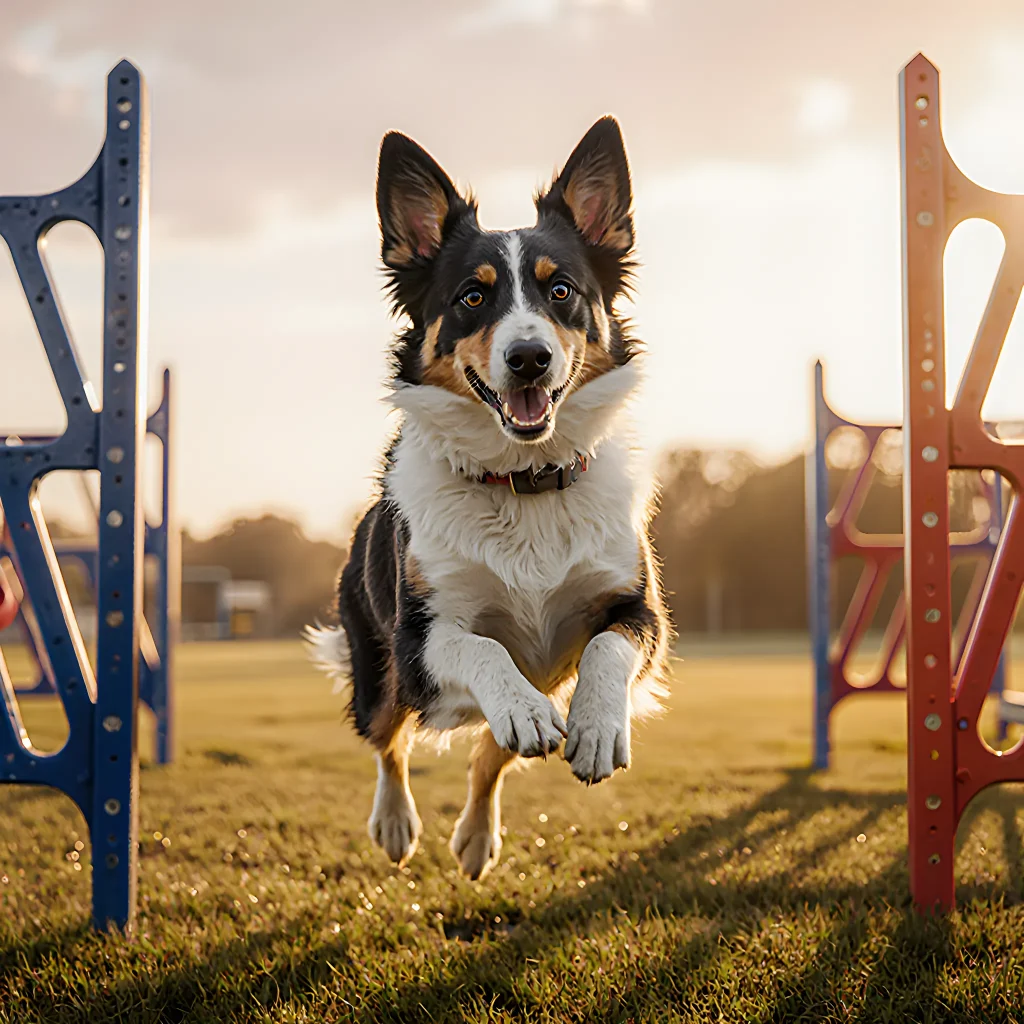
Pawsome Play Meets Secure Races
How to Balance Fun and Safety in Dog Sports
Table of Contents
- Introduction
- Understanding Dog Sports
- Choosing the Right Sport for Your Dog
- Assessing Your Dog’s Health and Fitness
- Training Basics and Skill Development
- Safety Gear and Equipment
- Nutrition, Hydration, and Energy Management
- Rest, Recovery, and Overtraining Prevention
- Managing the Risk of Injury
- Monitoring Behavior and Well‑Being
- Supervising Play and Competition Time
- Setting Boundaries and Clear Communication
- Handling Emergencies and First Aid Basics
- Conclusion
- FAQ
Introduction
Dog sports can be a thrilling way for owners and their canine companions to bond, stay active, and develop new skills together. However, the excitement of competitions and training sessions must never eclipse the well‑being of your dog. Below is a comprehensive guide that blends practical advice with real‑world examples, helping you keep the fun alive while prioritizing safety.
1. Start With a Solid Foundation
- Health Check: Before enrolling in any sport—whether it’s agility, flyball, or dock diving—schedule a vet visit to confirm your dog is physically fit for high‑impact activities.
- Baseline Training: Teach basic obedience commands (sit, stay, come) and reinforce them in varied environments. A well‑trained dog responds better under pressure, reducing the risk of injury.
2. Choose the Right Sport for Your Dog’s Breed & Age
Different breeds have unique predispositions. For example:
- Labradors and Golden Retrievers excel in flyball due to their natural speed and retrieving instinct.
- Boxers, German Shepherds, and Border Collies thrive in agility because of their agility and quick reflexes.
- Senior dogs or those with joint issues may find canine tennis or canine disc golf more suitable due to lower impact.
3. Gradual Progression of Intensity
Just like human athletes, dogs need a progressive training plan:
- Phase One – Familiarization: Introduce equipment (obstacle courses, tunnels) in short, positive sessions.
- Phase Two – Skill Development: Add basic drills and practice timing.
- Phase Three – Competition Readiness: Simulate race conditions, incorporate pacing, and test endurance over several weeks.
4. Equipment Matters: Fit & Maintenance
A poorly fitted harness or broken obstacle can lead to serious injury.
- Harness: Ensure it fits snugly but not too tight; adjust straps regularly as your dog grows.
- Obstacles: Inspect rails, tunnels, and jumps for cracks or loose bolts before each session. Replace any worn parts immediately.
5. Hydration & Nutrition
Hydration is as critical for dogs as it is for humans. Provide fresh water during practice sessions and consider a balanced diet tailored to high‑energy activities. For instance, a dog training for dock diving may benefit from a higher protein intake to support muscle repair.
6. Monitor Signs of Fatigue & Stress
Look for:
- Excessive panting beyond normal exertion levels.
- Reluctance or hesitation during drills.
- Swelling in joints or limbs after a session.
If any of these signs appear, cut the session short and consult your vet.
7. Build a Supportive Community
Join local clubs or online forums to exchange tips on safe training practices. Experienced owners can share insights about:
- Proper warm‑up routines.
- Recovery strategies (foam rolling, massage).
- How to read your dog’s body language during high‑stakes events.
8. Use Technology Wisely
Fitness trackers for dogs are gaining popularity. They can monitor heart rate, activity levels, and even sleep patterns. Pairing these metrics with training logs helps you adjust intensity to keep your dog safe.
9. Plan Recovery Days
Just as athletes schedule rest days, so should dog sports enthusiasts. Allow at least one full day of light activity (e.g., a leisurely walk) between intense sessions to let muscles recover and reduce overuse injuries.
10. Educate Yourself on First Aid
Accidents happen—even in well‑managed settings. Keep a canine first aid kit handy, learn basic CPR for dogs, and know when to seek emergency care. A quick response can prevent minor issues from becoming serious.
Bottom line: Balancing fun and safety isn’t about limiting excitement; it’s about creating an environment where your dog can thrive physically and mentally. By following these steps—grounding training in health, choosing the right sport, progressing safely, ensuring proper gear, staying hydrated, monitoring stress, building community, leveraging tech, planning recovery, and being prepared for emergencies—you’ll enjoy a rewarding, injury‑free journey with your canine athlete.
Understanding Dog Sports
Dog sports are more than just a fun pastime; they’re structured activities that combine training, athleticism, and companionship. Whether you’re new to the world of canine competition or looking to deepen your dog’s skill set, understanding the fundamentals will help you strike a balance between enjoyment and safety.
1. What Are Dog Sports?
- Apex Predation: A natural chase exercise that simulates hunting instincts.
- Agility: Obstacle courses featuring jumps, tunnels, weave poles, and seesaws.
- Canine Disc (Frisbee): Throwing a disc for your dog to catch mid‑air.
- Flyball: A relay race where teams trigger spring-loaded boxes that release balls.
- Tracking & Scent Work: Following scent trails or locating hidden items.
- Rally Obedience: Structured tasks combining obedience and agility.
2. Core Principles of a Safe Dog Sport Routine
- Gradual Progression: Start with basic commands before adding obstacles. For example, teach “sit” and “stay” on a short jump, then increase height incrementally.
- Proper Equipment: Use shoes or paw pads if your dog has sensitive feet; ensure discs are the right size for their mouth.
- Hydration & Rest: Provide water after every 10–15 minutes of activity, especially in hot weather. Rest periods reduce injury risk.
- Warm‑up & Cool‑down: A 5‑minute walk or light jog before and after sessions helps prevent muscle strains.
- Positive Reinforcement: Treats, praise, and play maintain motivation without causing pressure.
3. Practical Examples for Each Sport
| Sport | Typical Equipment | Safety Tips |
|---|---|---|
| Apex Predation | Soft toys, scent trails, or a laser pointer (avoid direct eye contact) | Keep the area free of hazards; supervise to prevent overexcitation. |
| Agility | Jumps, tunnels, weave poles, seesaws | Check obstacle height and stability daily; use non‑slip surfaces. |
| Canine Disc | Disc (size 2–5 for most dogs) | Avoid throwing into traffic or near glass; watch for accidental eye contact. |
| Flyball | Spring boxes, balls, racetrack layout | Ensure boxes are secure and the track is level to avoid slips. |
| Tracking & Scent Work | Scent samples, target items (e.g., a favorite toy) | Use low‑intensity scents in familiar environments; keep sessions short. |
4. Balancing Fun and Safety: A Checklist
- Pre‑Training Assessment: Vet check, weight, age, and breed suitability.
- Environment Scan: Remove loose cables, sharp objects, or uneven ground.
- Gear Check: Harness fit, leash length, and appropriate footwear.
- Session Timing: Avoid peak heat hours; schedule around your dog’s natural energy peaks.
- Behavior Monitoring: Watch for signs of fatigue, heatstroke, or stress (panting, yawning, whining).
5. Conclusion
By integrating thoughtful preparation with structured training, you can create a dog sport experience that’s both exhilarating and safe. Keep the focus on gradual improvement, positive reinforcement, and constant monitoring—your dog will thank you with enthusiasm, confidence, and countless wagging tails.
Choosing the Right Sport for Your Dog
Selecting a sport that suits both you and your dog’s physical capabilities, personality, and training level is essential for a fun yet safe experience. Below are practical steps, examples of popular activities, and safety tips to help you make an informed decision.
1. Assess Your Dog’s Physical Profile
- Age: Puppies and senior dogs need low-impact options, such as canine frisbee with soft discs or gentle dog yoga. Middle-aged, healthy dogs can handle more demanding sports like track racing or agility training.
- Breed & Size: Large breeds (e.g., German Shepherds, Labradors) thrive in endurance activities such as trail running. Small breeds may excel in precision sports like canine freestyle dance or obstacle courses with narrow tunnels.
- Health Conditions: Joint issues, heart disease, or respiratory problems require low-impact exercises. Always consult your veterinarian before starting a new sport.
2. Match Personality and Energy Levels
Dogs have individual temperaments. Some are naturally competitive while others prefer relaxed play. Consider these traits:
- High-Drive, Competitive: Ideal for sports like dog racing, canine tennis, or advanced agility courses.
- Social & Friendly: Great for team-based activities such as team frisbee or group fetch sessions.
- Calm & Gentle: Suitable for low-intensity sports like canine Pilates or guided nature walks.
3. Explore Popular Dog Sports and What They Involve
| Sport | Key Features | Ideal For |
|---|---|---|
| Agility Training | Jumping, weaving poles, tunnels, seesaws. | Energetic dogs with good coordination. |
| Canine Freestyle (Dog Dancing) | Synchronized routines to music. | Strong bond seekers and musical dogs. |
| Flyball | Relay race with hurdles and a spring-loaded box. | Fast, high-energy breeds like Border Collies. |
| Canine Disc (Frisbee) | Throwing discs in open spaces. | Versatile dogs with good jumping ability. |
| Herding Trials | Guiding livestock or simulated herding tasks. | Breeds with natural herding instincts. |
4. Practical Safety Checklist Before Each Session
- Warm‑up: 5–10 minutes of light walking or gentle play to increase blood flow.
- Hydration: Provide fresh water before, during, and after activity. Use a collapsible bowl for portability.
- Equipment Check: Inspect harnesses, leashes, agility gear, or frisbee discs for wear and tear.
- Environment: Avoid hot pavement; choose shaded trails or indoor arenas on humid days.
- Signs of Fatigue: Watch for heavy panting, drooling, or lagging. Stop the session if any signs appear.
5. Gradual Progression and Training Tips
Just like human athletes, dogs benefit from progressive overload. Start with short sessions focusing on basic commands, then gradually increase difficulty:
- Week 1–2: Basic obedience drills (sit, stay, come) combined with light fetch.
- Week 3–4: Introduce simple agility obstacles (e.g., single jump or tunnel).
- Week 5+: Combine multiple obstacles into a short course, adding timed runs for advanced dogs.
6. Seek Professional Guidance When Needed
If you’re new to dog sports, consider enrolling in a beginner’s class or hiring an experienced trainer. They can:
- Teach correct technique and posture for both you and your dog.
- Help prevent injuries by highlighting safe practice habits.
- Offer tailored workout plans based on your dog’s progress.
Remember: The goal is to create a bonding experience that keeps your dog healthy, mentally stimulated, and safe. By evaluating your dog's physical traits, personality, and health status, you can choose the sport that brings the most joy for both of you.
Assessing Your Dog’s Health and Fitness
Before you lace up your dog’s collar for a new sport, it’s crucial to understand their baseline health and fitness. A well‑balanced assessment not only protects your pup from injury but also ensures that the fun they get out of the activity is sustainable.
1. Veterinary Check‑In
- Full Physical Exam: Confirm weight, body condition score (BCS), heart rate, and respiratory effort during mild exertion.
- Vaccination & Parasite Status: Updated shots for kennel cough, rabies, and a recent deworming schedule.
- Orthopedic Screening: Look for joint laxity or early signs of osteoarthritis—especially important in breeds prone to hip dysplasia.
2. Baseline Fitness Test
A simple walk test can reveal a lot. Observe how your dog reacts to:
- Speed: A brisk trot for 5–10 minutes—does their breathing stay within normal limits?
- Incline: A slight uphill or downhill segment—watch for limping or excessive panting.
- Endurance: Gradually increase distance; note when they begin to slow down or show signs of fatigue.
3. Fitness Benchmarks by Sport
Different dog sports demand specific physical attributes. Use the table below as a quick reference for what you should look for before enrolling your pup:
| Sport | Key Physical Traits |
|---|---|
| Agility | Explosive power, quick turns, good hindquarter drive. |
| Flyball | Aerobic capacity, sprint speed, reliable start/stop mechanics. |
| Dock Diving | Upper body strength, lung capacity, confidence in water. |
| Canine Disc (Frisbee) | Jumping ability, catching reflexes, stamina for multiple throws. |
| Herding Trials | Endurance, focus, agility over uneven terrain. |
4. Practical Training Tips to Balance Fun & Safety
- Progressive Loading: Start with short drills and gradually increase intensity—this mimics a controlled warm‑up followed by cool‑down.
- Positive Reinforcement: Use treats, praise, or play to reward correct behavior; this reduces stress and keeps training enjoyable.
- Hydration Stations: For longer sessions, set up water breaks. A dehydrated dog can overheat quickly, especially in hot climates.
- Watch the Signs of Overexertion: Excessive panting >5 breaths per minute for 30 s, a drooling tongue, or lagging behind peers are red flags—stop and assess.
- Equipment Checks: Ensure harnesses, collars, and any gear fit snugly but not too tight. A poorly fitting vest can restrict breathing or cause chafing.
5. Sample Weekly Fitness Plan
Below is a template you can adapt based on your dog’s breed, age, and current fitness level:
| Day | Activity | Duration |
|---|---|---|
| Mon | Short walk + basic obedience drill | 30 min |
| Tues | Agility course (low jumps, simple tunnels) | 20 min |
| Wed | Rest or light play | - |
| Thu | Flyball practice with a friend’s dog (3–4 runs) | 25 min |
| Fri | Long walk or hike on varied terrain | 45 min |
| Sat | Water play or dock diving (if applicable) | 15–20 min |
| Sun | Rest & recovery—gentle belly rubs, check for soreness. | - |
6. When to Seek Professional Guidance
If your dog shows persistent lameness, unexplained weight loss, or behavioral changes during training, consult a veterinarian or a certified canine sports trainer. Early intervention can prevent chronic issues and keep the sport fun.
7. Bottom Line
Balancing fun with safety starts with an honest assessment of your dog’s health and fitness. By integrating veterinary checks, baseline fitness tests, sport‑specific benchmarks, and progressive training routines, you create a safe environment where both you and your pup can enjoy the thrill of competition without compromising well‑being.
Training Basics and Skill Development
When you first start a dog sports program, the goal is to build confidence, establish communication, and lay a foundation for advanced skills. Below are step‑by‑step guidelines that blend fun with safety.
1. Start with Core Commands
- “Sit” & “Stay”: These commands help control the dog in any environment and prevent impulsive actions.
- “Come” (Recall): A reliable recall is critical for safety, especially in open fields or during obstacle courses.
- “Heel”: Keeps the dog beside you, which is essential when navigating tight spaces.
2. Use Positive Reinforcement
Reward-based training keeps dogs motivated and reduces anxiety:
- Praise + Treats: Immediate feedback helps the dog associate the behavior with a positive outcome.
- Clicker Training: A click marks the exact moment of correct action, improving precision.
- Keep treats small and high-value to avoid overfeeding.
3. Introduce Skill Drills Gradually
Build complexity in stages so that each new challenge feels like a natural extension of what the dog already knows.
- Obstacle Familiarization: Start with low obstacles (e.g., a small jump or weave poles). Use visual cues such as brightly colored markers to attract attention.
- Directional Commands: Practice turning left/right using hand signals and verbal cues. Pair each direction with a distinct command word (“Turn Left,” “Go Right”).
- Speed Variation: Once the dog can navigate obstacles calmly, introduce short sprints between them to build endurance.
4. Keep Sessions Short & Fun
Dogs have limited attention spans. Aim for 5–10 minute bursts with plenty of breaks:
- Use a “train‑play‑break” routine: train → play (fetch or tug) → rest.
- End each session on a positive note—give a favorite treat and a gentle petting.
5. Safety Checks Before Each Session
- Health & Hydration: Ensure the dog is healthy, has had a light meal (no heavy or fatty foods), and has fresh water available.
- Equipment Inspection: Check leashes, harnesses, and any gear for wear. Replace cracked collars or frayed ropes immediately.
- Environment Scan: Look for hazards—sharp objects, uneven ground, or predators. Keep the training area well-lit and free of distractions.
6. Progress Tracking & Adjustments
Document each session to monitor improvement:
- Session Log: Record date, duration, obstacles covered, dog’s reaction, and any issues.
- Use a simple spreadsheet or a mobile app like “Dog Trainer” to track milestones.
- Adjust difficulty based on the log—if a dog is consistently successful, increase obstacle height or add new ones; if struggling, reduce complexity.
7. Example Routine for a Beginner Course
- Warm‑up (5 min): Gentle walk + basic recall drills.
- Skill Drill #1 – Low Jump (10 min): Teach the dog to jump over a 12” PVC pipe. Reward after each successful attempt.
- Skill Drill #2 – Weave Poles (10 min): Place three poles 3 ft apart; guide the dog through with a treat, rewarding each correct weave.
- Cool‑down & Review (5 min): Light play + review commands. Offer a final treat and praise.
By combining structured training with enjoyable activities, you create a learning environment that encourages growth while safeguarding your dog’s well‑being.
Safety Gear and Equipment
When it comes to dog sports, the right gear can make the difference between a thrilling experience and an injury‑prone one. Below is a comprehensive guide that covers everything from basic safety equipment to sport‑specific accessories, complete with practical tips on selection, fit, and maintenance.
1. Harnesses & Leashes
- Front‑Clip Harness: Ideal for high‑intensity sports like agility or flyball because it gives you better control when the dog pulls or sprints. Look for a padded chest plate and adjustable waist belt.
- Back‑Clip Harness: Offers more freedom of movement, suitable for tracking or obedience trials where the dog needs to focus on scent or commands rather than restraint.
- Retractable Leash (for training phases): Provides a safe boundary during early skill development. Always keep the leash short enough to prevent accidental over‑extension.
- Material Tips: Nylon is lightweight and durable; neoprene offers extra padding for sensitive dogs; leather can be more comfortable but requires regular conditioning.
2. Protective Footwear & Paw Care
- Paw Protectors (Paw Pads): Small, rubber‑based pads that attach to the dog’s paws, shielding them from hot pavement, sharp objects, and rough terrain. Choose size‑appropriate models with non‑slip soles.
- Boots: For extreme conditions—ice, snow, or mud—booties provide insulation and traction. Ensure a snug fit to avoid chafing.
- Regular inspection of paw pads for cuts or abrasions is essential; apply a high‑quality paw balm after each session if the dog shows signs of dryness or cracking.
3. Headgear & Vision Protection
- Dog Sunglasses: UV‑blocking lenses protect eyes from glare and harmful radiation, especially on sunny days. Look for impact‑resistant frames that stay in place during vigorous movement.
- Visors or Hats (for certain breeds): Long‑haired dogs may benefit from lightweight hats to keep hair out of the face; avoid heavy, restrictive headgear that could cause overheating.
4. Health Monitoring Devices
- Heart Rate Monitors: Wearable bands that track pulse and provide real‑time data on exertion levels. Useful for preventing overexertion during long competitions.
- GPS Trackers: Small collars with GPS modules help keep track of location in large arenas or natural settings, ensuring quick response if the dog gets lost.
5. Sport‑Specific Equipment
| Sport | Key Gear | Safety Tips |
|---|---|---|
| Agility | Front‑clip harness, padded paw protectors, agility poles (with shock‑absorbing base) | Check pole height and spacing regularly; replace any cracked or worn sections. |
| Flyball | Back‑clip harness, spring-loaded boxes, shock‑absorbent track surface | Ensure boxes are securely fastened to prevent wobble during jumps. |
| Tracking | Lightweight back harness, scent strips (e.g., cotton or paper), tracking mats for moisture control | Replace scent strips daily; keep mats dry to avoid slipping. |
| Obedience Trials | Comfortable collar with quick‑release buckle, whistle or clicker, water bottle | Test the release mechanism before each trial to avoid accidental detachment. |
6. Maintenance & Storage Guidelines
- Cleaning: Wash harnesses and leashes with mild soap and warm water after every session; dry thoroughly to prevent mildew.
- Inspection: Check for frayed straps, loose buckles, or worn rubber before each use. Replace any compromised items immediately.
- Storage: Keep gear in a cool, dry place away from direct sunlight to preserve material integrity and prevent degradation of elastic components.
7. Practical Advice for First‑Time Participants
- Start Small: Begin with short sessions using basic gear before progressing to full competitions.
- Professional Fit Check: Have a qualified trainer or veterinary professional verify that harnesses and collars fit correctly, especially for breeds with unique body shapes.
- Gradual Acclimatization: Introduce new equipment slowly; let the dog sniff and explore before attaching it during active play.
- Hydration & Rest: Always carry a water bottle and plan short breaks to prevent overheating, especially in hot climates.
By investing time in selecting the right gear, regularly maintaining equipment, and following these safety protocols, you can ensure that every dog sport session remains both exciting and injury‑free. Remember: fun and safety are not mutually exclusive—they complement each other when approached thoughtfully.
Nutrition, Hydration, and Energy Management
Just like human athletes, dogs need a balanced diet, proper hydration, and energy management to perform at their best in sports such as agility, flyball, or dock diving. Below are practical guidelines, examples of meal plans, and hydration tips that align with the safety-first approach discussed earlier.
1. Understanding Your Dog’s Energy Requirements
- Calculate Caloric Needs: Use a baseline formula: (Body Weight in lbs × 30) + 70 = Daily Calorie Requirement. Adjust up or down by ±10% based on activity level.
- Monitor Body Condition Score (BCS): Aim for a BCS of 4–5 out of 9. Overweight dogs have higher injury risk, while under‑fed dogs lack stamina.
- Seasonal Adjustments: In colder months, add ~200 calories/day; in hot weather, reduce by the same amount and increase water intake.
2. Balanced Diet Composition
A well‑structured diet should include:
| Nutrient | Sources |
|---|---|
| Protein (18–25%) | Chicken, turkey, fish, lean beef, eggs. |
| Lipid (10–15%) | Omega‑3 rich oils (flaxseed, salmon), coconut oil. |
| Carbohydrates (35–50%) | Sweet potatoes, brown rice, oats, barley. |
| Fiber (2–4%) | Green beans, pumpkin puree, peas. |
| Vitamins & Minerals | Multi‑vitamin supplement or a balanced commercial formula. |
3. Sample Meal Plan for an Agility Dog (45 lb)
- Morning: 1 cup dry kibble + ½ cup cooked chicken + ¼ cup steamed broccoli.
- Pre‑Training Snack (30 min before): 1/4 banana + a few bone‑shaped treats.
- Post‑Training: Rehydrate with electrolytes, then ¾ cup kibble + ¼ cup canned pumpkin.
- Evening: Same as morning; adjust portion size if weight is trending up or down.
4. Hydration Strategies
- Water Availability: Always provide fresh water before, during, and after training sessions.
- Electrolyte Replacement: For prolonged events (>30 min) or hot climates, add a canine‑safe electrolyte powder (e.g., Pedialyte without xylitol) to the water.
- Cooling Devices: Use cooling mats or wet towels for dogs that overheat quickly; consider a “cooling vest” during high‑intensity drills.
5. Managing Energy Levels During Competitions
- Pre‑Event Warm‑Up: Light jog + dynamic stretches to raise core temperature and blood flow.
- Energy Gels for Dogs? Some owners give a small amount of commercial energy gel (e.g., PowerGel) diluted in water, but consult your vet first.
- Post‑Event Recovery: Massage, light stretching, and a protein‑rich snack within 30 min to kick‑start muscle repair.
6. Safety Tips Related to Nutrition
Overfeeding can lead to obesity, joint stress, and decreased agility. Under‑feeding results in fatigue and slower reaction times. Always keep a log of food intake, body weight, and performance metrics to spot trends early.
7. Quick Reference Checklist (Before Every Session)
- Is the dog hydrated? (Check for clear urine and normal skin turgor)
- Has the dog eaten within the recommended window? (30‑60 min before)
- Are we using a balanced diet? (Review portion size vs. body weight)
- Do we have an emergency hydration plan (electrolyte water, cooling towel)?
By aligning nutrition and hydration with the safety guidelines from the “How to Balance Fun and Safety in Dog Sports” section, you’ll help your canine athlete stay healthy, perform optimally, and enjoy every moment on the course.
Rest, Recovery, and Overtraining Prevention
Balancing fun with safety in dog sports isn’t just about the intensity of training; it’s also about giving your canine athlete the downtime they need to rebuild muscle, prevent injury, and maintain enthusiasm. Below is a practical guide—complete with examples—to help you structure rest periods, implement recovery strategies, and recognize signs of overtraining.
1. The Rest Cycle: When, How Long, and Why
- Daily Micro‑Rest: After each workout session, allow your dog a minimum of 30 minutes to cool down with light walking or gentle play. This helps flush out lactic acid and reduces muscle stiffness.
- Weekly Rest Day: Dedicate one full day per week where no formal training takes place. Use this day for leisurely activities—like a relaxed walk in the park or simply letting your dog nap undisturbed.
- Long‑Term Recovery Weeks: Every 4–6 weeks, incorporate a “recovery week” that reduces overall training volume by ~50% and focuses on low‑intensity conditioning (e.g., slow jogs, short obstacle circuits).
2. Structured Recovery Techniques
- Active Recovery: Light activity such as a slow walk or gentle swim helps maintain circulation without adding strain.
- Massage and Stretching: Use your hands or a canine massage ball to target major muscle groups—hamstrings, quadriceps, and shoulder blades. A simple “doggie stretch” involves gently pulling the dog’s hind legs forward while lying on its side.
- Hydration & Nutrition: Offer fresh water immediately after training. Include electrolytes in your dog's diet (e.g., coconut water or commercial electrolyte solutions) to replace lost minerals.
- Cooling Methods: After high‑intensity sessions, apply a cool compress or a damp towel over the dog’s neck and shoulders to reduce inflammation.
3. Signs of Overtraining (and How to Spot Them)
| Symptom | Description |
|---|---|
| Lethargy or fatigue | Dog seems unusually tired even after a short walk. |
| Loss of appetite | Dog refuses food or shows reduced interest in meals. |
| Decreased performance | Sudden drop in speed, agility, or willingness to compete. |
| Persistent soreness | Dog pulls away from touch on certain muscle groups for days. |
| Behavioral changes | Irritability, increased aggression, or anxiety during training. |
4. Practical Example: A Balanced Week for a Border Collie in Agility
- Mon – Warm‑up & Skill Work: 20 min light jog, 10 min obstacle drills.
- Tues – Endurance Run: 30 min steady pace run + 5 min cooldown walk.
- Wed – Rest Day: No formal training; optional relaxed walk.
- Thurs – Speed & Agility Combo: 15 min sprints, 20 min agility circuit.
- Fri – Recovery Week (if scheduled): 10 min jog + 10 min gentle obstacle practice.
- Satur – Competition Prep: 30 min full‑course run with mock obstacles.
- Sun – Long Slow Walk: 45–60 min stroll to promote active recovery.
5. Tips for Trainers & Owners
- Keep a training log—note duration, intensity, and the dog’s reaction after each session.
- Use a heart rate monitor (if available) to ensure your dog stays within safe exertion zones.
- Never skip rest days; they’re as crucial as practice for long‑term performance.
- Adjust training loads based on weather—hot, humid conditions require more rest and hydration.
By weaving structured rest and recovery into your dog’s routine, you’ll protect against injury, keep the sport enjoyable, and help your canine athlete perform at their best for years to come.
Managing the Risk of Injury
Dog sports can be exhilarating for both pet and owner, but the intensity of competition also raises the likelihood of injuries if proper precautions aren’t taken. Below is a practical framework that blends preventative care, training strategies, and recovery protocols to keep your dog safe while still enjoying the thrill of sport.
1. Pre‑Competition Health Screening
- Veterinary Check‑Up: Schedule a full physical exam at least 4–6 weeks before a major event to rule out underlying conditions such as hip dysplasia, cardiac issues, or joint laxity.
- Radiographs & Ultrasound: For breeds prone to ligament injuries (e.g., German Shepherds in agility), get baseline X‑rays and ultrasound of the stifle and elbow joints. This helps identify subclinical problems that could flare during competition.
- Functional Movement Screening: Use a simple “four‑point” test: observe gait, evaluate shoulder lift, monitor hind limb extension, and check for asymmetry or stiffness. A subtle hitch in any of these can predict future injury.
2. Structured Warm‑Up & Cool‑Down Routines
A well‑planned warm‑up increases blood flow to working muscles and elevates core temperature, reducing the risk of strains.
- Dynamic Stretching (5–10 min): Incorporate leg swings, high kicks, and controlled lunges. Avoid static stretches before activity.
- Progressive Intensity: Start with light jogs or brisk walks, then transition to short bursts of sprinting that mimic the event’s pace.
- Sport‑Specific Drills: Run through a few obstacles at a relaxed tempo before pushing hard. This trains neuromuscular coordination and rehearses proper technique.
Cool‑down mirrors warm‑up but in reverse, focusing on slow jogging, gentle walking, and static stretches (hamstrings, quadriceps, calves) held for 15–20 seconds each. Hydration during this phase is essential to replace fluids lost through sweat.
3. Equipment Checks & Proper Fit
- Harness & Collar: Ensure the harness distributes pressure evenly across the chest and shoulders, not just the neck. A well‑fitted collar should sit snugly but not compress the trachea.
- Shoe & Paw Protection: Use dog boots in hot or rough terrain to protect pads from abrasion and heat damage. Inspect for wear before each session.
- Obstacle Integrity: Verify that all agility rails, tunnels, and weave poles are free of cracks, loose screws, or splinters that could cause tripping or puncture injuries.
4. Training Load Management
Gradually increasing training volume prevents overuse injuries.
| Week | Intensity (hrs) | Notes |
|---|---|---|
| 1–2 | 1.5–2.0 | Basic conditioning, focus on form. |
| 3–4 | 2.5–3.0 | Add short sprints, introduce more obstacles. |
| 5–6 | 3.5–4.0 | Simulate race conditions; monitor fatigue. |
Use the “talk test” during runs: if your dog can’t finish a short conversation, it’s probably time to cut back on intensity.
5. Immediate Response to Injury
- Stop and Assess: If you notice limping, swelling, or sudden pain, halt the activity immediately.
- Apply R.I.C.E.: Rest, Ice (20 min every 2–3 hrs), Compression with a snug bandage, Elevate the limb if possible.
- Vet Referral: Severe swelling, loss of function, or persistent pain warrants an urgent veterinary visit. Bring any pre‑competition imaging for comparison.
6. Recovery & Rehabilitation
- Physical Therapy: Use hydrotherapy pools to build strength without weight bearing, or employ laser therapy for inflammation control.
- Massage & Myofascial Release: Gentle strokes along the back and limbs can improve circulation and reduce muscle tightness.
- Nutritional Support: Omega‑3 fatty acids (fish oil) and glucosamine–chondroitin supplements help joint health during recovery periods.
7. Mental Health & Stress Reduction
Overexertion isn’t just physical; a stressed dog can be more prone to injury. Incorporate calm training sessions, playtime, and adequate sleep into your routine.
By integrating these steps—thorough health checks, structured warm‑ups, equipment vigilance, progressive training loads, rapid injury response, targeted recovery, and mental well‑being—you’ll create a safer environment that lets both you and your dog enjoy the excitement of dog sports without compromising long‑term health.
Monitoring Behavior and Well‑Being
Keeping a close eye on your dog’s behavior during training and competition is the cornerstone of balancing fun with safety. Below are practical guidelines, real‑world examples, and actionable tips to help you spot early warning signs and intervene before problems become serious.
1. Pre‑Event Checklist
- Health Screening: Verify that your dog has a clean bill of health from the vet, including up‑to‑date vaccinations, parasite prevention, and no underlying orthopedic issues.
- Equipment Check: Inspect leashes, harnesses, helmets, and any sport‑specific gear for wear or damage. Replace anything that could cause chafing or injury.
- Hydration Plan: Carry enough water and a collapsible bowl; plan hydration breaks according to the event’s duration and ambient temperature.
2. Real‑Time Observation
While your dog is actively participating, use these indicators to gauge stress levels:
| Behavior | Possible Cause | Action Step |
|---|---|---|
| Panting > 2 breaths per second (steady state) | Heat or exertion | Stop and provide shade, water, and a cool cloth. |
| Ears pinned back, tail tucked | Anxiety or fear | Remove from the activity, give a calm voice, and re‑introduce gradually. |
| Yawning + lip licking + drooling | Heat stress or pain | Check temperature, offer water, examine for injuries. |
3. Post‑Event Evaluation
After the competition, conduct a thorough debrief:
- Physical Check: Look for swelling, limping, or any visible discomfort.
- Mental State: Observe if your dog is playful or lethargic; excessive tiredness can signal overexertion.
- Behavioral Notes: Document any incidents (e.g., a moment where the dog seemed to be in distress). Use these notes for future training adjustments.
4. Example Scenario: Agility Course
During a high‑speed agility run, you notice your dog’s tail flicking rapidly after a jump:
- What it means: The tail flick often indicates excitement or mild frustration.
- Action: Pause the course for a brief “reset” interval. Offer a quick treat and praise to reinforce calm focus before resuming.
5. Long‑Term Health Tracking
Create a simple spreadsheet or use a dedicated dog‑sport app to log:
- Date & event type
- Duration and intensity (e.g., minutes of running, number of jumps)
- Observed behaviors and any interventions applied
- Health notes from vet visits or home observations
This data helps you spot trends—such as increased panting over consecutive events—which may indicate the need to adjust training volume or schedule additional rest days.
6. Key Takeaway
Balancing fun and safety in dog sports hinges on proactive monitoring, clear communication between trainer and canine, and a willingness to adapt plans based on real‑time feedback. By integrating these practices into your routine, you’ll not only protect your dog’s well‑being but also elevate their performance and enjoyment.
Supervising Play and Competition Time
Supervising Play and Competition Time
Whether your dog is on a backyard field or in a professional arena, constant supervision ensures that excitement stays safe. Below are practical strategies to keep both fun and safety at the forefront.
1. Pre‑Event Warm‑Up Observation
- Assess Energy Levels: Watch for signs of overstimulation—tail wagging too fast, ears pinned back, or rapid breathing. If your dog is too hyper, a short walk or tug session can help burn off excess energy.
- Check Gear Fit: Confirm that harnesses, leashes, and protective gear are snug but not restrictive. A loose strap might slip during a jump, causing injury.
2. Structured Play Zones
- Create Distinct Areas: Designate a “play” zone where your dog can run freely and a “competition” zone for drills or obstacle courses. This separation prevents accidental collisions with other dogs or humans.
- Use Visual Markers: Colored cones, flags, or paint lines help both the handler and participants understand boundaries at a glance.
3. Real‑Time Communication Protocols
- Hand Signals: Teach your dog consistent hand signals for “stop,” “slow,” and “go.” This is essential when verbal commands may be drowned out by crowd noise.
- Use a Two‑Way Radio or Whistle: In large arenas, a whistle can quickly command attention without shouting. Pair it with a short verbal cue to reinforce the signal.
4. Monitoring Physical Limits
- Watch for Signs of Fatigue: Heavy panting, drooling, or a reluctance to continue are red flags. Pause immediately and provide water, rest, and cooling towels.
- Track Session Duration: Use a stopwatch or phone timer. Most dogs benefit from 10–15 minute bursts of high‑intensity activity followed by a cool‑down period.
5. Emergency Preparedness
- First Aid Kit: Keep a kit with bandages, antiseptic wipes, and a splint ready on-site. Know the location of the nearest veterinary clinic.
- Know the Dog’s Medical History: Have a recent health certificate or vet note outlining any pre‑existing conditions (e.g., hip dysplasia) that could affect performance.
6. Post‑Competition Debriefing
- Cool Down Walk: A gentle walk for 5–10 minutes helps prevent muscle stiffness and lowers heart rate gradually.
- Hydration & Nutrition: Offer water immediately, followed by a balanced meal or snack to replenish glycogen stores.
- Check for Injuries: Inspect paws, joints, and ears. Look for cuts, swelling, or unusual limping before leaving the venue.
7. Training Consistency Across Seasons
Different weather conditions affect safety: hot days increase dehydration risk, while cold can stiffen muscles. Adjust hydration schedules, warm‑up duration, and protective gear accordingly. For instance, use a lightweight cooling vest in summer or a padded mat on icy tracks.
8. Educate the Crowd
- Set Expectations: Display signs reminding spectators to stay behind barriers and keep noise levels moderate during key moments.
- Encourage Positive Reinforcement: Applause is great, but shouting can startle dogs. Teach crowd members to use calm, encouraging words instead.
By integrating these supervisory practices into every play session and competition, you create an environment where your dog can thrive—exercising confidence, skill, and joy while minimizing the risk of injury.
Setting Boundaries and Clear Communication
In dog sports, the line between excitement and safety can be thin. Establishing clear boundaries and maintaining open communication with your canine partner ensures that every session is not only fun but also secure.
1. Define Physical Limits Early
- Obstacle Height & Distance: Start with low hurdles or small jumps to build confidence, then gradually increase height as the dog demonstrates comfort.
- Runway Lengths: For sprint events, begin with shorter distances and extend only after consistent speed and stamina are shown.
- Boundary Lines: Use colored tape or cones to delineate the play area. Dogs learn quickly that crossing these lines signals a new phase of training.
2. Consistent Hand Signals
A dog’s reaction time is often faster than human verbal cues. Pair a hand gesture with each command to reinforce the message.
| Command | Hand Signal | Usage Example |
|---|---|---|
| Start/Go | Open palm forward, thumb up. | “Ready? Go!” paired with the signal. |
| Stop | Closed fist, palm outward. | Used during a run if the dog veers off course. |
| Jump | Raise hand above shoulder level. | Signal before a hurdle to cue the dog’s timing. |
3. Verbal and Non-Verbal Feedback Loops
Positive reinforcement is crucial, but so is corrective feedback. Keep it brief and paired with a clear command.
- Positive: “Good jump!” followed by a treat.
- Corrective: “No, stop” with a firm tone and gentle leash tug if needed.
4. Pre-Event Briefing
Before any competition or practice session, gather your dog in a calm zone to review the day's agenda. This reduces anxiety and sets clear expectations.
- Show the obstacle layout.
- Reinforce hand signals.
- Discuss safety check points (e.g., water station, first-aid kit).
5. Post-Session Debrief
After each event, walk through what went well and where adjustments are needed. This continuous loop helps refine boundaries without compromising enjoyment.
- Highlight successful jumps or runs.
- Note any signs of fatigue or discomfort.
- Plan incremental changes for the next session.
6. Practical Tools & Resources
- Training Apps: Use apps like Dog Training Pro to log boundary adjustments and track progress.
- Obstacle Kits: Modular kits (e.g., Kennel Club Obstacle Kit) allow easy reconfiguration of courses.
- Safety Gear: Reflective vests, harnesses with adjustable straps, and non-slip mats help maintain boundaries on wet or uneven surfaces.
By integrating these strategies into your routine, you create a safe environment that still feels exciting for both you and your dog. Boundaries aren’t barriers; they’re the framework that lets fun flourish responsibly.
Handling Emergencies and First Aid Basics
When you’re juggling the excitement of dog sports with your pup’s safety, a solid emergency plan is non‑negotiable. Below are actionable steps and tools to keep you prepared for the unexpected.
1. Build an “On‑Site” First Aid Kit
- Bandages & Gauze: Non‑stick, elastic wrap, sterile gauze pads, and a small adhesive bandage set for minor cuts.
- Antiseptic Wipes & Solution: For cleaning wounds before dressing.
- Tweezers & Scissors: Small tweezers for splinters or burrs, a pair of scissors with rounded tips to avoid accidental injury.
- Instant Cold Packs: Quick‑freeze packs to reduce swelling from sprains or minor trauma.
- Heat Pack (Optional): For muscle strains when cold isn’t suitable.
- Emergency Contact Sheet: Vet’s phone number, emergency clinic address, and a brief note of your dog’s medical history.
- Restraint or Leash: A short‑length leash (4–6 ft) for controlling an injured dog during transport.
2. Know the Common Sports‑Related Injuries
Different disciplines carry distinct risks. Being able to spot symptoms early can mean the difference between a quick recovery and a serious complication.
| Sport | Typical Injury | Early Signs | Immediate Action |
|---|---|---|---|
| Agility | Sprains, strains, or joint dislocations | Limping, reluctance to jump, visible swelling | Stop activity, apply ice pack, keep weight off limb, call vet if pain persists >24 h |
| Flyball | Heat exhaustion or dehydration | Excessive panting, drooling, lethargy | Move to shade, offer cool water, monitor breathing; seek vet if breathing slows or dog collapses |
| Tetherball | Paw injuries from contact with ball or ropes | Pulling at paw, licking, swelling around toes | Clean wound, apply antiseptic, bandage lightly, monitor for infection |
| Obedience Trials (e.g., scent work) | Falls or tripping over obstacles | Whiplash‑like symptoms, sudden collapse, loss of balance | Check for fractures with gentle palpation; if pain severe, transport to vet immediately |
3. Practical First Aid Steps You Can Take on the Field
- Assess the Scene: Ensure your safety first—move away from moving equipment or other dogs.
- Check Consciousness & Breathing: Gently feel for a pulse at the femoral artery and listen for breathing. If absent, begin CPR (if trained).
- Control Bleeding: Apply direct pressure with gauze or clean cloth; if bleeding is severe, use a tourniquet only as a last resort.
- Immobilize Injured Limbs: Use a splint made from cardboard or a rigid stick; secure it with elastic bandage. Avoid moving the joint excessively.
- Manage Shock: Keep the dog warm, elevate non‑injured limbs if possible, and avoid giving food or water until cleared by a vet.
4. When to Call Your Vet or Emergency Clinic
A quick reference guide helps you decide whether an issue can be handled on site or requires professional care.
- Severe bleeding that won’t stop after 10 minutes of pressure.
- Suspected broken bone, dislocation, or severe swelling.
- Difficulty breathing, coughing up blood, or rapid heart rate.
- Loss of consciousness or seizures lasting more than 2 minutes.
- Heat stroke symptoms: excessive panting, drooling, vomiting, collapse.
- Any injury that causes the dog to become agitated or aggressive (risk of self‑injury).
5. Post‑Injury Recovery & Reintegration
Once you’ve addressed the acute phase, focus on a safe return to training:
- Follow Vet’s Instructions: Medications, rest periods, and rehydration protocols.
- Gradual Re‑introduction: Start with light activities (e.g., short walks) before resuming full training. Monitor for pain or lameness.
- Use Protective Gear: Consider joint braces, paw protection pads, or cooling vests during the healing phase.
- Modify Training Intensity: Reduce jump heights or obstacle difficulty until the dog’s strength returns.
6. Prevention: The Key to Safer Fun
Many injuries can be avoided with simple habits:
- Warm‑up & Cool‑down: Even a five‑minute jog and gentle stretching can prime muscles.
- Proper Equipment Fit: Ensure leashes, harnesses, and
Conclusion
When you’re coaching your dog or competing in a sport, the ultimate goal is twofold: keep the experience enjoyable for both of you while safeguarding your pup’s health. Below are practical steps that blend training effectiveness with safety measures.
1. Start With a Baseline Health Check
- Veterinary clearance: Before any competitive activity, get a vet to confirm your dog is fit for high‑impact or endurance sports.
- Joint and muscle assessment: Look for signs of hip dysplasia, elbow problems, or tendonitis—common in breeds prone to athleticism.
2. Gradual Progression & Structured Warm‑Ups
- Dynamic warm‑up: Use light jogging, side shuffles, and controlled sprints to raise muscle temperature.
- Progressive intensity: Increase speed or distance by no more than 10% per session to avoid overloading connective tissues.
3. Monitor Core Body Temperature
Heatstroke is a silent threat in many dog sports, especially during summer months. Here’s how to keep your pup cool:
- Check for panting patterns: Normal breath rate is 10–30 breaths per minute; anything higher can signal overheating.
- Hydration stations: Place water bowls or a collapsible water dispenser at every break point.
- Shade & ventilation: Use portable shade structures and schedule training during early morning or late afternoon to avoid peak sun hours.
4. Equip Proper Gear
Safety gear isn’t just for show; it protects from injuries and enhances performance.
- Harnesses & leashes: Choose a snug, padded harness that distributes force evenly over the chest.
- Protective pads: For agility courses, consider knee or paw pads to reduce impact on joints.
- Reflective accessories: In low‑light conditions, reflective vests or collars help keep your dog visible.
5. Use Positive Reinforcement Techniques
A fun training environment reduces stress and encourages learning. Here are key methods:
- Reward timing: Offer treats or praise immediately after the desired behavior to reinforce the connection.
- Short, varied sessions: Keep each session under 20 minutes for puppies, gradually extending as stamina builds.
- Breaks & playtime: Intermix training drills with short play breaks to maintain excitement without overexertion.
6. Recognize Overtraining Symptoms
Even the most enthusiastic dogs can suffer from fatigue or injury if pushed too hard.
- Lethargy: A sudden drop in energy or reluctance to run may indicate overuse.
- Painful gait: Limping, stiffness, or favoring a limb warrants immediate rest and veterinary assessment.
- Behavioral changes: Aggression or anxiety can stem from physical discomfort.
7. Plan Rest & Recovery
A balanced training plan includes active recovery days, stretching routines, and proper nutrition to aid muscle repair.
- Active rest: Gentle walks or swimming help flush out lactic acid without stressing joints.
- Stretching drills: Post‑training gentle leg swings or hip flexor stretches support flexibility.
- Nutritional support: Omega‑3 fatty acids, antioxidants, and adequate protein levels promote joint health.
8. Keep Records & Adjust Accordingly
Track training metrics—distance, speed, heart rate (if possible), and any signs of discomfort—to fine‑tune your program over time.
Bottom line: Balancing fun and safety in dog sports is an ongoing process that requires vigilance, patience, and a willingness to adapt. By incorporating these strategies, you’ll create an environment where both you and your canine athlete thrive—without compromising health or enjoyment.
FAQ
Q1: Why is it important to balance fun with safety when training my dog for sports?
A1: A well-balanced approach ensures that your dog remains physically and mentally healthy while still enjoying the activity. Overemphasizing competition can lead to injuries, stress, or burnout, whereas focusing solely on safety might make sessions feel tedious. By striking a balance, you keep training engaging, foster a positive relationship, and reduce the risk of injury.
Q2: What are some common injuries that can happen in dog sports?
- Joint sprains or ligament tears: Especially in breeds with high-energy activities like agility.
- Muscle strains: Often from sudden sprints or abrupt stops.
- Heat exhaustion: Dogs can overheat quickly during intense play.
- Dental injuries: Chewing on hard objects during fetch or tug-of-war.
Q3: How can I design a training schedule that keeps my dog safe yet fun?
A3: Follow the 80/20 rule—80% of your sessions should be low-intensity, skill-building activities; 20% are high-intensity drills. A sample weekly plan might look like this:
- Monday – Warm‑up jog + basic obedience (30 min)
- Wednesday – Agility circuit with short, gentle runs (45 min)
- Friday – Fetch or tug session with a “cool‑down” walk (30 min)
Q4: What gear should I use to protect my dog during sports?
- Collar or harness: Choose a snug, padded model that distributes pressure.
- Shoes or booties: Protect paws from hot pavement, rough surfaces, or sharp objects.
- Cooling vest: Ideal for hot days to keep core temperature down.
- First‑aid kit: Include bandages, antiseptic wipes, and a copy of your vet’s contact info.
Q5: How can I tell if my dog is having too much fun to the point of danger?
A5: Watch for these warning signs:
- Rapid breathing or panting beyond normal limits.
- Excessive licking or paw rubbing, indicating pain.
- Sudden loss of coordination or wobbling.
- A visible limp or reluctance to put weight on a limb.
Q6: What steps should I take if my dog gets injured during training?
- Stop the activity immediately.
- Inspect the injury—look for swelling, bleeding, or deformity.
- Apply a cold pack (wrapped in cloth) to reduce swelling if appropriate.
- Contact your veterinarian within 24 hours for evaluation and treatment.
Q7: How can I keep my dog mentally stimulated without risking burnout?
A7: Use varied training tools:
- Puzzle toys: Encourage problem‑solving during rest periods.
- Rotate games (fetch, tug, scent work) to keep interest high.
- Short, frequent sessions—15–20 min each—rather than one long session.
Q8: What nutrition recommendations support safe training?
A8: A balanced diet with adequate protein, fats, and micronutrients is essential. Consider these tips:
- Feed a high‑quality commercial dog food or consult a vet for a custom plan.
- Provide fresh water at all times; dehydration can mimic fatigue.
- Supplement with joint-supporting ingredients (glucosamine, chondroitin) if your vet recommends them.
Q9: How do I incorporate rest days into a dog sport program?
A9: Rest is as important as training. Plan at least one full day of low‑intensity play or complete rest per week. On rest days, focus on:
- Gentle walks.
- Massage or light stretching (under veterinary guidance).
- Socialization with other dogs in a calm environment.
Q10: Where can I find reliable resources for dog sports safety?
A10: Trusted sources include:
- Cornell University College of Veterinary Medicine
- World Dog Organization (WDO)
- Local dog‑sport clubs or certified trainers who publish safety guidelines.
Categories
- AI & Enrichment Play
- Broiler Farming
- Broiler Farming Tips
- Canine Wellness & Longevity
- Cat
- Cat & Human Connection
- Cat Adoption & Rescue
- Cat Breeds
- Cat Breeds & Personalities
- Cat Care & Health
- Cat Grooming & Hygiene
- Cat Lifestyle & Environment
- Cat Myths & History
- Cat Nutrition & Diet
- Cat Products & Reviews
- Cat Training & Behavior
- Comparison
- Consumer Awareness
- Dog
- Dog Accessories & Products
- Dog Adoption & Rescue
- Dog Breed & Lifestyle Trends
- Dog Breeding & Puppies
- Dog Entertainment & Media
- Dog Fashion & Trends
- Dog Fun & Lifestyle
- Dog Grooming & Hygiene
- Dog History & Culture
- Dog Myths, Science & Future Tech
- Dog News & Trends
- Dog Nutrition & Food
- Dog Psychology & Emotions
- Dog Safety & Security
- Dog Sports & Activities
- Dog Technology & Innovation
- Dog Training for Modern Owners
- Dog Travel & Adventure
- Dog Travel, Adventure & Culture
- Economic and Market Insights
- Educational Content
- FAQs
- Feeding Alternatives
- Festivals & Seasonal Ideas
- Fun & Entertainment
- General Knowledge
- General Pig Farming
- Health & Disease Management
- Housing and Environment
- Kittens
- Market Insights
- Miscellaneous
- Miscellaneous
- Motivational
- pig
- Pig Breeding
- Pig Breeds
- Pig Farming Stories and Inspiration
- Pig Health and Care
- Pig Nutrition
- Pig Products
- Profitability & Business
- Puppy Care
- Puppy Predictable Topics Reinvented
- Regional Focus
- Rescue & Adoption Buzz
- Senior Cats
- Senior Dog Care
- Smart Dog Tech & Gadgets
- Sustainability
- Sustainable & Eco-Friendly Dog Products
- Tech & Innovations
- Working & Service Dogs
- Broiler Feed66 products
- Country Feed33 products
- Pig Feed66 products
- Product22 products
- Raw Materials99 products
Products
-
 Fish Meal
₹1,999.00 – ₹2,999.00Price range: ₹1,999.00 through ₹2,999.00Rated 0 out of 5
Fish Meal
₹1,999.00 – ₹2,999.00Price range: ₹1,999.00 through ₹2,999.00Rated 0 out of 5 -
 FATTENING BROILER FEED
₹2,299.00 – ₹2,349.00Price range: ₹2,299.00 through ₹2,349.00Rated 0 out of 5
FATTENING BROILER FEED
₹2,299.00 – ₹2,349.00Price range: ₹2,299.00 through ₹2,349.00Rated 0 out of 5 -
 LAYER COUNTRY FEED
₹1,549.00 – ₹1,649.00Price range: ₹1,549.00 through ₹1,649.00Rated 0 out of 5
LAYER COUNTRY FEED
₹1,549.00 – ₹1,649.00Price range: ₹1,549.00 through ₹1,649.00Rated 0 out of 5 -
 COUNTER BROILER FEED
₹1,199.00 – ₹1,299.00Price range: ₹1,199.00 through ₹1,299.00Rated 0 out of 5
COUNTER BROILER FEED
₹1,199.00 – ₹1,299.00Price range: ₹1,199.00 through ₹1,299.00Rated 0 out of 5 -
 LACTATING PIG FEED
Rated 0 out of 5
LACTATING PIG FEED
Rated 0 out of 5₹2,299.00Original price was: ₹2,299.00.₹1,740.00Current price is: ₹1,740.00. -
 Maize
Rated 0 out of 5
Maize
Rated 0 out of 5₹1,650.00Original price was: ₹1,650.00.₹1,300.00Current price is: ₹1,300.00. -
 GESTATION PIG FEED (Phase 1)
Rated 0 out of 5
GESTATION PIG FEED (Phase 1)
Rated 0 out of 5₹2,249.00Original price was: ₹2,249.00.₹1,699.00Current price is: ₹1,699.00. -
 Pre Starter Broiler Feed
₹2,399.00 – ₹2,499.00Price range: ₹2,399.00 through ₹2,499.00Rated 0 out of 5
Pre Starter Broiler Feed
₹2,399.00 – ₹2,499.00Price range: ₹2,399.00 through ₹2,499.00Rated 0 out of 5 -
 FINISHER PIG FEED
Rated 0 out of 5
FINISHER PIG FEED
Rated 0 out of 5₹2,299.00Original price was: ₹2,299.00.₹1,749.00Current price is: ₹1,749.00. -
 Broiler Premix
Rated 0 out of 5
Broiler Premix
Rated 0 out of 5₹820.00Original price was: ₹820.00.₹699.00Current price is: ₹699.00.