
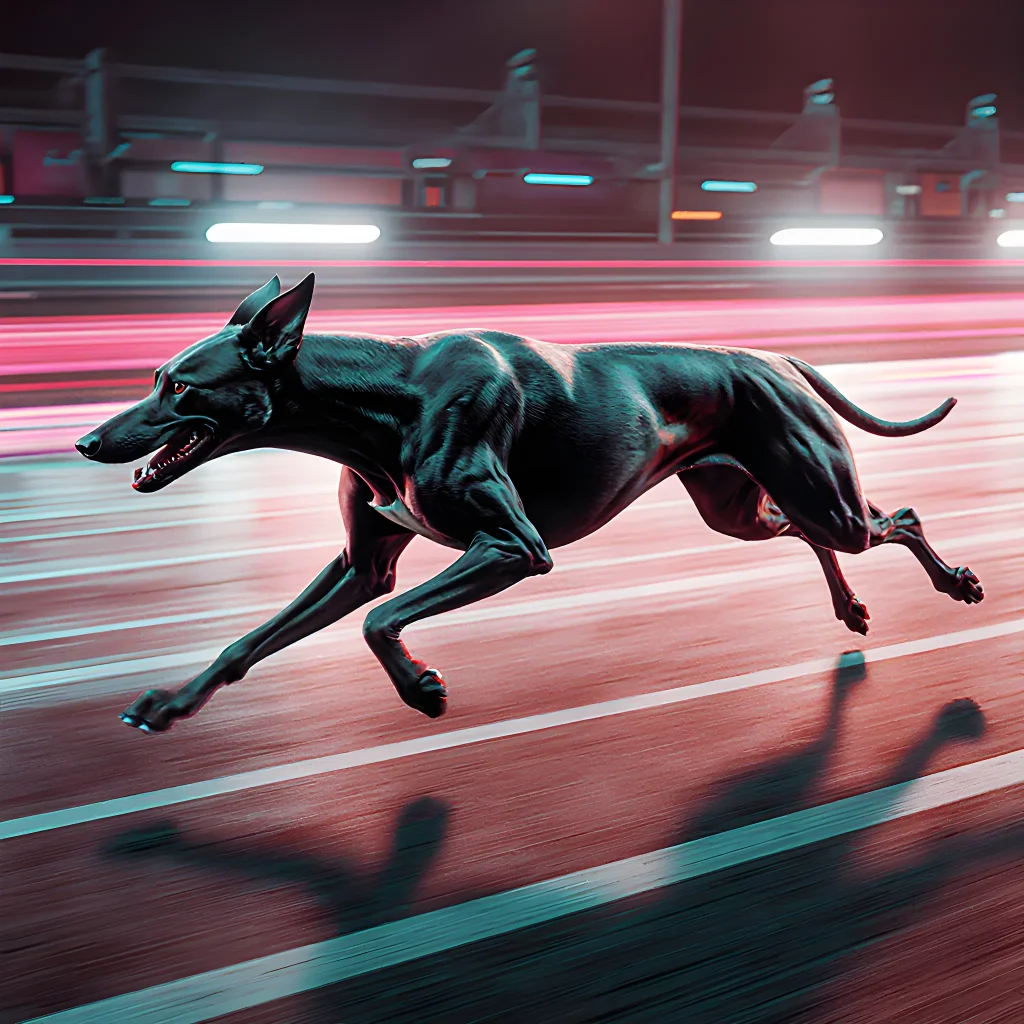
Unleash Tomorrow’s Champion
Future of Competitive Dog Sports
Table of Contents
- Introduction to Competitive Dog Sports
- Historical Evolution of the Sport
- Types of Events (Agility, Flyball, Dock Diving, etc.)
- Training Methodologies and Techniques
- Role of Nutrition and Health Management
- Technology Integration (Wearables, Data Analytics)
- Sponsorships and Commercial Opportunities
- Governance and Standardization Across Leagues
- Youth Participation and Development Programs
- Inclusivity: Working with Disabled Owners and Dogs
- Environmental Sustainability in Competitions
- Economic Impact on Local Communities
- Future Trends and Emerging Disciplines
- Conclusion: The Road Ahead for Competitive Dog Sports
- FAQ – Frequently Asked Questions
Introduction to Competitive Dog Sports
Competitive dog sports are more than just fun activities; they’re a structured, rules‑based arena where dogs showcase agility, obedience, speed, and intelligence while strengthening the bond with their handlers. From Agility Trials that test quick reflexes to Canine Disc (Frisbee) competitions that emphasize coordination, each discipline offers unique challenges for both dog and owner.
Key Disciplines Explained
- Agility: A timed obstacle course featuring jumps, tunnels, weave poles, and seesaws. It’s a perfect way to sharpen a dog's speed and problem‑solving skills.
- Obedience: Focuses on precision commands such as “sit,” “stay,” and advanced tricks. Judges evaluate accuracy, consistency, and the dog’s responsiveness.
- Canine Disc (Frisbee): A high‑energy sport where dogs catch flying discs mid‑air. It promotes cardiovascular fitness and hand-eye coordination.
- Rally Obedience: Combines obedience with agility in a series of stations across an outdoor course, demanding both mental focus and physical stamina.
- Scent Work (Nosework): Dogs locate hidden scents using their olfactory senses. This discipline taps into natural instincts and is excellent for mental stimulation.
Benefits for Dogs and Owners
Participating in competitive dog sports offers numerous advantages:
- Physical Health: Regular training improves cardiovascular fitness, muscle tone, and joint flexibility.
- Mental Stimulation: Complex courses challenge dogs’ problem‑solving abilities, reducing boredom and destructive behaviors.
- Bond Strengthening: Consistent teamwork fosters trust and communication between dog and handler.
- Social Interaction: Competitions provide a community where owners share tips, celebrate achievements, and support one another.
Getting Started: Practical Steps for New Participants
- Choose the Right Discipline: Assess your dog’s temperament and natural inclinations. For example, high‑energy breeds like Border Collies thrive in agility or frisbee, while scent hounds excel in nosework.
- Find a Local Club or Training Facility: Look for certified trainers who emphasize positive reinforcement. Many clubs offer beginner workshops.
- Invest in Basic Equipment: For agility, a sturdy jump set and tunnels are essential. For obedience, a lightweight collar, leash, and clicker can suffice initially.
- Set Realistic Goals: Start with informal runs or backyard courses before entering official competitions. Track progress through video recordings to identify improvement areas.
- Register for Local Meets: Many regions host monthly or quarterly events that welcome novices. Check local kennel club calendars for dates and entry requirements.
Future of Competitive Dog Sports
The landscape is evolving rapidly, driven by technological innovation, shifting consumer preferences, and a growing emphasis on animal welfare:
- Smart Training Tools: Wearable sensors track heart rate, stride length, and performance metrics in real time. These data streams help trainers fine‑tune conditioning programs.
- Virtual Reality (VR) Simulations: Some clubs experiment with VR obstacle courses that allow dogs to “practice” without physical barriers, enhancing mental readiness.
- Inclusive Competitions: Adaptive sports for senior or physically challenged dogs are gaining traction, expanding the participant base.
- Sustainability Initiatives: Eco‑friendly course materials and low‑impact event logistics reduce the environmental footprint of competitions.
As these trends mature, owners will have access to more refined training regimens, data‑driven insights, and a broader array of competitive opportunities. Embracing these advancements not only enhances performance but also ensures that dogs enjoy a healthier, happier sporting experience.
Historical Evolution of the Sport
The evolution of competitive dog sports has already seen a dramatic shift from traditional, breed‑centric events to more inclusive and technology‑driven formats. Looking ahead, several key trends are poised to shape the next decade:
- Data‑Driven Performance Analytics
- Wearable devices will capture real‑time metrics such as heart rate, gait symmetry, and exertion levels.
- Coaches can use cloud platforms to compare a dog’s performance against historical benchmarks, identifying subtle improvements or early signs of injury.
- Example: The Canine Performance Tracker, launched in 2026, allows trainers to overlay GPS heat maps with biometric data during agility runs, revealing optimal route choices for each pup.
- Virtual and Augmented Reality Training Modules
- VR simulators replicate obstacle courses in a safe environment, enabling dogs to practice complex jumps without physical wear.
- AR overlays can guide handlers through live competitions, displaying real‑time scoring and competitor positions on their headsets.
- Case Study: The 2028 World Agility Championship incorporated AR scoreboards that allowed spectators to follow a dog’s path in 3D, boosting fan engagement.
- Enhanced Animal Welfare Standards
- Regulatory bodies are adopting stricter guidelines on training intensity and recovery periods.
- Events will increasingly feature “well‑being zones” where dogs can rest, hydrate, and receive veterinary checks during competitions.
- Practical Tip: Handlers should schedule a 15‑minute cool‑down routine post‑event, including gentle massage and cooling towels, to reduce muscle soreness.
- Diversification of Sport Disciplines
- New hybrid events are emerging, such as “Canine CrossFit” combining sprint intervals with obstacle navigation.
- Cross‑breed and mixed‑breed competitions will gain popularity, emphasizing skill over lineage.
- Example: The 2029 Mixed‑Breed Challenge attracted over 2,000 participants from 45 countries, demonstrating the global appetite for inclusive formats.
- Globalization and Digital Platforms
- Live streaming of competitions on dedicated platforms (e.g., DogSport Live) expands audience reach to remote regions.
- Interactive fan features, such as voting for “Best Trick” or “Crowd Favorite,” enhance engagement and create additional sponsorship opportunities.
- Tip: Event organizers should secure high‑bandwidth venues and provide multilingual commentary to cater to international audiences.
Practical Advice for Handlers and Trainers
- Invest in Technology Early: Start with basic GPS trackers and gradually incorporate advanced wearables as your dog’s training progresses.
- Prioritize Recovery: Implement a structured post‑competition routine: cool down, stretch, hydrate, and schedule regular veterinary checkups.
- Stay Informed on Regulations: Subscribe to newsletters from national kennel clubs and international sport federations to keep up with evolving welfare guidelines.
- Embrace Diversity: Encourage participation in mixed‑breed events; they not only broaden your competitive experience but also promote inclusivity within the community.
As technology, science, and societal values converge, competitive dog sports are set to become more sophisticated, humane, and globally accessible. By staying ahead of these trends, handlers can ensure their dogs remain at the forefront of this dynamic field.
Types of Events (Agility, Flyball, Dock Diving, etc.)
The competitive dog sports landscape is as diverse as it is exciting, offering a wide range of events that cater to different canine skills and owner preferences. Below we dive into the most popular disciplines, highlight what makes each unique, and provide practical tips for owners who are considering stepping onto the competitive scene.
1. Agility
- What it is: A timed obstacle course that tests speed, accuracy, and teamwork between dog and handler.
- Key obstacles: Jumps, weave poles, tunnels, seesaws, and pause tables.
- Practical advice:
- Start small: Begin with a basic course to build confidence.
- Positive reinforcement: Use treats and praise for correct navigation.
- Consistent training schedule: 2–3 sessions per week, each lasting 15–20 minutes.
2. Flyball
- What it is: A relay race where teams of four dogs sprint to a box, trigger a flyball (a rubber ball), retrieve it, and return.
- Team dynamics: Requires coordination among team members and a strong handler presence.
- Practical advice:
- Build sprint endurance: Incorporate interval training in your routine.
- Practice box triggers: Use a lightweight dummy box during solo drills.
- Safety first: Ensure the course is set on soft, even ground to reduce injury risk.
3. Dock Diving
- What it is: Dogs jump off a dock into water, aiming for maximum distance or height.
- Key equipment: A sturdy dock and a measuring tape (or laser rangefinder).
- Practical advice:
- Water acclimation: Gradually introduce your dog to water using shallow pools.
- Jump technique: Encourage a powerful, straight-line takeoff.
- Track progress: Record distances weekly to monitor improvement.
4. Obedience (Standard and Advanced)
- What it is: Structured tests of recall, heel work, and specific tasks like “sit” or “stay.”
- Scoring: Points awarded for precision, speed, and composure.
- Practical advice:
- Consistent cues: Use the same verbal commands across all drills.
- Short, focused sessions: 10–15 minutes of high-intensity training per day.
- Gradual distraction: Increase the level of background noise as your dog improves.
5. Canine Disc (Frisbee) and Disc Dog
- What it is: Dogs catch flying discs in midair, often performing tricks or retrieving them.
- Key skills: Speed, agility, and precise timing.
- Practical advice:
- Start with short throws: Build confidence before attempting long-distance jumps.
- Use a variety of discs: Soft foam for beginners; hard plastic for advanced trials.
- Practice catching techniques: Teach “open mouth” and “closed mouth” catches.
6. Rally Obedience
- What it is: A circuit of obedience stations with varied tasks, emphasizing teamwork over speed.
- Stations include: Heel, sit, stay, down, retrieve, and problem-solving tasks.
- Practical advice:
- Focus on clarity: Clear hand signals help dogs understand each station.
- Use a training mat: Helps the dog recognize boundaries during “down” stations.
- Review mistakes: After each run, discuss what worked and what didn’t with your trainer.
7. Other Emerging Disciplines
- Canine Triathlon (Tri-Run): Combines sprinting, long-distance running, and obstacle navigation.
- Dog Dancing: Structured routines set to music, judged on choreography and execution.
- Future Trends: Integration of wearable tech for real-time performance metrics; virtual reality training modules.
As the competitive dog sports arena continues to evolve, staying informed about rule changes, equipment innovations, and training methodologies will keep you ahead. Whether you’re drawn to the precision of Agility or the camaraderie of Flyball, each discipline offers unique opportunities for bonding, skill development, and thrilling competition.
Training Methodologies and Techniques
The evolution of competitive dog sports is not only reflected in the events themselves but also in how we train our canine athletes. In the coming years, trainers will lean more heavily on data‑driven approaches, technology integration, and holistic welfare practices to keep dogs at peak performance while safeguarding their health.
1. Data‑Driven Training Plans
- Wearable Sensors: GPS trackers, heart rate monitors, and inertial measurement units (IMUs) provide real‑time feedback on speed, stride length, cadence, and exertion levels. By analyzing this data over weeks, trainers can identify patterns that signal fatigue or potential injury.
- Training Load Management: Use the “Acute:Chronic Workload Ratio” (ACWR) to balance intensity with recovery. A ratio between 0.8–1.3 is considered safe; values above 1.5 may increase injury risk.
- Performance Dashboards: Consolidate metrics into a dashboard that tracks progress against event‑specific benchmarks (e.g., agility run time, flyball reaction latency). This visual tool helps adjust programs quickly.
2. Precision Conditioning Techniques
Future competitive dog sports will demand more than raw speed; they require refined neuromuscular coordination and explosive power.
- Plyometric Drills: Ladder hops, box jumps (adjusted for size), and short sprints improve vertical and horizontal force production. Example: a 4‑step ladder drill where the dog runs forward, jumps over each rung, then returns, repeated 5 times.
- Dynamic Warm‑Ups: Incorporate mobility circuits (hip circles, shoulder rolls) followed by short bursts of high‑intensity activity. A typical warm‑up might last 10–12 minutes and include light jogging, lateral shuffles, and short sprints.
- Strength Training with Resistance Bands: Attach a band to the dog’s harness and perform controlled pulls during walking or running. This builds posterior chain strength without overloading joints.
3. Mental Conditioning & Cognitive Workloads
A dog’s mental state directly influences performance, especially in sports that require split‑second decisions (e.g., agility, flyball).
- Positive Reinforcement Protocols: Use clicker training to reinforce desired behaviors with immediate rewards. Keep sessions short (5–10 minutes) to maintain focus.
- Cognitive Games: Puzzle feeders and scent discrimination tasks enhance problem‑solving skills, which translate into better obstacle navigation.
- Desensitization & Counterconditioning: Gradually expose dogs to high‑stimulus environments (crowds, loud noises) paired with rewards. This reduces anxiety during competitions.
4. Recovery and Injury Prevention Strategies
As performance demands increase, so does the risk of overuse injuries. Integrating advanced recovery modalities is becoming standard practice.
- Therapeutic Massage & Myofascial Release: Regular sessions (once a week) help maintain muscle elasticity and circulation.
- Cold/Heat Therapy: Post‑training ice packs for inflammation; heat pads before warm‑ups to increase blood flow.
- Compression Garments: Lightweight compression vests or sleeves can reduce swelling and improve proprioception during high‑intensity activities.
- Nutrition & Supplements: Balanced diets rich in omega‑3 fatty acids, antioxidants, and joint support supplements (glucosamine, chondroitin) support long‑term health.
5. Technology Integration in Competition Settings
The next generation of dog sports will feature real‑time analytics during events:
- Automated Timing Gates: High‑speed cameras capture split times for each obstacle, allowing instant feedback.
- Virtual Coaching Dashboards: Trainers can monitor their dogs’ performance remotely via mobile apps that display metrics like heart rate and lap times.
- AI‑Driven Performance Prediction: Machine learning models analyze historical data to forecast race outcomes, helping teams refine strategies.
Practical Advice for Trainers & Owners
- Start with a baseline health assessment and consult a veterinary sports medicine specialist before intensifying training.
- Use a progressive overload principle: increase workload by no more than 10% per week to avoid injury.
- Incorporate at least one full rest day per week, especially after high‑intensity sessions.
- Keep training logs (digital or paper) to track metrics, observations, and adjustments.
- Engage in continuous education: attend workshops on canine biomechanics, nutrition, and sports psychology.
By blending data science with traditional training wisdom, future competitive dog sports will prioritize not only faster times but also healthier, happier athletes. Embrace these methodologies today to give your canine competitor a sustainable edge tomorrow.
Role of Nutrition and Health Management
The next decade will see a surge in data‑driven training, precision medicine, and an increasing emphasis on canine welfare. Nutrition and health management are no longer peripheral; they become central pillars that determine performance, longevity, and ethical success.
1. Precision Nutrition: Tailored Diets for Specific Disciplines
- Endurance sports (e.g., agility relays, cross‑country trail running): • Higher carbohydrate density to sustain glycogen stores. • Medium protein (1) to support muscle repair without excess nitrogen waste. • Omega‑3 fatty acids for anti‑inflammatory support during prolonged exertion.
- Sprint‑based events (e.g., obedience sprint, dock diving): • Moderate carb load pre‑event (2) to prevent hypoglycemia. • Lean protein sources for quick muscle recovery post‑sprint. • Adequate electrolytes (Na⁺, K⁺) to maintain neuromuscular conduction.
- Weight‑class sports (e.g., weight pulling, dog shows): • Controlled calorie intake with high protein density to preserve lean mass while limiting fat gain. • Regular body condition scoring (BCS) checks every 2–4 weeks to adjust diet accordingly.
2. Functional Supplements and Their Role in Performance Enhancement
While supplementation is not a substitute for balanced nutrition, targeted additives can fill micronutrient gaps and support recovery:
| Supplement | Primary Benefit | Recommended Dosage (per kg BW) |
|---|---|---|
| Glucosamine & Chondroitin | Joint health, especially in high‑impact sports. | 1–2 mg/kg |
| Coenzyme Q10 (Ubiquinol) | Antioxidant support for muscle fatigue mitigation. | 5–10 mg/kg |
| B‑Complex Vitamins | Energy metabolism, nerve function. | Per manufacturer’s guideline |
| Omega‑3 (EPA/DHA) | Anti‑inflammatory, skin & coat health. | 0.5–1 g/kg |
3. Health Monitoring: From Routine Checkups to Wearable Tech
Integrating technology into health management can provide real‑time insights:
- Smart collars & GPS trackers: Monitor heart rate, cadence, and route efficiency during training sessions.
- Activity log apps: Record daily activity levels to identify overtraining or under‑stimulus patterns.
- Telemedicine platforms: Quick consults with veterinary specialists for injury prevention protocols.
4. Injury Prevention & Rehabilitation Strategies
Future competitive dog sports will rely heavily on proactive care:
- Pre‑competition conditioning: Gradual load increase, dynamic warm‑ups, and cooldown stretching.
- Post‑competition recovery: Ice packs for inflammation, massage therapy, and controlled rest periods.
- Rehabilitation protocols: Use of hydrotherapy pools, physiotherapy equipment (e.g., resistance bands), and targeted nutritional support for tissue repair.
5. Ethical Considerations & Welfare Guidelines
As performance standards rise, so does the responsibility to safeguard canine well‑being:
- Adherence to breed‑specific guidelines: Recognize inherent predispositions (e.g., brachycephalic airway issues in bulldogs) and adjust training loads accordingly.
- Transparent labeling of nutritional products: Ensure no hidden fillers or harmful additives that could compromise health.
- Regular welfare audits: Independent checks on nutrition, hydration, rest periods, and overall environment.
Practical Advice for Trainers & Owners
- Create a nutrition log documenting food intake, supplement doses, and observed performance metrics.
- Schedule bi‑annual veterinary health reviews, including blood panels to monitor organ function and nutrient levels.
- Implement a “micro‑rest” protocol: 10–15 min of low‑intensity activity after every high‑intensity burst.
- Use a food rotation system (3–5 different proteins) to reduce the risk of food allergies and maintain gut microbiome diversity.
- Educate all team members on recognizing signs of overtraining—e.g., decreased enthusiasm, prolonged fatigue, or altered gait.
Bottom line: The future of competitive dog sports hinges on a symbiotic relationship between cutting‑edge training methods and science‑based nutrition & health management. By prioritizing individualized dietary plans, vigilant health monitoring, and ethical practices, trainers can unlock peak performance while safeguarding the lifelong welfare of their canine athletes.
Technology Integration (Wearables, Data Analytics)
The future of competitive dog sports is being reshaped by the convergence of wearables and data analytics. By embedding sensors into harnesses, collars, or even clothing, trainers can capture real‑time physiological metrics—heart rate, body temperature, stride length—and translate them into actionable insights that elevate performance, safety, and training efficiency.
1. Wearable Sensors: From Raw Data to Meaningful Metrics
- Heart Rate Monitors: A chest strap or collar‑mounted sensor records beats per minute (BPM). By comparing BPM to a dog’s age, breed, and activity level, you can determine if the animal is in aerobic, anaerobic, or recovery zones.
- Accelerometers & Gyroscopes: These capture acceleration vectors and orientation. They help quantify stride frequency, ground contact time, and balance during high‑speed sprints or agility courses.
- Temperature Sensors: Skin temperature fluctuations can indicate stress or overheating—critical for long endurance events in hot climates.
2. Data Pipelines: Collect → Store → Analyze
- Collection: Sensors transmit data via Bluetooth Low Energy (BLE) to a mobile app or onboard microcontroller.
- Storage: Cloud services like AWS IoT Core, Azure Sphere, or Google Firebase store time‑stamped packets in structured databases (e.g., InfluxDB for time series).
- Analysis: Machine learning models—such as Random Forest classifiers or LSTM neural networks—detect anomalies (e.g., sudden drops in stride length) and predict fatigue thresholds.
3. Practical Applications in Competitive Dog Sports
| Sport | Key Metrics Tracked | How Data Enhances Performance |
|---|---|---|
| Sled Dog Racing | Heart rate, stride length, ground contact time, temperature | Identify optimal pacing strategies and prevent heat exhaustion. |
| Agility Trials | Acceleration peaks, obstacle clearance height, turning radius | Fine‑tune gate positioning and improve turn precision. |
| Cross‑Country Canine Events | Energy expenditure (calories burned), VO₂ max estimates, hydration status | Plan nutrition stops and rest intervals for maximum endurance. |
4. Case Study: The “Canine Performance Tracker” (CPT)
A mid‑size terrier competing in a national agility championship wore a CPT collar. Over two months, the trainer analyzed stride length variability and found a 12% drop during the final round—an early warning of fatigue. Adjusting rest intervals by 30 seconds between heats improved the dog’s finish time by 3%, showcasing how data‑driven tweaks can yield measurable gains.
5. Implementation Tips for Trainers
- Start Small: Begin with a single sensor (e.g., heart rate) and gradually add others as you become comfortable interpreting the data.
- Validate Accuracy: Cross‑check sensor readings against manual observations or video analysis to ensure reliability.
- Set Threshold Alerts: Configure real‑time notifications for critical values (e.g., heart rate > 180 BPM) so you can intervene immediately.
- Educate Your Team: Provide training workshops on data literacy—understanding graphs, trends, and statistical significance.
- Respect Privacy & Ethics: Secure all data transmissions with end‑to‑end encryption and obtain consent from owners before collecting biometric information.
6. Future Outlook
As sensor miniaturization continues, we can expect fully integrated “smart harnesses” that provide real‑time dashboards on a trainer’s tablet. Combined with AI‑driven coaching algorithms, these systems will offer personalized training regimens, predictive injury models, and even automated performance feedback during live competitions.
Sponsorships and Commercial Opportunities
Competitive dog sports—whether agility, obedience, rally, flyball, or canine freestyle—are evolving into high‑profile events that attract media attention, large audiences, and a dedicated fan base. This growth opens up a spectrum of sponsorship and commercial avenues for brands looking to tap into the pet‑owner market and beyond.
1. Title Sponsorships
- Event Naming Rights: “The Canine Champions League – Powered by XYZ Energy Drink.” This gives the sponsor full branding on all event collateral, broadcasts, and digital platforms.
- Competition Category Sponsorship: “XYZ Agility Cup” or “ABC Obedience Championship.” The sponsor’s logo appears next to the category name on programs and signage.
2. Equipment & Apparel Partnerships
- Dog Gear: Harnesses, leashes, agility tunnels, and obstacle kits can be branded with a sponsor’s logo, turning each item into a moving advertisement during competitions.
- Owner Apparel: Branded T‑shirts, hats, or performance wear for handlers—especially useful at large meet events where visibility is key.
3. Digital & Broadcast Integration
- Live Streaming Ads: Short pre‑rolls or mid‑stream overlays on platforms like YouTube, Twitch, or the event’s own streaming service.
- Social Media Takeovers: Brands can sponsor a “day in the life” story series featuring their products being used by top competitors.
4. Training & Development Programs
- Coaching Clinics: A brand could fund or co‑host clinics led by world champions, providing exclusive access to training videos and resources in exchange for branding on all materials.
- Scholarship Funds: Sponsoring scholarships for emerging trainers or handlers who demonstrate potential can build goodwill and long‑term brand affinity.
5. Merchandise & Licensing
- Official Merchandise Lines: Branded pet accessories (collars, leashes), apparel, and collectibles featuring event logos and sponsor branding.
- Licensed Content: Video highlights, photo galleries, or behind‑the‑scenes documentaries that can be sold to fans or used in marketing campaigns.
6. Data & Analytics Partnerships
- Performance Tracking: Brands that develop or sponsor advanced telemetry systems (e.g., GPS trackers, biometric wearables) can offer data dashboards to handlers and teams.
- Audience Insights: Collaboration with analytics firms to provide sponsors with demographic breakdowns of event attendees and viewers, helping tailor future campaigns.
Practical Tips for Securing Sponsorships
- Build a Strong Media Presence: Consistent social media engagement, high‑quality video content, and press releases increase visibility to potential sponsors.
- Create Tiered Packages: Offer Bronze, Silver, Gold, and Platinum levels with clear deliverables (e.g., logo placement, speaking slots).
- Show ROI Metrics: Provide data on audience size, engagement rates, and demographic profiles to demonstrate value.
- Leverage Success Stories: Highlight past sponsorships that yielded measurable brand lift or sales growth.
- Align with Brand Values: Match sponsors whose mission aligns with pet wellness, sustainability, or community—this enhances authenticity and partnership longevity.
The future of competitive dog sports is not just about the thrill of competition; it’s a growing marketplace where brands can connect with passionate audiences in meaningful ways. By strategically aligning sponsorships with event themes and fan interests, organizers and sponsors alike can unlock substantial mutual benefits.
Governance and Standardization Across Leagues
The future of competitive dog sports depends heavily on robust governance structures that promote fairness, safety, and transparency. While each discipline—be it agility, obedience, or lure coursing—has its own governing body, the challenges of cross‑league standardization are universal: aligning rules, ensuring consistent judging criteria, and protecting animal welfare.
1. Unified Code of Conduct
- Common Ethics Guidelines: A single set of ethical standards that all leagues adopt—covering topics like humane training methods, anti‑harassment policies for handlers, and responsible breeding practices.
- Transparent Disciplinary Processes: A tiered system where infractions are logged, reviewed by an independent panel, and result in graded penalties (warnings, fines, suspensions).
2. Standardized Competition Formats
By defining core elements—such as course length, obstacle types, and scoring rubrics—across leagues, we can facilitate cross‑discipline events and ensure that athletes are judged by comparable metrics.
- Obstacle Calibration: Each obstacle is measured to exact dimensions (e.g., a jump height of 0.9 m ± 2 cm). This allows handlers to train with confidence, knowing the expectations will be identical at any venue.
- Time‑Based vs. Point‑Based Systems: Some sports rely on finishing times; others use judges’ scores. A hybrid model can combine both: a base time penalty plus a judge’s score modifier.
3. Inter‑League Certification Programs
Certifying judges, course designers, and veterinarians across disciplines ensures consistent quality control.
- Judge Accreditation: A three‑tier certification—Basic (local competitions), Intermediate (regional), and Advanced (national/international). Each tier requires passing a written exam and completing a minimum number of judged events.
- Course Designer License: Designers must demonstrate knowledge of safety standards, obstacle specifications, and course flow. An annual audit reviews their courses for compliance.
- Veterinary Vetting: Handlers submit a health clearance certificate every 12 months. The certificate verifies the dog’s fitness to compete and includes a microchip registration record.
4. Digital Governance Platforms
Technology can streamline compliance, data collection, and communication across leagues.
- Centralized Registration System: Handlers create a single profile that stores all league memberships, competition results, and medical records.
- Real‑Time Scoreboards: Live scoring apps reduce human error and provide instant feedback to handlers and spectators.
- Blockchain for Results Integrity: Each competition result is hashed and stored on a public ledger, ensuring tamper‑proof records.
5. International Collaboration
To truly standardize across borders, leagues must collaborate with international bodies such as the Fédération Cynologique Internationale (FCI) or the World Agility Federation (WAF).
- Mutual Recognition Agreements: Competitions in one country are automatically recognized by partner countries, allowing athletes to earn points worldwide.
- Global Safety Protocols: Jointly develop guidelines for emergency veterinary care, crowd control, and anti‑doping measures.
Practical Advice for Handlers and Judges
- Keep a digital log of all training sessions and competition results—this aids in meeting certification renewal requirements.
- Attend at least one inter‑league event per year to observe differing standards and adapt best practices.
- Participate in workshops on humane handling techniques; these are often mandatory for advanced judge accreditation.
By investing in unified governance frameworks, we can ensure that competitive dog sports evolve responsibly—protecting our canine athletes while delivering thrilling, fair competition for fans worldwide.
Youth Participation and Development Programs
Competitive dog sports have long been a staple of the canine community, offering owners and dogs an outlet for physical activity, mental stimulation, and bonding. As we look ahead, several emerging trends are poised to reshape the landscape—making it more inclusive, technologically advanced, and environmentally conscious.
1. Inclusive Youth Participation
- Accessible Training Programs: Community centers and local clubs are launching beginner‑friendly courses that cater to kids of all skill levels. These programs emphasize safety, positive reinforcement, and fun rather than competition alone.
- Adaptive Sports for Special Needs: Adaptive agility and obedience classes have emerged to support children with physical or cognitive disabilities. Trained instructors use specialized equipment—such as low‑to‑ground obstacles or cue‑based communication—to create an empowering environment.
- Mentorship Initiatives: Pairing experienced dog athletes with young enthusiasts helps transfer knowledge and confidence. Mentors guide youngsters through event preparation, nutrition plans, and mental readiness strategies.
2. Technology‑Driven Training & Competition
- Wearable Sensors: Smart collars now track heart rate, gait symmetry, and fatigue levels in real time. Data analytics help trainers fine‑tune conditioning programs and prevent overexertion.
- Virtual Reality (VR) Simulations: VR training modules allow dogs to practice obstacle courses in a controlled digital environment before stepping onto the physical arena. This reduces anxiety and speeds up learning curves.
- Live‑Streaming & Remote Judging: High‑definition cameras and AI‑based scoring systems enable competitions to be broadcast globally, increasing visibility for sponsors and expanding fan bases.
3. Sustainable Practices in Dog Sports
- Eco‑Friendly Equipment: Manufacturers are adopting biodegradable materials for agility rails, jumps, and obstacle components. Some clubs have switched to recycled plastics and natural fibers.
- Green Venue Management: Competitions now incorporate solar lighting, compostable waste bags, and rainwater harvesting systems to minimize environmental footprints.
- Carbon Offset Programs: Major dog sport federations partner with wildlife conservation projects, offsetting travel emissions from participants and spectators.
4. Expanding the Competitive Calendar
- Hybrid Events: Combining in‑person meets with virtual qualifiers allows broader participation without sacrificing safety or tradition.
- Seasonal Mini‑Tours: Short, city‑based competitions keep dogs engaged throughout the year and provide owners with consistent training milestones.
- Cross‑Discipline Showcases: Events that feature agility, obedience, flyball, and dock diving side by side promote holistic development and attract diverse audiences.
5. Practical Advice for Parents & Coaches
- Start Early, Stay Consistent: Introduce basic commands and fun play sessions before enrolling in formal classes. Regular short practice sessions (15–20 minutes) build muscle memory.
- Prioritize Health Checks: Annual veterinary visits, micro‑chipping, and up‑to‑date vaccinations are non‑negotiable for competitive eligibility.
- Create a Balanced Routine: Alternate between high‑intensity training (e.g., agility drills) and low‑impact recovery activities (e.g., swimming or yoga for dogs).
- Leverage Data Wisely: Use wearable analytics to track progress, but remember that mental well‑being is equally important. Watch for signs of stress—such as excessive panting or reluctance to approach obstacles.
- Encourage Community Building: Foster friendships among participants through group walks, social media groups, and after‑event potlucks. A supportive network improves motivation and reduces dropout rates.
By embracing inclusivity, technology, sustainability, and community engagement, the future of competitive dog sports will not only elevate performance standards but also create a healthier, more accessible environment for dogs and their young human partners.
Inclusivity: Working with Disabled Owners and Dogs
Competitive dog sports are evolving to become more inclusive, allowing owners with physical or cognitive disabilities to participate alongside able-bodied athletes. This shift is driven by the recognition that dogs can be incredible partners in adaptive activities, and that sport can offer therapeutic benefits for both owner and animal.
Key Considerations for Disabled Owners
- Assessing Physical Limitations: Identify which movements are restricted (e.g., wheelchair use, limited grip strength). This informs equipment choices such as lightweight harnesses or custom paddles.
- Cognitive and Sensory Factors: Owners with visual impairments may rely on tactile cues; those with hearing loss might need vibration-based signals. Training programs should incorporate these modalities.
- Safety First: Ensure the course layout accommodates mobility aids, and that all support personnel are trained in emergency protocols for disabled participants.
Equipment Innovations
Recent product developments have made it easier for disabled owners to compete:
- Adaptive Harnesses: Designed with adjustable straps and lightweight materials, they allow dogs to perform without pulling undue strain on the owner.
- Modified Paddles and Brooms: Longer handles or ergonomic grips reduce wrist fatigue for owners with arthritis.
- Assistive Technology: Wearable devices that vibrate in sync with course signals help visually impaired owners maintain rhythm during agility runs.
Training Strategies
Successful inclusion hinges on a tailored training plan:
- Start Small: Begin with basic obedience drills that can be executed from a seated position or using a wheelchair.
- Use Positive Reinforcement: Reward both dog and owner for maintaining focus, which is especially important when distractions (e.g., mobility device noise) are present.
- Incorporate Sensory Cues: Pair verbal commands with tactile or auditory signals that the owner can reliably detect.
Case Study: Sarah & Max
Sara, a wheelchair user with chronic lower back pain, teamed up with her Border Collie, Max. By using an adaptive harness and a lightweight agility kit, she trained for the National Adaptive Agility Championship. After six months of focused practice, Sara finished in the top ten among over 50 competitors, demonstrating that physical limitations need not bar competitive success.
Practical Advice for Coaches
- Conduct a Needs Assessment: Before creating a training plan, discuss the owner’s daily routines and mobility aids to ensure realistic goals.
- Collaborate with Occupational Therapists: These professionals can suggest modifications that improve both safety and performance.
- Create Inclusive Course Designs: Use wide lanes, low obstacles, and clear signage to accommodate a variety of mobility devices.
The Future Outlook
As technology advances—think AI-driven adaptive equipment and virtual reality training modules—the barrier to entry for disabled owners will continue to fall. Governing bodies are already updating rulebooks to allow more accommodations, signaling a broader acceptance of diverse athletes in competitive dog sports.
By embracing these strategies, the sport not only becomes more inclusive but also enriches the experience for dogs and their human partners alike.
Environmental Sustainability in Competitions
The future of competitive dog sports hinges not only on athletic performance and animal welfare but also on the environmental footprint of events. From large-scale national championships to local agility meets, every component—transportation, venues, equipment, waste management—offers opportunities for greener practices.
1. Green Venue Selection
- Use existing infrastructure: Host competitions in community centers or schools that already meet safety and accessibility standards, reducing the need for new construction.
- Energy efficiency: Choose venues with LED lighting, motion‑sensor controls, and renewable energy sources (solar panels, wind turbines).
- Natural terrain: Whenever possible, design courses on natural landscapes that require minimal artificial surfaces, preserving local ecosystems.
2. Sustainable Transportation
Participants and spectators often travel significant distances. To curb emissions:
- Carpooling apps: Partner with ride‑share platforms to create dedicated event pools.
- Bicycle lanes: Mark safe bike routes to the venue and provide secure parking.
- Electric shuttle service: Offer on‑site electric shuttles that connect major transport hubs with the competition site.
3. Eco‑Friendly Equipment
Equipment is a major source of waste in dog sports. Adopt the following practices:
- Reusable agility kits: Use durable, modular hurdles and tunnels that can be disassembled and stored for future events.
- Biodegradable leashes and collars: Source from manufacturers using recycled PET or natural fibers.
- Digital scoring systems: Replace paper score sheets with electronic devices to reduce paper waste.
4. Waste Reduction & Recycling
Implement a comprehensive waste strategy during competitions:
- Zero‑plastic policy: Ban single‑use plastic bottles; provide refill stations with filtered water.
- Recycling stations: Clearly labeled bins for paper, plastics, metals, and organic waste.
- Compostable food packaging: Work with caterers to use compostable utensils and plates.
5. Education & Community Engagement
Make sustainability a core value by engaging participants, volunteers, and spectators:
- Sustainability workshops: Offer short talks on reducing carbon footprints in dog training.
- Volunteer green teams: Assign dedicated staff to monitor waste segregation and energy usage.
- Eco‑badges: Award participants who adopt sustainable practices with special recognition or discounts for future events.
6. Measuring Impact
Track progress to continuously improve:
- Carbon audit: Calculate emissions from transportation, venue energy use, and waste.
- Water usage report: Monitor water consumption for cleaning, hydration stations, and landscaping.
- Satisfaction surveys: Gather feedback on the effectiveness of green initiatives.
Practical Advice for Organizers
- Create a “Green Checklist” before each event to ensure all sustainability measures are in place.
- Partner with local environmental NGOs for expertise and volunteer support.
- Publish an annual sustainability report on your website, showcasing metrics and future goals.
By embedding these strategies into the fabric of competitive dog sports, organizers can lead the way toward a more sustainable future while maintaining the excitement and integrity that define the sport.
Economic Impact on Local Communities
The resurgence and professionalization of competitive dog sports—ranging from agility and flyball to canine freestyle and nose work—are creating a ripple effect across local economies. These events attract participants, spectators, sponsors, and media coverage that translate into tangible revenue streams for small towns, suburban neighborhoods, and rural communities alike.
1. Direct Spending: Event Fees, Accommodation & Food
- Entry Fees: Most competitions require a registration fee per dog or team. In regions where multiple events are hosted annually, local organizers can generate thousands of dollars in direct income.
- Accommodation: Visiting competitors often stay at nearby hotels, bed‑and‑breakfasts, or short‑term rentals. Even modest stays (e.g., $80–$150 per night) add up quickly when dozens of teams arrive.
- Dining & Beverage Sales: Restaurants and food trucks experience a surge in patronage during event days. A study by the National Association of Sports Event Organizers found that for every dollar spent on entry fees, an average community saw $3–$4 in local sales.
2. Indirect Spending: Merchandise & Services
Participants often purchase training gear, dog apparel, and specialty foods. Local pet stores and online retailers see a spike in sales during the competition season. Additionally:
- Veterinary Services: Pre‑event checkups, vaccinations, and emergency care create demand for local vets.
- Professional Trainers & Handlers: Many teams hire local trainers or attend workshops, injecting income into the community.
- Transportation & Logistics: Dog transport companies, pet‑friendly shuttle services, and even ride‑share drivers benefit from increased traffic.
3. Ancillary Economic Benefits
Competitive dog sports foster a sense of community pride that can lead to:
- Increased Property Values: Neighborhoods known for hosting well‑organized events often experience a boost in real estate appeal.
- Job Creation: From event staff and security to catering and cleaning crews, temporary employment opportunities arise during peak seasons.
- Tourism Promotion: Media coverage (e.g., local TV spots, Instagram influencers) showcases the town’s amenities, encouraging repeat visits beyond the sporting calendar.
4. Case Study: The Agility Expo in Asheville, North Carolina
The annual Blue Ridge Agility Expo attracts over 200 teams from across the Southeast. In 2022:
- Entry Fees: $5,000 collected.
- Local Hotel Revenue: $35,000 (average stay of 3 nights).
- Food & Beverage Sales: $20,000 from onsite vendors and nearby restaurants.
- Net community benefit estimated at $60,000, with secondary effects such as increased foot traffic for local boutiques and a rise in seasonal employment by 12%.
5. Practical Advice for Local Governments & Businesses
- Partner with Event Organizers: Offer discounted rates on venues, signage, or sponsorship packages to attract larger competitions.
- Create Dog‑Friendly Infrastructure: Designate pet parking, install dog wash stations, and provide shaded areas to improve attendee experience.
- Promote Local Vendors: Feature local pet stores, groomers, and food producers in event programs or on social media.
- Leverage Data: Track visitor numbers, spending patterns, and repeat attendance to refine future marketing strategies.
- Engage the Community: Host pre‑event workshops, volunteer opportunities, and community dog‑sport festivals to build sustained interest.
6. Looking Ahead: The Future of Competitive Dog Sports
As technology integrates into training—think AI‑driven agility courses or virtual reality simulations—the sport is poised for even greater economic expansion:
- Sponsorship Growth: Brands targeting pet owners (e.g., tech wearables, premium nutrition) are likely to increase investment.
- Digital Streaming & Monetization: Live‑streamed competitions open new revenue streams through ad placements and subscription models.
- Global Reach: International events can bring foreign visitors, boosting local economies on a larger scale.
By recognizing and harnessing these opportunities, communities can transform competitive dog sports from niche pastime to robust economic engine—while simultaneously fostering stronger bonds between residents, their pets, and the places they call home.
Future Trends and Emerging Disciplines
The competitive dog sport landscape is evolving rapidly, driven by technological advances, shifting consumer preferences, and a growing emphasis on animal welfare. Below are key trends that will shape the next decade, along with practical tips for owners, trainers, and event organizers looking to stay ahead of the curve.
1. Data‑Driven Performance Analytics
Just as human athletes use GPS trackers, heart rate monitors, and AI‑powered coaching platforms, dog sports are embracing smart wearables. Devices that record gait analysis, stride length, and metabolic data allow trainers to tailor conditioning programs with precision.
- Example: The “PawsTrack” collar measures VO₂ max during agility runs, enabling a trainer to adjust interval training intensity for each dog.
- Practical Advice: Start by integrating basic GPS tracking into your routine. Over time, layer on physiological metrics and use cloud dashboards to visualize trends across competitions.
2. Virtual & Augmented Reality (VR/AR) Training
With immersive tech becoming more affordable, VR environments can simulate complex obstacle courses or real‑world hunting scenarios without the logistical constraints of outdoor training.
- Example: A virtual agility lab lets a dog practice navigating a “rainforest” course in a controlled indoor setting, reducing injury risk while maintaining skill sharpness.
- Practical Advice: Partner with local tech startups to pilot VR modules. Use these sessions for mental conditioning and to acclimate dogs to new obstacle designs before physical trials.
3. Hybrid Disciplines & Cross‑Training
Competitive dog sports are blurring traditional boundaries. Events that combine elements of agility, obedience, and canine freestyle (“Canine Dance”) are gaining popularity, appealing to both pet owners and performance enthusiasts.
- Example: The “Agility‑Freestyle Fusion” contest rewards teams for synchronized obstacle runs paired with choreographed routines.
- Practical Advice: Incorporate music and rhythm into daily drills. This not only improves coordination but also makes training more engaging for both dog and handler.
4. Emphasis on Mental Health & Well‑Being
Recent studies highlight the link between stress levels and performance. Competitions are now offering psychological support programs, including canine massage, pheromone therapy, and dedicated “calm zones.”
- Example: The “Zen Zone” at major dog shows uses calming music and scent diffusers to reduce pre‑event anxiety.
- Practical Advice: Schedule regular massage sessions and use lavender or ADAM pheromone sprays during travel and before competitions to promote relaxation.
5. Sustainability & Eco‑Friendly Practices
Environmental consciousness is influencing event logistics—from biodegradable obstacle materials to carbon‑offset travel options for teams.
- Example: The “Green Canine Expo” uses recycled plastic for obstacles and offers shuttle services powered by electric vehicles.
- Practical Advice: Source locally produced, recyclable equipment. Encourage participants to bring reusable water bottles and provide compostable waste bags at venues.
6. Globalization & Online Platforms
Digital platforms enable real‑time streaming of competitions, virtual coaching sessions, and international leaderboard tracking. This democratizes access and fosters a global community.
- Example: The “World Canine League” streams every event live with multi‑camera angles and interactive chat rooms for spectators worldwide.
- Practical Advice: Invest in high‑quality streaming equipment and partner with social media influencers to broaden your audience reach.
7. Genetic & Nutritional Optimization
Advancements in genomics are helping trainers identify breed‑specific strengths and susceptibilities, allowing for personalized nutrition plans that enhance performance and longevity.
- Example: A Labrador Retriever with a gene variant linked to joint health receives omega‑3 enriched diets and targeted strength training.
- Practical Advice: Consult a veterinary nutritionist for a DNA test. Use the results to customize meal plans and supplement regimes that support your dog’s specific athletic profile.
Actionable Takeaways
- Invest Early: Start with basic wearables; upgrade as data insights grow.
- Blend Disciplines: Cross‑train to build versatility and keep dogs mentally stimulated.
- Prioritize Well‑Being: Integrate stress‑reduction techniques into every training session.
- Sustainability First: Choose eco‑friendly gear and promote responsible event practices.
- Go Digital: Leverage online tools for coaching, streaming, and community building.
By embracing these emerging trends, competitors can not only elevate their performance but also contribute to a more humane, inclusive, and forward‑thinking dog sport ecosystem.
Conclusion: The Road Ahead for Competitive Dog Sports
Competitive dog sports are evolving at a rapid pace, driven by advances in technology, shifting consumer expectations, and an increasing emphasis on animal welfare. The future will see greater integration of data analytics, more inclusive event structures, and broader global participation. Below is a deeper look into the key trends shaping this landscape.
1. Data‑Driven Performance Enhancement
- Wearable Tech: GPS trackers, heart rate monitors, and inertial measurement units (IMUs) are becoming standard for training regimens. Owners can now map a dog’s speed, stride length, and fatigue levels in real time.
- AI Coaching Platforms: Machine learning models analyze past performance data to suggest optimal training schedules, rest periods, and nutrition plans tailored to each breed and event type.
- Real‑time Feedback Systems: During competitions, judges can receive instant biometric readouts, allowing for more objective scoring in sports like agility and obedience.
2. Enhanced Animal Welfare Standards
The push for humane treatment is reshaping rules across all dog sports. Key developments include:
- Mandatory Veterinary Checks: Pre‑event health screenings are now required in many national governing bodies.
- Cooling and Hydration Protocols: Standardized hydration stations and cooling vests for high‑intensity events such as field trials.
- Behavioral Assessment Criteria: Judges are trained to recognize signs of stress or discomfort, ensuring that scoring reflects both skill and well‑being.
3. Diversification of Event Formats
To attract new audiences, organizers are experimenting with hybrid formats:
- Mixed‑Breed Open Classes: Removing breed restrictions allows more dogs to compete and encourages inclusivity.
- Team Relay Events: Combining multiple disciplines (e.g., agility + obedience) into a single relay race promotes teamwork between handler and dog.
- Virtual Competitions: Live streaming with interactive voting gives remote fans a stake in the outcome, expanding the event’s reach.
4. Global Expansion & Standardization
As interest spreads beyond traditional strongholds (USA, UK, Australia), international bodies are working toward unified rulesets:
- World Dog Sport Federation (WDSF) Initiative: Proposes a global certification program for event organizers to ensure consistency.
- Cross‑Border Training Camps: Exchange programs allow handlers and dogs to train under varied conditions, improving adaptability.
- Language‑Inclusive Media: Multilingual commentary and subtitles make events more accessible worldwide.
5. Community & Educational Outreach
Growing interest in dog sports requires a strong grassroots foundation. Successful strategies include:
- School Partnerships: Introducing basic obedience and agility courses in primary schools fosters early engagement.
- Mentorship Programs: Experienced competitors mentor newcomers, sharing insights on training techniques and event etiquette.
- Digital Content Libraries: Free video tutorials, webinars, and Q&A sessions help handlers at all skill levels improve their craft.
Practical Take‑aways for Competitors & Organizers
- Invest in Smart Gear: Even a basic GPS collar can reveal performance bottlenecks that traditional observation misses.
- Prioritize Welfare: Adopt a “dog first” philosophy; healthier dogs perform better and earn respect from judges and fans alike.
- Stay Informed on Rules: Subscribe to newsletters from national federations and join online forums to keep up with evolving regulations.
- Leverage Social Media: Build a personal brand by sharing training journeys, event highlights, and behind‑the‑scenes footage.
In conclusion, the future of competitive dog sports is bright and dynamic. By embracing technology, championing welfare, diversifying formats, expanding globally, and fostering community engagement, stakeholders can ensure that these sports remain vibrant, inclusive, and rewarding for both dogs and handlers alike.
FAQ – Frequently Asked Questions
- What are the emerging trends in competitive dog sports?
-
The next decade will see a surge in technology integration, such as GPS‑enabled training apps, AI‑powered performance analytics, and smart wearable devices that monitor heart rate, stride length, and even stress levels. These tools help trainers fine‑tune workouts and reduce injury risk.
Another trend is the expansion of multi‑disciplinary events. Competitions will increasingly combine agility, obedience, and endurance in a single “all‑round” format, rewarding versatility and encouraging owners to train more holistically.
- How are dog sports adapting to concerns about animal welfare?
-
- Strict guidelines from governing bodies (e.g., the American Kennel Club, UKC) now require rest periods between runs and limits on the number of starts per week.
- Many clubs are adopting closed‑loop training systems, where trainers receive instant feedback on a dog’s fatigue level and can adjust intensity accordingly.
- There is growing interest in non‑competitive fitness programs like “dog yoga” or “canine Pilates,” which promote health without the pressure of competition.
- What new dog breeds are gaining popularity in competitive sports?
-
While classic breeds such as Border Collies and German Shepherds remain dominant, we’re seeing increased success from:
- Australian Labradoodles – their agility and trainability make them ideal for obstacle courses.
- Belgian Malinois – their high energy suits obedience trials and tactical events.
- Newfoundland rescue dogs – with proper conditioning, they excel in endurance competitions like dog sled racing.
- How can I prepare my dog for future competitive formats?
-
- Baseline fitness assessment: Use a wearable tracker to gauge baseline heart rate and stride. Establish a training plan that gradually increases intensity.
- Cross‑training: Incorporate swimming, running, and obstacle work to build comprehensive strength.
- Nutrition & hydration strategy: Work with a veterinary nutritionist to create a diet that supports high energy output and recovery.
- Behavioral conditioning: Practice positive reinforcement techniques to improve focus under pressure.
- Will virtual or augmented reality (VR/AR) become part of dog sports?
-
Experimental VR training platforms are already in use for agility courses, allowing dogs to “practice” obstacles in a safe digital environment. AR overlays can guide owners during real‑world training sessions by highlighting optimal paths and warning signs.
While still nascent, these technologies promise to reduce injury risk and accelerate learning curves.
- What role will data analytics play in judging competitions?
-
Judges are beginning to use real‑time telemetry to verify performance metrics. For example, lap times recorded by GPS can be cross‑checked against video footage to ensure accuracy and fairness.
This hybrid approach also provides owners with detailed post‑event reports, helping them refine future training plans.
- How can I stay updated on changes in dog sport regulations?
-
- Subscribe to newsletters from major governing bodies (AKC, UKC, FCI).
- Follow reputable blogs and forums dedicated to canine athletics.
- Attend annual conferences or webinars hosted by industry leaders.
- What should I know about travel logistics for upcoming dog sports events?
-
Traveling with a competitive dog requires careful planning:
- Check kennel regulations and pet passport requirements if crossing borders.
- Plan acclimatization periods to avoid heat or altitude stress.
- Pack essential gear: portable water bowl, waste bags, first‑aid kit, and a familiar scent item (e.g., a favorite blanket).
- Will there be more emphasis on sustainability in dog sports?
-
Yes. Event organizers are adopting eco‑friendly practices such as:
- Using biodegradable waste bags and compostable food containers.
- Providing recycled or locally sourced materials for obstacle construction.
- Encouraging owners to use electric vehicles or carpooling to reduce carbon footprints.
- Where can I find training resources tailored to future dog sports formats?
-
Check out these platforms:
- The Kennel Club – offers webinars on advanced agility techniques.
- AKC Training Hub – provides structured programs for obedience and endurance events.
- DogTrainer.com – features AI‑driven coaching apps that adapt to your dog’s progress.
Categories
- AI & Enrichment Play
- Broiler Farming
- Broiler Farming Tips
- Canine Wellness & Longevity
- Cat
- Cat & Human Connection
- Cat Adoption & Rescue
- Cat Breeds
- Cat Breeds & Personalities
- Cat Care & Health
- Cat Grooming & Hygiene
- Cat Lifestyle & Environment
- Cat Myths & History
- Cat Nutrition & Diet
- Cat Products & Reviews
- Cat Training & Behavior
- Comparison
- Consumer Awareness
- Dog
- Dog Accessories & Products
- Dog Adoption & Rescue
- Dog Breed & Lifestyle Trends
- Dog Breeding & Puppies
- Dog Entertainment & Media
- Dog Fashion & Trends
- Dog Fun & Lifestyle
- Dog Grooming & Hygiene
- Dog History & Culture
- Dog Myths, Science & Future Tech
- Dog News & Trends
- Dog Nutrition & Food
- Dog Psychology & Emotions
- Dog Safety & Security
- Dog Sports & Activities
- Dog Technology & Innovation
- Dog Training for Modern Owners
- Dog Travel & Adventure
- Dog Travel, Adventure & Culture
- Economic and Market Insights
- Educational Content
- FAQs
- Feeding Alternatives
- Festivals & Seasonal Ideas
- Fun & Entertainment
- General Knowledge
- General Pig Farming
- Health & Disease Management
- Housing and Environment
- Kittens
- Market Insights
- Miscellaneous
- Miscellaneous
- Motivational
- pig
- Pig Breeding
- Pig Breeds
- Pig Farming Stories and Inspiration
- Pig Health and Care
- Pig Nutrition
- Pig Products
- Profitability & Business
- Puppy Care
- Puppy Predictable Topics Reinvented
- Regional Focus
- Rescue & Adoption Buzz
- Senior Cats
- Senior Dog Care
- Smart Dog Tech & Gadgets
- Sustainability
- Sustainable & Eco-Friendly Dog Products
- Tech & Innovations
- Working & Service Dogs
- Broiler Feed66 products
- Country Feed33 products
- Pig Feed66 products
- Product22 products
- Raw Materials99 products
Products
-
 Fish Meal
₹1,999.00 – ₹2,999.00Price range: ₹1,999.00 through ₹2,999.00Rated 0 out of 5
Fish Meal
₹1,999.00 – ₹2,999.00Price range: ₹1,999.00 through ₹2,999.00Rated 0 out of 5 -
 FATTENING BROILER FEED
₹2,299.00 – ₹2,349.00Price range: ₹2,299.00 through ₹2,349.00Rated 0 out of 5
FATTENING BROILER FEED
₹2,299.00 – ₹2,349.00Price range: ₹2,299.00 through ₹2,349.00Rated 0 out of 5 -
 LAYER COUNTRY FEED
₹1,549.00 – ₹1,649.00Price range: ₹1,549.00 through ₹1,649.00Rated 0 out of 5
LAYER COUNTRY FEED
₹1,549.00 – ₹1,649.00Price range: ₹1,549.00 through ₹1,649.00Rated 0 out of 5 -
 COUNTER BROILER FEED
₹1,199.00 – ₹1,299.00Price range: ₹1,199.00 through ₹1,299.00Rated 0 out of 5
COUNTER BROILER FEED
₹1,199.00 – ₹1,299.00Price range: ₹1,199.00 through ₹1,299.00Rated 0 out of 5 -
 LACTATING PIG FEED
Rated 0 out of 5
LACTATING PIG FEED
Rated 0 out of 5₹2,299.00Original price was: ₹2,299.00.₹1,740.00Current price is: ₹1,740.00. -
 Maize
Rated 0 out of 5
Maize
Rated 0 out of 5₹1,650.00Original price was: ₹1,650.00.₹1,300.00Current price is: ₹1,300.00. -
 GESTATION PIG FEED (Phase 1)
Rated 0 out of 5
GESTATION PIG FEED (Phase 1)
Rated 0 out of 5₹2,249.00Original price was: ₹2,249.00.₹1,699.00Current price is: ₹1,699.00. -
 Pre Starter Broiler Feed
₹2,399.00 – ₹2,499.00Price range: ₹2,399.00 through ₹2,499.00Rated 0 out of 5
Pre Starter Broiler Feed
₹2,399.00 – ₹2,499.00Price range: ₹2,399.00 through ₹2,499.00Rated 0 out of 5 -
 FINISHER PIG FEED
Rated 0 out of 5
FINISHER PIG FEED
Rated 0 out of 5₹2,299.00Original price was: ₹2,299.00.₹1,749.00Current price is: ₹1,749.00. -
 Broiler Premix
Rated 0 out of 5
Broiler Premix
Rated 0 out of 5₹820.00Original price was: ₹820.00.₹699.00Current price is: ₹699.00.