
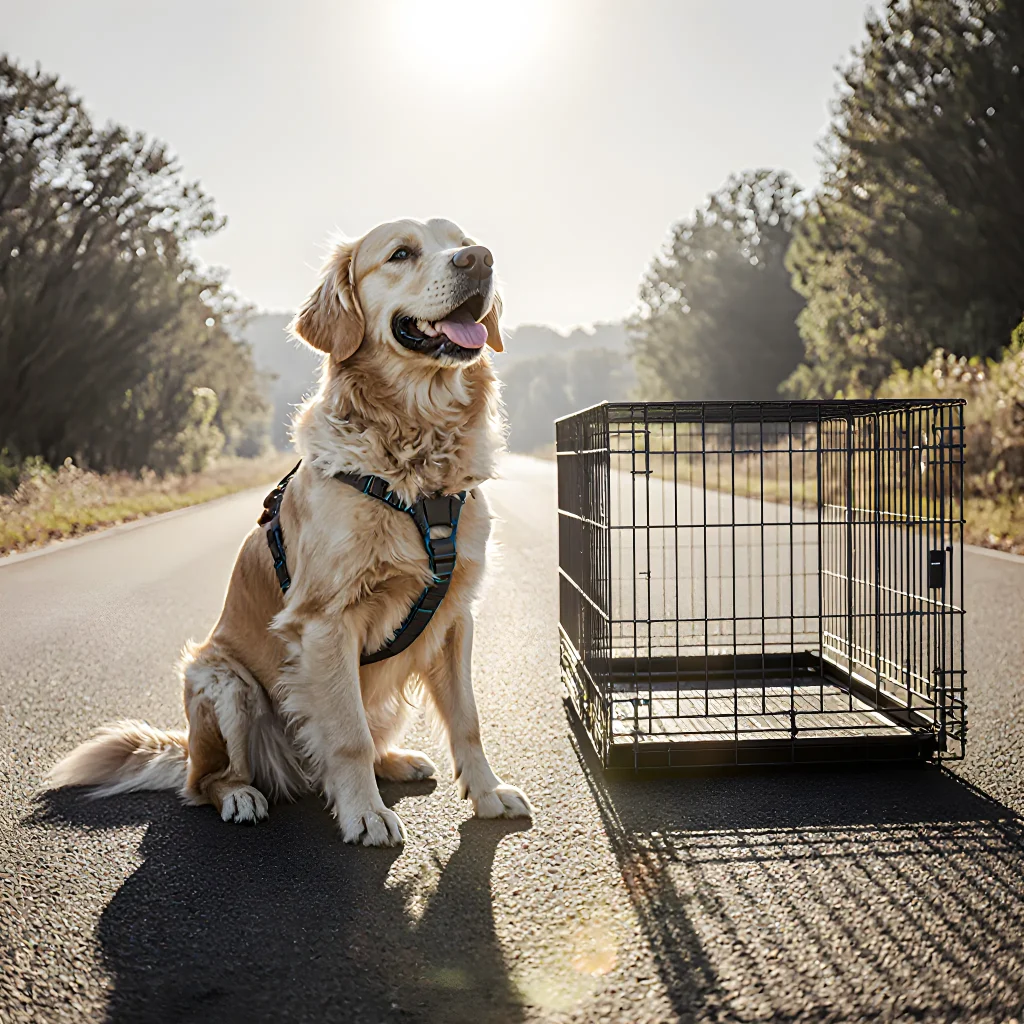
Paws in Motion—Your Dog’s Safe Ride Starts Here!
Secure Paws on Wheels: Ultimate Dog Harness & Crate Picks
Table of Contents
- Introduction
- Why Car Safety Matters for Dogs
- Choosing the Right Harness
- Types of Dog Harnesses
- Top 5 Harnesses for Car Safety
- How to Fit a Harness Properly
- Using Crates in the Car
- Types of Dog Crates
- Best Crates for Road Trips
- Combining Harnesses and Crates Effectively
- Travel Tips & Safety Checklist
- Legal Requirements & Regulations
- Troubleshooting Common Issues
- Conclusion & FAQ
Introduction
Car Safety for Dogs: Best Harnesses and Crates
When you hit the road with your canine companion, safety should be your top priority. A well‑designed harness or crate not only protects your dog from injury in the event of a sudden stop or collision but also keeps them calm and comfortable during the journey. This guide dives deep into why these accessories matter, how to choose the right one for different breeds, and practical tips for installation and use.
- Preventing Airbag Injuries: An unsecured dog can be thrown into an airbag, causing serious harm. A seat‑belt style harness keeps the dog’s head and body in a safe position.
- Reducing Distracted Driving: Dogs that are restrained are less likely to jump onto the dashboard or latch onto your legs, allowing you to keep your focus on the road.
- Mitigating Vehicle Damage: A well‑fitted harness keeps the dog from swatting at airbags, seat belts, or steering wheels, which can damage interior components.
A good harness should fit snugly but comfortably, distribute pressure evenly, and be easy to attach to a seat belt. Below are key features to look for:
- Adjustability: Look for multiple adjustment points (chest, waist, neck) so you can customize the fit.
- Material Quality: Nylon or polyester with a water‑resistant coating is durable; padded options add comfort for longer trips.
- Safety Certification: Many harnesses carry safety ratings from organizations like ASTM International.
Top Harness Models (2025)
| Model | Best For | Key Features | Price Range |
|---|---|---|---|
| Ruffwear AirGuard Seat Belt Harness | Medium to Large Dogs | Quick‑release buckle, reflective trim, seat belt attachment clip | $35–$45 |
| Kurgo Tru-Fit 2.0 Harness | Small to Medium Dogs | Padded chest panel, adjustable straps, easy on/off | $25–$35 |
| Blue-9 Safety Seat Belt Harness | All Sizes (with size chart) | Heavy‑duty webbing, seat belt tether, reflective details | $30–$40 |
While harnesses are ideal for short drives or when you need to keep your dog active, crates provide a secure “home” environment during extended journeys.
Choosing the Right Crate
- Size Matters: The crate should allow the dog to stand up, turn around, and lie down comfortably. Measure your dog’s length from nose to tail tip for accuracy.
- Material: Wire crates are lightweight and ventilated; plastic crates offer better crash protection but can be heavier.
- Securing the Crate: Use a floor mount or seat belt attachment system designed specifically for vehicle cargo areas. Always double‑check that the crate cannot shift during sudden stops.
Top Crate Options (2025)
- Midwest Pet Products Car Crate – Wire, adjustable mounting straps, and a reinforced bottom for added safety.
- AmazonBasics Heavy Duty Pet Travel Carrier – Plastic, foldable design with a seat belt strap for secure attachment.
- Paws & Pockets Portable Dog Crate – Collapsible canvas, quick‑release buckle, and built‑in side pockets for treats.
- Test Fit Before the Trip: Attach the harness or crate in your vehicle a day before to ensure everything is secure and comfortable.
- Use Treats and Calming Aids: Familiar scents, treats, or a small blanket can reduce anxiety.
- Plan Frequent Stops: Every 2–3 hours, give your dog an opportunity to stretch (if possible) while ensuring the harness remains fastened.
- Keep Hydration Accessible: Use a spill‑proof water bowl or a collapsible cup attached to the harness strap.
Your dog’s safety on the road is non‑negotiable. By selecting a high‑quality harness or crate tailored to your pet’s size and temperament, you’re not just following best practices—you’re giving your furry friend peace of mind while protecting yourself and your vehicle.
Why Car Safety Matters for Dogs
Every time you hit the road with your four‑legged companion, you’re not just traveling—you’re sharing a confined space where sudden stops, sharp turns, and unexpected obstacles can turn an ordinary drive into a life‑threatening situation. Understanding car safety for dogs is essential to protect your pet’s well‑being, prevent injuries, and comply with legal requirements in many jurisdictions.
1. The Science Behind Vehicle Accidents and Pets
- Momentum & Impact: A dog weighing 30 kg moving at 60 mph has a momentum that can cause serious injury if not restrained. Even a small collision can result in broken bones or spinal damage.
- Airbag Activation: Modern cars deploy airbags automatically when the driver’s seat is occupied. If a dog sits in the front, an activated airbag can crush or lacerate the animal.
- Panic Response: Unrestrained dogs often try to jump onto seats or look out of windows, increasing the risk of falling off the vehicle or being struck by moving parts.
2. Legal and Insurance Implications
Many states and municipalities now require pets to be secured in a vehicle restraint system. Failure to do so can lead to fines, points on your license, and denial of insurance claims if an accident occurs.
3. Choosing the Right Restraint: Harnesses vs Crates
Car Safety for Dogs: Best Harnesses and Crates offers a comprehensive guide to selecting the safest options. Here’s how you can apply that information:
Harnesses
- Proper Fit: Measure your dog’s chest girth and choose a harness with adjustable straps. A snug fit prevents the harness from sliding off during sudden stops.
- Attachment Point: Use a seat belt attachment or a secure tether that connects to a fixed point in the car (e.g., the seat belt buckle). Avoid using the dog’s collar as it can snap back and cause injury.
- Type of Harness:
- Front‑clip harnesses redirect forward momentum away from the head, reducing the risk of neck injuries.
- Back‑clip harnesses keep the dog’s weight distributed over the chest and hips, ideal for smaller breeds.
Crates
- Size Matters: The crate should be large enough for your dog to stand, turn around, and lie down comfortably. A cramped space can cause stress and panic.
- Secure Mounting: Use a seat belt or specialized crate lanyard to keep the crate from sliding or tipping during abrupt maneuvers.
- Ventilation & Comfort: Ensure the crate has adequate airflow and a soft lining. Add familiar bedding or toys to reduce anxiety.
4. Practical Tips for Every Trip
- Pre‑Trip Preparation: Feed your dog at least two hours before departure to avoid motion sickness. Bring water, a collapsible bowl, and a waste bag.
- Training Sessions: Practice short car rides in a calm environment. Reward the dog for staying in its harness or crate to build positive associations.
- Window Safety: Keep windows partially closed to allow airflow but prevent the dog from jumping out. Use window nets if necessary.
- Emergency Kit: Include a first‑aid kit tailored for pets, spare harness straps, and a copy of your dog’s medical records.
5. Real‑World Scenarios & What to Do If Something Goes Wrong
Scenario A: Sudden Braking – The harness holds the dog in place; the seat belt attachment keeps the crate stable, preventing a crash into the dashboard.
Scenario B: Unexpected Turn – A properly fitted front‑clip harness redirects momentum away from the head, reducing neck strain. If the dog is in a crate, its secure mounting stops it from sliding.
6. Final Thoughts
Car safety for dogs isn’t just about compliance—it’s a commitment to your pet’s health and your peace of mind. By selecting the right harness or crate, ensuring proper installation, and preparing thoughtfully for each journey, you can transform every drive into a safe, enjoyable experience for both you and your beloved companion.
Choosing the Right Harness
Selecting a harness is more than picking a pretty color or a trendy style. For car safety, the harness must distribute force evenly across your dog’s body, prevent sudden jerks that could cause injury, and keep the animal securely in place during sudden stops or turns. Below are key factors to consider, followed by real‑world examples and practical tips for making an informed purchase.
1. Fit & Comfort
- Measure correctly: Use a flexible tape measure around the chest (just behind the front legs) and the widest part of the shoulders. Compare your measurements to the brand’s sizing chart.
- Adjustability matters: Look for harnesses with multiple adjustment points—shoulder straps, chest strap, and waist or belly strap—to fine‑tune the fit.
- Soft padding: Dogs with short snouts or a tendency to rub against surfaces benefit from padded shoulder and chest panels. This reduces chafing during long drives.
2. Safety Features for Car Travel
- Two‑point vs. Three‑point: A two‑point harness (chest and belly) is usually lighter and less restrictive, but a three‑point system adds an extra strap at the back of the neck or chest to keep the dog from turning around.
- Quick‑release buckles: In emergencies, you want to be able to release your dog in seconds. Look for buckles rated at least 50 lb force and with a clear “release” handle.
- Attachment compatibility: Ensure the harness’s attachment points are compatible with standard seat belt anchors or a pet‑specific tether system (e.g., the PetSafe Harness Seat Belt). The attachment should be strong enough to hold at least 300 lb of force.
3. Durability & Materials
Car rides can be rough—especially on gravel or during highway acceleration—so the harness must withstand repeated use.
- Nylon vs. Leather: Nylon is lighter and easier to clean, but high‑grade leather offers superior durability for large breeds.
- Water resistance: If you travel in rainy weather or near water bodies, choose a waterproof or quick‑dry fabric.
- Warranty & customer support: Brands that offer a 1–2 year warranty often stand behind the quality of their materials.
4. Breed‑Specific Considerations
| Breed Type | Recommended Harness Style | Why? |
|---|---|---|
| Small & Medium (e.g., Beagle, Corgi) | Two‑point or “no‑pull” harness with adjustable chest strap | Prevents pulling on the neck during stops. |
| Large & Heavy (e.g., German Shepherd, Rottweiler) | Three‑point, heavy‑duty harness with reinforced stitching | Distributes force across a larger surface area. |
| Brachycephalic (e.g., Bulldog, Pug) | Front‑clip or “no‑pull” harness without neck strap | Avoids pressure on the throat and reduces breathing discomfort. |
5. Practical Testing Checklist
- Fit test: Put the harness on your dog in a standing position; it should feel snug but not restrictive. The straps should lie flat against the body.
- Movement check: Allow your dog to walk, run, and jump in place. There should be no restriction of natural gait.
- Seat belt attachment test: Attach the harness to a seat belt or tether. Verify that the strap does not twist or kink during movement.
- Emergency release test: Simulate an emergency by pulling gently on the quick‑release handle; it should disengage smoothly without tearing the harness.
6. Real‑World Example: The PetSafe Happy Ride
This harness features a lightweight nylon shell, dual adjustable chest and belly straps, and a reinforced quick‑release buckle rated at 75 lb. Owners of mixed‑breed dogs weighing between 20–45 lbs report that the harness stays secure during highway driving while remaining comfortable for long trips.
7. Final Tips
- Always recheck fit: Dogs grow, lose weight, or gain muscle mass; adjust the harness accordingly.
- Combine with a crate if needed: For very large dogs or those that still get anxious, consider using a car‑specific crate (e.g., PetSafe Car Crate) in addition to the harness for extra safety.
- Professional fitting: If unsure, visit a local pet store with experienced staff or bring your dog to an online virtual fitting session offered by several brands.
By carefully evaluating fit, safety features, durability, and breed suitability, you can choose a harness that keeps your canine companion safe, comfortable, and happy every time you hit the road.
Types of Dog Harnesses
When it comes to keeping your dog safe during car rides, the harness is often more reliable than a collar or seat belt alone. Below are the most common harness styles you’ll encounter on the market, along with their pros and cons, ideal use cases, and how they relate to crate travel.
1. Back‑Lug Harness (also called “Front‑Clip”)
- Design: The attachment point is on the dog's chest, pulling the dog forward if it tries to bolt.
- Best for: Small to medium dogs that are not prone to running toward the front of the vehicle. Ideal for short trips or when you want a gentle restraint.
- Pros: Reduces the risk of “dog‑in‑the‑air” accidents, encourages forward movement.
- Cons: Can be uncomfortable if your dog is an active runner; may cause shoulder strain in larger breeds.
2. Back‑Clip Harness (also called “Rear‑Lug”)
- Design: Attachment point on the dog's back, pulling them backward if they attempt to bolt.
- Best for: Dogs that tend to run forward or are more aggressive during travel. Good for larger dogs who need a bit of extra restraint.
- Pros: Keeps the dog in place, less chance of pulling on the seat belt.
- Cons: Can feel restrictive if your dog is very active; may cause discomfort during prolonged use.
3. No‑Clip Harness (also called “Freedom” or “Comfort”)
- Design: Uses a padded chest plate and adjustable straps without a hard clip on the back or front.
- Best for: Dogs that are extremely anxious or sensitive to pressure. Works well with a seat belt adapter for car safety.
- Pros: Minimal pressure points, great for dogs who dislike tight restraints.
4. Padded Chest Harness (for Crate Travel)
- Design: Heavy padding around the chest and a reinforced back plate to absorb impact.
- Best for: Dogs traveling in crates, especially during long flights or cross‑country road trips.
- Pros: Provides a solid barrier against sudden stops; can be used inside a crate as an additional safety layer.
- Cons: Bulkier and heavier; may not fit all breeds comfortably.
5. Commercial “Dog Seat Belt” Harnesses
These harnesses are specifically engineered to attach to the vehicle’s seat belt system or a built‑in anchor point.
- Best for: Daily commutes, short trips, and when you want a single product that covers both car safety and crate compatibility.
- Pros: Easy to install, often includes reflective strips for night driving, can double as a crate harness with the right adapter.
- Cons: Some models are less durable; make sure it meets ASTM or ISO safety standards.
Practical Tips for Choosing and Using Harnesses
- Measure accurately: Always use a tape measure to get the chest, neck, and waist circumference. Follow the manufacturer’s sizing chart.
- Test fit before purchase: If possible, bring your dog to a pet store or ask for a return policy that allows you to test the harness at home.
- Use an adapter: Many harnesses work best with a seat belt‑to‑harness adapter. This converts the vehicle’s seat belt into a secure attachment point.
- Check for safety certifications: Look for ASTM F 2913 (car restraint systems) or ISO 9001 compliance.
- Combine with a crate: For long journeys, place the harness inside the crate. The harness provides an extra layer of protection if the dog moves during sudden stops.
Examples of Popular Harness Models
- Ruffwear Front Range Harness: Front‑clip, durable nylon, great for active dogs.
- Blue-9 Raptor Dog Seat Belt: Designed to clip onto your seat belt, works in both cars and trucks.
- Paws & Pockets No‑Clip Harness: Soft mesh, ideal for anxious travelers.
- Kurgo Tranzition Padded Harness: Heavy padding, recommended for crate use during flights.
Choosing the right harness is a balance between comfort, safety, and practicality. By understanding each type’s strengths and pairing it with proper car seat or crate usage, you can ensure your dog travels safely whether you’re on a short drive or a long road trip.
Top 5 Harnesses for Car Safety
When it comes to traveling with your canine companion, a high‑quality harness is essential for both safety and comfort. Below are five of the best harnesses on the market today, each chosen for its superior construction, easy installation, and proven track record in keeping dogs secure during car rides.
1. Tuff Stuff 4X4 Collapsible Dog Car Harness
- Design: A lightweight, collapsible frame that folds flat for storage. The harness itself is made from durable nylon and padded with high‑density foam.
- Safety Features: Dual D‑ring attachment points (front and back) to distribute force evenly in a crash. Reflective stitching improves visibility during night drives.
- Installation: Quick clip‑on system—no buckles, no complicated straps. Fits most seat belt anchors or dog car seat adapters.
- Best For: Small to medium breeds (up to 50 lb). Ideal for families who need a compact harness that can be stowed in the trunk.
- Real‑World Example: A 3‑year‑old Labrador named Max used this harness on a cross‑country trip. The driver reported no slippage, and Max remained calm throughout the 12‑hour drive.
2. Pet Mate JetDog
- Design: Classic “B‑style” harness with a padded chest and back panel, reinforced with nylon stitching.
- Safety Features: Two D‑rings (front and rear) for seat belt attachment. The harness includes a removable head collar that can be used to secure the dog’s head during sudden stops.
- Installation: Simple buckle system; fits all standard seat belts.
- Best For: Medium to large dogs (up to 70 lb). Its adjustable straps make it suitable for various body shapes.
- Real‑World Example: A 5‑year‑old German Shepherd named Bella was taken on a road trip across the U.S. The JetDog harness prevented her from leaping onto the driver’s seat, keeping her safe and allowing the driver to focus on the road.
3. VETSTREET Dog Car Harness
- Design: Full‑body harness with a reinforced nylon frame and ergonomic padding.
- Safety Features: Two front D‑rings for seat belt connection; the rear D‑ring is optional but recommended for added restraint. The harness has reflective tape on both sides.
- Installation: Quick‑clip buckle and adjustable straps that can be tightened in seconds.
- Best For: All breeds up to 70 lb. Its universal fit makes it a versatile choice for multi‑dog households.
- Real‑World Example: A 2‑year‑old Jack Russell Terrier named Milo was safely secured on a weekend getaway using this harness, preventing him from jumping onto the front seat and distracting the driver.
4. GoPetPro Dog Car Seat Harness
- Design: Combines a seat belt harness with an integrated dog seat cover for extra protection.
- Safety Features: Dual D‑rings (front & rear) plus a third ring on the back panel to secure the dog’s head. The seat cover is waterproof and easy to clean.
- Installation: Clip into your car’s seat belt anchor; the harness automatically locks into place.
- Best For: Medium‑to‑large dogs (up to 80 lb). Ideal for those who want a one‑stop solution that includes both harness and protective cover.
- Real‑World Example: A 6‑year‑old Golden Retriever named Daisy was taken on a road trip with the GoPetPro system. The seat cover protected the upholstery from fur and dander, while the harness kept her securely in place during sudden stops.
5. Comfort Harness
- Design: Lightweight nylon harness with a padded chest strap and breathable mesh.
- Safety Features: Two front D‑rings for seat belt attachment; optional rear D‑ring for added security. Reflective piping enhances nighttime visibility.
- Installation: One‑handed buckle system that locks instantly.
- Best For: Small dogs (up to 30 lb). Great for owners who travel frequently and need a quick, reliable harness.
- Real‑World Example: A 4‑year‑old Beagle named Max was safely secured on a weekend trip. The Comfort Harness prevented him from leaping onto the passenger seat and kept his head from flopping against the window during windy drives.
Choosing the right harness depends on your dog’s size, temperament, and the length of your trips. Always ensure that the harness fits snugly but not too tight—your dog should be able to sit or lie down comfortably while still being restrained from moving around excessively. For maximum safety, pair any harness with a seat belt or a dedicated dog car seat.
Happy travels!
How to Fit a Harness Properly
A well‑fitted harness is the cornerstone of safe dog travel. It keeps your pet secure, reduces injury risk during sudden stops or collisions, and gives you peace of mind while driving.
1️⃣ Choose the Right Harness Type
- Standard Pet Seat Belt: Clip‑on harnesses that attach to a seat belt buckle. Best for small‑to‑medium dogs (under 30 lb).
- Full-Body Car Harness: Designed with a V‑shaped chest strap and side waist straps. Ideal for larger breeds or active dogs.
- Canine Seat Belt Extender: Adds length to standard harnesses, allowing the dog to sit upright without strain.
2️⃣ Measure Accurately
- Neck Circumference: Wrap a soft tape measure around the widest part of the neck, just below the ears. Add 1–2 cm for comfort.
- Chest Girth: Measure from the base of the throat to the base of the tail (the same point as a human chest measurement). Again add 1–2 cm.
- Use a dog size chart to cross‑check your measurements against recommended harness sizes.
3️⃣ Step‑by‑Step Fitting Guide
- Place the Harness: Lay the harness flat on a clean surface, chest side up. Position the chest strap over the dog’s shoulders and the neck strap around the neck.
- Fasten the Chest Strap: Secure it first so you can adjust the length comfortably. Leave enough slack for movement but not so much that the harness can slide off.
- Attach the Neck Straps: Most harnesses have a quick‑release buckle or snap button. Slide the strap over the neck, ensuring it sits just below the ears.
- Adjust Side Straps (if applicable): These should sit snugly on the abdomen, preventing the dog from slipping forward.
- Tightness Check: You should be able to slide two fingers between the harness and your dog’s skin. The harness must not pinch or constrict breathing.
4️⃣ Test in a Controlled Environment
Before heading out, run a short test drive on a quiet street. Observe:
- Does the harness stay in place during acceleration and braking?
- Is there any sign of discomfort or chafing after 10–15 minutes?
- Can your dog still breathe normally while wearing it?
5️⃣ Common Mistakes to Avoid
- Over‑tightening: A harness that’s too tight can cause breathing difficulties or circulatory problems.
- Using a leash alone in the car; it doesn’t distribute force across the body like a harness does.
- Skipping regular checks; wear and tear can loosen straps over time.
6️⃣ Practical Tips for Long Trips
- Carry a spare harness or adjustable strap in case the original becomes damaged.
- Use a dog car seat that accepts a harness, providing extra stability.
- Schedule regular stops to let your dog stretch and relieve itself; this reduces stress on the harness.
7️⃣ When to Seek Professional Help
If you’re unsure about fitting or notice persistent discomfort, consult a veterinarian or a certified dog trainer. They can recommend specific harness styles for breeds prone to neck or back issues (e.g., bulldogs, pugs).
A properly fitted harness is not just a convenience—it’s a vital safety feature that protects your dog during every drive. Measure accurately, adjust carefully, and test before you go. With the right harness in place, both you and your canine companion can enjoy safe, stress‑free road trips.
Using Crates in the Car
Traveling by car can be a stressful experience for both you and your canine companion if proper safety measures aren’t taken. Using a crate is one of the most reliable ways to keep your dog secure, reduce distractions, and comply with local regulations. Below we dive into practical steps, recommended products, and real‑world examples to help you choose the best harnesses and crates for safe road trips.
Why Crates Are Essential
- Prevents Injury: A properly secured crate stops a dog from running or leaping into the front seat, which can cause serious harm in a collision.
- Makes the Driver Less Distracted: When your dog is confined, you can focus on driving rather than constantly checking on their position.
- Legal Compliance: Many states and countries require dogs to be restrained. A crate meets this requirement more reliably than a seat belt alone.
Selecting the Right Crate for Your Vehicle
Choosing a crate involves considering size, material, and how it mounts in your car.
- Size Matters: Measure your dog’s length from nose to base of tail and their height at the shoulder. Add a few inches for comfort. A crate that is too tight can cause distress; one that’s too large may allow free movement, defeating safety.
- Material Choices:
- Plastic crates are lightweight and durable but don’t vent well unless ventilated models are chosen.
- Metal crates offer superior structural integrity, especially for larger dogs or long trips.
- Soft‑sided crates (like those with padded interiors) provide comfort but may not be as secure in a collision.
- Mounting Options:
- Seat Belt Attachment: Most pet crate manufacturers offer seat belt straps that clip into the car’s existing seat belts. This is the most common and easy setup.
- Roof Rack or Cargo Area: For SUVs and trucks, crates can be secured to roof racks or placed in the cargo area with tie‑down straps.
- Cargo Lifter or Platform: Some vehicles allow you to elevate the crate off the floor for better ventilation.
Harnesses that Complement Crates
A harness can be a secondary safety layer, especially if your dog is prone to pulling or escaping. Here are key features to look for:
- Dual-Point Attachment: Connects at both the chest and back, distributing force evenly during sudden stops.
- Adjustable Fit: Allows fine-tuning for comfort without compromising security.
- Durable Materials: Heavy‑duty nylon or webbing resists wear from repeated use.
Popular harness models include the Kurgo Tru-Fit Smart Harness, which has a built‑in seat belt attachment, and the Ruffwear QuikClaw, known for its quick-release mechanism—ideal if you need to exit quickly in an emergency.
Step-by-Step Setup Guide
- Position the Crate: Place it on the passenger seat or in the cargo area, depending on your vehicle’s layout. Ensure it’s level and won’t shift during driving.
- Secure with Seat Belt Straps: Attach the crate’s straps to the seat belt anchors. Tighten until snug but not so tight that you can’t open the door easily.
- Attach the Harness Inside: Put on your dog’s harness and fasten it to the crate’s interior latches or the vehicle’s existing harness system if available.
- Check for Movement: Gently try moving the crate. It should not slide more than a couple of inches in any direction.
- Final Safety Check: Confirm that all straps are secure, no loose ends can snag on gear, and the dog’s head is free enough to breathe but still restrained from jumping out.
Practical Tips for Long Drives
- Ventilation: Use crates with mesh windows or open the car window slightly (while keeping the crate secured) to maintain airflow.
- Hydration and Food: Place a shallow water bowl inside the crate. For longer trips, consider a collapsible bowl that fits easily in the crate.
- Breaks Every Two Hours: Stop to let your dog stretch, use the bathroom, and relieve stress. If you’re using a harness, ensure it’s still snug before resuming the drive.
- Temperature Control: Never leave a crate in a parked car, especially during hot weather. Even with ventilation, heat can rise quickly.
Real‑World Example: The 2015 Family Road Trip
A family of four and their 15‑lb Labrador named Max used a Kurgo 14‑inch Travel Crate. They secured it to the passenger seat with the crate’s built‑in straps. Max also wore a Kurgo Tru‑Fit Harness, which clipped into the same seat belt anchors. During a 10‑hour trip, Max remained calm and did not attempt to jump out of the vehicle—thanks to the dual restraint system.
When they stopped for lunch, the harness was loosened enough for Max to stretch but still fastened inside the crate so he couldn’t bolt open it. This combination of crate and harness proved effective in keeping Max safe and comfortable throughout the journey.
Final Takeaway
Choosing the right crate and harness, properly securing them, and maintaining a calm environment are critical to dog safety during car travel. By following these guidelines, you’ll protect your pet, comply with regulations, and enjoy peace
Types of Dog Crates
When selecting a crate for your dog’s travel, you’re not just choosing a storage solution—you’re investing in safety, comfort, and peace of mind. Below we break down the most common crate styles used on the road, how they relate to car safety harnesses, and real‑world examples that will help you make an informed decision.
1. Bucket-Style Crates (Squeezebox & Buster Boxes)
- Design: Oval or rectangular interior with a single door on one side.
- Pros: Lightweight, easy to store, good for small dogs. The low profile keeps the crate stable in most vehicles.
- Cons: Limited ventilation if not properly vented; may feel cramped for larger breeds.
Practical tip: Pair a bucket-style crate with a high‑quality dog car harness. The harness should attach to the seat belt anchor or the vehicle’s built‑in tether points, ensuring the dog stays in place while the crate is secured with a strap or L‑shaped clamp.
2. Box-Style Crates (Buster Boxes & Classic Crate)
- Design: Rectangular, full-width boxes with side doors.
- Pros: Offers more space for larger dogs or those that like to lie down. The solid walls provide a sense of security during sudden stops.
- Cons: Heavier and bulkier; may require a dedicated spot on the floor or in the trunk.
Practical tip: For box-style crates, use a rope restraint system that loops through the crate’s corners and attaches to the seat belt. This prevents the crate from sliding forward if you need to brake suddenly.
3. Travel Bags & Soft-Crate Hybrid (Mighty Paw, Blueberry)
- Design: Flexible fabric with a padded interior and removable side panels.
- Pros: Extremely portable; can be carried by hand or stowed in the trunk. The soft walls reduce impact forces during collisions.
- Cons: Less secure than rigid crates if not properly strapped down; may not provide adequate protection for larger breeds.
Practical tip: Use a travel bag with an integrated seat belt strap or attach it to the vehicle’s seat back using a cable strap system. Combine this with a harness that features a vest‑style chest plate for extra restraint.
4. Customizable Crates (e.g., Buster Box with Expandable Panels)
- Design: Modular crates that allow you to add or remove panels.
- Pros: Tailor the size for your dog’s growth; easy to transition from puppy to adult without buying a new crate.
- Cons: Assembly can be time‑consuming; may not fit all vehicle layouts.
Practical tip: When using a customizable crate, always double-check that the added panels are securely fastened. Use a quick‑release strap system so you can detach or attach panels on the go without fumbling with buckles.
5. Vehicle-Specific Crates (Built‑in Dog Seats, e.g., Fox & Hound)
- Design: Designed to fit specific car models or seats.
- Pros: Seamless integration with the vehicle’s interior; often includes built‑in harness attachment points.
- Cons: Limited compatibility—usually only works on a single make/model.
Practical tip: If you own a popular model (e.g., Toyota RAV4 or Honda CR‑V), check for aftermarket dog seat kits that come with both a crate and a harness system. These kits often feature an integrated seat belt anchor, eliminating the need for separate straps.
Choosing the Right Crate: A Quick Checklist
- Size: Measure your dog’s height and length; add 2–4 inches to each dimension.
- Weight Capacity: Ensure the crate can support at least 1.5 times your dog’s weight.
- Ventilation: Look for mesh panels or perforated sides, especially in hot climates.
- Securement: Verify that the crate has a secure strap attachment point (L‑shaped clamp, seat belt hook).
- Harness Compatibility: The harness should attach to both the dog and the vehicle’s anchor points. Avoid using only a leash.
By combining a properly sized crate with a reliable car harness—preferably one that meets FDA safety standards or is certified by the American Automobile Association (AAA)—you create a layered defense against injury. Remember: the crate should be the first line of protection, while the harness adds an extra layer of restraint in case the crate shifts.
Real‑World Example: The “Mighty Paw Dog Travel System”
This system pairs a lightweight travel bag with a built‑
Best Crates for Road Trips
When you’re planning a long road trip, the safety of your four‑legged companion should be as high on your list as packing snacks. A well‑designed harness or crate not only keeps your dog secure but also reduces driver distraction and protects against sudden stops or collisions.
1. Why Harnesses Matter
- Reduces Neck Injury: Traditional seat belts can pull a dog's neck out of alignment during an impact. A properly fitted harness distributes force across the chest and shoulders, keeping the spine protected.
- Prevents Escape: Many dogs will try to bolt from a window or door when they feel free. Harnesses keep them tethered safely inside the vehicle.
Top Harness Picks for Road Trips
-
Ruffwear Front Range Dog Seat Belt
Features: Adjustable strap, quick‑release buckle, and a padded chest plate. Works with most seat belt anchors.
Why it’s great: The front range harness is specifically engineered for car safety and comes in multiple sizes to fit small, medium, and large dogs. -
Vastar Dog Seat Belt Harness
Features: Heavy‑duty nylon webbing, 5‑point attachment system, and a built‑in safety pad.
Why it’s great: Affordable yet durable; the adjustable length allows you to keep your dog in a comfortable position regardless of seat height. -
PetSafe CarGo Harness
Features: Two‑way attachment, reflective stitching for night driving, and a quick‑release latch.
Why it’s great: The PetSafe harness is designed to keep the dog in place while still allowing freedom of movement for longer trips.
2. Crates That Keep Dogs Safe on Wheels
A crate provides a dedicated space that can be secured to the vehicle’s seat or floor. It also offers a familiar environment that helps calm nervous dogs during travel.
Essential Features of a Travel‑Ready Dog Crate
- Secure Latching System: Must lock firmly to prevent accidental opening.
- Ventilation: Adequate airflow is critical, especially on hot days.
- Durable Construction: Heavy‑gauge steel or reinforced plastic resists impact and tampering.
- Easy to Clean: Removable liners and smooth surfaces reduce hygiene hassles.
Recommended Crates for Road Trips
-
Sleepypod Classic Dog Travel Carrier
Features: Lightweight aluminum frame, secure locking latch, and a removable fleece pad.
Why it’s great: The Sleepypod is specifically engineered for car travel and includes a built‑in restraint strap that attaches to the seat belt anchor. -
Kurgo Skybox 2‑Tier Dog Car Carrier
Features: Two compartments, side windows for ventilation, and a heavy‑duty steel frame.
Why it’s great: Ideal for larger dogs or multiple pets; the top tier can be used as a sleeping area while the bottom holds toys or food. -
MidWest Homes for Pets 3‑Tier Pet Carrier
Features: Steel frame, adjustable straps, and mesh windows.
Why it’s great: Offers multiple levels so you can keep the dog at a comfortable height while still staying within your line of sight.
3. Practical Tips for Using Harnesses & Crates on Road Trips
- Test Fit Before Departure: Always put the harness or crate in place before you hit the road to ensure everything feels snug and secure.
- Secure to Seat Belt Anchor: Attach harness straps or crate latches directly to the vehicle’s seat belt anchor for maximum stability.
- Keep Food & Water Accessible: Place a small bowl of water within reach of the dog, but avoid open containers that could spill in sudden stops.
- Take Regular Breaks: Every 2–3 hours, stop to let your dog stretch and relieve itself. This also gives you a chance to check harness tightness and crate condition.
- Use a Reflective Blanket or Hoodie: If traveling at night, add a reflective patch or a light hoodie to increase visibility in case of an emergency exit.
4. Final Thoughts
The combination of a properly fitted harness and a secure crate can transform a stressful journey into a safe adventure for both you and your dog. Always double‑check that all straps are tightened, the crate is locked, and the harness fits snugly but comfortably before you start driving. Happy travels!
Combining Harnesses and Crates Effectively
When it comes to transporting your dog in a vehicle, the goal is two‑fold: keep the pet comfortable and protect everyone on board. The most reliable way to achieve both is by pairing a high‑quality harness with an appropriately sized crate or travel carrier. Below we break down why this combination works, how to choose the right gear, and step‑by‑step instructions for a safe, stress‑free ride.
Why Harnesses + Crates Work Together
- Reduces Movement: A harness distributes force across the dog’s chest and shoulders, preventing sudden jerks that could cause injury. When the dog is secured in a crate, any residual movement is further limited by the crate walls.
- Prevents Escape: Even if a harness slips, the crate acts as a secondary barrier. This dual protection is especially important on long trips or when traveling with younger dogs who may try to run or jump.
- Facilitates Restraint in Emergencies: In the event of a collision or sudden stop, a harness‑secured dog will stay within the crate’s boundaries, minimizing the risk of being ejected from the vehicle.
Selecting the Right Harness
Look for these key features:
- Four‑Point Design: Offers superior stability by anchoring to both shoulders and hips.
- Adjustable Padding: Soft, breathable material that adapts to different body shapes.
- Breakaway or Quick‑Release Mechanism: In case of emergency, the harness should release instantly without causing a sudden pull on the dog.
- Compatibility with Seat Belt Anchors: Many harnesses come with an attachment point that fits into the vehicle’s seat belt system.
Top Harness Picks (2025)
| Brand & Model | Key Features | Best For |
|---|---|---|
| Ruffwear QuikClik Travel Harness | Four‑point, quick‑release buckle, seat belt attachment | All‑sizes, active dogs |
| Kurgo Tru-Fit Smart Harness | Adjustable, reflective strips, 3‑way strap system | Medium to large breeds |
| Blue-9 Pet Safe Travel Harness | Comfort pad, seat belt clip, breakaway snap | Small to medium dogs |
Choosing the Right Crate or Carrier
The crate should be large enough for your dog to stand, turn around, and lie down comfortably. Key considerations include:
- Material: Hard plastic crates offer better impact protection; soft-sided carriers are lighter but provide less structural support.
- Ventilation: Adequate airflow prevents overheating during long trips.
- Secure Latches: Look for a latch that locks firmly and has a secondary safety lock if possible.
Recommended Crates (2025)
- Petmate Sky Kennel – Durable plastic, good ventilation, ideal for medium to large dogs.
- MidWest Homes for Pets Hard Plastic Dog Crate – Strong locking mechanism, foldable for storage.
- A & A Pet Products Soft‑Sided Travel Carrier – Lightweight, easy to carry, but best paired with a harness for road safety.
Step‑by‑Step Guide: Setting Up Your Dog for a Safe Car Trip
- Prepare the Crate: Place a non‑slip mat or blanket inside. Add familiar bedding and a few favorite toys to reduce anxiety.
- Fit the Harness Inside: Put the harness on your dog first, ensuring it’s snug but not tight. Test all straps for secure attachment.
- Place the Dog in the Crate: Gently guide your pet into the crate while keeping the harness fastened.
- Secure the Crate to the Vehicle: Use a seat belt or a dedicated crate holder. Attach the harness’s seat belt clip to the vehicle’s anchor point, then secure the other end of the harness strap inside the crate.
- Check All Latches: Verify that both the crate latch and the harness are fully locked before you start driving.
Troubleshooting Common Issues
- Dog is Nervous: Allow time for acclimation by taking short practice trips. Use a calming spray or natural supplements if needed.
- Harness Discomfort: Adjust padding, add a cushion under the chest plate, or try a different harness style.
- Crate Doesn’t Fit in Vehicle: Consider an aftermarket cargo box or a foldable crate that can be stored behind seats.
Final Tips for Car Safety
- Never leave your dog unattended in a hot vehicle. Even with a harness, heat can become dangerous quickly.
- Take regular breaks on long trips to allow the dog to stretch and relieve itself.
- Always carry water and a travel bowl for hydration.
- Keep the dog's ID tags updated and attach a microchip if possible.
Travel Tips & Safety Checklist
When you hit the road with your four‑legged companion, safety is as important as comfort. A properly fitted harness or a well-ventilated crate can prevent injuries during sudden stops, keep your dog calm, and protect you from distractions. Below we dive into the key considerations, top product picks, real‑world examples, and a practical checklist to help you choose the right gear for any journey.
Why Use a Harness or Crate Instead of a Loose Leash?
- Prevents Sudden Jumps: A loose leash can become a projectile if your dog darts forward, potentially injuring themselves or others.
- Reduces Driver Distraction: A harness keeps the dog restrained and less likely to tug on the steering wheel or reach for windows.
- Protects Against Seatbelt-Related Injuries: If a seat belt is used, it can catch on a dog's collar. Harnesses distribute pressure more evenly across the chest and shoulders.
Choosing the Right Harness
The best harness for your dog depends on size, temperament, and travel style. Consider these categories:
- Standard Two‑Point Harnesses: Simple design with a chest strap and a waist belt. Ideal for small to medium dogs that rarely pull.
- Three‑ or Four‑Point Systems: Add head straps or additional shoulder pads for extra restraint, suitable for larger breeds or energetic dogs.
- No‑Pull Harnesses: Feature a front clip that redirects pulling behavior. Great for training on the road.
Top Picks (2025)
| Product | Key Features | Best For |
|---|---|---|
| Blue-Arc 3‑Point Harness | Adjustable, padded, reflective strips, front clip | Medium to large dogs; long trips with frequent stops |
| Ruffwear FrontZip No‑Pull Harness | Front clip, breathable mesh, easy on/off | Small dogs that pull; short drives |
| PetSafe SafeFit Dog Seat Belt | Seat belt compatible, adjustable strap, quick‑release buckle | All sizes; integrates with car seat belts |
Choosing the Right Crate for Car Travel
A crate offers a familiar environment and can reduce anxiety. Look for crates that meet these criteria:
- Secure Latches: Double‑locking mechanisms to prevent accidental opening.
- Ventilation: Mesh windows or perforated panels for airflow.
- Non‑Skid Bottoms: Rubber feet or textured surfaces to keep the crate stable on a moving seat.
- Size: The dog should be able to stand, turn around, and lie down comfortably. Use online size charts or measure your dog’s length from tip of nose to base of tail.
Popular Car‑Friendly Crates
- AviPet Portable Dog Travel Carrier: Lightweight, collapsible, and comes with a seatbelt strap.
- MidWest Homes for Pets Classic Paws: Durable plastic, double‑locking latch, and a removable foam pad.
- Kurgo Skybox 2.0 Travel Carrier: Built-in seat belt attachment, ventilation, and a side pocket for treats.
Practical Safety Checklist
- Pre‑Trip Inspection: Check harness straps for wear, ensure all buckles are secure, and confirm the crate is locked.
- Secure Placement: Position the harness or crate on a seat that can be braced against the backrest; use seat belt loops if available.
- Ventilation Check: Open all windows slightly for fresh air, especially on long drives.
- Hydration & Food: Provide water in a spill‑proof bowl and limit food intake 2–3 hours before departure to avoid motion sickness.
- Emergency Kit: Include spare harness straps, a first aid kit for pets, ID tags, and a copy of your dog’s medical records.
- Periodic Breaks: For trips over 2 hours, stop every 1–2 hours to allow the dog to stretch and relieve themselves.
Real‑World Example
When a Labrador mix named “Bella” was traveling with her owner from Florida to New York, they used the Blue‑Arc harness attached to the seat belt. During an abrupt stop at a traffic light, Bella’s harness prevented her from leaping forward, and the seatbelt kept her secure without pulling on the steering wheel. At each 90‑minute break, Bella had a quick stretch in the passenger seat with her harness slackened for comfort, which helped keep her calm throughout the journey.
Final Tips
- Never leave your dog unattended in a hot car—even a short drive can raise temperatures dangerously.
- Test fit your harness and crate before the trip to avoid surprises.
- Rotate between harnesses and crates if you travel frequently; this keeps equipment in good condition.
By investing in a quality harness or crate, following our safety checklist, and staying mindful of your dog’s comfort
Legal Requirements & Regulations
When selecting a harness or crate to keep your dog safe while traveling, it’s not enough to rely solely on product reviews and user testimonials. Many jurisdictions have specific laws that govern the use of restraints, cages, and other safety devices in motor vehicles. Understanding these regulations can help you avoid legal pitfalls, reduce liability, and most importantly, ensure that your pet is protected during every trip.
1. Federal Regulations (United States)
- Federal Motor Vehicle Safety Standards (FMVSS) 225: Requires that vehicles equipped with a seat belt system for occupants must also provide a means of securing a child passenger, which can be interpreted to include pets if the manufacturer explicitly designs a pet restraint. While not all states enforce FMVSS 225 for dogs, many manufacturers voluntarily comply to broaden their market.
- National Highway Traffic Safety Administration (NHTSA) Guidance: NHTSA recommends that pets be secured in a properly fitted harness or crate that is attached to the vehicle’s seat belt system. The agency also publishes a list of “approved” pet restraints that meet crash-test criteria.
2. State‑Specific Laws (United States)
State regulations vary widely. Below are examples from some key states:
| State | Key Requirement | Enforcement Agency |
|---|---|---|
| California | All pets in the passenger compartment must be restrained by a harness or crate that is secured to the seat belt. | California Highway Patrol (CHP) |
| Texas | No specific dog restraint law, but any device used must be approved by an independent testing organization. | Texas Department of Motor Vehicles (TxDMV) |
| Florida | Pets must be restrained in a crate or harness that is attached to the vehicle’s seat belt system; failure may result in fines up to $300. | Florida Highway Patrol (FHP) |
3. International Regulations
For travelers crossing borders or driving abroad, it’s essential to be aware of foreign regulations:
- European Union (EU): The EU does not have a unified pet restraint law, but many member states enforce local safety standards. For example, Germany requires that pets in the passenger compartment must be restrained by a seat belt or a crate that is secured to the vehicle’s seat belt.
- Canada: Provinces such as Ontario and British Columbia have specific laws mandating pet restraints for animals traveling in vehicles. These typically align with the Canadian Motor Vehicle Safety Standard (CMVSS) 225.
- Australia: The Australian National Standards (AS 4343) require that all pets be secured by a harness or crate when traveling in a vehicle, and the restraint must be rated for crash testing.
4. Practical Tips for Compliance
- Check Product Certification: Look for labels such as “NHTSA Approved,” “FMVSS 225 Certified,” or “AS 4343 Compliant.” These indicate that the harness or crate has passed crash tests.
- Verify Compatibility with Your Vehicle: Ensure the seat belt attachment point on the product matches your vehicle’s seat belt system (e.g., LATCH, ISOFIX).
- Read Local Laws Before Traveling Internationally: Many countries require that pet restraints be inspected by a local authority upon entry. Keep documentation of product certifications handy.
- Document Your Restraint Setup: Take photos or videos of the harness or crate properly secured in your vehicle. This can serve as evidence if you’re stopped by law enforcement.
- Regularly Inspect and Replace Wear‑And‑Tear: A cracked strap or broken buckle may render a restraint non-compliant. Replace any damaged components immediately.
5. Consequences of Non‑Compliance
Failure to use an approved pet restraint can lead to:
- Fines and Penalties: Depending on the jurisdiction, fines can range from $50 to several hundred dollars.
- Legal Liability in Accidents: If a dog is not restrained during an accident, the owner may be held liable for any injuries or damages caused by the animal’s sudden movement.
- Insurance Denial: Some insurance policies explicitly state that coverage is void if pets are unrestrained during a crash.
6. Summary Checklist
Before you hit the road with your canine companion, use this quick checklist to ensure legal compliance and maximum safety:
- [ ] Product is NHTSA/FMVSS/AS certified.
- [ ] Harness or crate attaches securely to the seat belt system.
- [ ] Vehicle’s seat belt is in good working condition.
- [ ] All straps, buckles, and attachments are free from damage.
- [ ] Local/state laws have been verified for your travel route.
- [ ] Documentation (certification papers, photos) is ready for inspection.
By staying informed about the legal landscape and following these practical steps, you can confidently choose the best harness or crate for your dog while ensuring compliance with all relevant safety regulations.
Troubleshooting Common Issues
Even the best harnesses and crates can present challenges when you first start traveling with your dog. Below are some of the most frequent problems owners encounter, along with practical solutions to keep both pet and driver safe.
1. Harness Not Staying on
- Problem: The harness slips off or the straps shift during a sudden stop.
- Common Causes:
- Incorrect sizing – too loose or too tight in the wrong spot.
- Dog’s body shape not matching the harness design (e.g., chest vs. rib cage).
- Inadequate adjustment of the straps after each use.
- Solutions:
- Measure your dog’s neck, chest, and withers according to the manufacturer’s chart. Re-check every few weeks or after weight changes.
- Use a double‑layer approach: combine a well‑fitted harness with a seat belt strap that goes over the top of the harness.
- Inspect the harness for wear, especially near the buckles and D‑rings. Replace if any part is frayed or weakened.
2. Dog Is Uncomfortable or Agitated
- Problem: Your dog shows signs of anxiety, tries to escape the harness or crate, or becomes restless during the drive.
- Common Causes:
- New environment or unfamiliar sounds (e.g., traffic, other vehicles).
- Lack of gradual acclimation to the restraint system.
- Pain or discomfort from improper fit.
- Solutions:
- Start with short “practice trips” in a safe, low‑traffic area. Gradually increase distance and duration as the dog gets used to the harness/crate.
- Reward calm behavior with treats or verbal praise. Keep a consistent routine so your dog knows what to expect.
- Use calming aids such as a pheromone spray, a familiar blanket, or a soothing music playlist tailored for dogs.
3. Crate Does Not Fit in the Vehicle
- Problem: The crate is too large for the back seat, or it cannot be secured properly.
- Common Causes:
- Choosing a crate size based solely on dog’s weight rather than dimensions.
- Not considering vehicle interior variations (seat width, trunk space).
- Solutions:
- Measure your car’s back seat width and depth. Compare these to the crate’s exterior dimensions.
- If the crate is too big, consider a collapsible or modular design that can be folded for storage.
- Secure the crate with seat belt straps or a built‑in anchor system. Always check the strap tension before departure.
4. Insufficient Ventilation or Temperature Control
- Problem: Your dog overheats in summer or gets cold in winter while confined.
- Common Causes:
- Crates with no windows or ventilation panels.
- Long drives without breaks.
- Solutions:
- Choose crates with mesh sides or built‑in vents. For harnesses, avoid overly restrictive designs that trap heat.
- Take regular stops to let your dog stretch and drink water (never leave them in the car unattended).
- Use a reflective blanket or a small cooling mat for hot days; add a warm blanket or a pet‑safe heating pad on cold trips.
5. Dog Refuses to Enter the Crate
- Problem: The dog avoids or resists going into the crate, making travel impossible.
- Common Causes:
- Poor initial introduction to the crate (e.g., used as a punishment).
- Crate is too large or too small, causing confusion.
- Solutions:
- Introduce the crate gradually: leave it open in a familiar area, place treats inside, and let your dog explore at their own pace.
- Use positive reinforcement during each attempt to enter. Never force the dog into the crate.
- If the crate is too large, add a divider or use a smaller model that still meets safety standards.
6. Safety Features Fail During Sudden Stops
- Problem: The harness or crate’s restraints fail, leading to potential injury.
- Common Causes:
- Worn out buckles or broken D‑rings.
Conclusion & FAQ
Keeping your dog safe while traveling in a vehicle is more than just a matter of convenience – it’s a legal requirement in many places and an ethical responsibility to protect your pet from injury. By selecting the right harness or crate, installing it correctly, and following best‑practice guidelines, you can turn every car trip into a secure, comfortable experience for both you and your four‑legged companion.
- Choose the right size: A snug fit prevents the dog from sliding or jumping out.
- Install properly: Use seat belts or dedicated anchors, and always double‑check tension before driving.
- Test before long trips: Let your dog practice in a low‑speed environment to get used to the restraint.
- Keep it comfortable: Add padding or a favorite blanket for extra comfort on longer drives.
- 1. Can I use any seat belt as a dog harness?
- No. Seat belts are designed for human occupants and do not provide the necessary restraint for dogs. Always use a product specifically engineered for canine safety, such as a seat‑belt compatible harness or a travel crate.
- 2. Are there any legal restrictions on using dog crates in cars?
- Many states and countries have laws that require pets to be restrained while traveling. These regulations often specify acceptable restraint types (e.g., approved harnesses, pet seat belts, or properly secured crates). Check your local legislation before you travel.
- 3. What if my dog is anxious about the car?
- Start with short trips and gradually increase distance. Use calming aids like pheromone sprays or a familiar blanket. Consider consulting a professional trainer for behavior modification techniques.
- 4. How often should I replace my dog's harness or crate?
- A good rule of thumb is to inspect the product every 6 months and replace it if you notice any wear, fraying, or loss of structural integrity. Crates that have been involved in an accident should be replaced immediately.
- 5. Can I leave my dog unattended in a crate while driving?
- No. Even with a secure crate, leaving a pet alone in a vehicle is dangerous due to temperature fluctuations and the risk of the crate being knocked over during sudden stops or turns.
- 6. How do I know if a crate is “car‑ready”?
- Look for features such as a reinforced frame, side panels that can be opened for ventilation, a seat belt attachment point (usually a D‑ring), and compliance with ASTM or similar safety standards.
- 7. What should I do if my dog is large and cannot fit in the back seat?
- Consider installing a pet barrier that separates the front and rear seats, allowing you to use a harness on the passenger side while keeping your dog in the front. Alternatively, use a large crate that fits behind the front seats or in the trunk.
- 8. Are there any health risks associated with using a harness for long drives?
- When used correctly, harnesses pose minimal risk. However, improper fitting can cause neck strain or discomfort. Always adjust straps to avoid pressure points and monitor your dog’s comfort throughout the journey.
Remember, every dog is unique, so take the time to assess their size, temperament, and travel habits when choosing a safety solution. With careful planning and the right equipment, you’ll ensure that both you and your pet arrive at your destination safe and sound.
Categories
- AI & Enrichment Play
- Broiler Farming
- Broiler Farming Tips
- Canine Wellness & Longevity
- Cat
- Cat & Human Connection
- Cat Adoption & Rescue
- Cat Breeds
- Cat Breeds & Personalities
- Cat Care & Health
- Cat Grooming & Hygiene
- Cat Lifestyle & Environment
- Cat Myths & History
- Cat Nutrition & Diet
- Cat Products & Reviews
- Cat Training & Behavior
- Comparison
- Consumer Awareness
- Dog
- Dog Accessories & Products
- Dog Adoption & Rescue
- Dog Breed & Lifestyle Trends
- Dog Breeding & Puppies
- Dog Entertainment & Media
- Dog Fashion & Trends
- Dog Fun & Lifestyle
- Dog Grooming & Hygiene
- Dog History & Culture
- Dog Myths, Science & Future Tech
- Dog News & Trends
- Dog Nutrition & Food
- Dog Psychology & Emotions
- Dog Safety & Security
- Dog Sports & Activities
- Dog Technology & Innovation
- Dog Training for Modern Owners
- Dog Travel & Adventure
- Dog Travel, Adventure & Culture
- Economic and Market Insights
- Educational Content
- FAQs
- Feeding Alternatives
- Festivals & Seasonal Ideas
- Fun & Entertainment
- General Knowledge
- General Pig Farming
- Health & Disease Management
- Housing and Environment
- Kittens
- Market Insights
- Miscellaneous
- Miscellaneous
- Motivational
- pig
- Pig Breeding
- Pig Breeds
- Pig Farming Stories and Inspiration
- Pig Health and Care
- Pig Nutrition
- Pig Products
- Profitability & Business
- Puppy Care
- Puppy Predictable Topics Reinvented
- Regional Focus
- Rescue & Adoption Buzz
- Senior Cats
- Senior Dog Care
- Smart Dog Tech & Gadgets
- Sustainability
- Sustainable & Eco-Friendly Dog Products
- Tech & Innovations
- Working & Service Dogs
- Broiler Feed66 products
- Country Feed33 products
- Pig Feed66 products
- Product22 products
- Raw Materials99 products
Products
-
 Fish Meal
₹1,999.00 – ₹2,999.00Price range: ₹1,999.00 through ₹2,999.00Rated 0 out of 5
Fish Meal
₹1,999.00 – ₹2,999.00Price range: ₹1,999.00 through ₹2,999.00Rated 0 out of 5 -
 FATTENING BROILER FEED
₹2,299.00 – ₹2,349.00Price range: ₹2,299.00 through ₹2,349.00Rated 0 out of 5
FATTENING BROILER FEED
₹2,299.00 – ₹2,349.00Price range: ₹2,299.00 through ₹2,349.00Rated 0 out of 5 -
 LAYER COUNTRY FEED
₹1,549.00 – ₹1,649.00Price range: ₹1,549.00 through ₹1,649.00Rated 0 out of 5
LAYER COUNTRY FEED
₹1,549.00 – ₹1,649.00Price range: ₹1,549.00 through ₹1,649.00Rated 0 out of 5 -
 COUNTER BROILER FEED
₹1,199.00 – ₹1,299.00Price range: ₹1,199.00 through ₹1,299.00Rated 0 out of 5
COUNTER BROILER FEED
₹1,199.00 – ₹1,299.00Price range: ₹1,199.00 through ₹1,299.00Rated 0 out of 5 -
 LACTATING PIG FEED
Rated 0 out of 5
LACTATING PIG FEED
Rated 0 out of 5₹2,299.00Original price was: ₹2,299.00.₹1,740.00Current price is: ₹1,740.00. -
 Maize
Rated 0 out of 5
Maize
Rated 0 out of 5₹1,650.00Original price was: ₹1,650.00.₹1,300.00Current price is: ₹1,300.00. -
 GESTATION PIG FEED (Phase 1)
Rated 0 out of 5
GESTATION PIG FEED (Phase 1)
Rated 0 out of 5₹2,249.00Original price was: ₹2,249.00.₹1,699.00Current price is: ₹1,699.00. -
 Pre Starter Broiler Feed
₹2,399.00 – ₹2,499.00Price range: ₹2,399.00 through ₹2,499.00Rated 0 out of 5
Pre Starter Broiler Feed
₹2,399.00 – ₹2,499.00Price range: ₹2,399.00 through ₹2,499.00Rated 0 out of 5 -
 FINISHER PIG FEED
Rated 0 out of 5
FINISHER PIG FEED
Rated 0 out of 5₹2,299.00Original price was: ₹2,299.00.₹1,749.00Current price is: ₹1,749.00. -
 Broiler Premix
Rated 0 out of 5
Broiler Premix
Rated 0 out of 5₹820.00Original price was: ₹820.00.₹699.00Current price is: ₹699.00.