
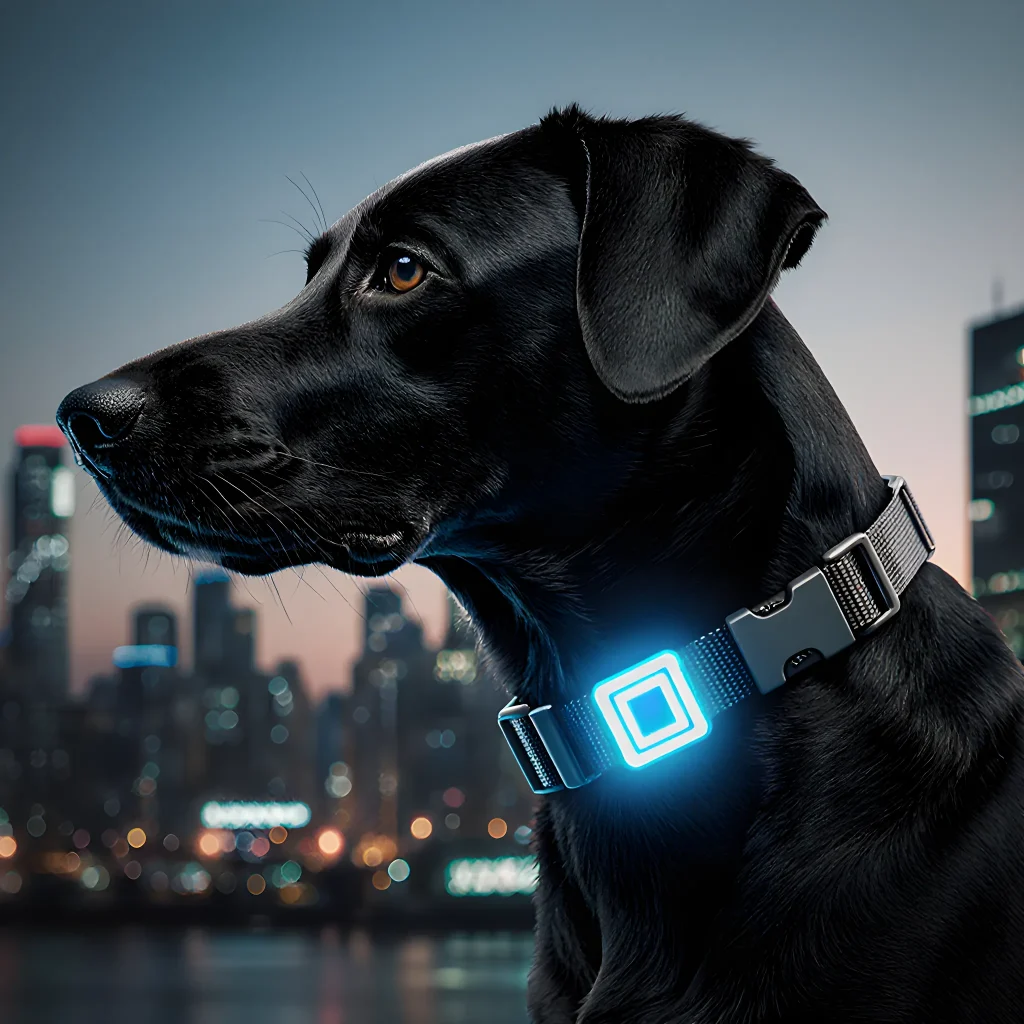
Microchips: Your Dog’s Invisible Shield
Hidden Armor: The Microchip Revolution for Dog Safety
Table of Contents
- Introduction
- What Is Microchipping?
- How It Works
- Legal Requirements & Regulations
- Safety Benefits for Your Dog
- Owner Verification Process
- Recovering Lost Dogs Faster
- Preventing Pet Theft
- Access to Health Records
- Cost and Availability
- Microchip Maintenance & Updates
- Choosing a Microchip Provider
- Common Misconceptions
- Next Steps for Dog Owners
- Conclusion
- FAQ
Introduction
When you think of pet safety, the first things that come to mind are leashes, collars, and perhaps a well‑furnished crate. Yet one of the most effective yet often overlooked tools in keeping your dog safe is microchipping. A microchip is a tiny (about the size of a grain of rice) medical-grade RFID device implanted just beneath the skin—usually between the shoulder blades. It stores a unique identification number that can be read by a handheld scanner, allowing anyone who finds your dog to quickly locate you and return them home.
How Microchipping Works
- Implantation: During the same visit as vaccination or routine check‑up, a veterinarian will insert the chip using a small needle. The procedure is painless and takes less than a minute.
- Registration: After implantation, you’ll register the chip number with a national database (e.g., Animal Birthdays, Four Legged Friend). The database records your contact details and any specific instructions.
- Scanning: If a lost dog is taken to a shelter or veterinary clinic, staff will scan the chip. Once read, the unique ID is looked up in the database, instantly pulling up your phone number, address, and pet’s name.
Real‑World Examples
- Case Study – “Bella” (2019): Bella went missing after a family picnic. A local animal shelter found her and scanned the chip, which directed them straight to her owners. Within an hour, Bella was safely returned home.
- Case Study – “Max” (2021): Max ran away during a storm. He was rescued by a passerby who used a free scanner app on their phone. The app displayed Max’s owner details, allowing the rescuer to contact him immediately.
Practical Tips for Pet Owners
- Get Microchipped Early: Puppies can be microchipped as early as 8 weeks old. The earlier, the better—especially if they are still learning to stay away from risky situations.
- Keep Your Registration Updated: Move to a new city? Update your address and phone number in the database. Some databases allow you to change contact info directly online; others require a call.
- Use a Secure Collar: Pair microchipping with a sturdy, break‑away collar that displays your contact information. Even if the chip is read, the collar provides immediate visual contact details.
- Carry a Scanner App: Several free mobile apps (e.g., “Pet ID” or “Microchip Finder”) let you scan chips on the go. Download one and keep it handy for emergencies.
Addressing Common Concerns
- Is microchipping painful?
- No. The needle is as small as a pin, and the procedure is virtually painless—most dogs recover immediately.
- Can the chip be removed or replaced?
- The chip is designed to remain in place for life. If you need to update your contact info, simply log into the database; no physical removal required.
- What if my dog has a health condition that affects scanning?
- Microchips are passive RFID devices and do not interact with medical conditions. However, always inform your vet of any chronic illnesses when registering.
In essence, microchipping is one of the most reliable safety nets for dog owners worldwide. By combining it with proper registration, a secure collar, and awareness of how to use scanning tools, you give your pet a powerful chance to return home safely—no matter where they wander.
What Is Microchipping?
A dog microchip is a tiny (about the size of a grain of rice) medical-grade RFID chip that is implanted just beneath a pet’s skin, usually between the shoulder blades. Unlike a collar tag or an ID bracelet, the microchip does not physically display your contact information; instead it stores a unique identification number in its memory. When scanned with a handheld reader, this number is transmitted to a database where the owner’s name, phone number, and other vital details are linked.
How It Works
- Implantation: The chip is inserted via a simple injection by a veterinarian. The procedure takes less than a minute and causes no pain once the anesthetic wears off.
- RFID Technology: When a scanner emits a low‑frequency radio signal, the chip’s antenna powers up and transmits its ID number back to the reader.
- Database Lookup: The number is entered into a national registry (e.g., PetLink, Microchip.org). The registry then pulls the owner’s contact information so it can be relayed to anyone who finds your dog.
Why It’s Crucial for Safety
Losing a pet is emotionally distressing and can even be life‑threatening if the animal ends up in an unsafe environment. Microchipping dramatically increases the odds that a lost dog will return home quickly, often within hours or days, rather than weeks or months.
Key Safety Benefits
- Rapid Identification: Search parties and shelters can scan all dogs they encounter without needing to rely on visual tags.
- Unforgeable ID: Unlike a collar tag that can be removed or lost, the chip is permanently implanted and cannot be tampered with.
- Data Accuracy: The database holds verified contact details. Even if a dog’s name changes, you simply update the registry entry.
- International Recognition: Many countries’ shelters and rescue groups use compatible scanners, which means your microchip can help reunite pets that cross borders or travel on planes.
Practical Advice for Owners
- Get it Early: Puppies as young as eight weeks old are eligible. Implanting early ensures the chip is in place before your dog becomes fully independent.
- Choose a Reputable Vendor: Look for microchip brands that are ISO‑certified and supported by major veterinary associations (e.g., AVMA, FCI).
- Update Your Details: If you move or change your phone number, log in to the registry portal and update your contact info immediately.
- Carry a Scanner: Many shelters provide scanners, but having a personal reader (costs $20–$30) lets you check whether your dog’s chip is working before any emergency occurs.
- Educate Your Family: Make sure everyone knows where the microchip number is stored and how to access the registry in case of loss.
Real‑World Example
When a 4‑year‑old golden retriever named “Buddy” went missing after a backyard fire, his owner called the local animal shelter. The shelter’s staff scanned Buddy’s microchip with a handheld reader and instantly retrieved his contact details from the national registry. Within an hour, Buddy was reunited with his family—an outcome that would have been unlikely if he had only worn a collar tag.
Bottom Line
Dog microchipping is a simple, painless procedure that provides peace of mind by ensuring your pet can be identified and returned safely no matter where they wander. If you haven’t already, talk to your veterinarian today about getting your dog micro‑implanted.
How It Works
Microchipping a pet is a simple, painless procedure that provides an indelible digital ID in the animal’s body. When a microchip is implanted, it contains a unique 15‑digit number that can be read by a small handheld scanner. That number is then linked to your contact information stored in a national or regional database.
Step‑by‑step process
- Veterinary appointment: Bring your dog to a licensed vet or animal shelter. The procedure takes less than a minute and is usually performed under local anesthesia.
- Insertion: A thin needle, similar in size to a hypodermic syringe, delivers the microchip into the soft tissue between the shoulder blades (inter‑scapular region).
- Verification scan: Immediately after implantation, the vet scans the chip with an RFID reader to confirm it’s active and readable.
- Database registration: The unique microchip number is entered into a national pet registry along with your name, address, phone number, and any special medical notes (e.g., “allergic to penicillin”).
- Follow‑up check: A few days later you can re‑scan the chip at home or in the clinic to ensure the information is still correct.
Why It’s Crucial for Safety
- Rapid identification: In shelters, rescue operations, or emergency veterinary visits, a scanner can instantly retrieve your contact details, reducing the time lost searching for owners.
- Preventing re‑adoption: Lost dogs are less likely to be mistakenly adopted by someone else because their microchip is unique and cannot be duplicated.
- Medical history access: Emergency responders can quickly check the chip’s database for medical conditions, ensuring appropriate treatment.
- Legal compliance: Many municipalities require microchipping for dogs as part of licensing laws. Non‑compliance can lead to fines or confiscation.
Practical Advice for Owners
- Keep the database updated: Whenever you move, change your phone number, or if your dog receives a new medical diagnosis, update the registry within 48 hours.
- Carry a scanner keychain: Some pet owners purchase a pocket‑sized RFID reader to scan any found dogs in their neighborhood. This can expedite identification and return.
- Teach your dog not to chew on the microchip area: While it’s safe, excessive pressure or trauma could potentially dislodge the chip; grooming around the shoulder blades should be gentle.
- Use a reputable clinic: Ensure that the vet uses a certified scanner and registers the chip in an official database (e.g., Pet Microchip Registry of your country).
- Consider additional safety measures: Combine microchipping with visible identification tags, GPS trackers, and training to reduce the risk of losing your dog.
Real‑world Example
When a golden retriever named “Luna” went missing during a hiking trip, her owner contacted the local shelter. The shelter staff scanned Luna’s microchip with a handheld reader and immediately retrieved her contact details from the national database. Within an hour, the owner was reunited with Luna in a different city, thanks to the rapid identification that microchipping enabled.
By integrating microchipping into your pet care routine, you’re not just fulfilling legal requirements—you’re actively safeguarding your dog’s life and ensuring peace of mind for both you and your furry companion.
Legal Requirements & Regulations
The Dog Microchipping Act 2016 and subsequent amendments mandate that every dog over the age of four months must carry a microchip implanted under the skin, typically between the shoulder blades. The law applies to all breeds, regardless of size or temperament.
Key Regulatory Points
- Mandatory Implantation: Failure to microchipe results in fines ranging from £100 to £500 and possible seizure of the animal.
- Registration Deadline: All existing dogs must be microchipped by 31 December 2025. New purchases are automatically registered upon adoption or sale.
- Data Protection: Microchip data is stored in a national database that complies with GDPR. Owners’ contact details must be kept up‑to‑date; failure to do so can invalidate the registration.
- Veterinary Responsibility: Veterinarians are required to verify the chip’s functionality before issuing a certificate of health and to report any non‑functional chips immediately.
Practical Steps for Compliance
- Schedule an Appointment: Book a microchipping session with your local vet. Most clinics offer a bundled package that includes the chip, registration, and a health certificate.
- Verify Chip Functionality: Use a handheld scanner to confirm the chip reads correctly before leaving the clinic.
- Update Your Details: After registration, log into the national database (e.g., DogChipRegistry) and ensure your address, phone number, and email are current.
- Keep a Physical Copy: Print or download the registration certificate. Store it in a safe place (e.g., your pet’s medical folder).
- Regular Checks: Re‑scan the chip every 12 months to catch any potential issues early.
Common Mistakes & How to Avoid Them
| Issue | Consequence | Solution |
|---|---|---|
| Chip not implanted correctly (e.g., too shallow) | Non‑readable chip, legal non‑compliance | Ask for a second opinion from an accredited vet |
| Failure to update contact info after moving | Lost track of the dog in case of re‑unification | Set reminders to update data annually or after any address change |
| Using a cheap, non‑standard chip | Incompatibility with national scanners | Choose chips that meet ISO 11784/11785 standards |
Case Study: The Lost Labrador Rescue
A Labrador named Max went missing for three days. Thanks to a properly registered microchip, the local animal shelter scanned him upon arrival and immediately contacted his owner via the updated database information. Within 24 hours, Max was reunited with his family, avoiding potential legal penalties for the shelter and highlighting the life‑saving power of compliance.
Resources & Contacts
- UK Government – Dog Microchipping Regulations
- PetReg – National Registration Portal
- Veterinary Association: [email protected]
By adhering to these legal requirements, you not only avoid fines but also play a crucial role in safeguarding your pet’s future and the community at large.
Safety Benefits for Your Dog
While the emotional and legal perks of microchipping are often highlighted, the most immediate advantage lies in the safety it provides your pet—and you.
1. Rapid Identification After a Feral Encounter
If your dog escapes or is found wandering in an unfamiliar area, rescue workers and veterinarians can quickly scan for the chip and retrieve contact details from the national database. This eliminates the guessing game of “Who owns this animal?” and ensures that your dog receives care from a trusted vet rather than being turned away by a shelter that may not know its history.
2. Quick Return in Urban Settings
- Case Study: A golden retriever named “Buddy” was found on a busy downtown street. The local animal control officer used a handheld scanner to identify Buddy’s chip, looked up his details instantly, and called his owner—saving him from an uncertain stay in the shelter.
- Practical Tip: Keep your phone handy when walking in cities; many pet‑friendly businesses now offer free microchip scans at their front desk.
3. Prevention of Wrongful Detention
In some jurisdictions, dogs that are not registered or identified may be seized by animal control for “public safety” reasons. A chip proves ownership and reduces the risk of your dog being taken away under false pretenses.
4. Insurance & Liability Protection
- Insurance Companies: Several pet insurance providers now require microchipping as a condition for coverage, citing it as a measure that reduces the risk of lost or stolen pets.
- Liability Claims: If your dog accidentally injures someone while roaming, having a chip can help establish ownership and responsibility quickly, potentially mitigating legal disputes.
5. Immediate Response During Natural Disasters
In events like floods or wildfires, shelters often receive large numbers of stray animals. Microchipped dogs are prioritized for identification, making it easier to reunite them with their owners before the disaster’s aftermath escalates.
6. Enhanced Veterinary Care During Emergencies
- Case Study: A dog that fell into a pond was rescued by a passerby. The local vet clinic scanned his chip and discovered he had a history of heart disease, allowing them to tailor the emergency treatment accordingly.
- Practical Tip: Encourage your veterinarian to keep an up‑to‑date record of your dog’s chip ID in their electronic health system.
7. Peace of Mind While Traveling
When you’re on vacation or traveling for work, microchipping gives you confidence that if your dog gets lost, there is a reliable way to contact you—no matter where you are in the world.
How to Maximize Safety Benefits
- Register Immediately: After implantation, register your dog’s chip number with the national database and any local registries.
- Update Contact Info: Keep phone numbers, email addresses, and home address current—especially after moving.
- Carry a Scan Card: Some shelters provide a microchip scan card that you can hand over; it contains the chip number and your contact details.
- Check Local Laws: Verify whether microchipping is mandatory in your state or country; non‑compliance might lead to fines or loss of veterinary services.
In short, a microchip is not just a safety net—it’s a lifeline that can mean the difference between a quick reunion and an extended search. By ensuring your dog’s chip is up to date and easily accessible, you’re giving them the best chance at staying safe, healthy, and loved.
Owner Verification Process
The owner verification process is the backbone of responsible pet ownership and the safety net that protects every dog in a community. By linking each microchip to a verified, up‑to‑date owner record, veterinarians, shelters, law enforcement, and even everyday citizens can quickly confirm who owns a stray or lost animal. Below are practical steps, real‑world examples, and actionable advice for pet owners and organizations looking to streamline this process.
1. Registering the Microchip with an Official Database
- Select a Reputable Registry: Choose from national databases such as Microchip.org, PetLink, or your local animal control authority’s system. Verify that the registry accepts the chip brand and model you plan to use.
- Enter Accurate Information: Provide full name, address, phone number, email, and emergency contact details. Double‑check spelling and format—typos can prevent a quick lookup later.
- Attach Veterinary Records (Optional): Some registries allow uploading vaccination histories or medical notes, creating a one‑stop reference for all parties.
2. Updating the Record When Life Changes
Life events—moving houses, changing phone numbers, or adopting another pet—require immediate updates to keep the database current.
- Automatic Alerts: Many registries offer email or SMS notifications when a chip is scanned. Use these alerts to confirm that the recorded owner matches your contact information.
- Self‑Service Portals: Log in and edit details anytime; most platforms provide a simple “edit profile” button.
3. The Scan Process: How It Works in Real Situations
When an animal is found or brought to a shelter, staff use handheld readers to pull the chip ID. The reader sends the code to the registry’s server, which returns the owner details.
| Scenario | Steps |
|---|---|
| Lost Dog Reported to Police | Officer scans chip → registry returns owner contact → police contacts owner for pickup. |
| Shelter Intake of Stray | Shelter staff scans → identifies registered dog → records as “found” and informs owner. |
| Veterinary Check‑up for Unknown Dog | Vet scans → owner info displayed on screen → vet updates medical record under that owner's profile. |
4. Practical Tips for Pet Owners
- Keep a Backup: Store a printed copy of the registration confirmation in your wallet or safe.
- Use a QR Code: Some registries generate a QR code linking to the owner’s profile—attach it to your dog’s collar as an extra identifier.
- Teach Your Dog Basic Commands: A well‑trained dog is less likely to wander off, reducing loss risk.
5. Why This Matters for Safety
Microchip owner verification reduces the number of dogs that end up in shelters or on the streets. Quick identification means:
- Reduced Stress: Dogs reunited with their owners are less anxious.
- Improved Public Health: Timely re‑vaccination and treatment prevent disease spread.
- Legal Protection: Owners can prove possession, avoiding disputes or wrongful claims.
6. Community Initiatives to Support Verification
Many municipalities run “Microchip Drives” offering free or discounted chips and registration. Partner with local vets, shelters, and animal‑rights groups to host workshops that walk owners through the verification process.
Bottom line: The owner verification process is not just a bureaucratic step—it’s a lifeline for dogs and their families, ensuring safety, health, and peace of mind across communities.
Recovering Lost Dogs Faster
Microchipping has become the gold standard in pet identification, offering a reliable and permanent way to reconnect lost dogs with their owners. Unlike collars or tags that can be removed or damaged, a microchip is implanted under the skin—usually between the shoulder blades—and contains a unique 15‑digit number linked to your contact information.
How Microchipping Speeds Recovery
- Instant Identification: When a lost dog is found, shelters and vets can scan the microchip with a handheld reader in seconds. The chip’s ID immediately pulls up your database entry, eliminating guesswork.
- No Need for Lost‑Pet Notices: Traditional flyers rely on owners to spot their pet and remember the details. With a microchip, as soon as anyone scans it, you are notified—often via email or text—cutting down the response time dramatically.
- Global Reach: Most microchip registries (e.g., NICF, I‑Microchip) allow owners worldwide to update contact info. If your dog is found in another city or country, a local vet can still connect you.
Practical Steps for Owners
- Choose a Reputable Registry: Look for registries accredited by the Microchip Animal Identification Foundation (MAIF) or the American Veterinary Medical Association (AVMA). These ensure your data is stored securely and accessible worldwide.
- Update Your Profile Immediately: After the chip is implanted, log in to your registry account and enter a current phone number, email address, and home address. Don’t forget to add an alternate contact—such as a family member or neighbor—in case you’re unreachable.
- Carry Your Microchip ID Card: Keep the card with you at all times (in your wallet, purse, or on a keychain). It’s handy if you need to prove ownership quickly, for example when claiming a found dog from a shelter.
- Regular Check‑Ins: Once every six months, have a vet scan the chip to confirm it’s still active and that your details are correct. Some clinics offer free scans during routine visits.
Real‑World Example
Case Study: “Buddy” the Golden Retriever
- Buddy was found on a city sidewalk after his owner had left for work. A passerby took him to a local animal shelter.
- The shelter scanned Buddy’s microchip within 15 minutes, pulling up the owner's contact details from the national registry.
- The owner received an email notification and called the shelter immediately. Within hours, Buddy was reunited with his family.
Common Myths Debunked
| Myth | Reality |
|---|---|
| The chip is painful. | A veterinarian uses a local anesthetic; the procedure takes less than 30 seconds and the dog feels no discomfort afterward. |
| Microchips can be removed. | Removal requires a specialized surgical tool and is typically unnecessary unless there's a medical reason. |
| Only large dogs need microchipping. | All dog breeds benefit—microchips are safe for puppies as young as 8 weeks old. |
Final Takeaway
Microchipping is a simple, low‑cost investment that can mean the difference between a lost dog becoming a permanent family member and a heartbreaking loss. By pairing it with up-to-date registry information and proactive owner habits, you dramatically increase the chances of a swift and safe reunion.
Preventing Pet Theft
When it comes to keeping your four‑legged friend safe, microchipping is the most reliable line of defense against theft and loss. Unlike collars or tags that can be removed or lost, a microchip is implanted under the skin and contains a unique identification number linked to your contact details in a national database.
How Microchips Work
- Implantation: A veterinarian injects a small chip (about the size of a grain of rice) between the shoulder blades.
- Identification Number: The chip stores a unique ID number, not personal data itself.
- Database Registration: You provide your name, phone number, and address to the clinic, which updates the national pet registry.
- Scanning: If someone finds your dog, they can scan it with a handheld scanner at shelters or vet offices. The scanner reads the ID and pulls up your contact info from the database.
Benefits Beyond Theft Prevention
- Quick Reunification: In emergencies, vets can locate you within minutes.
- Legal Proof: Microchip data can serve as evidence in disputes over ownership.
- Health Records: Some registries allow you to attach vaccination and medical history.
Practical Steps for Owners
- Choose a Reputable Clinic: Look for certified microchip providers. The American Veterinary Medical Association (AVMA) lists approved vendors.
- Register Immediately: After implantation, ensure your contact details are entered in the national database and keep a copy of the registration receipt.
- Update Information: Whenever you move or change phone numbers, update the registry to avoid lost communication.
- Carry a Scanner: If you work in pet care (vets, groomers), invest in a handheld scanner to help recover lost pets quickly.
Common Misconceptions
- “The chip can be read by anyone.”
- No. Only devices that emit a radio frequency signal (like scanners) can activate the chip and retrieve its ID.
- “I don’t need a tag if my dog is microchipped.”
- Tags provide immediate visual identification for people who find your pet. Combine both for maximum safety.
Real‑World Example
In 2023, a family in Ohio lost their German Shepherd during a hike. A local shelter found the dog and scanned its chip. The database matched the ID to the family's contact details, and they were reunited within 48 hours—without the family having to search for weeks or risk losing the pet forever.
What To Do If Your Dog Is Stolen
- Contact Local Shelters: Bring a scanner if you have one.
- File a Police Report: Provide the microchip number and any identifying details.
- Spread the Word: Post on community boards, social media, and pet‑theft alert groups.
Bottom line: Microchipping isn’t just a safety feature—it’s an essential investment in your pet’s lifelong security. Protect your companion today so you can enjoy peace of mind tomorrow.
Access to Health Records
When a dog is microchipped, the chip contains a unique identification number that can be linked to a central database. This database typically holds essential health information such as vaccination records, medical history, and any special care instructions. Having quick access to this data can make the difference between a routine checkup and an emergency intervention.
Why Health Records Matter in Real‑World Situations
- Emergency Vet Visits: If your pet is found wandering or brought into an emergency clinic, the vet can scan the chip immediately to pull up vaccination status and any known allergies.
- Travel & Boarding: Many boarding facilities and travel authorities require proof of current vaccinations. A microchip-linked record streamlines this verification process.
- Lost‑Pet Recovery: Once a lost pet is found, the rescuer can scan the chip to retrieve contact details and any medical instructions that might be critical for safe handling.
Practical Steps to Ensure Your Dog’s Records Are Up‑to‑Date
- Register Immediately: As soon as you get your dog microchipped, register the chip number with a reputable national database (e.g., Microchip.org or PetLink). Include your contact info and any emergency contacts.
- Keep Vaccination Cards Current: After each vet visit, ask for an updated vaccination card. Many clinics also offer digital updates that sync automatically to the database.
- Use a Vet Portal: Some veterinary practices provide online portals where you can log in and view or update your pet’s health records. Set up email notifications for upcoming shots or check‑ups.
- Regular Audits: Once a year, review the database entry to ensure all information matches what’s on hand—especially if you’ve moved or changed vet practices.
Common Pitfalls and How to Avoid Them
Mis‑entered Chip Number: A typo can render the chip useless. Double‑check the number during registration.
Outdated Contact Info: If you move or change phone numbers, update your profile immediately—otherwise, rescue teams won’t be able to reach you.
Ignoring Updates After Surgery or Illness: Document any significant medical events. Future caregivers will need this context to make informed decisions.
Real‑Life Example
Case Study – “Buddy” the Labrador:
Buddy’s owner, Sarah, had recently moved to a new city. While registering Buddy’s chip, she forgot to update her phone number. A few weeks later, Buddy got into an accident and was brought to a local emergency clinic. The vet scanned the chip but could not contact Sarah for critical medical history. Fortunately, the database still contained Buddy’s vaccination records, which helped the vet administer appropriate treatments. After this incident, Sarah updated her contact details, ensuring future emergencies would be handled smoothly.
Bottom Line
Microchipping is more than a safety feature—it’s an access point to your dog’s health history. By keeping the associated records accurate and up‑to‑date, you empower veterinarians, shelters, and rescue teams to provide timely, informed care that can literally save lives.
Cost and Availability
While the price tag can vary depending on location and provider, most pet owners find that a microchip is a one‑time investment with long‑term benefits. Below are typical cost ranges and factors that influence pricing:
- Basic Microchip (ISO compliant): $20 – $35 per chip plus an additional fee for implantation, usually around $5 – $10.
- Premium/Advanced Chips (e.g., with unique ID or additional data storage): $30 – $50 per chip plus a similar implantation fee.
- Bulk Packages: Some veterinary clinics offer discounts for multiple pets, typically 10–15% off the standard rate when you microchip more than one dog at once.
- Traveling Clinics or Mobile Vet Services: These may charge a higher fee (up to $50 per chip) due to travel and equipment costs.
It’s worth noting that many pet insurance plans cover microchipping as part of the initial vaccination package, potentially reducing out‑of‑pocket expenses. Additionally, some local animal shelters or rescue organizations provide free or low-cost microchipping for pets in their care.
Factors That Can Increase Costs
- Veterinary vs. Pet Store: Veterinary clinics often charge more because they perform a comprehensive health check before implantation.
- Geographic Location: Urban areas or regions with higher cost of living may see slightly elevated prices.
- Chip Brand and Certification: ISO‑certified chips are generally pricier but guarantee compatibility with international scanning devices.
Practical Advice for Budget‑Conscious Pet Owners
- Ask for a Bundle: Request a combined vaccination and microchipping package; many vets bundle the two at a discounted rate.
- Check for Local Grants or Programs: Some municipalities offer free microchip programs during pet registration drives.
- Compare Quotes: Get written estimates from at least three providers before making a decision.
- Consider DIY Options: While not recommended, some pet owners purchase a microchip kit online and implant it themselves. This can save money but carries risks of improper placement or infection.
Real‑World Example
A family in Austin, Texas paid $27 for an ISO‑compliant chip plus a $7 implantation fee at their local vet. They also received a free vaccination shot that day, bringing the total to $34—well below the national average of $45–$55 for similar services.
Long‑Term Value
When you factor in potential savings from avoiding costly emergency care (e.g., if your dog is found lost and brought to an animal shelter), the microchip’s initial cost can be seen as a small price for peace of mind.
Microchips are widely available across the United States, but accessibility can differ based on region and type of service provider. Below is an overview to help you locate a reputable microchipping facility near you:
1. Veterinary Clinics
- Pros: Professional implantation, immediate record updates in the clinic’s database.
- Cons: Slightly higher cost; may require an appointment.
2. Pet Stores with Vet Partnerships
- Pros: Convenient location, often included in a bundle of pet supplies and vaccines.
- Cons: Not all stores have licensed veterinarians on staff; check credentials before proceeding.
3. Mobile Vet Services
- Pros: Ideal for pet owners who cannot visit a clinic, especially during the COVID‑19 pandemic or in rural areas.
- Cons: Higher fee due to travel costs; limited availability on short notice.
4. Animal Shelters & Rescue Groups
- Pros: Many shelters offer free or low‑cost microchipping for pets in their care.
- Cons: Availability may be limited to specific days or weeks; often requires the pet to be adopted first.
5. Online Microchip Purchases
- Pros: You can buy a chip online and have it implanted by a local vet at your convenience.
- Cons: The chip itself is cheap, but the implantation fee still applies; potential for mislabeling if not properly registered.
How to Verify Your Microchip’s Availability
- Check the Manufacturer’s Website: Most major brands (e.g., Avista, Home‑Pet, Imax) provide a searchable database of registered microchips.
- Use the Avista Microchip Registration Site: Enter your pet’s ID number and see if it’s linked to an address in the U.S. or abroad.
- Contact Your Local Animal Control Agency: They can confirm whether they have records of your microchipped dog in their database.
Practical Tips for Finding a Service Near You
- Search “dog microchip clinic near me” on Google Maps or Yelp to read reviews and compare prices.
- Ask your neighbors, friends, or local pet‑related businesses if they have recommendations.
- Call ahead to confirm that the provider is licensed and follows ISO standards for chip implantation.
Example Scenario
A dog owner in rural Montana found
Microchip Maintenance & Updates
While a collar tag and ID number are useful, they can be lost or destroyed in an emergency. A microchip is a tiny (small chip) electronic device implanted under the skin that holds a unique identifier linked to your pet’s record. If you’re ever separated from your dog, veterinary staff can scan the chip with a handheld reader and instantly retrieve the owner’s contact details. That simple step can be the difference between a lost pup wandering the streets for weeks or being reunited with you in hours.
1. How Microchipping Works
- Implantation: A veterinarian injects the chip into the dog’s shoulder muscle using a syringe similar to a rabies vaccine. The procedure takes less than a minute and is painless.
- Identification Number: Each chip contains an immutable 12‑digit number that can’t be altered or duplicated.
- Database Registration: After implantation, the vet registers the number in a national or regional microchip database along with your contact information. It’s essential to keep this record up‑to‑date.
2. Common Scenarios Where Microchipping Saves Lives
- Lost during a walk: Your dog wanders off in a busy park. A passerby finds him and brings him to the nearest clinic, where a simple scan returns your number.
- Accidental injury: Your dog falls into a ditch or gets hit by a vehicle. The chip allows rescuers to quickly identify you without needing a collar tag.
- Travel & relocation: When moving to a new country, microchip data is often required for customs and pet import regulations.
3. Practical Maintenance Tips
Microchips are designed to last a lifetime, but proper upkeep ensures reliability.
- Regular Database Checks: Log into your microchip provider’s portal every six months and verify that your phone number, email address, and emergency contacts are current.
- Annual Vet Visits: During routine check‑ups, ask the vet to scan the chip. If it doesn’t read, schedule a re‑implantation immediately.
- Keep Records Accessible: Store your microchip registration confirmation in a safe place—both physically (e.g., a folder in your home) and digitally (cloud backup).
4. Common Misconceptions Debunked
- “Microchips can be read from outside the body.”
- No, they require a handheld scanner that emits a magnetic field; the chip is not detectable by standard radio‑frequency identification (RFID) readers.
- “I don’t need to update my contact info because it’s already in the database.”
- Once you move or change phone numbers, you must update your record. Many lost‑pet databases will not reach you if the details are outdated.
- “Microchipping is painful and risky.”
- The procedure is virtually painless, comparable to a vaccination shot. Side effects are rare (<0.01%), typically mild swelling that resolves within hours.
5. How to Choose the Right Microchip Provider
- Compliance: Ensure the chip meets ISO/IEC standards (ISO 11784 and 11785).
- Database Coverage: Opt for a provider with nationwide or international reach so your dog’s data can be accessed wherever you travel.
- Customer Support: Look for providers offering 24/7 support, including phone and live chat, especially if you own pets in multiple time zones.
6. Quick Reference Checklist
| # | Task | Frequency |
|---|---|---|
| 1 | Update contact info after relocation or phone change. | As needed |
| 2 | Annual vet scan for chip functionality. | Yearly |
| 3 | Backup registration confirmation digitally. | Biannually |
| 4 | Verify compliance with local pet‑ownership regulations. | Every 2–3 years |
By treating microchip maintenance like any other aspect of responsible pet ownership—regular check‑ups, record keeping, and prompt updates—you give your dog the best chance to return home safely, no matter where life takes you.
Choosing a Microchip Provider
When it comes to securing the long‑term safety of your dog, selecting the right microchip provider is as critical as choosing the right chip itself. A reputable provider guarantees reliable identification, data integrity, and support that can make the difference between a lost pet being reunited quickly or remaining missing for months.
1. Look for Accredited Manufacturers
- ISO/IEC 11784 & 11785 Compliance: These international standards ensure the chip’s electrical performance and data format are consistent worldwide, allowing any veterinary clinic or rescue organization to read it.
- Regulatory Approvals: In many countries, microchip manufacturers must obtain approval from regulatory bodies (e.g., FDA in the U.S., CE marking in Europe). Check for these seals on the product packaging or the company’s website.
2. Verify Read/Write Capabilities
A read‑only chip is common, but some providers offer read/write options that let you update your dog’s information without re‑implanting a new device. This can be handy if you move houses or change contact details.
3. Evaluate the Vendor’s Support Network
- 24/7 Customer Service: If you’re abroad and need to access your dog’s database, round‑the‑clock support is invaluable.
- Online Account Management: A user-friendly portal that lets you verify chip registration, update contact details, and view the chip’s status saves time and reduces errors.
- Training Resources: Many providers offer webinars or guides on how to properly register a microchip, troubleshoot reading issues, and keep your records up to date.
4. Consider Data Security & Privacy Policies
Your dog’s microchip database contains sensitive personal information. Make sure the provider uses encryption for data transmission (TLS/SSL) and follows GDPR or equivalent privacy regulations if you’re in the EU or other jurisdictions.
5. Compare Costs and Warranty Terms
- Initial Purchase vs. Subscription: Some companies charge a one‑time fee for the chip, while others bundle it with an annual subscription to maintain your registration.
- Warranty on Implantation: Verify that the provider guarantees the chip’s functionality for at least five years and offers replacements if the chip fails.
6. Read Real‑World Reviews & Case Studies
Search for testimonials from pet owners who’ve used the provider’s service during a rescue operation. Pay attention to how quickly they received a response, whether the data was accurate, and if any technical issues arose.
Practical Example: Choosing Between MicrochipCo and PawSafe Ltd.
| Feature | MicrochipCo | PawSafe Ltd. |
|---|---|---|
| ISO Compliance | Yes (11784/11785) | Yes (11784/11785) |
| Read/Write Capability | No – Read‑Only | Yes – Read/Write |
| 24/7 Support | Yes (phone + chat) | Limited to business hours |
| Online Portal | Advanced dashboard with API access | Basic web form |
| Cost (per chip) | $35 + $9.99/year subscription | $30 one‑time fee, free for 3 years |
| Warranty on Implantation | 5-year guarantee with replacement | 2-year guarantee only |
In this scenario, if you prioritize ongoing support and the ability to update your dog’s information remotely, PawSafe Ltd. may be the better fit. If you value a robust online ecosystem and longer warranty coverage, MicrochipCo could be preferable.
Final Checklist Before You Purchase
- Confirm ISO/IEC compliance and regulatory approvals.
- Verify read/write functionality if needed.
- Ensure 24/7 customer support and a user-friendly online portal.
- Check data security measures and privacy policies.
- Compare upfront costs, subscription fees, and warranty terms.
- Read recent customer reviews and case studies.
Choosing the right microchip provider is a foundational step in safeguarding your dog’s future. By evaluating these factors carefully, you can rest assured that your pet will be quickly identified and returned home should they ever get lost.
Common Misconceptions
1. “Microchips are painful and cause long‑term discomfort.”
- Modern microchips use a tiny, 12‑mm‑long implant that is inserted just below the skin between the shoulder blades. The procedure takes less than a minute and typically causes no pain beyond a brief pinch.
- Veterinarians use local anesthetic or simply hold the dog’s head still; most pets recover in seconds and show no signs of distress afterward.
2. “Microchipping is only useful if I lose my dog.”
- The chip acts as a permanent, tamper‑proof ID. If your dog wanders into a neighbor’s yard or a city shelter, the microchip ensures they can be returned to you without any paperwork.
- In cases of mass animal rescues—such as after natural disasters—microchips speed up reunification by linking pets with their owners via national databases.
3. “My dog’s collar ID tag is enough.”
- Collar tags can be lost, torn, or removed during a fight. Microchips remain in the body even if your dog loses its collar.
- A chip provides an unalterable identifier that shelters and vets use to look up ownership records instantly.
4. “Microchipping is expensive.”
- The cost ranges from $15–$30 for the chip itself, plus a small fee for registration in your state’s database (often included in routine veterinary visits).
- Consider it an investment: the potential cost of rehoming or the emotional toll of losing a pet far outweighs the modest upfront expense.
5. “Once implanted, I can’t remove or change the chip.”
- Microchips are designed to be permanent; removal is rare and typically only done if a medical condition requires it.
- If you move states or countries, simply update the registration information in your database—no physical alteration needed.
6. “All microchips are the same.”
- There are two main types: passive (read by scanners) and active (emit a signal). Passive chips are standard for pet identification because they’re inexpensive, durable, and don’t require batteries.
- Ensure your chip complies with ISO standards (ISO 11784/11785) so it can be read worldwide.
7. “I can rely on GPS trackers instead of microchips.”
- GPS devices depend on battery life, signal availability, and internet connectivity—none of which are guaranteed during emergencies.
- A microchip is a passive system that works regardless of power or network status; it’s the only reliable way to identify a lost animal instantly.
Practical Tips for Your Microchipping Experience
- Schedule during a routine vet visit: Most clinics include microchipping in their basic exam packages.
- Verify registration: After implantation, double‑check that the chip number appears correctly in your local database. If it doesn’t, request an update immediately.
- Keep a copy of your dog’s record: Store the microchip ID and registration details in a safe place (e.g., with your pet’s medical records).
- Update information promptly: Whenever you change your address, phone number, or contact details, update the database so shelters can reach you.
By debunking these myths and understanding the real benefits of microchipping, you’ll give your dog the best chance of a safe return should they ever become lost. It’s simple, painless, and life‑saving—an essential step in responsible pet ownership.
Next Steps for Dog Owners
Now that you understand why microchipping is vital for your pet’s safety, here are concrete actions you can take to ensure the process is smooth and effective.
1. Select a Trusted Microchip Company
- Research brands: Look for microchips that comply with ISO 11784/11785 standards, such as Imprime, Avacta, or Plexor.
- Check local regulations: Some regions require specific chip types; verify what your municipality accepts.
- Read reviews: Browse forums, read testimonials from other dog owners, and ask for recommendations at your vet’s office.
2. Book an Appointment with Your Veterinarian
Most veterinary clinics perform microchip implantation during routine wellness visits or spay/neuter surgeries.
- Ask about the procedure: Inquire whether the clinic uses a single‑dose or two‑step injection, and confirm that they will provide you with the chip’s ID number.
- Timing matters: Implantation is most effective before your dog turns 8 weeks old, but it can be done at any age.
3. Enter the ID Number into a Nationwide Database
Registering the chip ensures that if your dog is lost, anyone who scans it can retrieve your contact information.
- Choose a database: In the U.S., Pet MicroChip and Dog Tagged are popular. Many countries have their own national registries.
- Provide accurate details: Your name, address, phone number, email, and a photo of your dog help authorities contact you quickly.
- Keep it up to date: Whenever you move or change contact info, update the database immediately.
4. Let Local Businesses and Neighbors Know
Spread awareness so that anyone who finds your dog can check for a chip or contact you.
- Post a flyer in pet stores, parks, and community centers.
- Share a short post on local Facebook groups with the phrase “Microchipped – If found, call [your number].”
- Consider adding your microchip ID to any pet insurance policy or pet‑tracking app you use.
5. Verify the Chip’s Functionality Periodically
Microchips are designed to last a lifetime, but it’s wise to check that they still work.
- Annual vet visits: Ask your vet to scan the chip during routine exams.
- Use an at‑home scanner if you’re in a remote area and suspect the chip may be lost or damaged.
6. Create an Emergency Kit for Your Dog
In case your dog gets injured while on a walk, having essential supplies can make a difference.
- First‑aid kit (bandages, antiseptic wipes).
- A copy of the microchip registration details.
- Proof of ownership documents (e.g., vaccination record).
- A small bag with treats or a favorite toy to calm your dog.
7. Teach Everyone Who Interacts With Your Dog About Microchipping
When friends, family, or pet sitters know your dog is microchipped, they’re more likely to act responsibly if the dog wanders off.
- Show them how to use a scanner (if you have one).
- Explain that calling the number on the chip registration can help reunite lost pets with their owners quickly.
Microchipping is a simple, painless step that dramatically increases your dog’s chances of returning home safely. By following these next steps, you’ll give your furry friend the best chance to stay protected and loved.
Conclusion
Microchipping has become the gold standard in pet identification, offering a reliable, permanent solution that goes far beyond traditional tags or collars. When you microchip your dog, you’re not just giving them an extra layer of protection—you’re actively safeguarding their future and contributing to the broader community’s safety net.
Key Benefits for Your Dog
- Permanent Identification: Unlike collars that can be lost or removed, a microchip remains inside your dog’s body for life. Even if they are adopted or change owners, the chip ensures continuity of care.
- Quick Reunification: In the event your dog goes missing, shelters and veterinarians can scan quickly to retrieve your contact information—often within minutes.
- Health Records Access: Many microchip databases allow you to store vaccination records, allergies, or special medical notes that can be accessed by any vet who scans the chip.
Practical Steps for Microchipping Your Dog
- Choose a Reputable Vendor: Look for companies licensed by your local animal welfare authority. Ask about their scanning equipment and database security.
- Get the Procedure Done Properly: The chip is typically implanted under the skin between the shoulder blades using a sterile needle—no anesthesia required, just a quick touch.
- Update Your Information Immediately: After implantation, verify that your name, phone number, and address are correctly entered into the national registry. If you move, remember to update it promptly.
- Carry a Microchip Card: Keep a physical card in your wallet or purse with your dog’s microchip ID and contact details—this is handy for veterinarians who may not have instant database access.
Common Myths Debunked
Myth: Microchips are painful. Truth: The procedure is virtually painless, comparable to a quick injection. Most dogs recover immediately with no discomfort.
Myth: Microchipping guarantees safety. Reality: It’s one essential tool—combining it with proper supervision, training, and secure fencing creates the safest environment for your pet.
Real-World Success Stories
- Case Study A: A dog named Max was found wandering near a busy highway. A passerby scanned his collar tag—no luck—but a shelter employee used a handheld scanner and instantly located his owner, thanks to the microchip database.
- Case Study B: When a local vet discovered an allergic reaction in a newly adopted dog, they scanned the chip to pull up previous medical history. The owner’s pre-existing allergy was identified, preventing further complications.
Final Takeaway
Microchipping is more than a bureaucratic requirement; it’s a proactive step that protects your dog and eases the burden on shelters, veterinarians, and rescue teams. By ensuring your pet’s identity is permanently linked to you—or whoever takes care of them—you’re investing in peace of mind, quicker reunions, and ultimately, a safer life for your beloved companion.
FAQ
Microchipping is a small, inexpensive technology that has become an essential tool in ensuring the safety and well‑being of dogs worldwide. While it may sound like just another pet accessory, the microchip acts as a permanent ID tag that can help reunite lost pets with their owners within minutes—or even days—rather than weeks or months.
How Microchipping Works
- Chip Size and Placement: The chip is about the size of a grain of rice and is implanted subcutaneously, usually between the shoulder blades. It does not grow with the dog; it stays in place for life.
- Unique Identification Number: Each chip contains a unique serial number that links to the owner's contact information stored in a national database.
- Scanning Process: A handheld scanner reads the chip’s magnetic field and displays the ID number. The vet or shelter then looks up the number online to retrieve the owner’s details.
Practical Benefits of Microchipping
- Rapid Reunification: In a lost‑pet scenario, shelters and veterinarians can scan thousands of dogs in minutes. The chances of finding the rightful owner increase dramatically.
- Legal Compliance: Many municipalities now require microchipping for all pets. Non‑compliance can result in fines or confiscation of the animal.
- Insurance and Veterinary Records: Some pet insurance providers offer reduced premiums if your dog is microchipped, as it lowers the risk of loss or theft.
Real‑World Examples
Case Study: The Lost Golden Retriever in Seattle
- A family reported their golden retriever missing after a hiking trip. Within an hour, a local rescue team found the dog at a nearby park and scanned it.
- The microchip’s ID number matched to the family’s contact info in the state database.
- Thanks to rapid identification, the dog was reunited with its owners the same day—saving them months of worry.
Case Study: The Stolen German Shepherd in London
- A German shepherd went missing after being stolen from a backyard. A passerby found it and took it to a veterinary clinic.
- The microchip scan revealed the dog’s identity, allowing police to trace the theft quickly.
- Law enforcement recovered both the dog and the thief within 48 hours.
Step‑by‑Step Guide: Getting Your Dog Microchipped
- Choose a Reputable Vet or Shelter: Most veterinary clinics offer microchipping. Verify that they use ISO‑certified chips.
- Complete the Registration Form: Provide your full name, address, phone number, and email. Double‑check the accuracy—any errors can delay reunification.
- Undergo the Procedure: The vet will use a sterile needle to implant the chip under the skin. The process is painless and takes less than five minutes.
- Update Your Information Regularly: If you move or change your phone number, update the database immediately.
- Keep a Record of the Microchip Number: Write it down somewhere safe; this can be handy if you need to prove ownership later.
Common Misconceptions Debunked
- “Microchips are painful.” The procedure is virtually painless, comparable to a quick vaccination shot.
- “The chip will fall out or become inactive.” Microchips are designed to last for the life of the animal and cannot be removed without professional help.
- “I can just put a collar with my number on it.” Collars can break, get lost, or be removed. A microchip is invisible, permanent, and always present.
What to Do If Your Dog Is Lost
- Scan the Dog: Use a scanner at shelters or veterinary clinics immediately.
- Notify Local Shelters & Vets: Provide them with your contact details and the dog’s microchip number.
- Use Online Lost‑Pet Platforms: Post photos and details on websites like Petfinder, Nextdoor, or local Facebook groups.
- Check Microchip Database: If you’re not sure your dog is registered, use an online lookup tool to verify the chip number.
Microchipping isn’t just a one‑time expense—it’s a lifetime safety net that protects your beloved companion and offers peace of mind for pet owners everywhere. By following these practical steps and staying vigilant with your contact information, you can ensure that your dog is always identified, no matter where life takes them.
Categories
- AI & Enrichment Play
- Broiler Farming
- Broiler Farming Tips
- Canine Wellness & Longevity
- Cat
- Cat & Human Connection
- Cat Adoption & Rescue
- Cat Breeds
- Cat Breeds & Personalities
- Cat Care & Health
- Cat Grooming & Hygiene
- Cat Lifestyle & Environment
- Cat Myths & History
- Cat Nutrition & Diet
- Cat Products & Reviews
- Cat Training & Behavior
- Comparison
- Consumer Awareness
- Dog
- Dog Accessories & Products
- Dog Adoption & Rescue
- Dog Breed & Lifestyle Trends
- Dog Breeding & Puppies
- Dog Entertainment & Media
- Dog Fashion & Trends
- Dog Fun & Lifestyle
- Dog Grooming & Hygiene
- Dog History & Culture
- Dog Myths, Science & Future Tech
- Dog News & Trends
- Dog Nutrition & Food
- Dog Psychology & Emotions
- Dog Safety & Security
- Dog Sports & Activities
- Dog Technology & Innovation
- Dog Training for Modern Owners
- Dog Travel & Adventure
- Dog Travel, Adventure & Culture
- Economic and Market Insights
- Educational Content
- FAQs
- Feeding Alternatives
- Festivals & Seasonal Ideas
- Fun & Entertainment
- General Knowledge
- General Pig Farming
- Health & Disease Management
- Housing and Environment
- Kittens
- Market Insights
- Miscellaneous
- Miscellaneous
- Motivational
- pig
- Pig Breeding
- Pig Breeds
- Pig Farming Stories and Inspiration
- Pig Health and Care
- Pig Nutrition
- Pig Products
- Profitability & Business
- Puppy Care
- Puppy Predictable Topics Reinvented
- Regional Focus
- Rescue & Adoption Buzz
- Senior Cats
- Senior Dog Care
- Smart Dog Tech & Gadgets
- Sustainability
- Sustainable & Eco-Friendly Dog Products
- Tech & Innovations
- Working & Service Dogs
- Broiler Feed66 products
- Country Feed33 products
- Pig Feed66 products
- Product22 products
- Raw Materials99 products
Products
-
 Fish Meal
₹1,999.00 – ₹2,999.00Price range: ₹1,999.00 through ₹2,999.00Rated 0 out of 5
Fish Meal
₹1,999.00 – ₹2,999.00Price range: ₹1,999.00 through ₹2,999.00Rated 0 out of 5 -
 FATTENING BROILER FEED
₹2,299.00 – ₹2,349.00Price range: ₹2,299.00 through ₹2,349.00Rated 0 out of 5
FATTENING BROILER FEED
₹2,299.00 – ₹2,349.00Price range: ₹2,299.00 through ₹2,349.00Rated 0 out of 5 -
 LAYER COUNTRY FEED
₹1,549.00 – ₹1,649.00Price range: ₹1,549.00 through ₹1,649.00Rated 0 out of 5
LAYER COUNTRY FEED
₹1,549.00 – ₹1,649.00Price range: ₹1,549.00 through ₹1,649.00Rated 0 out of 5 -
 COUNTER BROILER FEED
₹1,199.00 – ₹1,299.00Price range: ₹1,199.00 through ₹1,299.00Rated 0 out of 5
COUNTER BROILER FEED
₹1,199.00 – ₹1,299.00Price range: ₹1,199.00 through ₹1,299.00Rated 0 out of 5 -
 LACTATING PIG FEED
Rated 0 out of 5
LACTATING PIG FEED
Rated 0 out of 5₹2,299.00Original price was: ₹2,299.00.₹1,740.00Current price is: ₹1,740.00. -
 Maize
Rated 0 out of 5
Maize
Rated 0 out of 5₹1,650.00Original price was: ₹1,650.00.₹1,300.00Current price is: ₹1,300.00. -
 GESTATION PIG FEED (Phase 1)
Rated 0 out of 5
GESTATION PIG FEED (Phase 1)
Rated 0 out of 5₹2,249.00Original price was: ₹2,249.00.₹1,699.00Current price is: ₹1,699.00. -
 Pre Starter Broiler Feed
₹2,399.00 – ₹2,499.00Price range: ₹2,399.00 through ₹2,499.00Rated 0 out of 5
Pre Starter Broiler Feed
₹2,399.00 – ₹2,499.00Price range: ₹2,399.00 through ₹2,499.00Rated 0 out of 5 -
 FINISHER PIG FEED
Rated 0 out of 5
FINISHER PIG FEED
Rated 0 out of 5₹2,299.00Original price was: ₹2,299.00.₹1,749.00Current price is: ₹1,749.00. -
 Broiler Premix
Rated 0 out of 5
Broiler Premix
Rated 0 out of 5₹820.00Original price was: ₹820.00.₹699.00Current price is: ₹699.00.