
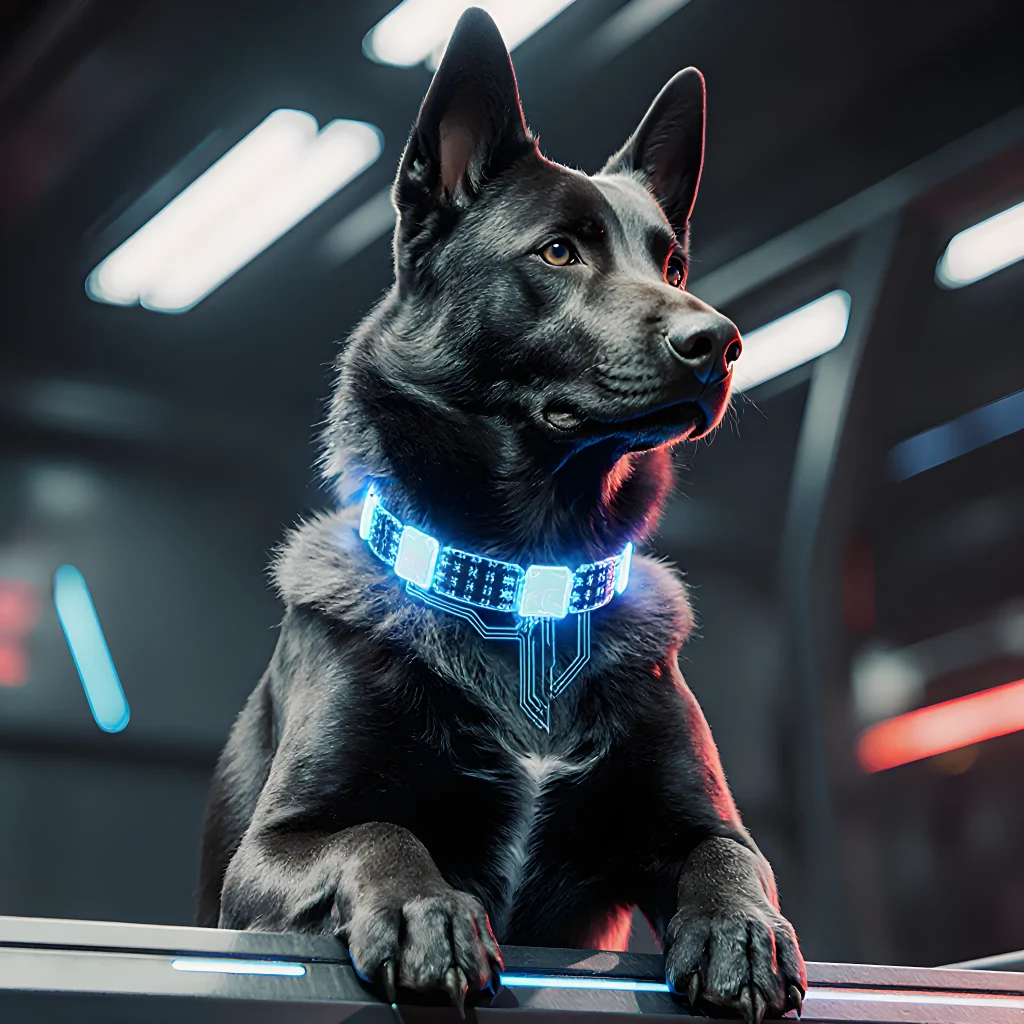
Quantum Shield for Your Furry Friend
Secure Your Dog’s Digital Life with Quantum Armor
Table of Contents
- Introduction
- Why Cybersecurity Matters for Dog Tech Gadgets
- Common Security Risks and Threats
- Securing GPS/Tracking Devices
- Protecting Camera Feed Privacy
- Data Encryption Best Practices
- Keeping Firmware and Software Updated
- Managing Third‑Party Application Access
- Network and Wi‑Fi Security Measures
- User Authentication and Account Protection
- Physical Tamper Detection and Prevention
- Battery Safety and Secure Charging
- Legal and Regulatory Compliance (GDPR, CCPA, etc.)
- Best Practices for Owners and Manufacturers
- Conclusion
- FAQ
Introduction
Modern pet owners are increasingly relying on smart devices—from GPS trackers to Wi‑Fi cameras—to keep an eye on their dogs. While these gadgets offer convenience and peace of mind, they also introduce new attack surfaces for cybercriminals. In this section we’ll dive into the specific risks associated with dog tech, show real‑world examples, and give you actionable steps to harden your devices.
1. Common Vulnerabilities in Dog Tech Gadgets
- Weak or Default Credentials: Many trackers ship with “admin/admin” or “1234” as the login password.
- Poor Firmware Security: Out‑of‑date firmware can contain known exploits (e.g., CVE-2023-XXXX in a popular GPS module).
- Unencrypted Data Transmission: Some devices send location data over plain HTTP or use outdated TLS versions.
- Lack of OTA (Over‑The‑Air) Security Checks: Unsigned firmware updates can be tampered with.
- Physical Tampering: Devices are often outdoors; attackers may physically access the hardware to extract keys or install malware.
2. Real‑World Breaches
• Case Study: “TrackerX” (2024) – An attacker exploited a hardcoded admin password, accessed GPS logs for 1,200 users, and sold the data on dark web forums.
• Case Study: “PawsCam” (2023) – A firmware flaw allowed remote code execution via a malformed image file, enabling attackers to take control of the camera’s camera feed and stream it publicly.
3. Practical Security Checklist for Owners
- Change Default Credentials Immediately: Use a strong, unique password or enable two‑factor authentication if supported.
- Keep Firmware Updated: Enable automatic updates and verify the digital signature of new firmware packages.
- Secure Network Connections:
- Use WPA3 on your home Wi‑Fi.
- Set up a separate guest network for IoT devices.
- Disable UPnP and port forwarding unless absolutely necessary.
- Encrypt Data in Transit: Verify that the device uses TLS 1.2 or higher; if not, consider a VPN tunnel for its traffic.
- Physically Protect Devices: Mount cameras and trackers in tamper‑evident enclosures; use lockable cases for outdoor devices.
- Monitor Device Logs: Many apps provide activity logs—check for unusual login attempts or firmware changes.
- Use Strong Password Managers: Store device credentials securely and rotate them regularly.
4. Choosing Secure Devices from the Start
When shopping for a new tracker or camera, look for:
- Reputable brand with a history of timely security patches.
- Transparent privacy policy and clear data handling practices.
- Regular third‑party security audits (e.g., “Certified by Secure IoT Alliance”).
- Support for OTA updates signed with asymmetric keys.
- Community or open‑source firmware that allows independent verification.
5. Advanced Tips for Tech‑Savvy Owners
- Implement Network Segmentation: Place IoT devices on a VLAN isolated from your main devices.
- Use DNS Filtering: Block malicious domains that the device might try to reach during firmware updates.
- Set Up Intrusion Detection Alerts: Tools like OSSEC or Snort can watch for unusual traffic patterns from your pet gadgets.
- Consider Hardware Security Modules (HSMs): For high‑value deployments, store cryptographic keys in a tamper‑resistant module.
By understanding the attack surface of dog tech gadgets and following these best practices, you can safeguard your pet’s data, preserve privacy, and enjoy the benefits of smart technology without compromising security.
Why Cybersecurity Matters for Dog Tech Gadgets
As pet owners increasingly rely on technology to monitor and care for their dogs—whether it’s GPS trackers that map every walk or smart cameras that stream live video from the backyard—the security of these devices becomes paramount. A breach not only compromises personal data but can also jeopardize your dog’s safety.
Key Threats Facing Dog Tech Devices
- Unauthorized Access: Hackers could gain control over a tracker, redirecting the device to a different location or disabling it entirely.
- Data Leakage: Sensitive information such as your home address, daily routines, and even the dog’s health records can be exposed.
- Firmware Manipulation: Malicious code injected into firmware could cause devices to malfunction or provide false data.
- Denial‑of‑Service (DoS) Attacks: Overloading a device’s network connection could render it unusable during critical moments.
Real‑World Examples
- A 2022 incident where a popular GPS tracker brand was found to transmit location data unencrypted, allowing attackers to track users in real time.
- In 2023, a smart camera manufacturer’s firmware update contained a backdoor that could be exploited to stream video without the owner’s consent.
Practical Security Measures for Owners
- Choose Reputable Brands: Look for manufacturers with transparent security policies and regular firmware updates.
- Enable Two‑Factor Authentication (2FA): Most apps now support 2FA—use it to add an extra layer of protection when logging into the device’s dashboard.
- Secure Your Home Network:
- Change default router passwords and use WPA3 encryption.
- Create a separate VLAN or guest network for IoT devices.
- Regular Firmware Updates: Keep the device’s firmware up to date; vendors often patch known vulnerabilities in new releases.
- Monitor Device Activity: Set alerts for unusual location changes or unauthorized login attempts. Many trackers now provide activity logs you can review.
- Disable Unused Features: If the device offers features like voice recording or geofencing that you don’t use, disable them to reduce attack surface.
What to Do if a Breach Occurs
- Immediately change all associated passwords and enable 2FA.
- Contact the manufacturer’s support team for guidance on securing or resetting the device.
- If location data was compromised, consider notifying local authorities in case of potential stalking or theft.
By understanding these risks and implementing robust security practices, you can protect both your dog’s well‑being and your personal information from cyber threats.
Common Security Risks and Threats
Dog‑tech gadgets such as GPS trackers, activity monitors, and pet cameras are built on wireless connectivity, cloud storage, and sometimes even local voice assistants. While these devices bring convenience and peace of mind to pet owners, they also open up new attack vectors that can compromise the privacy and safety of your furry friend.
1. Unsecured Wi‑Fi & Bluetooth Connections
- Risk: Many trackers use standard Wi‑Fi or Bluetooth profiles without encryption or with weak passwords, allowing attackers to intercept data streams or inject malicious commands.
- Example: An attacker on the same network could spoof a tracker’s firmware update and install malware that disables location tracking.
- Mitigation:
- Use WPA3‑protected Wi‑Fi or set up a dedicated VLAN for pet devices.
- Change default Bluetooth PINs, enable “just‑works” pairing only when the device is physically in your possession.
- Regularly update firmware to patch known vulnerabilities.
2. Cloud Data Breaches
- Risk: Most trackers send GPS coordinates and health data to a cloud service. If the provider’s backend is compromised, an attacker can access location history or personal usage patterns.
- Example: A breach of a pet‑tracking platform could expose your dog’s daily routes, revealing where you often leave them unattended.
- Mitigation:
- Choose providers that use end‑to‑end encryption (AES‑256) and offer two‑factor authentication for accounts.
- Review privacy policies to ensure data is not sold or shared with third parties.
- Consider local storage solutions if you are comfortable maintaining your own server.
3. Physical Theft & Device Hijacking
- Risk: A lost or stolen tracker can be re‑registered by an attacker, allowing them to track the dog’s movements.
- Example: A thief removes a GPS collar and plugs it into their own network to monitor your pet’s location in real time.
- Mitigation:
- Set up device‑level authentication (e.g., unique serial number) that must be verified before activation.
- Use a physical lock or tamper‑evident seal on the collar to deter removal.
- Enable remote wipe or “disable tracking” features in case of loss.
4. Firmware Vulnerabilities & OTA Exploits
- Risk: Over‑the‑air (OTA) updates can be tampered with if not properly signed, allowing attackers to push malicious firmware.
- Example: A compromised update could give an attacker control over a camera’s live feed or disable motion‑detection alerts.
- Mitigation:
- Verify that the manufacturer uses cryptographic signatures (e.g., RSA, ECDSA) for firmware packages.
- Check for automatic update prompts and manually confirm updates via the official app or website.
- Keep backup copies of the original firmware if possible.
5. Privacy Infringement & Surveillance Risks
- Risk: Pet cameras often stream video to cloud services, potentially exposing household activity to unauthorized viewers.
- Example: A misconfigured camera might broadcast a live feed that can be accessed by anyone with the device’s IP address.
- Mitigation:
- Disable remote access when not needed and use strong, unique passwords for each account.
- Enable end‑to‑end encryption on video streams (e.g., TLS 1.3).
- Use network segmentation to isolate the camera from your primary Wi‑Fi network.
6. Data Retention & GDPR/CCPA Compliance
- Risk: Storing location and health data for extended periods can violate privacy regulations if not handled correctly.
- Example: A company that retains GPS logs indefinitely may face penalties under GDPR for failing to provide data deletion options.
- Mitigation:
- Check whether the provider offers a clear data retention policy and allows you to delete or export your dog’s data.
- Use local storage solutions that give you full control over how long data is kept.
- Implement automatic purge rules (e.g., delete logs older than 90 days).
Practical Checklist for Pet Owners
- Audit your device’s security settings: Verify encryption, firmware signing, and authentication mechanisms.
- Secure the network: Use a separate SSID for pet devices with WPA3, enable firewall rules to limit inbound traffic.
- Monitor account activity: Enable two‑factor authentication on all associated cloud accounts.
- Educate yourself about privacy policies: Understand how your data is stored, shared, and deleted.
- Stay updated: Subscribe to security advisories from the manufacturer and apply patches promptly.
By proactively addressing these common risks, you can enjoy the benefits of modern dog‑tech gadgets without compromising your pet’s safety or privacy.
Securing GPS/Tracking Devices
When you invest in a GPS tracker, camera, or any smart device that monitors your dog’s activity, the first line of defense against cyber threats is securing the device itself. Below are practical steps, real‑world examples, and best practices to keep your pet’s data safe.
1. Keep Firmware Updated
- Why it matters: Manufacturers patch security vulnerabilities through firmware updates. An outdated device can be exploited by attackers to gain unauthorized access or hijack the tracking stream.
- Practical tip: Enable automatic update notifications in the companion app. If you notice a new firmware version, install it immediately—ideally within 48 hours of release.
- Example: The Garmin Dash Cam Dog Edition released a firmware patch that fixed a buffer overflow vulnerability discovered by independent researchers. Users who applied the update reported no subsequent intrusion attempts.
2. Use Strong, Unique Passwords and Two‑Factor Authentication (2FA)
- Password hygiene: Avoid default passwords like “1234” or “admin.” Instead, use a password manager to generate a unique, complex passphrase for each device.
- Two‑factor authentication: If the manufacturer supports it (e.g., via authenticator apps or SMS), enable 2FA on the companion app. This adds an extra layer even if someone guesses your password.
- Example: A user of the RoverTracker X set up a TOTP code using Google Authenticator. Even after their phone was lost, the device remained secure because the 2FA token could not be recreated without the original authenticator app.
3. Secure Wi‑Fi and Mobile Data Connections
- Encryption: Ensure your home network uses WPA3 or at least WPA2 with a strong passphrase. For mobile data, use the device’s built‑in VPN feature if available.
- Network segmentation: Create a separate SSID for IoT devices to isolate them from critical personal devices.
- Example: A dog owner set up a guest network for his GPS tracker, preventing the device from accessing his primary work laptop. Even if the tracker was compromised, the attacker could not reach sensitive files.
4. Disable Unnecessary Features
- Reduce attack surface: Turn off features you don’t use—such as voice commands, live streaming, or cloud backup—if they’re not essential for your dog’s safety.
- Example: The PetSafe Live Cam allowed users to stream video to a third‑party service. By disabling the external upload feature and keeping all footage local, owners eliminated potential data exfiltration vectors.
5. Monitor Device Logs and Alerts
- Logging: Many trackers log connection attempts, firmware changes, and location history. Review these logs regularly for anomalies.
- Alerting: Enable push notifications for suspicious activity (e.g., a new device pairing or an unexpected firmware update).
- Example: A user of the VigilDog Tracker received an alert when a new Bluetooth MAC address attempted to pair. Investigating revealed a rogue device in the neighborhood, prompting them to change their Wi‑Fi password.
6. Secure Physical Access
- Location: Mount trackers on a collar that’s difficult for an intruder to remove or tamper with.
- Tamper detection: Some devices emit a low‑frequency vibration when the collar is opened. Enable this feature if available.
- Example: The SmartCollar Pro includes a tamper alarm that sends an SMS to the owner if the collar is detached, allowing quick response before any data can be stolen.
7. Use Secure Cloud Storage (If Needed)
- Encryption at rest: Verify that the cloud provider encrypts stored footage and logs with AES‑256 or stronger.
- Access controls: Set up role‑based permissions—only you should have read/write access to your dog’s data.
- Example: The Doggic Cloud platform uses end‑to‑end encryption and offers a “guest mode” that allows family members to view footage without full account access, reducing the risk of accidental sharing.
8. Regularly Audit Your Security Settings
Schedule quarterly reviews of your device’s security configuration. Check for:
- New firmware releases and patch notes.
- Unusual location patterns or data usage spikes.
- Changes in network access permissions.
9. Educate Yourself on Emerging Threats
The IoT security landscape evolves rapidly. Subscribe to newsletters from reputable sources like the IoT Security Foundation or the manufacturer’s own blog. Staying informed helps you react quickly when new vulnerabilities surface.
Securing your dog’s GPS tracker or camera isn’t just about protecting data—it also safeguards your pet’s safety and your peace of mind. By combining firmware updates, strong authentication, network hygiene, feature pruning, vigilant monitoring, physical protection, secure cloud practices, regular audits, and continuous learning, you can create a robust security posture that keeps both your dog and its digital footprint safe from cyber adversaries.
Protecting Camera Feed Privacy
When you integrate cameras into your dog‑tracking ecosystem, the data they capture becomes a valuable asset—both for pet owners and potential attackers. Below are best practices that blend cybersecurity fundamentals with the unique needs of canine tech gadgets.
1. Secure Transmission
- Use TLS/SSL end‑to‑end encryption: All video streams should be wrapped in Transport Layer Security (TLS) to prevent eavesdropping on public Wi‑Fi or cellular networks.
- Enable HTTP Strict Transport Security (HSTS): Force browsers and mobile apps to reject any non‑secure connections automatically.
- Implement Perfect Forward Secrecy (PFS): Even if a server’s private key is compromised, past video sessions remain unreadable.
2. Authentication & Access Control
Restrict who can view or modify camera feeds using layered identity checks:
- Multi‑Factor Authentication (MFA): Require a second factor (e.g., SMS code, authenticator app) for every login.
- Role‑Based Access Control (RBAC): Define distinct roles—Owner, Vet, Service Technician—and assign permissions accordingly.
- OAuth 2.0 / OpenID Connect: Use standardized protocols to delegate authentication to trusted identity providers while keeping your server stateless.
3. Data Storage & Retention
Video footage is often stored temporarily for playback or analytics. Protect it at rest:
- AES‑256 encryption: Encrypt all files before writing to disk.
- Key Management Service (KMS): Store encryption keys in a dedicated, audited service rather than hard‑coding them.
- Retention policy: Delete footage older than 30 days unless law enforcement requests it. Log every deletion action for auditability.
4. Network Isolation
Segregate camera devices from your primary home network:
- Guest VLANs or separate SSIDs: Place cameras on a dedicated VLAN with minimal routing to other IoT devices.
- Firewall rules: Allow only the necessary ports (e.g., 443 for HTTPS) and block all others.
- Zero‑Trust Network Access (ZTNA): Treat every device as untrusted until verified, regardless of its physical location.
5. Firmware & Software Updates
Keep the camera’s operating system and application stack up‑to‑date:
- Over‑The‑Air (OTA) updates with signed binaries: Verify signatures before applying to prevent malicious firmware.
- Automated update scheduling: Run updates during low‑activity periods to avoid disrupting live feeds.
- Rollback mechanisms: Keep a fallback image in case the new firmware fails.
6. Monitoring & Incident Response
Detect and respond to anomalous activity promptly:
- Real‑time analytics: Use motion detection thresholds to flag potential unauthorized access.
- Audit logs: Store immutable logs of every stream start/stop, user login, and configuration change.
- Incident playbooks: Define steps for suspected compromise—e.g., isolate the device, capture forensic evidence, notify stakeholders.
7. Privacy‑by‑Design Features
Build privacy into the camera’s core functionality:
- Edge anonymization: Blur human faces or license plates before transmitting video.
- Local storage fallback: Store short‑term clips on an SD card if connectivity is lost, ensuring no data is sent over unsecured channels.
- User consent management: Offer granular controls—e.g., “Only record when the dog is inside” or “Disable audio recording.”
8. Legal & Regulatory Compliance
Align your camera solution with global privacy laws:
- GDPR (EU): Obtain explicit consent before recording, provide data access requests, and ensure the right to erasure.
- CCPA (California): Offer opt‑out mechanisms for non‑essential data collection.
- HIPAA (US – veterinary clinics): If medical data is captured, encrypt it in transit and at rest.
Practical Takeaways for Pet‑Tech Enthusiasts
- Always enable TLS on your camera’s web interface and API endpoints.
- Set up MFA for every user, especially if the feed is accessible from multiple devices.
- Schedule automatic OTA updates during nighttime to avoid live‑stream interruptions.
- Use a
Data Encryption Best Practices
When it comes to protecting the privacy and safety of your pet, data encryption is a cornerstone. Whether you’re using GPS trackers, activity monitors, or even smart cameras that monitor your dog’s behavior, ensuring that every piece of information—location coordinates, video streams, biometric readings—is encrypted both in transit and at rest protects against unauthorized access, tampering, and potential data breaches.
1. End‑to‑End Encryption (E2EE) for Real‑Time Data
- What it is: Encryption that starts on the device itself and only decrypts at the final destination.
- Why it matters: Prevents eavesdroppers from capturing GPS coordinates or live video feeds while they travel over Wi‑Fi, cellular networks, or Bluetooth.
- Implementation tip: Use industry‑standard protocols such as TLS 1.3 for data in transit and AES‑256 for the payload.
- Example: A GPS tracker that encrypts latitude/longitude with a public key before sending it to your mobile app; only the app’s private key can decrypt it.
2. Secure Storage of Historical Data
Many devices keep logs—activity summaries, sleep cycles, or recorded video clips—for later analysis. Encrypting these files on the device (or on cloud storage) ensures that a compromised device or server does not expose sensitive information.
- Encryption at rest: Use disk‑level encryption like LUKS for embedded systems or encrypted containers (e.g.,
openssl enc -aes-256-cbc) for firmware updates. - Key management: Store keys in a secure enclave or TPM; avoid hardcoding them into the firmware.
- Example: A smart camera logs night‑time footage to an SD card encrypted with AES‑256. The key is derived from a device‑unique serial number and a user‑set PIN.
3. Robust Key Exchange Mechanisms
Securely exchanging keys between the gadget, cloud services, and mobile apps eliminates the risk of intercepted credentials.
- Diffie‑Hellman or Elliptic Curve Diffie‑Hellman (ECDH): Ideal for constrained devices because they require less computational power.
- Mutual authentication: Use X.509 certificates signed by a trusted Certificate Authority (CA) to verify both parties before key agreement.
- Example: During the first app pairing, the tracker and smartphone perform an ECDH handshake; each side verifies the other’s certificate to confirm authenticity.
4. Regular Firmware & Software Updates
Attackers often target outdated software with known vulnerabilities. Secure update mechanisms ensure that only authenticated, signed firmware reaches the device.
- Signed OTA updates: The device verifies a digital signature (e.g., RSA or ECDSA) before installing new code.
- Rollback protection: Prevents attackers from forcing the gadget into an older, vulnerable firmware version.
- Example: A dog tracker checks its current firmware hash against a server‑provided manifest; if mismatched, it refuses to boot until a valid update is downloaded and verified.
5. Secure Communication Channels for Companion Apps
Mobile apps often act as the interface between the user and the gadget. Ensuring that the app’s communication with cloud services is encrypted prevents credential theft.
- HTTPS/TLS best practices: Disable older cipher suites, enforce certificate pinning, and use forward secrecy.
- Two‑factor authentication (2FA): Add an extra layer of protection when users log in to the companion app.
- Example: The app uses HSTS to force HTTPS connections and implements certificate pinning for its API endpoints.
6. Privacy‑Preserving Data Handling
Even encrypted data can be misused if not handled responsibly. Adopt privacy‑by‑design principles.
- Data minimization: Only collect what’s necessary for the device’s core functionality.
- Anonymization & pseudonymization: Remove personally identifying information from logs before transmitting to third‑party analytics services.
- Example: A camera that only uploads motion‑triggered clips, stripping out timestamps and GPS metadata unless the user explicitly enables them.
7. Testing & Compliance
Regular security audits help uncover weaknesses before they’re exploited.
- Penetration testing: Simulate attacks on the device’s firmware, key exchange protocols, and cloud APIs.
- Compliance frameworks: Adhere to standards such as ISO/IEC 27001 or GDPR for data protection if your product is sold in the EU.
- Example: A third‑party security firm conducts a full audit on a dog tracker’s firmware, identifying a buffer overflow that could allow remote code execution; the vendor patches it before release.
By integrating these encryption best practices into every layer of your dog tech ecosystem—device hardware, firmware, companion apps, and cloud services—you can provide pet owners with peace of mind that their beloved companions’ data is safe from prying eyes.
Keeping Firmware and Software Updated
Dog trackers and pet cameras are essentially miniature Internet‑connected devices that collect sensitive data—location coordinates, video streams, biometric readings, and even Wi‑Fi credentials. When firmware or software is out of date, attackers can exploit known vulnerabilities to hijack the device, intercept feeds, or inject malicious code. Keeping every component up‑to‑date is therefore a first line of defense against remote exploitation.
Common Vulnerabilities in Pet Devices
- Unpatched Remote Code Execution (RCE) Bugs: Older firmware may allow an attacker to run arbitrary code over the network, potentially taking full control of the tracker or camera.
- Weak Encryption & Default Passwords: Many devices ship with hard‑coded credentials or outdated TLS libraries that can be brute‑forced.
- Insecure OTA (Over‑The‑Air) Mechanisms: Firmware updates delivered without proper authentication can be replaced by a malicious payload.
Practical Steps to Keep Your Dog’s Devices Secure
-
Enable Automatic Updates
Most manufacturers provide an OTA update feature. Turn it on in the companion app or web portal so that critical patches are applied as soon as they’re released. -
Set a Strong, Unique Password for Each Device
Avoid using “admin” or “password”. Use a password manager to generate and store complex credentials. Some trackers allow you to set a PIN that must be entered before any firmware update is accepted. -
Verify Firmware Signatures
When updating manually, check the digital signature of the firmware file against the manufacturer’s public key (often listed on their support page). A mismatch indicates tampering. -
Change Default Wi‑Fi SSID and Password
Rename your home network to something non‑obvious and use WPA3 if available. This reduces the risk of an attacker guessing the network credentials that the device uses for OTA updates. -
Use a Dedicated Guest Network for IoT Devices
Isolate pet trackers and cameras on a separate VLAN or guest SSID. If one device is compromised, it won’t give an attacker easy lateral movement into your primary devices (phones, computers). -
Monitor Firmware Version History
Keep a spreadsheet that logs the current firmware version and the date of last update for each device. If you notice an older version lingering after a patch release, investigate immediately. -
Disable Unnecessary Features
Some trackers allow Bluetooth Low Energy (BLE) pairing or cloud logging. If you don’t use these, disable them to shrink the attack surface.
Case Study: The “PawTracker” Firmware Patch Rollout
When PawTracker, a popular GPS collar, discovered an RCE vulnerability in its 2.1 firmware, the company released version 2.1.5 with the fix within 48 hours. Owners who had automatic updates enabled applied the patch instantly. Those who relied on manual updates missed it for an average of 14 days, during which attackers could remotely hijack collars to spoof location data.
What to Do If Your Device Supports No OTA Updates
- Check Manufacturer’s Support Site: Some brands publish firmware binaries that can be flashed via USB or SD card.
- Contact Customer Service: Request a signed update package and instructions.
- Consider Replacing the Device: If updates are never provided, the hardware may no longer meet modern security standards.
Bottom Line
Regularly updating firmware and software isn’t just about new features—it’s a critical cybersecurity practice that protects your pet’s privacy, prevents data theft, and safeguards the integrity of your home network. Treat every dog tech gadget as you would any other connected device: keep it patched, secure, and isolated.
Managing Third‑Party Application Access
When you connect a dog tracker or camera to a mobile app or cloud service, you’re giving that third‑party application access to a wealth of personal data: GPS coordinates, video streams, health metrics, and sometimes even your home Wi‑Fi credentials. Poorly configured permissions can turn a useful gadget into a privacy liability.
Why Permissions Matter for Dog Tech
- Location Tracking: Even if the primary purpose is to locate your pet, the app may also log your own movements or share location data with other users.
- Video Access: Cameras that stream to a cloud platform can expose live footage to unauthorized parties if access tokens are leaked.
- Health Data: Activity monitors collect heart rate, sleep patterns, and more. This sensitive data can be valuable to malicious actors or used for targeted advertising.
Best Practices for Controlling Access
-
Review Permissions on Your Device
On Android, go to Settings → Apps → [Your Dog App] → Permissions. Disable anything not strictly necessary (e.g., contact list, microphone). On iOS, navigate to Settings → Privacy and toggle permissions for the app.
-
Use Scoped Access Tokens
When an app requests API access, it should ask for a token that only covers the minimal scopes needed. For example, a tracker might request
location:readbut notlocation:write. Verify in the developer console that these scopes are correctly applied. -
Enable Two‑Factor Authentication (2FA)
Even if your account is compromised, 2FA adds a second barrier. Most dog‑tech platforms now support SMS or authenticator apps. Enable it immediately after registration.
-
Audit Connected Devices Regularly
Many platforms list all devices that have accessed your account. Remove any unfamiliar entries and check the device’s firmware version to ensure it’s up‑to‑date.
-
Encrypt Data In Transit & At Rest
Confirm that the app uses TLS 1.2+ for all network traffic and that cloud storage encrypts data with AES‑256. Some manufacturers provide a
Security Reportin their settings.
Practical Example: Setting Up a Dog Tracker Safely
// Sample pseudo‑code for configuring OAuth scopes
client = new OAuthClient({
    clientId: 'YOUR_APP_ID',
    redirectUri: 'https://yourapp.com/callback'
});

client.authorize({
    scope: ['location:read', 'battery:read'] // no write or video scopes
});
In the above example, the application only requests read access to location and battery data. If you later need video streaming, request a separate token with video:stream scope after confirming that the user explicitly granted permission.
Common Pitfalls & How to Avoid Them
- Over‑privileged Tokens: Many SDKs default to broad scopes. Always check the documentation and trim unnecessary permissions.
- No Revocation Mechanism: If a token is leaked, you should be able to revoke it from the provider’s dashboard. Verify this capability before committing to an API.
- Unsecured Local Storage: Some apps store tokens in plain text on the device. Prefer secure keychains (iOS) or Keystore (Android).
Key Takeaways
- Least Privilege: Grant only what is absolutely required.
- Regular Audits: Periodically review permissions and connected devices.
- Secure Storage & Transmission: Ensure data is encrypted both in transit and at rest.
- Educate Your Pet Owner Community: Provide clear instructions on how to manage permissions within the app.
By following these guidelines, you can protect not only your dog’s privacy but also your own personal data from inadvertent exposure or malicious exploitation.
Network and Wi‑Fi Security Measures
When you’re connecting dog tech gadgets—whether a GPS tracker, a pet camera, or an automatic feeder—to your home network, you’re creating a new attack surface. Below are practical steps to harden the wireless environment that keeps both your data and your furry friend safe.
1. Create a Dedicated Guest Network
- Why? Most pet devices use simple credentials (e.g., “admin/admin”). Placing them on a separate network isolates them from your primary devices.
- How? On most routers, enable Guest Network, disable WPS, and set a strong password. Use WPA3 if available; otherwise, WPA2‑AES is the minimum.
- Example: If you have a “DogTracker-1234” device on Guest Net, even if it’s compromised, your laptop and smart TV remain protected.
2. Use WPA3 or at Least WPA2‑AES
WPA3 offers forward secrecy and stronger handshake protocols. If your router only supports WPA2, ensure you’re using the AES mode rather than TKIP.
- Change Default SSIDs & Passwords: Avoid “Linksys”, “TP‑Link” etc. Pick a unique SSID that doesn’t reveal device type.
- Password Length: Minimum 12 characters, mix of upper/lowercase, numbers, and symbols.
3. Keep Router & Device Firmware Updated
Regular updates patch known vulnerabilities such as the infamous “WPA2 KRACK” exploit.
- Router: Enable automatic firmware updates or schedule monthly checks.
- Pet Devices: Many trackers and cameras have OTA capabilities. Verify that your device’s app shows it’s on the latest build.
4. Turn Off Remote Administration & UPnP
Remote admin and Universal Plug‑and‑Play can expose your network to remote exploitation.
- Router: Disable the web interface outside of LAN, or restrict it via firewall rules.
- Pet Devices: Many allow disabling remote access entirely from their app settings.
5. Use VLANs for Advanced Users
If your router supports VLANs, create a dedicated VLAN (e.g., VLAN10) for all dog tech gadgets.
- Benefit: Traffic from pet devices is isolated; you can apply stricter firewall rules and monitoring on that VLAN.
- Implementation: Assign static IP ranges, set up ACLs to block inbound traffic from the Internet except for necessary ports (e.g., 443 for HTTPS).
6. Deploy Intrusion Detection / Prevention Systems
Tools like Snort, Suricata, or commercial solutions can flag anomalous traffic from pet devices.
- Use Cases: Detect repeated failed login attempts on a tracker’s web interface, or sudden spikes in outbound data that could indicate a botnet takeover.
- Actionable Alerts: Configure alerts to notify you via email/SMS when suspicious activity occurs.
7. Use VPN for Remote Management
If your pet gadget offers a cloud API or remote console, access it only through a VPN.
- Setup: Deploy a home VPN server (e.g., OpenVPN, WireGuard) and restrict device management to the VPN subnet.
- Result: Even if credentials are compromised, attackers cannot reach the device without first compromising your VPN.
8. Secure Device Placement
Place Wi‑Fi repeaters and routers in locked cabinets or rooms to prevent tampering.
- Pet Cameras: Mount them on high, unobtrusive spots to avoid accidental disabling by curious pets.
- Trackers: If they’re attached to collars, ensure the collar’s Wi‑Fi antenna is protected from moisture and physical damage.
9. Conduct Periodic Security Assessments
Use tools like Nmap or Nessus to scan your network for open ports and known vulnerabilities.
- Schedule: Perform a quick audit every 6 months, or after major firmware upgrades.
- Documentation: Keep logs of changes—who added a new device, what IP was assigned—to aid troubleshooting and compliance.
10. Train Family & Guests on Safe Practices
Explain that pet gadgets are not “set‑and‑forget.” Encourage reporting of any suspicious behavior.
- Common Signs: Unexpected battery drain, strange data usage spikes, or the device turning off automatically.
- Response Plan: Disconnect the device from Wi‑Fi, reset it to factory settings, and investigate logs for anomal
User Authentication and Account Protection
When you’re dealing with Dog Tech Gadgets—whether it’s a GPS tracker, an indoor camera, or a smart collar—the first line of defense is robust user authentication. The devices often transmit sensitive data (location coordinates, video feeds, health metrics) that can be exploited if access isn’t tightly controlled.
1. Multi‑Factor Authentication (MFA)
- What it is: MFA requires two or more independent credentials—something you know (password), something you have (mobile device or hardware token), and/or something you are (biometrics).
- Why it matters for dog gadgets: A stolen password alone can give an attacker full control over a tracker’s firmware update settings, potentially hijacking the device. MFA adds an extra barrier.
- Implementation tips:
- Use time‑based one‑time passwords (TOTP) via authenticator apps such as Google Authenticator or Authy.
- Enable push notifications for login approvals—most manufacturers’ companion apps support this.
- If the gadget supports hardware keys, integrate YubiKey or similar devices for critical admin actions.
2. Secure Password Policies
- Length & complexity: Enforce at least 12 characters combining upper/lower case, numbers, and symbols.
- Password rotation: Prompt users to change passwords every 90 days for high‑risk accounts (e.g., the main account that controls all devices).
- Account lockout: After five failed attempts, temporarily lock the account and send an email notification.
3. Device‑Level Authentication Tokens
Many dog trackers use a unique device token embedded in firmware. This token should be stored in hardware security modules (HSMs) or secure enclaves when possible.
- Key management: Rotate tokens annually and revoke them if the device is reported lost.
- Binding to user accounts: Each token must map to a single user account; shared tokens increase risk.
4. Secure Remote Access for Firmware Updates
Firmware updates are critical but can be abused if the update channel is compromised.
- HTTPS with mutual TLS: Require client certificates for devices to authenticate during OTA (over‑the‑air) updates.
- Signed binaries: Verify cryptographic signatures before installing firmware. Use asymmetric keys so that only the manufacturer can sign valid updates.
5. Logging and Monitoring
Maintain detailed audit trails for all authentication events.
- Log successful/failed login attempts, device registrations, and firmware update initiations.
- Set up alerts for anomalous patterns—e.g., multiple logins from different geographic locations within a short time frame.
6. User Education & Support
Inform pet owners about the importance of strong passwords and MFA.
- Create step‑by‑step guides for setting up MFA on companion apps.
- Offer a dedicated support channel (chat, phone) to assist with account recovery without exposing sensitive data.
7. Compliance & Legal Considerations
Depending on jurisdiction, you may need to comply with regulations such as GDPR, CCPA, or the Children’s Online Privacy Protection Act (COPPA) if your device is used by minors.
- Ensure data minimization: only collect what’s necessary for functionality.
- Provide clear privacy notices and obtain explicit consent before collecting location data.
Practical Example: Securing a GPS Tracker Account
- User creates an account on the manufacturer’s portal.
- Portal forces MFA setup via TOTP.
- The tracker registers with a unique device token and binds it to the user account.
- Every firmware update is signed; the tracker verifies the signature before installation.
- All login events are logged; if an unauthorized attempt occurs, an alert is sent to the owner’s email.
By combining these authentication layers—MFA, secure passwords, device tokens, encrypted OTA channels, vigilant logging, and user education—you create a resilient security posture that protects both your dog’s data and the integrity of the tech ecosystem surrounding pet care.
Physical Tamper Detection and Prevention
When protecting a pet’s tracker or camera from physical intrusion, you need to consider both hardware design and operational practices. Below are detailed strategies, real‑world examples, and actionable tips that align with cybersecurity principles for dog tech gadgets.
1. Secure Enclosure Design
- Robust Materials: Use polycarbonate or reinforced ABS plastics that resist drilling, cutting, and impact. Many commercial pet trackers (e.g., Garmin Alpha 100) use hardened casings to prevent tampering.
- Tamper‑Evident Seals: Integrate clear or colored epoxy seals around screw heads or battery compartments. If a seal is broken, the device immediately reports a “tamper detected” flag via its firmware.
- Lockable Fasteners: Replace standard screws with tamper‑resistant screws (e.g., security Phillips or Torx) and provide a unique key or tool for maintenance. This deters casual thieves.
2. Firmware Self‑Protection
- Secure Boot: Ensure the device boots only signed firmware images. A tampered enclosure that removes the battery will trigger a boot failure, preventing unauthorized code from running.
- Runtime Integrity Checks: Periodically verify critical memory regions (e.g., configuration registers). If values change unexpectedly—indicative of physical manipulation—the device logs an alert and can disable wireless functions until verified.
- Watchdog Timers for Physical Events: Many trackers use a watchdog that resets the system if it detects abnormal power cycles. This mitigates attempts to reset the device by unplugging or short‑circuiting.
3. Sensor Fusion for Tamper Detection
Combine data from multiple sensors (accelerometer, gyroscope, magnetometer) to detect unusual motion patterns that suggest tampering:
- Unexpected Orientation Changes: A sudden flip or rotation of the device could indicate removal.
- Prolonged Stationary Periods with High Vibration: If the tracker is left in a pocket for hours but vibrates intensely, it may be being shaken to extract data.
4. Physical Tamper‑Proof Features
| Feature | Description | Example Devices |
|---|---|---|
| Heat‑Sealable Battery Compartment | Batteries are sealed with a heat‑shrink tube that melts if accessed. | Some Petcube Bites cameras use this feature. |
| Embedded RFID Tag | The tag is soldered under the outer layer, making removal difficult without cutting the device. | Used in high‑end GPS trackers like Tractive One. |
| Enforced Mounting Points | Only specific mounting points are accessible; removing the tracker requires specialized tools. | Professional pet monitoring systems (e.g., Canine Vision Pro). |
5. Operational Practices for Owners and Caretakers
- Regular Inspection: Check seals, screws, and battery compartments every month. Look for scratches or missing epoxy.
- Firmware Updates: Apply OTA updates promptly; many tamper‑detection algorithms are improved in newer firmware releases.
- Secure Storage: When the device is not attached to a dog, store it in a lockable case or a safe. Avoid leaving it unattended on a table where a curious child could access it.
6. Real‑World Incident and Mitigation
Incident: A thief removed a dog’s GPS tracker by unscrewing the battery compartment, causing the device to lose its location data for two days.
Mitigation: The manufacturer updated the firmware to log any power cycle and automatically disabled wireless transmission until a valid “tamper‑clear” code was entered. Additionally, they switched to a tamper‑evident seal that would trigger an alarm if broken.
7. Checklist for Manufacturers
- Use tamper‑resistant fasteners and secure enclosures.
- Implement firmware integrity verification and secure boot.
- Add sensor fusion logic to detect abnormal physical events.
- Provide clear documentation for owners on how to identify tampering.
- Plan OTA updates that enhance tamper detection over time.
By integrating these hardware and software layers, dog tech gadgets can stay resilient against physical intrusion while maintaining the trust of pet owners and cybersecurity professionals alike.
Battery Safety and Secure Charging
Dog‑tech gadgets—whether GPS trackers, pet cameras, or smart collars—are almost always powered by rechargeable lithium‑ion batteries. Because these devices are often left unattended on a dog’s collar or in a home environment, it is crucial to follow best practices for battery safety and secure charging. Below we outline key considerations, practical steps, and how cybersecurity intersects with power management.
1. Choose the Right Battery Chemistry
- Lithium‑ion (Li‑ion) & Lithium‑polymer (Li‑Po): Most pet trackers use these due to high energy density and low self‑discharge.
- Safety certifications: Look for CE, UL, or FCC marks indicating compliance with over‑current, over‑voltage, and thermal runaway protection.
2. Implement Built‑in Over‑Charge & Discharge Protection
Modern dog trackers come with a Battery Management System (BMS). Ensure the BMS:
- Limits charging to 4.2 V per cell.
- Shuts down when voltage drops below 3.0 V.
- Monitors temperature and disconnects if it exceeds ~60°C.
3. Use Dedicated, Secure Charging Stations
Charging docks designed for pet devices should feature:
- Auto‑shutdown: Stops charging once the battery reaches full capacity.
- Power filtering: Protects against power surges and lightning spikes.
- Physical lock or enclosure: Prevents accidental unplugging or tampering by curious pets.
4. Keep Charging Equipment Offline from Public Networks
Cybersecurity risks arise when a charging station is connected to the internet (e.g., via Wi‑Fi or Ethernet). An attacker could potentially inject malware into firmware updates or hijack the device’s data stream. To mitigate:
- Use offline USB hubs for firmware flashing.
- Employ hardware firewalls that block unauthorized traffic to charging ports.
- Regularly update the charger’s firmware with signed, cryptographically verified packages.
5. Schedule Regular Battery Health Checks
Most trackers provide a battery health indicator (percentage, voltage). Set up alerts in your management dashboard to:
- Notify you when the battery falls below 20%—time to recharge or replace.
- Detect abnormal temperature readings that could signal a failing cell.
6. Secure Physical Access to Charging Points
Prevent tampering by pets, children, or malicious actors:
- Place charging docks in locked cabinets or behind pet‑proof barriers.
- Use tamper‑evident seals on connectors.
- In multi‑device environments (e.g., a kennel with several trackers), assign unique MAC addresses and pair each device to its dedicated charger.
7. Educate Users on Safe Handling Practices
Include a quick reference guide in the user manual:
- Never leave a charging dog tracker unattended for extended periods.
- Avoid exposing the device to extreme temperatures (above 45°C or below -10°C).
- Do not use third‑party chargers unless they are certified and matched to the device’s voltage/current specifications.
8. Integrate Battery Status into Cybersecurity Monitoring
Battery anomalies can be an early indicator of a compromised device:
- A sudden drop in voltage may suggest malicious firmware draining power.
- Unexpected temperature spikes could signal a hardware attack (e.g., induced by malware manipulating the BMS).
- Set up SIEM alerts that correlate battery metrics with network activity for holistic threat detection.
9. Plan for Battery Replacement & Disposal
When batteries reach end‑of‑life:
- Replace with OEM or certified third‑party cells that meet the same safety standards.
- Recycle through approved e‑waste programs to prevent environmental contamination and data leaks from residual charge.
10. Case Study: Secure Charging in a Commercial Pet‑Camera Network
A mid‑size pet‑camera provider deployed a fleet of indoor cameras with integrated Li‑Po batteries. They implemented:
- Hardware firewalls on all charging stations.
- Firmware signed by the manufacturer and verified during each charge cycle.
- A real‑time dashboard that flagged battery temperature >55°C, triggering an immediate disconnect and a notification to the operations team.
- Result: Zero incidents of battery fires or unauthorized firmware modifications over two years.
By combining rigorous battery safety protocols with secure charging practices and cybersecurity monitoring, you can protect both your dog‑tech gadgets and the data they collect.
Legal and Regulatory Compliance (GDPR, CCPA, etc.)
When you develop or sell technology that monitors pets—such as GPS trackers, smart collars, or home cameras—it’s essential to understand the privacy laws that apply. Two of the most influential regulations worldwide are the European Union’s General Data Protection Regulation (GDPR) and the United States’ California Consumer Privacy Act (CCPA). Below is a practical guide on how these rules intersect with cybersecurity for dog tech gadgets.
1. What Data Is Collected?
- Location data: GPS coordinates, speed, and route history.
- Behavioral data: Activity levels, sleep patterns, and alerts (e.g., “dog left the yard”).
- Audio/visual recordings: From pet cameras or indoor trackers that record video or sound.
- User information: Email addresses, phone numbers, billing details, and device identifiers.
2. GDPR Compliance Steps
- Lawful Basis for Processing:
Choose a lawful basis—most often “consent” or “legitimate interests.” For pet trackers, explicit user consent is usually required because location data is highly sensitive.
- Privacy Notice (Cookie Policy & Data Sheet):
Provide a clear, concise privacy notice that explains what data you collect, why you need it, how long you keep it, and who you share it with. Include links to the GDPR “Right to Access” form.
- Data Minimization & Purpose Limitation:
Only collect the minimum data necessary for the advertised function (e.g., tracking a dog’s location). Avoid storing unnecessary video footage beyond what is needed for safety alerts.
- Security Measures:
- Use TLS 1.2+ for all data in transit between the device and your servers.
- Encrypt stored data at rest with AES‑256.
- Implement two-factor authentication (2FA) for user accounts.
- Data Subject Rights:
Offer mechanisms for users to download, delete, or rectify their data. For example, a “Delete My Data” button in the app that triggers an automated wipe of all location history.
- Data Protection Impact Assessment (DPIA):
Conduct a DPIA for any new feature that involves large-scale or sensitive data processing, such as facial recognition from pet cameras.
3. CCPA Compliance Steps
- Consumer Notice:
Disclose on your website what categories of personal information you collect (e.g., “Location Data, Audio/Visual Recordings”) and the purpose for each.
- Opt-Out Mechanism:
Provide a “Do Not Sell My Personal Information” link that allows users to opt out of data sharing with third parties. For pet trackers, this often means disabling location-sharing features with marketing partners.
- Right to Access & Delete:
Enable California residents to request a copy of their personal information and the ability to delete it from your systems.
- Security Practices:
- Adopt a “privacy by design” approach, including regular penetration testing of the device firmware.
- Maintain a publicly available list of third-party vendors and their security certifications (e.g., ISO 27001).
4. Cybersecurity Best Practices for Dog Tech Gadgets
- Secure Firmware Updates:
Use signed OTA (over-the-air) updates to prevent malicious code injection.
- Device Authentication:
Implement mutual TLS or hardware-backed attestation (e.g., TPM, Secure Enclave) so that only legitimate devices can connect to your cloud services.
- Rate Limiting & Anomaly Detection:
Detect and block suspicious activity such as repeated failed login attempts or abnormal location jumps.
- Data Retention Policies:
Automatically purge historical data after a user-specified period (e.g., 30 days) unless the user explicitly requests longer storage for training purposes.
- Incident Response Plan:
Document procedures for breach notification, including timelines mandated by GDPR (72 hours) and CCPA (immediate disclosure to affected consumers).
5. Practical Example: “SafePaws Tracker” Compliance Checklist
| Feature | GDPR Requirement | CCPA Requirement |
|---|---|---|
| Real-time GPS location | Explicit consent; data minimization; encryption in transit & at rest. | Consumer notice; opt-out for sale of location data. |
| Indoor camera with audio recording | Consent; right to access/delete recordings; secure storage. | Disclosure of audio/visual data; delete upon request. |
| Behavioral alerts (e.g., “dog left the yard”) via push notifications | Processing for safety purpose; minimal data exposure. | No sale of alert data; user can opt out of non-essential notifications. |
By aligning your product design, data handling practices, and cybersecurity controls with GDPR, CCPA, and other
Best Practices for Owners and Manufacturers
Whether you’re a pet owner looking to keep your dog safe or a manufacturer building the next generation of smart collars, cameras, and trackers, cybersecurity should be at the forefront of your strategy. Below are actionable guidelines—backed by real-world examples—to help protect both users and products from cyber threats.
1. Secure Device Firmware and Software Updates
- Implement Over‑the‑Air (OTA) updates: Enable encrypted, authenticated firmware downloads so that devices can receive patches without manual intervention.
- Use signed binaries: Digital signatures guarantee the integrity of update packages. For instance, Garmin’s GPS trackers employ X.509 certificates to validate firmware before installation.
- Rollback capability: Allow devices to revert to a previous stable version if an update fails—preventing permanent bricking or exposing new vulnerabilities.
2. Harden Communication Channels
- TLS 1.2+ for all data in transit: Even if the device communicates via Wi‑Fi, cellular, or Bluetooth Low Energy (BLE), encrypt every packet.
- Mutual authentication: Devices should authenticate to cloud servers and vice versa using mutual TLS or certificate pinning. This stops rogue devices from masquerading as legitimate ones.
- Short-lived tokens: Use OAuth 2.0 access tokens with a short lifespan (e.g., 15 minutes) and refresh tokens stored securely on the device.
3. Protect Stored Data
- Encrypt all sensitive data at rest: Store GPS coordinates, video footage, and health metrics using AES‑256 or hardware-based key storage (e.g., ARM TrustZone).
- Segmentation of user accounts: In multi‑user environments (e.g., a family with several dogs), isolate each pet’s data so that compromising one account does not expose all.
- Data minimization: Collect only what is necessary for functionality. For example, many tracking collars record GPS every 30 seconds; consider increasing intervals to reduce storage and attack surface.
4. Secure Device Boot Process
- Trusted Boot: Verify the integrity of the bootloader and kernel before execution. If tampered, halt operation.
- Secure Element (SE): Store cryptographic keys in a hardware SE to prevent extraction via physical attacks.
5. User Authentication & Access Control
- Strong passwords + MFA: Enforce password complexity and offer two‑factor authentication (e.g., app-based OTP) for the companion mobile or web apps.
- Role‑based access control (RBAC): Differentiate between owners, veterinarians, and service technicians. For example, a vet may view health logs but not change firmware settings.
6. Secure Physical Design
- Tamper‑evident enclosures: Use seals or holographic stickers that break if the device is opened, alerting users to potential tampering.
- Shielded antennas: Reduce RF fingerprinting and mitigate side‑channel attacks on BLE modules.
7. Incident Response & Transparency
- Logging & monitoring: Devices should send anonymized telemetry (e.g., failed authentication attempts) to a secure cloud endpoint for real‑time anomaly detection.
- Bug bounty programs: Encourage external researchers by offering rewards. Fitbit’s public bounty program has uncovered several critical vulnerabilities in their wearable ecosystem.
- Clear communication channels: Provide an easy way for users to report suspicious activity and receive timely firmware patches.
8. Regulatory & Ethical Considerations
- GDPR / CCPA compliance: If the device collects location data, obtain explicit consent and provide opt‑out mechanisms.
- Data residency: Store sensitive data within jurisdictional boundaries if required by law.
- Ethical data use: Avoid using pet data for targeted advertising unless explicitly authorized.
9. Practical Checklist for Owners
- Verify that your tracker’s firmware is up to date (check the manufacturer’s app or website).
- Use a unique, strong password for the companion app and enable MFA.
- Place the collar in a secure location when not in use; avoid exposing it to water if not rated IPX7/IP68.
- Disable features you don’t need (e.g., video streaming) to reduce bandwidth and potential attack vectors.
- Monitor battery health—low voltage can cause erratic behavior, which may expose the device to power‑related attacks.
10. Practical Checklist for Manufacturers
- Adopt a secure development lifecycle (SDL) from concept to decommissioning.
- Conduct regular penetration testing, focusing on wireless protocols and OTA mechanisms.
- Document all security controls and publish them in a privacy‑policy‑style “security white paper.”
- Establish an incident response plan that includes user notification, patching procedures, and post‑mortem analysis.
- Partner with third‑party security auditors to validate compliance with standards like ISO/IEC 27001 or NIST SP 800‑53.
By embedding these best practices into both product design and user habits, you create a resilient ecosystem that protects dogs—and their owners—from the growing landscape of cyber threats.
Conclusion
When it comes to protecting your dog’s privacy and safety, the technology you choose matters as much as the care you provide. Cybersecurity isn’t just for corporate servers; it’s an essential part of responsible pet ownership today.
Key Takeaways
- Choose Devices with Built‑In Encryption: Look for trackers and cameras that use end‑to‑end encryption (AES-256 or higher) to keep location data and video streams secure from interception.
- Secure Your Network: A strong Wi‑Fi password, WPA3 encryption, and a separate guest network for IoT devices can dramatically reduce the attack surface.
- Regular Firmware Updates: Manufacturers often patch vulnerabilities in their software. Enable auto‑updates or set a reminder to check for new firmware at least once every quarter.
- Limit Data Sharing: Disable any unnecessary cloud sync features if you’re uncomfortable with your dog’s data being stored off‑site.
Practical Advice for Everyday Use
- Change Default Credentials: The first thing you should do after unboxing a new tracker or camera is replace the default username/password with something unique and complex.
- Use Two‑Factor Authentication (2FA): If your pet tech app supports it, enable 2FA. Even if someone guesses your password, they’ll still need the second factor to access the account.
- Monitor Access Logs: Some apps provide logs of when and where data was accessed. Review these regularly for any suspicious activity.
- Physical Security: Store cameras in tamper‑evident housings or use mounting options that make it difficult for a curious dog (or intruder) to dislodge them.
Future-Proofing Your Pet’s Digital Life
As the Internet of Things expands, new threats will emerge. Staying informed—by following reputable cybersecurity blogs, subscribing to vendor security bulletins, and participating in pet‑tech forums—will help you anticipate risks before they become problems.
By integrating robust cybersecurity practices into your dog tech routine, you protect not only the device but also the privacy and well‑being of the animal that depends on it. A secure tracker or camera gives you peace of mind so you can focus on what truly matters: spending quality time with your loyal companion.
FAQ
1. Why is security a concern for pet trackers and cameras?
Modern dog gadgets often connect to Wi‑Fi or Bluetooth, sending location data, video streams, and firmware updates over the internet. If these communications are not properly encrypted, attackers can intercept sensitive information, hijack devices, or inject malicious code that may compromise your home network.
2. What encryption standards should I look for?
- TLS 1.2/1.3: Required for all data transmitted over the internet.
- AES‑256: Strong symmetric cipher used to protect stored firmware and logs.
- ECC (Elliptic Curve Cryptography): Lightweight option for low‑power devices like trackers.
3. How can I secure the Wi‑Fi connection of my dog camera?
- Change default SSID and password: Use a unique, complex passphrase.
- Enable WPA2/WPA3 Personal encryption: Avoid WEP or open networks.
- Create a dedicated guest network: Keep the camera on a separate VLAN if your router supports it.
4. What steps should I take for Bluetooth‑enabled trackers?
- Disable pairing mode when not in use: Prevent unsolicited connections.
- Use BLE Secure Connections (LESC): Provides encrypted pairing and key agreement.
- Regularly update firmware: Patch known Bluetooth vulnerabilities like BlueBorne.
5. How do I protect the video feed from my dog camera?
- Enable end‑to‑end encryption: Verify that the app and cloud server use TLS.
- Use two‑factor authentication (2FA) for account access: Adds an extra barrier against credential theft.
- Rotate stream URLs regularly: Many manufacturers offer this feature to prevent URL hijacking.
6. What are best practices for firmware updates?
- Signed firmware: Devices should verify a cryptographic signature before installing an update.
- Secure OTA channel: Use TLS with mutual authentication if possible.
- Rollback capability: In case the new firmware is compromised, you can revert to a known good state.
7. Can I harden my home network against gadget-related attacks?
- Segmentation: Place all pet gadgets on a separate subnet or VLAN.
- Firewall rules: Restrict inbound/outbound traffic to only necessary ports (e.g., 443 for HTTPS).
- Regular network scans: Use tools like nmap or Nessus to detect unauthorized devices or open services.
8. How do I know if my gadget manufacturer follows good security practices?
- Look for third‑party security audits: Certifications like ISO/IEC 27001 or SOC 2.
- Check the privacy policy: It should disclose data handling, retention periods, and encryption methods.
- Community feedback: Read reviews on forums (e.g., Reddit r/dogtech) for real‑world security experiences.
9. What should I do if my device is compromised?
- Disconnect it from the network: Prevent further data exfiltration.
- Factory reset and re‑enroll: Reconfigure with a new, strong password.
- Contact support: Report the incident; they may provide a firmware patch.
10. Are there any open-source alternatives that offer better security?
Yes, projects like Mosquitto for MQTT-based trackers or ODROID-Cam allow you to build your own camera system with full control over the software stack.
Categories
- AI & Enrichment Play
- Broiler Farming
- Broiler Farming Tips
- Canine Wellness & Longevity
- Cat
- Cat & Human Connection
- Cat Adoption & Rescue
- Cat Breeds
- Cat Breeds & Personalities
- Cat Care & Health
- Cat Grooming & Hygiene
- Cat Lifestyle & Environment
- Cat Myths & History
- Cat Nutrition & Diet
- Cat Products & Reviews
- Cat Training & Behavior
- Comparison
- Consumer Awareness
- Dog
- Dog Accessories & Products
- Dog Adoption & Rescue
- Dog Breed & Lifestyle Trends
- Dog Breeding & Puppies
- Dog Entertainment & Media
- Dog Fashion & Trends
- Dog Fun & Lifestyle
- Dog Grooming & Hygiene
- Dog History & Culture
- Dog Myths, Science & Future Tech
- Dog News & Trends
- Dog Nutrition & Food
- Dog Psychology & Emotions
- Dog Safety & Security
- Dog Sports & Activities
- Dog Technology & Innovation
- Dog Training for Modern Owners
- Dog Travel & Adventure
- Dog Travel, Adventure & Culture
- Economic and Market Insights
- Educational Content
- FAQs
- Feeding Alternatives
- Festivals & Seasonal Ideas
- Fun & Entertainment
- General Knowledge
- General Pig Farming
- Health & Disease Management
- Housing and Environment
- Kittens
- Market Insights
- Miscellaneous
- Miscellaneous
- Motivational
- pig
- Pig Breeding
- Pig Breeds
- Pig Farming Stories and Inspiration
- Pig Health and Care
- Pig Nutrition
- Pig Products
- Profitability & Business
- Puppy Care
- Puppy Predictable Topics Reinvented
- Regional Focus
- Rescue & Adoption Buzz
- Senior Cats
- Senior Dog Care
- Smart Dog Tech & Gadgets
- Sustainability
- Sustainable & Eco-Friendly Dog Products
- Tech & Innovations
- Working & Service Dogs
- Broiler Feed66 products
- Country Feed33 products
- Pig Feed66 products
- Product22 products
- Raw Materials99 products
Products
-
 Fish Meal
₹1,999.00 – ₹2,999.00Price range: ₹1,999.00 through ₹2,999.00Rated 0 out of 5
Fish Meal
₹1,999.00 – ₹2,999.00Price range: ₹1,999.00 through ₹2,999.00Rated 0 out of 5 -
 FATTENING BROILER FEED
₹2,299.00 – ₹2,349.00Price range: ₹2,299.00 through ₹2,349.00Rated 0 out of 5
FATTENING BROILER FEED
₹2,299.00 – ₹2,349.00Price range: ₹2,299.00 through ₹2,349.00Rated 0 out of 5 -
 LAYER COUNTRY FEED
₹1,549.00 – ₹1,649.00Price range: ₹1,549.00 through ₹1,649.00Rated 0 out of 5
LAYER COUNTRY FEED
₹1,549.00 – ₹1,649.00Price range: ₹1,549.00 through ₹1,649.00Rated 0 out of 5 -
 COUNTER BROILER FEED
₹1,199.00 – ₹1,299.00Price range: ₹1,199.00 through ₹1,299.00Rated 0 out of 5
COUNTER BROILER FEED
₹1,199.00 – ₹1,299.00Price range: ₹1,199.00 through ₹1,299.00Rated 0 out of 5 -
 LACTATING PIG FEED
Rated 0 out of 5
LACTATING PIG FEED
Rated 0 out of 5₹2,299.00Original price was: ₹2,299.00.₹1,740.00Current price is: ₹1,740.00. -
 Maize
Rated 0 out of 5
Maize
Rated 0 out of 5₹1,650.00Original price was: ₹1,650.00.₹1,300.00Current price is: ₹1,300.00. -
 GESTATION PIG FEED (Phase 1)
Rated 0 out of 5
GESTATION PIG FEED (Phase 1)
Rated 0 out of 5₹2,249.00Original price was: ₹2,249.00.₹1,699.00Current price is: ₹1,699.00. -
 Pre Starter Broiler Feed
₹2,399.00 – ₹2,499.00Price range: ₹2,399.00 through ₹2,499.00Rated 0 out of 5
Pre Starter Broiler Feed
₹2,399.00 – ₹2,499.00Price range: ₹2,399.00 through ₹2,499.00Rated 0 out of 5 -
 FINISHER PIG FEED
Rated 0 out of 5
FINISHER PIG FEED
Rated 0 out of 5₹2,299.00Original price was: ₹2,299.00.₹1,749.00Current price is: ₹1,749.00. -
 Broiler Premix
Rated 0 out of 5
Broiler Premix
Rated 0 out of 5₹820.00Original price was: ₹820.00.₹699.00Current price is: ₹699.00.