
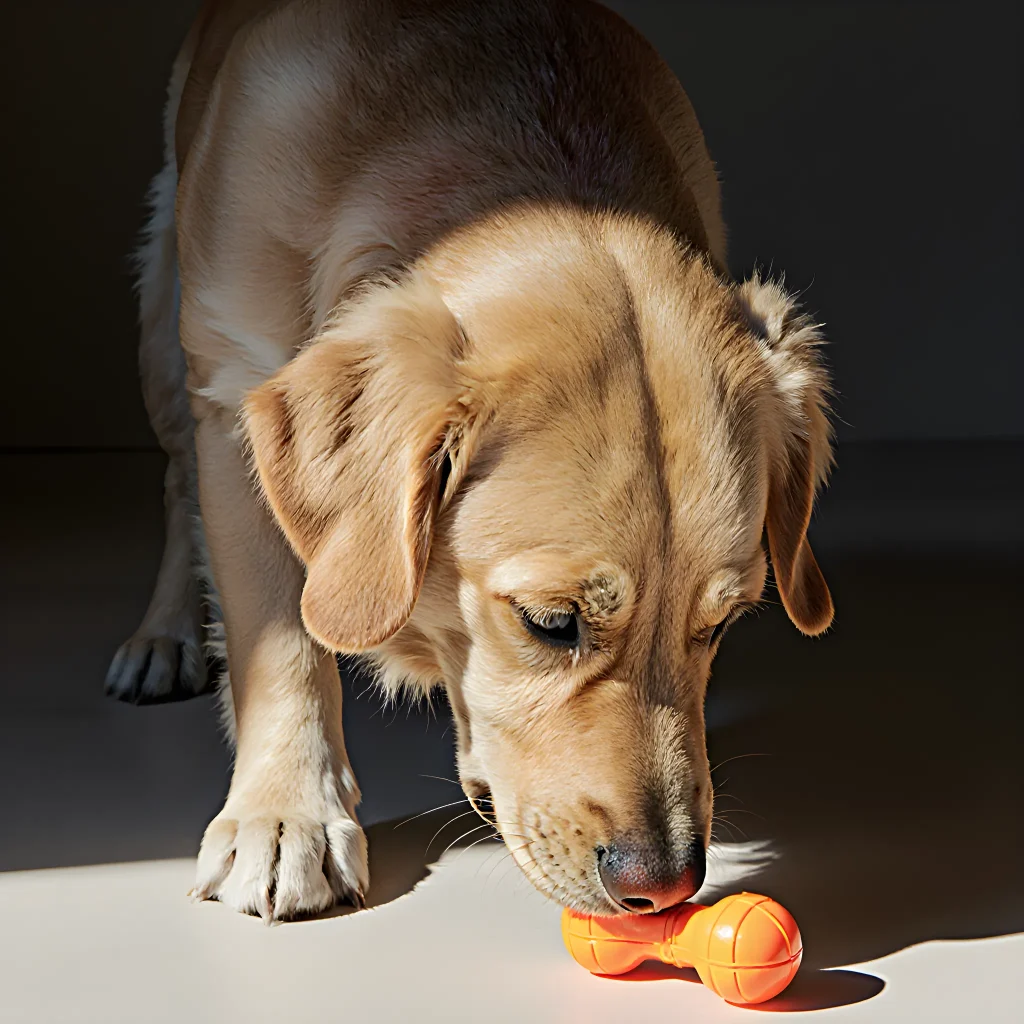
Spot the Silent Threats to Your Pup
Hidden Dangers: Everyday Items Threaten Your Dog’s Life
Table of Contents
- Introduction
- Household Cleaning Products
- Essential Oils and Aromatherapy Items
- pesticides-and-rodenticides">Pesticides and Rodenticides
- Antifreeze (Ethylene Glycol)
- Human Medications and Supplements
- Plant-Based Hazards
- Pet Food Ingredients for Dogs
- Household Batteries and Electronics
- Cleaning Tools (Mops, Brushes, etc.)
- Small Household Items (Coins, Keys, Nail Clippings)
- Pet Grooming Products
- Seasonal Hazards (Holiday Decorations, Fireworks)
- Conclusion
- FAQ
Introduction
When we think of pet safety, we often focus on big hazards like fences or toxic plants. However, many common items found in a typical home can pose serious risks to dogs if ingested or mishandled. Below is an expanded look at these hidden dangers, real‑world examples, and practical steps you can take to protect your furry friend.
1. Household Cleaning Products
- Sodium Hypochlorite (Bleach): Even a small splash on the paw or a lick of residue can cause severe skin burns and internal irritation. Dogs are attracted to the scent, so keep containers tightly sealed.
- Detergents & Dish Soaps: These often contain fragrances that attract dogs. Ingestion can lead to vomiting, diarrhea, or even pancreatitis.
- Aerosol Sprays (e.g., air fresheners): The propellants are flammable and can cause respiratory distress if inhaled in large quantities.
2. Medications & Supplements
Human medications are typically toxic to dogs, even at low doses. This includes pain relievers (acetaminophen, ibuprofen), antidepressants, and herbal supplements. Store all meds in a child‑proof cabinet or high shelf.
3. Small Plastic Items
- Plastic Bags & Wrappers: Dogs may swallow them, leading to intestinal blockages.
- Styrofoam Cups & Plates: These can cause choking or perforation of the digestive tract.
4. Household Electronics
Batteries (AA, AAA), chargers, and cords are highly attractive to dogs. Chewing on batteries can release toxic chemicals like lithium, leading to severe poisoning.
5. Food Items & Table Scraps
- Chocolate & Cocoa Products: Contains theobromine, which is highly toxic to dogs.
- Onions & Garlic: Even small amounts can cause hemolytic anemia.
- Grapes and Raisins: Can trigger acute kidney failure.
6. Essential Oils & Aromatherapy Products
Many essential oils (peppermint, tea tree, eucalyptus) are toxic when ingested or absorbed through the skin. Keep them out of reach and use pet‑safe alternatives if you must scent your home.
Practical Safety Tips
- Secure Storage: Use childproof locks on cabinets, keep items in high or locked drawers.
- Regular Audits: Periodically check your home for small objects that could be chewed or swallowed.
- Educate Your Family & Guests: Remind everyone not to leave food, cleaning supplies, or medications within reach of pets.
- Use Pet‑Safe Alternatives: When possible, choose pet‑safe cleaning agents and essential oils.
- Immediate Action Plan: Know the signs of poisoning (vomiting, lethargy, seizures) and keep a vet’s contact number handy. If you suspect ingestion, call your veterinarian or an emergency animal poison helpline immediately.
By staying aware of these everyday risks and implementing simple preventive measures, you can create a safer environment for your dog—protecting them from accidental poisoning and ensuring they remain healthy and happy in your home.
Household Cleaning Products
If you love your furry friend, it’s essential to keep a keen eye on the items that surround them in your home. Many common household cleaners and chemicals can be toxic or even fatal if ingested or exposed to a dog. Below is an expanded guide detailing which products pose risks, how they affect dogs, real‑world examples, and practical steps you can take to protect your pet.
1. Household Cleaning Solutions
- Bleach (Sodium Hypochlorite)
- Symptoms: vomiting, drooling, difficulty breathing, burns on skin and mucous membranes.
- Example: A dog that licks a spill of bleach from the kitchen floor may develop severe abdominal pain within hours.
- Prevention: Store bleach in child‑proof cabinets; use diluted solutions for cleaning surfaces near pet areas.
- Ammonia
- Symptoms: eye irritation, coughing, vomiting, and in severe cases, respiratory distress.
- Example: A dog sniffing a container of ammonia used for cleaning windows may develop sneezing fits and watery eyes.
- Prevention: Keep ammonia products well sealed; ventilate rooms after use; consider pet‑safe alternatives like vinegar.
- Dishwashing Liquid (Sodium Lauryl Sulfate)
- Symptoms: excessive salivation, vomiting, diarrhea, and stomach upset.
- Example: A dog that chews on a bottle of dish soap left within reach may experience nausea and abdominal cramps.
- Prevention: Store in high cabinets; use pet‑friendly soaps if you suspect accidental exposure.
2. Pesticides & Insecticides
- Pyrethrin (in many flea and tick sprays)
- Symptoms: tremors, seizures, drooling, vomiting.
- Example: A dog that licks the residue of a spray applied to carpets can develop tremors within minutes.
- Prevention: Apply products in well‑ventilated areas; keep pets away until the area is dry; consider natural alternatives like cedar chips.
3. Cleaning Disinfectants & Sanitizers
- Ethanol‑based hand sanitizers
- Symptoms: oral irritation, vomiting, diarrhea, and potential liver damage if ingested in large amounts.
- Example: A curious dog that opens a bottle of sanitizer on the counter might ingest enough ethanol to cause stomach upset.
- Prevention: Keep sanitizers out of reach; use alcohol‑free options when possible.
4. Household Items Often Overlooked
- Essential Oils (e.g., tea tree, eucalyptus)
- Symptoms: tremors, seizures, liver failure.
- Example: A dog that licks a diffuser with tea tree oil can develop neurological symptoms within hours.
- Prevention: Avoid using essential oils around pets; opt for pet‑safe air fresheners.
- Lemon Juice & Vinegar
- Symptoms: gastrointestinal upset, especially if ingested in large quantities.
- Example: A dog that drinks spilled lemon juice from a kitchen counter may experience vomiting and diarrhea.
- Prevention: Clean spills immediately; keep containers capped.
Practical Advice for Pet Owners
- Read Labels Carefully: Look for “pet safe” or “non‑toxic” indications. If in doubt, call the manufacturer.
- Store Products Securely: Use childproof locks on cabinets and keep items out of reach of pets.
- Use Pet‑Friendly Alternatives: Many cleaning tasks can be done with vinegar, baking soda, or commercial pet‑safe cleaners.
- Ventilate Thoroughly: After using chemicals, open windows and doors to allow fumes to dissipate.
- Monitor Your Pet’s Behavior: If your dog shows signs of discomfort after exposure (lethargy, vomiting, excessive drooling), contact a veterinarian immediately.
By staying informed about the hazards posed by everyday household items and taking proactive steps to keep them out of reach, you can create a safer environment for your beloved canine companion.
Essential Oils and Aromatherapy Items
If you love the soothing scents of essential oils or use aromatherapy products at home, it’s vital to remember that many of these items can be toxic to dogs. Below is a comprehensive guide to common household aromas and how they may affect your furry friend.
1. Common Essential Oils That Pose Risks
- Tea Tree Oil (Melaleuca alternifolia) – Can cause vomiting, weakness, depression, or even seizures in dogs if ingested or applied directly to the skin.
- Peppermint Oil (Mentha piperita) – May lead to breathing difficulties, drooling, and gastrointestinal upset.
- Eucalyptus Oil (Eucalyptus globulus) – Known for causing vomiting, tremors, and potential liver damage when ingested.
- Lemon Oil (Citrus limon) – Contains citral which can be irritating to a dog’s skin and mucous membranes; ingestion may cause abdominal pain.
- Lavender Oil (Lavandula angustifolia) – While generally safe in small amounts, high concentrations can lead to lethargy or vomiting.
2. Everyday Aromatherapy Products to Watch Out For
- Diffusers – Even if the oil is diluted, pets can inhale concentrated vapors that may irritate eyes, nose, and throat.
- Aromatherapy Candles – Burning candles release essential oils into the air; prolonged exposure can be harmful.
- Room Sprays & Air Fresheners – Many contain synthetic fragrances or essential oil blends that are not dog‑safe.
- Hand Sanitizers & Soaps with Fragrance – Some use citrus or peppermint oils; ingestion can cause toxicity.
3. Practical Safety Tips for Dog Owners
- Keep Oils Out of Reach: Store all essential oils in a locked cabinet and away from pet areas.
- Use Pet‑Safe Alternatives: Opt for unscented or natural, non‑essential oil products (e.g., plain baking soda air fresheners).
- Limit Exposure Time: If you use a diffuser, turn it off when pets are inside the room.
- Watch for Symptoms: Sudden vomiting, drooling, lethargy, or difficulty breathing warrants immediate veterinary attention.
- Educate Household Members & Guests: Ensure everyone knows not to let dogs sniff or lick essential oil products.
4. What To Do If Your Dog Is Exposed
If you suspect your dog has ingested an essential oil or is exposed to high levels of fumes, follow these steps:
- Remove the Source: Take the pet away from the area and remove any remaining product.
- Check for Symptoms: Observe for vomiting, excessive drooling, tremors, or breathing issues.
- Contact a Veterinarian Immediately: Provide details on the type of oil, amount ingested (if known), and symptoms observed.
By being mindful of which essential oils you use at home and how they are stored or applied, you can keep your beloved canine companion safe while still enjoying the therapeutic benefits of aromatherapy.
Pesticides and Rodenticides
Many common household products that we use to keep pests at bay can be lethal to our canine companions. Even a small amount of these chemicals can cause severe illness or death in dogs, especially if ingested, inhaled, or absorbed through the skin. Below is a comprehensive guide outlining the most hazardous items, how they affect dogs, and practical steps you can take to keep your pet safe.
1. Common Pesticides Found in Homes
- Insecticides (e.g., pyrethroids, organophosphates): Often used on lawns, around doorways, or inside homes. Dogs can develop tremors, seizures, and respiratory distress after exposure.
- Acaricides (disease‑causing mites control): Products like Permethrin are commonly applied to pet bedding or carpets but are toxic to dogs if ingested.
- Rodenticides (rat poison): Baits and pellets contain anticoagulants (e.g., warfarin, bromadiolone) that can cause internal bleeding in pets even after a single bite.
2. Everyday Household Items That Are Lethal
| Item | Common Use | Potential Dog Hazard | Signs of Exposure |
|---|---|---|---|
| Pest Control Baits (e.g., "Rat Killer" pellets) | Used to eliminate rodents in basements, attics. | Internal bleeding, vomiting, lethargy. | Coagulation issues, dark urine, bruising. |
| Lawn Fertilizer with Insecticides | Garden maintenance. | Tremors, seizures, drooling. | Hyperventilation, muscle twitching. |
| All‑purpose Cleaner (containing bleach or ammonia) | Surface cleaning. | Respiratory irritation, eye burns. | Coughing, watery eyes, nosebleeds. |
| Insect Repellent Sprays (permethrin-based) | Outdoor pest control. | Nervous system damage, seizures. | Weakness, staggering gait. |
3. How Dogs Can Be Exposed
- Ingestion: Curiosity leads dogs to chew on bait or spilled cleaner.
- Inhalation: Sprays and aerosols release fine particles that can be breathed in.
- Skin Absorption: Contact with contaminated surfaces, especially if the dog has a skin condition.
4. Practical Safety Measures
- Store All Chemicals Out of Reach: Use high cabinets or locked storage.
- Use Pet‑Safe Alternatives: Opt for natural repellents like peppermint oil (diluted) or vinegar solutions when possible.
- Keep a “Dog‑Proof” Zone: Seal off areas where chemicals are applied until the area is fully dry and ventilated.
- Educate Family Members & Guests: Ensure everyone knows not to leave pets unattended near treated zones.
- Regularly Inspect Your Dog: Look for signs of paw contamination or ingestion after outdoor activities.
5. What To Do If You Suspect Poisoning
- Act Immediately: Time is critical; the sooner you seek help, the better.
- Call Your Veterinarian or a Poison Control Hotline: In the U.S., call 1‑800‑222‑1222 (ASPCA).
- Provide Information: Have product names, ingredients, and quantity handy.
- Do Not Induce Vomiting Unless Advised: Some toxins can cause more damage if vomited back into the stomach.
By understanding which household items pose a danger to dogs and taking proactive steps, you can create a safer environment for your furry friend while still maintaining pest control in your home.
Antifreeze (Ethylene Glycol)
Ethylene glycol is a sweet‑tasting, colorless liquid used primarily in automotive antifreeze and coolant systems. Despite its pleasant taste, it is extremely toxic to dogs (and other pets). Even small amounts can cause severe kidney damage, metabolic acidosis, and death if not treated promptly.
Why It’s Dangerous for Dogs
- Sweet Taste: Many dogs are attracted to the sweet flavor, making accidental ingestion more likely.
- Rapid Absorption: Once ingested, it is quickly absorbed into the bloodstream and travels to the kidneys.
- Delayed Symptoms: Early signs (vomiting, lethargy) can be subtle; by the time severe symptoms appear, kidney damage may already be advanced.
Common Household Items Containing Ethylene Glycol
| Item | Typical Concentration | Where It’s Usually Found |
|---|---|---|
| Automotive Antifreeze / Coolant | 30–50% ethylene glycol, 50–70% water | Car radiators, coolant reservoirs, spare tanks |
| Industrial Coolants (e.g., HVAC systems) | Up to 100% ethylene glycol in some formulations | Air conditioning units, heat exchangers |
| Some Household Refrigerants (rare) | Variable | Older refrigeration systems |
Practical Prevention Tips for Pet Owners
- Secure Storage: Keep all antifreeze in sealed containers with child‑proof caps. Store them in locked cabinets or high shelves out of reach.
- Use Dog‑Safe Coolants: Consider switching to propylene glycol‑based coolants, which are less toxic if ingested. Verify the product label before purchase.
- Label Clearly: Mark all containers with a prominent “Poisonous – Keep Away From Pets” sticker.
- Educate Household Members: Ensure everyone knows the risks and how to respond if ingestion is suspected.
- Emergency Preparedness: Keep a pet first aid kit that includes an emergency phone number for your local veterinary toxicology hotline.
Recognizing Symptoms in Dogs
- Vomiting, often with bile or blood
- Lethargy or weakness
- Increased thirst and urination (initially)
- Pale or blue gums, indicating poor oxygenation
- Seizures or collapse in severe cases
Immediate Action Steps if Ingestion Is Suspected
- Do Not Induce Vomiting: This can cause additional damage and may lead to aspiration pneumonia.
- Call Your Vet or a Poison Control Center Immediately: Provide the exact amount ingested, if known.
- Bring the Container: Show the product label; it helps veterinarians determine dosage for antidotes.
- Transport Quickly: Time is critical—get your dog to a veterinary clinic as soon as possible.
Treatment Overview
Veterinary treatment typically involves:
- Intravenous fluids to support kidney function and dilute toxins.
- Activated charcoal or other adsorbents if the ingestion was recent.
- Antidotes such as fomepizole or ethanol, which inhibit alcohol dehydrogenase.
- Monitoring of blood chemistry (electrolytes, creatinine) and urine output.
Key Takeaway
Ethylene glycol is a silent threat in many homes. By securing antifreeze properly, choosing safer alternatives, and being vigilant about early symptoms, you can protect your dog from one of the most common but deadly household toxins.
Human Medications and Supplements
Many common products that we use in our homes are toxic to dogs if ingested or even exposed to their skin and eyes. Below is a comprehensive list of household items you should keep out of reach, along with the symptoms they can cause and what to do if your dog comes into contact.
1. Human Medications
- Aspirin & Ibuprofen (Advil, Motrin): Can cause stomach ulcers, bleeding, and kidney failure. Symptoms: vomiting, lethargy, pale gums.
- Acetaminophen (Tylenol): Highly toxic—can lead to liver damage and hemolytic anemia. Signs: abdominal pain, weakness, jaundice.
- Antidepressants & Antipsychotics: Overdose can cause tremors, seizures, or coma. Watch for sudden changes in behavior.
- Blood Pressure Meds (e.g., Lisinopril): Can cause low blood pressure and weakness.
2. Household Cleaning Products
- Bleach: Causes burns, vomiting, and difficulty breathing. Keep containers tightly sealed.
- Detergents & Dish Soap: May produce abdominal pain, diarrhea, or even chemical burns if ingested in large amounts.
- Oven Cleaner (ammonia-based): Extremely irritating to eyes and lungs; can cause severe respiratory distress.
- Disinfectant Sprays: Many contain quaternary ammonium compounds that are toxic when swallowed.
3. Food Items & Ingredients
- Caffeine (coffee, tea, chocolate, energy drinks): Causes restlessness, rapid breathing, heart palpitations, and seizures.
- Alcohol: Even a small amount can lead to vomiting, diarrhea, depression of the central nervous system, and coma.
- Onions & Garlic: Contain thiosulphate that damages red blood cells, leading to anemia.
- Grapes & Raisins: Can cause acute kidney failure.
4. Plants and Flowers
- Lily of the Valley: Poisonous if ingested, can cause vomiting, heart arrhythmias.
- Sago Palm: All parts are toxic; ingestion may lead to liver failure.
- Dieffenbachia (Dumb Cane): Causes oral irritation and difficulty swallowing.
5. Miscellaneous Household Items
- Lead Paint Chips: Lead poisoning symptoms include weakness, loss of appetite, and seizures.
- Scented Candles & Air Fresheners (especially those containing phthalates): Can cause respiratory irritation and neurological effects.
- Pet Food with High Sodium Content: Overconsumption can lead to electrolyte imbalance, especially in dogs with kidney disease.
Practical Safety Tips
- Secure Storage: Keep all medications and chemicals in child‑proof cabinets or locked storage.
- Label Clearly: Use bright, durable labels to identify contents. Never store human meds in dog bowls.
- Educate Household Members: Ensure everyone knows the risks and reports any accidental ingestion immediately.
- Emergency Contact List: Keep a phone number for your veterinarian and an emergency animal poison control hotline (e.g., ASPCA Animal Poison Control Center).
- First Aid Kit: Include activated charcoal, a small bowl of water, and any medications recommended by your vet.
By being vigilant about where you store these items and educating everyone in the household, you can prevent accidental poisonings and keep your canine companion safe and healthy.
Plant-Based Hazards
Many common objects in our homes can be lethal or severely harmful to pets if ingested or mishandled. Below is a comprehensive list of plant-based items you should keep out of reach, along with practical tips on how to safeguard your dog.
1. Chocolate (All Types)
- Why it’s dangerous: Contains theobromine and caffeine—substances dogs metabolize slowly, leading to heart arrhythmias, seizures, or even death.
- Typical symptoms: Vomiting, diarrhea, rapid breathing, tremors, hyperactivity, or lethargy.
- Practical advice: Store all chocolate products in high cabinets or the freezer. Keep any baking trays sealed. Train your dog to stay away from kitchen counters and consider using child-proof locks on pantry doors.
2. Grapes & Raisins
- Why it’s dangerous: Even small amounts can trigger acute kidney failure in dogs.
- Typical symptoms: Vomiting, weakness, decreased appetite, and lethargy within 12–48 hours.
- Practical advice: Never leave fruit bowls unattended. Store dried fruit in airtight containers on high shelves. If you suspect ingestion, contact your vet immediately.
3. Onion, Garlic, Chives & Leeks (Raw or Cooked)
- Why it’s dangerous: Contains disulfides that cause oxidative damage to red blood cells, leading to hemolytic anemia.
- Typical symptoms: Weakness, pale gums, rapid breathing, and dark urine.
- Practical advice: Keep all forms of these vegetables in sealed containers. When cooking for your dog, use herbs like parsley or dill instead of onions/garlic.
4. Xylitol (Artificial Sweetener)
- Why it’s dangerous: Rapidly releases insulin, causing hypoglycemia and liver failure.
- Typical symptoms: Weakness, tremors, seizures, vomiting, and loss of consciousness.
- Practical advice: Check labels on sugar-free gum, baked goods, toothpaste, and pet treats. Store these items in child-proof containers or out of reach.
5. Avocado (Leaves, Pits & Skin)
- Why it’s dangerous: Contains persin, which can cause vomiting and diarrhea; the pit is a choking hazard.
- Typical symptoms: Vomiting, drooling, abdominal pain, or difficulty swallowing.
- Practical advice: Keep ripe avocados out of reach. If you have avocado plants at home, ensure they are placed on high shelves or in a locked cabinet.
6. Apple Seeds & Core (and Other Stone Fruits)
- Why it’s dangerous: The seeds contain cyanogenic compounds that can release cyanide when metabolized.
- Typical symptoms: Vomiting, weakness, difficulty breathing, and seizures.
- Practical advice: Always remove pits, cores, and seeds before offering fruit to your dog. Offer only small slices of the flesh in moderation.
7. Citrus Fruits (Peels & Seeds)
- Why it’s dangerous: Contains essential oils that can irritate the gastrointestinal tract and cause vomiting or diarrhea.
- Typical symptoms: Vomiting, abdominal discomfort, or lethargy.
- Practical advice: Store citrus fruits in sealed containers. Do not leave peels or seeds around your dog’s food area.
8. Mushrooms (Wild & Some Cultivated)
- Why it’s dangerous: Certain species are toxic, causing vomiting, diarrhea, seizures, and liver failure.
- Typical symptoms: Vomiting, tremors, abdominal pain, or collapse.
- Practical advice: Never allow your dog to forage in gardens or forests. Keep all mushrooms—both fresh and dried—out of reach.
9. Poppy Seeds & Papaya Seeds
- Why it’s dangerous: Can act as a mild anticoagulant, increasing the risk of bleeding or internal hemorrhage.
- Typical symptoms: Bruising, vomiting blood, or bloody stools.
- Practical advice: Store all dried seeds in sealed containers. Avoid giving your dog foods containing these seeds unless advised by a vet.
10. Tomato (Leaves & Stems)
- Why it’s dangerous: Contains solanine, which can cause gastrointestinal upset and neurological symptoms.
- Typical symptoms: Vomiting, diarrhea, weakness, or seizures.
- Practical advice: Keep tomato plants and their parts out of reach. If your dog shows interest in the leaves, redirect them with a chew toy or treat.
Preventive Measures: Practical Checklist for Every Homeowner
- Secure Storage: Use child-proof locks on cabinets and keep hazardous items in locked containers.
- Clean Up Promptly: Wipe up spills, especially sweeteners and chocolate residues.
- Educate Family & Guests: Make sure everyone knows which foods are toxic to dogs.
- Use Dog-Only Zones: Designate specific areas for your dog’s food and treats, away from kitchen counters.
- Regular Vet Check-ups: Discuss any potential dietary risks during routine visits.
By staying vigilant
Pet Food Ingredients for Dogs
Even everyday objects that seem harmless can pose serious risks to your canine companion. Below is a comprehensive list of items you should keep out of reach, along with practical tips for safe storage and alternative solutions.
- Chocolate & Cocoa Products: Contains theobromine and caffeine, both toxic to dogs. Even small amounts can cause vomiting, diarrhea, seizures, or heart arrhythmias.
- Grapes & Raisins: Can trigger acute kidney failure in some breeds.
- Onions, Garlic, Chives: Sulfur compounds damage red blood cells, leading to anemia.
- Alcoholic Beverages: Even a few ounces can result in hypoglycemia, liver damage, or respiratory depression.
- Human Medications (OTC & Prescription): Aspirin, ibuprofen, acetaminophen, and many prescription drugs are lethal at low doses.
- Household Cleaners: Bleach, ammonia, drain cleaners, and disinfectants can cause burns, respiratory distress, or organ failure if ingested.
- Plants (e.g., Sago Palm, Oleander): Toxic to dogs; ingestion can lead to vomiting, seizures, or cardiac arrest.
- Small Objects (coins, buttons, batteries): Can cause choking or intestinal blockage. Batteries may leak corrosive substances.
- Pencil Erasers & Chalk: Contain graphite that can irritate the stomach lining.
- Essential Oils & Aromatherapy Products: Many are highly concentrated and can induce seizures, liver damage, or respiratory issues.
Practical Safety Tips
- Secure Storage: Keep all hazardous items in locked cabinets or high shelves beyond your dog's reach. Use child-proof locks if you have both pets and small children.
- Label Clearly: Mark containers with “Pet Safe” or “Human Only.” This reduces accidental misplacement.
- Use Pet-Friendly Alternatives:
- Replace chocolate treats with commercial dog-safe sweeteners like xylitol-free peanut butter or pumpkin puree.
- For cleaning, opt for pet-friendly, non-toxic products such as vinegar and baking soda solutions.
- Choose safe houseplants (e.g., spider plant, Boston fern) or keep plants in closed containers.
- Educate Household Members: Ensure everyone knows which items are dangerous. Discuss emergency contacts and immediate steps if ingestion occurs.
- Regular Inspection: Check for loose batteries, broken toys, or hidden food scraps that might tempt your dog to investigate.
Emergency Response Guide
If you suspect your dog has ingested a harmful household item, follow these steps immediately:
- Call Your Veterinarian or an Emergency Animal Poison Control Hotline (e.g., ASPCA 1-888-426-4435).
- Do Not Induce Vomiting Without Guidance: Some substances can cause more damage if vomited.
- Provide Information: Know the exact item, quantity ingested, and time of ingestion. Bring any packaging or a sample if safe to do so.
- Transport Quickly: Head straight to an emergency clinic if advised. Keep your dog calm and hydrated during transit.
By proactively managing these everyday hazards, you safeguard your dog's health while maintaining a comfortable home environment.
Household Batteries and Electronics
Many of the objects we keep in our homes seem harmless, but they can pose serious health risks to curious canine companions. Below is a detailed guide on common household batteries and electronics that are hazardous to dogs, why they’re dangerous, and practical steps you can take to keep your pet safe.
1. Alkaline Batteries (AA, AAA, C, D, 9‑V)
- Why it’s dangerous: Dogs may chew or swallow these batteries. If a battery leaks acid or alkaline solution inside the mouth, throat, or stomach, it can cause severe chemical burns and internal tissue damage.
- Signs of ingestion: Drooling, vomiting, difficulty swallowing, pawing at the mouth, lethargy, or abdominal pain.
- Prevention tips:
- Store batteries in a locked cabinet or high shelf out of reach.
- Use battery holders that lock into place so the dog can’t pry them open.
- Never leave unused batteries in chargers, remote controls, or toys where they’re easily accessible.
2. Nickel‑Metal Hydride (NiMH) Batteries
- Why it’s dangerous: These batteries contain a high concentration of nickel and can cause metal poisoning if ingested.
- Prevention tips:
- Dispose of used NiMH batteries in the recycling bin designated for electronics.
- Keep them sealed in their original packaging until you’re ready to dispose of them.
3. Lithium‑Ion Batteries (used in laptops, phones, drones)
- Why it’s dangerous: These batteries can overheat and ignite if punctured or short‑circuited, leading to fire hazards.
- Signs of ingestion: Similar to other battery types plus sudden behavioral changes due to toxin release.
- Prevention tips:
- Keep chargers and spare batteries in a cool, dry place.
- Never leave charging devices unattended; use child‑proof outlets if your dog is prone to chewing.
4. Remote Controls & Switches
- Why it’s dangerous: Small batteries inside remotes can be chewed and swallowed; the plastic casing may also be ingested, causing blockages.
- Prevention tips:
- Store remotes in a drawer or high shelf out of reach.
- Use remote controls with battery compartments that lock securely.
5. USB Cables & Adapters
- Why it’s dangerous: Dogs may chew on the plastic or metal parts, potentially ingesting them and causing choking or internal injuries.
- Prevention tips:
- Tuck cables into a protective sleeve or wrap them in a cable management box.
- Keep adapters stored in a drawer or closed cabinet.
6. Small Electronic Devices (e.g., calculators, handheld game consoles)
- Why it’s dangerous: These devices often contain multiple small batteries and metal components that can be ingested.
- Prevention tips:
- Store devices in a locked drawer or high shelf.
- Encourage your dog to use chew toys instead of electronic gadgets.
Practical Checklist for Pet Owners
- Audit your home: Identify all battery-powered items and electronics.
- Create a “no-go” zone: Keep batteries, chargers, and small electronic devices in one locked area.
- Use child‑proof outlets: Install outlet covers to prevent access to plugs and cords.
- Educate household members: Make sure everyone knows the dangers of leaving electronics unattended.
- Monitor your dog’s behavior: Watch for signs of chewing or swallowing unusual objects.
By taking these precautions, you can significantly reduce the risk of accidental battery ingestion or electronic component exposure and keep your furry friend healthy and safe.
Cleaning Tools (Mops, Brushes, etc.)
If you love a spotless home, you probably have an arsenal of mops, brushes, vacuum attachments, and more. While these tools are great for keeping your floors pristine, many contain chemicals or small parts that can be dangerous if ingested or mishandled by curious dogs.
Mops (Wet & Dry)
- Chemical Residues: Many mops are pre-soaked in cleaning solutions that contain bleach, ammonia, or surfactants. Even after rinsing, trace amounts can remain on the fibers and attract a dog’s nose.
- Spill Risk: A quick spill of a mop head can leave a slick surface; dogs may slip or ingest the liquid if it contains toxic ingredients.
- Small Particles: Some mops have detachable heads that can fall off and become choking hazards.
**Practical Tip:** Store your mop in a high, locked cabinet. If you use a disposable or washable head, keep it out of reach after each cleaning session. Consider using a pet-friendly floor cleaner (e.g., vinegar‑water mix) to reduce chemical exposure.
Brushes (Floor & Upholstery)
- Chemical Coatings: Some brushes come pre-treated with anti‑stain or deodorizing chemicals that can irritate a dog’s skin and mucous membranes.
- Loose Bristles: A brush with loose bristles can release them into the air, creating an inhalation risk for pets with respiratory issues.
- Small Parts: Attachments such as dust‑brush heads or vacuum brush heads can detach and become choking hazards.
**Practical Tip:** After use, rinse brushes thoroughly and let them dry in a well‑ventilated area. Keep them stored in a container with a secure lid so they don’t fall out of reach.
Vacuum Attachments (Crevice Tool, Upholstery Brush)
- Choking Hazard: Small detachable parts can be swallowed by a curious pup.
- Dust & Allergens: Vacuum dust bags or filters may contain allergens that trigger sneezing or coughing in dogs.
- Electrical Components: Exposure to exposed wires or cords can lead to electrical burns if a dog latches onto them.
**Practical Tip:** Store vacuum attachments inside the machine’s built‑in storage compartment. Use a cord‑management kit and keep all cords out of reach.
Cleansing Agents (Liquid, Powder)
- Bleach & Ammonia: Common in many household cleaners; ingestion can cause vomiting, diarrhea, and respiratory distress.
- Sodium Hypochlorite & Hydrogen Peroxide: Can be irritating to skin and eyes if splashed on a dog.
- Dusty Powders: Inhalation of fine dust can trigger kennel cough or other lung issues.
**Practical Tip:** Always use pet‑safe cleaning products. If you must use stronger chemicals, clean the area thoroughly and allow it to dry before reintroducing your dog.
Dusters & Rags
- Residue Build‑up: Dust and cleaning solution residue can cling to the fibers, attracting a dog’s curiosity.
- Small Fibers: When torn or frayed, these become small particles that dogs might ingest.
**Practical Tip:** Use microfiber cloths for dusting; they are easier to clean and less likely to release fibers. Store them in a dry place where pets cannot reach.
General Safety Checklist
- Secure Storage: Keep all cleaning tools and chemicals locked away or on high shelves.
- Pet‑Friendly Products: Choose non‑toxic, biodegradable cleaners whenever possible.
- Supervise Cleaning Sessions: Never leave a dog unattended while you are using potentially hazardous items.
- Educate Family Members: Ensure everyone knows which areas and tools are off‑limits for pets.
- Emergency Preparedness: Keep a pet first aid kit handy, including a contact number for your veterinarian.
By being mindful of where you store cleaning tools and choosing safer products, you can keep both your home sparkling clean and your furry friend safe from accidental poisoning or injury.
Small Household Items (Coins, Keys, Nail Clippings)
While most of the items we keep around the house seem harmless to us, they can pose serious health risks to our canine companions. Small objects such as coins, keys, and even nail clippings are common household items that can become choking hazards or cause internal injuries if ingested.
Coins
- Choking hazard: Dogs often sniff out coins left on tables, counters, or in trash cans. A coin can lodge in the throat, blocking airflow and causing distress.
- Gastrointestinal blockage: If swallowed, a coin may pass through the esophagus but get stuck in the stomach or intestines, leading to pain, vomiting, or even perforation.
**Practical advice:** Keep coins out of reach by storing them in a secure drawer. Use a magnetic keychain on your wallet or purse so you can quickly retrieve any loose coins before dropping them near your dog.
Keys
- Sharp edges: Key heads and metal teeth can cut the mouth, throat, or stomach lining if swallowed.
- Potential for obstruction: A key can block passage through the esophagus or intestines, causing severe pain and requiring surgical removal.
**Practical advice:** Store keys in a small container or lockbox on a shelf out of reach. Consider using a keychain with a protective plastic cover to reduce sharpness. If you suspect your dog has ingested a key, seek veterinary care immediately.
Nail Clippings
- Sharp points: Pet nail clippings are often jagged and can puncture the mouth or stomach lining if swallowed.
- Choking risk: A single clipping can get lodged in a narrow throat, causing distress and potential airway obstruction.
**Practical advice:** Collect nail clippings promptly after trimming and dispose of them in a sealed container. If you have a small pet with a tendency to chew on objects, consider placing the container in a high cabinet or using a dedicated “pet waste” bin that is out of reach.
General Safety Tips
- Clean up promptly: After any household activity (e.g., paying bills, shaving nails), sweep the floor and check surfaces for small objects.
- Use pet-proof containers: Store all potentially hazardous items in lockable boxes or high cabinets.
- Educate family members: Make sure everyone knows to keep these items away from pets and to supervise dogs during playtime.
- Know when to seek help: If your dog shows signs of choking (coughing, gagging, drooling), vomiting, or abdominal pain, contact a veterinarian immediately.
By taking these simple precautions, you can prevent many common accidents involving small household items and keep your furry friend safe and healthy.
Pet Grooming Products
When it comes to keeping your dog looking and feeling great, the right grooming tools are essential. However, many everyday household items that look harmless can pose serious risks to dogs if used improperly or left within reach. Below is a comprehensive guide on safe pet grooming products, common household hazards, and practical steps you can take to protect your furry friend.
Safe Grooming Essentials
- Dog-specific Shampoo: Formulated with pH-balanced ingredients that avoid skin irritation. Avoid using human shampoos or dish soap as they strip natural oils.
- Conditioner and Detangler: Helps prevent matting, especially for long-haired breeds.
- Brushes & Combs: Choose a slicker brush for coarse coats and a wide-toothed comb for shedding control.
- Tweezers & Nail Clippers: Use pet-specific tools with blunt tips to reduce accidental cuts. Avoid human nail clippers as they can cut too close.
- Ear Cleaner (isopropyl alcohol or commercial ear wipes): Prevents infections and removes wax buildup.
- Dog-safe Toothpaste & Brush: Dental care reduces plaque, tartar, and bad breath.
Everyday Household Items That Are Dangerous for Dogs
| Item | Why It’s Harmful | Safe Alternatives |
|---|---|---|
| Human Shampoo & Conditioner | High pH can cause skin irritation, dryness, and allergic reactions. | Use dog-specific shampoos and conditioners. |
| Dishes & Cutlery (for brushing teeth) | Sharp edges may cut gums; metal can be heavy and unsafe. | Dog toothbrush with soft bristles. |
| Human Nail Clippers | Too sharp, can nick or tear the nail bed. | Pet nail clippers with rounded tips. |
| Household Cleaning Products (bleach, ammonia) | Fumes are toxic; ingestion causes vomiting and organ damage. | Use pet-safe cleaning agents or dilute properly. |
| Essential Oils (lavender, tea tree) | Can cause seizures, liver failure, or respiratory distress. | Avoid entirely; use pet-approved fragrances if needed. |
| Human Ear Cleaning Solutions (hydrogen peroxide, witch hazel) | Can irritate the ear canal and cause infections. | Use veterinary-recommended ear cleaners. |
Practical Advice for Safer Grooming Sessions
- Keep a Dedicated Grooming Area: Use a non-slip mat, and place all pet grooming tools in a single basket or bag to prevent accidental ingestion of household items.
- Label Everything: Mark your dog's shampoo, conditioner, and any other pet products with clear labels so you don't accidentally pick up a human product.
- Check the Ingredients: Read the label for allergens or harmful chemicals. Look for ingredients like parabens, sulfates, and artificial fragrances that can irritate dogs.
- Use Protective Gloves: If you’re handling strong-smelling cleaners or harsh detergents, gloves shield your skin and reduce residue on pet products.
- Store Items Out of Reach: Keep all household cleaning supplies, essential oils, and sharp tools in high cabinets or locked drawers.
- Educate Family Members & Guests: Explain the difference between pet-safe and human products so everyone helps keep your dog safe.
When to Seek Professional Help
If you notice any of the following signs after a grooming session, contact your veterinarian immediately:
- Persistent itching or redness in the skin
- Swelling around the ears or face
- Vomiting or diarrhea within hours of product use
- Lethargy, weakness, or difficulty breathing
By choosing pet-specific grooming products and being mindful of everyday household hazards, you can keep your dog healthy, happy, and safe during every brushing, bathing, and trimming session.
Seasonal Hazards (Holiday Decorations, Fireworks)
During the festive season, many households add decorations and celebrate with fireworks. While these activities bring joy to humans, they can pose serious risks to our canine companions. Below is a comprehensive guide on how to keep your dog safe during holidays.
1. Holiday Decorations
- Artificial Christmas Trees: Many trees are coated with thin layers of plastic or metal that can be ingested by curious dogs, leading to intestinal blockages.
- Tinsel & Ribbons: These metallic strands can cause gastric irritation if swallowed. Dogs may also chew on them and ingest small pieces.
- Ornaments (Glass or Plastic): Broken ornaments release shards that can puncture the stomach lining or cause choking hazards.
- Lights & Wiring: Loose electrical cords are a fire hazard. Dogs may chew on exposed wires, risking electric shock or burns.
- Pine Cones & Evergreen Branches: While natural, pine needles can irritate the stomach and cause vomiting if ingested in large amounts.
Practical Advice
- Secure Decor: Anchor trees to walls or use weighted bases. Keep lights wrapped tightly around a power strip, out of reach.
- Choose Dog‑Friendly Ornaments: Opt for plastic or rubber ornaments that are less likely to break and can be safely removed if your dog shows interest.
- Hide Cords: Use cord covers or store cords in a locked closet. Consider using battery-powered LED lights instead of hardwired options.
- Supervise Playtime: Keep your dog away from the living room during setup and after decorations are up until you’re sure everything is secure.
- Teach “Leave It” Command: Reinforce this command so your dog can resist chewing on ornaments or tinsel.
2. Fireworks
Fireworks are a staple of many holiday celebrations, but they pose multiple dangers to dogs: loud noises can trigger severe anxiety, and the fireworks themselves can cause burns or injuries.
- Loud Explosions: The sudden boom can startle dogs, leading to panic attacks, running away, or even self‑harm.
- Smoke & Chemicals: Some fireworks release toxic fumes that irritate the respiratory tract of pets.
- Burns from Misused Devices: Mishandling firecrackers can cause accidental burns to a dog’s paws or ears.
Practical Advice
- Create a Safe Space: Designate a quiet room with dim lighting, blankets, and familiar toys. Close windows and use heavy curtains to muffle sound.
- Use Noise‑Cancelling Headphones: Some pet owners find that ear protection or white‑noise machines help reduce the impact of fireworks.
- Stay With Your Dog: If possible, keep your dog indoors and in a room where you can stay with them. The presence of their owner can be calming.
- Avoid Outdoor Celebrations: Keep dogs inside during any outdoor fireworks displays to prevent exposure to loud noises and potential injury.
- Consider Professional Help: If your dog is highly reactive, consult a veterinarian for anxiety‑reducing medication or a behaviorist for desensitization training.
Conclusion
Even the most ordinary items around your home can pose serious risks to your canine companion if ingested, chewed on, or used improperly. Below is a practical guide that highlights common household products and offers clear steps you can take to protect your dog.
1. Household Cleaners
- Sodium Hypochlorite (Bleach): Even small amounts can cause vomiting, diarrhea, or severe mouth irritation. Store in a locked cabinet and use pet‑safe cleaners whenever possible.
- Lemon Juice & Vinegar: Acidic substances may burn gums and cause gastrointestinal upset if swallowed. Keep them out of reach or use diluted solutions for pets.
2. Medications
Human pain relievers, antidepressants, and over‑the‑counter cold medicines often contain ingredients toxic to dogs (e.g., acetaminophen, ibuprofen). Keep all medications in a high cabinet or medicine cabinet with childproof locks.
3. Food Items
- Coffee & Caffeine: Even coffee grounds can trigger hyperactivity and heart problems.
- Chocolate, Cocoa Powder, and Baking Chocolate: Theobromine is highly toxic; small amounts can lead to seizures or cardiac arrest.
- Grapes & Raisins: May cause kidney failure in some dogs.
4. Small Household Items
Coins, batteries, and jewelry are common chew targets. Batteries contain heavy metals that can leach into the stomach lining, causing burns or internal blockages.
5. Plants & Flowers
- Lily (especially Easter lilies): Extremely toxic; ingestion can lead to kidney failure.
- Poinsettia: Causes vomiting and abdominal discomfort if chewed.
6. Personal Care Products
Shampoo, conditioner, soaps, and lotions often contain fragrances or chemicals that can irritate a dog's skin or mucous membranes. Use pet‑specific grooming products whenever possible.
- Secure Storage: Keep all hazardous items in locked cabinets or high shelves out of reach.
- Labeling: Use clear labels and child‑proof caps on medicine bottles to discourage accidental ingestion.
- Educate Family Members: Make sure everyone knows which household products are dangerous for pets.
- Use Pet‑Safe Alternatives: Replace human cleaning agents with pet‑friendly formulas and opt for natural, non-toxic food treats.
- Emergency Preparedness: Keep a list of emergency contacts (vet, poison control) and the Pet Poison Helpline number handy. Know the symptoms of poisoning to act quickly if your dog shows signs of distress.
By taking these precautions, you can create a safer environment for your furry friend and reduce the risk of accidental poisonings that can be life‑threatening or even fatal.
FAQ
Many common household products can be hazardous to pets if ingested or improperly handled. Below are some of the most frequently overlooked dangers, along with practical tips on how to keep your dog safe.
- 1. Chocolate and Cocoa Products
-
- Contains theobromine and caffeine, both toxic to dogs.
- Even small amounts (e.g., a square of dark chocolate) can cause vomiting, diarrhea, seizures, or heart arrhythmias.
- Practical tip: Store all chocolate in high cabinets or the fridge. Keep any baked goods that contain cocoa out of reach.
- 2. Household Cleaners (Bleach, Ammonia, Detergents)
-
- Can cause chemical burns, respiratory irritation, or systemic toxicity if swallowed.
- Even a small splash can be dangerous, especially for puppies and senior dogs.
- Practical tip: Use pet-safe cleaning products. Keep all chemicals in sealed containers and out of sight.
- 3. Medications (Human and Veterinary)
-
- Common human pain relievers like ibuprofen, acetaminophen, and aspirin are toxic to dogs.
- Some veterinary meds are also dangerous if dosage is incorrect or given to the wrong species.
- Practical tip: Store all medications in a locked cabinet. Never leave pills on counters where your dog can access them.
- 4. Essential Oils and Aromatherapy Products
-
- Many essential oils (e.g., tea tree, eucalyptus, peppermint) are toxic when ingested or absorbed through the skin.
- Dogs have a highly sensitive sense of smell; inhalation alone can cause respiratory distress.
- Practical tip: Avoid using essential oil diffusers in rooms where your dog spends time. If you must use them, ensure proper ventilation and keep the diffuser out of reach.
- 5. Small Household Items (Coins, Batteries, Jewelry)
-
- Batteries can cause internal burns or toxic metal exposure if swallowed.
- Coins and jewelry may lead to intestinal blockage.
- Practical tip: Keep all small objects in a secure, high place. Regularly inspect your home for loose items that could be ingested.
- 6. Food Items (Onions, Garlic, Grape, Raisins)
-
- Onions and garlic contain compounds that can damage red blood cells, leading to anemia.
- Grapes and raisins are associated with acute kidney failure in dogs.
- Practical tip: Never feed your dog table scraps containing these ingredients. Label any containers clearly if you store them at home.
- 7. Plastic Bags and Food Wrappers
-
- Dogs may chew on plastic, causing choking or intestinal obstruction.
- Plastic bags can also cause suffocation if swallowed.
- Practical tip: Store all plastics in a locked bin. Dispose of wrappers promptly and keep trash cans with lids securely closed.
- 8. Antifreeze (Ethanol Ethylene Glycol)
-
- A sweet-tasting liquid that is lethal to dogs even in small amounts.
- Symptoms include vomiting, lethargy, seizures, and kidney failure.
- Practical tip: Keep antifreeze in child-proof containers. Use pet-safe alternatives for any plumbing work.
- 9. Nail Polish Remover (Acetone)
-
- Can cause vomiting, diarrhea, tremors, or even death if ingested.
- Dogs may lick surfaces that have been recently polished.
- Practical tip: Store nail polish remover in a high cabinet. Clean up spills promptly to avoid accidental licking.
- 10. Human Alcohol (Beer, Wine, Spirits)
-
- Dogs metabolize alcohol much slower than humans, leading to intoxication and liver damage.
- Even a small amount of wine or beer can cause vomiting, disorientation, or breathing difficulties.
- Practical tip: Never leave alcoholic beverages within reach. Dispose of empty bottles in a locked trash bin.
- 11. Household Plants (Poinsettia, Dieffenbachia, Philodendron)
-
- Many common houseplants contain latex or toxic compounds that can cause oral irritation, vomiting, or swelling.
- Dogs may chew on leaves or stems when bored.
- Practical tip: Keep potentially toxic plants out of reach. Opt for pet-safe varieties such as spider plant or Boston fern.
- 12. Small Toy Parts (Buttons, Zippers, Velcro)
-
- These can be swallowed and cause choking or intestinal blockage.
- Older toys may have loose parts that detach over time.
- Practical tip: Inspect toys regularly for wear. Replace any with missing pieces promptly.
</
Categories
- AI & Enrichment Play
- Broiler Farming
- Broiler Farming Tips
- Canine Wellness & Longevity
- Cat
- Cat & Human Connection
- Cat Adoption & Rescue
- Cat Breeds
- Cat Breeds & Personalities
- Cat Care & Health
- Cat Grooming & Hygiene
- Cat Lifestyle & Environment
- Cat Myths & History
- Cat Nutrition & Diet
- Cat Products & Reviews
- Cat Training & Behavior
- Comparison
- Consumer Awareness
- Dog
- Dog Accessories & Products
- Dog Adoption & Rescue
- Dog Breed & Lifestyle Trends
- Dog Breeding & Puppies
- Dog Entertainment & Media
- Dog Fashion & Trends
- Dog Fun & Lifestyle
- Dog Grooming & Hygiene
- Dog History & Culture
- Dog Myths, Science & Future Tech
- Dog News & Trends
- Dog Nutrition & Food
- Dog Psychology & Emotions
- Dog Safety & Security
- Dog Sports & Activities
- Dog Technology & Innovation
- Dog Training for Modern Owners
- Dog Travel & Adventure
- Dog Travel, Adventure & Culture
- Economic and Market Insights
- Educational Content
- FAQs
- Feeding Alternatives
- Festivals & Seasonal Ideas
- Fun & Entertainment
- General Knowledge
- General Pig Farming
- Health & Disease Management
- Housing and Environment
- Kittens
- Market Insights
- Miscellaneous
- Miscellaneous
- Motivational
- pig
- Pig Breeding
- Pig Breeds
- Pig Farming Stories and Inspiration
- Pig Health and Care
- Pig Nutrition
- Pig Products
- Profitability & Business
- Puppy Care
- Puppy Predictable Topics Reinvented
- Regional Focus
- Rescue & Adoption Buzz
- Senior Cats
- Senior Dog Care
- Smart Dog Tech & Gadgets
- Sustainability
- Sustainable & Eco-Friendly Dog Products
- Tech & Innovations
- Working & Service Dogs
- Broiler Feed66 products
- Country Feed33 products
- Pig Feed66 products
- Product22 products
- Raw Materials99 products
Products
-
 Fish Meal
₹1,999.00 – ₹2,999.00Price range: ₹1,999.00 through ₹2,999.00Rated 0 out of 5
Fish Meal
₹1,999.00 – ₹2,999.00Price range: ₹1,999.00 through ₹2,999.00Rated 0 out of 5 -
 FATTENING BROILER FEED
₹2,299.00 – ₹2,349.00Price range: ₹2,299.00 through ₹2,349.00Rated 0 out of 5
FATTENING BROILER FEED
₹2,299.00 – ₹2,349.00Price range: ₹2,299.00 through ₹2,349.00Rated 0 out of 5 -
 LAYER COUNTRY FEED
₹1,549.00 – ₹1,649.00Price range: ₹1,549.00 through ₹1,649.00Rated 0 out of 5
LAYER COUNTRY FEED
₹1,549.00 – ₹1,649.00Price range: ₹1,549.00 through ₹1,649.00Rated 0 out of 5 -
 COUNTER BROILER FEED
₹1,199.00 – ₹1,299.00Price range: ₹1,199.00 through ₹1,299.00Rated 0 out of 5
COUNTER BROILER FEED
₹1,199.00 – ₹1,299.00Price range: ₹1,199.00 through ₹1,299.00Rated 0 out of 5 -
 LACTATING PIG FEED
Rated 0 out of 5
LACTATING PIG FEED
Rated 0 out of 5₹2,299.00Original price was: ₹2,299.00.₹1,740.00Current price is: ₹1,740.00. -
 Maize
Rated 0 out of 5
Maize
Rated 0 out of 5₹1,650.00Original price was: ₹1,650.00.₹1,300.00Current price is: ₹1,300.00. -
 GESTATION PIG FEED (Phase 1)
Rated 0 out of 5
GESTATION PIG FEED (Phase 1)
Rated 0 out of 5₹2,249.00Original price was: ₹2,249.00.₹1,699.00Current price is: ₹1,699.00. -
 Pre Starter Broiler Feed
₹2,399.00 – ₹2,499.00Price range: ₹2,399.00 through ₹2,499.00Rated 0 out of 5
Pre Starter Broiler Feed
₹2,399.00 – ₹2,499.00Price range: ₹2,399.00 through ₹2,499.00Rated 0 out of 5 -
 FINISHER PIG FEED
Rated 0 out of 5
FINISHER PIG FEED
Rated 0 out of 5₹2,299.00Original price was: ₹2,299.00.₹1,749.00Current price is: ₹1,749.00. -
 Broiler Premix
Rated 0 out of 5
Broiler Premix
Rated 0 out of 5₹820.00Original price was: ₹820.00.₹699.00Current price is: ₹699.00.