
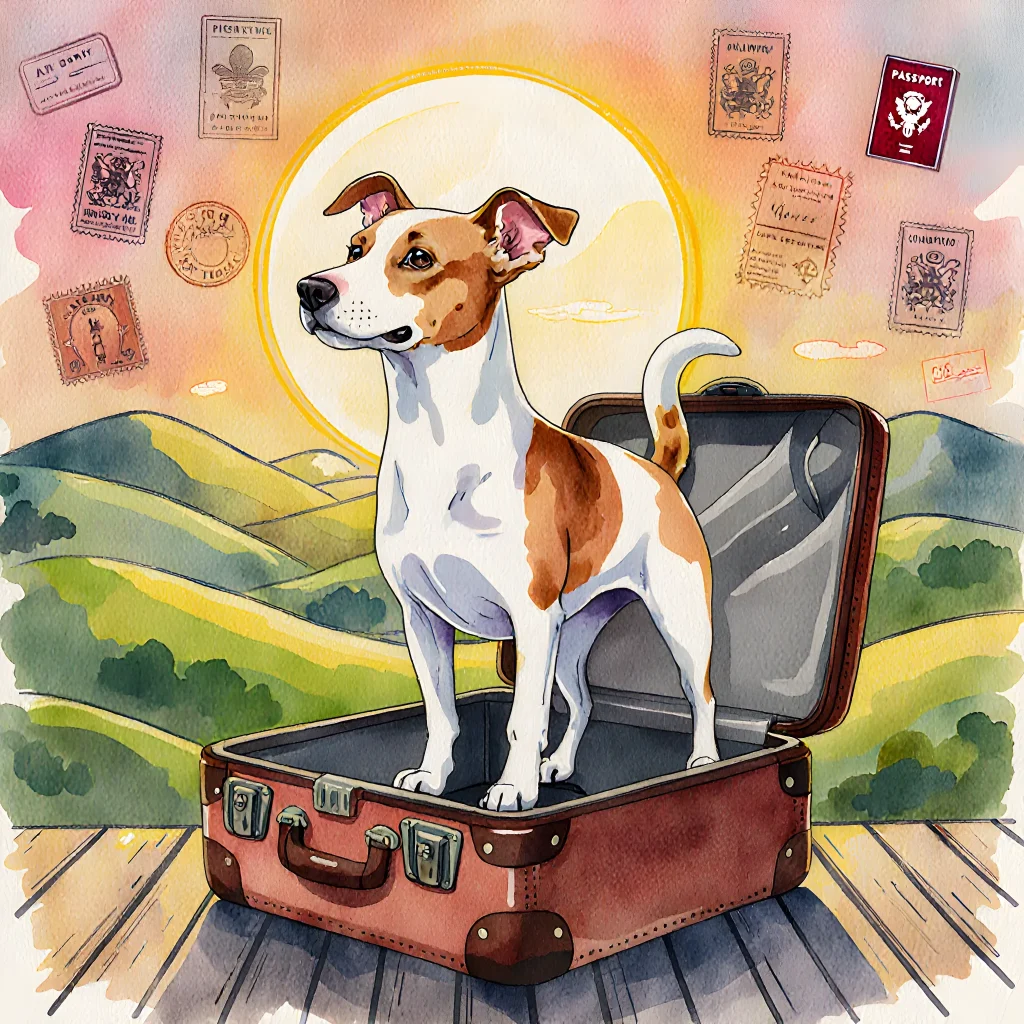
Pack Joy, Not Just Gear
Roam Free, Wag Proud: Dog Travel Essentials Revealed
Table of Contents
- Understanding Airline Policies for Pets
- Preparing Your Dog’s Travel Documents
- Health Checks and Vaccinations Required Abroad
- Choosing the Right Crate for International Flights
- Food, Water, and Feeding Schedule During Travel
- Managing Jet Lag in Your Dog
- Arriving at the Airport: Check‑in Procedures for Pets
- In‑flight Care and Safety Tips
- Dealing with Customs and Border Control
- Finding Pet‑Friendly Accommodations Abroad
- Local Laws and Regulations for Dogs in Your Destination Country
- Travel Insurance Options Covering Pets
- Emergency Situations: Vet Clinics & Poison Control Overseas
- Conclusion – Key Takeaways for a Smooth Journey
- FAQ – Common Questions About Traveling Internationally with Your Dog
Understanding Airline Policies for Pets
If you’re planning a trip abroad with your four‑legged friend, the first thing you’ll need to do is get familiar with each airline’s pet policy. While most carriers follow similar guidelines, there are subtle differences that can affect everything from documentation requirements to fees and cabin restrictions.
1. In‑Cabin vs. Checked or Cargo Transport
- In‑Cabin (Pet in the Passenger Compartment): Most airlines allow small dogs (≤20 lb/9 kg) to travel with you if they fit comfortably in a carrier that can be stored under the seat. The carrier must meet specific dimensions and ventilation requirements, and it usually has to be purchased or reserved in advance.
- Checked Luggage: Some carriers let you check your pet’s carrier as checked baggage, but this is becoming less common due to increased safety concerns.
- Cargo Hold (Pet as Checked Cargo): For larger dogs or when the in‑cabin option isn’t available, airlines will transport pets in a temperature‑controlled cargo hold. This requires a separate set of health certificates and may involve additional handling fees.
2. Carrier Specifications
Airlines typically require carriers to be:
- Sturdy and Ventilated: Made from metal or hard plastic with a secure latch.
- Size‑Restricted: The maximum internal dimensions vary by airline. For example, Delta allows carriers up to 18 in × 14 in × 9 in for in‑cabin travel, while Emirates requires a carrier no larger than 16 in × 13 in × 10 in.
- Labelled Clearly: Include your name, address, phone number, and the dog’s name on a durable label attached to the carrier.
3. Health Documentation & Vaccinations
International travel demands meticulous paperwork:
- Microchip (ISO 11784/11785): All dogs must be microchipped before the rabies vaccination is administered.
- Rabies Certificate: Must be issued by an authorized veterinarian within 30 days of travel, and it should include the dog’s name, age, microchip number, and vaccination date.
- Health Certificate (Veterinary Passport): Issued by a licensed vet no more than 10 days before departure. Some countries require this to be notarized or apostilled.
- Additional Vaccines: Depending on the destination, you may need vaccines for canine distemper, parvovirus, hepatitis, and leptospirosis.
4. Fees & Restrictions by Airline
Below is a snapshot of common fee structures (subject to change – always confirm with the airline):
| Airline | In‑Cabin Fee | Cargo Fee | Maximum Weight (lbs) |
|---|---|---|---|
| Delta Air Lines | $125 | $200–$350 | 25 |
| United Airlines | $125 | $250–$400 | 30 |
| Lufthansa | No fee (limited seats) | $200–$300 | 30 |
| Emirates | $125 | $250–$400 | 20 |
5. Practical Tips for a Smooth Journey
- Book Early: Airlines limit the number of pets per flight, especially in cabin. Reserve your spot at least 6–8 weeks before departure.
- Train Your Dog: Get them used to the carrier well ahead of time. Use positive reinforcement and practice short trips inside the car or home.
- Check the Airport’s Pet Facilities: Some airports have pet relief areas, while others require you to keep your dog in the carrier until departure. Knowing this will help you plan your arrival time.
- Carry a “Pet Travel Kit”: Include water bowl, collapsible food dish, treats, a leash, waste bags, and a small first‑aid kit.
- Stay Hydrated and Fed Appropriately: Feed your dog 2–3 hours before takeoff to avoid nausea, but provide fresh water throughout the flight.
- Plan for Layovers: If you have a connecting flight, check whether the airline will transfer your pet’s carrier between planes or if you’ll need to retrieve and re‑check it.
6. Common Pitfalls & How to Avoid Them
- Missing Microchip Registration: Some airlines reject dogs that are not registered with a recognized microchip program. Verify your chip’s registration before booking.
- Wrong Carrier Dimensions: Even a slight over‑size can result in denial of entry or extra fees. Measure your carrier carefully against the airline’s published limits.
- Late Arrival at Airport: Arriving less than 3 hours before departure may prevent you from completing all health checks and paperwork.
- Ignoring Destination Entry Requirements: Some countries require an import permit or quarantine period. Failing to obtain these can lead to fines or your dog being denied entry.
By thoroughly researching each airline’s pet policy, preparing the necessary documents in advance, and following best‑practice travel tips, you’ll give yourself and your canine companion a smoother, less stressful international journey. Happy travels!
Preparing Your Dog’s Travel Documents
Before you can cross borders with your canine companion, you must gather a set of official documents that prove your dog is healthy, vaccinated, and compliant with the destination country’s import regulations. Below is a step‑by‑step guide to collecting each item, tips on how to keep them organized, and examples of what each document should look like.
1. Passport for Pets (or Equivalent)
- What it is: A government‑issued or veterinary clinic‑issued passport that records all health checks, vaccinations, and microchip information.
- How to obtain: In the U.S., many veterinarians can issue a pet passport. In other countries, you may need to go through an official animal health service.
- Key details to include:
- Owner’s name and contact information
- Dog’s full identification (name, breed, age, color)
- Microchip number and manufacturer
- Vaccination history (dates, types, booster status)
- Health certificates from recent examinations
2. Veterinary Health Certificate
A health certificate, often called a “certificado de salud” or “veterinary certificate,” must be issued within 10 days of travel (the exact timeframe varies by destination). It confirms that your dog is free from contagious diseases and fit for flight.
Practical Tips:
- Schedule a vet visit early: Give yourself at least two weeks to complete all required tests.
- Keep a copy in the cloud: Upload a PDF of the certificate to Google Drive or Dropbox for easy access during security checks.
3. Vaccination Records
Most countries require proof of rabies vaccination, but many also demand vaccinations against canine distemper, parvovirus, and adenovirus.
Example Layout (PDF or printed sheet):
    Vaccination Record – [Dog’s Name]
    ------------------------------------
    Rabies: 12/01/2023 – Valid until 12/01/2026
    Distemper: 11/20/2022 – Booster due 11/20/2024
    Parvovirus: 10/15/2021 – Valid through 10/15/2025
    ...
4. Microchip Registration
A microchip is mandatory for most international flights. Ensure the chip number matches the one listed on your pet passport and health certificate.
Checklist:
- Verify the chip’s ISO compliance (ISO 11784/11785).
- Have a recent microchip scan record handy.
- If you need to change the chip, do so at least 24 hours before departure.
5. Import Permit (if required)
Some destinations require an import permit issued by their agricultural or health department. This is common in European Union countries and Australia.
How to apply:
- Visit the official government website of the destination country.
- Fill out the online application form, attaching scanned copies of your pet passport, health certificate, and vaccination records.
- Pay any applicable fees (usually $20–$50).
6. Additional Documents for Special Cases
- Spay/Neuter Certificate: Required by some countries if your dog is not yet sterilized.
- Proof of Residency or Ownership: Utility bill, lease agreement, or a notarized statement can help prove you’re the legitimate owner.
- Quarantine Waiver (if applicable): Some countries allow dogs to bypass quarantine if they meet strict health criteria; this waiver must be obtained in advance.
7. Organizing Your Documents for Easy Access
Create a dedicated travel folder—digital and physical—to keep all documents together:
- Physical Folder: Use a clear, durable accordion file with labeled tabs (Passport, Health Certificate, Vaccinations, Microchip, Permit).
- Digital Backup: Scan each document to PDF and store them in an encrypted cloud folder. Include a password‑protected zip file for extra security.
- Print Copies of Key Documents: Keep at least two hard copies—one in your carry‑on bag, one in checked luggage—in case you lose the originals.
8. Sample Timeline (From Decision to Departure)
| Day | Task |
|---|---|
| -30 | Book flight and confirm pet policies. |
| -25 | Schedule vet visit for general check‑up. |
| -20 | Obtain microchip if needed. |
| -15 | Get rabies booster and other required vaccinations. |
| -10 | Receive veterinary health certificate. |
| -7 | Apply for import permit (if needed). |
| -3 | Print all documents and pack travel folder. |
| 0 | Fly out—present documents at check‑in and security.</ |
Health Checks and Vaccinations Required Abroad
If you’re planning to travel internationally with your dog, one of the first things you’ll need to address is a comprehensive health check and the right vaccinations. Most countries have strict entry requirements designed to prevent the spread of diseases that could affect both local wildlife and human populations.
1. Core Vaccinations Every Dog Should Have
- Rabies: Almost all destinations require a rabies vaccination administered at least 30 days before departure. Some countries also require the vaccine to be given within a year of entry.
- Distemper, Parvovirus, Adenovirus (DHPP): These are standard core vaccines that protect against life‑threatening diseases common in many parts of the world.
- Parainfluenza & Bordetella: Especially important if you’ll be staying in kennels or dog parks abroad.
2. Non-Core but Highly Recommended Vaccinations
The need for these depends on the region and your dog’s itinerary:
- Lyme Disease (Bordetella, Leptospira): For trips to northern Europe or rural areas where ticks are prevalent.
- Canine Influenza: Particularly in countries with high dog populations or kennel stays.
- Parvovirus & Hepatitis (RABV, H1N1): For destinations with known outbreaks.
3. The Veterinary Health Certificate
This is the official document that proves your dog’s vaccinations are up to date and that it has passed a general health examination. Requirements vary by country:
- Timing: Most nations require the certificate to be issued within 10 days of travel, but always double‑check.
- Format: Some countries only accept certificates written in their official language or with a specific format (e.g., EU Pet Passport).
- Microchip Information: The certificate must list the microchip number and manufacturer, ensuring it meets ISO 11784/11785 standards.
4. Practical Tips for Staying Compliant
- Schedule Your Vet Visit Early: Give yourself at least two months before departure to complete vaccinations, boosters, and the health check.
- Create a Digital Backup: Scan or photograph all certificates and vaccination records. Keep them in an easily accessible folder on your phone or cloud storage.
- Keep a Travel Log: Note dates of each vaccination, any medications given, and the veterinarian’s contact details. This is handy if you need to prove compliance upon arrival.
- Ask About Quarantine Rules: Some countries impose mandatory quarantine periods unless your dog meets specific health criteria (e.g., recent rabies booster).
5. Country‑Specific Examples
Below are a few common destinations and their key requirements to illustrate how variable the rules can be.
| Country | Rabies Vaccine Timing | Additional Vaccines Required | Health Certificate Validity |
|---|---|---|---|
| France | ≥30 days before arrival, valid for 12 months | Lyme, Canine Influenza (recommended) | Issued within 10 days; EU Pet Passport accepted |
| Japan | ≥30 days before arrival, valid for 12 months | Canine Distemper & Parvovirus (mandatory) | Official veterinary certificate in Japanese or English; issued within 10 days |
| Australia | No rabies requirement for dogs born in Australia, but must be vaccinated if imported | Rabies (if not native), Distemper, Parvovirus | Pet Passport or Health Certificate issued within 10 days; quarantine mandatory for most dogs |
6. Common Pitfalls to Avoid
- Using a Non‑ISO Microchip: Many countries will reject your dog’s entry if the chip does not meet ISO standards.
- Overlooking Booster Timing: A rabies booster administered just 10 days before departure may still be considered “incomplete” by some authorities.
- Missing Documentation Language: Some nations only accept certificates in their official language; consider having a certified translation.
By planning ahead and staying organized, you can avoid last‑minute surprises at the border. Remember that each destination may have its own nuances, so always consult the latest government travel advisories or an international pet relocation specialist before you leave.
Choosing the Right Crate for International Flights
If you’re planning a trip abroad with your canine companion, selecting an appropriate crate is one of the most critical decisions. An airline‑approved crate not only keeps your dog safe and comfortable during the flight but also complies with international pet transport regulations.
1. Understand Airline Requirements
- Size Limits: Most airlines set maximum dimensions for in‑cabin pets (e.g., 18 × 13 × 10 inches). For checked baggage or cargo, the crate may need to be larger but still meet weight limits.
- Construction Materials: Steel and hard plastic are common. Steel is more durable for cargo holds; plastic can be lighter for cabin use.
- Ventilation & Safety Features: At least three ventilation panels, secure locking mechanisms, and a reinforced door are mandatory.
2. Choose the Crate Type That Fits Your Travel Plan
| Crate Type | Ideal For | Pros | Cons |
|---|---|---|---|
| Cage‑style (hard plastic or steel) | In‑cabin, checked baggage, cargo flights | Durable, secure, meets most airline specs | Heavier, less breathable than soft crates |
| Soft‑sided (fleece or nylon) | Short domestic flights; not allowed for international cargo | Lightweight, easy to pack | Lacks structural protection in turbulence |
3. Size Matters: Measure Your Dog Accurately
Standards for crate size vary by breed and airline. A general rule: the dog should be able to stand, turn around, and lie down comfortably.
- Measure Length: From tip of nose to base of tail.
- Measure Height: From floor to top of ears while standing.
- Calculate Volume: Use the formula length × width × height (in inches) and compare against airline minimums.
4. Test the Crate Before You Travel
Let your dog explore the crate at home for a few days. Place familiar bedding, a favorite toy, and perhaps a small treat to create positive associations. Check that the latch opens easily with a key but remains secure when closed.
5. Prepare for International Regulations
- Microchip & Vaccination: Most countries require ISO‑compatible microchips and up‑to‑date rabies shots.
- Health Certificate: Obtain a veterinarian’s health certificate within the timeframe specified by your destination (usually 10–14 days).
- Import/Export Forms: Complete any necessary customs paperwork; some nations require additional permits for certain breeds.
6. Practical Packing Tips
- Place a non‑slip mat at the bottom of the crate to absorb moisture and prevent slipping.
- Use a water bottle with a spill‑proof cap; keep it closed until just before departure.
- Pack a small bag of kibble or a few treats to calm your dog during boarding.
- Label the crate clearly: “Live Animal” sticker, owner’s name, contact number, and destination address.
7. On‑the‑Day Checklist
- Confirm your airline’s latest pet policy via their website or customer service.
- Re‑check crate dimensions and secure all latches before heading to the airport.
- Arrive early (usually 2–3 hours before flight) to allow extra time for check‑in and customs clearance.
- Keep your dog’s identification tags attached throughout the journey.
By carefully selecting a crate that meets airline specifications, accurately sizing it for your dog, and preparing all required documentation, you’ll ensure a smooth international flight experience. Remember: a well‑chosen crate is not just a box—it’s your pet’s safe haven across borders.
Food, Water, and Feeding Schedule During Travel
When you’re flying or driving across borders with your canine companion, keeping a consistent feeding routine is essential to avoid nausea, digestive upset, and anxiety. Below are step‑by‑step guidelines, real‑world examples, and practical tips that work whether you’re on a short hop or an intercontinental journey.
1. Plan Your Dog’s Meal Times Before Departure
- Three to Four Days Out: Start adjusting your dog’s feeding schedule to match the destination time zone. For example, if you’re traveling from New York (EST) to London (GMT), shift meals by one hour per day.
- One Day Before: Feed a lighter meal 12–14 hours before departure. A small portion of dry kibble or a bland wet food (e.g., boiled chicken and rice) works well.
- Day of Travel: Offer a tiny snack 2–3 hours before boarding to keep your dog comfortable without risking an upset stomach.
2. Pack the Right Food & Water Containers
Food: Bring a lightweight, collapsible bowl or a travel food pouch that can be sealed. Consider pre‑measured dry kibble packs (e.g., 1 oz per meal) to avoid overfeeding and spills.
Water: A reusable water bottle with a built‑in bowl is ideal for flights. For long drives, use an insulated water container that keeps the water cool and prevents condensation on windows.
3. Maintain Hydration During Long Flights
- Offer water at least every 45 minutes if possible; many airlines allow a single small water bottle in cabin luggage.
- If the flight is over 6 hours, consider bringing an extra bottle in your carry‑on. Label it clearly to avoid confusion with other liquids.
- Use a “no‑spill” travel cup with a lid—many pet brands sell these specifically for airline use.
4. Feeding During International Transit: A Practical Example
Imagine you’re flying from Los Angeles to Tokyo (a 12‑hour flight). Here’s how you might schedule meals:
- Day Before Flight: Feed a small dinner at 7 pm local time.
- Morning of Flight: Offer a light snack (1 oz kibble) at 8 am. Then give water 30 minutes before boarding.
- During Flight: Provide water every 45 minutes; if the flight is cabin, ask the flight attendant for assistance with a small bottle.
- Arrival in Tokyo (early morning): Offer a light breakfast when you land. Adjust to local time by feeding at 8 am Japan Standard Time.
5. Avoiding Food‑Related Stress and Motion Sickness
- Use Bland Foods: Opt for plain boiled chicken, rice, or commercial bland diets during travel to reduce the risk of vomiting.
- Keep Portions Small: Overfeeding can lead to nausea. Stick to about 10–15 % of your dog’s normal daily intake per meal during transit.
- Limit Treats: Save most treats for post‑flight activities; treats are calorie‑dense and can upset the stomach.
6. What to Do If Your Dog Gets Nauseated
- Stop feeding immediately and give water in small sips.
- If vomiting persists, contact a local vet or the airline’s medical assistance line if on a flight.
- Consider carrying an anti‑nausea medication prescribed by your veterinarian for emergencies.
7. Post‑Arrival Feeding Strategy
Once you’ve landed, try to keep the feeding schedule consistent with the new time zone. If you’re staying in a hotel, ask if they provide pet bowls or if you can bring your own. Remember that acclimating to local food (e.g., Japanese dog treats) may take a few days—introduce them gradually.
8. Quick Checklist for Travelers
- Pre‑meal schedule aligned with destination time zone.
- Light, bland pre‑flight meal (1–2 oz dry kibble).
- Collapsible food bowl + pre‑measured kibble packs.
- Reusable water bottle with a “no‑spill” lid.
- Emergency anti‑nausea medication, if prescribed.
- Travel journal to note any changes in appetite or behavior.
By planning ahead and following these practical steps, you can keep your dog comfortable, hydrated, and happy throughout the entire international travel experience.
Managing Jet Lag in Your Dog
If you’re planning an international trip with your canine companion, jet lag can be a real challenge for both of you. Dogs experience time‑zone changes much like humans do, but their smaller size and different metabolism mean they may need extra care to recover quickly.
1. Understand the Basics of Canine Circadian Rhythm
- Dogs are flexible: Unlike strict human schedules, dogs adapt better when you maintain a consistent feeding and exercise routine.
- Sleep cycles differ: Dogs typically sleep in shorter bursts (4–6 hours) throughout the day. Jet lag can disrupt this pattern, leading to restlessness or lethargy.
2. Pre‑Trip Preparation
- Gradually shift feeding times: Start moving meal times a few hours earlier (or later) about one week before departure, depending on the direction of travel.
- Exercise schedule: Keep your dog’s exercise routine consistent but slightly shorter to avoid over‑exertion during the adjustment period.
- Use a calming aid if needed: Talk with your vet about natural supplements (e.g., L‑tryptophan, melatonin) that can help ease sleep disturbances.
3. During Travel
- Keep the carrier comfortable: Line it with a familiar blanket or toy to reduce anxiety.
- Hydration is key: Offer small amounts of water regularly; dehydration can worsen jet lag symptoms.
- Limit exercise during flight: Avoid vigorous activity before and after the flight. A calm walk on arrival helps reset the internal clock.
4. Post‑Arrival Routine
- Reset to local time immediately: Feed, walk, and play your dog according to the new schedule as soon as you land.
- Light exposure: Take your dog for a short walk during daylight hours. Natural light helps regulate circadian rhythms.
- Maintain consistency: Stick to the same bedtime routine (e.g., a gentle massage, a quiet room) to reinforce the new schedule.
5. Signs Your Dog Is Struggling
- Excessive barking or whining during rest periods.
- Persistent lethargy or refusal to eat for more than 24 hours.
- Unusual aggression or anxiety that doesn’t subside after a few days.
If you notice any of these symptoms, contact your veterinarian promptly. They can rule out underlying health issues and provide tailored advice.
6. Practical Tips for Common International Destinations
| Destination (Time Zone) | Recommended Adjustments |
|---|---|
| Europe (CET/CEST) | Shift feeding and walking times 2–3 hours earlier. |
| Asia (JST/KST) | Advance schedules by 6–8 hours; consider short naps during the day. |
| North America (EST/EDT) | Move feeding times 1–2 hours earlier; use a light‑blocking curtain at night. |
7. Quick Reference Checklist
- Pre‑flight: Shift feeding schedule, hydrate, pack familiar items.
- During flight: Keep carrier calm, limit exercise, offer water.
- Arrival: Reset to local time, expose to daylight, maintain routine.
- Monitor: Watch for signs of distress; seek vet care if needed.
By planning ahead and staying consistent with feeding, exercise, and bedtime routines, you’ll help your dog adjust smoothly to new time zones. Remember that every dog is unique—some may recover in a day or two, while others might take up to a week. Patience, love, and a little extra care go a long way in turning an international adventure into a memorable experience for both of you.
Arriving at the Airport: Check‑in Procedures for Pets
When traveling internationally with your dog, the first stop on the journey is usually the airport check‑in counter. This is where you’ll confirm all paperwork, pay any required fees, and get your pet’s boarding documentation stamped. Below are detailed steps and practical tips to make this part of your trip as smooth as possible.
1. Gather All Required Documents
- Pet Passport or International Health Certificate: Must be issued by an authorized veterinarian within the last 10 days (or 15 for rabies‑free countries).
- Vaccination Records: Especially up‑to‑date rabies certificate.
- Microchip Registration Card: If your dog is microchipped, provide the registration number and a copy of the chip’s scan.
- Proof of Quarantine Exemption (if applicable): Some countries require this for dogs from rabies‑free zones.
- Airline Pet Policy Confirmation: Printout or email confirmation showing your booking and pet allowance.
2. Arrive Early – Aim for 3 Hours Before Departure
International flights often have stricter timelines. Arriving early gives you time to:
- Locate the correct airline counter (often separate from regular passenger counters).
- Submit paperwork and receive your pet’s boarding pass.
- Address any last‑minute requirements, such as additional health checks or quarantine forms.
3. Verify Your Airline’s Specific Pet Policy
While most airlines follow the IATA Animal in Transit (AIT) rules, minor variations exist:
- Cabin vs. Cargo: Some carriers allow small dogs in the cabin only if they fit under the seat; others restrict all pets to cargo.
- Crate Dimensions and Materials: Ensure your crate meets airline specifications (e.g., reinforced steel for most airlines).
- Fees: Cabin pets typically cost between $125–$200, while cargo can range from $300 to over $1,000 depending on size and destination.
4. Prepare Your Dog’s Crate for the Check‑in Process
Check that your crate meets IATA standards:
- Size: Minimum internal dimensions of 18” x 13” x 10” (45 cm x 33 cm x 25 cm) for cabin; larger for cargo.
- Ventilation: At least four ventilation holes or a ventilated lid.
- Secure Latch: Must lock easily and be tamper‑proof.
- Labeling: “Live Animal” sticker, your contact information, and the dog’s name on all sides.
5. During Check‑in: What to Expect
- Paperwork Verification: The airline staff will check your health certificate, vaccination records, microchip ID, and any quarantine exemption forms.
- Crate Inspection: Some airlines may conduct a quick visual inspection of the crate for safety compliance.
- Fee Payment: Pay the pet travel fee if not already pre‑paid. Keep the receipt as proof of payment.
- Boarding Pass Issuance: You’ll receive a boarding pass specific to your dog, often with a separate bar code for pet identification.
6. Practical Tips to Reduce Stress
- Pre‑Flight Exercise: A short walk before the flight helps burn excess energy and reduces anxiety.
- Familiar Items: Place a favorite blanket or toy in the crate; scent can be comforting.
- Hydration: Offer water just before boarding but avoid over‑feeding to prevent motion sickness.
- Calm Voice & Light Touch: Speak softly and gently pat your dog’s back during the check‑in process.
7. What Happens After Check‑in?
Once you’ve completed check‑in, you’ll proceed to the security checkpoint. Your pet will remain in its crate throughout the flight unless it is a small cabin dog that can be carried under the seat. If your dog is traveling in cargo:
- The crate will be moved directly to the aircraft’s belly compartment.
- Some airlines offer temperature‑controlled cargo holds; confirm this with your carrier.
8. Quick Reference Checklist
| Item | Status |
|---|---|
| Pet Passport / Health Certificate | ✔️ |
| Vaccination Records (Rabies) | ✔️ |
| Microchip Registration Card | ✔️ |
| Crate Meets IATA Specs | ✔️ |
| Airline Pet Policy Confirmation | ✔️ |
| Pre‑Flight Exercise Completed | ✔️ |
By preparing these details in advance and following the airport check‑in steps carefully, you’ll reduce the chances of delays or complications. Your dog’s comfort—and your own peace of mind—depends on meticulous preparation right from the start of the journey.
In‑flight Care and Safety Tips
Flying with a dog can be a smooth experience if you plan ahead and follow a few key guidelines. Below is an expanded guide that covers everything from pre‑flight preparations to what to do during the flight itself.
1. Pre‑Flight Preparation
- Check Airline Policies: Every carrier has its own rules regarding pet travel—whether the dog can fly in the cabin, what crate size is allowed, and any documentation required.
- Book Early: Airlines limit the number of pets per flight. Reserve your spot at least 2–3 weeks before departure.
- Get a Vet Checkup: Some airlines require a health certificate issued within 10 days of travel. Discuss any medications, vaccinations, and potential health issues with your vet.
- Choose the Right Crate: The crate should be well‑ventilated, large enough for the dog to stand, turn around, and lie down comfortably. Label it “Live Animal” on all sides.
- Pack Essentials: Include a small bag with food, water, a collapsible bowl, a leash, a waste bag, spare clothing (if your dog has a coat), a favorite toy or blanket, and any prescribed medication.
2. On the Day of Travel
- Arrive Early: Arriving at least 2 hours before departure gives you time to check in, get your pet settled, and handle any last‑minute paperwork.
- Keep Your Dog Calm: Use a calming collar or wrap if your dog is nervous. Avoid giving food or treats right before boarding; instead, offer water.
- Use the Crate Wisely: Place a familiar blanket inside to reduce anxiety. Attach a name tag and contact information to the crate’s exterior.
- Secure the Crate in the Cabin: Most airlines require the crate to be placed under the seat in front of you or in an overhead bin. Make sure it is locked and secure.
3. During the Flight
Once on board, keep your dog’s comfort and safety as top priorities:
- Hydration is Key: Offer water at least once an hour if the flight lasts longer than 30 minutes.
- Check Temperature: Ensure the cabin temperature isn’t too hot or cold. Avoid placing your dog near heating vents or drafty areas.
- Monitor for Signs of Stress: Look out for excessive panting, whining, or attempts to escape. If you notice these signs, notify a flight attendant so they can offer assistance.
- Limit Loud Noise Exposure: Use ear protection if your dog is sensitive to loud noises such as turbulence or engine sounds.
4. Post‑Flight Care
- Check for Injuries: Inspect your dog for any scratches, swelling, or signs of discomfort.
- Rehydrate and Feed: Offer water immediately and then a small meal once the dog is calm.
- Walk or Stretch: If possible, take your dog on a short walk to relieve stress hormones and help them adjust to the new time zone.
5. Common Pitfalls & How to Avoid Them
- Leaving the Crate Unchecked: Never leave your dog in a crate for extended periods without breaks, especially on long-haul flights.
- Over‑Packing: Excessive items can make it difficult to access essentials during the flight. Keep only what you truly need.
- Ignoring Airline Restrictions: Some airlines prohibit certain breeds or have specific weight limits. Violating these can result in fines or denied boarding.
Quick Reference Checklist
| Item | Status | Notes |
|---|---|---|
| Airline Policy Review | Check pet policy & crate size requirements. | |
| Vet Health Certificate | Issued within 10 days of travel. | |
| Crate Ready & Labeled | Include “Live Animal” tag. | |
| Food, Water, Medicine Packaged | Keep within easy reach. | |
| Arrival Time Confirmed | Arrive 2 hours early. |
Final Tips
Every dog reacts differently to flying. The key is to stay calm, keep your dog’s routine as normal as possible, and communicate openly with
Dealing with Customs and Border Control
When you travel internationally with your dog, customs and border control are often the most intimidating part of the journey. These checkpoints exist to protect local wildlife, prevent disease spread, and enforce import regulations. Below is a step‑by‑step guide that covers what you need to bring, how to navigate the process efficiently, and common pitfalls to avoid.
1. Before You Leave: Gather All Required Documents
- Pet Passport or Import Permit: Many countries accept a pet passport issued by an accredited veterinarian. If you’re traveling to a country that requires a specific import permit, apply well in advance.
- Vaccination Records: Keep up‑to‑date records for rabies (mandatory in most countries), distemper, parvovirus, and any other required vaccines. Include the date of vaccination and the expiration date.
- Health Certificate (Veterinary Exam): A health certificate must be issued within a specified period before departure—commonly 10 days for rabies but check each destination’s rules.
- Microchip Information: Most destinations require an ISO‑standard 15‑digit microchip. Include the chip number and the date it was implanted.
- Proof of Quarantine Release (if applicable): Some countries have a quarantine period; you’ll need documentation showing your dog has completed this requirement.
2. Arriving at Customs: The Checkpoint Process
The process usually follows these steps:
- Pre‑arrival Notification: Some countries require you to notify customs a few days before arrival. Use the online portal or email service if available.
- Arrival Documentation Submission: Present all paperwork to the customs officer upon entry. Keep copies in a waterproof folder and in your carry‑on bag.
- Physical Inspection: The officer may inspect your dog’s microchip, verify vaccination status, and check for any signs of disease.
- Fee Payment (if required): Some countries charge a pet import fee. Pay promptly to avoid delays.
3. Practical Tips for a Smooth Customs Experience
- Arrive Early: Give yourself at least 2–3 hours between flight arrival and the customs desk. This buffer helps if paperwork needs extra verification.
- Stay Calm and Patient: Customs officers are trained to be thorough. Remaining composed helps keep the process moving smoothly.
- Use a Pet Carrier That Meets Airline Standards: A sturdy, well‑ventilated carrier makes it easier for officers to inspect your dog without having to open the cage.
- Keep Your Dog Calm: Use calming treats or a familiar blanket. An anxious animal can trigger additional scrutiny and delay clearance.
4. Common Mistakes to Avoid
- Missing Microchip Verification: Failing to provide microchip details can lead to denial of entry or a mandatory quarantine.
- Outdated Vaccination Records: Many countries enforce strict expiration windows—usually 1 year for rabies. Double‑check dates before you travel.
- Inadequate Documentation Copies: Keep at least two sets of all documents: one in your carry‑on and another with the airline’s paperwork.
- Ignoring Quarantine Requirements: Some destinations have mandatory quarantine periods (e.g., 30 days in Brazil). Failing to comply can result in hefty fines or a return flight.
5. Post‑Customs: After You Clear Entry
Once your dog has cleared customs:
- Check for any local health advisories or restrictions on pet movement.
- If required, visit a local vet to confirm your dog’s health status and obtain a post‑arrival health certificate.
- Keep all receipts and documentation in case you need to prove compliance during future travel or for insurance claims.
6. Example Scenario: Traveling from the U.S. to Japan
Required Documents:
- Pet passport with rabies vaccination certificate (valid within 12 months).
- Health certificate issued by a licensed vet within 10 days of departure.
- ISO microchip number and implantation date.
- Import permit from the Japanese Ministry of Agriculture, Forestry and Fisheries.
Customs Process:
- Pre‑arrival notification via Japan’s Animal Import System (AIS).
- Present all documents to customs upon arrival at Narita International Airport.
- Officer verifies microchip and vaccination records; pays a 2,500 JPY pet import fee.
- No quarantine required if all documentation is in order.
By preparing thoroughly and following these guidelines, you can navigate customs and border control with confidence, ensuring a safe and stress‑free arrival for both you and your canine companion.
Finding Pet‑Friendly Accommodations Abroad
Once you’ve mapped out your itinerary, the next step is to secure lodging that welcomes dogs. Unlike domestic travel, international accommodations can vary widely in pet policies, fees, and amenities. Below are actionable tips, real‑world examples, and a quick checklist to help you find the right place for you and your canine companion.
1. Start with Reputable Pet‑Friendly Booking Platforms
- BringFido.com – A dedicated database of pet‑friendly hotels, hostels, and vacation rentals worldwide. Filter by “dog allowed” and read traveler reviews that often mention staff friendliness, leash policies, and on‑site amenities.
- Airbnb – Many hosts allow pets but always double‑check the Pet Policy section in the listing description. Look for listings with a “dog-friendly” badge or high pet rating.
- Booking.com – Use the “Pets allowed” filter and read the “Pet policy” note under each property’s details. Some hotels list a separate pet fee that can be negotiated in advance.
2. Verify Pet Policies Directly with the Property
Even if a listing says it is dog‑friendly, policies may differ between rooms or seasons. Call or email the hotel at least two weeks before arrival:
- Ask about maximum weight and breed restrictions.
- Confirm whether there are extra fees per night or a one‑time pet deposit.
- Inquire if the property offers dog beds, bowls, or a designated outdoor area.
- Check for any local regulations that might affect pets (e.g., leash laws in Paris’s Latin Quarter).
3. Look for Pet‑Specific Amenities
A good dog‑friendly hotel will provide more than just a blanket:
- Dog beds & blankets – Often located in the room or on the balcony.
- Water bowls & treats – Some hotels supply fresh water and a small bag of dog treats.
- Pet care services – Dog walking, grooming, or pet‑sitting options can be invaluable when you’re on a tight schedule.
- Outdoor spaces – Secure yards, fenced courtyards, or nearby parks are essential for exercise.
4. Read Reviews Focused on Pet Experience
Use the review filters to read comments from other pet owners:
“We stayed at Hotel XYZ in Barcelona last summer and our 8‑lb terrier was treated like royalty. The staff let us use their outdoor pool for dogs, and we loved the free water bowl.” – Jane D., USA
5. Understand Local Pet Regulations & Etiquette
Some countries have strict leash or vaccination requirements:
- Germany – Dogs over 10 kg must wear a muzzle in public transport.
- Japan – Leash is mandatory at all times, and many restaurants are pet‑free.
- Italy – In Rome’s historic center, dogs are not allowed on certain sidewalks; use the nearby “Dog Park” for exercise.
6. Prepare a Pet Travel Kit & Documentation
Carry a lightweight travel crate or carrier that meets airline size restrictions. Pack:
- Proof of rabies vaccination and a pet passport (if required).
- A copy of your dog’s medical records.
- Food, water bowl, leash, waste bags, and a small first‑aid kit.
- Favorite toys or blankets to reduce anxiety in unfamiliar settings.
7. Sample Itinerary: A Three‑Day Stay in Lisbon with Your Dog
Hotel Choice: Lisbon Pet Friendly Boutique Hotel – Located near the Tagus River, offers a pet lounge and dog‑friendly breakfast.
- Day 1: Check‑in, stroll along the river promenade (dogs allowed on leashes).
- Day 2: Breakfast at the hotel’s rooftop terrace with a dedicated dog bowl; visit Parque das Nações, where dogs are welcome in designated areas.
- Day 3: Morning walk to the Belém Tower (leash required); return for a relaxed afternoon nap on your dog’s bed.
8. Quick Checklist Before Booking
| Item | ✔️ Yes / ❌ No |
|---|---|
| Property lists “dog‑friendly” explicitly? | |
| No weight or breed restrictions? | |
| Extra pet fees disclosed upfront? | |
| On‑site dog amenities (beds, bowls)? | |
| Proximity to parks or walking routes? | |
| Local pet regulations known and complied with? |
By following these steps, you’ll ensure a smooth stay that keeps both you and your dog happy. Remember, the key is communication—never assume a property’s policy; confirm everything in writing before finalizing your reservation.
Local Laws and Regulations for Dogs in Your Destination Country
While the general requirements for traveling with a dog are often governed by international agreements, each country—and sometimes each region or city within that country—has its own set of rules. These can cover everything from microchipping standards to leash laws, and failing to comply may result in fines, quarantine, or even confiscation of your pet.
1. Microchip Standards
- ISO 11784/11785: Most countries require a 15‑digit ISO compliant microchip. If your dog’s chip doesn’t meet this standard, you’ll need an official translator or a new chip.
- Country-Specific IDs: Some nations accept their own national chip codes (e.g., the UK’s UKID system). Check if a dual‑chip setup is needed for short stays.
2. Vaccination and Health Certificates
- Tetanus: The minimum interval between vaccinations varies—e.g., the EU requires a booster every 12 months, while Japan mandates one within 30 days of arrival.
- Rabies: Certain destinations (Brazil, India) have stricter timelines and require an additional “rabies challenge test” for dogs over two years old.
3. Import/Export Permits
Some countries issue a single permit that covers the entire stay; others need separate permits for each entry or exit. For example:
| Country | Permit Type | Validity |
|---|---|---|
| Australia | Import Permit | Up to 12 months |
| South Africa | Pet Entry Permit | 90 days |
| Thailand | Pet Import License | 30 days |
4. Quarantine Requirements
If you’re arriving from a country with known rabies prevalence, you might face quarantine:
- India: 45‑day quarantine in an approved facility.
- Indonesia: 30 days at a government‑licensed kennel.
- Some countries allow “quarantine exemption” if you can provide proof of up-to-date vaccination and a negative rabies antibody test.
5. Local Pet Laws (During Stay)
Once in your destination, everyday rules can differ:
- Leash Laws: In Spain’s Reglamento de los Parques, dogs must be on a leash in all public parks.
- Vaccination Proof for Public Spaces: Many European cities require proof of rabies vaccination to enter pet-friendly cafés or beaches.
- Breed Restrictions: Certain breeds (Pit Bull, Rottweiler) may be restricted in Germany’s Tierheimgesetz.
6. Practical Tips for Compliance
- Use a Pet Passport: If traveling within the EU or Schengen area, a pet passport simplifies documentation.
- Keep Digital Copies: Store PDFs of all certificates on your phone and cloud storage.
- Contact Embassies Early: Some nations have updated regulations; embassy websites often list the latest requirements.
- Schedule Vet Visits Well Ahead: Many health documents must be issued within a specific timeframe before departure (e.g., 10 days for rabies).
- Plan for Quarantine: Book an approved kennel in advance if your destination requires it.
7. Common Pitfalls and How to Avoid Them
- Using a Microchip from Another Country: Even if it’s ISO compliant, some customs officials prefer chips manufactured in the host country.
- Failing to Translate Documents: Provide an official translation for non‑English documents; otherwise you risk delays.
- Assuming All Pet-Friendly Hotels Accept Dogs: Many hotels require a separate pet fee or specific pet policies—confirm before booking.
By researching the exact local laws of your destination country and preparing all required documentation in advance, you can ensure a smooth arrival for both you and your canine companion. Always double‑check with official sources such as government health departments, embassies, or accredited pet travel agencies before departure.
Travel Insurance Options Covering Pets
If you’re planning to travel abroad with your canine companion, it’s essential to understand the insurance landscape that protects both of you during unexpected events. Below is a comprehensive guide to the most common pet‑travel insurance options, real‑world examples, and practical steps for choosing the right coverage.
1. Basic Pet Health Insurance (Domestic Coverage)
- What it covers: Routine vet visits, vaccinations, and illnesses that arise while you’re at home or traveling within your country.
- Limitations for international travel: Most domestic plans do not extend coverage outside the U.S. (or your home country). If a pet needs care abroad, out‑of‑pocket expenses can reach thousands of dollars.
2. International Pet Travel Insurance
This specialized policy is designed for pets that cross international borders. It typically includes:
- Emergency medical coverage abroad: Hospitalization, surgery, and medication costs.
- Lost or stolen pet reimbursement: Up to a predetermined amount if your dog disappears during the trip.
- Trip interruption coverage: Reimbursement for flight changes or cancellations caused by a pet’s health issue.
Example: “PetTravelShield” Policy
| Coverage Feature | Details | Annual Premium (USD) |
|---|---|---|
| Medical Coverage Abroad | $10,000 per incident | $120 |
| Lost/Stolen Pet Reimbursement | $5,000 | $120 |
| Trip Interruption (Flight Refund) | Full refund if cancelled due to pet illness | $120 |
3. Travel Accident Insurance for Pets
A subset of international coverage, this policy focuses exclusively on accidental injuries that occur during travel (e.g., a dog falling out of a car window or getting injured at an airport). It’s usually cheaper than full medical plans but offers limited benefits.
Practical Advice for Choosing the Right Policy
- Check Your Current Plan: Some domestic pet insurance providers offer add‑on modules that extend coverage overseas. Contact your insurer to confirm eligibility.
- Read the Fine Print: Pay attention to exclusions such as pre‑existing conditions, breed‑specific restrictions (e.g., certain terriers may be excluded), and maximum claim limits.
- Verify Airport & Airline Requirements: Some airlines require proof of health certificates and vaccinations but do not accept insurance documents. Ensure your policy’s documentation is compatible with airline policies.
- Consider a “Travel Bundle”: Many insurers now offer bundled plans that combine pet travel insurance with general travel insurance (flight, baggage, etc.). This can streamline claims processing.
- Use a Pet‑Friendly Travel Agency: Agencies specializing in pet travel often have vetted insurers and can help you compare multiple quotes quickly.
4. Claim Process Workflow
In case of an emergency, follow these steps to maximize your chances of a smooth claim:
- Document Everything: Keep receipts, vet reports, and any communication with the airline or airport.
- Contact Your Insurer Immediately: Many policies require notification within 24–48 hours of an incident.
- Submit a Claim Online: Most insurers provide online portals. Attach scanned copies of all documents.
- Track the Claim: Use the insurer’s dashboard to monitor claim status and respond promptly to any additional requests for information.
5. Tips for a Stress‑Free Trip
- Pre‑Trip Vet Check: A health certificate issued within 10 days of departure is mandatory for most countries.
- Pack an “Emergency Kit”:** Include medications, first aid supplies, and a copy of your insurance policy.
- Stay Informed About Destination Regulations: Some countries require rabies vaccination certificates or microchip registration.
- Use a Pet‑Friendly Accommodation: Confirm pet policies in advance to avoid last‑minute cancellations.
By carefully selecting an international pet travel insurance plan and following these practical steps, you can ensure that both your dog’s health and your peace of mind are protected while exploring the world together.
Emergency Situations: Vet Clinics & Poison Control Overseas
When you’re traveling abroad with your dog, the last thing you want to worry about is an emergency that requires immediate veterinary care or poison treatment. Preparation and knowledge are key to keeping your pet safe while you’re far from home.
1. Identify Local Veterinary Resources Before You Go
- Embassy/Consulate Recommendations: Many embassies maintain lists of vetted veterinary clinics in the host country. Contact them at least two weeks before departure to confirm availability and operating hours.
- Online Directories: Use sites like VetStreet, PetMD, or the local veterinary association’s website to locate accredited clinics.
- Ask Your Travel Agent: If you booked a pet-friendly hotel, the agent often knows reputable nearby vets and can provide emergency contact numbers.
2. Keep an Updated Veterinary Emergency Kit
A well‑packed kit is your first line of defense in any crisis:
- Medical Documentation: Copies of vaccination records, microchip information, and a letter from your vet detailing chronic conditions.
- Medications & Treatments: Any prescription drugs (e.g., anti‑nausea, antibiotics), topical ointments, and a basic first aid manual tailored for dogs.
- Poison Control Contacts: Phone numbers of international poison control centers, such as the International Animal Poison Control Center (IAPCC) or local equivalents.
- Emergency Numbers: Local emergency services, hospital helplines, and a list of your nearest vet clinic with their address and hours.
3. Know the Common Hazards in Your Destination
Different regions expose dogs to unique risks:
| Hazard | Common Symptoms |
|---|---|
| Poisonous Plants (e.g., Oleander, Poison Ivy) | Nausea, vomiting, drooling, seizures |
| Insect Bites/Ticks (possible Lyme disease) | Lethargy, fever, joint pain, swollen lymph nodes |
| Contaminated Water | Diarrhea, dehydration, lethargy |
| Heat Stroke (especially in hot climates) | Rapid breathing, drooling, collapse, seizures |
4. Practical Steps During an Emergency
- Stay Calm: Dogs sense stress; a calm owner helps keep your pet calmer.
- Assess the Situation: Determine if it’s a medical issue (e.g., injury, illness) or potential poisoning.
- Call Your Vet or Poison Control: Provide clear details: location, symptoms, possible exposure.
- Transport Safely: Use a secure carrier or seatbelt harness. Keep the dog cool if heat stroke is suspected; use a damp towel and fan (not ice).
- Follow Professional Guidance: Administer any recommended first aid steps, but avoid giving over‑the‑counter human medications.
5. Sample Scenario: Poison Exposure in France
Your dog accidentally chews on a “safely” stored household cleaner during a picnic in Paris. Symptoms appear within 30 minutes.
- Step 1: Immediately rinse your dog's mouth with water and check for visible residue.
- Step 2: Call the local Poison Information Centre (e.g., Poisons France) or the international IAPCC hotline. Provide exact location and suspected substance.
- Step 3: Follow instructions to induce vomiting if advised, then transport your dog to the nearest emergency vet clinic (e.g., Clinique Vétérinaire de Paris). Use your pre‑packed kit for identification.
6. Insurance & Documentation Tips
Verify that your travel insurance covers veterinary emergencies abroad and includes coverage for accidental poisoning or disease treatment. Keep digital copies of all receipts and vet records in a cloud folder accessible from any device.
By proactively researching local vets, preparing an emergency kit, and knowing how to react during a crisis, you’ll give your dog the best chance of a swift recovery—even far from home.
Conclusion – Key Takeaways for a Smooth Journey
- Start Early: Begin the preparation process at least six months before departure to allow ample time for vet visits, paperwork, and training.
- Know the Rules: Every country has its own import requirements. Check the official government or embassy website for up-to-date information on vaccinations, microchip standards, and quarantine policies.
- Vaccination & Health Records: Keep a digital copy of your pet’s vaccination history and health certificates in PDF format; most airlines and border officials will request them during check‑in.
- Microchip Compliance: Ensure the microchip is ISO 11784/11785 compliant. If not, bring an adapter or have the chip replaced before travel.
- Pet Passport vs. Health Certificate: A pet passport (EU) covers multiple countries with one document; otherwise a single‑use health certificate will suffice for most non‑EU destinations.
- Book the Right Cabin: If your dog is small enough, book an in‑flight seat under the seat. For larger dogs, use the cargo hold—always choose a direct flight if possible to reduce stress.
- Crate Training: Introduce the travel crate months before departure. Make it comfortable with familiar bedding and a small toy.
- Food & Water Strategy: Feed your dog a light meal 4–6 hours before flight to avoid nausea. Pack a portable water bowl and stay hydrated during the journey.
- Exercise Beforehand: A tired dog is less anxious. Take a long walk or play session at least an hour before boarding.
- Stay Calm & Positive: Dogs pick up on owner anxiety. Keep your voice soothing and give plenty of praise during the trip.
- Plan for Arrival: Know where the customs desk is located in the airport, and be ready to show paperwork immediately upon arrival.
- Post‑Arrival Care: Allow your dog a few days to acclimate before diving into activities. Keep familiar items handy (favorite blanket, toy) to ease the transition.
Practical Checklist for Your Travel Bag
- Pet passport or health certificate
- Vaccination records and vet contact info
- Microchip ID card (if separate)
- Travel crate with bedding, toys, and a water bowl
- Food and treats for the journey
- Leash, collar, and spare identification tags
- First‑aid kit tailored to pets (bandages, antiseptic wipes)
- Copies of emergency contacts in destination country
By following these steps and staying organized, you’ll ensure a safe, comfortable trip for both you and your canine companion. Happy travels!
FAQ – Common Questions About Traveling Internationally with Your Dog
1. What documents do I need for my dog to enter another country?
Every destination has its own set of requirements, but most countries will ask for the following:
- Microchip registration – ISO 11784/11785 compliant chip. Some nations accept third‑party chips; check ahead.
- Rabies vaccination certificate – issued by a licensed vet, with the date of administration and expiry. The vaccine must be given at least 21 days before departure (some countries require 30–90 days).
- Health or veterinary certificate – usually valid for 10–30 days from issuance. This document confirms your dog is free of contagious diseases.
- Import permits / customs forms – many countries need a permit that you obtain through the embassy or local authority.
Example: If you’re flying to Japan, you’ll need a Health Certificate issued within 10 days of travel and an Import Permit from the Ministry of Agriculture. The U.S. Department of State’s Travelers' Guide has country‑specific checklists.
2. Can I bring my dog on the same flight as me?
Most airlines allow pets in the cabin or as checked baggage, but policies vary by carrier and destination.
- Cabin – usually limited to small dogs (≤ 8 kg/17 lb) that fit under the seat. You’ll need an airline‑approved carrier, and you’ll pay a cabin fee.
- Checked baggage – for larger pets; the dog must be in a ventilated crate meeting IATA standards. Some airlines require a pre‑flight health exam.
- Cargo – used for very large or exotic animals; requires additional paperwork and often an overnight stay at the destination’s quarantine facility.
Practical tip: book early, as many carriers limit the number of pets per flight. Always call the airline’s pet services line to confirm the latest rules and fees.
3. What should I do about my dog’s quarantine?
Quarantine policies differ dramatically: some countries impose no quarantine for dogs that meet all health requirements, while others require 30–90 days.
- No‑quarantine destinations – e.g., many European Union states allow entry if the dog is microchipped and rabies‑vaccinated. You’ll still need to show proof upon arrival.
- Short quarantine (≤30 days) – common in countries like Thailand or Brazil. The animal stays at an approved facility; you may be able to visit during the stay.
- Long quarantine (>90 days) – some African and Asian nations require extended periods. Plan accordingly: bring extra food, a travel crate, and any prescribed medications.
Example: Before traveling to Singapore, you must undergo a 30‑day quarantine at the Animal Quarantine and Certification (AQAC) Centre. The pet owner pays for the facility and can monitor their dog via CCTV.
4. How do I keep my dog comfortable during long flights?
- Pre‑flight exercise – give your dog a good walk to expend energy.
- Hydration and food timing – feed 2–4 hours before departure; offer water in a spill‑proof bottle.
- Crate acclimation – introduce the travel crate weeks ahead. Place familiar bedding, toys, and a piece of your clothing inside.
- Temperature control – keep the crate in a shaded area on the plane; avoid placing it near the galley or lavatory.
For example, if you’re traveling from New York to Tokyo (a 13‑hour flight), let your dog get used to sleeping inside the crate for at least 2–3 nights before the trip.
5. What should I pack for my dog’s international trip?
- Documentation – microchip info, vaccination records, health certificates, import permits.
- Food & water – a supply of the dog’s regular diet (not too much, to avoid weight gain), plus a collapsible bowl and bottled water.
- Medication & first aid kit – any prescription meds, basic wound care supplies, flea/tick treatment if needed.
- Comfort items – familiar blanket or toy to reduce anxiety.
- Travel crate and carrier gear – sturdy, airline‑approved crate with a secure latch; a strap for securing the crate in the cabin.
6. How can I handle customs at the destination?
At arrival, you’ll need to present all required paperwork to customs officials. Some countries require a “Pet Passport” that lists microchip number, rabies vaccination details, and health certificate.
- Be prepared for a quick inspection of the crate.
- Have a copy of your vet’s contact information in case they need to verify details.
- If you’re unsure, call the embassy or local animal welfare agency before arrival; many offer pet‑arrival hotlines.
7. What if my dog gets ill during travel?
Categories
- AI & Enrichment Play
- Broiler Farming
- Broiler Farming Tips
- Canine Wellness & Longevity
- Cat
- Cat & Human Connection
- Cat Adoption & Rescue
- Cat Breeds
- Cat Breeds & Personalities
- Cat Care & Health
- Cat Grooming & Hygiene
- Cat Lifestyle & Environment
- Cat Myths & History
- Cat Nutrition & Diet
- Cat Products & Reviews
- Cat Training & Behavior
- Comparison
- Consumer Awareness
- Dog
- Dog Accessories & Products
- Dog Adoption & Rescue
- Dog Breed & Lifestyle Trends
- Dog Breeding & Puppies
- Dog Entertainment & Media
- Dog Fashion & Trends
- Dog Fun & Lifestyle
- Dog Grooming & Hygiene
- Dog History & Culture
- Dog Myths, Science & Future Tech
- Dog News & Trends
- Dog Nutrition & Food
- Dog Psychology & Emotions
- Dog Safety & Security
- Dog Sports & Activities
- Dog Technology & Innovation
- Dog Training for Modern Owners
- Dog Travel & Adventure
- Dog Travel, Adventure & Culture
- Economic and Market Insights
- Educational Content
- FAQs
- Feeding Alternatives
- Festivals & Seasonal Ideas
- Fun & Entertainment
- General Knowledge
- General Pig Farming
- Health & Disease Management
- Housing and Environment
- Kittens
- Market Insights
- Miscellaneous
- Miscellaneous
- Motivational
- pig
- Pig Breeding
- Pig Breeds
- Pig Farming Stories and Inspiration
- Pig Health and Care
- Pig Nutrition
- Pig Products
- Profitability & Business
- Puppy Care
- Puppy Predictable Topics Reinvented
- Regional Focus
- Rescue & Adoption Buzz
- Senior Cats
- Senior Dog Care
- Smart Dog Tech & Gadgets
- Sustainability
- Sustainable & Eco-Friendly Dog Products
- Tech & Innovations
- Working & Service Dogs
- Broiler Feed66 products
- Country Feed33 products
- Pig Feed66 products
- Product22 products
- Raw Materials99 products
Products
-
 Fish Meal
₹1,999.00 – ₹2,999.00Price range: ₹1,999.00 through ₹2,999.00Rated 0 out of 5
Fish Meal
₹1,999.00 – ₹2,999.00Price range: ₹1,999.00 through ₹2,999.00Rated 0 out of 5 -
 FATTENING BROILER FEED
₹2,299.00 – ₹2,349.00Price range: ₹2,299.00 through ₹2,349.00Rated 0 out of 5
FATTENING BROILER FEED
₹2,299.00 – ₹2,349.00Price range: ₹2,299.00 through ₹2,349.00Rated 0 out of 5 -
 LAYER COUNTRY FEED
₹1,549.00 – ₹1,649.00Price range: ₹1,549.00 through ₹1,649.00Rated 0 out of 5
LAYER COUNTRY FEED
₹1,549.00 – ₹1,649.00Price range: ₹1,549.00 through ₹1,649.00Rated 0 out of 5 -
 COUNTER BROILER FEED
₹1,199.00 – ₹1,299.00Price range: ₹1,199.00 through ₹1,299.00Rated 0 out of 5
COUNTER BROILER FEED
₹1,199.00 – ₹1,299.00Price range: ₹1,199.00 through ₹1,299.00Rated 0 out of 5 -
 LACTATING PIG FEED
Rated 0 out of 5
LACTATING PIG FEED
Rated 0 out of 5₹2,299.00Original price was: ₹2,299.00.₹1,740.00Current price is: ₹1,740.00. -
 Maize
Rated 0 out of 5
Maize
Rated 0 out of 5₹1,650.00Original price was: ₹1,650.00.₹1,300.00Current price is: ₹1,300.00. -
 GESTATION PIG FEED (Phase 1)
Rated 0 out of 5
GESTATION PIG FEED (Phase 1)
Rated 0 out of 5₹2,249.00Original price was: ₹2,249.00.₹1,699.00Current price is: ₹1,699.00. -
 Pre Starter Broiler Feed
₹2,399.00 – ₹2,499.00Price range: ₹2,399.00 through ₹2,499.00Rated 0 out of 5
Pre Starter Broiler Feed
₹2,399.00 – ₹2,499.00Price range: ₹2,399.00 through ₹2,499.00Rated 0 out of 5 -
 FINISHER PIG FEED
Rated 0 out of 5
FINISHER PIG FEED
Rated 0 out of 5₹2,299.00Original price was: ₹2,299.00.₹1,749.00Current price is: ₹1,749.00. -
 Broiler Premix
Rated 0 out of 5
Broiler Premix
Rated 0 out of 5₹820.00Original price was: ₹820.00.₹699.00Current price is: ₹699.00.