
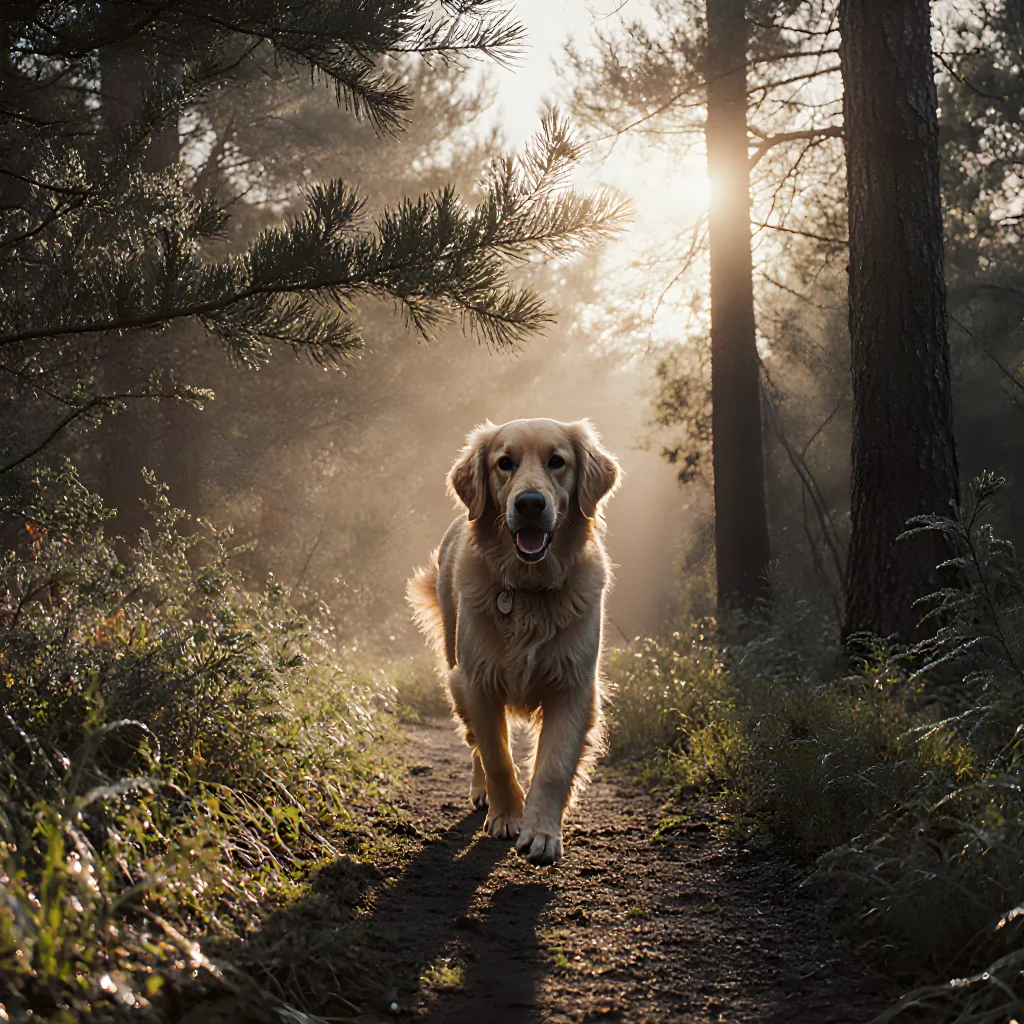
Trail‑ready pups: top camping hacks for your canine companion
Paws on the Path: Elite Camping Strategies for Canines
Table of Contents
- Introduction
- Planning Your Trip
- Essential Gear for You and Your Dog
- Food & Water Preparation
- Choosing a Campsite
- Dog Safety and Health Checks
- First Aid for Dogs
- Navigation & Map Skills
- Weather Preparation
- Leave No Trace Principles
- Training and Obedience Tips
- Activities & Games for Dogs
- Nighttime Care and Shelter
- Emergency Plan & Evacuation
- Conclusion
- FAQ
Introduction
Welcome to the Ultimate Guide for Camping with Your Canine Companion
If you’re a dog lover who loves the great outdoors, this guide is your go‑to resource for turning any camping trip into an unforgettable adventure—for both you and your four‑legged friend. We’ll cover everything from choosing the right gear to navigating the rules of local campgrounds, ensuring that you and your pup stay safe, healthy, and happy throughout the journey.
- Bonding Time: The shared experience strengthens the human‑dog bond, creating lasting memories.
- Physical Activity: Dogs love to explore, and a change of scenery keeps them mentally stimulated and physically fit.
- Cost Savings: Many campsites offer discounts for pet owners or even free spots if you’re traveling with a dog.
Preparation is key. Below is a practical, step‑by‑step checklist to make sure nothing important slips through the cracks.
- Health & Vaccinations: Bring your dog’s up‑to‑date vaccination records and proof of rabies. Consider a recent health check if you’re heading into remote areas.
- Travel Documentation: Some national parks require a pet permit or fee; check the park website ahead of time.
- Gear List:
- Dog‑friendly tent (or a separate lean‑to) with ample ventilation
- Portable dog bed or blanket for sleeping comfort
- Water bowl, collapsible water bottle, and extra water jugs
- Food & treats, plus a sturdy food container to prevent spills
- Leash (minimum 4 ft), harness, and waste bags
- First‑aid kit including tick remover, bandages, and antiseptic wipes
- Training Refresh: Review basic commands like “stay,” “come,” and “leave it.” This is especially important in a campsite environment where distractions abound.
Not all campgrounds are dog‑friendly. When scouting locations, look for:
- Clear Dog Policies: Some sites allow dogs on a leash only; others permit free roaming.
- Facilities: Pet waste stations, water fountains, and shaded areas are big pluses.
- Safety Features: Check for proximity to wildlife corridors or bodies of water that could pose risks to dogs.
Your dog’s comfort starts with a good campsite layout. Here’s how to arrange your space:
- Tent Placement: Position the tent so that the entrance faces away from prevailing winds and is easily accessible for both you and your pup.
- Dog’s Sleeping Area: Lay a washable mat or blanket on the floor of the tent, preferably in a corner with a window to let natural light in.
- Water Station: Place a water bowl near the tent but out of direct sunlight. A small raised platform can keep it off damp ground.
Once you’re settled, these daily routines will help maintain your dog’s well‑being and keep the campsite safe.
- Hydration: Offer water every hour during hot days; add a pinch of electrolytes if you’re on a strenuous hike.
- Feeding Schedule: Stick to regular meal times, and avoid feeding your dog right before bedtime to prevent stomach upset.
- Exercise: A 30‑minute walk or light jog around the campsite keeps energy levels balanced. Use a harness if you’re on a trail with loose dogs.
- Waste Management: Carry waste bags and dispose of dog poop in designated bins; never leave it on the ground.
- Check for Ticks & Parasites: Inspect your dog after each outing, especially if you’re near wooded areas. Use a tick remover or tweezers to safely extract any found ticks.
Preparedness can prevent many common mishaps. Pay special attention to:
- Wildlife Awareness: Keep your dog leashed near wildlife habitats; sudden encounters with bears or coyotes can be dangerous.
- Water Safety: If you’re near a lake or river, supervise your dog closely. Consider a life vest for dogs that love water.
- First Aid Basics: Know how to treat minor cuts, insect bites, and signs of heatstroke (e.g., excessive panting, drooling). Carry a canine‑specific first aid manual if possible.
Your responsibility extends beyond your own campsite. Follow these guidelines to protect the environment and other campers:
- Pack out all trash, including food wrappers that can attract wildlife.
- Use biodegradable soap for cleaning dishes and pet gear.
- Respect “Leave No Trace” principles—minimize campfire impacts, avoid disturbing natural habitats, and keep noise levels low.
Let’s walk through a typical day to illustrate how these tips come together.
Morning Routine
- Dog wakes up—provide a small breakfast of kibble mixed with a bit of wet food for extra flavor.
- Check water bowl; refill if needed. Add electrolytes to the first drink.
- Short walk around the campsite (10–15 min
Planning Your Trip
Before you grab your gear and hit the trail, take a few extra minutes to make sure your four‑legged companion is fully prepared. A well‑planned trip not only keeps your dog safe but also ensures that everyone—human and animal alike—has an unforgettable adventure.
1. Vet Visit & Health Documentation
- Vaccination Proof: Bring a copy of current rabies, distemper, parvovirus, and any other required shots. Many campgrounds now require proof before allowing pets.
- Microchip Registration: Ensure your dog’s microchip number is up‑to‑date in case they wander off.
- Health Records: Pack a small folder with recent blood work, deworming records, and any chronic conditions. This can be handy if you need to consult a vet while on the road.
2. Gear Checklist (Dog‑Specific)
| Item | Why It Matters |
|---|---|
| Bedding & Blankets | Provides warmth and a familiar scent. |
| Collapsible Food & Water Bowls | Easy to pack; keep water cool with insulated sleeves. |
| Portable Cooler (with ice packs) | Keeps food fresh and water chilled in hot climates. |
| Dog‑Safe Sunscreen & Ear Protection | Prevents sunburn on thin skin and protects ears from wind. |
| First Aid Kit (includes gauze, tweezers, antiseptic wipes) | Essential for treating minor injuries or bites. |
| Leash & Harness | A sturdy harness is safer on uneven terrain than a collar alone. |
3. Food Planning
Your dog’s diet should stay consistent to avoid digestive upset. Pack:
- Daily portion of dry kibble or wet food, plus a few extra treats for training.
- High‑calorie snacks for long hikes (e.g., freeze‑dried meat).
- A small amount of human-safe foods (carrots, apples) for emergencies.
4. Safety & Navigation
- Trail Map: Mark all dog‑permitted zones and potential hazards like cliffs or rivers.
- Emergency Contacts: Have the local ranger station, nearest vet clinic, and a friend’s number saved.
- GPS Tracker: Consider a pet‑specific GPS collar for real‑time location updates.
5. Campground Rules & Etiquette
Read each campground’s pet policy in advance. Common rules include:
- No dogs allowed on certain trails or in cabins.
- Dogs must be leashed within a specific distance of the campsite.
- Proper waste disposal: carry a plastic bag and use designated bins.
6. Training & Behavior Prep
Even well‑behaved dogs can get overwhelmed by new smells and sounds:
- Desensitization: Practice leash walks in busy areas to build confidence.
- Recall Training: Use a high‑value treat to reinforce “come” commands.
- Socialization: If your dog is nervous around other animals, expose them gradually before the trip.
7. Sample Itinerary (Day 1)
Here’s a quick example of how to structure a day with your pup:
- Morning: Breakfast, short walk around the campsite, and a quick potty break.
- Noon: Pack lunch for both of you. Take a mid‑day rest in the shade.
- Afternoon: Light hike on a dog‑friendly trail; keep the leash loose but controlled.
- Evening: Return to camp, feed dinner, and wind down with a calm walk before bedtime.
By covering these points ahead of time, you’ll reduce stress for both you and your dog, ensuring that the only thing on your mind is how beautiful the sunset looks from the trailhead. Happy camping!
Essential Gear for You and Your Dog
When you hit the trail with your four‑legged companion, having the right gear can make the difference between a safe, enjoyable adventure and an avoidable mishap. Below is a curated list of must‑have items that cover safety, comfort, and convenience—plus practical tips on how to choose, pack, and use each piece.
1. Shelter & Sleeping System
- Dual‑use tent or tarp: A lightweight, waterproof shelter with a dedicated dog compartment (or a separate pet tent) keeps both of you dry in rain or wind. Look for models rated for at least 3‑month weather and with a quick‑setup design.
- Sleeping pads: Choose an inflatable pad that’s large enough for your dog to lie comfortably beside you. A double‑layer pad offers extra insulation from the cold ground.
- Sleeping bags: A high‑quality, breathable sleeping bag for you and a similarly rated bag or blanket for your dog ensures both of you stay warm during night temperatures that can drop below freezing.
2. Hydration & Nutrition
- Water bottles / hydration packs: A collapsible water jug (1‑2 L) for the dog and a larger pack (10–20 L) for you allow easy access to fresh water on the move.
- Dog food & treats: Pack high‑energy, dehydrated meals or lightweight kibble. Include a small stash of treats for training and morale boosts during long hikes.
- Portable food warmer: A small, battery‑powered steamer can keep wet food warm in cold conditions—especially useful if you plan to cook over a campfire.
3. Safety & First Aid
- First aid kit: Include items for both humans and pets: bandages, antiseptic wipes, tweezers (for ticks), and a small bottle of veterinary eye wash.
- Whistle or personal locator beacon (PLB): A whistle on your pack and a PLB ensures you can signal for help in emergencies.
- Emergency shelter: A lightweight, reflective emergency blanket (also called an “air mattress”) that doubles as a fire-starting aid if you’re caught in inclement weather.
4. Navigation & Gear Maintenance
- Topographic map & compass: Even if you plan to use a GPS, having a paper backup is essential.
- Multi‑tool or knife: A durable tool with a blade, pliers, and screwdriver for gear repairs on the trail.
- Extra batteries & charging cables: Keep spare power for your GPS, headlamp, and any electronic pet monitoring devices.
5. Comfort & Convenience Items
- Dog harness with a leash attachment point: A lightweight harness that can be attached to your pack’s D‑ring keeps your dog secure while you’re moving.
- Portable potty pad or designated waste area kit: For days when the trail doesn’t have a clear spot, use biodegradable poop bags and a small scoop for easy cleanup.
- Cooling vest or bandana: In hot climates, a breathable cooling vest helps keep your dog’s temperature down during hikes.
Practical Packing Tips
- Pack by priority: Keep essential items (water, first aid, shelter) in the outer layers of your pack for quick access. Store heavier gear like sleeping pads at the bottom to balance weight.
- Use a dedicated dog bag: A separate backpack or waist‑pack for pet supplies keeps everything organized and prevents spillage into your main pack.
- Test everything before you leave: Set up your tent, practice tying knots, and run through a mock emergency to ensure all gear works as expected.
By thoughtfully selecting and preparing this essential gear, you’ll create a safe, comfortable environment for both you and your dog—enabling countless memorable adventures on the trail.
Food & Water Preparation
When you’re heading out on a camping trip with your canine companion, the way you prepare and store food can make the difference between a comfortable stay and a stressful situation. Dogs have different nutritional needs than humans, they are more prone to digestive upset from unfamiliar foods, and they can be attracted to anything that smells good. Below is a practical guide to help you plan, pack, and cook meals for both you and your dog.
1. Planning Your Meals
- Calculate portions: A general rule of thumb is ½ cup of dry dog food per 10 lbs of body weight per day. Adjust based on activity level and age.
- Create a menu: Plan three meals for you and one or two small snacks for your dog. Include a mix of proteins, carbs, and fats.
- Consider the environment: Hotter climates require more water; cooler climates may need higher-calorie foods to maintain body heat.
2. Packing Food for You
- Dry goods: Trail mix, granola bars, and dehydrated meals are lightweight and last long. Use resealable zip‑lock bags to keep them dry.
- Wet foods: Canned beans or tuna in BPA‑free cans. Bring a small pot and stove if you plan to reheat.
- Seasoning: Salt, pepper, and dried herbs are fine for humans but can upset a dog’s stomach. Keep seasonings out of reach of your pet.
3. Packing Food for Your Dog
- Commercial kibble: Bring enough to last the trip. Store in airtight containers or freezer bags.
- Wet dog food or canned treats: Useful for high‑energy days or as a reward.
- Homemade options: Cooked chicken, rice, and a small amount of carrots or peas. Avoid onions, garlic, grapes, chocolate, and xylitol.
- Emergency supplies: A small bottle of broth (low sodium) can help with dehydration or a stomach upset.
4. Water Preparation & Storage
- For humans: Bring at least 1 gallon per person for drinking and cooking. Use water bottles, collapsible jugs, or hydration packs.
- For dogs: Dogs need about 1 cup of water per 10 lbs of body weight daily, plus extra on hot days. Pack a separate water bowl and a larger container for refilling.
- Purification methods:
- Boiling: 5–10 minutes at a rolling boil.
- Portable filters (e.g., LifeStraw).
- Water purification tablets (iodine or chlorine‑based).
5. Cooking & Food Safety Tips
- Use separate utensils: Keep a dedicated set for dog food to avoid cross‑contamination.
- Temperature control: Cook meats to an internal temperature of at least 165°F (74°C) to kill parasites.
- Cool before serving: Let cooked food reach room temperature; hot food can burn a dog’s mouth.
- Avoid leftovers in the back pocket: Dogs might dig them out and eat raw or contaminated food.
6. Practical Examples
- Day 1 Breakfast (you): Oatmeal with berries, topped with a spoonful of peanut butter.
- Day 1 Breakfast (dog): A scoop of kibble mixed with a tablespoon of plain canned pumpkin.
- Lunch (you): Tuna salad sandwich on whole‑grain bread, served cold to avoid spoilage.
- Dog Snack: Plain boiled chicken breast cubes.
- Dinner (you & dog): Grilled salmon for you, dried fish flakes for your dog. Both are cooked over an open fire with a grill grate to keep them separate.
7. Storage Checklist
| Item | Quantity per Person | Notes |
|---|---|---|
| Water (bottles) | 2–3 gallons | Separate for dog |
| Dried food (kibble) | 1 lb per day | Airtight bag |
| Canned treats | Half can per day | BPA‑free |
| Human meals | 3–4 servings | Use collapsible containers |
| Cooking utensils | 2 sets (human/dog) | Separate handles |
By planning ahead, using proper storage techniques, and following these safety guidelines, you’ll keep both yourself and your dog healthy, hydrated, and ready to enjoy the great outdoors.
Choosing a Campsite
Finding the right spot for your dog‑friendly adventure is half the battle. A well‑selected campsite not only ensures safety and comfort for you and your canine companion but also helps preserve the natural environment. Below are practical steps, key questions to ask, and real‑world examples to guide your decision.
1. Verify Dog Policies Early
- Check official park or campground websites: Most state parks list dog regulations in a dedicated “Pet Policy” section.
- Call ahead: If the website is ambiguous, give the reservation office a quick call. Ask about leash requirements, any seasonal closures for dogs, and whether there are specific dog‑friendly trails.
- Ask about fees: Some campgrounds charge an extra pet fee; others allow free entry but require registration.
2. Evaluate Site Features that Matter to Dogs
| Feature | Why It Matters | What to Look For |
|---|---|---|
| Water Source | Dogs need fresh water; you’ll also need it for cooking and cleaning. | On‑site springs, ponds, or a reliable well. Verify the water is safe (no fish poison). |
| Terrain | Dogs can’t handle steep, rocky trails as easily as humans. | Flat or gently rolling ground near the site; avoid high‑altitude sites if your dog is not acclimated. |
| Shade and Shelter | Dogs can overheat quickly, especially in hot climates. | Trees, a picnic table with a roof, or a nearby stream for cooling off. |
| Proximity to Trash/Recycling | Dogs may sniff out trash and ingest harmful items. | Sites that provide pet‑friendly bins or a designated dog waste station. |
3. Consider Your Dog’s Personality and Physical Needs
- Energy level: A high‑energy terrier will need a site with plenty of open space to run, whereas an older dog may prefer a quieter, more shaded area.
- Health conditions: Dogs with joint issues benefit from flat terrain and minimal uphill walks. If your dog has allergies, choose sites away from high pollen areas or heavy insect activity.
4. Scout the Site Beforehand (If Possible)
If you’re traveling by car, a quick drive-through during daylight can reveal:
- Signs of recent human or dog traffic that might indicate overcrowding.
- Potential hazards such as exposed roots, broken fences, or nearby water bodies that could be dangerous.
- The overall cleanliness and maintenance level of the campground.
5. Reserve a Spot That Offers Flexibility
Many campgrounds offer “flexible” or “last‑minute” reservations for dogs, but these can fill up quickly. If you’re planning ahead:
- Book early during peak seasons (summer, holidays): Dog‑friendly sites often get booked months in advance.
- Check the cancellation policy—some campgrounds allow free cancellations up to a week before arrival.
6. Practical Example: Choosing a Site at Blue Ridge National Forest
Scenario: You’re bringing a 30‑lb Labrador named Max who loves water and has moderate exercise needs.
- Visit the Blue Ridge website and confirm dogs are allowed on all trails with a leash of no more than 6 ft.
- Call the ranger station; they inform you that the “River Bend” campground is dog‑friendly and offers a pet fee of $2 per night.
- You note that River Bend has a natural spring, flat terrain, shaded picnic tables, and a waste disposal station—perfect for Max.
- Reserve your spot via the online portal two weeks in advance. The reservation confirms a site near the water source, ensuring Max can cool off after hikes.
7. Final Checklist Before You Leave
- Confirm dog policy and any required documentation (e.g., vaccination records).
- Pack a dedicated water bowl, collapsible dish, and enough fresh water for the trip.
- Bring waste bags, a small shovel for digging discreetly if needed, and a first‑aid kit tailored to dogs.
- Have a backup plan: Know nearby pet stores or veterinarians in case of emergencies.
By thoughtfully selecting a campsite that aligns with your dog’s needs and the campground’s policies, you’ll set the stage for a safe, enjoyable, and memorable outdoor experience for both of you.
Dog Safety and Health Checks
Before you hit the trail, your dog’s health and safety must be a top priority. The Camping with Dogs: Complete Survival Guide emphasizes that even a healthy-looking pup can develop problems once exposed to the elements, unfamiliar terrain, or high stress levels. Below is a step‑by‑step checklist that blends the book’s recommendations with practical, real‑world examples.
1. Pre‑Trip Veterinary Visit
- Vaccinations: Confirm core shots (distemper, parvovirus, rabies) are up to date and add non‑core boosters (leptospirosis, bordetella) if you’re heading to areas where they’re prevalent.
- Parasite Prevention: Discuss heartworm testing and monthly flea/tick control. In the book, the author notes that tick infestations can increase during spring hikes; a topical repellent such as fipronil‑based products is recommended.
- Microchip & ID Tags: Ensure microchip information is current and attach a collar tag with your contact details. The guide stresses that lost dogs are more likely to survive if they can be identified quickly.
2. Safety Gear Checklist
The book highlights the importance of a “trip kit” that includes:
- First Aid Kit: Include gauze, antiseptic wipes, tweezers (for tick removal), and a digital thermometer.
- Hydration System: Carry at least 1 L of water per dog per day. Use collapsible bowls or a portable water bottle with a built‑in filter if you’re hiking in remote areas.
- Cooling Vest / Bandana: For hot climates, a reflective vest helps keep your dog’s body temperature down. The guide shows a photo of a German Shepherd wearing a lightweight cooling collar during a July hike.
- Harness & Leash: A properly fitted harness distributes pressure and reduces strain on the neck. Opt for a 4‑tooth leash (1–2 m) to give enough freedom while maintaining control.
3. Daily On‑Trail Assessments
During each day’s walk, perform a quick “spot check” using the book’s visual guide:
- Check for Lameness: Look for limping or uneven gait. If you notice any irregularity, stop and reassess.
- Inspect the Coat & Skin: Watch for redness, swelling, or abnormal mats that could indicate irritation or injury.
- Monitor Breathing Rate: A healthy resting rate is 10–30 breaths per minute. If you see rapid breathing or wheezing, consider reducing intensity.
Example: While trekking the Appalachian Trail, a hiker noticed his terrier’s paw had a small cut from a broken branch. The guide advises cleaning with mild antiseptic and applying an over‑the‑counter antibiotic ointment before continuing.
4. Handling Emergencies
- Heat Stroke: Symptoms include drooling, rapid breathing, and collapse. The book recommends immediate cooling: lay the dog in a shaded area, apply cool (not cold) water to the belly, and use a fan.
- Tick‑borne Illnesses: If you find an attached tick that’s been on for >24 h, remove it carefully with tweezers and monitor for fever or lethargy. Call your vet if symptoms arise.
- Dehydration: Signs: dry gums, sunken eyes, and decreased skin elasticity. Offer water in small sips; the guide advises a 1 % saline solution if dehydration is severe.
5. Return & Rest
After each trip, give your dog at least one full day of rest in a shaded environment before resuming normal activity levels. The book notes that sudden intensity can lead to muscle soreness or mild joint pain.
- Check for Lameness Again: A few days later, re‑inspect the gait and paws.
- Review Nutrition: Ensure a balanced diet with adequate protein. If you’ve been feeding high‑energy treats during hikes, consider reducing them to avoid weight gain.
By following these steps—pre‑trip vet visits, gear preparation, daily trail checks, emergency protocols, and post‑trip recovery—you’ll maximize your dog’s safety and enjoyment. The Camping with Dogs guide serves as a practical companion for every adventure, ensuring that both you and your canine friend can thrive in the great outdoors.
First Aid for Dogs
When you’re out on the trail or setting up camp, your dog’s health and safety are just as important as yours. A quick response to injuries or illnesses can mean the difference between a minor mishap and a serious emergency. Below is an in‑depth guide that pulls key points from Camping with Dogs: Complete Survival Guide, along with practical examples and actionable steps you can take right away.
1. Build a Comprehensive Dog First Aid Kit
- Bandages & Gauze: Vet‑grade sterile gauze, elastic wrap for swelling, and waterproof bandage tape.
- Antiseptic Solutions: Hydrogen peroxide (3%) for cleaning wounds, povidone‑iodine or chlorhexidine wipes for disinfection.
- Tweezers & Scissors: Needle‑point tweezers for splinter removal and small scissors for cutting gauze or hair around a wound.
- Topical Ointments: Antibiotic ointment (e.g., Neosporin) to prevent infection, hydrocortisone cream for itching.
- Medications: Anti‑nausea tablets (metoclopramide), pain relievers approved by a vet, and an emergency anti‑allergy medication (epinephrine auto‑injector if your dog is prone to severe reactions).
- Other Essentials: A small flashlight, a whistle, a copy of the dog’s medical record, and a first aid manual.
2. Common Outdoor Injuries & How to Treat Them
| Injury | Immediate Action | When to Seek Vet Care |
|---|---|---|
| Minor Cuts & Scrapes | Clean with antiseptic, apply antibiotic ointment, cover loosely with gauze. | If bleeding doesn’t stop in 5–10 minutes or the wound is deep. |
| Splinters & Foreign Objects | Use tweezers to gently remove; if stuck, apply antiseptic and cover. | If you can’t retrieve it or the area shows signs of infection. |
| Sprains & Strains | Apply a cold pack for 10–15 minutes, then wrap with elastic bandage; elevate if possible. | If swelling persists after 24 hours or the dog can’t bear weight. |
| Heatstroke | Move to shade, give cool water (not ice), and apply cool compresses to ears and groin. | If the dog shows confusion, vomiting, or a rapid heart rate. |
3. Dealing with Parasites & Insect Bites
Camping with Dogs: Complete Survival Guide stresses that insects are more than just an annoyance; they can transmit diseases like Lyme or tick‑borne encephalitis.
- Inspect your dog after every hike for ticks, especially in wooded areas. Use tweezers to pull them out, holding the tick as close to the skin as possible.
- If bitten by a mosquito or other insect that causes swelling and itching, apply a thin layer of hydrocortisone cream and monitor for allergic reactions.
- For severe bites (e.g., spider), keep the dog calm, clean the area with antiseptic, and seek veterinary help immediately.
4. Emergency Situations: When to Call a Vet or Animal Rescue
Below is a quick decision tree you can use while on the trail:
- Does your dog have severe bleeding? Apply direct pressure and seek immediate help.
- Is there obvious swelling, pain, or inability to move a limb? Treat with ice/cold compresses and consider professional care.
- Has your dog ingested something toxic (e.g., plants, food left out, or chemicals)? Rinse the mouth if safe, then contact an emergency vet.
- Always have a local animal hospital’s phone number written down and stored in your phone.
5. Practical Tips for Daily Prevention
- Hydration: Carry extra water for both you and your dog; use collapsible bowls.
- Sun Protection: Use a pet‑safe sunscreen on exposed skin, especially in high‑UV areas.
- Footwear: Keep dogs on their harness or leash during hikes to prevent stepping on broken glass or hot rocks.
- Regular Checks: Conduct a quick physical exam before leaving the campsite: ears, eyes, gums, and overall posture.
6. Quick Reference Cheat Sheet (Print‑Ready)
Consider printing this sheet or saving it on your phone for quick access during an emergency.
- Cut: Clean, ointment, bandage.
- Splinter: Tweezers, antiseptic, cover.
- Sprain: Cold pack, wrap, elevate.
- Heatstroke: Shade, cool water, compress.
- Tick bite: Remove, monitor for rash.
- Insect sting: Hydrocortisone cream, watch for allergic reaction.
By preparing a well‑equipped first aid kit and knowing how to respond to common injuries, you’ll keep your canine companion safe and healthy throughout every adventure. Remember:
Navigation & Map Skills
When you’re out on a trail with your dog, having a solid grasp of navigation and map skills can be the difference between a fun adventure and a stressful situation. This section covers the fundamentals—how to read topographic maps, use a compass, interpret GPS data, and plan routes that keep both you and your canine companion safe.
1. Understanding Topographic Maps
- Contours: Every contour line represents a specific elevation. Lines that are close together indicate steep terrain; wide spacing means gentle slopes.
- Legend & Scale: Always check the legend for symbols (streams, campsites, dog-friendly trails). The scale tells you how distances on the map translate to real life – e.g., 1 cm = 100 m.
- Water Features: Streams and lakes are crucial for hydration. Mark them on your route plan; they also act as natural navigation aids.
2. Using a Magnetic Compass
- Take a Bearing: Point the compass needle toward magnetic north, then rotate the housing until the orienting arrow aligns with the needle. The number on the bezel is your bearing in degrees.
- Follow the Bearing: Hold the compass flat and walk straight along that line. Check regularly to ensure you’re still on course.
- Mark Intersections: Use a small flag or a stick to mark where landmarks intersect your bearing—this helps you confirm you’re on the correct path.
3. GPS Devices & Smartphone Apps
Modern GPS units and apps (e.g., Gaia GPS, AllTrails) provide real‑time positioning, route logging, and offline maps. For dog camping:
- Pre‑load trails: Download the area’s topographic map so you can navigate even if signal is weak.
- Share Your Route: Let a friend or ranger know your planned path; set up “check‑in” points in the app.
- Battery Management: Keep spare batteries or use a solar charger. A low battery can mean losing navigation capability when it matters most.
4. Planning Your Route
Before heading out, map your entire trip on paper and in digital form. Consider these factors:
- Elevation Gain: Dogs may tire faster than humans. Choose routes with manageable climbs.
- Water Sources: Ensure you can refill both yourself and your dog’s water at least every 30–45 minutes.
- Dog‑Friendly Trails: Some parks restrict dogs on certain paths. Verify regulations beforehand.
- Emergency Exit Points: Identify multiple ways to leave the area if conditions change (e.g., sudden weather, injury).
5. Practical Tips for Dogs
- Training: Teach your dog “stay” and “come” commands before long hikes.
- Leash Management: Use a short leash (4–6 ft) in narrow trails to keep your dog close, but allow freedom on open ridges.
- Signs of Fatigue: Watch for excessive panting, lagging behind, or reluctance to walk. Take breaks and offer water.
6. What To Do If You Get Lost
- Stop and set up a signal fire (if permitted) or use a whistle three times.
- Stay put if you’re in a known area; moving can make it harder for rescuers to locate you.
- Use your GPS or compass to backtrack to the last known intersection.
Remember: Mastering navigation is as much about preparation and knowledge as it is about tools. By combining map reading, compass use, and reliable GPS data—and by planning with your dog’s needs in mind—you’ll enjoy a safer, more rewarding camping experience.
Weather Preparation
When you’re heading out on a camping trip with your canine companion, the weather can quickly become the biggest variable that determines how safe and comfortable both of you are. Proper preparation not only protects you from the elements but also ensures that your dog stays healthy, hydrated, and happy.
1. Check the Forecast Early (and Often)
- Use reliable sources: National Weather Service, AccuWeather, or local meteorological sites provide detailed forecasts, including temperature ranges, wind speeds, precipitation chances, and UV indices.
- Download offline maps: If you’re heading into remote areas with spotty cell service, save the forecast and topographic data on your phone or GPS device.
- Plan for microclimates: Even in a generally mild region, valleys can stay cooler while ridges get windier. Check local weather reports that include elevation-based predictions.
2. Pack Layered Clothing for You and Your Dog
Layering is the key to staying comfortable when temperatures shift throughout the day.
- Your gear:
- Base layer: moisture‑wicking thermal shirt or long sleeve.
- Insulation: fleece or down jacket.
- Outer shell: windproof/water‑repellent rain jacket.
- Accessories: hat, gloves, neck gaiter, and sunglasses for UV protection.
- Your dog’s gear:
- Doggy sweater or vest (especially for short‑haired breeds).
- Water‑proof booties if the trail has mud or snow.
- Cooling mat or towel for hot days, and a reflective collar with LED light for night visibility.
3. Hydration Strategy
Water is essential in all climates, but the needs change with temperature and humidity.
- High heat: Increase water intake by at least 25–30%. Bring a collapsible bowl that can be filled on the trail.
- Cold weather: Prevent dehydration caused by wind chill. Keep water in insulated containers and avoid letting it freeze (use a dog‑safe heated bottle if necessary).
- Use a portable hydration pack that’s easy to fill from natural sources—just remember to filter or boil the water first.
4. UV Protection and Heatstroke Prevention
Even on overcast days, UV rays can be strong enough to damage your dog’s skin and eyes.
- Apply a dog‑safe sunscreen to exposed areas (ears, nose, belly). Reapply every 2–3 hours in hot weather.
- Choose shaded rest spots during peak sun hours (10 am–4 pm).
- Monitor for signs of heatstroke: excessive panting, drooling, rapid heart rate. If you see these symptoms, move your dog to shade and offer cool water immediately.
5. Weather‑Specific Gear Checklist
| Weather Condition | Your Essentials | Dog’s Essentials |
|---|---|---|
| Rainy / Wet Conditions | Water‑proof jacket, rain pants, waterproof shoes. | Waterproof dog coat, booties, dry towel. |
| Snow / Cold Weather | Insulated jacket, thermal base layer, hat, gloves, windproof shell. | Dog sweater or vest, insulated boots, anti‑ice paw balm. |
| High Wind | Windbreaker, face mask for cold winds, secure pack straps. | Secure collar, dog harness with reflective strips. |
| Tornado / Severe Storms | Emergency shelter kit (tarp, duct tape), first aid supplies. | Dog carrier or secure kennel for sheltering. |
6. Emergency Preparedness
Weather can change rapidly in wilderness settings. Always have a plan.
- Emergency contacts: Keep a list of local ranger stations, hospitals, and the nearest emergency number (e.g., 911).
- First aid kit: Include items for both you and your dog—bandages, antiseptic wipes, tweezers, and a dog‑specific burn ointment.
- Navigation tools: GPS device with preloaded maps, compass, and a whistle (for dogs).
- Practice “Leave No Trace” principles: pack out all trash, especially pet waste, to keep the environment safe for wildlife.
7. Practical Tips from Real Campers
- Case Study – Summer Heat: John and his Labrador retriever spent a week in Arizona’s Grand Canyon. By setting up shade with a pop‑up tarp at the start of each trail segment, they kept both their water bottles cool and avoided heat exhaustion.
- Case Study – Winter Storm: Maria used a lightweight dog harness that doubled as a safety tether during a sudden snowstorm in the Rockies. The harness’s reflective strip made her dog visible to passing hikers.
By staying informed, layering wisely, and equipping yourself with weather‑appropriate gear, you’ll be able to enjoy every moment of your camping adventure—no matter what Mother Nature throws at you.
Leave No Trace Principles
The Leave No Trace (LNT) ethic is the cornerstone of responsible outdoor recreation. When you bring a dog into a wilderness area, it’s your duty to protect the environment and keep the experience enjoyable for all. Below we break down each LNT principle with practical tips that work specifically for dogs.
1. Plan Ahead & Prepare
- Check local regulations: Some parks ban dogs or require leashes in certain zones. Verify before you go.
- Pack a “Leave No Trace” kit:
- Portable waste bags (dog‑friendly, biodegradable)
- Water purification tablets for both you and your dog
- First‑aid supplies tailored to pets (e.g., tick treatment, anti‑nausea meds)
- Pre‑camp grooming: Remove loose fur, check for ticks, and ensure your dog is up-to-date on vaccines. Less shedding means less cleanup.
2. Travel & Camp Responsibly
- Choose designated camping areas: Campsites are designed to handle human waste, trash, and campfires. Avoid setting up in fragile ecosystems or near water sources.
- Keep your dog leashed (or within sight): This prevents accidental wildlife encounters, reduces the risk of the dog digging into a streambank, and keeps them from disturbing local flora.
- Use a “dog‑friendly” fire pit: Many parks provide a safe area for campfires. If you must build one, use only dry, fallen wood—never cut live trees or disturb the ground.
3. Leave What You Find
Dogs often have a nose for hidden treasures: old boots, broken glass, or even abandoned food containers. Make sure you collect these before leaving.
- Carry out all trash: Even if it’s just a single dog treat wrapper.
- Don’t leave any pet food: It can attract wildlife and disrupt local ecosystems. Store food in sealed containers or bring it back home.
4. Minimize Campfire Impacts
Fire is a natural part of many camping traditions, but it’s essential to handle it responsibly—especially with pets that might be tempted by the smoke or heat.
- Use existing fire rings: If none exist, build a pit in the center of a cleared area, at least 6 feet from any vegetation.
- Keep your dog away from the flame: Use a leash or a short rope to keep them at a safe distance. A small, insulated blanket can protect your dog’s paws if they accidentally step into hot coals.
- Extinguish fully: After use, pour water over the fire and stir until no embers remain. This prevents accidental fires that could damage wildlife habitats.
5. Respect Wildlife & Other Visitors
Dogs can inadvertently scare or disturb local fauna. Keep them controlled to avoid negative interactions.
- Keep your dog away from nesting sites: Many species build nests in low vegetation; a curious pup could destroy them.
- Use natural scent deterrents: If you’re near a sensitive area, consider using a pet‑safe repellent spray to keep dogs at a safe distance.
6. Be Considerate of Other Campers
Shared spaces mean shared responsibilities.
- Maintain quiet: Dogs should be leashed and under control to avoid barking that could disturb others.
- Use a dog waste station if available: Many parks have dedicated stations; use them rather than leaving waste on the ground.
7. Leave No Trace When Leaving
As you pack up, double‑check that nothing is left behind.
- Clean your gear: Wash dog bowls, leashes, and any equipment that may have gotten dirty.
- Check for hidden items: Dogs can stash things in the grass or under rocks. Do a quick sweep before you leave.
- Final walk‑through: Ensure all trash is bagged, waste bags are sealed, and no footprints remain—especially if you’re in an alpine area where soil erosion is a concern.
By following these expanded Leave No Trace principles, you protect the natural world, keep your dog safe, and preserve the wilderness experience for future generations. Happy camping!
Training and Obedience Tips
A well‑trained dog is a safety asset on the trail, ensuring that both you and your four‑legged friend stay secure, calm, and responsive in unpredictable outdoor situations. Below are actionable strategies to reinforce basic commands, manage distractions, and build confidence during camping trips.
1. Reinforce Core Commands Before You Leave
- Come/Recall: Practice recall in a controlled environment first, then add mild distractions (e.g., passing hikers). Use high‑value treats or a favorite toy as the reward.
- Stay: Start with short durations and gradually increase time while keeping the dog on a leash. When the dog breaks the stay, calmly redirect and reward compliance.
- Leave It / Drop It: These commands prevent accidental ingestion of hazardous items (berries, trash). Practice with various objects—food, toys, even a piece of wood—to ensure versatility.
2. Use Positive Reinforcement Techniques
Dogs thrive on praise and tangible rewards. Avoid punishment-based methods that can erode trust.
- Clicker Training: Pair the click sound with a treat to mark desired behavior instantly.
- Reward Timing: Give treats immediately after the correct action; this strengthens association.
- Vary Rewards: Mix high‑value items (cheese, hot dogs) with low‑value daily treats so the dog remains motivated throughout the day.
3. Gradual Exposure to Outdoor Stimuli
The wilderness is full of new sights, sounds, and smells that can overwhelm a dog. Gradually acclimate them through short walks in less busy areas before heading into more challenging terrain.
- Start with quiet, familiar trails.
- Introduce mild distractions like other dogs or hikers while keeping the leash taut.
- Reward calm behavior and use a command like “quiet” to manage barking.
4. Leash Management on Trails
A loose leash can lead to dangerous encounters with wildlife or other hikers.
- Front‑Clip Harness: Allows you to control direction without pulling.
- Keep the leash short (12–18 inches) during dense brush but allow a longer line in open areas for natural exploration.
- Practice “heel” and “off” commands so your dog follows you closely and stays away from hazards.
5. Handling Food & Water Stays
Preventing dogs from eating unprepared food or drinking stagnant water is crucial.
- Teach “leave it” before the trip and practice with campfire leftovers, marshmallows, or fish.
- Carry a collapsible bowl for clean water and use a “drop it” cue if your dog attempts to drink from natural sources.
6. Emergency Recall & First Aid
In case of an emergency, a fast recall can save lives.
- Train in varied environments—hill, forest, and open meadow—to ensure reliability.
- Carry a lightweight first‑aid kit with dog‑specific items (bandages for paws, antiseptic wipes).
- Practice “stay” while you prepare treatment so the dog remains calm during rescue attempts.
7. Post‑Trip Reinforcement
Celebrate successful training moments at campfire or in the tent.
- Give a treat for following commands on the trail.
- Use a soft “good dog” voice to reinforce positive behavior.
- Plan a short walk after dinner to practice recall and stay, reinforcing skills in a relaxed setting.
Quick Reference Checklist
| Command | Training Tip |
|---|---|
| Come/Recall | Practice in low‑distraction areas, reward immediately. |
| Stay | Use a leash to set boundaries, gradually increase time. |
| Leave It / Drop It | Train with various objects; use high‑value treats. |
| Heel / Off | Keep the dog close and focused on you. |
By integrating these training practices into your camping routine, you’ll ensure that your dog remains a dependable companion—ready to navigate trails safely while enjoying the great outdoors.
Activities & Games for Dogs
Camping with your canine companion can be a thrilling adventure, but it’s also an opportunity to keep your dog mentally and physically stimulated. Below are practical activities, games, and survival‑friendly exercises that will help maintain your pup’s health, prevent boredom, and strengthen the bond between you.
1. Trail Hikes with Purpose
- Scavenger Hunt: Before heading out, drop small treats or a favorite toy at different points along your route. Encourage your dog to find them using scent cues. This not only keeps them moving but also engages their natural foraging instincts.
- Obstacle Course: Set up simple obstacles such as low logs, fallen branches, or even a rope swing over a stream (if safe). Teach your dog to jump, weave, and navigate these challenges. This boosts agility and confidence.
2. Fetch & Retrieve in the Wilderness
Fetch is a classic game that works well even on uneven terrain. Use a lightweight ball or frisbee made from durable materials. To make it more engaging:
- Directional Play: Throw the toy and call your dog back by name, reinforcing recall while giving them a good run.
- Water Retrieval: If you’re near a lake or stream, toss a buoyant ball into shallow water. Your dog can retrieve it, which is great for swimming practice (remember to keep the area safe and supervise).
3. Scent Work: A Survival Skill
Scent work trains your dog to locate objects or people by smell—an invaluable skill in survival situations.
- Hide & Seek: Hide a treat or small item under rocks, inside a pinecone, or beneath a blanket. Let your dog sniff it out. Increase difficulty gradually.
- Tracking Drill: Leave a scent trail by dragging a scented cloth along the ground and have your dog follow it to find a hidden reward.
4. Interactive Games with Camp Gear
Use items you already carry for play, which saves space and keeps things exciting.
- Tug‑of‑War: A sturdy rope or a piece of old clothing can serve as a tug toy. Teach the “drop” command to maintain control.
- Cardboard Box Challenge: Bring a small cardboard box and let your dog investigate its contents. Inside, place a treat or a chew toy for an extra layer of engagement.
5. Nighttime Bonding: Light‑Guided Play
After sunset, bring out a reflective collar or glow‑in‑the‑dark ball to keep your dog safe and entertained during low‑light conditions.
- Shadow Chase: Use a flashlight to create moving shadows on the ground. Encourage your dog to chase them—this helps maintain focus and keeps them alert.
- Star‑Gazing Calm: Sit with your dog near a fire pit, let them rest their head on your lap while you look at the stars. This calm interaction reduces anxiety before bedtime.
6. Survival‑Friendly Training Sessions
Short training drills not only reinforce obedience but also prepare your dog for emergencies.
- Recall Drills: Practice “come” in different environments—near water, on a trail, and by the campsite—to ensure reliability when you need them back quickly.
- Leave It & Stay: Teach your dog to ignore tempting wild foods (berries, mushrooms) with the “leave it” command. Follow up with “stay” in high‑traffic areas of the trail.
7. Rest and Recovery: Dog‑Friendly Campsite Setup
A comfortable resting area is essential after a day of activity.
- Portable Cooling Mat: Bring a lightweight mat that can be placed over the ground to keep your dog cool in hot weather.
- Water Station: Use a collapsible water bowl and add a few ice cubes for cold drinks during hot days.
By integrating these activities into your camping routine, you’ll ensure that both you and your dog enjoy every moment of the wilderness experience while staying prepared for any survival challenge. Remember to always monitor weather conditions, keep an eye on trail markers, and pack enough supplies—food, water, and first‑aid kit—for both yourself and your four‑legged friend.
Nighttime Care and Shelter
When the sun sets, a good night’s sleep becomes essential for both you and your canine companion. A well‑designed shelter not only protects against weather extremes but also provides psychological comfort by mimicking the home environment as closely as possible.
1. Choosing the Right Shelter
- Dog‑Sized Tents: Lightweight, two‑way zipper, and insulated walls. Look for waterproof fabric (e.g., polyester with a 2,000 mm water‑proof rating) and UV‑resistant coatings.
- Tarp & Groundsheet Setups: A 3‑layer tarp system (base, mid, top) combined with a heavy groundsheet can create a semi‑open shelter that offers airflow while keeping rain out.
- Portable Pet Houses: Inflatable or collapsible structures designed for dogs. Ideal for high‑altitude or windy conditions because they’re lightweight and quick to deploy.
Practical Tip
Always test the shelter in a backyard before heading out. Set it up, leave your dog inside for a few hours, then evaluate temperature and comfort levels. Adjust ventilation or insulation accordingly.
2. Bedding & Thermal Management
- Natural Fiber Pads: Woven grass, hay, or shredded bark provide excellent insulation and are biodegradable.
- Foam or Pad Liners: A 2‑inch thick foam pad can keep your dog off the cold ground. Consider a self‑inflating mattress for extra comfort.
- Layering Technique: Place a thin waterproof layer (e.g., plastic sheet) directly on the ground, then add insulation and finally the bedding. This prevents moisture from seeping into the pad.
Example Setup
A 1 ft² foam pad topped with a shredded hay mat, all tucked inside a dog‑sized tent. On very cold nights, add a lightweight fleece blanket on top of the hay for extra warmth.
3. Maintaining Airflow and Reducing Moisture
- Use Mesh Panels: Position a mesh panel at the lower half of the tent to allow air exchange while keeping insects out.
- Elevate Shelter Off Ground: Place your dog’s shelter on a wooden pallet or stack of stones. This reduces dampness from the ground and improves airflow.
- Drying Racks: After wet nights, hang dry towels inside the tent to absorb excess moisture before sleeping.
Practical Example
If you’re in a rainforest region, set up your dog’s tent on a raised platform and use a 10 mm mesh panel for ventilation. Place a small dehumidifier (battery‑powered) next to the bedding if you notice condensation.
4. Keeping Your Dog Healthy Overnight
- Water Supply: Bring a collapsible water bowl and refill it every morning. Add a small amount of electrolytes for high‑altitude stays.
- Parasite Prevention: Use dog‑safe flea & tick repellents before setting up camp; consider applying a lightweight mosquito net over the shelter.
- First Aid Kit: Include items such as styptic powder, gauze, antiseptic wipes, and a small pair of scissors for quick cuts or splinters.
Sample First Aid Checklist
- Antiseptic wipes (dog‑safe)
- Non‑stick gauze pads
- Styptic powder for minor cuts
- Small scissors with rounded tip
- Hydration tablets or electrolytes
5. Training Your Dog for Nighttime Camping
Dogs that are used to a predictable routine adapt more quickly. Use these steps:
- Nighttime Walks: Take a short walk before bedtime to relieve gas and stimulate digestion.
- Quiet Time: Keep the lights dim and play low‑volume white noise or calming music to signal “sleep time.”
- Positive Reinforcement: Reward your dog with treats for staying in the shelter without barking or digging.
Real‑World Scenario
A 3‑year‑old Labrador mixes up the kennel and a tent. By giving him a small chew toy inside the tent before bedtime, he learns that the shelter is a safe space rather than a danger zone.
Nighttime Care & Shelter Quick‑Start Checklist
- Shelter set up (tent, tarp, or pet house)
- Bedding layers: waterproof base → insulation pad → natural fiber mat → blanket
- Ventilation panel or mesh in place
- Water bowl filled and placed near shelter
- First aid kit within reach
- Parasite prevention applied
- Training cues: walk, quiet time, reward system
By following these guidelines, you’ll ensure your dog enjoys a safe, comfortable night under the stars while you focus on the adventure ahead.
Emergency Plan & Evacuation
When you’re out on a camping trip with your dog, emergencies can happen at any time—wildfire, severe weather, or an unexpected injury to you or your pet. A well‑structured emergency plan saves lives and reduces panic. Below is a step‑by‑step guide that blends practical tips with real‑world examples so you’re ready for the worst.
1. Pre‑Trip Preparation
- Know Your Trail’s Risk Profile: Check local fire danger ratings, weather alerts, and wildlife activity reports before departure. The U.S. Forest Service website offers daily updates for most national parks.
- Create a “Buddy System”: If you’re hiking in a group, assign one person to be the emergency contact who will leave early if conditions deteriorate.
- Pack an Emergency Kit:
- First‑aid supplies for humans and dogs (bandages, antiseptic wipes, tweezers)
- Multi‑tool or knife
- Portable water filter or purification tablets
- High‑energy snacks and a spare food bag for your dog
- Extra batteries and power bank for GPS/phone
- Whistle, signal mirror, and flares (if permitted)
- Register Your Trip: Use the Leave No Trace “Plan” step or a simple Google Sheet to share your itinerary with a trusted friend or family member.
2. During the Trip: Spotting Red Flags
Keep an eye on these warning signs and act immediately:
- Rapidly Rising Temperatures & Dry Winds: Indicates potential wildfire risk.
- Unusual Cloud Formation: Could signal a storm or sudden weather change.
- Animal Behavior Changes: Dogs may show restlessness, excessive panting, or reluctance to move—often an early sign of heat stress.
3. Evacuation Routes & Shelter Planning
- Identify Multiple Exit Points: Before you hike, locate at least two ways out of the area. Mark them on your map and share with everyone in the group.
- Choose Safe Shelters: Look for natural windbreaks (boulder fields, dense trees) or man‑made structures that can provide cover from wind or rain.
- Use the “3–2–1” Rule:
- 3 minutes: You’re in immediate danger and need to act now.
- 2 minutes: You should start moving toward an exit point.
- 1 minute: If you can’t move, find the nearest shelter.
4. Communicating Your Situation
Clear communication saves time:
- Signal a Rescue Team: Use a whistle (three short blasts) or a flashlight in Morse code if you’re near an accessible trailhead.
- Use the “5‑4‑3‑2‑1” Code:
- 5: “We need help.”
- 4: “Location—nearest intersection of Route 7 and Pine Creek Trail.”
- 3: “Number of people (including dogs).”
- 2: “Type of emergency (fire, injury).”
- 1: “What we have already done.”
- Keep Your Phone Charged: If your phone dies, move to a higher elevation or clear tree line for better signal.
5. Dog‑Specific Emergency Measures
- Heat Stress Management: In hot weather, provide shaded rest areas and keep water available. Never leave your dog in a parked vehicle—even briefly.
- Injury Response: Treat minor cuts with pet‑safe antiseptic; for severe wounds, immobilize the limb and seek professional help immediately.
- Wildlife Encounters: Keep dogs on a short leash (unless in designated off‑leash areas) to prevent them from provoking predators or becoming prey.
6. Post‑Evacuation Review
After the crisis, debrief with your group:
- What Went Well? Identify actions that effectively mitigated risk.
- Areas for Improvement? Note any delays or miscommunications and plan corrective steps.
- Update Your Emergency Kit: Replace used supplies, add new items discovered as useful during the trip.
By integrating these strategies into your camping routine, you’ll create a resilient safety net that protects both you and your canine companion. Remember: preparation is half the battle—stay informed, stay prepared, and enjoy the adventure safely!
Conclusion
Camping with dogs can transform a simple outdoor excursion into an unforgettable adventure for both you and your furry companion. By treating the trip as a full‑blown survival experience, you’ll be better equipped to handle unexpected challenges while ensuring safety, comfort, and fun.
Key Takeaways
- Preparation is paramount: Pack a dedicated dog kit—food, water, first aid supplies, waste bags, and a sturdy leash or harness.
- Know your terrain: Scout the area for hazards such as poisonous plants, uneven ground, and wildlife hotspots. A pre‑trip map and a list of emergency contacts go a long way.
- Hydration & nutrition: Dogs lose water rapidly in hot weather; carry at least 1 L per kg of body weight. Use freeze‑dry or dehydrated dog food that’s easy to store and rehydrate on the trail.
- Health checks before departure: Verify vaccinations, flea/tick treatment, and a recent vet visit. Carry a copy of your dog’s health records in case you need to contact an emergency clinic.
- Respect the environment: Follow Leave No Trace principles—pack out everything you bring in, keep dogs on a leash where required, and avoid disturbing wildlife.
Practical Advice for Common Situations
Heatstroke prevention: In temperatures above 32 °C (90 °F), limit strenuous activity to the early morning or late afternoon. Offer frequent water breaks and shade, and never leave your dog unattended in a vehicle.
Tailoring the campsite: Choose a flat spot away from streams that may freeze in winter. Set up a tent with a dedicated dog area—either a separate dog tent or a section of the main tent covered with a waterproof tarp and anchored to prevent drafts.
Nighttime safety: Use a reflective collar or vest so your dog is visible during night hikes or when you’re moving around the campsite after dark. Keep a headlamp with extra batteries handy for quick checks of the perimeter.
Final Thoughts
By treating your canine companion as an integral part of the survival plan, you create a shared experience that strengthens the bond between owner and pet. A well‑prepared dog not only enjoys the outdoors but also helps keep you safe—whether it’s by alerting you to danger or simply providing companionship during those quiet moments under the stars.
So grab your gear, pack the essentials from our “Camping with Dogs: Complete Survival Guide,” and head out into nature knowing that both you and your dog are ready for whatever the wilderness throws at you. Happy trails!
FAQ
1. What type of dog is best suited for a wilderness camp?
While many breeds can adapt to camping, those with natural instincts for the outdoors tend to thrive:
- Labrador Retriever – excellent swimmers and friendly.
- German Shepherd – intelligent, protective, and highly trainable.
- Alaskan Malamute & Husky – built for cold climates, great endurance.
- Australian Cattle Dog – energetic and excellent at herding in rough terrain.
Regardless of breed, ensure your dog is healthy, up-to-date on vaccinations, and has a strong bond with you before heading into the backcountry.
2. How do I pack for my canine companion?
- Food & Water: Bring at least two days’ worth of high‑calorie dog food and a collapsible bowl. Pack a water filter or purification tablets.
- First Aid Kit: Include gauze, antiseptic wipes, tweezers for ticks, and a small supply of antibiotics (consult your vet first).
- Gear: A sturdy harness, leash, dog backpack for light loads, and a windproof jacket if the weather is cool.
- Identification: Microchip info, collar tags with current contact details, and an emergency ID card.
3. What are the safety concerns when camping with dogs?
- Wildlife: Keep your dog on a short leash near water sources and in dense vegetation to avoid predators.
- Heatstroke: In hot climates, provide shade, fresh water, and limit strenuous activity during peak heat.
- Insect Bites: Use pet‑safe insect repellents (DEET‑free) and check for ticks after each day.
- Poisonous Plants: Educate yourself on local flora; some species are toxic to dogs (e.g., poison ivy, oleander).
4. How do I train my dog for a multi‑day trip?
Start with short hikes and gradually increase distance.
- Leash Training: Practice walking on a loose leash in varied environments (parks, woods).
- Recall Drills: Use treats or toys to reinforce “come” commands even when distractions are present.
- Obstacle Navigation: Teach your dog to step over logs, climb small rocks, and navigate uneven ground safely.
5. What is the best way to dispose of waste?
Follow Leave No Trace principles:
- Human Waste: Use a portable toilet or dig a cathole at least 6–8 ft from water sources.
- Dog Waste: Pack out all feces in sealable bags. If you’re in an area that allows “decomposing” waste, bury it 6–8 ft deep and 200 ft away from streams.
6. How can I ensure my dog stays hydrated?
Water is crucial for both you and your pup:
- Carry a water reservoir with a built‑in filter or purification tablets.
- Use a collapsible bowl that fits in your pack.
- Offer water at least every 30–45 minutes during hikes, especially on hot days.
7. Can I bring my dog into a national park?
Most parks allow dogs on leashes, but rules vary:
- Check the specific park’s website for leash length restrictions and prohibited areas.
- Some parks require proof of vaccinations or a pet permit.
- Always respect wildlife by keeping your dog away from native species.
8. What should I do if my dog gets lost?
Stay calm and act quickly:
- Search the area: Call your dog's name, use familiar commands.
- Notify staff or local rangers with a description and last known location.
- Use a whistle or a GPS collar if you have one; many dogs can locate their owners by scent.
9. How do I prepare my dog for the first night in the wilderness?
Set up a safe sleeping area:
- Select a dry spot away from streams.
- Lay down a thick blanket or insulated pad; consider a small, weather‑proof shelter if the temperature drops.
- Keep your dog’s leash loose enough for comfort but short enough to prevent wandering.
10. What are some must‑know first aid tips for dogs in the wild?
- Heatstroke: Move your dog to shade, apply cool water to ears and paws.
- Cold Exposure: Use a blanket or jacket; watch for shivering, stiffness, or blue lips.
- Injuries: Stop bleeding with clean gauze, keep the wound clean,
Categories
- AI & Enrichment Play
- Broiler Farming
- Broiler Farming Tips
- Canine Wellness & Longevity
- Cat
- Cat & Human Connection
- Cat Adoption & Rescue
- Cat Breeds
- Cat Breeds & Personalities
- Cat Care & Health
- Cat Grooming & Hygiene
- Cat Lifestyle & Environment
- Cat Myths & History
- Cat Nutrition & Diet
- Cat Products & Reviews
- Cat Training & Behavior
- Comparison
- Consumer Awareness
- Dog
- Dog Accessories & Products
- Dog Adoption & Rescue
- Dog Breed & Lifestyle Trends
- Dog Breeding & Puppies
- Dog Entertainment & Media
- Dog Fashion & Trends
- Dog Fun & Lifestyle
- Dog Grooming & Hygiene
- Dog History & Culture
- Dog Myths, Science & Future Tech
- Dog News & Trends
- Dog Nutrition & Food
- Dog Psychology & Emotions
- Dog Safety & Security
- Dog Sports & Activities
- Dog Technology & Innovation
- Dog Training for Modern Owners
- Dog Travel & Adventure
- Dog Travel, Adventure & Culture
- Economic and Market Insights
- Educational Content
- FAQs
- Feeding Alternatives
- Festivals & Seasonal Ideas
- Fun & Entertainment
- General Knowledge
- General Pig Farming
- Health & Disease Management
- Housing and Environment
- Kittens
- Market Insights
- Miscellaneous
- Miscellaneous
- Motivational
- pig
- Pig Breeding
- Pig Breeds
- Pig Farming Stories and Inspiration
- Pig Health and Care
- Pig Nutrition
- Pig Products
- Profitability & Business
- Puppy Care
- Puppy Predictable Topics Reinvented
- Regional Focus
- Rescue & Adoption Buzz
- Senior Cats
- Senior Dog Care
- Smart Dog Tech & Gadgets
- Sustainability
- Sustainable & Eco-Friendly Dog Products
- Tech & Innovations
- Working & Service Dogs
- Broiler Feed66 products
- Country Feed33 products
- Pig Feed66 products
- Product22 products
- Raw Materials99 products
Products
-
 Fish Meal
₹1,999.00 – ₹2,999.00Price range: ₹1,999.00 through ₹2,999.00Rated 0 out of 5
Fish Meal
₹1,999.00 – ₹2,999.00Price range: ₹1,999.00 through ₹2,999.00Rated 0 out of 5 -
 FATTENING BROILER FEED
₹2,299.00 – ₹2,349.00Price range: ₹2,299.00 through ₹2,349.00Rated 0 out of 5
FATTENING BROILER FEED
₹2,299.00 – ₹2,349.00Price range: ₹2,299.00 through ₹2,349.00Rated 0 out of 5 -
 LAYER COUNTRY FEED
₹1,549.00 – ₹1,649.00Price range: ₹1,549.00 through ₹1,649.00Rated 0 out of 5
LAYER COUNTRY FEED
₹1,549.00 – ₹1,649.00Price range: ₹1,549.00 through ₹1,649.00Rated 0 out of 5 -
 COUNTER BROILER FEED
₹1,199.00 – ₹1,299.00Price range: ₹1,199.00 through ₹1,299.00Rated 0 out of 5
COUNTER BROILER FEED
₹1,199.00 – ₹1,299.00Price range: ₹1,199.00 through ₹1,299.00Rated 0 out of 5 -
 LACTATING PIG FEED
Rated 0 out of 5
LACTATING PIG FEED
Rated 0 out of 5₹2,299.00Original price was: ₹2,299.00.₹1,740.00Current price is: ₹1,740.00. -
 Maize
Rated 0 out of 5
Maize
Rated 0 out of 5₹1,650.00Original price was: ₹1,650.00.₹1,300.00Current price is: ₹1,300.00. -
 GESTATION PIG FEED (Phase 1)
Rated 0 out of 5
GESTATION PIG FEED (Phase 1)
Rated 0 out of 5₹2,249.00Original price was: ₹2,249.00.₹1,699.00Current price is: ₹1,699.00. -
 Pre Starter Broiler Feed
₹2,399.00 – ₹2,499.00Price range: ₹2,399.00 through ₹2,499.00Rated 0 out of 5
Pre Starter Broiler Feed
₹2,399.00 – ₹2,499.00Price range: ₹2,399.00 through ₹2,499.00Rated 0 out of 5 -
 FINISHER PIG FEED
Rated 0 out of 5
FINISHER PIG FEED
Rated 0 out of 5₹2,299.00Original price was: ₹2,299.00.₹1,749.00Current price is: ₹1,749.00. -
 Broiler Premix
Rated 0 out of 5
Broiler Premix
Rated 0 out of 5₹820.00Original price was: ₹820.00.₹699.00Current price is: ₹699.00.