
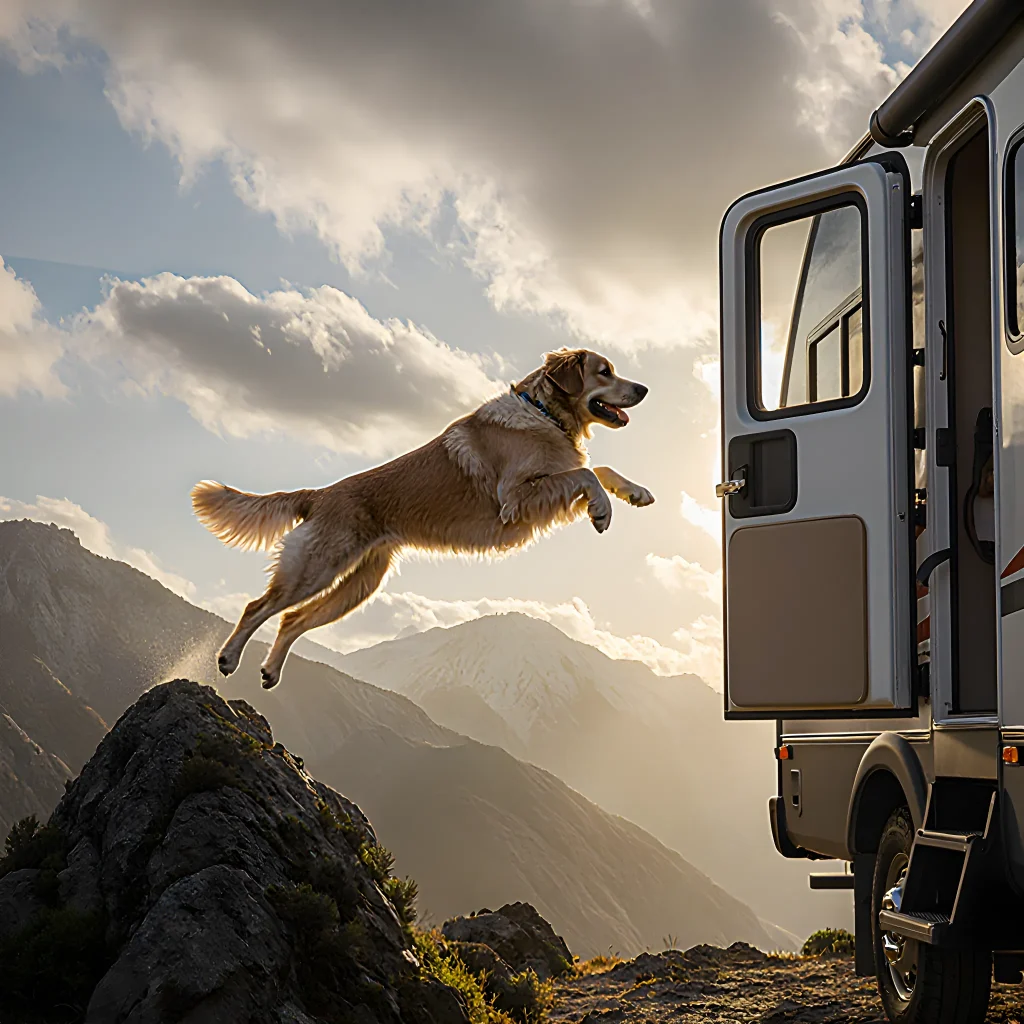
Adventure Ready Paws Await!
Glide & Growl: The Ultimate RV Dog Expedition Guide
Table of Contents
- Introduction
- Benefits of RV Travel with Dogs
- Preparation Before the Trip
- Choosing the Right RV for Your Dog
- Safety Measures and Pet-Friendly Features
- Health and Vet Care Considerations
- Food, Water, and Nutrition on the Road
- Sleeping Arrangements for Your Dog
- Hygiene and Waste Management
- Selecting Dog-Friendly Travel Routes
- On-Road Activities and Entertainment
- Budgeting for a Pet-Focused RV Trip
- Essential Packing List for Dogs
- Common Issues and How to Resolve Them
- Conclusion
- FAQ
Introduction
Taking your canine companion on an RV adventure can be a dream come true for many pet owners. The open road, the freedom to stop wherever you want, and the ability to bring your dog along without having to leave them at home or in a kennel make RV travel incredibly appealing. However, like any vacation style, it comes with its own set of challenges. Below is an in‑depth look at both sides so you can decide if this type of travel fits your lifestyle.
Pros
- Freedom to Explore: With an RV, you’re not limited by the schedule of a pet hotel or the distance to the nearest dog park. You can drive through scenic routes, camp in remote locations, and let your dog roam on the back porch (with proper safety measures).
- Comfort & Familiarity: Your dog stays in its own space—no need to acclimate to unfamiliar kennels or new environments. Bedding, toys, and a routine that includes regular walks keep them calm.
- Cost‑Effective for Long Trips: While the initial cost of an RV can be high, long‑term travel often saves on nightly hotel rates and pet fees. Many campgrounds offer free or low-cost dog access.
- Health & Safety Benefits: Fresh air and regular exercise are built into your itinerary. Plus, you can bring medications, a first aid kit, and a spare set of leashes—something you might forget at a pet hotel.
- Flexibility for Emergencies: If your dog needs extra care or a vet visit, you’re already in a mobile setting where you can drive to the nearest clinic quickly.
Cons
- Space Constraints: Most RVs are designed for human comfort. Dogs may feel cramped during long drives, especially if they’re large or energetic. Plan frequent stops so your pet can stretch and relieve itself.
- Safety Concerns on the Road: A loose dog in a moving vehicle can distract drivers or even get injured. Use harnesses, secure crates, or designated “dog zones” inside the RV to prevent accidents.
- Environmental Stressors: Extreme temperatures, loud noises from other campers, and unfamiliar smells can stress some dogs. Bring familiar blankets, toys, and a routine of calm interactions.
- Regulatory Restrictions: Many campgrounds have specific pet policies—some allow only small dogs, require leashes at all times, or charge extra fees. Always check the rules before booking.
- Maintenance & Clean‑Up: Dogs produce waste, fur, and odors that must be managed daily. A dedicated cleaning schedule and sufficient supplies (poop bags, wipes) are essential to keep the RV hygienic for everyone.
Practical Tips If You Decide to Go Ahead
- Prep Your Dog: Get a vet check‑up, update vaccinations, and bring a copy of medical records. Consider a short “road trip” drive before the big adventure.
- Pack Smart: Essentials include a collapsible water bowl, portable food dish, crate or harness, favorite toys, bedding, waste bags, a first aid kit, and a pet‑friendly travel blanket.
- Plan Stops Strategically: Every 2–3 hours, pull over at a safe spot to walk your dog. This keeps them healthy and prevents restlessness in the RV.
- Create a Routine: Dogs thrive on consistency. Keep feeding times, walks, and bedtime similar to home routines as much as possible.
- Secure Your Space: Use child safety gates or pet barriers to keep your dog away from the engine compartment and windows while driving.
- Know the Rules: Before booking a campground, read their pet policy. Some allow pets for free, others charge an extra fee or have size limits.
- Stay Calm & Positive: Dogs pick up on your emotions. A relaxed owner leads to a calmer dog, making the journey smoother for everyone.
RV travel with dogs can be an unforgettable experience that strengthens the bond between you and your pet while creating lifelong memories. By weighing these pros and cons and preparing accordingly, you’ll set yourself up for a safe, enjoyable adventure on the open road.
Benefits of RV Travel with Dogs
If you’re a dog owner looking to hit the open road, an RV can turn a simple vacation into a memorable adventure for both you and your furry companion. Below are some of the top advantages that come with bringing your four‑legged friend along.
1. Unmatched Freedom & Flexibility
- No pet restrictions: Unlike many hotels, most RV parks welcome dogs of all sizes—no extra fees or complicated paperwork.
- Instant parking: Drop your dog off at the nearest rest stop and hop back into the RV. There’s no need to hunt for a pet‑friendly campsite every night.
2. Comfortable & Familiar Living Space
Your dog can sleep in its own bed, on the floor, or even inside the van. The familiar smells of home reduce stress and help your pup feel safe during long drives.
3. Easy Access to Outdoor Activities
- Hiking & nature walks: Many RV parks are located near trails that allow dogs, so you can explore the great outdoors together.
- Parks & beaches: Dogs are welcome at many state and national parks, giving your pet fresh air and new smells.
4. Consistent Routines & Nutrition
With an RV you can keep a regular feeding schedule, use the same bowls, and bring along familiar treats or medication. This continuity is especially beneficial for dogs with anxiety or medical needs.
5. Cost‑Effective Travel
- No hotel room fees—just the cost of fuel and campground passes.
- Meals can be prepared in the RV’s kitchen, saving money on eating out.
- Many RV parks offer free pet wash stations, reducing grooming expenses.
6. Stronger Bond & Shared Memories
Traveling together encourages teamwork and creates lasting memories. The shared experience of new sights, smells, and sounds strengthens the human‑dog relationship.
7. Safety & Security During Emergencies
In case of an emergency—whether a sudden illness or a road mishap—you have immediate access to your dog’s medication, ID tags, and any necessary supplies without waiting for pet services.
Practical Tips for Making the Most of RV Travel with Dogs
- Pack a “Dog Survival Kit”: Include food, water bowls, leash, waste bags, a first‑aid kit, and any prescribed medication.
- Check Park Rules Early: Some parks require dogs to be leashed at all times or may have specific dog‑friendly zones.
- Schedule Regular Breaks: Every 2–3 hours, pull over so your dog can stretch, relieve itself, and hydrate.
- Maintain Cleanliness: Use pet‑safe cleaning products to keep the RV tidy and odor-free for both you and your pet.
- Stay Hydrated & Cool: Bring a cooler with ice packs and fresh water; use the RV’s ventilation or portable fans during hot days.
When planned thoughtfully, RV travel can become an enriching experience that brings joy to both you and your dog. Embrace the freedom of the open road, and let the adventure begin!
Preparation Before the Trip
Before you hit the open road with your furry companion, a little planning goes a long way. The goal is to make sure that both you and your dog stay safe, comfortable, and happy throughout the journey.
1. Vet Check & Documentation
- Health Clearance: Schedule a pre‑trip vet visit at least two weeks in advance. Bring along any medications, vaccination records, and a recent health certificate. Some states require proof of rabies vaccination for interstate travel.
- Microchip & ID Tags: Ensure your dog’s microchip is registered with up-to-date contact information. Attach a name tag to their collar that includes your phone number.
- Travel Insurance: Consider pet insurance that covers emergency veterinary care while on the road.
2. Packing Essentials for Dogs
- Food & Water: Pack enough food for the entire trip plus a little extra in case of delays. Use collapsible bowls to save space and keep water fresh with an insulated cooler.
- Comfort Items: Bring their favorite blanket or bed, a chew toy, and any familiar scent items (e.g., a worn t‑shirt) to reduce anxiety.
- Health Supplies: Include flea/tick prevention, a first‑aid kit, spare leashes, poop bags, and a small mirror for checking their eyes and ears.
3. RV Setup & Safety
- Securing the Dog: Use a pet seat belt or a crate that’s secured to the vehicle’s seat‑belt anchor points. If you’ll be sleeping in the RV, position the crate on a stable floor area away from moving parts.
- Ventilation: Keep windows slightly open or use an external fan to circulate air and prevent overheating. Never leave your dog alone in a parked RV during hot weather.
- Temperature Control: Maintain a comfortable interior temperature (ideally 68–72°F). Use a pet‑friendly air conditioner vent blocker if necessary.
4. Planning Stops & Itinerary
- Dog‑Friendly Campgrounds: Research campgrounds that allow dogs, check their policies on leash requirements and waste disposal. Many RV parks now have dog play areas or nearby hiking trails.
- Rest Breaks: Plan to stop every 2–3 hours for a walk and bathroom break. Dogs need to stretch legs, relieve themselves, and get mental stimulation.
- Route Mapping: Use GPS apps that highlight pet‑friendly attractions (e.g., dog parks, beaches). Avoid highways with heavy traffic if possible; opt for scenic routes that offer more frequent stops.
5. Managing Dog Behavior on the Road
- Desensitization: Practice short drives in a quiet area before embarking on a long trip to help your dog acclimate to motion and sounds.
- Calming Techniques: Bring treats, calming music (e.g., “Dog Music” playlists), or a pheromone diffuser. If your dog is prone to anxiety, consult your vet about safe anti‑stress medications.
- Training Reinforcement: Keep basic commands like “sit,” “stay,” and “heel” in place during the trip. Reward compliance with treats to maintain focus.
6. Feeding & Hydration During Travel
- Scheduled Meals: Feed your dog at consistent times (e.g., every 4–5 hours) rather than giving free feeding, which can cause motion sickness.
- Hydration Stations: Carry a portable water dispenser or a collapsible bowl and refill it at rest stops. Avoid giving cold water if the temperature is high; lukewarm water helps prevent stomach upset.
7. Emergency Preparedness
- Vet Locator: Download offline maps of veterinary clinics along your route and have a list of emergency contacts (e.g., 24‑hour pet hospitals).
- First Aid Kit: Include items such as gauze, antiseptic wipes, tweezers for tick removal, and a small syringe for administering medications.
- Communication Plan: Keep your phone charged and carry a portable charger. Share your itinerary with a trusted friend or family member.
By thoughtfully preparing each of these aspects, you’ll create a smoother, safer, and more enjoyable journey for both you and your canine companion.
Choosing the Right RV for Your Dog
If you’re planning a road trip with your canine companion, selecting an RV that accommodates both your needs and your dog’s comfort is essential. Below are practical tips, real‑world examples, and expert advice to help you make an informed decision.
1. Size Matters: Space for Your Dog & Gear
- Compact Class C or Mini Motorhome: Ideal for small dogs (under 20 lb) that can comfortably sleep on a bed or crate in the rear of the cab.
- Class A or Large Fifth-Wheel: Offers ample living space, multiple sleeping areas, and dedicated dog zones. Great for large breeds or families with several pets.
2. Ventilation & Temperature Control
Dogs are sensitive to heat; a well-ventilated RV can prevent overheating.
- Roof Vents & Fans: Ensure at least two roof vents with fans in larger units.
- Portable Air Conditioners: For Class C and smaller rigs, consider a portable unit that can be plugged into the RV’s electrical system.
3. Flooring & Cleanliness
Choose materials that are easy to clean and resistant to odors.
- Vinyl or Tile: Slip-resistant, washable, and durable against paw prints.
- Dog-Friendly Rugs: Use removable, machine-washable rugs in high-traffic areas.
4. Pet-Proofing Essentials
Protect your RV’s interior and keep your dog safe.
- Secure Storage: Install lockable cabinets or bins for treats, leashes, and medications.
- Window Covers: Use blinds or pet-safe curtains to prevent escape attempts.
- Dog Crate or Travel Bed: Position a crate in a quiet corner with easy access to a shaded area outside the RV.
5. Bathroom & Waste Management
A reliable waste system keeps both you and your dog comfortable.
- Portable Dog Toilet: A collapsible toilet with a waste bag is handy for off-grid stops.
- RV’s Bathroom: Use a detachable litter box or a small, sealed container to avoid odors.
6. Safety Features
Safety should be a top priority when traveling with pets.
- Rearview Mirrors & Cameras: Install additional mirrors or a backup camera to monitor your dog while driving.
- Seat Belt Harness: Use a harness that attaches to the seat belt system; many RV manufacturers offer pet-specific straps.
7. Real-World Example: The “Canine Cruiser” Fifth-Wheel
A popular choice among dog owners is the Canine Cruiser, a custom-built fifth-wheel with:
- Two separate sleeping areas—one for humans, one for a large dog.
- Built-in dog crate that slides out of a side door.
- Dedicated pet zone with built‑in litter box and waste disposal system.
8. Practical Advice: Test Before You Buy
- Bring Your Dog on a Short Trip: Spend a weekend in the RV to see how your dog reacts to the environment.
- Check Ventilation & Temperature: Monitor your dog’s body temperature with a pet thermometer during different times of day.
- Take Notes: Record any issues—like excessive barking, heat stress, or difficulty moving around—and adjust accordingly before a longer journey.
9. Conclusion
Choosing the right RV for your dog involves balancing space, comfort, safety, and practicality. By following these guidelines, you’ll ensure a smooth, enjoyable trip for both you and your furry friend.
Safety Measures and Pet-Friendly Features
When you’re traveling in an RV, the safety of your canine companion is just as important as yours. Below are practical steps and gear recommendations to keep your dog secure during every mile.
1. Use a Secure Harness or Seat Belt
- Harness‑to‑Seat Belt Attachment: Attach the harness to the RV’s seat belt anchor point. This prevents your dog from sliding, leaping, or falling into the footwell.
- Dog Travel Seat Covers: Protect upholstery with waterproof covers that also provide a non‑slip surface for dogs who like to stand near windows.
- Backseat Crates: For larger breeds, consider a crate that fits snugly in the back seat. Ensure it’s ventilated and has a secure latch.
2. Keep Your Dog on a Leash When Stopping
Even if your RV is parked, a leash keeps your dog from darting into traffic or wandering off the property. Use a short (5‑10 ft) leash to maintain control while still allowing freedom of movement.
3. Stay Hydrated and Monitor Temperature
- Water Bowls: Use a collapsible bowl that can be secured with a strap to avoid spills.
- Heat‑stroke Prevention: In hot climates, limit exposure to direct sunlight for more than 15 minutes. Provide shade using a canopy or an RV awning.
4. Pack a First‑Aid Kit
Your kit should include:
- Gloves (to protect yourself from splinters or bites)
- Towels for cleaning up accidents
- Pet‑specific first aid items such as a tourniquet, gauze, and antiseptic wipes
- A copy of your dog’s medical records and microchip information in case of an emergency.
5. Keep Current Vaccination Records
Many campgrounds require proof of rabies vaccination and other shots. Store both a digital copy in your phone and a physical copy in an easily accessible folder.
A well‑planned RV can feel like home for both you and your dog. Below are features that make traveling smoother, more comfortable, and even fun.
1. Dedicated Dog Crate Compartment
Some RV models come with a built‑in crate area on the floor or in the galley. This keeps bedding and toys organized, reduces clutter, and gives your dog a consistent “home” space.
2. Slip‑Resistant, Easy‑to‑Clean Flooring
- Opt for vinyl or rubber flooring that can be swept and wiped quickly.
- Add a washable rug to absorb drool or small accidents without staining the floor.
3. Adjustable Vent Covers
Dog owners love to keep windows open for airflow, but a screen that allows dust and insects in can be problematic. Install adjustable vent covers or pet‑friendly mesh that keeps bugs out while still allowing fresh air.
4. Ample Pet Storage
- Use collapsible bins for toys, treats, and grooming supplies.
- Keep a dedicated spot near the galley for water bowls and feeding mats to avoid spills on the floor.
5. Easy‑to‑Open Doors & Ramps
If your RV has a rear door, consider installing a small ramp or stepping platform so your dog can hop on and off safely without jumping over the curb.
6. Pet‑Friendly Entertainment Options
- Portable pet cameras allow you to monitor your dog while you’re in a different part of the RV.
- Use a small, lightweight speaker for calming music or white noise during long drives.
7. Secure Locking Mechanisms
Install child‑proof locks on the doors and any compartments that might be opened by a curious pup, ensuring your dog stays inside while you’re out exploring.
Health and Vet Care Considerations
When planning a road trip with your canine companion, health and veterinary care should be at the top of your checklist. A well‑prepared pet not only enjoys the journey but also reduces the risk of emergencies that can derail your plans.
1. Pre‑Trip Veterinary Check‑Up
- Vaccination Verification: Confirm all core vaccines are up to date (rabies, distemper, parvovirus, etc.). Bring proof of vaccination for state or county requirements.
- Health Screening: Discuss any chronic conditions (e.g., heartworm, arthritis) and ensure medications are stocked in sufficient quantity. Ask the vet about travel‑specific advice such as adjusting medication schedules.
- Microchip & Identification: Ensure your dog’s microchip number is current on all documents. Attach a collar tag with your contact information.
2. Medication Management
Pack medications in their original containers, clearly labeled. For chronic conditions, bring at least 30 days’ worth of medication plus an extra week’s supply in case of delays. Keep a written list of dosage instructions and contact details for your vet.
3. Travel‑Safe Supplements
- Hydration Aids: Oral rehydration salts can help prevent dehydration during long drives.
- Ginger or Peppermint Chews: These can soothe upset stomachs that sometimes arise from motion sickness.
4. Portable Health Kit
Your kit should include:
- First‑Aid Manual for Pets (e.g., “Pet First Aid” by the American Veterinary Medical Association)
- Bandages, gauze, and antiseptic wipes
- Tweezers, scissors, and a small flashlight
- Thermometer, digital scale, and a set of measuring cups for medication doses
5. Emergency Contact List
Create a PDF or printed list with:
- Your primary veterinarian’s contact information
- Names and numbers of at least three nearby emergency veterinary hospitals along your route
- Local animal shelters or humane societies that can assist in case of an evacuation
6. Health Documentation & Travel Insurance
Keep a digital copy (PDF) of the health record and vaccination history on your phone or cloud storage. Consider pet travel insurance that covers medical emergencies, trip cancellations due to illness, and repatriation if you’re traveling internationally.
7. Practical Tips for In‑Vehicle Care
- Temperature Control: Never leave a dog unattended in a parked vehicle—temperatures can rise quickly and cause heatstroke.
- Regular Breaks: Stop every 2–3 hours to allow your dog to stretch, hydrate, and relieve themselves. Use this time to check for signs of discomfort or illness.
- Hydration & Feeding Schedule: Offer water frequently but limit large meals before long drives to avoid nausea.
8. Post‑Trip Vet Visit
After the journey, schedule a follow‑up appointment to check for any travel‑related issues such as stress‑induced skin conditions, gastrointestinal upset, or musculoskeletal strain from prolonged sitting.
By anticipating health needs and preparing thoroughly, you’ll ensure both you and your dog have a safe, enjoyable adventure on the road.
Food, Water, and Nutrition on the Road
Keeping your canine companion healthy while traveling in an RV requires careful planning for food, water, and overall nutrition. Below is a practical guide that covers everything from selecting the right foods to managing hydration during long drives.
1. Food Preparation
- Pre‑Pack Meals: Portion out daily kibble or wet food into individual bags or containers. Label them with the date and dog’s name to avoid confusion.
- Homemade Options: If you enjoy cooking, prepare simple, balanced meals (e.g., boiled chicken, brown rice, and steamed carrots). Store in airtight containers and keep on a cooler.
- Special Diets: For dogs with allergies or medical conditions, bring the exact prescription diet. Keep it separate from regular food to avoid accidental mixing.
2. Water Management
- Carry a Large Capacity Water Bowl: A collapsible bowl that expands when filled can hold up to 5 L of water, enough for several days.
- Use Reusable Water Containers: Stainless steel or BPA‑free plastic bottles are durable and easy to clean. Many RVs have a built‑in water dispenser; fill it from the main tap if possible.
- Hydration During Stops: At rest areas, give your dog fresh water every 30–45 minutes on long drives. If you’re in a remote area with limited water sources, bring a small portable filter (e.g., LifeStraw) to treat local streams or lakes.
3. Nutrition Considerations
Dogs have specific nutrient needs that must be met even while on the road:
- Protein: Aim for at least 18–25% protein in dry food or 20–30% in wet food. If you’re feeding homemade meals, calculate protein using a pet nutrition calculator.
- Fat: Fats provide energy; however, too much can lead to weight gain and digestive upset. A balanced diet typically contains 10–15% fat.
- Fiber: Essential for healthy digestion. Include a small amount of cooked pumpkin or sweet potato in homemade meals.
- Vitamins & Minerals: Commercial diets usually contain the required levels, but if you’re preparing food yourself, consider adding a multivitamin supplement specifically formulated for dogs.
4. Pros & Cons of RV Travel with Dogs: Food & Water Perspective
| Pros | Cons |
|---|---|
|
|
5. Practical Tips for a Smooth Journey
- Use a Dog Food Carrier: A collapsible food crate keeps kibble dry and prevents dogs from digging through it.
- Label Everything: Attach clear labels to bowls, water bottles, and food containers with your dog’s name and the date.
- Keep a Feeding Schedule: Stick to regular meal times; this helps regulate digestion and prevents overeating during stops.
- Monitor Weight & Health: Weigh your dog weekly if possible, or keep track of body condition score to catch any changes early.
- Plan for Emergencies: Pack a small first‑aid kit that includes extra water, a syringe for administering medication, and a spare bowl in case one breaks.
By planning ahead and maintaining consistent feeding practices, you’ll ensure your furry friend stays healthy, happy, and ready to explore the open road with you.
Sleeping Arrangements for Your Dog
When you hit the road in an RV, your dog’s comfort and safety should be a top priority. A well‑planned sleeping area can prevent stress, reduce accidents, and make the entire trip more enjoyable for everyone. Below are practical options, pros/cons, and tips that align with our RV Travel with Dogs: Pros and Cons guide.
1. Dedicated Dog Bed or Couch
- Pros: Familiar surface, reduces anxiety, easy to clean.
- Cons: Takes up space; may interfere with RV airflow if not vented.
Choose a lightweight, waterproof dog bed that can be folded or rolled when not in use. For instance, the Kirkland Pet travel bed comes with a built‑in carry bag and is UV resistant.
2. Portable Dog Crate (Soft or Hard)
- Pros: Offers safety during driving, easy to secure.
- Cons: Some dogs dislike confinement; may feel claustrophobic if cramped.
Opt for a crate that meets the FRC “No‑Crate” guidelines for road safety. Soft crates with mesh panels allow airflow and visibility.
3. Foldable or Inflatable Sleeping Pad
- Pros: Lightweight, easy to store; provides a cushioned surface.
- Cons: Requires manual inflation/deflation; may lose shape over long trips.
The ThermoFlex Inflatable Pad is a popular choice because it self‑inflates with a foot pump and has an antimicrobial coating.
4. Dog-Friendly RV Floor Space (No Cover)
- Pros: No additional gear; dog can move freely.
- Cons: Potential for spills, dirt, and limited privacy.
To protect your RV floor, use a removable dog carpet or a waterproof sheet that’s easy to clean. Place non‑slip mats to prevent accidents on wet surfaces.
5. Dog Sleeping Area with Ventilation
- Pros: Keeps the dog cool and reduces odor.
- Cons: Requires a window or vent; may let in insects.
Install a small, mesh‑covered window or an RV “dog tent” that attaches to the side of your vehicle. Products like the RV Dog Tent provide a shaded, ventilated space without compromising security.
Practical Tips for All Sleeping Arrangements
- Safety First: Secure any bedding or crates with seat belts or bungee cords to prevent shifting during sudden stops.
- Temperature Control: Use a fan or portable heater (if your RV has a dedicated power outlet) to maintain comfortable temperatures.
- Odor Management: Keep a small litter box with puppy pads or use an odor‑absorbing mat under the dog’s sleeping area.
- Routine and Comfort: Bring familiar items—your dog’s favorite blanket, toys, or even a piece of your clothing—to ease anxiety.
- Regular Cleaning: Schedule a quick wipe‑down each day to keep the space hygienic. A 3‑in‑1 pet cleaner works well on most surfaces.
By thoughtfully selecting and setting up your dog’s sleeping area, you’ll ensure that both your furry friend and your RV remain safe, comfortable, and ready for adventure.
Hygiene and Waste Management
Keeping your dog clean while on the road is essential not only for their comfort but also for the health of everyone in the RV. Below are practical tips and real‑world examples to help you maintain a tidy environment, along with a quick pros‑and‑cons rundown specific to RV travel with dogs.
1. Daily Bathing & Grooming
- When: Bathe once every 2–4 weeks, depending on your dog’s coat type and outdoor exposure.
- How: Use a pet‑safe shampoo and rinse thoroughly. Dry with a towel or a low‑heat blow dryer set to “cool.”
- Example: A 5‑year‑old Labrador who loves the lake may need a quick shower after each swim, whereas a small terrier can be brushed and sprayed with water only.
2. Managing Fecal Waste on the Road
- Use a dedicated waste bag: Keep a stash of high‑quality, biodegradable bags in your RV’s storage compartment.
- Proper disposal: When you stop at a campground or rest area, use their dog waste stations. If none are available, pack the waste securely and dispose of it at a municipal landfill when you return home.
- Example: At a popular RV park in Arizona, a designated “Doggie Dump” bin is located near the main entrance—always place your bag there to avoid littering.
3. Cleaning Up Spills and Odors
- Immediate action: Blot up any urine or drool with paper towels; use a pet‑safe enzymatic cleaner for persistent odors.
- Ventilation: Keep windows open or run the RV’s air conditioner to reduce moisture buildup.
- Example: A short trip to a mountain lodge can lead to accidental spills on the floor mat—using a quick spray of enzymatic cleaner keeps the smell from lingering during the night.
4. Hygiene Products for Dogs in RVs
- Dog wipes: Ideal for quick clean‑ups after walks or playtime.
- Flea & tick control: Use a daily spot‑on treatment to prevent infestations that could affect both your dog and the RV’s interior.
- Example: A 3‑month‑old pup may need a gentle, hypoallergenic shampoo and a vet‑recommended flea collar for a week‑long beach excursion.
5. Pros & Cons of Maintaining Hygiene on the Road
| Pros | Cons | |
|---|---|---|
| Health & Comfort | Reduces skin infections, parasites, and keeps your dog comfortable. | Requires extra time and planning; can be stressful for the dog if done too often. |
| RV Cleanliness | Prevents buildup of odors and stains in the living area. | May need more frequent laundry or professional cleaning after long trips. |
| Positive Experience for Others | Shows respect for campground rules, making your stay smoother. | Limited waste disposal options in remote areas can be a hassle. |
Bottom line: Consistent hygiene practices not only protect your dog’s health but also preserve the integrity of your RV, ensuring that every trip is enjoyable for everyone aboard.
Selecting Dog-Friendly Travel Routes
When you’re planning an RV adventure with your dog, the route you pick can make or break the experience. A well‑thought‑out path not only keeps your pet safe and comfortable but also ensures you avoid common pitfalls such as long stretches of highway without rest stops, high traffic zones, or areas with restricted animal access.
1. Start with a “Dog‑Friendly” Filter on Your Map
- Google Maps “Pet Friendly” Layer: Turn on the pet‑friendly layer to see restaurants, parks, and rest areas that allow dogs.
- AllTrails & TrailLink: These apps let you search for dog‑approved trails along your route. Mark them as potential pit stops.
- State and National Park Websites: Many state park sites list “pet‑friendly” or “dog‑allowed” areas with mileage markers.
2. Prioritize Scenic Byways Over Major Interstates
Highway traffic can be stressful for dogs (noise, vibration, and limited ventilation). Scenic byways often offer:
- Larger rest stops with shaded parking.
- More frequent pull‑outs for a quick stretch.
- Access to pet‑friendly parks or campgrounds along the way.
3. Map Out “Dog‑Friendly” Campgrounds and RV Parks
Use these resources to plan overnight stops:
- Camping World’s Pet Friendly List
- Recreation.gov – Search for “Pets Allowed” campsites.
- RV Park Rating Sites (e.g., RVT.com, Parks.org) often filter by pet policies.
4. Check Local Regulations Along Your Route
Some states or municipalities have leash laws or restrictions on certain breeds:
- California: Dogs must be leashed in public parks; no dogs allowed in some wildlife refuges.
- Colorado: Certain high‑altitude trails prohibit pets during peak season to protect wildlife.
- Florida: Beach access restrictions vary by county; always check the local beach website for pet rules.
5. Plan “Dog‑Friendly” Pit Stops
Beyond official rest areas, consider these options:
- Coffee shops with outdoor seating: Many allow dogs on patios (e.g., Starbucks “Pet Friendly” locations).
- Public parks and dog runs that offer a quick break.
- Pet stores or veterinary clinics for quick water, treats, or medical check‑ups.
6. Use RV‑Specific Apps to Flag Pet Restrictions
Apps like Campendium, RV Parky, and Park4Night have filters for “dogs allowed.” When you’re on the road, these can save you from last‑minute detours.
7. Balance Scenic Routes with Practicality
A route that’s too remote might lack emergency services or potable water. Conversely, a heavily trafficked highway may be convenient but stressful for your dog. Aim for a middle ground: scenic yet accessible.
8. Keep an Eye on Seasonal Conditions
- Winter: Snowy roads can trap dogs in RV windows; choose routes with frequent snowplow coverage.
- Summer heat: Avoid long stretches of highway during midday; plan stops near shade or water sources.
9. Practical Checklist for the Road
| Item | Why It Matters |
|---|---|
| Leash and Collar | Essential for safety in crowded areas. |
| Portable Water Bowl & Hydration Pack | Avoid dehydration during stops. |
| Dog‑Friendly Snacks | Keep your dog calm and energized. |
| First Aid Kit (including tick remover) | Preparedness for minor injuries or bites. |
| GPS with Pet‑Friendly Route Feature | Helps avoid restricted areas. |
10. Wrap‑Up: The Ultimate Dog‑Friendly Route Blueprint
By combining map filters, local regulations, pet‑friendly campgrounds, and practical on‑the‑go tools, you can chart a route that keeps both you and your dog safe, comfortable, and happy. Remember to stay flexible—weather changes or unexpected detours are part of the adventure, but with a solid plan in place, they won’t derail your trip.
On-Road Activities and Entertainment
When you’re cruising in an RV with your four‑legged companion, the road itself becomes a playground. Whether you’re on a long haul or just a short detour, keeping both you and your dog engaged is essential for a smooth trip. Below are practical ideas that blend fun, safety, and comfort.
1. Interactive Games That Keep Both of You Moving
- Fetch with a Twist: Use a soft, long‑range ball or Frisbee designed for cars. Toss it from the window (when parked) and let your dog chase it on the curb. This encourages quick bursts of activity that help burn off excess energy.
- “Find It” Puzzles: Bring a small puzzle toy with hidden treats. While you’re driving, let your dog sniff around the RV’s rear area—safe and stimulating without distracting the driver.
- Voice‑Command Games: Practice simple commands like “sit,” “stay,” or “heel” during stops. It keeps mental focus sharp and strengthens obedience in a relaxed setting.
2. Scenic Stops for Refreshing Breaks
Plan your route with state parks, dog‑friendly campgrounds, or wildlife refuges. These spots provide a natural environment where both of you can stretch and explore.
- Short Hikes: Choose trails that are easy for dogs with moderate exercise levels. Bring a lightweight leash and keep the walk short to avoid overexertion.
- Water Breaks: If you’re near a lake or stream, let your dog splash—just ensure there’s no strong current or hidden hazards.
3. Entertainment While Driving
- Dog‑Friendly Music: Play calming classical tunes or “dog‑friendly” playlists (many streaming services offer them). The soothing rhythm can help reduce anxiety for both of you during long drives.
- Audio Books & Podcasts: Narrated stories can keep your dog’s ears engaged while giving you a chance to rest. Choose content with gentle, predictable pacing.
4. Tech Tools That Make Life Easier
- GPS Tracking for Pets: Attach a small GPS collar to monitor their location in case they wander off during a stop.
- Portable Water Dispenser: A collapsible water bowl or a hydration pack helps keep your dog hydrated without needing to find a public tap.
- Cooling Mats & Blankets: Especially useful on hot days; place them in the RV’s shaded area so your dog can rest comfortably.
5. Safety Checklist for On‑Road Fun
- Never leave a dog unattended inside an active vehicle—heat and fumes pose serious risks.
- Use a secure harness or seat belt designed for pets to prevent sudden jerks during braking.
- Keep a first‑aid kit with items like tweezers, antiseptic wipes, and any specific medication your dog requires.
- Always have a spare leash in case one breaks while on the move.
By weaving these activities into your itinerary, you’ll keep both yourself and your pup happy, healthy, and ready for whatever scenic detour comes next. Enjoy the open road together—responsibly!
Budgeting for a Pet-Focused RV Trip
Planning an RV adventure that’s comfortable for both you and your four‑legged companion doesn’t have to break the bank. Below is a practical, itemized guide that balances cost savings with pet‑friendly necessities.
1. Vehicle & Fuel Costs
- Fuel Efficiency: Choose an RV with a good miles‑per‑gallon rating (at least 8–10 MPG for larger units). A more fuel‑efficient model can save $200–$400 over a 1,000‑mile trip.
- Rental vs. Ownership: Renting a pet‑friendly RV can cost $100–$150 per night plus a pet surcharge ($30–$50). If you plan multiple trips, buying may be cheaper long term.
- Route Planning: Use apps like Roadtrippers or Google Maps to chart the most fuel‑efficient route and avoid toll roads that add extra cost.
2. Food & Supplies
| Item | Pet‑Friendly Cost | Human Cost |
|---|---|---|
| Dog Food (bulk) | $0.50 per pound | N/A |
| Water & Hydration Gear | $25 for a collapsible bowl and water filter | $10 for reusable bottles |
| Dog Treats & Chews | $0.20 per treat (bulk packs) | N/A |
| Human Meals (camp‑style) | N/A | $3–$5 per person per meal |
3. Campsite & Parking Fees
Many campgrounds allow pets for free, but some charge an extra $10–$20 per night.
- Free Campgrounds: National Forests and Bureau of Land Management sites typically permit dogs at no cost. Verify each site’s pet policy before arrival.
- Pet‑Friendly Parks: Look for parks that offer fenced areas, dog‑friendly trails, and nearby veterinary services. Some state parks charge a small pet fee but provide better amenities.
4. Health & Safety
- Vaccination Records: Keep a digital copy in your phone or cloud storage; some RV parks require proof of up‑to‑date shots.
- First Aid Kit: Include items such as bandages, tweezers, and a pet‑specific oral syringe. Budget $15–$25 for a comprehensive kit.
- Emergency Vet Visits: Reserve a contingency fund ($100–$200) for unexpected medical care in remote areas.
5. Comfort & Convenience
Investing in pet comfort can reduce long‑term costs by preventing health issues and ensuring smoother travel.
- Portable Dog Bed: A lightweight, foldable bed costs $30–$50 and keeps your dog cozy on the move.
- Cooling Mats & Fans: In hot climates, a cooling mat ($25) or portable fan ($40) can prevent heat‑stroke, saving potential vet bills.
- Air‑Purifying Filters: A HEPA filter for the RV’s HVAC system costs $70–$100 and helps reduce allergens that might affect both you and your pet.
6. Sample Budget (One Week, Two People + One Dog)
| Category | Estimated Cost |
|---|---|
| Fuel (800 miles @ 8 MPG, $4.25/gallon) | $425 |
| Campsite Fees (7 nights @ $15/night) | $105 |
| Pet Food & Supplies | $60 |
| Human Meals (3 meals/day) | $210 |
| First Aid Kit + Misc. | $40 |
| Emergency Fund (Vet + misc.) | $100 |
| Total | $1,040 |
This budget assumes moderate fuel usage and a pet‑friendly campground. Adjust numbers based on your RV’s size, local gas prices, and the number of nights you plan to stay.
7. Tips for Reducing Costs
- Bulk Buying: Purchase dog food, treats, and cleaning supplies in bulk from wholesale clubs or online retailers.
- Use Credit Card Rewards: Pay fuel, campsite fees, and groceries with a card that offers cashback or points to offset travel expenses.
- Plan Ahead: Book campsites early during off‑season periods; many offer discounted rates for advance reservations.
- Swap Supplies: Bring reusable items like water bottles, collapsible bowls, and cleaning wipes instead of buying disposable ones at each stop.
By carefully allocating funds to essential pet needs while taking advantage of savings opportunities, you can enjoy a stress‑free, budget‑friendly RV adventure that keeps both you and your canine companion happy and healthy.
Essential Packing List for Dogs
When you’re planning an RV adventure with your canine companion, the packing list becomes as crucial as the route map. A well‑organized kit not only ensures comfort and safety for your dog but also keeps your living space tidy and prevents last‑minute scrambles.
1. Identification & Documentation
- Microchip ID Card: Carry a copy of the chip number in case you’re separated from your pet.
- Vaccination Records: Keep digital and paper copies for quick access at vet clinics or pet‑friendly stops.
- Travel Health Certificate (if required): Some campgrounds or national parks require proof of rabies vaccination.
2. Food & Water Supplies
- Portable Food Containers: BPA‑free, leak‑proof bowls that can be nested for easy storage.
- Dry Food & Wet Food Packets: Portioned meals reduce waste and help maintain a consistent diet.
- Water Jug or Collapsible Water Bowl: A lightweight jug (1–2 L) plus a collapsible bowl for quick hydration on the road.
- Hydration Pack (Optional): For active dogs, a small pack with a built‑in water reservoir keeps them hydrated during hikes.
3. Bedding & Comfort Items
- Dog Bed or Blankets: A familiar blanket helps reduce anxiety in new environments.
- Portable Crate or Travel Carrier: Ensure it meets airline/road safety standards and fits the RV’s storage space.
- Cooling Pad (Summer) / Heating Pad (Winter): Climate‑controlled bedding for extreme temperatures.
4. Health & Safety Kit
- First Aid Supplies: Bandages, antiseptic wipes, tweezers, and a digital thermometer.
- Prescription Medications: Bring enough for the entire trip plus an extra week’s supply.
- Anti‑Mite & Flea Treatments: Spot treatments or collars that last several months.
- Insect Repellent (Dog‑Safe): Use products approved by veterinarians to protect against ticks and mosquitoes.
- Emergency Contact List: Local vets, emergency shelters, and roadside pet assistance numbers.
5. Grooming & Hygiene Supplies
- Towels & Wipes: Quick‑dry towels for after walks or showers.
- Scented Dog Shampoo (if needed): Choose a mild formula to avoid skin irritation.
- Brush or Comb: Tailored to your dog’s coat type; helps maintain healthy fur and reduce shedding in the RV.
- Poop Bags & Dispenser: Eco‑friendly, biodegradable bags are ideal for cleaning up on trails.
6. Training & Entertainment
- Training Treats & Commands Book: Keep treats handy for reinforcement during stops or while exploring new sites.
- Toys (Chew, Fetch, Puzzle): Rotate toys to keep your dog mentally stimulated and prevent boredom.
- Dog‑Friendly Maps & Trail Guides: Printed or digital guides of pet‑friendly trails near campgrounds.
7. Miscellaneous Essentials
- Collapsible Food & Water Bowls (Optional): Useful for quick meals outside the RV.
- Portable Dog Gate or Divider: Helps keep your dog in a designated area of the RV during rest periods.
- LED Collar or Reflective Gear: Enhances visibility on nighttime walks.
- Travel Insurance for Pets (Optional): Covers unexpected veterinary costs while away from home.
Practical Packing Tips
- Use a Dedicated Pet Backpack: Organize items by category—food, health, comfort—to quickly locate what you need.
- Label Everything: Color‑coded or printed labels prevent mix‑ups with other supplies.
- Test the Packing List: Pack a mock trip load and practice setting up in your RV to spot any missing items or space constraints.
- Plan for Waste Disposal: Bring extra bags, a small shovel, and a waste‑storage bin for clean-ups on trails.
- Check Weight Limits: Ensure the total weight of pet gear does not exceed your RV’s cargo capacity, especially if using rear storage compartments.
By preparing this comprehensive packing list, you’ll give your dog a safe, comfortable, and enjoyable RV travel experience—while keeping your own journey stress‑free. Happy travels!
Common Issues and How to Resolve Them
If you’re planning an RV adventure with your canine companion, it’s easy to overlook a few practical snags that can arise on the road. Below are some of the most frequent problems people encounter—alongside proven solutions—and how they tie into the pros and cons of RV travel with dogs.
1. Dog-Related Health & Safety Concerns
- Heatstroke in hot climates: Dogs are prone to overheating, especially breeds with short snouts or thick coats.
- Inadequate ventilation: Poor airflow can lead to a stuffy environment and respiratory issues.
Solutions:
- Always park in shaded areas, use reflective awnings, and keep windows partially open for cross‑ventilation.
- Install a small, portable fan or an RV‑compatible air conditioning unit. For extreme heat, consider a “cooling mat” that uses gel packs to lower your dog’s body temperature.
- Never leave a dog unattended in the vehicle; if you must step away, use a secure crate or a well‑fitted seat belt harness.
2. Managing Waste and Hygiene
- Infrequent bathroom breaks: Long drives can stretch the time between trips to nature.
- Odor control inside the RV: Litter or urine can quickly become a problem if not handled properly.
Solutions:
- Plan stops every 2–3 hours to let your dog stretch and relieve itself. Use designated pet‑friendly rest areas.
- Carry a collapsible litter box or a “portable potty” system for small dogs, along with disposable liners and cleaning wipes.
- Use enzymatic cleaners that break down odor-causing bacteria instead of relying solely on sprays.
3. Feeding & Hydration Challenges
- Limited storage space for food: RV kitchens may not have enough room for large kibble bags or fresh produce.
- Dehydration risk on long trips:
Solutions:
- Choose lightweight, high‑energy dog food packs and store them in a cooler with ice packs to keep kibble dry.
- Carry a portable water bowl that can be clipped to the dashboard or side of the RV. Keep a spare bottle of water in the fridge for emergencies.
4. Dealing with Other Travelers & Campers
- Pet‑friendly vs non‑pet‑friendly sites:
- Noise complaints from neighbors:
Solutions:
- Always check the campground’s pet policy before booking. Many RV parks have dedicated dog play areas.
- Keep your dog on a leash or in a crate when around other campers, and avoid excessive barking by providing toys or chew items.
5. Legal & Regulatory Hurdles
- State licensing requirements for pets:
- Vaccination documentation:
Solutions:
- Obtain a pet passport or an official vaccination record that lists rabies, distemper, and other mandatory shots.
- Carry copies of your dog’s health certificates in both digital (email) and hard‑copy forms for quick access at the roadside clinic or vet.
6. Comfort & Bedding Issues
- Space constraints for larger breeds:
- Temperature regulation in sleeping areas:
Solutions:
- Use a dog bed that folds into a storage bin when not in use. For large dogs, consider a custom‑cut crate that fits the RV’s rear or side compartments.
- In colder climates, add a heated blanket or pad; in hot weather, provide a cooling mat and keep the sleeping area shaded with curtains or blinds.
7. Training & Behavioral Adjustments
- Separation anxiety:
- Fear of loud RV noises (engine, brakes):
Solutions:
- Gradually acclimate your dog to the RV by short rides and positive reinforcement. Use treats and praise when the dog remains calm.
- Introduce a calming pheromone diffuser (like Adaptil) in the RV, especially during long drives or at night.
8. Insurance & Liability Considerations
- Coverage for accidents involving pets:
- Potential damages to RV interiors caused by dogs:
Solutions:
- Check if your homeowner’s or renter’s insurance includes pet liability. If not, consider a separate pet liability policy.
- Use protective seat covers and dog‑safe mats to minimize scratches or stains on the RV interior.
By proactively addressing these common issues, you’ll transform potential road trip headaches into smooth, enjoyable adventures for both you and your four‑legged friend. Each solution not only mitigates risk but also highlights one of the many advantages of traveling in an RV with dogs—flexibility, comfort, and the freedom to explore pet‑friendly destinations at your own pace.
Conclusion
Choosing to hit the road in an RV with your canine companion can be one of the most rewarding ways to explore new places together. The freedom to pause at scenic overlooks, the ability to bring along familiar comforts, and the chance for spontaneous adventures make this travel style uniquely appealing. Yet it also demands careful planning, a clear understanding of responsibilities, and a willingness to adapt on the fly.
Pros Recap
- Flexibility & Freedom: You decide where you go and when you stop—no need to book pet-friendly hotels or worry about strict check‑in times.
- Comfort & Familiarity: Your dog stays in a space that feels like home, reducing anxiety for both of you.
- Cost Savings: Eliminates hotel fees and often reduces food costs by cooking on board.
- Enhanced Bonding: Shared experiences strengthen the human‑dog relationship, especially during long drives or overnight stays.
Cons Recap
- Space Constraints: Limited room can be stressful for larger breeds or energetic pups.
- Health & Safety Risks: Exposure to ticks, fleas, and hazardous terrain requires vigilant precautions.
- Logistics & Planning: Finding pet‑friendly campsites and managing waste adds complexity.
- Legal & Liability Issues: Some states restrict dogs in RVs or require specific permits.
Practical Tips for Success
- Pre‑Trip Vet Check: Ensure vaccinations are up to date and discuss any travel concerns with your vet.
- Create a Dedicated Dog Zone: Use a portable dog bed, crate, or hammock that fits the RV layout for consistent comfort.
- Pack Essentials: Bring water bowls, waste bags, a first‑aid kit, flea/tick prevention, and a copy of your dog’s medical records.
- Plan Breaks Strategically: Schedule stops every 2–3 hours to allow your dog to stretch, hydrate, and relieve itself.
- Use Dog‑Friendly Apps: Tools like BringFido or Rover can help locate nearby parks, vets, and pet services.
- Set RV Rules: Define where the dog is allowed inside the vehicle and establish a routine for feeding, sleeping, and bathroom breaks.
Final Verdict
If you’re willing to invest time in preparation and embrace the adventure of the open road, RV travel with dogs can become an unforgettable way to explore. The key lies in balancing your dog’s needs with the practicalities of mobile living—by planning ahead, staying organized, and remaining flexible, both you and your furry friend will enjoy a safe, enjoyable journey.
FAQ
If you’re planning a road trip in an RV with your canine companion, it’s essential to weigh the advantages and challenges before hitting the highway. Below is a comprehensive look at the pros and cons of traveling with dogs in an RV, complete with practical tips and real‑world examples.
Pros
- Freedom & Flexibility
- Your dog can roam freely within the vehicle’s confines without the stress of a cramped car seat.
- You can pause at scenic overlooks or pet-friendly parks and let your dog stretch its legs.
- Reduced Anxiety
- Many dogs feel more secure in the familiar environment of their home, even when it’s on wheels.
- The steady hum of an RV engine can be soothing compared to sudden car accelerations.
- Convenient Facilities
- Built‑in waste tanks and water hookups mean you don’t need to hunt for pet care facilities.
- Many RV parks offer dog-friendly amenities such as fenced campsites, dog wash stations, and nearby trails.
- Cost Savings
- No extra pet fees at hotels or motels.
- You can pack your own food and treats, reducing the need for frequent stops.
- Social Interaction
- Pets often act as icebreakers; fellow travelers may stop to pet your dog, creating friendly connections.
Cons
- Space Constraints
- Even the largest RVs can feel cramped for large breeds or energetic pups.
- Limited storage for dog gear (leashes, crates, toys) can clutter living areas.
- Safety Concerns
- Loose items can become projectiles during sudden stops or turns.
- Dogs may inadvertently get into the engine compartment if not properly secured.
- Health & Hygiene Issues
- Managing waste in an RV requires a good understanding of dump station locations and proper disposal.
- Maintaining clean bedding, preventing odor buildup, and avoiding mold are ongoing tasks.
- Regulatory Restrictions
- Some RV parks or campgrounds have strict pet policies (size limits, leash requirements).
- State laws may require vaccinations and documentation for dogs traveling across borders.
- Travel Fatigue
- Long drives can tire both owner and dog; frequent breaks are essential to avoid exhaustion.
- Dogs may develop motion sickness or anxiety during extended road trips.
Practical Tips for a Smooth RV Journey with Your Dog
- Pre‑Trip Vet Visit: Ensure vaccinations are up to date and get a health certificate if traveling interstate.
- Secure Storage: Use dedicated pet crates or hammock beds that can be safely secured in the RV’s interior.
- Ventilation & Temperature Control: Dogs are sensitive to heat; keep windows partially open and use fans or air conditioning as needed.
- Regular Breaks: Every 2–3 hours, stop for a walk, bathroom break, and hydration.
- Training & Commands: Reinforce basic obedience (sit, stay, come) to manage the dog in unfamiliar settings.
- First Aid Kit: Include items like bandages, tweezers for ticks, and a copy of your pet’s medical records.
- Dog‑Friendly Stops: Research destinations with dog parks, hiking trails, and pet‑friendly restaurants ahead of time.
Real‑World Example: The “Paws & Wheels” Adventure
A family from Seattle took their 26‑foot Class C RV on a 10‑day trip along the Pacific Coast with their German Shepherd, Max. They planned stops at dog‑friendly state parks in Oregon and Washington. By using a collapsible hammock bed secured to the ceiling of the sleeping area, they kept Max comfortable without compromising space. At each park, they used the designated pet wash station, which helped maintain hygiene. The trip highlighted the importance of pre‑trip vet checks (Max had a recent rabies booster) and the benefit of having a dedicated dog crate for rest periods.
Conclusion
RV travel with dogs can be an incredibly rewarding experience if you prepare properly. By understanding the pros, anticipating the cons, and implementing practical strategies, you’ll create memorable adventures that both you and your four‑legged friend will cherish.
Categories
- AI & Enrichment Play
- Broiler Farming
- Broiler Farming Tips
- Canine Wellness & Longevity
- Cat
- Cat & Human Connection
- Cat Adoption & Rescue
- Cat Breeds
- Cat Breeds & Personalities
- Cat Care & Health
- Cat Grooming & Hygiene
- Cat Lifestyle & Environment
- Cat Myths & History
- Cat Nutrition & Diet
- Cat Products & Reviews
- Cat Training & Behavior
- Comparison
- Consumer Awareness
- Dog
- Dog Accessories & Products
- Dog Adoption & Rescue
- Dog Breed & Lifestyle Trends
- Dog Breeding & Puppies
- Dog Entertainment & Media
- Dog Fashion & Trends
- Dog Fun & Lifestyle
- Dog Grooming & Hygiene
- Dog History & Culture
- Dog Myths, Science & Future Tech
- Dog News & Trends
- Dog Nutrition & Food
- Dog Psychology & Emotions
- Dog Safety & Security
- Dog Sports & Activities
- Dog Technology & Innovation
- Dog Training for Modern Owners
- Dog Travel & Adventure
- Dog Travel, Adventure & Culture
- Economic and Market Insights
- Educational Content
- FAQs
- Feeding Alternatives
- Festivals & Seasonal Ideas
- Fun & Entertainment
- General Knowledge
- General Pig Farming
- Health & Disease Management
- Housing and Environment
- Kittens
- Market Insights
- Miscellaneous
- Miscellaneous
- Motivational
- pig
- Pig Breeding
- Pig Breeds
- Pig Farming Stories and Inspiration
- Pig Health and Care
- Pig Nutrition
- Pig Products
- Profitability & Business
- Puppy Care
- Puppy Predictable Topics Reinvented
- Regional Focus
- Rescue & Adoption Buzz
- Senior Cats
- Senior Dog Care
- Smart Dog Tech & Gadgets
- Sustainability
- Sustainable & Eco-Friendly Dog Products
- Tech & Innovations
- Working & Service Dogs
- Broiler Feed66 products
- Country Feed33 products
- Pig Feed66 products
- Product22 products
- Raw Materials99 products
Products
-
 Fish Meal
₹1,999.00 – ₹2,999.00Price range: ₹1,999.00 through ₹2,999.00Rated 0 out of 5
Fish Meal
₹1,999.00 – ₹2,999.00Price range: ₹1,999.00 through ₹2,999.00Rated 0 out of 5 -
 FATTENING BROILER FEED
₹2,299.00 – ₹2,349.00Price range: ₹2,299.00 through ₹2,349.00Rated 0 out of 5
FATTENING BROILER FEED
₹2,299.00 – ₹2,349.00Price range: ₹2,299.00 through ₹2,349.00Rated 0 out of 5 -
 LAYER COUNTRY FEED
₹1,549.00 – ₹1,649.00Price range: ₹1,549.00 through ₹1,649.00Rated 0 out of 5
LAYER COUNTRY FEED
₹1,549.00 – ₹1,649.00Price range: ₹1,549.00 through ₹1,649.00Rated 0 out of 5 -
 COUNTER BROILER FEED
₹1,199.00 – ₹1,299.00Price range: ₹1,199.00 through ₹1,299.00Rated 0 out of 5
COUNTER BROILER FEED
₹1,199.00 – ₹1,299.00Price range: ₹1,199.00 through ₹1,299.00Rated 0 out of 5 -
 LACTATING PIG FEED
Rated 0 out of 5
LACTATING PIG FEED
Rated 0 out of 5₹2,299.00Original price was: ₹2,299.00.₹1,740.00Current price is: ₹1,740.00. -
 Maize
Rated 0 out of 5
Maize
Rated 0 out of 5₹1,650.00Original price was: ₹1,650.00.₹1,300.00Current price is: ₹1,300.00. -
 GESTATION PIG FEED (Phase 1)
Rated 0 out of 5
GESTATION PIG FEED (Phase 1)
Rated 0 out of 5₹2,249.00Original price was: ₹2,249.00.₹1,699.00Current price is: ₹1,699.00. -
 Pre Starter Broiler Feed
₹2,399.00 – ₹2,499.00Price range: ₹2,399.00 through ₹2,499.00Rated 0 out of 5
Pre Starter Broiler Feed
₹2,399.00 – ₹2,499.00Price range: ₹2,399.00 through ₹2,499.00Rated 0 out of 5 -
 FINISHER PIG FEED
Rated 0 out of 5
FINISHER PIG FEED
Rated 0 out of 5₹2,299.00Original price was: ₹2,299.00.₹1,749.00Current price is: ₹1,749.00. -
 Broiler Premix
Rated 0 out of 5
Broiler Premix
Rated 0 out of 5₹820.00Original price was: ₹820.00.₹699.00Current price is: ₹699.00.