
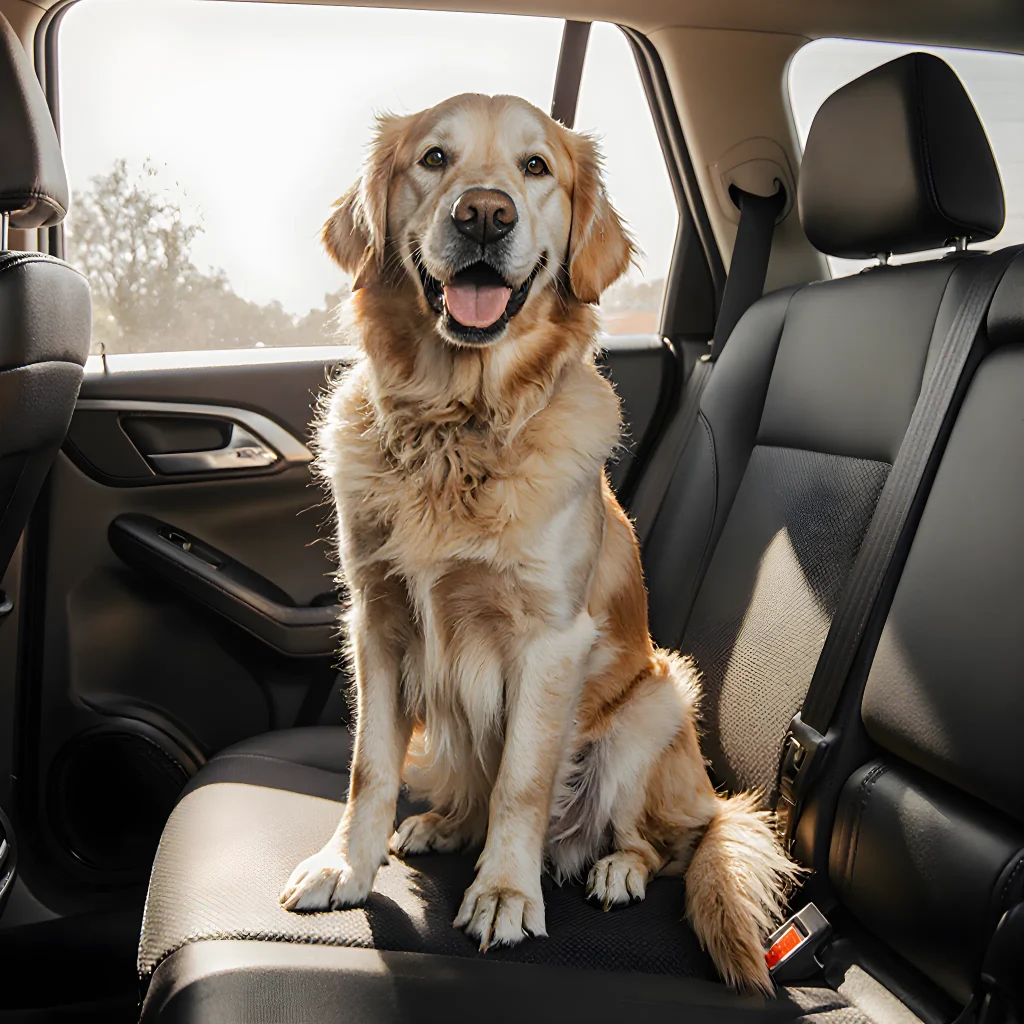
Smooth Travels With Your Pup
How to Train Your Dog for Long Car Rides
Table of Contents
- Introduction
- Assess Your Dog’s Comfort Level
- Choose the Right Car Seat or Harness
- Introduce the Car Gradually
- Start with Short Trips
- Use Positive Reinforcement
- Keep Your Dog Hydrated and Fed Properly
- Plan Rest Stops Strategically
- Manage Crate or Seat Belt Security
- Practice Calm Driving Techniques
- Teach “Stay” and “Leave It” Commands
- Use Calming Aids if Needed
- Gradually Increase Trip Lengths
- Conclusion
- FAQ
Introduction
Long car journeys can be stressful for both you and your canine companion if they’re not properly prepared. By training your dog gradually, you’ll reduce anxiety, prevent accidents, and make the experience enjoyable for everyone.
1. Start with Short Trips
- Begin in familiar surroundings: Take short drives around your neighborhood first—just a few minutes—to let your dog get used to the motion and noises.
- Use positive reinforcement: Reward with treats, praise, or a favorite toy each time your dog stays calm during these brief rides.
- Keep sessions upbeat: End on a high note by letting your dog explore a new park or play fetch after the drive.
2. Introduce Car Comfort Items
- Car seat or carrier: Let your dog acclimate to their designated spot before the vehicle starts moving.
- Familiar bedding: Place a soft blanket or mat that smells like home in the car; this helps reduce separation anxiety.
- Gradually increase time spent inside the car while it’s parked, then as you drive slowly.
3. Practice Safe Restraint Techniques
- Harness over seat belt: Use a dog harness that attaches to the vehicle’s seat belt system—this keeps your pet secure without restricting movement too much.
- Check fit regularly: Adjust straps so they’re snug but not tight; you should be able to slip two fingers between the harness and your dog’s body.
- Teach a “sit” or “stay” command before each trip so your dog knows where to remain while you drive.
4. Manage Motion Sickness
- Keep the windows slightly open: Fresh air can alleviate nausea.
- Limit food intake before travel: A light snack or none at all helps prevent stomach upset; feed after you’ve reached your destination.
- If needed, consult a vet about safe anti‑nausea medication for dogs.
5. Break the Journey into Stages
- Plan frequent stops: Every 45–60 minutes, pull over on a safe side or rest area so your dog can stretch, relieve themselves, and get fresh water.
- Use these breaks to reward calm behavior with treats and gentle petting.
6. Use Distraction Techniques
- Toys and puzzles: Bring chew toys or treat‑dispensing puzzles that keep your dog’s mind occupied.
- Background noise: Some dogs respond well to soft music or a white‑noise app; this can mask the rumbling of tires and road sounds.
7. Monitor Body Language & Adjust Accordingly
- Signs of distress include drooling, whining, pacing, or attempts to escape. If you notice these, pause the trip, offer a treat, and reassure your dog before resuming.
- Conversely, calm signals—relaxed ears, steady breathing—indicate that training is effective.
8. Build Confidence Over Time
- Gradually increase trip length: after several successful short rides, extend the drive by an hour or two before attempting a full day’s journey.
- Keep routines consistent—same seat, same harness, same treats—to provide stability and reduce anxiety.
9. Prepare for Emergencies
- First‑aid kit: Include bandages, antiseptic wipes, and any medication your dog needs.
- Carry a spare harness or seat belt strap in case of accidental breakage.
- Know the nearest veterinary clinic along your route for quick access if something unexpected occurs.
10. Celebrate Successes
After each trip, give your dog extra praise and a special treat—perhaps a “trip‑time” chew or a short play session. Positive reinforcement reinforces the idea that car rides are safe and enjoyable.
By following these steps consistently, you’ll transform long car rides into stress‑free adventures for both of you. Patience, practice, and plenty of love are the keys to a smooth journey ahead!
Assess Your Dog’s Comfort Level
Before you set off on a long car ride, it’s essential to gauge how comfortable your dog feels in the vehicle. A well‑prepared pet will enjoy the journey and arrive at its destination relaxed.
1. Observe Body Language While in the Car
- Relaxed posture: Lying with paws tucked or legs splayed indicates calmness.
- Tense muscles, tail tucked, ears flattened: Signs of anxiety or discomfort.
- Pacing or whining: May mean the dog is unsettled or has an issue (e.g., need to relieve itself).
2. Test Short Drives First
Start with a 5–10 minute drive around your neighborhood. Pay attention to:
- The dog’s reaction to acceleration, braking, and turns.
- Any signs of motion sickness (drooling, paw licking, nausea).
- How quickly the dog settles once the car stops.
3. Use a “Comfort Kit” During Test Runs
Include:
- A familiar blanket or toy to provide a sense of security.
- Water and a small bowl for hydration.
- A treat pouch for positive reinforcement during breaks.
4. Check Physical Readiness
Ensure your dog is healthy enough for travel:
- Weight and size: Smaller dogs may be more susceptible to motion sickness; larger breeds might need more space.
- Medical conditions: Consult your vet if your dog has heart, respiratory, or joint issues that could worsen during a long trip.
5. Identify Stress Triggers
Some dogs are sensitive to:
- Unfamiliar scents (other cars, new people).
- Excessive noise (engine rumble, horns).
- Lack of ventilation or extreme temperatures.
6. Practice “Car Confidence” Exercises
Build confidence gradually:
- Stay in the car with the engine off: Let your dog sit or lie down while you drive it around a block.
- Short rides with breaks: Stop every 30–45 minutes to allow the dog to stretch and relieve itself.
7. Use a Safe Restraint System
A properly fitted seat belt harness or dog car seat keeps the animal secure and reduces motion sickness by limiting sudden movements.
8. Monitor Temperature & Ventilation
Dogs can overheat quickly in cars, especially during summer:
- Keep windows slightly open or use a sunshade.
- Never leave your dog unattended—always lock the doors.
9. Document Your Observations
Create a simple log:
| Date | Trip Duration | Behavior Notes | Treats Used |
|---|---|---|---|
| 2025‑09‑12 | 45 min | Calm, no drooling. | 10% of treats. |
10. Know When to Seek Professional Help
If your dog shows persistent signs of distress (continuous vomiting, extreme agitation, inability to relax) after repeated training sessions, consult a veterinarian or a professional animal behaviorist for tailored guidance.
By systematically assessing and addressing each aspect of your dog’s comfort level, you’ll lay the groundwork for a smooth, enjoyable long car ride. Next, we’ll dive into specific training techniques that reinforce these positive behaviors on every trip.
Choose the Right Car Seat or Harness
When preparing your dog for long car rides, the first decision you’ll face is how to secure them safely and comfortably. A well‑chosen seat or harness can make the difference between a smooth trip and a stressful one—for both you and your pet.
1. Understand the Types of Car Safety Gear
- Dog Seat Belts (Seat Belt Harnesses): These attach to your vehicle’s existing seat belt system, keeping your dog in place while allowing them to sit upright. Ideal for small to medium dogs who enjoy a bit of freedom but still need restraint.
- Car Seats (Dog Carriers or Elevated Beds): Designed like a mini bed that attaches to the back seat, providing a cozy space. Great for larger breeds or dogs that prefer a higher viewpoint.
- Back‑Seat Crates: Small and portable, these crates fit in the back seat or trunk. They’re perfect for very small dogs, puppies, or pets with anxiety who feel safest inside a confined space.
- Floor Harnesses (with or without Buckles): These keep your dog on the floor of the car, ideal for active breeds that like to move around but still need a safety harness. Make sure the buckle is secure and the straps are padded.
2. Key Features to Look For
| Feature | Why It Matters |
|---|---|
| Adjustable Straps | Ensures a snug fit for dogs of all sizes. |
| Padded Collar and Chest Plate | Reduces pressure points during sudden stops. |
| Easy‑to‑Attach Buckles (e.g., quick‑release) | Saves time during emergencies or when you need to remove the harness quickly. |
| Breathable Fabric | Avoids overheating in warm climates. |
| Durability & Warranty | Long‑term investment—look for high‑quality nylon or polyester with reinforced stitching. |
3. Size and Fit Guidelines
- Measure Your Dog: Length from the base of the neck to the tail’s tip, height at the shoulder, and weight. Compare these measurements with the manufacturer’s sizing chart.
- Test the Fit: Place the harness on your dog in a stationary car or on the floor. The straps should sit snugly but not pinch; you should be able to slip one finger under each strap.
- Check for Movement: In a test drive, watch how your dog moves. If they’re slipping off or pulling, adjust the straps or consider a different style.
4. Practical Training Steps
- Introduce the Gear Early: Start with short, non‑driving sessions—let your dog wear the harness while you’re at home, then during a walk around the block.
- Use Positive Reinforcement: Offer treats and praise each time your dog puts on or stays in the seat/harness. This builds positive associations.
- Gradual Exposure to Car Sounds: Play recorded engine noises or take short trips to acclimate your dog to the car’s environment without long drives.
- Simulate Stops: During a brief drive, gently simulate stops (e.g., stop at a traffic light) so your dog learns how the harness holds them during sudden deceleration.
5. Safety Checklist for Long Rides
- Secure All Loose Items: Prevent distractions and potential hazards.
- Check Harness Integrity: Inspect straps and buckles before each trip; replace any worn components.
- Provide Hydration & Breaks: Bring water and plan stops every 2–3 hours to let your dog stretch and relieve themselves.
- Avoid Over‑loading the Car: Too many passengers can compromise seat belt systems; keep it manageable.
6. Common Mistakes to Avoid
- Using a regular collar as a restraint—this can cause injury during sudden stops.
- Letting the harness hang loose in the back seat—this allows the dog to fall or get trapped between seats.
- Forcing the dog into an ill‑fitting harness—this may lead to discomfort and resistance.
By selecting the right car seat or harness and following these training steps, you’ll create a safe, comfortable journey for your canine companion. The key is patience, consistency, and choosing gear that matches both your dog’s size and temperament.
Introduce the Car Gradually
Long car rides can be stressful for both you and your pet if your dog hasn’t been properly introduced to travel in a vehicle. A gradual approach helps build confidence, reduces anxiety, and ensures that every journey is safe and enjoyable.
Step 1 – Start with the “Car Corner”
Create a dedicated space on the car’s back seat or floor where your dog can feel secure. Place their favorite blanket, toys, and a small bowl of water in this area. Keep the car doors open so they can explore at their own pace.
- Example: If you have a 4‑year‑old Labrador named Max, leave his crate on the passenger seat with a soft blanket and a chew toy. Let him sniff around while you’re inside, but don’t start the engine yet.
Step 2 – Short “In-Car” Sessions
Once your dog is comfortable in the car corner, begin short drives—just a few minutes to the parking lot or a nearby park. Keep these trips calm and reward them with treats or praise for staying still.
- Practical tip: Use a clicker or verbal cue (“stay”) to reinforce calm behavior during the drive.
Step 3 – Gradual Increase in Duration
Increase driving time by 5–10 minutes each session. Monitor your dog’s body language—elevated tail, ears back, panting— and pause if signs of distress appear.
- Example: On day four, take Max on a 15‑minute drive around the block; on day seven, extend to 30 minutes. Celebrate each milestone with extra treats.
Step 4 – Introduce Road Noise and Motion
At this stage, let your dog experience typical car sounds: traffic, wind, or a passing train. Keep the windows slightly open for fresh air but avoid excessive drafts that could scare them.
- Practical advice: Play calming music at low volume; many dogs respond well to soft classical tunes.
Step 5 – Long‑Distance Test Drive
When your dog seems relaxed after several incremental drives, plan a longer trip—ideally one that mimics the final destination. Keep breaks every 2–3 hours for bathroom and stretching.
- Example: Take Max on a two‑hour drive to the beach. Stop at a pet‑friendly rest area, let him walk briefly, then resume the trip.
Safety Checks & Essentials
Before every long ride, double‑check safety gear and supplies:
- Harness or Seat Belt: Ensure it’s snug but not restrictive.
- Water Bowl: A collapsible bowl keeps your dog hydrated.
- Treats & Toys: Keep them handy for rewards and distraction.
- First Aid Kit: Include items like a styptic pencil, gauze, and an emergency contact list.
Common Pitfalls to Avoid
1. Forcing the Dog into the Car: Never rush or use force; this creates negative associations.
2. Ignoring Signs of Anxiety: If your dog whines, tugs at straps, or refuses to stay, stop and reset before proceeding.
3. Over‑loading the Car: Keep the vehicle’s weight within the manufacturer’s recommendation for pets.
Final Thoughts
By gradually introducing your dog to car travel—starting with a safe corner, building confidence through short drives, and slowly extending duration—you’ll create a positive experience that turns long rides into a bonding adventure rather than a source of stress. Remember: patience, consistency, and rewards are key to successful training.
Start with Short Trips
Before you embark on a long car ride, it’s wise to acclimate your dog with shorter journeys. This gradual approach helps your pet build confidence and reduces the chances of motion sickness or anxiety during the final trip.
Why Short Trips Matter
- Builds Familiarity: Dogs learn to associate the car with safe, predictable experiences.
- Reduces Stress: Gradual exposure lowers cortisol levels and prevents panic.
- Identifies Issues Early: Spotting a tendency for motion sickness or discomfort before the long haul allows you to address it promptly.
Planning Your Short Trips
- Choose a Quiet Route: Pick a low‑traffic road with minimal stops. A 10–15 minute drive around your neighborhood works well.
- Keep the Environment Calm: Play soft music, avoid loud conversations, and maintain a steady temperature inside the car.
- Use Positive Reinforcement: Reward your dog with treats or praise at each stop. This creates a positive association with the vehicle.
Practical Tips for Short Trips
| Tip | Description |
|---|---|
| Secure the Seatbelt or Harness | A properly fitted harness prevents sudden jolts and keeps your dog safe. |
| Plan Frequent Breaks | Every 10–15 minutes, stop for a quick walk to stretch legs and relieve anxiety. |
| Limit Food Intake Before the Drive | A light snack reduces nausea; avoid heavy meals within two hours of travel. |
| Use a Calming Aid If Needed | Consider a natural calming spray or a dog-appropriate pheromone diffuser during the drive. |
Progressing to Longer Journeys
After a few successful short trips, gradually increase the distance by 5–10 minutes each time. Monitor your dog’s behavior closely—look for signs of discomfort such as drooling, whining, or restlessness. If any issue arises, pause the progression and address it before moving forward.
Real‑World Example
Case Study: “Milo,” a 2‑year‑old Labrador, was nervous about car rides. Over four weeks, his owner took him on daily 10‑minute drives, rewarding him with treats and allowing short walks at each stop. After six sessions, Milo calmly settled into the back seat for a 30‑minute drive to the park without any signs of distress.
Key Takeaways
- Start small—short, predictable trips build confidence.
- Use positive reinforcement and calm surroundings.
- Gradually increase duration while monitoring your dog’s comfort.
- Address any signs of motion sickness or anxiety early on.
By following these steps, you’ll lay a solid foundation for safe, enjoyable long car rides with your canine companion.
Use Positive Reinforcement
Positive reinforcement is the cornerstone of effective dog training for long car rides. By rewarding desired behaviors—such as staying calm, looking at you instead of the window, or maintaining a relaxed posture—you reinforce those actions and make them more likely to recur.
Why It Works
- Builds Trust: Your dog learns that good behavior leads to pleasant outcomes, strengthening the bond between you.
- Reduces Anxiety: Rewards shift focus away from stressful stimuli (traffic, other vehicles) and toward a positive cue.
- Creates Consistency: Repeated reinforcement establishes clear expectations for behavior in different driving scenarios.
Step‑by‑Step Guide
-
Choose the Right Reward:
- Treats: Small, soft treats that can be eaten quickly.
- Praise: A cheerful voice or gentle pat.
- Play: Short bursts of a favorite toy after the ride.
-
Identify Target Behaviors:
- Staying seated without jumping.
- Keeping head inside the carrier or harness.
- Looking at you instead of reacting to outside noise.
-
Timing is Key:
Reward immediately after the desired behavior—within 2–3 seconds—to create a clear association.
-
Use “Clicker” or Verbal Marker:
A clicker sound or a simple word like “Good!” marks the exact moment of correct behavior before giving the treat.
-
Gradual Increase in Duration:
Start with short trips, rewarding each calm segment. As your dog succeeds, extend ride length while maintaining reward frequency.
Practical Examples
- Example 1: Your dog sits calmly in the carrier for 5 minutes during a highway drive. You say “Good girl!” and give a treat, then repeat after another 5 minutes.
- Example 2: When your dog starts whining at a construction site, you calmly say “Stay,” and as soon as the whine stops, reward with a small chew.
- Example 3: If your dog’s eyes dart toward passing trucks, you call their name in a happy tone. Once they look back at you, give a treat.
Troubleshooting Tips
- Over‑Rewarding: If your dog starts expecting a treat every time the car stops, reduce reward frequency gradually to maintain motivation.
- Under‑Rewarding: Missing a reward can confuse your dog. Consistency is critical; always reward the target behavior when it occurs.
- Negative Associations: If treats become associated with stressful moments (e.g., only given during long, tiring drives), diversify rewards across all ride segments.
Long‑Term Success
Once your dog reliably exhibits calm behavior, transition to a “rewardless” training phase by giving praise and petting instead of treats. This keeps the positive association while preventing overfeeding.
By systematically applying positive reinforcement throughout car rides, you’ll create a relaxed travel experience for both you and your four‑legged companion.
Keep Your Dog Hydrated and Fed Properly
When you’re preparing for a long car ride, the last thing you want is to see your dog suffer from dehydration or an upset stomach. A well‑planned feeding schedule and ample water supply not only keep your pet comfortable but also reduce anxiety during the journey.
1. Plan Your Feeding Schedule
- Pre‑Trip Meal (2–4 hours before departure): Offer a moderate portion of their regular food, but avoid a large or fatty meal that could cause nausea or gas.
- Mid‑Journey Snack: About halfway through the drive, give a small, bland snack—plain boiled chicken or a single piece of unsalted cheese works well. This keeps energy levels steady without upsetting their stomach.
- Post‑Trip Meal: Once you arrive at your destination, provide a full meal so they can recover from the ride’s stress and rehydrate naturally.
2. Hydration Hacks
- Water Bottle with Attachments: Use a collapsible water bottle that fits into a seat belt or attach it to your dog’s harness. Some brands have built‑in bowls for easy sipping.
- Portable Water Containers: Small, sealable containers (e.g., 16 oz) can be carried in the back seat and opened with a quick twist.
- Ice Cubes: For hot days, freeze some broth or plain water into ice cubes. Your dog will enjoy licking them, providing both hydration and a calming activity.
3. Use the Right Food for Long Rides
A light, easy‑to‑digest meal is key. Consider these options:
- Dry Kibble with Added Water: Mix a small amount of water or low‑sodium broth to soften the kibble—makes it easier to chew and digest.
- Wet Food (Plain, No Additives): A single can of plain chicken gravy can be a comforting snack without excess sodium.
- Commercial “Travel” Foods: Many brands offer dehydrated or freeze‑dry meals that are lightweight and ready to mix with water on the go.
4. Monitor Your Dog’s Behavior
Signs of dehydration include dry gums, lethargy, or a lack of enthusiasm for drinking. If you notice these symptoms:
- Stop the trip and offer water immediately.
- If your dog refuses to drink, gently wipe their mouth with a damp cloth and try again after a short break.
- In severe cases—especially if they’re vomiting or showing signs of heatstroke—seek veterinary help right away.
5. Practical Tips for the Driver
- Pre‑Pack a “Dog Travel Kit”: Include water bottles, bowls, treats, a collapsible bowl, and any necessary medications.
- Use a Seat Cover or Dog Harness: This keeps the car clean and your dog secure while you manage feeding and hydration.
- Plan Regular Breaks: Every 2–3 hours, pull over for a short walk. Even a brief stretch can reduce stress and give your dog a chance to drink.
6. Training Connection: “Sit & Stay” During Refills
When you’re about to offer water or food, ask your dog to sit and stay. This helps them learn patience during the ride, reducing frantic behavior when you pause for a break.
By combining thoughtful feeding, adequate hydration, and consistent training cues, you’ll ensure that both you and your canine companion arrive at your destination refreshed and ready for adventure.
Plan Rest Stops Strategically
Long car rides can be stressful for both you and your dog if you don’t schedule adequate breaks. A well‑planned rest stop routine keeps your pet comfortable, reduces anxiety, and prevents common travel issues such as muscle stiffness, digestive upset, or excessive excitement.
1. Map Out Your Route Early
- Use a trip‑planning tool: Google Maps, Waze, or dedicated dog‑friendly route planners let you flag pet‑friendly parks, rest areas, and pet cafés along the way.
- Set distance markers: Aim for stops every 45–90 minutes (roughly 50–140 km) depending on your dog’s age, size, and health. Puppies or senior dogs may need more frequent breaks.
2. Choose the Right Stop Locations
- Pet‑friendly rest areas: Many national highways now feature “Dog Parks” with fenced play zones and water fountains.
- Gas stations & service plazas: Look for ones that allow pets in the parking lot. Some have pet wash stations or free water.
- Parks & trails: A short walk on a leash is ideal. Pick places with shaded paths and avoid busy, crowded spots if your dog gets overstimulated.
3. Keep the Routine Consistent
- Use a “break card”:** Write down a simple schedule (e.g., “Stop at 50 km – 10 min walk, water, bathroom”). Show it to your driver or keep it in the glove compartment.
- Signal cues: **Teach your dog a specific cue (“Break” or a hand gesture) that signals it’s time for a pause. This reinforces the behavior even when you’re not the one driving.
4. Practical Tools to Make Stops Easier
- Portable water bowl: Collapsible silicone or stainless‑steel bowls that fold flat are lightweight and spill‑proof.
- Travel litter box (for small dogs):** For breeds prone to accidents, a disposable liner in the car seat can keep things tidy.
- Doggy travel pad: A non‑slip mat protects the seat from fur and gives your dog a familiar texture.
5. Training Tips for Rest Stop Success
- Desensitize to car doors: Practice opening and closing the car door while rewarding calm behavior. This reduces panic when you pull over.
- Practice short walks outside: Rehearse a 5–10 minute walk in a quiet spot so your dog associates walking with positive reinforcement (treats, praise).
- Use “stay” commands at the stop: While you’re handling paperwork or setting up the water station, give a brief “Stay” to keep them safe. Reward once they comply.
6. Safety Checklist for Each Stop
- Turn off the engine and set the parking brake.
- Open the door slowly; let your dog sniff the outside before you step out.
- Place a towel or mat on the floor to protect the car interior.
- Offer water first, then a short walk. Keep the leash loose but controlled.
- Return to the vehicle calmly; avoid frantic “let’s go” cues that may startle your dog.
7. Common Mistakes to Avoid
- Skipping stops because you’re late: Even a quick 5‑minute break can prevent muscle cramps and reduce restlessness.
- Leaving the dog in the car for extended periods: Dogs can suffer heat stroke quickly, especially in hot weather. Always bring them out when stopping.
- Ignoring bathroom cues: A dog that has not relieved itself may become agitated and difficult to manage later.
8. Bonus: Using Technology
- Dog‑tracking apps: Some apps let you set “break reminders” based on distance traveled or time elapsed.
- Smart collars: GPS trackers can alert you if your dog is stuck in the car (e.g., door left open) or if their temperature rises above safe limits.
By planning rest stops thoughtfully, you’ll create a predictable, calming rhythm that keeps your dog happy and healthy throughout long journeys. The key is consistency: the more routine you establish, the easier it becomes for both of you to enjoy the adventure.
Manage Crate or Seat Belt Security
When traveling by car, the safest option for your pup is to secure them in a crate or use a seat‑belt harness. This not only protects your dog from injury but also keeps you focused on driving. Below are detailed steps, practical tips, and real‑world examples that will help you make this transition smooth for both of you.
1. Choosing the Right Crate or Harness
- Size Matters: Measure your dog’s length from tip of nose to base of tail and height from floor to withers. The crate should allow a little wiggle space but not be so large that they can move around freely.
- Material & Durability: Metal crates are sturdy, while foam or soft-sided ones are lighter for short trips. For harnesses, look for adjustable, padded straps and an easy‑to‑clip seat belt attachment.
- Ventilation & Comfort: Ensure there is adequate airflow and add a familiar blanket or toy inside the crate to reduce anxiety.
2. Gradual Introduction
Just like teaching your dog new commands, introduce the crate/harness gradually:
- Day One – Crate Familiarization: Place the crate in a quiet room and leave it open. Encourage your dog with treats and praise to explore. Put their favorite toy inside.
- Day Two – Harness Trial: Attach the harness but don’t fasten it yet. Let your dog sniff and get used to the feel of it while you’re still at home.
- Day Three – Short Drives: Take a 5‑minute walk in the car with the harness loosely fastened or crate open. Reward calm behavior.
- Repeat until your dog shows no signs of stress during these short trips.
3. Securing the Crate on the Floor
If you choose a floor crate, use a sturdy seat belt or a dedicated pet car barrier:
- Seat Belt System: Attach the harness to the seat belt latch and pull it snugly. The belt should be tight enough to prevent sliding but not so tight that it restricts breathing.
- Stability Checks: Periodically test the crate’s movement by gently pushing it; if it slides more than a couple of inches, adjust straps or add a non‑slip mat underneath.
4. Managing Crate on the Back Seat
Back‑seat crates can be a good compromise between safety and comfort:
- Secure to Seatbelt Latches: Many pet crate manufacturers provide built‑in seat belt loops that clip onto the existing latch. Make sure the crate is level.
- Use a Window Shade: A sunshade helps keep the dog cool and reduces glare from outside.
5. Practical In‑Car Routine
Here’s a step‑by‑step routine you can follow for each long drive:
- Pre‑Trip Prep: Fill the crate with a blanket, a chew toy, and a small bag of treats. Pack a bottle of water in an easy‑to‑reach location.
- Loading: Let your dog climb into the crate or harness while you’re still at home to avoid a rushed entry.
- On the Road: Keep the windows slightly open for fresh air. If using a seat belt, ensure it’s not too tight; adjust as necessary when stopping.
- Stopping Breaks: Every 45–60 minutes, pull over and let your dog stretch. Offer water and a quick potty break if needed.
- Arrival: Once you reach your destination, allow the crate to be opened in a calm environment. Let your dog explore outside with supervision.
6. Common Pitfalls & How to Avoid Them
| Pitfall | Solution |
|---|---|
| Crate is too large, causing the dog to move around. | Choose a crate that fits your dog’s size; use a smaller one if necessary. |
| Harness feels uncomfortable or restricts breathing. | Adjust straps; choose a harness with proper padding and ventilation. |
| Dogs panic when the car starts moving. | Gradual exposure, calm voice, and consistent treats to reinforce confidence. |
7. Real‑World Example: The “Blue‑Sky Trip”
Owner Sarah had a 10‑month old golden retriever named Max. She followed the gradual introduction steps above, starting with a small crate in her living room. After three days of short car rides, Max was comfortably secured in a floor crate with his harness attached to the seat belt. On their weekend trip to the beach, Sarah used a sunshade and kept water within reach. Max never barked or lunged; they both arrived relaxed, proving that patience and consistency pay off.
8. Quick Checklist for Long Car Rides
- [ ] Crate/harness fitted correctly
- [ ] Water bottle filled
- [ ] Treats & favorite toy in crate
- [ ] Window shade installed (if needed)
- [ ] Stopping schedule planned (every 45–60 minutes)
- [ ] Dog’s vet information and emergency contacts handy
By following these guidelines, you’ll give your dog a safe, comfortable ride while keeping yourself focused on the road. Remember: consistency is key, and every positive experience builds trust for future travels.
Practice Calm Driving Techniques
When you’re on a long car ride with your dog, the vehicle’s motion can become a source of stress for both of you. By practicing calm driving techniques—both for yourself and for your pet—you’ll create a more relaxed environment that promotes safety and comfort.
1. Keep Your Vehicle Steady
- Gentle acceleration: Avoid sudden starts. Use gradual throttle input, especially when merging onto highways or changing lanes.
- Smooth braking: Anticipate traffic changes and use early, gentle braking to reduce jerks.
- Steady speed: Maintain a consistent pace (e.g., 55–65 mph on the interstate) so your dog doesn’t feel the vehicle’s ups and downs as sharply.
2. Reduce Sudden Turns
When you need to turn, do it slowly and with enough space for a gradual change in direction. Sharp turns can trigger “tilt” anxiety in dogs, especially on tight corners or steep hills.
3. Use the Right Seat Placement
- Front seat: If you choose to sit in the front, keep the dog’s head down or use a harness that prevents sudden leaping.
- Backseat: The backseat is generally calmer. Place the dog on a soft mat or crate with a window slightly open for airflow and visual stimulation.
4. Optimize Ventilation
Turn on the recirculation fan only if the outside temperature is extreme; otherwise, allow fresh air to circulate. A steady breeze helps reduce nausea and keeps your dog from feeling claustrophobic.
5. Plan for Breaks Strategically
- Timing: Schedule breaks every 2–3 hours or when you notice signs of discomfort (restlessness, whining).
- Location: Choose safe pull‑outs or rest areas with shaded parking and a quiet environment.
6. Incorporate Calming Aids
Use items that can help your dog stay relaxed:
- Calming sprays or diffusers: Products containing pheromones or natural scents (e.g., lavender) can reduce anxiety.
- Comfortable bedding: A familiar blanket or crate mat provides a sense of security.
- Chew toys: A safe chew keeps your dog occupied and reduces restlessness.
7. Practice Pre‑Trip Conditioning
Before embarking on a long drive, do short “test runs” of 30–60 minutes to observe how your dog reacts. Gradually increase the duration while monitoring behavior and adjusting techniques as needed.
8. Stay Calm Yourself
Your own stress levels directly affect your dog’s mood. Use deep breathing, play calming music, or practice mindfulness before and during the trip to maintain a tranquil atmosphere inside the car.
- Drive smoothly—gentle acceleration, braking, and turns.
- Choose the right seat and ensure adequate ventilation.
- Plan regular breaks at safe locations.
- Use calming aids: sprays, bedding, chew toys.
- Condition your dog with short practice trips.
- Keep yourself relaxed to set a calm tone for the ride.
By integrating these techniques into every long‑distance drive, you’ll help your dog stay composed, reduce travel anxiety, and ensure a safer journey for both of you.
Teach “Stay” and “Leave It” Commands
When you’re preparing your dog for long car rides, mastering the stay and leave it commands is essential. These two skills help keep your pet safe in the vehicle by preventing them from darting out of their seat or chasing distractions along the road.
Why “Stay” Matters on the Road
- Prevents injury: A sudden move can cause a dog to fall off its seat or collide with the dashboard.
- Makes the driver less distracted: Knowing your dog will remain in place allows you to focus on traffic.
- Builds trust: Consistent training shows your pet that staying put is a rewardable behavior.
Step‑by‑Step “Stay” Training for Car Rides
- Start in a quiet room: Sit on the floor with your dog and hold a treat in one hand, the other hand showing a closed palm.
- Ask “Sit” then “Stay”:** Once they sit, say “stay” calmly. If they stay for 5 seconds, reward them with the treat.
- Increase duration gradually: Add 10–15 second increments each session until you reach a full minute.
- Add distractions: After mastering the basics, introduce low‑level distractions (e.g., a ringing phone) while maintaining the stay.
- Practice in the car: Begin with short drives (5–10 minutes). Ask “stay” as soon as you reach your seat. Use treats and praise to reinforce compliance.
- Use a cue word consistently: Keep it the same (“stay”) and avoid mixing it with other commands that could confuse your dog.
“Leave It” – Keeping Your Dog from Chasing Roadside Distractions
The “leave it” command is vital for preventing your dog from darting into traffic or picking up undesirable objects. Here’s how to teach it effectively.
- Start with a treat: Hold a treat in both hands, show one closed palm and say “leave it.” When the dog stops sniffing and pulls back, reward them with the other treat.
- Introduce a low‑value item: Place a kibble bag on the floor. Let your dog sniff; when they stop and look at you, give praise and a treat.
- Practice “leave it” in the car: As soon as you begin driving, hold a treat near the seat or the dashboard. If your dog attempts to reach for it, say “leave it.” Once they comply, reward them with a real treat from your pocket.
- Use a marker word: Say “yes” or tap your knuckles when the correct behavior occurs to reinforce the action.
Practical Tips for Car Rides
- Pre‑ride routine: Before you start driving, give a quick “stay” and “leave it” session in the car so your dog knows what’s expected.
- Keep treats handy: Store small, high‑value treats in an easily reachable spot to reward compliance during the ride.
- Use a harness or seat belt attachment: This adds physical restraint and reinforces the “stay” command by limiting movement.
- Practice with increasing speed: Begin at low speeds, then gradually move to highway speeds as your dog gets comfortable staying in place.
- Stay calm: Dogs sense driver anxiety. Keep a relaxed tone and use gentle hand signals to maintain their composure.
Common Mistakes to Avoid
- Using the same cue for both “stay” and “leave it.” Separate them clearly to prevent confusion.
- Over‑rewarding during the ride. Use a single treat only when the command is obeyed; otherwise, avoid giving any reward to maintain consistency.
- Starting training sessions after a long walk or playtime when your dog is exhausted—opt for a calm, focused start.
By integrating these commands into your daily routine and specifically tailoring practice to the car environment, you’ll create a safer, more enjoyable travel experience for both you and your canine companion. Consistency, patience, and positive reinforcement are the keys to success.
Use Calming Aids if Needed
Even the most well‑trained dog can become anxious during a long journey. Calming aids—whether natural supplements, pheromone products, or behavioral tools—can make the experience smoother for both you and your pet.
1. Natural Supplements
- L‑Glycine: A protein that can help reduce stress hormones in dogs. Add a few drops to food or water (consult your vet for dosage).
- Valerian Root: Known for its sedative properties, valerian is available as chewable tablets or liquid extracts.
- CBD Oil: High‑quality CBD can promote relaxation without the psychoactive effects. Start with a low dose and monitor your dog’s response.
2. Pheromone Products
- Adaptil Diffuser: Mimics a mother dog’s calming pheromones; plug into a 12‑V outlet in the car or use a battery pack.
- Dog Appeasing Pheromone (DAP) Spray: Spritz lightly around the seat area before departure and periodically during the trip.
3. Behavioral Aids
- Calming Vests: Compression vests like the Thundershirt apply gentle pressure, which can reduce anxiety in some dogs.
- Chew Toys & Treats: Keep a favorite chew or a high‑value treat handy to redirect attention and reinforce calm behavior.
- Background Music: Classical or specially curated dog‑calming playlists can mask road noise and soothe nerves.
4. Practical Tips for Using Calming Aids
- Start Early: Introduce any supplement or device at least a week before the trip to gauge effectiveness.
- Consistency is Key: Use the same calming aid each time you travel; dogs thrive on routine.
- Monitor Side Effects: Some supplements may cause drowsiness—ensure your dog can still stay alert enough to keep them safe in a seat belt or crate.
- Combine Techniques: Pair natural supplements with pheromone diffusers for a multi‑layered calming strategy.
5. When to Seek Professional Help
If your dog shows extreme agitation, vocalization, or attempts to escape the car despite using all these aids, consider consulting an animal behaviorist or veterinarian. They can assess whether deeper anxiety issues exist and recommend tailored interventions.
By thoughtfully incorporating calming aids into your travel routine, you’ll help ensure a peaceful ride that keeps both you and your canine companion comfortable from start to finish.
Gradually Increase Trip Lengths
Building stamina for your dog’s long car rides is a process that mirrors human training: start small, add incremental challenges, and listen to the animal’s signals.
- Begin with short drives (5–10 minutes). Use familiar routes—your driveway, the block, or a nearby park. Keep the car at low speeds so your dog can focus on the experience rather than the motion.
- Introduce a new destination every few sessions. Once your dog is comfortable staying calm for short trips, add a slight detour—a different street, a small grocery store, or a pet-friendly café. This keeps the environment fresh without overwhelming them.
- Extend the duration gradually. Aim to increase the trip length by no more than 20% each week. For example, if your dog has been riding for 15 minutes, try 18 minutes next time.
- Use breaks strategically. At a safe spot (a pet-friendly parking lot or rest area), let your dog exit the vehicle, stretch, and drink water. This teaches them that stopping is part of the journey, reducing anxiety about continuous motion.
- Keep the environment consistent. While you’re increasing distance, keep the car’s interior temperature, music volume, and scent profile (e.g., a familiar blanket) constant to avoid adding new variables.
Practical Tips for Long Trips
- Plan a route with rest stops every 45–60 minutes. Use apps that flag pet-friendly parks or rest areas.
- Pack a “comfort kit.” Include a favorite toy, a lightweight blanket, and a small bowl of water. The familiar items provide reassurance during longer journeys.
- Use positive reinforcement at each stop. Offer treats or praise when your dog exits the car calmly. This reinforces the idea that stopping is safe and rewarding.
- Monitor for signs of fatigue or distress. If your dog shows excessive panting, drooling, or attempts to pull on the leash, pause the trip sooner than planned.
By following these progressive steps, you’ll help your dog build confidence and endurance for those long road trips ahead—making the experience enjoyable for both of you.
Conclusion
Training your dog for long car rides is a gradual process that blends consistency, positive reinforcement, and realistic exposure. By following the steps outlined above—starting with short trips, using treats and praise, gradually increasing distance, and creating a calm in‑car environment—you’ll help your canine companion feel secure and comfortable on every journey.
Key Takeaways
- Start Small: Even a five‑minute walk around the block can lay the groundwork for longer adventures.
- Use Positive Reinforcement: Treats, clicker training, and verbal praise turn each mile into a rewarding experience.
- Keep the Car Calm: A quiet playlist, minimal visual stimuli, and consistent routines reduce anxiety.
- Safety First: Harnesses, seat‑belts, or crates protect both your dog and you during unexpected stops or sudden braking.
Practical Next Steps
- Schedule a “car training” session every week for the first month.
- Record each ride in a journal—note how long it lasted, what triggered excitement or distress, and any adjustments that helped.
- When you’re ready for longer trips, plan stops every 45–60 minutes to let your dog stretch, hydrate, and relieve itself.
Remember, patience is the most valuable tool in your training kit. Each successful trip builds confidence, making future road adventures safer and more enjoyable for both of you.
FAQ
1. Why is it important to train my dog before a long car trip?
A well-trained dog stays calm, reduces stress for both you and the pet, and prevents dangerous behaviors such as jumping on passengers or bolting out of windows. Training also helps your dog understand what’s expected during travel, leading to smoother rides and fewer health risks.
2. What are the first steps I should take?
- Start with short drives. Take your dog on a few 10–15 minute trips to acclimate them to motion, sound, and the vehicle’s interior.
- Use positive reinforcement. Reward calm behavior with treats, praise, or a favorite toy. Avoid scolding for minor disruptions.
- Introduce the crate gradually. If you plan to use a crate, let your dog explore it at home before placing it in the car.
3. How can I prevent motion sickness?
- Feed lightly and early. Give a small, low-fat meal about 2–3 hours before departure to avoid nausea.
- Ventilation is key. Keep windows slightly open or use the car’s air conditioning for fresh airflow.
- Use calming aids. Consider natural supplements (like valerian root) or a dog-specific calming collar after consulting your vet.
4. What safety gear should I use?
For long trips, consider a combination of:
- Dog seat belt or harness. These keep your pet secure while allowing movement.
- Crash-rated dog carrier. If you prefer crate travel, choose one rated for car safety.
- Window guards. Prevent dogs from sticking their heads out of windows, which can be dangerous and distracting.
5. How often should I stop on long drives?
For every 1–2 hours of driving, pause for at least 10–15 minutes. During stops:
- Let your dog stretch and relieve themselves.
- Check water levels and offer fresh water.
- Use this time to reinforce calm behavior with short training sessions.
6. What if my dog gets anxious or starts barking excessively?
Stay calm and avoid shouting, which can heighten anxiety. Use a gentle voice to redirect attention with a treat or toy. If the behavior escalates, pull over safely and give your dog a short walk to decompress before resuming the trip.
7. Are there specific breeds that need extra precautions?
Breeds with brachycephalic features (e.g., Bulldogs, Pugs) are more prone to overheating and breathing difficulties. Keep them in a shaded area of the car, use cooling mats, and avoid driving during peak heat hours.
8. How can I make the car ride more enjoyable for my dog?
- Play soothing music. Some dogs respond well to classical or ambient tracks that lower heart rate.
- Introduce a familiar scent. Place a blanket with your dog’s scent in the seat or crate.
- Offer interactive toys like puzzle balls that dispense treats during the ride.
9. When should I consult a professional trainer?
If your dog exhibits persistent aggression, extreme fear, or health concerns that impede travel, seek help from a certified animal behaviorist or professional dog trainer experienced in travel training.
10. What should I pack for my dog on a long car trip?
- Water bottle and bowl.
- Comfortable bedding or blanket.
- Favorite toys, treats, and a leash.
- Dog-safe first-aid kit (bandages, antiseptic wipes).
- Documentation: vaccination records and any medical information.
Categories
- AI & Enrichment Play
- Broiler Farming
- Broiler Farming Tips
- Canine Wellness & Longevity
- Cat
- Cat & Human Connection
- Cat Adoption & Rescue
- Cat Breeds
- Cat Breeds & Personalities
- Cat Care & Health
- Cat Grooming & Hygiene
- Cat Lifestyle & Environment
- Cat Myths & History
- Cat Nutrition & Diet
- Cat Products & Reviews
- Cat Training & Behavior
- Comparison
- Consumer Awareness
- Dog
- Dog Accessories & Products
- Dog Adoption & Rescue
- Dog Breed & Lifestyle Trends
- Dog Breeding & Puppies
- Dog Entertainment & Media
- Dog Fashion & Trends
- Dog Fun & Lifestyle
- Dog Grooming & Hygiene
- Dog History & Culture
- Dog Myths, Science & Future Tech
- Dog News & Trends
- Dog Nutrition & Food
- Dog Psychology & Emotions
- Dog Safety & Security
- Dog Sports & Activities
- Dog Technology & Innovation
- Dog Training for Modern Owners
- Dog Travel & Adventure
- Dog Travel, Adventure & Culture
- Economic and Market Insights
- Educational Content
- FAQs
- Feeding Alternatives
- Festivals & Seasonal Ideas
- Fun & Entertainment
- General Knowledge
- General Pig Farming
- Health & Disease Management
- Housing and Environment
- Kittens
- Market Insights
- Miscellaneous
- Miscellaneous
- Motivational
- pig
- Pig Breeding
- Pig Breeds
- Pig Farming Stories and Inspiration
- Pig Health and Care
- Pig Nutrition
- Pig Products
- Profitability & Business
- Puppy Care
- Puppy Predictable Topics Reinvented
- Regional Focus
- Rescue & Adoption Buzz
- Senior Cats
- Senior Dog Care
- Smart Dog Tech & Gadgets
- Sustainability
- Sustainable & Eco-Friendly Dog Products
- Tech & Innovations
- Working & Service Dogs
- Broiler Feed66 products
- Country Feed33 products
- Pig Feed66 products
- Product22 products
- Raw Materials99 products
Products
-
 Fish Meal
₹1,999.00 – ₹2,999.00Price range: ₹1,999.00 through ₹2,999.00Rated 0 out of 5
Fish Meal
₹1,999.00 – ₹2,999.00Price range: ₹1,999.00 through ₹2,999.00Rated 0 out of 5 -
 FATTENING BROILER FEED
₹2,299.00 – ₹2,349.00Price range: ₹2,299.00 through ₹2,349.00Rated 0 out of 5
FATTENING BROILER FEED
₹2,299.00 – ₹2,349.00Price range: ₹2,299.00 through ₹2,349.00Rated 0 out of 5 -
 LAYER COUNTRY FEED
₹1,549.00 – ₹1,649.00Price range: ₹1,549.00 through ₹1,649.00Rated 0 out of 5
LAYER COUNTRY FEED
₹1,549.00 – ₹1,649.00Price range: ₹1,549.00 through ₹1,649.00Rated 0 out of 5 -
 COUNTER BROILER FEED
₹1,199.00 – ₹1,299.00Price range: ₹1,199.00 through ₹1,299.00Rated 0 out of 5
COUNTER BROILER FEED
₹1,199.00 – ₹1,299.00Price range: ₹1,199.00 through ₹1,299.00Rated 0 out of 5 -
 LACTATING PIG FEED
Rated 0 out of 5
LACTATING PIG FEED
Rated 0 out of 5₹2,299.00Original price was: ₹2,299.00.₹1,740.00Current price is: ₹1,740.00. -
 Maize
Rated 0 out of 5
Maize
Rated 0 out of 5₹1,650.00Original price was: ₹1,650.00.₹1,300.00Current price is: ₹1,300.00. -
 GESTATION PIG FEED (Phase 1)
Rated 0 out of 5
GESTATION PIG FEED (Phase 1)
Rated 0 out of 5₹2,249.00Original price was: ₹2,249.00.₹1,699.00Current price is: ₹1,699.00. -
 Pre Starter Broiler Feed
₹2,399.00 – ₹2,499.00Price range: ₹2,399.00 through ₹2,499.00Rated 0 out of 5
Pre Starter Broiler Feed
₹2,399.00 – ₹2,499.00Price range: ₹2,399.00 through ₹2,499.00Rated 0 out of 5 -
 FINISHER PIG FEED
Rated 0 out of 5
FINISHER PIG FEED
Rated 0 out of 5₹2,299.00Original price was: ₹2,299.00.₹1,749.00Current price is: ₹1,749.00. -
 Broiler Premix
Rated 0 out of 5
Broiler Premix
Rated 0 out of 5₹820.00Original price was: ₹820.00.₹699.00Current price is: ₹699.00.