
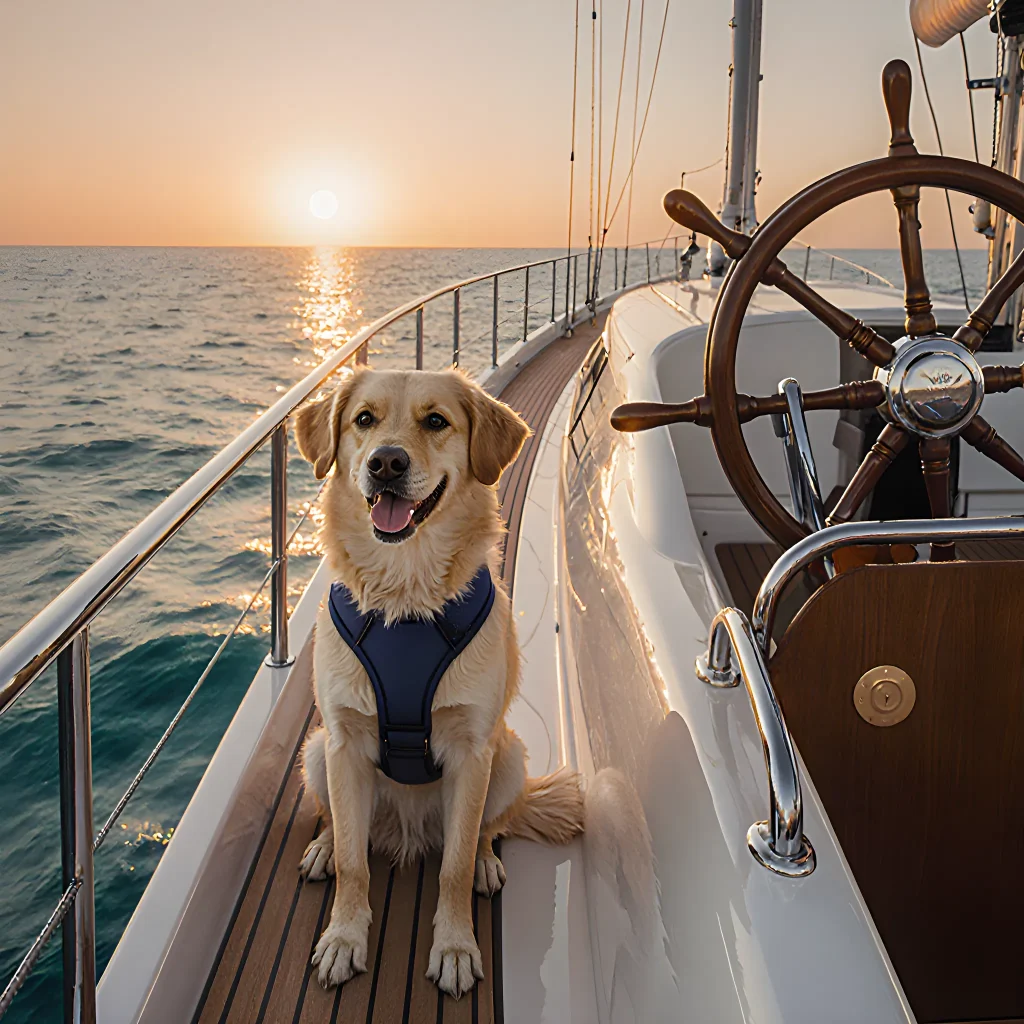
Sailing in Style with Furry Friends
Whisker Waves: Exploring Luxury Yachts with Your Dog
Table of Contents
- Introduction to Dog Cruises
- What Is a Dog Cruise?
- Types of Pet-Friendly Cruising Options
- Key Features to Look For on a Dog Cruise
- Cost Considerations and Budgeting
- Health and Safety Requirements for Dogs
- Preparing Your Dog for the Voyage
- Onboard Activities and Entertainment for Pets
- Dining Options: Feeding Your Dog at Sea
- Staying Comfortable: Accommodations for Dogs
- Pet Policies and Regulations by Cruise Line
- Pros and Cons of Dog Cruises
- Tips for a Stress-Free Trip
- Conclusion: Are Dog Cruises Worth It?
- FAQ About Dog Cruises
Introduction to Dog Cruises
If you’re a dog lover who also enjoys the open sea, the idea of taking your furry friend on a cruise might sound like a dream come true. But before you book that cabin and pack a crate, it’s essential to understand what “dog cruises” actually entail, how they differ from standard pet‑friendly ships, and whether they truly deliver the experience you’re hoping for.
What Are Dog Cruises?
- Dedicated Pet Ships: Some operators run vessels exclusively for pets and their owners. These boats are designed with kennels, pet‑friendly decks, and even onboard veterinary staff.
- Pet‑Friendly Add‑Ons on Large Cruisers: Most major cruise lines allow dogs in specific cabins or “pet suites.” The ship’s layout may include a dedicated dog park, grooming stations, and sometimes a pet concierge.
- Short‑Term Dog Cruises: These are typically day trips or overnight stays on smaller vessels (yachts or catamarans) that focus on the pet experience rather than full cruise amenities.
Key Features to Look For
| Feature | Why It Matters |
|---|---|
| Cabin Type & Size | Large enough for your dog to stand, turn around, and sleep comfortably. |
| Kennel Facilities | Clean, well‑ventilated kennels with separate areas for sleeping, play, and feeding. |
| Onboard Veterinary Services | Immediate care in case of emergencies or pre‑voyage check‑ups. |
| Exercise Areas | Dog parks, agility courses, or supervised walkways for daily activity. |
| Dietary Options | Custom meal plans and treats that meet your dog’s nutritional needs. |
Benefits of Taking Your Dog on a Cruise
- Bonding Time: Shared adventures strengthen the human‑dog relationship.
- Physical Activity: Long walks on deck and swimming in open water keep your dog fit.
- Socialization: Interaction with other dogs can improve confidence and reduce anxiety.
- Convenience: All travel arrangements (transport, boarding, medical) are handled in one place.
Potential Drawbacks to Consider
- Higher Costs: Pet‑friendly cabins and extra services can increase the price significantly.
- Limited Destination Choices: Not all ports accept dogs, so itineraries may be constrained.
- Health & Safety Regulations: Some countries have strict import rules for animals.
Practical Tips Before Booking
- Check the Pet Policy Early: Read the cruise line’s pet policy, weight limits, and required documentation (vaccination records, health certificates).
- Book Early for Availability: Dog cabins fill up quickly, especially during peak seasons.
- Prepare a “Dog Travel Kit”:
- Collar and leash (with ID tags)
- Portable water bowl and sufficient water supply
- Food, treats, and a small portion of your dog’s regular diet
- Toy or blanket for comfort
- Consult Your Veterinarian: Ensure your dog is fit for travel, discuss any medications needed, and obtain a health certificate if required.
Real‑World Example: “Canine Cruise” by Pet-Friendly Line X
A recent review of the “Canine Cruise” offered by Pet‑Friendly Line X highlighted that the ship’s dog park spans 1,200 square feet and features a shallow pool for swimming. The onboard vet office is open 24/7, and staff provide daily exercise sessions. Guests praised the quality of the kennels—ventilated with climate control—and noted that their dogs seemed relaxed throughout the journey.
Conclusion
Dog cruises can be a fantastic way to share an adventure with your best friend, but they require careful planning and consideration. By evaluating ship amenities, understanding the costs involved, and preparing both you and your dog for life at sea, you’ll maximize the chances of a smooth, enjoyable voyage.
For more in-depth analysis on whether dog cruises are worth it, check out our full review: Dog Cruises: Are They Worth It?.
What Is a Dog Cruise?
A dog cruise is a specialized travel experience that allows dogs (and their owners) to explore the world aboard a boat or yacht. Unlike typical pet-friendly hotels, these cruises are designed with canine comfort and safety in mind, offering amenities such as dog‑friendly cabins, on‑board veterinary services, exercise areas, and even dog‑centric excursions.
Key Features of Dog Cruises
- Pet‑Friendly Cabins: Spacious rooms with non‑slip flooring, easy‑to‑clean bedding, and private balconies for fresh air.
- Onboard Veterinary Care: Some operators partner with marine veterinarians who can perform routine checkups or handle emergencies.
- Exercise & Play Areas: Designated dog parks, agility courses, and safe swimming zones where dogs can run freely while owners relax.
- Specialized Food & Treats: Fresh, balanced meals tailored to canine dietary needs, plus a selection of high‑quality treats.
- Dog‑Friendly Excursions: Shore excursions that allow dogs to explore beaches, hiking trails, or local pet cafés.
How Dog Cruises Differ From Traditional Pet Travel
While many cruise lines permit pets on board, they often treat them as mere companions rather than active passengers. Dog cruises, in contrast, prioritize the animal’s experience: dedicated staff trained in animal behavior, separate dog zones to reduce stress, and a focus on maintaining routine (feeding times, exercise schedules). This results in calmer, happier dogs who enjoy the voyage as much as their human counterparts.
Practical Tips for Planning Your Dog Cruise
- Check the Cruising Line’s Pet Policy: Verify breed restrictions, weight limits, and any required microchipping or vaccination records.
- Pack Essentials: Bring enough food, medications, a familiar blanket or toy, waste bags, and a sturdy leash. Don’t forget a copy of your dog’s vet record for easy access.
- Pre‑Trip Vet Visit: Ensure all vaccinations are up to date and discuss any health concerns that might arise on a boat.
- Familiarize Your Dog with the Boat: If possible, arrange a short pre‑cruise visit or use a model boat to reduce anxiety.
- Know the Emergency Protocols: Learn how to reach onboard medical staff and understand evacuation procedures in case of a storm or other emergency.
Are Dog Cruises Worth It?
According to the recent article “Dog Cruises: Are They Worth It?,” many pet owners find that the benefits—both for dogs and their owners—outweigh the costs. Dogs enjoy a structured environment with plenty of stimulation, while owners can indulge in unique itineraries without sacrificing their pets’ well‑being. If you’re looking for an adventure that includes your best friend, a dog cruise may be the perfect choice.
Types of Pet-Friendly Cruising Options
If you’re considering a cruise that welcomes your four‑legged companion, it’s helpful to understand the different categories of pet‑friendly itineraries and how they compare to dedicated dog cruises.
- Pet‑Friendly Carriers (e.g., Royal Caribbean, Norwegian, MSC)
- Pets stay in a cabin with their owners; no separate kennel area.
- Typically allow dogs up to 20 lbs and cats up to 15 lbs, though policies vary by ship.
- Onboard amenities: pet‑friendly staterooms, a designated “Pet Corner” in the galley, and sometimes a small pet play area.
- Pros: Seamless travel with your pet; no need to transfer between cabins. Cons: Limited space for larger dogs and fewer pet‑specific services.
- Pet‑Friendly Cruises with Dedicated Kennels (e.g., Celebrity, Princess)
- Pets are housed in a kennel area that is separate from passenger cabins.
- Often equipped with pet‑friendly showers, outdoor exercise decks, and a dedicated veterinary clinic on board.
- Ideal for larger dogs or those who need more space to roam during the day.
- Pros: More privacy and comfort for pets; staff trained in animal care. Cons: Pet owners must move between cabin and kennel area throughout the voyage.
- Dog‑Only Cruises (e.g., Dog Cruise, Dog Voyage)
- Entire ship is dedicated to dogs; no human passengers aboard.
- Pets stay in kennels that are climate‑controlled and have ample space for exercise and play.
- Onboard services: professional dog trainers, a “dog spa” (shampooing, grooming), daily dog‑friendly excursions, and a full veterinary team available 24/7.
- Pros: The ultimate pet experience—no distractions from other passengers, specialized care, and activities tailored to dogs. Cons: Higher cost per person, limited cabin choices, and no human companionship during the voyage.
Practical Tips for Choosing the Right Option
- Check Weight Limits Early: Many carriers have strict weight caps. If your dog exceeds the limit, a dog‑only cruise may be the only viable choice.
- Consider Your Dog’s Temperament: Dogs that thrive on human interaction might feel isolated in a kennel‑only setting; pet‑friendly cabins keep them close to you.
- Plan for Exercise Needs: On dog‑only cruises, there are usually daily “dog walks” and playtime on the deck. For pet‑friendly carriers, verify that outdoor exercise areas are available near your cabin.
- Vet Check‑up and Documentation: Regardless of the type, bring a recent health certificate, vaccination records, and proof of rabies clearance. Some dog cruises require an additional “dog passport.”
- Book Early for Pet Spaces: Pet spots are limited on many ships. Secure your booking at least six months in advance to guarantee availability.
Case Study: A Family’s Experience with a Dog‑Only Cruise
A family of four, including their 25‑lb Labrador Retriever, chose the Dog Voyage for its specialized services. They enjoyed daily training sessions that improved obedience, a “dog spa” day where their pup received a gentle bath and ear cleaning, and a private deck where they could exercise without the noise of other passengers. The onboard vet performed a routine check‑up on Day 3, giving peace of mind. While the cost was higher than a standard pet‑friendly cruise, the family felt that the tailored experience justified the expense.
In contrast, another couple with a small terrier opted for a Royal Caribbean pet‑friendly cabin. Their dog stayed in their stateroom, and they appreciated being able to share meals and conversations with other passengers while still caring for their pet’s needs.
Key Features to Look For on a Dog Cruise
If you’re considering taking your canine companion aboard a cruise ship, there are several critical features that will determine whether the experience is safe, comfortable, and enjoyable for both of you. Below we break down each feature, explain why it matters, and offer practical tips to help you assess it before booking.
1. Dedicated Pet Areas
- Designated Pet Decks or Lounges: Look for ships that have dedicated spaces where dogs can relax without being exposed to the general crowd. These areas often feature pet-friendly seating, shade structures, and easy access to fresh water.
- Pet-Friendly Cabins: Some cruises offer cabins with pet-friendly amenities such as extra bedding, a small “dog bed” or crate, and sometimes even a balcony for short walks (always check local regulations).
2. Onboard Veterinary Services
While not all ships have full-fledged medical facilities, many partner with onboard vets or have a dedicated veterinary desk. Ask whether:
- The crew can administer basic first aid and medications.
- There is an emergency plan for pets in case of illness or injury.
- Pets are allowed to bring their own vet’s contact information for quick reference.
3. Pet-Friendly Activities
Beyond simple pet areas, some cruises provide activities tailored to dogs:
- Dog Playgrounds or Agility Courses: These are great for high-energy breeds and give owners a chance to watch their pets socialize safely.
- Onboard Pet Events: Look for “Puppy Parties,” pet photo shoots, or dog-friendly beach days at ports of call.
4. Food & Nutrition Options
Check whether the cruise allows you to bring your own food and treats, or if they provide a pet menu:
- Many ships now offer a “Pet Menu” that can be ordered through the restaurant app.
- Confirm if there are designated feeding times or if pets can eat freely during certain hours.
5. Hygiene & Waste Management
A clean environment is crucial for your pet’s health:
- Ask about the ship’s waste disposal policy—do they provide designated pet waste bags or stations?
- Check if there are cleaning supplies readily available (e.g., pet-safe disinfectants) in cabins and public areas.
6. Port of Call Regulations
Each port has its own rules regarding pets:
- Verify that the ship’s itinerary includes ports that allow dogs onshore, especially if you plan to explore with your pet.
- Check for any required permits or vaccinations needed before disembarking at each destination.
7. Safety & Security Measures
Safety should be a top priority:
- Are there leash policies on the deck? Some ships require leashes in public areas to ensure safety for all passengers.
- Does the ship have secure storage options (e.g., pet lockboxes) where you can keep your dog’s belongings safe?
8. Pricing & Policies
Understand how pets are charged and what is included:
- Many cruises charge a flat fee per pet, but some include the cost in the cabin price.
- Check for any discounts for multiple pets or loyalty programs that offer reduced rates.
9. Reviews & Testimonials
No list of features is complete without real-world feedback:
- Read reviews from other pet owners on travel forums, social media groups, and the cruise line’s own website.
- Look for comments about cleanliness, staff friendliness, and how well pets were accommodated during excursions.
10. Emergency Preparedness
Finally, assess the ship’s emergency protocols:
- Are there evacuation plans that include pets?
- Does the crew have a list of pet-friendly medical facilities on nearby islands if an emergency arises?
By carefully evaluating these features, you can make an informed decision about whether a dog cruise is worth it for your lifestyle and your furry friend’s well‑being. Happy sailing!
Cost Considerations and Budgeting
If you’re wondering whether a dog cruise is worth the investment, it’s essential to break down every cost that could impact your budget. Below we outline typical fees, hidden charges, optional extras, and tips for getting the best value.
1. Base Fees – What You’ll Pay Upfront
- Cruise Ticket: Most operators charge a per‑day rate ranging from $50 to $200 depending on ship size, itinerary length, and onboard amenities.
- Pet Deposit: A refundable security deposit (usually $100–$300) covers potential damages or veterinary care during the voyage.
- Mandatory Pet Insurance: Some cruise lines require proof of pet insurance; otherwise, you’ll need to purchase a policy that covers injuries and illnesses while on board. Expect $25–$50 per day for coverage.
2. Hidden or Optional Expenses
These can add up quickly if not planned for:
- Pet‑Friendly Dining Packages: $10–$30 per meal, especially if you want a premium menu.
- Extra Pet Care Services: Grooming, training classes, or dog‑tending services can cost $15–$50 per session.
- Spa and Wellness Treatments: Massages or hydrotherapy for dogs are available on some ships at an additional $25–$75 each.
- Specialty Gear Rental: Items like dog harnesses, life jackets, or travel beds can be rented for $5–$20 per day.
3. Per‑Day Budget Example
| Item | Cost (USD) |
|---|---|
| Cruise Ticket (average) | $120 |
| Pet Deposit | $200 (refundable) |
| Insurance | $35 |
| Dining Package (2 meals/day) | $40 |
| Optional Spa Treatment | $50 |
| Total Daily Cost | $345 |
4. Tips to Keep Costs Down
- Book Early: Many cruise lines offer early‑bird discounts of 10–15% if you reserve at least six months in advance.
- Choose Mid‑Week Sailings: Weekday departures often have lower fares than weekend or holiday cruises.
- Bring Your Own Essentials: Packing a familiar blanket, toys, and food can reduce the need to purchase extras on board.
- Compare Packages: Some lines bundle pet care with cabin upgrades; evaluate if the bundled price is truly cheaper than paying separately.
- Use Loyalty Programs: Frequent cruisers may earn points or credits that can be applied to future pet‑friendly voyages.
5. Financing Options
If a single trip feels too steep, consider the following:
- Credit Card Rewards: Pay with a card that offers travel points; redeem them for future cruises.
- Travel Grants or Scholarships: Certain pet‑owner associations offer small grants to cover travel expenses.
- Group Bookings: Organize a “dog cruise club” where multiple owners share costs for a bulk discount.
6. Final Verdict: Are Dog Cruises Worth It?
When you factor in the experience, safety, and enrichment your dog receives, many pet parents find the cost justifiable—especially if you’re traveling to exotic destinations that would otherwise be inaccessible with a pet. By planning ahead, leveraging discounts, and selecting only essential extras, you can keep your budget manageable while still giving your canine companion an unforgettable adventure.
Health and Safety Requirements for Dogs
When planning a dog cruise, the safety and well‑being of your four‑legged companion should be as high a priority as the itinerary itself. Below is a comprehensive guide to the key health and safety requirements you need to meet before boarding a vessel that carries pets.
1. Veterinary Documentation
- Up‑to‑date vaccination record: Most cruise lines require proof of rabies, distemper, parvovirus, and bordetella (kennel cough) vaccinations within the last 12 months.
- Health certificate: Issued by a licensed veterinarian within 10 days of departure. The certificate should confirm that your dog is free from contagious diseases and fit for travel.
- Microchip registration: A unique microchip (ISO 11784/11785 compliant) with current contact information helps in case your pet goes missing or is found by authorities.
2. Travel‑Safe Preparation
Preparing your dog for a sea voyage reduces stress and potential health issues:
- Acclimatization to crate: Gradually introduce the travel crate over several days. Place familiar bedding, toys, and a small amount of food inside.
- Hydration & nutrition: Keep your dog hydrated with fresh water before departure. Offer light meals at least 2–3 hours prior to boarding to avoid motion sickness.
- Exercise routine: A tired dog is less likely to become anxious or destructive during the voyage.
3. Onboard Safety Measures
Once aboard, there are specific protocols you must follow to keep your pet safe:
- Secured crate placement: Most lines require that the crate be stored in a designated kennel area or on deck under supervision.
- Identification tags: Attach a collar with an ID tag containing your name, address, phone number, and the ship’s emergency contact.
- Emergency procedures: Familiarize yourself with the ship’s pet evacuation plan. Know where the nearest lifeboat or safety boat is located and how to signal for assistance if needed.
4. Health Monitoring During the Cruise
Keep a close eye on your dog’s behavior and health indicators:
- Temperature checks: Sudden fevers or lethargy can indicate illness or dehydration.
- Behavioral changes: Excessive panting, trembling, or restlessness may signal motion sickness or anxiety.
- Hydration status: Monitor water consumption and urination frequency; reduced intake can lead to urinary tract infections.
5. Legal & Regulatory Compliance
Each cruise line may have additional rules based on destination ports, local wildlife protection laws, or health regulations (e.g., COVID‑19 protocols). Always:
- Read the latest pet policy provided by the cruise operator.
- Confirm that your dog meets any specific requirements for the ports you’ll visit.
- Keep copies of all documents in both digital and hard‑copy form for quick access.
6. Practical Tips & Common Pitfalls
- Don’t forget the leash: Even if your dog is crate trained, a short leash is essential when moving between deck areas.
- Avoid large meals right before departure: This reduces the risk of vomiting and ensures smoother travel.
- Check for allergies or sensitivities: Some dogs react to saltwater spray or certain cleaning chemicals used on ships. Bring your own grooming supplies if needed.
- Plan for waste disposal: Many cruise lines provide dog‑friendly trash bags and waste stations—use them responsibly.
By adhering to these health and safety requirements, you can ensure a safe, enjoyable experience for both your dog and the crew on any dog‑friendly cruise. Remember: the key to a successful voyage is preparation, documentation, and constant vigilance.
Preparing Your Dog for the Voyage
Getting your canine companion ready for a cruise involves more than just packing a bag. It’s about ensuring safety, comfort, and compliance with both the ship’s policies and international regulations.
1. Health & Documentation Checklist
- Vaccination Records: Bring proof of rabies, distemper, parvovirus, and any other required shots. Many lines require a certificate issued within 30 days of departure.
- Microchip: A ISO‑9074 compliant microchip is now mandatory on most international routes. Verify your chip’s ID matches the one on your health records.
- Veterinary Examination: Schedule a vet visit 2–3 weeks before sailing to confirm fitness for travel and obtain a health certificate.
- Travel Permit (if applicable): Some countries require an import permit or quarantine waiver. Check the destination’s regulations well in advance.
2. Choosing the Right Crate
The crate is your dog’s home on board, so it must meet International Air Transport Association (IATA) standards and the cruise line’s specifications.
- Size: Your pet should stand up, turn around, and lie down comfortably. Measure your dog’s length, height, and girth to find a crate that fits.
- Ventilation & Durability: Look for double‑walled steel or high‑strength plastic with secure latches.
- Labeling: Attach the ship’s required label (often a red “Pet” sticker) and your contact information.
3. Acclimating to the Crate
Stress‑free boarding starts long before you set sail.
- Introduce gradually: Place familiar bedding, toys, and a piece of your clothing inside the crate for a few days.
- Positive reinforcement: Offer treats or praise each time your dog enters voluntarily.
- Simulate conditions: Practice walking in the crate with a short car ride to mimic the motion of a ship.
4. Nutrition & Hydration Plan
Maintaining routine feeding times helps reduce anxiety.
- Feed your dog 1–2 hours before boarding, using their usual diet.
- Carry a portable water bowl and a small supply of high‑quality kibble or canned food.
- Avoid giving large meals or treats right before departure to minimize the risk of motion sickness.
5. Managing Motion Sickness
If your dog has a history of seasickness, consult your vet for preventative medication (e.g., maropitant). Keep the crate in a quiet area of the cabin and consider using a calming pheromone spray or diffuser.
6. Onboard Essentials Kit
Pack these items in a waterproof bag that can be easily accessed during the voyage:
- Crate key & spare latch
- First‑aid supplies (bandages, antiseptic wipes)
- Favorite toys and treats
- Doggy-safe cleaning wipes for accidental messes
- Emergency contact list (vet, ship’s pet department, your own phone)
7. Understanding the Ship’s Pet Policy
Each cruise line has unique rules regarding dog sizes, cabin placement, and allowable activities.
- Cabin Selection: Some lines require a dedicated pet cabin; others allow pets in specific cabins or staterooms. Book early to secure the preferred location.
- Pet Fees & Deposits: Expect a non‑refundable deposit that covers potential damage and a per‑night fee for the dog’s stay.
- Activity Restrictions: Pets are usually not permitted on deck or in public areas. Check if there are designated pet-friendly zones or supervised playtimes.
8. Post‑Arrival Checklist
Once docked, quickly assess your dog’s well‑being.
- Check for signs of stress or injury.
- Hydrate and offer a light meal if the journey was long.
- Use the ship’s pet department to find out about nearby veterinary services in case of emergencies.
By following these steps, you’ll help ensure that both you and your dog enjoy a smooth, enjoyable cruise experience. Remember: preparation is the key to turning a potentially stressful adventure into a memorable voyage for everyone aboard.
Onboard Activities and Entertainment for Pets
When you’re planning a dog-friendly cruise, the first thing most pet owners think about is whether their furry friend can enjoy the trip as much as they can. A good cruise line will offer a range of activities and entertainment options that cater specifically to pets. Below we break down what you should look for, give real‑world examples from popular lines, and share practical tips to help your dog have an unforgettable adventure.
1. Dedicated Pet Play Areas
- Doggy Decks (Disney Cruise Line): A fully fenced “dog park” with water fountains, shade structures, and a dedicated playtime schedule. Dogs can mingle under supervision while owners relax on the main deck.
- Pet-friendly suites (Royal Caribbean): Some itineraries feature private pet alcoves with built‑in litter boxes and automatic feeders—perfect for dogs that need routine.
2. Structured Exercise Programs
Many lines run “dog walks” or “canine yoga” sessions led by certified trainers. These are especially useful if your dog is nervous about new surroundings.
- Pet Adventures (MSC Cruises): Daily 30‑minute walks on a secure perimeter with professional staff to keep crowds at bay.
- Doggie Yoga (Celebrity Cruises): A gentle stretching routine that helps calm anxious pets before the ship’s nightly entertainment.
3. Grooming & Spa Services
After a day of exploration, some dogs need a quick freshen‑up. Look for on‑board grooming stations or spa packages that include baths, nail trims, and even pet massages.
- Paws & Relax (Carnival): A pet salon offering “Spa Day” packages with aromatic shampoos and a calming massage—ideal for high‑energy dogs that need to wind down.
4. Pet-Friendly Dining Options
While most restaurants are pet‑free, many lines have designated outdoor dining areas where pets can join you at the table.
- Cruise Line X: A “Paws & Plates” patio with a separate menu for dogs featuring homemade kibble and fresh fruit.
5. Entertainment Specials
Think beyond the dog park—some cruises host pet-themed events, such as “Doggie Dance Parties,” trick‑show competitions, or even “Pet Film Nights” with short films about animals.
- Happy Tails (Holland America): A weekly talent show where owners can showcase their dog’s tricks and win pet-friendly prizes.
6. Safety & Health Measures
Every activity should come with strict safety protocols: ID tags, microchip scanning, first‑aid kits, and trained staff on hand for emergencies. Make sure your dog is up to date on vaccinations and carry a copy of the vet’s certificate.
Practical Advice for Owners
- Book Early: Pet spots are limited—reserve as soon as you book your cruise.
- Pack Essentials: Bring a leash, portable water bowl, treats, a familiar blanket or toy, and any medication.
- Practice the Routine: Train your dog to stay calm on deck by practicing short walks in a controlled environment before departure.
- Stay Informed: Check the cruise line’s pet policy updates for changes in activity schedules or new amenities.
In short, modern dog cruises have evolved far beyond simple “bring‑your‑dog” policies. With dedicated play areas, structured exercise, grooming services, and even themed entertainment, your canine companion can enjoy the trip as much as you do. The key is to research each line’s offerings, plan ahead, and pack wisely—then set sail knowing your dog will have a memorable adventure on deck.
Dining Options: Feeding Your Dog at Sea
If you’re planning a cruise with your canine companion, one of the first things on your mind will be how to keep them well-fed and happy while aboard. Unlike land‑based travel, where you can shop for dog food in every town, the sea imposes constraints: limited storage space, strict safety regulations, and sometimes even restrictions on what types of food can be brought onboard. Below is a comprehensive guide to help you navigate feeding your dog during a cruise, with practical tips drawn from real‑world experiences and industry best practices.
1. Pre‑Cruise Preparation
- Check the Cruise Line’s Pet Policy: Most lines have specific rules about pet food on board (e.g., no canned or dry food that can spill, no homemade treats that could attract pests). Read the policy at least a month in advance.
- Pack in Airtight Containers: Bring your dog’s favorite kibble and wet food in leak‑proof, BPA‑free containers. Label each container with the dog’s name and any dietary restrictions.
- Include a Small Food Supply for Each Day: A good rule of thumb is to pack enough food for one extra day beyond your itinerary—just in case of delays or unexpected port stops.
2. Choosing the Right Food
When selecting food, consider the following factors:
- Portability: Dry kibble is lighter and easier to store than canned food.
- Stability: Avoid foods that spoil quickly; high‑protein wet food can go bad in a short time if not refrigerated.
- Allergies & Sensitivities: If your dog has known allergies, pack hypoallergenic options or homemade meals made from approved ingredients.
3. Feeding Schedule on Board
Most cruise ships allow pets to be fed at the same times as they would be at home. However, due to crew schedules and onboard activities, it can be useful to:
- Feed Early Morning & Evening: Align with the ship’s routine for dining services.
- Use a Portable Bowl: A collapsible silicone bowl is lightweight and easy to clean.
- Hydration: Keep a refillable water bottle or use the ship’s tap water (if potable) to keep your dog hydrated.
4. Managing Food Spills & Safety
The sea is unforgiving when it comes to spills—water can quickly turn food into mush, attracting marine pests. To avoid this:
- Feed on a Clean Surface: Use a non‑slip mat or a dedicated table in the cabin.
- Clean Up Immediately: Wipe down any crumbs or spills with a damp cloth.
- Avoid Feeding Near Windows: Dogs may try to look outside, causing them to spill food on their way back.
5. Specialty Foods & Treats
Some pet owners like to bring specialty treats for training or bonding moments. Here’s how to do it safely:
- Pack in Small, Sealed Bags: Keep them airtight to prevent pests.
- Limit the Quantity: Treats should not exceed 10% of daily caloric intake.
- Check for Banned Items: Certain treats (e.g., raw meats) may be prohibited on some ships.
6. Dealing with Unexpected Situations
- If the Ship’s Kitchen is Unavailable: Bring a portable, battery‑powered grill or a small hot plate (if allowed) for quick meal prep.
- In Case of Weather Delays: Have an extra supply of food and water ready to keep your dog comfortable while you wait for the ship’s crew to resume normal operations.
7. Post‑Cruise Care
After disembarking, it’s essential to rehydrate and replenish electrolytes if your dog was active during shore excursions:
- Offer Water Frequently: Encourage drinking by placing water in a shallow bowl.
- Gradual Reintroduction of Food: If you had switched to a special diet for the cruise, return gradually to their regular food over a few days.
8. Final Thoughts: Are Dog Cruises Worth It?
When you consider all these factors—food logistics, safety, and comfort—you’ll find that many pet owners conclude dog cruises are worth it for the unique experience they offer. The key is meticulous preparation:
- Plan Ahead: Understand each ship’s pet policy.
- Pack Smart: Use leak‑proof containers, portable bowls, and proper hydration supplies.
- Stay Flexible: Be ready to adapt feeding schedules based on the ship’s routine.
If you can meet these requirements, feeding your dog at sea becomes a manageable part of a memorable adventure—one that lets both owner and pet enjoy the open waters without compromising nutrition or safety.
Staying Comfortable: Accommodations for Dogs
When you’re planning a cruise with your four‑legged companion, the first thing that comes to mind is probably the cabin layout. However, there are several additional layers of comfort you should consider to ensure your dog enjoys the voyage as much as you do.
1. Cabin Selection: Size and Layout
- Room Size Matters: Small dogs can comfortably fit in a standard cabin, but larger breeds may need an “extra‑large” or “suite” option that offers at least 120 square feet of floor space.
- Ventilation and Light: Choose cabins with windows or balcony access so your dog can get fresh air without having to leave the ship. A window provides a view of the ocean, which can be calming for many dogs.
2. Bedding and Comfort Items
Most cruise lines provide a basic bed or crate, but you’ll want to bring familiar items:
- Portable Crate: Ensure it’s airline‑approved if you plan to fly between ports.
- Blankets and Toys: A blanket with your scent can reduce anxiety, while a favorite toy keeps them entertained during long periods of inactivity.
3. Food & Water Considerations
Feeding on board is often limited to the ship’s restaurants and buffets:
- Pre‑packaged Meals: Many lines allow you to bring your dog’s regular kibble or canned food. Label it clearly with a “Do Not Feed” sign for staff.
- Water Bowl: A collapsible bowl that attaches to the cabin door is handy for quick refills during meals.
4. Health & Safety
Your dog’s well‑being should be a priority, especially on long trips.
- Vaccination Records: Keep a digital copy on your phone and a hard copy in your cabin for easy access by medical staff if needed.
- First Aid Kit: Include items such as gauze, antiseptic wipes, tweezers, and any prescription medications. Many cruise lines provide a basic first aid kit, but it’s wise to supplement it with dog‑specific supplies.
5. Exercise & Socialization Opportunities
Regular movement is essential for both physical health and mental stimulation:
- Onboard Dog‑Friendly Activities: Some ships host dog walks on the deck, agility courses, or even a “doggie day” event. Check the ship’s schedule in advance.
- Port Visits: When you dock at a port of call, look for pet‑friendly beaches or parks where your dog can explore safely.
6. Handling Unexpected Situations
Even the best plans can face hiccups. Here are some practical tips:
- Emergency Contacts: Store a list of local veterinarians in each port you visit.
- Travel Insurance: Ensure your policy covers pets for accidents or illnesses that may occur during the trip.
- Keep Calm: Dogs pick up on stress. If something goes wrong, stay composed to help your dog remain relaxed.
7. Post‑Cruise Care
After disembarkation, give your dog a chance to recover from the journey:
- Hydration: Offer fresh water frequently.
- Rest Periods: Allow at least an hour of quiet time before resuming normal routines.
- Check‑in with Vet: If your dog shows unusual behavior or symptoms, schedule a vet visit promptly.
By anticipating these needs and planning accordingly, you can transform what might seem like a logistical nightmare into a smooth, enjoyable adventure for both you and your canine companion. Happy cruising!
Pet Policies and Regulations by Cruise Line
When planning a dog‑friendly cruise, it’s essential to understand each line’s pet policy. Below is a concise guide that pulls together the most common rules and practical tips from leading carriers, with reference points to the “Dog Cruises: Are They Worth It?” article for deeper insight.
1. Carnival Cruise Line
- Allowed Dogs: 1–4 small dogs (≤ 20 lb) per cabin; no large or exotic breeds.
- Fees: $75 per pet, per cruise; refundable only if the pet is not boarded.
- Health Requirements: Current rabies vaccination certificate and a recent (≤ 30 days) health exam by an accredited vet.
- Onboard Facilities: No dedicated dog pool or kennel. Dogs must stay in cabin or designated pet-friendly rooms. No pets on the main deck.
- Practical Tip: Book early—Carnival caps the number of pet cabins per ship, and availability can fill up within weeks.
2. Royal Caribbean International
- Allowed Dogs: Up to 4 dogs (≤ 20 lb) per cabin; larger pets are prohibited.
- Fees: $125 per pet, per cruise; no refund after check‑in.
- Health Requirements: Rabies vaccine must be current and a health certificate issued within 30 days of departure.
- Onboard Facilities: No dog pool or kennel. Dogs can roam in cabin areas only; they’re not allowed on the ship’s deck or public spaces.
- Practical Tip: Consider a “pet-friendly” cabin (often marked “P”) for easier identification and access to pet amenities like water bowls and treats.
3. Norwegian Cruise Line
- Allowed Dogs: One dog per cabin, weight limit 20 lb; no large or exotic breeds.
- Fees: $50 per pet, per cruise; refundable if the pet is not boarded.
- Health Requirements: Current rabies shot and a vet’s health certificate issued within 30 days of departure.
- Onboard Facilities: No dedicated dog pool or kennel. Dogs must remain in cabin; no pets allowed on deck or public areas.
- Practical Tip: Norwegian offers a “Pet Friendly” cabin designation, which includes a small dog bed and a pet-friendly menu option—great for long voyages.
4. MSC Cruises
- Allowed Dogs: Up to two dogs per cabin; each must be ≤ 20 lb.
- Fees: $125 per pet, per cruise; no refund after boarding.
- Health Requirements: Rabies vaccination certificate and a recent health exam (≤ 30 days).
- Onboard Facilities: No dog pool or kennel. Dogs must stay in cabin or pet-friendly rooms; no pets on the main deck.
- Practical Tip: MSC’s “Pet Friendly” cabins come with a special dog bowl and treats, so ask at booking to secure one.
5. Celebrity Cruises
- Allowed Dogs: One small dog (≤ 20 lb) per cabin; no large or exotic breeds.
- Fees: $75 per pet, per cruise; refundable only if the pet is not boarded.
- Health Requirements: Current rabies shot and a vet’s health certificate issued within 30 days of departure.
- Onboard Facilities: No dog pool or kennel. Dogs must remain in cabin; no pets on deck or public areas.
- Practical Tip: Celebrity offers a “Pet Friendly” cabin with an extra pet bag for convenience—request this when booking.
Common Themes & Practical Advice
- Always Verify the Latest Policy: Cruise lines update rules seasonally. Check the official website or call customer service at least one month before booking.
- Health Documentation: Keep a digital copy of your pet’s health records; some lines require uploading proof during the online check‑in process.
- Pack Wisely: Bring a collapsible bowl, a small crate or carrier (if you plan to travel with one), and plenty of treats. Remember that no public spaces are pet-friendly.
- Consider Pet-Friendly Cabins: These cabins often have extra amenities like dog beds, designated pet areas, and sometimes even a “pet menu” option for meals.
- Check the “Dog Cruises: Are They Worth It?” article: This reference piece offers deeper analysis on cost vs. benefit, real traveler reviews, and tips on choosing the right ship for your dog’s temperament.
By aligning your travel plans with these policies and incorporating the practical strategies above, you can ensure a smooth, enjoyable cruise experience for both you and your canine companion.
Pros and Cons of Dog Cruises
Pros
- Professional Pet Care:
Onboard veterinarians, trained staff, and dedicated pet care teams ensure that your dog receives top‑tier medical attention whenever needed.
- Convenient Logistics:
No need to arrange separate transport for pets; the cruise line handles everything from check‑in to boarding. This is especially handy if you’re traveling internationally or with multiple pets.
- Enriched Environment:
Ships offer spacious dog parks, interactive play areas, and even pet‑friendly excursions (e.g., shore stops where dogs can roam on supervised beaches). This keeps your pet mentally stimulated.
- Safety and Security:
All pets stay in secure, climate‑controlled kennels or cabins. You’ll have peace of mind knowing that accidents or escapes are minimized.
- Socialization Opportunities:
Dogs can meet other well‑behaved animals and their owners in a controlled setting, fostering positive social interactions.
- Specialized Services:
Many lines offer grooming, training workshops, or even “dog spa” treatments—services that are difficult to find locally.
- All‑Inclusive Experience:
Your pet’s meals, medications, and basic supplies are often covered in the cabin fee, reducing hidden costs.
Cons
- Higher Cost:
Dog‑friendly cabins and onboard services can add several hundred dollars to the total price, which may not be justifiable for budget travelers.
- Limited Space on Smaller Ships:
Some vessels have cramped kennels or limited outdoor areas, leading to overstimulation or stress for highly active dogs.
- Health & Safety Regulations:
Strict health requirements (e.g., vaccination proof, microchip registration) can be a hurdle for owners traveling with exotic breeds or older pets.
- Travel Restrictions During Peak Seasons:
During high‑demand periods, many lines cap the number of pet passengers, forcing travelers to book far in advance or miss out entirely.
- Potential Stress from New Environments:
Even with acclimatization protocols, some dogs may experience motion sickness or anxiety due to unfamiliar sounds and smells aboard a ship.
- Insurance & Liability Concerns:
Not all cruise lines accept pets that are not fully vaccinated, and liability coverage for injuries sustained on board can be limited.
- Limited Shore Excursion Options:
While some ports allow dog‑friendly activities, many destinations restrict pet access to beaches or trails, which may limit the experience you envisioned.
Tips for a Stress-Free Trip
When you’re booking a cruise that welcomes dogs, every detail matters—from the cabin layout to the onboard activities. Below is a checklist that will keep both you and your furry friend relaxed throughout the voyage.
- Check the pet policy in advance: Some lines allow only one dog per cabin, others require an extra deposit or proof of vaccinations.
- Book a pet‑friendly cabin early: The first cabins with the most convenient access to outdoor decks are usually sold out fast. Reserve as soon as you see your preferred itinerary.
- Pack a “dog kit”:
- Portable water bowl (many ships have only large communal bowls)
- Dog food, treats, and any prescription medication
- Leash, harness, and a small first‑aid kit (bandages, antiseptic wipes)
- A familiar blanket or toy to reduce anxiety in a new environment
- Pre‑voyage vet check: Ensure your dog’s vaccinations are current and obtain an official health certificate if required by the cruise line.
- Arrive early on departure day: This gives you time to settle in, let your dog explore the cabin safely, and avoid last‑minute rushes.
Keeping a calm environment for everyone aboard is crucial. Here are some do’s and don’ts:
- Do: Keep your dog on a leash in public areas, except where explicitly allowed (e.g., certain decks or pet‑friendly zones).
- Don’t: Let your dog jump onto other passengers’ chairs or buffet tables. This can lead to discomfort and potential health concerns.
- Do: Use a designated “dog zone” if the ship offers one—many lines have pet‑friendly lounges with treats, water stations, and even massage chairs for dogs.
- Don’t: Feed your dog table scraps or unfamiliar food; stick to the pre-packed meals you brought.
Your pet’s well‑being is paramount, especially in a new environment with varying temperatures and humidity levels.
- Hydration first: Bring fresh water daily. Some ships provide bottled water for pets; check availability ahead of time.
- Temperature control: Avoid leaving your dog unattended in the cabin during extreme heat or cold. Use a pet‑safe fan or heater, and always keep windows closed when the ship is docked.
- Emergency kit essentials:
- Antibiotic ointment for minor cuts
- Bandages sized for dogs
- A small copy of your dog’s medical records
- Know the ship’s emergency plan: Locate the nearest lifeboat and familiarize yourself with evacuation procedures that include pets.
Long days at sea can get monotonous, but there are ways to keep your dog engaged.
- Deck walks: Many cruises allow dogs on the deck during non‑peak hours. Bring a sturdy leash and take advantage of the fresh air.
- Pet-friendly activities: Some lines offer “Doggy Day” events, agility courses, or interactive games with trained staff.
- Quiet cabin time: Set up a cozy corner in your cabin with a comfortable dog bed and rotating toys to prevent boredom.
The end of a trip can be as stressful as the start. Here’s how to ease back into daily life:
- Check for any health changes: Observe your dog for signs of dehydration, diarrhea, or unusual lethargy.
- Re‑hydrate and re‑feed gradually: Offer small meals with plenty of water before resuming normal feeding schedules.
- Review the itinerary: Note any potential triggers (e.g., sudden movements, noise) that may have caused anxiety during the cruise so you can plan future trips accordingly.
By planning ahead, staying organized, and respecting onboard rules, both you and your dog can enjoy a smooth, enjoyable cruise experience. Happy sailing!
Conclusion: Are Dog Cruises Worth It?
If you’re a dog lover who also enjoys the sea, the idea of bringing your furry friend aboard a cruise ship can be incredibly appealing. However, before booking a cabin for two, it’s essential to weigh the pros and cons, consider your dog’s personality, and plan ahead. Below is a deeper look into what makes dog cruises worthwhile—and when they might not be the best choice.
Key Benefits of Taking Your Dog on Cruise
- Unlimited Exercise: Many cruise lines now offer dedicated “dog parks” or “pet-friendly promenades.” These areas let your dog run off-leash in a safe, supervised environment. For breeds that love to splash, some ships even feature a dog pool.
- Specialized Pet Packages: From premium pet cabins with extra bedding and climate control to on-board veterinary services, cruise lines are tailoring experiences for pets. Look for “Pet Friendly” packages that include daily walk schedules, treat baskets, or even a “puppy concierge” service.
- Social Interaction: Dogs can bond with other pups and their owners in the ship’s pet-friendly lounges. These social spaces often host themed events—think “Paws & Relaxation” yoga classes or “Doggy Spa Days.”
Potential Drawbacks to Consider
- Space Constraints: Even with a dedicated pet cabin, the size may feel cramped for larger breeds. Ensure your dog can comfortably move around and that the cabin’s layout suits their temperament.
- Noise & Motion Sickness: The constant hum of machinery and the ship’s motion can unsettle some dogs. If your pup has a history of seasickness, consider pre‑emptive measures like anti-nausea medication or a “motion sickness collar.”
- Cost Implications: Pet fees can add up—ranging from $200 to over $1,000 depending on the cruise line and cabin type. Factor in extras such as pet deposits, onboard meals, and specialty services.
Practical Tips for a Smooth Dog Cruise Experience
- Book Early & Confirm Pet Policies: Reserve your spot at least six months ahead. Double‑check the line’s pet policy, including vaccination requirements and whether they allow pets in cabin or only in designated areas.
- Prepare a Travel Kit: Pack food, treats, a collapsible water bowl, toys, a leash, waste bags, and any medication your dog needs. A small first‑aid kit can also be handy for minor scrapes or accidents.
- Use Familiar Items: Bring your dog’s favorite blanket or bed to reduce anxiety. The familiar scent helps them feel more at home in a new environment.
- Schedule Vet Visits: If you’re traveling internationally, ensure your pet’s health records are up‑to‑date and that they’ve received any required vaccinations (e.g., rabies, distemper). Some lines require an official health certificate issued within 10 days of departure.
- Plan Daily Routines: Stick to familiar feeding times and walking schedules. Most cruise ships offer daily “dog walk” sessions—take advantage of these to keep your dog’s energy levels balanced.
When a Dog Cruise Might Not Be Worth It
If you have a large or highly active dog that needs ample space, the limited cabin area may feel restrictive. Likewise, if your pet is prone to extreme anxiety or has a history of severe seasickness, the motion and noise could outweigh the benefits. In such cases, staying on land or choosing a pet-friendly hotel might be more comfortable for both you and your canine companion.
Final Verdict
Ultimately, dog cruises can be a rewarding adventure if you choose the right line, cabin type, and preparation plan. For many pet owners, the opportunity to explore new ports while their dogs enjoy a safe, fun environment makes it worth the extra expense and effort. However, always assess your dog’s temperament, health, and space needs before booking. With thoughtful planning and a bit of research, you can turn a sea voyage into an unforgettable experience for both you and your four‑legged friend.
FAQ About Dog Cruises
1. What exactly is a dog cruise?
A dog cruise is a sailing adventure designed specifically for dogs and their owners. Think of it as a luxury vacation on the water where the crew caters to both human and canine needs—specialized food, exercise areas, medical support, and even dog-friendly entertainment.
2. Are dog cruises really worth the extra cost?
The answer depends on what you value most. If you want a hassle‑free vacation where your pet is treated like royalty, a dog cruise can be priceless. The convenience of having all accommodations and activities pre‑arranged means you spend less time worrying about logistics and more time bonding with your furry friend.
- Convenience: Everything from feeding schedules to medical checks is handled by the crew.
- Safety: Certified veterinarians on board ensure any health issue is addressed immediately.
- Socialization: Dogs meet other pups in a controlled, supervised environment—great for social skills.
3. What breeds are best suited for dog cruises?
Most breeds can enjoy a cruise as long as they’re healthy and well‑behaved. Small to medium dogs (e.g., Cocker Spaniels, Beagles) often adapt quickly because of their agility and moderate size. Large breeds (like Labradors or German Shepherds) are also welcome but may require more space for exercise.
4. How do I prepare my dog for a cruise?
- Vaccinations: Keep all shots up to date; most cruises require proof of rabies and core vaccines.
- Health check: A vet visit one month before departure ensures your dog is fit for travel.
- Training: Basic commands (sit, stay, come) help maintain safety aboard the ship.
- Pack essentials: Bring favorite toys, a blanket, and any medication.
5. What amenities are typically offered on dog cruises?
- Doggy play decks with sand or artificial turf
- On‑board grooming stations and spa treatments
- Specialty dog menus (low‑fat, grain‑free options)
- Daily exercise routines led by professional trainers
- Pet-friendly cabins with extra space and pet-safety features
6. Are there any risks or drawbacks?
No adventure is risk‑free, but here are common concerns:
- Cost: Dog cruises can be pricier than standard cruises due to specialized services.
- Travel anxiety: Some dogs may feel stressed by the new environment; gradual acclimation helps.
- Limited destinations: Not all cruise lines offer dog‑friendly itineraries, so research is key.
7. How do I choose the right cruise line?
Look for reviews that specifically mention pet accommodations. Check:
- Pet policies and fees
- On‑board veterinary staff credentials
- Guest ratings from other dog owners
- Itinerary flexibility (e.g., ports of call that allow dogs)
8. Can I bring a large number of dogs on one cruise?
Most lines have limits to ensure safety and comfort—for example, a maximum of 10–15 dogs per vessel. If you’re traveling with a pack or a kennel, contact the cruise line in advance to confirm their policy.
9. What happens if my dog gets sick during the trip?
The crew’s onboard vet will conduct an initial assessment and can provide basic treatment or refer you to a shore-side clinic if necessary. Many lines also offer emergency evacuation plans for severe cases.
10. Is there a way to extend my dog’s stay after the cruise?
Some lines partner with pet boarding facilities at port destinations, allowing you to keep your dog in a safe environment while you explore on land. Inquire about these options when booking.
Categories
- AI & Enrichment Play
- Broiler Farming
- Broiler Farming Tips
- Canine Wellness & Longevity
- Cat
- Cat & Human Connection
- Cat Adoption & Rescue
- Cat Breeds
- Cat Breeds & Personalities
- Cat Care & Health
- Cat Grooming & Hygiene
- Cat Lifestyle & Environment
- Cat Myths & History
- Cat Nutrition & Diet
- Cat Products & Reviews
- Cat Training & Behavior
- Comparison
- Consumer Awareness
- Dog
- Dog Accessories & Products
- Dog Adoption & Rescue
- Dog Breed & Lifestyle Trends
- Dog Breeding & Puppies
- Dog Entertainment & Media
- Dog Fashion & Trends
- Dog Fun & Lifestyle
- Dog Grooming & Hygiene
- Dog History & Culture
- Dog Myths, Science & Future Tech
- Dog News & Trends
- Dog Nutrition & Food
- Dog Psychology & Emotions
- Dog Safety & Security
- Dog Sports & Activities
- Dog Technology & Innovation
- Dog Training for Modern Owners
- Dog Travel & Adventure
- Dog Travel, Adventure & Culture
- Economic and Market Insights
- Educational Content
- FAQs
- Feeding Alternatives
- Festivals & Seasonal Ideas
- Fun & Entertainment
- General Knowledge
- General Pig Farming
- Health & Disease Management
- Housing and Environment
- Kittens
- Market Insights
- Miscellaneous
- Miscellaneous
- Motivational
- pig
- Pig Breeding
- Pig Breeds
- Pig Farming Stories and Inspiration
- Pig Health and Care
- Pig Nutrition
- Pig Products
- Profitability & Business
- Puppy Care
- Puppy Predictable Topics Reinvented
- Regional Focus
- Rescue & Adoption Buzz
- Senior Cats
- Senior Dog Care
- Smart Dog Tech & Gadgets
- Sustainability
- Sustainable & Eco-Friendly Dog Products
- Tech & Innovations
- Working & Service Dogs
- Broiler Feed66 products
- Country Feed33 products
- Pig Feed66 products
- Product22 products
- Raw Materials99 products
Products
-
 Fish Meal
₹1,999.00 – ₹2,999.00Price range: ₹1,999.00 through ₹2,999.00Rated 0 out of 5
Fish Meal
₹1,999.00 – ₹2,999.00Price range: ₹1,999.00 through ₹2,999.00Rated 0 out of 5 -
 FATTENING BROILER FEED
₹2,299.00 – ₹2,349.00Price range: ₹2,299.00 through ₹2,349.00Rated 0 out of 5
FATTENING BROILER FEED
₹2,299.00 – ₹2,349.00Price range: ₹2,299.00 through ₹2,349.00Rated 0 out of 5 -
 LAYER COUNTRY FEED
₹1,549.00 – ₹1,649.00Price range: ₹1,549.00 through ₹1,649.00Rated 0 out of 5
LAYER COUNTRY FEED
₹1,549.00 – ₹1,649.00Price range: ₹1,549.00 through ₹1,649.00Rated 0 out of 5 -
 COUNTER BROILER FEED
₹1,199.00 – ₹1,299.00Price range: ₹1,199.00 through ₹1,299.00Rated 0 out of 5
COUNTER BROILER FEED
₹1,199.00 – ₹1,299.00Price range: ₹1,199.00 through ₹1,299.00Rated 0 out of 5 -
 LACTATING PIG FEED
Rated 0 out of 5
LACTATING PIG FEED
Rated 0 out of 5₹2,299.00Original price was: ₹2,299.00.₹1,740.00Current price is: ₹1,740.00. -
 Maize
Rated 0 out of 5
Maize
Rated 0 out of 5₹1,650.00Original price was: ₹1,650.00.₹1,300.00Current price is: ₹1,300.00. -
 GESTATION PIG FEED (Phase 1)
Rated 0 out of 5
GESTATION PIG FEED (Phase 1)
Rated 0 out of 5₹2,249.00Original price was: ₹2,249.00.₹1,699.00Current price is: ₹1,699.00. -
 Pre Starter Broiler Feed
₹2,399.00 – ₹2,499.00Price range: ₹2,399.00 through ₹2,499.00Rated 0 out of 5
Pre Starter Broiler Feed
₹2,399.00 – ₹2,499.00Price range: ₹2,399.00 through ₹2,499.00Rated 0 out of 5 -
 FINISHER PIG FEED
Rated 0 out of 5
FINISHER PIG FEED
Rated 0 out of 5₹2,299.00Original price was: ₹2,299.00.₹1,749.00Current price is: ₹1,749.00. -
 Broiler Premix
Rated 0 out of 5
Broiler Premix
Rated 0 out of 5₹820.00Original price was: ₹820.00.₹699.00Current price is: ₹699.00.