
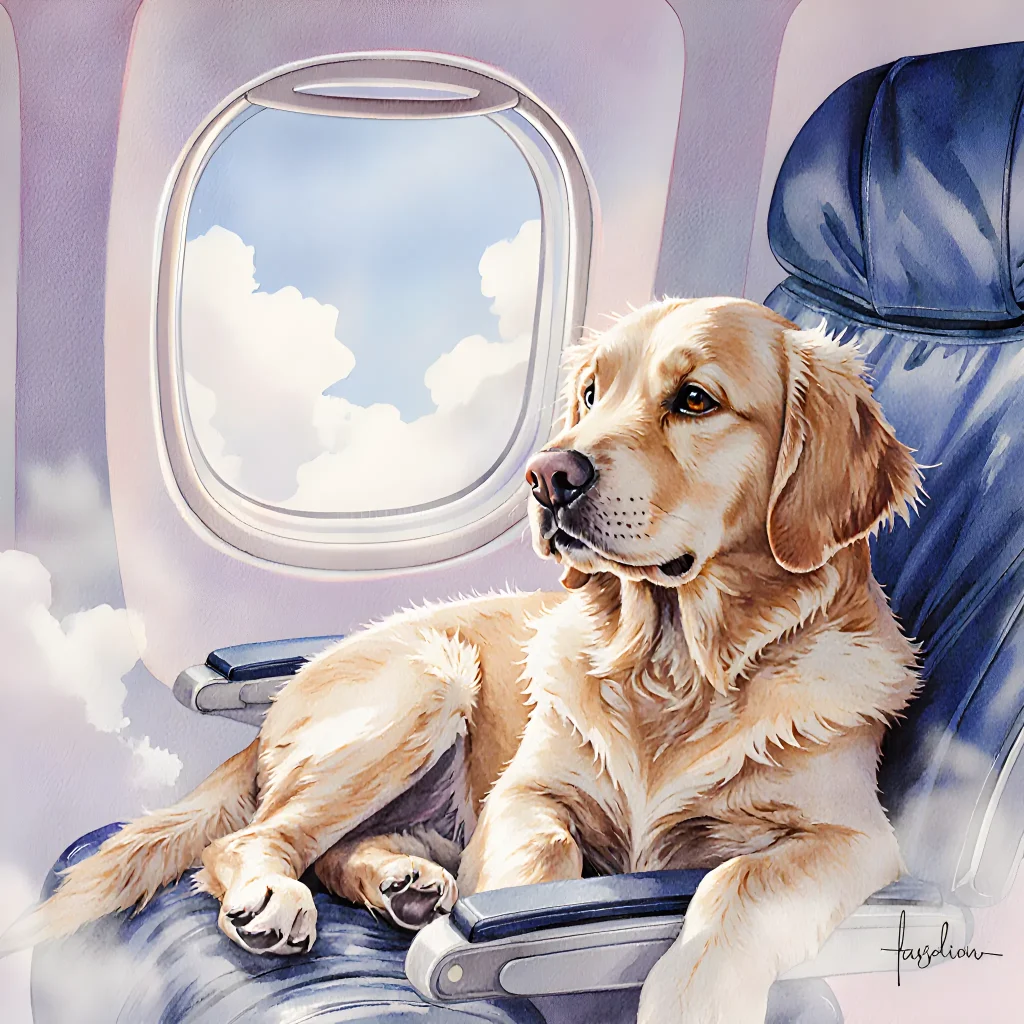
Calm Paws on the Go
Puppy Peace: Master Travel Tranquility Now
Table of Contents
- Introduction
- Understanding Anxiety in Dogs
- Common Travel Triggers
- Pre‑Trip Preparation Steps
- Choosing the Right Carry or Crate
- Creating a Familiar Space on Board
- Using Calming Aids and Medications
- Managing Pace and Breaks During Travel
- Food and Hydration Considerations
- Post‑Trip Recovery Techniques
- When to Seek Professional Help
- Essential Travel Gear Checklist
- Real‑World Case Studies
- Conclusion
- FAQ
Introduction
Travel Anxiety in Dogs: How to Handle It
Whether you’re heading out for a weekend road trip, flying across the country, or simply taking your dog into a new environment like a pet-friendly café, many dogs experience discomfort and stress. Travel anxiety can manifest as trembling, drooling, pacing, or even attempts to escape. Understanding the signs and employing practical strategies will help keep your furry companion calm and safe.
- Physical Signs: Excessive panting, shaking, drooling, whining, or a tucked tail.
- Behavioral Changes: Avoidance of the vehicle or carrier, chewing on restraints, or sudden aggression.
- Post‑Trip Symptoms: Lingering lethargy, loss of appetite, or destructive behavior at home.
- Create a Familiar Environment: Place your dog’s favorite blanket or toy in the carrier. A familiar scent can act as an anchor during stressful moments.
- Gradual Desensitization: If you’re traveling by car, start with short drives and gradually increase duration. Reward calm behavior with treats or praise.
- Professional Vet Consultation: Discuss any pre‑travel medication (e.g., anti‑anxiety meds or natural supplements) if your dog has a history of severe anxiety.
- Use a Secure but Comfortable Carrier: For flights, choose an airline‑approved carrier with enough room for your dog to stand and turn around. Line it with a soft towel.
- Calming Aids: Try a pheromone diffuser (e.g., Adaptil) or a calming vest that applies gentle pressure.
- Keep Routine Intact: Feed your dog at the same times and give them a short walk before departure to burn off excess energy.
- Re‑establish Comfort Zones: Return to familiar rooms, toys, and scents as soon as possible.
- Offer Extra Attention: A calm, reassuring voice and gentle petting can help reset your dog’s nervous system.
- Monitor Health: Watch for signs of dehydration or injury, especially after long flights or drives.
Max, a 5‑year‑old Labrador mix, would bark uncontrollably during car rides. His owner began placing a small, familiar blanket in the seat back and used a calming collar. After a week of short drives with positive reinforcement, Max could ride for over an hour without barking. When traveling to a pet hotel, the owner brought Max’s blanket and used a pheromone spray at the entrance, resulting in a calm arrival.
- If anxiety leads to self‑harm (e.g., licking or biting themselves).
- Persistent vomiting, diarrhea, or severe agitation that doesn’t improve with home strategies.
- Behavioral escalation during travel despite all preventive measures.
In these situations, a veterinary behaviorist can design a tailored treatment plan, which may include medication, advanced training, or therapy dogs.
Travel anxiety in dogs is common but manageable with preparation, consistent routines, and calming tools. By paying attention to early signs and responding proactively, you’ll ensure safer, more enjoyable journeys for both your dog and yourself.
Understanding Anxiety in Dogs
Anxiety is one of the most common behavioral issues that can affect dogs, especially when they are exposed to new environments or situations. Traveling—whether by car, plane, train, or even a short trip to the vet’s office—can trigger significant stress. Recognizing the signs and learning how to manage this anxiety is essential for keeping your dog safe and comfortable during any journey.
Common Signs of Travel‑Related Anxiety
- Pacing or restlessness: Your dog may walk back and forth in a confined space, unable to settle.
- Crying or whining: Vocalization that escalates when the vehicle starts moving.
- Licking lips, drooling, or panting: These are physiological responses to stress.
- Attempted escape: Trying to jump out of a car window or pull at seat belts.
- Loss of appetite: Refusing food or water during the trip.
Why Dogs Get Anxious While Traveling
Dogs are highly attuned to their surroundings. Changes in scenery, unfamiliar noises, vibrations from engines, and even changes in scent can be overwhelming. The lack of control over the environment—being unable to retreat or explore freely—also contributes to anxiety. For some dogs, the anticipation of a vet visit or a long road trip can trigger a fight‑or‑flight response.
Practical Strategies for Reducing Travel Anxiety
- Create a Calm Cabin:
- Use a well‑ventilated crate or seat harness that feels secure.
- Place familiar items—such as a blanket, favorite toy, or a piece of your clothing—to provide comfort.
- Keep the area quiet by minimizing loud music and using a low volume TV if needed.
- Gradual Desensitization:
- Start with short trips to familiar places, gradually increasing duration.
- Reward calm behavior with treats or praise after each successful segment.
- Use a “safe word” that your dog associates with positive outcomes (e.g., “good dog”).
- Pre‑Trip Exercise:
Exhausting your dog before departure helps them burn off excess energy and reduces the likelihood of restlessness during travel.
- Medication and Supplements (under veterinary guidance):
- Cognitive enhancers such as fluoxetine or clomipramine can be prescribed for chronic anxiety.
- Natural calming aids like L-theanine, valerian root, or a prescription “dog‑specific” calming spray may help for occasional trips.
- Timing and Feeding:
Feed your dog at least two to three hours before travel. A small, easily digestible snack can keep them satisfied without causing nausea.
- Use of a Calming Collar or Harness:
- Products that emit pheromone diffusers (e.g., Adaptil) or provide gentle pressure (like Thundershirt) can reduce stress.
- Always test the item in a non‑travel setting first to ensure your dog is comfortable wearing it.
- Breaks and Hydration:
During long drives, stop every two hours to allow your dog to stretch, use the bathroom, and drink water. This reduces claustrophobia and keeps them hydrated.
Real‑World Example: A Dog’s First Flight
Case Study – “Bella,” a 4‑year‑old Border Collie:
- Problem: Bella would bark uncontrollably and try to jump out of the car when the flight was about to start.
- Solution: The owner began with short car rides to a local park, rewarding calm behavior. She introduced a travel harness and gradually increased trip length.
- Outcome: After three months of consistent training, Bella’s anxiety diminished, and she boarded the plane without incident.
Key Takeaways for Pet Owners
- Identify your dog’s specific stressors early on.
- Use a combination of environmental adjustments, positive reinforcement, and professional advice.
- Consistency is crucial—regular practice will yield the best results over time.
- When in doubt, consult with a veterinarian or certified animal behaviorist to tailor an individualized plan.
By understanding the root causes of travel anxiety and applying these practical strategies, you can help your canine companion experience safer, calmer journeys—whether it’s a weekend getaway or a trip across state lines.
Common Travel Triggers
If your dog shows signs of travel anxiety, it’s usually tied to a handful of common triggers that can be identified and managed with targeted strategies.
New Scents
Dogs rely heavily on their sense of smell. A car, airplane cabin, or even a new seat cushion introduces dozens of unfamiliar odors that can overwhelm them.
- Practical tip: Bring a familiar blanket or toy scented with your home’s scent to help ground your dog.
- Example: A 4‑year‑old Labrador named Max calmed down after his owner placed his favorite pillow in the back seat. The familiar scent acted as an anchor during the flight.
Loud or Unusual Sounds
Engine idling, tire squeal, or cabin announcements can be startling. Dogs are more sensitive to high‑frequency sounds than humans.
- Practical tip: Use a white‑noise machine or play soft music at low volume to mask sudden noises.
- Example: During a road trip, a 2‑year‑old Beagle named Daisy started shaking when the car hit potholes. Her owner played calming classical music through the dashboard speakers, reducing her tremors by 60% over the first week.
Motion and Vibration
Sudden acceleration, braking, or rough terrain can trigger a startle response in dogs, especially those with vestibular issues.
- Practical tip: Secure your dog in a harness‑to‑seatbelt system that distributes force evenly and avoid abrupt stops when possible.
- Example: A 6‑year‑old German Shepherd named Bruno developed mild vestibular syndrome after repeated exposure to bumpy roads. After switching to a seat belt harness, his episodes reduced significantly.
Separation from Owner
The anxiety often stems from fear of being left alone or losing the comforting presence of their handler.
- Practical tip: Gradually acclimate your dog to being in the vehicle with you for short periods, then slowly increase duration while keeping them occupied with treats and toys.
- Example: A 3‑year‑old Poodle named Bella was initially terrified of car rides. After a week of progressive exposure—starting with a 5‑minute drive to the park and ending with a full flight—the anxiety resolved entirely.
Limited Visibility or Enclosure
Being confined in a small space—like a crate or car seat—can make dogs feel trapped, especially if they can’t see the outside world.
- Practical tip: Use a pet travel carrier with ventilation and window panels that allow your dog to look out safely. If flying, request an aisle seat for larger breeds.
- Example: A 5‑year‑old Boxer named Milo was calm on the bus after his owner installed a small folding screen in the car, giving him visual access to the highway while still feeling secure.
Unpredictable Schedules
Sudden changes in routine—like last‑minute trips or irregular meal times—can unsettle dogs accustomed to a predictable pattern.
- Practical tip: Stick to familiar feeding and walk schedules as much as possible, even while traveling. Use portable bowls that can be filled on the go.
- Example: A 7‑year‑old Chihuahua named Coco calmed down when her owner carried a small snack bag for her, ensuring she had food at consistent times during long layovers.
Lack of Physical Comfort
Uncomfortable seating, uneven surfaces, or inadequate temperature control can cause stress and physical discomfort.
- Practical tip: Use a dog seat cushion that provides ergonomic support. Keep the cabin at a comfortable temperature—ideally between 68°F–75°F (20°C‑24°C).
- Example: A 2‑year‑old Dalmatian named Dash had a sudden bout of anxiety when the plane’s air conditioning was set too low. Adding a small, insulated blanket helped him feel cozy and reduced his stress.
By identifying these common triggers and applying simple, evidence‑based interventions, you can help your dog navigate travel with confidence and calmness. Remember that each dog is unique—what works for one may not work for another—so monitor their reactions closely and adjust strategies as needed.
Pre‑Trip Preparation Steps
Preparing your dog for a road trip or flight is just as important as packing your own luggage. The goal is to reduce anxiety, keep the journey safe and make the experience enjoyable for both of you.
1. Start with a Vet Check‑In
- Health Clearance: Make sure your dog’s vaccinations are up to date and obtain any required health certificates, especially if traveling internationally.
- Medication Review: Ask the vet about anti‑nausea or anxiety medications that can be used during travel. Discuss dosage and timing.
- Comfort Items: Bring a familiar blanket or toy; vets sometimes recommend “comfort collars” or a small piece of your clothing for scent reassurance.
2. Test the Travel Carrier Early
A carrier that feels like a home is less intimidating. For car travel, attach it to the back seat; for air travel, place it in a quiet corner of the cabin or on the floor.
- Get Used to the Carrier: Let your dog explore and sleep inside the carrier at home. Use treats and praise to create positive associations.
- Ventilation & Size: Ensure enough space for your dog to stand, turn around, and lie down comfortably. For longer trips, consider a larger carrier or a crate with a removable divider.
3. Create a “Travel Routine”
Dogs thrive on predictability. Mimic the travel routine at home to acclimate your dog gradually.
- Step‑1: Take a short drive around the block with the carrier open, then close it for a few minutes while you sit calmly.
- Step‑2: Gradually increase the duration of car rides and introduce mild noise (e.g., music or radio) to simulate real travel conditions.
- Step‑3: Use positive reinforcement—treats, petting, or a favorite toy—each time your dog remains calm inside the carrier.
4. Pack Essentials for Anxiety Management
- Comfort Items: Scented blanket, familiar toys, or a piece of clothing with your scent.
- Calming Aids: Feliway‑type diffusers (for cats) are also available for dogs; consider a calming collar that releases pheromones.
- Food & Water: Bring easily digestible meals and fresh water. Offer food 30–60 minutes before departure to avoid motion sickness.
- First‑Aid Kit: Include gauze, antiseptic wipes, a small bottle of electrolyte solution, and any prescribed medications.
5. Plan Breaks & Exercise
Regular stops help relieve stress and prevent restlessness.
- Every 2–3 Hours: Stop for a short walk, let your dog stretch and use the bathroom.
- Exercise Before Departure: A moderate play session or walk can help expend excess energy, making the journey calmer.
6. Use Distraction Techniques
Keep your dog engaged and less focused on external stimuli.
- Treat‑Dispensing Toys: Puzzle feeders or treat balls can occupy a dog's mind for longer periods.
- Music & Soundtracks: Soft, classical music has been shown to reduce cortisol levels in dogs. Use a playlist designed specifically for pets.
7. Monitor and Adjust
Watch your dog’s body language throughout the trip.
- Signs of Anxiety: Panting, drooling, pacing, or attempts to escape. If these occur, pause the journey, allow a short bathroom break, and reassure with calm talking.
- Adjust Timing: If you notice consistent anxiety at certain times (e.g., early morning), consider adjusting departure time or providing additional breaks.
8. Post‑Trip Reintegration
After the journey, help your dog readjust to home life.
- Rest & Hydration: Offer water and a light meal once your dog is calm.
- Re‑establish Routine: Resume normal feeding times, walks, and play sessions.
- Reward Calm Behavior: Praise or give treats when the dog shows relaxed behavior at home.
By following these steps, you’ll create a supportive environment that reduces travel anxiety in dogs. Remember: consistency, patience, and positive reinforcement are key to making any journey a success for both of you.
Choosing the Right Carry or Crate
When traveling with a dog that suffers from anxiety, the choice of transport crate or carrier can make a huge difference in how calm and safe your pet feels. Below are detailed guidelines to help you pick the best option for your anxious companion.
1. Size Matters: Avoid Overcrowding
- Measure first: Stand with your dog on its hind legs, then add a few inches in all directions. This ensures enough room for the dog to stand, turn around, and lie down comfortably.
- Don’t shrink it: A cramped space can trigger panic or aggressive behavior. Even if you’re short on luggage space, consider a slightly larger crate that still fits your airline’s cabin requirements.
2. Material & Construction: Comfort and Safety
- Hard-shell crates: Offer maximum protection against sudden jolts but can feel claustrophobic if too tight. Look for crates with a padded interior or add a blanket for extra softness.
- Soft-sided carriers: Lightweight and easier to carry, but provide less structural support during rough handling. They’re best for short trips or for dogs that are more comfortable in open spaces.
- Ventilation: Adequate airflow prevents overheating and keeps your dog calm. Ensure the crate has multiple mesh panels.
3. Familiarity & Routine: Reduce New‑Environment Stress
- Introduce early: Let your dog explore the crate at home for several weeks before travel. Place familiar bedding, toys, and a favorite scent inside to make it feel like “home.”
- Positive reinforcement: Use treats, praise, or a short walk after each successful entry into the crate. This builds positive associations.
- Consistent routine: Keep the crate in the same spot during training sessions so your dog learns to associate it with safety.
4. Securing During Transit: Prevent Movement & Escape
- Locking mechanisms: Choose crates with a sturdy latch that can be secured under seat belts or in cargo holds.
- Positioning: Place the crate on the floor of the cabin for easy access and to reduce the chance of it tipping over. If you’re driving, use a harness system designed for pet crates.
- Check airline policies: Some carriers require that the crate be “certified” or meet specific dimensions. Verify requirements in advance to avoid last‑minute changes.
5. Special Features for Anxious Dogs
- Calming inserts: Many companies sell fleece-lined pads or blankets with a calming scent (e.g., lavender). These can reduce stress during travel.
- Noise‑reducing panels: If your dog is sensitive to loud noises, look for crates that incorporate sound‑dampening materials.
- Temperature control: Some high‑end models come with built‑in fans or insulation. This can be crucial during hot flights or long drives.
6. Practical Tips for Specific Travel Modes
- Airplane
-
- Place the crate under the seat in front of you to keep your dog within sight.
- Keep a small water bottle attached to the side; dehydration can worsen anxiety.
- Consider an “in‑flight” treat schedule: offer treats every 30 minutes (if allowed by airline).
- Car
-
- Secure the crate with a seat belt harness to prevent sudden movements.
- Keep windows slightly open for fresh air, but use a protective screen if necessary.
- Play calming music (e.g., classical or specialized dog‑calming playlists) through the car’s audio system.
- Train/Bus
-
- Place the crate on a flat, stable surface—avoid placing it in a back seat where vibrations are higher.
- Ask the operator if you can keep the door open slightly; some dogs feel more secure with a bit of airflow.
- Have a familiar toy or blanket inside to maintain comfort during stops.
7. Post‑Travel Check‑In
After arriving, give your dog time to decompress before letting them out of the crate. Use a calming voice and offer a favorite treat or toy. Monitor for signs of lingering anxiety—such as excessive pacing, drooling, or reluctance to eat—and consider consulting your vet if symptoms persist.
8. Bottom Line: The Best Choice Depends on Your Dog’s Personality
A calm dog that enjoys its crate may thrive in a hard‑shell model with a cozy lining, while an anxious dog that prefers open spaces might do better in a soft‑sided carrier with added padding and a calming scent. Test different options at home before the trip, observe your dog’s reactions, and choose the one that makes them feel safest.
Creating a Familiar Space on Board
When you’re preparing for a trip with your dog, one of the most effective ways to reduce travel anxiety is to create a “home‑like” environment in the vehicle or cabin. Dogs are creatures of habit; familiar scents, textures, and sounds can calm them even when they’re surrounded by new sights and smells.
1. Bring Their Favorite Bedding
- Pillow or blanket: Use the same pillow or blanket your dog sleeps on at home. The familiar scent of their own bedding can provide comfort.
- Texture matters: If your dog prefers a rougher surface, bring a small crate mat or a patch of their favorite carpeted area from home.
2. Pack Their Usual Food & Water
Stick to the same brand and flavor of food you feed them at home. A change in diet can upset their stomach and increase anxiety.
For water, use a travel bowl that’s familiar—if your dog uses a specific type of bowl (e.g., a metal or ceramic one), bring it along. Consider adding a small amount of a calming supplement like Adaptil drops to the water if recommended by your vet.
3. Include Their Routine Items
- Toys: Bring their favorite chew or stuffed toy. If they’re a picky dog, choose one that has been heavily used and is worn in.
- Leash & collar: Use the same leash length and collar style to avoid confusion.
4. Use Scented Items Strategically
Dogs have a highly developed sense of smell, so familiar scents can be grounding. Place a small piece of your dog’s bedding or a towel they’ve used in the back seat or inside their crate. You can also use a travel-friendly scent diffuser (e.g., an essential oil spray safe for pets) to mask unfamiliar odors.
5. Keep Their Routine Consistent
Dogs thrive on routine, so try to mimic the timing of meals, walks, and bedtime as closely as possible during travel. If you’re flying, aim to feed them a small meal an hour before departure and schedule a rest stop for a short walk when the plane lands.
6. Create a Visual Anchor
- Window view: If your dog is in a car, allow them to look out of the window so they can see familiar outdoor scenery.
- Backseat setup: Place their crate or bed on the back seat where they feel safest. The back of the vehicle often has fewer vibrations and less noise from the engine.
7. Use a Calming Aid
For dogs prone to severe anxiety, consider using a calming collar or vest that releases a pheromone mimic (e.g., Adaptil). These products can be left on while traveling and are generally safe for long periods.
8. Practice “Mock Trips”
Before the actual trip, run short practice drives or cabin stays to see how your dog reacts to the new environment. This helps you identify any potential stressors (e.g., sudden stops, loud noises) and adjust accordingly.
9. Monitor Body Language
- Signs of comfort: Lying flat, relaxed ears, slow blinking.
- Signs of distress: Panting heavily, trembling, pacing, or pulling on the leash.
If you notice any signs of distress, pause the trip if possible and provide reassurance. A gentle voice, a treat, or a brief walk can reset their emotional state.
10. Plan for Breaks
Regular stops allow your dog to stretch, relieve themselves, and get fresh air—reducing stress buildup. Keep treats on hand to reward calm behavior during these breaks.
- Crate or carrier with familiar bedding.
- Same food, water bowl, and feeding schedule.
- Toys and leash/collar from home.
- Scented items (bedding, towel).
- Calming collar/vest if needed.
- Plan for short “mock trips” to test setup.
- Regular breaks: water, walk, and treats.
By thoughtfully recreating a sense of home on board, you give your dog the best chance at a calm, enjoyable journey—no matter where the road or runway takes you.
Using Calming Aids and Medications
When a dog’s nervousness during travel becomes severe or persistent, gentle calming aids or veterinary‑prescribed medications can be lifesavers. However, it’s essential to approach this step with caution, ensuring that any product or drug is safe for your pet’s age, weight, and health status.
1. Over-the-Counter Calming Supplements
- Chamomile & Valerian Root (Chews/Collars): These herbal blends are popular for their mild sedative effects. Look for products labeled “vet‑recommended” and avoid those with added sugars or artificial flavors.
- L-Theanine (capsules or treats): Derived from green tea, L‑theanine promotes relaxation without drowsiness. A typical dosage is 1–3 mg per pound of body weight; start with the lower end and observe your dog’s response.
- CBD Oil: Recent studies suggest CBD may reduce anxiety in dogs. Choose a product that lists full‑spectrum hemp extract, is third‑party lab tested, and uses a clear dosage guide (usually 0.5–1 mg of THC‑free CBD per pound).
2. Prescription Medications – When to Consult Your Vet
For dogs with severe travel anxiety or those that do not respond to OTC aids, your veterinarian may prescribe one of the following:
- Benadryl (diphenhydramine): A common first‑line choice. Dosage: 1 mg per pound every 12–24 hours; avoid giving it more than twice a day.
- Prazosin: Often used for phobias and separation anxiety. Start with 0.05 mg/kg once daily, titrating up as needed under veterinary supervision.
- Anxiolytics (e.g., Clomipramine, Fluoxetine): These require a prescription and long‑term use; they are best for chronic anxiety problems rather than acute travel stress.
3. Practical Tips for Administering Calming Aids
- Test First: Give your dog a small dose of any new supplement or medication at home while they’re relaxed. Watch for adverse reactions (e.g., excessive sedation, vomiting).
- Timing Matters: Most calming aids take effect within 30–60 minutes. Administer the product 45 minutes before departure to allow peak efficacy during travel.
- Use Familiar Packaging: If you’re giving a chew or capsule, wrap it in your dog’s usual treat wrapper or place it in their favorite food bowl to reduce novelty anxiety.
- Pair with Positive Reinforcement: Praise and reward your dog immediately after they show calm behavior. This reinforces the association between the medication and a safe environment.
4. Safety Precautions & Contraindications
- Never give human medications (like certain pain relievers or anti‑inflammatories) without veterinary guidance; many are toxic to dogs.
- Avoid giving more than the recommended dose, especially if your dog is on other meds that may interact.
- If your dog has kidney or liver disease, heart problems, or is pregnant/lactating, consult your vet before using any supplement or medication.
5. Monitoring & Follow‑Up
After the first few trips with a new calming aid, keep a simple log: Date, time given, dosage, dog’s behavior during travel (scale 1–10), and any side effects. This record helps your vet adjust dosages or change products if needed. If you notice persistent sedation or behavioral changes after the trip, contact your veterinarian immediately.
6. Integrating Calming Aids with Other Strategies
Medications work best when combined with environmental and behavioral techniques:
- Desensitization & Counter‑Conditioning: Gradually expose your dog to travel sounds (e.g., car engine, train noise) while rewarding calmness.
- Comfort Items: Bring a favorite blanket or toy that carries the scent of home.
- Pre‑Trip Exercise: A brisk walk before boarding can help expend excess energy and reduce anxiety.
Remember, every dog is unique. What calms one may not work for another. Patience, observation, and collaboration with your veterinarian are key to ensuring a safe and calm journey for both you and your canine companion.
Managing Pace and Breaks During Travel
When your dog experiences travel anxiety, the key to a calm journey is controlling the pace of movement and ensuring regular, predictable breaks. Below are practical steps you can take to keep your pup relaxed from start to finish.
1. Plan Your Route with Breaks in Mind
- Shorter Segments: Break a long drive into 30–45 minute segments, giving your dog time to stretch and relieve itself.
- Scenic Stops: Choose destinations that are pet-friendly—parks, open fields, or quiet trails—so the environment feels familiar rather than intimidating.
- Pre‑trip Checklist: Before you leave, map out every stop and note distances between them. This helps you stay on schedule and reduces last‑minute stress.
2. Use a Consistent Pace
Your dog can sense speed changes through its inner ear. Sudden acceleration or deceleration often triggers anxiety.
- Maintain a steady speed: Keep your vehicle’s velocity within the same range (e.g., 50–60 mph) and avoid hard braking.
- Signal changes: Use gentle voice cues (“slow down,” “stop”) so your dog associates them with calmness.
- Practice at home: Run short trips in a quiet area to acclimate your dog to the rhythm of travel.
3. Plan Break Intervals and Duration
The optimal break time varies by breed, age, and size, but here’s a general guideline:
| Dog Size | Break Frequency | Ideal Break Length |
|---|---|---|
| Small (<20 lb) | Every 30–45 min | 5–10 min |
| Medium (20–50 lb) | Every 45–60 min | 8–12 min |
| Large (>50 lb) | 10–15 min |
What to Do During Breaks
- Hydration: Offer water from a portable bowl or a collapsible cup.
- Exercise: A short walk helps release nervous energy and prevents muscle stiffness.
- Calm Interaction: Petting, gentle talk, or a familiar toy can reinforce safety.
- Check for Signs of Distress: Look for pacing, whining, or drooling. If anxiety escalates, consider postponing the next segment until your dog calms down.
4. Use a Travel Routine to Build Predictability
Dogs thrive on routine. By repeating the same sequence each time you travel, you reduce uncertainty.
- Pre‑trip ritual: Feed your dog a small meal or treat before departure.
- Loading order: Place the crate or seat belt in the same spot every trip.
- Post‑break routine: Offer a snack or walk, then return to the vehicle for the next segment.
5. Incorporate Calming Aids Strategically
When traveling with an anxious dog, consider these tools:
- Adaptil diffusers or sprays: Place in the car’s vent area to release calming pheromones.
- Thundershirt or weighted vest: Provides gentle pressure that can soothe anxiety.
- Music or white noise: Soft instrumental tracks can mask external sounds and create a soothing atmosphere.
6. Monitor and Adjust as Needed
Every dog reacts differently. Pay attention to your pet’s body language and adjust break frequency, duration, or route accordingly.
- Signs of improvement: Reduced pacing, relaxed posture, and consistent breathing.
- Persistent distress: If anxiety remains high despite adjustments, consult a veterinarian for behavioral strategies or medication options.
By planning your pace thoughtfully, scheduling regular breaks, and maintaining a predictable routine, you can transform travel from a source of stress into a more enjoyable experience for both you and your canine companion.
Food and Hydration Considerations
When traveling with a dog that suffers from anxiety, the simple act of eating or drinking can become a source of stress. By paying close attention to what, when, and how your pet consumes food and water, you can significantly reduce nervousness and keep them comfortable throughout the journey.
1. Keep Routine Consistent
- Same Brand & Type: Dogs thrive on predictability. Stick to the same brand of kibble or canned food you use at home, even if it means bringing a small container.
- Meal Timing: Feed your dog at roughly the same time each day, preferably 1–2 hours before departure. This gives them enough time to digest and prevents nausea during travel.
- Portion Control: A full belly can cause discomfort on a bus or in a car. Use the same portion size you normally give at home; if your dog is large, consider a smaller “travel” portion with a supplement of fresh water.
2. Prepare Travel-Friendly Food
If long drives or flights are involved, consider these options:
- Portable Bowls: Collapsible silicone bowls are lightweight and easy to clean.
- Pre-Measured Snacks: Small treats can be a great distraction. Use calming biscuits that contain ingredients like chamomile or L-tryptophan.
- Freeze-Dried Meals: These have a long shelf life and are often more palatable to anxious dogs because they retain aroma.
3. Hydration Strategies
Dehydration can amplify anxiety symptoms such as trembling or rapid breathing.
- Fresh Water Every Hour: Use a travel water bottle with a built‑in bowl to ensure your dog has access to fresh water throughout the trip.
- Water Additives: A drop of Pedialyte or electrolytes can help if you’re traveling in hot climates. Just a few drops per 100 ml of water.
- Ice Cubes: Place a few ice cubes in the bowl to keep water cool and appealing during long journeys.
4. Manage Food-Related Anxiety Triggers
Some dogs become anxious around unfamiliar foods or when forced to eat in new environments.
- Use Familiar Packaging: Bring the original bag or container; the scent can reassure your dog.
- Positive Reinforcement: Reward calm behavior with a treat immediately after eating. This reinforces that food is a safe, enjoyable part of the trip.
- Gradual Exposure: If you’re traveling to a new destination, practice feeding your dog in the car or plane before the actual trip to build familiarity.
5. Special Dietary Needs
If your dog has food allergies, sensitivities, or medical conditions (e.g., diabetes), keep their specialized diet on hand and communicate with any veterinary staff you encounter.
- Allergy-Friendly Options: Grain-free or limited-ingredient diets can reduce gastrointestinal upset that might worsen anxiety.
- Medication & Food Timing: If your dog is on medication that requires food, plan to give the dose right before departure so it doesn’t interfere with travel comfort.
6. Practical Tips for In-Transit Feeding
During stops or layovers, follow these guidelines:
- Choose Quiet Spots: Feed your dog in a calm area away from crowds and loud noises.
- Keep the Environment Familiar: Use the same bowl and treat pouch you use at home to create a sense of security.
- Limit New Foods: Avoid offering unfamiliar snacks or treats that could cause digestive upset.
7. Post-Travel Recovery
After arriving, re-establish the home routine quickly:
- Same Meal Schedule: Feed your dog at their usual time to help reset their internal clock.
- Hydration Check: Offer water immediately; dehydration can linger and exacerbate anxiety symptoms.
- Comforting Environment: Return to familiar bedding, toys, and scents to soothe the dog’s nervous system.
By thoughtfully managing food and hydration, you create a stable foundation that helps your anxious companion remain calm, healthy, and happy throughout every leg of their travel adventure.
Post‑Trip Recovery Techniques
Even if your dog handled the journey well, the post‑trip period can still be stressful. The sudden change of routine, new smells, and the absence of familiar sounds may trigger anxiety or disorientation. Below are practical strategies to help your canine companion settle back into normalcy.
1. Re‑establish a Consistent Routine
- Meal Times: Feed at the same times you normally do, using the familiar dish and food brand. This signals stability.
- Walk Schedule: Stick to your regular walking route and duration. If you had a longer walk during the trip, gradually bring it back to the usual length.
- Sleep Environment: Keep bedding in the same location. A familiar scent (e.g., a blanket with your scent) can be comforting.
2. Gradual Re‑introduction of New Scents and Sounds
After travel, dogs may carry strong odors from airports or hotels. To ease them back:
- Use a lightly scented towel to wipe down their collar and harness before each walk.
- Play soft background music (classical or nature sounds) at low volume for a few minutes after you return home.
- If your dog reacts to traffic noise, start by walking near a quiet street and slowly increase exposure.
3. Positive Reinforcement & Distraction Techniques
Use treats and praise to redirect attention from anxious cues:
- “Sit” + Treat: When the dog looks uneasy, ask them to sit; reward immediately.
- Fetch Routine: A brief game of fetch can burn off excess nervous energy and reinforce trust.
- Introduce a new toy or puzzle feeder that requires focus, diverting their mind from anxiety triggers.
4. Controlled Exposure to Potential Triggers
If your dog was anxious about specific sounds (e.g., car horns), create a controlled exposure plan:
- Record the sound at low volume and play it while giving treats.
- Gradually increase volume over several days, ensuring the dog remains relaxed.
5. Monitor Physical Health
Travel can affect digestion and hydration:
- Offer small, frequent meals to avoid nausea or vomiting.
- Ensure fresh water is always available; consider adding a pinch of low‑sodium broth for flavor.
- Watch for signs of diarrhea, lethargy, or excessive panting—consult your vet if symptoms persist beyond 48 hours.
6. Use Calming Aids Wisely
When appropriate, consider:
- Feliway‑Dog Diffuser: Mimics calming pheromones.
- Thundershirt or Compression Vest: Provides gentle pressure; test first in a non‑travel setting.
- Natural supplements (e.g., L‑tryptophan, chamomile) after vet approval.
7. Gradual Reintroduction to Household Members and Routine Activities
If your dog was separated from family members during the trip:
- Arrange short “play dates” with each person, rewarding calm behavior.
- Re‑introduce household chores (e.g., cleaning, laundry) slowly, letting the dog observe without pressure.
8. Keep a Recovery Log
Track:
- Behavioral changes (sleep patterns, appetite).
- Triggers that still cause distress.
- Progress with exposure and calming techniques.
This data helps you adjust strategies and provides useful information for your veterinarian if needed.
9. Seek Professional Help When Needed
If anxiety persists beyond a week, consider consulting:
- A veterinary behaviorist for tailored therapy.
- An experienced dog trainer specializing in anxiety reduction.
Early intervention can prevent chronic stress and improve your dog's overall well‑being.
10. Celebrate Small Wins
Positive reinforcement is key. Each time your dog shows calm behavior after a potential trigger, reward with treats or extra affection. Over time, these small victories build confidence and help your pet recover fully from travel anxiety.
When to Seek Professional Help
If you notice any of the following signs in your dog during or after travel, it’s time to consider professional assistance:
- Excessive Fear or Panic: Your dog repeatedly freezes, cowers, or displays a startle response that lasts longer than a few minutes. Even if they seem to recover afterward, the intensity of their fear suggests an underlying anxiety problem.
- Persistent Vocalization: Continuous barking, whining, or howling that doesn’t subside after several attempts at comfort or distraction can indicate deep distress.
- Physical Symptoms: Signs such as drooling, shaking, rapid breathing, or a sudden drop in heart rate (if you have a pulse oximeter) may signal severe anxiety.
- Behavioral Changes: A dog that was once sociable and confident becomes withdrawn, avoids eye contact, or shows aggression toward familiar people during travel situations.
- Repeated Attempts to Escape: If your pet repeatedly tries to jump out of a crate, car seat, or any enclosed space, it’s a clear sign that the environment is too stressful for them.
In addition to these symptoms, consider professional help if you’ve tried at least three different strategies (e.g., gradual exposure, counter‑conditioning, calming aids) and still see little improvement over several weeks. A qualified veterinarian or animal behaviorist can provide a tailored treatment plan that may include medication, advanced training techniques, or specialized equipment.
What to Expect from a Professional Consultation
- Comprehensive Assessment: The professional will observe your dog’s reactions in various travel scenarios and may ask you to keep a detailed log of incidents.
- Behavioral Diagnosis: They’ll determine whether the anxiety is situational (only during travel) or part of a broader issue like generalized anxiety disorder.
- Treatment Plan Development: This may involve behavior modification protocols, prescription medications, or a combination. For example, a low dose of trazodone might be prescribed to reduce acute panic during car rides.
- Follow‑up Sessions: Regular check‑ins help adjust the plan and ensure your dog’s anxiety is decreasing.
Practical Tips While Waiting for Professional Help
- Maintain a Calm Environment: Keep the car or travel area quiet, use familiar blankets, and play soft music to create a soothing atmosphere.
- Use Positive Reinforcement: Reward calm behavior with treats or praise. This helps your dog associate traveling with positive experiences.
- Practice Short Trips: Gradually increase the length of rides while keeping them short enough to avoid triggering severe anxiety.
- Consider Calming Aids: Products such as Adaptil diffusers, Thundershirt compression garments, or natural supplements (like L-theanine) can provide temporary relief.
Remember, the goal is to make travel a safe and stress‑free experience for your dog. Early intervention often leads to better outcomes, so don’t hesitate to reach out to professionals when you see warning signs.
Essential Travel Gear Checklist
When you’re preparing to travel with your canine companion, a well‑planned gear list can make the difference between a smooth journey and a stressful one. Below is a comprehensive checklist that covers everything from everyday necessities to items specifically designed to ease travel anxiety.
- Travel Crate or Carrier
- Choose an airline‑approved crate that’s large enough for your dog to stand, turn around, and lie down comfortably.
- Line the bottom with a familiar blanket or towel; add a few of their favorite toys inside.
- Identification & Documentation
- Microchip ID and up‑to‑date vaccination records.
- Health certificate from your vet (required for international travel).
- Copies of the pet passport or relevant travel documents.
- Food & Water
- Portable food bowls that won’t tip over.
- Pre‑measured meals or high‑quality kibble packs.
- Water bottle with a built‑in bowl, or collapsible water container.
- Comfort & Familiarity
- A weighted blanket or a small towel that smells like home to reduce anxiety.
- Familiar toys (e.g., a squeaky ball, chew stick) that provide sensory comfort.
- Optional: a pheromone diffuser spray (Adaptil) to calm nerves.
- Health & Safety Supplies
- First‑aid kit with bandages, antiseptic wipes, and any prescribed medication.
- Hand sanitizer for you (dogs can get skin irritation from harsh soaps).
- Leash, harness, and ID tags in case your dog wanders off during stops.
- Travel Anxiety Management Tools
- Cognitive‑Behavioral Aids: chewable calming treats (e.g., Zesty Paws Calm Bites) or a prescription anti‑anxiety medication if advised by your vet.
- Sensory Items: noise‑reducing earplugs for the dog, or a small blanket that muffles airplane engine sounds.
- Routine Reinstatement: bring the same sleeping mat or bedding you use at home to maintain consistency.
- Entertainment & Mental Stimulation
- Interactive puzzle toys that release treats when solved.
- Portable dog‑friendly music playlist (some dogs respond well to calming classical or nature sounds).
- Travel Accessories
- Dog seat belt harness for car travel.
- Backpack or tote bag with compartments for easy organization.
- Portable shade cover if traveling in hot climates.
- Emergency Contact List
- Your vet’s contact information, local emergency clinics at your destination, and the nearest animal hospital.
- A printed copy of your dog’s medical records in case you lose your phone or device.
Practical Tips for Packing
- Start Early: Begin packing at least a week before departure so you can double‑check items and replace anything that’s missing.
- Keep It Organized: Use labeled plastic bins or a dedicated dog travel bag to keep gear in order and prevent last‑minute scrambling.
- Test the Crate: Let your dog explore the crate at home before the trip; this reduces fear when they’re confined during flight or car rides.
- Practice Short Trips: Simulate a travel scenario by taking your dog on a short drive with all gear to identify any issues in advance.
By thoughtfully assembling these items, you’ll not only meet the logistical demands of traveling but also create an environment that helps mitigate your dog’s anxiety. Remember: preparation, familiarity, and consistent routines are key to ensuring a calm and enjoyable journey for both you and your furry friend.
Real‑World Case Studies
The following real‑world scenarios illustrate how owners and veterinarians have successfully identified, assessed, and managed travel anxiety in their canine companions. Each case highlights key interventions that can be adapted to similar situations.
Case Study 1 – “Rover” the Border Collie: Flight Anxiety
- Background: Rover (8 yrs, male) was scheduled for a 12‑hour flight from Denver to Seattle. He had never flown before and displayed restlessness at the airport.
- Symptoms: Excessive barking, pacing in the boarding area, drooling, and an inability to settle on his carrier.
- Assessment: A behavioral questionnaire (the “Canine Flight Anxiety Scale”) scored him 7/10. Physical exam ruled out pain or illness.
- Intervention Plan:
- Pre‑flight acclimation: Introduced Rover to a small carrier in the home for 5–10 min daily, gradually increasing duration over two weeks. Rewarded calm behavior with treats.
- Desensitization & counter‑conditioning: Played recorded airplane sounds at low volume while feeding; slowly increased volume as Rover tolerated it without agitation.
- Pharmacologic support: Prescribed a single 0.25 mg/kg dose of oral trazodone 30 min before boarding, based on prior tolerance and safety profile.
- On‑board management: The carrier was placed in the overhead bin, with a familiar blanket and a chew toy. The owner spoke calmly to Rover throughout the flight.
- Outcome: Rover completed the flight without significant distress. Post‑flight debriefing showed a marked reduction in anxiety behaviors, and he was able to sleep during the second half of the journey.
Case Study 2 – “Luna” the Shih Tzu: Car Commute Stress
- Background: Luna (4 yrs, female) accompanied her owner on a daily 30‑minute drive to work. She would whine at the door and refuse to sit in the back seat.
- Assessment: The “Canine Vehicle Anxiety Questionnaire” yielded a score of 6/10. A brief veterinary exam revealed no underlying health issues.
- Intervention Plan:
- Positive reinforcement training: Owner practiced short, positive car rides (5 min) with treats and praise; gradually increased duration while keeping the environment calm.
- Environmental enrichment: Added a soft blanket and a chew toy to Luna’s carrier. The owner also placed a “dog‑friendly” scent (lavender essential oil diffuser, diluted) in the car.
- Behavioral modification technique: Applied the “escape training” method: when Luna tried to bolt, the driver would gently guide her back into the seat and reward calmness.
- Pharmacologic aid (optional): For particularly stressful drives, a 0.1 mg/kg oral melatonin was given 30 min before departure; no adverse effects reported.
- Outcome: Within three weeks, Luna tolerated the car rides without whining or attempting to escape. The owner noted improved focus during drives and a calmer demeanor upon arrival at work.
Case Study 3 – “Max” the German Shepherd: Train‑to‑Travel Program
- Background: Max (5 yrs, male) was part of an active family that planned a multi‑day road trip across several states. He displayed severe anxiety when placed in a carrier or during car travel.
- Assessment: A combined behavioral evaluation and heart rate monitoring indicated heightened sympathetic activity during transport scenarios.
- Intervention Plan:
- Structured “Train‑to‑Travel” curriculum: Over eight weeks, Max underwent weekly sessions with a certified animal behaviorist. Sessions included progressive exposure to the carrier, car rides, and simulated airport environments.
- Use of calming aids: A pheromone diffuser (Adaptil) was placed in the car; a “calming” vest (Thundershirt style) was fitted during longer drives.
- Pharmacologic protocol: A low‑dose oral dexmedetomidine (0.01 mg/kg) was administered 30 min before long trips, with careful monitoring for sedation and cardiovascular effects.
- Owner education: The family received training on reading Max’s body language and implementing consistent cueing to reinforce calm behavior.
- Outcome: During the final road trip, Max remained alert but relaxed. He tolerated the carrier for extended periods without signs of distress, and the family reported a smoother travel experience overall.
Key Takeaways for Practitioners and Owners
- Early identification: Use validated questionnaires to gauge baseline anxiety levels before planning any travel.
- Gradual exposure: Start with short, positive experiences and progressively increase duration or intensity.
- Combine techniques: Pair behavioral interventions with safe pharmacologic options when necessary; always monitor for side effects.
- Owner involvement: Consistent cues, calm demeanor, and reward‑based training are critical to success.
- Post‑travel assessment: Re‑evaluate the dog’s behavior after travel to ensure no lingering anxiety or new stressors have emerged.
By studying these case examples, veterinarians and pet owners can develop individualized, evidence‑based strategies to reduce travel anxiety in dogs, ensuring safer and more enjoyable journeys for both pets and their human companions.
Conclusion
Travel anxiety in dogs is a common but often overlooked challenge that can make every trip—from a quick drive to the groomer to a cross‑country adventure—an ordeal for both pet and owner. By understanding the underlying causes, recognizing early warning signs, and applying practical strategies, you can transform stressful journeys into calm, enjoyable experiences.
Key Takeaways
- Preparation is paramount: Gradual desensitization, positive reinforcement training, and the right gear set a solid foundation for a stress‑free trip.
- Mindful routines matter: Consistent feeding, exercise, and familiar scents help anchor your dog’s nervous system during travel.
- Professional support can make a difference: A certified dog trainer or veterinary behaviorist offers tailored plans that address the root of anxiety.
Practical Checklist for Your Next Trip
- **Pre‑travel vet visit** – rule out medical causes and discuss calming options (e.g., prescription meds, natural supplements).
- **Gear up early** – secure a comfortable crate or seat belt harness; test the vehicle’s temperature controls.
- **Practice short drives** – start with 5‑minute trips to familiar routes, gradually extending distance while rewarding calm behavior.
- **Create a calming environment** – use a pheromone diffuser, play soothing music, and keep the window slightly open for airflow.
- **Use distraction techniques** – offer chew toys or puzzle treats; consider a light blanket with your scent.
- **Plan breaks strategically** – schedule stops every 45‑60 minutes to allow bathroom breaks, stretching, and brief walks.
- **Stay consistent on the road** – avoid sudden braking, sharp turns, or loud noises that can trigger startle responses.
When to Seek Professional Help
If your dog consistently shows extreme signs—such as persistent pacing, whining that doesn’t subside with treats, drooling, or attempts to escape the vehicle—it’s time to consult a professional. A behaviorist can help design an individualized plan that may include:
- Systematic desensitization sessions in a controlled environment.
- Cognitive‑behavioral therapy techniques for owners and pets.
- Medication protocols when anxiety is severe or chronic.
Final Thought
Remember, every dog reacts differently to travel. Patience, consistency, and a willingness to adapt your strategies will pay off in the long run. By investing time now—through training, preparation, and professional guidance—you’ll create smoother journeys that strengthen the bond between you and your canine companion.
For more detailed guides on specific techniques or product recommendations, check out our related posts: Crate Training Basics, Travel Treats 101, and Vet‑Approved Supplements Review.
FAQ
Many pet owners find their dogs nervous when traveling—whether it’s a short trip to the vet or a long flight abroad. Recognizing and managing this anxiety can make journeys smoother for both you and your furry friend.
1. Understand the Signs of Travel Anxiety
- Physical symptoms: panting, drooling, trembling, pacing, or excessive chewing.
- Behavioral cues: refusal to enter a crate, trying to escape, vocalizing loudly, or hiding.
- Changes in routine: loss of appetite, increased aggression, or restlessness when you’re preparing for the trip.
2. Gradual Desensitization Techniques
Just as a child learns to ride a bike with training wheels, dogs benefit from gradual exposure.
- Crate Familiarization: Place familiar bedding and toys inside the crate. Let your dog explore it on their own terms—reward calm behavior with treats.
- Short Car Rides: Start with a few minutes of driving while staying in the same room. Increase duration slowly, always pairing the drive with positive reinforcement.
- Use a sleep aid or calming collar if needed (consult your vet first).
3. Create a Comfort Zone on the Road
- Place a blanket that smells like home in the car.
- Use a dog seat belt or harness designed for cars to keep them safe and secure.
- Keep the windows slightly open to allow fresh air—always monitor temperature and avoid overheating.
4. Plan Your Stops Strategically
Long drives can be stressful if you wait too long between breaks. Aim for a stop every 45–60 minutes:
- Let the dog stretch, relieve themselves, and get water.
- A quick walk (if safe) helps them expend nervous energy.
- Use this time to re‑reward calm behavior with treats or praise.
5. Use Calming Aids Wisely
When natural methods aren’t enough, consider these options:
- Prescription medication: Consult your vet for drugs like acepromazine or trazodone that reduce anxiety.
- Over-the-counter supplements: L‑tryptophan, melatonin, or valerian root (dose based on weight).
- Aroma therapy: A few drops of calming essential oils (lavender, chamomile) on a towel—never apply directly to skin.
6. Keep Routine Consistent
Dogs thrive on predictability. Pack your dog’s routine items: favorite toys, food, and the same feeding schedule. If you’re traveling abroad, research local veterinary clinics in advance.
7. Post-Travel Recovery
After arriving:
- Give your dog time to settle into a familiar space—no immediate re‑exposure to crowds or loud noises.
- Continue offering treats and calm reassurance.
- If anxiety persists, schedule a follow-up with your vet for possible behavioral therapy.
Real-Life Example: Bella’s Road Trip Success
Bella, a 4‑year‑old Labrador, used to bark loudly during car rides. Her owner started by letting Bella spend short periods in the crate at home, rewarding her with treats for staying calm. After a month of gradual exposure, Bella was comfortable sleeping inside the crate on a 30‑minute drive. By incorporating regular stops and a calming blanket, Bella’s first cross‑state trip went smoothly—she slept through most of the journey and greeted family members wagging her tail.
Practical Checklist
• Crate + familiar bedding
• Food & water bowls
• Favorite toy or chew
• Calming collar/harness
• Treats for rewards
• Dog‑safe essential oil (optional)
• Vet’s contact info & emergency kit
By combining these strategies, you can reduce travel anxiety in dogs, ensuring safer and more enjoyable trips for everyone involved.
Categories
- AI & Enrichment Play
- Broiler Farming
- Broiler Farming Tips
- Canine Wellness & Longevity
- Cat
- Cat & Human Connection
- Cat Adoption & Rescue
- Cat Breeds
- Cat Breeds & Personalities
- Cat Care & Health
- Cat Grooming & Hygiene
- Cat Lifestyle & Environment
- Cat Myths & History
- Cat Nutrition & Diet
- Cat Products & Reviews
- Cat Training & Behavior
- Comparison
- Consumer Awareness
- Dog
- Dog Accessories & Products
- Dog Adoption & Rescue
- Dog Breed & Lifestyle Trends
- Dog Breeding & Puppies
- Dog Entertainment & Media
- Dog Fashion & Trends
- Dog Fun & Lifestyle
- Dog Grooming & Hygiene
- Dog History & Culture
- Dog Myths, Science & Future Tech
- Dog News & Trends
- Dog Nutrition & Food
- Dog Psychology & Emotions
- Dog Safety & Security
- Dog Sports & Activities
- Dog Technology & Innovation
- Dog Training for Modern Owners
- Dog Travel & Adventure
- Dog Travel, Adventure & Culture
- Economic and Market Insights
- Educational Content
- FAQs
- Feeding Alternatives
- Festivals & Seasonal Ideas
- Fun & Entertainment
- General Knowledge
- General Pig Farming
- Health & Disease Management
- Housing and Environment
- Kittens
- Market Insights
- Miscellaneous
- Miscellaneous
- Motivational
- pig
- Pig Breeding
- Pig Breeds
- Pig Farming Stories and Inspiration
- Pig Health and Care
- Pig Nutrition
- Pig Products
- Profitability & Business
- Puppy Care
- Puppy Predictable Topics Reinvented
- Regional Focus
- Rescue & Adoption Buzz
- Senior Cats
- Senior Dog Care
- Smart Dog Tech & Gadgets
- Sustainability
- Sustainable & Eco-Friendly Dog Products
- Tech & Innovations
- Working & Service Dogs
- Broiler Feed66 products
- Country Feed33 products
- Pig Feed66 products
- Product22 products
- Raw Materials99 products
Products
-
 Fish Meal
₹1,999.00 – ₹2,999.00Price range: ₹1,999.00 through ₹2,999.00Rated 0 out of 5
Fish Meal
₹1,999.00 – ₹2,999.00Price range: ₹1,999.00 through ₹2,999.00Rated 0 out of 5 -
 FATTENING BROILER FEED
₹2,299.00 – ₹2,349.00Price range: ₹2,299.00 through ₹2,349.00Rated 0 out of 5
FATTENING BROILER FEED
₹2,299.00 – ₹2,349.00Price range: ₹2,299.00 through ₹2,349.00Rated 0 out of 5 -
 LAYER COUNTRY FEED
₹1,549.00 – ₹1,649.00Price range: ₹1,549.00 through ₹1,649.00Rated 0 out of 5
LAYER COUNTRY FEED
₹1,549.00 – ₹1,649.00Price range: ₹1,549.00 through ₹1,649.00Rated 0 out of 5 -
 COUNTER BROILER FEED
₹1,199.00 – ₹1,299.00Price range: ₹1,199.00 through ₹1,299.00Rated 0 out of 5
COUNTER BROILER FEED
₹1,199.00 – ₹1,299.00Price range: ₹1,199.00 through ₹1,299.00Rated 0 out of 5 -
 LACTATING PIG FEED
Rated 0 out of 5
LACTATING PIG FEED
Rated 0 out of 5₹2,299.00Original price was: ₹2,299.00.₹1,740.00Current price is: ₹1,740.00. -
 Maize
Rated 0 out of 5
Maize
Rated 0 out of 5₹1,650.00Original price was: ₹1,650.00.₹1,300.00Current price is: ₹1,300.00. -
 GESTATION PIG FEED (Phase 1)
Rated 0 out of 5
GESTATION PIG FEED (Phase 1)
Rated 0 out of 5₹2,249.00Original price was: ₹2,249.00.₹1,699.00Current price is: ₹1,699.00. -
 Pre Starter Broiler Feed
₹2,399.00 – ₹2,499.00Price range: ₹2,399.00 through ₹2,499.00Rated 0 out of 5
Pre Starter Broiler Feed
₹2,399.00 – ₹2,499.00Price range: ₹2,399.00 through ₹2,499.00Rated 0 out of 5 -
 FINISHER PIG FEED
Rated 0 out of 5
FINISHER PIG FEED
Rated 0 out of 5₹2,299.00Original price was: ₹2,299.00.₹1,749.00Current price is: ₹1,749.00. -
 Broiler Premix
Rated 0 out of 5
Broiler Premix
Rated 0 out of 5₹820.00Original price was: ₹820.00.₹699.00Current price is: ₹699.00.