
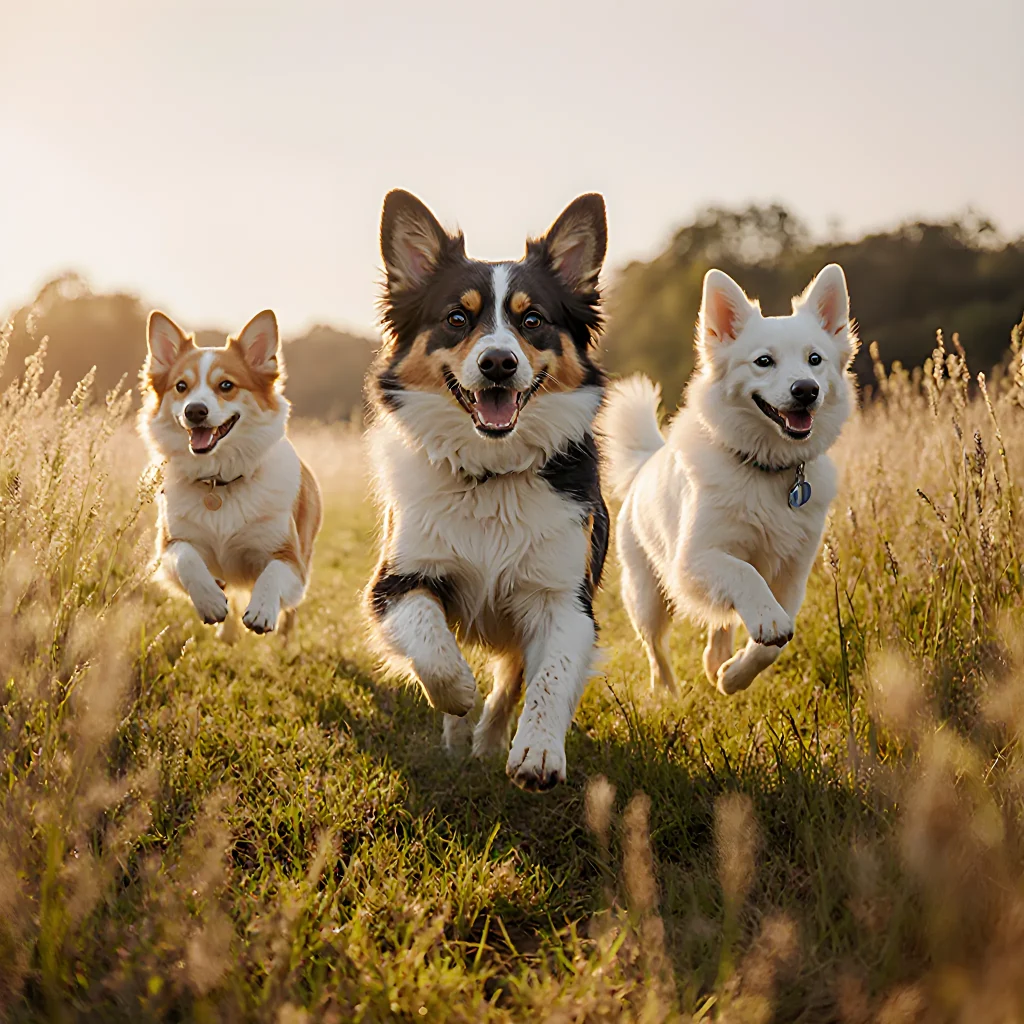
Ignite Passion With Playful Pups
Energetic Escapades Ignite Love for Rescued Pets
Table of Contents
- Introduction
- Understanding Rescue Dogs
- First Encounters: Setting the Tone
- Creating a Safe Play Environment
- Choosing Appropriate Games for Your Dog
- Fetch Variations to Keep Interest High
- Tug‑of‑War Tips and Safety Rules
- Interactive Puzzle Toys for Mental Stimulation
- Training Through Play: Basic Commands
- Socializing with Other Dogs Safely
- Bonding with Family Members Through Shared Games
- Managing Anxiety During Play Sessions
- Positive Reinforcement Techniques in Play
- Conclusion
- FAQ
Introduction
Play is more than just a fun pastime—it’s a powerful tool for building trust, communication, and emotional connection with your rescue dog. Rescued animals often carry past anxieties or trauma that can make them wary of new experiences. By engaging in playful activities, you create safe, positive interactions that help the dog feel secure and valued.
Why Play Works for Rescue Dogs
- Reinforces Positive Associations: Each playful moment is a chance to link your presence with enjoyment rather than fear or uncertainty.
- Reduces Stress Hormones: Light physical activity triggers endorphin release, lowering cortisol levels and calming the nervous system.
- Encourages Natural Behaviors: Dogs naturally use play to practice hunting, social hierarchy, and problem solving. Providing outlets for these instincts helps them feel competent and confident.
Types of Playful Activities
Choose activities that match your dog’s energy level, size, and temperament. Below are a few tried‑and‑true options:
1. Tug‑of‑War (with Soft Toys)
- How to Play: Hold one end of a sturdy tug toy while your dog grips the other. Let them pull, but always maintain control—never yank hard enough to cause injury.
- Benefits: Builds strength, teaches impulse control when you say “drop it,” and provides a shared focus that strengthens bonding.
2. Fetch (Short Distances)
- How to Play: Throw a ball or frisbee a short distance; encourage the dog to retrieve. Keep the play session brief (5–10 minutes) to avoid overexertion.
- Benefits: Enhances coordination, reinforces “come” and “drop it,” and gives you both an outlet for energy.
3. Hide‑and‑Seek (Treats or Toys)
- How to Play: Hide a favorite treat in an easy spot, then let your dog sniff it out. Gradually increase difficulty as confidence grows.
- Benefits: Stimulates mental acuity, encourages the use of scent tracking—an instinctive behavior—and builds trust through positive reinforcement.
4. Interactive Puzzle Games
- How to Play: Use treat‑dispensing puzzles or DIY options (e.g., a muffin tin with tennis balls covering treats). Allow the dog to work out how to access the reward.
- Benefits: Combats boredom, sharpens problem‑solving skills, and keeps the mind engaged while reinforcing patience.
Practical Tips for Effective Play Sessions
- Start Small: For a nervous rescue, begin with 2–3 minutes of gentle play. Gradually increase duration as the dog shows comfort.
- Use Positive Language: Pair commands like “good boy” or “yes!” with treats and praise to reinforce desired behavior.
- Keep Sessions Consistent: Daily short play sessions help establish routine, reducing anxiety caused by unpredictability.
- Watch Body Language: Signs of fatigue (head down, yawning) or discomfort (panting hard, stiff tail) indicate it’s time to stop.
- End on a High Note: Finish with a gentle pet or a quiet cuddle—this signals that playtime is over and encourages calm transition.
Real‑World Example: “Milo’s Transformation”
Milo, a 4‑month‑old rescue from the shelter, was initially shy around new people. His owner, Sarah, incorporated daily 5‑minute tug sessions using a soft rope toy. Each session ended with a treat and affectionate petting. Over six weeks, Milo’s tail wagging frequency increased dramatically during visits to friends, showing that consistent play built trust and reduced his anxiety.
Conclusion
Play isn’t just entertainment; it’s an essential bridge between you and your rescue dog. By selecting appropriate games, maintaining a positive tone, and observing your dog’s cues, you’ll foster a strong, resilient bond that supports long‑term adjustment and happiness.
Understanding Rescue Dogs
Play is one of the most natural ways to build trust and strengthen the bond between you and your rescue dog. Unlike training commands that can feel formal or intimidating, play offers a relaxed environment where both parties can learn about each other’s personalities, boundaries, and preferences.
Why Play Works for Rescue Dogs
- Reduces Anxiety: A well‑structured game gives the dog something to focus on, diverting attention from fear or past trauma.
- Encourages Positive Association: The joy of a fetch session or tug‑of‑war creates positive memories linked with your presence.
- Builds Physical and Mental Stimulation: Rescue dogs often need both exercise and mental challenges to settle into a new routine.
Types of Playful Activities
| Activity | What It Teaches | How to Start Safely |
|---|---|---|
| Fetch (ball, frisbee) | Impulse control, recall, physical stamina. | Begin with short distances; use a high‑visibility ball. Praise immediately after the dog returns. |
| Tug‑of‑War | Social hierarchy understanding, bite inhibition. | Use a sturdy rope toy; establish a clear “drop it” cue before starting. |
| Hide & Seek (with treats or toys) | Problem‑solving, scent tracking, confidence building. | Start with easy hiding spots and gradually increase difficulty. |
| Obstacle Course | Agility, coordination, trust in following your lead. | Create a simple course using household items; guide the dog through each station. |
Practical Tips for Effective Play Sessions
- Keep Sessions Short and Positive: Rescue dogs can become overwhelmed. Aim for 5–10 minute play bursts followed by a calm wind‑down period.
- Use Consistent Signals: Associate the same verbal cue (e.g., “play” or “fetch”) with each activity so the dog learns what to expect.
- Watch Body Language: Signs of stress—ear flattening, tail tucked, intense staring—indicate it’s time to pause.
- Reward Effort Over Outcome: Praise and treats for trying, not just succeeding, encourage persistence.
- Incorporate Training Commands During Play: Combine “sit,” “stay,” or “come” into games to reinforce obedience while keeping the mood light.
Common Mistakes to Avoid
- Forcing play when the dog is reluctant; respect their pace.
- Using aggressive toys that can cause injury or fear.
- Neglecting post‑play calm periods—allow the dog to relax before returning to routine tasks.
Real‑World Example: The “Tug‑to‑Drop” Routine
Scenario: A rescue dog named Luna struggles with impulse control. Her owner, Maya, incorporates tug‑of‑war during daily walks.
- Maya begins by offering a sturdy rope toy and says “tug.”
- Luna grabs the toy enthusiastically.
- After a few pulls, Maya says “drop it” and offers a treat. Luna releases the toy to receive the reward.
- Maya repeats this sequence until Luna reliably drops on cue, then uses the same command during training sessions for other commands.
Over weeks, Luna’s confidence grows; she stops pulling on the leash and shows increased willingness to engage in new activities. The playful interaction not only strengthens their bond but also provides a reliable tool for future obedience work.
Final Thought
Remember that every rescue dog is unique. Tailor play activities to fit their energy level, temperament, and past experiences. Consistency, patience, and genuine enjoyment are the keys to turning playful moments into lasting bonds of trust and affection.
First Encounters: Setting the Tone
When you first meet your rescue dog, the initial interactions set the foundation for a trusting relationship. Play is one of the most natural and effective ways to establish rapport, especially for dogs that have had uncertain or stressful pasts.
Why Play Matters for Rescue Dogs
- Reduces Anxiety: Light, enjoyable play releases endorphins, helping the dog feel calmer and more secure.
- Builds Trust: Positive interactions create a sense of safety. The dog learns that you are a source of fun, not threat.
- Improves Communication: Play encourages body language exchange—tail wagging, relaxed ears—which helps both owner and dog understand each other's signals.
Choosing the Right Games
Select games that are safe, simple, and adaptable to your dog's energy level. Here are three beginner-friendly options:
- Tug‑of‑War (with a Soft Toy):
- Use a durable but soft rope or tug toy.
- Keep the game short—5–10 minutes—to avoid overstimulation.
- Teach the “drop it” command before playing to ensure control.
- Fetch with a Soft Ball:
- Choose a lightweight, plush ball that won’t damage teeth or joints.
- Start by rolling the ball gently and letting your dog chase it at their own pace.
- Reward with treats or affection when they bring it back—this reinforces positive association.
- Hide‑and‑Seek (Treat Version):
- Hide a small treat in your hand and let the dog sniff it out.
- Gradually increase hiding spots—under a blanket, behind a chair—to build confidence.
- Celebrate each successful find with praise; this turns the game into a learning exercise.
Practical Tips for Successful Play Sessions
| Tip | Description |
|---|---|
| Start Small | Begin with short play sessions (2–3 minutes) and gradually extend as the dog shows comfort. |
| Watch Body Language | If ears flatten, tail drops, or the dog backs away—pause and give space. |
| Use Positive Reinforcement | Always pair play with treats, praise, or a favorite toy to reinforce good behavior. |
| Maintain Consistency | Play at similar times each day so the dog learns a predictable routine. |
| Keep It Safe | Avoid overly vigorous play that could trigger fear or injury, especially for older rescues. |
Real‑World Example: “Molly’s First Tug Session”
Molly, a 4‑year‑old Labrador mix rescued from an animal shelter, was initially shy. Her new owner started with short tug sessions using a plush rope toy. After each session, they rewarded Molly with her favorite chicken-flavored treat and gentle petting. Over the first week, Molly began to initiate tugs on her own and would sit patiently while her owner tugged. This simple play routine helped her transition from uncertainty to excitement.
Next Steps
- Observe how your dog reacts to each game—do they show interest or hesitation?
- Adjust the intensity and duration based on their comfort level.
- Gradually introduce new toys and games as trust builds.
Remember, play is not just entertainment—it’s a foundational tool for building confidence, communication, and companionship with your rescue dog.
Creating a Safe Play Environment
When you’re bonding with your rescue dog through play, the safety of both pet and people is paramount. A well‑planned environment reduces the risk of injuries, encourages positive behavior, and ensures that play remains fun rather than stressful.
1. Choose an Appropriate Space
- Indoor: Use a carpeted area or a low‑friction rug to prevent slips. Clear furniture, cables, and small objects that could be chewed or swallowed.
- Outdoor: Pick a fenced yard or a dog park with smooth surfaces (grass, mulch). Avoid areas with uneven terrain, loose stones, or exposed roots.
2. Check the Terrain and Temperature
- Hard surfaces like concrete can be harsh on joints; add a soft mat if possible.
- On hot days, choose early morning or late evening to avoid heatstroke. Bring water bowls and consider shaded areas.
3. Use Proper Equipment
- Toys: Opt for durable rubber or nylon toys that are the right size—no smaller than your dog’s mouth can fully close on it to avoid choking hazards.
- Leashes & Harnesses: For outdoor play, a sturdy leash and a well‑fitting harness prevent escape and reduce strain on the neck.
- Protective Gear: If your rescue has joint issues or is prone to injury, consider a supportive brace or padded collar during intense games.
4. Supervise All Interactions
Even with the best precautions, accidents can happen. Keep an eye on body language: panting heavily, yawning, stiffening, or pulling back signals fatigue or discomfort. If your dog shows signs of distress, pause and offer a calm break.
5. Gradually Build Play Intensity
Rescue dogs often come with trauma or anxiety. Start with gentle games like “find the treat” or soft tug-of-war, then progress to fetch or obstacle courses as confidence grows.
6. Incorporate Rest Breaks and Hydration
- Between play sessions, provide a cool, shaded spot for your dog to rest.
- Always have fresh water available—especially after vigorous activity.
7. Use Positive Reinforcement During Play
Reward calm behavior and successful completion of a game with treats, praise, or an extra tug session. This reinforces that play is enjoyable and safe.
8. Monitor for Signs of Overexertion
- Heavy breathing, drooling, or stumbling are red flags.
- If you notice these signs, gently bring your dog to a quiet area, offer water, and consult a vet if the symptoms persist.
9. Keep Playtime Consistent but Flexible
Regular play helps establish routine, but always adapt based on your dog's mood and health. A tired rescue might need a shorter session compared to an energetic puppy.
10. Review and Adapt the Environment Over Time
As your dog’s confidence and physical condition improve, you can introduce new toys or obstacles. Regularly inspect equipment for wear and replace anything that becomes hazardous.
By thoughtfully designing a safe play environment, you provide your rescue dog with the confidence to explore, learn, and bond—turning every game into a step toward a healthier, happier relationship.
Choosing Appropriate Games for Your Dog
When you’re looking to bond with a rescue dog, the games you pick can either reinforce trust or create anxiety. Below are practical guidelines and real‑world examples that help you tailor playtime to your dog’s personality, physical condition, and past experiences.
1. Assess Your Dog’s Temperament
- Calm & Curious: These dogs enjoy gentle games like “find the treat” or a relaxed game of fetch with a soft ball.
- Energetic & Playful: High‑energy rescues often thrive on interactive toys, tug-of-war (with clear rules), and short bursts of running in a safe yard.
- Anxious or Over‑Sensitive: Opt for low‑stimulus activities such as scent work with puzzle feeders or slow-paced “touch” games that reward calm behavior.
2. Consider Physical Limitations
Rescue dogs may have hidden injuries or arthritis from previous neglect. Always start with a brief veterinary check‑up and then adjust game intensity.
- Short Leash Play: Use a lightweight, low‑impact ball for gentle fetch sessions that limit joint strain.
- Puzzle Toys: These keep the brain engaged without demanding physical exertion.
- Water Games: For dogs with joint issues, a shallow kiddie pool or dog-friendly splash pad can be an excellent low‑impact exercise.
3. Build Trust Through Structured Play
Consistency is key. Use a predictable routine—warm up with a short walk, then play for 5–10 minutes, followed by calm “time out” moments.
- Start With “Sit & Stay”: Reward the dog for staying while you set up a toy. This reinforces safety during game time.
- Use Positive Reinforcement: Praise and treats after successful play reinforce that playing is safe and fun.
- End With Quiet Time: After play, give the dog a chance to relax in their bed or crate with a favorite blanket. This signals that the day’s excitement is winding down.
4. Sample Game Ideas
| Game Type | Target Dog Profile | Setup & Tips |
|---|---|---|
| Fetch with a Soft Ball | Calm, low‑energy rescues | Use a plush ball; throw gently; always retrieve before the dog chases. |
| Tug-of-War (with rules) | Energetic dogs that enjoy social interaction | Set “drop it” command; stop if teeth bite or pulling becomes aggressive. |
| Puzzle Feeder | Anxious or older dogs needing mental stimulation | Fill with kibble, rotate pieces weekly to keep interest high. |
| Scent Hunt | Curious dogs that love exploring scents | Hide treats around the yard; start with easy spots and gradually increase difficulty. |
5. When to Seek Professional Help
If your dog displays signs of aggression, extreme fear, or pain during play—such as growling, stiff posture, or whimpering—pause the activity and consult a veterinarian or certified dog trainer.
Fetch Variations to Keep Interest High
The classic game of fetch is a cornerstone for bonding with your rescue dog, but it can quickly become stale if you always throw the same ball in the same direction. By adding variety to both the object and the play style, you keep your pup mentally stimulated, physically active, and emotionally engaged—all essential ingredients for a strong human‑dog relationship.
1. Change the Toy
- Different textures: Switch between rubber balls, plush squeaky toys, and tennis balls to give your dog new sensory experiences.
- Vary the weight: A heavier ball will challenge her strength; a lighter one encourages quick bursts of speed.
- Introduce scent items: Toss a toy that has been rubbed with a little peppermint or vanilla oil. The new smell can heighten excitement and curiosity.
2. Alter the Throw Distance
Varying how far you throw keeps your dog guessing. Short, quick throws help build speed; long throws develop stamina.
| Distance | Goal | Training Benefit |
|---|---|---|
| 10–15 ft | Quick retrieval, short bursts of activity. | Improves reaction time and agility. |
| 30–40 ft | Endurance building. | Strengthens cardiovascular health. |
| 50+ ft (if safe) | Long‑range focus and patience. | Enhances concentration and impulse control. |
3. Mix Up the Direction
Dogs thrive on novelty. Throw in zigzag patterns, behind a fence, or even up a gentle slope to simulate real hunting scenarios.
Practical Play Pattern Ideas
- The “Circle Chase”: Throw the toy in a circle around you. Your dog must keep up while staying focused on the target.
- The “Obstacle Fetch”: Place cones or boxes in the yard, then toss the toy between them. This encourages problem‑solving and confidence.
- The “Drop & Go”: Throw the toy, let your dog bring it back to you, drop it on a cue (e.g., “drop”), then immediately throw again. The rapid cycle builds trust and reinforces obedience cues.
4. Incorporate Training Commands
Use fetch as a platform for teaching commands like “sit,” “stay,” or “leave it.” For example, after the throw, ask your dog to sit before retrieving. This strengthens mental engagement and deepens the bond through shared learning.
5. Keep Safety in Mind
- Always supervise play to prevent chewing on inappropriate objects.
- Use a leash if you’re in an unfamiliar area or when introducing new toys.
- Avoid throwing in windy conditions that could disorient your dog.
6. Reward Variety with Positive Reinforcement
Praise, treats, and gentle pats after each successful fetch reinforce the behavior. Mixing up rewards—like a favorite chew, a short play session, or a new toy—keeps excitement high.
When your dog experiences constant novelty and positive feedback during fetch, she associates you with fun, safety, and learning. These emotional connections translate into a stronger, more resilient relationship—a key component in helping rescue dogs overcome past trauma.
Quick Tips for Rescue Owners
- Start small: If your dog is hesitant, begin with short throws and simple toys.
- Progress gradually: Increase distance or complexity only when she shows confidence.
- Be patient: Some rescue dogs need extra time to trust you during play. Consistency wins the day.
Remember: The goal isn’t just a game—it’s a shared adventure that builds trust, confidence, and an unbreakable bond between you and your new best friend.
Tug‑of‑War Tips and Safety Rules
Tug‑of‑war is more than a fun pastime; it’s an excellent way to strengthen the bond between you and your rescue dog. When played correctly, it encourages confidence, cooperation, and mutual respect. Below are detailed tips and safety guidelines to ensure every session ends with a happy tail wag.
1. Choose the Right Toy
- Durability matters: Opt for thick rubber or nylon ropes that can withstand chewing without fraying.
- Size is key: The toy should be at least two inches wide and long enough for your dog to grip comfortably but not so large that it feels like a choking hazard.
- Avoid small parts: Toys with beads or detachable pieces can be swallowed. Stick to solid, single‑piece designs.
2. Set Ground Rules Before You Start
- “Hold” command: Teach your dog to release the toy on cue. Use a consistent word such as “drop” or “release.”
- No biting the hand: If your dog nips at your fingers, pause immediately and wait for them to calm down before continuing.
- Stop if overwhelmed: If your dog’s ears flatten, tail tucks, or they seem stressed, end the game.
3. Keep Sessions Short & Positive
Rescue dogs often have limited attention spans due to past trauma. Aim for 5–10 minute play sessions and always finish on a high note by rewarding your dog with treats or praise when they follow the release command.
4. Monitor Body Language
| Positive Signals | Negative Signals |
|---|---|
| Playful growl, wagging tail, relaxed ears. | Ears back, tail tucked, stiff body posture. |
| Dog pulls lightly but remains calm. | Dog yelps or lunges aggressively. |
5. Use the “Let’s Play” Cue
Start each session with a gentle phrase like “Let’s play!” This signals to your dog that it’s time for friendly competition, not aggression.
6. Reward Cooperation, Not Victory
If you win the tug, give your dog a treat and praise. If they win, still reward them with affection. The goal is teamwork, not dominance.
7. Practice “Drop It” Frequently
Repetition solidifies the release command. Use treats or a favorite toy as a lure to encourage your dog to drop the tug when you say the cue.
8. Keep Your Own Energy in Check
A calm, patient tone helps your rescue feel secure. If you become overly excited or tense, your dog may mirror that energy and become overstimulated.
9. End on a Positive Note
Finish the game with a short walk or another gentle activity to help your dog transition from play mode back to calmness.
10. Safety Checklist Before Each Game
- Check for frayed edges on the toy.
- Ensure there are no loose parts that could be swallowed.
- Confirm your dog’s physical health (no injuries or pain).
By following these guidelines, you’ll create a safe, enjoyable tug‑of‑war experience that strengthens trust and deepens the bond with your rescue dog. Remember: consistency, patience, and positive reinforcement are the cornerstones of successful play.
Interactive Puzzle Toys for Mental Stimulation
Once you’ve built trust and a solid bond with your rescue dog, it’s time to keep their mind sharp and engaged. Interactive puzzle toys are a fantastic way to provide mental stimulation while reinforcing the positive connection you share. Below we dive into why these toys matter, how to choose the right ones, and practical tips for using them in ways that strengthen your relationship.
Why Puzzle Toys Matter
- Reduces Boredom and Destructive Behavior: A dog that is mentally stimulated is less likely to chew on furniture or dig holes. Puzzle toys give them a constructive outlet for their natural problem‑solving instincts.
- Encourages Independent Play: Even the most bond‑oriented dogs need downtime. Puzzle toys let your rescue explore at their own pace, giving you time to rest while still feeling connected.
- Strengthens Your Bond Through Shared Success: When you help a dog solve a puzzle or celebrate their success, it creates positive memories that deepen the emotional link.
Choosing the Right Puzzle Toy
| Type of Toy | Best For | How to Use with Your Dog |
|---|---|---|
| Shelf‑style Treat Dispenser (e.g., Kong, Nina Ottosson) | Dogs that love chewing and scent work | Fill with peanut butter or kibble; let them lick and paw it out. Pair with a short cuddle session afterward. |
| Interactive Fetch/Hide‑and‑Seek Toys (e.g., Hide-A-Squirrel) | High‑energy dogs who enjoy hunting | Show them where the “squirrels” are hidden, then let them find them. Praise loudly to reinforce teamwork. |
| DIY Brain Games (e.g., muffin tin with tennis balls) | Budget‑friendly or custom challenges | Place treats under a few balls, let your dog sniff and lift them. Afterward, give a gentle massage to soothe. |
Practical Tips for Using Puzzle Toys Together
- Start Small: Introduce one puzzle at a time. Allow your dog to explore it on their own before stepping in.
- Use Positive Reinforcement: Offer verbal praise, high‑value treats, or a quick belly rub when they make progress.
- Keep Sessions Short and Frequent: 5–10 minute sessions keep the experience fun without tiring them out.
- Rotate Toys Regularly: Changing puzzles prevents boredom and keeps your dog guessing, which is great for mental agility.
- Observe Body Language: If they become frustrated or aggressive toward a toy, consider a simpler version or switch to a different type.
Examples of Success Stories
Case Study: Bella, a rescued German Shepherd, was initially anxious and would chew on shoes. After introducing a Kong stuffed with her favorite wet food, she spent over an hour chewing it each day. The time she spent solving the puzzle allowed us to sit together, talk softly, and bond through shared calmness.
Case Study: Max, a shy Jack Russell, struggled with separation anxiety. A muffin‑tin treat game gave him a sense of control. We played for short bursts during the day; each success was followed by a gentle pat on his head, reinforcing trust and reducing his anxiety when left alone.
How Puzzle Toys Strengthen Bonding
- Shared Problem Solving: Working together to solve a puzzle creates teamwork dynamics that mirror the bond you’re building.
- Positive Association: The reward (treat, praise) is linked with your presence and guidance, turning playtime into a bonding ritual.
- Empowerment for Your Rescue: By providing mental challenges, you help your dog regain confidence—a critical component of emotional recovery after rescue.
Incorporating interactive puzzle toys is more than just keeping your dog busy; it’s an opportunity to deepen the connection, celebrate small victories together, and provide a healthy outlet for their natural curiosity. Start today, and watch as each playful moment strengthens the bond you cherish with your rescue companion.
Training Through Play: Basic Commands
Playing is not just a fun diversion for your rescue dog; it’s also an excellent vehicle for teaching basic obedience. When you weave training into play, the commands become part of a positive routine that strengthens both your bond and your dog's confidence.
1. Start with Simple Games That Require Commands
- Tug‑and‑Sit: Hold a sturdy tug toy and say “sit.” When the dog sits, reward with the tug. Repeat until the dog consistently sits before you let them pull.
- Fetch & Return: Toss a ball or frisbee, then call the dog back using “come.” Each successful return earns praise and another throw.
- Hide‑and‑Seek with Treats: Hide treats around the play area. Use the command “search” or “find it,” encouraging the dog to sniff out the hidden goodies.
2. Keep Training Sessions Short and Energetic
Rescue dogs often have limited attention spans, especially when they’re still adjusting to a new home. Aim for 5‑10 minute bursts of play that include a command or two. The key is consistency—repeat the same game daily so the dog learns what each cue means.
3. Use Positive Reinforcement Consistently
- Treats: Keep small, high‑value treats on hand. Give one immediately after the correct response.
- Praise & Affection: A gentle “Good job!” or a quick belly rub can be just as rewarding as a treat.
- No Punishment: Avoid scolding if the dog doesn’t get it right away. Redirect and try again—rescue dogs need patience and reassurance.
4. Introduce Commands Gradually, One at a Time
Start with “sit” or “stay,” then add “come.” Once the dog is comfortable with those, move on to “down” or “leave it.” Each new command should be mastered before adding another to prevent confusion.
5. Link Commands to Everyday Activities
- “Down” before a meal: Teach the dog to lie down while you prepare food, so they learn calm behavior around eating.
- “Leave it” during walks: Use the command when encountering interesting objects or other dogs, reinforcing safe and controlled exploration.
6. Celebrate Milestones with a Playful Reward
When your rescue dog successfully performs a command during play, reward them with an extra game session—perhaps a longer fetch or a new toy. This reinforces the idea that good behavior leads to more fun.
7. Maintain a Positive, Predictable Routine
Dogs thrive on routine, especially those who have experienced uncertainty. Schedule play‑training sessions at similar times each day. Consistency builds trust and reduces anxiety, making training feel like a natural part of the day rather than an imposed task.
8. Adjust to Your Dog’s Pace and Personality
Some rescue dogs may be shy or easily overstimulated. If your dog shows signs of stress—tail tucked, ears back, rapid breathing—pause the game and give them a calm break. Resume training when they appear relaxed.
9. Transition from Play to Real‑World Contexts
Once the dog reliably responds to commands during play, test them in real situations: call “come” while walking on a leash, or ask for “sit” before crossing streets. This ensures that learning transfers beyond the safe confines of your yard.
10. Keep Learning Fun and Rewarding—No Matter How Small the Step
Even a single successful command is progress. Celebrate it with enthusiasm, reinforcing the bond you’re building through shared playtime. Over time, these small victories accumulate into confidence, obedience, and an unbreakable connection between you and your rescue dog.
Bonding with Family Members Through Shared Games
Just as a rescue dog learns trust and confidence by playing, human family members can strengthen their relationships through shared games. The key is to choose activities that encourage cooperation, communication, and a sense of shared achievement—just like the positive reinforcement your dog experiences when you play fetch or tug‑of‑war.
Why Games Foster Connection
- Shared Focus: All players must concentrate on the same goal, creating a unified mental space.
- Positive Feedback Loops: Successes are celebrated together, boosting morale for everyone involved.
- Natural Communication: Games often require verbal cues, gestures, and body language—mirroring how dogs read our signals.
Practical Game Ideas
Below are family-friendly games that echo the principles of play therapy for rescue dogs.
1. Treasure Hunt (Indoor/Outdoor)
- Setup: Hide small treats or toys around a room or yard.
- Rules: Each family member gets one turn to find as many items as possible.
- Bonding Moment: After each round, discuss strategies—just like teaching a dog new tricks through trial and error.
2. Cooperative Board Games
Games such as Mysterium, Forbidden Island, or Codenames: Duet require teamwork to win.
- Communication Skills: Players must describe clues without giving away the answer, paralleling how a dog learns to interpret subtle cues.
- Patience & Turn-Taking: Mimics the patience needed when training a rescue dog.
3. Family “Obstacle Course”
Create a simple agility course using household items: cushions, hula hoops, and blankets.
- Team Work: One member guides the others through the course while another records time or provides encouragement.
- Celebration of Success: Each successful pass is rewarded with a cheer—just as you would reward your dog for completing an obstacle.
Practical Tips for Maximizing Bonding
- Set Clear Objectives: Decide what success looks like before starting. This mirrors setting clear training goals with a rescue dog.
- Use Positive Reinforcement: Praise and small rewards (e.g., high fives, stickers) reinforce cooperation.
- Rotate Roles: Let each family member lead or facilitate at least once—just as you might let a dog take the lead in a game of fetch to build confidence.
- Keep Sessions Short and Fun: Overly long games can cause frustration; aim for 15–20 minutes, especially with younger children or pets.
Connecting Back to Your Rescue Dog
The same principles that help a rescue dog build trust—positive reinforcement, clear communication, and consistent play—apply when bonding with family members. By mirroring these techniques in your household games, you create an environment where everyone feels safe, valued, and eager to participate.
Takeaway
“Just as a rescue dog learns to trust through playful interaction, families can strengthen their bonds by engaging in shared games that emphasize teamwork, communication, and positive feedback.”
Managing Anxiety During Play Sessions
Play is a powerful tool for bonding with your rescue dog, but if not handled correctly it can also trigger anxiety or fear. Below are practical strategies to keep play sessions positive and stress‑free.
1. Start Small: Short, Low‑Intensity Sessions
- Duration: Begin with 5–10 minute bursts rather than long, exhaustive play. Rescue dogs often have limited energy reserves and can become overwhelmed quickly.
- Intensity: Use gentle tug or soft fetch games that allow the dog to control the pace. Avoid high‑impact activities (e.g., running, racing) until confidence builds.
2. Read Body Language
Every dog shows signs of stress before it escalates. Look for:
- Lips tight or chin tucked
- Ears flattened or pointing backwards
- Tail between the legs, stiff tail wagging, or a rigid body posture
- Rapid panting or shallow breathing without excitement
If any of these appear, give your dog a short break. Let them sniff around and re‑orient themselves before resuming play.
3. Use Positive Reinforcement to Set the Tone
- Reward calm behavior: Praise or offer a treat when the dog remains relaxed during the game.
- “Drop It” command: Teach this simple cue before play. It helps you regain control if the dog becomes overly excited and can prevent accidental bites.
- Short, frequent treats: Instead of a single large reward at the end, give small treats throughout to maintain focus and positive association with the activity.
4. Keep the Environment Predictable
Rescue dogs thrive on routine. Designate a specific area for play—preferably one that is quiet, free of distractions, and consistent in lighting. Use a familiar mat or rug to create a “safe zone” where they can retreat if needed.
5. Gradual Exposure to New Stimuli
If your dog reacts nervously to toys, people, or other dogs:
- Desensitization: Start with the toy at a distance and reward the dog for calm behavior. Slowly bring it closer over several sessions.
- Counter‑conditioning: Pair the presence of a new stimulus (e.g., another dog) with treats and praise to create a positive association.
6. End on a High Note
Conclude each play session with a calm activity, such as gentle petting or a quiet cuddle. This helps transition your dog from high energy back to a relaxed state and reinforces that play is safe.
7. Monitor Post‑Play Recovery
- Check for signs of lingering anxiety: excessive barking, pacing, or avoidance of human contact.
- If anxiety persists, give your dog time to decompress—provide a cozy crate or a quiet corner with their favorite blanket.
Practical Example
Scenario: You have a rescued German Shepherd who loves tug‑of‑war but occasionally yanks too hard and snaps. Here’s how you can manage the situation:
- Set the rule: “Tug only when I say ‘play’.”
- Use a sturdy rope toy.
- Start with gentle pulls, rewarding calm behavior each time.
- If he yanks hard, immediately stop the game and say “stop” in a firm tone.
- After a brief pause, resume play only if he is relaxed.
Key Takeaway
By keeping sessions short, monitoring body language, and using positive reinforcement, you can turn play into a safe, enjoyable bonding experience that reduces anxiety rather than fuels it. Consistency and patience are your best tools for helping your rescue dog feel secure and loved.
Positive Reinforcement Techniques in Play
When you play with your rescue dog, every interaction is an opportunity to strengthen the bond and reinforce desirable behaviors. Positive reinforcement means rewarding a behavior so that the dog repeats it. Below are practical techniques that make play both fun and effective.
1. Use High‑Value Treats as Play Tokens
- Why it works: Rescue dogs often have strong food motivation, especially when they’ve had a difficult past. Using treats that are more enticing than their regular kibble keeps the excitement high.
- How to do it: Keep a small bag of treats (e.g., soft chicken bites, cheese cubes) handy during play sessions. When your dog performs a desired action—such as coming when called or following a toy—hand them a treat immediately.
- Example: While playing fetch, pause the game and say “Good girl!” when the dog brings the ball back. Offer a treat and let her lick it before resuming play.
2. Implement the “Reward Pause” Method
- Why it works: Dogs learn to associate specific behaviors with rewards, increasing their likelihood of repeating those actions during future play.
- How to do it: Stop the game for a second when your dog does something you want (e.g., sits on command). Praise loudly, give a treat, then resume the activity. This “pause” signals that the behavior earned a reward.
- Example: During tug‑of‑war, if the dog releases the toy on cue, pause, say “Nice job!”, hand over a treat, and then continue pulling.
3. Use Praise + Physical Affection Combo
- Why it works: Vocal praise combined with gentle petting reinforces the bond while highlighting the behavior you want to encourage.
- How to do it: After rewarding a behavior, add a brief stroke on the dog’s neck or chest. Keep the touch calm and reassuring—especially for rescue dogs that may be wary of sudden pressure.
- Example: When your dog performs a “stay” during play, say “Good stay!” in an upbeat tone, pat them gently, then reward with a treat.
4. Gradually Increase Play Difficulty While Maintaining Rewards
- Why it works: As the dog masters basic commands during play, you can introduce more challenging tasks while still rewarding successful attempts, keeping motivation high.
- How to do it: Start with simple fetch or sit‑and‑stay routines. Once the dog consistently follows them, add a new command (e.g., “roll over”) before throwing the toy again. Reward immediately after completion.
- Example: After a successful fetch, ask the dog to “spin” before retrieving the next ball. Celebrate with treats and affection for each correct spin.
5. Incorporate Clicker Training in Play Sessions
- Why it works: The click sound provides a clear, immediate marker that separates the behavior from the reward, especially useful when you want to reinforce subtle actions.
- How to do it: Use a clicker during play. When your dog performs an action you like (e.g., touching its nose to yours), click and give a treat right away.
- Example: While playing “find the toy,” click each time the dog sniffs or nudges the hidden object, then reward with a treat.
6. Create a “Reward Loop” in Games
- Why it works: Repeated rewarding during play keeps the dog engaged and reinforces learning without feeling like a formal training session.
- How to do it: In games such as hide‑and‑seek or obstacle courses, reward the dog at each checkpoint. The anticipation of the next treat becomes part of the fun.
- Example: Build a simple agility tunnel using boxes. Every time your rescue passes through, click and give a treat before moving to the next obstacle.
7. Use “Play as a Reward” for Good Behavior Outside Playtime
- Why it works: Associating play with rewards extends positive reinforcement beyond the immediate session, encouraging the dog to maintain good behavior in everyday life.
- How to do it: Allow a short play break when your dog follows a command during daily routines (e.g., sits before meal time). This reinforces that obeying commands leads to enjoyable outcomes.
- Example: After the dog calmly sits while you prepare dinner, give them a quick game of tug before the meal starts.
8. Keep Rewards Consistent and Timely
- Why it works: Dogs learn best when rewards are given immediately after the desired action; this eliminates confusion about what behavior earned the treat.
- How to do it: Set a timer or use a cue word (e.g., “yes!”) that signals you’re ready to reward. Deliver the treat within one second of the behavior.
- Example: When the dog jumps over a low obstacle, say “Yes!” and give a treat right after it lands safely.
9. Monitor Your Dog’s Energy Levels
- Why it works: Over‑excited dogs may become overstimulated and less responsive to training cues; under‑energized dogs may not engage fully in play.
- How to do it: Observe body language: tail wagging, ears perked, eyes bright indicate readiness. If your dog shows signs of fatigue or agitation, pause the session and offer a calm reward (e.g., gentle petting).
- Example: After a vigorous fetch game, give your rescue a quiet cuddle and a treat to reset before moving on.
Conclusion
Play isn’t just a way for dogs to burn energy; it’s a powerful tool for building trust, communication, and a lasting relationship between you and your rescue. Below are practical steps, game ideas, and tips that will help you turn every play session into an opportunity to deepen the bond.
1. Start with Simple Interaction
- Toy Introduction: Offer a soft toy or ball while speaking in a calm voice. Watch for body language—relaxed ears, tail wagging indicates comfort.
- Hand‑to‑hand Exchange: Let your dog grab a treat from your hand to reinforce positive association with you.
2. Use Structured Play Games
Structured games provide clear expectations, reducing anxiety and encouraging cooperation.
A. “Find It” (Scent Training)
- Hide a treat in an easy spot while your dog watches.
- Encourage them to sniff out the treat.
- Reward with praise and another treat.
B. Tug‑of‑War (With Rules)
- Use a sturdy rope or tug toy.
- Teach the “drop it” command before play.
- Keep sessions short; stop if your dog shows signs of overstimulation.
C. Fetch with Positive Reinforcement
- Throw a ball or frisbee at a moderate distance.
- When they retrieve, say “good job” and give a treat.
- Return the toy to them; repeat until they show enthusiasm.
3. Incorporate Training into Play
Turning commands into part of play keeps learning fun.
- “Sit” or “Stay” before a game: Rewards the dog for obeying, reinforcing obedience while still having fun.
- Use a clicker or verbal marker to signal correct behavior during games.
4. Pay Attention to Body Language
Rescue dogs may show subtle signs of stress—flattened ears, tucked tail, avoidance of eye contact. Recognize these cues and pause play if needed.
5. Keep Sessions Short & Positive
- 15–20 minute sessions are ideal for most rescue dogs.
- End on a high note with a favorite toy or treat to leave them looking forward to the next session.
6. Gradually Increase Complexity
Once your dog is comfortable, introduce new toys, longer distances for fetch, or simple obstacle courses in the backyard. Each new challenge should be paired with positive reinforcement to maintain confidence.
7. Make Play a Daily Ritual
Consistency builds trust. Even a quick five‑minute play break between meals can strengthen your bond and reduce anxiety.
8. Use Play to Transition Between Activities
If your dog is anxious during vet visits or grooming, a brief game of tug or fetch before the appointment helps shift focus from stress to fun.
9. Record Progress & Celebrate Milestones
- Keep a simple log of games played and behaviors observed.
- Celebrate milestones (e.g., first successful “fetch” or calm reaction during tug) with extra treats or affection.
Bonding through play is a reciprocal process: your dog learns to trust and respond, while you gain insights into their personality. By weaving structured games, positive reinforcement, and attentive care into everyday interactions, you create a resilient partnership that transforms a rescue’s past trauma into a future of joy and companionship.
FAQ
Play is the natural language your rescue dog speaks. When you engage in playful activities, you’re not just having fun—you’re creating a shared experience that builds trust, strengthens communication, and deepens your emotional connection.
- Start with low‑stakes games: Tug‑of‑war or fetch are classic choices. Use a soft toy for tug to avoid accidental bites, and throw a ball in a safe area so the dog can chase without feeling pressured.
- Observe body language: A wagging tail, relaxed ears, and an open mouth indicate enjoyment. If you notice stiffening, panting, or avoidance, pause the game and give your pup space.
- Reward with praise and treats: Positive reinforcement during play helps associate fun activities with good outcomes. Use high‑value treats (like chicken chunks) for moments when your dog shows enthusiasm.
- Mix up the routine: Introduce new toys, change locations, or add a gentle obstacle course to keep things exciting and mentally stimulating.
Practical Play Ideas for Rescue Dogs
- The “Find It” Game: Hide treats around the house or yard. Let your dog sniff them out, then reward with a treat and verbal praise. This taps into their natural hunting instincts.
- Interactive Puzzle Toys: Toys that require problem‑solving (e.g., treat‑dispensing balls) provide mental enrichment while keeping the dog engaged.
- Short Agility Sessions: Set up a simple weave pole or tunnel in your backyard. Guide your dog through with treats and encouragement; this builds confidence and coordination.
- Toy Rotation: Keep one or two toys out at a time, then rotate them weekly to maintain novelty and prevent boredom.
When Play Turns into Training
Use play as a training foundation. For example, while playing fetch, teach “sit” before the throw, then reward with the ball. This turns every game into an opportunity for learning new commands.
Safety Tips
- Always supervise games involving other dogs to avoid aggression or injury.
- Avoid overly intense play that could trigger hyperactivity or anxiety.
- Keep toys in good condition; replace chewed‑out pieces promptly.
Real‑World Example: “Milo’s Tug Session”
Milo, a 9‑month‑old rescue, was initially shy around new people. His owner introduced daily tug sessions with a sturdy rope toy, rewarding Milo with treats each time he released the toy on command. Over six weeks, Milo’s confidence grew—he began initiating play and approached strangers more calmly.
Key Takeaway
Consistent, enjoyable play is a powerful tool for building trust with your rescue dog. By paying attention to body language, rewarding positive behavior, and keeping games varied, you create a strong bond that benefits both of you for years to come.
Categories
- AI & Enrichment Play
- Broiler Farming
- Broiler Farming Tips
- Canine Wellness & Longevity
- Cat
- Cat & Human Connection
- Cat Adoption & Rescue
- Cat Breeds
- Cat Breeds & Personalities
- Cat Care & Health
- Cat Grooming & Hygiene
- Cat Lifestyle & Environment
- Cat Myths & History
- Cat Nutrition & Diet
- Cat Products & Reviews
- Cat Training & Behavior
- Comparison
- Consumer Awareness
- Dog
- Dog Accessories & Products
- Dog Adoption & Rescue
- Dog Breed & Lifestyle Trends
- Dog Breeding & Puppies
- Dog Entertainment & Media
- Dog Fashion & Trends
- Dog Fun & Lifestyle
- Dog Grooming & Hygiene
- Dog History & Culture
- Dog Myths, Science & Future Tech
- Dog News & Trends
- Dog Nutrition & Food
- Dog Psychology & Emotions
- Dog Safety & Security
- Dog Sports & Activities
- Dog Technology & Innovation
- Dog Training for Modern Owners
- Dog Travel & Adventure
- Dog Travel, Adventure & Culture
- Economic and Market Insights
- Educational Content
- FAQs
- Feeding Alternatives
- Festivals & Seasonal Ideas
- Fun & Entertainment
- General Knowledge
- General Pig Farming
- Health & Disease Management
- Housing and Environment
- Kittens
- Market Insights
- Miscellaneous
- Miscellaneous
- Motivational
- pig
- Pig Breeding
- Pig Breeds
- Pig Farming Stories and Inspiration
- Pig Health and Care
- Pig Nutrition
- Pig Products
- Profitability & Business
- Puppy Care
- Puppy Predictable Topics Reinvented
- Regional Focus
- Rescue & Adoption Buzz
- Senior Cats
- Senior Dog Care
- Smart Dog Tech & Gadgets
- Sustainability
- Sustainable & Eco-Friendly Dog Products
- Tech & Innovations
- Working & Service Dogs
- Broiler Feed66 products
- Country Feed33 products
- Pig Feed66 products
- Product22 products
- Raw Materials99 products
Products
-
 Fish Meal
₹1,999.00 – ₹2,999.00Price range: ₹1,999.00 through ₹2,999.00Rated 0 out of 5
Fish Meal
₹1,999.00 – ₹2,999.00Price range: ₹1,999.00 through ₹2,999.00Rated 0 out of 5 -
 FATTENING BROILER FEED
₹2,299.00 – ₹2,349.00Price range: ₹2,299.00 through ₹2,349.00Rated 0 out of 5
FATTENING BROILER FEED
₹2,299.00 – ₹2,349.00Price range: ₹2,299.00 through ₹2,349.00Rated 0 out of 5 -
 LAYER COUNTRY FEED
₹1,549.00 – ₹1,649.00Price range: ₹1,549.00 through ₹1,649.00Rated 0 out of 5
LAYER COUNTRY FEED
₹1,549.00 – ₹1,649.00Price range: ₹1,549.00 through ₹1,649.00Rated 0 out of 5 -
 COUNTER BROILER FEED
₹1,199.00 – ₹1,299.00Price range: ₹1,199.00 through ₹1,299.00Rated 0 out of 5
COUNTER BROILER FEED
₹1,199.00 – ₹1,299.00Price range: ₹1,199.00 through ₹1,299.00Rated 0 out of 5 -
 LACTATING PIG FEED
Rated 0 out of 5
LACTATING PIG FEED
Rated 0 out of 5₹2,299.00Original price was: ₹2,299.00.₹1,740.00Current price is: ₹1,740.00. -
 Maize
Rated 0 out of 5
Maize
Rated 0 out of 5₹1,650.00Original price was: ₹1,650.00.₹1,300.00Current price is: ₹1,300.00. -
 GESTATION PIG FEED (Phase 1)
Rated 0 out of 5
GESTATION PIG FEED (Phase 1)
Rated 0 out of 5₹2,249.00Original price was: ₹2,249.00.₹1,699.00Current price is: ₹1,699.00. -
 Pre Starter Broiler Feed
₹2,399.00 – ₹2,499.00Price range: ₹2,399.00 through ₹2,499.00Rated 0 out of 5
Pre Starter Broiler Feed
₹2,399.00 – ₹2,499.00Price range: ₹2,399.00 through ₹2,499.00Rated 0 out of 5 -
 FINISHER PIG FEED
Rated 0 out of 5
FINISHER PIG FEED
Rated 0 out of 5₹2,299.00Original price was: ₹2,299.00.₹1,749.00Current price is: ₹1,749.00. -
 Broiler Premix
Rated 0 out of 5
Broiler Premix
Rated 0 out of 5₹820.00Original price was: ₹820.00.₹699.00Current price is: ₹699.00.
Socializing with Other Dogs Safely
Once your rescue dog has settled into its new home and built a trusting bond with you, the next step is to introduce it to other dogs in a controlled, positive way. Proper socialization not only improves behavior but also deepens the emotional connection between you and your pup.
1. Read Your Dog’s Body Language
2. Choose the Right Setting
A neutral, quiet park with plenty of space is ideal for first introductions. Avoid overly busy areas where the rescue might feel overwhelmed.
3. Keep Initial Interactions Short and Positive
4. Introduce Play in a Structured Way
Structured play helps reinforce good behavior and bonding.
5. Teach Basic Commands Before Socializing
Commands such as “sit,” “stay,” and “come” provide structure during interactions. A well‑trained dog is easier for others to approach safely.
6. Monitor Energy Levels
Rescue dogs may have unpredictable energy bursts due to past trauma. Keep an eye on signs of hyperactivity, like rapid breathing or frantic pacing, and give them a break if needed.
7. Use Positive Reinforcement Consistently
Reward calm behavior with praise, treats, or gentle petting. This reinforces the idea that being around other dogs is safe and enjoyable.
8. Gradual Increase in Exposure
9. Recognize When to Seek Professional Help
If your rescue shows persistent fear, aggression, or anxiety around other dogs despite consistent training, consider a certified dog behaviorist for tailored guidance.
10. Bonding Through Play: Practical Tips
By combining careful observation, structured play, and consistent positive reinforcement, you’ll create safe, enjoyable experiences for both you and your rescue dog. Over time, these interactions will strengthen trust, reduce anxiety, and build a lifelong companionship based on mutual respect and joy.