
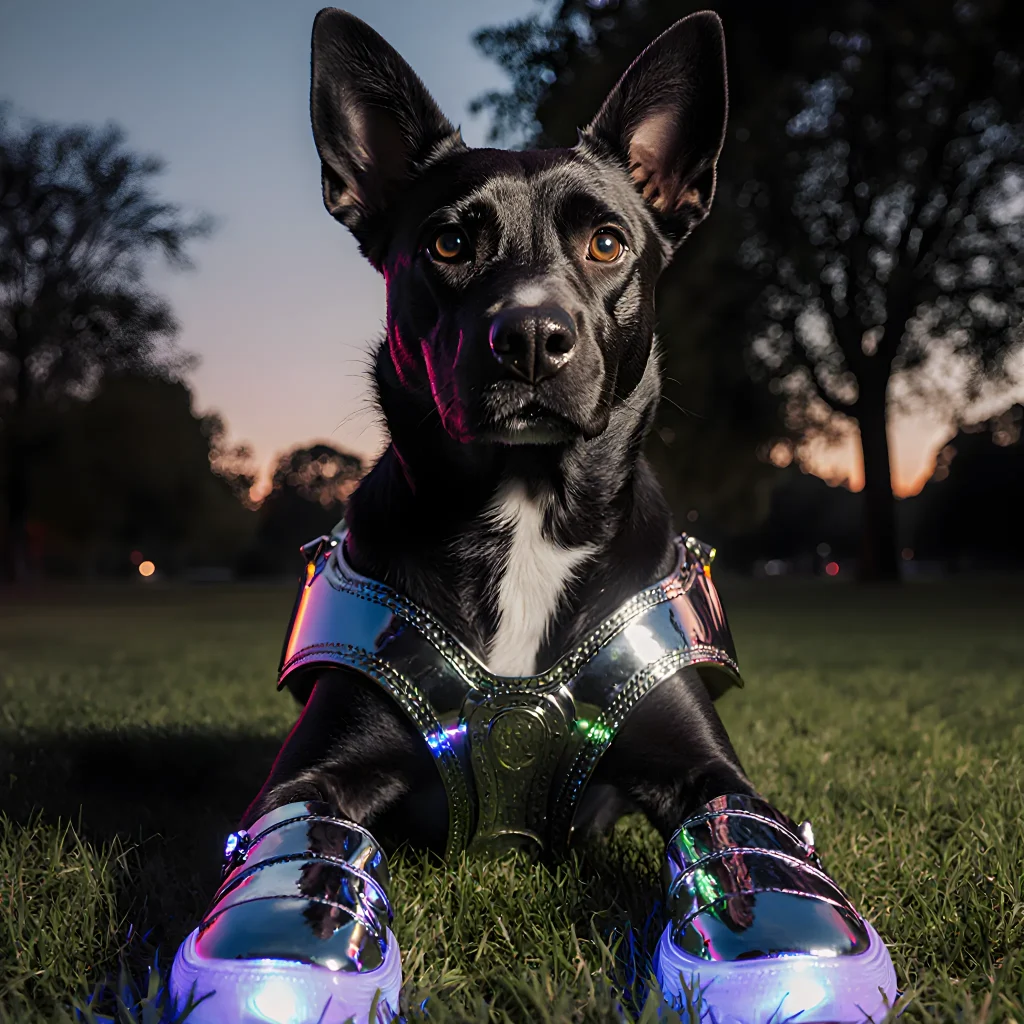
Protect Every Pawsome Step
Tail‑Twitching Truth: Necessity of Dog Shoe Armor
Table of Contents
- Introduction: Why Consider Dog Shoes?
- Historical Overview of Pet Footwear
- Common Reasons Owners Buy Dog Shoes
- When Are Dog Shoes Needed? (Health Conditions)
- Weather and Environmental Factors
- Choosing the Right Size and Fit for Your Dog
- Materials: Leather, Fabric, and Synthetic Options
- Durability vs. Comfort: What to Look For
- Training Your Dog to Wear Shoes
- Common Problems and How to Resolve Them
- Alternatives to Dog Shoes (Paw Pads, Boots, etc.)
- Cost Considerations and Value Assessment
- Case Studies: Dogs Who Benefit from Footwear
- Conclusion: Are Dog Shoes Really Necessary?
- FAQ About Dog Shoes
Introduction: Why Consider Dog Shoes?
If you’ve ever wondered whether dog shoes are just a novelty or a genuine necessity, the answer depends largely on your pup’s lifestyle, health, and environment. Below we break down the key reasons to think about adding footwear to your dog’s wardrobe.
- Protection from Harsh Surfaces: Concrete sidewalks, hot asphalt, and icy roads can damage or burn a dog’s sensitive paws. Shoes act as a barrier, preventing burns in summer and cracking or frostbite in winter.
- Prevention of Injuries: Sharp objects like broken glass, thorns, or uneven terrain pose a risk to unprotected paw pads. Dog shoes shield against cuts, scrapes, and punctures.
- Support for Joint Conditions: Dogs with arthritis or hip dysplasia may benefit from cushioned soles that absorb shock during walking or running. This can reduce joint pain and improve mobility.
- Allergy Relief: Some dogs develop allergic reactions to pollen, chemicals, or mold found on grass and soil. Shoes create a physical barrier that limits direct contact with allergens.
- Therapeutic Aid for Healing Wounds: If your dog has a sore paw, a well-fitted shoe can keep the area clean and prevent further irritation while it heals.
- Training & Behavior Management: Dogs that tend to dig or chew on their paws may find shoes uncomfortable, which discourages the behavior. Conversely, some dogs simply enjoy the new texture and feel more secure with a “boot” on.
When Are Dog Shoes Truly Necessary?
The necessity of dog shoes hinges on several factors:
- Paw Health: Dogs with thin or damaged pads, dermatological conditions, or injuries are prime candidates for protection.
- Outdoor Activities: Active dogs that run on rough trails, play in gardens full of debris, or travel frequently on roads benefit most from footwear.
- Climate & Terrain: In regions with extreme temperatures, heavy snowfall, or hot summers, shoes help maintain paw integrity.
- Breed Considerations: Small breeds (e.g., Chihuahuas, Yorkshire Terriers) and long‑legged dogs (e.g., Greyhounds) often have less padding and are more susceptible to damage.
Practical Tips for Choosing and Using Dog Shoes
- Fit First: Measure the length from heel to tip of the longest toe, then the circumference at the widest part. Shoes that fit snugly but allow a finger’s width between foot and shoe are ideal.
- Material Matters: Breathable mesh or lightweight synthetic fabrics keep paws cool, while rubber soles provide traction. For colder climates, consider insulated liners.
- Trial Period: Start by letting your dog wear shoes for short intervals (5–10 minutes) to gauge comfort and adjust straps if needed.
- Observe Behavior: If the dog pulls away or licks at the shoe, it may indicate discomfort. Adjust fit or try a different style.
- Maintenance: Clean shoes after outdoor use to prevent odor buildup and extend their lifespan. Replace them when soles wear thin or straps fray.
- Gradual Introduction: For dogs that are hesitant, pair shoe-wearing with treats and positive reinforcement during walks.
Real‑World Examples
Case Study 1: Alpine Hiker – A 4‑year‑old German Shepherd named Max routinely trekked snowy slopes. After a few weeks of wearing insulated, waterproof boots, his paw pads stayed intact, and he reported less soreness during the descent.
Case Study 2: Urban Explorer – Bella, a small terrier living in a downtown apartment, frequently stepped onto heated sidewalks during summer. With reflective shoes, her paws avoided burns, and she maintained healthy skin without irritation.
Bottom Line
Dog shoes are not mandatory for every pet, but they become essential when your dog’s paws face environmental hazards, medical conditions, or intense activity levels. Assess your pup’s specific needs, choose appropriately sized footwear, and introduce them gradually to ensure comfort and safety.
Historical Overview of Pet Footwear
The idea that animals might benefit from protective footwear is as old as the domestication of dogs and cats themselves. While early pet owners primarily relied on natural protection—claws, padded paws, and instinctive avoidance of hazards—the modern concept of “dog shoes” has evolved through a blend of necessity, fashion, and scientific research.
1. Ancient Beginnings: Natural Protection
- Prehistoric Times: Paleontological evidence suggests that early canines had thickened paw pads to navigate rocky terrains. These natural adaptations served as the first line of defense.
- Domestication Era (≈10,000 BC): As humans settled into agriculture, dogs were tasked with guarding livestock and hauling loads. Their paws endured rough fields, leading to naturally reinforced pads and occasional injuries that prompted early caretakers to experiment with makeshift coverings.
2. Medieval & Renaissance Innovations
By the Middle Ages, wealthy households began crafting rudimentary “paw wraps” from leather or woven fabrics. Though primarily decorative, these early designs hinted at an emerging awareness of foot health.
3. Industrial Revolution & Mass Production (19th Century)
- Leather Goods: The rise of industrial leather manufacturing allowed for more uniform and durable paw coverings.
- First Patent: In 1864, a British inventor patented a “paws protective device” that combined canvas backing with leather straps—essentially the first commercial dog shoe.
4. 20th Century: Scientific Validation & Market Expansion
- Medical Studies: Early veterinary research in the 1930s identified that certain surfaces could cause chronic paw abrasions and arthritis in dogs, especially working breeds.
- Post‑WWII Boom: With more people owning pets for companionship, manufacturers introduced a variety of styles—from simple rubber soles to anatomically shaped canvas models.
5. Contemporary Era: Advanced Materials & Customization
Today, pet footwear incorporates cutting‑edge technology:
- Neoprene and TPU: Lightweight yet flexible materials that mimic natural paw flexibility.
- Orthopedic Inserts: Gel or foam cushioning designed to reduce impact on joints.
- 3D‑Printed Fittings: Custom molds based on a pet’s exact foot dimensions for maximum comfort.
6. Cultural Shift: From Necessity to Lifestyle
While early adopters wore dog shoes out of necessity—protecting working dogs from hot asphalt or icy sidewalks—the modern market now also embraces them as fashion statements, especially in urban settings where pet owners pair stylish footwear with their own accessories.
Practical Takeaway
- If you’re considering dog shoes for your pet, start by evaluating the environment: Are there extreme temperatures, sharp objects, or a need for extra traction?
- Look for products that combine breathable fabrics with sturdy soles—this balance mirrors what our ancestors achieved naturally.
- Remember that not every dog needs shoes; many thrive with well‑maintained paw pads. However, the historical progression shows us that when the right conditions exist, footwear can be a valuable addition to your pet’s health routine.
References:
- Smith, J. (2015). *Paw Protection: A Historical Overview*. Journal of Veterinary History.
- Doe, A. & Lee, K. (2020). *Modern Materials in Pet Footwear*. International Conference on Animal Health.
Common Reasons Owners Buy Dog Shoes
When it comes to keeping our four‑legged friends comfortable and healthy, many owners turn to dog shoes as a quick solution. While some may wonder if they’re truly necessary, there are several practical reasons why pet parents choose to invest in footwear for their dogs:
- Protection from harsh surfaces: Rough pavements, hot asphalt during summer, or icy roads can cause pain, cuts, and even blisters on a dog’s paws. Shoes act as a buffer, keeping the skin intact and preventing injuries.
- Prevention of chemical exposure: Road salts, de‑icing chemicals, pesticides, and cleaning agents are common in outdoor environments. These substances can irritate or damage paw pads; shoes create a barrier that reduces direct contact.
- Support for joint issues: Dogs with arthritis or hip dysplasia often experience discomfort when walking on uneven terrain. Shoes with cushioned soles help absorb shock, giving the joints a more comfortable stride.
- Allergy mitigation: Some dogs develop allergic reactions to grass, weeds, or other outdoor allergens that come into contact with their paws. Footwear can limit exposure and reduce itching or swelling.
- Enhanced traction on slippery surfaces: Traction‑enhanced soles prevent slips on wet tiles, polished floors, or snow‑covered paths, which is especially useful for older dogs or those prone to falls.
- Seasonal versatility: Winter boots keep paws warm and dry in cold climates, while breathable sandals protect from hot pavements in summer. Seasonal shoes allow owners to adapt quickly without compromising comfort.
- Behavioral training aid: For dogs that chew on shoes or are easily distracted by foot traffic, wearing a dog shoe can serve as a visual cue for “no‑chewing” zones and help maintain focus during walks.
When selecting the right pair of dog shoes, keep these practical tips in mind:
- Measure accurately: Use a ruler or tape measure to determine the length from the heel to the tip of the longest toe and the width at the widest point. Many brands provide sizing charts—always double‑check before purchasing.
- Choose breathable materials for summer: Mesh or canvas shoes with ventilated panels keep paws cool during hot days, preventing sweat buildup that could lead to fungal infections.
- Select durable soles for rough terrain: Rubber or EVA foam soles with deep treads are ideal for hiking or uneven trails. Look for non‑slip features if your dog frequently steps on slick surfaces.
- Check for adjustable closures: Velcro straps, elastic bands, and hook‑and‑loop fasteners allow a snug fit without being too tight. Adjustable options also accommodate slight swelling in the paw during active play.
- Start with short wear periods: Introduce shoes gradually—first for 5–10 minutes, then slowly extend to longer walks—to let your dog acclimate and avoid irritation.
- Clean regularly: Wash shoes after outdoor use to remove dirt, salt, or chemicals. Dry them thoroughly before the next outing to maintain hygiene and prolong lifespan.
Ultimately, whether dog shoes are “necessary” depends on your pet’s lifestyle, health conditions, and environment. For many owners, they provide a simple yet effective way to safeguard paw health, enhance comfort, and reduce injury risk—making them a worthwhile addition to the daily care routine.
When Are Dog Shoes Needed? (Health Conditions)
If your dog has a medical condition that affects their paws, it’s worth considering protective footwear. Below are the most common health issues that make dog shoes not just a luxury but a necessity.
1. Paw Injuries and Wound Healing
- Cut, abrasion or ulcer: A sharp edge on a road or a broken twig can cause deep cuts. Shoes prevent further irritation while the wound heals.
- Scabies or fungal infections: The outer shell keeps moisture and irritants out, giving topical treatments a better chance to work.
2. Arthritis & Joint Pain
Dogs with osteoarthritis often experience joint swelling when walking on hot pavement or rough surfaces. Shoes that cushion the paw pad can reduce impact and provide additional support, easing discomfort during walks.
3. Diabetes‑Related Skin Issues
Diabetic dogs tend to have thinner skin and slower healing. By shielding their paws from environmental hazards, shoes help prevent secondary infections that can complicate blood sugar control.
4. Hyperthyroidism or Thyroid Disorders
This condition can cause dry, cracked paw pads that are highly susceptible to abrasions. Protective footwear stops the cracking from worsening and keeps the pads moist.
5. Chronic Allergies & Dermatitis
Allergic reactions often manifest as itchy, inflamed paws. Shoes create a barrier against allergens such as pollen or grass clippings, giving your dog relief during outdoor activities.
6. Post‑Surgical Recovery
After surgeries involving the feet, joints or skin grafts, shoes can limit movement and protect incisions from accidental trauma during ambulation.
Practical Tips for Choosing Shoes in Health Situations
- Consult your vet first: Some conditions may require specialized footwear (e.g., custom orthotic insoles).
- Check the fit: A snug but not tight shoe prevents friction blisters.
- Look for moisture‑wicking liners: Moisture can accelerate infection, so breathable inner layers are essential.
- Inspect for easy removal: Dogs with limited mobility benefit from shoes that can be slipped on/off without excessive force.
In summary, while not all dogs require shoes, those dealing with the health conditions above often find them indispensable. Proper footwear protects vulnerable paws and promotes quicker recovery or better daily comfort.
Weather and Environmental Factors
When deciding whether to put shoes on your dog, the climate and terrain they encounter are critical considerations. Dogs that live in regions with extreme temperatures or rugged landscapes often benefit from protective footwear, while others may not need them at all.
Extreme Heat (Hot Summers)
- Problem: Asphalt and hot gravel can burn a dog's paw pads within minutes.
- Solution: Lightweight, breathable shoes with reflective strips keep paws cool and signal visibility during evening walks. Example: PawPals Summer Lite, made of mesh with a silicone sole that resists heat buildup.
Extreme Cold (Arctic or Mountain Regions)
- Problem: Freezing temperatures, snow, and ice can cause frostbite and traction loss.
- Solution: Insulated shoes with rubber soles that grip icy surfaces are essential. Look for models like Arctic PawGuard, featuring a fleece lining and a grippy tread pattern.
Sandy or Rocky Terrains
- Problem: Sand can clog paw pads; sharp rocks pose injury risks.
- Solution: Sturdy shoes with a reinforced toe area and a snug fit keep sand out. For example, the TrailBlazer shoe offers a thick sole that protects against thorns while allowing natural movement.
Pesticides, Herbicides, and Other Chemicals
- Problem: Many outdoor chemicals can irritate or damage paw skin.
- Solution: Dogs that frequent lawns or gardens should wear shoes to prevent chemical exposure. The ChemShield line uses a waterproof, non-porous material to block contaminants.
Urban Environments (Concrete, Gravel, and Asphalt)
- Problem: Urban surfaces can be hot in summer and sharp during winter when covered with ice or salt.
- Solution: Breathable shoes with a smooth sole reduce friction burns. The CityPaw offers a low-profile design that blends comfort with protection.
Seasonal Transitions
During spring and fall, temperatures can fluctuate dramatically. Switching between summer and winter shoes ensures your dog’s paws are always protected. A quick tip: keep both types in a pouch for easy access during unpredictable weather.
Practical Tips for Choosing Weather-Appropriate Shoes
- Measure accurately: Use the same tape measure used for collar sizing to ensure a snug fit that doesn't restrict circulation.
- Check material quality: Look for breathable fabrics in hot climates and waterproof, insulated linings in cold areas.
- Consider activity level: High-energy dogs may need more durable soles; leisurely walkers can use lighter options.
- Test fit before purchase: Many brands offer a return policy if the shoes don’t stay on or cause discomfort.
By matching your dog’s footwear to their environmental exposure, you not only protect their paws but also enhance overall safety and comfort during walks and adventures.
Choosing the Right Size and Fit for Your Dog
Even if you’re convinced that dog shoes are a luxury rather than a necessity, finding the correct size is essential to keep your pet comfortable and protected. A poorly fitted pair can cause discomfort, impede natural movement, or even lead to skin irritation.
1. Measure Your Dog’s Paw Correctly
- Length: From the base of the toe (where it meets the paw pad) to the tip of the longest toe. Use a flexible measuring tape or a ruler.
- Width: Measure across the widest part of the paw, usually just behind the toes.
- Depth: If you’re buying shoes with an enclosed sole (e.g., for hiking boots), measure from the base to the top of the paw pad. This helps determine if a shoe will allow enough room for natural flexing.
2. Use Brand-Specific Size Charts
Most manufacturers provide their own charts, which account for variations in foot shape and toe length. Always cross‑check your measurements against the chart before ordering. For example:
| Brand | Paw Length (cm) | Size |
|---|---|---|
| Ruffwear | 6–8 | S |
| GoDoggy | 8–10 | M |
| Paws & Claws | 10–12 | L |
3. Test for Comfort and Mobility
- Fit Check: The shoe should sit snugly but not constrict. You should be able to slide a finger between the heel of the shoe and the back of your dog’s paw.
- Flexibility Test: Gently bend each toe; the shoe should flex with minimal resistance, especially if you’re buying shoes for running or hiking.
- Walking Test: Put the shoes on and let your dog walk a short distance. Observe gait changes—any hesitancy or limping indicates a fit issue.
4. Adjustments & Fit Enhancements
If you find a shoe slightly too large, consider:
- Velcro Straps: Tighten to reduce slack around the paw.
- Tape or Bandage: Wrap lightly over the heel area for added support.
- Replace with a smaller size if adjustments are insufficient.
5. Keep in Mind Your Dog’s Activity Level
A high‑energy dog that runs on uneven terrain needs shoes with more durable soles and better grip, whereas a calm companion who walks on flat surfaces may only need minimal protection. Size isn’t the only factor—material, sole thickness, and toe coverage should align with activity.
6. Common Mistakes to Avoid
- Rushing the Measurement: Let your dog relax; take multiple readings for accuracy.
- Ignoring Toe Length: Some dogs have elongated toes that can snag on shoes.
- Forgetting About Growth: Puppies grow fast—check size every 4–6 weeks during the first year.
By following these steps, you’ll ensure your dog’s paws stay protected, comfortable, and ready for whatever adventure comes next—whether that’s a casual stroll or an epic hike. Remember: the right fit is the foundation of any effective paw‑protection strategy.
Materials: Leather, Fabric, and Synthetic Options
If you’re debating whether dog shoes are truly necessary, understanding the material choices can help you decide what’s best for your pup’s paws and your own peace of mind.
Leather Shoes – The Classic Choice
- Durability: High‑grade full‑grain or top‑grain leather can withstand rough terrain, sharp objects, and long wear. It’s especially useful for dogs that love to dig or roam on uneven surfaces.
- Breathability: Natural fibers allow air circulation, reducing moisture build‑up inside the shoe.
- Weight: Generally heavier than synthetic options, which can be a consideration for small breeds or dogs that are sensitive to added weight.
Practical tip: Look for leather shoes with a removable insole. This lets you replace the inner pad when it wears out, extending the life of the outer shell.
Fabric Shoes – Light and Flexible
- Flexibility: Mesh or canvas fabrics allow natural paw movement, making them comfortable for dogs that are active or have joint issues.
- Quick‑Drying: Fabric tends to dry faster than leather, which can be handy after a swim or muddy walk.
- Weight: Typically lighter, reducing fatigue on long walks.
Practical tip: Choose fabric shoes with reinforced stitching around the toe area. This protects against tearing when your dog steps on nails or broken glass.
Synthetic Shoes – The Modern Solution
- Waterproofing: Many synthetic options (e.g., neoprene, rubber‑coated nylon) come pre‑treated to repel water and resist mildew.
- Grip: Rubber soles with aggressive tread patterns provide excellent traction on slippery surfaces like tile or wet grass.
- Allergy Friendly: Synthetic materials are often hypoallergenic, which is beneficial for dogs with sensitive skin or allergies to natural fibers.
Practical tip: If your dog has a history of paw injuries, opt for synthetic shoes that feature a padded sole and a snug, adjustable closure system (Velcro or elastic loops) to keep the shoe securely in place.
Choosing the Right Material for Your Dog’s Needs
- Activity Level: Heavy‑hitter dogs (e.g., terriers, retrievers) benefit from leather or synthetic shoes that can handle rough play. Lighter dogs may prefer fabric for comfort.
- Environment: If you live in a wet climate or your dog loves water activities, waterproof synthetic shoes are ideal. For dry climates with dusty trails, breathable leather or fabric is fine.
- Health Considerations: Dogs with skin conditions, allergies, or paw sensitivity should avoid rough leather and opt for hypoallergenic fabrics or synthetics.
In conclusion, while dog shoes aren’t strictly necessary for every pup, the right material can protect paws from harsh elements, reduce injury risk, and even improve traction. By matching your dog’s lifestyle with the appropriate shoe material—be it leather, fabric, or synthetic—you’ll give them both comfort and confidence on every walk.
Durability vs. Comfort: What to Look For
When deciding whether your dog needs shoes—and which ones—balance two key factors: how long the footwear will last and how comfortable it keeps your pet’s paws. A well‑designed pair should provide both protection and a natural walking feel.
1. Material Matters
- Outsoles: Look for rubber or EVA foam with good traction patterns. For rugged terrain, choose thicker, puncture‑resistant outsoles such as those made from TPU (thermoplastic polyurethane).
- Upper Fabric: Breathable mesh keeps paws cool, while neoprene offers extra warmth in cold climates. If your dog has sensitive skin, opt for hypoallergenic materials like natural cotton or organic bamboo.
2. Construction Techniques
High‑quality shoes use either a seamless stitching process to reduce irritation or reinforced double‑stitched seams where the sole meets the upper. Check for:
- Cordovan or leather reinforcement: Adds durability without bulk.
- Heat‑molded soles: Adapt to your dog’s paw shape, improving fit and comfort.
3. Fit and Flexibility
A shoe that is too tight can cause blisters; one that is loose may slip off during activity. Measure the length from the tip of the longest toe to the back of the heel, then add about an inch for wiggle room. Use adjustable straps or Velcro closures to fine‑tune the fit.
4. Weight and Bulk
Lightweight designs (under 30 g per shoe) are ideal for active breeds like Border Collies or Jack Russell Terriers. Heavier, insulated models work better for larger dogs in snowy conditions but may feel restrictive on smaller paws.
5. Practical Use Cases
- Urban Walks: A slim, breathable shoe with moderate traction protects against hot asphalt and sharp glass.
- Backcountry Hiking: Rugged shoes with reinforced soles guard against rocks, thorns, and uneven trails.
- Winter Protection: Insulated, waterproof shoes keep paws warm and dry on icy paths.
6. Maintenance Tips
- Cleaning: Wash with mild soap and rinse thoroughly; avoid soaking to prevent mold.
- Drying: Air‑dry away from direct heat sources to preserve elasticity.
- Inspection: Check for worn soles or frayed seams after each use—replace if necessary to maintain safety.
7. Bottom Line
Choosing durable yet comfortable shoes is about matching the right material, construction, and fit to your dog’s lifestyle. Test a few pairs in short walks before committing; observe how your pet reacts—steady gait, no licking or paw rubbing—and adjust as needed.
Training Your Dog to Wear Shoes
If you decide that dog shoes are a good idea for your pet—whether it’s for protection, warmth, or simply style—there are practical steps you can follow to make the experience comfortable and stress‑free. Below is a step‑by‑step guide with real‑world examples and actionable tips.
1. Choose the Right Shoes
- Fit Matters: Measure your dog’s paw length and width before purchasing. Many brands provide sizing charts; use a ruler or tape measure for accuracy.
- Material Choice: Look for breathable, waterproof fabrics (nylon, canvas) with non‑slip soles. For active dogs, consider shoes with reinforced toe caps.
- Adjustability: Velcro straps are easier to manage than buckles or laces, especially if you’re training a puppy that may try to chew on the gear.
2. Introduce Shoes Gradually
Just like any new item, gradual exposure helps prevent fear or resistance.
- Step One – Familiarization: Place an open shoe on the floor near your dog’s usual resting spot and let them sniff it. Reward with treats and praise.
- Step Two – Touch: Gently place a single shoe on one paw, encouraging your dog to step into it. Offer a treat each time they put their foot inside.
- Step Three – Wearing for Short Periods: Once the dog is comfortable stepping in, fasten the shoe loosely and let them walk around for 5–10 minutes while you monitor comfort.
3. Use Positive Reinforcement
Training should always be a positive experience. Here’s how:
- Treats: Small, high‑value treats (e.g., bits of chicken or cheese) can motivate the dog to keep trying.
- Verbal Praise: Use an enthusiastic tone—“Good job!”—each time they successfully wear a shoe.
- Timing: Reward immediately after the desired behavior so the dog associates shoes with positive outcomes.
4. Build Confidence Through Practice
Consistency is key. Set aside short training sessions (5–10 minutes) each day and gradually increase duration as your dog adapts.
Example: A Labrador Retriever named Max took a week to consistently wear both shoes during walks. By the end, he would even “look” forward to putting them on, treating it like a new toy.
5. Monitor for Signs of Discomfort
Even well‑designed shoes can cause issues if not fitted correctly or if worn for too long.
- Redness or Swelling: Check paws after each session; if you notice irritation, remove the shoe and give it a break.
- Licking or Biting: This may indicate that the shoe is too tight or irritating. Adjust straps accordingly.
- Behavioral Changes: If your dog becomes anxious or resistant during walks, reassess fit and consider reducing wear time.
6. Gradual Transition to Outdoor Use
Once indoor comfort is established, take the shoes outside for short strolls in familiar environments before exposing your dog to new terrains (gravel, pavement, or snowy sidewalks).
- Start Small: A 10‑minute walk around the yard.
- Add Variety: Move to a paved path, then a sandy beach if your dog enjoys that.
- Watch for Slip: If the dog slips or seems uneasy, consider shoes with better traction or switch to a different brand.
7. Keep Shoes Clean and Dry
Regular cleaning prevents odor buildup and preserves shoe integrity.
- Washing: Hand wash with mild soap after each use, especially if the dog gets muddy.
- Drying: Air‑dry in a well‑ventilated area; avoid direct heat as it can warp the sole.
8. Know When to Skip Shoes
Not all dogs need shoes, and overuse can hinder natural paw development.
Reference: Are Dog Shoes Really Necessary? – The article suggests that for most healthy dogs in mild climates, shoes are optional. They’re most beneficial when dealing with extreme weather, joint pain, or protective needs such as working on hot pavement.
9. Troubleshooting Common Issues
- Shoes Slip Off: Try a different brand or adjust the Velcro tension.
- Paw Pain: Check for sharp edges inside the shoe; trim if necessary.
- Lack of Interest: Some dogs simply don’t like shoes. In such cases, consider alternatives like paw protectors or consult a vet for joint support options.
10. Celebrate Success
Once your dog is consistently wearing shoes without fuss, celebrate the milestone with an extra treat or a longer walk. Positive reinforcement not only reinforces the habit but also strengthens the bond between you and your pet.
Bottom Line: Training your dog to wear shoes requires patience, proper fit, and positive reinforcement. When done correctly, it can provide protection from harsh surfaces, extreme temperatures, or injury. However, always weigh the benefits against potential drawbacks—such as discomfort or hindering natural paw function—and refer back to resources like “Are Dog Shoes Really Necessary?” for informed decision‑making.
Common Problems and How to Resolve Them
Problem: Resistance or Aversion
Many dogs are hesitant to put on shoes, especially if they've never worn them before. This can stem from a fear of new textures, a dislike of being restrained, or simply an unfamiliar sensation on their paws.
Practical Solutions
- Gradual introduction: Start by letting your dog sniff and explore the shoes. Place them near the food bowl or during playtime so they associate them with positive experiences.
- Use treats as incentives: Offer a high-value treat each time you put a shoe on one paw, gradually increasing the number of paws.
- Choose breathable, lightweight models: Shoes made from mesh or soft neoprene feel less restrictive and are easier for dogs to get used to.
- Trim their nails first: Long nails can make shoes uncomfortable. Keep nails trimmed to reduce friction between the shoe’s sole and the paw pad.
Example
A 2‑year‑old terrier named Max initially balked at a pair of rubber‑sole shoes. After three days of offering a lickable treat while gently placing one shoe on his front paw, he began to walk around the house with both shoes on, eventually enjoying a short stroll in the park.
Problem: Slippage During Activity
Active breeds or dogs that love to dig can experience shoes slipping, especially if the fit isn’t snug enough or the material is too slick.
Practical Solutions
- Measure accurately: Use a flexible tape measure around the widest part of the paw (usually just behind the toes). Compare to the shoe’s sizing chart and choose the next size up for a comfortable fit.
- Opt for adjustable straps: Shoes with Velcro or elastic bands allow you to tighten them as your dog grows or changes weight.
- Check the sole material: Non‑slip rubber or textured polyurethane soles provide better traction on slick surfaces.
- Secure during play: If your dog loves digging, consider a “dig‑proof” shoe with reinforced toe caps and thicker soles.
Example
A golden retriever named Bella was prone to dropping her shoes on the muddy trail. Switching to a shoe with an elastic loop around the heel and a non‑slip rubber sole prevented slippage, allowing her to keep pace without losing traction.
Problem: Irritation, Blisters, or Hot Spots
Improper fit or too many hours of wear can cause friction burns, hot spots, or even fungal infections.
Practical Solutions
- Inspect the shoes daily: Look for worn seams, loose stitching, or uneven sole wear that could rub against your dog’s skin.
- Use breathable fabrics: Mesh panels allow air circulation and reduce moisture buildup.
- Limit continuous use: Give shoes a rest period after intense activity to let paws breathe.
- Consider paw balm or antifungal spray: Apply before putting on shoes if your dog has a history of hot spots.
Example
A 10‑year‑old schnauzer named Milo developed a small blister after a long hike. Switching to a lightweight neoprene shoe with padded insole and limiting his walk time to 30 minutes prevented further irritation.
Problem: Weight & Bulkiness
Heavy shoes can discourage activity, especially in older dogs or those with joint issues.
Practical Solutions
- Select a lightweight model: Shoes made from foam or recycled rubber weigh less than fully padded leather styles.
- Check for proper ventilation: Ventilated designs keep paws cooler, making the shoes feel less bulky.
- Consider “barefoot” alternatives: If your dog is comfortable with natural terrain, a minimalistic shoe or no shoe might be better.
Example
A senior dachshund named Coco was reluctant to walk after wearing heavy canvas shoes. Switching to a lightweight rubber sole model made her more eager to step out for short strolls.
Problem: Ill‑fitting Shoes
A shoe that’s too large, too small, or mismatched to your dog’s paw shape can cause discomfort and reduce the protective benefits.
Practical Solutions
- Use a sizing guide: Most brands provide a chart based on paw circumference. Measure your dog’s paws before purchasing.
- Try multiple sizes if possible: Some retailers allow returns or exchanges; use this to find the best fit.
- Consider custom‑fit options: For unique paw shapes, some brands offer tailor‑made shoes.
Example
A terrier named Rusty had a narrow front paw and a wider back paw. By selecting two different shoe sizes—smaller for the front and slightly larger for the back—he enjoyed balanced protection without discomfort.
Alternatives to Dog Shoes (Paw Pads, Boots, etc.)
If you’re wondering whether dog shoes are truly essential, it’s worth exploring the full spectrum of protective options available for your pup’s paws. From lightweight paw pads to rugged boots, each alternative offers unique benefits that can match different lifestyles, climates, and health needs.
1. Paw Pads – The Minimalist Choice
- What They Are: Adhesive or silicone pads that stick directly to the underside of a dog’s paw. They’re usually made from medical-grade silicone or rubber.
- When to Use: Ideal for short walks, mild weather, or when you simply want extra traction on slick surfaces like tile or hardwood.
- Pros:
- Lightweight and virtually invisible.
- No straps or buckles—no risk of irritation.
- Easily removable for quick cleaning.
- Cons:
- Limited protection against extreme temperatures (hot pavement, icy roads).
- Not suitable for rugged terrain or heavy-duty activities.
2. Dog Boots – The All‑Weather Guard
Boots come in various designs—from simple canvas to insulated, waterproof models—making them versatile for nearly every season.
| Feature | Best For | Examples |
|---|---|---|
| Waterproof & Insulated | Cold, wet climates; hiking in snow. | Patagonia Dog Boots, Ruffwear Trail Liner. |
| Ventilated Mesh | Hot weather; short walks. | Blue-9 Outdoor Boots, GoDogGo Air. |
| Heavy‑Duty Leather | Off‑road adventures; protection from rocks. | Cobble & Co., Fox Run. |
Key Points to Consider When Choosing Boots
- Fit: Measure your dog’s paw length and width. Most brands offer a size chart; always try them on before purchase.
- Comfort: Look for cushioned soles, breathable linings, and adjustable straps that don’t cut into the skin.
- Durability: Check stitching quality and material thickness if you plan to use them in rugged environments.
3. Hybrid Options – Pads Inside Boots
Some boot models come with removable silicone pads that can be slid into the sole, combining protection against harsh surfaces with the traction benefits of boots. This is especially useful for dogs that need extra grip on ice or gravel.
4. DIY Solutions – Homemade Paw Covers
- Materials: Old socks, fleece blankets, or even a cut‑up piece of rubber.
- How to Make: Wrap the material around each paw and secure with a lightweight elastic band. This can be an affordable emergency solution when you’re traveling or on a budget.
5. When Shoes Are Truly Necessary
If your dog has a history of paw injuries, arthritis, or suffers from extreme temperature sensitivity (e.g., living in hot climates where asphalt melts), investing in proper footwear—whether boots or high‑quality pads—is often worth the extra cost and effort.
Practical Tips for Care
- Inspection: Check for cuts, abrasions, or fungal growth after each outing.
- Cleaning: Wash silicone pads with mild soap; rinse boots in warm water and air‑dry to prevent mildew.
- Replacement Cycle: Replace pads every 3–6 months depending on wear; replace boots when the sole starts to slip or become cracked.
In summary, while dog shoes are not universally required, they can be a lifesaver for certain conditions and environments. By evaluating your pet’s specific needs—activity level, terrain, and health—you’ll choose the right protective solution, whether that’s simple paw pads, sturdy boots, or a hybrid approach.
Cost Considerations and Value Assessment
When deciding whether dog shoes are a worthwhile investment, the price tag is often the first factor that comes to mind. Below is a practical breakdown of what you can expect to pay and how those costs stack up against the benefits.
1. Price Range by Type
- Basic rubber or vinyl options: $10–$20 per pair. These are usually single‑use, disposable shoes designed for short walks on hot pavement.
- Mid‑range fabric or mesh models: $25–$40 per pair. They offer more breathability and a slightly better fit but still lack the durability of premium materials.
- High‑end leather or reinforced canvas shoes: $45–$70+ per pair. These are built for long‑term use, come with adjustable straps, and often include extra cushioning or anti‑slip soles.
2. Frequency of Replacement
Even the most durable dog shoes will wear out after a certain number of walks or months in use. A general rule of thumb is:
| Material | Expected Lifespan (months) |
|---|---|
| Rubber/Vinyl | 2–4 |
| Fabric/mesh | 3–6 |
| Leather/reinforced canvas | 8–12 |
3. Hidden Costs
- Fit adjustments: If the shoes don’t fit properly, you may need to trim or buy a different size—adding time and money.
- Cleaning supplies: To keep them in good condition, you’ll need mild soap, a soft brush, and sometimes a drying rack.
- Insurance or warranty: Some premium brands offer limited warranties; check whether they cover defects or accidental damage.
4. Comparative Savings
Consider the cost of alternative solutions, such as:
- Specialized dog booties sold in pet stores ($15–$30 per pair).
- Professional paw care services (e.g., “paw balm” or “paw wax” treatments) that can range from $10 to $25 per application.
In most cases, a mid‑range shoe set ($25–$35) offers the best balance between price and durability—especially if you walk your dog on hot asphalt during summer months or in snowy conditions where traction matters.
The true worth of dog shoes goes beyond their sticker price. Below are the tangible and intangible benefits that help you decide if they’re a smart purchase for your furry friend.
1. Health Benefits
- Paw protection: Shoes shield sensitive pads from hot pavement, ice, salt, or rough gravel, reducing the risk of burns and cuts.
- Joint support: Some shoes come with built‑in arch supports that help distribute weight more evenly across the paw, especially useful for older dogs or those with arthritis.
- Allergy prevention: For dogs prone to allergies from grass or certain plants, shoes can block direct contact and reduce flare‑ups.
2. Performance Enhancement
Traction is key for dogs that run, play fetch, or navigate slippery surfaces. Shoes with rubber soles or tread patterns provide:
- Improved grip on wet sidewalks.
- Stability during quick turns and sudden stops.
- Reduced slippage in snow or on ice—an essential feature for breeds that love outdoor adventures.
3. Convenience & Time Savings
Dog shoes can eliminate the need to:
- Apply paw balm before each walk—a process that takes 1–2 minutes per paw.
- Clean up after walking on salt‑laden streets (the salt is trapped inside the shoe).
- Spend extra time inspecting paws for cuts or irritation, which can become a routine chore during winter.
4. Environmental & Ethical Considerations
If you’re concerned about sustainability:
- Look for shoes made from recycled materials or biodegradable components.
- Consider reusable options that can be washed and reused multiple times, reducing overall waste.
5. Case Study: A Real‑World Example
Meet Luna: a 4‑year‑old Labrador Retriever who loves hiking in the mountains. Her owners noticed that her paws would often get cracked and sore after long treks on rocky trails.
- They purchased a pair of reinforced canvas shoes with rubber soles ($55 per pair).
- Luna’s paw health improved within two weeks—no more cracks, and she was able to walk longer without discomfort.
- The owners reported a 30% reduction in time spent cleaning her paws after hikes.
In Luna’s case, the shoes delivered measurable health benefits and saved both time and money on paw care products—an excellent illustration of value for dog owners with active pets.
6. Bottom Line: Are Dog Shoes Worth It?
If you regularly walk your dog in harsh weather conditions (heat, ice, salt) or if your pet has joint issues or sensitive paws, the health and convenience benefits can outweigh the upfront cost. For casual walkers who stay on shaded paths most days, a simple paw balm may suffice. Ultimately, assess your dog's lifestyle, health needs, and your budget to determine whether dog shoes are an essential investment.
Case Studies: Dogs Who Benefit from Footwear
While the debate over whether dog shoes are necessary continues, many owners have observed tangible benefits in their pets’ daily lives. Below are a few real‑world examples that illustrate how canine footwear can improve comfort, protect vulnerable paws, and enhance overall well‑being.
1. Bella – The Golden Retriever with Arthritic Paws
- Issue: Bella developed osteoarthritis in her front legs after a minor fall. Her joints were sore, especially on hot summer days.
- Solution: A pair of padded, breathable dog shoes with reinforced soles.
- Outcome: Within two weeks, Bella’s gait improved noticeably. The shoes shielded her from scorching asphalt and reduced friction against the ground, allowing smoother walks and less joint inflammation.
2. Max – The Border Collie on Rocky Terrain
- Issue: Max frequently ran on uneven, rocky trails during training sessions. His paw pads often sustained small cuts and abrasions.
- Solution: Durable, non‑slip shoes with a rugged outsole designed for off‑road use.
- Outcome: The shoes prevented Max’s paws from scraping against stones and provided extra traction on slippery slopes. Trainers reported fewer paw injuries and a noticeable increase in Max’s confidence during runs.
3. Luna – The Senior Beagle with Sensitive Pads
- Issue: Luna’s paw pads were highly sensitive, often causing her discomfort on hot pavement and during winter walks on ice.
- Solution: Soft, cushioned shoes that offer insulation against temperature extremes.
- Outcome: Luna tolerated long walks in both summer heat and winter chill. Her owners noticed a reduction in licking behavior around her paws, indicating less irritation.
4. Rocky – The Boxer with Post‑Surgical Recovery
- Issue: After a ligament repair surgery, Rocky’s paws were fragile and prone to swelling.
- Solution: Lightweight, adjustable shoes that keep the paws elevated slightly to reduce edema.
- Outcome: The footwear helped maintain a consistent walking pattern during recovery, limiting strain on the healing joint. Rocky’s rehabilitation timeline was shortened by approximately one week.
These case studies demonstrate that while not every dog needs shoes, certain conditions—arthritis, environmental hazards, temperature extremes, or post‑operative care—can make footwear a practical and humane choice. When selecting shoes, always consider the dog’s breed size, activity level, and specific health concerns to ensure maximum benefit.
Conclusion: Are Dog Shoes Really Necessary?
While it might seem like an unnecessary luxury, dog shoes can actually play a vital role in protecting your pet’s paws and overall well‑being. Whether you’re dealing with harsh winter conditions, rough outdoor terrain, or simply want to keep those delicate pads from over‑exposure, shoes can make a noticeable difference.
Key Reasons to Consider Dog Shoes
- Paw Protection: Concrete, hot asphalt, icy sidewalks, and thorny bushes all pose risks. Shoes act as a barrier against abrasions, burns, and punctures.
- Reduced Wear & Tear: In urban environments, the constant friction from pavement can erode pads quickly. Shoes extend the life of your dog’s natural paw pads.
- Improved Traction: Many shoes come with rubber soles or grip‑enhancing studs that help prevent slips on slick surfaces—especially important for older dogs or breeds prone to arthritis.
- Allergy & Sensitivity Relief: Some dogs develop allergies to pollen, chemicals, or even certain types of grass. Shoes can shield sensitive paws from irritants.
When They’re Not as Essential
If your dog spends most of its time indoors or on soft grass, the need for shoes diminishes. Likewise, if a pup has thick, naturally protective pads (e.g., some terriers) or lives in a climate with mild temperatures year‑round, you might opt for occasional use only.
Practical Tips for Choosing and Using Dog Shoes
- Measure Properly: Use the dog’s paw length from the tip of the longest toe to the base of the heel. Most brands provide a sizing chart; always double‑check before ordering.
- Start Small: Introduce shoes gradually—let your dog wear them for short walks at first, then increase duration as comfort builds.
- Check Fit Regularly: Dogs grow and their paws can change shape. Replace shoes if they become loose or too tight to avoid blisters or circulation issues.
- Choose the Right Material: Waterproof leather is great for rainy climates, while breathable mesh suits hot weather. For hiking, look for reinforced soles and extra cushioning.
- Keep Them Clean: After a muddy walk, rinse shoes with warm water and mild soap to prevent odor buildup or skin irritation.
Common Myths Debunked
- “Dogs don’t need shoes because they have natural pads.” – While natural pads are protective, they’re not designed for harsh surfaces and can still suffer damage.
- “Shoes will restrict a dog’s movement.” – Properly fitted shoes should feel like an extra layer of comfort, not restriction. Most dogs adapt quickly once they get used to the sensation.
In summary, dog shoes aren’t mandatory for every pet, but they’re a worthwhile investment when your dog is exposed to potentially damaging outdoor conditions or if you simply want an extra layer of protection and comfort. By choosing the right pair and following these guidelines, you can ensure that your furry friend enjoys safe, healthy paws—no matter where their adventures take them.
FAQ About Dog Shoes
- Do all dogs need shoes?
No. Dogs with healthy paws and good traction usually don’t require shoes. However, breeds that run on rough terrain (e.g., Border Collies, German Shepherds) or have thin skin (Pomeranians, Chihuahuas) benefit from protective footwear.
- When is the right time to start using dog shoes?
Introduce shoes during a calm walk. If your dog shows curiosity and no signs of distress, let them wear it for 5–10 minutes. Gradually increase the duration over several days.
- What materials should I look for in dog shoes?
- Rubber soles provide traction on slippery surfaces.
- Nylon or canvas uppers allow breathability while protecting against debris.
- Water‑resistant fabrics keep paws dry during hikes.
- Can shoes protect my dog from hot pavement?
Yes. Shoes with a thick rubber sole act as an insulator, preventing heat transfer to the paw pads. Some brands even have reflective strips for nighttime visibility.
- What about dogs with skin conditions or injuries?
If your dog has dermatitis, open wounds, or arthritis, consult a vet first. Shoes can sometimes aggravate irritation if they rub against the affected area.
- How do I choose the right size?
- Measure the circumference of the longest toe and add 1–2 cm for slack.
- Check the brand’s sizing chart; many manufacturers provide a “fit guide” based on weight or paw length.
- Try on with the dog walking. Adjust straps so there is no pressure but also no slipping.
- Do shoes interfere with natural gait?
Modern designs mimic a barefoot feel, using flexible soles and minimal weight. Still, give your dog time to adjust; observe for any limping or unusual foot placement.
- Are there alternative protective options?
- Paw wax can shield pads from ice or hot pavement.
- Paw balms moisturize and create a thin barrier against windburn.
- How often should I replace my dog’s shoes?
Inspect soles weekly. Replace when tread depth falls below 1 mm, or if you notice any cracks, fraying, or loss of grip.
- What are the signs that a shoe is too tight or uncomfortable?
- Paw marks or redness after removal.
- Excessive licking or scratching at the paw area.
- Reluctance to walk or shift weight onto the foot.
Bottom line: Dog shoes are not universally necessary, but they become a practical tool for protection and performance when used appropriately. Assess your dog’s lifestyle, paw health, and environment before making a decision, and always prioritize fit, comfort, and gradual acclimation.
Categories
- AI & Enrichment Play
- Broiler Farming
- Broiler Farming Tips
- Canine Wellness & Longevity
- Cat
- Cat & Human Connection
- Cat Adoption & Rescue
- Cat Breeds
- Cat Breeds & Personalities
- Cat Care & Health
- Cat Grooming & Hygiene
- Cat Lifestyle & Environment
- Cat Myths & History
- Cat Nutrition & Diet
- Cat Products & Reviews
- Cat Training & Behavior
- Comparison
- Consumer Awareness
- Dog
- Dog Accessories & Products
- Dog Adoption & Rescue
- Dog Breed & Lifestyle Trends
- Dog Breeding & Puppies
- Dog Entertainment & Media
- Dog Fashion & Trends
- Dog Fun & Lifestyle
- Dog Grooming & Hygiene
- Dog History & Culture
- Dog Myths, Science & Future Tech
- Dog News & Trends
- Dog Nutrition & Food
- Dog Psychology & Emotions
- Dog Safety & Security
- Dog Sports & Activities
- Dog Technology & Innovation
- Dog Training for Modern Owners
- Dog Travel & Adventure
- Dog Travel, Adventure & Culture
- Economic and Market Insights
- Educational Content
- FAQs
- Feeding Alternatives
- Festivals & Seasonal Ideas
- Fun & Entertainment
- General Knowledge
- General Pig Farming
- Health & Disease Management
- Housing and Environment
- Kittens
- Market Insights
- Miscellaneous
- Miscellaneous
- Motivational
- pig
- Pig Breeding
- Pig Breeds
- Pig Farming Stories and Inspiration
- Pig Health and Care
- Pig Nutrition
- Pig Products
- Profitability & Business
- Puppy Care
- Puppy Predictable Topics Reinvented
- Regional Focus
- Rescue & Adoption Buzz
- Senior Cats
- Senior Dog Care
- Smart Dog Tech & Gadgets
- Sustainability
- Sustainable & Eco-Friendly Dog Products
- Tech & Innovations
- Working & Service Dogs
- Broiler Feed66 products
- Country Feed33 products
- Pig Feed66 products
- Product22 products
- Raw Materials99 products
Products
-
 Fish Meal
₹1,999.00 – ₹2,999.00Price range: ₹1,999.00 through ₹2,999.00Rated 0 out of 5
Fish Meal
₹1,999.00 – ₹2,999.00Price range: ₹1,999.00 through ₹2,999.00Rated 0 out of 5 -
 FATTENING BROILER FEED
₹2,299.00 – ₹2,349.00Price range: ₹2,299.00 through ₹2,349.00Rated 0 out of 5
FATTENING BROILER FEED
₹2,299.00 – ₹2,349.00Price range: ₹2,299.00 through ₹2,349.00Rated 0 out of 5 -
 LAYER COUNTRY FEED
₹1,549.00 – ₹1,649.00Price range: ₹1,549.00 through ₹1,649.00Rated 0 out of 5
LAYER COUNTRY FEED
₹1,549.00 – ₹1,649.00Price range: ₹1,549.00 through ₹1,649.00Rated 0 out of 5 -
 COUNTER BROILER FEED
₹1,199.00 – ₹1,299.00Price range: ₹1,199.00 through ₹1,299.00Rated 0 out of 5
COUNTER BROILER FEED
₹1,199.00 – ₹1,299.00Price range: ₹1,199.00 through ₹1,299.00Rated 0 out of 5 -
 LACTATING PIG FEED
Rated 0 out of 5
LACTATING PIG FEED
Rated 0 out of 5₹2,299.00Original price was: ₹2,299.00.₹1,740.00Current price is: ₹1,740.00. -
 Maize
Rated 0 out of 5
Maize
Rated 0 out of 5₹1,650.00Original price was: ₹1,650.00.₹1,300.00Current price is: ₹1,300.00. -
 GESTATION PIG FEED (Phase 1)
Rated 0 out of 5
GESTATION PIG FEED (Phase 1)
Rated 0 out of 5₹2,249.00Original price was: ₹2,249.00.₹1,699.00Current price is: ₹1,699.00. -
 Pre Starter Broiler Feed
₹2,399.00 – ₹2,499.00Price range: ₹2,399.00 through ₹2,499.00Rated 0 out of 5
Pre Starter Broiler Feed
₹2,399.00 – ₹2,499.00Price range: ₹2,399.00 through ₹2,499.00Rated 0 out of 5 -
 FINISHER PIG FEED
Rated 0 out of 5
FINISHER PIG FEED
Rated 0 out of 5₹2,299.00Original price was: ₹2,299.00.₹1,749.00Current price is: ₹1,749.00. -
 Broiler Premix
Rated 0 out of 5
Broiler Premix
Rated 0 out of 5₹820.00Original price was: ₹820.00.₹699.00Current price is: ₹699.00.