
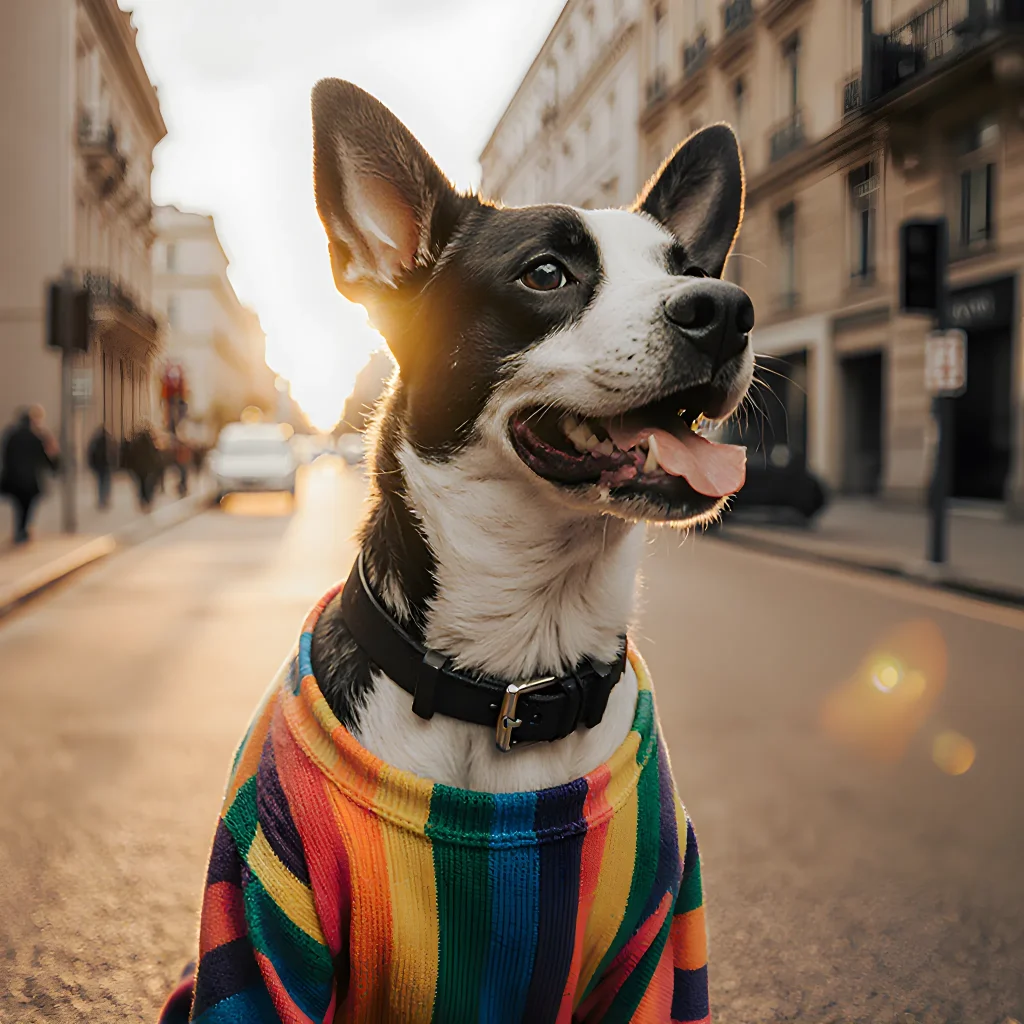
Dress Up Your Pup in Style!
How to Choose the Right Outfit for Your Dog
Table of Contents
- Introduction
- Know Your Dog’s Size and Shape
- Consider the Climate and Weather
- Choose the Right Fabric
- Safety First: Avoid Loose Parts
- Fit Matters: Measuring Your Dog
- Style Options for Different Breeds
- Seasonal Needs: Summer vs. Winter
- Comfort Features to Look For
- Budgeting for Your Dog’s Outfit
- Where to Buy: Online vs. In‑Store
- DIY vs. Ready‑Made Options
- How to Check for Allergies or Irritations
- Conclusion
- FAQ
Introduction
Selecting a dog outfit is more than just picking something cute; it’s about ensuring comfort, safety, and suitability for your pet’s lifestyle. Below you’ll find a comprehensive guide that walks through key considerations, practical examples, and actionable tips so you can make an informed decision every time.
1. Understand Your Dog’s Needs
- Breed & Size: Large breeds like Great Danes need roomy, breathable fabrics, while smaller breeds such as Chihuahuas benefit from lightweight, snug fits that don’t impede movement.
- Activity Level: Active dogs (e.g., Border Collies) require durable, stretchable material for agility, whereas more sedentary pets can comfortably wear simpler, softer garments.
- Weather Conditions: For cold climates, choose thermal layers or insulated jackets. In hot regions, opt for moisture-wicking fabrics and breathable designs.
2. Prioritize Comfort & Fit
A well-fitting outfit should never restrict your dog’s range of motion. Measure accurately:
- Neck: Wrap a measuring tape around the widest part of the neck, add 1–2 cm for comfort.
- Chest: Measure from shoulder to shoulder; add an extra centimeter.
- Waist: Take the circumference at the narrowest point below ribs.
Use these measurements to consult size charts on reputable brands. Look for adjustable straps or elastic waistbands that allow easy on/off and prevent tightness.
3. Choose Safe Materials
- No Sharp Edges: Avoid outfits with metal buckles, sharp snaps, or loose threads that could snag.
- Hypoallergenic Fabrics: Dogs with sensitive skin benefit from natural fibers like organic cotton or bamboo blends.
- Easy to Clean: Many owners prefer machine-washable options; check care instructions before purchase.
4. Match the Outfit to the Occasion
| Occasion | Recommended Outfit | Key Features |
|---|---|---|
| Daily Walks | T-shirt or short hoodie | Breathable, lightweight, no bulk |
| Winter Trips | Insulated jacket with hood | Water-resistant, windproof, reflective strips |
| Holiday Photos | Themed sweater or costume | Comfortable fit, minimal choking hazards |
5. Practical Tips for Dressing Your Dog
- Introduce Gradually: Let your dog sniff and explore the outfit before putting it on.
- Use Positive Reinforcement: Reward with treats or praise during each dressing session.
- Check for Irritation: After a walk, inspect for redness or rubbing marks around seams.
- Trim Excess Hair: For breeds with dense coats, trimming can improve airflow and reduce heat retention.
6. Where to Buy
Look for reputable pet retailers that offer detailed sizing guides and customer reviews. Popular online platforms include:
Remember, the best outfit is one that keeps your dog safe, comfortable, and looking great—no matter the occasion!
Know Your Dog’s Size and Shape
Understanding your dog’s size and shape is the first step in selecting a comfortable, functional, and stylish outfit. Even though many pet stores offer standard sizes (S/M/L/XL), these often ignore the unique body proportions of different breeds. By measuring accurately and considering your dog's specific anatomy, you can avoid common pitfalls such as loose sleeves that snag on furniture or tight collars that restrict breathing.
1. Take Precise Measurements
- Chest (Bust) Circumference: Measure around the widest part of the chest just behind the front legs. Wrap a soft tape measure snugly but not tight, and record the length in inches or centimeters.
- Neck Size: Use a flexible measuring tape to find the circumference where a collar would sit comfortably—just below the ears. This ensures the collar won’t be too tight or too loose.
- Back Length: From the base of the neck (where the collar sits) down to the base of the tail, this measurement helps determine how long the garment should be.
- Waist and Hip Measurements (optional): For dogs that need a more fitted or “dressy” look, measuring around the waist and hips can help you pick an outfit that stays in place without digging into the skin.
2. Know Your Dog’s Body Type
Different breeds exhibit distinct body shapes—long backs, flat chests, or a pronounced belly. Knowing these traits helps you anticipate how a garment will drape:
| Breadth of Chest | Common Breeds |
|---|---|
| Wide, muscular chest | Labrador Retriever, German Shepherd |
| Narrow or sloped chest | Greyhound, Whippet |
| Flat, rounded chest | Basset Hound, Beagle |
If your dog has a flat chest, choose an outfit with a slightly longer front to avoid pulling on the belly. For a long back breed like a Greyhound, ensure the garment doesn’t bunch up or create pressure points.
3. Choose Materials That Match Activity Level and Climate
- Lightweight Cotton or Linen: Ideal for summer and active dogs that need breathability.
- Wool or Heavy Denim: Best for colder climates or for dogs that stay indoors most of the time.
- Water‑Resistant Fabrics (e.g., nylon blends): Perfect for rainy days or dogs who like to splash in puddles.
- Elasticized or Stretchy Materials: Provide freedom of movement and are forgiving for dogs that run, jump, or climb.
4. Practical Tips for a Comfortable Fit
- Check the Collar: The collar should sit just below the ears, not too tight to restrict airflow but snug enough to stay in place during movement.
- Test Mobility: After putting on the outfit, have your dog walk around. Look for any pulling at seams or restrictive points that could cause discomfort.
- Consider Velcro vs. Zippers: Velcro is easier to adjust and less likely to snag on furniture, while zippers provide a tighter seal—use depending on the dog's activity.
- Avoid Sharp Edges: Ensure all seams are smooth; sharp corners can irritate skin or get caught in fur.
5. Sample Size Chart for Common Dog Breeds
Below is a quick reference to help you match your dog's measurements with standard garment sizes. Always double‑check your own measurements before purchasing.
| Breed | Chest (in) | Neck (in) | Suggested Size |
|---|---|---|---|
| Labrador Retriever | 30‑35 | 12‑14 | Large (L) |
| French Bulldog | 20‑24 | 10‑12 | Small (S) |
| German Shepherd | 32‑38 | 13‑15 | Large (L) / Extra Large (XL) if tall |
| Greyhound | 28‑34 | 11‑13 | Medium (M) |
6. Final Checklist Before Purchase
- Confirm the garment’s size matches your measurements.
- Read customer reviews for fit feedback—many sellers include real‑life sizing notes.
- Verify material composition and care instructions (e.g., machine washable vs. hand wash).
- Check return policies in case the fit isn’t right.
By combining accurate measurements, an understanding of your dog’s body type, and thoughtful material selection, you’ll ensure that every outfit is not only fashionable but also comfortable and functional for your canine companion.
Consider the Climate and Weather
The weather where you live—or where your dog will be during a walk—plays a huge role in deciding what to dress your pet in. While it may seem obvious that a dog needs more protection from cold than heat, there are many nuances worth exploring so you can keep your pup comfortable and safe.
1. Understanding Temperature Ranges
- Cold Weather (Below 50°F / 10°C): Dogs with short coats, thin body types, or those that are older or have health issues often need extra warmth.
- Mild Weather (50–70°F / 10–21°C): Most dogs thrive in this range; a light sweater may be enough for sensitive breeds.
- Hot Weather (Above 70°F / 21°C): Heat can quickly lead to overheating, especially in thick‑coated or brachycephalic breeds. Breathable fabrics and cooling accessories become essential.
2. Seasonal Adjustments
Dogs don't just react to daily temperatures; they also respond to seasonal changes:
| Season | Typical Weather | Recommended Apparel | Key Features |
|---|---|---|---|
| Winter | Cold, snow, wind | Heavy coat or insulated jacket | Water‑resistant, windproof, reflective strips for safety |
| Spring | Mild to warm, occasional rain | Light raincoat or hooded jacket | Breathable, quick‑dry fabric |
| Summer | Hot, humid | Cool vest or no coat at all (if the dog tolerates it) | Moisture‑wicking, ventilation panels |
| Fall | Cool, dry to wet | Light jacket or fleece | Easy to remove for quick temperature adjustment |
3. Weather‑Specific Accessories
Beyond base apparel, consider these items tailored to particular conditions:
- Rainy Days: Waterproof boots protect paws from mud and cold water; a hooded jacket keeps the head dry.
- Snow & Ice: Anti‑slip booties prevent slipping on slick surfaces, while thermal socks keep feet warm.
- Windy Days: Windbreakers or jackets with snug cuffs help block cold gusts from entering the coat.
- Hot & Humid: Cooling vests that contain gel packs or have built‑in fans can reduce core body temperature.
4. Practical Tips for Checking Comfort
- Observe Body Language: A dog shivering, pawing at the coat, or pulling away is a sign it’s too cold or uncomfortable.
- Check Temperature Regularly: If you’re out in extreme heat, monitor your dog’s breathing and look for excessive panting or drooling.
- Adjust on the Fly: Bring a spare jacket or remove layers during breaks if the weather changes.
- Use Sun Protection: For light‑skinned dogs, apply pet‑safe sunscreen to ears and nose before heading into bright sunshine.
5. Real‑World Examples
- Case Study: The Siberian Husky in a Midwestern City – In January, temperatures dipped to -10°F. A double‑layered, windproof jacket with reflective strips ensured the dog stayed warm and visible during night walks.
- Case Study: The French Bulldog in a Coastal Town – During July, humidity hovered around 80%. A lightweight, breathable vest helped keep the bulldog cool, while a UV‑blocking hat protected its sensitive skin from sunburn.
6. Bottom Line
Choosing the right outfit for your dog isn’t just about style—it’s about safety, comfort, and health. By taking into account temperature ranges, seasonal changes, weather‑specific needs, and real‑time observation, you can tailor apparel to fit both your pet’s body type and the environment they’ll encounter.
Choose the Right Fabric
The fabric you select is as crucial as the cut or style of a dog’s outfit. A good material not only looks great but also keeps your pet comfortable, safe, and healthy during every adventure.
Key Factors to Consider When Selecting Fabrics
- Breathability: Dogs sweat through their paws and skin. Opt for natural fibers like cotton or bamboo that allow air circulation, preventing overheating and odor buildup.
- Durability: Active breeds need sturdy fabrics such as canvas or ripstop nylon. These resist tearing from pulling on leashes or rough play.
- Water Resistance: For rainy days or beach trips, choose waterproof or water‑repellent materials like treated polyester or a lightweight shell layer that still breathes.
- Softness & Comfort: Avoid fabrics with rough edges or seams that can irritate sensitive skin. Look for pre‑washed or finished textiles to reduce pilling and snagging.
- Allergy Considerations: If your dog has allergies, hypoallergenic fabrics such as organic cotton, hemp, or certain blends of bamboo are ideal.
Common Fabric Choices for Dog Outfits
| Fabric | Best For | Pros | Cons |
|---|---|---|---|
| Cotton | Daily wear, warm climates | Soft, breathable, easy to wash | Can shrink; less water‑resistant |
| Bamboo | Allergies, sensitive skin | Antibacterial, moisture‑wicking, eco‑friendly | More expensive; may need special care |
| Canvas | Outdoor adventures, heavy use | Heavy‑duty, water‑repellent when treated | Bulkier; can be stiff initially |
| Nylon (Ripstop) | Extreme conditions, hiking | Lightweight, tear‑resistant, windproof | Less breathable unless treated with mesh panels |
| Polyester (with DWR) | Rainy weather, quick‑dry situations | Water‑repellent, fast drying, lightweight | Can feel synthetic; may trap heat if not breathable |
Practical Tips for Fabric Selection
- Measure Your Dog: Use a flexible measuring tape to record chest, neck, and length. Compare with the garment’s size chart that lists recommended fabric widths.
- Check Seam Construction: Look for flat‑lock or French seams; these reduce chafing compared to raw edges.
- Test a Small Piece: If possible, buy a sample swatch and dress your dog in it for a short period to check for irritation or overheating.
- Consider Layering: For colder climates, pair a breathable base layer (cotton) with an outer shell (nylon) that can be removed when the temperature rises.
- Easy Care: Choose fabrics that are machine washable and quick‑drying. Avoid delicate or hand‑wash only materials for active dogs.
Real‑World Examples
- Case Study: The Labrador’s Summer Coat – A lightweight, cotton‑blend jacket with a mesh lining kept the dog cool during beach walks. It was machine washable and lasted over a year of daily use.
- Case Study: The Siberian Husky’s Winter Parka – A two‑layer design featuring an insulated polyester shell over a fleece inner layer protected against wind chill while still allowing the dog to move freely during snowy hikes.
Final Checklist Before Purchase
- Is the fabric breathable enough for my dog’s size and activity level?
- Does it have water resistance or quick‑dry properties if needed?
- Are seams reinforced to prevent snagging on furniture or trees?
- Will I be able to wash and maintain it easily?
- Is the material safe for my dog’s skin (hypoallergenic, no toxic dyes)?
By thoughtfully selecting the right fabric, you’ll give your canine companion a garment that not only looks stylish but also enhances comfort, safety, and longevity. Happy shopping!
Safety First: Avoid Loose Parts
When selecting a pet garment, safety and comfort should always be your top priorities. Loose parts—such as dangling buttons, frayed hems, or oversized accessories—can pose choking hazards, get caught on fences or trees, and cause injury. Below is a step‑by‑step guide to help you pick an outfit that keeps your dog safe while looking stylish.
1. Inspect the Construction
- No Loose Buttons or Zippers: Check that all fasteners are securely sewn and, if possible, use snap‑fasten closures rather than metal buttons.
- Sturdy Seams: Look for double‑stitched seams. A single stitch can unravel quickly under tension.
- No Small Parts: Avoid clothing with detachable ornaments, bells or plastic pieces that could detach and be swallowed.
2. Choose the Right Material
Natural fibers like cotton or bamboo are breathable and less likely to irritate your dog’s skin. However, for extreme weather conditions consider blends with polyester or elastane for stretch and durability. Avoid overly heavy fabrics that could cause overheating in warm climates.
3. Fit is Key
- Measure Your Dog: Take the chest circumference and length from shoulder to tail base. Compare with the brand’s size chart.
- Allow Movement: There should be enough room for your dog to sit, lie down, and move freely. A snug fit that restricts movement can lead to discomfort or skin irritation.
4. Test Before Use
Put the outfit on your dog in a safe environment (e.g., indoors) and observe how they react. Check for any tugging, scratching at seams, or signs of distress. If they seem uncomfortable, consider a different cut or material.
5. Maintenance & Longevity
- Regular Inspection: Every time you wash or wear the garment, inspect for frayed edges or loose parts.
- Repair Promptly: Use a sewing kit to patch small tears immediately; otherwise, the tear can grow and become dangerous.
Practical Examples
- Leopard Print Hoodie (Brand X): Features a reinforced collar, snap closures, and no loose buttons. Ideal for dogs that love to run outdoors.
- Windbreaker Jacket (Brand Y): Includes an adjustable waist with elastic loops, ensuring a snug fit without restricting movement.
- Floral Dress (Brand Z): Has no detachable ornaments and uses a breathable cotton‑blend. Perfect for short, warm days but should be avoided in hot climates due to lack of ventilation.
Final Checklist Before You Buy
- No loose buttons or small detachable parts
- Double‑stitched seams
- Breathable, appropriate material
- Proper size and fit (measure first)
- Easy to clean and maintain
By following these guidelines, you’ll ensure that every outfit your dog wears is not only fashionable but also safe, comfortable, and built to last. Remember: a well‑fitted garment protects against injury, while loose parts can turn a simple walk into an emergency.
Fit Matters: Measuring Your Dog
When it comes to selecting an outfit for your pup, the most important factor is a proper fit. A well‑fitted garment will keep your dog comfortable, allow free movement, and prevent accidents like slipping or overheating.
The Basics of Dog Measurements
- Chest (Bust) Width: Measure from the base of the neck to the widest part of the rib cage. This ensures sleeves or collars won't be too tight.
- Belly Circumference: Wrap a flexible tape around the belly, just behind the front legs. Important for jackets that sit low on the body.
- Back Length: From the base of the neck to the base of the tail. This tells you how long a coat or hoodie should be.
- Neck Size: Measure around the base of the neck where a collar would sit. Needed for hooded jackets and sweaters with collars.
- Leg Length (Optional): For breeds that need leg protection, measure from hip to ankle.
Step‑by‑Step Measurement Guide
- Gather a soft measuring tape and a small towel or piece of paper to record the numbers.
- Have your dog sit calmly. If they’re nervous, reward them with treats so they stay still.
- Wrap the tape around each measurement point, keeping it snug but not tight.
- Take note of the reading in inches or centimeters—most sizing charts use both units.
- Repeat once to ensure consistency; if the numbers differ by more than half an inch (1 cm), re‑measure.
Using Your Measurements for Online Shopping
Most pet apparel sites provide a size chart that correlates your dog’s measurements with their product sizes. For example:
| Size | Chest (in) | Belly (in) | Back Length (in) |
|---|---|---|---|
| Small | 12‑14 | 11‑13 | 9‑10 |
| Medium | 15‑17 | 14‑16 | 11‑12 |
| LARGE | 18‑20 | 17‑19 | 13‑14 |
If your measurements fall between sizes, choose the larger size to avoid a constricting fit.
Practical Tips for Ensuring Comfort
- Check for Mobility: After putting on the outfit, make sure your dog can sit, lie down, and walk without restriction.
- Look for Gaps: A proper fit should have no large gaps around the chest or belly that could cause heat buildup.
- Inspect Seams: Loose or uneven seams can snag on fur or get caught in furniture.
- Consider Activity Level: Active dogs need more stretchable fabrics, while sedentary pets may prefer snugger fits to stay warm.
Common Fit Mistakes and How to Avoid Them
- Overlooking the neck: A tight collar can cause breathing difficulties. Measure at the base of the neck where a collar sits comfortably.
- Skipping the belly measurement: Some breeds have a deep chest; an ill‑fitted jacket might slide off or feel restrictive.
- Choosing size based on weight alone: Body shape matters—two dogs with the same weight can differ in chest depth and length.
By taking accurate measurements and comparing them to reliable sizing charts, you’ll give your dog a garment that looks great, feels comfortable, and keeps them safe during every adventure.
Style Options for Different Breeds
When selecting a dog outfit, breed-specific factors—size, coat type, activity level, and temperament—play a pivotal role in ensuring both comfort and style. Below is a guide that breaks down popular breeds into categories and suggests suitable wardrobe choices.
- Small Breeds (e.g., Chihuahua, Pomeranian)
- Coat Type: Short to medium fur; lightweight fabrics work best.
- Style Tips: Opt for fitted jackets with a snug waistline. Avoid bulky puffer coats that can overwhelm their frame.
- Practical Advice: Look for adjustable straps or elastic bands so you can tighten or loosen the fit as your pup grows.
- Medium Breeds (e.g., Border Collie, Beagle)
- Coat Type: Medium to long fur; breathable yet protective material is ideal.
- Style Tips: Choose a mix of hooded sweaters for chilly days and lightweight windbreakers for active outings.
- Practical Advice: Ensure the garment has reinforced seams, especially around elbows and knees, to withstand pulling and digging.
- Large Breeds (e.g., Golden Retriever, German Shepherd)
- Coat Type: Thick double coats; require insulation for cold weather.
- Style Tips: Invest in durable, insulated jackets with front zippers or snap closures for easy on/off. Layering is key—start with a moisture-wicking base layer.
- Practical Advice: Measure chest circumference accurately; oversized garments can hinder movement and safety.
- Specialty Breeds (e.g., Huskies, Alaskan Malamutes)
- Coat Type: Heavy double coats designed for extreme cold.
- Style Tips: Even though they can handle the weather, consider a stylish fleece or a lightweight puffer to reduce bulk while maintaining warmth.
- Practical Advice: Avoid heavy fur garments that could cause overheating during moderate temperatures; opt for breathable fabrics with ventilation panels.
- Breeds with Sensitive Skin (e.g., Bichon Frise, Shih Tzu)
- Coat Type: Curly or hypoallergenic fur that can trap allergens.
- Style Tips: Choose non-synthetic, natural fibers like cotton or bamboo to minimize irritation.
- Practical Advice: Look for seamless construction and smooth hems to reduce rubbing against delicate skin.
General Tips Across All Breeds
- Always test the garment in a controlled setting before long trips—make sure your dog can sit, stand, and walk comfortably.
- Check for loose threads or embellishments that could snag on fences or trees.
- Consider seasonal layering: a moisture-wicking base layer under a waterproof shell works well for wet climates.
- Keep the fit snug but not tight—aim for a 2–3 finger width between your hand and the garment at key points.
- Remember that some breeds are naturally prone to overheating; in hot weather, choose light colors and breathable fabrics to reflect sunlight.
By aligning outfit choices with breed characteristics, you’ll ensure your dog stays comfortable, safe, and stylish no matter the occasion.
Seasonal Needs: Summer vs. Winter
When it comes to dressing your dog, season matters just as much as size or breed. A lightweight, breathable jacket will keep a terrier cool in July, while a thermal vest is essential for a Siberian Husky braving January winds.
Summer Essentials
- Lightweight cotton or bamboo shirts: These fabrics wick moisture and allow air circulation. Example: Ruffwear's “Paws & Claws” breathable tee works well for active breeds like Border Collies.
- UV‑protective jackets: Dogs with thin coats or light-colored fur can burn from the sun. Look for garments rated at least SPF 15, such as Mutt & Boo’s “Sun Guard” jacket.
- Cooling vests: Filled with gel packs that keep your pup cool during hikes. Ideal for breeds prone to overheating—think golden retrievers or dachshunds.
Winter Essentials
- Insulated, waterproof jackets: A two‑layer system (inner fleece + outer shell) keeps the core warm and blocks wind. Popular choice: Patagonia’s “Dog Coat” with reflective striping.
- Thermal hoodies: For breeds with short hair or small ears, like Beagles or French Bulldogs, a hoodie prevents heat loss from the head.
- Boots and paw protectors: Snow, ice, and salt can damage paws. Boots such as NaturVet’s “Snow Paw” offer traction and insulation.
Practical Tips for All Seasons
- Fit check: The outfit should allow a full range of motion—no pinching at the shoulders or hindquarters. Try the “five‑point fit test”: place two fingers between the collar and jacket.
- Ventilation holes: Look for mesh panels on jackets to enhance airflow during exercise.
- Layering strategy: For unpredictable weather, layer a lightweight shirt under a heavier coat. Remove layers as needed to avoid overheating.
- Safety first: Ensure no loose straps or tags that could become entangled in fences or trees.
Remember: not every dog needs an outfit. Small breeds with dense coats may thrive without additional clothing, while larger or high‑energy dogs benefit from the extra protection and comfort seasonally.
Comfort Features to Look For
When selecting an outfit for your dog, comfort should be as important as style. A well‑designed garment will keep your pup relaxed during walks, playtime, or even a quick trip to the vet.
- Soft, breathable fabrics: Look for materials like cotton blends, bamboo, or moisture‑wicking polyester. These fabrics allow air circulation and reduce sweat buildup on the dog’s skin.
- Flexible fit: A flexible waistline, adjustable straps, or a “no‑strap” design ensures that the outfit moves with your dog rather than restricting it. Check the sizing chart carefully and consider a model that allows for growth.
- Seamless or flat seams: Seams can rub against sensitive areas such as ears, paws, and belly. Seamless construction or flat‑lock stitching minimizes irritation and is especially important for dogs with thin skin or allergies.
- Ventilation pockets or mesh panels: These features provide extra airflow in hot climates and help prevent overheating during vigorous activity.
- Non‑slip material on the interior: A rubberized or textured lining keeps the garment from sliding off, which can be a safety hazard if your dog is running or jumping.
- Easy removal system: Velcro fasteners, magnetic snaps, or simple button closures allow you to put on and take off the outfit quickly—crucial for dogs that get anxious or excited when being handled.
Practical Tips for Testing Comfort
- Trial period: Let your dog wear the outfit for short intervals (5–10 minutes) during a walk. Observe any signs of discomfort such as pawing at the garment, licking, or excessive shaking.
- Check for chafing: After each use, inspect areas where the fabric contacts the skin—especially around joints and belly—for redness or irritation.
- Use a dog‑specific measuring tape to ensure the waist, chest, and neck measurements match the garment’s size chart. A snug but not tight fit is ideal.
- Seasonal adjustments: In winter, choose a thicker lining or add an outer shell for warmth. In summer, opt for lighter fabrics with ventilation panels.
Real‑World Examples
- Pawfectly Cozy Sweater: Made from 80% merino wool and 20% elastane, this sweater features a seamless belly panel and adjustable waist. It’s perfect for small breeds with sensitive skin.
- Cool Breeze Harness: A lightweight polyester harness with built‑in mesh vents keeps large dogs cool during hot hikes while providing secure shoulder support.
- All‑Season Jacket: This jacket uses a waterproof, breathable membrane and includes reflective strips for night visibility. The interior is lined with a non‑slip silicone strip to keep it in place.
By focusing on these comfort features and testing the garment under real conditions, you’ll ensure your dog stays happy, safe, and stylish no matter the occasion.
Budgeting for Your Dog’s Outfit
Choosing the right outfit for your dog doesn’t have to break the bank. By planning ahead and understanding the key factors that influence cost, you can keep your pet stylish without overspending.
1. Set a Clear Budget Range
- Determine Your Spending Limits: Decide whether you’re willing to spend $20–$50 for a basic sweater or if you’re aiming for premium, custom-made gear that can run up to $200.
- Factor in Frequency of Purchase: If your dog needs seasonal coats every year, allocate a smaller amount per season rather than buying a high‑price item once.
2. Prioritize Function Over Fashion
A well‑fitted, breathable jacket that protects against wind and rain is often more valuable than an eye‑catching pattern that might be uncomfortable or ill‑sized.
Practical Example:
- Basic Winter Coat (≈$30): A lightweight fleece with a hood, suitable for mild cold weather.
- High‑Performance Insulated Jacket (≈$80–$120): Waterproof, windproof, and featuring reflective strips for nighttime visibility.
3. Consider Multi‑Use Items
Look for pieces that serve multiple purposes—e.g., a vest that doubles as a safety harness or a rain jacket with built‑in pockets for treats and waste bags.
Practical Example:
- Convertible Vest/Jacket (≈$50): Can be worn open for airflow or closed for extra warmth.
- All‑Weather Backpack (≈$70–$90): Stores water bottles, snacks, and a first aid kit while keeping your dog’s weight evenly distributed.
4. Shop Smart During Sales Cycles
- Major holidays (Black Friday, Cyber Monday), end‑of‑season clearance events, and post‑holiday sales often bring down prices by 30–70%.
- Subscribe to brand newsletters for exclusive discount codes and early access to flash sales.
5. Evaluate the Return Policy & Warranty
A higher upfront cost may be justified if a retailer offers a generous return window or lifetime warranty on materials that are prone to wear (e.g., seams, zippers).
6. DIY and Upcycling Ideas
- Upcycle an Old T-Shirt: Cut the sleeves off and add a simple fabric lining for a lightweight jacket.
- Create a Custom Bandana: Use inexpensive felt or cotton, cut to size, and add a safety chain clip.
7. Track Your Spending with a Simple Spreadsheet
Maintain a log of purchases: date, item, cost, retailer, and notes on fit/comfort. Over time this will reveal patterns—e.g., which brands consistently deliver value—and help refine future budgeting decisions.
Sample Table:
| Date | Item | Cost ($) | Retailer | Fit Notes |
|---|---|---|---|---|
| 2025‑01‑15 | Fleece Sweater | 25.00 | PetCo | Fits, but too warm for summer. |
| 2025‑04‑10 | Rain Jacket | 55.00 | Chewy | Excellent waterproofing, breathable. |
8. Reassess Annually
As your dog’s size changes or as new technologies emerge (e.g., lighter insulation materials), revisit your budget and consider swapping out older gear for more efficient options.
Bottom Line: By setting realistic limits, prioritizing practicality, taking advantage of sales, and keeping a spending log, you can keep your dog looking sharp while staying within your financial comfort zone.
Where to Buy: Online vs. In‑Store
Choosing the right place to purchase your dog’s outfit depends on a mix of convenience, selection, and quality assurance. Below is a side‑by‑side comparison that aligns with the “How to Choose the Right Outfit for Your Dog” guide.
| Factor | Online Shopping | In‑Store Shopping |
|---|---|---|
| Convenience | Shop 24/7 from anywhere. Ideal for busy pet owners who want to avoid travel. | Requires a trip; may be limited by store hours. |
| Selection | Thousands of brands, styles, and sizes in one catalog. You can filter by color, material, or pet size. | Limited to the inventory on hand; may not have niche or seasonal items. |
| Size Accuracy | Most sites provide detailed sizing charts and customer reviews. Still, there is a risk of mis‑measurement. | Try it on the spot! The staff can help you pick the right fit immediately. |
| Quality Assurance | Read product descriptions and ratings. However, you rely on photos that may not show stitching or fabric feel. | Feel the material, inspect seams, and ask questions directly from a knowledgeable salesperson. |
| Return Policy | Free return shipping for many retailers; usually 30‑90 days. Check the policy before buying. | Immediate in‑store returns or exchanges are possible, but you may have to pay for restocking if the item is not on sale. |
| Price | Often lower due to no overhead costs. Look out for flash sales, coupon codes, or bulk‑purchase discounts. | Higher retail price but you might find clearance items or exclusive in‑store promotions. |
| Support | Live chat, email, or phone. Response times can vary; consider reading the FAQ for quick answers. | Face‑to‑face interaction allows you to ask detailed questions and get instant feedback. |
| Carbon Footprint | Consider shipping distance and packaging. Some sites offer carbon-neutral shipping options. | No shipping needed, but you may need to travel (fuel consumption). |
Practical Tips for Online Shopping
- Read the sizing chart carefully: Measure your dog’s chest circumference, neck length, and body length. Compare those numbers to the chart.
- Check material specs: Look for natural fibers (cotton, wool) if you want breathability; polyester blends may be more durable but less breathable.
- Look at customer photos: Real-life images show how the outfit looks on different dog shapes and sizes.
- Use filters wisely: Narrow down by “size fit” or “material type” to reduce trial‑and‑error.
Practical Tips for In‑Store Shopping
- Measure your dog first: Bring a measuring tape and note the chest, neck, and length.
- Ask about fabric: Feel the material; ask if it’s machine washable or hand wash only.
- Try on different styles: Some outfits may look good on paper but not fit comfortably.
- Check for hidden seams: Ensure there are no rough edges that could irritate your dog’s skin.
Hybrid Approach: Start Online, Finish In‑Store
Many pet owners use a combination of both channels. For example, browse online to get an idea of styles and prices, then visit a local store to confirm fit and feel before finalizing the purchase.
By weighing these factors against your personal priorities—whether it’s speed, variety, or tactile assurance—you can confidently choose the best outlet for buying that perfect outfit for your dog.
DIY vs. Ready‑Made Options
When it comes to dressing your dog for a special occasion, an important decision is whether to craft the outfit yourself or purchase a ready‑made piece from a retailer. Both approaches have distinct advantages and potential pitfalls. Below we break down key factors—cost, comfort, customization, time investment—and offer concrete examples so you can make an informed choice.
1. Cost Considerations
- DIY: Materials such as fabric, elastic, zippers, and thread are inexpensive in bulk. A simple T‑shirt or a knitted scarf can be built for <$5–$10.
- Ready‑Made: Retailers price outfits from $15 to over $100 depending on brand, material quality, and design complexity.
2. Comfort & Fit
A dog’s comfort is paramount—poor fit can lead to chafing or restricted movement.
| Aspect | DIY | Ready‑Made |
|---|---|---|
| Fit Customization | Tailored to exact measurements; adjustable cuffs, waistbands. | Pre‑cut sizes (XS–XL) may not match every body shape. |
| Material Choice | Select breathable cotton or moisture‑wicking blends that suit your dog’s skin type. | Retailers often use standard fabrics; you have little say. |
| Adjustability | Can add Velcro tabs or adjustable straps for a snug fit. | Fixed design may require returns if too tight/loose. |
3. Customization & Personal Style
DIY projects let you infuse personality—paint patterns, add embroidery, or incorporate your dog’s name. Ready‑made items usually come in limited color palettes and designs.
- DIY Example: Create a “birthday” cape by cutting a simple triangle from red satin, adding a silver ribbon around the neck, and stitching a small embroidered heart.
- Ready‑Made Example: A store might offer a pre‑printed “Puppy Party” hoodie with cartoon characters. It’s quick but offers little room for personalization.
4. Time Investment
Consider how much time you can realistically devote. DIY may take an afternoon, whereas ready‑made is instant—just pick up or order online.
- DIY Workflow: Measure → Cut fabric → Sew pieces together → Add closures → Final fit test.
- Ready‑Made Workflow: Browse catalog → Select size and style → Place order → Receive & try on.
5. Practical Advice for Each Path
DIY Tips
- Measure Accurately: Use a flexible tape to record chest circumference, neck width, and body length.
- Choose the Right Fabric: Light cotton for summer, fleece or wool for winter. Avoid materials with loose threads that could snag.
- Test Fit Early: Put a temporary version on your dog to check mobility before final stitching.
- Safety First: Ensure no small parts (buttons, beads) can detach and be swallowed.
Ready‑Made Tips
- Read Reviews: Look for comments on fit accuracy and material softness.
- Check Return Policy: Sizes can vary; a flexible return window is essential.
- Inspect Tags: Some garments have fabric blends that might irritate sensitive skin.
6. Hybrid Approach
Combine the best of both worlds by buying a basic ready‑made garment and customizing it. For instance, purchase a plain T‑shirt for your dog and add hand‑stitched patches or dye it with fabric paint to match a party theme.
7. Bottom Line
If you’re on a budget, have the time and enjoy crafting, DIY is rewarding and cost‑effective. For those who prioritize convenience and instant availability—or if you lack sewing skills—ready‑made outfits are the way to go. Always keep your dog’s comfort as the top priority regardless of the path you choose.
How to Check for Allergies or Irritations
When you’re picking out a new outfit for your dog, it’s essential to ensure that the material is safe and comfortable for their skin. Even if a fabric looks soft and stylish, it can still cause allergies or irritations. Here’s how to spot problems early and make sure your pup stays happy and healthy.
1. Inspect the Fabric Beforehand
- Feel the texture: Rough or scratchy fabrics (like some untreated cottons or synthetic blends) can rub against sensitive skin.
- Check for dyes and finishes: Brightly colored pieces may contain heavy pigments that could trigger contact dermatitis. Look for “natural” or “low‑allergen” labels when available.
- Look at the weave: Tight weaves reduce airflow, trapping heat and sweat—an ideal environment for skin irritation.
2. Conduct a Patch Test
Before fully dressing your dog in a new garment, place a small section of the fabric against their skin (e.g., inside the collar area or on the belly) for at least 24 hours while they’re resting. Observe for:
- Redness or warmth
- Papules or bumps
- Any itching behavior such as licking or scratching more than usual
If any of these signs appear, discard the item immediately.
3. Observe During and After Use
- During: Watch for your dog rubbing against furniture or walls, indicating discomfort.
- After removal: Check the skin in the areas that came into contact with the garment. A brief redness that fades within a few hours is normal; persistent irritation requires veterinary attention.
4. Know Your Dog’s Sensitivities
Some breeds are more prone to allergies—think terriers, poodles, and certain terrier mixes. If your dog has a history of skin issues or eczema, lean towards hypoallergenic fabrics such as organic cotton, bamboo, or merino wool blends that have been treated with minimal chemicals.
5. Keep the Outfit Simple and Breathable
A well‑fitted jacket should allow for movement without excess fabric that can trap heat. Look for:
- Moisture‑wicking linings (e.g., polyester blends) to keep skin dry.
- Ventilation panels or mesh inserts in hot climates.
- A loose fit that doesn’t press against the body—especially around joints and belly.
6. Use Protective Layers If Needed
For dogs with particularly sensitive skin, consider a thin, breathable undershirt (often made from merino wool or bamboo) before adding any outer layer. This creates a buffer that can reduce direct contact between the fabric and the dog’s skin.
7. Consult Your Veterinarian for Persistent Issues
If your dog continues to show signs of irritation after trying multiple hypoallergenic options, it may be time to discuss possible underlying allergies or skin conditions with a vet. They can recommend specific treatments or even allergy testing if necessary.
Practical Example: Choosing a Winter Coat for an Allergic Schnauzer
Step 1: Pick a lightweight, breathable winter coat made from organic cotton and a soft polyester blend. Avoid coats with heavy wool or fur trims.
By following these steps, you’ll not only keep your dog looking stylish but also safeguard their skin health. Happy dressing!
Conclusion
When it comes to dressing your canine companion, the goal is to blend style with comfort and functionality. Below is a concise checklist that will help you make informed decisions every time you pick out a new outfit.
- Know Your Dog’s Size & Shape:
- Use a measuring tape for chest, neck, and length to ensure the garment fits snugly without restricting movement.
- Refer to brand size charts; many online retailers provide conversion tables (e.g., small = 18–24 lbs).
- Consider the Material:
- Soft cotton or fleece is ideal for everyday wear.
- Water‑resistant fabrics like nylon are perfect for rainy days.
- Thermal blends (cotton + polyester) keep pups warm in colder climates.
- Check the Construction:
- Look for reinforced seams and flat‑lock stitching to prevent chafing.
- Ensure that zippers, snaps, or Velcro are sturdy but easy for your dog to navigate.
- Prioritize Comfort:
- A snug fit should not feel tight; the garment should allow free arm and leg movement.
- Try a “fit test”: put the outfit on, then move your dog’s limbs. No pulling or sliding is a good sign.
- Match the Outfit to the Activity:
- For brisk walks or hikes: choose lightweight, breathable jackets with reflective strips for visibility.
- During snow‑y adventures: opt for insulated vests and waterproof boots.
- For formal events: a tailored tuxedo or dress shirt paired with a bow tie can add flair.
- Safety First:
- Avoid loose accessories that could be swallowed.
- Make sure the outfit does not cover the eyes or ears, especially in breeds with sensitive vision or hearing.
- Maintenance Matters:
- Washable fabrics are a must for active dogs; check care labels for machine‑washability.
- Quick‑dry materials help keep your dog comfortable after outdoor activities.
- Style & Personality:
- Let your dog's personality shine through—fun prints for playful breeds, muted tones for more reserved ones.
- Don’t forget the seasonal flair: pastel colors in spring, deep hues in fall.
- Trial Run:
- Give your dog a short walk with the new outfit before committing to a full outing.
- Observe for any signs of discomfort or irritation and adjust accordingly.
- Budget Wisely:
- Invest in quality pieces that last multiple seasons; cheaper items may need frequent replacement.
- Look for seasonal sales or discount codes on reputable pet retailers.
By following this checklist, you’ll ensure your dog not only looks adorable but also feels comfortable and safe in their chosen outfit. Happy dressing!
FAQ
When it comes to dressing your canine companion, comfort and practicality should always be top priorities. A well‑chosen outfit can protect against weather extremes, keep your dog clean, or simply add a touch of personality. Below are detailed guidelines, real‑world examples, and actionable tips that will help you pick the perfect garment for any breed, size, or activity.
1. Assess Your Dog’s Needs
- Climate: In hot climates, lightweight cotton or moisture‑wicking blends keep dogs cool. In cold regions, thermal layers and waterproof jackets are essential.
- Activity Level: Active breeds (Border Collie, Australian Shepherd) need breathable fabrics with easy movement. Sedentary dogs may be fine in a simple fleece coat.
- Health Conditions: Dogs with allergies or skin sensitivities benefit from hypoallergenic materials such as bamboo or natural cotton. Those prone to arthritis may appreciate padded or heated jackets for joint support.
2. Size Matters – Fit Over Fashion
A poorly fitted outfit can restrict movement, cause chafing, or even lead to injury. Follow these steps:
- Measure Your Dog:
- Chest circumference: Measure around the widest part of the rib cage.
- Neck girth: For collars and hooded jackets, measure where the collar would sit.
- Length from shoulder to tail base: Ensures sleeves or body panels don’t drag on the ground.
- Consult Size Charts: Every brand offers a chart—compare your measurements with theirs. If you’re between sizes, choose the larger one for comfort.
- Try On Before Buying (If Possible): Many pet stores allow trial fits; if ordering online, check return policies that support free returns.
3. Material & Construction Considerations
| Material | Best For | Pros | Cons |
|---|---|---|---|
| Cotton | Warm, breathable | Soft, natural | Absorbs moisture; can be heavy when wet |
| Polyester (e.g., nylon, spandex blends) | Water‑repellent, durable | Quick drying, stretchy | Might feel less natural; can trap heat |
| Bamboo / Hemp | Hypoallergenic, antimicrobial | Eco‑friendly, soft | More expensive; limited availability |
| Fleece (polyester) | Insulation, cozy | Lightweight, warm | Can pill over time; not waterproof |
4. Types of Dog Outfits & When to Use Them
- Rain Jackets: Waterproof outer shell with a breathable inner lining. Ideal for rainy walks or hiking.
- Thermal Coats: Insulated layers, often with a removable hood. Best for cold climates and older dogs needing extra warmth.
- Cooling Vests: Gel‑filled or moisture‑evaporating fabrics that keep dogs cool during summer heatwaves.
- Fashion Jackets & Sweaters: Trendy styles (e.g., puffer jackets, faux fur) for photo shoots or mild weather. Ensure they’re not restrictive.
- Safety Vests: Reflective strips for nighttime walks or off‑trail runs.
5. Practical Tips & Common Pitfalls
- Check for Loose Parts: Zippers, snaps, and Velcro should be secure to avoid choking hazards.
- Avoid Over‑layering: Too many layers can cause overheating or discomfort. Layer only what’s necessary.
- Inspect Regularly: Look for wear, fraying, or fabric tears—replace immediately to maintain safety.
- Consider Your Dog’s Personality: Some dogs dislike wearing clothes; start with a simple bandana before moving to full jackets.
6. Real‑World Examples
Case Study – “Molly the Golden Retriever” (7 lbs, active, lives in Seattle):
- Season: Winter.
- Chosen Outfit: A waterproof nylon shell with a removable fleece hood.
- Result: Molly stayed dry and warm during daily walks; the hood prevented wind from irritating her ears.
Case Study – “Max the Chihuahua” (3 lbs, sensitive skin):
- Season: Summer.
- Chosen Outfit: A lightweight bamboo cooling vest with breathable mesh panels.
- Result: Max’s skin remained irritation‑free, and he enjoyed the cooler temperature during hot afternoons.
7. Bottom Line Checklist
- Measure accurately & consult brand size charts.
- Choose material based on climate, activity, and skin sensitivity.
- Ensure proper fit—no tightness or excess fabric.
- Inspect for safety features (secure fasteners, no loose parts).
- Start with minimal clothing if your dog is new to outfits.
With these guidelines in hand, you’ll be well‑equ
Categories
- AI & Enrichment Play
- Broiler Farming
- Broiler Farming Tips
- Canine Wellness & Longevity
- Cat
- Cat & Human Connection
- Cat Adoption & Rescue
- Cat Breeds
- Cat Breeds & Personalities
- Cat Care & Health
- Cat Grooming & Hygiene
- Cat Lifestyle & Environment
- Cat Myths & History
- Cat Nutrition & Diet
- Cat Products & Reviews
- Cat Training & Behavior
- Comparison
- Consumer Awareness
- Dog
- Dog Accessories & Products
- Dog Adoption & Rescue
- Dog Breed & Lifestyle Trends
- Dog Breeding & Puppies
- Dog Entertainment & Media
- Dog Fashion & Trends
- Dog Fun & Lifestyle
- Dog Grooming & Hygiene
- Dog History & Culture
- Dog Myths, Science & Future Tech
- Dog News & Trends
- Dog Nutrition & Food
- Dog Psychology & Emotions
- Dog Safety & Security
- Dog Sports & Activities
- Dog Technology & Innovation
- Dog Training for Modern Owners
- Dog Travel & Adventure
- Dog Travel, Adventure & Culture
- Economic and Market Insights
- Educational Content
- FAQs
- Feeding Alternatives
- Festivals & Seasonal Ideas
- Fun & Entertainment
- General Knowledge
- General Pig Farming
- Health & Disease Management
- Housing and Environment
- Kittens
- Market Insights
- Miscellaneous
- Miscellaneous
- Motivational
- pig
- Pig Breeding
- Pig Breeds
- Pig Farming Stories and Inspiration
- Pig Health and Care
- Pig Nutrition
- Pig Products
- Profitability & Business
- Puppy Care
- Puppy Predictable Topics Reinvented
- Regional Focus
- Rescue & Adoption Buzz
- Senior Cats
- Senior Dog Care
- Smart Dog Tech & Gadgets
- Sustainability
- Sustainable & Eco-Friendly Dog Products
- Tech & Innovations
- Working & Service Dogs
- Broiler Feed66 products
- Country Feed33 products
- Pig Feed66 products
- Product22 products
- Raw Materials99 products
Products
-
 Fish Meal
₹1,999.00 – ₹2,999.00Price range: ₹1,999.00 through ₹2,999.00Rated 0 out of 5
Fish Meal
₹1,999.00 – ₹2,999.00Price range: ₹1,999.00 through ₹2,999.00Rated 0 out of 5 -
 FATTENING BROILER FEED
₹2,299.00 – ₹2,349.00Price range: ₹2,299.00 through ₹2,349.00Rated 0 out of 5
FATTENING BROILER FEED
₹2,299.00 – ₹2,349.00Price range: ₹2,299.00 through ₹2,349.00Rated 0 out of 5 -
 LAYER COUNTRY FEED
₹1,549.00 – ₹1,649.00Price range: ₹1,549.00 through ₹1,649.00Rated 0 out of 5
LAYER COUNTRY FEED
₹1,549.00 – ₹1,649.00Price range: ₹1,549.00 through ₹1,649.00Rated 0 out of 5 -
 COUNTER BROILER FEED
₹1,199.00 – ₹1,299.00Price range: ₹1,199.00 through ₹1,299.00Rated 0 out of 5
COUNTER BROILER FEED
₹1,199.00 – ₹1,299.00Price range: ₹1,199.00 through ₹1,299.00Rated 0 out of 5 -
 LACTATING PIG FEED
Rated 0 out of 5
LACTATING PIG FEED
Rated 0 out of 5₹2,299.00Original price was: ₹2,299.00.₹1,740.00Current price is: ₹1,740.00. -
 Maize
Rated 0 out of 5
Maize
Rated 0 out of 5₹1,650.00Original price was: ₹1,650.00.₹1,300.00Current price is: ₹1,300.00. -
 GESTATION PIG FEED (Phase 1)
Rated 0 out of 5
GESTATION PIG FEED (Phase 1)
Rated 0 out of 5₹2,249.00Original price was: ₹2,249.00.₹1,699.00Current price is: ₹1,699.00. -
 Pre Starter Broiler Feed
₹2,399.00 – ₹2,499.00Price range: ₹2,399.00 through ₹2,499.00Rated 0 out of 5
Pre Starter Broiler Feed
₹2,399.00 – ₹2,499.00Price range: ₹2,399.00 through ₹2,499.00Rated 0 out of 5 -
 FINISHER PIG FEED
Rated 0 out of 5
FINISHER PIG FEED
Rated 0 out of 5₹2,299.00Original price was: ₹2,299.00.₹1,749.00Current price is: ₹1,749.00. -
 Broiler Premix
Rated 0 out of 5
Broiler Premix
Rated 0 out of 5₹820.00Original price was: ₹820.00.₹699.00Current price is: ₹699.00.