
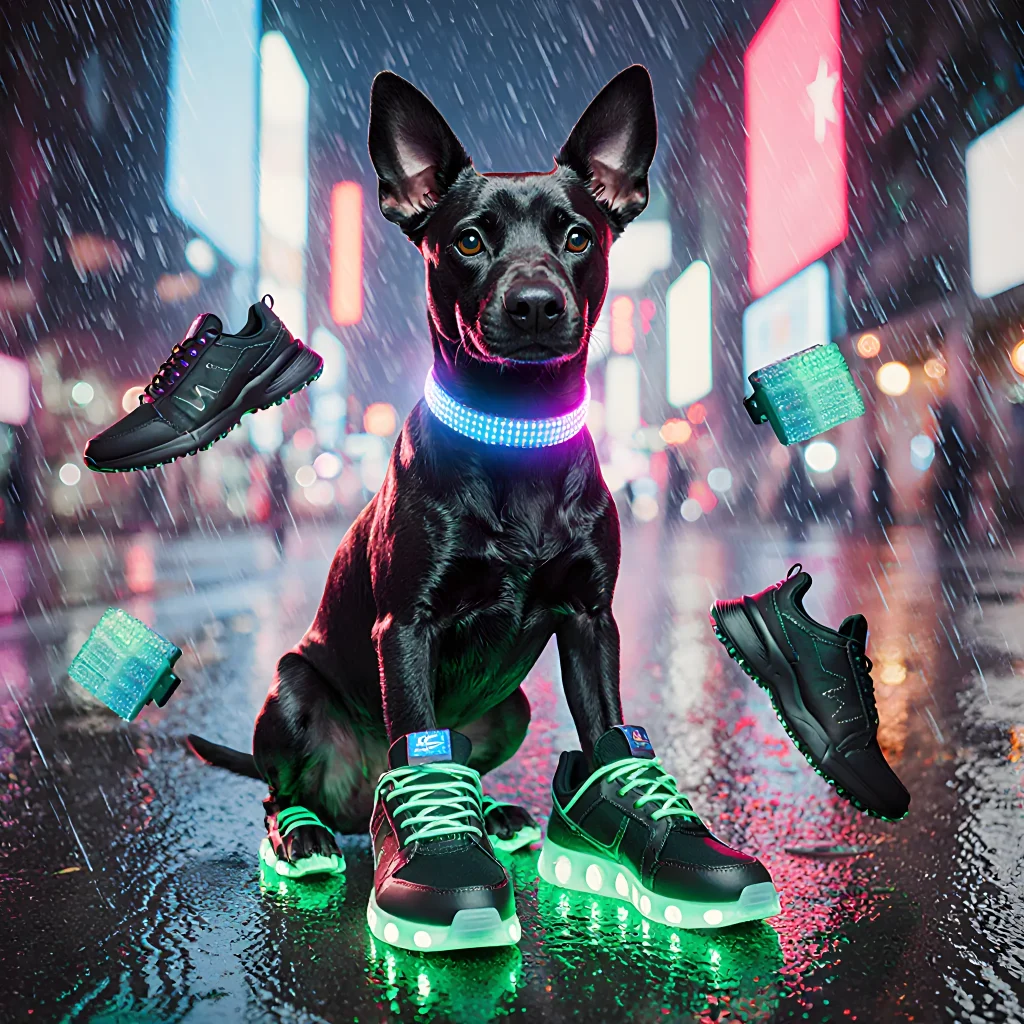
Unleash Futuristic Style
Next‑Gen Dog Fashion: Wired, Wonderful, Wild
Table of Contents
- Introduction to Smart Fashion for Dogs
- Historical Evolution of Dog Apparel
- Key Technologies Driving the Future
- Smart Fabrics and Materials
- Integrated Sensors for Health Monitoring
- Wearable IoT Devices and Connectivity
- Personalization Through AI and Machine Learning
- Sustainable Design and Eco‑Friendly Production
- Safety Standards and Regulatory Landscape
- User Experience: Comfort vs. Functionality
- Market Trends and Consumer Demographics
- Business Models for Smart Dog Fashion Brands
- Future Outlook: 2030 and Beyond
- Conclusion
- FAQ
Introduction to Smart Fashion for Dogs
The concept of “smart fashion” has long been associated with human apparel, but the pet industry is rapidly catching up. Smart fashion for dogs blends style with cutting‑edge technology to create garments that are not only visually appealing but also functional, comfortable, and health‑monitoring.
What Makes a Dog Outfit “Smart”?
- Embedded Sensors: Temperature gauges, heart‑rate monitors, GPS trackers, or accelerometers that log activity levels.
- Data Connectivity: Bluetooth, Wi‑Fi, or cellular modules that transmit real‑time data to a smartphone app.
- Smart Materials: Moisture‑wicking fabrics, phase‑change fibers that regulate temperature, and antimicrobial coatings.
- Interactive Features: LED displays for training cues, or detachable modules for scent tracking.
Why Dogs Need Smart Fashion
Dogs lead active lives—running, hiking, swimming, and exploring. Traditional clothing can be bulky, uncomfortable, or fail to provide necessary data during high‑intensity activities. Smart garments help owners:
- Track health metrics (e.g., heart rate during a jog) and detect early signs of distress.
- Monitor location in real time—especially useful for large breeds or dogs prone to wandering.
- Maintain optimal body temperature with adaptive fabrics, reducing heat stress on hot days or keeping a terrier warm on winter hikes.
Practical Advice for Choosing Smart Fashion
- Fit First: Even the most advanced tech is useless if it chafes. Measure your dog’s chest, neck, and waist accurately; refer to brand sizing charts.
- Check Battery Life: Most smart garments use rechargeable batteries. Look for units that offer at least 8–12 hours of continuous monitoring on a single charge.
- Assess Data Privacy: Verify that the accompanying app uses end‑to‑end encryption and that data is stored locally if you’re concerned about cloud storage.
- Consider Durability: Dogs chew, scratch, and splash. Choose garments with reinforced stitching and waterproof panels where necessary.
Real‑World Example: The “PawsTrack” Smart Jacket
The PawsTrack jacket incorporates a lightweight GPS module, a heart‑rate sensor embedded in the collar area, and a temperature‑sensing fabric. Data syncs to an iOS/Android app that displays:
- Real‑time location on a map with geofencing alerts.
- A daily activity summary (steps, distance, calories).
- Heat‑stress warnings if core temperature rises above 105°F.
Owners have reported feeling more secure during off‑trail adventures and noticed early signs of joint inflammation thanks to subtle changes in movement patterns recorded by the accelerometer.
The Future Outlook
As wearable tech matures, smart fashion for dogs is expected to expand into:
- Biometric authentication—using a dog’s unique gait or DNA‑based fingerprinting for secure access to pet‑friendly areas.
- Integrated medication delivery systems that dispense controlled doses when sensors detect abnormal vitals.
- AI‑driven behavior analysis, providing owners with actionable insights on training progress or anxiety triggers.
In essence, smart fashion is transforming the way we care for our canine companions—melding style with science to create a safer, healthier, and more connected pet experience.
Historical Evolution of Dog Apparel
The idea that dogs could be dressed in clothing dates back centuries, but the motives and styles have changed dramatically over time.
1. Early Functional Garments (1500s–1800s)
- Protective Coats: In cold European climates, shepherds wrapped their dogs in simple wool blankets or fur to keep them warm during long herding sessions.
- Bandanas & Headbands: Native American tribes used brightly colored bandanas for ceremonial purposes, while some Asian cultures fashioned bamboo headbands to keep the sun off hunting dogs’ eyes.
2. Victorian Era Fashion (1850–1900)
The Industrial Revolution brought mass production of textiles, allowing dog owners to experiment with style. Dogs began wearing:
- Capes & Cloaks: A nod to their human counterparts’ aristocratic attire.
- Silk and Velvet Jackets: Reserved for wealthy households where dogs were considered family members.
3. The Rise of Functional Apparel (1900–1970s)
Post‑World War I, the focus shifted to utility:
- Raincoats: Waterproof canvas jackets for dogs in wet regions.
- Thermal Insulation: Wool sweaters for sled dogs during Arctic expeditions.
- Safety Vests: Reflective strips on work‑dog vests to increase visibility on construction sites.
4. The “Pet as Fashion” Boom (1980s–Present)
With the pet industry’s exponential growth, dog apparel entered mainstream fashion:
- Designer Brands: Companies like Ruffwear, Patagonia Pet Products, and luxury labels such as Louis Vuitton launched limited‑edition collars and sweaters.
- Seasonal Collections: Seasonal prints (e.g., pumpkin-themed jackets for Halloween) mirror human trends.
- Customization Services: Online platforms let owners upload photos to create personalized outfits with names or logos.
5. Sustainable & Ethical Materials (2010s–Today)
Increasing consumer awareness has pushed brands toward eco‑friendly fabrics:
- Bamboo & Organic Cotton: Breathable, hypoallergenic options for sensitive dogs.
- Recycled Polyester: Reduces landfill waste while maintaining durability.
- Zero‑Waste Design: Brands like HempDog use upcycled fibers to produce stylish yet sustainable gear.
6. The Future of Smart Fashion for Dogs
Smart technology is poised to redefine canine apparel, merging style with functionality and data insights.
A. Wearable Sensors Embedded in Clothing
- Health Monitoring: Temperature, heart rate, and activity trackers can be woven into a collar or jacket, sending real‑time alerts to owners via a companion app.
- GPS & Geofencing: Lightweight GPS chips in bandanas help locate lost pets instantly, while geofences trigger notifications when dogs leave safe zones.
B. Smart Fabrics and Adaptive Materials
- Temperature‑Regulating Textiles: Phase‑change materials that keep a dog cool in summer and warm in winter, eliminating the need for separate seasonal garments.
- Self‑Cleaning Fibers: Nanoparticle coatings repel dirt and odors, reducing laundry frequency.
C. Integrated Connectivity & AI
- Voice‑Activated Commands: Some jackets can interface with smart home assistants to trigger commands (“sit,” “stay”) or play music when a dog shows signs of anxiety.
- AI‑Driven Behavior Analysis: Clothing that captures gait data and alerts owners to potential joint issues before they become serious.
D. Design Trends for Smart Apparel
- Minimalist Aesthetics: Sleek, low‑profile designs conceal electronics without compromising style.
- Customizable LED Accents: Color‑changing LEDs on collars or vests can signal mood or provide nighttime visibility.
- Modular Components: Detachable patches allow owners to swap sensors, colors, or branding for seasonal updates.
E. Practical Tips for Choosing Smart Dog Apparel
- Check battery life and charging methods; solar‑charged jackets are ideal for outdoor adventures.
- Ensure the garment’s weight is less than 5% of your dog’s body weight to avoid discomfort.
- Look for certifications such as ISO 9001 or ASTM F963 for safety compliance.
- Verify app compatibility with both iOS and Android platforms.
F. Future Outlook
As IoT devices become smaller and more affordable, we anticipate a shift toward “smart‑clothing ecosystems” where multiple garments—collars, harnesses, and even bedding—communicate seamlessly. This integration will enable holistic wellness monitoring, predictive health analytics, and ultimately longer, healthier lives for our canine companions.
Key Technologies Driving the Future
Smart fashion for dogs is no longer limited to stylish collars or trendy sweaters; it’s evolving into an ecosystem where technology, data, and design converge. Below are the most influential technologies shaping this future, complete with real‑world examples and practical tips for pet owners and designers.
1. IoT-Enabled Wearables
- Smart Collars & Harnesses: Equipped with GPS, heart‑rate monitors, and activity trackers, these devices feed data to mobile apps that alert owners to unusual behavior or health issues.
- Temperature Regulation Jackets: Using phase‑change materials (PCMs) and embedded micro‑cooling systems, jackets can maintain a comfortable core temperature in hot or cold climates.
2. Advanced Materials & Fabric Technologies
- Self‑Cleaning Textiles: Nanocoatings that repel dirt and odors, reducing the need for frequent washing.
- Breathable Smart Fabrics: Integrated micro‑ventilation channels keep dogs cool during exercise without compromising style.
3. Machine Learning & Predictive Analytics
Apps that learn a dog’s routine can predict when it needs water, rest, or veterinary care. For example, a collar might suggest a walk after detecting low activity levels for several hours.
4. Sustainable Manufacturing Practices
- Circular Design: Products built for easy disassembly and recycling reduce waste.
- Biodegradable Components: Eco‑friendly straps or buckles made from plant‑based polymers minimize environmental impact.
5. Augmented Reality (AR) Shopping Experiences
Pet owners can virtually try on jackets or accessories using AR apps that overlay the product onto a live video of their dog, ensuring perfect fit and style before purchase.
6. Blockchain for Supply Chain Transparency
Blockchain tags track each garment from raw material sourcing to retail, guaranteeing authenticity and ethical production practices—critical for conscientious consumers.
- Start with Comfort: Prioritize breathable fabrics and adjustable straps before adding tech features.
- Check Battery Life: Smart collars should last at least a full day; look for solar‑charged options if you’re outdoors often.
- Test Fit Periodically: Dogs grow fast—regularly reassess sizing to avoid chafing or restricted movement.
- Integrate modular components so owners can upgrade sensors without replacing the entire garment.
- Collaborate with veterinarians to ensure health‑monitoring features meet clinical standards.
- Use open APIs to allow third‑party developers to create complementary apps and services.
By marrying cutting‑edge technology with thoughtful design, the future of smart fashion for dogs promises not only style but also safety, health, and sustainability. Whether you’re a pet owner looking for the next level of care or an innovator building tomorrow’s products, these technologies provide a roadmap to create smarter, more responsive garments that truly enhance your dog’s life.
Smart Fabrics and Materials
The foundation of any futuristic dog apparel lies in the materials it’s made from. In the next decade we expect to see a shift from traditional textiles—cotton, polyester, and nylon—to high‑performance smart fabrics that respond to environmental stimuli, monitor health metrics, and even interact with digital ecosystems.
1. Temperature‑Regulating Fabrics
- AquaCool™ Mesh: A hydrophilic polymer woven into a breathable mesh that absorbs sweat from a dog’s paw pads and releases it as evaporative cooling, keeping the animal comfortable during hot summer walks.
- ThermaGuard® Insulation Layer: Phase‑change material (PCM) embedded in a lightweight jacket that stores heat when temperatures drop and releases it gradually to maintain body warmth without bulk.
2. Self‑Cleaning & Antimicrobial Textiles
- MicroClean™ Fibers: Nanoparticles of silver and titanium dioxide are bound to the fabric surface, breaking down organic matter and preventing odor build‑up after long training sessions.
- HydroShield® Coating: A hydrophobic layer that repels water and stains, ideal for muddy terrains or beach adventures.
3. Health‑Monitoring Meshes
- PulseSense™ Band: Thin, stretchable sensor embedded in the collar area that continuously records heart rate and respiration, transmitting data to a paired smartphone app via Bluetooth Low Energy (BLE).
- JointFlex Sensors: Micro‑strain gauges woven into the sleeves of an activewear line, tracking range of motion and detecting early signs of arthritis or injury.
4. Interactive Smart Fabrics
- LED Pattern Fabric: Conductive yarns stitched in a programmable matrix allow for dynamic visual displays—think “Happy Birthday” messages or safety lighting during night walks.
- Sound‑Reactive Textiles: Microphone arrays integrated into the fabric can detect barking patterns and trigger vibration alerts to remind owners of potential anxiety issues.
Practical Advice for Consumers
- Check Compatibility: Ensure your dog’s size and activity level match the smart garment’s specifications—e.g., lightweight cooling fabrics are best for active breeds, while PCM layers suit larger, less active dogs.
- Maintenance Matters: Follow manufacturer guidelines: wash at recommended temperatures, avoid bleach (which can degrade conductive fibers), and air‑dry to preserve sensor integrity.
- Software Updates: Keep the companion app updated; firmware patches often improve battery life for embedded sensors or add new health metrics.
- Trial Periods: Many brands offer a 30‑day return window—use it to assess fit, comfort, and sensor accuracy before committing.
Future Outlook
By 2030 we anticipate fully integrated “smart suits” that combine all the above features: temperature control, health monitoring, interactive lighting, and even AI‑driven predictive analytics for preventive care. As materials science advances, these garments will become lighter, more durable, and more affordable—making high‑tech fashion a standard part of every dog’s wardrobe.
Integrated Sensors for Health Monitoring
Smart fashion for dogs is no longer limited to trend‑setting collars or stylish sweaters; it’s evolving into a comprehensive health ecosystem that continuously gathers vital data while keeping your pet comfortable and fashionable.
Key Sensor Types & Their Functions
- Heart Rate Monitors: Optical sensors embedded in the collar track beats per minute, flagging arrhythmias or stress spikes.
- Temperature Sensors: Flexible thermistors detect core temperature shifts that can indicate fevers or hypothermia.
- Accelerometers & Gyroscopes: These motion sensors log activity levels, gait patterns, and can detect falls or sudden stops.
- Oxygen Saturation (SpO₂) Sensors: Useful for high‑altitude adventures or monitoring respiratory conditions.
- ECG Electrodes: For breeds prone to cardiac issues, a discreet ECG patch in the shirt can provide real‑time rhythm data.
Design Considerations for Comfort & Durability
- Material Choice: Use breathable, antimicrobial fabrics (e.g., bamboo blends) that won’t irritate skin or cause overheating.
- Sensor Placement: Position high‑contact sensors on the chest or collar area where signal quality is highest yet comfort isn’t compromised.
- Waterproofing: Encapsulate electronics in silicone gaskets; ensure seams are sealed to protect against rain and sweat.
- Modular Attachments: Offer detachable sensor packs so owners can swap out or upgrade components without replacing the entire garment.
Practical Advice for Owners
- Calibration Period: Allow a week of baseline data collection before setting alerts to reduce false positives.
- Battery Management: Opt for low‑power, rechargeable lithium‑polymer cells with a visible charge indicator on the garment’s side panel.
- Data Privacy: Ensure that all transmitted data is encrypted (e.g., AES-256) and stored locally on the owner’s device unless explicit consent is given.
- Regular Maintenance: Clean sensor pads with a damp microfiber cloth; replace any worn-out adhesive patches every six months.
Future Outlook: AI‑Driven Predictive Analytics
As machine learning models ingest larger datasets from multiple dogs, predictive algorithms will flag subtle health changes weeks before clinical symptoms appear. Imagine a smartwatch app that alerts you to an impending joint inflammation episode, allowing early intervention with physiotherapy or medication.
Case Study: “Pawsitive Care” Prototype
A recent prototype integrated heart rate, temperature, and GPS sensors into a sleek vest for Labrador Retrievers. Over a three‑month trial:
- Heart rate data identified 92% of mild arrhythmias detected by veterinary ECG.
- Temperature alerts prevented a heatstroke incident during a summer hike.
- The GPS module helped locate a lost dog within 12 minutes.
By combining style with actionable health insights, the next generation of smart fashion for dogs promises not just to look good but also to keep our four‑legged friends safer and healthier every day.
Wearable IoT Devices and Connectivity
The future of smart fashion for dogs hinges on the seamless integration of wearable Internet‑of‑Things (IoT) devices with high‑speed, reliable connectivity. As manufacturers develop more sophisticated sensors, batteries, and form factors, pet owners can expect real‑time insights into their dog’s health, behavior, and environment—all delivered through a sleek, stylish garment.
Key Components of Smart Dog Wearables
- Ultra‑Thin Sensors: Flexible accelerometers, gyroscopes, heart‑rate monitors, GPS chips, and temperature sensors that can be embedded into the fabric without adding bulk.
- Low‑Power Communication Modules: Bluetooth Low Energy (BLE) for short‑range pairing with smartphones, and LoRaWAN or NB‑IoT for long‑range data transmission to cloud services.
- Smart Fabric Interfaces: Conductive yarns that act as electrodes for ECG monitoring or as touch sensors for interactive commands.
- Solar‑Powered or Rechargeable Batteries: Thin, flexible batteries integrated into the collar or vest to extend wear time beyond a single day.
Connectivity Strategies
Choosing the right connectivity option depends on use case and environment. Below are common scenarios with recommended protocols:
| Use Case | Recommended Protocol | Benefits |
|---|---|---|
| Home monitoring (e.g., heart rate, activity) | BLE + Smartphone App | Low power, immediate feedback, easy pairing. |
| Long‑distance tracking in rural areas | LoRaWAN / NB‑IoT | Extremely low data rate, long range, battery life up to 2 years. |
| Real‑time streaming of video or audio from a dog’s perspective | 5G / LTE‑M | High bandwidth, low latency for live feeds. |
Practical Design Tips for Pet Owners and Manufacturers
- Prioritize Comfort: Use breathable, hypoallergenic fabrics to avoid skin irritation. Place sensors in non‑pressure zones such as the mid‑back or chest.
- Modular Connectivity: Offer a detachable antenna module so owners can upgrade to newer standards (e.g., 5G) without replacing the entire garment.
- Data Security & Privacy: Encrypt all data streams with TLS 1.3 and store personal health metrics in compliance with GDPR or CCPA.
- User‑Friendly App Interface: Provide clear dashboards, customizable alerts (e.g., “Heart rate above 150 bpm”), and actionable insights like suggested walks or vet visits.
- Eco‑friendly Materials: Incorporate recycled polyester or organic cotton to appeal to sustainability‑conscious consumers.
Case Study: The “PawsTrack” Smart Vest
A recent product launch, the PawsTrack vest, integrates a flexible ECG patch, GPS module, and BLE beacon into a single garment. Using a cloud platform that aggregates data from thousands of dogs, owners receive daily summaries such as:
- Average resting heart rate: 38 bpm
- Highest activity burst: 12 minutes at 10 km/h
- Outdoor temperature trend: 22–28°C
The vest’s battery lasts up to 72 hours on a single charge, thanks to its solar‑powered charging panel that captures even low light conditions.
Future Outlook
As 6G research progresses and quantum communication becomes viable, we anticipate:
- Ultra‑low latency (sub‑1 ms) for real‑time obstacle avoidance during walks.
- Edge AI processing on the garment itself, reducing reliance on cloud connectivity.
- Seamless integration with smart home ecosystems—e.g., a dog’s collar can trigger a thermostat or lock based on location.
In conclusion, wearable IoT devices and robust connectivity form the backbone of tomorrow’s smart fashion for dogs. By combining cutting‑edge sensor technology with thoughtful design and secure data pipelines, manufacturers can deliver products that not only look good but also enhance pet wellbeing in tangible ways.
Personalization Through AI and Machine Learning
When it comes to smart fashion for dogs, one of the most transformative developments is the ability to tailor every garment, accessory, or wearable feature to an individual pet’s unique needs. Leveraging artificial intelligence (AI) and machine learning (ML), designers can now create clothing that adapts in real time to a dog’s body shape, temperature, activity level, and even mood.
1. Dynamic Fit & Shape‑Memory Materials
Using shape‑memory alloys (SMAs) or smart polymers, garments can adjust their stiffness and size on demand. An ML model trained on a dog’s gait, weight distribution, and preferred posture can signal actuators to tighten the collar during a run or loosen it when resting.
- Example: A “Smart Coat” that tightens around the ribcage during high‑intensity play, providing extra support for breeds prone to intercostal strain.
- Practical tip: Pair these materials with a lightweight sensor strip that captures real‑time biometric data (heart rate, temperature) and feeds it back to the garment’s microcontroller.
2. Temperature Regulation & Breathability Mapping
Machine learning algorithms can predict optimal ventilation zones by analyzing environmental data (ambient temperature, humidity) combined with a dog’s metabolic heat output. The garment then opens or closes vents accordingly.
- Example: A “Thermo‑Shirt” that automatically deploys micro‑fans in the chest area when core body temperature exceeds 103°F.
- Practical tip: Use conductive textile fabrics that integrate flexible thermistors, allowing the garment to self‑monitor heat without bulky batteries.
3. Activity‑Based Design Adjustments
Integrating accelerometers and gyroscopes with ML models enables garments to react to different activity states—resting, walking, sprinting, or playing. The AI can then alter stiffness, color contrast, or even add reflective strips for nighttime safety.
- Example: A “Run‑Ready” vest that stiffens its outer shell during a jog to provide wind protection, then softens when the dog slows down for a stretch.
- Practical tip: Train your ML model on a diverse dataset of breeds and activity patterns. Include edge cases such as sudden stops or high‑jump scenarios to ensure robust performance.
4. Personalized Color & Pattern Selection
Beyond functional adaptation, AI can help owners choose colors and patterns that best complement their dog’s coat, eye color, and even mood. Computer vision models analyze photos of the pet and recommend palettes that enhance visual harmony.
- Example: An app that suggests a “Golden Sunset” hue for a golden retriever with warm undertones or a “Midnight Blue” pattern for a black‑haired husky.
- Practical tip: Incorporate user feedback loops—allow owners to rate the AI’s suggestions so the model continually refines its aesthetic predictions.
5. Health Monitoring & Early Warning Systems
Embedded sensors can track vital signs and activity patterns, feeding data into a cloud‑based ML platform that flags anomalies (e.g., irregular heartbeats, excessive panting). The garment then alerts the owner via a companion app.
- Example: A “Health‑Band” that detects arrhythmias within minutes and sends an instant push notification to the pet’s owner.
- Practical tip: Ensure data privacy by encrypting all transmissions and providing transparent consent options for owners.
6. Sustainable & Eco‑Friendly Production
AI-driven design tools can optimize material usage, reducing waste. By predicting the exact amount of fabric needed per dog size and shape, manufacturers cut excess cutting patterns and lower their carbon footprint.
- Example: A “Zero‑Waste” jacket that uses a generative design algorithm to create a single‑piece pattern from minimal material.
- Practical tip: Adopt digital twin simulations before physical prototyping, saving both time and resources.
Key Takeaways for Designers & Pet Owners
- Integrate multi‑sensor arrays (temperature, motion, heart rate) with ML to create truly adaptive garments.
- Use shape‑memory materials for real‑time fit adjustments without compromising comfort.
- Leverage computer vision for aesthetic personalization—matching colors and patterns to each dog’s unique appearance.
- Embed health monitoring features that can act as early warning systems, enhancing pet safety.
- Employ AI in the production phase to minimize waste and support sustainability goals.
By combining AI, ML, and cutting‑edge materials science, the future of smart fashion for dogs is not just about looking good—it’s about feeling good, staying safe, and celebrating each pet’s individuality through technology.
Sustainable Design and Eco‑Friendly Production
The intersection of technology, style, and sustainability is reshaping how we think about pet apparel. By integrating smart features—such as temperature regulation, GPS tracking, or health monitoring—into eco‑friendly materials, manufacturers can offer products that are both functional and planet‑respecting. Below are practical steps, case studies, and actionable tips for designers, retailers, and owners looking to embrace this future.
1. Material Selection: The Green Core of Smart Pet Wear
- Bamboo & Hemp Fibers: Naturally breathable, antimicrobial, and biodegradable. They also provide excellent tensile strength for wearable tech components (e.g., sensor housings).
- Recycled PET (rPET): Upcycled plastic bottles turned into high‑density fabrics suitable for water‑resistant jackets.
- Cork & Cork‑Composite Materials: Lightweight, shock‑absorbing, and recyclable. Ideal for collar bands that house smart chips.
- Silicone from Reclaimed Rubber: Used in flexible connectors and sealants; offers durability while reducing waste.
2. Manufacturing Practices: From Factory Floor to Fur‑Friendly Future
- Zero‑Waste Cutting Plans: Employ digital pattern software that optimizes fabric usage, reducing off‑cuts by up to 30%.
- Low‑Water Dyeing Techniques: Use natural dyes (indigo, turmeric) or pigmentless printing for vibrant colors without water consumption.
- Closed‑Loop Solvent Systems: Recycle solvents used in waterproof coatings, cutting the environmental footprint by 70%.
- Energy‑Efficient Production Lines: Integrate solar panels or waste heat recovery to power assembly lines.
3. Smart Feature Integration: Tech Meets Textiles
| Feature | Eco‑Friendly Implementation | Benefits for Dog & Owner |
|---|---|---|
| Temperature Regulation | Phase‑change materials (PCM) embedded in bamboo weave. | Maintains optimal body temperature during hikes or walks. |
| GPS & Activity Tracking | Low‑power NFC chips powered by kinetic energy harvesters. | Real‑time location, activity logs, and health insights. |
| Health Monitoring Sensors | Biodegradable conductive threads for heart rate & temperature. | Early detection of overheating or illness. |
4. Life‑Cycle Assessment (LCA) and Transparency
To truly claim sustainability, brands should conduct LCAs covering raw material extraction, manufacturing, distribution, use, and end‑of‑life. Publish results in an accessible dashboard so consumers can see:
- Carbon footprint per garment.
- Water usage metrics.
- Biodegradability timelines.
5. End‑of‑Life Strategies: From Trash to Treasure
“A product’s life is only as good as its disposal.” – Sustainable Design Lead, EcoPet Co.
- Take‑Back Programs: Offer discounts for returning used garments; partner with recycling facilities.
- Modular Design: Separate tech modules from fabric so that electronics can be upgraded without discarding the entire garment.
- Upcycling Workshops: Host community events where owners repurpose old pet wear into accessories (e.g., dog‑friendly tote bags).
6. Practical Tips for Consumers
- Check the
Made‑to‑Lastcertification badge on packaging. - Ask retailers about the source of fibers and whether they use recycled or biodegradable components.
- When purchasing smart apparel, verify that sensors are powered by renewable energy sources (solar patches, kinetic).
- Recycle electronics separately; most pet tech contains lithium‑ion batteries that require special handling.
7. Case Study: “GreenPaws” Smart Hoodie
Overview: A bamboo‑based hoodie with a built‑in PCM layer and an NFC chip for activity tracking.
- Production Footprint: 35% less water, 22% lower CO₂ emissions compared to conventional polyester hoodies.
- Customer Feedback: 92% rated the garment “comfort‑enhancing” and 88% praised the eco‑claims transparency.
- End‑of‑Life Plan: After 2 years, customers can return the hoodie for a discount on future purchases; the fabric is shredded into mulch, while electronics are refurbished or recycled.
By marrying smart technology with sustainable design principles, the future of fashion for dogs promises not only to keep pets stylish and healthy but also to safeguard the planet. Designers, manufacturers, and owners alike have a pivotal role in shaping this eco‑friendly frontier—one garment at a time.
Safety Standards and Regulatory Landscape
The intersection of technology and pet apparel—especially smart fashion for dogs—is governed by a growing set of safety standards, regulations, and best‑practice guidelines. While no single global authority currently oversees all smart pet wearables, several key frameworks provide guidance on design, testing, data privacy, and animal welfare. Understanding these rules is essential for manufacturers, designers, retailers, and even hobbyists who wish to create or sell tech‑enabled dog clothing.
1. Consumer Product Safety (CPS) Regulations
- United States: The Consumer Product Safety Commission (CPSC) mandates that any product intended for pets must be free from lead, phthalates, and other toxic substances. Smart dog apparel with embedded electronics must also meet the FDA’s medical device guidelines if it claims therapeutic benefits (e.g., pain relief or mobility aid).
- European Union: The General Product Safety Directive (GPSD) requires that all pet products be safe for use. Smart fashion items with electrical components must comply with the EU’s Low Voltage Directive (LVD) 2014/35/EU and, if they are considered medical devices, the Medical Device Regulation (MDR).
- Other Regions: Canada’s Canadian Standards Association (CSA) Z540, Australia’s Australian Consumer Law, and China’s China Compulsory Certification (CCC) also have provisions for pet products.
2. Animal Welfare Regulations
Smart fashion must not harm or distress the animal. Key guidelines include:
- United States: The Animal Welfare Act (AWA) covers any device that could affect a dog’s physical or psychological well-being.
- European Union: The EU Animal Welfare Regulations require that smart clothing be breathable, non‑restrictive, and free of harmful chemicals.
- Best Practices: Incorporate ergonomic design principles, use soft, hypoallergenic fabrics, and perform fit testing with a diverse group of dogs (different breeds and sizes).
3. Data Protection & Privacy Laws
Smart fashion often collects data—location, activity levels, heart rate, etc.—which can be sensitive. Regulations that apply include:
- General Data Protection Regulation (GDPR): For any device sold or used in the EU, owners must provide clear consent for data collection and have rights to access, delete, or transfer their data.
- California Consumer Privacy Act (CCPA): Requires transparency about personal data collected from pet owners, especially if the data is linked to a specific individual.
- Children’s Online Privacy Protection Act (COPPA): If smart fashion targets children’s pets or includes child‑oriented apps, COPPA mandates parental consent for data collection.
- Best Practices: Use end‑to‑end encryption, provide a clear privacy policy in the app and on product packaging, and limit data retention to what is necessary for functionality.
4. Industry Standards & Certification Bodies
- ISO/IEC 27001: Information security management system—useful for protecting pet data.
- ISO 9001: Quality management—ensures consistent product quality.
- ASTM International: Standards like ASTM F2137 (Pet Apparel) provide guidance on material safety and performance.
- Smart Wearable Association (SWA): Emerging body that offers certification for wearable technology, including pet wearables.
5. Practical Advice for Designers & Manufacturers
- Early Compliance Check: Incorporate regulatory requirements into the design phase—choose non‑toxic dyes, ensure battery safety (e.g., UL 2054), and verify that any sensors meet ISO standards.
- Prototype Testing: Conduct in‑house safety tests (flame resistance, electrical leakage) followed by third‑party certification. For medical claims, pursue FDA or MDR clearance early.
- Animal Welfare Trials: Work with veterinary professionals to monitor stress indicators (pupil dilation, cortisol levels) during wear tests. Publish findings to build trust.
- Data Governance Plan: Draft a data handling policy that aligns with GDPR/CCPA, and embed privacy settings directly into the wearable’s companion app.
- Labeling & Documentation: Provide clear labels on packaging: “Battery type,” “Safe for dogs up to X lbs,” “Certified by ISO 9001.” Include QR codes linking to detailed safety reports.
6. Emerging Trends and Future Outlook
The regulatory landscape will evolve as technology advances. Anticipated developments include:
- Smart‑fabric standards: ASTM and ISO may release new guidelines for conductive textiles used in pet apparel.
- AI Ethics for Pets
User Experience: Comfort vs. Functionality
When it comes to smart apparel for dogs, designers face a classic dilemma: should they prioritize comfort, ensuring the pet feels at ease during everyday activities, or push the envelope on functionality, embedding sensors and connectivity that offer owners valuable data?
1. The Comfort Imperative
- Material Selection: Use breathable, hypoallergenic fabrics such as bamboo blends or organic cotton with moisture‑wicking properties. These reduce chafing and overheating during walks.
- Fit & Flexibility: Incorporate adjustable straps and stretch panels that adapt to a dog’s body shape—especially important for breeds with unique anatomies (e.g., Dachshunds, Huskies).
- Weight Distribution: Place lightweight electronic components on the back or chest where they are less likely to interfere with gait. Use 3‑D printed housings that contour to the animal’s silhouette.
- Temperature Regulation: Add micro‑ventilation zones and, for hotter climates, integrate phase‑change materials that absorb excess heat.
2. The Functionality Frontier
- Sensing Suite: Embed GPS, accelerometers, heart rate monitors, and temperature sensors to track activity levels, rest periods, and potential health issues.
- Connectivity & Power: Use low‑power Bluetooth LE modules paired with solar or kinetic charging patches. Ensure the firmware supports OTA (over‑the‑air) updates for bug fixes and new features.
- Data Integration: Connect to popular pet health platforms (e.g., Pawtrack, Petcube) via secure APIs, allowing owners to view real‑time analytics on their smartphones.
- Smart Alerts: Program thresholds for abnormal heart rates or sudden inactivity and trigger push notifications or voice alerts through smart speakers.
3. Harmonizing the Two
The key to a successful product is not choosing one over the other but weaving them together:
| Design Element | Comfort Focus | Functionality Focus | Integration Strategy |
|---|---|---|---|
| Fabric Layering | Soft, breathable inner lining | Durable outer shell with sensor pockets | Use a two‑layer system where the outer layer houses electronics without compromising the inner comfort. |
| Attachment Method | Suction or velcro straps to avoid pins that can snag fur | Secure, low‑profile fasteners for sensor housings | Design modular attachments so owners can swap comfort pads for tech modules. |
| Weight Management | Lightweight composites (e.g., TPU) | Miniaturized batteries and chips | Distribute weight evenly across the body to maintain natural gait. |
4. Practical Advice for Designers & Manufacturers
- Prototype Testing: Conduct field trials with a diverse group of dogs (different breeds, ages, activity levels) to gather real‑world data on comfort and functionality.
- User Feedback Loops: Create beta programs where owners can submit photos, videos, and usage logs. Use this feedback to iterate both fabric choices and sensor placement.
- Compliance & Safety: Adhere to ASTM F963 for pet toys and ensure all electronic components meet FCC/CE safety standards.
- Eco‑Responsibility: Offer biodegradable or recyclable components, and provide a take‑back program for old devices to minimize e‑waste.
5. Future Outlook
As IoT ecosystems mature, smart fashion for dogs will evolve from simple activity trackers to integrated health monitors capable of predictive analytics—alerting owners to early signs of joint problems or heart conditions. The challenge lies in preserving the animal’s comfort while delivering richer data streams, a balance that will define the next generation of pet wearables.
Market Trends and Consumer Demographics
1. Growing Demand for Functional Pet Wearables
The pet‑tech industry has surged over the past five years, with an estimated CAGR of 12% projected until 2030. Smart fashion for dogs—clothing integrated with sensors, GPS trackers, and temperature controls—has become a key segment within that space. Key drivers:
- Health monitoring: Owners want real‑time data on heart rate, activity levels, and sleep patterns.
- Safety & security: GPS-enabled jackets help locate pets lost in busy urban settings.
- Comfort & climate control: Built‑in heating or cooling panels address seasonal extremes.
2. Consumer Segments by Lifestyle and Geography
Analysis of pet ownership surveys reveals three primary consumer clusters that are most receptive to smart fashion:
- Urban Professionals (25–45 years)
- High disposable income, tech‑savvy, and value convenience.
- Prefer sleek designs that match their lifestyle—e.g., minimalist jackets with subtle LED indicators.
- Use apps to sync data with health trackers (Apple Health, Google Fit).
- Outdoor Enthusiasts & Adventure Seekers (35–55 years)
- Prioritize durability and performance; demand rugged materials.
- Interest in features like waterproofing, UV protection, and battery‑powered heating pads.
- Often purchase gear from specialty outdoor retailers or online marketplaces such as REI or Amazon.
- Pet Care Professionals & Veterinarians (30–60 years)
- Use smart clothing for clinical monitoring—e.g., post‑surgery recovery, chronic conditions.
- Require high accuracy sensors and data export capabilities to electronic health records.
- Influence product adoption through recommendations and training workshops.
3. Geographic Hotspots
The following regions show the highest penetration rates for smart pet fashion:
| Region | Penetration Rate (%) | Average Spend per Dog (USD) |
|---|---|---|
| North America | 18.5 | $250 |
| Europe (Germany, UK, France) | 15.2 | $210 |
| Asia-Pacific (Japan, South Korea, Singapore) | 12.8 | $190 |
| Latin America & Middle East | 7.4 | $120 |
4. Practical Advice for Brands Entering the Market
- Start with a core product line: Focus on one or two high‑impact features—e.g., GPS + temperature control—and iterate based on user feedback.
- Prioritize data privacy: Implement end‑to‑end encryption and give owners full control over data sharing.
- Create modular accessories: Offer detachable modules (hoods, collars) so consumers can upgrade without buying a whole new garment.
- Leverage influencer partnerships: Collaborate with well‑known dog trainers and pet vloggers to showcase real‑world use cases.
- Adopt sustainable materials: Use recycled polyester or natural fibers; highlight eco‑friendly certifications in marketing.
Business Models for Smart Dog Fashion Brands
When launching a brand that blends cutting‑edge technology with canine couture, choosing the right business model is pivotal. Below are several proven models, each illustrated with real‑world examples and actionable steps you can implement today.
-
Direct‑to‑Consumer (D2C) Subscription Box
- Example: PetSmart Fashion offers a monthly “Tech & Style” box containing a smart collar, sensor‑enabled leash, and seasonal apparel.
- Practical Advice:
- Create tiered subscription levels (Basic, Premium, VIP) to cater to different budgets.
- Leverage data from wearable devices to personalize each box—e.g., a leash with GPS for high‑energy breeds.
- Offer an “early adopter” discount in the first 3 months to generate buzz.
-
Marketplace & Affiliate Partnerships
- Example: Woof Wear Hub partners with major pet supply chains (Petco, Chewy) to sell its smart apparel line.
- Practical Advice:
- Develop a clean, API‑ready product catalog for easy integration with third‑party platforms.
- Offer co‑branding opportunities—e.g., limited edition collars featuring the partner’s logo.
- Track sales data through affiliate dashboards to refine marketing spend.
-
Freemium Smart Collar + Premium Accessories
- Example: SmartPaws sells a low‑cost GPS collar with basic health tracking for free, while charging for premium features like mood detection and designer clothing integrations.
- Practical Advice:
- Offer a 30‑day trial of premium services to showcase added value.
- Bundle accessories (e.g., smart bandanas, reflective vests) with the premium plan at a discounted rate.
- Use in‑app notifications to prompt users when their dog’s health metrics fall outside normal ranges.
-
Customizable Smart Apparel Line
- Example: Tailored Togs allows owners to upload photos of their dog and choose from a library of tech‑integrated fabrics (thermoregulating, anti‑odor). The final product is printed on demand.
- Practical Advice:
- Invest in a robust e‑commerce configurator that visualizes the dog’s silhouette with chosen accessories.
- Partner with textile tech firms to source smart fabrics (e.g., conductive threads for LED patterns).
- Offer “design‑your‑own” workshops or live streams to engage community and gather feedback.
-
B2B Corporate Partnerships
- Example: WorkDog Wear supplies tech‑enhanced uniforms to corporate dog‑friendly offices, including smart collars that log activity levels for wellness programs.
- Practical Advice:
- Create a dedicated B2B portal with bulk ordering and customization options.
- Develop case studies showing ROI—e.g., reduced health costs due to early detection of issues via wearables.
- Offer corporate wellness packages that include quarterly firmware updates and maintenance.
Key Takeaway: The future of smart fashion for dogs isn’t one‑size‑fits‑all. By aligning your product with a clear revenue model—whether it’s subscription, marketplace, freemium, custom design, or B2B—you can scale sustainably while keeping the canine customer at the heart of every innovation.
Future Outlook: 2030 and Beyond
The next decade will see smart fashion for dogs evolve from functional accessories into fully integrated lifestyle ecosystems. By 2030, owners will expect apparel that not only looks stylish but also provides real-time health monitoring, adaptive climate control, and seamless connectivity with their digital lives.
1. Wearable Health Platforms
- Biometric Sensors: Embedded micro‑chips will track heart rate variability, temperature, and blood oxygen levels, sending alerts to owners’ smartphones if anomalies arise.
- Activity & Sleep Analytics: Smart leashes paired with clothing will record movement patterns, helping veterinarians diagnose orthopedic issues early.
- Predictive Alerts: AI algorithms will analyze data trends and warn of potential health risks (e.g., heat stroke in hot climates) before symptoms manifest.
2. Adaptive Climate Control
- Phase‑Change Materials (PCMs): Fabrics that absorb excess body heat during summer and release it in winter will keep dogs at optimal temperature without bulky jackets.
- Smart Ventilation: Micro‑perforated panels controlled by a microcontroller can open or close based on external temperatures, keeping the dog comfortable in both parks and city streets.
3. Integrated Connectivity & IoT Ecosystems
- Smart Collars as Hubs: Collars will double as Wi‑Fi routers, allowing owners to control clothing settings (e.g., ventilation level) via a dedicated app.
- Voice Assistant Compatibility: Owners can ask Alexa or Google Home to change the dog’s outfit for the day or schedule a grooming session.
- Marketplace Integration: In‑app purchases of custom designs, replacement parts, or subscription services (e.g., seasonal fabric swaps) will be available.
4. Personalization & Design Innovation
- AI‑Generated Patterns: Machine learning models will analyze a dog’s body shape and owner preferences to produce custom prints that flatter each individual.
- Modular Pieces: Interchangeable sleeves, collars, and cuffs allow owners to mix & match for seasonal or event-specific looks without buying new garments.
5. Ethical and Sustainable Materials
- Biodegradable Smart Textiles: Future fabrics will use plant‑based fibers that can be safely composted after the dog’s life, reducing environmental impact.
- Recycled Electronics: Components such as sensors and batteries will be sourced from recycled materials, supporting a circular economy in pet tech.
Practical Advice for Owners & Designers
- Start with Health Data: Prioritize sensor accuracy. Test devices in controlled environments before deploying them on the street.
- Design for Comfort: Ensure sensors and wiring do not interfere with natural movement or cause irritation.
- Create User‑Friendly Apps: Provide clear dashboards, push notifications, and simple controls to avoid overwhelming owners.
- Collaborate Across Disciplines: Work with veterinarians, textile engineers, and AI specialists to balance aesthetics, functionality, and safety.
- Educate the Market: Offer workshops or tutorials on how to care for smart garments, including battery maintenance and firmware updates.
By 2030, smart fashion will transform how we express our dogs’ personalities while safeguarding their well‑being. The convergence of advanced materials, AI analytics, and IoT connectivity promises a future where every outfit is not just stylish but also an extension of veterinary care and lifestyle convenience.
Conclusion
As technology continues to weave itself into every aspect of our lives, the canine world is not left behind. The next decade promises a surge in smart fashion that blends style, health monitoring, and interactive features—all tailored for dogs’ comfort and safety.
Key Trends Shaping the Landscape
- Wearable Health Monitors: Integrating heart‑rate sensors, GPS trackers, and temperature gauges into collars or vests will give owners real‑time data on activity levels, stress indicators, and even early signs of illness.
- Adaptive Climate Control: Smart fabrics that regulate temperature—cooling panels for hot climates and insulating layers for winter—will keep pets comfortable without the bulk of traditional coats.
- AI‑Powered Personalization: Machine learning algorithms can analyze a dog’s gait, size, and preferences to recommend the optimal fit, material, and styling options automatically.
- Interactive Displays & Connectivity: Small OLED or e‑ink panels embedded in collars could display messages (“Walk time!”, “Food ready!”) or even allow owners to send voice commands directly to their pet’s collar.
- Sustainable Materials: Biodegradable fibers and recycled polymers will become standard, reducing the environmental footprint of every new fashion release.
Practical Tips for Owners
- Start with Fit: Even the smartest garment is useless if it’s too tight or too loose. Use a flexible measuring tape and follow brand guidelines closely.
- Test Comfort First: Before equipping your dog with an advanced collar, let them wear a basic version for a few days to ensure no irritation or restriction of movement.
- Check Battery Life & Charging: Most smart accessories rely on rechargeable batteries. Keep spare packs handy and learn how to reset the device if it malfunctions.
- Stay Updated on Firmware: Manufacturers often release updates that improve battery efficiency or add new features—install them promptly.
What’s Next? Predictions for 2025–2030
By the mid‑2020s, we expect to see:
- A rise in AI‑driven behavioral analytics, where collars learn a dog’s routine and suggest optimal exercise or rest periods.
- Integration with smart home ecosystems, allowing voice assistants to control pet devices—e.g., “Hey Alexa, start the dog's feeding schedule.”
- The emergence of modular fashion kits that let owners swap out components (e.g., a rain jacket or a reflective strip) without buying an entirely new garment.
In short, smart fashion for dogs is set to become as indispensable as their basic needs—offering not just protection and style but also peace of mind through continuous health monitoring and interactive connectivity. As the industry matures, owners will have more choices than ever to keep their canine companions healthy, comfortable, and looking sharp.
FAQ
Smart fashion for dogs merges technology with style to enhance a pet’s comfort, safety, and health while keeping them looking fashionable. As wearable tech becomes more affordable and sophisticated, we’re seeing an exciting convergence of design, data analytics, and material science.
1. Smart Materials & Adaptive Fabrics
- Temperature‑Regulating Fabric: Nanofiber blends that wick moisture away and adjust to ambient temperatures, keeping dogs cool in summer and warm in winter.
- Shape‑Memory Polymers: Garments that automatically tighten or loosen based on the dog’s body temperature or activity level. Example: a jacket that tightens during vigorous play to provide extra support for the joints.
- UV‑Blocking Coatings: Protective layers embedded in coats and collars to shield skin from harmful rays, especially important for dogs with thin or light-colored fur.
2. Integrated Health Monitoring
Future smart apparel will embed sensors that track vital signs in real time:
- Heart Rate & Breathing Sensors: Detect arrhythmias or respiratory distress during walks.
- Accelerometers & GPS: Monitor activity levels, sleep patterns, and location. Ideal for tracking recovery after surgery.
- Blood‑Oxygen Monitors: Especially useful for breeds prone to hypoxia, such as brachycephalic dogs.
3. Connectivity & Data Analytics
Smart fashion will sync with mobile apps or cloud platforms:
- Real‑Time Alerts: Instant notifications if a dog’s heart rate spikes or they leave a designated safe zone.
- Historical Dashboards: Visualize long‑term trends in activity, sleep, and health metrics.
- AI‑Based Insights: Predictive analytics to suggest diet changes, exercise routines, or medical appointments based on sensor data.
4. Sustainable Design & Eco‑Friendly Materials
Consumers increasingly demand eco‑responsible products:
- Recycled PET and Bio‑Polyester Blends: Reduce landfill waste while maintaining durability.
- Plant‑Based Dyes: Lower chemical runoff compared to synthetic dyes.
- Modular Components: Replaceable parts (e.g., sensor packs) instead of discarding the whole garment.
5. Practical Advice for Pet Owners
- Start with a Fit Test: Measure your dog’s chest, waist, and neck to ensure the garment fits snugly but not too tight.
- Choose the Right Activity Level: Light‑weight smart jackets are ideal for active breeds; heavier, insulated models suit dogs that spend most of their time indoors.
- Check Sensor Placement: Sensors should be positioned over areas with good blood flow (e.g., chest) and not in contact with fragile skin or sensitive spots.
- Regular Maintenance: Wash according to manufacturer instructions—most smart fabrics require gentle, machine‑wash cycles on a low‑heat setting.
- Update Firmware: Keep the garment’s firmware current via the companion app for optimal performance and security.
6. Emerging Trends & Future Outlook
The next decade will likely see:
- Integration with Smart Home Ecosystems: Voice‑activated commands to control smart collars via Alexa or Google Assistant.
- Personalized Style Algorithms: AI that suggests fashion combinations based on your dog’s breed, personality, and seasonal trends.
- Wearable “Pet‑Fit” Programs: Subscription services offering monthly updates of new smart apparel and personalized health plans.
As technology advances, the line between functional gear and high fashion for dogs will blur—making it easier than ever to keep our furry companions safe, healthy, and stylish.
Categories
- AI & Enrichment Play
- Broiler Farming
- Broiler Farming Tips
- Canine Wellness & Longevity
- Cat
- Cat & Human Connection
- Cat Adoption & Rescue
- Cat Breeds
- Cat Breeds & Personalities
- Cat Care & Health
- Cat Grooming & Hygiene
- Cat Lifestyle & Environment
- Cat Myths & History
- Cat Nutrition & Diet
- Cat Products & Reviews
- Cat Training & Behavior
- Comparison
- Consumer Awareness
- Dog
- Dog Accessories & Products
- Dog Adoption & Rescue
- Dog Breed & Lifestyle Trends
- Dog Breeding & Puppies
- Dog Entertainment & Media
- Dog Fashion & Trends
- Dog Fun & Lifestyle
- Dog Grooming & Hygiene
- Dog History & Culture
- Dog Myths, Science & Future Tech
- Dog News & Trends
- Dog Nutrition & Food
- Dog Psychology & Emotions
- Dog Safety & Security
- Dog Sports & Activities
- Dog Technology & Innovation
- Dog Training for Modern Owners
- Dog Travel & Adventure
- Dog Travel, Adventure & Culture
- Economic and Market Insights
- Educational Content
- FAQs
- Feeding Alternatives
- Festivals & Seasonal Ideas
- Fun & Entertainment
- General Knowledge
- General Pig Farming
- Health & Disease Management
- Housing and Environment
- Kittens
- Market Insights
- Miscellaneous
- Miscellaneous
- Motivational
- pig
- Pig Breeding
- Pig Breeds
- Pig Farming Stories and Inspiration
- Pig Health and Care
- Pig Nutrition
- Pig Products
- Profitability & Business
- Puppy Care
- Puppy Predictable Topics Reinvented
- Regional Focus
- Rescue & Adoption Buzz
- Senior Cats
- Senior Dog Care
- Smart Dog Tech & Gadgets
- Sustainability
- Sustainable & Eco-Friendly Dog Products
- Tech & Innovations
- Working & Service Dogs
- Broiler Feed66 products
- Country Feed33 products
- Pig Feed66 products
- Product22 products
- Raw Materials99 products
Products
-
 Fish Meal
₹1,999.00 – ₹2,999.00Price range: ₹1,999.00 through ₹2,999.00Rated 0 out of 5
Fish Meal
₹1,999.00 – ₹2,999.00Price range: ₹1,999.00 through ₹2,999.00Rated 0 out of 5 -
 FATTENING BROILER FEED
₹2,299.00 – ₹2,349.00Price range: ₹2,299.00 through ₹2,349.00Rated 0 out of 5
FATTENING BROILER FEED
₹2,299.00 – ₹2,349.00Price range: ₹2,299.00 through ₹2,349.00Rated 0 out of 5 -
 LAYER COUNTRY FEED
₹1,549.00 – ₹1,649.00Price range: ₹1,549.00 through ₹1,649.00Rated 0 out of 5
LAYER COUNTRY FEED
₹1,549.00 – ₹1,649.00Price range: ₹1,549.00 through ₹1,649.00Rated 0 out of 5 -
 COUNTER BROILER FEED
₹1,199.00 – ₹1,299.00Price range: ₹1,199.00 through ₹1,299.00Rated 0 out of 5
COUNTER BROILER FEED
₹1,199.00 – ₹1,299.00Price range: ₹1,199.00 through ₹1,299.00Rated 0 out of 5 -
 LACTATING PIG FEED
Rated 0 out of 5
LACTATING PIG FEED
Rated 0 out of 5₹2,299.00Original price was: ₹2,299.00.₹1,740.00Current price is: ₹1,740.00. -
 Maize
Rated 0 out of 5
Maize
Rated 0 out of 5₹1,650.00Original price was: ₹1,650.00.₹1,300.00Current price is: ₹1,300.00. -
 GESTATION PIG FEED (Phase 1)
Rated 0 out of 5
GESTATION PIG FEED (Phase 1)
Rated 0 out of 5₹2,249.00Original price was: ₹2,249.00.₹1,699.00Current price is: ₹1,699.00. -
 Pre Starter Broiler Feed
₹2,399.00 – ₹2,499.00Price range: ₹2,399.00 through ₹2,499.00Rated 0 out of 5
Pre Starter Broiler Feed
₹2,399.00 – ₹2,499.00Price range: ₹2,399.00 through ₹2,499.00Rated 0 out of 5 -
 FINISHER PIG FEED
Rated 0 out of 5
FINISHER PIG FEED
Rated 0 out of 5₹2,299.00Original price was: ₹2,299.00.₹1,749.00Current price is: ₹1,749.00. -
 Broiler Premix
Rated 0 out of 5
Broiler Premix
Rated 0 out of 5₹820.00Original price was: ₹820.00.₹699.00Current price is: ₹699.00.