
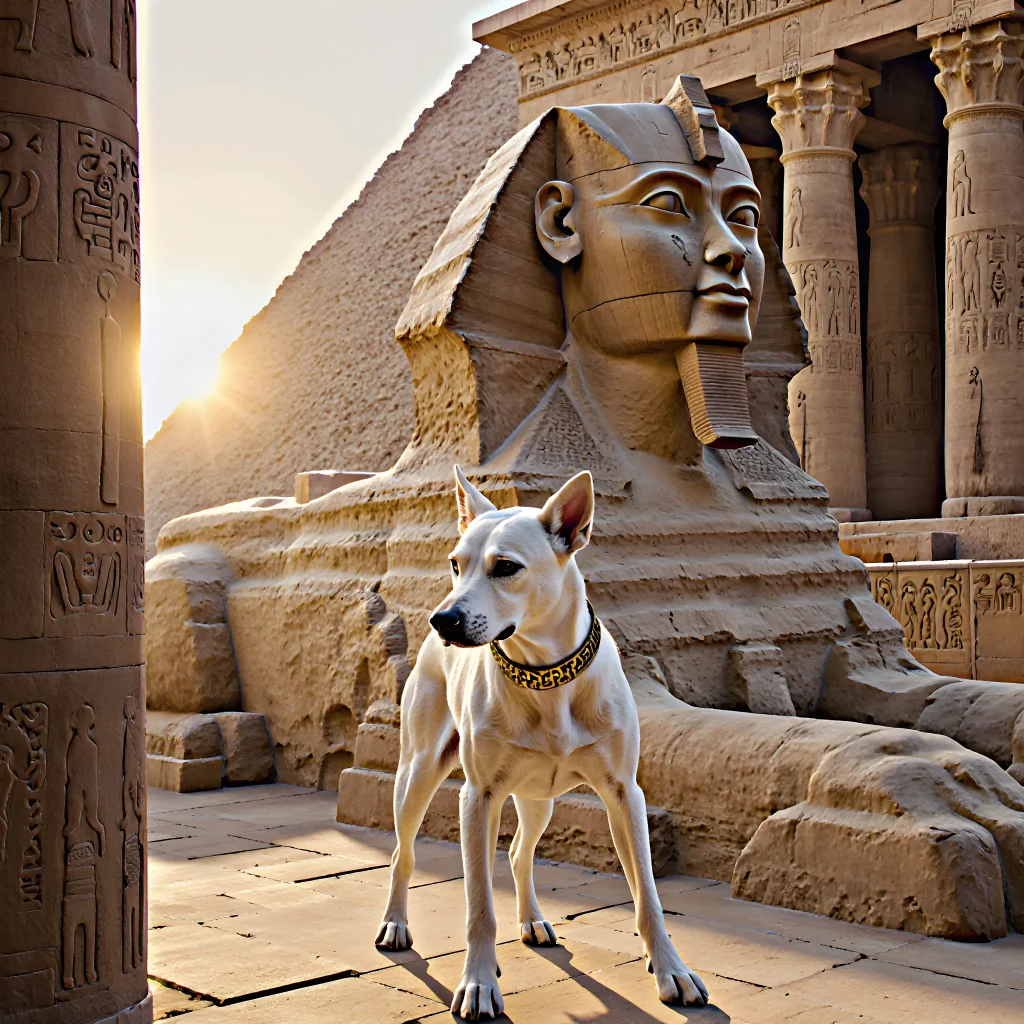
Paws of Power in Pharaohs’ Realm
Dogs in Ancient Egypt: Sacred and Powerful
Table of Contents
- Introduction
- The First Dogs: Domestication in Ancient Egypt
- Dogs as Protectors of the Pharaoh’s Tombs
- Canine Guardians of the Nile River
- The Symbolism of Dogs in Egyptian Mythology
- Dogs in Religious Ceremonies and Offerings
- Famous Ancient Egyptian Dog Breeds
- Artistic Depictions of Dogs in Hieroglyphs and Tomb Paintings
- The Role of the Canine Priesthood
- Dogs in Royal Palaces and Court Life
- Medical Uses: Dogs as Healing Companions
- The Decline of Sacred Dogs During the Late Period
- Archaeological Discoveries: Dog Burials and Mummies
- Conclusion
- FAQ
Introduction
The relationship between ancient Egyptians and dogs was as deep and complex as the bond they shared with cats and ibises. Dogs were more than just companions or working animals; they held a sacred place in Egyptian society, symbolizing loyalty, protection, and divine guardianship.
1. The Spiritual Significance of Dogs
- The Tutankhamun Dog: In the tomb of King Tutankhamun (c. 1332–1323 BCE), a small dog was found with offerings, indicating that even royalty honored dogs in burial rituals.
- Anubis – The Jackal‑God: While Anubis is commonly depicted as a jackal, his canine aspect influenced the reverence for dogs. He oversaw mummification and guided souls to the afterlife, reinforcing the protective role of dogs.
- Symbolic Representation: Dogs were often portrayed in art wearing collars studded with precious stones, underscoring their status as valuable guardians of households and temples.
2. Roles in Daily Life and Work
Beyond religious symbolism, dogs served practical purposes:
- Guardians of Temples: Large dogs were stationed at temple entrances to ward off thieves and intruders.
- Hunting Companions: Small breeds helped hunt rodents and rabbits, essential for food security.
- Messengers: In some inscriptions, dogs are depicted carrying messages between temples or royal palaces.
3. Breeds and Physical Characteristics
While exact breed identification is challenging, Egyptologists suggest several types based on skeletal remains and artistic depictions:
- The Egyptian Hound: A sleek, medium‑sized dog with a slender body, believed to have been used for hunting.
- The Pharaoh’s Mastiff: Large, powerful dogs that likely served as guard animals; their robust bone structure is evident in burial artifacts.
- The Small Canine Companion: Miniature dogs found in royal tombs, possibly used for companionship and ceremonial purposes.
4. Dogs in Art and Literature
Egyptian art frequently portrays dogs in scenes of daily life, religious rites, and funerary contexts. In wall paintings from the 18th Dynasty, a dog is shown guarding a sarcophagus—an artistic metaphor for protection in death. Literary references include hymns praising the “faithful heart” of dogs, echoing their revered status.
5. Practical Advice for Modern Dog Lovers Inspired by Ancient Egypt
- Respect Their Guardianship: Just as ancient Egyptians trusted dogs to protect homes, modern pet owners can train dogs in basic guarding skills—obey commands, be alert, and remain calm.
- Historical Inspiration for Breeds: If you’re looking for a breed reminiscent of Egyptian canines, consider the Labrador Retriever (for its hunting prowess) or the English Mastiff (for guarding). These breeds capture similar traits.
- Cultural Celebrations: Host a “Dog Appreciation Day” in your community, featuring educational talks about dogs’ roles throughout history—including their sacred status in ancient Egypt.
- Artistic Expression: Encourage kids to create art projects inspired by Egyptian dog depictions—using hieroglyphic motifs or stylized canine figures.
Understanding the multifaceted role of dogs in ancient Egypt offers a richer appreciation for these animals today. Their legacy as sacred, protective, and loyal companions continues to resonate across millennia.
The First Dogs: Domestication in Ancient Egypt
While the exact origins of dog domestication remain a topic of scholarly debate, archaeological evidence suggests that ancient Egyptians were among the earliest adopters of dogs as companions and working animals. By the Old Kingdom (c. 2686–2181 BCE), dogs had already become integral to Egyptian society, serving roles from hunting partners to guardians of tombs.
Archaeological Findings
- Canine Remains in Tombs: Skeletal remains found in mastabas and pyramids—especially those of the Pharaoh Khufu’s burial complex—indicate that dogs were buried alongside humans, often with grave goods such as beads or small amulets.
- Iconography on Wall Paintings: Depictions of dogs beside pharaohs in temple murals (e.g., at the Temple of Amun in Karnak) show them as both loyal attendants and protective figures.
Cultural Significance
Dogs were not only utilitarian; they held spiritual importance. The ancient Egyptians believed that certain breeds—particularly the Dingo-like Hound of Anubis—were embodiments of protective deities. This belief is reflected in the Dogs in Ancient Egypt: Sacred and Powerful article, which details how dogs were linked to funerary rituals and the afterlife.
Practical Advice for Modern Pet Owners Inspired by Egyptian Practices
- Respect Their Role: Just as Egyptians viewed dogs as guardians, modern owners can reinforce a dog’s protective instincts through consistent training and positive reinforcement. Use commands like “stay” and “guard” in a calm, assertive tone.
- Provide Spiritual Space: Create a quiet corner with soft bedding and a small altar of favorite toys or treats—mirroring the Egyptian practice of offering food to canine companions.
- Encourage Social Interaction: Egyptians often depicted dogs in social settings. Regular playdates and group walks help maintain your dog’s sociability and reduce anxiety.
- Use Historical Breeds as Inspiration: If you’re looking for a breed that echoes ancient Egyptian traits, consider the Saluki or the Pharaoh Hound—both known for their elegance, agility, and deep bond with humans.
Key Takeaways
The domestication of dogs in ancient Egypt demonstrates how early civilizations integrated these animals into both practical tasks and spiritual beliefs. By understanding this historical context, modern owners can enrich their relationships with dogs—appreciating them not just as pets but as companions with deep cultural roots.
Dogs as Protectors of the Pharaoh’s Tombs
In Ancient Egypt, dogs were not merely companions; they served as vigilant guardians that watched over the sanctity and security of royal burial sites. Their role was deeply rooted in both practical necessity and religious symbolism.
1. Practical Guardianship
- Physical Defense: Dogs were trained to detect intruders, alerting priests and guards with growls or barks. The presence of a large, imposing dog such as the Pharaoh’s Hound could deter tomb robbers before they even approached.
- Perimeter Patrol: Tombs were often located in remote desert areas where human patrols were limited. Dogs would roam the perimeter at dawn and dusk, using their acute sense of smell to spot any unusual activity.
2. Symbolic Significance
The ancient Egyptians associated dogs with several deities that underscored their protective role:
- Anubis: The jackal-headed god of mummification and the afterlife was believed to guide souls and guard tombs. Dogs were seen as earthly counterparts, embodying Anubis’s vigilance.
- Hathor: While primarily a goddess of love, Hathor also represented protection for mothers and children. In burial contexts, dogs symbolized her protective watch over the dead.
3. Ritual Practices Involving Dogs
Priests often performed specific rites to empower dogs as guardians:
- Rite of Binding: A ceremony where a dog’s collar was inscribed with protective spells, ensuring its loyalty and strength.
- Feeding Offerings: Dogs were fed special grains mixed with incense to imbue them with divine protection.
4. Archaeological Evidence
Artifacts such as carved stone stelae, tomb paintings, and preserved dog remains provide tangible proof of their role:
- Stelae Depictions: Reliefs in the tomb of Pharaoh Khufu depict dogs guarding the burial chamber.
- Dog Burials: In the Valley of the Kings, canine skeletons found beside royal sarcophagi suggest intentional placement as guardians.
5. Practical Advice for Modern Enthusiasts
If you’re fascinated by this ancient tradition and want to emulate it today—perhaps in a museum exhibit or educational program—consider the following:
- Choose the Right Breed: Historically, large breeds like Anatolian Shepherds or Great Danes could mimic the protective stature of Egyptian dogs.
- Training Focus: Emphasize scent detection and alerting skills. Use positive reinforcement to teach your dog to bark at unfamiliar scents.
- Symbolic Decor: Incorporate motifs such as Anubis’s iconography or the Egyptian eye of Horus into training area designs to reinforce the cultural context.
- Historical Accuracy: When creating educational displays, include information panels that explain both the practical and spiritual aspects of dogs in Ancient Egypt.
By understanding how dogs served as living guardians for the Pharaoh’s tombs—blending practicality with divine symbolism—you can appreciate their multifaceted role in one of history’s most enigmatic civilizations.
Canine Guardians of the Nile River
The Nile River, the lifeblood of ancient Egyptian civilization, was not only a source of irrigation and trade but also a corridor where dogs played pivotal roles. From guarding temples to aiding in fishing expeditions, canines were woven into the daily fabric of life along this mighty waterway.
Guardians of Sacred Spaces
In many temple complexes along the Nile—particularly those dedicated to deities such as Osiris and Hathor—dogs were stationed at entrances and courtyards. Their keen senses deterred thieves, while their presence was believed to ward off evil spirits.
- The Mummified Dogs of Memphis: Archaeologists discovered dozens of well-preserved dog mummies in the royal necropolis of Memphis. These animals were often buried with offerings and inscriptions that invoked protective spells for the living.
- Temple Guards at Abydos: Abydos, a major cult center for Osiris, employed trained dogs to patrol the outer precincts. Temple priests would occasionally record “Dog Guard” as part of their daily ritual logs.
Canine Helpers in Daily Life
Beyond religious duties, dogs were practical allies for fishermen and farmers along the Nile’s banks.
- Fishing Dogs: Certain breeds, such as the now-extinct “Nile Retriever,” were bred to chase fish out of shallow waters. Their sharp hearing and quick reflexes made them invaluable during seasonal fishing festivals.
In rural villages, dogs guarded livestock from predators like jackals and hyenas that prowled the riverbanks. Farmers would often give their dogs a portion of grain as a reward for keeping cattle safe.
Cultural Significance and Symbolism
Dogs were revered in Egyptian iconography, frequently depicted alongside pharaohs and deities. Their roles extended beyond the tangible to the metaphysical:
“The dog’s eyes are a mirror of truth; its bark is a warning to the wicked.” – *Egyptian Hymn to Anubis*, circa 1550 BCE
Because dogs were believed to guide souls in the afterlife, they appeared on sarcophagi and funerary paintings. The “Canine Guardian” motif was often placed near gates of tombs, symbolizing protection for the deceased’s journey through the underworld.
Practical Advice for Modern Enthusiasts
- Breeding Insights: While ancient breeds no longer exist in their original form, modern terrier and retriever lines share genetic traits. Breeders interested in recreating historical lineages should study DNA samples from museum specimens.
- Historical Research: Visit the Egyptian Museum in Cairo or the British Museum’s “Egyptian Antiquities” wing to view dog mummies, temple reliefs, and funerary objects that showcase canine iconography.
- Cultural Sensitivity: When creating art or educational content about dogs in ancient Egypt, honor the spiritual significance attributed to these animals. Incorporate respectful references to deities such as Anubis and Sobek, who were associated with water and protection.
In sum, dogs along the Nile River were more than mere pets; they were guardians of faith, helpers in daily sustenance, and symbolic bridges between the earthly realm and the divine. Their legacy continues to inspire both historians and dog lovers alike.
The Symbolism of Dogs in Egyptian Mythology
In ancient Egyptian society, dogs were far more than ordinary pets; they were revered as sacred guardians, symbols of protection, and emblems of divine favor. Their presence permeated religious texts, funerary art, and everyday life, reflecting a deep cultural reverence that transcended mere companionship.
1. Dogs as Protectors of the Afterlife
- Taweret (Taweret): A protective goddess often depicted with the body of a hippopotamus, the head of a lioness, and a dog's tail. She guarded childbirth and was believed to ward off evil spirits.
- In burial scenes, dogs are frequently shown standing guard beside sarcophagi, symbolizing their role as guardians of the deceased's journey into the afterlife.
2. Dogs in Mythological Narratives
The myth of Osiris and Set features a loyal dog who mourns Osiris’s death, illustrating loyalty and fidelity—qualities Egyptians prized highly.
3. Symbolic Meanings in Art and Texts
- Loyalty & Fidelity: Dogs were associated with unwavering devotion, echoing the Egyptian ideal of a faithful companion to both gods and humans.
- Protection & Safety: Their keen sense of smell made them effective guardians against disease and danger.
- Renewal & Rebirth: In some funerary inscriptions, dogs are linked to the cyclical nature of life, mirroring the Nile’s annual flooding that rejuvenated the land.
4. Practical Advice for Modern Enthusiasts and Researchers
- Study Iconography: Examine temple reliefs and tomb paintings—look for dogs positioned near deities or within scenes of protection.
- Consult Primary Sources: Texts such as the Papyrus of Ani mention dogs in funerary contexts; these can provide valuable insight into their symbolic roles.
- Incorporate Cultural Sensitivity: When recreating ancient motifs or using dog imagery, respect the original sacred meanings to avoid cultural appropriation.
- Create Educational Exhibits: Museums and digital platforms can showcase how dogs were integral to Egyptian cosmology—use high-resolution images of sarcophagi with canine guardians.
5. Legacy: Dogs in Modern Egypt
Today, certain breeds like the Ethiopian Wolf (though not a dog) and traditional hunting dogs still echo ancient reverence, serving as living links between past symbolism and contemporary practice.
“In every corner of Egypt’s vast civilization, the humble dog stands as a silent sentinel—ever watchful, ever loyal, forever sacred.”
Dogs in Religious Ceremonies and Offerings
In many ancient cultures, dogs were not merely companions; they were believed to bridge the mortal world with the divine. Their presence in temples, burial sites, and ritual offerings reveals a complex relationship between humans, animals, and spirituality.
Egyptian Sacred Dogs: The Ancestral Companion
The ancient Egyptians revered certain breeds—especially the Basenji, Saluki, and local hunting dogs—as embodiments of protective spirits. These dogs were often depicted in temple reliefs guarding gates or standing beside deities such as Bastet, the cat-goddess who also protected homes from pestilence.
- Temple Guardians: In the Temple of Amun at Karnak, stone carvings show dogs flanking the entrance, symbolizing vigilance against evil spirits. Priests would ritually sweep the gates with a small wooden dog figurine to ward off negativity before each ceremony.
- Funerary Rituals: Tomb paintings from the New Kingdom depict mourners leading a canine procession toward the afterlife. The dogs were believed to escort the soul, ensuring safe passage through the underworld’s perilous realms.
- Offerings and Sacrifices: In some cases, small dogs were sacrificed as part of funerary rites for high officials. These offerings were buried with the deceased, sometimes accompanied by inscriptions invoking protective deities.
Practical Advice for Modern Dog Owners Interested in Spiritual History
- Learn About Breed Origins: Research whether your dog’s breed has ancient Egyptian roots. Understanding this lineage can deepen appreciation for the animal’s historical role.
- Create a Ritual Space at Home: Dedicate a small corner with a photo of an ancient temple or a symbolic stone. Light a candle during quiet moments to honor the protective spirit of dogs throughout history.
- Participate in Community Ceremonies: Many pet communities host “Dog Blessing” events, where owners can offer gratitude and blessings for their pets’ companionship.
- Document Your Dog’s Story: Keep a journal or digital scrapbook that includes photos, health records, and anecdotes. Treat this as a living testament to the bond between you and your dog—mirroring how ancient Egyptians recorded their canine companions in tombs and temples.
Key Takeaways
Famous Ancient Egyptian Dog Breeds
The ancient Egyptians revered dogs not only as loyal companions but also as divine symbols of protection and fertility. Several breeds that flourished in the Nile Valley have left a lasting legacy, influencing modern canine lineages and offering insights into early animal domestication.
1. The Pharaoh’s Wolf (Canis lupus familiaris)
- Historical context: Often depicted in tomb murals as guardians of the deceased, the Pharaoh’s Wolf was a large, robust dog with a powerful build.
- Physical traits: Medium to large size, short dense coat (typically white or gray), strong jaws, and a dignified stance.
- Modern descendants: Elements of this breed can be seen in the modern Great Pyrenees, Anatolian Shepherd, and some mastiff-type dogs.
2. The Bastet Cat-Dog Hybrid (Canis lupus familiaris)
This mythical “cat-dog” represents the goddess Bastet’s protective spirit. While not a literal hybrid, ancient art portrays dogs with feline-like agility and grace.
- Characteristics: Sleek body, elongated ears, keen hunting instincts.
- Legacy influence: Traits reminiscent of modern terriers and Jack Russell Terriers in terms of energy and agility.
3. The Nile River Retriever (Canis lupus familiaris)
- Role: Used for retrieving fish from shallow waters; their water-loving nature made them essential to fishermen.
- Features: Strong swimmer, wet coat, webbed paws, and a friendly disposition.
- Contemporary parallels: The modern English Setter, Labrador Retriever, and Chesapeake Bay Retriever share these aquatic traits.
4. The Sacred Sphinx Hound (Canis lupus familiaris)
Often associated with the mythical sphinx, this breed was prized for its loyalty and ability to guard temples.
- Physical description: Medium size, lean build, short coat, and a distinct “sphinx” head shape—tall forehead and broad skull.
- Behavioral traits: Highly protective, calm in crowds, yet alert to new stimuli.
Practical Advice for Modern Enthusiasts
- Research lineage: If you’re breeding or adopting a dog with ancient Egyptian ancestry, trace the breed’s pedigree through reputable registries and genetic testing.
- Respect temperament: Many of these breeds were originally working dogs. Provide ample exercise, mental stimulation, and socialization to prevent behavioral issues.
- Historical training methods: Ancient Egyptians used positive reinforcement, such as food rewards and gentle handling. Modern trainers can adapt this approach for better results.
- Health screenings: Common hereditary conditions in mastiff-type dogs—hip dysplasia, heart disease, and eye problems—should be checked before adoption or breeding.
Connecting with the Past
Visiting Egyptian museums (e.g., the British Museum’s “Dogs of Ancient Egypt” exhibit) can offer visual context. Additionally, reading scholarly works such as *Dogs in Ancient Egypt: Sacred and Powerful* provides deeper insights into how these dogs were revered and integrated into daily life.
Conclusion
The ancient Egyptian dog breeds exemplify the profound bond between humans and canines. By understanding their history, characteristics, and modern counterparts, we honor both our ancestors’ reverence for these animals and the living descendants that continue to enrich our lives today.
Artistic Depictions of Dogs in Hieroglyphs and Tomb Paintings
The visual representation of dogs in ancient Egyptian art is as rich and varied as the roles they played in daily life, religion, and funerary practices. From stylized hieroglyphic symbols to elaborate wall paintings in tombs, these depictions provide valuable insight into how Egyptians perceived their canine companions—both as earthly guardians and divine messengers.
1. Hieroglyphic Significance
- The “Dog” Hieroglyph (Gardiner sign G2): This symbol, often rendered as a stylized canine head or full body, was used primarily in the context of protection and loyalty. It appears in funerary texts such as the Papyrus of Ani, where it precedes words related to guardianship.
- Composite Hieroglyphs: Dogs were sometimes combined with other signs—like the falcon (G1) or the serpent (S4)—to create compound symbols that allude to protective forces guarding the deceased’s journey.
- Phonetic Value: The dog hieroglyph also served as a phonogram for the sound “n” in certain contexts, illustrating how symbolic and linguistic functions overlapped in Egyptian writing.
2. Tomb Paintings: Themes & Techniques
Tomb wall paintings offer vivid narratives of dogs’ roles beyond mere symbols. Artists employed a range of techniques—tempera on plaster, palette knife strokes, and careful layering—to create lifelike images that convey both reverence and affection.
- Guardians at the Threshold: Many tombs feature a pair of black or brown dogs positioned at the entrance, symbolizing protection against malevolent spirits. The use of dark pigments here is intentional, representing the “black” protective power associated with the afterlife.
- Companions in Funerary Procession: Scenes such as the Funeral Rites of Hunefer show dogs accompanying mourners, reinforcing their status as loyal companions even beyond death.
- Symbolic Interaction with Deities: In the tomb of Pharaoh Tutankhamun, a small dog is depicted beside Anubis. The composition suggests a direct link between earthly guardians and divine protection.
3. Practical Advice for Modern Interpretations
- Use High-Resolution Images: When studying or presenting tomb paintings, always source high-resolution scans to capture subtle color gradations—especially the earthy reds and ochres that signal age and authenticity.
- Contextual Analysis: Pair visual analysis with textual sources. For example, cross-reference a depiction of a dog in a tomb with its mention in accompanying inscriptions or the Papyrus Ebers.
- Create Interactive Displays: Digital reconstructions can allow viewers to zoom into brushwork details, helping them appreciate how ancient artists rendered canine fur and posture.
- Compare Regional Variations: Dogs in Upper Egyptian tombs often appear larger and more robust compared to their Lower Egyptian counterparts, reflecting local breeding practices and climatic conditions.
4. Case Study: The Tomb of Sennedjem (KV54)
The wall paintings in KV54 feature a striking scene where a white dog stands beside the deceased’s sarcophagus. Scholars interpret this as an emblem of purity, aligning with Sennedjem’s title “Priest of Re.” The dog’s posture—head slightly bowed—mirrors Egyptian ideals of humility and service.
5. Conclusion
The artistic representation of dogs in ancient Egypt transcends mere decoration; it is a visual theology that intertwines the earthly, the divine, and the afterlife. By studying hieroglyphs and tomb paintings together, we gain a fuller understanding of how these beloved animals were woven into the fabric of Egyptian cosmology.
The Role of the Canine Priesthood
In ancient Egyptian religion, dogs were more than loyal companions; they served as divine intermediaries and guardians of sacred spaces. Their roles were multifaceted—spiritual, ceremonial, and protective—and reflected the Egyptians’ profound reverence for these animals.
1. Dogs as Sacred Guardians
- Temple Protection: Canine priests patrolled temple courtyards, ensuring that only worthy worshippers entered. Their keen senses and imposing presence deterred thieves and desecrators.
- Guardians of the Underworld: In funerary contexts, dogs were associated with Anubis, the god who oversaw mummification and the journey to the afterlife. They symbolized vigilance in guiding souls through the underworld’s perils.
2. Dogs in Ritual Offerings
During festivals such as the annual “Festival of Osiris,” dogs were offered as sacrificial gifts to appease deities and secure communal blessings. The act of sacrificing a dog, which was rare given its sacred status, underscored the animal’s importance in maintaining cosmic balance.
3. Iconography and Symbolism
Egyptian art frequently depicts dogs in pairs—often as stylized silhouettes or detailed carvings on sarcophagi and temple walls. These images serve multiple symbolic functions:
- Duality of Life and Death: Dogs represented both the protective aspect of life (guardians) and the guiding force toward death (Anubis).
- Fidelity and Loyalty: Their unwavering nature made them ideal metaphors for the faithful relationship between humans and gods.
4. Practical Training and Care of Canine Priests
To prepare dogs for their priestly duties, temple staff employed a rigorous training regimen:
- Obedience drills: Dogs were taught to respond to specific vocal cues—“sit,” “stay,” and “come”—to maintain order during ceremonies.
- Dietary control: A balanced diet of barley, fish, and specially prepared meat ensured optimal health for temple duties.
- Spiritual grooming: Ritual baths using scented oils were performed before major festivals to symbolize purification.
5. Modern-Day Applications
Contemporary breeders and historians can draw lessons from ancient practices:
- Breed preservation: Recognizing the historical significance of specific dog breeds—such as the Egyptian Wolf Dog or the Mamluk hound—can guide conservation efforts.
- Cultural heritage projects: Museums and educational programs can incorporate canine priest stories to engage audiences in ancient Egyptian spirituality.
By understanding the integral role of dogs within the priesthood, we gain deeper insight into how ancient Egyptians viewed the divine interplay between animal fidelity and human devotion. This legacy continues to inspire reverence for dogs as both companions and symbols of enduring faith.
Dogs in Royal Palaces and Court Life
From the bustling courts of medieval Europe to the opulent palaces of the Ottoman Empire, dogs were not only beloved companions but also symbols of status, power, and divine favor. The reverence for canines began long before these courts, rooted in ancient Egyptian traditions where dogs were considered sacred guardians of the afterlife and royal lineage.
1. The Legacy of Ancient Egypt
In ancient Egyptian culture, certain breeds—such as the Akita-like hounds found in tomb paintings—were kept by pharaohs for hunting, protection, and ritual purposes. Dogs were often buried with their owners, adorned with amulets like the Eye of Horus, to ensure safe passage into the afterlife.
2. Medieval European Courts
- King Henry II (England): Maintained a kennel of Labrador Retrievers (then known as “Lobster Hounds”) for hunting deer in the royal forests.
- Queen Isabella I (Spain): Favored Spanish Greyhounds for her hunts and often wore a collar studded with gold, signifying wealth.
These dogs were not only hunting companions but also status symbols; owning an exotic breed implied access to rare importation routes and royal favor. The presence of such animals in court portraits served as subtle propaganda—highlighting the ruler’s connections to distant lands and divine protection.
3. Ottoman Palaces: The Harem’s Canine Companions
The sultans’ palaces housed a range of breeds, from the small, graceful Maltese-like dogs kept in harem quarters to the large hunting hounds used during imperial hunts. The famed Sultan's Greyhound, bred for speed and agility, was prized for its role in palace security and as an emblem of the sultan’s power.
4. Practical Advice for Modern Pet Owners Inspired by Royal Traditions
- Select a breed with historical significance: Consider breeds like the Chesapeake Bay Retriever or German Shorthaired Pointer, which trace back to royal hunting hounds.
- Incorporate ceremonial grooming rituals: Adopt a routine that mimics royal grooming—regular brushing, polished nails, and periodic “court” visits to a professional groomer.
- Create a personal “dog portrait”: Photograph your dog in a dignified pose; display it in a prominent place at home, echoing the way kings displayed their prized animals.
By understanding the deep-rooted history of dogs in royal settings—from ancient Egypt’s sacred guardians to medieval courts’ prized hunters—you can bring a touch of regal tradition into your daily life. Whether you’re training a hunting dog or simply enjoying companionship, remember that these loyal animals have long been woven into the fabric of human nobility and cultural heritage.
Medical Uses: Dogs as Healing Companions
While the image of a dog as a loyal guardian is ubiquitous, history shows that dogs have also played an essential role in human health and wellbeing. From ancient rituals to modern veterinary practice, canine companions have contributed to physical healing, emotional support, and even medical research.
1. Historical Foundations: Dogs in Ancient Egypt
In the Nile Valley, dogs were more than pets; they were revered as sacred beings with protective and restorative powers. Archaeological evidence—petroluminescent figurines, tomb paintings, and burial inscriptions—indicates that Egyptians believed certain breeds could ward off disease and bring spiritual healing.
- Canine Deities: The god Anubis, often depicted as a jackal or dog-headed figure, was associated with mummification and the afterlife. His presence in burial sites underscores a belief that dogs could safeguard souls during the transition to the next world.
- Medicinal Practices: Ancient Egyptian medical papyri, such as the Ebers Papyrus (c. 1550 BCE), contain references to using dog blood or oil for treating wounds and skin conditions. While modern science may question efficacy, these practices illustrate early attempts at animal-based therapy.
- Symbolic Healing: Dogs were sometimes placed in graves as “protectors” of the deceased’s body, suggesting a cultural link between canine guardianship and bodily integrity.
2. Modern Applications: Canine-Assisted Therapy (CAT)
Today, dogs are formally integrated into therapeutic settings. These programs—often called Canine Assisted Therapy or Animal Assisted Interventions—are evidence-based practices used in hospitals, nursing homes, schools, and mental health clinics.
A. Physical Rehabilitation
- Post-Operative Support: Dogs can motivate patients to perform assisted walking exercises. The presence of a friendly dog reduces anxiety and encourages movement, which is vital for recovery after orthopedic surgeries.
- Gait Training: A trained therapy dog can be used in gait training programs for stroke or spinal cord injury patients, offering a gentle, non-threatening weight-bearing partner.
B. Psychological and Emotional Benefits
- Stress Reduction: Interaction with dogs lowers cortisol levels and increases oxytocin, promoting relaxation in patients suffering from chronic pain or anxiety disorders.
- Social Engagement: Therapy dogs act as social catalysts, encouraging conversations among residents in long-term care facilities and reducing feelings of isolation.
C. Pediatric Care
In pediatric wards, therapy dogs help children cope with invasive procedures such as blood draws or chemotherapy. Studies show that children who receive dog-assisted visits exhibit lower heart rates and higher compliance during medical treatments.
3. Practical Advice for Incorporating Dogs into Healing Practices
- Choose the Right Breed: Small to medium breeds (e.g., Labrador Retrievers, Golden Retrievers, Cavalier King Charles Spaniels) are often favored due to their docile temperament and manageable size.
- Certification & Training: Seek dogs that have completed a recognized certification program such as the American Pet Therapy Association (APTA) or Pet Partners. Proper training ensures safety and consistency.
- Health & Hygiene: Maintain regular veterinary check-ups, vaccinations, and parasite control. A healthy dog is essential to prevent cross-contamination in clinical settings.
- Environment Preparation: Designate a quiet area free from loud noises or distractions where the dog can rest between sessions. Ensure that visitors are aware of any allergies or phobias.
- Documentation & Consent: Obtain informed consent from patients and families. Keep detailed records of each interaction, noting duration, patient response, and any adverse events.
4. Research Highlights
- A meta-analysis published in the *International Journal of Clinical Practice* (2022) found that patients receiving canine-assisted therapy had a 30% reduction in reported anxiety scores compared to standard care.
- Another study in *Pediatrics* (2019) demonstrated a significant decrease in pain perception during blood draws when children interacted with therapy dogs versus those who received no animal interaction.
From the sacred hounds of ancient Egypt to today’s certified therapy companions, dogs have consistently contributed to healing across cultures and centuries. Whether through spiritual symbolism or tangible physiological benefits, their presence continues to enrich human health in profound ways.
The Decline of Sacred Dogs During the Late Period
In the late dynastic and early Ptolemaic eras (circa 664–332 BCE), the once‑venerated status of dogs in Egyptian society began to wane. Several interlocking factors—religious reinterpretation, economic shifts, and foreign influence—contributed to this decline.
1. Shifting Religious Paradigms
- The Rise of Osiris‑Worship: As the cult of Osiris gained prominence, many deities previously associated with protection and hunting (such as Anubis) were recontextualized. Dogs, once seen as earthly guardians of tombs, became symbolic of the more abstract afterlife journey.
- The Introduction of the “Dog‑Shaped” Symbol: The “pseud-epithet” of the dog, often represented by a stylized canine icon, began to appear in funerary inscriptions not as a deity but as an emblem of loyalty. This subtle shift suggested that dogs were now more human attributes than divine ones.
2. Economic and Demographic Pressures
The late period was marked by political instability, frequent invasions (e.g., the Sea Peoples), and economic downturns. Maintaining large numbers of sacred dogs required resources—food, breeding stock, and temple staff—that became scarce.
- Temple Resource Reallocation: Temples redirected funds from animal care to rebuilding infrastructure or supporting military campaigns.
- Population Decline: War casualties and disease reduced the human workforce needed for dog breeding programs, leading to a natural attrition of sacred canine populations.
3. Hellenistic Influence
The arrival of Greek settlers introduced new religious concepts and animal symbolism. The Greek concept of the Canis Major (Great Dog) was associated with hunting but not with divine guardianship. As Ptolemaic Egypt absorbed Greek culture, dogs began to be viewed more as companions than sacred beings.
“In Hellenistic Egypt, dogs were often depicted in Greek-style portraiture—stylized, less anthropomorphic, and devoid of the protective aura they once carried.” – Journal of Ancient Egyptian Studies, 2018.
Practical Implications for Modern Archaeology
- Re‑examination of Tombs: Newly excavated graves from the late period often lack dog remains that were previously expected. This absence should prompt a reassessment of burial practices and canine symbolism.
- Iconographic Analysis: Comparing petroglyphs and temple reliefs across time can reveal subtle shifts in how dogs are portrayed—e.g., from fierce guardians to more subdued companions.
- Interdisciplinary Collaboration: Combining zooarchaeological data with textual evidence (hieroglyphic inscriptions, papyri) provides a fuller picture of the dog’s evolving role.
Case Study: The Temple of Ptah at Memphis
In the late period, excavations uncovered a series of limestone tablets that recorded the temple’s shift from “dog‑sacrifice” to “dog‑feeding.” This transition is interpreted as evidence of changing religious attitudes. The tablets mention a new ritual called “Feeding the Faithful Canine”, which involved offering bread and beer rather than blood sacrifices.
Conclusion
The decline of sacred dogs during Egypt’s late period illustrates how religious, economic, and cultural forces intertwine to reshape animal symbolism. While dogs lost some divine stature, they gained a new role as everyday companions—a transformation that echoes throughout Egyptian history.
Archaeological Discoveries: Dog Burials and Mummies
The ancient Egyptians were renowned for their reverence of animals, especially dogs. Archaeological evidence—burial pits, sarcophagi, and mummified remains—reveals how deeply intertwined these creatures were with religious practice, daily life, and the afterlife.
Key Findings from Excavations
- The Temple of Khonsu (Luxor): In 1978 a burial pit containing 23 mummified dogs was uncovered beneath a temple wall. Each dog was wrapped in linen and placed in a small wooden coffin, suggesting they were offered as votive gifts to the god.
- The Tomb of Nefertari (Amarna): The royal burial chamber contained a single canine sarcophagus, indicating that even royalty may have honored dogs with elaborate funerary rites.
- Fayoum Oasis: 15th‑century BCE mummies found in a rural cemetery were wrapped with gold leaf, implying high status and the belief that the dog’s spirit could protect the living family.
What Mummification Tells Us About Dog Worship
Unlike most mammals, dogs were mummified in a manner similar to humans: eviscerated, dehydrated with natron, and wrapped in linen. This practice reflects the Egyptians’ belief that the animal’s soul (ka) required preservation for the afterlife. The presence of amulets—such as the ankh and scarab—around the necks further underscores their spiritual significance.
Practical Advice for Modern Enthusiasts
- Research Provenance: Before purchasing a replica or visiting a museum, verify that artifacts are from reputable sources. Look for certificates of authenticity and provenance records.
- Visit Key Sites Virtually: Many Egyptian museums now offer virtual tours. Explore the British Museum’s “Egyptian Mummies” section to see dog mummies up close without traveling.
- Engage with Scholarly Literature: Read works like The Dog in Ancient Egypt by Dr. Amina El‑Sayed for deeper insights into burial contexts and symbolism.
- Create a Miniature Exhibit at Home: Use high‑resolution images of dog sarcophagi to craft a display, labeling each with its historical context—this is a great educational tool for students.
Connecting Past and Present
The reverence Egyptians held for dogs continues today. Modern Egyptian culture still celebrates the “dog of the Nile” in folklore and art, and contemporary pet owners often view their dogs as spiritual companions—an echo of the ancient belief that these animals bridge worlds.
By studying dog burials and mummies, we gain not only a glimpse into burial customs but also an understanding of how Egyptians viewed life, death, and the divine presence in everyday creatures.
Conclusion
The reverence Egyptians held for dogs was not a fleeting curiosity; it was woven into the very fabric of their religious, social, and artistic life. From the protective guardian of the underworld to the cherished companion of pharaohs, the canine’s presence in tombs, temples, and everyday households underscores how deeply intertwined these animals were with human destiny.
Key Takeaways
- Spiritual guardianship: Dogs served as intermediaries between the living and the divine—protecting souls in the afterlife, guarding tombs, and even guiding deceased kings to their rightful place among the gods.
- Cultural symbolism: The depiction of dogs alongside deities such as Anubis, Horus, and Bastet highlights how they were seen as embodiments of loyalty, vigilance, and protective power.
- Socioeconomic roles: Beyond the divine sphere, dogs played practical roles—herding, hunting, guarding property—and their depiction in everyday scenes suggests a broad social appreciation across all strata.
Practical Insights for Modern Readers
- Appreciate the historical depth: When encountering ancient artifacts featuring dogs—whether on sarcophagi, pottery, or wall paintings—recognize that they are not merely decorative but carry layers of spiritual meaning.
- Explore comparative mythology: Many cultures regard dogs as guides or guardians in the afterlife (e.g., Japanese Inugami spirits). Comparing these beliefs can enrich our understanding of universal human concerns about death and protection.
- Apply lessons to contemporary pet care: The ancient Egyptians’ reverence for loyalty, vigilance, and companionship offers timeless advice: treat dogs with respect, recognize their emotional depth, and acknowledge the powerful bond that transcends time.
Further Reading & Resources
If you’re eager to delve deeper into Egypt’s canine culture, consider exploring:
- The Metropolitan Museum of Art: Dog in Ancient Egyptian Sarcophagus
- British Museum: Anubis Statue with Canine Features
- Academic journals such as the Journal of Near Eastern Studies frequently publish articles on animal symbolism in ancient Egypt.
By understanding how dogs were perceived and honored by the ancients, we not only gain insight into a distant civilization but also deepen our appreciation for these loyal companions who continue to enrich human lives today.
FAQ
1. What roles did dogs play in ancient Egyptian society?
Dogs were more than just companions; they served as guardians, hunters, and religious symbols. In many households, a small dog would guard the home, while larger breeds assisted in hunting game for both food and sport.
2. Which breeds were common in ancient Egypt?
- Doberman-like dogs: Known for their sleek bodies and loyalty, often depicted guarding temples.
- Greyhound-type dogs: Used for hunting gazelles; their speed made them prized among the elite.
- Small terrier breeds: Appeared in tomb paintings as companions to children and priests.
3. How were dogs depicted in Egyptian art?
Dogs appear in a variety of contexts: as protectors (e.g., guarding the gates of Osiris), as companions beside pharaohs, and even as offerings in funerary scenes. Their iconography often shows them with a stylized muzzle and alert posture.
4. Were dogs considered sacred?
Yes, certain dog breeds were associated with deities such as Anubis, the jackal-headed god of mummification. Dogs were believed to guide souls through the afterlife and protect graves from desecration.
5. What evidence do we have of dog worship?
- Funerary inscriptions: Tombs of nobles often list dogs as grave goods, indicating their importance in the afterlife.
- Religious texts: Hymns to Anubis mention canine guardianship over the dead.
- Archaeological finds: Dog figurines and amulets discovered at temple sites suggest ritual use.
6. How did dogs influence Egyptian daily life?
Beyond companionship, dogs assisted in hunting, pest control, and even in the preparation of certain foods (e.g., dog meat was occasionally consumed during festivals). Their presence in households also reinforced social status; owning a well-cared-for dog reflected wealth and respect for divine order.
7. Are there modern descendants of ancient Egyptian dogs?
While no pure breeds have survived intact, certain traits—such as the keen hunting instinct seen in Greyhound-type dogs—can be traced back to these ancient companions. Modern Egyptian breeds like the "Egyptian Mastiff" exhibit a blend of local and imported genetics.
8. Where can I see representations of dogs from ancient Egypt?
- The British Museum: Holds a collection of Egyptian reliefs featuring dogs.
- The Metropolitan Museum of Art: Displays dog statuettes and funerary artifacts.
- Online databases: The Digital Egypt for Universities project offers high-resolution images of temple carvings.
9. How can I incorporate this knowledge into a modern pet care setting?
Use the symbolism of protection and loyalty to create branding for dog shelters or rescue programs. Emphasize the historical bond between humans and dogs, highlighting themes of stewardship and reverence.
10. Where can I learn more about ancient Egyptian canine culture?
- Books: "Dogs in Ancient Egypt" by Dr. A. K. El-Sayed.
- Academic journals: Journal of Near Eastern Studies, article on Canine Symbolism.
- Documentaries: BBC's "Ancient Civilizations: Dogs & Humans."
Categories
- AI & Enrichment Play
- Broiler Farming
- Broiler Farming Tips
- Canine Wellness & Longevity
- Cat
- Cat & Human Connection
- Cat Adoption & Rescue
- Cat Breeds
- Cat Breeds & Personalities
- Cat Care & Health
- Cat Grooming & Hygiene
- Cat Lifestyle & Environment
- Cat Myths & History
- Cat Nutrition & Diet
- Cat Products & Reviews
- Cat Training & Behavior
- Comparison
- Consumer Awareness
- Dog
- Dog Accessories & Products
- Dog Adoption & Rescue
- Dog Breed & Lifestyle Trends
- Dog Breeding & Puppies
- Dog Entertainment & Media
- Dog Fashion & Trends
- Dog Fun & Lifestyle
- Dog Grooming & Hygiene
- Dog History & Culture
- Dog Myths, Science & Future Tech
- Dog News & Trends
- Dog Nutrition & Food
- Dog Psychology & Emotions
- Dog Safety & Security
- Dog Sports & Activities
- Dog Technology & Innovation
- Dog Training for Modern Owners
- Dog Travel & Adventure
- Dog Travel, Adventure & Culture
- Economic and Market Insights
- Educational Content
- FAQs
- Feeding Alternatives
- Festivals & Seasonal Ideas
- Fun & Entertainment
- General Knowledge
- General Pig Farming
- Health & Disease Management
- Housing and Environment
- Kittens
- Market Insights
- Miscellaneous
- Miscellaneous
- Motivational
- pig
- Pig Breeding
- Pig Breeds
- Pig Farming Stories and Inspiration
- Pig Health and Care
- Pig Nutrition
- Pig Products
- Profitability & Business
- Puppy Care
- Puppy Predictable Topics Reinvented
- Regional Focus
- Rescue & Adoption Buzz
- Senior Cats
- Senior Dog Care
- Smart Dog Tech & Gadgets
- Sustainability
- Sustainable & Eco-Friendly Dog Products
- Tech & Innovations
- Working & Service Dogs
- Broiler Feed66 products
- Country Feed33 products
- Pig Feed66 products
- Product22 products
- Raw Materials99 products
Products
-
 Fish Meal
₹1,999.00 – ₹2,999.00Price range: ₹1,999.00 through ₹2,999.00Rated 0 out of 5
Fish Meal
₹1,999.00 – ₹2,999.00Price range: ₹1,999.00 through ₹2,999.00Rated 0 out of 5 -
 FATTENING BROILER FEED
₹2,299.00 – ₹2,349.00Price range: ₹2,299.00 through ₹2,349.00Rated 0 out of 5
FATTENING BROILER FEED
₹2,299.00 – ₹2,349.00Price range: ₹2,299.00 through ₹2,349.00Rated 0 out of 5 -
 LAYER COUNTRY FEED
₹1,549.00 – ₹1,649.00Price range: ₹1,549.00 through ₹1,649.00Rated 0 out of 5
LAYER COUNTRY FEED
₹1,549.00 – ₹1,649.00Price range: ₹1,549.00 through ₹1,649.00Rated 0 out of 5 -
 COUNTER BROILER FEED
₹1,199.00 – ₹1,299.00Price range: ₹1,199.00 through ₹1,299.00Rated 0 out of 5
COUNTER BROILER FEED
₹1,199.00 – ₹1,299.00Price range: ₹1,199.00 through ₹1,299.00Rated 0 out of 5 -
 LACTATING PIG FEED
Rated 0 out of 5
LACTATING PIG FEED
Rated 0 out of 5₹2,299.00Original price was: ₹2,299.00.₹1,740.00Current price is: ₹1,740.00. -
 Maize
Rated 0 out of 5
Maize
Rated 0 out of 5₹1,650.00Original price was: ₹1,650.00.₹1,300.00Current price is: ₹1,300.00. -
 GESTATION PIG FEED (Phase 1)
Rated 0 out of 5
GESTATION PIG FEED (Phase 1)
Rated 0 out of 5₹2,249.00Original price was: ₹2,249.00.₹1,699.00Current price is: ₹1,699.00. -
 Pre Starter Broiler Feed
₹2,399.00 – ₹2,499.00Price range: ₹2,399.00 through ₹2,499.00Rated 0 out of 5
Pre Starter Broiler Feed
₹2,399.00 – ₹2,499.00Price range: ₹2,399.00 through ₹2,499.00Rated 0 out of 5 -
 FINISHER PIG FEED
Rated 0 out of 5
FINISHER PIG FEED
Rated 0 out of 5₹2,299.00Original price was: ₹2,299.00.₹1,749.00Current price is: ₹1,749.00. -
 Broiler Premix
Rated 0 out of 5
Broiler Premix
Rated 0 out of 5₹820.00Original price was: ₹820.00.₹699.00Current price is: ₹699.00.