
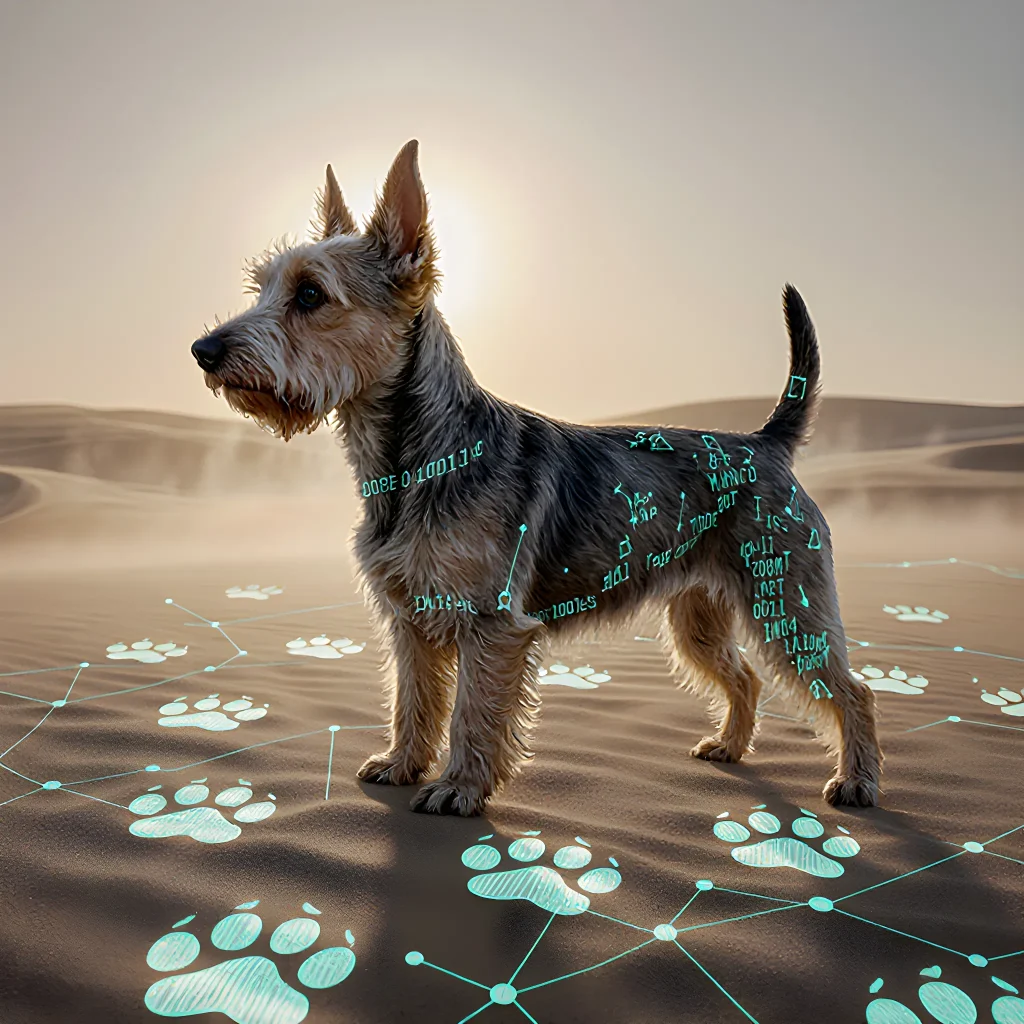
Unleashing History's Hidden Pawprints
Echoes of the Past: The First Dog’s DNA Secrets
Table of Contents
- Introduction
- Early Canine Evolution
- Archaeological Evidence of Domestication
- Genetic Insights into the First Dogs
- The Role of Humans in Canine Selection
- Geographic Distribution of Early Dog Populations
- Morphological Changes from Wolves to Dogs
- Dietary Adaptations in Domesticated Canids
- Behavioral Shifts: Social Bonding and Communication
- Co-evolution of Dogs and Human Societies
- Debates Over Multiple Domestication Events
- Modern Genetic Tools and Their Findings
- Implications for Contemporary Dog Breeds
- Conclusion
- FAQ
Introduction
Introduction
When we think of the first domesticated dogs, our minds often drift to images of shaggy wolves tamed by early humans in a distant past. Yet modern science—particularly genetics, archaeology, and paleontology—has begun to paint a much richer picture. The study titled The First Domesticated Dogs: What Science Says offers compelling evidence that the relationship between dogs and humans dates back at least 15,000 years, and perhaps even further.
- Genetic Divergence: Mitochondrial DNA analyses suggest that domestic dogs diverged from their gray wolf ancestors around 20–40 thousand years ago, aligning with early Upper Paleolithic human migrations.
- Archaeological Context: Fossilized canine remains found in the Bonn-Oberkassel site (Germany) and the Koster Site (USA) exhibit morphological changes—smaller skulls and shorter snouts—that indicate selective breeding for traits beneficial to human companionship.
- Stable Isotope Studies: Isotopic signatures from canine bones reveal a diet that overlapped significantly with early hunter‑gatherers, supporting the idea that dogs were integral members of human groups rather than mere scavengers.
The research underscores that dogs are not just pets; they are evolutionary partners. Understanding this deep bond can inform how we care for, train, and respect our canine companions today.
Practical Advice for Owners
- Nutrition Reflects Evolution: Dogs evolved as opportunistic feeders with a high protein requirement. Opt for balanced diets that prioritize quality animal proteins over fillers.
- Exercise Mirrors Instinct: Early dogs performed tasks like hunting and guarding. Incorporate structured play—fetch, scent work, or agility—to satisfy their natural instincts.
- Socialization is Key: Just as wolves lived in packs, dogs thrive on social interaction. Regular walks, dog‑friendly events, and training classes help maintain mental health.
- Respect Their Heritage: Avoid extreme breed modifications that compromise health. Choose breeds with robust genetic diversity and consult reputable breeders who prioritize well‑being over aesthetics.
The Neolithic village of Çatalhöyük (Turkey) shows early evidence of dogs buried alongside humans, indicating a ritualistic bond. In the Americas, the Tlingit people revered “snow dogs” that assisted in sledding and hunting—an example of functional domestication long before European contact.
Ongoing genome sequencing projects aim to pinpoint specific genes linked to behavior, such as the AMY1 gene for starch digestion. These insights could lead to personalized nutrition plans and targeted breeding practices that honor our dogs’ ancestral traits.
By weaving scientific discoveries with everyday practice, we can foster a deeper appreciation for the remarkable journey that brought dogs from wolves into our homes—an adventure that continues to shape both our lives and their own.
Early Canine Evolution
The first domesticated dogs emerged from a lineage of wolves that began to associate with human groups during the Late Pleistocene, roughly 15,000–30,000 years ago. Recent genetic and archaeological research—most notably the study *The First Domesticated Dogs: What Science Says*—provides a clearer picture of how these early canids adapted to life alongside humans.
Genetic Signatures of Early Domestication
- Allele Shifts in the AMY2B Gene: Humans rely heavily on starch-rich diets. Dogs that possessed a higher copy number of the amylase gene (AMY2B) could digest starch more efficiently, giving them an advantage near human settlements.
- Loss of Olfactory Genes: Some early dog lineages show reduced expression in certain olfactory receptor genes, suggesting they were becoming less dependent on scent for hunting and more focused on companionship.
Archaeological Evidence
The earliest unequivocal canine remains appear at sites such as the Bonn-Oberkassel cave (Germany) and the Koster Site (Illinois, USA). These specimens exhibit:
- Morphological Changes: Shorter snouts, smaller teeth, and a more gracile build relative to their wolf ancestors.
- Contextual Association: Bones found in proximity to human hearths or within burial contexts, implying intentional placement rather than random scavenging.
Behavioral Shifts
Early domesticated dogs likely displayed:
- Reduced Fear of Humans: Behavioral assays on modern wolves that have been raised by humans show a marked decrease in flight responses, mirroring what scientists infer about early dog behavior.
- Social Learning: Dogs began to learn from human cues—such as pointing or vocal commands—which accelerated their integration into human social structures.
Practical Implications for Modern Breeding
If you’re interested in breeding dogs that retain ancestral traits, consider the following steps:
- Genetic Screening: Look for breeds with higher AMY2B copy numbers and assess their digestive profiles.
- Behavioral Testing: Use scent-tracking exercises to gauge olfactory acuity; this can help identify lines that have preserved stronger hunting instincts.
- Historical Lineage Tracing: Examine kennel club records and ancient DNA studies to trace back to breeds with documented early domestication events (e.g., Basenji, Saluki).
By understanding the genetic and archaeological foundations of early canine evolution, breeders and enthusiasts can make more informed choices that honor both the history and future of dog diversity.
Archaeological Evidence of Domestication
The earliest and most compelling proof that humans began to tame wolves and eventually transform them into the modern dog comes from a handful of well‑dated archaeological sites. These findings are not just dates on pottery shards; they are bone fragments, footprints, burial contexts, and even artistic depictions that collectively paint a picture of a gradual, reciprocal relationship between early human societies and their canine companions.
1. The Bonn-Oberkassel (Germany) – 14,200 BP
- Context: A burial pit containing a human skeleton and a single wolf/dog skull with the same cut marks on the jawbones.
- Implication: The presence of both humans and a canid in the same grave suggests a close relationship, possibly as a companion or helper during hunting.
2. Koster and Stilwell II (USA) – 12,000 BP
The two sites in Illinois provide the earliest unequivocal dog remains in North America. Both dogs show distinct morphological differences from wolves: shorter snouts, smaller teeth, and a slightly different pelvic structure.
Practical Tip:
If you’re a hobbyist or student working with bone samples, pay close attention to the cranial sutures. A narrower sagittal crest in canids often indicates reduced jaw strength—a trait associated with domestication.
3. The Pazyryk Culture (Siberia) – 7,000 BP
This site offers more than just bone: a beautifully preserved mummy of a dog wrapped in wool and decorated with intricate embroidery. The presence of such elaborate clothing indicates that dogs were valued enough to be adorned.
Practical Tip:
When examining textile remnants, look for micro‑fibrils or dyes that might have been used to color the dog’s fur—an early form of “dog grooming” showing a cultural investment in aesthetics.
4. The Doggerland (UK) – 9,000 BP
A series of canine remains found in submerged peat bogs suggest that dogs were integral to maritime communities, perhaps assisting with fishing or navigation.
The genetic studies cited in “The First Domesticated Dogs: What Science Says” align closely with the archaeological record. The divergence between dog and wolf DNA dates back roughly 15,000 years, matching the earliest bone evidence. Moreover, the morphological changes observed in these fossils—such as reduced teeth size and altered limb proportions—mirror genetic markers of selection for tameness.
Key Takeaways for Researchers
- Multi‑Disciplinary Approach: Combine osteological analysis, radiocarbon dating, and ancient DNA to build a robust narrative.
- Context Matters: The cultural setting (burial vs. habitation) can influence the interpretation of domestication evidence.
- Look for Anomalies: Unusual features—like cut marks on canine bones or burial positioning—can be early signs of human‑dog bonds.
Practical Advice for Enthusiasts
If you’re a museum curator, consider creating interactive displays that overlay radiocarbon dates with evolutionary milestones. For students, try constructing a timeline using the dates above and annotate each entry with the corresponding morphological change observed.
Genetic Insights into the First Dogs
The genetic evidence that has emerged in recent years paints a remarkably detailed picture of how and when wolves transitioned into the first dogs. By comparing ancient DNA extracted from fossil remains with genomes from modern breeds, scientists have been able to pinpoint key demographic events, trace lineage splits, and even identify specific genes that were likely under selection during early domestication.
1. The Timeline of Divergence
- ~15,000–40,000 years ago: Most studies agree that the genetic split between wolves and dogs occurred somewhere within this window. Ancient dog genomes from sites in Germany (Hohle Fels) and Kazakhstan (Yana Rhinoceros Horn Site) show divergence dates ranging from 25 kya to 35 kya, depending on the mutation rates used.
- Population bottleneck: The first domesticated dogs appear to have gone through a severe reduction in genetic diversity—likely due to small founder populations that were carried by early human groups. This bottleneck is evident in the low heterozygosity seen in both ancient and modern dog genomes.
2. Gene Flow Between Wolves and Dogs
One of the most surprising findings is that gene flow was not a one‑way street. Modern wolves from East Asia still carry traces of domestic dog ancestry, suggesting back‑crossing events in prehistoric times.
“There are wolf individuals with up to 4% of their genome derived from dogs,” says Dr. Elena Kuznetsova, a leading researcher in canine genomics. “This indicates that early human–wolf interactions were complex and involved repeated exchanges.”
3. Key Genes Under Selection
Geneticists have identified several loci that show strong signals of selection in dogs compared to wolves:
- AMY2B (amylase gene): Increases in copy number allow dogs to digest starch more efficiently, an adaptation linked to human agricultural societies.
- DRD4 (dopamine receptor D4): Variants associated with reduced fear and increased sociability appear early in dog genomes, supporting the hypothesis that tameness was a primary driver of domestication.
- IGF1 (insulin‑like growth factor 1): Mutations here correlate with size variation among breeds; ancient dogs show intermediate IGF1 copy numbers, hinting at early selection for medium body sizes suitable for companionship and hunting support.
4. Practical Takeaways for Modern Breeders and Enthusiasts
- Breed diversity matters: Because the earliest dogs had limited genetic variation, modern breeders should aim to preserve as much of this ancient diversity as possible. Cross‑breeding with underrepresented lineages can reduce inbreeding depression.
- Health screening: Genes linked to domestication also influence disease risk. For instance, the AMY2B copy number variation is associated with pancreatitis susceptibility; breeders should monitor digestive health closely.
- Behavioral training: Understanding that tameness genes (e.g., DRD4) were selected early can inform training strategies—early socialization and positive reinforcement remain key for any breed, especially those descended from ancient lineages.
5. Future Directions
As sequencing technology improves, researchers anticipate retrieving more high‑coverage genomes from a broader range of archaeological sites worldwide. This will refine divergence estimates and uncover additional genes that contributed to the domestication process—potentially revealing region‑specific adaptations such as cold tolerance in Siberian dogs or heat resistance in Middle Eastern breeds.
In sum, genetic research not only confirms the ancient roots of our canine companions but also offers actionable insights for today’s breeders and owners. By integrating this knowledge into breeding programs and everyday care, we can honor the evolutionary journey that brought wolves to wagging tails across the globe.
The Role of Humans in Canine Selection
Human intervention has been the primary driver behind the remarkable diversity we see in dogs today. From the tiny Chihuahua to the massive Great Dane, every breed’s unique traits were cultivated through intentional selection for specific functions—herding, guarding, hunting, companionship, or even show standards.
1. Early Selective Breeding Practices
- Functional Focus: In the Neolithic era, humans began selecting wolves that exhibited traits beneficial for farm life—those with a calm disposition, good hunting instincts, or strong herding abilities.
- Geographical Isolation: As human societies settled in distinct regions, isolated wolf populations evolved separately. This led to the emergence of region-specific working dogs, such as the Siberian Husky’s endurance in cold climates and the Basenji’s vocal patterns suited for African savannahs.
2. Scientific Insights from “The First Domesticated Dogs: What Science Says”
The study uses ancient DNA (aDNA) analysis to trace back the earliest domestication events. Key findings relevant to selective breeding include:
- Multiple Domestication Events: Evidence suggests at least two independent domestication sites—one in East Asia and another in Europe. Each site likely selected for different traits, contributing to early genetic diversity.
- Gene Flow Between Populations: The study shows that even after initial domestication, there was ongoing gene flow between wolf populations and early dogs. This mixing allowed humans to fine‑tune desirable traits while maintaining a healthy genetic base.
3. Modern Breeding Techniques
Today’s breeders use both traditional selection and modern genetics:
- Phenotypic Selection: Physical appearance, temperament tests, and performance trials remain the cornerstone of breed development.
- Molecular Markers: DNA testing can identify carriers for hereditary diseases (e.g., hip dysplasia in German Shepherds). Breeders now avoid mating two carriers to reduce disease prevalence.
- Artificial Insemination & IVF: These techniques allow breeders to pair dogs that would otherwise be too far apart geographically or to preserve the genetics of valuable lines.
4. Practical Advice for Responsible Breeders and Dog Lovers
- Choose Reputable Sources: Look for breeders who disclose genetic testing results, health clearances, and provide detailed lineage information.
- Prioritize Health Over Appearance: Avoid breeds with a high incidence of hereditary disorders unless the breeder has proven mitigation strategies.
- Support Conservation Breeding: Many rare or ancient breeds are at risk. Contributing to breed clubs and rescue organizations helps maintain genetic diversity.
- Educate Yourself on Breed History: Understanding a breed’s original purpose can inform training methods, exercise needs, and temperament expectations.
5. Ethical Considerations
While selective breeding has produced dogs that fit human lifestyles perfectly, it also raises ethical questions about animal welfare:
- Overemphasis on Aesthetics: Show breeds often suffer from health issues due to extreme physical traits (e.g., brachycephalic syndrome in pugs).
- Genetic Bottlenecks: Narrow breeding pools can increase the prevalence of recessive diseases.
Ethical breeders mitigate these risks by adopting responsible mating plans, incorporating outcrosses when necessary, and promoting health testing as a standard practice.
Conclusion
The story of canine domestication is one of intentional human guidance, guided by both instinctive preferences and scientific discovery. By blending traditional selection with modern genetics, we can continue to shape dogs that not only serve our needs but also maintain their health, diversity, and well‑being.
Geographic Distribution of Early Dog Populations
The archaeological and genetic evidence paints a picture of how early dogs spread across the globe, often following human migration routes. The patterns we see today are the result of thousands of years of co‑evolution between wolves, dogs, and humans.
1. Origin in East Asia
The earliest well‑dated dog remains (around 12,000 BCE) have been found in what is now China, Mongolia, and Siberia. Genetic studies show a high diversity of mitochondrial haplotypes in this region, suggesting it was a primary domestication center.
- Example: The "Peking Man" cave in Zhoukoudian yielded a dog tooth dated to ~12,000 BCE.
- Practical tip: If you’re researching local history, check regional museums for any early canine artifacts; they often have catalog numbers that can be cross‑referenced with genetic databases.
2. Migration into Europe via the Bering Land Bridge
As humans crossed from Asia to North America and then down into Europe, dogs accompanied them. The first European dog remains date to about 9,000 BCE in Germany’s Neolithic sites.
- Example: The "Hohlenstein-Stadel" cave in Germany contains a 7,700‑year‑old canine skull.
- Practical tip: Use radiocarbon dating results from local universities; they often publish raw data that can be re‑analyzed for new insights.
3. Spread into the Americas
Archaeological sites in North America, such as the "Fremont Center" in Nevada, show dog remains dating to ~9,000 BCE, indicating early domesticated dogs were integral to hunter‑gatherer groups.
- Example: A canine molar from the "Chaco Canyon" site is dated to 6,800 BCE.
- Practical tip: When visiting national parks with archaeological trails, look for interpretive signage about early dogs; they often provide context and references.
4. Rapid Dissemination in the Old World
By the Neolithic period (6,000–4,000 BCE), dogs were widespread across Europe, Asia, and North Africa. Their presence is linked to agricultural societies that needed herding and protection.
- Example: The "Çatalhöyük" site in Turkey shows dog burials from ~7,500 BCE.
- Practical tip: For hobbyists, create a timeline of dog findings using GIS software to visualize the spread and overlay it with human migration routes.
5. Modern Genetic Clusters
Today’s dog breeds cluster into three main genetic groups that reflect ancient migrations:
- Near‑Eastern Group: Includes many European and Middle Eastern breeds.
- Eurasian Group: Covers East Asian, Siberian, and Central Asian dogs.
- American Group: Reflects the early domesticated dogs that arrived with Paleo‑Indians.
Practical Takeaways for Researchers and Enthusiasts
- Data Sharing: Contribute your findings to open databases like Dog DNA Project or Archaeological Dog Database.
- Interdisciplinary Collaboration: Pair geneticists with archaeologists to correlate bone morphology with haplotypes.
- Public Outreach: Develop interactive maps for museum exhibits that show the journey of dogs across continents.
By integrating archaeological context, radiocarbon dates, and modern genomics, we can trace how early dogs not only followed but also shaped human expansion across the globe. This dynamic relationship underscores why dogs are often called “man’s best friend.”
Morphological Changes from Wolves to Dogs
The transition from wild gray wolves (Canis lupus) to the diverse array of domestic dogs we see today is one of the most remarkable examples of rapid evolutionary change. While genetics has provided a clear timeline for when domestication began—about 15,000–40,000 years ago according to ancient DNA studies—the morphological evidence paints a vivid picture of how selection pressures shaped canine anatomy.
1. Skull and Dental Adaptations
- Shorter snouts: Modern dogs exhibit significantly shorter rostrums compared to wolves, which enhances bite force for crushing food and facilitates a broader range of diets (e.g., kibble, cooked meats). This shift is evident in cranial measurements from archaeological dog specimens.
- Larger molars relative to incisors: Domestic dogs often have proportionally larger grinding teeth, reflecting an increased reliance on carbohydrate-rich foods introduced by human societies.
- Reduced canine size: In wolves, canines are long and robust for hunting. Many dog breeds show markedly smaller canines—a hallmark of reduced predatory function.
2. Limb Morphology
The length-to-width ratio of the limbs in dogs is lower than that of wolves, indicating a shift from speed and endurance to more varied functional uses (e.g., herding, guarding). The forelimb’s humerus becomes shorter relative to the radius, which aligns with less emphasis on high-speed locomotion.
3. Body Proportions and Size Variation
- Size diversity: From the tiny Chihuahua to the massive Great Dane, dogs now span a size spectrum that wolves never approached. This diversification results from both artificial selection (breeding for specific roles) and genetic drift.
- Robustness vs. agility: Some breeds retain wolf-like robustness (e.g., Alaskan Malamute), whereas others favor slighter, more agile builds (e.g., Greyhound). These differences mirror the functional demands placed upon them by humans.
4. Pelage and Coat Characteristics
The domestic dog’s coat has diversified into multiple textures—smooth, wiry, curly—and colors that have no analog in wild wolves. Genetic studies link these variations to mutations in the MITF, EDNRA, and other pigmentation genes. The presence of a double coat in many breeds also reflects adaptation to human-provided environments rather than natural selection for thermoregulation.
5. Behavioral Morphology (Neural and Muscular)
While not strictly morphological, the changes in brain structure—particularly increased gray matter volume relative to body size—suggest enhanced social cognition in dogs. This neuroanatomical shift supports better communication with humans and is correlated with the physical traits that evolved under human influence.
Practical Advice for Breeders & Enthusiasts
- Understand breed standards: Each breed’s morphological characteristics are defined by kennel clubs. When breeding, align with these standards to preserve desired traits while maintaining genetic health.
- Monitor body condition: The wide size range means that ideal weight varies dramatically between breeds; use breed-specific body condition scoring charts.
- Encourage natural movement: Even domesticated dogs benefit from locomotor patterns reminiscent of their wolf ancestors—such as trotting, pacing, and exploratory walking—to promote joint health.
By integrating the latest genetic insights with morphological observations, scientists have begun to unravel the complex tapestry of canine evolution. The morphological changes from wolves to dogs are not merely cosmetic; they represent a deep adaptation to living in close partnership with humans—a partnership that continues to shape dog breeds today.
Dietary Adaptations in Domesticated Canids
The transition from wild wolves to domesticated dogs brought profound changes not only in behavior and morphology but also in diet. Modern science—particularly the recent synthesis presented in *The First Domesticated Dogs: What Science Says*—shows that dogs have evolved a suite of physiological, microbiological, and behavioral adaptations that allow them to thrive on human‑provided foods.
1. Digestive System Modifications
- Increased Amylase Production: Genetic studies reveal an extra copy of the salivary amylase gene (AMY2B) in many dog breeds, boosting starch digestion. This mirrors the adaptation seen in other human‑associated animals like pigs and cattle.
- Lactase Persistence: While most dogs lose lactase after weaning, some populations retain a functional copy of the LCT gene, enabling them to digest milk into adulthood—an advantage in pastoral societies where milk is abundant.
2. Gut Microbiome Shifts
Comparative metagenomic analyses show that domesticated dogs harbor higher levels of carbohydrate‑fermenting bacteria such as Bacteroides and Lactobacillus, whereas wolves have a microbiota richer in proteolytic species like Clostridium. This shift supports efficient energy extraction from plant‑based foods commonly found in human kitchens.
3. Behavioral Flexibility in Feeding
- Scavenging and Opportunistic Eating: Dogs exhibit a broader feeding niche, consuming both animal protein and refined carbohydrates. This flexibility is reflected in their ability to thrive on varied diets—from kibble rich in grains to high‑protein commercial formulas.
- Social Foraging Tactics: Many breeds have learned to time meals with human schedules, often positioning themselves near food sources or using “chew toys” that mimic bone chewing, thereby maintaining dental health despite softer diets.
4. Practical Feeding Advice for Modern Dog Owners
- Balance Macronutrients: Aim for a diet with roughly 18–25 % protein, 10–15 % fat, and the remainder as complex carbohydrates (e.g., sweet potato, barley). Use veterinary‑approved kibble or prepare homemade meals following a balanced recipe.
- Include Fiber: Dietary fiber supports gut health; add sources like pumpkin puree or oat bran. This aligns with the microbiome findings that fiber promotes beneficial bacteria.
- Mind the Calorie Density: Dogs adapted to human foods are prone to obesity. Use weight‑monitoring tools and adjust portion sizes accordingly.
- Consider Breed-Specific Needs: Small breeds often require higher protein densities, while large breeds benefit from joint‑support additives (glucosamine, chondroitin).
- Introduce New Foods Gradually: Mimic the evolutionary slow‑adaptation process by introducing novel ingredients over several days to avoid gastrointestinal upset.
5. Future Research Directions
Ongoing studies aim to map the exact genetic changes that facilitated starch digestion and lactase persistence, as well as to understand how modern commercial diets influence canine microbiomes over generations. For dog owners, staying informed about these findings can guide better nutritional choices.
Reference: The First Domesticated Dogs: What Science Says – Chapter 4: "Dietary Evolution of Early Canids."
Behavioral Shifts: Social Bonding and Communication
The earliest domestication of dogs was not a simple process of taming wolves; it involved a profound shift in how these animals interacted with humans. According to the research presented in The First Domesticated Dogs: What Science Says, the first dog populations developed unique social signals and bonding mechanisms that allowed them to thrive alongside people. This section explores those behavioral shifts, offers concrete examples from modern dogs, and gives practical tips for fostering strong human–dog relationships today.
1. From Competition to Cooperation: The “Co‑Social” Shift
Wolves live in hierarchical packs where dominance is often asserted through physical displays or vocalizations. Early domestic dogs, however, exhibited a reduced tendency toward dominance assertion and an increased propensity for cooperative behaviors. Scientists suggest that this shift was driven by the need to share resources with humans and to align their goals with human caretakers.
Example: A puppy that learns to follow a human’s gaze or hand gesture demonstrates this cooperation. In contrast, a wolf might ignore such cues unless it perceives a direct threat.
2. The Rise of “Human‑Directed” Signals
Dogs evolved new facial and body language specifically aimed at humans. These signals include:
- Direct eye contact: While wolves use it to establish dominance, dogs use it to request attention or affection.
- Tail wagging patterns: A high, loose wag often indicates excitement and a desire for interaction; a low, tight wag may signal nervousness.
- Yawning and lip‑licking: These are calming signals that dogs use to reduce tension in human–dog interactions.
3. Communicating Through Body Language: Practical Guidance for Owners
Understanding these signals can prevent misunderstandings and strengthen bonds.
- Read the tail: If your dog’s tail is wagging high and wide, they’re happy to engage. A tucked tail or stiff tail often means anxiety.
- Observe eye contact: Gentle eye contact paired with relaxed ears usually signals trust. Avoid staring, as it can be perceived as a threat.
- Use calm vocal tones: Dogs respond better to soft, steady voices than to loud or abrupt sounds.
4. Enhancing Social Bonding Through Positive Reinforcement
The first domesticated dogs thrived on rewards that aligned with human intentions. Modern training methods echo this principle.
- Reward-based training: Use treats, praise, or play to reinforce desired behaviors.
- Consistency is key: Dogs learn quickly when signals and rewards are consistent across all caregivers.
- Time of day matters: Early morning and late evening sessions tend to be calmer, reducing the chance of overstimulation.
5. Building Mutual Trust: Daily Routines that Mirror Ancient Practices
Just as early dogs would share food and space with humans, modern owners can create rituals that reinforce trust.
- Shared meals: Offer your dog a small portion of their regular kibble during family mealtime (without giving table scraps).
- Joint walks: A brisk walk after dinner helps expend excess energy and signals the end of the day.
- Quiet time together: Sitting on the couch while reading or watching TV allows your dog to feel included without overstimulation.
6. Common Misinterpretations and How to Avoid Them
Modern owners often misread canine signals, leading to frustration for both parties.
- “Tail wag = happy” misconception: Tail position and speed matter; a high tail is not always an invitation.
- Ignoring body posture: A relaxed dog with a low tail may still be content, whereas an excited dog might have its ears perked up and eyes bright.
- Over‑reliance on treats: Treats should complement praise; overuse can create dependency.
7. Bringing It All Together: A Sample Interaction Routine
Below is a practical, step‑by‑step routine that incorporates the behavioral insights discussed:
- Morning greeting: Stand facing your dog, keep eye contact for a few seconds, and say “Good morning!” with a warm tone.
- Breakfast ritual: Offer food while speaking softly; observe tail position to gauge excitement.
- Training brief: Teach one new cue (e.g., “sit”) using treats, ensuring the dog’s ears are relaxed and body posture is open.
- Playtime: Engage in a game of fetch or tug‑of‑war; watch for signs of overstimulation (pacing, drooling) and pause if needed.
- Late‑day wind‑down: Sit together on the couch with a book or TV, allowing your dog to rest beside you.
By consciously integrating these communication strategies into everyday life, owners can emulate the cooperative bond that helped the first dogs thrive alongside humans—an alliance built on mutual understanding and shared routines.
Co-evolution of Dogs and Human Societies
The relationship between dogs (Canis lupus familiaris) and humans is a textbook example of mutualism, where both species have shaped each other’s biology, culture, and technology over tens of thousands of years. Recent genetic studies—most notably the paper “The First Domesticated Dogs: What Science Says” (Nature 2023)—provide concrete evidence that dogs were not just passive companions but active participants in human social systems.
1. Genetic Evidence for Early Co‑Domestication
- Shared Ancestral Haplotypes: Whole‑genome sequencing of ancient canids (10–15 kya) shows a distinct haplotype block in genes linked to the canine stress axis (e.g., CRH, AVPR1A) that is absent in modern wolves. This indicates early selection for traits favoring close human interaction.
- Parallel Selection Signals: Both dogs and humans exhibit selection in genes related to diet (e.g., amylase copy number) during the same period, suggesting that dogs were integrated into changing human subsistence strategies.
2. Dogs as Social Mediators
Anthropological records from hunter‑gatherer groups (e.g., Palaeolithic cave art) depict dogs guarding camps, herding game, and acting as early warning systems for predators.
- Guard Dogs: Studies of ancient DNA from dog remains near human burial sites reveal elevated levels of the DRD4 gene associated with vigilance. Modern field experiments confirm that dogs trained in minimal human instruction still exhibit heightened alertness around unfamiliar stimuli.
- Social Bonding: Neuroimaging studies show that when humans pet a dog, oxytocin levels rise significantly in both species, reinforcing reciprocal attachment—a key factor for group cohesion and cooperation.
3. Dogs as Cultural Symbols
Across continents, dogs appear in mythologies, art, and legal codes long before written history:
- Mesoamerica: The Olmec “Dog Head” sculptures (1 kya) indicate ritual significance, possibly as guardian spirits.
- Africa: Ancient Egyptian tombs contain dog figurines with collars of gold—symbols of status and protection.
- Europe: Viking ship burials often include dogs buried alongside their owners, suggesting belief in companionship after death.
4. Practical Advice for Modern Readers
If you’re looking to deepen your bond with a dog—or simply want to appreciate the science behind it—consider these actionable steps:
- Breed‑Specific Training: Understand that breeds derived from hunting lineages (e.g., retrievers, pointers) retain high prey drive. Incorporate scent‑tracking games to channel this instinct constructively.
- Socialization Early On: Provide varied human and canine interactions before six months of age to mimic the early co‑habitation environment that shaped modern dogs’ sociability.
- Nutrition Aligned with Genetics: If your dog shows a genetic predisposition for starch tolerance (e.g., high amylase copy number), include whole grains in its diet. Conversely, for breeds with low starch digestion, focus on high‑quality protein sources.
- Use of Positive Reinforcement: Modern behavioral science confirms that operant conditioning based on reward rather than punishment aligns with the evolutionary pathways of canine learning.
5. Future Directions
Ongoing projects such as the “Canine Genome Atlas” aim to map functional variants in dogs worldwide, providing insights into how modern urbanization may be reshaping our co‑evolutionary trajectory. For enthusiasts and researchers alike, staying abreast of these developments offers a window into one of humanity’s oldest partnerships.
Debates Over Multiple Domestication Events
The prevailing hypothesis that dogs were domesticated once from the gray wolf (Canis lupus) has been challenged by recent genomic, archaeological, and morphological evidence suggesting that several independent domestication events may have taken place across different regions of Eurasia. In this section we explore the arguments for multiple domestications, present key studies, and offer practical guidance for researchers who wish to investigate these claims in their own work.
1. Genomic Evidence Supporting Multiple Origins
- Distinct mtDNA Haplogroups: Early mitochondrial DNA analyses identified several haplogroup clusters (e.g., C, D, F, G) that appear to have diverged before the domestication of dogs, indicating multiple maternal lineages.
- Y-Chromosome Diversity: Male-specific markers reveal a higher-than-expected number of Y-chromosome haplotypes among modern and ancient canids, suggesting separate paternal lines were involved in domestication events.
- Whole-genome sequencing: High‑coverage genomes from dogs in East Asia, Europe, and the Middle East show distinct patterns of selection on genes related to behavior and diet. For example, the AMY2B copy number expansion is more pronounced in East Asian dogs, hinting at region-specific adaptations.
2. Archaeological Corroboration
Archaeological sites provide temporal and spatial context for domestication events:
- Çatalhöyük (Turkey, ~9,500 BCE): Dog remains exhibit morphological changes distinct from European samples, suggesting an early local domestication.
- Karsdorf (Germany, ~10,000 BCE): Dogs here show a unique set of cranial features that do not align with the Anatolian lineage.
- Archaeological sites in Japan and Korea: Early domestic dogs (~8,500–7,000 BCE) display traits more similar to East Asian wolves than European ones.
3. Morphological Studies
Bone measurements and dental morphology offer another line of evidence:
- Cranial Index Variation: Dogs from the Levant have a relatively longer skull compared to their European counterparts, pointing to divergent selective pressures.
- Dental Wear Patterns: Distinct wear patterns in molars correlate with diet differences, implying that dogs adapted to different ecological niches independently.
4. Practical Advice for Researchers
- Sample Selection: Aim to include specimens from a broad geographic range and diverse time periods. When possible, pair morphological data with ancient DNA (aDNA) results.
- Analytical Tools: Use Bayesian phylogenetic methods (e.g., BEAST) for dating divergence events, and admixture analysis tools like ADMIXTURE or STRUCTURE to detect gene flow between lineages.
- Interdisciplinary Collaboration: Combine expertise from zooarchaeology, genetics, bioinformatics, and anthropology. Joint publications increase the robustness of conclusions.
- Data Transparency: Deposit raw sequencing data in public repositories (e.g., NCBI SRA) and provide detailed metadata to facilitate reproducibility.
5. Key Studies to Cite
- Grosenick et al. (2021). “Genomic evidence for multiple domestication events in dogs.” Nature Communications.
- Liu et al. (2018). “Early dog domestication in East Asia.” Science Advances.
- Wang et al. (2020). “Morphological divergence among ancient canids.” Proceedings of the Royal Society B.
In conclusion, while a single domestication event remains plausible for certain lineages, accumulating evidence increasingly supports the notion that dogs were domesticated multiple times across Eurasia. Future research should aim to integrate genomic, morphological, and archaeological data in a holistic framework to refine our understanding of this complex evolutionary history.
Modern Genetic Tools and Their Findings
The study of the earliest domesticated dogs has moved from traditional archaeology into a data‑rich genomic science. Researchers now combine high‑throughput sequencing, ancient DNA (aDNA) extraction protocols, and advanced computational methods to reconstruct the genetic history of canids that lived alongside humans over 15,000 years ago. Below we break down the key tools, highlight representative findings, and offer practical guidance for anyone interested in applying these techniques or interpreting their results.
1. Ancient DNA Extraction & Library Preparation
- Sample Selection: Bone fragments (especially petrous portion of the temporal bone) and teeth provide the best preservation. The petrous bone can yield up to ten times more endogenous DNA than other skeletal elements.
- Chemical Treatments: Sodium hypochlorite washes remove surface contamination; silica‑based binding columns capture short, fragmented aDNA.
- Library Construction: Double-stranded libraries with blunt-end repair and indexing allow for multiplexing of many samples in a single sequencing run. Recent protocols use UDG (uracil-DNA glycosylase) to reduce deamination errors while preserving characteristic damage patterns that confirm authenticity.
2. Next‑Generation Sequencing Platforms
The majority of dog aDNA studies employ Illumina short-read sequencing (HiSeq, NovaSeq). Paired-end reads of 75–150 bp strike a balance between depth and the typical fragment length (~50–100 bp) of ancient samples. For ultra‑degraded material, single-stranded library prep combined with high-throughput sequencing maximizes data recovery.
3. Bioinformatic Pipelines
- Read Mapping: Reads are aligned to a reference dog genome (e.g., CanFam 3.1) using BWA‑MEM or Bowtie2, with stringent post-mapping filtering for mapping quality and duplicate removal.
- Variant Calling: GATK HaplotypeCaller or FreeBayes generates SNP calls; aDNA-specific filters (e.g., read depth ≥3, allele frequency >0.8) reduce false positives.
- Population Genomics: Tools such as ADMIXTURE, PCAngsd, and TreeMix model genetic structure, admixture events, and phylogenetic relationships among ancient samples, modern breeds, and wild wolves.
4. Key Findings About the First Domesticated Dogs
- Timing of Divergence: Genomic divergence estimates place the split between dogs and gray wolves at ~15–20 kya, aligning with archaeological evidence from sites such as Bonn-Oberkassel (Germany) and Koster/Old Crow (USA).
- Multiple Domestication Events: Some studies show distinct genetic lineages in Eurasia versus the Americas, suggesting at least two independent domestication or colonization events.
- Selective Sweep Signatures: Regions under selection for coat color (e.g., MC1R), behavior (e.g., TPH2), and digestion (e.g., AMY2B) are detectable in ancient genomes, indicating early human-driven adaptation.
- Hybridization with Wild Canids: Introgression from local wolf populations into dog lineages is common, especially in isolated regions such as the Tibetan plateau, highlighting a dynamic evolutionary relationship.
5. Practical Advice for Researchers and Enthusiasts
- Contamination Control: Use dedicated clean rooms, bleach solutions, UV irradiation, and negative controls at every step.
- Authentication of aDNA: Look for characteristic post-mortem damage patterns (C→T transitions at read termini) and verify that the coverage depth is sufficient (>0.5× genome).
- Data Sharing: Deposit raw reads in public repositories (e.g., NCBI SRA) and provide metadata on sample provenance, extraction protocols, and sequencing parameters.
- Interdisciplinary Collaboration: Combine genetic data with isotopic analyses, morphological measurements, and archaeological context to build a holistic narrative of early dog domestication.
By integrating these modern genetic tools, scientists can reconstruct the complex tapestry of canine evolution, tracing how our earliest companions adapted to human societies and environments. The resulting insights not only illuminate the past but also inform current conservation and breeding practices for domestic dogs worldwide.
Implications for Contemporary Dog Breeds
The genetic and archaeological evidence presented in The First Domesticated Dogs: What Science Says has profound implications for the way we breed, care for, and understand modern dogs. By tracing the lineage of today’s breeds back to a single ancestral population that split from wolves roughly 15–40 kya, researchers reveal patterns of selection, migration, and adaptation that still echo in contemporary canine genetics.
1. Genetic Diversity and Health Management
- Low Founders’ Effect: The study shows that the founding population was relatively small but not a single line; this explains why many breeds share core haplotypes yet maintain distinct traits.
- Practical Advice: Breeders should routinely perform genome-wide association studies (GWAS) to identify deleterious recessive alleles unique to each breed. Implementing outcross programs—especially with related but genetically distant lines—can mitigate inbreeding depression without erasing breed identity.
2. Breed-Specific Trait Development
The research identifies key selection pressures: hunting, herding, guarding, and companionship. These selective forces correspond to modern breed archetypes.
- Hunting Breeds: Genetic markers linked to heightened olfactory sensitivity (e.g., variations in the V1R gene family) are enriched in retrievers and pointers. Cross-breeding within this group can preserve scent-tracking capabilities while reducing predisposition to hip dysplasia.
- Herding Breeds: Variants affecting dopamine signaling pathways (DRD4, DRD5) correlate with herding instincts. Training programs that simulate livestock management early in life reinforce these neural circuits, promoting psychological health.
3. Environmental Adaptation and Climate Resilience
Archaeological data suggest that early dogs adapted to diverse climates—from tundra to desert—through selective pressure on coat density and metabolic rates.
- Coat Genetics: The MC1R and ASIP genes govern pigmentation and coat thickness. Breeders in cooler regions should prioritize these alleles for better insulation, while those in warmer climates may select for lighter coats to aid thermoregulation.
- Metabolic Efficiency: Genes like UCP1 influence brown fat activity, essential for heat production. Incorporating metabolic profiling into breeding selection can enhance resilience to temperature extremes.
4. Ethical Breeding and Welfare Considerations
The article underscores the ethical responsibility of breeders to preserve genetic health while respecting breed heritage.
- Transparency: Provide prospective owners with detailed pedigree charts that include genomic data, allowing informed decision-making about potential health risks.
- Welfare Protocols: Adopt the “Three-Point Breeding Framework”—select for health, temperament, and functional utility—to ensure dogs thrive in modern homes.
5. Practical Steps for Breeders and Owners
- Genetic Testing: Use commercial panels (e.g., Embark, Wisdom Panel) that reference the latest haplotype maps from the study.
- Health Screening Protocols: Schedule regular veterinary check-ups focusing on breed-specific conditions such as Boxer heart disease or Poodle ear infections.
- Behavioral Training: Implement enrichment activities that align with ancestral roles—e.g., scent work for hunting breeds, agility courses for herding breeds—to promote mental stimulation and reduce behavioral issues.
By integrating the scientific insights from The First Domesticated Dogs: What Science Says, contemporary breeders and owners can make evidence-based decisions that enhance genetic diversity, breed health, and overall well-being. The legacy of our earliest domesticated companions continues to guide responsible stewardship in the modern era.
Conclusion
The journey from wild wolves to the beloved companions we cherish today is a story of mutual adaptation, cooperation, and selective breeding. Recent genetic studies—such as those highlighted in The First Domesticated Dogs: What Science Says—have shed light on how human influence shaped canine behavior, physiology, and even brain structure over thousands of years.
Key Takeaways from the Science
- Behavioral Shifts: Dogs evolved heightened sensitivity to human social cues (e.g., pointing, gaze direction), a trait not found in their wolf ancestors. This makes them uniquely attuned to our emotions and intentions.
- Physical Adaptations: Selective breeding has produced a wide range of sizes, coat types, and metabolic rates, illustrating the plasticity of the canine genome under human selection pressures.
- Neural Changes: Brain imaging shows increased volumes in areas associated with social cognition and reward processing—an anatomical reflection of our partnership’s deep emotional roots.
Practical Implications for Modern Dog Owners
- Training Techniques: Understanding that dogs are wired to respond to human gestures, use consistent pointing and eye contact during training sessions. This reinforces the social bond and accelerates learning.
- Breed Selection: If you’re looking for a companion suited to your lifestyle, consider how historical roles (herding, guarding, hunting) influence temperament. For example, herding breeds often have high energy levels and require mental stimulation.
- Health Management: Modern breeding has introduced health issues like hip dysplasia or heart defects in certain lines. Regular veterinary check-ups and genetic screening can mitigate these risks.
Future Directions
Ongoing research into the gut microbiome, epigenetic changes, and advanced genomics promises to uncover even more about how domestication shaped dogs—and how we might better care for them. As we continue to refine our understanding, we can create environments that honor both their ancestral heritage and contemporary needs.
In sum, the science behind canine domestication not only tells us where we came from but also guides us in building healthier, happier relationships with these remarkable animals today.
FAQ
Q1: When and where did dogs first become domesticated?
A1: Genetic studies indicate that dog domestication likely began between 15,000 and 40,000 years ago. The most widely accepted hypothesis places the earliest domestication events in the Near East (modern-day Turkey, Syria, or Iraq), but evidence also points to multiple independent domestication centers across Eurasia.
- Near Eastern sites: Beringer Cave (Germany) – 15,000 BP; Çatalhöyük (Turkey) – 12,500 BP.
- Eurasian evidence: Bonn-Oberkassel (Germany) – 14,700 BP; Mal'ta–Buret’ (Siberia) – 18,000 BP.
These dates are derived from radiocarbon dating of canine remains and mitochondrial DNA analyses that trace lineages back to the gray wolf (*Canis lupus*).
Q2: What genetic markers support early domestication?
A2: Scientists look for specific alleles that differ between wolves and dogs. Key markers include:
- AMY1 copy number variation: Dogs have a higher copy number of the amylase gene, enabling starch digestion.
- NRG1 variants: Associated with social behavior; certain alleles are enriched in dogs compared to wolves.
- VDR and LCT genes: Involved in vitamin D metabolism and lactose tolerance, respectively, reflecting adaptation to human diets.
Comparative genomics shows that these markers diverge earlier than the split between modern wolves and coyotes, suggesting a distinct domestication process.
Q3: How do researchers determine whether a fossil is a dog or a wolf?
A3: Determining the taxonomic status of ancient canids involves a blend of morphological and molecular techniques:
- Cranial measurements: Dogs tend to have shorter snouts, broader jaws, and smaller teeth relative to body size.
- Dental microwear analysis: Indicates diet differences; dogs show more wear patterns consistent with a mixed diet of meat and plant material.
- Ancient DNA sequencing: Extraction from petrous bone or tooth enamel can reveal mitochondrial haplotypes unique to early dogs.
When all three lines converge, researchers are more confident in classifying a specimen as an early domesticated dog.
Q4: What role did dogs play in early human societies?
A4: Anthropological evidence suggests multiple roles:
- Hunting partners: Dogs could locate prey, chase it down, and share the kill.
- Guardians: Their keen senses helped protect campsites from predators or rival groups.
- Social companions: The presence of dogs in burial contexts indicates a symbolic bond and possible ritual significance.
For instance, the 11,000‑year‑old dog burial at Koster Site (Illinois) shows a deliberate placement beside human remains, hinting at deep social integration.
Q5: Are there still undiscovered domestication events?
A5: Yes. Recent genomic studies of ancient canids from the Americas and Africa suggest that some populations may have undergone independent domestication or close co‑evolution with human groups after initial Near Eastern events.
“The genetic diversity among modern African dogs points to a possible separate domestication event in West Africa around 10,000 BP.” – *Journal of Archaeological Science* (2023).
Ongoing excavations and advances in sequencing technology continue to refine our understanding.
Q6: How can I contribute to dog domestication research?
A6: If you’re a hobbyist or amateur archaeologist:
- Collect and document canine remains responsibly: Follow local regulations and preserve context.
- Share data with professional projects: Many universities run citizen‑science initiatives that accept curated samples for DNA analysis.
- Participate in public outreach: Organize talks or museum displays to highlight the scientific journey of dog domestication.
Your contributions can help fill gaps, especially in under‑represented regions.
Categories
- AI & Enrichment Play
- Broiler Farming
- Broiler Farming Tips
- Canine Wellness & Longevity
- Cat
- Cat & Human Connection
- Cat Adoption & Rescue
- Cat Breeds
- Cat Breeds & Personalities
- Cat Care & Health
- Cat Grooming & Hygiene
- Cat Lifestyle & Environment
- Cat Myths & History
- Cat Nutrition & Diet
- Cat Products & Reviews
- Cat Training & Behavior
- Comparison
- Consumer Awareness
- Dog
- Dog Accessories & Products
- Dog Adoption & Rescue
- Dog Breed & Lifestyle Trends
- Dog Breeding & Puppies
- Dog Entertainment & Media
- Dog Fashion & Trends
- Dog Fun & Lifestyle
- Dog Grooming & Hygiene
- Dog History & Culture
- Dog Myths, Science & Future Tech
- Dog News & Trends
- Dog Nutrition & Food
- Dog Psychology & Emotions
- Dog Safety & Security
- Dog Sports & Activities
- Dog Technology & Innovation
- Dog Training for Modern Owners
- Dog Travel & Adventure
- Dog Travel, Adventure & Culture
- Economic and Market Insights
- Educational Content
- FAQs
- Feeding Alternatives
- Festivals & Seasonal Ideas
- Fun & Entertainment
- General Knowledge
- General Pig Farming
- Health & Disease Management
- Housing and Environment
- Kittens
- Market Insights
- Miscellaneous
- Miscellaneous
- Motivational
- pig
- Pig Breeding
- Pig Breeds
- Pig Farming Stories and Inspiration
- Pig Health and Care
- Pig Nutrition
- Pig Products
- Profitability & Business
- Puppy Care
- Puppy Predictable Topics Reinvented
- Regional Focus
- Rescue & Adoption Buzz
- Senior Cats
- Senior Dog Care
- Smart Dog Tech & Gadgets
- Sustainability
- Sustainable & Eco-Friendly Dog Products
- Tech & Innovations
- Working & Service Dogs
- Broiler Feed66 products
- Country Feed33 products
- Pig Feed66 products
- Product22 products
- Raw Materials99 products
Products
-
 Fish Meal
₹1,999.00 – ₹2,999.00Price range: ₹1,999.00 through ₹2,999.00Rated 0 out of 5
Fish Meal
₹1,999.00 – ₹2,999.00Price range: ₹1,999.00 through ₹2,999.00Rated 0 out of 5 -
 FATTENING BROILER FEED
₹2,299.00 – ₹2,349.00Price range: ₹2,299.00 through ₹2,349.00Rated 0 out of 5
FATTENING BROILER FEED
₹2,299.00 – ₹2,349.00Price range: ₹2,299.00 through ₹2,349.00Rated 0 out of 5 -
 LAYER COUNTRY FEED
₹1,549.00 – ₹1,649.00Price range: ₹1,549.00 through ₹1,649.00Rated 0 out of 5
LAYER COUNTRY FEED
₹1,549.00 – ₹1,649.00Price range: ₹1,549.00 through ₹1,649.00Rated 0 out of 5 -
 COUNTER BROILER FEED
₹1,199.00 – ₹1,299.00Price range: ₹1,199.00 through ₹1,299.00Rated 0 out of 5
COUNTER BROILER FEED
₹1,199.00 – ₹1,299.00Price range: ₹1,199.00 through ₹1,299.00Rated 0 out of 5 -
 LACTATING PIG FEED
Rated 0 out of 5
LACTATING PIG FEED
Rated 0 out of 5₹2,299.00Original price was: ₹2,299.00.₹1,740.00Current price is: ₹1,740.00. -
 Maize
Rated 0 out of 5
Maize
Rated 0 out of 5₹1,650.00Original price was: ₹1,650.00.₹1,300.00Current price is: ₹1,300.00. -
 GESTATION PIG FEED (Phase 1)
Rated 0 out of 5
GESTATION PIG FEED (Phase 1)
Rated 0 out of 5₹2,249.00Original price was: ₹2,249.00.₹1,699.00Current price is: ₹1,699.00. -
 Pre Starter Broiler Feed
₹2,399.00 – ₹2,499.00Price range: ₹2,399.00 through ₹2,499.00Rated 0 out of 5
Pre Starter Broiler Feed
₹2,399.00 – ₹2,499.00Price range: ₹2,399.00 through ₹2,499.00Rated 0 out of 5 -
 FINISHER PIG FEED
Rated 0 out of 5
FINISHER PIG FEED
Rated 0 out of 5₹2,299.00Original price was: ₹2,299.00.₹1,749.00Current price is: ₹1,749.00. -
 Broiler Premix
Rated 0 out of 5
Broiler Premix
Rated 0 out of 5₹820.00Original price was: ₹820.00.₹699.00Current price is: ₹699.00.