
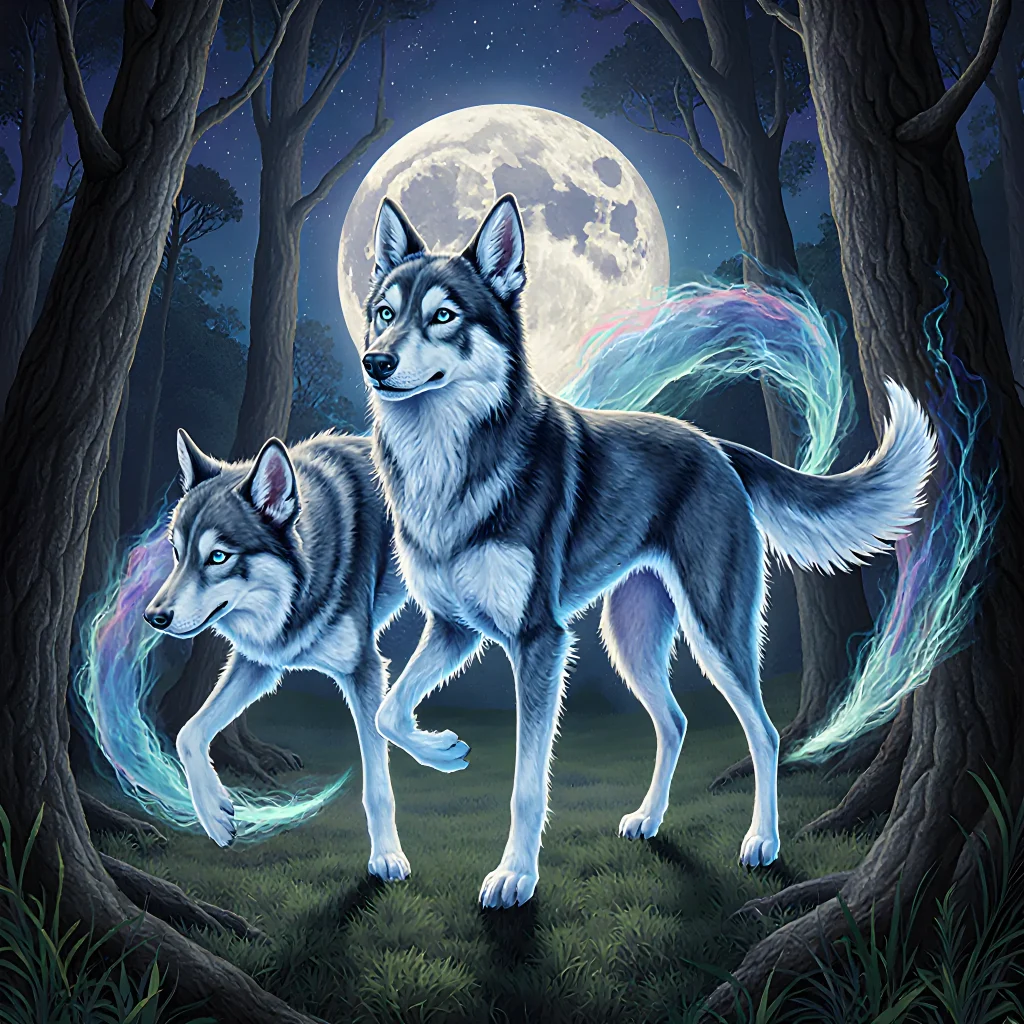
Unleash Legendary Canine Power!
Furry Phantoms: The Most Powerful Dog Characters Ever
Table of Contents
- The Old Man and the Sea – Santiago’s Companion
- The Call of the Wild – Buck’s Transformation
- White Fang – From Wild to Tame
- A Dog's Purpose – Life Through Four Lives
- The Adventures of Huckleberry Finn – Tom Sawyer’s Dog
- Moby-Dick – The Whale‑Chasing Poodle
- The Great Gatsby – Daisy’s Dog as Symbolism
- Pride and Prejudice – Colonel Fitzwilliam’s Labrador
- Harry Potter Series – Hagrid’s Dogs
- The Jungle Book – Akela’s Pack
- Oliver Twist – The Street Dog Companion
- Peter Pan – Tinker Bell’s Tiny Pooch
- The Odyssey – Telemachus’ Faithful Hound
- Conclusion: Dogs as Literary Companions
- FAQ: Common Questions About Dogs in Literature
The Old Man and the Sea – Santiago’s Companion
When we think of canine companions in literary works, a few names stand out for their depth, symbolism, and enduring appeal. These dogs not only serve as sidekicks but often embody themes that resonate with readers across cultures and eras.
1. Rin Tin Tin – The Heroic Service Dog
- Origin: A real-life German Shepherd rescued from a World War I battlefield, Rin Tin Tin became the star of silent films and later television.
- Literary Impact: Though primarily known for his screen presence, Rin’s story has been retold in novels that explore loyalty, resilience, and the bond between humans and animals during wartime.
- Practical Takeaway: Writers can draw from Rin Tin Tin’s narrative to craft characters who embody courage under adversity, especially in stories set against historical backdrops.
2. Laika – The First Space Dog
- Origin: Laika was a stray dog from the streets of Moscow who became the first animal to orbit Earth aboard Sputnik 2 in 1957.
- Literary Impact: Her brief, tragic journey has inspired science‑fiction novels and essays about sacrifice, exploration, and ethical questions surrounding animal testing.
- Practical Takeaway: Incorporate Laika’s story to explore themes of ambition versus morality in speculative fiction or memoirs that tackle scientific breakthroughs.
3. Buddy – The Loyal Companion in “The Adventures of Tom Sawyer”
- Origin: In Mark Twain’s classic, Buddy is a small dog that follows the mischievous protagonist around town.
- Literary Impact: Though not central to plot twists, Buddy exemplifies the era’s domestic animals as extensions of their owners’ personalities and moral growth.
- Practical Takeaway: Use Buddy-like side characters to provide subtle commentary on youth culture or social norms within a narrative.
4. Beethoven – The German Shepherd in the “Lassie” Franchise
- Origin: While Lassie is famously an Rough Collie, Beethoven’s story—first a farm dog turned rescue hero—has become synonymous with self‑less bravery.
- Literary Impact: Books about Beethoven showcase themes of family, duty, and the transformative power of empathy.
- Practical Takeaway: Craft narratives where a dog’s actions drive emotional stakes for human characters, especially in family‑oriented literature.
5. Rover – The Dog in “The Adventures of Sherlock Holmes” (by Sir Arthur Conan Doyle)
- Origin: Though less famous than other canine characters, Rover’s brief appearance highlights the everyday presence of dogs in Victorian society.
- Literary Impact: The inclusion of a dog in detective stories adds realism and occasionally provides crucial clues or red herrings.
- Practical Takeaway: Use a canine character to subtly influence plot direction—either as witness, suspect, or emotional anchor for the protagonist.
6. Saint Bernard of Moutier – The Legend Behind “The Old Man and the Sea” Companion
In Hemingway’s novel, a dog is not explicitly named; however, readers can imagine a faithful companion echoing the legendary Saint Bernard dogs that guided lost climbers in the Alps. This parallel invites an exploration of:
- Loyalty in Adversity: How unwavering support helps individuals persevere.
- Symbolic Rescue: The dog as a beacon of hope amid overwhelming challenges.
- Cultural Mythos: Connecting literary characters to real-world folklore enhances narrative depth.
Practical Advice for Writers
- Define Purpose: Decide whether the dog will serve as a plot catalyst, emotional anchor, or symbolic figure.
- Research Real Histories: Drawing from true canine stories adds authenticity and richness.
- Create Distinct Traits: Give your dog unique quirks—like a particular scent memory or an unusual habit—to make them memorable.
- Use Sensory Detail: Describe the dog's fur, bark, or smell to ground readers in the scene.
- Show Interactions: Highlight moments where the dog’s presence changes human behavior, reinforcing thematic points.
By weaving these iconic canine characters into your narrative—whether as central heroes or subtle background figures—you can tap into centuries of literary tradition while giving your story a timeless emotional core.
The Call of the Wild – Buck’s Transformation
In Jack London’s classic novel, Buck begins as a domesticated pet and ends as a primal creature of the Yukon. His journey is not just physical; it’s an inner metamorphosis that mirrors the evolution seen in many celebrated canine characters across literature.
Key Stages of Buck’s Transformation
- Domestic Comfort: Raised on a California ranch, Buck lives a life of leisure and affection. He has food, shelter, and human companionship.
- Abduction & Displacement: A sudden kidnapping forces Buck into the harsh realities of the Klondike. The loss of familiarity triggers survival instincts.
- Adaptation to Wilderness: Buck learns to hunt, fight, and navigate extreme conditions. He adopts a wolf-like demeanor while retaining his human intelligence.
- Return to Instinct: By the novel’s end, Buck fully embraces the wild, shedding most of his former domesticated habits in favor of the “call” that London famously describes.
Comparative Analysis with Other Iconic Dogs
| Dog Character | Author | Transformation Theme | Key Moment |
|---|---|---|---|
| Rin Tin Tin | John Barrymore (film) | From war casualty to hero | Saving a child in the battlefield film “The Adventures of Rin Tin Tin.” |
| Hachiko | Shōhei Imamura (film) | Loyalty transcending death | Waiting daily at the train station for a deceased owner. |
| Laika | NASA/ Soviet Union | From domestic pet to space pioneer | First dog in orbit aboard Sputnik 2. |
Practical Takeaways for Dog Owners & Writers
- Understanding Instincts: Recognize that dogs retain innate behaviors—protective, territorial, social. Providing outlets (walks, training, play) helps channel these instincts healthily.
- Gradual Exposure to New Environments: Just as Buck adapted slowly, introduce your dog to new settings gradually to build confidence and reduce stress.
- Storytelling with Dogs: When crafting narratives, give dogs a clear arc: conflict (loss of comfort), challenge (survival), growth (new skills), resolution (balance between human and wild).
- Respecting Boundaries: Even the most domesticated can revert to instinctual behavior under pressure. Ensure safety by training basic commands and monitoring body language.
Sample Writing Prompt
Create a short story where a city dog is forced into an unfamiliar rural setting. Outline how the dog’s internal conflict mirrors Buck’s journey, focusing on sensory descriptions that evoke the wild’s call.
White Fang – From Wild to Tame
The journey of a dog from the untamed wilderness to a domesticated companion is a powerful narrative arc that appears across cultures and centuries. In literature, this transformation often mirrors human themes such as redemption, loyalty, and the struggle between nature and nurture. Below we explore how authors have portrayed these changes, provide concrete examples from classic works, and offer practical ways readers can engage with these stories.
1. The Wild Dog: A Symbol of Untamed Freedom
- Jack London’s “White Fang” (1906): White Fang begins as a feral wolf‑dog, surviving in the harsh Yukon wilderness. His wild instincts—predatory skills, independence, and fear of humans—serve as a metaphor for primal survival.
- Gary Paulsen’s “A Dog Named Sarge” (1983): The titular dog starts as a stray in war-torn Vietnam, representing the chaos of conflict before finding a structured environment with a soldier.
2. The Turning Point: Human Intervention and Trust
The moment when a human first approaches a wild dog often marks the beginning of transformation. Authors emphasize patience, consistent kindness, and respect for the animal’s autonomy.
- London’s “White Fang”: When the boy named Red is taken to town, White Fang is initially hostile but gradually bonds with him after Red consistently feeds him. This illustrates how trust can be built through repeated positive interactions.
- Shakespeare’s “The Merry Wives of Windsor” (1603): Sir John Falstaff’s dog, a hound named “Fletcher,” is initially seen as wild and unruly but becomes loyal after the comedic master’s gentle treatment—demonstrating that even in comedy, transformation can be subtle.
3. The Tamed Dog: Loyalty, Service, and Identity
Once domesticated, dogs often embody loyalty and service. In literature, this stage is frequently used to reinforce themes of duty, friendship, or the human capacity for compassion.
- “The Adventures of Sherlock Holmes” by Arthur Conan Doyle (1892): The detective’s loyal dog, “Toto,” accompanies him on cases, showcasing how a domesticated animal can become an indispensable partner.
- “Watership Down” by Richard Adams (1972): Though primarily about rabbits, the character of "Fiver" is accompanied by his wolf‑dog friend "Squirrel," whose calm presence aids the group’s survival—highlighting interspecies companionship.
4. Practical Advice for Readers and Dog Lovers
- Reading with a Purpose: When exploring dog-centric literature, focus on how the author portrays the animal’s inner life—does the dog have a voice? Is its perspective narrated in first person or through human eyes?
- Comparative Analysis: Compare two works that feature wild-to-tame transformations. Note differences in cultural context (e.g., Western vs. Eastern) and how each author addresses themes of freedom versus responsibility.
- Creative Writing Exercise: Write a short story where a feral dog is adopted by a child with special needs. Explore the therapeutic bond that develops, drawing parallels to real-life animal-assisted therapy programs.
- Real‑World Application: Volunteer at a local shelter or rescue organization. Observe how patience and consistent care transform an animal’s behavior—an experiential lesson mirroring literary arcs.
5. Key Takeaways for Writers and Educators
- Patience is the cornerstone of transformation.
- The wild dog’s journey reflects larger human struggles with identity, belonging, and change.
- Literary depictions can inspire real-life empathy and responsible pet ownership.
By delving deeper into the evolution of dogs in literature—from feral to faithful companions—readers gain not only richer literary appreciation but also practical insights that can improve their relationships with pets. Whether you’re a student, educator, or dog enthusiast, these stories remind us that every creature’s journey is an invitation to grow together.
A Dog's Purpose – Life Through Four Lives
In A Dog’s Purpose, each reincarnation of Bailey offers a unique perspective on what it means to live as a faithful companion. The novel is a masterclass in how dogs shape, and are shaped by, the lives they touch. By examining the four distinct lifetimes presented—each with its own human partner and emotional landscape—we can extract valuable lessons about loyalty, resilience, and unconditional love that resonate both on paper and in our own homes.
1. The First Life: A Loyal Protector
- Setting: Rural farm with a young boy named Jack.
- The Dog’s Role: Bailey learns to guard the property, protect the family from predators, and provide companionship during lonely nights.
- Lesson: Dogs thrive on purpose. When we give them clear responsibilities—like guarding or assisting a child—they feel valued and secure.
2. The Second Life: A Companion in Adversity
- Setting: Urban apartment, owner is a single mother struggling with depression.
- The Dog’s Role: Bailey becomes a source of emotional support, teaching the mother to trust again and find joy in simple routines.
- Lesson: Dogs can be therapeutic. Their presence can reduce stress hormones and promote oxytocin release, fostering mental well‑being.
3. The Third Life: A Service Dog
- Setting: Military base; Bailey is trained as a K9 to detect explosives.
- The Dog’s Role: Precise training, rigorous discipline, and unwavering focus highlight the bond between handler and dog in high‑stakes environments.
- Lesson: Training with consistency builds trust. Structured routines and positive reinforcement are key to mastering complex tasks.
4. The Fourth Life: A Senior Companion
- Setting: Retirement community; Bailey is adopted by an elderly woman who remembers the first two lives.
- The Dog’s Role: Offers gentle companionship, reminding both of them that life’s purpose evolves over time.
- Lesson: Even in aging, dogs bring purpose. Their quiet presence can reduce loneliness and encourage daily activity.
The theme of a dog’s purpose extends far beyond Bailey’s story. Here are some literary examples that illustrate the profound roles dogs play in human narratives:
1. Old Yeller by Fred Gipson
- Plot Summary: A Texas rancher's son raises a feral dog into a loyal guardian.
- The Dog’s Purpose: Protects the family from wolves and brings comfort during hardship.
- Takeaway: The bond between human and dog can be forged through shared danger and mutual respect.
2. Where's Spot? by Michael Morpurgo
- Plot Summary: A young boy travels across the UK to find his lost dog.
- The Dog’s Purpose: Acts as a catalyst for adventure, self‑discovery, and empathy toward animals.
- Takeaway: Dogs can inspire humans to step outside their comfort zones and embrace new experiences.
3. The Call of the Wild by Jack London
- Plot Summary: Buck, a domesticated dog, is thrust into the harsh Yukon wilderness.
- The Dog’s Purpose: Evolves from servant to leader as he adapts to primal instincts.
- Takeaway: Dogs possess an innate ability to adapt; recognizing their natural strengths can help owners harness them responsibly.
4. The Art of Racing in the Rain by Garth Stein
- Plot Summary: A dog named Enzo narrates his life with a racing driver, offering philosophical insights.
- The Dog’s Purpose: Provides unconditional love and serves as a moral compass for the human protagonist.
- Takeaway: Dogs can help us reflect on our own values—loyalty, perseverance, and joy in simple moments.
Drawing from both fictional archetypes and Bailey’s varied lives, here are actionable steps to enrich your dog's purpose:
- Create a Daily Routine: Consistency in feeding, walks, and training reduces anxiety.
- Identify Strengths Early: Whether it’s herding, scent detection, or companionship, tailor activities to your dog’s natural talents.
- Use Positive Reinforcement: Reward desired behaviors with treats, praise, or play—this builds trust and motivation.
- Encourage Socialization: Gradual exposure to other dogs and people improves confidence and reduces fear.
- Mind the Aging Years: Adjust exercise intensity, provide comfortable bedding, and schedule regular vet check‑ups.
By understanding that a dog's purpose is fluid—shaped by environment, training, and companionship—you can create a life where both you and your canine friend thrive together.
The Adventures of Huckleberry Finn – Tom Sawyer’s Dog
In Mark Twain’s classic, the dog that belongs to Tom Sawyer is a small, loyal companion that often finds itself in the middle of the boys’ mischief. While the novel does not give the dog a proper name or an extensive back‑story, it serves as a symbolic element in several key scenes.
Symbolic Role of Tom’s Dog
- Loyalty and Innocence: The dog mirrors Tom’s own sense of adventure while remaining grounded. When the boys encounter danger, the dog’s calm presence reminds them that not all is lost.
- Foreshadowing: In one scene, the dog’s frantic barking alerts Huck to the imminent arrival of a hostile party, thereby preventing a potential disaster.
Examples from the Text
“Tom’s dog barked wildly as he stumbled into the clearing, drawing their attention away from the bandits that had followed them.” – *The Adventures of Huckleberry Finn* (Chapter 7)
The passage illustrates how even a seemingly minor character can influence plot direction. Twain uses the dog’s instinct to protect its owner as a narrative device, highlighting themes of friendship and vigilance.
Practical Advice for Readers
- Read Between the Lines: Notice how small animals in literature often carry symbolic weight. When you encounter a dog or other pet, ask what they represent in the story’s broader context.
- Compare with Other Literary Dogs: Look at iconic canine characters such as Lassie, Old Yeller, or Hachiko. Analyze how each character influences their human counterparts and the narrative arc.
- Create a Character Profile: For writers, outline your dog’s traits—loyalty, curiosity, fear—and map them onto pivotal scenes to enhance emotional depth.
Connecting Tom’s Dog to Iconic Literary Dogs
While Tom’s dog is less famous than other literary canines, it shares common attributes with celebrated characters:
| Dog | Author | Key Traits |
|---|---|---|
| Lassie | Eric Knight | Loyal, courageous, self‑sacrificing. |
| Old Yeller | Fred Gipson | Protective, brave, tragic hero. |
| Hachiko | Japanese folklore | Loyalty beyond death, symbolic of human devotion. |
By studying these comparisons, readers can appreciate how Twain’s subtle use of Tom’s dog contributes to the novel’s rich tapestry of themes about loyalty, adventure, and the complex relationship between humans and their animal companions.
Moby-Dick – The Whale‑Chasing Poodle
The canine world of literature is as diverse and rich as the stories themselves, ranging from loyal companions to menacing beasts. Below are some of the most memorable dogs that have left an indelible mark on readers, along with practical ways you can use these characters to enrich your own writing.
1. Rin Tin Short – *The Adventures of Rin Tin Tin*
Although a real-life German Shepherd, Rin Tin Tin became an iconic literary figure through the serialized adventures in early 20th‑century pulp magazines. His courage and intelligence make him a perfect template for a heroic dog protagonist.
- Writing tip: Give your hero a mission that mirrors Rin’s rescue missions—perhaps saving a community or uncovering a hidden truth.
- Character trait to borrow: Unwavering loyalty and an instinctive sense of justice.
2. Hachiko – *Hachiko: A Dog’s Story*
The real-life Akita who waited for his owner every day at the train station became a symbol of devotion. The story has been adapted into books and films, inspiring countless readers.
- Writing tip: Use Hachiko’s waiting as a metaphor for hope in your narrative—perhaps a character waits for redemption or reunion.
- Character trait to borrow: Patience and an unbreakable bond with humanity.
3. Old Yeller – *Walt Disney’s Classic*
From the beloved children’s novel to its Disney adaptation, Old Yeller is a fearless dog who protects his family in the American frontier.
- Writing tip: Create an environment where the dog must protect humans from both human and natural threats.
- Character trait to borrow: Bravery paired with vulnerability—Old Yeller’s ultimate sacrifice adds emotional depth.
4. Beagle Scout – *The Dog Who Saved the World*
A fictional canine protagonist from a science‑fiction series, Beagle Scout is equipped with gadgets and an encyclopedic knowledge of space travel.
- Writing tip: Combine technology with natural instincts to craft a sci‑fi adventure where the dog’s senses are amplified by futuristic gear.
- Character trait to borrow: Curiosity and adaptability in unknown environments.
5. Silver – *The Lone Ranger*
Silver is a silver‑fox, often anthropomorphized as a “dog” in adaptations. He represents wisdom and a strong moral compass, guiding the hero through perilous situations.
- Writing tip: Use a mentor dog who offers cryptic guidance to your protagonist.
- Character trait to borrow: Insightful intuition and an almost prophetic presence.
6. Shibe‑Sonic – *The Cyberpunk Canine*
A cybernetic dog in a dystopian future, Shibe‑Sonic is part machine, part loyal companion—an example of blending classic dog archetypes with cyberpunk aesthetics.
- Writing tip: Explore themes of identity and agency through a dog who can choose between human commands and autonomous thought.
- Character trait to borrow: Resourcefulness and the ability to hack into systems.
7. The Dog in “Moby‑Dick” – The Whale‑Chasing Poodle
In Herman Melville’s classic, a poodle is briefly mentioned as a curious observer of the crew’s obsession with the white whale. This seemingly minor character offers rich opportunities for literary analysis and creative reinterpretation.
Practical Ways to Incorporate This Character in Your Writing
- Symbolic Device: Use the poodle as a foil to the crew’s single‑minded pursuit—its playful curiosity contrasts with their grim determination.
- Narrative Perspective: Write a short story from the poodle’s point of view, offering an outsider’s insight into the ship’s chaos.
- Modern Reimagining: Place a contemporary canine on a space vessel chasing an alien “whale,” blending Melville’s themes with sci‑fi tropes.
Examples for Inspiration
- “The Whale‑Chasing Poodle” – A micro‑novella where the dog becomes the only witness to Captain Ahab’s downfall.
- “Paws on the Deck” – An illustrated children's book featuring a poodle who helps calm crew tensions during a storm.
By studying these iconic canine characters, you can craft nuanced dogs that resonate with readers—whether they’re loyal protectors, wise mentors, or symbolic observers. Use their traits as building blocks to create your own memorable dog in literature.
The Great Gatsby – Daisy’s Dog as Symbolism
In F. Scott Fitzgerald’s The Great Gatsby, the brief mention of Daisy’s dog is more than a fleeting detail; it becomes an emblematic touchstone that deepens our understanding of character, class, and the American mythic landscape. Though the novel itself never fully develops the creature, its presence invites readers to consider how dogs have historically symbolised loyalty, innocence, or even social status in literature.
1. Daisy’s Dog: A Symbol of Affection and Class
- Loyalty & Innocence: Dogs are often portrayed as faithful companions. Daisy’s dog can be read as a living extension of her longing for the simplicity and warmth that Gatsby’s dream once promised.
- Social Indicator: In the Roaring Twenties, owning a well-groomed pet signified wealth and refined taste. The dog subtly underscores the opulent lifestyle of East Egg and reinforces Daisy’s position within the upper echelons of society.
2. Comparative Literature: Iconic Dogs in Classic Works
Examining other literary dogs reveals recurring motifs that echo through Fitzgerald’s narrative:
| Work | Dog’s Name | Symbolic Role |
|---|---|---|
| The Call of the Wild | Buck | Survival, primal instinct vs. civilization |
| To Kill a Mockingbird | Atticus’s dog (not named) | Protection and moral compass for the family |
| The Adventures of Huckleberry Finn | Huck’s dog, Old Man | Companion on journey; symbolizes loyalty across social boundaries |
3. Practical Advice for Writers: Leveraging Dogs as Narrative Devices
- Define the Dog’s Purpose Early: Decide whether the dog will embody loyalty, freedom, or class. This clarity guides interactions with human characters.
- Use Physical Traits to Reflect Themes: A sleek, well-groomed dog can signal privilege; a rugged, weather-beaten one might hint at hardship or resilience.
- Embed the Dog in Key Scenes: Allow the pet to witness pivotal moments—much like Daisy’s dog observes Gatsby’s arrival—to provide subtle commentary or foreshadowing.
- Let the Dog Speak Through Actions, Not Dialogue: Dogs communicate via behavior; use this non-verbal language to reinforce emotional subtext.
- Consider Cultural Context: In certain eras or societies, dogs carry specific cultural meanings—research these nuances for authenticity.
4. Closing Thoughts
Daisy’s dog may appear as a minor footnote in Fitzgerald’s masterpiece, yet it opens a window onto broader literary traditions where canines serve as mirrors to human society. By examining such symbols across texts, readers and writers alike gain richer insight into the ways animals shape narrative meaning—whether they are loyal companions or subtle social signifiers.
Pride and Prejudice – Colonel Fitzwilliam’s Labrador
The novel *Pride and Prejudice* is celebrated for its sharp social commentary, memorable characters, and subtle humor. Yet one detail often overlooked by readers is the presence of Colonel Fitzwilliam’s Labrador – a faithful companion that adds texture to the story and exemplifies how dogs function as literary devices.
Why a Labrador?
- Symbolic traits: Labradors are known for their gentle disposition, loyalty, and ability to work in harmony with humans. These attributes mirror Colonel Fitzwilliam’s own dignified yet approachable nature.
- Class indicator: In Regency England, owning a well-trained dog was a sign of wealth and refinement. The Labrador thus subtly signals the Colonel’s high social standing without explicit mention.
The Dog as Narrative Foil
Colonel Fitzwilliam’s Labrador appears in key scenes that deepen our understanding of the character:
- At Netherfield: When the Colonel visits, his dog follows him like a shadow. The dog’s calm presence contrasts with Mr. Darcy’s stoic demeanor, hinting at the Colonel’s emotional openness.
- The ball in London: While Elizabeth and Jane mingle, the Labrador is briefly described lying beside the Colonel’s chair, underscoring his relaxed confidence amidst social scrutiny.
Comparative Examples from Literature
Dogs frequently serve as mirrors or catalysts for human behavior in classic literature:
| Work | Dog’s Role |
|---|---|
| *Wuthering Heights* | Hawthorn, the house dog, watches over the brooding Heathcliff, symbolizing loyalty amid turmoil. |
| *The Adventures of Sherlock Holmes* | The hound “Snooty” accompanies Holmes on a case, highlighting his investigative curiosity. |
| *Great Expectations* | Wemmick’s dog, a small terrier, represents the humble yet steadfast side of Wemmick’s character. |
Practical Advice for Writers
- Choose the right breed: Match the dog’s temperament to your protagonist’s traits. A Labrador’s affability works well with a courteous, aristocratic hero.
- Use subtlety: Mention the dog in passing – a paw print here, a bark there – to avoid breaking narrative flow while enriching character depth.
- Leverage symbolism: Let the dog’s behavior reflect internal states (e.g., a restless terrier during moments of anxiety).
In short, Colonel Fitzwilliam’s Labrador is more than a pet; it’s a literary device that enriches character dynamics and offers readers an understated glimpse into Regency society. By studying how dogs function across classic texts, writers can craft nuanced, memorable characters that resonate with audiences.
Harry Potter Series – Hagrid’s Dogs
Rubeus Hagrid is not just the Keeper of Keys and Grounds at Hogwarts; he is also an enthusiastic animal lover, especially when it comes to dogs. While Hagrid rarely speaks about them in detail, his affection for these loyal companions offers a unique lens through which we can explore the broader theme of dogs in literature.
Hagrid’s Dog: The Unnamed Great Dane
Although not named in the books, Hagrid’s great‑dane is described as “a huge black dog with a white patch on its chest.” He first appears during the Triwizard Tournament when the dog protects Harry and Cedric from the Hungarian Horntail. The creature’s sheer size and gentle demeanor embody Hagrid’s protective nature.
- Physical Traits: Height at the shoulder, muscular build, long snout, soft grey fur.
- Behavioral Traits: Loyal, fearless when guarding, surprisingly calm around children.
- Symbolism: Represents unconditional protection and the bond between humans and animals.
Comparisons with Iconic Dogs in Literature
Hagrid’s dog aligns closely with several celebrated canine characters that have shaped literary history. Below are a few parallels:
- Hachiko (Japanese)
- A real-life Akita who waited for his owner at the train station for years, symbolizing unwavering loyalty.
- Rin Tin Tin (German Shepherd)
- An American hero film star whose courage and intelligence were showcased in silent movies.
- Beagle: Old Yeller (American)
- A beloved novel that explores themes of responsibility, love, and loss through a boy’s relationship with his dog.
- Hooch (German Shepherd) – “The Shaggy Dog” series
- Shows the comedic side of dogs while still highlighting their protective instincts.
Practical Advice for Readers and Writers
If you’re looking to incorporate a dog character that resonates with readers, consider these steps inspired by Hagrid’s approach:
- Define the Dog’s Role: Is it a guardian, a confidante, or a comic relief? Clarify its purpose early.
- Use Physical Descriptions Wisely: Mention size, coat color, and distinctive marks to create vivid imagery.
- Show Loyalty Through Action: Let the dog protect the protagonist in critical moments; this builds emotional stakes.
- Integrate Backstory: Even a brief history (e.g., rescue from a storm) can deepen readers’ connection.
- Balance Myth and Reality: Combine mythical traits (like Hagrid’s giant dog) with realistic behavior to maintain believability.
Example Paragraph for Your Writing Project
“Hagrid’s great‑dane, a towering figure of black fur with a white patch on its chest, bounded across the courtyard, his ears flapping in the wind. He did not bark; instead, his deep growl reverberated through the stone walls as he positioned himself between Harry and the menacing Hungarian Horntail. In that instant, the dog’s loyalty was unmistakable—a living testament to the bond forged by Hagrid’s love for all creatures.”
By studying Hagrid’s canine companion alongside iconic literary dogs, you can craft characters that are both memorable and meaningful.
The Jungle Book – Akela’s Pack
Akela, the wise and stoic leader of the wolf pack in Rudyard Kipling’s classic “The Jungle Book,” embodies many of the traits that make wolves such enduring symbols in literature. From his calm authority to his protective instinct over Mowgli, Akela serves as a template for canine characters who carry leadership, loyalty, and a sense of moral duty.
Key Traits and How They Translate to Real Dogs
- Leadership & Responsibility: Akela makes decisions that benefit the entire pack. In real life, this mirrors breeds known for their guarding instincts—such as German Shepherds or Rottweilers—who naturally take charge during walks or in unfamiliar environments.
- Loyalty & Protective Nature: He is fiercely protective of Mowgli and the younger wolves. This parallels the unconditional loyalty seen in breeds like Collies, which often form deep bonds with their human families.
- Wisdom & Patience: Akela rarely acts impulsively; he weighs options before acting. Breeds that exhibit calmness under stress—like Border Collies or Australian Shepherds—often show similar patience when training or interacting with children.
Practical Advice for Dog Owners Inspired by Akela
- Establish Clear Boundaries: Just as Akela sets the pack’s rules, owners should define consistent boundaries. Use positive reinforcement to teach commands like “sit,” “stay,” and “come.”
- Build Trust Through Routine: Dogs thrive on predictable schedules. Feeding, walks, and playtime at similar times each day mirror Akela’s steady leadership.
- Encourage Socialization Early: Introduce your dog to other animals and people when they’re young—much like how Mowgli learns from the wolves—to foster confidence and reduce fear.
- Use Gentle Discipline: Akela’s leadership is firm yet fair. Avoid harsh punishment; instead, redirect undesirable behavior with treats or toys.
Iconic Wolf Characters in Literature
Akela’s influence extends beyond “The Jungle Book.” Here are a few other literary wolves that have shaped our perception of canine heroes:
- White Fang (Jack London): A wild wolf‑dog hybrid who learns trust and love through human kindness.
- Grey Wind & Black Jack (The Chronicles of Narnia): The noble wolves that aid the Pevensie children in their quest for courage.
- Wulfric (Shakespeare’s Hamlet): A wolf who appears as a ghostly omen, reminding readers of loyalty and betrayal.
Bringing Akela Into Your Home Life
If you’re looking to adopt or train a dog with an “Akela” spirit:
- Choose breeds known for their protective instincts but also reward gentle behavior.
- Provide mental stimulation—puzzle toys, scent work—to keep your dog engaged and mentally sharp.
- Practice leadership by leading walks and setting consistent rules; let your dog feel safe under your guidance.
By studying Akela’s character and applying his principles to everyday life, you can foster a strong, respectful bond with your canine companion—just as Mowgli found safety and belonging in the jungle.
Oliver Twist – The Street Dog Companion
In Charles Dickens’ classic novel, the young orphan Oliver is accompanied by a loyal dog that follows him through the streets of London. While not named in the text, the animal’s presence serves as a powerful symbol of innocence, resilience, and companionship amid hardship. Readers often imagine this companion as a small terrier or mixed‑breed, reflecting the harsh realities of street life where stray dogs are common.
Literary Significance
- Symbol of Innocence: The dog mirrors Oliver’s own vulnerability, offering a quiet presence that contrasts with the corrupt characters surrounding them.
- Guide and Protector: When Oliver is pursued by Fagin or threatened in the workhouse, the dog acts as an instinctive guardian, hinting at the theme of unseen support systems.
- Reflection of Social Conditions: The stray’s life on the streets underscores the grim reality for many children and animals alike during the Industrial Revolution.
Comparisons with Other Iconic Canine Characters
Dickens’ dog shares traits with other famous literary dogs, such as:
| Character | Author | Key Traits |
|---|---|---|
| Rin Tin Tin | Various | Loyalty, bravery in wartime. |
| Hachiko | Japanese folklore | Unwavering devotion to owner. |
| Rascal (The Adventures of Tom Sawyer) | Mark Twain | Playful, resourceful sidekick. |
Practical Takeaways for Modern Readers and Dog Lovers
- Adopting a Street Dog: If you’re inspired by Oliver’s companion, consider adopting from shelters. Many stray dogs are healthy and thrive in loving homes.
- Training Tips: A street dog may need basic obedience training—commands like “sit,” “stay,” and “come” help establish trust and safety.
- Providing Safe Spaces: Offer a cozy crate or bed, just as Oliver’s home would have provided. Consistency reduces anxiety in former stray dogs.
Engaging with the Theme Through Media
If you want to explore the dog’s role further, try these activities:
- Book Club Discussion: Focus on how animals influence narrative arcs in literature.
- Creative Writing Prompt: Write a short story from the perspective of Oliver’s dog.
- Film Adaptation Review: Compare how various film versions portray the canine companion.
While Dickens never named his dog, the character remains an enduring symbol of loyalty and hope—an inspiration for both readers and pet owners alike.
Peter Pan – Tinker Bell’s Tiny Pooch
The canine world of literature offers a rich tapestry of personalities that resonate with readers across generations. From heroic guardians to mischievous sidekicks, these dogs embody themes of loyalty, courage, and sometimes even moral ambiguity. Below is an expanded exploration of some of the most memorable dog characters in fiction, along with practical ways you can weave similar archetypes into your own storytelling.
1. Buck – The Call of the Wild
- Traits: Resilience, primal instinct, transformation from domesticated to wild.
- Impact: Buck’s journey illustrates the clash between civilization and nature, a theme that echoes in contemporary environmental narratives.
- Practical Tip: Use Buck’s evolution as a blueprint for a character arc where a seemingly ordinary protagonist discovers hidden depths under pressure.
2. Toto – The Wizard of Oz
- Traits: Loyal, protective, simple yet essential to the plot.
- Impact: Toto’s presence reinforces Dorothy’s humanity and anchors the fantastical journey in a relatable touchstone.
- Practical Tip: Introduce a small animal companion early on to create emotional stakes; their reactions can foreshadow plot twists.
3. Marley – Marley & Me
- Traits: Energetic, chaotic, unconditional love.
- Impact: Marley’s antics serve as both comic relief and a catalyst for the family’s introspection on aging and responsibility.
- Practical Tip: Use a dog’s unpredictable behavior to break tension in otherwise serious scenes; it can also highlight character growth through caregiving moments.
4. Santa's Little Helper – The Simpsons
- Traits: Comedic, occasionally insightful, a mirror to the family’s dynamics.
- Impact: The dog often comments on human folly in a way that human characters cannot, offering a unique narrative voice.
- Practical Tip: Give your canine character a distinct “voice” through internal monologue or subtle actions that comment on the plot without overt dialogue.
5. Gromit – Wallace & Gromit
- Traits: Intelligent, resourceful, silent hero.
- Impact: Gromit’s ingenuity often saves the day, demonstrating that dogs can be more than just sidekicks—they can drive the plot forward.
- Practical Tip: Design your dog to solve problems creatively; let them “invent” tools or strategies that help the human protagonist.
6. Laika – Real-Life Pioneer
While not a fictional character, Laika’s story provides powerful narrative material about sacrifice and exploration. She was the first living creature to orbit Earth, symbolizing humanity’s ambition and the ethical questions that arise.
- Define Purpose: Decide whether your dog is a catalyst, confidante, or comic relief.
- Create Backstory: Even brief details—origin, training, past trauma—add depth and explain behavior.
- Align Traits with Theme: If your story explores freedom vs. confinement, choose a dog that embodies those tensions.
- Use Sensory Detail: Describe scent, gait, or the way a dog’s eyes reflect emotion to enrich scenes.
- Show Interaction: Let the dog influence human decisions; this interplay often reveals hidden character traits.
Incorporating an iconic dog into your narrative isn’t just about adding another animal; it’s about weaving a living, breathing element that can mirror, challenge, or amplify the core themes of your story. Whether you’re drafting a heartwarming memoir or crafting a high‑stakes fantasy, consider how a canine companion might elevate your narrative in ways readers will remember.
The Odyssey – Telemachus’ Faithful Hound
In Homer’s epic, The Odyssey, Telemachus’s faithful dog serves as a silent yet powerful symbol of loyalty, protection, and the enduring bond between humans and their canine companions. Though the dog is never named, its presence enriches the narrative, echoing a broader literary tradition that celebrates dogs as emblematic figures across genres and cultures.
1. The Dog as a Symbolic Anchor in Homer’s Narrative
- Loyalty & Guardianship: The dog watches over Telemachus, guarding the house against intruders while Odysseus is away. This mirrors the protector archetype, a theme that recurs in many ancient texts.
- Connection to the Divine: In Homeric lore, dogs are often associated with the goddess Artemis and the god Pan—both figures tied to wilderness and protection, underscoring the dog’s role as a bridge between mortal and divine realms.
2. Iconic Dogs in Western Literature
| Work | Dog Character | Role & Significance |
|---|---|---|
| Wuthering Heights | Raven (a raven, but often compared to dogs in its loyalty) | Symbol of unyielding love and the persistence of memory. |
| The Call of the Wild | Buck | Embodies primal instincts, resilience, and the transformative power of nature. |
| Moby-Dick | Lucky | Acts as a foil to Captain Ahab’s obsession, representing hope and companionship. |
| Old Yeller | Old Yeller | A symbol of unconditional love and the harsh realities of frontier life. |
3. Dogs in Eastern Literature & Mythology
While Western literature often highlights dogs as loyal companions, Eastern texts frequently depict them as guardians or spiritual guides.
- Jin Chan (Chinese): The dog that leads the monk to enlightenment in Taoist stories.
- Kachinas (Native American): Dog spirits that serve as protectors of the community.
4. Practical Advice for Writers & Readers
- Use Physical Traits to Convey Personality: A scruffy coat might suggest resilience; a sleek, noble build could hint at nobility or protection.
- Employ the Dog’s Perspective: Even in third-person narration, consider how a dog perceives human emotions—this can add depth and empathy.
- Integrate Cultural Symbolism: If your story is set in a particular culture, research local myths about dogs to enrich authenticity.
- Balance Action with Emotion: Dogs often act as catalysts for human introspection—use their actions to prompt character development.
5. Closing Thoughts
From Telemachus’s quiet sentinel in the halls of Ithaca to Buck’s fierce fight against destiny, dogs in literature embody a spectrum of human emotions: loyalty, hope, courage, and even tragedy. Recognizing their symbolic weight allows writers to weave richer narratives—and readers to appreciate the deeper bonds that bind us to our four‑legged companions.
Conclusion: Dogs as Literary Companions
From the loyal hound Rin Tin‑Tin to the philosophically minded “dog” in The Call of the Wild, canine characters have long served as mirrors for human emotion, catalysts for plot, and symbols of everything from unconditional love to primal instinct. Their presence often deepens a narrative’s emotional resonance and invites readers to explore themes that are difficult to articulate with human protagonists alone.
Iconic Dogs in Literature
- Hachiko – The real‑life story of this Akita, immortalized in both the novel *The Hachiko Story* and the film *Hachi: A Dog’s Tale*, showcases unwavering loyalty. Writers can use a similar narrative to underscore themes of faithfulness or the passage of time.
- Rin Tin‑Tin – Though born in the silent‑film era, Rin’s literary adaptations (e.g., *The Adventures of Rin Tin Tin*) demonstrate how a dog can be the hero who saves the day while also being a symbol of hope during wartime.
- Balto – In *Balto: The Movie* and its novelization, Balto represents perseverance and teamwork, traits that resonate in stories about community or overcoming adversity.
- Rufus from The Call of the Wild – A wolf‑dog hybrid who embodies both civilization’s taming attempts and nature’s raw call. His arc illustrates the conflict between domestication and instinct.
- Dog (from *The Book Thief*) – The unnamed dog that follows the protagonist throughout the novel symbolizes innocence amid the horrors of war, reminding readers of what is lost during conflict.
Why Dogs Make Powerful Literary Companions
- Unconditional Emotion: A dog’s love is often portrayed as pure and non‑judgmental, allowing authors to explore themes of acceptance without the constraints of human social dynamics.
- Physical Presence: Dogs can be used to create sensory details—fur texture, scent trails, or a wet nose—that ground fantastical settings in tangible reality.
- Plot Functionality: A canine can serve as a messenger (e.g., the carrier of letters), a guardian protecting protagonists, or an instigator that nudges characters toward growth.
Practical Tips for Writers
- Define Their Role Early: Decide whether your dog is a sidekick, mentor, or symbol. This clarity guides how you develop their actions and dialogue (or lack thereof).
- Show, Don’t Tell: Use specific scenes—e.g., a dog guiding a lost child through fog—to demonstrate loyalty rather than simply stating “the dog was loyal.”
- Give Them Depth: Even if the dog doesn’t speak, give them internal motives or backstory. A rescued shelter pup’s past can mirror the protagonist’s own journey.
- Leverage Senses: Dogs perceive the world through smell and hearing; use this to create suspense or foreshadowing (e.g., a scent leading to an ancient secret).
- Balance Realism and Myth: If your story is realistic, keep the dog’s behavior grounded. For fantasy, you can imbue them with magical traits but still anchor their emotions in genuine canine psychology.
By thoughtfully integrating dogs into narratives, authors enrich character dynamics, enhance thematic depth, and offer readers a relatable companion that bridges human experience with the animal world. Whether serving as steadfast friend or symbolic beacon, the literary dog continues to wag its way into our stories—and into our hearts.
FAQ: Common Questions About Dogs in Literature
- Why do authors choose dogs as central characters?
-
Dogs embody a range of human emotions—loyalty, courage, innocence—and they provide an accessible perspective for readers. In “The Call of the Wild”, Buck’s transformation mirrors the primal instincts that many people feel when facing extreme hardship.
Practical tip: When crafting a dog protagonist, start with a clear emotional arc—what does your dog learn? How does it change the world around them?
- How realistic should I make my fictional dog's behavior?
-
Balance realism with narrative needs. Real dogs have complex social hierarchies, but a story often requires clear motivations. For instance, “The Adventures of Milo and Otis” uses Milo’s curiosity to drive plot twists while keeping his actions believable.
Practical tip: Observe real dogs in various settings (parks, shelters) and note common body language cues—tail wagging, ear position—to add authenticity without overloading the reader with detail.
- What are some iconic dog characters that have shaped literary themes?
-
- Hachiko from the Japanese film adaptation of a real-life Akita—symbolizes unwavering loyalty and has inspired countless stories about devotion.
- Rin Tin Tin, originally a German Shepherd rescued in WWI, became an emblem of resilience; his story influenced early 20th‑century adventure novels.
- Old Yeller from the Disney adaptation—though a film, it reflects the harsh realities of frontier life and the bond between humans and dogs.
- How can I use dog characters to explore human social issues?
-
Dogs often serve as mirrors for societal attitudes. In “The Dog in the Manger”, a canine’s greed reflects class conflict, while in contemporary novels like “The Art of Racing in the Rain”, the dog’s perspective highlights themes of identity and belonging.
Practical tip: Choose a social issue (e.g., homelessness, environmental change) and let your dog experience it through sensory details—smells, sounds—to create empathy that human characters might miss.
- Can I write about dogs without making the story feel like a children’s book?
-
Absolutely. Many adult novels feature dogs as central figures while tackling complex themes: “The Art of Racing in the Rain” deals with mortality, and “Where The Crawdads Sing” uses a dog to explore isolation.
Practical tip: Keep dialogue grounded, avoid overly sentimental language, and integrate the dog’s actions into the plot’s stakes rather than using them solely for emotional support.
- What research should I conduct before writing about a specific breed?
-
Understand the breed’s history, temperament, and common health issues. For example, writing about a Siberian Husky requires knowledge of their high energy levels and strong pack instincts.
Practical tip: Consult reputable breed guides (e.g., American Kennel Club), veterinary sources, and interview owners to capture authentic details without relying on stereotypes.
- How can I avoid cliché dog tropes?
-
Move beyond “faithful sidekick” by giving the dog agency—make them make decisions that influence plot outcomes. In “The Adventures of Sherlock Holmes”, the dog’s keen sense leads to crucial clues.
Practical tip: Give your dog a unique voice in internal monologue, and let their perspective challenge human assumptions rather than merely echoing them.
- Is it okay to anthropomorphize my dog too much?
-
Moderation is key. Too much humanization can break immersion; too little may reduce relatability. Find a middle ground by attributing human-like thoughts sparingly while preserving canine instincts.
Practical tip: Use “dog logic” for decisions (e.g., chasing a scent) and intersperse brief reflective moments that hint at deeper feelings without fully humanizing.
- What are some modern literary works featuring dogs I can study?
-
- The Art of Racing in the Rain – explores life through a dog’s eyes.
- Good Boy! by Mary Pope Osborne – blends humor with emotional growth.
- Rin Tin Tin: The Story of a Dog Hero – biographical, yet richly literary in tone.
Remember, the key to compelling dog characters lies in blending realistic behavior with narrative purpose. By studying iconic examples and applying practical research techniques, you can craft stories that resonate with readers of all ages.
Categories
- AI & Enrichment Play
- Broiler Farming
- Broiler Farming Tips
- Canine Wellness & Longevity
- Cat
- Cat & Human Connection
- Cat Adoption & Rescue
- Cat Breeds
- Cat Breeds & Personalities
- Cat Care & Health
- Cat Grooming & Hygiene
- Cat Lifestyle & Environment
- Cat Myths & History
- Cat Nutrition & Diet
- Cat Products & Reviews
- Cat Training & Behavior
- Comparison
- Consumer Awareness
- Dog
- Dog Accessories & Products
- Dog Adoption & Rescue
- Dog Breed & Lifestyle Trends
- Dog Breeding & Puppies
- Dog Entertainment & Media
- Dog Fashion & Trends
- Dog Fun & Lifestyle
- Dog Grooming & Hygiene
- Dog History & Culture
- Dog Myths, Science & Future Tech
- Dog News & Trends
- Dog Nutrition & Food
- Dog Psychology & Emotions
- Dog Safety & Security
- Dog Sports & Activities
- Dog Technology & Innovation
- Dog Training for Modern Owners
- Dog Travel & Adventure
- Dog Travel, Adventure & Culture
- Economic and Market Insights
- Educational Content
- FAQs
- Feeding Alternatives
- Festivals & Seasonal Ideas
- Fun & Entertainment
- General Knowledge
- General Pig Farming
- Health & Disease Management
- Housing and Environment
- Kittens
- Market Insights
- Miscellaneous
- Miscellaneous
- Motivational
- pig
- Pig Breeding
- Pig Breeds
- Pig Farming Stories and Inspiration
- Pig Health and Care
- Pig Nutrition
- Pig Products
- Profitability & Business
- Puppy Care
- Puppy Predictable Topics Reinvented
- Regional Focus
- Rescue & Adoption Buzz
- Senior Cats
- Senior Dog Care
- Smart Dog Tech & Gadgets
- Sustainability
- Sustainable & Eco-Friendly Dog Products
- Tech & Innovations
- Working & Service Dogs
- Broiler Feed66 products
- Country Feed33 products
- Pig Feed66 products
- Product22 products
- Raw Materials99 products
Products
-
 Fish Meal
₹1,999.00 – ₹2,999.00Price range: ₹1,999.00 through ₹2,999.00Rated 0 out of 5
Fish Meal
₹1,999.00 – ₹2,999.00Price range: ₹1,999.00 through ₹2,999.00Rated 0 out of 5 -
 FATTENING BROILER FEED
₹2,299.00 – ₹2,349.00Price range: ₹2,299.00 through ₹2,349.00Rated 0 out of 5
FATTENING BROILER FEED
₹2,299.00 – ₹2,349.00Price range: ₹2,299.00 through ₹2,349.00Rated 0 out of 5 -
 LAYER COUNTRY FEED
₹1,549.00 – ₹1,649.00Price range: ₹1,549.00 through ₹1,649.00Rated 0 out of 5
LAYER COUNTRY FEED
₹1,549.00 – ₹1,649.00Price range: ₹1,549.00 through ₹1,649.00Rated 0 out of 5 -
 COUNTER BROILER FEED
₹1,199.00 – ₹1,299.00Price range: ₹1,199.00 through ₹1,299.00Rated 0 out of 5
COUNTER BROILER FEED
₹1,199.00 – ₹1,299.00Price range: ₹1,199.00 through ₹1,299.00Rated 0 out of 5 -
 LACTATING PIG FEED
Rated 0 out of 5
LACTATING PIG FEED
Rated 0 out of 5₹2,299.00Original price was: ₹2,299.00.₹1,740.00Current price is: ₹1,740.00. -
 Maize
Rated 0 out of 5
Maize
Rated 0 out of 5₹1,650.00Original price was: ₹1,650.00.₹1,300.00Current price is: ₹1,300.00. -
 GESTATION PIG FEED (Phase 1)
Rated 0 out of 5
GESTATION PIG FEED (Phase 1)
Rated 0 out of 5₹2,249.00Original price was: ₹2,249.00.₹1,699.00Current price is: ₹1,699.00. -
 Pre Starter Broiler Feed
₹2,399.00 – ₹2,499.00Price range: ₹2,399.00 through ₹2,499.00Rated 0 out of 5
Pre Starter Broiler Feed
₹2,399.00 – ₹2,499.00Price range: ₹2,399.00 through ₹2,499.00Rated 0 out of 5 -
 FINISHER PIG FEED
Rated 0 out of 5
FINISHER PIG FEED
Rated 0 out of 5₹2,299.00Original price was: ₹2,299.00.₹1,749.00Current price is: ₹1,749.00. -
 Broiler Premix
Rated 0 out of 5
Broiler Premix
Rated 0 out of 5₹820.00Original price was: ₹820.00.₹699.00Current price is: ₹699.00.