
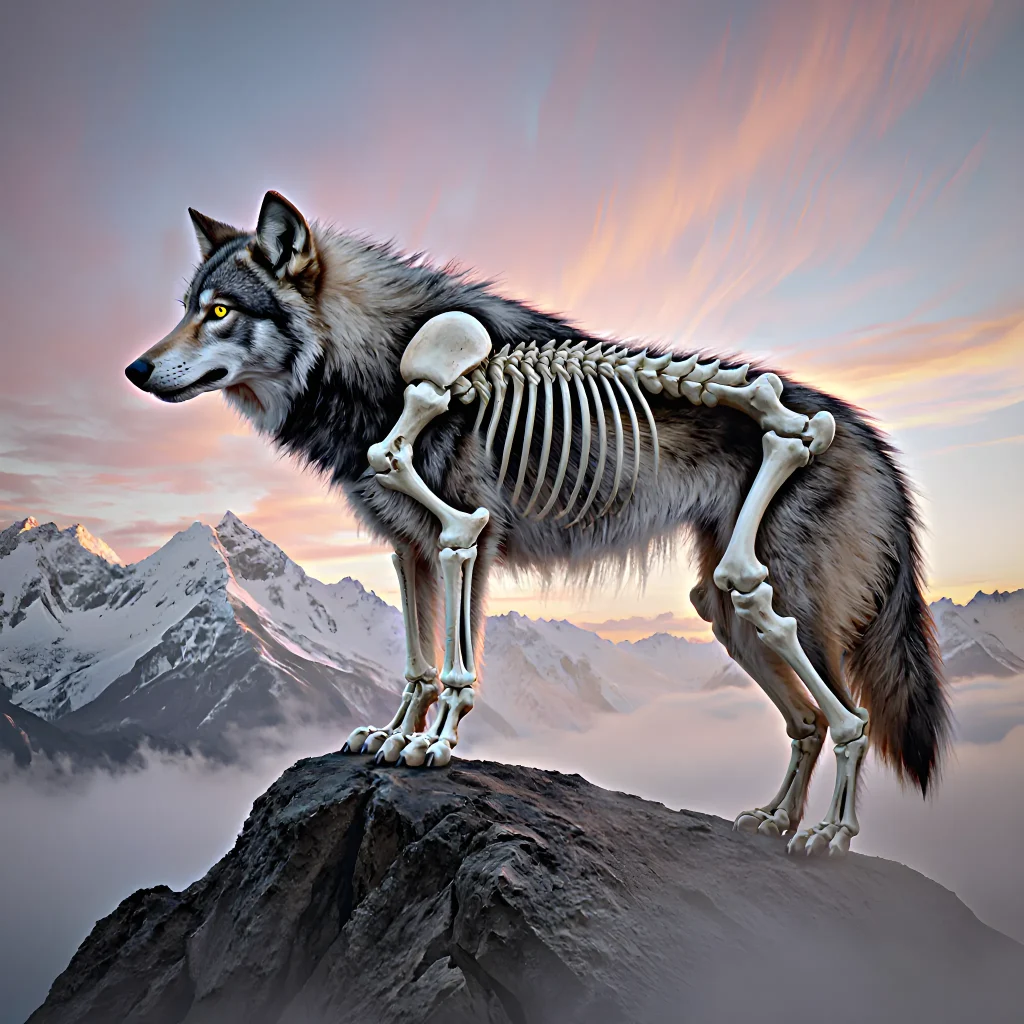
Unveil the canine’s secret past
Bloodlines Reborn: The Hidden Saga of Dog Evolution
Table of Contents
- Introduction to Dog Breeding
- Early Domestication and Primitive Breeds
- The Role of Dogs in Ancient Civilizations
- Medieval Hunting and Working Dogs
- Rise of the Show Dog Culture
- Industrial Revolution and Breed Standardization
- 19th Century Scientific Breeding Practices
- The Formation of Kennel Clubs
- 20th Century Crossbreeding and New Varieties
- Genetic Testing and Health Screening
- Modern Ethical Considerations in Breeding
- The Impact of Popular Culture on Breed Demand
- Future Trends: AI and Precision Breeding
- Conclusion: The Path Forward for Responsible Dog Breeding
- FAQ – Frequently Asked Questions About Dog Breeding
Introduction to Dog Breeding
Dog breeding is an art that blends science, tradition, and responsibility. Over the last few centuries, humans have shaped canine genetics to fulfill roles ranging from herding and guarding to companionship and therapy. Understanding this evolutionary journey helps breeders make informed decisions about health, temperament, and ethical practices.
The Evolution of Dog Breeding Over Centuries
- Early Domestication (≈15,000–10,000 BC): The first dogs were likely wild wolves that adapted to human settlements. Selective pressures favored traits like docility and a willingness to share food.
- Functional Breeding (1st–19th centuries): Communities bred dogs for specific tasks—herding cattle, hunting game, guarding property. Traits were selected through observable performance rather than formal pedigrees.
- Formal Standards (19th–20th centuries): With the rise of kennel clubs and dog shows, breeders began to codify physical and behavioral standards. The Airedale Terrier, for example, was standardized in 1869, setting a template for future breeds.
- Genetic Era (late 20th centuries–present): DNA testing revealed hidden genetic disorders and allowed breeders to make more precise mating decisions. Breeding programs now routinely screen for hip dysplasia, heart disease, and inherited eye conditions.
Key Milestones in Modern Dog Breeding
- Pedigree Documentation: Accurate lineage records trace ancestry, ensuring genetic diversity and adherence to breed standards.
- Health Screening Protocols: Mandatory tests for common hereditary conditions reduce the prevalence of disease in future generations.
- Behavioral Assessment: Early socialization and temperament testing help identify dogs that will thrive as family pets or working companions.
- Ethical Breeding Practices: The American Kennel Club (AKC) and other organizations promote responsible breeding, discouraging overpopulation and puppy mills.
Practical Advice for Aspiring Breeders
- Start with a Clear Goal: Decide whether you want to produce show dogs, working dogs, or pets. This determines the selection criteria.
- Educate Yourself on Genetics: Learn about dominant/recessive traits and how they affect health outcomes.
- Choose Healthy Parents: Use health certificates, perform genetic tests, and review family histories to avoid breeding carriers of serious conditions.
- Maintain Detailed Records: Track lineage, health screenings, and behavioral assessments. Digital databases simplify this process.
- Prioritize Offspring Welfare: Provide proper nutrition, veterinary care, and socialization from birth to adulthood.
Case Study: The German Shepherd’s Modern Breeding Path
The German Shepherd was originally bred in the late 19th century for herding sheep. Today, it serves as a police dog, guide dog, and family pet. Modern breeders use DNA testing to screen for degenerative myelopathy and hip dysplasia, while behavioral programs ensure suitability for service work.
By studying the evolution of dog breeding—from early functional selection to contemporary genetic screening—you can adopt best practices that honor both your canine partners and their legacy. Responsible breeding not only preserves breed integrity but also promotes healthier, happier dogs for future generations.
Early Domestication and Primitive Breeds
The story of dogs begins over 15,000 years ago when wolves first started to form a partnership with early humans. Unlike the deliberate breeding we see today, these “primitive” breeds were shaped by natural selection, geography, and human needs rather than by a master’s hand.
Key Milestones in Early Domestication
- Pre‑Hunters‑Gatherers: Wolves that approached campsites for food began to lose their fear of humans. Over generations, those that were less aggressive and more tolerant survived.
- First Work Partners: In the Neolithic era (circa 10,000 BC), dogs helped with herding flocks and guarding livestock. Their presence improved human survival rates.
- Regional Divergence: As humans migrated, local climates forced wolves to adapt—creating distinct regional traits such as thick coats in colder zones or lighter builds for arid regions.
Examples of Primitive Breeds
| Breed | Origin | Key Traits |
|---|---|---|
| Airedale Terrier | England, 19th century (descended from hunting dogs) | Versatile hunter, strong sense of smell, medium size. |
| Alaskan Malamute | Alaska, Native Alaskan sled teams | Powerful pullers, thick double coat, endurance. |
| Basenji | Congo Basin, ancient hunting dogs | Low barking, high agility, strong scent tracking. |
Practical Advice for Modern Owners of Primitive‑Style Breeds
- Exercise: These breeds have high energy. Aim for at least 60–90 minutes of brisk walking, running, or interactive play daily.
- Socialization: Early exposure to people, other dogs, and varied environments prevents fearfulness.
- Diet: A protein‑rich diet supports their muscular build. Consider whole‑food options or high‑quality commercial brands with no artificial fillers.
- Health Screening: Regular vet checks for hip dysplasia, eye issues, and heart conditions—common in many primitive breeds.
- Training: Use positive reinforcement. Primitive dogs thrive on mental stimulation; puzzle toys or scent games keep them engaged.
By understanding the evolutionary roots of these early domesticated dogs, owners can better appreciate their unique needs and preserve the legacy that shaped modern canine companions.
The Role of Dogs in Ancient Civilizations
The Role of Dogs in Ancient Civilizations
Dogs were among the first animals domesticated by humans, and their presence can be traced back to hunter‑gatherer societies as early as 15 000 BCE. From these humble beginnings they evolved into specialized companions that shaped social structures, economies, and even religious practices across a wide spectrum of ancient cultures.
1. Hunting and Food Security
- Egyptian Pharaohs: Ancient Egyptians prized hunting dogs for retrieving game from marshlands. The “Sphinx” dog breed was bred specifically to chase gazelles, providing a reliable protein source for the royal court.
- Indus Valley: Archaeological findings show that indigenous canine breeds were used in cooperative hunts with early agrarian communities, ensuring steady food supplies during lean seasons.
2. Protection and Warfare
- Minoan Crete: Bronze‑age seals depict “wolf‑dog” hybrids guarding temple precincts, indicating a strategic use of canine guardianship in religious sanctuaries.
- Greek City‑States: In the Peloponnesian War, hoplites employed war dogs to flank enemies and disrupt formations. The breeding emphasis shifted toward sturdier, more aggressive traits.
3. Social Status and Rituals
- Roman Empire: Elite families displayed exotic dogs such as the “Canis Pugnax” in public banquets, symbolizing wealth and power. Dogs were often buried with owners in lavish tombs.
- Mesoamerican Cultures: The Olmec and Maya considered certain dog breeds sacred, using them in sacrificial rites that reinforced cosmological narratives.
4. Medical and Spiritual Functions
- Hittite Empire: Dogs were believed to ward off evil spirits. Priests would carry “protective dogs” during pilgrimages, a practice later echoed in medieval Christian hagiographies.
- Chinese Dynasties: Daoist monks kept specific breeds for their perceived ability to sense and dispel negative energy, a belief that persisted into the Tang dynasty’s court rituals.
The Evolution of Dog Breeding Over Centuries
Across these civilizations, selective breeding practices evolved from functional needs—such as hunting prowess or protective instincts—to aesthetic preferences driven by status symbols. This gradual specialization laid the groundwork for modern breeds:
- Functional to Decorative: Early hunter‑dogs like the Basenji transitioned into ornamental lap dogs in Roman aristocracy.
- Cross‑Breeding: Intermixing of regional breeds created hybrids suited to specific tasks, such as the ancient “Mongrel” used by nomadic tribes for both companionship and herding.
- Documented Standards: By the Middle Ages, royal decrees began specifying breed characteristics—weight ranges, coat colors—to maintain consistency across generations.
Practical Advice for Modern Readers
- When choosing a dog today, consider its ancestral role: a terrier may have inherited strong hunting instincts that manifest as digging or chasing small animals.
- Research breed histories to align expectations with genetic predispositions—this helps prevent behavioral surprises and promotes responsible ownership.
- Support reputable breeders who maintain clear lineage records, ensuring that the evolutionary legacy of each dog is preserved ethically.
Understanding the historical tapestry of dogs not only enriches our appreciation for these loyal companions but also provides actionable insights into their care, training, and ethical breeding practices today.
Medieval Hunting and Working Dogs
During the Middle Ages, dogs were indispensable partners in hunting and various labor tasks. Their roles evolved alongside societal needs, laying the groundwork for modern sporting and working breeds.
Hunting Roles
- Pointer Dogs: These early pointers, such as the now‑extinct “French Pointer,” were prized for their ability to locate game by pointing with their heads. Their keen sense of scent and calm demeanor made them ideal companions for aristocratic hunters.
- Retriever Breeds: The foundation of modern retrievers can be traced back to the 12th‑century “Basset Hound” and “Cocker Spaniel.” These dogs were bred to flush out game from dense brush, allowing hunters to retrieve fallen birds or small mammals.
- Scenting Dogs: The “Scotch Deerhound,” originally a guardian of Scottish estates, was also used for tracking deer. Their powerful nose and endurance made them valuable assets in long‑haul hunts across rugged terrain.
Working Roles
Beyond hunting, medieval dogs served as guardians, herders, and even messengers. The breeding priorities shifted from pure performance to a blend of temperament and versatility.
Guardian Dogs
Large breeds such as the “Great Dane” (originally known as the “German Mastiff”) were selected for their imposing size and protective instincts, guarding manor houses and livestock from raiders or predators.
Herding Dogs
- Cattle Dog: The ancestor of modern Australian Cattle Dogs was first documented in the 14th century as a “German Shepherd.” These dogs were chosen for their intelligence, stamina, and ability to manage herds across vast estates.
- Shepherd Hounds: In England, the “English Springer Spaniel” began its life as a versatile hunting dog that also helped shepherd sheep by flushing out predators or keeping livestock together.
Practical Advice for Modern Enthusiasts
- Research Ancestral Lines: When selecting a breed, look at its medieval origins. For example, choosing a modern “German Shepherd” gives you a direct link to the original working dog lineage.
- Focus on Temperament: Medieval dogs were valued for their calmness and reliability. Training should emphasize consistency, patience, and respect for the dog's natural instincts.
- Simulate Historical Tasks: Incorporate scent work or herding drills into training sessions to activate inherited skills. This not only strengthens the bond but also keeps ancestral behaviors alive.
Understanding the medieval roots of hunting and working dogs enriches our appreciation for contemporary breeds. By preserving these lineages, we honor centuries of selective breeding that shaped the companions we cherish today.
Rise of the Show Dog Culture
From the early days when dogs were primarily working animals, a fascinating shift has taken place over the past few centuries: the emergence of a vibrant show dog culture. This movement is rooted in the same evolutionary trends that shaped modern breeding practices—selective pressure for aesthetic traits, standardized standards, and an increasing human fascination with canine beauty.
Historical Context
- 18th‑Century England: The first dog shows began in the 1740s at the Royal Agricultural Society’s annual fair. Breeders started comparing dogs side by side, setting early criteria for what would become formal breed standards.
- 19th‑Century Standardization: In 1873 the Kennel Club (UK) published its first set of breed standards, and in 1884 the American Kennel Club (AKC) followed suit. These documents codified appearance, temperament, and movement, providing a blueprint for breeders worldwide.
- Early Show Dog Legends: Iconic dogs such as Raffles, an English Bulldog who won multiple titles in the 1900s, helped popularize the show dog concept by demonstrating that meticulous breeding could produce both beauty and health.
Modern Show Dog Culture
The contemporary scene is a blend of artistry, science, and commerce. Here are some key elements:
- Breed Standards as Blueprints: Each recognized breed has an official standard that outlines ideal body proportions, coat type, color patterns, and even gait nuances. For example, the German Shepherd’s standard emphasizes a “rectangular” body shape with a medium-length coat.
- Judging Criteria: Judges evaluate dogs on conformation (alignment to standards), movement (smoothness of gait), temperament (calmness under pressure), and overall presentation. A top show dog typically scores in all four areas.
- Health Testing: Modern breeders incorporate genetic screening for conditions such as hip dysplasia, retinal degeneration, or heart defects to ensure that beauty does not come at the expense of well‑being.
Practical Advice for Aspiring Show Dog Owners
- Start Early: Begin training and socialization before the dog reaches adulthood. A well‑socialized pup is less likely to become nervous during a show.
- Coat Care: Invest in high‑quality grooming tools. For breeds with long coats (e.g., Afghan Hound), regular brushing prevents matting and keeps the coat glossy.
- Show Conditioning: Practice walking on a leash, standing still for extended periods, and responding to cues from a distant handler. Simulate show conditions by having friends act as judges or competitors.
- Nutrition & Exercise: Feed a balanced diet tailored to the dog’s breed and activity level. Adequate exercise improves muscle tone and mental focus—both critical for a successful show performance.
Examples of Show Dog Success Stories
“Coco” – A Poodle who won Best in Show at the 2018 Westminster Kennel Club Dog Show, demonstrating exceptional agility and temperament. Coco’s win highlighted how a well‑balanced training program can elevate a dog from a beloved pet to an award‑winning champion.
“Max” – A German Shepherd who earned multiple Grand Champion titles in the U.S. after a rigorous breeding program that screened for hip dysplasia, ensuring both beauty and health.
The Future of Show Dog Culture
As genetics research advances, breeders are increasingly able to predict and manage hereditary conditions while still pursuing breed ideals. The rise of digital platforms—virtual shows, social media showcases, and online judging—also broadens access, allowing more enthusiasts to participate in the culture.
In sum, the rise of show dog culture reflects a deepening appreciation for canine artistry rooted in centuries of selective breeding. By combining historical standards with modern science, today’s breeders and owners can honor tradition while promoting health and well‑being.
Industrial Revolution and Breed Standardization
The rapid industrialization of the 19th century not only reshaped economies but also revolutionized how humans interacted with animals—particularly dogs. As factories sprouted, urban populations swelled, and leisure time increased, people began to view dogs more as companions than purely functional working animals. This shift demanded a systematic approach to breeding, leading to the birth of modern breed standards.
Why Standardization Became Necessary
- Consistency in Urban Settings: In cities, space was limited and owners wanted predictable temperaments—dogs that were friendly, manageable, and safe around children.
- Exhibition Culture: The rise of dog shows (e.g., the first Westminster Kennel Club Dog Show in 1877) created a market for dogs with specific looks and traits. Owners sought to produce “show‑ready” animals that conformed to judge criteria.
- Scientific Breeding Principles: Advances in genetics (though still rudimentary) encouraged breeders to use controlled mating to fix desirable genes, reducing variability caused by random selection.
Key Milestones in Breed Standardization
- Formation of Kennel Clubs: The Kennel Club (UK, 1873) and the American Kennel Club (USA, 1884) formalized breed standards—written documents outlining ideal size, coat, temperament, and health.
- The Role of Show Judges: Judges developed a lexicon (e.g., “clean lines,” “well‑proportioned”) that breeders had to learn. This created a feedback loop: breeders improved dogs to meet judge expectations, which in turn refined the standard.
- Cross‑breeding and Purebred Lines: Early breeders sometimes crossed breeds (e.g., the American Pit Bull Terrier’s lineage includes bull terriers and mastiffs). Over time, strict line breeding established clear genetic boundaries.
Practical Advice for Modern Breeders
1. Understand the Standard: Read the latest version of your breed’s standard from the official kennel club. Pay attention to both physical traits and temperament requirements.
2. Maintain Thorough Records: Keep detailed pedigrees, health test results (e.g., hip scoring, eye exams), and performance data. Transparency builds trust with buyers and regulators.
3. Prioritize Health Over Aesthetics: Avoid breeding for extreme traits that may compromise welfare—such as overly flat faces in brachycephalic breeds or excessively large frames in small dogs.
4. Participate in Canine Genetic Testing: Use DNA panels to screen for hereditary diseases (e.g., progressive retinal atrophy, hip dysplasia). Responsible breeding reduces disease prevalence over generations.
5. Engage with the Community: Attend shows, seminars, and online forums. Sharing knowledge helps refine standards collectively and encourages ethical breeding practices.
Examples of Breed Evolution Through Standardization
- Labrador Retriever: Originally a fishing helper in Newfoundland, the breed’s standard now emphasizes a friendly temperament, water‑resistant coat, and strong retrieving instincts. Modern labs are bred for both show qualities and working performance.
- German Shepherd Dog: Standardization focused on intelligence, trainability, and protective instinct. Today, GSDs excel in police work, search & rescue, and as service dogs while still meeting the breed’s aesthetic criteria.
- Bichon Frise: The standard calls for a curly coat that doesn’t shed, making them ideal hypoallergenic companions. Breeders now emphasize health tests for tracheal collapse and ear infections common in small, fluffy breeds.
Looking Ahead: Digital Tools and Ethical Standards
The 21st century introduces blockchain pedigrees, AI‑driven genetic profiling, and global breeding registries. These technologies enhance traceability, reduce fraud, and help enforce ethical standards set by kennel clubs worldwide. Breeders who embrace these tools can better safeguard the health and welfare of their dogs while maintaining breed integrity.
19th Century Scientific Breeding Practices
The 19th century marked a turning point in dog breeding, shifting from purely utilitarian and aesthetic goals to a more systematic, science‑based approach. The emergence of the Dog Club Movement, coupled with advances in genetics and animal husbandry, laid the groundwork for modern breed standards.
1. Birth of Breed Clubs and Standardization
- The Kennel Club (UK, 1873): Established a formal registry and set the first written breed descriptions, emphasizing consistency in physical traits and temperament.
- American Kennel Club (AKC, 1884): Adopted similar standards and introduced the “Show” as a platform for breeders to display conformance to these criteria.
2. Scientific Influences: Darwinian Thought & Early Genetics
Charles Darwin’s On the Origin of Species (1859) sparked curiosity about heredity, even though Mendelian genetics would not be formalized until 1900. Breeders began to observe patterns such as:
- Pedigree tracking: Recording lineage over several generations to maintain desired traits.
- Selective breeding for “type”: Choosing parents that exhibited the most extreme or desirable characteristics, often leading to inbreeding concerns.
3. Practical Breeding Techniques of the Era
- Controlled mating schedules: Aligning breeding seasons with the owners’ economic cycles and ensuring optimal health conditions for both sire and dam.
- Weighing physical measurements: Using calipers, tape measures, and simple scales to document size, weight, and limb length—data that informed future selection decisions.
- Health screenings: Though rudimentary, breeders began screening for visible hereditary disorders such as hip dysplasia in larger breeds or ear shape issues in terriers.
4. Impact on Breed Diversity and Health
The drive toward strict conformance sometimes led to closed gene pools, increasing the prevalence of genetic disorders:
- Poodle hip dysplasia: A consequence of breeding for a specific body shape.
- Labrador retriever eye problems: Resulting from selective emphasis on certain coat colors and patterns.
5. Legacy: Foundations for Modern Practices
The 19th century’s scientific breeding practices set the stage for:
- Breed registries worldwide, ensuring traceable lineage.
- Genetic testing protocols that emerged in the late 20th century.
- A growing emphasis on welfare and health over purely aesthetic criteria, a trend that continues today.
Understanding this historical context is crucial for contemporary breeders who must balance tradition with modern genetic knowledge to promote healthier, more resilient canine populations.
The Formation of Kennel Clubs
While the practice of selectively breeding dogs dates back thousands of years, the formal organization of these efforts into kennel clubs is a relatively modern phenomenon. The first recognized kennel club was founded in 1859 in England, known today as the The Kennel Club (TKC). Its establishment marked a turning point: it created a standardized framework for registering purebred dogs, setting breed standards, and promoting responsible breeding practices.
Why Did Kennel Clubs Emerge?
- Standardization of Breeds: Before kennel clubs, many breeds existed in numerous regional variations. A central body was needed to define what constituted a "true" breed and establish physical and temperamental benchmarks.
- Regulation of Breeding Practices: With the rise of dog shows and breeding for show purposes, unscrupulous breeders began manipulating traits. Kennel clubs introduced ethical guidelines to prevent inbreeding, health issues, and other malpractices.
- Promotion of Dog Shows: Showrooms became venues where breeders could display their dogs. Kennel clubs organized these events, creating a culture that celebrated canine excellence and drove demand for specific traits.
Key Milestones in the Evolution of Kennel Clubs
- 1859 – The Kennel Club (TKC) Founded: First official registration system, breed standards drafted, and the first dog show held.
- 1862 – The American Kennel Club (AKC) Established: Modeled after the TKC, it began to standardize breeds in North America.
- 1900s – International Collaboration: The Fédération Cynologique Internationale (FCI) formed in 1911 to unify breed standards worldwide.
- Late 20th Century – Genetic Testing Integration: Kennel clubs began endorsing DNA tests for health screenings, pedigree verification, and ancestry tracing.
- 21st Century – Digital Registries & Online Platforms: Clubs moved to cloud-based databases, making registration faster and more transparent.
Practical Advice for New Breeders
If you’re considering breeding dogs today, here are actionable steps that align with kennel club standards:
- Research Breed Standards: Each kennel club publishes detailed guidelines. Understand the physical and behavioral traits your breed should exhibit.
- Health Screening: Before breeding, test both parents for common hereditary conditions (e.g., hip dysplasia in German Shepherds, retinal degeneration in Cocker Spaniels).
- Maintain Detailed Records: Keep a meticulous log of lineage, health tests, and any training or temperament evaluations.
- Participate in Kennel Club Events: Show your dogs at club-sanctioned shows. Even if you don’t win, the exposure helps establish credibility.
- Follow Ethical Breeding Guidelines: Adhere to a minimum age for breeding, avoid overbreeding, and ensure puppies receive proper socialization before going home.
Case Study: The Golden Retriever’s Journey
The Golden Retriever’s transformation from a hunting helper in Scotland to a beloved family pet illustrates how kennel clubs shape breed perception. Initially prized for retrieving game, the breed was standardized by the TKC in the late 1800s, emphasizing friendly temperament and water resistance. Today, its health protocols—such as screening for hip dysplasia and heart disease—are mandatory under AKC guidelines, ensuring that new generations retain both the physical traits and gentle nature that made the Golden Retriever a household staple.
20th Century Crossbreeding and New Varieties
The 1900s ushered in a period of unprecedented experimentation and diversification in dog breeding. With the advent of modern genetics, improved transportation, and a growing global canine community, breeders began to cross traditional breeds more freely, creating new types that catered to evolving human lifestyles.
1. The Rise of Designer Breeds
Designer or hybrid dogs—such as the Labradoodle (Labrador Retriever × Poodle) and the Goldendoodle (Golden Retriever × Poodle)—gained popularity in the 1990s and early 2000s. These crosses were marketed for their hypoallergenic coats, friendly temperaments, and versatility as companion animals.
- Case Study: Labradoodle – Developed by Australian breeder Dr. John Flanders in the late 1980s, the Labradoodle was originally intended to be a guide dog for the visually impaired. Today it is prized for its low-shedding coat and sociable nature.
- Practical Tip – When selecting a designer breed, always verify that both parent breeds have been health‑tested for common genetic disorders before breeding.
2. Functional Crosses for Working Roles
As urbanization increased, so did the need for dogs capable of performing specific tasks in city environments. Breeders combined traits from hunting, herding, and rescue breeds to produce dogs that could navigate tight spaces, detect scents, or provide emotional support.
- Urban Search & Rescue (USAR) Dogs – Crosses between German Shepherds and Belgian Malinois are now common in USAR teams due to their high trainability, agility, and strong scenting abilities.
- Guide Dog Hybrids – Breeds such as the Golden Retriever–German Shorthaired Pointer mix combine the gentle temperament of the Golden with the stamina and alertness of the Pointer, making them ideal for guide dog work.
3. Ethical Considerations and Responsible Breeding Practices
The 20th century also saw increased scrutiny over breeding practices. Organizations like the American Kennel Club (AKC) and The Kennel Club (UK) established guidelines to prevent overbreeding, inbreeding, and the perpetuation of hereditary diseases.
“Responsible breeders must prioritize health testing, temperament evaluation, and genetic diversity.” – AKC Breeder’s Handbook 2005
4. Impact on Breed Standards
The influx of new crossbreeds challenged traditional breed standards. Some breeds were officially recognized by kennel clubs (e.g., the Australian Cattle Dog), while others remained in the “unregistered” category but gained widespread popularity.
5. Practical Advice for Prospective Owners
- Research Thoroughly – Look up the parent breeds’ health profiles and typical lifespan.
- Ask About Health Guarantees – Reputable breeders offer guarantees covering hereditary conditions.
- Consider Lifestyle Fit – Evaluate energy levels, grooming needs, and temperament before making a decision.
In summary, the 20th century’s crossbreeding revolution expanded canine diversity dramatically. While it offered new options for companionship, work, and therapy, it also demanded greater responsibility from breeders and owners alike to ensure the health and welfare of these remarkable animals.
Genetic Testing and Health Screening
The evolution of dog breeding over centuries has taken us from the early days of selecting for size, temperament, and function to a modern era where we can peer into a dog's DNA to predict health risks, optimize breeding decisions, and even guide individual care plans. In this section we explore how genetic testing fits into contemporary canine health management, illustrate real‑world applications with case studies, and offer practical guidance for owners, breeders, and veterinarians.
Why Genetic Testing Matters Today
- Early Disease Detection: Many inherited disorders—such as hip dysplasia, progressive retinal atrophy (PRA), or von Willebrand disease—can be identified long before clinical signs appear.
- Informed Breeding Choices: By knowing a dog's carrier status for recessive traits, breeders can avoid mating two carriers and thereby reduce the incidence of affected puppies.
- Personalized Care: Owners can tailor nutrition, exercise, and preventive medicine based on a dog's genetic predispositions.
Key Genetic Tests in Practice
| Test | Commonly Tested Breeds | Health Conditions Covered |
|---|---|---|
| Hip Dysplasia Screening (Orthopedic Foundation for Animals) | Labrador Retriever, German Shepherd, Golden Retriever | Joint laxity, osteoarthritis risk |
| PRA Panel (U.S. National Primate Research Center) | Scottish Terrier, Cocker Spaniel, Irish Wolfhound | Retinal degeneration, vision loss |
| Canine Inherited Retinal Disease Test (Mayo Clinic) | Bichon Frise, German Shorthaired Pointer | Photoreceptor defects, night blindness |
| Von Willebrand Factor Gene Testing | Boxer, Rottweiler, Doberman Pinscher | Bleeding disorders, clotting abnormalities |
Case Study: Reducing Hypertrophic Cardiomyopathy in American Cocker Spaniels
A breeder in Colorado began a systematic screening program after noticing an uptick in sudden cardiac deaths among his puppies. By genotyping each puppy for the MYBPC3 mutation associated with hypertrophic cardiomyopathy (HCM), he identified carriers early. He then avoided mating two carriers, and over five breeding cycles the prevalence of HCM dropped from 12% to 2%. This example demonstrates how a data‑driven approach can dramatically improve breed health.
Practical Advice for Owners
- Choose Reputable Labs: Look for labs accredited by the American Association of Blood Banks (AABB) or that publish peer‑reviewed protocols.
- Ask Your Vet About Breed‑Specific Panels: Some breeds have rare disorders; a vet familiar with local breeding trends can recommend targeted tests.
- Interpret Results Carefully: A carrier status means the dog can pass on the gene but may not show symptoms. Work with a genetics specialist to understand probabilities.
- Document and Share Findings: Keep records in a digital folder or cloud service; share them with future breeders or veterinarians for continuity of care.
Practical Advice for Breeders
- Integrate Testing into Your Registry: Require all breeding stock to undergo a baseline genetic panel before mating approvals.
- Maintain a Health Scorecard: Assign points for each negative result; use the score to prioritize breeding pairs.
- Educate Prospective Buyers: Provide test reports and explain how they influence health outcomes.
- Track Offspring Outcomes: Correlate genetic data with real‑world health metrics to refine future testing panels.
Future Directions
Next‑generation sequencing (NGS) and whole‑genome analysis are becoming more affordable, enabling breeders to screen for dozens of conditions simultaneously. Coupled with artificial intelligence models that predict phenotype from genotype, we anticipate a shift toward truly personalized canine medicine—where a dog's DNA guides every aspect of its care from birth onward.
Modern Ethical Considerations in Breeding
The history of dog breeding spans centuries, from early utilitarian selections for hunting and herding to the modern era where aesthetics often drive purebred popularity. Today’s breeders face a host of ethical dilemmas that reflect this evolution: balancing breed standards with animal welfare, preventing genetic disease propagation, ensuring responsible marketing, and respecting the natural instincts of dogs.
1. Genetic Health vs. Aesthetic Standards
- Breathability and brachycephaly: The trend toward flat-faced breeds like French Bulldogs and Pugs has led to chronic breathing problems, joint pain, and heat intolerance. Modern breeders are encouraged to adopt World Health Organization-recommended guidelines that limit skull flattening to preserve airway function.
- Hip dysplasia screening: The American Kennel Club (AKC) requires hip scoring for show dogs. Breeders should implement routine X‑ray screenings and only breed individuals with favorable scores, reducing the prevalence of this debilitating condition.
2. Ethical Marketing Practices
Transparency is key. Prospective owners should receive full medical histories, genetic test results, and information on temperament. Breeders who hide health issues risk legal penalties under state animal welfare laws.
- Adoptable vs. sold: Some breeders offer dogs for adoption through shelters or rescue organizations, giving a second chance to puppies from surplus litters.
- Clear communication: Use standardized forms (e.g., AKC’s “Breeder’s Declaration”) that detail breeding practices and health guarantees.
3. Responsible Breeding Volume
Overbreeding depletes genetic diversity, exacerbating inherited disorders. Ethical breeders maintain a limited number of litters per year—often no more than two to three—to preserve a healthy gene pool.
“In the early 20th century, breeding practices were largely unregulated; today, guidelines like those from the College of Veterinary Medical Educators emphasize responsible litter sizes and post‑weaning care.”
4. Socialization and Early Care
Modern breeding ethics extend beyond genetics to early life experiences. Puppies should be:
- Exposed to a variety of sounds, sights, and people before weaning.
- Vaccinated and dewormed according to veterinary recommendations.
- Handled gently by multiple adults to reduce fear responses later in life.
5. Legal and Regulatory Compliance
Breeders must adhere to local, state, and federal regulations such as the U.S. Department of Agriculture’s Animal Welfare Act. This includes:
- Providing clean living conditions.
- Ensuring adequate veterinary care.
- Maintaining accurate breeding records for traceability.
Practical Steps for Aspiring Ethical Breeders
- Obtain a comprehensive health testing kit: Genetic panels for common breed diseases (e.g., MVD in Dobermans, CMT in German Shepherds).
- Create a breeding plan: Use software like BreedInfo to track lineages and avoid close inbreeding.
- Partner with reputable veterinary clinics: Regular check-ups, behavioral assessments, and emergency care plans.
- Educate future owners: Provide handbooks covering nutrition, training, and health monitoring.
By integrating these modern ethical considerations into breeding programs, we honor the rich evolutionary legacy of dogs while ensuring their health, happiness, and rightful place in human society.
The Impact of Popular Culture on Breed Demand
Popular culture—films, television shows, advertising, and social media—has long been a powerful driver of which dog breeds become fashionable. The way a breed is portrayed in the media can shape public perception, influence purchasing decisions, and even affect breeding practices.
Historical Examples
- The 1960s “Cocker Spaniel” boom: The TV show "The Adventures of Ozzie & Harriet" featured a lovable Cocker Spaniel named "Duke," leading to a surge in demand for the breed across the United States.
- The 1980s “Labrador Retriever” rise: The film "Homeward Bound: The Incredible Journey" showcased Labrador Retrievers as loyal, family-friendly companions. This cinematic exposure contributed to a steady increase in Labrador ownership during the decade.
- The 2000s “French Bulldog” trend: With the release of the movie "The Bourne Identity", French Bulldogs appeared prominently on screen, sparking an unprecedented rise in popularity that continues today.
Mechanisms Behind Media Influence
1. Emotional connection: A dog’s portrayal as a heroic or endearing character can create strong emotional bonds with viewers, encouraging them to want a similar companion.
2. Social proof: When celebrities and influencers flaunt their pets on social media, followers often emulate the trend, leading to spikes in breed popularity.
3. Association with lifestyle: Media can link certain breeds with particular lifestyles (e.g., the “urban chic” image of French Bulldogs), making them aspirational choices for specific demographics.
Practical Advice for Breeders and Pet Sellers
- Stay ahead of trends: Monitor emerging media releases—films, shows, or viral memes—and anticipate which breeds may become popular. This foresight helps in planning breeding cycles and inventory.
- Promote responsible ownership: When a breed’s popularity surges due to media hype, it often leads to an influx of inexperienced owners. Use marketing channels to educate potential buyers about the breed’s specific needs, exercise requirements, and temperament.
- Collaborate with influencers thoughtfully: Partner with social media personalities who genuinely love a breed rather than using them purely for buzz. Authentic endorsements build trust and reduce the risk of negative backlash if a dog is poorly cared for.
- Diversify your breeding portfolio: Relying solely on media-driven demand can be risky. Maintain a mix of popular breeds and those with steady, niche followings to stabilize sales throughout market fluctuations.
Future Outlook
The intersection of technology and culture—especially the rise of short‑form video platforms like TikTok—means breed trends can change overnight. Breeders who adapt quickly, engage with online communities, and prioritize ethical breeding practices will thrive even as popular culture continues to shape the canine market.
Future Trends: AI and Precision Breeding
Artificial Intelligence (AI) is reshaping the landscape of canine breeding by providing data‑driven insights that were unimaginable just a few decades ago. While traditional breeders relied on pedigree charts, visual assessment, and a deep gut feeling honed through experience, AI now enables precise genetic mapping, health risk prediction, and even virtual breed optimization.
From Historical Methods to Modern Algorithms
The Evolution of Dog Breeding Over Centuries traces how selective breeding began with simple functional traits—herding dogs for shepherds, hunting hounds for trackers. As breeds became more specialized, breeders started keeping meticulous records and pedigrees. Fast forward to the 21st century: whole‑genome sequencing (WGS) and AI-powered analytics can now identify single nucleotide polymorphisms (SNPs) linked to health conditions in milliseconds.
Key Applications of AI in Precision Breeding
- Genetic Health Screening: Algorithms cross‑reference a dog's genome with thousands of known disease markers, providing a risk score for hip dysplasia, retinal degeneration, or inherited cancers.
- Optimal Mate Selection: Machine learning models evaluate compatibility scores based on genetic diversity, health status, and temperament profiles, reducing the likelihood of recessive disorders.
- Phenotype Prediction: Deep‑learning neural nets can predict coat color, size, or even potential behavior traits from early DNA samples.
Practical Steps for Breeders to Adopt AI Tools
- Partner with a Genomics Lab: Choose labs that offer WGS and AI‑driven reports. Look for certifications like ISO 15189 or equivalent.
- Integrate Data Management Systems: Use cloud platforms (e.g., BreedWise, GeneTech) to store pedigree, health records, and AI outputs in a single dashboard.
- Train Your Team: Offer workshops on interpreting AI reports—understand confidence intervals, probability thresholds, and ethical considerations.
- Develop Ethical Breeding Protocols: Set guidelines for how AI insights influence mating decisions, ensuring transparency with buyers about genetic risks.
Case Study: The German Shepherd’s Genetic Turnaround
A mid‑size breeding operation in Germany utilized AI to map a high incidence of degenerative myelopathy (DM). By sequencing 150 dogs and feeding the data into an ensemble learning model, they identified a previously unknown mutation in the SMN1 gene. Subsequent selective breeding eliminated carriers from their line within five generations, reducing DM prevalence by 85% while maintaining the breed’s working capabilities.
Future Outlook
In the next decade, we anticipate:
- Real‑time Health Monitoring: Wearable tech combined with AI analytics to detect early signs of disease.
- Personalized Nutrition and Training Plans: Algorithms that tailor diet and exercise based on genetic predispositions.
- Blockchain for Genetic Provenance: Immutable records ensuring authenticity of AI‑derived health data.
By bridging centuries of breeding wisdom with cutting‑edge technology, we can preserve breed integrity while safeguarding canine health—an endeavor that honors both tradition and innovation.
Conclusion: The Path Forward for Responsible Dog Breeding
After tracing the Evolution of Dog Breeding Over Centuries, it is clear that responsible breeding is no longer a niche practice but an ethical imperative. The journey from ancient utility dogs to modern companion animals has shown us both how far we have come and how many challenges remain.
Key Takeaways for the Future
- Health Screening as Standard: Every breeding program should implement comprehensive genetic testing (e.g., hip dysplasia, retinal degeneration, BRD) before mating. This practice reduces disease prevalence and aligns with the historical shift from purely functional selection to health-conscious breeding.
- Transparency in Lineage: Maintaining detailed pedigrees and openly sharing them with potential owners protects against hidden genetic defects. Modern databases (e.g., Pedigree Database, Breed Association Registries) now make this easier than ever.
- Emphasis on Temperament: Historically, temperament was a byproduct of function; today it should be a primary selection criterion. Behavioral testing protocols can help breeders avoid producing anxious or overly aggressive dogs.
- Population Diversity: Avoiding inbreeding and preserving genetic diversity echo the early days when dogs were selected for varied tasks. Rotational breeding schemes and outcrossing with unrelated lines are practical methods to achieve this.
Practical Steps for Breeders and Enthusiasts
- Partner with Veterinary Geneticists: Collaborate on screening panels tailored to the breed’s known issues. Example: The Irish Wolfhound breeders now routinely test for a specific gene linked to muscular dystrophy.
- Implement Structured Breeding Plans: Use software (e.g., Breeders' Assistant, BreedMate) to track lineages, health data, and mating schedules. This mirrors the meticulous record-keeping seen in ancient breeding practices but with digital precision.
- Educate Prospective Owners: Provide information on care requirements, genetic risks, and responsible ownership. A well-informed owner is less likely to abandon a dog or contribute to overpopulation.
- Support Breed Clubs’ Ethical Standards: Many clubs now enforce strict health and welfare guidelines. Breeders who adhere to these standards benefit from increased credibility and consumer trust.
Community & Advocacy Efforts
The modern responsible breeding movement thrives on community engagement. Initiatives such as the Responsible Dog Breeder Association (RDBA) and local breed clubs organize workshops, seminars, and online forums to disseminate best practices. By joining these networks, breeders can stay updated on emerging research and contribute to collective problem‑solving.
Looking Ahead
The path forward is a blend of tradition and innovation. As we honor the Evolution of Dog Breeding Over Centuries, we must also invest in genetic research, data transparency, and community education. By doing so, we ensure that future generations of dogs inherit not only the best traits but also a healthier, happier life.
FAQ – Frequently Asked Questions About Dog Breeding
1. How has dog breeding evolved from ancient times to today?
In the earliest days, humans domesticated wolves for hunting and protection. Over millennia, selective breeding was driven by functional needs: herding, guarding, or companionship. By the Middle Ages, guilds in Europe began standardizing breeds such as the Old English Sheepdog and the Scottish Terrier. The 19th‑century rise of dog shows, led by the Kennel Club (UK) and the American Kennel Club (AKC), formalized breed standards with written descriptions, pedigrees, and conformation criteria. Today, modern genetics, DNA testing, and a greater emphasis on health have refined breeding practices further.
2. What are the key ethical considerations in contemporary dog breeding?
- Health screening: Mandatory tests for hereditary conditions (e.g., hip dysplasia, retinal atrophy, heart disease) reduce suffering and costs.
- Welfare of breeding stock: Proper nutrition, veterinary care, and humane housing are essential. Overcrowding or neglect leads to stress‑related disorders.
- Responsible puppy sales: Reputable breeders provide health guarantees, vaccination records, and a contract that encourages spaying/neutering after the first year.
3. How do modern genetic tools improve breeding outcomes?
DNA testing can identify carriers of recessive genes before mating, preventing diseases such as Lysosomal Storage Disorders in breeds like the Poodle. Genome‑wide association studies (GWAS) reveal markers linked to traits like coat color or temperament. Breeders now use this data to make informed pairings that preserve desirable characteristics while minimizing health risks.
4. What is the difference between a “show” dog and a “working” dog?
Show dogs are bred primarily for conformation to breed standards, judged in competitions for appearance, gait, and overall harmony. Working dogs are selected for performance—herding, guarding, or search‑and‑rescue—often with less emphasis on aesthetics. The training regimes differ: show dogs focus on presentation, while working dogs undergo rigorous functional drills.
5. How can a prospective owner identify a reputable breeder?
- Certification: Look for breeders affiliated with the AKC, UK Kennel Club, or national breed clubs who follow published health protocols.
- Transparency: Reputable breeders provide pedigree charts, veterinary records, and allow home visits.
- Post‑sale support: They offer ongoing guidance on nutrition, training, and health care, and they insist on spaying/neutering or responsible ownership.
6. Are there risks associated with “designer” dog breeding?
Designer breeds (e.g., Labradoodles, Goldendoodles) are hybrids created by crossing two distinct breeds. While they can inherit desirable traits from both parents, they also carry a higher risk of genetic incompatibilities and unpredictable health issues. Ethical breeders screen both lines extensively, but potential owners should be aware that these dogs may not fully conform to either parent’s breed standards.
7. How does the legal framework affect dog breeding?
Many countries require breeders to register with local authorities, maintain vaccination records, and comply with animal welfare legislation (e.g., the Animal Welfare Act in the U.S.). Breeding licenses often come with inspections, ensuring that facilities meet minimum standards for space, sanitation, and veterinary care. Compliance protects both animals and breeders from liability.
8. What role does public perception play in shaping breeding practices?
Increased awareness of issues such as overpopulation, puppy mills, and genetic diseases has pushed breeders toward more responsible methods. Social media campaigns, documentaries, and advocacy groups influence consumer expectations, encouraging transparency and ethical standards.
9. Can selective breeding improve temperament in dogs?
Yes—temperament is heritable to a significant degree. Breeders use behavioral assessments (e.g., the C-BARQ questionnaire) to quantify traits like friendliness, aggression, and trainability. By selecting for calm, sociable individuals, breeders can reduce the prevalence of problematic behaviors.
10. Where can I find reliable resources on dog breeding?
- American Kennel Club (AKC)
- UK Kennel Club
- Dog Breed Info – comprehensive breed profiles and health guides.
Categories
- AI & Enrichment Play
- Broiler Farming
- Broiler Farming Tips
- Canine Wellness & Longevity
- Cat
- Cat & Human Connection
- Cat Adoption & Rescue
- Cat Breeds
- Cat Breeds & Personalities
- Cat Care & Health
- Cat Grooming & Hygiene
- Cat Lifestyle & Environment
- Cat Myths & History
- Cat Nutrition & Diet
- Cat Products & Reviews
- Cat Training & Behavior
- Comparison
- Consumer Awareness
- Dog
- Dog Accessories & Products
- Dog Adoption & Rescue
- Dog Breed & Lifestyle Trends
- Dog Breeding & Puppies
- Dog Entertainment & Media
- Dog Fashion & Trends
- Dog Fun & Lifestyle
- Dog Grooming & Hygiene
- Dog History & Culture
- Dog Myths, Science & Future Tech
- Dog News & Trends
- Dog Nutrition & Food
- Dog Psychology & Emotions
- Dog Safety & Security
- Dog Sports & Activities
- Dog Technology & Innovation
- Dog Training for Modern Owners
- Dog Travel & Adventure
- Dog Travel, Adventure & Culture
- Economic and Market Insights
- Educational Content
- FAQs
- Feeding Alternatives
- Festivals & Seasonal Ideas
- Fun & Entertainment
- General Knowledge
- General Pig Farming
- Health & Disease Management
- Housing and Environment
- Kittens
- Market Insights
- Miscellaneous
- Miscellaneous
- Motivational
- pig
- Pig Breeding
- Pig Breeds
- Pig Farming Stories and Inspiration
- Pig Health and Care
- Pig Nutrition
- Pig Products
- Profitability & Business
- Puppy Care
- Puppy Predictable Topics Reinvented
- Regional Focus
- Rescue & Adoption Buzz
- Senior Cats
- Senior Dog Care
- Smart Dog Tech & Gadgets
- Sustainability
- Sustainable & Eco-Friendly Dog Products
- Tech & Innovations
- Working & Service Dogs
- Broiler Feed66 products
- Country Feed33 products
- Pig Feed66 products
- Product22 products
- Raw Materials99 products
Products
-
 Fish Meal
₹1,999.00 – ₹2,999.00Price range: ₹1,999.00 through ₹2,999.00Rated 0 out of 5
Fish Meal
₹1,999.00 – ₹2,999.00Price range: ₹1,999.00 through ₹2,999.00Rated 0 out of 5 -
 FATTENING BROILER FEED
₹2,299.00 – ₹2,349.00Price range: ₹2,299.00 through ₹2,349.00Rated 0 out of 5
FATTENING BROILER FEED
₹2,299.00 – ₹2,349.00Price range: ₹2,299.00 through ₹2,349.00Rated 0 out of 5 -
 LAYER COUNTRY FEED
₹1,549.00 – ₹1,649.00Price range: ₹1,549.00 through ₹1,649.00Rated 0 out of 5
LAYER COUNTRY FEED
₹1,549.00 – ₹1,649.00Price range: ₹1,549.00 through ₹1,649.00Rated 0 out of 5 -
 COUNTER BROILER FEED
₹1,199.00 – ₹1,299.00Price range: ₹1,199.00 through ₹1,299.00Rated 0 out of 5
COUNTER BROILER FEED
₹1,199.00 – ₹1,299.00Price range: ₹1,199.00 through ₹1,299.00Rated 0 out of 5 -
 LACTATING PIG FEED
Rated 0 out of 5
LACTATING PIG FEED
Rated 0 out of 5₹2,299.00Original price was: ₹2,299.00.₹1,740.00Current price is: ₹1,740.00. -
 Maize
Rated 0 out of 5
Maize
Rated 0 out of 5₹1,650.00Original price was: ₹1,650.00.₹1,300.00Current price is: ₹1,300.00. -
 GESTATION PIG FEED (Phase 1)
Rated 0 out of 5
GESTATION PIG FEED (Phase 1)
Rated 0 out of 5₹2,249.00Original price was: ₹2,249.00.₹1,699.00Current price is: ₹1,699.00. -
 Pre Starter Broiler Feed
₹2,399.00 – ₹2,499.00Price range: ₹2,399.00 through ₹2,499.00Rated 0 out of 5
Pre Starter Broiler Feed
₹2,399.00 – ₹2,499.00Price range: ₹2,399.00 through ₹2,499.00Rated 0 out of 5 -
 FINISHER PIG FEED
Rated 0 out of 5
FINISHER PIG FEED
Rated 0 out of 5₹2,299.00Original price was: ₹2,299.00.₹1,749.00Current price is: ₹1,749.00. -
 Broiler Premix
Rated 0 out of 5
Broiler Premix
Rated 0 out of 5₹820.00Original price was: ₹820.00.₹699.00Current price is: ₹699.00.