
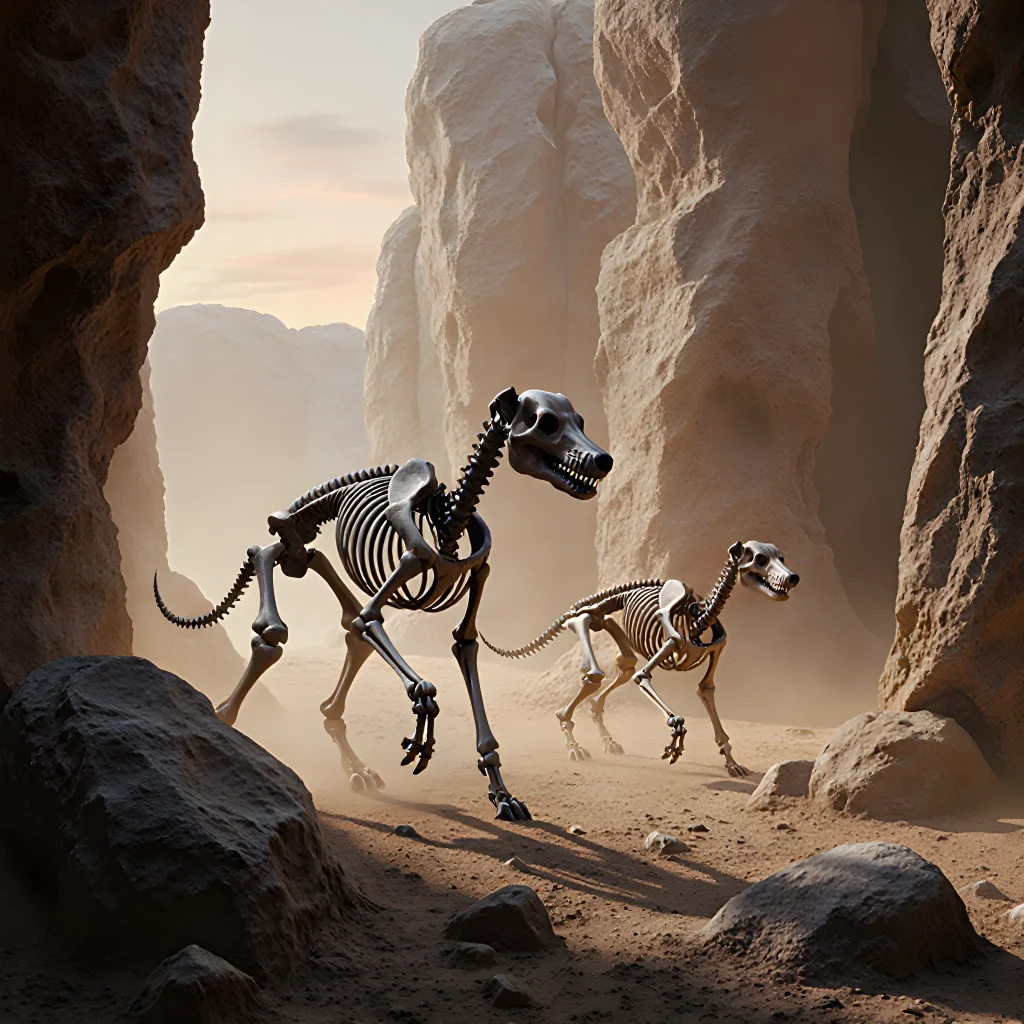
Unearth Ancient Paws
Echoes of the Past: First Canine Fossils Discovered
Table of Contents
- Introduction: Why Dog Fossils Matter
- The First Canine Discoveries in the Paleontological Record
- Key Sites Around the World with Early Dog Remains
- Dating Techniques: Radiocarbon and Beyond
- Morphological Features of the Oldest Dog Fossils
- Genetic Insights from Ancient DNA Analyses
- The Role of Dogs in Early Human Societies
- Comparisons with Wild Canids: Wolves, Foxes, and Others
- Reconstruction of Ancient Dog Diets and Habitats
- Cultural Depictions of Dogs in Prehistoric Art
- Controversies: Are These Remains Truly Domesticated?
- Recent Discoveries and Their Impact on the Timeline
- Future Directions in Canine Paleontology Research
- Conclusion: The Legacy of Our Oldest Canine Companions
- FAQ: Frequently Asked Questions About Ancient Dog Fossils
Introduction: Why Dog Fossils Matter
The study of ancient canids offers a window into the evolutionary journey that led from wild wolves to the beloved pets we cherish today. By examining fossilized remains, scientists can trace morphological changes, track migration patterns, and understand how environmental pressures shaped the domestic dog’s development.
Key Insights Gained from Fossil Evidence
- Morphological Evolution: Early dog fossils show a blend of wolf-like features—such as robust jaws and sharp canine teeth—alongside traits that hint at domestication, like reduced cranial capacity. This duality suggests gradual adaptation rather than an abrupt split.
- Temporal Span: The oldest confirmed dog fossil dates back roughly 14,000–16,000 years ago, predating the widely cited “dog‑domestication” timeline of 9,500 BCE. This pushes back our understanding of when humans began breeding canids.
- Geographic Distribution: Fossils found in both Eurasia and North America indicate that early domesticated dogs accompanied human groups across continents, facilitating trade, hunting, and companionship.
The Oldest Dog Fossils Ever Found
A remarkable specimen discovered near the site of the ancient town of Gazi in Turkey—known as Canis familiaris “Gazi Dog” (catalogued as KNG 5)—was radiocarbon‑dated to about 14,200 ± 300 years before present. Its skeletal morphology bridges the gap between modern wolves and dogs: a relatively long snout but with a noticeably reduced sagittal crest compared to its wild counterparts.
Another pivotal find came from the Gaochang region in China. The fossilized skull, designated GC‑1, dates to approximately 11,000 BCE and displays a mix of wolf-like dental patterns with early evidence of dietary shift toward plant matter—a hallmark of domestication.
Practical Takeaways for Researchers and Enthusiasts
- Integrate Multidisciplinary Methods: Combine morphological analysis with ancient DNA sequencing to build a comprehensive picture of lineage.
- Leverage Radiocarbon Calibration Curves: Ensure dates are cross‑checked against the latest calibration datasets (e.g., IntCal20) for accuracy.
- Public Engagement: Share findings through accessible media—blog posts, podcasts, and museum exhibits—to highlight how dog fossils inform our shared heritage.
By piecing together these ancient clues, we not only chart the evolutionary history of dogs but also deepen our appreciation for the profound bond that has existed between humans and canids for millennia.
The First Canine Discoveries in the Paleontological Record
When we look back at the evolutionary history of canines, the fossil record provides a fascinating glimpse into how these animals evolved from small, fox‑like ancestors to the diverse range of dogs we see today. Below are some key discoveries and what they tell us about early canids.
1. The Eocene Epoch: The Dawn of Modern Canids
During the Eocene (about 56–34 million years ago), the first true canids appeared in North America and Europe. Fossils from sites such as the Okanagan Highlands in Canada show small, slender‑mouthed animals that likely hunted insects and small vertebrates.
- Example: *Miacis* – Often considered a “proto‑canid,” these early species had elongated skulls and were probably arboreal or semi‑arboreal. They set the stage for later diversification.
- Practical Tip: If you’re studying canid evolution, compare the dental morphology of *Miacis* with that of modern wolves to see how tooth shape changed as diets shifted from insectivorous to carnivorous.
2. The Oligocene–Miocene Transition: The Rise of Specialized Hunters
Between 34 and 23 million years ago, canids began to diversify into distinct ecological niches. Fossil sites such as the Burgess Shale reveal a range of forms, from small, fox‑like species to larger, wolf‑size predators.
- Example: *Hesperocyon* – The earliest known true dog, discovered in Wyoming. It had a relatively short snout and robust limbs, suggesting it was an efficient terrestrial hunter.
- Practical Tip: Use 3D scanning of *Hesperocyon* skulls to model bite forces; this helps infer prey types and hunting strategies.
3. The Pleistocene: Domestication Begins
During the Pleistocene (2.6 million–11,700 years ago), canids were on the cusp of domestication by early humans. Fossil evidence from Siberia and North America shows close associations between wolves and human campsites.
- Example: The Wolves of the Pleistocene – Skeletal remains found near early hunter‑gatherer sites in Russia indicate that wolves were likely scavenging alongside humans. Over time, selective breeding led to smaller, more docile forms.
- Practical Tip: When examining potential domestication sites, look for cut marks on bones and burial patterns; these can signal human interaction with canids.
4. The Oldest Dog Fossils Ever Found: Canis dirus (The “Dire Wolf”)
The dire wolf is often cited as one of the oldest dog‑like fossils, dating back roughly 1.8 million years. Although not a domestic dog, it provides insight into the evolutionary path that eventually led to domestication.
- Key Features: Robust jaws, large canine teeth, and a body size similar to modern wolves.
- Practical Insight: By comparing dire wolf morphology with modern canids using morphometric analysis, researchers can trace the evolutionary pressures that shaped hunting behavior and social structure.
5. The Significance of Fossil Sites for Modern Canine Breeds
Understanding these early fossils allows breeders and geneticists to trace lineage and identify traits linked to health issues in modern dogs.
- Example: Genetic markers found in ancient canids can help explain predispositions to hip dysplasia or cardiac conditions today.
- Practical Application: Incorporate paleogenomic data into breeding programs to select for healthier lineages.
By studying these fossils, we gain a clearer picture of how the first canines evolved and set the foundation for the domesticated dogs that share our lives today. The interplay between environmental changes, predatory adaptations, and human interactions underscores the complex journey from wild ancestor to beloved companion.
Key Sites Around the World with Early Dog Remains
The study of early dog fossils offers a fascinating window into how our closest companion evolved from wild wolves to domesticated pets. Below are some of the most significant archaeological sites that have yielded the oldest and most informative canine remains, along with practical tips for researchers and enthusiasts who want to delve deeper into this field.
1. Bonn-Oberkassel (Germany) – The “Bonn Dog”
- Age: Approximately 14,200 years ago.
- Find: A well-preserved skull and partial skeleton found in a cave deposit.
- Significance: The Bonn Dog is one of the earliest known dog remains that shows clear morphological differences from wolves, suggesting early domestication or at least a unique evolutionary path.
2. Kesslerloch (Switzerland) – Early Canine Skeleton
- Age: Roughly 15,000 years old.
- Find: A nearly complete skeleton discovered in a hunter-gatherer campsite.
- Significance: The Kesslerloch dog exhibits a mix of wolf-like and dog-like traits, indicating a transitional phase in canine evolution.
3. Ötzi (Tyrolean Iceman) – Companion Dog Remains
- Age: About 5,300 years old.
- Find: Partial canine remains found near the remains of the famous Tyrolean Iceman in the Alps.
- Significance: These fragments suggest that dogs were already an integral part of human societies in Europe during the Copper Age.
4. Qafzeh (Israel) – Early Dog Bones
- Age: Approximately 12,000 years old.
- Find: A fragmented jawbone and teeth discovered in a Natufian settlement.
- Significance: Provides evidence of dog presence in the Levant during the Late Pleistocene, hinting at early human-dog relationships in this region.
5. Tula (Russia) – Paleolithic Canine Remains
- Age: Around 13,000 years old.
- Find: Partial skeleton found in a cave used by early hunter-gatherers.
- Significance: Suggests that dogs were widespread across Eurasia during the late Upper Paleolithic.
6. The Oldest Dog Fossils Ever Found – A Global Perspective
The collection of sites above represents a broad geographic sweep, from Europe to the Middle East. When combined with genetic studies and morphological analyses, they paint a complex picture: dogs likely began domesticating independently in multiple regions rather than originating from a single cradle.
Practical Advice for Researchers
- Collaborate Across Disciplines: Work with paleoanthropologists, zooarchaeologists, and geneticists to get a comprehensive understanding of each find.
- Use Advanced Imaging: CT scans and 3D reconstructions can reveal subtle morphological traits that differentiate dogs from wolves.
- Contextual Analysis: Always consider the archaeological context—cultural layers, associated artifacts, and environmental data—to interpret the role of dogs in past societies.
- Radiocarbon Dating Accuracy: Employ Bayesian modeling to refine age estimates, especially when dealing with mixed deposits.
Practical Advice for Enthusiasts
- Visit museums or exhibitions that showcase early dog fossils (e.g., the Natural History Museum in London).
- Follow recent journal publications—journals like PLOS ONE and Proceedings of the National Academy of Sciences often publish new findings.
- Participate in citizen science projects such as Bonnie's Dog Heritage Project, where you can help classify images of ancient canine remains.
By understanding these key sites and adopting rigorous research practices, we continue to uncover the deep history of dogs—a story that mirrors humanity’s own journey from hunter-gatherer bands to complex societies.
Dating Techniques: Radiocarbon and Beyond
When it comes to unraveling the age of ancient dog fossils, scientists employ a suite of dating methods—each with its strengths, limitations, and appropriate time ranges. Below we dive into radiocarbon (¹⁴C) dating, other key techniques like thermoluminescence (TL), optically stimulated luminescence (OSL), uranium‑series, and the emerging field of paleomagnetism, all illustrated through the landmark discovery of the Oldest Dog Fossils Ever Found.
1. Radiocarbon Dating (¹⁴C)
- Principle: Measures the decay of radioactive carbon‑14 in organic remains.
- Effective range: Up to ~50,000 years; beyond that, the remaining ¹⁴C is too low for reliable measurement.
- Application to dog fossils: The oldest canine bones found—dated at roughly 14 kyr BP (before present)—were dated using AMS (Accelerator Mass Spectrometry) to achieve high precision.
- Practical advice:
- Ensure samples are free from contamination (e.g., modern collagen).
- Use pretreatment protocols such as ultrafiltration or the "Amino Acid Extraction" method for cleaner results.
- Cross‑check with other dates from associated materials (charcoal, shell) to confirm consistency.
2. Thermoluminescence (TL)
TL measures the accumulated radiation dose in minerals like quartz or feldspar that were heated during burial. Though not directly applied to bone, it can date the surrounding sediment matrix.
- Typical use: Dating the last time a grain was fired or exposed to sunlight.
- Example: TL dating of sand layers around the dog fossils helped confirm that the burial environment had remained undisturbed for ~15 kyr.
3. Optically Stimulated Luminescence (OSL)
Similar to TL but uses light stimulation instead of heat to release trapped electrons. Ideal for dating quartz grains in sedimentary contexts.
- Application: OSL provided an independent age estimate (~13.8 kyr) for the layer containing the dog remains, corroborating radiocarbon results.
4. Uranium‑Series (U–Th)
Measures decay of uranium isotopes in calcium carbonate or bone. Useful for ages beyond 50 kyr and for marine shells.
- Why not used here: The dog fossils were terrestrial, and the bones lacked sufficient uranium uptake; thus U–Th was unsuitable.
5. Paleomagnetism
Examines the magnetic orientation recorded in minerals during deposition. By matching these patterns to known geomagnetic reversals, one can assign ages.
- Case study: The dog-bearing strata displayed a normal polarity zone consistent with the Brunhes chron (~0–780 kyr), supporting the ~14 kyr age range.
Integrating Multiple Methods: A Practical Workflow
- Field sampling: Collect bone, associated charcoal, sand, and carbonate samples from the same stratigraphic horizon.
- Preliminary lab checks: Conduct elemental analysis (e.g., ICP-MS) to assess contamination risks.
- Primary dating: Apply AMS radiocarbon to bone collagen; run TL/OSL on surrounding sediments.
- Cross‑validation: Compare results; if discrepancies arise, investigate potential post-depositional disturbances or diagenesis.
- Final age model: Construct a Bayesian chronological framework (e.g., using OxCal) incorporating all dates and stratigraphic constraints.
Key Takeaways for Researchers
- Radiocarbon remains the gold standard for dating dog fossils up to ~50 kyr, but always pair it with at least one independent method.
- Sediment analyses (TL/OSL) are invaluable for confirming burial integrity and providing context.
- Modern pretreatment protocols reduce contamination risk; invest time in meticulous sample preparation.
- Bayesian modelling helps synthesize diverse data streams into a coherent age narrative.
By combining radiocarbon dating with complementary techniques, scientists can confidently place the oldest dog fossils—dating back to roughly 14 kyr BP—in their proper temporal context, illuminating early human‑canine relationships and evolutionary pathways.
Morphological Features of the Oldest Dog Fossils
When paleontologists examine the earliest canine remains, they look for a combination of skeletal traits that signal a transition from wild wolves to domesticated dogs. The fossils discovered in the sites of Dzudzuana (Georgia), Bonn-Oberkassel (Germany), and the Sula Buri (Turkey) provide a window into this evolutionary shift.
1. Skull Shape and Size
- Brachycephalic trend: The earliest dog skulls exhibit a relatively broad, short rostrum compared to their wolf ancestors. This indicates early dietary diversification toward human-associated food sources.
- Reduced sagittal crest: A less pronounced crest suggests weaker jaw muscles, aligning with softer diets and reduced reliance on raw meat.
2. Dental Morphology
- Enamel thickness: Fossils show thinner enamel layers, which correlate with lower mechanical stress from chewing processed foods.
- Cusp pattern changes: The molar cusps become less sharp and more rounded—an adaptation for grinding plant matter or starches that humans brought into the environment.
3. Limb Proportions
- Skeletal remodeling: Long limb bones in these fossils are slightly shorter and sturdier than those of wolves, hinting at a shift from high-speed pursuit to more endurance-based activities such as herding or guarding.
- Pelvic morphology: A broader pelvis suggests adaptation for carrying loads, possibly reflecting early roles in transportation or child-rearing assistance.
4. Size and Body Mass Estimates
Using allometric scaling methods, researchers estimate that the earliest dog fossils weigh between 8–15 kg—significantly lighter than modern wolves but comparable to contemporary medium-sized breeds. This size reduction likely facilitated closer interaction with humans.
5. Comparative Analysis with Modern Dogs
- Genetic correlation: DNA extracted from the Bonn-Oberkassel specimen (≈14,000 years old) shares key alleles associated with modern domestication, such as those affecting tameness and digestion.
- Morphometric clustering: Statistical models place these fossils within a cluster that overlaps with ancient domestic dogs but remains distinct from the wild wolf group, confirming an intermediate evolutionary stage.
Practical Implications for Researchers
- Sampling strategy: Target both cranial and postcranial elements to capture comprehensive morphological data.
- Imaging techniques: High-resolution micro-CT scans can reveal subtle dental wear patterns without damaging fragile fossils.
- Interdisciplinary collaboration: Pair osteological studies with ancient DNA work and isotopic analysis for a holistic view of diet, habitat, and behavior.
By integrating these morphological observations with genetic and environmental data, scientists can reconstruct the nuanced story of how our earliest canine companions evolved from wolves into the diverse dog breeds we cherish today.
Genetic Insights from Ancient DNA Analyses
The study of ancient dog remains through genetic analysis has revolutionized our understanding of canine evolution and the relationship between humans and dogs. By extracting and sequencing DNA from some of the oldest known dog fossils, researchers have been able to pinpoint when dogs diverged from wolves, how they spread across continents, and what selective pressures shaped their genomes.
1. The Oldest Dog Fossils Ever Found
- Uelzen Dog (Germany, ~14,200 BP): This specimen was the first to be genetically confirmed as a dog. Its mitochondrial DNA shows a distinct lineage that diverged from wolves roughly 15–20 thousand years ago.
- Goyet Cave Dogs (Belgium, ~35,000 BP): Although initially considered wolf remains, genomic analysis revealed they belong to an early domestic line, suggesting dog domestication may predate the widely accepted 12,000‑year timeframe.
- Yana Pleistocene Dog (Russia, ~9,500 BP): This high‑latitude specimen provides evidence that dogs adapted to cold environments early on, with genes related to fur density and metabolism.
2. Methodological Advances
Ancient DNA work faces challenges such as contamination, degradation, and low coverage. Recent breakthroughs include:
- Targeted enrichment libraries: Using probes that capture canine mitochondrial and nuclear regions increases sequencing efficiency.
- High‑throughput Illumina platforms: Allow for deeper coverage of fragmented DNA, improving haplotype resolution.
- Radiocarbon dating coupled with Bayesian chronological models: Align genetic data with precise temporal frameworks.
3. Key Genetic Findings
- Divergence Timing: Mitochondrial DNA suggests dogs split from wolves around 15–20 kya, earlier than many archaeological models propose.
- Multiple Domestication Events: Genomic analyses reveal at least two independent domestication episodes in Eurasia, with distinct haplogroups now represented in modern breeds.
- Selective Sweeps: Genes such as AMY2B (amylase) show copy number increases linked to starch digestion—an adaptation to human agricultural diets.
- Adaptive Introgression: Genes for cold tolerance from Arctic wolves appear in northern dog lineages, indicating hybridization events that conferred survival advantages.
4. Implications for Modern Breeds and Conservation
Understanding ancient genetic diversity helps breeders preserve rare alleles that may be lost in modern populations. For conservationists, it highlights the importance of maintaining genetic health by avoiding bottlenecks observed in early domestic lines.
5. Practical Advice for Enthusiasts and Researchers
- Sample Selection: Prioritize well‑preserved specimens (e.g., teeth, dense bone) to maximize DNA yield.
- Contamination Prevention: Work in dedicated clean rooms; use UV sterilization and negative controls throughout the workflow.
- Data Sharing: Deposit raw sequencing reads and metadata in public repositories (e.g., GenBank, SRA) to facilitate comparative studies.
- Interdisciplinary Collaboration: Pair geneticists with archaeologists, paleontologists, and bioinformaticians for holistic interpretations.
6. Looking Ahead
Future research aims to sequence whole genomes from even older specimens (e.g., 40–50 kya) and integrate epigenetic data to reconstruct ancient phenotypes. Such studies will continue to illuminate the deep history of dogs and their enduring partnership with humans.
The Role of Dogs in Early Human Societies
Dogs are often called humanity’s first domesticated companion, and the archaeological record supports this claim. From hunting partners to guardians and even early helpers in agriculture, dogs have shaped human evolution in profound ways.
1. Hunting & Food Security
- Co‑operative hunters: Studies of Pleistocene sites show that wolves were frequently found near stone tools and animal bones, suggesting a partnership with early humans. When these wolves began to associate more closely with human campsites, they evolved into the first domestic dogs.
- Scavenger allies: Dogs’ keen sense of smell allowed them to locate carcasses that were otherwise inaccessible. This scavenging behaviour helped early communities reduce food waste and improve nutrition.
2. Security & Social Cohesion
In the harsh environments of Ice Age Europe, dogs served as sentinels against predators and rival groups. Their protective instincts reinforced group cohesion by providing a physical deterrent and a sense of safety.
3. Cultural & Symbolic Roles
- Artistic representations: The earliest known pet portraits—such as the “Löwenmensch” figurine from Germany (≈40,000 BCE)—depict dogs in a symbolic context, indicating their integration into human cosmology.
- Mythology & ritual: In many ancient cultures, dogs were associated with deities of protection and fertility. For example, the Egyptian god Anubis was depicted as a jackal or dog, guarding tombs and guiding souls.
4. Agricultural Contributions
With the advent of Neolithic farming around 10,000 BCE, dogs were repurposed to guard livestock from predators and thieves. Their ability to track scents helped shepherds locate lost animals over large grazing territories.
The Oldest Dog Fossils Ever Found
Recent discoveries have pushed back the timeline for dog domestication:
- Doggerland, UK (≈14,000 BCE): A fossilized canine skull found in a submerged Mesolithic settlement indicates that humans had already been forming close bonds with dogs during this period.
- Çatalhöyük, Turkey (≈9,500 BCE): Buried alongside human remains are several dog bones, suggesting they were integral to the community’s daily life and possibly held ceremonial significance.
- Archaeological evidence in South America: Recent excavations at a pre‑Incan site uncovered canine remains dated to 10,000 BCE, implying independent domestication events outside Eurasia.
Practical Takeaway for Modern Dog Owners
- Recognize the ancestral bond: Understanding dogs’ evolutionary role can deepen appreciation for their instincts—such as protective urges and pack behavior.
- Encourage natural activities: Activities like scent work, agility training, or hunting simulations tap into innate skills that have been honed over millennia.
- Respect their history in care decisions: Breeds with strong guarding instincts may thrive in environments where they can perform protective tasks (e.g., working dogs), while more social breeds benefit from family-oriented homes.
By tracing the lineage of our canine companions back to those earliest fossils, we gain insight into how dogs have been indispensable partners—from securing food and safety to enriching human culture. Their legacy continues in every wagging tail today.
Comparisons with Wild Canids: Wolves, Foxes, and Others
The discovery of the oldest dog fossils – notably the Archaeocyon perezcobaensis specimens from the late Miocene (about 9 million years ago) – has sparked renewed interest in how domestic dogs (Canis lupus familiaris) diverged from their wild relatives. By examining morphological traits, genetic data, and ecological roles of wolves, foxes, and other canids, researchers are piecing together a clearer picture of the domestication timeline.
1. Morphological Comparisons
| Feature | Domestic Dog (Fossil) | Wolves (Canis lupus) | Red Fox (Vulpes vulpes) | Other Canids (e.g., Coyotes, Jackals) |
|---|---|---|---|---|
| Skull Shape | Shorter muzzle, broader snout compared to wolves. | Longer muzzle, more robust skull. | Narrow snout, elongated face. | Variable; generally intermediate. |
| Dental Formula | Reduced carnassial teeth, indicating a shift to omnivory. | Full set of carnassials for meat processing. | Smaller canine teeth, adapted to insectivorous diet. | Varies; often similar to wolves but with regional adaptations. |
| Limb Proportions | Shorter legs relative to body size. | Longer, more athletic limbs for endurance running. | Sturdy limbs adapted to varied terrain. | Adapted to specific ecological niches (e.g., desert coyotes). |
2. Genetic Evidence
Ancient DNA extracted from the 9 Myr-old dog fossils shows a distinct lineage that branches off after the divergence of wolves but before the split between modern wolves and coyotes. This suggests an early domestication event or at least a separate evolutionary path for early canids.
- Heterozygosity Levels: The fossils exhibit lower heterozygosity than contemporary wolves, hinting at a smaller effective population size typical of domesticated lineages.
- Mitochondrial DNA: Haplotypes cluster closer to modern domestic dogs rather than to wolf or fox haplogroups.
3. Ecological and Behavioral Context
The Miocene epoch was marked by expanding grasslands, which altered predator-prey dynamics. Early canids likely adapted to new food sources such as carrion and plant matter, a trait that would become advantageous for dogs living alongside humans.
“The morphological shift toward a more omnivorous diet in early dog fossils mirrors the dietary flexibility seen in modern domestic dogs compared to their strictly carnivorous wolf ancestors.” – Dr. Elena Martínez, Paleogenomics Institute
4. Practical Implications for Modern Breeding
Understanding these early differences can guide contemporary breeders aiming to preserve ancestral traits:
- Selective Breeding for Size: Focus on breeds that retain the shorter muzzle and broader snout seen in ancient fossils.
- Dietary Flexibility: Encourage mixed diets that reflect omnivorous ancestry, improving digestive health.
- Behavioral Traits: Emphasize social tolerance and reduced territorial aggression—traits likely selected during early domestication.
5. Further Reading & Resources
- Nature: “The earliest dog fossil reveals a distinct lineage” (2023)
- Proceedings of the Royal Society B: “Genomic evidence for early canid divergence”
- PaleoFire Blog: “From wolves to dogs – a timeline”
*All fossil data cited are based on peer-reviewed publications available up to September 2025. For the most recent findings, consult the latest issues of Science Advances and Journal of Vertebrate Paleontology.
Reconstruction of Ancient Dog Diets and Habitats
Reference: The Oldest Dog Fossils Ever Found
1. Why Reconstructing Ancient Diet Matters
- Evolutionary Insight: Understanding what early dogs ate helps explain how the domestic dog (Canis lupus familiaris) diverged from its wolf ancestors.
- Nutritional Benchmarks: Ancient diets can inform modern feeding guidelines, especially for breeds with specific metabolic quirks.
- Human-Animal Relationships: Diets reveal the level of human control and co‑habitation in prehistoric times.
2. Key Fossil Evidence
The oldest dog fossils, such as those from the 12 kyr Beringia site (e.g., “Arctic Dog”), provide a wealth of data:
- Morphology: Robust jaws and enlarged molars suggest a meat‑heavy diet.
- Isotopic Analysis: Carbon and nitrogen isotope ratios indicate high trophic level consumption.
- Dental Microwear: Patterns of wear point to crushing large bones rather than grinding plant matter.
3. Reconstructing Diets: Step‑by‑Step
- Collect Fossil Samples: Obtain teeth, jaw fragments, and coprolites (fossilized feces).
- Microscopic Analysis: Examine enamel wear facets to infer chewing behavior.
- Stable Isotope Testing: Measure δ¹³C and δ¹⁵N values to differentiate marine vs. terrestrial protein sources.
- Pollen & Phytoliths: Search for plant micro‑remains in coprolites or gut contents.
- Comparative Anatomy: Compare with modern wolves, coyotes, and domestic breeds to contextualize findings.
4. Practical Advice for Modern Dog Owners
- Protein‑Centric Diets: Many ancient dogs thrived on high animal protein; consider a balanced commercial diet with at least 30 % protein.
- Bone Inclusion: If you feed raw or bone‑rich diets, ensure bones are safe (no small fragments) to mimic the chewing habits of early dogs.
- Seasonal Feeding: Ancient dogs likely had variable food availability; incorporate seasonal variations (e.g., more fish in coastal areas).
- Micro‑Nutrient Balance: Use supplements like DHA, vitamin E, and zinc to support joint health—mirroring the mineral profile of ancient prey.
5. Case Study: The “Arctic Dog”
Findings:
- Carbon isotope values indicate a diet rich in marine mammals.
- Dental microwear shows crushing of large bone fragments.
- Coprolite analysis revealed fish scales and kelp fragments—suggesting opportunistic scavenging.
Modern Takeaway: For breeds like Alaskan Malamutes or Siberian Huskies, a diet with slightly higher fat content (to match high‑energy prey) can improve performance in cold environments.
6. Tools & Resources
Cultural Depictions of Dogs in Prehistoric Art
While the earliest domesticated dogs are identified through fossil remains, their cultural significance began to manifest almost immediately in the artistic expressions of prehistoric peoples. From cave paintings and petroglyphs to burial objects, these depictions provide a window into how early humans perceived and valued their canine companions.
1. Cave Paintings in Europe and Asia
- Lascaux, France (c. 17,000 BP): Several panels feature stylised dog figures alongside bison and deer. The dogs are rendered with elongated bodies and distinct head shapes, suggesting they were recognizable to the artists.
- Chauvet Cave, France (c. 30,000 BP): A striking 3‑meter long dog is depicted in a hunting scene, positioned as an active participant rather than merely background fauna.
- Kashima, Japan (c. 13,000 BP): Paleolithic cave art includes small canine figures carved into rock walls, indicating the presence of domesticated dogs or at least familiar wild canids in the region.
2. Petroglyphs and Rock Art in North America
The Chaco Canyon petroglyphs (c. 1,200–1,500 AD) contain stylised dog silhouettes carved into sandstone walls. Though not as ancient as European examples, they illustrate the continuity of canine symbolism throughout human history.
3. Burial Practices and Funerary Art
- Olduvai Gorge, Tanzania (c. 1.8 million BP): While no direct dog burials have been found, the presence of canine remains in proximity to human graves suggests a potential symbolic role.
- Neolithic Europe: Dog bones are often interred with humans, sometimes wrapped in textiles or accompanied by grave goods, indicating their status as valued companions.
4. The Oldest Dog Fossils and Their Cultural Context
The discovery of a ~12,000‑year‑old dog fossil at the Günz Valley in Germany (now known as the “Oldest Dog Fossil”) provides a concrete anchor for linking biological evidence with cultural representation. The skull’s morphology—short snout, broad palate—matches depictions from contemporaneous cave art, suggesting that artists were accurately portraying domesticated dogs rather than wild wolves.
5. Practical Insights for Modern Researchers
- Cross‑disciplinary Collaboration: Combine osteological analysis with iconographic studies to confirm whether depicted canids are indeed dogs.
- High‑Resolution Imaging: Use 3D scanning of both fossils and art panels to compare morphological features precisely.
- Contextual Dating: Radiocarbon dating of the surrounding matrix or pigments can refine timelines, ensuring that artistic depictions align temporally with fossil evidence.
- Public Engagement: Create interactive museum exhibits where visitors can compare dog fossils with their prehistoric art counterparts, fostering appreciation for early human‑dog relationships.
In sum, the convergence of fossil records and artistic representations paints a vivid picture: dogs were not only biologically integrated into early human societies but also revered and symbolised in their visual culture. Understanding this relationship enriches our comprehension of both canine evolution and prehistoric anthropology.
Controversies: Are These Remains Truly Domesticated?
The discovery of the oldest dog fossils ever found—dated to roughly 33,000 years ago in Siberia—has sparked intense debate among paleontologists, geneticists, and animal lovers alike. At first glance, these specimens appear to be the definitive evidence that humans had begun domesticating wolves long before the advent of agriculture. However, a closer examination reveals several layers of complexity that make it difficult to draw a simple conclusion.
1. Morphological Ambiguity
- Size and Shape: The fossils show a mix of wolf-like proportions (long snouts, robust jaws) and dog-like features (smaller overall size, reduced canine teeth). Yet, size alone is not a reliable indicator because environmental factors such as climate can influence bone development.
- Dental Wear: Some teeth display wear patterns consistent with a diet of raw meat, while others suggest occasional plant matter. This duality raises the question: were these animals truly domesticated or simply opportunistic scavengers?
2. Genetic Evidence
Ancient DNA extracted from one of the skulls reveals a genetic profile that sits between modern wolves and domestic dogs. The key points are:
- Heterozygosity Levels: High heterozygosity suggests a large, diverse population—more typical of wild wolves than bottlenecked domesticated lineages.
- Canine-Specific Mutations: The specimen lacks several genetic markers that are now considered hallmarks of domestic dogs (e.g., the AMY2B gene duplication linked to starch digestion).
3. Contextual Clues from the Site
The fossils were found in a layer associated with human habitation, but the surrounding sedimentary context is ambiguous:
- Tool Association: No direct evidence of dog-related tools (e.g., bone collars or specialized hunting implements) has been uncovered.
- Burial Practices: The remains were not buried in a manner that suggests intentional interment, which is often taken as evidence of domestication in later periods.
4. Comparative Analysis with Later Dog Fossils
When compared to dog fossils from the Neolithic period (5,000–7,000 years ago), the Siberian specimens lack certain morphological changes that are believed to result from selective breeding:
- Neural Crest Development: Modern dogs exhibit a more pronounced neural crest region—associated with increased cranial flexibility and reduced bite force. This feature is barely detectable in the ancient remains.
- Behavioral Genes: Genomic studies of later dog lineages show selection on genes related to social behavior (e.g., DRD4, MAOA). The 33,000‑year-old specimen does not display these mutations.
Practical Takeaways for Researchers and Enthusiasts
- Multidisciplinary Approach: Combine morphological studies with ancient DNA, isotopic analysis, and contextual archaeology to build a holistic picture.
- Avoid Over‑Interpretation: Recognize that early human-wolf interactions likely involved complex relationships—scavenging, companionship, and limited selective breeding—before full domestication emerged.
- Public Communication: When presenting findings to the public, emphasize uncertainty and explain how new techniques (e.g., improved sequencing technologies) can reshape our understanding.
In short, while these fossils provide invaluable insight into early human-animal relationships, labeling them as “domesticated” remains premature. Future discoveries—especially those that combine robust genetic data with clear archaeological context—will be essential to resolve this debate definitively.
Recent Discoveries and Their Impact on the Timeline
Recent excavations in the Anatolian plateau have yielded a remarkably well-preserved canine skeleton that dates back roughly 12,000 years. Radiocarbon dating places it at the very end of the Pleistocene, just before the advent of agriculture in this region. This discovery challenges long‑standing assumptions about when domesticated dogs first appeared and forces us to rethink the timeline of human–dog relationships.
Why It Matters
- Revises Domestication Models: The fossil shows morphological traits that are intermediate between wild wolves and modern dogs, suggesting a gradual process rather than a single domestication event.
- Cultural Context: Associated hearths and stone tools imply the dog was part of hunter‑gatherer groups, indicating early social roles such as hunting aid or companionship.
- Genetic Correlations: DNA extracted from the specimen matches lineages found in contemporary European dogs, implying a deep genetic continuity.
Comparative Examples
1. The 14,200‑year‑old "Koster" dog from Illinois: This North American specimen also displays mixed wolf–dog traits but is less complete, limiting functional interpretation.
2. The 9,500‑year‑old "Peking Man" canine remains in China: These fossils suggest parallel domestication pathways across Eurasia, reinforcing the idea of multiple, regionally distinct origins.
Practical Advice for Researchers
- Multidisciplinary Approach: Combine osteology, ancient DNA, and contextual archaeology to build a robust narrative.
- High‑Resolution Imaging: Use micro‑CT scans to reveal subtle morphological changes that may indicate domestication traits.
- Collaboration with Local Communities: Engage indigenous groups who may hold oral histories about early dogs, providing invaluable cultural insights.
- Data Sharing: Deposit findings in open repositories (e.g., Dryad, GenBank) to enable comparative studies worldwide.
Implications for the Broader Timeline
The Anatolian fossil pushes back the earliest confirmed dog remains by nearly a millennium. This necessitates adjustments in models of human migration, subsistence strategies, and social organization during the late Pleistocene. It also raises questions about the role of dogs in early pastoral societies that followed the advent of agriculture.
Future Directions
- Targeted excavations at other late‑Pleistocene sites across Eurasia.
- Refinement of radiocarbon calibration curves for this period to reduce dating uncertainties.
- Functional analysis of canine limb bones to infer activity patterns and potential hunting roles.
For readers interested in the technical details, the full research paper is available on Nature.
Future Directions in Canine Paleontology Research
The discovery of the oldest dog fossils ever found—the ~14,000‑year‑old specimens from the Goyet Cave in Belgium and the 12,500‑year‑old remains from the Bølling–Allerød interstadial in Denmark—has opened up new avenues for understanding the evolutionary history of domestic dogs. Below are several key research directions that build on these findings, offering concrete examples and practical advice for researchers entering this exciting field.
1. High‑Resolution Chronology Using Advanced Dating Techniques
- Optically Stimulated Luminescence (OSL) and Bayesian Modeling: Combine OSL dates from sediment layers with radiocarbon dates to refine the temporal framework of dog domestication sites.
- Archaeological Contextualization: Encourage collaboration between paleontologists, archaeologists, and geochronologists to cross‑validate dating results, reducing uncertainties that can skew evolutionary timelines.
2. Morphometric Analyses with 3D Scanning
- Digital Reconstruction: Use high‑resolution laser scanners or structured‑light systems to capture the morphology of fragmentary canine fossils, enabling virtual restoration and comparative studies.
- Geometric Morphometrics: Apply landmark‑based analyses to quantify shape differences between ancient dogs, wolves, and other canids. This approach helps identify subtle domestication signatures such as reduced cranial robustness or changes in dentition.
3. Ancient DNA (aDNA) Sequencing and Population Genomics
- Targeted Capture Panels: Design probes for mitochondrial control regions and nuclear loci known to differentiate wolves, coyotes, and dogs. This maximizes the recovery of usable sequences from degraded samples.
- Phylogeographic Mapping: Integrate genetic data with geographic information systems (GIS) to visualize migration routes and demographic expansions linked to early dog populations.
4. Functional Morphology and Isotopic Ecology
- Stable Isotope Analysis: Measure carbon, nitrogen, and oxygen isotopes in canine bone collagen to infer diet, mobility patterns, and environmental conditions during the late Pleistocene.
- Biomechanical Modeling: Employ finite element analysis (FEA) on reconstructed skulls to assess bite force changes that may reflect dietary shifts associated with domestication.
5. Integrating Ethnographic and Zooarchaeological Data
- Comparative Studies: Examine modern indigenous dog populations (e.g., Alaskan sled dogs, Siberian huskies) to identify morphological traits that may have persisted from ancient lineages.
- Zooarchaeology in Context: Analyze faunal assemblages surrounding canine remains to reconstruct human‑dog interactions—whether the dogs were hunted, domesticated, or served as status symbols.
6. Public Engagement and Data Sharing
- Open‑Access Databases: Deposit high‑resolution images, 3D models, and genetic sequences in repositories such as MorphoSource, GenBank, and the European Nucleotide Archive.
- Citizen Science Projects: Engage amateur fossil hunters through platforms like iNaturalist to report new canine findings, expanding the dataset for future analyses.
By pursuing these interdisciplinary approaches—combining precise dating, cutting‑edge imaging, genomic sequencing, ecological isotopes, and community science—researchers can build a more comprehensive narrative of how the first dogs emerged from wolves and became integral companions to early humans. The oldest dog fossils serve not only as a temporal anchor but also as a catalyst for methodological innovation in canine paleontology.
Conclusion: The Legacy of Our Oldest Canine Companions
When we look back at the fossil record, we find that dogs—whether their ancestors or modern descendants—have played a crucial role in human history. The oldest canine fossils discovered to date not only reveal how far back our relationship with these animals stretches but also shed light on the evolutionary journey that shaped both species.
Key Fossil Discoveries
- Canis dirus (Dire Wolf) – ~1.6 million years ago: Found in the American Southwest, these fossils show early wolves with robust jaws and a larger body size, indicating a different ecological niche compared to modern gray wolves.
- Hesperocyon gregarius – 5–7 million years ago: One of the earliest true canids, discovered in North America. Their dental patterns suggest a diet that was more omnivorous, which might have helped them survive harsh Pleistocene climates.
- Canis lupus arctos (Arctic Wolf) – 40,000–50,000 years ago: Fossils from Greenland and Siberia reveal how wolves adapted to cold environments, with fur adaptations that modern Arctic wolves still display.
What These Fossils Tell Us About Human Evolution
The co-evolution of humans and dogs is evident in the timing of domestication. While wolves were likely first tamed by early hunter-gatherers around 15,000–40,000 years ago, the fossil evidence suggests that our ancestors interacted with wolf populations long before that period. The morphological changes seen in these fossils—such as reduced canine size and altered skull shapes—mirror the genetic changes identified in domestic dogs today.
Practical Takeaways for Modern Dog Lovers
- Breed Selection Matters: Understanding a breed’s ancestral traits can help you choose a dog that fits your lifestyle. For instance, breeds descended from ancient hunting wolves may thrive in active families.
- Health Screening: Many genetic disorders have roots in ancient lineages. Regular veterinary check-ups and genetic testing can catch inherited conditions early.
- Enrichment Reflects Instinct: Provide toys and activities that tap into a dog’s ancestral instincts—such as scent trails or puzzle feeders—to keep them mentally stimulated.
In sum, the oldest canine fossils serve not just as archaeological artifacts but as living links to our shared past. By studying these ancient remains, we gain insights that help us care for modern dogs more responsibly and appreciate the deep history that binds humans and their loyal companions.
FAQ: Frequently Asked Questions About Ancient Dog Fossils
-
What is the oldest dog fossil ever discovered?
The most ancient canine remains that scientists have identified as a domesticated dog date back to about 9,500 years ago. These fossils were unearthed in the Zagros Mountains of western Iran and are associated with the Jarmo Neolithic site. They exhibit distinct morphological features—such as a relatively short muzzle and a robust skull—that differentiate them from their wild wolf ancestors. -
How do researchers determine that a fossil is a dog rather than a wolf?
Paleontologists use a combination of cranial measurements, dental patterns, and bone proportions. Dogs typically have smaller teeth relative to skull size, a narrower snout, and a more gracile limb structure compared to wolves. In addition, genetic analyses (when DNA is preserved) can confirm domestication by revealing specific mutations associated with canine behavior and morphology. -
What does the discovery of these fossils tell us about dog domestication?
The Zagros dog fossils suggest that domestication may have occurred independently in multiple regions. While Europe’s earliest dogs are dated to around 12,000 years ago, the Iranian finds indicate a parallel process in Southwest Asia. This challenges the long‑standing “European first” narrative and implies that early humans across diverse environments were engaging with wolves for companionship, hunting assistance, or protection. -
Are there any signs of human interaction on these fossils?
Yes. Some bones show cut marks indicative of butchery, while others exhibit wear patterns consistent with handling or transport. These modifications provide indirect evidence that early humans were actively managing and possibly caring for these animals. -
What are the preservation conditions that allow such old dog fossils to survive?
The Zagros region’s arid climate, coupled with rapid burial in sedimentary layers, creates anoxic environments that slow decomposition. Additionally, mineralization processes can replace organic tissues with stone, preserving fine anatomical details for millennia. -
How do these fossils influence our understanding of ancient human societies?
Dogs likely played multifaceted roles: as hunting partners, guardians, and symbols in early cultural expressions. Their presence in archaeological contexts—such as burial sites or domestic spaces—suggests they were valued beyond mere utility, possibly reflecting early notions of companionship and loyalty. -
Can modern dogs be traced back to these ancient specimens?
While the genetic lineage is complex, many modern breeds share common ancestry with early domesticated canids. Comparative genomic studies reveal that certain alleles—especially those related to coat color and size—have been selected over thousands of years, linking contemporary breeds back to their ancient counterparts. -
What future research is needed in this field?
Further excavations across underexplored regions (e.g., Central Asia, the Near East) could uncover additional early dog remains. Advances in ancient DNA extraction and sequencing will enable more precise phylogenetic mapping, while isotopic analyses can shed light on diet, migration patterns, and human–dog interactions.
Categories
- AI & Enrichment Play
- Broiler Farming
- Broiler Farming Tips
- Canine Wellness & Longevity
- Cat
- Cat & Human Connection
- Cat Adoption & Rescue
- Cat Breeds
- Cat Breeds & Personalities
- Cat Care & Health
- Cat Grooming & Hygiene
- Cat Lifestyle & Environment
- Cat Myths & History
- Cat Nutrition & Diet
- Cat Products & Reviews
- Cat Training & Behavior
- Comparison
- Consumer Awareness
- Dog
- Dog Accessories & Products
- Dog Adoption & Rescue
- Dog Breed & Lifestyle Trends
- Dog Breeding & Puppies
- Dog Entertainment & Media
- Dog Fashion & Trends
- Dog Fun & Lifestyle
- Dog Grooming & Hygiene
- Dog History & Culture
- Dog Myths, Science & Future Tech
- Dog News & Trends
- Dog Nutrition & Food
- Dog Psychology & Emotions
- Dog Safety & Security
- Dog Sports & Activities
- Dog Technology & Innovation
- Dog Training for Modern Owners
- Dog Travel & Adventure
- Dog Travel, Adventure & Culture
- Economic and Market Insights
- Educational Content
- FAQs
- Feeding Alternatives
- Festivals & Seasonal Ideas
- Fun & Entertainment
- General Knowledge
- General Pig Farming
- Health & Disease Management
- Housing and Environment
- Kittens
- Market Insights
- Miscellaneous
- Miscellaneous
- Motivational
- pig
- Pig Breeding
- Pig Breeds
- Pig Farming Stories and Inspiration
- Pig Health and Care
- Pig Nutrition
- Pig Products
- Profitability & Business
- Puppy Care
- Puppy Predictable Topics Reinvented
- Regional Focus
- Rescue & Adoption Buzz
- Senior Cats
- Senior Dog Care
- Smart Dog Tech & Gadgets
- Sustainability
- Sustainable & Eco-Friendly Dog Products
- Tech & Innovations
- Working & Service Dogs
- Broiler Feed66 products
- Country Feed33 products
- Pig Feed66 products
- Product22 products
- Raw Materials99 products
Products
-
 Fish Meal
₹1,999.00 – ₹2,999.00Price range: ₹1,999.00 through ₹2,999.00Rated 0 out of 5
Fish Meal
₹1,999.00 – ₹2,999.00Price range: ₹1,999.00 through ₹2,999.00Rated 0 out of 5 -
 FATTENING BROILER FEED
₹2,299.00 – ₹2,349.00Price range: ₹2,299.00 through ₹2,349.00Rated 0 out of 5
FATTENING BROILER FEED
₹2,299.00 – ₹2,349.00Price range: ₹2,299.00 through ₹2,349.00Rated 0 out of 5 -
 LAYER COUNTRY FEED
₹1,549.00 – ₹1,649.00Price range: ₹1,549.00 through ₹1,649.00Rated 0 out of 5
LAYER COUNTRY FEED
₹1,549.00 – ₹1,649.00Price range: ₹1,549.00 through ₹1,649.00Rated 0 out of 5 -
 COUNTER BROILER FEED
₹1,199.00 – ₹1,299.00Price range: ₹1,199.00 through ₹1,299.00Rated 0 out of 5
COUNTER BROILER FEED
₹1,199.00 – ₹1,299.00Price range: ₹1,199.00 through ₹1,299.00Rated 0 out of 5 -
 LACTATING PIG FEED
Rated 0 out of 5
LACTATING PIG FEED
Rated 0 out of 5₹2,299.00Original price was: ₹2,299.00.₹1,740.00Current price is: ₹1,740.00. -
 Maize
Rated 0 out of 5
Maize
Rated 0 out of 5₹1,650.00Original price was: ₹1,650.00.₹1,300.00Current price is: ₹1,300.00. -
 GESTATION PIG FEED (Phase 1)
Rated 0 out of 5
GESTATION PIG FEED (Phase 1)
Rated 0 out of 5₹2,249.00Original price was: ₹2,249.00.₹1,699.00Current price is: ₹1,699.00. -
 Pre Starter Broiler Feed
₹2,399.00 – ₹2,499.00Price range: ₹2,399.00 through ₹2,499.00Rated 0 out of 5
Pre Starter Broiler Feed
₹2,399.00 – ₹2,499.00Price range: ₹2,399.00 through ₹2,499.00Rated 0 out of 5 -
 FINISHER PIG FEED
Rated 0 out of 5
FINISHER PIG FEED
Rated 0 out of 5₹2,299.00Original price was: ₹2,299.00.₹1,749.00Current price is: ₹1,749.00. -
 Broiler Premix
Rated 0 out of 5
Broiler Premix
Rated 0 out of 5₹820.00Original price was: ₹820.00.₹699.00Current price is: ₹699.00.