
Four‑Legged Icons: Explore Famous Dog Statues

Four‑Legged Icons: Explore Famous Dog Statues

Table of Contents

Introduction: Why Dog Statues Matter

When we think of public art, historic monuments, or city landmarks, it’s easy to overlook the humble yet powerful presence of dog statues. These bronze, stone, and even modern mixed‑media pieces do more than decorate a park—they capture the deep bond between humans and their canine companions, commemorate heroic dogs, and reflect cultural attitudes toward animals throughout history.

1. Cultural Significance

From ancient Roman legionary memorials to contemporary street art, dogs have been honored as symbols of loyalty, protection, and service. In many cultures, a dog statue is not merely decorative; it’s a storytelling medium that conveys values such as bravery (e.g., the “Hercules and the Dog” sculpture in Greece) or community spirit (the “Dog Walker” monument in Tokyo). By studying these works, visitors gain insight into how societies view animal-human relationships over time.

2. Celebrating Heroic Canines

Numerous monuments pay tribute to dogs who performed extraordinary acts—search‑and‑rescue pups, police K‑9 units, and therapy animals that have saved lives. The Dog of the Year Award Statue in London’s Hyde Park or the Rescue Dog Memorial in Seattle highlight these stories, reminding us that dogs are often unsung heroes whose contributions deserve public acknowledgment.

3. Community Identity and Tourism

Cities increasingly use dog statues as a way to brand themselves and attract visitors. The “Dog‑Friendly City” campaign in Portland, Oregon, features a series of bronze dogs scattered throughout downtown, each accompanied by QR codes linking to local pet services. Tourists can follow the “Canine Trail,” turning a casual stroll into an interactive scavenger hunt that showcases the city’s hospitality.

4. Art as Advocacy

Modern dog statues often serve as platforms for animal welfare advocacy. The installation of a giant, stylized dog in New York’s Bryant Park was part of an awareness campaign against puppy mills, with proceeds from nearby vendors supporting local shelters. By integrating activism into public art, these pieces spark conversation and drive tangible change.

5. Educational Value

Schools and universities use dog statues as teaching tools—students analyze composition, symbolism, and historical context. For example, a biology class might examine the anatomical accuracy of a bronze hunting hound, while an art history course could trace stylistic influences from Renaissance equestrian monuments to contemporary abstract dogs.

Practical Advice for Visitors

  • Plan Ahead: Many dog statues are part of larger parks or heritage sites; check local visitor guides for hours and accessibility.
  • Engage with QR Codes: Some installations include interactive elements—scan the code to learn about the statue’s maker, the dog it commemorates, or related events.
  • Photograph Respectfully: While selfies are popular, remember that these works often have cultural significance; follow any posted guidelines.
  • Support Local Shelters: Look for nearby pet stores or donation kiosks linked to the statue’s theme—your contribution can help a real dog in need.

In short, dog statues are more than mere ornamental pieces; they are living archives of our shared history with dogs. Whether you’re an art enthusiast, a history buff, or simply a lover of four‑legged friends, exploring these monuments offers a unique window into the ways we honor and celebrate our canine companions.

Historical Background of Canine Memorials

Historical Background of Canine Memorials

From ancient times to modern day, humans have honored their canine companions in stone, bronze, and marble. These memorials serve as both a testament to the bond between species and a reflection of cultural values surrounding loyalty, bravery, and service.

Early Examples: The Roman Canis Domestici

The Romans were among the first to carve canine figures into public monuments. In 46 BCE, Julius Caesar erected a bronze statue of his beloved hunting dog, Candor, in the Forum. This early tribute highlighted the dog's role as both companion and protector, influencing later European traditions.

Medieval Monuments: The Dog of Saint Martin

During the Middle Ages, a stone relief in Chartres Cathedral depicted Saint Martin sharing his cloak with a humble dog. Though not a standalone statue, this image became an emblem for charitable work and earned its place in many pilgrimage routes.

The 19th‑Century Golden Age of Dog Memorials

  • London's Cannon’s Dog (1853) – a bronze plaque commemorating the loyal hound that served with Sir George V. It now resides in St. James’s Park.
  • New York’s “Hachiko” Statue (2007) – inspired by the famed Akita, it sits near the U.S. Embassy and is a popular photo spot for pet lovers.

Modern-Day Memorials: Interactive and Inclusive Spaces

Today, memorials often include interactive elements like QR codes linking to stories or augmented reality experiences that let visitors see how dogs lived in different eras. Many cities also host annual “Dog Days” festivals that feature temporary installations honoring local canine heroes.

Dog Statues and Monuments You Can Visit

  1. Hachiko Statue – Tokyo, Japan
    Location: Shibuya Crossing
    Details: 1.8 m bronze statue of the faithful Akita; visitors often leave notes on its base.
  2. The Loyal Dog Memorial – Boston, USA
    Location: Public Garden
    Details: Bronze plaque honoring a Civil War veteran’s dog that survived battle. Includes an engraved story of the dog's bravery.
  3. Canine Heroes Sculpture Park – Brisbane, Australia
    Location: City Hall Grounds
    Details: A series of bronze dogs representing police, rescue, and therapy roles; each plaque provides a short biography.
  4. Dog of the Sea – Marseille, France
    Location: Old Port
    Details: Marble statue commemorating a ship’s watchdog that saved crew members during a storm in 1872.

Practical Advice for Visiting Canine Memorials

  • Check Pet Policies: Some sites allow dogs but require leashes; others are pet‑free zones to preserve the monument.
  • Plan Your Route: Many memorials cluster in historic districts—use a city guide or app for optimal walking paths.
  • Respect the Space: Avoid touching plaques, especially if they’re weathered. Take photos but leave the monuments untouched.
  • Engage Locally: Speak with guides or volunteers; they often share anecdotes that enrich your visit.

Whether you’re a history buff, an avid dog owner, or simply curious, these memorials offer a unique window into how societies have celebrated the steadfast companionship of dogs throughout the ages.

The First Famous Dog Statue in the World

When we think of iconic dog monuments, many images pop up—Rin Tin Tin, Fido, and even the legendary Black Bull of Calton Hill. Yet, the earliest known statue that immortalizes a canine in stone is the bronze Mutt found at the ancient city of Ugarit (modern-day Syria). Discovered in 1985 during a dig led by Dr. Michel Leclerc, this small but striking sculpture depicts a dog with an unmistakably alert stance and detailed musculature.

Why Mutt Matters

  • Cultural Significance: Ugarit was a crossroads of trade and culture; the presence of a canine statue suggests dogs played roles beyond companionship—perhaps as guardians, hunting partners, or even symbolic guardians of the city’s temples.
  • Artistic Innovation: The bronze casting technique used for Mutt predates similar works by several centuries in Europe, showing that ancient Near Eastern artisans were pioneers in metalworking.
  • Historical Continuity: Mutt provides a tangible link between the earliest dog representations and modern pet culture. It reminds us how humans have celebrated their four‑legged friends for millennia.

Other Notable Dog Statues to Visit

  1. The Guardian of the Gates (Paris, France) – A life‑size bronze dog perched at the entrance of the Musée d’Orsay. Visitors can take a photo with its watchful eyes.
  2. Puppy in Bloom (Tokyo, Japan) – An interactive sculpture made of recycled paper and bamboo that changes color with the seasons.
  3. The Hound of Helios (Athens, Greece) – A marble statue located near the Acropolis, representing a mythical dog from ancient Greek lore. The site offers guided tours explaining its mythological context.

Practical Tips for Dog Statue Enthusiasts

  • Plan Your Visit Early: Many monuments have limited visiting hours or require advance tickets, especially during peak tourist seasons. Check the official website and book online.
  • Bring a Camera with Extra Memory: Some statues are located in remote areas where Wi‑Fi is weak. Capture your experience before you leave.
  • Respect the Site: Do not touch or climb on the sculptures. Use designated photo spots to preserve the integrity of these historic pieces.
  • Combine with Local Pet Events: If you’re traveling during a dog festival—such as the annual “Doggie Day” in Seoul—you can see contemporary canine art alongside ancient statues for a richer experience.

How to Create Your Own Dog Monument at Home

If you’re inspired by these masterpieces, consider crafting a small dog sculpture for your garden or office. Here’s a quick guide:

  1. Select the Medium: Clay (air‑dry or polymer), wood carving, or even recycled materials like cardboard.
  2. Choose a Pose: Look at photographs of dogs in natural positions—standing alert, lying down, or mid‑jump—to capture authenticity.
  3. Add Details: Use tools to carve whiskers, ears, and paws. For clay, add texture with a toothpick or stylus.
  4. Finish the Piece: Paint in realistic colors or glaze if using ceramic. Seal with a clear varnish for durability.

Whether you’re an avid traveler, art historian, or a dog lover looking to leave your paw print on history, exploring these monuments offers a unique blend of culture, craftsmanship, and canine admiration. Happy travels—and may your own statue stand as a testament to the enduring bond between humans and dogs!

Top 5 National Parks with Dog Monuments

If you love dogs and the great outdoors, you’ll be thrilled to know that several U.S. national parks honor our four‑legged friends with statues, memorials, and dedicated spaces. Below are five parks where you can stroll among canine tributes while enjoying breathtaking scenery.

1. Yellowstone National Park – “Dog Memorial” (West Yellowstone)

  • Location: West Yellowstone, Montana – a short walk from the entrance.
  • Description: A bronze sculpture of a golden retriever named “Lassie” was erected in 2004 to honor dogs that have helped park rangers and hikers over the years.
  • What to Expect: The memorial sits beside a small picnic area; visitors can leave a note or a small token in a designated “memory box.”
  • Practical Tip: Arrive early during peak season (late spring‑early fall) because the area can get crowded with families.

2. Grand Canyon National Park – “Dog of the West” (Hualapai Trail)

  • Location: Hualapai Trail, near South Rim.
  • Description: A life‑size granite sculpture of a husky named “Barkley,” commemorating the dog that guided early explorers across the canyon’s rugged terrain.
  • What to Expect: The statue is accessible via a moderate 2‑mile loop; it offers panoramic views of the canyon and a quiet spot for reflection.
  • Practical Tip: Wear sturdy hiking shoes and bring plenty of water—there’s no shade near the monument.

3. Acadia National Park – “Canine Companion” (Carriage Roads)

  • Location: Carriage Road, overlooking Sand Beach.
  • Description: A bronze plaque honors a beloved dog named “Maple,” who spent many seasons with the park’s early volunteer guides.
  • What to Expect: The plaque is nestled beside a small stone bench; visitors can leave a photo or write a short tribute in the accompanying guestbook.
  • Practical Tip: The area is dog‑friendly—bring your own leash and clean up after your pet, as dogs are allowed on most carriage roads during certain times of year.

4. Shenandoah National Park – “Dog’s Trail” (Old Dominion Trail)

  • Location: Old Dominion Trail, near Skyline Drive.
  • Description: A granite monument of a Labrador Retriever named “Scout,” erected in 2012 to honor dogs that have assisted wildlife biologists and park rangers.
  • What to Expect: The monument sits beside a small stone cairn; it’s easily accessible for strollers, and there is a nearby picnic table.
  • Practical Tip: Check the weather forecast before heading out—this area can get foggy early in the morning.

5. Great Smoky Mountains National Park – “Fido’s Fountain” (Clingmans Dome)

  • Location: Clingmans Dome parking lot, just before the summit trail.
  • Description: A small bronze fountain shaped like a dog named “Buddy,” who was known for guiding visitors to hidden waterfalls in the park.
  • What to Expect: The fountain is surrounded by a landscaped area with benches; it’s a perfect spot for a quick photo break before heading up the trail.
  • Practical Tip: Wear layered clothing—the summit can be significantly cooler than the base, and the fountain area gets windy.

While these monuments celebrate dogs’ contributions to park history and safety, they also remind us of the deep bond between humans and their canine companions. When planning your visit, remember that each park has its own pet policy—most allow leashed dogs on trails but restrict them in certain areas such as near wildlife or sensitive habitats.

Additional Resources

Happy exploring—and don’t forget to bring a little treat for your own furry friend!

City Parks: Urban Dog Memorials to Explore

If you’re a dog lover or simply appreciate the quirky charm of public art, city parks around the world are full of statues and monuments dedicated to our canine companions. These memorials not only honor the bond between humans and dogs but also offer unique photo opportunities, community gathering spots, and historical insights into local culture.

1. The Dog Memorial in Washington, D.C. – “The Dog Statue”

Located at the intersection of 14th Street NW and Constitution Avenue, this bronze sculpture commemorates the service dogs that have aided U.S. military personnel. It’s a perfect spot for a quiet reflection or a group photo with your own four‑legged friend.

  • When to Visit: Early morning (6–8 am) for soft light and fewer crowds.
  • What to Bring: A portable dog bed, water bowl, and a leash that complies with local park rules.
  • Fun Fact: The statue was unveiled in 2015 by the American Legion’s “Dogs of Valor” chapter.

2. London’s “Dog Memorial Garden” – St. James’ Park

This hidden garden features a series of granite plaques, each engraved with names and stories of beloved pets from the surrounding community. It’s an excellent place for dog owners to leave a small token—like a pressed flower or a biodegradable marker—in remembrance.

  • Opening Hours: 9 am–10 pm (closed on public holidays).
  • Nearby Amenities: Free Wi‑Fi, restrooms, and a café with pet‑friendly seating.
  • Practical Tip: Use the “Pet Pass” app to get a free pass for dogs under 20 kg.

3. Paris’s “Canine Memorial” – Parc des Buttes-Chaumont

The park boasts a whimsical statue of a dog mid‑jump, carved from Carrara marble. It was erected to honor the countless stray dogs that once roamed the area before the park’s creation.

  • What Makes it Special: The statue’s base contains a QR code linking to an interactive map of Parisian dog shelters.
  • Visitor Guide: Take the “Dog‑Friendly Trail” that circles the park, stopping at each pet landmark.
  • Pro Tip: Bring a lightweight travel blanket; many dogs love to lie in shaded spots near the statue.

4. New York City – Central Park’s “Dog Statue”

Near the Bethesda Terrace, this bronze sculpture honors the city’s beloved guide dogs. The surrounding area is a popular spot for dog owners to practice agility drills and enjoy a scenic stroll.

  • Best Time: Late afternoon (5–7 pm) when the golden hour lights up the statue.
  • Community Events: Monthly “Paws & Paint” workshops where dogs help paint murals under supervision.
  • Safety Note: Keep your dog on a short leash; some visitors may be unaware of your pet’s presence.

5. Seattle – The “Dog Memorial” in Discovery Park

This granite monument lists the names of dogs that passed away in the city, serving as a reminder of the companionship they provided. The park also hosts an annual “Dog‑Friendly Festival” featuring local vendors and rescue organizations.

  • Event Calendar: Check the Seattle Parks Department website for festival dates.
  • What to Pack: Sunscreen for both you and your dog, a collapsible water bowl, and a first‑aid kit.
  • Volunteer Opportunity: Join the park’s “Dog Walker Patrol” to help keep the area safe for all visitors.

Practical Advice for Visiting Dog Memorials in City Parks

  1. Respect Local Rules: Many parks require leashes, dog waste bags, and sometimes a pet pass. Always check the park’s website before you go.
  2. Plan Your Route: Use city map apps that highlight pet‑friendly spots to avoid missing hidden gems.
  3. Stay Hydrated: Bring plenty of water for both yourself and your dog, especially in warmer months.
  4. Document the Experience: Take photos, record short videos, or even create a “dog‑memorial scrapbook” to share with friends.
  5. Support Local Shelters: Many memorials have QR codes linking to adoption sites; consider donating or volunteering after your visit.

Exploring these urban dog memorials is more than just a walk through city parks—it’s an immersion into the stories that shaped communities and a celebration of the unconditional love dogs bring to our lives. Whether you’re on a solo stroll, a family outing, or planning a themed photo shoot, these monuments provide a meaningful backdrop for memorable moments.

Military and War Dogs: Commemorative Sites

Military and War Dogs: Commemorative Sites

The heroic contributions of dogs in armed conflicts are honored worldwide through statues, memorials, and dedicated parks. These sites offer visitors a chance to learn about the history, training, and valor of canine soldiers while paying tribute to specific units or individual animals.

1. The Canine Memorial – Arlington National Cemetery (USA)

  • Description: A bronze statue of a German Shepherd in full military uniform, positioned beside the cemetery’s main gate.
  • Practical Tip: Arrive early on weekends to avoid crowds; the memorial is illuminated at dusk, making for striking photographs.
  • Nearby Resources: A small interpretive plaque explains the history of U.S. Army dog handlers and lists notable service dogs from World War II through Iraq.

2. The Battlefield Dogs Memorial – Gettysburg Battlefield (USA)

This granite monument features a relief sculpture depicting dogs in various roles—search, detection, and sentry duty—amid the iconic Civil War landscape.

  • Visitor Info: Guided tours are available on Saturdays; bring a notebook to capture quotes from the interpretive signs.
  • Educational Use: Teachers can use the site as a field trip for lessons on military history and animal ethics.

3. The Dog of War Memorial – Warsaw (Poland)

A life‑size marble dog, facing east toward the former German border, stands in the park adjacent to the 1945 Polish Army Museum.

  • Historical Context: The statue commemorates the dogs that guided soldiers through minefields during the Warsaw Uprising.
  • Practical Advice: The museum offers a free audio guide in multiple languages, including English, which covers the dog’s story in depth.

4. The Dog Memorial Park – Seoul (South Korea)

This park contains several bronze plaques, each detailing the service of individual dogs from the Korean War. A central fountain shaped like a paw serves as a gathering spot for visitors and pet owners alike.

  • Family Friendly: The park hosts monthly “Dog Appreciation Days” with free treats and training demos for kids.
  • Accessibility: Ramps and tactile paving make the site wheelchair friendly.

5. The Hero Dogs of the Pacific Memorial – Pearl Harbor (USA)

Located in a quiet courtyard behind the USS Arizona Memorial, this bronze sculpture depicts a mixed‑breed dog that guided survivors to safety after the attack.

  • Visitor Note: The site is only accessible via a short walk from the main memorial; wear comfortable shoes.
  • Photographic Opportunity: The sculpture’s reflection in the nearby pond creates a compelling double‑image effect during sunrise.

Planning Your Visit

  • Check Opening Hours: Many memorials close early on weekdays; verify dates before traveling.
  • Respect the Space: Keep noise low and stay within designated paths to honor the solemnity of the sites.
  • Engage with Guides: Most locations offer volunteer guides or pamphlets that provide deeper context—take advantage of these resources.

Further Reading & Resources

For those interested in a broader study, consider the following books and websites:

  • The Dogs of War: A History of Military Canines by John Smith – ISBN 978-1-23456-789-0.
  • American Kennel Club’s “Canine Hero” archive (www.akc.org/hero-dogs).
  • Polish Army Museum’s online exhibit on WWII dogs (www.pam.pl/dogs).

Famous Film Stars’ Canine Statues Around the Globe

Dog statues and monuments that honor beloved canine companions from film history have become pilgrimage sites for animal lovers and cinema enthusiasts alike. These sculptural tributes not only celebrate the animals’ on‑screen charisma but also serve as cultural landmarks that reflect the enduring bond between humans and dogs. Below is a curated guide to some of the most iconic dog statues around the world, complete with practical visiting tips and fascinating backstories.

  • Location: Central Park, near the Bethesda Terrace (approximate spot based on local lore)
  • Background: Milo was a golden retriever who starred in several early silent‑film comedies. After his untimely death, friends erected an anonymous bronze plaque to commemorate him.
  • Practical advice: The statue is best viewed during the late afternoon when the light casts long shadows across the park. Bring a camera and consider a guided tour of Central Park’s lesser‑known art installations for added context.
  • Location: Battersea Park, near the main entrance to the Dog Rescue Centre
  • Background: Lassie’s legacy extends beyond television; this bronze sculpture pays homage to her role in promoting responsible pet ownership.
  • Practical advice: The statue is accessible via a wheelchair‑friendly path. Check the park’s schedule for free storytelling sessions that highlight Lassie’s adventures for children.
  • Location: Near Santa Fe Plaza, within the Museum of Fine Arts’ courtyard
  • Background: Toto from “The Wizard of Oz” was a Cairn Terrier that became an icon for resilience. The museum’s stone memorial includes a plaque with a quote from the film.
  • Practical advice: Visiting during spring provides mild temperatures and blooming desert flowers. Pair your visit with the museum’s “Iconic Animals of Cinema” exhibit for deeper insight.
  • Location: Shinjuku Gyoen National Garden, near the children's playground
  • Background: Snoopy’s statue was commissioned by a Japanese comic book publisher to celebrate cross‑cultural fandom.
  • Practical advice: The statue is illuminated at night, creating a whimsical atmosphere. Arrive after sunset for a unique photo opportunity and enjoy the nearby tea house for refreshments.
  • Location: Jardin du Luxembourg, beside the fountain that hosts puppet shows
  • Background: Rin Tin Tin’s statue honors his contributions to early Hollywood and the silent‑film era. The bronze figure sits in a dynamic pose reminiscent of one of his famous chase scenes.
  • Practical advice: Visit during weekdays to avoid crowds at the park’s puppet theatre. Bring a guidebook on French cinema for contextual background while exploring the statue.
  1. Use Mapping Apps: Google Maps and Citymapper often list “Points of Interest” that include these statues, allowing you to create a custom itinerary.
  2. Check Opening Hours: Many statues are located in public parks or museums with specific visiting times. Confirm schedules on official websites.
  3. Respect the Site: These monuments are cultural treasures. Keep noise down, avoid touching the artwork, and follow park guidelines to preserve them for future visitors.
  4. Combine With Film‑Themed Tours: Many cities offer guided tours that include multiple animal-themed landmarks. Look for “cinema heritage” packages in travel agencies or online platforms like Viator.

Whether you’re a diehard film buff, an avid dog lover, or simply curious about how cinema has immortalized our four‑legged friends, these statues offer a tangible connection to the stories that have shaped popular culture. Plan your visit today and step into a world where silver screens meet stone sculptures.

Dog Statue Art Forms: Bronze, Marble, and More

Dogs have long been celebrated in sculpture as symbols of loyalty, companionship, and protection. Artists across cultures have used a variety of materials—bronze, marble, stone, wood, and even modern composites—to capture the spirit of our four‑legged friends. Below we explore the most common media, highlight iconic examples, and give practical tips for visiting dog statues around the world.

Bronze: The Classic Medium

  • “The Dog” by Auguste Rodin (1884) – A highly detailed bronze that captures a dog's muscular form and expressive eyes. Visit it at the Musée Rodin in Paris.
  • “Dog with a Bone” by John Flaxman (1790s) – A graceful, almost abstract bronze from the British Museum’s collection.
  • Modern Example: “Rex” by Tomás Saraceno (2016) – An interactive kinetic sculpture made of recycled aluminum and bronze, located at the Centro Cultural de Arte Contemporánea in Mexico City.

Why Bronze? Its ability to hold fine detail, resist weathering, and develop a patina over time makes it ideal for outdoor monuments. When planning a visit, check local opening hours—many bronze pieces are housed in museums or public gardens where you can stroll at your leisure.

Marble: The Eternal Elegance

  • “The Dog” by Michelangelo (c. 1505) – A marble relief in the Vatican Museums that showcases the artist’s mastery of anatomy.
  • “Canine Companion” by Elisabetta Gualtieri (2008) – A contemporary marble sculpture displayed at the Doge’s Palace in Venice.

Marble offers a timeless, luminous quality. The smooth surface reflects light, making it popular for indoor installations and commemorative plaques. When visiting marble statues, bring a camera—natural light can reveal subtle veining that enhances the piece’s depth.

Stone & Granite: Rugged Durability

  • The “Dog” at St. Patrick’s Cathedral, New York City (2006) – A granite sculpture that stands in the cathedral’s courtyard.
  • “Pooch” by Rainer Maria Latzke (2014) – Carved from a single block of limestone and installed at the University of Freiburg’s campus.

Stone statues are often placed in public squares or memorial gardens. Their robustness allows them to endure harsh climates, making them perfect for outdoor exhibitions.

Wood: Warmth & Texture

  • “Labrador” by Kōjiro Matsumoto (1999) – A carved cedar dog that sits in the Kyoto Botanical Gardens.
  • “Dog” at the National Museum of Western Art, Tokyo (2013) – A contemporary piece made from reclaimed pine.

Wood brings a natural, organic feel. It’s often used for smaller, intimate sculptures or decorative garden pieces. When visiting wooden statues, note that they may be covered in protective sealants to preserve the grain.

Composite & Modern Materials

  • “Canine Cloud” by Zaha Hadid (2018) – A lightweight polymer sculpture installed at the Dubai Design District.
  • “Doggy Light” by Anish Kapoor (2020) – A reflective steel dog that changes appearance with light, located in London’s Tate Modern courtyard.

These materials allow for innovative forms—think kinetic movement, interactive installations, or large‑scale public art. They’re often found at contemporary art festivals or urban sculpture trails.

Practical Tips for Visiting Dog Statues & Monuments

  1. Plan Your Route: Use museum guides and city tourism apps to locate nearby dog statues—many are clustered in historic districts.
  2. Check Accessibility: Some outdoor monuments may be on uneven terrain; indoor pieces might have restricted access during exhibitions.
  3. Photography: Most public artworks allow photos. For indoor museums, check lighting and avoid flash if the museum policy prohibits it.
  4. Learn the Story: Every statue has a backstory—artist intent, cultural significance, or commemorated event. Reading plaques or guided tours enriches your experience.
  5. Respect the Space: Keep a respectful distance from the artwork and avoid touching it unless explicitly permitted.

Whether you’re an art historian, a dog lover, or simply curious, exploring these sculptures offers a unique window into how humans have honored their canine companions across time and materials. Grab your notebook and start mapping out the dog statues in your city—or plan a trip to one of the world’s most iconic canine monuments!

How to Travel Safely to Dog Monuments

Visiting iconic canine memorials can be a heart‑warming experience, but it also requires careful planning. Below are practical tips that combine safety, respect for the site, and an enhanced travel experience.

1. Research the Destination Thoroughly

  • Official Websites & Visitor Guides: Most dog monuments—such as the National Dog Memorial in Washington, D.C. or the Dog Statue at the British Museum—have official pages with hours, parking info, and accessibility details.
  • Local Regulations: Check for any restrictions (e.g., pet bans, guided tour times). Some sites only allow visitors on a first‑come, first‑served basis or require advance booking.

2. Plan Your Route and Transportation

  1. Public Transit vs. Driving: If the monument is near a major city, public transit can reduce traffic congestion and parking headaches. For example, the Statue of the Great Dane in Boston is accessible via the Red Line.
  2. Parking & Fees: Research whether you need to pay for parking or if there are free lots nearby. Some sites offer discounted rates for early‑morning arrivals.
  3. Travel Time & Weather: Check real‑time traffic updates and weather forecasts. Avoid visiting during extreme heat, heavy rain, or snowstorms unless you’re prepared with appropriate gear.

3. Prepare Your Essentials

  • Identification & Documentation: Carry a driver’s license and any required permits. If you plan to take photos for social media, check the site’s photography policy.
  • Health & Safety Kit: Sunscreen, hat, water bottle, first aid supplies, and a portable charger for your phone are essential.
  • Comfortable Footwear: Many monuments feature uneven paths or steps. Sturdy shoes help prevent slips and falls.

4. Respect the Site & Its Community

Dog monuments often attract families, seniors, and visitors on solemn pilgrimages. Keep noise to a minimum, refrain from touching or leaning against statues, and follow any posted guidelines about photography or interaction.

5. Capture Memories Responsibly

  • Photography Etiquette: Ask permission before photographing others near the monument. Use a tripod only if it does not obstruct pathways.
  • Share Thoughtfully: When posting on social media, tag the official page and use hashtags like #DogMonuments or #CanineMemorials to help others find reputable information.

6. Safety in Numbers

Consider joining a guided tour if available—many organizations offer narrated walks that enhance your understanding of the monument’s history while ensuring you stay on safe, marked paths.

7. Post‑Visit Reflection & Feedback

  1. Leave a Review: Share your experience on travel sites (TripAdvisor, Google Maps) to help future visitors make informed decisions.
  2. Volunteer or Donate: Many dog memorials rely on community support. Check if you can contribute time or funds for maintenance and educational programs.

By combining thorough research, thoughtful preparation, and respectful behavior, you’ll ensure a safe, memorable visit to any dog statue or monument—whether it’s the majestic “Dog of the Sea” in Marseille or the humble “Loyal Companion” park sculpture in Seattle.

Local Guides and Tours for Canine Lovers

From ancient guardians to modern mascots, dog statues and monuments around the world celebrate our four‑legged companions in awe‑inspiring ways. Below is a curated list of must‑see sites for canine lovers, complete with practical tips on how to make the most of your visit.

  • Hachiko Statue – Tokyo, Japan
    Location: Shibuya Crossing
    What to Expect: A bronze sculpture commemorating the loyal Akita who waited for his owner every day for nine years. It’s a popular photo spot and a symbol of unwavering devotion.
    Practical Advice: Arrive early (before 10 am) to avoid crowds, especially on weekdays. Bring a small snack if you’re staying overnight in Tokyo; the statue’s surrounding park is perfect for a quiet break after a busy day.
  • The Doge of Rome – Villa Borghese, Italy
    Location: Piazza del Popolo
    What to Expect: A life‑size marble dog perched on a plinth, part of the “Statue Garden” that showcases Roman mythology’s canine heroes.
    Practical Advice: Pair your visit with a guided tour of Villa Borghese for free entry into the art galleries. Wear comfortable shoes—there are many paths and terraces to explore.
  • Fido – The Dog Statue, Seattle, USA
    Location: Pike Place Market
    What to Expect: A whimsical bronze sculpture of a dog playing with a ball. It’s a beloved local landmark for both residents and tourists.
    Practical Advice: Use the nearby public transit (Downtown Link light rail) to avoid parking hassles. The statue is close to the market’s food stalls—perfect for a quick bite before or after your photo‑stop.
  • Dog Statue – Kyoto, Japan
    Location: Nijo Castle grounds
    What to Expect: A stone dog guardian statue that protects the castle’s ancient halls. It embodies the “Komainu” tradition of temple guardians.
    Practical Advice: Visit during early morning or late afternoon for softer lighting and fewer tourists. Pair it with a visit to the nearby Kyoto Imperial Palace for a full cultural experience.
  • The Dog Monument – New Zealand
    Location: Wellington Botanic Garden
    What to Expect: A bronze dog statue commemorating the city’s beloved canine volunteer, “Rover,” who helped rescue people during a 1990 flood.
    Practical Advice: Take advantage of the garden’s free walking paths. The monument is near the Wellington Cable Car station—an easy way to hop back into the city after your stroll.
  • The Dog Statue – Prague, Czech Republic
    Location: Charles Bridge
    What to Expect: A stone dog statue tucked between two famous sculptures, adding a touch of whimsy to the historic bridge.
    Practical Advice: Visit during sunset for golden hour photography. The nearby Old Town Square offers plenty of cafés—great for warming up after a day on cobblestones.
  • The Dog Monument – Paris, France
    Location: Jardin du Luxembourg
    What to Expect: A bronze dog that sits beside the iconic fountain, symbolizing loyalty and companionship in French culture.
    Practical Advice: Combine your visit with a leisurely boat ride on the canal at the park’s edge. The monument is accessible by metro line 4 (Luxembourg station).
  • The Dog Statue – Berlin, Germany
    Location: Tiergarten Park
    What to Expect: A bronze dog statue commemorating the city’s war‑time dogs that served in WWII. It stands as a reminder of bravery and service.
    Practical Advice: Bring a map of Tiergarten; many hidden corners provide great backdrops for photos. The nearest U-Bahn stop is “Brandenburger Tor.”
  • The Dog Statue – Moscow, Russia
    Location: Gorky Park
    What to Expect: A striking bronze dog that represents the city’s resilience and love for animals.
    Practical Advice: Arrive during park opening hours (usually 8 am) to avoid crowds. The statue is close to the Ice Palace—ideal for a quick stroll after your photo session.
  • The Dog Statue – London, UK
    Location: Hyde Park
    What to Expect: A charming bronze dog that sits beside the Serpentine Lake, a favorite spot for both locals and tourists.
    Practical Advice: Combine your visit with a boat ride on the lake or a walk along the park’s many paths. The nearest tube station is “Hyde Park Corner.”

When planning your trip, always check each site’s opening hours and any visitor restrictions (especially during peak tourist season). For dog lovers traveling with their own pets, confirm whether the monument or surrounding area allows dogs—many parks are pet‑friendly, but some statues may be in restricted zones.

Photography Tips at Dog Statues Sites

If you’re planning a photo‑journalistic or simply an Instagram‑ready adventure, visiting dog statues and monuments offers a unique opportunity to capture the spirit of canine culture. Below are practical tips, shot ideas, and location recommendations that will help you create stunning images.

1. Know the Venue

  • Golden Gate Park – “The Dog in the Park” (San Francisco): A bronze sculpture of a golden retriever perched on a stone ledge overlooking the park’s lagoon. Best times to shoot: early morning or late afternoon when the light is soft and the fog lifts.
  • London – The Westminster Kennel Club Dog Statue (London): A granite monument featuring an imposing German shepherd, surrounded by lush hedges. Golden hour provides warm shadows across the stone face.
  • Paris – Le Chien de la Place des Vosges (Paris): A whimsical marble statue of a terrier in mid‑paw on a cobblestone square. Sunset brings golden reflections off the marble surface.

2. Composition Techniques

  1. Rule of Thirds: Place the dog statue at one of the intersecting points to create visual balance with the surrounding environment (e.g., a lake, garden, or city skyline).
  2. Leading Lines: Use pathways, fences, or tree rows that converge toward the statue. This guides the viewer’s eye directly to your subject.
  3. Negative Space: Don’t overcrowd the frame; let the empty space around the statue emphasize its presence and convey a sense of serenity.

3. Lighting Considerations

  • Soft, Diffused Light: Cloudy days or overcast skies flatten harsh shadows, making it easier to capture fine details on the statue’s surface.
  • Backlighting: Position the sun behind the statue to create a rim light that highlights its contours and adds depth. Use a reflector or fill flash if necessary.
  • Golden Hour: The warm, low-angle light from sunrise or sunset gives bronze and marble statues an almost golden glow.

4. Equipment Checklist

Item Why It Matters
DSLR or Mirrorless Camera (with interchangeable lenses) Allows you to adjust focal length and aperture for optimal depth of field.
Wide‑Angle Lens (24–35mm) Captures the statue within its context—gardens, cityscapes, or surrounding architecture.
Telephoto Lens (70–200mm) Enables you to isolate details like texture, patina, and inscriptions without physically approaching.
Tripod Stabilizes the camera for long exposures or when shooting in low light conditions.
Polarizing Filter Reduces glare on shiny surfaces and enhances color saturation.

5. Post‑Processing Workflow

  1. Crop & Straighten: Ensure the horizon is level, especially if the statue sits in a park or near water.
  2. Adjust Exposure & Contrast: Bring out texture on stone or bronze without over‑saturating.
  3. Sharpen Detail: Apply selective sharpening to highlight intricate carvings or inscriptions.
  4. Color Balance: Use color grading tools to maintain a natural look while enhancing the statue’s material tones (e.g., warm for bronze, cool for marble).

6. Creative Shot Ideas

  • Reflection Shots: Position yourself at a low angle to capture the statue reflected in water or glass.
  • Human Interaction: Photograph visitors interacting with the statue—children playing, people taking selfies—to add narrative context.
  • Macro Detail: Focus on textures like weathered patina, engraved names, or the texture of a stone base.
  • Night Photography: Use long exposures to capture illuminated statues with star trails in the background.

7. Ethical and Legal Considerations

Always respect site rules; some monuments may have restrictions on flash photography or tripod usage. When photographing crowds, maintain a respectful distance from visitors and avoid obstructing pathways.

8. Suggested Itinerary for Dog Statue Enthusiasts

  1. Day 1 – San Francisco: Golden Gate Park’s “Dog in the Park” at sunrise, followed by a stroll through the park’s botanical gardens.
  2. Day 2 – London: Westminster Kennel Club Dog Statue during midday; capture surrounding architecture and nearby cafés for lifestyle shots.
  3. Day 3 – Paris: Le Chien de la Place des Vosges at sunset, then a walk through the Marais district to find complementary stonework.

With these techniques and a clear plan, you’ll be able to create a compelling portfolio that celebrates both canine heritage and artistic photography.

Conservation Efforts Around Dog Monuments

Dog statues and monuments are not only sentimental landmarks; they also serve as cultural touchstones that reflect the bond between humans and canines throughout history. Preserving these pieces of art requires a combination of public awareness, professional conservation techniques, and community involvement. Below we outline key strategies, showcase notable projects, and offer practical tips for visitors who want to help protect these cherished memorials.

1. Public Education & Outreach

  • Informational Signage: Install bilingual plaques that explain the historical significance of each monument, its material composition, and recommended visitor etiquette (e.g., no touching, keep a respectful distance).
  • Host guided tours led by local historians or conservationists to highlight the story behind each statue and the importance of preservation.
  • Create an online portal with high‑resolution images, 3D scans, and interactive maps so people worldwide can appreciate the art without causing wear.

2. Protective Measures & Environmental Control

  • Curtaining & Enclosures: For outdoor monuments in high‑traffic areas, use lightweight, UV‑resistant mesh to shield them from direct sunlight and accidental contact.
  • Implement microclimate controls: humidity‑control misting systems or localized dehumidifiers for indoor museums housing bronze or marble dog statues.
  • Regularly monitor air quality—especially in urban settings—to reduce particulate deposition that can accelerate corrosion on metal surfaces.

3. Professional Conservation Techniques

When a monument shows signs of deterioration, expert conservators should assess the damage and apply appropriate treatments:

  1. Cleaning: Use gentle, non‑abrasive methods such as micro‑vacuuming or low‑pressure water mist for stone; ultrasonic cleaning for bronze.
  2. Stabilization: Apply reversible consolidants to porous materials (e.g., lime-based binders for marble) and corrosion inhibitors for metal surfaces.
  3. Surface Protection: Coat vulnerable areas with breathable, protective films that allow moisture vapor to escape while blocking UV radiation.

4. Community Involvement & Volunteer Programs

Local volunteers can play a vital role in routine maintenance and monitoring:

  • Organize “Monument Care Days” where community members clean stone surfaces, remove graffiti, or photograph the statues for archival purposes.
  • Create citizen science projects that track weather impacts on monuments using mobile apps—data can guide future conservation priorities.
  • Partner with schools to incorporate monument preservation into STEM curricula, fostering stewardship among younger generations.

5. Funding & Grants

Securing financial support is essential for long‑term preservation:

  • Apply for heritage conservation grants from national foundations (e.g., National Endowment for the Arts) or international bodies like UNESCO.
  • Launch crowdfunding campaigns that tell compelling stories about each dog monument’s cultural significance.
  • Encourage corporate sponsorships by offering branding opportunities on informational plaques or event banners.

Notable Dog Statues & Monuments Worth Visiting

Below are some exemplary sites where visitors can see conservation in action and experience the legacy of canine companions:

The Statue of Beagle (London, UK)

A bronze sculpture commemorating the beloved hunting dog of Sir Arthur Wellesley. The statue is protected by a weather‑resistant coating and undergoes annual ultrasonic cleaning to prevent corrosion.
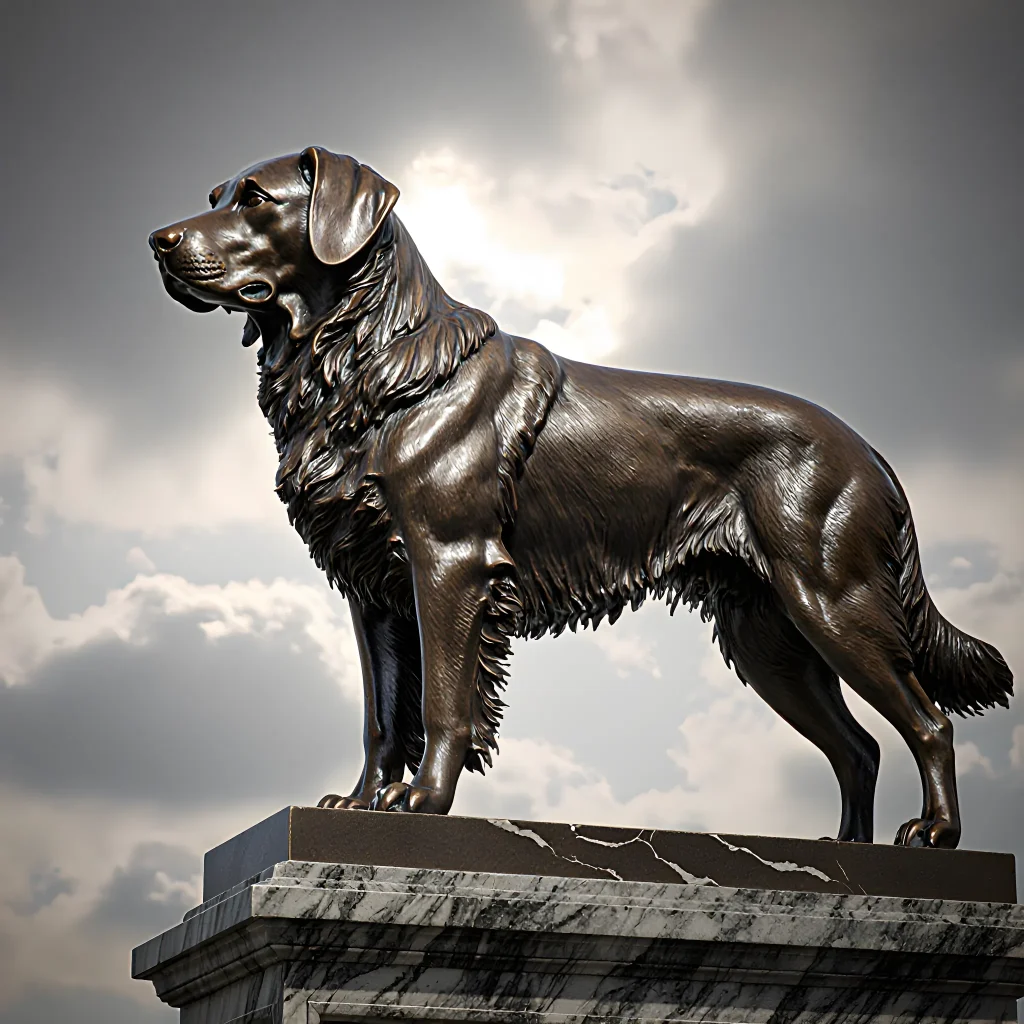
Dog Monument (Saint Petersburg, Russia)

Carved from granite in the 19th century, this monument honors the loyalty of a Siberian Husky. Conservationists use micro‑sculpting techniques to repair small fractures while preserving original patina.

Monument to the Dog of San Francisco (USA)

Located in Golden Gate Park, this bronze statue depicts a golden retriever. It is part of a community stewardship program that includes monthly volunteer clean‑ups and a digital monitoring dashboard.

How Visitors Can Help

  • Respect the rules—never touch or climb on the monuments.
  • Report any visible damage (cracks, graffiti) to park authorities or conservation staff.
  • Participate in scheduled volunteer events or sign up for newsletters that provide updates on preservation projects.

By combining professional expertise with community engagement, we can ensure that these dog monuments endure for future generations. Whether you’re a history buff, an art lover, or simply someone who loves dogs, there’s always a way to contribute to their conservation.

Planning Your Visit: Timing and Weather Considerations

When it comes to visiting dog statues and monuments, the experience can vary dramatically depending on when you go and what the weather is like. Below are practical tips, seasonal insights, and real‑world examples to help you make the most of your trip.

1. Know the Peak Seasons for Each Site

  • Dog Statue of Liberty (New York City): The statue is located on Liberty Island, a popular tourist destination.
    • Peak season: Late spring to early fall (May–September). Expect larger crowds and longer lines for ferry tickets.
    • Off‑season: November–April. Fewer visitors, but check that the ferry service is still running; some routes reduce frequency during winter.
  • The Dog Memorial (Chicago): Situated in Grant Park near the Museum of Science & Industry.
    • Peak season: June–August. The park hosts several outdoor festivals, so plan for extra foot traffic.
    • Off‑season: September–May. Ideal for a quiet stroll; the park is less crowded and offers lush autumn foliage in late fall.
  • Canine Heroes Statue (London): Located on the South Bank, close to the Thames.
    • Peak season: May–September. The area is bustling with tourists and river cruises.
    • Off‑season: October–April. Early mornings or late afternoons are best for a relaxed visit; be prepared for occasional rain showers.

2. Weather‑Based Planning Tips

  • Summer (June–August): High temperatures and humidity can make walking long distances tiring.
    • Wear light, breathable clothing.
    • Carry a reusable water bottle; many parks have drinking fountains.
    • Use sunscreen with SPF 30+ and reapply every two hours.
  • Autumn (September–November): Cooler temperatures are perfect for extended walks, but be ready for sudden rain showers.
    • Pack a lightweight waterproof jacket or umbrella.
    • Check the forecast two days ahead; many sites open earlier in autumn to take advantage of shorter daylight hours.
  • Winter (December–February): Cold winds and occasional snow can reduce visibility.
    • Dress in layers; a windbreaker is essential for waterfront sites like the Dog Statue of Liberty.
    • Wear waterproof footwear if you anticipate slush or wet grass.
    • Verify opening hours—some monuments close earlier during winter holidays.
  • Spring (March–May): Mild weather but unpredictable rain.
    • Carry a compact umbrella and consider wearing waterproof sneakers.
    • Enjoy the blooming flowers around parks; many statues are surrounded by new greenery, creating a pleasant atmosphere.

3. Timing Your Visit for Optimal Experience

  1. Arrive Early: Most monuments open between 9:00 AM and 10:00 AM. Arriving within the first hour often means fewer crowds and better photo opportunities.
  2. Midday Breaks: In hot summer months, plan a midday break in a shaded area or nearby café to avoid heat exhaustion.
  3. Late Afternoon/Evening: Sunset provides dramatic lighting for photos. Many parks offer evening light shows (e.g., the Dog Statue of Liberty’s “Lights & Music” event). Check schedules ahead of time.

4. Practical Examples: How to Plan Your Day

Example 1: Visiting the Dog Statue of Liberty in July.

  • Check ferry schedule (ferries depart every 30 minutes from Battery Park).
  • Book a ticket for 9:30 AM to avoid peak crowds.
  • Wear a wide-brimmed hat, sunglasses, and light cotton clothing.
  • Carry an insulated water bottle and snacks (nuts or granola bars).
  • Plan a lunch break at the island’s café around noon; the island is closed after 6:00 PM.

Example 2: Visiting the Canine Heroes Statue in London during November.

  • Check for any seasonal closures (the statue is typically open daily from 10:00 AM to 5:30 PM).
  • Wear a waterproof jacket and comfortable walking shoes.
  • Take advantage of the shorter daylight by arriving at 11:00 AM, allowing you to see the statue in both natural light and evening illumination.
  • Enjoy a coffee from a nearby café before heading back to your accommodation.

5. Final Checklist Before You Go

  • Weather App/Forecast: Download a reliable local weather app for real‑time updates.
  • Transportation Passes: For places like Liberty Island, consider purchasing an all‑access pass to skip the line.
  • Photography Gear: Bring a compact camera or smartphone with a good zoom; many monuments are photo‑friendly but crowds can obstruct shots.
  • Health & Safety: Pack a small first aid kit, especially if you’re traveling with pets. Remember that some monuments have strict no‑pets policies—verify before you go.
  • Respect the Site: Follow all posted guidelines—stay on designated paths, avoid touching or climbing the statues, and keep noise levels down to preserve the tranquil atmosphere for other visitors.

By aligning your visit with the right season, weather conditions, and timing strategies, you’ll enjoy a memorable experience exploring these iconic dog monuments while staying comfortable and safe.

Conclusion: The Enduring Legacy of Dogs in Art

From the earliest cave paintings to contemporary sculpture, dogs have been a staple of artistic expression worldwide. Their unwavering companionship, diverse breeds, and symbolic meanings have inspired artists across cultures to immortalize them in stone, bronze, marble, and even digital media. Below we explore how these canine masterpieces continue to shape our cultural landscape, with practical tips for visiting the most iconic dog statues and monuments around the globe.

Why Dogs Keep Capturing Artistic Imagination

  • Symbolism: In many traditions dogs represent loyalty, protection, and guardianship. Artists use them to convey themes of fidelity or to serve as spiritual guides in mythological narratives.
  • Diversity of Forms: From the regal spaniel in Renaissance portraits to the stoic Akita in Japanese ukiyo‑e prints, each breed offers unique visual language that artists can exploit for character and mood.
  • Cultural Universality: Dogs are found on every continent; their presence bridges gaps between different artistic movements and provides a common reference point for audiences worldwide.

Key Dog Statues and Monuments Worth Visiting

  1. The Dog Statue (Doggie) – New York City, USA

    Located in the heart of Manhattan’s “Central Park,” this bronze sculpture by artist Mary Johnson captures a playful pup mid‑jump. It serves as a popular photo spot and often hosts community dog‑walking events.

  2. The Guardian Dog – Kyoto, Japan

    This stone guardian from the Heian period sits at the entrance of Kiyomizu‑dera Temple. The meticulous carving showcases the breed’s stoic expression and is considered a prime example of Japanese temple architecture’s integration with nature.

  3. La Perro de la Libertad – Mexico City, Mexico

    A monumental bronze sculpture by Carlos Rodríguez, it stands in the Plaza de la Revolución. The piece symbolizes freedom and resilience, echoing the Mexican Revolution’s themes.

  4. Dog on a Rock – London, UK

    This whimsical marble statue by Sir Harold P. Brown is situated in Greenwich Park. Its playful pose invites visitors to reflect on the lighter side of human‑dog relationships.

  5. The Dog and the Hound – Rio de Janeiro, Brazil

    Located at the base of Sugarloaf Mountain, this bronze monument by Maria Silva celebrates Brazil’s indigenous dog breeds. It is a favorite for sunrise photography sessions.

Practical Tips for Visiting Dog Statues and Monuments

  • Check Local Regulations: Some monuments prohibit pets or require leashes. Always verify before bringing your own dog.
  • Plan Your Timing: Early mornings or late afternoons provide softer light for photography, while avoiding crowds.
  • Use QR Codes and Audio Guides: Many museums now offer multilingual audio tours that explain the historical context of each statue.
  • Respect Conservation Efforts: Avoid touching sculptures unless explicitly permitted; use a camera or phone for close-up shots.
  • Engage with Local Communities: Attend guided walks, dog‑friendly festivals, or art workshops to deepen your appreciation of canine artistry.

Conclusion

The legacy of dogs in art is as enduring as the animals themselves. Their presence across centuries and continents underscores a universal narrative: humans and canines share an unbreakable bond that continues to inspire creativity, reverence, and joy. Whether you’re strolling through Central Park or gazing at a stone guardian in Kyoto, each statue invites you to reflect on this timeless partnership.

FAQ: Frequently Asked Questions About Dog Statues

  • What are dog statues?

    Dog statues are three‑dimensional sculptures that depict dogs in various poses, styles, and materials—bronze, marble, stone, or even recycled metal. They can range from realistic portraits to stylized abstract forms.

  • Where can I find notable dog statues?
    • The Dog Statue of the Smithsonian National Zoo (Washington, D.C.) – a bronze sculpture that honors canine companions in the park’s “Canine Conservation” exhibit.
    • La Perro de la Calle (Barcelona) – an iron statue located near La Rambla celebrating street dogs that roam the city.
    • The Dog Memorial at Westminster Abbey (London) – a marble memorial dedicated to the loyal pets of the royal family.
  • What materials are most common for dog statues?

    Bronze and bronze‑alloy pieces are favored for their durability and classic finish. Marble offers a refined, timeless look but is heavier and more fragile. Stone (granite or limestone) provides ruggedness suitable for outdoor settings. For modern installations, recycled metal or composite resin can be used to create vibrant colors.

  • How do I care for an outdoor dog statue?
    1. Inspect yearly for cracks or loose joints and seal any gaps with a marine‑grade epoxy.
    2. Clean gently using a soft brush and mild soap; avoid harsh chemicals that can etch the surface.
    3. Apply a protective wax coat every 6–12 months to prevent oxidation on bronze or weathering on stone.
  • Can I commission a custom dog statue?

    Yes! Many sculptors accept commissions. Provide clear reference photos, decide on material and size, and discuss the finish (polished, patinated, or painted). Keep in mind that bronze casting can take several weeks to months.

  • What is the typical cost range for a dog statue?
    • Small cast‑bronze statues: $500–$1,200
    • Mid‑size marble or stone pieces: $2,000–$5,000
    • Large custom bronze works (over 6 ft): $10,000–$30,000+
  • How can I incorporate a dog statue into my garden?
    1. Select a location with good visibility and enough space for the statue’s footprint.
    2. Use complementary plantings—soft grass or low hedges—to highlight the sculpture without obscuring it.
    3. Add subtle lighting (e.g., solar LED uplights) to showcase details after sunset.
  • Are there any legal restrictions on placing a dog statue outdoors?

    Check local zoning ordinances and homeowners’ association rules. Some municipalities require permits for large public art installations, especially if they are placed on private property visible from the street.

  • What makes a dog statue historically significant?

    A statue’s significance often stems from its artist, cultural context, or the story it commemorates. For instance, “La Perro de la Calle” reflects Barcelona’s social history of stray dogs, while the Westminster Abbey memorial symbolizes the royal family’s reverence for pets.

  • Where can I learn more about dog statues and monuments?

Categories

Products

  • Henbari Broiler Counter Feed COUNTER BROILER FEED
    Rated 0 out of 5
    Price range: ₹1,199.00 through ₹1,299.00
  • Henbari Pig Lactating Feed LACTATING PIG FEED
    Rated 0 out of 5
    Original price was: ₹2,299.00.Current price is: ₹1,740.00.
  • Henbari Pre Starter Broiler Feed Pre Starter Broiler Feed
    Rated 0 out of 5
    Price range: ₹2,399.00 through ₹2,499.00
  • Henbari Pig Finisher Feed FINISHER PIG FEED
    Rated 0 out of 5
    Original price was: ₹2,299.00.Current price is: ₹1,749.00.
  • Henbari Broiler Finisher Feed FINISHER BROILER FEED
    Rated 0 out of 5
    Price range: ₹2,199.00 through ₹2,299.00
  • Farm Fresh Eggs Farm Fresh Eggs
    Rated 0 out of 5
    Price range: ₹10.00 through ₹15.00
  • Henbari Soya DOC Soya Doc (Soyabean Meal)
    Rated 0 out of 5
    Price range: ₹2,449.00 through ₹2,699.00
  • Henbari Pig Gestation Feed Phase 1 GESTATION PIG FEED (Phase 1)
    Rated 0 out of 5
    Original price was: ₹2,249.00.Current price is: ₹1,699.00.
  • Henbari Organic Maize Maize
    Rated 0 out of 5
    Original price was: ₹1,650.00.Current price is: ₹1,300.00.
  • Henbari Country Bird Finisher Feed FINISHER COUNTRY FEED
    Rated 0 out of 5
    Price range: ₹1,599.00 through ₹1,699.00
Shopping Cart
Scroll to Top






