
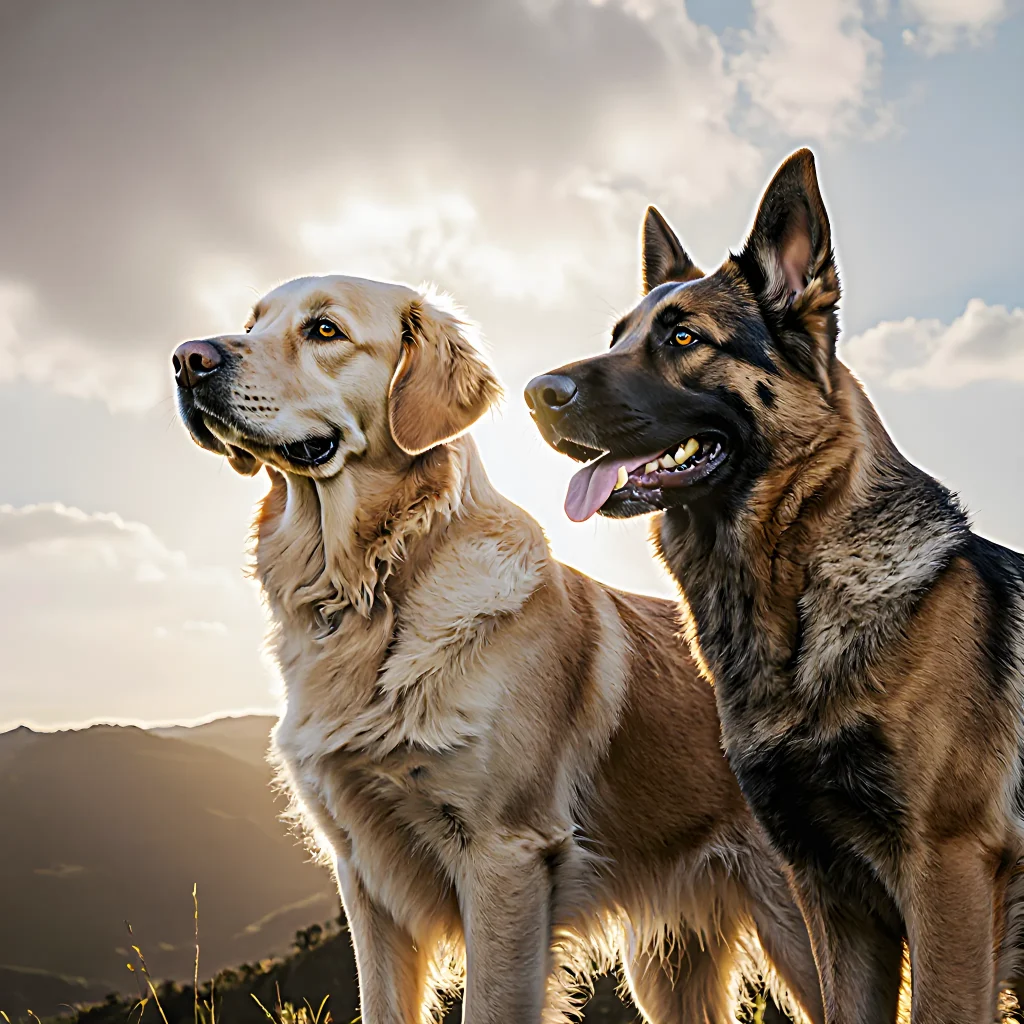
Meet Your Loyal Sidekick
Heroic Hounds: Top Service Dogs You’ll Love
Table of Contents
- Introduction
- What Makes a Good Service Dog?
- Border Collie
- German Shepherd
- Golden Retriever
- Labrador Retriever
- Australian Shepherd
- Poodle (Standard)
- Bernese Mountain Dog
- Bichon Frise
- English Bulldog
- Mixed‑Breed Options
- Training Tips & Resources
- Conclusion
- FAQ
Introduction
Choosing the right breed is a crucial step in creating an effective and reliable service dog. While many breeds can excel with proper training, certain characteristics—such as temperament, trainability, size, and health profile—make some breeds stand out as top choices for various types of service work.
1. Labrador Retriever
- Why they shine: Friendly disposition, high intelligence, and a natural eagerness to please make Labradors one of the most popular service dog breeds.
- Ideal roles: Guide dogs for the visually impaired, hearing assistance dogs, mobility support, and even emotional support in psychiatric settings.
- Practical tips:
- Start socialization early—expose them to varied environments, sounds, and people before 12 weeks.
- Use positive reinforcement with treats or toys; Labradors respond well to reward-based training.
- Keep grooming routine simple: weekly brushing, monthly baths, and regular ear cleaning to prevent infections.
2. Golden Retriever
- Why they shine: Similar to Labradors in temperament but with slightly more patience, making them excellent for patients needing calm companionship.
- Ideal roles: Hearing dogs, psychiatric service dogs, and assistive therapy animals.
- Practical tips:
- Incorporate obedience training with fun games—this keeps them engaged.
- Monitor weight; Goldens can be prone to obesity if overfed.
- Regular ear and eye cleaning prevents moisture-related issues.
3. German Shepherd
- Why they shine: High energy, excellent scenting ability, and a strong protective instinct make them ideal for mobility assistance and safety roles.
- Ideal roles: Mobility dogs that help with stair climbing or balance, as well as security-oriented service tasks in certain settings.
- Practical tips:
- Provide consistent daily exercise—30–60 minutes of brisk walks or play sessions.
- Use structured training modules; they thrive on clear hierarchy and routine.
- Watch for hip dysplasia—regular veterinary check-ups and weight control are essential.
4. Bernese Mountain Dog
- Why they shine: Gentle, patient, and large enough to assist with heavy mobility tasks.
- Ideal roles: Mobility assistance for patients who require a larger dog to help lift or support them during transfers.
- Practical tips:
- Ensure they are not overworked—Berners can tire quickly due to their size.
- Maintain coat care with regular brushing, especially during shedding season.
- Monitor for back issues; give them a supportive collar or harness if needed.
5. Boxer
- Why they shine: Energetic, loyal, and highly trainable with strong protective instincts.
- Ideal roles: Mobility assistance for patients who need a dog that can handle both indoor and outdoor tasks.
- Practical tips:
- Early socialization is critical to keep them friendly around strangers.
- Use consistent cue words; Boxers respond well to clear, firm commands.
- Check for heart issues—regular vet visits are a must.
6. Border Collie (for specialized tasks)
- Why they shine: Exceptional intelligence and problem‑solving skills make them suitable for highly technical service roles.
- Ideal roles: Advanced mobility assistance, search-and-rescue support in therapeutic contexts, or as a "smart" assistant that can learn complex cues.
- Practical tips:
- Provide mental stimulation daily—puzzle toys, scent work, and advanced obedience drills.
- They require high exercise levels; plan multiple walks or runs per day.
- Monitor for eye conditions common in Collies (e.g., progressive retinal atrophy).
Choosing the Right Breed: A Quick Checklist
- Assess the client’s needs: mobility, hearing, psychiatric support, or specialized tasks.
- Consider size and strength: larger breeds for heavy lifting; smaller for indoor work.
- Check health history: breed‑specific predispositions (hip dysplasia, heart issues).
- Evaluate temperament: calm vs. energetic, protective instincts vs. gentle.
- Plan training resources: availability of professional trainers, time commitment, and budget.
By aligning these factors with the inherent strengths of each breed, you can select a service dog that not only excels in its role but also brings joy and companionship to its handler. Remember, every dog is an individual—while breed traits provide guidance, personalized assessment and ongoing training are key to success.
What Makes a Good Service Dog?
A service dog’s effectiveness hinges on a combination of temperament, intelligence, physical ability, and trainability. When choosing the right breed, consider how these traits align with the specific tasks the dog will perform.
Key Qualities for Service Dogs
- Calm & Controlled: A steady demeanor in varied environments is essential to prevent distractions during critical moments.
- High Trainability: Quick learning and the ability to follow complex commands reliably are non‑negotiable.
- Good Size & Strength: Depending on tasks (e.g., mobility assistance vs. medical alerting), a dog’s physique must match functional demands.
- Loyalty & Focus: A strong bond with the handler and unwavering attention to duties keep service dogs dependable.
- Health & Longevity: Robust health reduces training interruptions and extends the dog’s working life.
Best Breeds for Service Dog Work
While many breeds can excel, certain lines are consistently favored by service‑dog organizations because of their innate attributes. Below is a quick guide to some top performers:
| Breed | Primary Tasks | Notable Strengths | Considerations |
|---|---|---|---|
| Labrador Retriever | Mobility assistance, medical alerting, search & rescue | Friendly temperament, high intelligence, strong swimming ability | Requires regular grooming; can be prone to obesity if not exercised |
| Golden Retriever | Mobility assistance, emotional support, therapy work | Patient, gentle, excellent with children and seniors | High shedding; needs consistent mental stimulation |
| German Shepherd | Security, medical alerting, complex task execution | Sturdy build, protective instincts, strong work ethic | Can be wary of strangers; requires firm leadership |
| Border Collie | Medical alerting (especially for seizures), agility training | Exceptional intelligence, quick reflexes, high energy | Needs intensive daily exercise; may become bored easily |
| Belgian Malinois | Security, police work, complex service tasks | High stamina, acute senses, strong protective drive | Intense training required; may be too dominant for some handlers |
| Australian Shepherd | Mobility assistance, agility, task versatility | Smart, eager to please, excellent at problem solving | High energy; needs structured environment |
Practical Tips for Selecting and Training Your Service Dog
- Start Early: Begin training when the dog is a puppy (6–12 weeks). Early socialization reduces future behavioral issues.
- Choose a Reputable Breeder or Rescue: Look for health screenings, temperament tests, and transparent lineage records.
- Invest in Professional Training: Certified trainers use positive reinforcement techniques tailored to service‑dog tasks.
- Regular Health Checks: Annual vet visits, dental care, and parasite prevention keep the dog fit for work.
- Document Progress: Keep a training log—notes on milestones, setbacks, and handler feedback help refine strategies.
Ultimately, the best service‑dog breed is one that matches both the functional demands of the job and the handler’s lifestyle. By prioritizing temperament, trainability, and health, you’ll give your canine partner—and yourself—every chance to succeed.
Border Collie
The Border Collie’s combination of intelligence, trainability, and physical stamina makes it a top contender for many service‑dog roles. While they are often celebrated as herding dogs, their natural work ethic extends well beyond the pasture.
Key Traits That Match Service‑Dog Needs
- High Intelligence (top 5% of all breeds): Border Collies can learn complex commands in a matter of days and retain them for life, which is essential when a service dog must respond reliably under pressure.
- Strong Work Ethic: They thrive on having a job. This drive translates into consistent performance as an assistance dog, whether guiding the visually impaired or providing mobility support.
- Excellent Focus and Attention Span: Their ability to stay engaged for long periods is crucial during lengthy appointments or in noisy public spaces.
- Adaptability: Border Collies adjust quickly to new environments, making them suitable for various service contexts—hospital visits, school settings, or urban commuting.
Common Service‑Dog Roles Suited to Border Collies
- Guide Dogs for the Visually Impaired: Their alertness to obstacles and quick reaction times help prevent accidents. Example: a Border Collie trained to pause at curbs and signal doorways.
- Mobility Assistance Dogs: They can be taught to retrieve items, open doors, or provide balance support during walking on uneven terrain.
- Medical Alert Dogs: Their keen sense of smell and strong bond with owners make them ideal for detecting low blood sugar levels or seizures.
- Mental Health Support Dogs: Their calm demeanor can reduce anxiety in patients dealing with PTSD, autism spectrum disorders, or depression.
Training Tips Specific to Border Collies
Use Positive Reinforcement: Reward-based training works best. Treats, praise, and play are more effective than punishment, which can trigger anxiety in high‑energy dogs.
Incorporate Mental Challenges: Puzzle toys or scent work keeps their minds engaged and reduces boredom—a common issue for intelligent breeds.
Consistent Routine: Border Collies excel with a predictable schedule. Structure training sessions, daily walks, and rest periods to maintain balance between activity and recovery.
Health Considerations for Service‑Ready Border Collies
- Hip Dysplasia Screening: Regular veterinary checks help prevent mobility issues that could compromise a service dog's effectiveness.
- Eye Care: Cataracts and progressive retinal atrophy are breed‑specific; routine eye exams ensure early detection.
- Nutrition for High Energy Levels: A balanced diet rich in omega‑3 fatty acids supports joint health and cognitive function.
Choosing the Right Border Collie for Service Work
- Look for a calm temperament mixed with a high drive to work.
- Assess their ability to focus in distracting environments—use a “busy” training area to test responsiveness.
- Verify health clearances: hip, eye, and overall fitness tests should be up‑to‑date before beginning intensive service training.
When properly selected and trained, Border Collies can become dependable partners in a wide array of service‑dog roles, offering both functional support and emotional companionship to their human teammates.
German Shepherd
If you’re considering a German Shepherd as your next companion, it’s helpful to know how this breed stacks up against other top choices in the service‑dog world. Below is an expanded look at why the German Shepherd is often favored, alongside other breeds that excel in various service roles.
Why the German Shepherd Stands Out
- Intelligence & Trainability: Ranked among the top five smartest dogs, they learn commands quickly and adapt to new tasks with minimal repetition.
- Versatility: From guiding the visually impaired to detecting medical conditions, German Shepherds can perform a wide array of duties.
- Physical Strength & Endurance: Their muscular build allows them to support patients who need mobility assistance without tiring easily.
- Loyalty & Temperament: They form strong bonds with owners and exhibit calmness in stressful situations—essential for service work.
Other Top Breeds for Service Dog Work
| Breed | Ideal Service Role | Key Strengths | Training Tips |
|---|---|---|---|
| Golden Retriever | Guide dogs, therapy dogs, search & rescue | Friendly nature, strong scenting ability, high energy level | Positive reinforcement; consistent daily training sessions |
| Labrador Retriever | Guide dogs, detection (drug/alarm), medical alert | Excellent scent work, gentle temperament, good stamina | Use scent-based games; reward with treats and praise |
| Border Collie | Detection dogs (medical, explosives), agility training | High intelligence, quick learning, strong work drive | Incorporate mental challenges; avoid overexertion |
| Poodle (Standard) | Guide dogs, therapy, special needs assistance | Hypoallergenic coat, smart & trainable, moderate energy | Start early; use consistent cues and socialization |
| Belgian Malinois | Police, military, detection (medical) | High agility, strong protective instincts, excellent scenting | Structured training; plenty of mental and physical exercise |
Practical Tips for Training a Service Dog
- Start Early: Begin obedience training as soon as the puppy is socialized, focusing on basic commands like sit, stay, and heel.
- Consistent Routine: Establish predictable daily schedules—feeding, exercise, training—to reduce anxiety.
- Use Positive Reinforcement: Reward desired behaviors with treats, praise, or play; avoid punishment to maintain trust.
- Gradual Exposure: Introduce your dog to varied environments (crowded streets, quiet parks) to build confidence.
- Professional Guidance: Consider enrolling in a certified service‑dog training program or hiring an experienced trainer for specialized tasks.
Case Study: German Shepherd as a Mobility Assistance Dog
Meet “Max,” a 2‑year‑old German Shepherd trained to assist a wheelchair user. Max’s routine involves:
- Daily Check‑Ins: He verifies that the chair is securely locked before each outing.
- Obstacle Navigation: Max clears pathways and signals upcoming steps with gentle nudges.
- Emergency Alerts: Trained to bark when a fall or sudden pain occurs, ensuring immediate help.
Max’s success showcases how the breed’s intelligence, strength, and calm demeanor combine for reliable assistance in real‑world scenarios.
Choosing the Right Breed for You
When selecting a service dog, consider:
- Your Lifestyle: Active vs. sedentary; urban vs. rural environments.
- Specific Needs: Mobility assistance, medical alert, emotional support.
- Training Commitment: Time and resources for ongoing training and care.
The German Shepherd often meets all these criteria, but reviewing the table above can help you match a breed’s strengths to your personal requirements.
Golden Retriever
The Golden Retriever is often celebrated as a gentle, intelligent companion, but when it comes to formal service dog work, certain breeds tend to excel because of their temperament, trainability, and physical attributes. Below is an in‑depth look at the top breeds that consistently perform well in various service roles, with practical tips on selection, training, and care.
1. Labrador Retriever
- Key Traits: Friendly, highly trainable, strong work ethic.
- Common Roles: Mobility assistance, psychiatric support, search & rescue.
- Training Tips:
- Start obedience training by 8–12 weeks; keep sessions short and positive.
- Use high‑value treats (e.g., chicken jerky) to reinforce tasks like retrieving a cane or opening doors.
- Gradually introduce real‑world distractions: traffic noises, crowds, petting by strangers.
2. German Shepherd
- Key Traits: Intelligent, protective instincts, excellent memory.
- Common Roles: Mobility assistance for individuals with severe disabilities, PTSD support, guide work.
- Training Tips:
- Focus on impulse control; use “stay” and “wait” commands before tasks.
- Incorporate “heel” training in varied environments to maintain close proximity during mobility assistance.
- Regularly practice scent discrimination drills for those requiring heightened sensory support.
3. Bernese Mountain Dog
- Key Traits: Gentle, patient, strong build.
- Common Roles: Mobility assistance for individuals with limited upper‑body strength.
- Training Tips:
- Use weighted objects (e.g., a small backpack) to teach carrying and lifting skills.
- Practice “tug” tasks for pulling wheelchairs or carts.
- Ensure adequate exercise to prevent hip dysplasia, which can impede mobility work.
4. Boxer
- Key Traits: Energetic, fearless, highly trainable.
- Common Roles: Mobility assistance for people with high energy needs or those requiring a more robust dog to handle rough terrain.
- Training Tips:
- Incorporate obstacle courses to build agility and confidence.
- Teach “push” commands for opening doors, gates, and other obstacles.
- Use a harness instead of a collar during training to reduce strain on the neck.
5. Poodle (Standard or Miniature)
- Key Traits: Highly intelligent, hypoallergenic coat, adaptable.
- Common Roles: Psychiatric support, mobility assistance for individuals with allergies.
- Training Tips:
- Focus on scent‑work tasks to help clients with sensory processing disorders.
- Teach “alert” cues for anxiety or panic attacks (e.g., gentle nudges, vocal alerts).
- Maintain regular grooming sessions; a clean coat prevents skin irritations in sensitive users.
Practical Advice for Selecting and Caring for Your Service Dog
- Breed Compatibility: Match the dog's temperament with your specific needs. For example, a high‑energy person may benefit from a Boxer or Labrador, while someone needing gentle companionship might choose a Golden Retriever or Poodle.
- Early Socialization: Expose puppies to diverse environments—busy streets, parks, public transportation—to build confidence and reduce fear responses.
- Professional Training Programs: Enroll in certified service‑dog training schools that specialize in your required tasks. These programs provide structured curricula and real‑world scenario practice.
- Health Screening: Regular veterinary checkups, vaccinations, and genetic testing (e.g., hip dysplasia panels for German Shepherds) ensure long‑term reliability.
- Nutrition & Exercise: Feed a balanced diet tailored to the dog's activity level. High‑intensity training days warrant more calories; rest days require moderation.
Choosing the right breed is just the first step—commitment to ongoing training, health care, and social support will ensure your service dog becomes a dependable partner for life.
Labrador Retriever
Labrador Retrievers are often hailed as one of the most reliable and versatile breeds for service dog work. Their combination of friendly temperament, high trainability, and physical robustness makes them ideal candidates for a wide range of tasks—from guiding visually impaired individuals to providing emotional support in therapeutic settings.
- Temperament: Naturally calm, patient, and eager to please. This helps them remain focused even in distracting environments.
- Intelligence & Trainability: Ranked among the top five smartest breeds, Labradors learn new commands quickly and retain them well.
- Physical Stamina: Their strong build allows them to work for extended periods without fatigue, essential for tasks like mobility assistance or search‑and‑rescue missions.
- Affectionate Nature: They thrive on human interaction, which is vital for therapeutic and emotional support roles.
Common Service Dog Roles for Labradors
- Guide Dogs: Their excellent vision and gentle approach make them perfect guides for visually impaired owners.
- Mobility Assistance: They can pull carts, open doors, or provide balance support during walking.
- Medical Alert Dogs: Labradors can detect changes in heart rate or scent cues indicating seizures or diabetic lows.
- Therapeutic & Emotional Support Dogs: Their calm presence helps reduce anxiety and depression for patients in hospitals, nursing homes, or disaster areas.
Practical Training Tips for Prospective Labradors
- Start Early: Begin basic obedience at 8–12 weeks. Consistency is key—short, positive sessions keep them engaged.
- Use Positive Reinforcement: Reward-based training (treats, praise, play) yields faster learning and stronger bonds.
- Socialize Thoroughly: Expose them to various environments—crowded streets, elevators, trains—to build confidence.
- Incorporate Task-Specific Drills: Simulate real-life scenarios (e.g., pulling a weighted cart, detecting scent markers) early in training.
- Work with Certified Trainers: Partner with organizations like the National Service Dog Registry to ensure standards are met.
Health & Maintenance for Long-Lasting Performance
Labradors tend to be prone to hip dysplasia and obesity. Maintain a balanced diet, regular vet check-ups, and routine exercise (30–45 minutes daily) to keep them in peak condition. Dental care is also crucial—regular brushing prevents infections that could compromise their ability to perform tasks.
Success Stories
- “Buddy”: A Labrador who guides a blind veteran across busy city streets, demonstrating precise obedience and calmness under pressure.
- “Maya”: Works as a medical alert dog for a diabetic patient in an assisted living facility, reliably detecting low glucose levels with seconds to spare.
In summary, Labrador Retrievers combine the right blend of temperament, intelligence, and physical capability to excel in many service dog roles. With proper early training, ongoing socialization, and attentive health care, they can become invaluable partners for individuals needing assistance or comfort.
Australian Shepherd
The Australian Shepherd (often shortened to “Aussie”) is a highly intelligent, trainable, and energetic breed that consistently ranks among the top choices for service dog work. Their natural herding instincts, combined with a strong desire to please, make them ideal partners for individuals who need assistance with mobility, vision loss, or neurological conditions.
Key Traits That Make Aussies Exceptional Service Dogs
- High Trainability: Aussies learn commands quickly and retain complex instructions, which is essential when a service dog must respond to subtle cues in unpredictable environments.
- Strong Work Ethic: Their herding background gives them an innate drive to stay focused on tasks, even amid distractions.
- Good Temperament: They are typically calm, patient, and affectionate—qualities that help them remain steady when their handler is under stress.
- Versatile Size: Medium build (45–65 lbs) allows for a balance between agility and stability, making it easier to navigate stairs, uneven terrain, or crowded spaces.
Practical Training Tips for Australian Shepherd Service Dogs
- Start Early: Begin basic obedience training at 8–12 weeks. Use positive reinforcement—treats, praise, and play—to build a strong bond.
- Socialization: Expose the puppy to various environments (parks, city streets, airports) to reduce fear of new stimuli. Arrange controlled encounters with other dogs, people wearing glasses, or hearing aids.
- Structured Routine: Consistency is key for service dogs. Create a predictable daily schedule: feeding, exercise, training sessions, and rest periods.
- Advanced Commands: Teach “Sit,” “Stay,” “Heel,” “Come,” and “Leave it.” Then progress to specialized tasks such as “Retrieve,” “Open doors,” or “Alert to low blood sugar.”
- Use of Assistive Equipment: Train the dog to work with devices like a cane, guide wheel, or alert band. Practice moving in tandem so the handler can rely on the dog’s positioning.
Example Training Scenario: Alerting for Hypoglycemia
Goal: The Aussie learns to detect a drop in blood glucose and notify the handler by nudging or pawing.
- Conditioning Phase: Use a scent marker (e.g., a vial of glucose solution) associated with low blood sugar. Pair the scent with a gentle touch on the dog's chest.
- Response Training: When the handler presents the scent, reward the dog for touching or nudging. Gradually replace the scent with an actual physiological cue (e.g., slight trembling in the handler’s wrist).
- Generalization: Practice in different rooms and during walks to ensure the dog responds reliably regardless of context.
Health & Maintenance Considerations
- Exercise Needs: Aussies require 60–90 minutes of vigorous activity daily. Incorporate agility drills, long walks, and interactive play to keep them mentally stimulated.
- Grooming: Brush 2–3 times per week to manage shedding. Trim nails regularly and clean ears to prevent infections.
- Regular Vet Checks: Schedule annual wellness exams, dental care, and vaccinations. Early detection of hip dysplasia or eye issues can preserve the dog’s ability to work.
Success Stories
Meet Milo, an Australian Shepherd who helped a visually impaired man navigate downtown with confidence. Milo was trained to stop at crosswalks, guide through busy intersections, and alert his owner when a step or curb appeared.
Another example is Luna, who assisted a woman with multiple sclerosis in managing daily tasks—opening doors, fetching items, and providing balance support during her episodes.
Choosing the Right Breeder or Rescue
- Health Testing: Ensure the breeder tests for hip dysplasia, eye conditions, and genetic markers common to Aussies.
- Temperament Screening: Ask for a temperament assessment to confirm suitability for service work.
- Training Support: Opt for breeders or rescue programs that provide initial training or referrals to certified trainers specializing in service dogs.
With the right foundation, an Australian Shepherd can become an indispensable partner—providing safety, independence, and companionship for their human companions.
Poodle (Standard)
When selecting a dog for service work, owners and trainers typically look for a combination of temperament, trainability, size, and physical endurance. Below is a list of breeds that consistently perform well in various service roles, along with practical tips on how to evaluate each one.
1. Labrador Retriever
- Why they excel: Friendly, high energy, and incredibly trainable.
- Typical roles: Mobility assistance, psychiatric support, medical alert.
- Training tip: Start with basic obedience at 8–10 weeks old; use positive reinforcement and short, frequent sessions.
2. Golden Retriever
- Why they excel: Gentle disposition, strong work ethic, good scent tracking.
- Typical roles: Mobility assistance, PTSD support, medical alert.
- Training tip: Pair training with regular socialization events to reinforce calmness in crowds.
3. German Shepherd
- Why they excel: Protective instincts, high intelligence, and strong physical presence.
- Typical roles: Security assistance, mobility support, search & rescue.
- Training tip: Use structured training programs; focus on recall and impulse control early.
4. Bernese Mountain Dog
- Why they excel: Calm, patient, and highly adaptable to different environments.
- Typical roles: Mobility assistance for elderly, medical alert in low‑visibility settings.
- Training tip: Incorporate gentle handling exercises; avoid excessive exercise on hot days due to their thick coat.
5. Australian Shepherd
- Why they excel: High energy, excellent at following complex cues, and strong endurance.
- Typical roles: Mobility assistance, psychiatric support, search & rescue.
- Training tip: Provide mental stimulation through agility or scent work to prevent boredom.
6. Poodle (Standard)
- Why they excel: Low-shedding coat, high intelligence, and strong obedience instinct.
- Typical roles: Mobility assistance, psychiatric support, medical alert for allergies or asthma.
- Training tip: Use a consistent cue system; incorporate “stay” drills in varied environments to build focus.
7. Boxer
- Why they excel: Robust, protective nature, and quick learning ability.
- Typical roles: Security assistance, mobility support for high‑energy patients.
- Training tip: Balance physical training with calmness exercises; avoid overexertion during hot weather.
8. Border Collie
- Why they excel: Exceptional problem‑solving skills and high stamina.
- Typical roles: Search & rescue, psychiatric support, mobility assistance for active users.
- Training tip: Incorporate complex tasks early; provide plenty of mental stimulation to keep them engaged.
9. Flat‑Coated Retriever
- Why they excel: Friendly, adaptable, and easy to train.
- Typical roles: Mobility assistance, medical alert for allergies or asthma.
- Training tip: Use consistent rewards; ensure regular exercise to maintain stamina.
10. Vizsla
- Why they excel: Strong bond with owner, high endurance, and good scenting ability.
- Typical roles: Mobility assistance for active individuals, psychiatric support.
- Training tip: Start training early; incorporate scent work to channel their natural instincts.
Choosing the Right Breed
- Assess your lifestyle: Consider how much time you can dedicate to training, exercise, and socialization.
- Match temperament to role: A calmer breed may suit psychiatric support, while a high‑energy dog could be ideal for mobility assistance.
- Consult professionals: Talk to certified service dog trainers or organizations that specialize in your desired role.
Regardless of breed, the success of a service dog hinges on early socialization, consistent training, and ongoing support. By selecting a breed that aligns with your needs and investing time into their development, you’ll be well‑positioned to build a strong partnership that benefits both you and your canine companion.
Bernese Mountain Dog
The world of service dogs is vast and diverse, with many breeds excelling in different roles. While breeds like the Labrador Retriever, Golden Retriever, and German Shepherd often dominate headlines, the **Bernese Mountain Dog** offers a unique combination of temperament, intelligence, and physical capability that makes it an excellent candidate for certain types of service work.
Key Traits That Make Bernese Mountain Dogs Ideal Service Dogs
- Gentle Temperament: Known for their calm and patient nature, they are less likely to become overstimulated in high‑pressure environments.
- Loyalty & Trainability: They form strong bonds with handlers and respond well to consistent training regimes.
- Physical Strength & Endurance: Their muscular build allows them to assist in mobility tasks, such as pulling or supporting individuals who need additional support during ambulation.
- Adaptability: Bernese Mountain Dogs can thrive in both rural and urban settings, making them versatile for various service roles.
Typical Service Roles Suited to Bernese Mountain Dogs
- Mobility Assistance: Their sturdy frame enables them to help patients with limited leg strength or balance issues. They can gently pull a cane, support a wheelchair, or provide a steady hand for walking.
- Therapeutic Companion: The breed’s calm disposition makes it perfect for therapy settings—visiting hospitals, nursing homes, and schools to reduce stress and promote emotional well‑being.
- Search & Rescue (in Mountainous Terrain): Their strong build and love of the outdoors make them natural candidates for search missions in rugged, alpine environments.
Training Tips Specific to Bernese Mountain Dogs
While their intelligence is a strength, they can also be stubborn if not motivated properly. Here are some proven strategies:
- Positive Reinforcement: Use high‑value treats (like chicken or cheese) and praise to reward desired behaviors.
- Consistent Routine: Establish a predictable training schedule—short, frequent sessions work best for maintaining focus.
- Socialization Early On: Expose them to varied environments (crowded places, loud noises, different surfaces) during puppyhood to build confidence.
- Physical Conditioning: Incorporate strength training exercises—like controlled walking on uneven terrain—to prepare for mobility tasks.
Case Study: Bernese Mountain Dog as a Mobility Service Dog
Meet “Milo”, a 2‑year‑old Bernese Mountain Dog who has been trained to assist his owner, a wheelchair user with limited upper body strength. Milo’s training included:
- Canine Kinesiology: Teaching him how to lift and lower the chair safely.
- Trigger Training: Using voice commands like “Lift” or “Lower,” which Milo responds to with immediate action.
- Obstacle Navigation: Practicing steps, curbs, and uneven surfaces so he can guide his owner confidently.
The result? Milo has dramatically increased his owner's independence while maintaining a calm, supportive presence in public spaces.
Considerations Before Choosing a Bernese Mountain Dog for Service Work
- Health Screening: Due to their large size, they can be prone to hip dysplasia and heart issues. Regular vet check‑ups are essential.
- Climate Suitability: Their thick double coat makes them better suited for cooler climates; in hot environments, they may overheat quickly.
- Time Commitment: Training a Bernese Mountain Dog to service level can take 12–18 months of dedicated work—plan accordingly.
In conclusion, while the Bernese Mountain Dog may not be the first name that comes to mind for service dog roles, their unique blend of strength, gentleness, and loyalty make them a compelling choice for specific tasks. With proper training, health care, and environmental adaptation, they can become outstanding companions in improving the lives of people with disabilities.
Bichon Frise
While the Bichon Frise is often celebrated for its fluffy appearance and cheerful disposition, many service dog organizations are beginning to recognize its potential as an effective support animal. Its small size, hypoallergenic coat, and calm temperament make it a suitable candidate for roles ranging from emotional support to mobility assistance.
Key Traits That Make the Bichon Frise Ideal for Service Work
- Temperament: Bichons are naturally friendly, patient, and eager to please. Their low aggression levels reduce the risk of unwanted reactions in public settings.
- Size & Agility: Weighing between 12–18 pounds, they can navigate tight spaces and fit comfortably into vehicles or apartments—an advantage for clients with limited mobility.
- Hypoallergenic Coat: The dense, low-shedding coat minimizes allergens, making Bichons a good choice for individuals with allergies or asthma.
- Trainability: With consistent positive reinforcement training, Bichons can master tasks such as opening doors, retrieving objects, and alerting to medical events.
Typical Service Roles for Bichon Frises
- Emotional Support Animal (ESA): Their soothing presence can help reduce anxiety, depression, and PTSD symptoms.
- Mobility Assistance: Small size allows them to assist with pulling a cane or pushing a walker in crowded areas.
- Medical Alert: While not as common as larger breeds for scent detection, Bichons can be trained to alert owners to changes in blood sugar levels or seizures through touch and vocalization cues.
Practical Training Tips
Start Early: Begin basic obedience training before the dog reaches 6 months old. Use short, frequent sessions to keep them engaged.
Socialization: Expose your Bichon to a variety of environments—busy streets, airports, and crowded parks—to build confidence and reduce fear responses.
Use Positive Reinforcement: Reward desired behaviors with treats, praise, or play. Avoid punishment-based methods that can erode trust.
Incorporate Service Tasks: Gradually introduce specific tasks such as “open door” (using a small lever), “fetch medicine,” and “alert to sound.” Keep each task short and clear.
Case Study: A Bichon Frise in the Field
Meet Milo, a 2-year-old Bichon Frise trained by the nonprofit Canine Compassion Corps. Milo assists his owner, a wheelchair user, by:
- Pulling a lightweight cane across uneven sidewalks.
- Alerting his owner to the sound of an approaching bus via a gentle nudge.
- Providing calming companionship during stressful medical appointments.
Milo’s success demonstrates that with proper training and dedication, Bichons can perform reliable support tasks while maintaining their natural charm.
Considerations Before Choosing a Bichon Frise
- Health Monitoring: Regular veterinary check-ups are essential to catch ear infections or dental issues common in small breeds.
- Time Commitment: Training a service dog requires at least 10–15 hours of dedicated work per week.
- Legal and Insurance Factors: Verify that your local regulations allow Bichons as service animals, and check insurance policies for coverage related to small animal handlers.
In summary, the Bichon Frise’s gentle nature, manageable size, and hypoallergenic coat make it a compelling choice for many service dog roles—especially where companionship and emotional support are paramount. With thoughtful training and care, this beloved breed can become an invaluable partner in daily life.
English Bulldog
When selecting a companion to assist people with disabilities, certain breeds consistently stand out due to their temperament, trainability, and physical attributes. Below is an expanded guide that not only lists the top breeds but also delves into why they excel, real‑world examples, and practical tips for owners and trainers.
1. Labrador Retriever
- Why It Works: Labradors have a naturally friendly disposition, excellent obedience, and a strong work ethic.
- Physical Traits: Medium to large build, short coat that requires minimal grooming, good endurance for long walks.
- Training Tips: Start with basic commands at 8–12 weeks. Use positive reinforcement—treats and praise—to establish a strong bond.
- Real‑World Example: The CDC’s “Canine Companion” program highlights Labradors helping children with autism by providing consistent sensory input and companionship.
2. Golden Retriever
- Why It Works: Known for their patience and gentle nature, Goldens are ideal for tasks requiring calmness.
- Physical Traits: Slightly heavier than Labradors, thick double coat that needs regular brushing.
- Training Tips: Use a clicker training system to help them learn complex cues such as retrieving specific items.
- Real‑World Example: The Shelter Service Dogs program trains Goldens to assist veterans with PTSD by providing emotional support during daily routines.
3. German Shepherd
- Why It Works: Strong, intelligent, and highly trainable—capable of performing advanced tasks like opening doors or operating elevators.
- Physical Traits: Medium to large frame; excellent stamina for physically demanding work.
- Training Tips: Begin with foundational obedience before moving into specialized skills. Consistency is key—daily short training sessions maintain focus.
- Real‑World Example: The National Service Dogs organization uses German Shepherds to help people with mobility impairments navigate crowded spaces.
4. Bernese Mountain Dog
- Why It Works: Their calm, patient demeanor makes them suitable for individuals who need a steady presence.
- Physical Traits: Large build, thick coat that requires regular grooming; excellent for colder climates.
- Training Tips: Focus on gentle handling and obstacle navigation to ensure safety during daily tasks.
- Real‑World Example: Bernese Mountain Dogs are often seen in therapy dog programs, helping seniors maintain mobility through assisted walking routines.
5. Australian Shepherd
- Why It Works: Highly intelligent, energetic, and adaptable—perfect for tasks that require quick decision-making.
- Physical Traits: Medium-sized, agile build; short coat with minimal shedding.
- Training Tips: Engage their problem‑solving skills through puzzle toys and advanced obedience drills.
- Real‑World Example: In the Australian Service Dog Association, these dogs help people with visual impairments by guiding them safely across uneven terrain.
Practical Considerations for All Breeds
- Health Screening: Prior to training, have a veterinary checkup covering genetic predispositions (e.g., hip dysplasia in German Shepherds).
- Socialization: Expose the dog early to various environments—people, vehicles, noises—to build confidence.
- Ongoing Training: Service dogs require refresher courses every six months to maintain proficiency.
- Legal & Insurance Aspects: Verify that your local regulations allow service dogs in public spaces and consider liability insurance for training facilities.
Choosing the right breed is just the first step. Consistent, compassionate training combined with a supportive environment will ensure your service dog becomes an indispensable ally to those they serve.
Mixed‑Breed Options
The effectiveness of a service dog depends on a combination of temperament, intelligence, trainability, and physical ability. While many purebred dogs excel in these areas, mixed‑breed combinations often bring the best of both worlds—robust health, unique personalities, and specialized skills suited to specific tasks.
Top Purebred Breeds Frequently Chosen for Service Work
- Labrador Retriever: Known for its friendly disposition, high intelligence, and strong work ethic. Ideal for mobility assistance, search‑and‑rescue, and medical alert duties.
- Golden Retriever: Shares many of the Labrador’s strengths but often displays an even calmer temperament, making it a favorite for emotional support roles.
- German Shepherd: Highly trainable with excellent guarding instincts. Commonly used in law‑enforcement and military service dog programs.
- Border Collie: Exceptional problem‑solving ability and agility, suitable for complex task execution such as navigation assistance or specialized search tasks.
- Poodle (Standard): Intelligent, hypoallergenic, and adaptable. Excellent for people with allergies or those requiring a quieter working dog.
Why Mixed‑Breed Dogs Often Outshine Their Purebred Counterparts
- Genetic Diversity: Reduced risk of hereditary health issues like hip dysplasia, heart disease, and certain cancers.
- Unique Temperament Combinations: A mix of a calm Labrador with an energetic Border Collie can produce a dog that is both patient and highly alert—perfect for medical alert or guide roles.
- Adaptability to Training Environments: Mixed breeds often adjust more quickly to varied training settings, making them versatile across different service tasks.
Popular Mixed‑Breed Combinations for Service Work
| Combination | Key Strengths | Typical Roles |
|---|---|---|
| Labrador × Border Collie | High intelligence, strong work drive, gentle temperament. | Mobility assistance, medical alert, search & rescue. |
| Golden Retriever × Poodle (Standard) | Affectionate, hypoallergenic coat, problem‑solving skills. | Emotional support, therapy dog, guide dog for visually impaired. |
| German Shepherd × Labrador | Protective instincts, high endurance, friendly nature. | Law‑enforcement, security, personal protection. |
Practical Tips for Selecting and Training a Service Dog (Mixed or Purebred)
- Early Socialization: Expose puppies to varied environments, sounds, and people before 12 weeks of age.
- Consistent Positive Reinforcement: Use treats, praise, and play to reward desired behaviors.
- Professional Training Programs: Enroll in certified service dog training schools that focus on task specificity and handler compatibility.
- Health Screening: Conduct thorough veterinary checks for common breed‑specific conditions; maintain up‑to‑date vaccinations and preventative care.
- Handler Compatibility Testing: Pair the dog with its prospective handler early to assess temperament, responsiveness, and overall fit.
Choosing the right mix of genetics, personality, and training can transform a promising pup into an indispensable service companion. Whether you opt for a purebred classic or a thoughtfully blended mixed‑breed, the key lies in selecting a dog whose natural attributes align with the specific demands of the role they will play.
Training Tips & Resources
Choosing a suitable breed is one of the first steps in building an effective service dog team. Below are some of the most popular and reliable breeds, along with key traits that make them excellent candidates for various roles.
- Labrador Retriever – Known for their friendly temperament, high trainability, and strong work ethic. Ideal for mobility assistance, medical alert, and therapy work.
- Golden Retriever – Similar to Labradors but with a slightly calmer demeanor. Great for emotional support and companionship roles.
- German Shepherd – Highly intelligent, protective, and adaptable. Suited for security tasks, search & rescue, and complex medical alert duties.
- Border Collie – Exceptionally energetic and quick learners. Best for agility training, visual impairment assistance, and tasks requiring rapid response.
- Belgian Malinois – Strong, agile, and highly trainable. Often used in law enforcement but also excels in high‑demand service roles like mobility aid or complex medical alerts.
- Standard Poodle – Hypoallergenic coat, intelligent, and eager to please. Excellent for people with allergies who need a reliable assistance dog.
- Australian Shepherd – Energetic, trainable, and highly adaptable. Works well in mobility assistance and tasks that require quick directional changes.
Below is an actionable guide to help you develop a comprehensive training plan for your service dog, along with useful resources for further learning.
1. Foundation Training (0–6 months)
- Housebreaking: Use a consistent schedule and reward-based methods. A good rule of thumb: take the pup outside every 2 hours during the first week, then gradually extend intervals.
- Basic Obedience: Teach “sit,” “stay,” “come,” and “heel.” Keep sessions short (5–10 minutes) to maintain focus.
- Socialization: Expose the dog to a variety of people, environments, and noises. Arrange controlled walks in parks, bus stops, or busy streets.
2. Service-Specific Skill Development (6–18 months)
- Mobility Assistance: Train the dog to pull a lightweight cart, retrieve items, and navigate obstacles. Use positive reinforcement with treats and praise.
- Medical Alert: For conditions like seizures or low blood sugar, teach the dog to recognize scent changes or physiological cues and alert by nudging or barking.
- Therapy & Emotional Support: Reinforce calm behavior in public spaces. Use “quiet” commands and reward when the dog remains relaxed around crowds.
- Advanced Obedience: Introduce complex cues such as “under,” “over,” or “through.” Practice in varied settings to build generalization.
3. Public Access Training (12–24 months)
- Practice the dog’s response to crowds, elevators, stairs, and public transport. Keep sessions realistic: use a bus stop with actual traffic noise.
- Teach the dog to maintain focus on its handler while ignoring distractions. Use “watch me” or “focus” cues paired with high-value treats.
4. Maintenance & Certification (24+ months)
- Schedule regular refresher training sessions every 2–3 weeks to reinforce skills and address any regression.
- Consider certification through organizations such as the Service Dog Institute or National Service Dogs.
Practical Resources
- Books:
- "The Complete Guide to Training a Service Dog" – Dr. Linda P. Smith.
- "Raising the Best Dog for Your Needs" – Karen L. Johnson.
- Online Courses:
- Local Training Clubs: Search for “service dog training clubs” in your city. Many clubs offer group classes, mentorship, and networking opportunities.
- Support Groups: Join online forums such as r/servicedogs or Facebook Service Dog Owners Group for peer advice and troubleshooting.
- Veterinary Check‑Ins: Schedule quarterly wellness visits to monitor health, discuss training progress, and address any behavioral concerns early.
Common Pitfalls & How to Avoid Them
- Inconsistent Commands: Use the same word for each behavior. Switching terms confuses the dog.
- Over‑Rewarding: Excessive treats can lead to weight gain and decreased motivation. Balance treats with verbal praise.
- Neglecting Public Exposure: A well-trained service dog must be comfortable in crowds. Gradually increase exposure while maintaining calmness.
By following these structured steps and leveraging the resources above, you’ll set a solid foundation for your service dog's success in real‑world scenarios. Happy training!
Conclusion
Choosing the right service dog breed is a pivotal decision that can dramatically influence both the effectiveness of the assistance provided and the overall quality of life for the handler. While many breeds are capable of performing a wide range of tasks, certain breeds consistently stand out due to their temperament, trainability, and physical attributes.
Top Breeds for Service Dog Work
- Labrador Retriever: Known for their gentle disposition and high intelligence, Labradors excel in roles such as mobility assistance, visual impairment support, and psychiatric service. Their strong work ethic and adaptability make them a favorite among agencies.
- Golden Retriever: Similar to Labradors but often slightly more reserved, Golden Retrievers offer excellent patience and an innate desire to please. They are especially effective in emotional support and medical alert duties.
- German Shepherd: With a robust build and keen sense of smell, German Shepherds thrive in tasks requiring protection, search & rescue, or law‑enforcement assistance. Their confidence paired with trainability ensures reliability in high-pressure situations.
- Border Collie: Renowned for their problem-solving abilities and agility, Border Collies are ideal for complex task training such as navigating obstacles, retrieving specific objects, or assisting individuals with severe mobility challenges.
- Belgian Malinois: A leaner, more energetic counterpart to the German Shepherd, Belgian Malinois are prized in military and police work but also adapt well to service roles that demand high energy levels and precision, like guide dog work for visually impaired individuals.
Practical Tips for Selecting a Service Dog Breed
- Assess Lifestyle Compatibility: Consider the handler’s living situation—urban apartments vs. rural homes—and match it with breeds that thrive in similar environments.
- Evaluate Health and Longevity: Research breed-specific health issues (e.g., hip dysplasia in German Shepherds) to anticipate veterinary needs and potential impact on training continuity.
- Prioritize Temperament Testing: Work with reputable breeders or rescue organizations that perform temperament assessments, ensuring the dog’s behavior aligns with service requirements.
- Plan for Long-Term Training Commitment: Recognize that successful service dogs require ongoing reinforcement training; choose breeds known for quick learning and strong retention of commands.
Ultimately, the best breed is one that harmonizes with both the handler’s daily routine and the specific assistance tasks at hand. By carefully weighing these factors—temperament, physical attributes, health considerations, and lifestyle fit—you can select a service dog who not only excels in their role but also becomes a lifelong companion.
FAQ
What are the most common breeds used as service dogs?
The following breeds consistently top the list due to their temperament, trainability, and physical traits:
- Labrador Retriever – Friendly, eager to please, and has a strong sense of smell.
- Golden Retriever – Similar to Labradors but often slightly calmer; excellent for emotional support roles.
- German Shepherd – Highly intelligent, protective, and versatile in tasks such as mobility assistance or search‑and‑rescue.
- Belgian Malinois – Energetic, agile, and thrives on mental stimulation; ideal for police or military support but also used in medical alert work.
- Poodle (Standard) – Low-shedding coat makes them suitable for people with allergies; highly trainable and intelligent.
- Flat‑Coated Retriever – Often overlooked, yet they combine the gentle nature of retrievers with a strong work ethic.
How does temperament influence breed selection?
A service dog must be:
- Calm in varied environments – Able to remain focused amid crowds, traffic, or loud noises.
- Responsive to commands – Quick to obey cues such as “sit,” “stay,” and “heel.”
- Friendly but not overly excitable – Comfortable around strangers yet not prone to barking or nipping.
Breeds like the Labrador and Golden Retriever naturally exhibit these traits, whereas breeds with high prey drives (e.g., terriers) may need extra training or may not be ideal for all service roles.
What physical attributes should I look for?
- Size and strength – Medium to large dogs can provide better support for mobility tasks.
- Endurance – Dogs that can walk or run several miles without fatigue are preferred for long‑day service work.
- Health profile – Breeds with lower predisposition to hip dysplasia, allergies, and chronic conditions reduce future veterinary costs.
Can mixed‑breed dogs serve as service animals?
Absolutely. Many successful service dogs come from reputable shelters or rescue programs. Mixed breeds often combine desirable traits from multiple lineages and can be excellent candidates when matched with the right training program.
What training milestones should I expect before a dog becomes fully functional?
- Basic obedience (2–4 months) – Sit, stay, heel, and recall.
- Advanced skills (5–8 months) – Task‑specific commands such as “grab,” “fetch,” or “alert to scent.”
- Public access training (9–12 months) – Handling in crowded areas, controlling excitement.
- Certification and health checks (12+ months) – Final assessment by a certified trainer; ongoing veterinary care.
How do I ensure my service dog stays healthy long term?
- Regular vet visits – Annual checkups, vaccinations, and dental care.
- Balanced diet & exercise – Tailored to breed size and activity level.
- Behavioral enrichment – Puzzle toys, agility courses, or scent work keep the mind sharp.
For personalized advice, consult a certified service‑dog trainer or an animal behaviorist familiar with your specific needs.
Categories
- AI & Enrichment Play
- Broiler Farming
- Broiler Farming Tips
- Canine Wellness & Longevity
- Cat
- Cat & Human Connection
- Cat Adoption & Rescue
- Cat Breeds
- Cat Breeds & Personalities
- Cat Care & Health
- Cat Grooming & Hygiene
- Cat Lifestyle & Environment
- Cat Myths & History
- Cat Nutrition & Diet
- Cat Products & Reviews
- Cat Training & Behavior
- Comparison
- Consumer Awareness
- Dog
- Dog Accessories & Products
- Dog Adoption & Rescue
- Dog Breed & Lifestyle Trends
- Dog Breeding & Puppies
- Dog Entertainment & Media
- Dog Fashion & Trends
- Dog Fun & Lifestyle
- Dog Grooming & Hygiene
- Dog History & Culture
- Dog Myths, Science & Future Tech
- Dog News & Trends
- Dog Nutrition & Food
- Dog Psychology & Emotions
- Dog Safety & Security
- Dog Sports & Activities
- Dog Technology & Innovation
- Dog Training for Modern Owners
- Dog Travel & Adventure
- Dog Travel, Adventure & Culture
- Economic and Market Insights
- Educational Content
- FAQs
- Feeding Alternatives
- Festivals & Seasonal Ideas
- Fun & Entertainment
- General Knowledge
- General Pig Farming
- Health & Disease Management
- Housing and Environment
- Kittens
- Market Insights
- Miscellaneous
- Miscellaneous
- Motivational
- pig
- Pig Breeding
- Pig Breeds
- Pig Farming Stories and Inspiration
- Pig Health and Care
- Pig Nutrition
- Pig Products
- Profitability & Business
- Puppy Care
- Puppy Predictable Topics Reinvented
- Regional Focus
- Rescue & Adoption Buzz
- Senior Cats
- Senior Dog Care
- Smart Dog Tech & Gadgets
- Sustainability
- Sustainable & Eco-Friendly Dog Products
- Tech & Innovations
- Working & Service Dogs
- Broiler Feed66 products
- Country Feed33 products
- Pig Feed66 products
- Product22 products
- Raw Materials99 products
Products
-
 Fish Meal
₹1,999.00 – ₹2,999.00Price range: ₹1,999.00 through ₹2,999.00Rated 0 out of 5
Fish Meal
₹1,999.00 – ₹2,999.00Price range: ₹1,999.00 through ₹2,999.00Rated 0 out of 5 -
 FATTENING BROILER FEED
₹2,299.00 – ₹2,349.00Price range: ₹2,299.00 through ₹2,349.00Rated 0 out of 5
FATTENING BROILER FEED
₹2,299.00 – ₹2,349.00Price range: ₹2,299.00 through ₹2,349.00Rated 0 out of 5 -
 LAYER COUNTRY FEED
₹1,549.00 – ₹1,649.00Price range: ₹1,549.00 through ₹1,649.00Rated 0 out of 5
LAYER COUNTRY FEED
₹1,549.00 – ₹1,649.00Price range: ₹1,549.00 through ₹1,649.00Rated 0 out of 5 -
 COUNTER BROILER FEED
₹1,199.00 – ₹1,299.00Price range: ₹1,199.00 through ₹1,299.00Rated 0 out of 5
COUNTER BROILER FEED
₹1,199.00 – ₹1,299.00Price range: ₹1,199.00 through ₹1,299.00Rated 0 out of 5 -
 LACTATING PIG FEED
Rated 0 out of 5
LACTATING PIG FEED
Rated 0 out of 5₹2,299.00Original price was: ₹2,299.00.₹1,740.00Current price is: ₹1,740.00. -
 Maize
Rated 0 out of 5
Maize
Rated 0 out of 5₹1,650.00Original price was: ₹1,650.00.₹1,300.00Current price is: ₹1,300.00. -
 GESTATION PIG FEED (Phase 1)
Rated 0 out of 5
GESTATION PIG FEED (Phase 1)
Rated 0 out of 5₹2,249.00Original price was: ₹2,249.00.₹1,699.00Current price is: ₹1,699.00. -
 Pre Starter Broiler Feed
₹2,399.00 – ₹2,499.00Price range: ₹2,399.00 through ₹2,499.00Rated 0 out of 5
Pre Starter Broiler Feed
₹2,399.00 – ₹2,499.00Price range: ₹2,399.00 through ₹2,499.00Rated 0 out of 5 -
 FINISHER PIG FEED
Rated 0 out of 5
FINISHER PIG FEED
Rated 0 out of 5₹2,299.00Original price was: ₹2,299.00.₹1,749.00Current price is: ₹1,749.00. -
 Broiler Premix
Rated 0 out of 5
Broiler Premix
Rated 0 out of 5₹820.00Original price was: ₹820.00.₹699.00Current price is: ₹699.00.