Bark, Bond, Beat: Crafting the Ultimate Police Dog Team

Bark, Bond, Beat: Crafting the Ultimate Police Dog Team

Table of Contents

Introduction to Police Dogs

Police dogs—often referred to as K‑9s—are more than just canine companions; they are highly trained partners who augment law enforcement capabilities in a variety of contexts. From searching for missing persons and detecting narcotics to apprehending suspects and providing crowd control, these animals bring speed, agility, and an instinctive sense of smell that humans simply cannot match.

Why Police Dogs Matter

  • Rapid Response: A dog can cover a wide area in seconds, locating evidence or suspects that might otherwise go unnoticed.
  • Scent Detection: With a sense of smell up to 100,000 times more acute than humans', dogs excel at finding drugs, explosives, and even missing persons.
  • Intimidation & Control: The presence of a trained K‑9 can deter criminal activity and assist officers in crowd control situations.
  • Community Outreach: Police dog teams often participate in public events, fostering positive relationships between law enforcement and the community.

Training Overview

The path to becoming a police dog begins with selecting the right breed and individual. Breeds commonly used include German Shepherds, Belgian Malinois, Dutch Shepherds, and Labrador Retrievers. Once selected, dogs undergo rigorous training that can be broken down into three main phases:

  1. Basic Obedience (Weeks 1–12): Dogs learn fundamental commands such as sit, stay, come, heel, and recall. Positive reinforcement techniques—treats, praise, and play—are used to build trust.
  2. Specialized Skills (Months 4–18): Depending on the unit’s focus, dogs are trained in scent discrimination, search patterns, detection of explosives or narcotics, or apprehension tactics. For example, a detection dog may learn to distinguish between the odor of cocaine and the smell of other substances.
  3. Field Integration (Months 19–24): Dogs practice real-world scenarios with their handlers in controlled environments—parking lots, public spaces, or mock crime scenes—to ensure they can perform under stress.

Career Paths for Police Dogs

After completing training, K‑9s are assigned to one of several specialized units:

  • Narcotics Detection Units: These dogs patrol airports, seaports, and commercial areas to sniff out illegal drugs.
  • Explosive Ordnance Disposal (EOD) Teams: Dogs locate bombs or suspicious packages in public spaces and transportation hubs.
  • Search & Rescue Units: In wilderness or disaster scenarios, dogs help locate missing persons quickly.
  • Apprehension & Crowd Control Units: These K‑9s assist officers in detaining suspects and managing crowds during large events.

Practical Advice for Handlers

Success in the field depends on a strong handler–dog partnership. Here are key practices to ensure optimal performance:

  1. Consistent Training: Regular refresher sessions keep skills sharp and reinforce the handler’s authority.
  2. Health & Nutrition: A balanced diet, regular veterinary check-ups, and adequate exercise are essential for peak performance.
  3. Behavior Monitoring: Watch for signs of stress or fatigue—such as panting, yawning, or avoidance—to adjust workload accordingly.
  4. Legal & Ethical Compliance: Ensure all training methods comply with local animal welfare laws and that handlers are trained in humane restraint techniques.

By investing time, resources, and compassion into these remarkable animals, law enforcement agencies can enhance public safety while fostering a culture of respect for the invaluable contributions police dogs make every day.

Historical Background of K9 Units

The modern concept of police dogs (K9 units) has evolved over centuries, drawing on a rich tapestry of military, hunting, and domestic animal history. Understanding this evolution not only provides context for current practices but also highlights the unique skill set that makes K9s indispensable in law‑enforcement work.

Early Beginnings: From Hunting Companions to Military Allies

  • Ancient Times: Dogs were first domesticated for hunting and herding. In Roman legions, “canis legionis” units served as sentries and messengers.
  • Middle Ages: The use of dogs in sieges and raids grew, with breeds like the Bloodhound prized for scent tracking.
  • 18th–19th Century: Military forces began formal training programs. British regiments developed “hounds of war” that were taught to guard camps and escort troops.

The Birth of Modern Police K9 Units (Early 20th Century)

The concept of a dedicated police dog unit was pioneered in the United States by the New York City Police Department’s “Dog Squad” in 1905, led by Inspector William H. "Bill" S. Kessler. These dogs were trained to patrol streets, search for contraband, and assist in crowd control.

“A police dog is not a pet; it’s an instrument of justice.” – Inspector Kessler (1905)

Post‑World War II Expansion

  • Training Standardization: The American Kennel Club and the United States Army established standardized training protocols.
  • Specialized Roles: Detecting explosives, narcotics, and locating missing persons became primary tasks.
  • Breed Diversification: Breeds such as German Shepherds, Belgian Malinois, and Labrador Retrievers were adopted for their intelligence, trainability, and physical endurance.

Contemporary K9 Units: Integration of Technology and Science

Modern K9 units employ advanced scent‑analysis kits, GPS collars, and data‑logging software. Training now incorporates behavioral science principles such as operant conditioning, positive reinforcement, and stress inoculation.

Recruitment & Selection

  1. Initial Screening: Age (typically 6–12 months), health checks, temperament assessment.
  2. Behavioral Tests: Response to stimuli, obedience level, socialization with humans and other dogs.
  3. Physical Fitness: Endurance runs, agility courses, water tolerance.

Basic Training Phases (0–12 Months)

Phase Key Focus Duration
House Training & Socialization Basic obedience, leash manners, interaction with diverse environments. First 4 weeks
Canine Basic Training (CBT) Commands: sit, stay, come, heel, recall; introduction to scent work. Weeks 5–12

Advanced Specialization (12–24 Months)

Depending on the intended role—Narcotics, Explosive Detection, Search & Rescue, or Crowd Control—the dog undergoes specialized modules:

  • Narcotics: Identification of drug scents in varied environments.
  • Explosives: Detecting explosive compounds and responding to alarms.
  • Search & Rescue: Tracking injured or missing individuals over terrain, often using a “trail” technique.

Certification & Deployment

Upon successful completion of training modules, the dog and handler receive certification from the local police department’s K9 unit board. The pair then undergoes a deployment readiness assessment, which includes live scenario exercises.

Career Longevity & Transition

  1. Active Duty (4–7 years): Full operational service, participating in daily patrols or specialized missions.
  2. Reserve/Support (7–10 years): Reduced field hours, focusing on training new recruits and community outreach.
  3. Retirement & Transition: Dogs are retired from active duty at 10–12 years. Many transition to roles such as therapy dogs, search-and-rescue volunteers, or simply become cherished family pets.

Practical Advice for Handler Candidates

  • Commitment: A K9 career demands long-term dedication—often 15+ years from puppy to retirement.
  • Physical Fitness: Handlers must maintain high stamina levels; training includes regular cardio, strength, and agility drills.
  • Lifelong Learning: Stay updated on new scent‑analysis technologies, canine nutrition, and behavioral therapies.

Case Study: The “Sierra” Unit (2020–Present)

In 2020, the Los Angeles Police Department’s K9 unit introduced a dual‑breed squad comprising a German Shepherd named Sierra and a Belgian Malinois named Echo. Their combined skills—Sierra’s scent detection prowess and Echo’s agility—led to the successful apprehension of an armed suspect during a high‑profile protest. This case underscores how varied training paths can be synergized for maximum operational effectiveness.

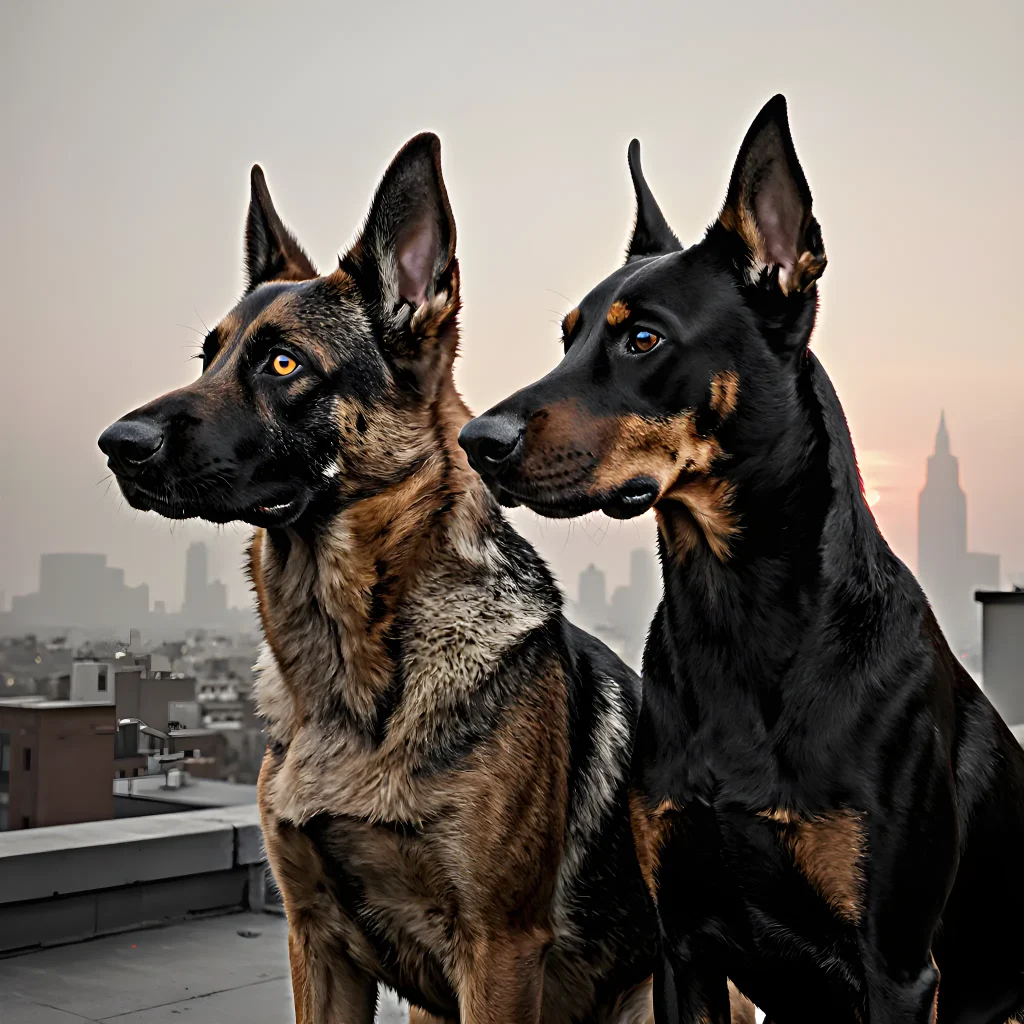
Breed Selection and Characteristics

The foundation of a successful police dog program starts with choosing the right breed. While many breeds can excel in law‑enforcement roles, certain traits—such as intelligence, trainability, stamina, and temperament—are especially critical for police work. Below is an expanded look at the most common police dog breeds, their key characteristics, and practical tips for selecting and evaluating candidates.

1. German Shepherd (GS)

  • Intelligence & Trainability: Ranked among the smartest canines, GSs learn commands quickly and adapt to new tasks.
  • Physical Attributes: Medium‑to‑large build (45–90 lb), strong hindquarters for endurance, good bite force (~400 psi).
  • Loyal, protective, but can be wary of strangers if not socialized early.

Practical Advice

  1. Start with a puppy from a reputable breeder that screens for hip dysplasia and behavioral issues.
  2. Use a structured obedience program (e.g., the German Shepherd Training System) to reinforce basic commands before moving to specialized tasks.
  3. Incorporate scent discrimination drills by 6 months of age—this early exposure reduces later anxiety during search missions.

2. Belgian Malinois (BM)

  • Intelligence & Trainability: Slightly higher work drive than GS, excels in high‑intensity environments.
  • Physical Attributes: Leaner and lighter (~55–80 lb), yet highly agile; excellent for rapid pursuit.
  • Extremely energetic, needs constant mental stimulation or risk of developing destructive behaviors.

Practical Advice

  1. Implement a “work‑reward” system: every successful task is followed by a high‑value treat or play session.
  2. Use obstacle courses early to build confidence and fine motor skills—this also helps assess the dog’s reaction under pressure.
  3. Schedule regular veterinary checkups for ear infections, as BM ears are prone to moisture retention.

3. Dutch Shepherd (DS)

  • Intelligence & Trainability: Comparable to GS but with a slightly higher learning curve; thrives on consistency.
  • Physical Attributes: Medium‑size (~55–70 lb), robust hind limbs, good for both search and rescue and patrol duties.
  • Strong protective instinct, but less likely to be overly aggressive—good for crowd control.

Practical Advice

  1. Focus on early socialization with diverse stimuli (vehicles, crowds, loud noises) to reduce startle responses.
  2. Incorporate “stay” and “leave it” drills in varied environments—DSs excel when taught to remain calm amid distractions.
  3. Monitor weight; DSs can be prone to obesity if not exercised regularly.

4. Belgian Tervuren (BT)

  • Intelligence & Trainability: High learning capacity, often used in detection roles.
  • Physical Attributes: Medium build (~50–70 lb), strong scenting ability due to longer muzzle.
  • Friendly but protective; ideal for community policing where interaction with civilians is frequent.

Practical Advice

  1. Leverage their natural scenting instinct by starting with basic “track” exercises in controlled settings.
  2. Use positive reinforcement to build confidence—Tervurens respond well to treats and praise during high‑stakes tasks.
  3. Ensure regular ear cleaning; their floppy ears can trap moisture, leading to infections.

5. Labrador Retriever (LR)

  • Intelligence & Trainability: Highly trainable and eager to please—great for detection work.
  • Physical Attributes: Medium‑large size (~55–80 lb), excellent swimming ability, good for aquatic search missions.
  • Friendly, less aggressive; ideal for public relations and community policing roles.

Practical Advice

  1. Start detection training with simple “find the scent” games—Labradors love the challenge of locating hidden items.
  2. Use a variety of scents (e.g., cocaine, marijuana) early on to build versatility.
  3. Maintain a balanced diet and regular exercise routine to keep their energy levels optimal for long shifts.

6. Keeshond (KS)

  • Intelligence & Trainability: Moderate; better suited for small‑unit or support roles rather than frontline tasks.
  • Physical Attributes: Small to medium size (~30–50 lb), strong coat—good for cold climates.
  • Friendly, good with children—ideal for community outreach programs.

Practical Advice

  1. Focus on basic obedience and scent work; avoid over‑exertion during training due to their smaller size.
  2. Use high‑value treats (e.g., cheese, hot dogs) to keep motivation high in low‑intensity tasks.
  3. Regular grooming is essential—Keeshonds shed heavily and require frequent brushing.

7. Australian Shepherd (AS)

  • Intelligence & Trainability: Highly intelligent but requires a strong owner/handler to channel energy constructively.
  • Physical Attributes: Medium size (~45–65 

Early Socialization and Basic Training

The foundation of a successful police dog is laid in the first months of life. Early socialization, coupled with basic obedience training, ensures that the pup grows into a confident, well‑balanced animal ready to handle the demands of law enforcement work. Below are detailed steps, real‑world examples, and actionable tips for handlers, trainers, and breeders alike.

1. Timing: The Critical First Six Weeks

  • Week 1–2: Puppies should be exposed to a variety of sights, sounds, textures, and people in a controlled manner. Handlers can use gentle touch on paws, ears, and tails while speaking softly.
  • Week 3–4: Introduce mild household noises (vacuum cleaner, dishwasher). Use positive reinforcement—treats and praise—to associate these sounds with safety.
  • Week 5–6: Begin basic commands (“sit,” “stay,” “come”) using short, consistent cues. Keep sessions under five minutes to avoid overstimulation.

2. Socialization Techniques

  1. Controlled Exposure: Invite friends and family of different ages and backgrounds to interact with the pup. Use a leash or harness for safety while allowing free sniffing.
  2. Positive Reinforcement: Reward calm behavior with treats, toys, or gentle petting. Avoid punishment; instead redirect unwanted actions.
  3. Gradual Complexity: Progress from quiet indoor settings to busy streets, parks, and eventually traffic environments. Monitor stress levels via body language (e.g., tail tuck, ear pinning).

3. Basic Obedience Training Essentials

CommandGoalTraining Tip
Sit Foundation for control in any situation. Use a treat above the nose, move it back to encourage sitting. Repeat 10–15 times daily.
Stay Ensures the dog remains stationary under command. Start with short durations (5 seconds), gradually increase. Pair with a hand signal.
Come Critical for recall during field work. Use a long leash in an open area; call the dog enthusiastically and reward immediately upon return.

4. Practical Advice from Police Training Academies

  • Example: The U.S. Army’s Military Working Dog Program: Puppies are introduced to military gear (helmets, vests) early on. Trainers use a “touch” cue where the handler lightly taps the dog’s shoulder while saying “good boy,” reinforcing calmness in the presence of equipment.
  • Example: The UK Police Dog Training Center: Dogs undergo “traffic exposure” at 12 weeks, walking alongside moving vehicles. Handlers employ a “quiet walk” routine—slow pace, minimal noise—to desensitize the dog to traffic sounds.
  • Practical Tip: Record training sessions on video. Review with the handler to spot subtle body language cues that may indicate stress or confusion.

5. Health and Nutrition Considerations

Proper nutrition fuels rapid growth and mental development. High‑protein, balanced diets are recommended for active puppies. Ensure regular veterinary checkups: vaccinations (distemper, parvovirus), deworming, and microchipping.

6. Transition to Advanced Police Tasks

  1. Early Detection: Once basic obedience is solid, begin scent discrimination drills—train the dog to identify a target scent (e.g., a specific perfume or chemical).
  2. Obstacle Courses: Introduce simple agility obstacles (low jumps, weave poles) to build confidence and body control.

7. Key Takeaways for Handlers

By investing in thorough early socialization and foundational obedience, you set the stage for a police dog that excels in complex missions while maintaining a strong bond with its handler. The combination of structured exposure, positive reinforcement, and consistent practice creates resilient, reliable partners ready to serve their communities.

Advanced Obedience and Agility Drills

Once a K‑9 has mastered basic obedience (sit, stay, heel, recall, etc.), the next phase is to layer advanced commands and agility tasks that mirror real‑world police scenarios. These drills sharpen focus, responsiveness, and physical conditioning while reinforcing teamwork between handler and dog.

1. Complex Cue Combinations

  • “Drop & Stay” + “Alert”: The dog drops an object, stays in place for 5–10 seconds, then receives the alert cue to investigate a scent or sound.
  • “Heel – Pivot – Sit”: While heel, the handler signals a pivot (turn) and immediately issues “sit.” The dog must maintain position while turning and settle into sit.
  • “Recall with Distraction”: Handler calls “come” from 20–30 ft away while a loud siren or another dog barks nearby. The dog returns to handler’s side, ignoring distractions.

2. Precision Commands on the Move

These drills keep the dog moving while executing precise actions—essential for patrol work.

  1. “Check” at a Point: Handler calls “check.” The dog must pause, look in the handler’s direction, and stay until released.
  2. “Cover” Behind an Obstacle: While running, the handler signals to cover (lay down) behind a barrier. The dog must navigate quickly and find the spot.
  3. “Signal” for Scent Work: Handlers call “signal.” The dog raises its paw or nudges a target to indicate scent detection.

3. Reaction Time Drills

Policing often requires split‑second responses. Use these drills to shorten reaction times:

  • “Freeze” Cue: Dog runs, handler shouts “freeze!” The dog must stop immediately and hold position.
  • “Scent Switch”: Two scent sources are placed 10 ft apart. Handlers call “switch.” The dog must identify the new source within 3 seconds.

4. Tactical Obstacle Course

Design a course that simulates urban environments:

  1. Low Crawl: A low, wide beam mimicking a doorway.
  2. Vertical Jump: 2–4 ft high to represent a curb or wall.
  3. Weave Poles: 6–8 poles spaced 3 ft apart—mimic weaving through traffic.
  4. Tunnel: A short, low tunnel that forces the dog to move forward without stopping.

Practical Tips for Course Setup

  • Use durable, non‑slip surfaces (e.g., rubber mats) under obstacles.
  • Mark clear start/finish lines with bright flags or cones.
  • Progressively increase obstacle height and complexity to avoid injury.

5. Speed & Endurance Conditioning

Combine short sprints with endurance runs:

  1. Interval Sprints: 10 m sprint, 20 s rest—repeat 8 times.
  2. Long Distance Run: 400–800 m at a steady pace to build cardiovascular health.
  3. Recovery Walks: After sprints, walk the dog for 5–10 minutes to lower heart rate safely.

6. Obstacle Navigation Under Distraction

Simulate real patrol conditions by adding auditory or visual distractions during obstacle runs.

  • Sirens & Barks: Play recorded siren sounds while the dog navigates the course.
  • Moving Objects: Throw a ball or toy near the path to test focus.

How These Drills Fit into Police Dog Training Programs

Advanced obedience and agility drills are critical milestones in a K‑9’s career path:

  1. Recruitment & Initial Screening: Dogs that excel at basic obedience often proceed to advanced training. Successful completion of these drills is a prerequisite for assignment.
  2. Field Deployment: Officers rely on dogs to maintain order during traffic stops, crowd control, and suspect apprehension—skills honed through precision commands and obstacle navigation.
  3. Career Advancement: Dogs that consistently perform well may be promoted to specialized units (e.g., narcotics detection, K‑9 patrol). Advanced drills become part of ongoing certification requirements.

Practical Advice for Handlers

  • Schedule regular check‑ins: 3–5 min daily warm‑up, followed by a 30‑minute training session.
  • Keep training sessions varied to prevent boredom and maintain motivation.
  • Use positive reinforcement (treats, praise, clicker) consistently for desired behaviors.
  • Track progress with video recordings—review body language cues and timing.

Safety First

Always monitor the dog’s physical condition. Signs of fatigue, overheating, or injury should prompt a pause in training. Ensure water is available and schedule breaks during hot weather.

Scent Detection Techniques

Police dogs (often referred to as K‑9s) rely on a suite of sophisticated scent detection techniques that have been refined over decades of research and field experience. Understanding these methods not only helps in selecting the right breed and training regimen but also informs handlers on how to maximize their dog’s potential during investigations.

1. Olfactory Anatomy & Sensitivity

  • Number of olfactory receptors: A typical police dog has roughly 300 million scent receptors, compared to about 6 million in humans. This gives them a sensitivity that can detect a single molecule of odor among trillions.
  • The vomeronasal organ (Jacobson’s organ): Located behind the nasal cavity, this organ detects pheromones and is essential for tracking living creatures or identifying specific chemical signatures.
  • Breathing patterns: Dogs inhale at a rate of 8–15 breaths per minute while resting, increasing to 30–50 during active scent work. This controlled breathing allows the dog’s nose to sample air efficiently.

2. Training Methodologies

The core training methods for police dogs revolve around positive reinforcement, task specificity, and environmental enrichment.

  1. Positive Reinforcement (Reward‑Based):
    • Uses treats, praise, or toys to reinforce successful scent detection behaviors.
    • Ensures high motivation and reduces stress during lengthy searches.
  2. Shaping & Chaining:
    • Shape complex behaviors (e.g., tracking a moving target) by rewarding incremental steps.
    • Chain these steps into a single, fluid routine that the dog can perform under pressure.
  3. Environmental Conditioning:
    • Expose dogs to diverse environments—urban alleys, forests, abandoned warehouses—to build adaptability.
    • Use “masking scents” (e.g., coffee, soap) during training to teach discrimination and reduce false positives.
  4. Simulated Real‑World Drills:
    • Incorporate unpredictable variables such as moving targets or multiple scent sources.
    • Use “blind” handlers who rely solely on the dog’s lead to emulate covert operations.

3. Common Scent Detection Tasks & Practical Examples

Task Description Practical Example Key Performance Indicator (KPI)
Tracking Following a scent trail left by an individual or vehicle. A K‑9 follows the trail of a suspect who fled from a crime scene, locating them in a wooded area. Time to locate; accuracy of trail retracing.
Scent Isolation Identifying a specific odor among multiple competing scents. The dog isolates the scent of contraband drugs hidden under carpet fibers amidst household odors. Number of false positives per hour.
Search & Rescue (S&R) Locating missing persons in challenging terrains. A K‑9 is deployed in a collapsed building to locate a trapped survivor using body odor. Success rate within 30 minutes of deployment.
Detection of Explosives Identifying explosive compounds or precursor chemicals. The dog alerts handlers to the presence of TNT in a suspicious package at an airport. Alert accuracy; time from scent encounter to handler notification.

4. Practical Advice for Handlers & Trainers

  • Consistent Cue Language: Use a single verbal cue (e.g., “search”) and hand signal for all tasks to avoid confusion.
  • Regular Calibration Sessions: Conduct weekly scent calibration exercises to maintain the dog’s detection sensitivity.
  • Health & Nutrition Monitoring: Ensure adequate protein, omega‑3 fatty acids, and hydration; a healthy nose is essential for reliable performance.
  • Mental Stimulation: Rotate scent training materials (e.g., new scent samples, varying environmental contexts) to prevent boredom and keep the dog engaged.
  • Data Logging & Review: Record each mission’s outcome—time, accuracy, handler notes—and review with the team to identify improvement areas.

5. Emerging Technologies Enhancing Scent Detection

While canine olfaction remains unparalleled, modern tools are augmenting traditional techniques:

  • Electronic Nose (e‑nose) Sensors: Portable devices that can detect trace amounts of substances; used in tandem with K‑9s for cross‑verification.
  • GPS & GIS Mapping: Enables handlers to plot search routes and log scent encounter points, improving strategic deployment.
  • Machine Learning Algorithms: Analyze scent trail data collected from training sessions to predict optimal search patterns.

By integrating these advanced scent detection techniques with rigorous training protocols, police dogs continue to play a pivotal role in law enforcement operations worldwide. Their unmatched olfactory capabilities, combined with human intuition and technology, form a formidable partnership that enhances public safety and justice delivery.

Search and Rescue Operations

Police canine units are a cornerstone of modern law‑enforcement operations, providing critical support in search & rescue (S&R), narcotics detection, crowd control, and criminal apprehension. Their success hinges on rigorous training programs and clearly defined career pathways that align with both the dog's aptitude and the agency’s mission.

1. Early Selection and Physical Screening

  • Breed & Size: Common breeds include German Shepherds, Belgian Malinois, Labrador Retrievers, and Dutch Shepherds—chosen for their intelligence, stamina, and scenting ability.
  • Health Checks: Comprehensive veterinary examinations assess vision, hearing, musculoskeletal integrity, and overall fitness. Dogs must pass a baseline “field test” that simulates real‑world scenarios such as sprinting, jumping, and obstacle navigation.
  • Temperament Screening: Behavioral assessments evaluate sociability, fearlessness, and trainability. A standardized questionnaire (e.g., the Canine Behavior Assessment Tool) helps predict future performance.

2. Foundation Training: Building Basic Skills

Once selected, dogs enter a Basic Obedience & Conditioning phase lasting 8–12 weeks:

  1. Commands: Sit, stay, come, heel, and recall are reinforced using positive reinforcement.
  2. Socialization: Exposure to varied environments (urban streets, parks, busy airports) reduces fear of crowds and traffic.
  3. Physical Conditioning: Structured exercise regimens build cardiovascular endurance and joint strength. Sample routine: daily 1‑hour runs with interval sprints, followed by agility drills.

3. Specialty Training Modules

After mastering basics, dogs specialize in one of the following tracks—each requiring additional certification:

SpecialtyKey SkillsTypical Deployment
Narcotics Detection Scent discrimination, pattern recognition Airport screening, drug bust operations
Explosive Ordnance Disposal (EOD) Detection of explosives, obedience under threat Civilian bomb squads, military support
Search & Rescue Tracking, terrain navigation, victim detection Disaster zones, missing person searches
Civilian Assistance Therapeutic behavior, crowd control Community events, public safety patrols

4. Certification and Continuous Evaluation

Agencies typically follow NPAO or ACMP standards, which require:

  • Annual Re‑certification: Performance tests in scent detection and obedience.
  • Health Audits: Quarterly veterinary check‑ups to monitor aging or injury risks.
  • Behavioral Refreshers: Monthly socialization sessions to maintain calmness in high‑stress environments.

5. Career Pathways for Canine Officers

The career trajectory of a police dog is structured into phases, each with distinct responsibilities and milestones.

  1. Recruitment & Training (0–2 Years)
    • Enroll in an accredited training academy.
    • Complete specialty certification exams.
    • Participate in field trials with assigned handler.
  2. Operational Deployment (2–6 Years)
    • Assigned to a patrol unit or specialized squad.
    • Regular missions: drug interdiction, explosive detection, S&R operations.
    • Performance metrics tracked by handler logs and command‑center reports.
  3. Veterinary & Wellness Management (6–8 Years)
    • Shift to a “Senior Service” role, focusing on training new recruits.
    • Serve as a mentor for handler teams.
    • Participate in research studies or public outreach programs.
  4. Retirement & Post‑Service (8+ Years)
    • Transition to a “Reserve” status—available for high‑priority missions.
    • Engage in community education, dog‑handler training seminars.
    • Provide emotional support and companionship in retirement homes or shelters.

6. Practical Advice for Handlers and Agencies

  • Handler Selection: Choose individuals with a background in animal behavior, veterinary care, or prior police experience.
  • Joint Training Sessions: Conduct weekly handler‑dog drills that simulate real scenarios (e.g., locating a scent trail under traffic).
  • Use Canine Insight Software to log health data, training progress, and mission reports.
  • Invest in ergonomic equipment—shock‑absorbing harnesses, lightweight collars—to reduce joint strain during long operations.
  • Encourage cross‑agency collaboration: share best practices through annual conferences like the National Police Dog Conference.

7. Success Stories & Case Studies

Case Study A – Urban Search & Rescue: In 2019, a German Shepherd team located three survivors in collapsed high‑rise apartments within 12 minutes of arrival—demonstrating the value

Crowd Control and Public Order Tasks

Police K9 units are essential components of modern law‑enforcement forces, providing specialized skills that enhance crowd control, search operations, and public safety. This section delves into the rigorous training process, the varied career paths within a police dog unit, and practical guidance for agencies looking to establish or improve their K9 programs.

1. The Recruitment Process

  • Breed Selection: Common breeds include German Shepherds, Belgian Malinois, Dutch Shepherds, and Labradors. Each breed offers distinct traits—size, temperament, scent‑tracking ability—that align with specific operational needs.
  • Initial Screening: Prospective dogs undergo veterinary checks, temperament assessments, and basic obedience tests to ensure they meet the physical and behavioral standards required for police work.

2. Basic Training Phases

  1. Household Obedience (Weeks 1–4): Dogs learn foundational commands such as sit, stay, heel, and recall in a controlled environment.
  2. Scent Work Introduction (Weeks 5–8): Training focuses on tracking and locating specific scents—drugs, explosives, or missing persons—using scent trails laid by handlers.
  3. Public Order Skills (Weeks 9–12): Dogs practice crowd control maneuvers: forming a line, intercepting moving groups, and maintaining distance from the public while under handler command.

3. Advanced Training Modules

Once basic proficiency is achieved, dogs enter specialized modules tailored to their future role:

  • Search and Rescue (SAR): Includes off‑road navigation, obstacle avoidance, and victim identification.
  • Explosive Detection: Dogs learn to locate various explosives under different environmental conditions.
  • Drug Detection: Focuses on identifying a range of narcotics with high sensitivity and specificity.
  • Crowd Control (Public Order): Emphasizes rapid response, crowd dispersal techniques, and maintaining handler safety in volatile situations.

4. Career Paths for Police Dogs

A K9’s career is divided into three main stages: Recruitment & Training, Active Duty, and Retirement or Reassignment.

Stage Key Responsibilities Typical Duration Career Milestones
Recruitment & Training Basic obedience, scent work, public order drills. 4–6 months Passing the K9 certification exam; assigned to a handler.
Active Duty Operational deployment in patrols, crowd control events, searches. 5–7 years (average) Specialized certifications: SAR, explosive detection, drug detection.
Retirement/Reassignment Transition to non‑operational roles—public education, therapy work, or retirement in a controlled environment. 2–3 years (post‑active duty) Recognition awards; potential for use in community outreach programs.

5. Handler–Dog Partnership

The success of a K9 unit hinges on the handler’s understanding of canine behavior and communication. Key practices include:

  • Consistent Communication: Use of hand signals, voice cues, and body language.
  • Regular Training Sessions: Daily drills reinforce obedience and task proficiency.
  • Health Monitoring: Routine veterinary check‑ups, diet management, and injury prevention protocols.

6. Practical Tips for Agencies

  1. Create a Structured Training Curriculum: Adopt evidence‑based programs such as the Police K9 Academy or the National Police Association K9 Standards.
  2. Invest in Experienced Trainers: Certified K9 trainers bring expertise that reduces training time and increases success rates.
  3. Maintain a Health‑First Policy: Implement strict vaccination schedules, deworming, and microchipping for all K9s.
  4. Plan for Career Transition: Establish protocols for dog retirement, including veterinary assessments and community reintegration programs.

7. Case Study: Successful Crowd Control Deployment

During the 2024 City Marathon, a police K9 unit was deployed to manage an unexpected crowd surge at the finish line. The dogs executed rapid line‑forming tactics, allowing officers to direct spectators safely and preventing injuries. Key factors contributing to success:

  • Advanced crowd control training completed six months prior.
  • Handler’s real‑time decision making based on dog positioning.
  • Pre‑deployment briefing that synchronized K9 movements with traffic flow.

This example demonstrates the tangible benefits of a well‑trained police dog unit in high‑pressure public order scenarios.

Health Care and Nutrition for K9s

Police K‑dogs are high‑performance athletes that require a carefully structured health care plan and a nutrition program tailored to their rigorous work demands. Below is an in‑depth guide covering veterinary care, preventive measures, daily feeding guidelines, supplements, hydration strategies, and practical tips for handlers.

1. Routine Veterinary Care

  • Annual Check‑Ups: A full physical exam, blood work (CBC, chemistry panel), and urinalysis should be performed yearly to catch early signs of systemic disease.
  • Vaccination Schedule: Core vaccines (Rabies, DHPPi) plus non‑core boosters such as Leptospira, Bordetella, and influenza for dogs working in public spaces.
  • Dental Health: Brush teeth twice a week and schedule professional cleanings every 12–18 months to prevent periodontal disease which can lead to systemic infections.

2. Parasite Prevention & Skin Care

Police dogs are exposed to diverse environments, increasing the risk of ectoparasites and skin conditions.

  • Flea/Tick Control: Use monthly spot‑on treatments (e.g., Frontline or Revolution) and seasonal collars for high‑risk areas.
  • Ear Care: Inspect ears weekly; clean with veterinarian‑recommended solutions to prevent otitis externa.
  • Wound Management: Keep a first‑aid kit on hand. Clean minor abrasions with sterile saline and apply antibiotic ointment if necessary.

3. Daily Feeding Guidelines

The goal is to provide balanced macro‑ and micronutrients that sustain high energy output while supporting joint health, immune function, and muscle maintenance.

Dog Size Daily Caloric Intake (kcal) Protein % Fat % Key Ingredients
Small (20–35 lb) 600–800 30–32 15–18 Chicken, brown rice, sweet potato, omega‑3 sources
Medium (35–55 lb) 900–1,200 32–34 16–19 Lamb, barley, peas, glucosamine/chondroitin
Large (55–90 lb) 1,400–2,000 34–36 18–20 Beef, oats, pumpkin, vitamin‑rich greens

Meal Frequency: Feed 2–3 balanced meals per day. Split the total calories to avoid sudden spikes in blood glucose that can affect stamina.

Supplementation Tips

  • Omega‑3 Fatty Acids (EPA/DHA): 200–400 mg/kg/day improves coat quality, reduces inflammation, and supports cognitive function during complex tasks.
  • Glucosamine & Chondroitin: Especially important for breeds prone to hip dysplasia or early osteoarthritis; dosage: 10–20 mg/kg twice daily.
  • Antioxidants (Vitamin E, Selenium): Protect muscle cells from oxidative stress during intense training sessions.

4. Hydration Strategies

Proper hydration is critical for thermoregulation and performance.

  • Water Availability: Provide fresh water at all times, especially during patrols in hot climates.
  • Electrolyte Solutions: For extended field work (>2 hrs), a diluted electrolyte drink (1 tsp electrolytes per 8 oz water) can prevent hyponatremia.
  • Ice Cubes & Frozen Treats: Offer small ice cubes or frozen low‑salt treats to encourage intake during heat waves.

5. Daily Care Checklist for Handlers

  1. Pre‑Training Grooming: Brush coat, clean ears, and trim nails to reduce distractions.
  2. Post‑Training Inspection: Check for cuts, swelling, or abnormal gait; document any concerns in a health log.
  3. Environmental Monitoring: Keep track of temperature, humidity, and pollen counts. Adjust training intensity accordingly.
  4. Record Keeping: Maintain a digital log (e.g., Google Sheets) with feeding times, supplement doses, vet visits, and training metrics.

6. Transitioning from Training to Active Duty

Once a police K‑dog completes its formal training, the health regimen must adapt to operational demands.

  • Pre‑Deployment Health Check: A veterinarian signs off on fitness for duty; any lingering issues are addressed before deployment.
  • On‑Site Medical Kit

Career Pathways for Police Dog Handlers

If you’re passionate about working with dogs and serving your community, becoming a police dog (K9) handler offers a unique blend of hands‑on animal care, tactical training, and public safety. Below is a step‑by‑step guide to the typical career trajectory, required qualifications, and practical tips for succeeding in this rewarding field.

1. Educational Foundation

  • High School Diploma or GED: Most agencies require at least a high school education as a baseline.
  • College Degree (Optional but Beneficial): Degrees in criminal justice, animal science, biology, or related fields can give you an edge during recruitment and help with advanced roles later on.
  • Relevant Coursework: Classes in biology, animal behavior, first aid, and law enforcement basics provide useful knowledge before entering the academy.

2. Police Academy Training

Once you’re hired as a police officer, you’ll attend your jurisdiction’s police academy. Here’s what to expect:

  • Core Law Enforcement Curriculum: Patrol procedures, firearms training, defensive tactics, and legal education.
  • K9‑Specific Modules: Basic obedience for officers, canine handling fundamentals, and an introduction to the K9 unit’s mission.
  • Physical Fitness Tests: The K9 handler role demands excellent stamina; you’ll need to pass rigorous physical exams.

3. Specialized K9 Training Programs

After academy graduation, you’ll enroll in a specialized K9 training program offered by your department or an external provider such as the National K9 Association (NKA). Key components include:

  • Canine Selection and Assessment: Understanding breed suitability, temperament testing, and matching officers to dogs.
  • Tactical Training: Search and rescue, drug detection, explosive ordnance disposal (EOD), and crowd control techniques.
  • Legal & Ethical Considerations: Use-of-force guidelines specific to K9 operations, chain‑of‑custody for evidence, and animal welfare laws.

4. Hands‑On Field Experience

With training complete, you’ll begin field assignments under supervision:

  • Shadowing Senior Handlers: Learn real‑world tactics, casework documentation, and community interaction.
  • Joint Operations: Participate in drug sweeps, missing person searches, or public event security.
  • Document your successes: keep a log of cases handled, evidence collected, and any commendations received.

5. Advancement Opportunities

As you gain experience, several career paths open up:

  1. K9 Officer / Senior Handler: Lead K9 teams, supervise new handlers, and coordinate unit operations.
  2. Training Instructor: Teach academy cadets or other officers the fundamentals of canine handling.
  3. Specialist Roles: Focus on specific disciplines such as narcotics detection, explosive detection, or search & rescue.
  4. Administrative / Policy Development: Contribute to K9 unit policies, budgeting, and interagency collaboration.

6. Continuing Education & Certifications

Maintaining proficiency requires ongoing learning:

  • Annual Refresher Courses: Firearms re‑qualification, first aid updates, and K9 refresher training.
  • NKA Certification: Earn titles like “Certified Police Dog Handler” or “K9 Trainer” to enhance credibility.
  • Workshops & Conferences: Attend events such as the International Police Dog Association (IPDA) annual convention for networking and knowledge exchange.

7. Practical Tips for Success

  • Build a Strong Bond: Consistency, positive reinforcement, and mutual respect are essential for reliable performance.
  • Stay Physically Fit: K9 work can be demanding; regular strength training and cardio help prevent injuries.
  • Develop Technical Skills: Learn to read canine body language, use detection equipment, and manage evidence properly.
  • Document Everything: Accurate logs of training sessions, case files, and handler performance aid career advancement.
  • Maintain Animal Welfare Standards: Ensure proper nutrition, veterinary care, and humane handling to uphold public trust.

Becoming a police dog handler is more than a job—it’s a lifelong partnership with an animal that serves the community. With dedication, training, and continuous learning, you can build a distinguished career in this unique field of law enforcement.

Certification and Licensing Requirements

If you’re serious about a career with police dogs, it’s not enough to simply love animals and have a passion for law‑enforcement work. The industry is heavily regulated, and most jurisdictions require specific certifications and licenses before you can serve as an official K‑9 handler or trainer.

National Standards

  • United States: The NFPA 1400: Standard for Fire and Life Safety K‑9 Units outlines the minimum qualifications for canine units in fire departments. While this standard is geared toward firefighting, many police agencies adopt it as a baseline.
  • United Kingdom: The Police Dog Licensing Scheme requires handlers to hold a Police Dog Licence issued by the Home Office. The licence process includes competency tests, written exams, and ongoing re‑assessment.
  • Australia: Each state has its own licensing board (e.g., NSW Police Service’s K‑9 Unit). Handlers must complete the K‑9 Handler Training Program, which covers canine behaviour, legal aspects of use of force, and emergency response protocols.

State / Local Requirements

Even if you meet national standards, each jurisdiction will have additional layers of licensing. Common steps include:

  1. Background Check: A thorough criminal background check is mandatory. Some agencies require a minimum period of clean record (e.g., 3–5 years).
  2. Physical Fitness Test: Handlers must demonstrate the ability to run, climb, and lift the dog in various scenarios. Typical tests include a timed obstacle course or a simulated pursuit.
  3. Medical Clearance: A doctor’s note confirming that you are physically fit for the job is often required.
  4. Certification Exam: Written exams covering canine physiology, legal use of force, and emergency protocols. Many agencies provide study guides or prep courses.

Specialized Certifications

If you want to specialize in a particular K‑9 discipline—such as narcotics detection, explosives detection, or search & rescue—you’ll need additional credentials:

Explosives Detection Certification

  • Attend a 6‑month course offered by the Explosive Detection School (EDS).
  • Accumulate at least 200 hours of field work with an explosive detection dog.
  • Successfully complete the EDS competency exam, which includes live explosive training scenarios.

Continuing Education

Licenses are rarely one‑time achievements. Most agencies require handlers to complete continuing education (CE) credits annually:

  • Annual Training Refreshers: 10–15 hours of refresher courses on advanced scent detection, crowd control, and legal updates.
  • Workshops & Conferences: Attend national conferences such as the National K‑9 Conference to earn CE credits.
  • Peer Review Sessions: Participate in quarterly handler review panels where performance is evaluated and feedback is given.

Practical Tips for Navigating Certification

  1. Start Early: Begin the licensing process while still in training. Many agencies allow you to take exams before your first assignment.
  2. Keep Records: Maintain a detailed log of all training hours, certifications earned, and performance evaluations.
  3. Seek Mentorship: Pair up with an experienced handler who can guide you through the licensing steps and share insider tips.
  4. Stay Informed: Laws and regulations change. Subscribe to industry newsletters like K‑9 Magazine or the PoliceOne K‑9 Section.
  5. Practice Under Pressure: Simulate real‑world scenarios during training—this will boost your confidence and help you pass competency tests.

Continued Professional Development

The effectiveness of a police dog (K9) unit depends not only on the initial selection of the animal but also on an ongoing, structured professional development program. Continuous learning ensures that handlers and their dogs remain at peak performance levels, adapt to evolving operational demands, and maintain high welfare standards.

1. Structured Training Schedules

  • Daily Conditioning: A minimum of 45 minutes of physical exercise (running, agility drills) to keep the dog fit.
  • Weekly Skill Sessions: Rotating focus on scent work, tracking, obedience, and specific operational tasks such as drug detection or explosive trace.
  • Monthly Simulated Operations: Full-scale mock scenarios (e.g., crowd control, suspect apprehension) to test both handler and dog in realistic settings.

2. Handler Education & Certification

Handlers should pursue certifications from recognized bodies such as the International Association of K9 Professionals (IAK9P) or local police academies’ K9 courses.

  • Basic Handler Course: Covers dog care, first aid, and fundamental obedience techniques.
  • Advanced Tactical Training: Focuses on complex maneuvers, crowd control tactics, and coordination with other units.
  • Legal & Ethical Briefings: Understanding the legal framework surrounding K9 operations, including evidence handling and humane treatment standards.

3. Veterinary Care & Welfare Programs

Regular veterinary check-ups, vaccinations, and preventive care are mandatory. Welfare programs should include mental stimulation (e.g., puzzle toys) and socialization sessions to reduce stress.

4. Career Pathways for Dogs

  1. Recruitment & Selection: Puppies are screened for temperament, health, and scenting ability.
  2. Basic Training Phase (0–12 months): Focus on obedience, socialization, and foundational scent work.
  3. Specialization Phase (1–2 years): Dogs choose a specialty—drug detection, explosive detection, search & rescue, or crowd control.
  4. Field Deployment: Assigned to units based on skill set; regular performance evaluations determine suitability for advanced missions.
  5. Retirement & Transition (8–12 years): Many dogs retire early due to the physical demands of K9 work. They may transition to therapy or assistance roles, provided their health permits.

5. Practical Tips for Handlers

  • Maintain a Training Log: Record daily sessions, progress notes, and any behavioral observations.
  • Use Positive Reinforcement: Reward-based training improves trust and accelerates learning.
  • Cross-Train with Other Units: Collaborate with SWAT, narcotics, or community outreach teams to broaden operational experience.
  • Engage in Continuous Learning: Attend workshops, webinars, and conferences on K9 tactics and welfare.

6. Example Schedule for a Week

Day Morning Session Afternoon Session Notes
Monday 30‑min jog + agility ladder Scent discrimination drill (cocaine samples) Positive reinforcement with treats
Tuesday Obedience refresher (sit, stay, heel) Mock traffic stop scenario Handler review of body language cues

By integrating these practices into daily routines, police dog units can ensure that both handler and animal remain adaptable, highly skilled, and ethically trained throughout their careers.

Conclusion

The journey from a puppy to a fully qualified police canine is rigorous, rewarding, and filled with milestones that shape both the animal’s career and the officer’s life. Below you’ll find a step‑by‑step guide, real‑world examples, and actionable tips for anyone interested in pursuing or supporting a career in law enforcement with dogs.

1. Early Socialization & Selection

  • Age Matters: Most agencies begin training at 6–12 months. Puppies that are calm, curious, and responsive to basic commands are ideal.
  • Breed Preferences: German Shepherds, Belgian Malinois, Dutch Shepherds, and Labrador Retrievers dominate due to their agility, scenting ability, and trainability.
  • Health Screening: Vaccinations, microchipping, dental checks, and a veterinary “fit‑for‑work” assessment are mandatory before enrollment.

2. Basic Obedience & Conditioning

During the first 12–18 weeks, dogs learn:

  1. Core Commands: Sit, stay, come, heel, and “drop it.”
  2. Leash Control: Walking calmly beside an officer while resisting distractions.
  3. Physical Conditioning: Building stamina through jogging, obstacle courses, and weight‑bearing exercises.

3. Specialized Training Modules

After basic obedience, dogs enter specialty tracks based on agency needs:

SpecialtyKey Skills
Scent Detection (Drug & Explosive) Target scent recognition, search patterns, and “alert” signaling.
Search & Rescue Trail tracking, water rescue drills, and terrain navigation.
K-9 Patrol & Crowd Control Aggression management, controlled bite work, and crowd assessment.
Evidence Retrieval Tracking footprints, locating hidden items, and maintaining chain of custody.

4. Pairing with an Officer

The human‑canine bond is the backbone of success. Key steps include:

  • Compatibility Tests: Officers evaluate temperament, work style, and communication preferences.
  • Joint Field Training: Simulated crime scenes to practice obedience under pressure.
  • Regular Feedback Loops: Monthly debriefs help adjust training plans based on performance metrics.

5. Certification & Continuing Education

Most agencies require:

  1. A formal certification exam (e.g., K9 Academy or Police Dog Association of America).
  2. Annual recertification to maintain status.
  3. Ongoing micro‑skills training—such as new scent detection techniques or updated search protocols.

6. Career Longevity & Transition Planning

Police dogs typically serve 7–10 years, depending on health and job demands:

  • Health Monitoring: Routine check‑ups for hip dysplasia, dental disease, and vision.
  • Retirement Programs: Many agencies provide “golden years” benefits—housing, healthcare, and a pension plan for the dog’s family.
  • Reassignment Opportunities: Dogs may transition from patrol to search & rescue or training roles as they age.

7. Practical Advice for Aspiring K‑9 Partners

  1. Start Early: Volunteer at local police dog programs or animal shelters to understand the demands.
  2. Physical Fitness: Maintain your own endurance—dogs rely on their handlers’ stamina during long operations.
  3. Learn Canine Communication: Study body language, scent cues, and basic obedience signals; this knowledge improves teamwork.
  4. Stay Updated: Follow industry publications (e.g., “Police Dog Magazine”) and attend workshops.

8. Real‑World Success Stories

Take inspiration from these examples:

  • “Ranger” the Belgian Malinois: 12 years of patrol work, now a mentor for new recruits.
  • “Luna” the German Shepherd: Transitioned to search & rescue after a career in narcotics detection.
  • “Dash” the Labrador Retriever: Used as an evidence retrieval dog in high‑profile investigations.

By understanding each phase—from puppyhood to retirement—and investing in continuous training, you can build a successful career alongside a dedicated police canine. The partnership is not just about law enforcement; it’s a lifelong bond that brings safety, community trust, and mutual respect.

Frequently Asked Questions

1. What breeds are most commonly used as police dogs?

While many breeds can serve well, the most popular choices are:

  • German Shepherd – Known for intelligence, trainability, and strong protective instincts.
  • Labrador Retriever – Excellent scent detection, gentle temperament, and great working stamina.
  • Belgian Malinois – Agile, high energy, and highly responsive to commands.
  • Doberman Pinscher – Strong bite force, keen senses, and a fearless nature.

When selecting a breed, agencies consider factors such as temperament, size, scent-tracking ability, and suitability for the local climate.

2. How does the training process start?

  1. Basic Obedience (Weeks 1–12): Focus on sit, stay, recall, and heel commands.
  2. Socialization & Exposure (Months 4–6): Introduce varied environments—crowded streets, loud noises, other animals—to build confidence.
  3. Scent Detection (Months 7–9): Teach the dog to identify specific scents (e.g., drugs, explosives) and signal with a bite or paw lift.
  4. Advanced Tactics (Months 10–12): Drill pursuit, apprehension, and controlled restraint techniques under real‑world scenarios.

Training is continuous; dogs undergo refresher courses every 6–12 months to maintain peak performance.

3. What are the key qualities a police dog must possess?

  • Intelligence & Quick Learning: Ability to grasp complex commands in high‑stress situations.
  • Strong Scent Sense: A keen nose is essential for detection work.
  • Physical Stamina: Must endure long hours, variable terrain, and intense activity.
  • Temperament & Loyalty: Calm under pressure, fearless with a strong bond to the handler.

4. How long does a police dog’s career last?

A typical service life ranges from 8 to 12 years, depending on:

  • Breed & Size: Smaller dogs often have slightly longer careers.
  • Health Management: Regular vet check‑ups and preventative care reduce early retirement.
  • Work Intensity: Dogs in high‑stress roles (e.g., bomb squads) may retire earlier than patrol units.

5. What happens after a police dog retires?

Retired dogs usually transition to:

  • Rescue/Adoption Programs: Many agencies partner with local shelters to find new homes.
  • Therapy Work: Some retired dogs become therapy or emotional support animals due to their calm demeanor.
  • Research & Training Dogs: Their experience can be invaluable for training future police dogs.

6. How do I start a career as a police dog handler?

  1. Educational Requirements: Minimum high school diploma; many agencies prefer an associate or bachelor’s degree in criminal justice, biology, or animal science.
  2. Physical Fitness Test: Pass agility, endurance, and strength evaluations.
  3. Specialized Training Courses: Enroll in a police dog handler academy covering canine behavior, first aid, and tactical operations.
  4. Certification & Experience: Complete field internships with active units; obtain certification from recognized bodies such as the International Association of Police Dog Trainers (IAPDT).

7. What are common challenges during police dog training?

  • Behavioral Issues: Aggression or excessive barking can hinder progress; requires corrective conditioning.
  • Health Concerns: Joint problems, ear infections, and obesity reduce working capacity.
  • Handler‑Dog Bonding: A weak bond can compromise responsiveness during critical moments.

8. Practical advice for new handlers

  1. Establish consistent routines—feeding, exercise, and training sessions—to build trust.
  2. Use positive reinforcement (treats, praise) to reinforce desired behaviors.
  3. Keep the dog’s health in check: schedule annual vet visits, dental care, and vaccinations.
  4. Practice stress‑management drills regularly—simulate loud noises, sudden stops—to acclimate your dog.

For more detailed training manuals and career guides, visit the official Police Dog Association website or consult your local law enforcement agency’s canine unit.

Categories

Products

  • Henbari Fish Meal Fish Meal
    Rated 0 out of 5
    Price range: ₹1,999.00 through ₹2,999.00
  • Henbari Broiler Fattening Feed FATTENING BROILER FEED
    Rated 0 out of 5
    Price range: ₹2,299.00 through ₹2,349.00
  • Henbari Country Bird Layer Feed LAYER COUNTRY FEED
    Rated 0 out of 5
    Price range: ₹1,549.00 through ₹1,649.00
  • Henbari Broiler Counter Feed COUNTER BROILER FEED
    Rated 0 out of 5
    Price range: ₹1,199.00 through ₹1,299.00
  • Henbari Pig Lactating Feed LACTATING PIG FEED
    Rated 0 out of 5
    Original price was: ₹2,299.00.Current price is: ₹1,740.00.
  • Henbari Organic Maize Maize
    Rated 0 out of 5
    Original price was: ₹1,650.00.Current price is: ₹1,300.00.
  • Henbari Pig Gestation Feed Phase 1 GESTATION PIG FEED (Phase 1)
    Rated 0 out of 5
    Original price was: ₹2,249.00.Current price is: ₹1,699.00.
  • Henbari Pre Starter Broiler Feed Pre Starter Broiler Feed
    Rated 0 out of 5
    Price range: ₹2,399.00 through ₹2,499.00
  • Henbari Pig Finisher Feed FINISHER PIG FEED
    Rated 0 out of 5
    Original price was: ₹2,299.00.Current price is: ₹1,749.00.
  • Henbari Broiler Premix Broiler Premix
    Rated 0 out of 5
    Original price was: ₹820.00.Current price is: ₹699.00.
Shopping Cart
Scroll to Top






