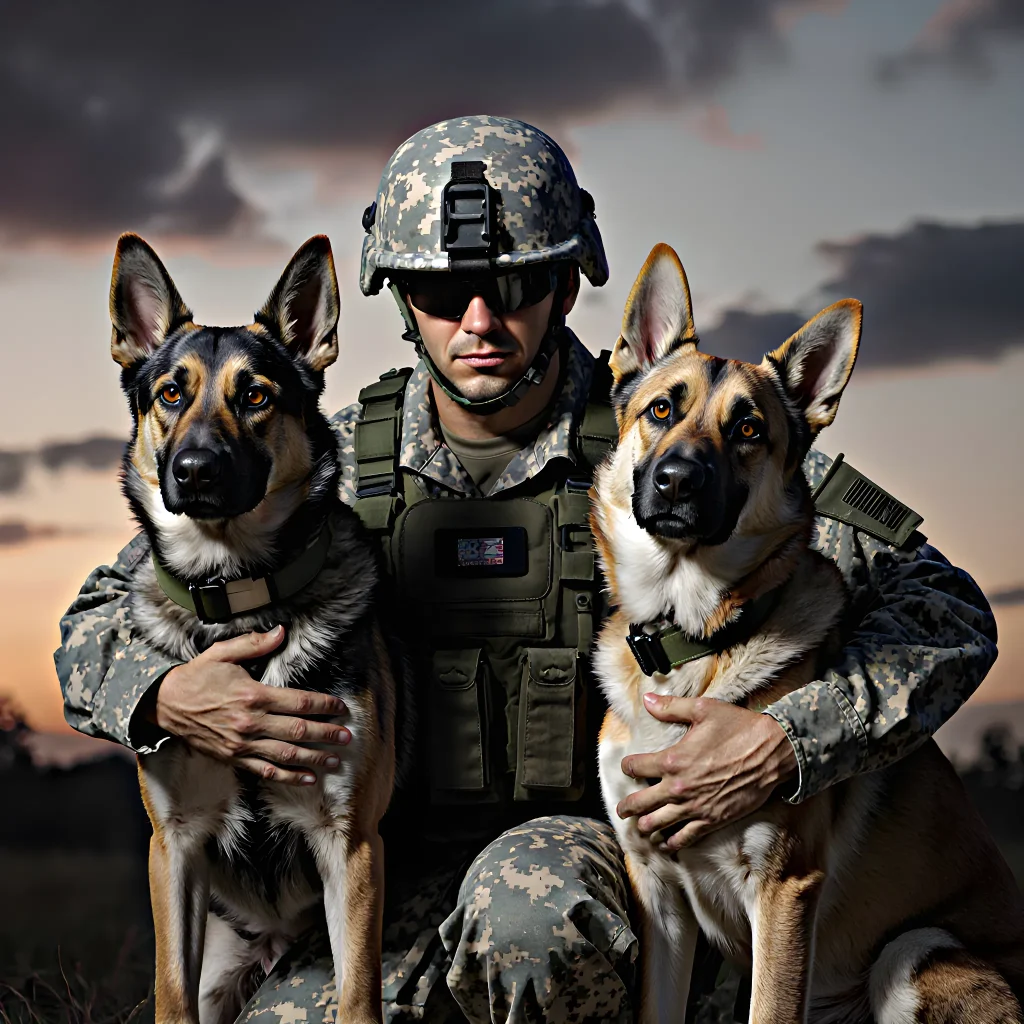
Post‑Traumatic Stress Disorder (PTSD) can cast a long shadow over the lives of veterans, affecting sleep, relationships, and job performance. While medication and therapy are critical components of treatment, many service dog programs have shown that a well-trained companion animal can provide immediate, tangible relief from symptoms. Below we explore how PTSD service dogs help veterans in everyday life, supported by research findings, real‑world examples, and practical tips for those considering a canine partner.
1. Immediate Grounding During Flashbacks
A flashback can feel like an intrusive storm of memories, making it hard to stay present. Service dogs are trained to perform a “grounding” behavior—such as nudging the handler’s hand or pawing at them—prompting the veteran to focus on the dog instead of the distressing memory.
- Example: Private First Class James (name changed for privacy) reported that after a sudden flashback while walking his dog, he was able to return to a calm state within minutes because the dog’s touch redirected his attention.
- Practical Tip: When training or selecting a service dog, ask handlers how the dog’s grounding behavior is triggered and practiced. Consistency in this cue ensures reliability during real episodes.
2. Regulation of Breathing and Heart Rate
Hyperventilation and tachycardia often accompany PTSD symptoms. Many service dogs are trained to “breathe with you” by lying close, creating a rhythmic breathing pattern that encourages the handler to slow down.
- Research Insight: A 2019 study published in *Frontiers in Psychology* found that veterans who walked with their service dogs reported significantly lower heart rates compared to those walking alone.
- Practical Tip: During walks, maintain a steady pace and let the dog set a comfortable rhythm. The dog's calm demeanor can act as a physiological anchor for your breathing.
3. Social Interaction Catalyst
Veterans with PTSD may feel isolated or anxious in social settings. A service dog often serves as an “icebreaker,” making it easier to initiate conversations and reduce perceived threat.
- Case Study: Sergeant Maria, who struggled with public speaking, found that having her service dog at community events helped others approach her, providing natural conversation starters.
- Practical Tip: When attending social gatherings, keep your dog on a leash and allow people to pet it. Most will feel more comfortable approaching you when they see the dog’s friendly demeanor.
4. Enhanced Medication Adherence
The presence of a service dog can improve routine compliance with medication schedules. Veterans often associate their dog’s care (e.g., feeding, walking) with their own health routines.
- Statistical Note: A survey by the National Alliance on Mental Illness (NAMI) reported a 23% increase in medication adherence among veterans who had a service dog.
- Practical Tip: Pair medication times with a dog-related task, such as giving treats or a short walk, to create a positive association and reinforce the habit.
5. Support During Transitions (e.g., Hospital Visits)
Hospitals can be overwhelming for PTSD sufferers. A service dog’s calming presence can reduce anxiety during check‑ins, waiting rooms, and treatment sessions.
- Real-Life Example: During a routine surgery prep, veteran Daniel felt less panic because his dog remained by his side, providing continuous tactile reassurance.
- Practical Tip: Inform hospital staff in advance about the service dog's role. Most institutions have protocols for allowing dogs during procedures; having documentation ready helps streamline the process.
6. Long-Term Emotional Resilience
Over time, a service dog becomes an integral part of a veteran’s support system, fostering confidence and independence.
- Longitudinal Study: Veterans who have had a service dog for at least two years report lower overall PTSD symptom scores compared to those without a dog.
- Practical Tip: Engage in regular training updates and socialization for your dog. A well‑socialized companion is less likely to exhibit fear or aggression, ensuring continuous emotional support.
7. Community Recognition & Advocacy
Service dogs often bring visibility to veterans’ struggles, encouraging community support and advocacy for mental health resources.
- Community Impact: Veterans with service dogs have reported increased willingness from neighbors to offer help during emergencies.
- Practical Tip: Participate in local dog‑friendly events or volunteer as a “walking buddy” for other veterans. This not only builds camaraderie but also raises awareness of PTSD challenges.
In summary, PTSD service dogs offer more than companionship; they provide targeted interventions that mitigate core symptoms, support daily routines, and enhance overall quality of life for veterans. Whether you’re considering a service dog or looking to maximize the benefits with an existing one, understanding these specific advantages can guide effective integration into your treatment plan.