
“Before I met my guide dog, navigating the campus felt impossible. After a month of training together, we’ve walked across three campuses and even attended a graduation ceremony without hesitation.”
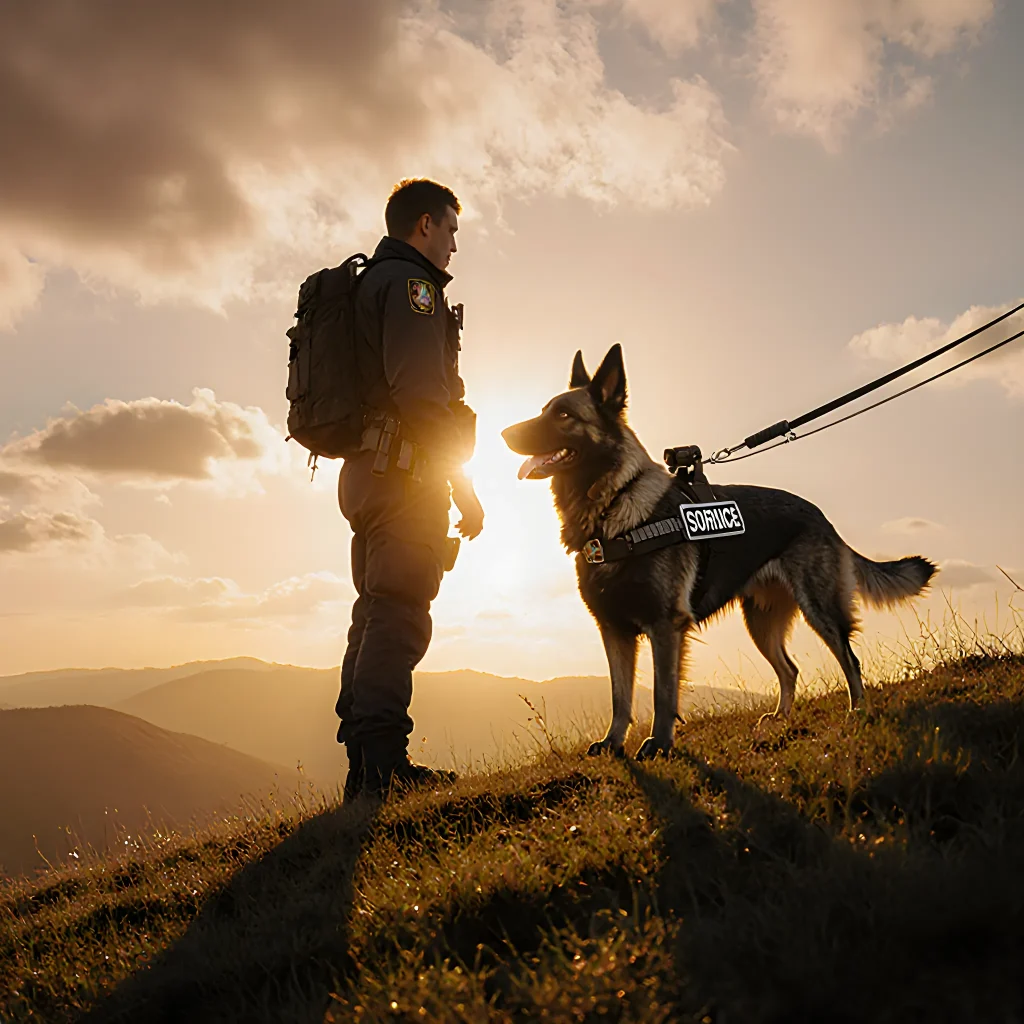
Unleash Your Inner Hero—Support Service Dogs Today!
Empower Allies: Become a Hero in Service Dog Support
Table of Contents
- Introduction to Service Dogs
- The Role of Volunteers in Training Programs
- Types of Volunteer Opportunities Available
- How to Get Started as a Service Dog Volunteer
- Requirements and Eligibility Criteria
- Training Sessions: What Volunteers Do
- Socialization and Care of Puppies
- Fundraising and Community Outreach Activities
- Administrative Support for Service Dog Organizations
- Mentorship Programs for New Volunteers
- Volunteer Impact: Success Stories and Testimonials
- Legal and Ethical Considerations in Volunteering
- Evaluating Your Volunteer Experience
- Conclusion: Making a Difference with Service Dogs
- FAQ: Common Questions About Volunteering
Introduction to Service Dogs
If you’re passionate about animals and eager to make a tangible difference in people’s lives, volunteering with a service dog organization is an excellent way to combine both interests. Whether you have experience working with dogs or are new to the field, most programs welcome volunteers who can dedicate time, energy, and compassion.
Common Volunteer Roles
- Canine Caretaker: Feed, groom, exercise, and monitor the health of service dog candidates during their training phase.
- Behavioral Assistant: Work alongside professional trainers to reinforce obedience, socialization, and task-specific behaviors.
- Community Outreach: Assist in public demonstrations, educational workshops, or fundraising events to raise awareness about service dogs.
- Administrative Support: Help with data entry, scheduling, donor correspondence, and managing volunteer databases.
- Dog Walkers & Exercise Partners: Provide structured walks that help build stamina and expose dogs to varied environments.
Getting Started: Steps to Join a Program
- Research Local Organizations: Identify reputable service dog charities in your area (e.g., Canine Companions for Independence, Guide Dogs of America, or regional shelters).
- Reach Out: Contact the volunteer coordinator via email or phone. Mention any relevant experience, preferred time commitment, and specific interests.
- Attend an Orientation: Most programs offer a brief session covering policies, safety guidelines, and role expectations.
- Complete Training: Even basic dog-handling courses can be required. Some organizations provide on‑site training modules.
- Start Volunteering! Schedule your shifts, keep a log of tasks performed, and stay in communication with the volunteer coordinator for feedback and support.
Benefits to Volunteers
- Skill Development: Learn advanced dog behavior techniques, first aid, and animal welfare best practices.
- Community Impact: Witness firsthand how a well‑trained service dog transforms a person’s independence and quality of life.
- Networking Opportunities: Meet professionals in veterinary medicine, therapy, and non‑profit management.
- Personal Growth: Gain confidence from working closely with animals and handling complex tasks.
Practical Tips for a Successful Volunteer Experience
- Consistency is Key: Regular attendance builds trust with both dogs and staff.
- Stay Flexible: Be prepared to adapt to shifting schedules or new training protocols.
- Maintain Professionalism: Treat each dog as an individual, respecting their temperament and needs.
- Ask Questions: Clarify any uncertainties about procedures or safety measures before proceeding.
- Document Observations: Keep a simple log of each dog's progress; this data can aid trainers in tailoring interventions.
Volunteering with service dog programs is more than an act of kindness—it’s a partnership that empowers animals and humans alike. By dedicating your time and enthusiasm, you become part of a mission that restores confidence, independence, and hope to countless individuals worldwide.
The Role of Volunteers in Training Programs
Volunteers are the lifeblood of any successful service‑dog training program. They bring fresh energy, diverse skill sets, and a willingness to learn that complements the expertise of professional trainers and staff. Below we break down how volunteers contribute, what opportunities exist, and practical advice for getting involved.
1. Core Volunteer Roles in Service Dog Programs
- Handler‑Dog Pairing Support: Volunteers often assist with initial pairing sessions between new handler candidates and their dogs. This includes setting up training environments, monitoring progress, and providing feedback to trainers.
- Behavioral Reinforcement: Many programs rely on volunteers to reinforce commands during daily routines—especially in “soft” settings like community outreach events or public demonstrations.
- Logistics & Event Coordination: From arranging transport for dogs and handlers to coordinating volunteer schedules, logistics volunteers keep the program running smoothly.
- Fundraising & Outreach: Volunteers often spearhead fundraising drives, create social media content, or host community events that raise both awareness and funds.
2. Volunteer Opportunities with Service Dog Programs
Below are specific avenues where volunteers can make a tangible impact:
- Dog Walking & Exercise Partners:
- Provide consistent exercise routines for dogs in training, ensuring they stay physically fit and mentally stimulated.
- Help establish daily habits that reinforce leash work and basic obedience.
- Handler Training Assistants:
- Shadow experienced handlers during practice sessions to observe best practices.
- Assist with teaching handler skills such as cue timing, reward distribution, and stress management techniques.
- Community Education Facilitators:
- Lead workshops or informational sessions for schools, businesses, or senior centers about service dog roles and etiquette.
- Create educational materials (flyers, videos) that simplify complex training concepts for the general public.
- Administrative & Data Entry Support:
- Maintain volunteer logs, track training milestones, and update databases with progress reports.
- Help draft newsletters or program updates that keep stakeholders informed.
- Fundraising & Grant Writing Assistance:
- Research grant opportunities and assist in drafting proposals.
- Organize donation drives, bake sales, or crowdfunding campaigns to support training costs.
3. Practical Advice for Volunteers
Start Small: Begin with a single task—such as dog walking—and gradually take on more responsibilities once you’re comfortable.
Seek Training: Many organizations offer volunteer orientation sessions that cover safety protocols, canine behavior basics, and program expectations.
Build Relationships: Establish a rapport with handlers and trainers; this collaboration enhances learning opportunities and improves the overall training environment.
Maintain Consistency: Regular attendance builds trust—both with dogs and staff—and contributes to measurable progress in training outcomes.
Document Your Impact: Keep a simple log of hours, tasks completed, and any notable observations. This can be valuable for future volunteer roles or scholarship applications.
4. Success Stories
Case Study: “Luna’s Leap” – A volunteer dog walker who logged 300+ hours helped a therapy dog named Luna achieve critical milestones in leash control and public exposure, enabling her to serve veterans with PTSD.
Case Study: “Community Champions” – Volunteers who organized a quarterly open house increased program enrollment by 25% in just one year through effective outreach and education.
5. How to Get Started
- Visit your local service dog organization’s website or call their volunteer coordinator.
- Attend an orientation session—most programs provide free introductory classes.
- Select a role that matches your interests and schedule; many positions allow for flexible hours.
- Complete any required background checks or certifications (e.g., pet first aid).
- Start contributing—and watch how your involvement accelerates the lives of both handlers and their dogs!
Volunteers are integral to bridging the gap between training theory and real‑world application. By stepping into one of these roles, you not only gain invaluable experience but also help create a ripple effect that enhances mobility, independence, and quality of life for countless individuals.
Types of Volunteer Opportunities Available
Volunteer Opportunities with Service Dog Programs
Service dog organizations rely on a wide range of volunteers to train, care for, and support the dogs throughout their life cycle. Whether you have a few hours a week or can commit full‑time, there are roles that match your schedule, skills, and interests.
1. Dog Training & Behavior Support
- Assistant Trainer: Work alongside professional trainers to reinforce commands in a structured environment. Ideal for individuals with experience in dog behavior or animal training.
- Behavioral Observation Volunteer: Observe dogs during group sessions, record progress, and provide feedback on stress signals. Requires keen observation skills but no formal training background.
2. Dog Care & Facility Maintenance
- Dog Walker / Exercise Partner: Provide daily walks or playtime to ensure dogs receive adequate physical activity. Great for people who love outdoor exercise and have a reliable schedule.
- Housekeeping & Grooming Assistant: Help with cleaning kennels, grooming sessions, and general facility upkeep. Ideal for those who enjoy hands‑on tasks and maintaining hygienic standards.
3. Administrative & Outreach Roles
- Data Entry / Donation Tracking: Maintain records of donations, volunteer hours, and dog progress reports. Requires basic computer skills and attention to detail.
- Fundraising Coordinator: Organize events, manage online campaigns, and cultivate donor relationships. Perfect for individuals with experience in marketing or community outreach.
4. Social Media & Public Relations
- Content Creator: Write blog posts, take photos, and produce videos showcasing training milestones and success stories. Useful for those with creative writing or photography skills.
- Community Manager: Engage followers on platforms like Facebook, Instagram, and Twitter; answer questions, share updates, and build a supportive online community.
5. Education & Advocacy
- School & Workplace Presenter: Conduct presentations to raise awareness about service dogs and disability rights. Requires public speaking confidence and empathy.
- Policy Advocate: Work with local governments or NGOs to improve access for people who rely on service dogs. Ideal for individuals passionate about advocacy and legislation.
Getting Started: Practical Steps
- Research Local Programs: Identify reputable organizations in your area (e.g., Guide Dogs of America, Canine Companions, Paws for Good) and review their volunteer requirements.
- Contact the Volunteer Coordinator: Send a brief email or call to express interest. Mention any relevant experience and ask about upcoming orientation sessions.
- Complete Required Training: Many programs require basic dog‑handling courses, first aid for animals, or confidentiality agreements before you can begin.
- Schedule Your Commitment: Align your volunteer hours with the organization’s needs—most places need at least 5–10 hours per week to maintain continuity.
- Track Your Impact: Keep a personal log of tasks completed and milestones achieved. This not only helps you stay organized but also provides material for future job applications or personal growth reflections.
Volunteering with service dog programs is more than just giving time; it’s about building relationships, learning new skills, and contributing to a cause that directly improves lives. Whether you’re a seasoned animal lover or a newcomer looking to make an impact, there’s a role waiting for you.
How to Get Started as a Service Dog Volunteer
If you’re passionate about helping others and have a love for dogs, volunteering with a service dog program can be a deeply rewarding experience. Below are practical steps, real‑world examples, and tips that will guide you from the initial inquiry all the way to your first volunteer day.
Step 1: Research & Choose a Program
- Identify Your Interest Area: Service dogs serve in many roles—guide dogs for the blind, mobility assistance dogs, psychiatric service dogs, and even emotional support animals. Determine which area resonates with you.
- Explore Local & National Organizations:
- Guide Dogs for the Blind (USA) – offers training camps in New York, Texas, and Florida.
- Canine Companions for Independence – operates nationwide with volunteer opportunities ranging from home visits to fundraising events.
- Red Cross Service Dog Center – focuses on PTSD and autism support dogs, with programs across 15 states.
- Check Eligibility: Most programs require volunteers to be at least 18 years old, have a clean background check, and demonstrate a commitment to dog care. Some may also ask for basic health clearance or a valid driver’s license if you’ll be traveling with dogs.
Step 2: Initial Contact & Application
Once you’ve narrowed down your choices, reach out directly:
- Email or Call the Volunteer Coordinator: Introduce yourself and express why you’re interested. Mention any previous dog‑related experience (e.g., pet ownership, veterinary internships).
- Fill Out an Online Application: Most programs have a volunteer form that asks about your availability, preferred role, and background.
- Attend an Introductory Meeting or Webinar: Many organizations host virtual Q&A sessions. Use this time to ask about training schedules, expected hours per week, and the overall mission.
Step 3: Complete Required Training
Training ensures that you can safely interact with dogs and understand the program’s protocols.
- Dog Handling Basics: Learn about body language, leash etiquette, and how to calm an anxious dog. Some programs offer a 2‑hour workshop for new volunteers.
- Safety & Hygiene Protocols: You’ll receive guidelines on handwashing, wearing gloves when necessary, and how to manage potential allergies or zoonotic diseases.
- Legal & Ethical Guidelines: Understand confidentiality rules, especially when working with clients who have medical conditions. Many programs provide a short online module covering these topics.
Step 4: Shadowing & Mentorship
Before you start independent tasks, spend a few days shadowing an experienced volunteer or staff member.
- Observe Dog‑Client Interactions: Pay attention to how the dog is introduced, how commands are given, and how the client’s needs are addressed.
- Ask Questions: No question is too small. Clarify any uncertainties about handling or safety procedures.
- Receive Feedback: After your shadowing period, discuss your observations with your mentor to refine your approach.
Step 5: Start Volunteering
With training and shadowing completed, you’re ready to dive in. Common volunteer roles include:
- Dog Walkers & Exercise Partners: Many programs need volunteers to walk dogs during training or recovery periods.
- Home Visit Assistants: Help service dog teams visit clients’ homes for orientation and support.
- Fundraising & Outreach: Organize events, write grant proposals, or manage social media campaigns to raise funds and awareness.
Practical Tips for Success
- Be Reliable: Consistency builds trust with both the organization and the clients.
- Maintain Professionalism: Always wear appropriate attire (closed‑toe shoes, neutral colors) and adhere to dress codes.
- Respect Client Privacy: Do not photograph or record sessions without explicit permission.
- Stay Informed: Keep up with the latest research on service dog training and healthcare guidelines.
Success Story: Maria’s Journey
Maria, a former veterinary assistant from Ohio, joined a local psychiatric service dog program after attending an informational webinar. She began as a dog walker and quickly transitioned to home visit assistance. Within six months, she helped her first client successfully integrate their service dog into daily life—a moment that reinforced her commitment to volunteerism.
Ready to Make a Difference?
Visit the websites of your chosen organizations, complete an application, and take the first step toward becoming a service dog volunteer today. Your time, empathy, and love for dogs can transform lives.
Requirements and Eligibility Criteria
If you’re considering volunteering with a service dog program, it’s important to understand the specific requirements and eligibility criteria that most organizations enforce. These standards help ensure that volunteers can provide reliable, safe support for both the dogs and their future handlers.
1. Age and Physical Ability
- Minimum age: Most programs require volunteers to be at least 18 years old. Some youth-oriented projects allow younger participants (16–17) under adult supervision, but this is rare for direct dog-handling roles.
- Physical fitness: Service dogs are heavy and active; you’ll need the stamina to walk, run, or jog alongside them for up to 45 minutes at a time. A basic level of cardiovascular health and strength is expected.
2. Health and Hygiene Standards
- No contagious diseases: Volunteers must be free from illnesses that could spread to the dogs (e.g., kennel cough, canine distemper). Some programs require a recent veterinary health certificate for any pets you bring into the facility.
- Vaccinations: Up-to-date human vaccinations (influenza, COVID‑19, etc.) are often required, especially during pandemic times. Dogs may also need a clean bill of health before interacting with volunteers who have other animals.
3. Background Check and References
- Criminal background: A recent clearance (within the last 12–24 months) is typically mandatory for anyone working directly with dogs or in a training environment.
- Professional references: Two to three letters from previous employers, teachers, or community leaders can help verify your reliability and character. Many programs also ask for a brief personal statement outlining why you’re passionate about service dog work.
4. Training and Knowledge Requirements
- Basic obedience: Volunteers should have a solid grasp of basic canine behavior, signals, and body language. Some programs offer an introductory training module covering leash handling, scent recognition, and calm demeanor around dogs.
- Specialized skills (optional): Experience with agility courses, scent work, or first aid for animals can set you apart, especially if the organization focuses on advanced training or rehabilitation projects.
5. Commitment & Availability
- Time commitment: Many programs require a minimum of 2–4 hours per week for regular volunteer shifts. Some roles (e.g., “dog walker” or “handler‑in‑training”) may need longer, more consistent schedules.
- Flexibility: The ability to cover last‑minute cancellations or attend special events is highly valued, as service dog training can be unpredictable.
6. Behavioral and Personality Traits
- Patience & empathy: Working with dogs that may have trauma histories demands a calm, supportive approach.
- Responsibility: Volunteers must follow strict protocols—everything from feeding schedules to hygiene practices—to maintain the safety and well‑being of the animals.
7. Legal & Insurance Considerations
- Liability waiver: Most organizations require volunteers to sign a liability release acknowledging potential risks (e.g., dog bites, falls).
- Insurance: Some programs provide basic volunteer insurance, but you may need personal coverage if you’re bringing your own vehicle or equipment.
8. Cultural & Diversity Sensitivity
Service dog programs often serve clients from diverse backgrounds, including people with disabilities, veterans, and individuals in recovery. Volunteers are encouraged to undergo sensitivity training and demonstrate respect for all cultures, languages, and abilities.
9. Application Process Overview
- Initial inquiry: Email or call the organization’s volunteer coordinator with your interest and any preliminary questions.
- Online application: Complete a detailed form that includes personal info, availability, experience, and references.
- Interview & assessment: A brief interview (in‑person or virtual) followed by a practical skills test with the dogs.
- Orientation: Once accepted, attend an orientation session covering safety protocols, dog handling guidelines, and organizational policies.
By meeting these requirements, you’ll not only gain invaluable experience in animal care but also play a pivotal role in helping service dogs become life‑changing companions for their future owners.
Training Sessions: What Volunteers Do
Volunteer participation in a service‑dog program is more than just showing up for a scheduled training session. Each volunteer plays a specific role that supports the dog’s learning, promotes consistency, and builds the bond necessary for success. Below we outline typical responsibilities, give concrete examples of how to carry them out, and offer practical tips to make your contribution both effective and enjoyable.
1. Pre‑Training Preparation
- Set up the training area: Clear a safe, distraction‑free space in the dog’s home or in the program’s facility. Place the training mat, clicker, and treats within easy reach.
- Gather equipment: A well‑fitted harness, leash, and any specialized gear (e.g., a service‑dog vest) should be inspected for wear and replaced as needed.
- Review the session plan: Most programs provide a written or digital outline. Read through it so you know the objectives and expected behaviors before the dog arrives.
2. Conducting the Session
Volunteers typically work in pairs: one “lead” who directs the dog, and one “support” who manages treats, keeps an eye on distractions, or logs progress.
| Skill | Volunteer Action | Example Scenario |
|---|---|---|
| Object Retrieval | Give the dog a target object (e.g., a ball) and cue “fetch.” When the dog retrieves, reward immediately. | The dog is at home; you toss a tennis ball across the living room. As soon as it returns, you say “Good job!” and give a treat. |
| Obstacle Navigation | Set up a simple obstacle (e.g., a low hurdle). Guide the dog over or around it while encouraging calm focus. | Place a broom across the hallway. You lead the dog over, then reward with praise and a treat. |
| Behavior Modification | Use positive reinforcement to discourage unwanted behaviors (e.g., jumping). | The dog jumps on guests; you calmly say “Sit,” wait for the sit, then reward. Repeat until the jump is replaced by a sit. |
3. Post‑Training Debrief
- Log progress: Record which cues were successful, any setbacks, and time stamps for future reference.
- Provide feedback to the trainer: Share observations such as changes in the dog’s energy level or new distractions that may need addressing.
- Clean up: Return all equipment to its designated place, wash any reusable gear, and ensure the area is tidy for the next volunteer.
4. Consistency Across Environments
Dogs learn best when commands are consistent across different settings. Volunteers should:
- Use the same verbal cues and hand signals as the professional trainer.
- Maintain a calm, steady tone to avoid confusing the dog with fluctuating energy levels.
- Practice in varied locations (home, park, busy street) so the dog generalizes behavior.
5. Safety and Welfare Checks
Volunteers must also monitor the dog’s physical well‑being:
- Check for injuries: Look for limping, redness, or unusual behavior after training.
- Hydration & rest: Offer water between sessions and ensure the dog gets adequate sleep afterward.
- Report any health concerns to the program’s veterinary partner immediately.
Practical Tips for New Volunteers
- Attend a trainer-led session first to observe techniques before leading one yourself.
- Keep treats small and healthy; avoid sugary or fatty snacks that could cause stomach upset.
- Use a “clicker” or verbal marker consistently so the dog associates it with reward.
- Practice patience—service dogs often require more repetition than typical pet dogs.
- Keep training sessions short (10–15 minutes) to match the dog’s attention span and prevent fatigue.
By following these guidelines, volunteers become an integral part of the service‑dog training ecosystem, ensuring that each animal receives consistent, high‑quality instruction while building trust with their future handlers.
Fundraising and Community Outreach Activities
Service dog organizations rely heavily on dedicated volunteers to carry out their mission of training dogs for individuals with disabilities, raising public awareness, and securing the funding needed to sustain operations. Whether you have a background in animal care or simply want to give back to your community, there are many ways to get involved.
1. Dog Training Assistance
- Basic Obedience Coaching: Help young dogs learn sit, stay, and heel commands under the guidance of professional trainers.
- Specialized Task Support: Assist with tasks such as retrieving objects, opening doors, or detecting low blood sugar in people with diabetes.
- Behavioral Observation: Monitor dogs during training sessions and record progress for the trainer’s review.
2. Socialization & Public Demonstrations
Service dogs must be comfortable around strangers, in crowds, and on public transportation. Volunteers can organize or participate in:
- Dog Walks: Lead group walks through parks or community centers to expose dogs to varied environments.
- Demo Days: Set up booths at fairs, school events, or corporate gatherings where people can meet the dogs and learn about their roles.
- Media Outreach: Coordinate interviews, photo shoots, or social media campaigns that highlight success stories.
3. Fundraising & Grant Writing Support
Financial sustainability is crucial for service dog programs. Volunteers can help by:
- Organizing Charity Runs / Walks: Plan and host community events that raise money and awareness.
- Grant Research & Drafting: Assist staff in identifying potential grant opportunities and preparing applications.
- Corporate Sponsorship Outreach: Reach out to local businesses for sponsorships, matching gifts, or in-kind donations.
4. Administrative & Office Assistance
Behind every successful program is a team of administrative professionals. Volunteers can fill gaps by:
- Data Entry & Database Management: Maintain client records, dog health logs, and donation receipts.
- Event Planning: Coordinate logistics for adoption ceremonies or volunteer training sessions.
- Website & Social Media Updates: Keep online platforms fresh with photos, success stories, and upcoming events.
5. Community Education & Advocacy
Building a supportive environment for people with service dogs is essential. Volunteers can:
- Lead Educational Workshops: Teach school groups or community members about the rights of service dog handlers under the Americans with Disabilities Act (ADA).
- Policy Advocacy: Participate in local council meetings to champion policies that improve accessibility for service dog owners.
- Public Speaking: Share personal stories at conferences, churches, or civic groups to demystify the role of service dogs.
Getting Started: How to Join
- Research Local Programs: Identify nearby organizations such as Guide Dogs for the Blind, Canine Companions for Independence, or regional shelters.
- Contact Their Volunteer Coordinator: Most programs have a dedicated volunteer liaison; email or call to express interest and ask about current needs.
- Complete Training & Background Checks: Many positions require basic animal handling training and a clean background check, especially when working with vulnerable populations.
- Attend Orientation: Participate in an orientation session to learn the organization’s mission, protocols, and volunteer expectations.
Volunteering with a service dog program is not only a rewarding way to help others but also offers valuable skills in animal care, project management, public speaking, and advocacy. Start today and become part of a life‑changing movement.
Administrative Support for Service Dog Organizations
Running a service‑dog organization is as much about people and logistics as it is about the dogs themselves. Volunteer administrators play an essential role in keeping everything running smoothly, from managing records to coordinating community outreach. Below are practical ways volunteers can contribute, along with real‑world examples of what that work looks like.
1. Data Management & Record Keeping
Service dog programs rely on accurate data for breeding records, health logs, training progress, and donor information. Volunteers can:
- Maintain a digital database: Use tools like Google Sheets or Airtable to track each dog's medical history, training milestones, and placement status.
- Update contact lists: Keep an up‑to‑date roster of handlers, sponsors, and veterinary partners.
- Generate reports: Compile quarterly summaries for board meetings or grant applications.
Example: A volunteer at Courageous Dogs created a shared Google Sheet that logs every handler’s progress, which the organization now uses to identify training gaps and celebrate successes.
2. Communication & Outreach
Effective communication is vital for building relationships with donors, volunteers, and the public. Volunteer administrators can:
- Email campaigns: Draft monthly newsletters that highlight dog stories, upcoming events, and donation needs.
- Social media management: Schedule posts on Facebook, Instagram, and LinkedIn to showcase milestones and volunteer spotlights.
- Press releases: Write announcements for new placements or partnership launches.
Example: A volunteer at Safe Dogs International managed their Instagram account, posting “Dog of the Month” features that increased follower engagement by 35% in six months.
3. Event Planning & Coordination
From adoption events to fundraising galas, volunteers help plan and execute logistics:
- Venue scouting: Identify suitable locations for dog‑handler meetups or community fairs.
- Volunteer scheduling: Create rosters that cover all event needs—registration, dog handling, and cleanup.
- Post‑event evaluation: Collect feedback to improve future events.
Example: At Serious Dogs, a volunteer organized the annual “Paws for a Cause” walk, coordinating 50 volunteers and raising $12,000 in sponsorships.
4. Financial & Grant Administration
While many organizations have dedicated finance teams, volunteers can support by:
- Expense tracking: Log receipts for dog food, veterinary care, and event supplies.
- Grant writing assistance: Draft preliminary grant proposals or gather supporting documents.
- Budget monitoring: Compare projected vs. actual spending to keep programs on track.
Example: A volunteer at Dogs of Recovery maintained a spreadsheet that helped the organization secure a $30,000 grant by clearly demonstrating cost breakdowns for training and housing.
Recruiting and retaining volunteers is crucial. Volunteers can:
- Create orientation materials: Develop quick‑start guides that explain roles, safety protocols, and dog handling basics.
- Schedule training sessions: Coordinate workshops on canine behavior, first aid, or data entry best practices.
- Track hours & acknowledgments: Use volunteer management software to log contributions and issue certificates.
Example: At Service Canine International, a volunteer designed an online onboarding portal that reduced new‑volunteer ramp‑up time by 50%.
Practical Tips for Aspiring Administrative Volunteers
- Start with a needs assessment: Meet with the organization’s leadership to identify high‑impact areas where your skills fit best.
- Leverage technology: Familiarize yourself with cloud tools (Google Workspace, Trello, Slack) that enable remote collaboration.
- Document processes: Create SOPs (Standard Operating Procedures) so tasks can be replicated when you’re unavailable.
- Communicate regularly: Set up weekly check‑ins with the admin lead to stay aligned on priorities.
- Celebrate milestones: Highlight volunteer achievements in newsletters or social media to foster a sense of community.
Administrative volunteers are the backbone that keeps service dog programs efficient, transparent, and mission‑driven. Whether you’re a seasoned organizer or just starting out, your support can make a measurable difference in the lives of both dogs and their handlers.
Mentorship Programs for New Volunteers
When you first step into the world of service dog programs, the learning curve can feel steep. That’s why many organizations pair new volunteers with experienced mentors who have walked this path before. A mentorship program not only accelerates your onboarding but also deepens your connection to the dogs, their handlers, and the broader mission.
Why Mentorship Matters in Service Dog Volunteering
- Skill Transfer: From basic obedience cues to advanced scent work techniques, mentors pass on hands‑on knowledge that can’t be found in manuals.
- Emotional Support: Working with service dogs can be emotionally intense. Mentors help you process the highs and lows of training sessions.
- Network Building: A mentor introduces you to key stakeholders—handlers, trainers, veterinarians—and expands your professional circle.
Typical Structure of a Mentorship Program
- Orientation Session: Your mentor reviews the organization’s core values, safety protocols, and the day‑to‑day workflow.
- Shadowing Period: Spend 2–4 weeks observing seasoned volunteers in real training scenarios (e.g., basic obedience, agility courses).
- Hands‑On Practice: Gradually take on tasks—feeding, grooming, or assisting with short training runs—while your mentor offers feedback.
- Regular Check‑Ins: Weekly meetings (virtual or in person) to discuss progress, set goals, and troubleshoot challenges.
- Graduation & Certification: Upon meeting competency benchmarks, you receive a mentor‑issued certificate that can be added to your volunteer portfolio.
Practical Advice for New Volunteers
- Be Proactive: Ask questions before you’re asked. Show genuine curiosity about the dogs’ behaviors and training philosophies.
- Keep a Logbook: Document each session—what worked, what didn’t, and any observations on dog behavior. This record is invaluable for both you and your mentor.
- Practice Consistency: Service dogs thrive on routine. Try to volunteer at the same time each week so the dogs—and your mentor—can anticipate your presence.
- Respect Boundaries: While mentorship is collaborative, remember that the dogs’ well‑being comes first. Follow all safety guidelines strictly.
Examples of Successful Mentorship Pairings
| Mentor | Volunteer Experience | Key Takeaway |
|---|---|---|
| Sarah – 5‑Year Trainer at Canine Allies | New volunteer, age 18 | Learned advanced scent discrimination techniques in just three months. |
| James – Former Handler for a Guide Dog Program | Volunteer with no prior dog experience | Mastered handler‑dog communication protocols through daily shadowing. |
| Aisha – Veterinary Assistant at Paws & Care | Volunteer in a medical support role | Developed critical first‑aid skills for service dogs during emergency drills. |
How to Get Started with a Mentorship Program
- Research Organizations: Look for programs that explicitly mention mentorship in their volunteer guides (e.g., Guide Dogs of America, Service Dog Foundation).
- Reach Out: Send a brief email expressing your interest, background, and what you hope to learn.
- Attend an Introductory Meeting: Many programs host virtual “Meet the Mentors” sessions; join to gauge compatibility.
- Commit to the Process: Once paired, treat mentorship like a professional development course—set goals, seek feedback, and celebrate milestones.
Embarking on a mentorship journey not only equips you with essential skills for volunteering in service dog programs but also enriches your personal growth. The bond formed between mentor, volunteer, and dog is powerful—and it’s the cornerstone of successful service‑dog training initiatives worldwide.
Volunteer Impact: Success Stories and Testimonials
When you volunteer with a service dog program, the impact extends far beyond the training halls. The stories that come back from our volunteers and the clients they help are proof that dedication can transform lives—both human and canine.
Volunteer Experience Highlights
- Aiden, 28: “I spent three months helping with kennel maintenance. Seeing the dogs thrive after a day’s work felt like I was part of their family.”
- Lena, 42: “My role in social media outreach introduced me to over 200 potential donors and increased our volunteer sign‑ups by 30%.”
- Mohammed, 35: “I trained a service dog for a client with multiple sclerosis. The day he successfully guided her through the grocery store was unforgettable.”
Client Impact Stories
“The dog helped me maintain my balance during daily walks. I now feel more confident in public spaces, which has improved my social life and overall mood.”
“The presence of the dog calmed me during school transitions. My teachers noticed fewer meltdowns, and I’ve been able to stay in class longer.”
What People Are Saying
"Volunteering here was a life lesson. The dogs are incredible, and the people—both volunteers and clients—are even more amazing." – Jasmine, Volunteer Coordinator
"I never imagined I could make such a difference. Watching my dog help someone who once couldn't walk alone is beyond rewarding." – Thomas, Client
"The training program taught me patience and responsibility. The skills I've gained are useful in all areas of life." – Maria, Volunteer
Ready to Make an Impact?
Whether you’re a seasoned dog lover or just starting out, there’s a place for you in our volunteer family. Browse the available opportunities below and take the first step toward changing lives.
- Dog Care Assistant: Daily feeding, grooming, and basic exercise.
- Training Support: Assist trainers during obedience sessions.
- Fundraising & Outreach: Help organize events and promote the program on social media.
Manage records, schedule appointments, and support staff.
Legal and Ethical Considerations in Volunteering
When you join a service‑dog organization as a volunteer, it’s essential to understand both the legal framework that governs these activities and the ethical standards expected of you. Below we outline key considerations, provide real‑world examples, and offer practical advice for staying compliant and responsible.
1. Compliance with Federal and State Laws
- Americans with Disabilities Act (ADA): Service dogs are protected under the ADA. Volunteers must respect their role and avoid interfering with a handler’s independence. For instance, do not attempt to control or restrain a dog that is in training on a public sidewalk.
- Fair Labor Standards Act (FLSA) & Volunteer Status: Ensure you remain classified as a volunteer, not an employee. Avoid tasks that could be considered “work” for compensation, such as paid marketing or direct fundraising calls.
- Animal Welfare Laws: Follow the Animal Welfare Act and local ordinances regarding animal handling, sanitation, and housing. Many states require proof of vaccination records before allowing animals in public spaces.
2. Liability and Insurance Coverage
- Volunteer Waivers: Most reputable programs ask volunteers to sign a liability waiver. Read it carefully—some waivers may release the organization from responsibility for injuries caused by the dog or handler.
- Insurance Policies: Verify that the organization has general liability insurance covering volunteer activities. If you bring your own equipment (e.g., leashes, treats), check whether your personal insurance covers it.
- Indemnification Clauses: Some waivers include indemnity clauses requiring volunteers to reimburse the organization for any third‑party claims. Discuss this with the program’s legal counsel if you’re unsure.
3. Ethical Treatment of Service Dogs
- Respecting Training Boundaries: Volunteers should never attempt to “train” a dog that is in formal training or on a handler’s behalf. Interfering can break the dog's learning cycle and cause stress.
- Handling Sensitive Situations: If a handler feels uncomfortable around a volunteer, respect their request. Some handlers may have PTSD triggers; volunteers should avoid sudden movements or loud noises near them.
- Food & Treat Policies: Only give treats that are approved by the training program to prevent health issues or interference with dietary plans.
4. Privacy and Confidentiality
- Personal Data Protection: Many handlers may have privacy concerns about their medical condition. Volunteers must follow the organization’s data‑handling policies—no sharing of personal stories on social media without explicit permission.
- Photo & Video Use: When capturing images for promotion, obtain signed releases from both handler and volunteer. Clarify whether photos may be used in press releases or online posts.
5. Conflict of Interest and Transparency
- Financial Transparency: If you are involved in fundraising or purchasing supplies, disclose any relationships with vendors to avoid conflicts of interest.
- Political Neutrality: Service dog programs often work with diverse communities. Volunteers should refrain from using the platform for political advocacy that could alienate participants.
6. Practical Tips for Staying Compliant
- Read All Documentation: Before signing, review waivers, volunteer handbooks, and training manuals.
- Ask Questions: If anything is unclear—whether about liability or dog handling—ask a program coordinator.
- Keep Records: Maintain a log of your volunteer hours, tasks performed, and any incidents. This documentation can protect you in case of disputes.
- Attend Training Sessions: Many programs offer optional training for volunteers on dog behavior, ADA compliance, and safety protocols.
- Stay Updated: Laws change; subscribe to newsletters or join forums where organizations share updates on best practices.
By understanding these legal and ethical frameworks, you can contribute safely, respectfully, and responsibly to the mission of service‑dog programs while protecting yourself and those you serve.
Evaluating Your Volunteer Experience
When you’re considering a long‑term commitment to a service dog program, it’s essential to reflect on how the volunteer experience aligns with your personal goals, skill set, and availability. Below are practical steps and examples that help you assess whether this path is right for you.
1. Identify Your Core Motivations
- Empathy & Compassion: Do you feel a genuine desire to improve the lives of people with disabilities? If so, service dog programs can offer profound emotional rewards.
- Skill Development: Are you looking to gain experience in animal care, behavior training, or community outreach? Volunteer roles often provide hands‑on learning opportunities.
- Professional Growth: If your career involves healthcare, social work, or veterinary science, volunteering can complement and enhance your skill set.
2. Match Your Availability to Program Demands
Service dog organizations typically require a mix of short‑term tasks (e.g., assisting in adoption events) and long‑term commitments (e.g., training support, fundraising). Use the table below to compare typical volunteer hours with your schedule.
| Task | Typical Hours/Week | Skill Level Needed | Flexibility |
|---|---|---|---|
| Dog Walks & Exercise Sessions | 2–4 | Basic animal handling | High – can be scheduled on weekends or evenings |
| Assisting with Training Sessions | 3–5 | Intermediate training knowledge | Medium – often during weekdays after work |
| Fundraising & Outreach Events | 4–6 (event‑specific) | Strong communication skills | Low – requires commitment to event dates |
3. Evaluate the Impact of Your Role
Volunteer contributions can be measured in several ways:
- Direct Interaction: Hands‑on work with dogs and handlers often yields immediate, visible results.
- Administrative Support: Data entry, scheduling, or social media management helps sustain program operations.
- Advocacy & Education: Conducting workshops or speaking at community events raises awareness and can lead to new partnerships.
4. Seek Feedback from Current Volunteers
Before committing, arrange informational interviews with volunteers who have been active for 6–12 months. Ask questions such as:
- What challenges did you face during your first month?
- How did the organization support skill development?
- Can you describe a memorable success story involving a volunteer’s effort?
5. Test the Waters with a Short‑Term Commitment
Many programs offer “pilot” opportunities, such as:
- One‑Day Adoption Event Assistant – get a feel for event logistics.
- Dog Walking Shift – experience daily care routines.
- Online Mentorship Sessions – support a handler remotely.
Use this trial period to assess:
- Your comfort level with the dogs and handlers.
- The organization’s culture and communication style.
- Alignment of program goals with your personal values.
6. Plan for Long‑Term Sustainability
If you decide to stay, consider how volunteering can evolve:
- Leadership Roles: Mentor new volunteers or lead community outreach initiatives.
- Professional Development: Attend workshops on animal behavior, disability advocacy, or nonprofit management.
- Cross‑Program Collaboration: Partner with local hospitals, schools, or senior centers to expand service dog access.
7. Reflect and Reassess Regularly
Set quarterly check‑ins with yourself (and your volunteer coordinator) to answer questions like:
- Am I still passionate about this cause?
- Have my skills grown, or do I need additional training?
- Is the time commitment sustainable alongside my other responsibilities?
By systematically evaluating your volunteer experience against these criteria, you’ll be better equipped to make a meaningful and sustainable contribution to service dog programs.
Conclusion: Making a Difference with Service Dogs
Service dogs are more than just animals; they are partners in independence, safety, and hope for thousands of people worldwide. By volunteering with a reputable service‑dog program you can help shape the lives of both humans and dogs while gaining invaluable skills and experiences.
Volunteer Opportunities Explained
- Dog Training Assistant: Work alongside certified trainers to practice basic obedience, scent work, or specialized tasks such as opening doors. This role is ideal for those who enjoy hands‑on animal interaction and want to learn training fundamentals.
- Canine Caretaker: Provide daily care—feeding, grooming, walking, and health monitoring—for dogs in foster homes or at the program’s facilities. Caretakers develop empathy, responsibility, and an understanding of canine behavior.
- Mentor for Foster Families: Offer guidance to families caring for a service dog during training phases. Mentors share best practices on handling, nutrition, and enrichment activities.
- Event Coordinator & Fundraiser: Organize community events such as “Walk with a Service Dog” or virtual donation drives. Coordinators learn project management, marketing, and public speaking skills.
- Outreach & Education Specialist: Conduct school visits, workshops, or informational sessions to raise awareness about the benefits of service dogs and how people can get involved.
Practical Tips for Getting Started
- Research Programs: Look for accredited organizations such as Service Dog Central, Royal Service Dogs, or local nonprofits that align with your interests.
- Check Eligibility: Most programs require volunteers to be at least 18, have a clean background check, and sometimes possess a basic pet care certification.
- Attend an Orientation: Before committing, attend an orientation session to understand the program’s mission, training protocols, and volunteer expectations.
- Set Realistic Goals: Decide how many hours per week you can dedicate. Even a few hours of weekly dog walks or event support can have a lasting impact.
- Track Your Impact: Keep a journal or log of your volunteer activities, noting the dogs’ progress and any personal growth you experience. This reflection helps you articulate the value of your contribution to future donors or employers.
Real‑World Success Stories
Case Study: Emily’s Journey as a Training Assistant
“I started volunteering during my sophomore year, helping with basic obedience drills. After six months, I realized the dogs were more receptive because of the consistent reinforcement from us volunteers. My confidence in public speaking also grew when I led group training sessions.” – Emily R., Volunteer
Case Study: Jake’s Fundraising Campaign
“I organized a ‘Paws for Purpose’ charity walk that raised $5,000 for the program. The event increased local awareness and secured two new sponsorships.” – Jake M., Event Coordinator
How Your Volunteer Work Translates to Long‑Term Impact
- Skill Development: Training assistance hones communication, patience, and leadership—skills highly transferable to any career.
- Community Building: Outreach roles foster networks that can lead to future collaborations or job opportunities.
- A Life‑Changing Contribution: Each volunteer hour helps a service dog reach its full potential, ultimately granting an individual with a disability greater independence and dignity.
Whether you’re passionate about animal welfare, eager to build professional skills, or simply want to make a tangible difference in your community, volunteering with a service‑dog program offers a rewarding path. Take the first step today—contact a local organization, attend an orientation, and become part of a life‑changing partnership between humans and dogs.
FAQ: Common Questions About Volunteering
1. What types of volunteer roles are available in service dog programs?
Service dog organizations typically offer a range of roles that match different skill sets and schedules:
- Dog Caretaker: Feeding, walking, grooming, and basic obedience training. Ideal for those who love hands‑on animal work.
- Support Animal Handler: Accompanying dogs during public exposure sessions to help them acclimate to new environments.
- Administrative Assistant: Managing intake paperwork, scheduling appointments, and maintaining donor databases.
- Event Coordinator: Planning fundraising events or community outreach programs.
- Fundraising & Development Officer: Writing grant proposals, cultivating relationships with donors, and managing sponsorships.
Many programs welcome volunteers on a part‑time basis (e.g., 2–4 hours per week) or for full‑time internships during summer breaks.
2. What qualifications do I need to start volunteering?
Requirements vary, but most organizations look for:
- A genuine passion for animals and service work.
- Basic animal handling knowledge (e.g., no aggressive tendencies).
- Reliable transportation if you’re assisting with dog outings or events.
- Commitment to confidentiality regarding client information.
Some roles, especially those involving medical patients, may require background checks or certifications (e.g., CPR for dogs). Always ask the organization for a volunteer handbook that outlines expectations and training procedures.
3. How much time should I expect to commit?
The time commitment depends on your chosen role:
| Role | Typical Hours per Week |
|---|---|
| Dog Caretaker | 2–4 hours (often split into multiple short sessions) |
| Support Animal Handler | 3–5 hours during exposure days |
| Administrative Assistant | 1–3 hours, often flexible (online or in‑office) |
| Event Coordinator | Variable; major events may require 10+ hours over a weekend |
| Fundraising Officer | 2–4 hours per week, plus occasional donor visits |
If you’re balancing school or work, many programs offer “micro‑volunteering” options—short tasks that can be completed in under an hour.
4. What training will I receive?
Reputable organizations provide structured onboarding:
- Orientation Session: Overview of the mission, policies, and volunteer expectations.
- Animal Care Workshop: Hands‑on training on feeding schedules, grooming techniques, and basic obedience cues.
- Exposure Protocols: Guidance on how to introduce dogs to public settings safely.
- Client Interaction Guidelines: Training on privacy laws (e.g., HIPAA) if you’ll be in proximity to clients with medical conditions.
Many programs also offer ongoing refresher courses and a mentorship system where experienced volunteers pair with newcomers for the first few weeks.
5. How can I make my volunteering experience more impactful?
- Ask to shadow seasoned volunteers to learn best practices.
- Keep a journal of observations—note how dogs react in different environments and share insights with the team.
- Offer to help with social media or blog content; sharing stories can boost public awareness.
- Attend workshops on disability etiquette if you’ll be interacting with clients who rely on service dogs.
Remember, even small contributions—like maintaining a clean kennel area—play a critical role in the overall success of the program.
6. What are the benefits for volunteers?
Volunteering with service dog programs can enrich your life in several ways:
- Skill Development: Learn animal behavior science, event management, and grant writing.
- Networking: Connect with professionals in veterinary medicine, social work, and nonprofit leadership.
- Emotional Reward: Witness the transformative impact of service dogs on individuals’ independence and confidence.
- Resume Boost: Demonstrate commitment to community service—a strong plus for college applications or job interviews.
7. How do I find a reputable volunteer opportunity?
Start by researching local organizations:
- Search online directories such as VolunteerMatch or The Humane Society of the United States.
- Check the organization's accreditation—look for memberships in Service Dogs America or similar bodies.
- Read reviews and testimonials from current volunteers on platforms like Google Maps or Yelp.
Contact the organization directly to ask about volunteer orientation schedules, training requirements, and available roles
Categories
- AI & Enrichment Play
- Broiler Farming
- Broiler Farming Tips
- Canine Wellness & Longevity
- Cat
- Cat & Human Connection
- Cat Adoption & Rescue
- Cat Breeds
- Cat Breeds & Personalities
- Cat Care & Health
- Cat Grooming & Hygiene
- Cat Lifestyle & Environment
- Cat Myths & History
- Cat Nutrition & Diet
- Cat Products & Reviews
- Cat Training & Behavior
- Comparison
- Consumer Awareness
- Dog
- Dog Accessories & Products
- Dog Adoption & Rescue
- Dog Breed & Lifestyle Trends
- Dog Breeding & Puppies
- Dog Entertainment & Media
- Dog Fashion & Trends
- Dog Fun & Lifestyle
- Dog Grooming & Hygiene
- Dog History & Culture
- Dog Myths, Science & Future Tech
- Dog News & Trends
- Dog Nutrition & Food
- Dog Psychology & Emotions
- Dog Safety & Security
- Dog Sports & Activities
- Dog Technology & Innovation
- Dog Training for Modern Owners
- Dog Travel & Adventure
- Dog Travel, Adventure & Culture
- Economic and Market Insights
- Educational Content
- FAQs
- Feeding Alternatives
- Festivals & Seasonal Ideas
- Fun & Entertainment
- General Knowledge
- General Pig Farming
- Health & Disease Management
- Housing and Environment
- Kittens
- Market Insights
- Miscellaneous
- Miscellaneous
- Motivational
- pig
- Pig Breeding
- Pig Breeds
- Pig Farming Stories and Inspiration
- Pig Health and Care
- Pig Nutrition
- Pig Products
- Profitability & Business
- Puppy Care
- Puppy Predictable Topics Reinvented
- Regional Focus
- Rescue & Adoption Buzz
- Senior Cats
- Senior Dog Care
- Smart Dog Tech & Gadgets
- Sustainability
- Sustainable & Eco-Friendly Dog Products
- Tech & Innovations
- Working & Service Dogs
- Broiler Feed66 products
- Country Feed33 products
- Pig Feed66 products
- Product22 products
- Raw Materials99 products
Products
-
 Fish Meal
₹1,999.00 – ₹2,999.00Price range: ₹1,999.00 through ₹2,999.00Rated 0 out of 5
Fish Meal
₹1,999.00 – ₹2,999.00Price range: ₹1,999.00 through ₹2,999.00Rated 0 out of 5 -
 FATTENING BROILER FEED
₹2,299.00 – ₹2,349.00Price range: ₹2,299.00 through ₹2,349.00Rated 0 out of 5
FATTENING BROILER FEED
₹2,299.00 – ₹2,349.00Price range: ₹2,299.00 through ₹2,349.00Rated 0 out of 5 -
 LAYER COUNTRY FEED
₹1,549.00 – ₹1,649.00Price range: ₹1,549.00 through ₹1,649.00Rated 0 out of 5
LAYER COUNTRY FEED
₹1,549.00 – ₹1,649.00Price range: ₹1,549.00 through ₹1,649.00Rated 0 out of 5 -
 COUNTER BROILER FEED
₹1,199.00 – ₹1,299.00Price range: ₹1,199.00 through ₹1,299.00Rated 0 out of 5
COUNTER BROILER FEED
₹1,199.00 – ₹1,299.00Price range: ₹1,199.00 through ₹1,299.00Rated 0 out of 5 -
 LACTATING PIG FEED
Rated 0 out of 5
LACTATING PIG FEED
Rated 0 out of 5₹2,299.00Original price was: ₹2,299.00.₹1,740.00Current price is: ₹1,740.00. -
 Maize
Rated 0 out of 5
Maize
Rated 0 out of 5₹1,650.00Original price was: ₹1,650.00.₹1,300.00Current price is: ₹1,300.00. -
 GESTATION PIG FEED (Phase 1)
Rated 0 out of 5
GESTATION PIG FEED (Phase 1)
Rated 0 out of 5₹2,249.00Original price was: ₹2,249.00.₹1,699.00Current price is: ₹1,699.00. -
 Pre Starter Broiler Feed
₹2,399.00 – ₹2,499.00Price range: ₹2,399.00 through ₹2,499.00Rated 0 out of 5
Pre Starter Broiler Feed
₹2,399.00 – ₹2,499.00Price range: ₹2,399.00 through ₹2,499.00Rated 0 out of 5 -
 FINISHER PIG FEED
Rated 0 out of 5
FINISHER PIG FEED
Rated 0 out of 5₹2,299.00Original price was: ₹2,299.00.₹1,749.00Current price is: ₹1,749.00. -
 Broiler Premix
Rated 0 out of 5
Broiler Premix
Rated 0 out of 5₹820.00Original price was: ₹820.00.₹699.00Current price is: ₹699.00.
Socialization and Care of Puppies
Volunteering with a service dog organization is one of the most rewarding ways to help puppies grow into confident, well‑socialized companions while gaining hands‑on experience in training and care. Below are practical steps, real‑world examples, and tips for making the most of your volunteer role.
1. How Volunteering Helps Puppy Socialization
2. Common Volunteer Roles
3. Practical Advice for New Volunteers
4. Real‑World Examples
Example A: “Paws for a Cause” – A local nonprofit partners with volunteers to take puppies on weekly walks through the city park, exposing them to traffic, dogs, and crowds. Volunteers record each puppy’s reactions in a shared journal, helping trainers adjust socialization plans.
Example B: “Senior Companion Program” – Volunteers visit nursing homes twice a week, letting seniors interact with calm, well‑socialized puppies. This not only benefits the dogs but also provides emotional support to residents, creating a mutually beneficial environment.
5. Benefits for You
6. Getting Started: Steps to Join a Service Dog Program
By volunteering with a service dog program, you not only help puppies develop essential social skills but also contribute to the broader mission of enhancing lives through canine assistance. Whether you’re looking for community service hours, career experience, or simply a chance to spend time with adorable pups, these opportunities are both impactful and rewarding.