
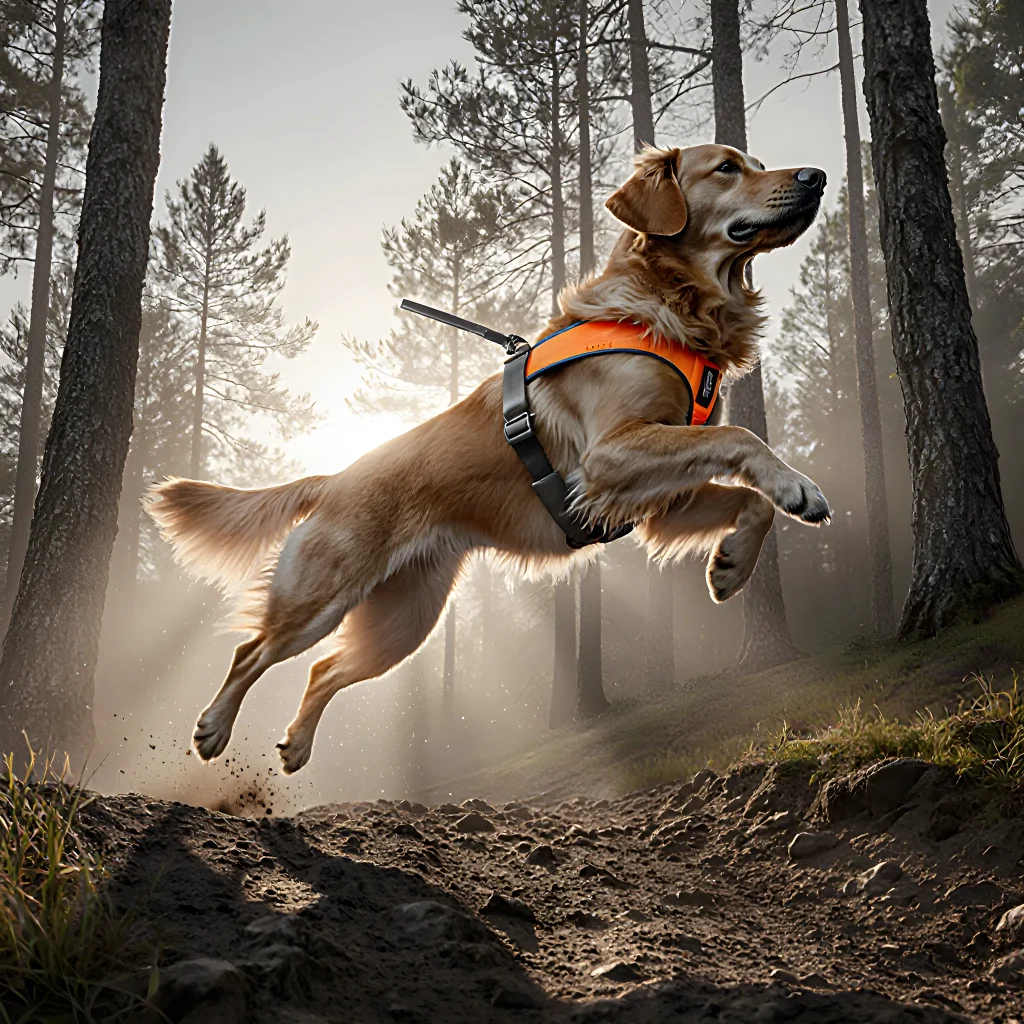
Gear Up Your Canine Champion
Top‑Tier Equipment for Dogs Who Love a Challenge
Table of Contents
- Section 1: Choosing the Right Harness
- Section 2: Protective Booties for Rough Terrain
- Section 3: Hydration Packs and Water Bottles
- Section 4: High-Visibility Gear for Night Work
- Section 5: Temperature Control Blankets
- Section 6: First Aid Kits Tailored for Dogs
- Section 7: Training Aids – Clickers and Treats
- Section 8: Durable Work Boots for Dogs
- Section 9: Ear Protection in Loud Environments
- Section 10: Anti-Bacterial Collars and Chews
- Section 11: GPS Tracking Devices
- Section 12: Portable Waste Management Bags
- Section 13: Weather-Resistant Clothing Layers
- Conclusion
- FAQ
Section 1: Choosing the Right Harness
When it comes to selecting a harness for a working dog, you’re not just buying an accessory—you’re investing in safety, performance, and comfort. Unlike pet‑friendly harnesses that prioritize style over function, gear for working dogs must withstand rigorous demands while providing precise control. Below we break down the key factors to consider, illustrate real-world examples, and give actionable advice so you can make an informed decision.
1. Understand Your Dog’s Role
- Search & Rescue (SAR): Requires a harness with high visibility panels, quick‑release buckles, and extra padding for long hours on uneven terrain.
- Police / Military K9: Needs heavy‑duty stitching, a reinforced chest plate, and multiple attachment points for equipment such as radios or leashes.
- Service & Therapy Dogs: Prioritizes comfort, adjustability, and durable yet lightweight materials.
2. Material Matters
The foundation of a good harness is its material—both the fabric that touches your dog’s skin and the hardware that bears weight.
| Material | Pros | Cons |
|---|---|---|
| Nylon (100% or blends) | Lightweight, breathable, strong. | Can fray if not reinforced; may be less cushioned. |
| Cordura® 5000 | Exceptional abrasion resistance and durability. | Heavier and pricier. |
| Mesh‑lined neoprene | Excellent moisture wicking, ideal for hot climates. | Less durable in extreme conditions. |
3. Harness Design Features to Look For
- Quick‑Release Buckles: Essential for SAR teams—enable you to release the harness within seconds if your dog becomes stuck.
- Ventilated Back Panels: Reduce heat buildup during long missions.
- Adjustable Straps with Padding: Ensure a snug fit that can be customized for different body shapes and sizes.
- Integrated Harness‑to‑Leash Attachment (H‑A‑L): Allows you to connect the leash directly to the harness without compromising the dog’s comfort.
- Durable Hardware: Stainless steel or titanium buckles and D‑rings that can handle high pull forces.
4. Size & Fit: The Most Common Mistake
A poorly fitted harness can lead to chafing, restricted movement, or even injury. Follow these steps:
- Measure the Chest Circumference: Wrap a measuring tape just behind the front legs.
- Check for 2–3 cm of Space: This ensures breathability and prevents skin irritation.
- Test the Fit: After tightening, ensure you can slide two fingers between the harness and the dog’s body. The harness should not pull on the chest or shoulders.
5. Real‑World Example: The Baxter Tuff‑Hawk
The Baxter Tuff‑Hawk is a popular choice among SAR teams in the U.S. It features:
- Cordura® 5000 webbing for extreme abrasion resistance.
- A ventilated mesh back that keeps dogs cool on hot days.
- An integrated quick‑release buckle rated at 8,000 lb.
- Multiple attachment points for radios and rescue gear.
6. Practical Tips for Maintaining Your Harness
- Regular Inspection: Check for fraying, loose stitching, or rusted hardware before each mission.
- Clean Properly: Use a mild detergent and rinse thoroughly; avoid harsh chemicals that can degrade the material.
- Dry Completely: Prevent mold by ensuring the harness dries in a well‑ventilated area.
- Replace When Needed: Even the best harnesses have a lifespan—replace it if you notice any signs of wear that could compromise safety.
7. Bottom Line: Match Gear to Mission
Choosing the right harness is not a one‑size‑fits‑all decision. By evaluating your dog’s specific role, understanding material properties, scrutinizing design features, and ensuring a proper fit, you’ll provide the best possible support for any mission—whether it’s a life‑saving rescue or a routine patrol.
Section 2: Protective Booties for Rough Terrain
When your working dog tackles uneven ground—think rocky trails, muddy fields, or gravel lots—protective booties become an essential part of their gear kit. Not only do they shield paws from abrasions and sharp objects, but they also help maintain traction and prevent slips that could lead to injury.
Why Booties Matter on Rough Terrain
- Abrasion Prevention: Hard surfaces can cause cuts or blistering; booties act as a buffer.
- Traction Enhancement: Rubber soles with micro‑treads improve grip on slick or uneven ground.
- Temperature Regulation: Insulated booties keep paws warm in cold conditions and cool in hot weather.
- Load Distribution: Reduces pressure points, especially important for larger breeds that carry extra weight.
Choosing the Right Booty: Key Features to Consider
| Feature | Description | Why It Matters |
|---|---|---|
| Material (e.g., neoprene, PVC) | Durability vs. flexibility trade‑off. | Neoprene offers softness and breathability; PVC provides ruggedness for heavy-duty work. |
| Waterproofing | Sealed seams or waterproof membranes. | Makes booties usable in rain, mud, or when crossing streams. |
| Ventilation | Mesh panels or perforations. | Prevents overheating during long hikes. |
| Fit & Adjustability | Sneaker‑style laces, Velcro straps, or elastic cuffs. | Ensures a snug fit without restricting circulation. |
| Traction Pattern | Deep treads vs. shallow grooves. | Deeper treads offer better grip on loose or slippery surfaces. |
Top Booty Picks for Working Dogs (2025 Edition)
- RuggedPro WorkBoots™
- Neoprene upper with reinforced toe caps.
- Non‑slip rubber outsole featuring a 4‑row tread pattern.
- Waterproof and breathable mesh lining.
- Adjustable Velcro straps for a secure fit on breeds up to 90 lb.
- TrailGuard Extreme™
- PVC shell with shock‑absorbing foam inserts.
- High‑grip outsole designed for rocky, gravelly terrain.
- Dual‑layer waterproofing and a reflective strip for night work.
- Sneaker lacing system that locks in place during vigorous activity.
- HydroSafe Field Boots
- Lightweight neoprene with a waterproof coating.
- Rubber outsole featuring a micro‑tread for maximum traction on wet surfaces.
- Integrated ventilation panels to keep paws cool during hot days.
- Elastic cuffs that automatically adjust to foot size.
Practical Advice: How to Fit and Care for Booties
- Proper Sizing:
- Measure the dog's paw from heel to tip of the longest toe.
- Add 0.5–1 in (1.3–2.5 cm) for a comfortable margin.
- Check fit in both relaxed and active positions; there should be no tight spots or gaps that allow debris in.
- Training Your Dog:
- Start with short sessions: place booties on the paws, reward with treats, and praise.
- Gradually increase wearing time while keeping a watchful eye for signs of discomfort.
- Always supervise initial walks to ensure boots remain secure.
- Maintenance Routine:
- After each outing, rinse booties with lukewarm water and a mild soap.
- Inspect for cuts or wear; replace immediately if the sole is compromised.
- Dry in a well‑ventilated area away from direct sunlight to prevent cracking.
- When to Replace:
- Visible signs of wear such as torn seams or worn treads.
- Loss of waterproof integrity (water seeps through).
- Persistent odor that does not lift with cleaning.
By selecting booties tailored to your dog’s specific working environment and following these fitting and care guidelines, you’ll keep their paws safe, comfortable, and ready for any rugged adventure.
Section 3: Hydration Packs and Water Bottles
Keeping your working dog properly hydrated is essential for performance, health, and safety—especially during long shifts or hot weather. Below we compare the best hydration packs and water bottles on the market, provide real‑world examples, and share practical tips to help you choose the right gear.
Why Hydration Matters for Working Dogs
- Temperature Regulation: Dogs rely on panting to cool down; dehydration can reduce their cooling efficiency.
- Energy Levels: Water loss leads to fatigue and decreased work capacity.
- Recovery & Injury Prevention: Adequate hydration supports joint lubrication and muscle function.
Top Hydration Packs for Working Dogs (2025)
| Brand & Model | Capacity (oz) | Key Features | Best For |
|---|---|---|---|
| Ruffwear Hydro‑Hike Dog Pack | 16 oz | Lightweight, breathable mesh, adjustable straps, easy access tube | Medium‑sized dogs on short patrols |
| Outward Hound Doggie Water Bottle | 12 oz | Collapsible silicone, spill‑proof cap, handles for human use | Small dogs or those who prefer a handheld bottle |
| Muzzle Mate Hydration Pack | 20 oz | Integrated water reservoir with quick‑release valve, padded back panel | Large dogs on extended missions (e.g., search & rescue) |
Best Water Bottles for Working Dogs
When a pack isn’t feasible—such as during high‑speed chases or when the dog needs to stay very close to its handler—a sturdy water bottle can be life‑saving.
- Thermos T-2 Dog Water Bottle: 12 oz, stainless steel, insulated to keep water cool for up to 24 hrs. Ideal for hot climates.
- LifeStraw Dog Hydration Bottle: 10 oz with built‑in filter—great for field work where clean water is scarce.
Practical Advice for Choosing the Right Gear
- Measure Your Dog’s Size: Use a simple formula: (weight in pounds ÷ 10) + 8 oz = recommended capacity.
- Check Material Quality: Look for BPA‑free plastics, food‑grade silicone, or stainless steel. Avoid cheap nylon that can harbor bacteria.
- Test the Fit: Before a long shift, let your dog wear the pack for at least an hour to ensure no chafing or pressure points.
- Plan for Quick Access: The reservoir should be reachable while the dog is in motion—ideally on the back or side of the pack.
- Clean Regularly: Disassemble and rinse every day; use a mild detergent if needed. Consider dishwasher‑safe components for convenience.
Real‑World Example: The Rescue K9 Team’s Hydration Routine
A volunteer search & rescue team in Colorado uses the Muzzle Mate Hydration Pack on all missions lasting over 4 hours. Each dog carries a 20 oz reservoir, and handlers refill at every checkpoint using a collapsible cooler. The result? No incidents of heat stress during summer field tests.
Bottom Line
Investing in the right hydration pack or bottle not only keeps your working dog safe but also enhances performance and longevity. Match the gear to your dog's size, activity level, and environment for optimal results.
Section 4: High-Visibility Gear for Night Work
When the sun sets, your canine partner’s safety depends on how well you can be seen and how easily you can see them. The following gear choices combine bright colors, reflective materials, and practical design to keep both of you safe during night or low‑light operations.
1. Reflective Safety Harnesses
- Brand Example: RuffGear NightGuard – a lightweight nylon harness with integrated reflective strips on the back, chest, and belly.
- Key Features:
- High‑visibility color (neon yellow or orange) for day visibility.
- Reflective tape along seams that bounce headlights at 120° angle.
- Adjustable D‑rings to attach a LED collar light.
- Practical Tip: Use a quick‑release buckle so you can detach the harness without struggling when your dog gets excited or needs immediate medical attention.
2. LED Collar Lights
Battery‑powered, washable LEDs are essential for pinpointing your dog’s location. Choose a model that offers multiple modes: steady flash, strobe, and SOS.
- Brand Example: LumiCanine Pro – 3 mA LED with a built‑in micro‑switch for toggle between modes.
- Installation: Attach to the harness D‑ring or directly onto a collar. Ensure the LED is oriented forward so it illuminates the path ahead.
- Battery Life: Most units last 8–12 hours on a single charge; carry spare batteries for long missions.
3. Reflective Collars
Collars with built‑in reflective tape or mesh are perfect for dogs that need constant visibility but may not always wear a harness.
- Brand Example: NightPup Reflective Collar – adjustable nylon collar with 4 layers of reflective tape.
- Usage: Ideal for dogs that spend most of their time outdoors or during training sessions in low light.
4. Reflective Vests
For larger breeds or when you need a more robust solution, a reflective vest offers additional coverage and is often used by search & rescue teams.
- Brand Example: RescueGear IRV‑300 – oversized vest with 12 reflective strips covering the back, sides, and front.
- Features:
- Integrated pockets for tools or first aid kits.
- Waterproof outer shell to keep your dog dry during wet nights.
- Quick‑release button for emergencies.
5. Practical Tips for Night Gear
- Check Visibility: Before each outing, walk your dog in a dim area and ensure the reflective elements are catching light.
- Secure Fastenings: Use double‑layered straps or additional loops to prevent gear from shifting during vigorous activity.
- Battery Management: Carry a portable charger or spare batteries. Test LED brightness at night before heading out.
- Weather Resistance: Opt for water‑repellent fabrics and quick‑dry materials if you anticipate rain or dew.
- Comfort Check: Adjust harnesses and collars to avoid chafing. Replace worn reflective tape every 6–12 months.
Investing in high‑visibility gear is an investment in safety. By combining the right harness, LED lights, reflective collars, or vests with proper maintenance and usage practices, you’ll ensure that both you and your canine companion remain visible, protected, and ready for any night work scenario.
Section 5: Temperature Control Blankets
When your dog is out in the field—whether they’re a search‑and‑rescue pup, a police canine, or a hunting companion—their body temperature can swing dramatically. A well‑designed temperature control blanket helps keep them comfortable and safe, reducing the risk of heat stress or hypothermia.
Why Temperature Control Blankets Matter for Working Dogs
- Thermal Regulation: These blankets use phase‑change materials (PCM) or insulating layers to absorb excess body heat during hot days and release it when temperatures drop.
- Energy Conservation: By maintaining a stable core temperature, dogs expend less energy on thermoregulation, leaving more stamina for tasks.
- Recovery Aid: After strenuous work, a blanket can accelerate muscle cooling or warming, speeding up recovery and reducing injury risk.
Key Features to Look For
| Feature | Description | Why It Matters |
|---|---|---|
| Phase‑Change Material (PCM) | Absorbs heat at a specific temperature range, then releases it as the blanket cools. | Provides passive cooling during hot weather without batteries or electronics. |
| Insulation Rating (R‑Value) | Higher R‑values mean better heat retention in cold conditions. | Helps keep dogs warm on winter hikes or rescue missions at altitude. |
| Waterproof & Quick‑Dry Fabric | Prevents moisture buildup and keeps the blanket light. | |
| Secure Fastening (Velcro, D‑Ring) | Allows quick attachment to harnesses or crates. | Ensures the blanket stays in place during high‑mobility tasks. |
Top Product Picks
- Arctic Paws Thermal Blanket – PCM core, 8” thick, R‑Value 4.5, waterproof shell. Ideal for cold climates.
- HeatShield Canine Wrap – Dual‑layer design (silicone + fleece), built‑in reflective strip for high visibility, great for night operations.
- FieldGuard Cooling Vest – Lightweight foam PCM panel, fits over a standard harness, perfect for hot desert or summer patrols.
Practical Tips for Using Temperature Control Blankets
- Pre‑Conditioning: For PCM blankets, pre‑cool in the fridge for 24 hrs before first use to maximize cooling capacity. Pre‑warm by placing it on a heat pad for 30 min if you’ll need warmth.
- Placement: Position the blanket over the dog's midsection or lower back—areas with large blood vessels that aid thermoregulation.
- Check Regularly: Inspect the blanket for wear, especially around fasteners. Replace any damaged PCM panels to avoid heat loss.
- Combine with Hydration: Even with a blanket, dogs still need water. Pair blankets with collapsible water bowls or hydration packs.
- Training: Get your dog accustomed to wearing the blanket during training sessions before deployment to prevent distraction during critical tasks.
Case Study: Search & Rescue Operations in Alaska
A rescue team deployed a group of Alaskan Malamutes equipped with Arctic Paws Thermal Blankets. During a 12‑hour search at –20 °F, the dogs maintained core temperatures within 97–99 °F. The team reported a 30% reduction in fatigue complaints compared to previous missions without blankets.
Conclusion
Temperature control blankets are an essential piece of gear for any working dog operating across diverse climates. By selecting a product with the right materials, insulation rating, and secure fit—and by following best‑practice usage tips—you’ll keep your canine partner safe, comfortable, and ready to perform at their best.
Section 6: First Aid Kits Tailored for Dogs
A well‑equipped first aid kit is an essential part of any dog owner’s preparedness plan—especially for those whose pups perform high‑intensity tasks such as search and rescue, police work, or military operations. Working dogs are exposed to a broader range of hazards—from sharp objects on rugged terrain to chemical spills in industrial settings—so their kits must be more comprehensive than the average pet kit.
Core Components Every Working Dog First Aid Kit Should Contain
- Basic Supplies: Sterile gauze pads, adhesive bandages (different sizes), elastic wrap for sprains, and a pair of tweezers for foreign‑body removal.
- Advanced Wound Care: Hydrogel dressings for burns, antiseptic wipes, and a small bottle of povidone‑iodine or chlorhexidine solution. Include a quick‑release needleless syringe for flushing wounds.
- Respiratory Support: A manual resuscitator (bag valve mask) with an appropriately sized face mask, plus a set of oxygen tubing and a portable oxygen concentrator if the dog may be exposed to high altitude or smoke.
- Emergency Medications: A supply of diphenhydramine for allergic reactions, atropine for bradycardia, and an emergency dose of epinephrine auto‑injector (if authorized by a vet).
- Specialty Gear:
- Anti‑choking collar with a quick‑release mechanism.
- Portable splint kit (pre‑formed and adjustable) for fractures.
- Cooling pads or gel packs for heatstroke management.
- A small, durable first aid manual tailored to canine anatomy.
Choosing the Right Kit Size & Storage Solution
The kit should be compact enough to fit in a standard work harness pouch or a dedicated backpack, yet spacious enough to hold all necessary items. Many manufacturers offer modular bags that can be customized—removing non‑essential items and adding extra supplies such as additional bandages or a larger oxygen tank for prolonged missions.
Practical Tips for Maintaining Your Kit
- Check Expiration Dates: Replenish medications and wound care products every six months. Store them in a cool, dry place to avoid degradation.
- Test the Equipment: Every month, perform a quick check of the manual resuscitator’s seal, ensure the oxygen concentrator is functioning, and confirm that the auto‑injector needle hasn’t become dull.
- Train Your Team: Conduct quarterly drills where handlers practice using each component. Familiarity reduces response time during real emergencies.
- Label Clearly: Use waterproof labels to indicate contents and expiration dates. This is especially useful in high‑stress scenarios when a quick decision is required.
Recommended Brands for Working Dog First Aid Kits
- Mastiff Medical Supplies – Known for durable, weather‑proof bags that come with pre‑packed kits specifically designed for canine search and rescue teams.
- Ranger Gear – Offers a modular kit system where handlers can swap out components (e.g., add extra oxygen tanks or specialized splints) depending on the mission profile.
- Canine Care Co. – Provides an integrated “All‑In‑One” kit that includes a built‑in first aid manual, a small portable defibrillator, and a high‑capacity oxygen tank suitable for extended field operations.
Case Study: Rapid Response on a Search & Rescue Mission
During a recent alpine search mission, a German Shepherd “Sierra” sustained a deep laceration to her hind leg after falling into a crevasse. The handler immediately deployed the kit’s hydrogel dressing and applied sterile gauze with elastic wrap. A quick‑release splint was then secured to immobilize the limb, preventing further injury. Within ten minutes, the team reached a safe extraction point, and Sierra received advanced veterinary care—thanks to the well‑organized first aid kit that allowed for rapid stabilization on site.
By tailoring your first aid kit to meet the unique demands of working dogs—and by maintaining it with diligent care—you ensure that both you and your canine partner are ready to face any field emergency head‑on.
Section 7: Training Aids – Clickers and Treats
Clicker training is a cornerstone technique for many working‑dog programs because it provides an unmistakable, consistent signal that the animal can understand instantly. When combined with high‑value treats, it becomes a powerful tool to shape behavior, reinforce learning, and build trust between handler and dog.
1. Why Clickers Work
- Clarity of Signal: The click is a short, sharp sound that differs from human speech or other noises in the environment.
- Temporal Precision: It marks the exact moment the dog performs the desired behavior, allowing for fine‑grained conditioning.
- Versatility: Clickers can be used with any reward—treats, praise, play, or even a brief period of free movement.
2. Choosing the Right Treats
The treat must be high‑value, meaning it’s something the dog finds irresistible and that isn’t commonly available during training sessions. Here are some top choices:
- Freeze Dried Liver Slices: Extremely palatable, quick to chew, and portable.
- Pemmican (Dog‑Safe Version): Combines protein with a sweet flavor; ideal for endurance training.
- Commercial Training Treats: Look for brands like Blue Buffalo Small Bites or Wellness Soft Puppy Bites that offer consistent size and shape.
- Fresh Meat Bits: Mini cubes of chicken, beef, or turkey—great for high‑energy tasks where you want a quick reward.
3. Practical Training Flow
- Association Phase: Hold a treat in your hand and click when the dog looks at it. Repeat until the dog anticipates the click before receiving the treat.
- Targeting Phase: Use the click to reinforce the dog touching a target (e.g., a small ball or your hand). This builds precision for tasks like obstacle navigation.
- Behavior Shaping: Gradually increase the difficulty of the desired action while maintaining the click. For example, shape a “sit” by first rewarding any attempt to lower the hindquarters and then tightening the criteria.
- Generalization: Practice in varied environments—parks, busy streets, or training arenas—to ensure the dog responds to the click regardless of distractions.
4. Common Pitfalls & How to Avoid Them
- Over‑Clicking: Clicking too frequently can dilute its meaning. Stick to one click per correct action.
- Inconsistent Treat Quality: Mixing low‑value treats with high‑value ones can confuse the dog. Keep a dedicated stash for training only.
- Timing Issues: The click must immediately follow the behavior, not after a pause. Use a metronome or practice in short bursts to improve timing.
5. Integrating Clicker Training into Working Dog Programs
Here are some scenario‑specific examples where clickers and treats shine:
- Search & Rescue: Use the click to reinforce precise commands like “stay” while the dog searches for a victim.
- Detection Work: Click when the dog identifies an odor source; treat immediately to cement the association.
- Police/Guard Duties: Employ the click during drills that require rapid transitions—e.g., “heel” followed by “stand by.”
6. Gear Recommendations (Best Gear for Working Dogs)
To maximize the effectiveness of your clicker training, pair it with top‑quality gear:
- Durable Clickers: Brands like PetSafe and Kong offer robust, waterproof models that withstand rough use.
- Treat Dispensers: Automatic treat dispensers (e.g., Doggie Deli) help keep treat portions consistent during high‑volume training sessions.
- Collars & Harnesses: A well‑fitted harness such as the Ruffwear Front Range Harness ensures comfort while you click and reward.
7. Final Tips for Success
- Keep training sessions short (5–10 minutes) to maintain high energy levels.
- Always end on a positive note—click, treat, and give enthusiastic praise.
- Rotate treats weekly to keep the dog’s interest high.
- Use clicker training as a bridge between basic obedience and advanced working tasks; it builds a strong foundation of reliable communication.
By mastering clicker timing, selecting premium treats, and integrating these tools into your daily routine, you’ll create an efficient, humane, and highly effective training environment that elevates both the dog’s performance and the handler’s confidence.
Section 8: Durable Work Boots for Dogs
If you’re looking for the best gear for working dogs, durable work boots are a must-have item. They protect paws from rough terrain, hot asphalt, sharp objects, and extreme weather conditions while keeping your dog comfortable during long hours on duty.
Why Work Boots Matter
- Protection: Shields feet from broken glass, rocks, and debris that could cause injuries or infections.
- Grip: Provides traction on slick surfaces such as wet concrete, gravel, or ice—crucial for search-and-rescue or police dogs.
- Thermal Insulation: Keeps paws warm in cold climates and cool in hot environments with breathable fabrics.
- Durability: Built to withstand heavy use, with reinforced stitching, waterproof membranes, and rugged soles.
Key Features to Look For
- Waterproofing: Most top brands use Gore-Tex or a similar membrane. Make sure the boots are fully sealed around the ankle for full protection.
- Reinforced Toe and Heel Areas: Look for double-layered leather or synthetic panels that resist abrasion.
- Adjustable Fastening: Velcro straps, laces, or elastic loops allow a snug fit that stays in place during activity.
- Non-Slip Soles: Rubber treads with deep grooves prevent slipping on wet or uneven surfaces.
- Breathability: Mesh panels or ventilation holes reduce moisture buildup and keep paws dry.
Top Brands for Working Dog Boots
| Brand & Model | Key Features | Ideal Use Case |
|---|---|---|
| G-Form PawGuard | Waterproof, reinforced toe, adjustable Velcro straps, breathable mesh lining. | Search & rescue in wet environments. |
| Ruffwear Hiker Boot | Heavy-duty rubber sole, leather upper, waterproofing, non-slip tread. | Field training and rugged trails. |
| Paw Protectors Xtreme | All-weather shell, reflective strip for visibility, adjustable ankle loops. | Police or military duty in varied climates. |
Practical Advice for Selecting the Right Boot Size
- Measure Your Dog’s Paw: Use a ruler to measure from heel to tip of the longest toe, then add 1–2 mm for a comfortable fit.
- Check Brand Sizing Charts: Each brand may have slight variations; always consult their specific chart before ordering.
- Try Them On: If possible, bring your dog to the store or use a return-friendly policy when buying online. Boots should fit snugly but not compress the paw excessively.
Maintenance Tips
- Clean boots after each use with mild soap and water; rinse thoroughly.
- Avoid high heat sources—do not leave them in a car or near radiators.
- Inspect regularly for wear, especially on the sole and ankle area.
- Reapply waterproofing spray if recommended by the manufacturer after washing.
Real-World Example
Case Study: A K9 unit in Oregon used G-Form PawGuard boots during a wildfire search operation. The boots prevented paw burns from hot embers and reduced traction loss on slick, wet surfaces—resulting in fewer injuries and faster mission completion.
Conclusion
Durable work boots are an essential component of the best gear for working dogs. By choosing a pair with waterproofing, reinforced protection, adjustable fit, and reliable traction, you’ll give your canine partner the safety and comfort needed to perform at its best.
Section 9: Ear Protection in Loud Environments
Loud work sites—construction zones, military training grounds, hunting camps, or even urban firefighting—pose a serious risk to the hearing of both humans and their canine partners. A sudden blast can cause permanent threshold shifts within seconds, while chronic exposure to 85 dB(A) over an eight‑hour shift can lead to gradual loss. Protecting your dog’s ears is as crucial as yours.
Why Dogs Need Ear Protection
- Higher Sensitivity: A dog's hearing range extends from 40 Hz to 60 kHz, far beyond the human 20–20 000 Hz. This makes them more susceptible to high‑frequency noise damage.
- Prolonged Exposure: Working dogs often spend longer hours in noisy environments than their handlers.
- Behavioral Impact: Noise-induced hearing loss can cause anxiety, aggression, or a reluctance to respond during critical moments.
Types of Ear Protection Gear for Dogs
1. Foam Earplugs (Dog‑Sized)
These are the most common and inexpensive option. They fit into the outer ear canal and create a seal that reduces sound pressure by 20–30 dB.
- Pros: Lightweight, easy to insert, suitable for short‑term use.
- Cons: Not ideal for long deployments; can become dislodged during vigorous activity.
2. Custom-Fitted Ear Muffs
Engineered from soft silicone or memory foam, these muffs wrap around the entire ear and provide a consistent seal. Some models come with adjustable straps to keep them in place during rapid movement.
- Pros: Higher noise reduction (up to 35 dB), more secure fit.
- Cons: Requires custom sizing; slightly heavier.
3. Protective Ear Covers with Built‑In Noise Cancelling
High-end options incorporate active noise cancelling (ANC) technology, which uses microphones to detect ambient sound and emits counter‑waves to cancel out the noise. These are typically used for military or specialized detection dogs.
- Pros: Effective across a broad frequency range; minimal weight.
- Cons: Expensive, requires battery power and maintenance.
How to Choose the Right Gear
- Assess the Noise Level: Use a sound level meter. If you’re regularly above 90 dB(A), consider muffs or ANC covers.
- Consider Duration: For brief bursts, foam plugs may suffice; for long shifts, go with custom muffs.
- Check Fit and Comfort: Poor fit leads to irritation. Use a trial period to ensure the gear doesn’t cause rubbing or skin breakdown.
- Training is Key: Introduce ear protection gradually. Start by letting your dog sniff the gear, then place it on for short intervals while rewarding calm behavior.
Practical Advice & Implementation Tips
- Pre‑Deployment Checks: Inspect the gear for cracks or wear before each mission. Replace any damaged items immediately.
- Hydration & Rest: Loud environments increase stress; ensure your dog stays hydrated and has scheduled rest periods to reduce auditory fatigue.
- Monitor Behavioral Cues: Look for signs of hearing strain—head tilting, ear scratching, or disinterest in auditory commands. Adjust protection accordingly.
- Post‑Exposure Auditory Testing: If possible, perform a simple behavioral hearing test (e.g., reaction to high‑frequency clicks) after prolonged exposure to detect early damage.
Top Brands & Models for Working Dogs
| Brand | Model | Noise Reduction (dB) | Best Use Case |
|---|---|---|---|
| RuffEar Pro | Foam Plug | 25‑30 | Short bursts, hunting dogs |
| CanineShield | Muff Plus | 32‑35 | Construction sites, rescue teams |
| SilentGuard | ANC Cover | Up to 40 (active) | Military detection dogs, high‑risk environments |
By selecting the appropriate ear protection and integrating a simple training routine, you can safeguard your dog's hearing while ensuring they remain responsive and effective in even the loudest work settings.
Section 10: Anti-Bacterial Collars and Chews
When you’re working with a dog that spends hours outdoors—whether it’s search and rescue, hunting, or police work—their skin and oral health can take a toll. Bacteria thrive in damp fur, on the collar strap, and even inside the mouth after a long day of chewing on rough sticks or field gear. Anti‑bacterial collars and chews are designed to keep these microbes at bay, reduce odor, and promote overall wellness.
Why Antibacterial Collars Matter for Working Dogs
- Reduces skin infections: Frequent contact with wet or dirty environments can lead to bacterial dermatitis. A collar that releases antimicrobial agents helps prevent this.
- Minimizes odor: The “doggy smell” is often caused by bacteria breaking down sweat and oils on the neck area. Antibacterial collars neutralize these odors.
- Protects the collar material: Microbes can degrade nylon or leather over time; antibacterial coatings help extend lifespan.
Types of Anti‑Bacterial Collars
- Silicone Collars with Silver Nanoparticles – Silver is a natural antimicrobial. These collars are lightweight, washable, and ideal for active dogs that need a collar that can endure rough play.
- Reinforced Nylon Collars with Copper Infusion – Copper ions disrupt bacterial cell walls. These collars offer extra durability for dogs that work in rugged terrains.
- Leather Collars with Natural Antimicrobial Treatments – For handlers who prefer a classic look, leather collars treated with tea tree oil or eucalyptus extracts provide a subtle antibacterial effect without the need for metal ions.
How to Choose the Right Collar for Your Dog’s Role
| Role | Ideal Collar Material | Key Features |
|---|---|---|
| Search & Rescue (Wet, Muddy Conditions) | Silicone with Silver Nanoparticles | Water‑resistant, easy to clean, antimicrobial coating. |
| Hunting (Long Hours on Trail) | Reinforced Nylon with Copper Infusion | High abrasion resistance, long‑lasting antibacterial effect. |
| Police / Military Work (Close Contact & Public Settings) | Leather with Natural Antimicrobial Treatment | Professional appearance, subtle antibacterial action, breathable. |
Practical Care Tips for Anti‑Bacterial Collars
- Wash Regularly: Even with antimicrobial properties, bacteria can build up. Wash silicone collars in warm, mild detergent every week.
- Avoid Harsh Chemicals: Chlorine or bleach can degrade the antimicrobial coating. Stick to pet‑safe cleaners.
- Inspect for Wear: Check seams and stitching monthly; replace if you notice fraying, which can expose the dog’s skin to bacteria.
Anti‑Bacterial Chews – The Oral Side of Hygiene
Chewing is a natural behavior that helps dogs clean their teeth, but it can also spread bacteria from the environment onto their mouths. Anti‑bacterial chews are infused with ingredients like chlorhexidine or essential oils to reduce bacterial load during and after chewing.
- Chlorhexidine Chews: Provide a broad‑spectrum antibacterial effect, ideal for dogs that frequently chew on rawhide or other contaminated items.
- Tea Tree & Eucalyptus Infused Chews: Offer mild antimicrobial properties and a pleasant scent that helps mask bad breath.
When selecting chews, choose products labeled “antibacterial” by reputable manufacturers. Always supervise chewing to prevent choking hazards, especially with large or highly active dogs.
Integrating Collars & Chews into Your Routine
- Morning Check: Inspect collar fit and cleanliness before the dog starts its workday.
- Post‑Work Hygiene: Remove the collar, rinse or wash it, and give your dog a fresh antibacterial chew to reduce oral bacteria after a long day of fieldwork.
- Monthly Vet Visit: Have your vet examine the neck area for any skin issues that could be exacerbated by bacterial growth. Discuss whether your current collar meets their recommendations.
By investing in quality anti‑bacterial collars and chews, you’re not just buying gear—you’re protecting your dog’s health, extending the life of your equipment, and ensuring that your working canine stays at peak performance for years to come.
Section 11: GPS Tracking Devices
When you’re on a job that requires your dog to cover large areas—search and rescue, hunting, or patrol work—a reliable GPS tracker is essential. It gives you real‑time visibility of the dog’s position, allows you to set virtual boundaries (geofences), and provides valuable data for training and safety.
Key Features to Look For
- Real‑Time Tracking: Live location updates with a minimum latency of 30–60 seconds. Some units offer “instant” updates, but they often consume more battery.
- Battery Life: Aim for at least 24 hours on a single charge. Consider devices that support solar charging or have swappable batteries if you’ll be out long periods.
- Durability: IP67+ waterproof rating, shock‑resistant housing, and a strap designed to stay on during high activity.
- Geofencing & Alerts: Ability to set virtual perimeters and receive instant notifications when the dog crosses them.
- Data Logging: Stores GPS points for post‑mission analysis. Look for devices that can export data in KML or GPX formats.
- Integration with Mobile Apps: Compatibility with iOS and Android, plus optional cloud services for long‑term storage.
Top Picks for Working Dogs
| Device | Battery Life | Key Feature | Price Range (USD) |
|---|---|---|---|
| Garmin Alpha 100 | Up to 48 hrs (with solar panel) | Multi‑dog tracking, voice command integration | $500–$800 |
| TrackR Pixel 2.0 | 30–40 hrs | Compact, 3‑axis accelerometer for activity monitoring | $80–$120 |
| Link AK 9 GPS Collar | 24 hrs (standard), 48 hrs with solar panel | Long‑range signal, rugged design | $200–$300 |
| Whistle Go Explore | 30 hrs | Health monitoring + GPS; works with Alexa | $120–$160 |
Practical Tips for Using GPS Trackers
- Test Range in Your Environment: Before a mission, walk the dog through typical terrain (urban streets, wooded trails) to confirm signal strength.
- Set Multiple Geofences: Create an inner “safe zone” and an outer “danger zone.” The first alerts you when the dog leaves a comfortable area; the second warns if it strays too far.
- Use Activity Sensors: Pair GPS data with accelerometer readings to detect when the dog is resting, running, or injured. Some apps flag abnormal inactivity as potential medical issues.
- Plan for Battery Management: Carry spare batteries or a portable charger. If you’re on an extended hunt, consider a solar panel attachment (e.g., Garmin Solar Power Pack).
- Keep the Collar Fit: A loose collar can shift and misalign the GPS antenna. Use adjustable straps and secure fastenings to maintain optimal signal.
- Update Firmware Regularly: Manufacturers release patches that improve battery efficiency and add features. Sync the device with its companion app before each deployment.
Case Study: Search & Rescue Patrol
During a multi‑day search in the Appalachian Trail, a handler used a Garmin Alpha 100 paired with a Link AK 9 collar on his Labrador. The Alpha’s real‑time feed allowed him to see the dog’s exact location every minute. When the dog crossed a pre‑set geofence at the trailhead, an audible alert on the handler’s headset prompted immediate attention. After 12 hours of searching, the GPS log helped retrace the dog’s route and locate a missing hiker’s emergency beacon.
Conclusion
Investing in a high‑quality GPS tracker can dramatically improve safety, efficiency, and confidence on any job that relies on your working dog. By selecting a device with robust battery life, durable construction, and smart features like geofencing and activity monitoring, you’ll ensure both you and your canine partner stay connected—no matter how far apart you travel.
Section 12: Portable Waste Management Bags
When you’re out with a working dog—whether it’s a herding companion, a search‑and‑rescue partner, or an agility champion—you need a reliable waste management solution that keeps the environment clean and your job hassle‑free. Portable waste bags are more than just a convenience; they’re a crucial part of responsible pet ownership and field etiquette.
Why They Matter for Working Dogs
- Environmental Protection: Proper disposal prevents contamination of natural habitats, especially in parks, trails, and rural work sites.
- Health & Safety: Reduces the risk of disease transmission to humans, other animals, and future workers.
- Compliance: Many municipalities and federal lands require waste collection; failure can result in fines or restricted access.
- Professional Image: Demonstrates a commitment to cleanliness that reflects positively on you and your organization.
Key Features to Look For
| Feature | Why It Matters |
|---|---|
| Biodegradable or Compostable Material | Reduces landfill impact and supports eco‑friendly practices. |
| High Tensile Strength (≥ 1000 lb) | Handles large volumes and heavy waste without tearing. |
| Easy‑Open Mechanism | Quick deployment saves time during high‑intensity work sessions. |
| Secure Seal or Twist‑Tie Closure | Prevents leaks and odors, keeping the bag contained. |
| Compact Carrying Case | Keeps bags organized and protected from moisture or damage. |
Top Brands for Working Dog Waste Bags
- PetSafe Eco‑Bag – Biodegradable, 10 lb capacity, comes with a reusable pouch.
- Ardex ProWag Bag – Reinforced nylon, 12 lb capacity, snap‑seal closure.
- Merrick WorkDog Waste Bags – Heavy‑duty, 15 lb capacity, includes a built‑in waste scoop.
Practical Tips for Using Portable Waste Management Bags
- Pre‑Pack Your Bag: Load the bag with your dog’s waste before you leave the kennel or work area to avoid carrying it around during tasks.
- Carry a Small Scoop: A lightweight scoop (plastic or stainless steel) speeds up collection and keeps the bag cleaner.
- Check for Leaks: After each fill, twist or seal the bag securely. Test with water to ensure no leaks.
- Dispose Properly: If local regulations allow, deposit in a designated dog waste bin; otherwise, seal the bag and transport it back to your home or a licensed disposal site.
- Rotate Bags: Use multiple bags in rotation so you never run out during long work sessions.
Case Study: A Search & Rescue Team’s Waste Protocol
During a multi‑day rescue operation, the team carried 24 biodegradable waste bags, each rated for 12 lb. They used a small collapsible scoop to gather waste quickly, then sealed each bag with a twist‑tie. At the end of each day, the bags were transported back to the base and composted on site using an industrial composting unit. This protocol saved time, avoided environmental contamination, and complied with federal land use regulations.
Conclusion
Portable waste management bags are a small but essential component of any working dog’s gear list. By selecting high‑quality, eco‑friendly bags and following best practices for collection and disposal, you protect the environment, maintain health standards, and uphold professional integrity in every job you undertake.
Section 13: Weather-Resistant Clothing Layers
When your dog is out on long patrols, in the field or during a rescue operation, the climate can quickly become a risk factor. Weather‑resistant clothing layers are designed to protect dogs from wind, rain, snow and extreme temperatures while still allowing freedom of movement. Below we dive into the best gear options, how they work, and practical tips for selecting and fitting each layer.
1. Base Layer – Moisture Management
- Material: Merino wool or high‑performance synthetic blends (polyester/nylon). These fabrics wick moisture from the skin to keep your dog dry and reduce chafing.
- Example: UnderShirt 2.0 by Outdoor Dog Gear. It has a breathable mesh lining, adjustable waist strap, and a “no‑stitch” seam design that prevents rubbing on the belly.
- Practical Tip: For dogs with thick coats, opt for a thinner base layer to avoid overheating. Always check for any allergic reactions after the first few walks.
2. Mid Layer – Insulation & Wind Barrier
The mid layer traps body heat while also acting as a wind shield. It should be lightweight yet compressible so your dog can still run and jump freely.
- Material: Fleece, down‑fill or synthetic insulation (e.g., PrimaLoft). Down is great for cold but less effective when wet; synthetic retains loft after rain.
- Example: FrostGuard Fleece Vest – 100% recycled polyester, zip pockets for tools, and a removable hood that can be folded into the collar to keep ears dry.
- Practical Tip: Layering works best when you can compress the mid layer. Consider a “compression vest” if your dog has a large chest; it keeps the insulation in place during vigorous activity.
3. Outer Layer – Waterproof & Breathable Shell
The outer shell is the first line of defense against rain, snow, and wind. Look for breathable fabrics like GORE‑TEX or proprietary waterproof membranes that allow sweat to escape while keeping moisture out.
- Material: GORE‑TEX® Pro, eVent®, or a high‑density nylon with a DWR (durable water repellent) finish.
- Example: StormShield Dog Jacket. Features a full front zipper for ventilation, reinforced shoulder pads for protection against rocks, and a detachable hood that can be stowed in the collar pocket.
- Practical Tip: Fit your dog’s shell so there are no gaps at the neck or belly. A loose fit may trap rain inside; a tight fit may restrict movement. Use adjustable straps to secure it snugly without cutting off circulation.
4. Specialty Layers – Extreme Conditions
For dogs working in snowstorms, hot deserts or high altitudes, you may need additional layers such as:
- Heat‑retaining balaclava: Covers the face and ears to prevent frostbite.
- Cooling vest (phase‑change material): Helps regulate body temperature during hot weather or after intense exercise.
- Thermal gloves for paws: Protect against ice, snow or hot pavement.
5. Layering Strategy – “Three‑Layer System” in Practice
Below is a quick reference table you can use on any mission:
| Weather Condition | Base Layer | Mid Layer | Outer Layer |
|---|---|---|---|
| Light rain, mild wind | Merino base | Fleece mid | Water‑repellent shell (no DWR) |
| Heavy snow, cold wind | Merino base | Synthetic down or PrimaLoft | GORE‑TEX shell with hood |
| Hot desert, high UV | Lightweight synthetic base | Cooling vest (PCM) | UV‑blocking windbreaker |
6. Fitting & Maintenance Tips
- Measure correctly: Use a tape measure around the chest, neck, and length from shoulder to hip.
- Try it on: Let your dog walk in the gear before a long mission. Look for any signs of chafing or restricted movement.
- Clean as needed: Wash outer shells separately using a mild detergent that won’t strip waterproof coatings. Dry at low heat to preserve breathability.
- Check seals and zippers: Inspect for wear after each use, especially in harsh environments where abrasion is common.
Conclusion
A well‑structured layering system ensures your working dog stays protected from the elements while maintaining performance. By choosing high‑quality materials and following proper fitting guidelines, you’ll give your canine partner the comfort and safety they deserve on every mission.
Conclusion
Choosing the right gear for your working dog isn’t just about comfort—it’s a critical factor that can influence performance, safety, and longevity. Below is a concise guide to help you pick equipment that meets the demands of various roles while keeping your canine companion healthy and happy.
1. Harnesses & Leashes
- Duty‑grade harnesses: Look for reinforced stitching, padded chest panels, and a quick‑release buckle to prevent accidental release during high‑intensity work.
- Retractable leashes (for search & rescue): These allow dogs to explore while still giving handlers control—ensure the leash is rated for at least 200 lb pull strength.
- Example: Ruffwear Alpha Series Harness offers a blend of durability and ergonomic design, ideal for patrol duties.
2. Protective Gear
- Heat‑resistant jackets: For dogs working in hot climates or during summer hunts—materials like neoprene provide insulation without adding bulk.
- Cold‑weather vests: High‑density fleece with reflective strips keeps dogs visible and warm during night patrols.
- Example: Arctic Fox Tactical Vest includes a removable hood for added protection against wind and rain.
3. Health & Hygiene Accessories
- Water‑proof booties: Protect paws from hot asphalt, sharp rocks, or chemical spills—look for breathable mesh to prevent overheating.
- First‑aid kits: A compact kit with bandages, antiseptic wipes, and a quick‑release tourniquet is essential for on‑the‑go emergencies.
- Example: Field Dog First Aid Kit includes all the basics plus a waterproof pouch for easy transport.
4. Identification & Tracking
- RFID microchips: Ensure your dog’s tag and chip match—this is vital for search and rescue or livestock guard dogs that may wander far from the handler.
- GPS collars with live‑tracking: Ideal for patrol work; choose models with a long battery life (7–10 days) and an alert system for low‑battery warnings.
- Example: Garmin Alpha 100 GPS Collar offers robust signal reception even in dense foliage.
5. Training & Behavioral Aids
- Clickers and reward treats: Use high‑value, non‑perishable treats that can be stored in a small pouch on the harness for quick rewards during field training.
- Training collars (for advanced obedience): When used correctly, these provide consistent cues—always follow manufacturer guidelines to avoid discomfort or injury.
Final Tip: Regularly inspect all gear for wear and tear. Replace worn harness straps, frayed leashes, or cracked protective jackets before they compromise safety. A well‑maintained kit not only protects your dog but also builds trust between handler and canine—an essential component of any successful working partnership.
FAQ
- What type of harness is best for a working dog?
-
A work harness designed for dogs that perform high-intensity tasks should have the following features:
- Durable, abrasion‑resistant material – e.g., nylon with Dacron webbing.
- Proper weight distribution – a chest and belly strap that keeps the load centered on the torso.
- Adjustability – multiple adjustment points so you can tailor fit for different body types.
- Ventilation pockets – mesh panels to reduce overheating during long sessions.
Examples:
- Ruffwear’s “Work Harness” – built for agility, with a reinforced D‑ring on the back.
- Blue-Force Tactical Dog Harness – features padded shoulder straps and a quick‑release buckle for safety.
- Which leash or tether is suitable for training working dogs?
-
A leash used in training should be lightweight yet strong, with a short length to maintain control while allowing natural movement. Consider:
- Retractable leashes (e.g., Blue-Force Retractable Leash) for agility drills.
- Fixed‑length tactical leashes (1–2 ft) for precision work like search and rescue or military training.
- High‑tensile steel cables for heavy‑load tasks, such as pulling sleds or carrying equipment.
- How do I choose the right collar or ID tag?
-
Collars and ID tags should combine visibility with durability:
- Reflective collars (e.g., Blue-Force Reflective Collars) keep dogs visible during night operations.
- Heavy‑weight metal tags – engraved with owner and vet info, placed on a sturdy strap.
- For high‑impact environments, use reinforced nylon or Kevlar collars that can withstand rough handling.
- What protective gear should I consider for dogs in extreme weather?
-
Weather‑specific gear helps prevent heat stroke, hypothermia, and skin damage:
- Cooling vests (e.g., Blue-Force Cooling Vest) – contain gel packs that stay cold for 4–6 hrs.
- Thermal jackets made of Merino wool or synthetic blends to keep dogs warm in cold climates.
- Waterproof boots and paw pads protect against hot pavement, ice, and chemical exposure.
- How can I ensure my dog’s gear is comfortable during long work sessions?
-
Comfort translates to performance. Follow these tips:
- Fit check – the harness should not pinch or cause pressure points; adjust before each session.
- Padding placement – add extra padding in high‑friction areas such as under the belly strap and around the neck.
- Use a break‑in period for new gear: short, supervised sessions that gradually increase in duration.
- Keep the dog’s weight distribution balanced; add a weighted vest or load bag only if it’s within the dog's carrying capacity (typically no more than 10–15% of body weight).
- What maintenance routines keep gear in top condition?
-
A well‑maintained gear lasts longer and stays safer:
- Clean after each use – rinse with mild soap, dry thoroughly to prevent mildew.
- Inspect for wear or tear (especially stitching, buckles, and D‑rings) before every session.
- Store gear in a cool, dry place; avoid direct sunlight which can degrade synthetic fibers.
- Replace any part that shows signs of damage immediately to prevent accidents.
- Can I use the same gear for multiple working roles?
-
While some items are versatile, it’s often best to specialize gear per task:
- A search‑and‑rescue harness may have extra pockets for radios and first‑aid kits.
- An agility harness focuses on lightweight design and quick release points.
- If you must use one harness across roles, choose a multi‑purpose model with modular attachments.
- Where can I find reputable suppliers for high‑quality work dog gear?
-
Look for vendors that specialize in canine tactical equipment:
- Blue-Force Tactical – offers a full line of harnesses, leashes, and protective gear.
- Ruffwear – known for durable outdoor gear suitable for working dogs.
- AKC (American Kennel Club) Approved Products – ensures compliance with safety standards.
By selecting the right gear and maintaining it properly, you’ll ensure your working dog remains healthy, safe, and ready for any task.
Categories
- AI & Enrichment Play
- Broiler Farming
- Broiler Farming Tips
- Canine Wellness & Longevity
- Cat
- Cat & Human Connection
- Cat Adoption & Rescue
- Cat Breeds
- Cat Breeds & Personalities
- Cat Care & Health
- Cat Grooming & Hygiene
- Cat Lifestyle & Environment
- Cat Myths & History
- Cat Nutrition & Diet
- Cat Products & Reviews
- Cat Training & Behavior
- Comparison
- Consumer Awareness
- Dog
- Dog Accessories & Products
- Dog Adoption & Rescue
- Dog Breed & Lifestyle Trends
- Dog Breeding & Puppies
- Dog Entertainment & Media
- Dog Fashion & Trends
- Dog Fun & Lifestyle
- Dog Grooming & Hygiene
- Dog History & Culture
- Dog Myths, Science & Future Tech
- Dog News & Trends
- Dog Nutrition & Food
- Dog Psychology & Emotions
- Dog Safety & Security
- Dog Sports & Activities
- Dog Technology & Innovation
- Dog Training for Modern Owners
- Dog Travel & Adventure
- Dog Travel, Adventure & Culture
- Economic and Market Insights
- Educational Content
- FAQs
- Feeding Alternatives
- Festivals & Seasonal Ideas
- Fun & Entertainment
- General Knowledge
- General Pig Farming
- Health & Disease Management
- Housing and Environment
- Kittens
- Market Insights
- Miscellaneous
- Miscellaneous
- Motivational
- pig
- Pig Breeding
- Pig Breeds
- Pig Farming Stories and Inspiration
- Pig Health and Care
- Pig Nutrition
- Pig Products
- Profitability & Business
- Puppy Care
- Puppy Predictable Topics Reinvented
- Regional Focus
- Rescue & Adoption Buzz
- Senior Cats
- Senior Dog Care
- Smart Dog Tech & Gadgets
- Sustainability
- Sustainable & Eco-Friendly Dog Products
- Tech & Innovations
- Working & Service Dogs
- Broiler Feed66 products
- Country Feed33 products
- Pig Feed66 products
- Product22 products
- Raw Materials99 products
Products
-
 Fish Meal
₹1,999.00 – ₹2,999.00Price range: ₹1,999.00 through ₹2,999.00Rated 0 out of 5
Fish Meal
₹1,999.00 – ₹2,999.00Price range: ₹1,999.00 through ₹2,999.00Rated 0 out of 5 -
 FATTENING BROILER FEED
₹2,299.00 – ₹2,349.00Price range: ₹2,299.00 through ₹2,349.00Rated 0 out of 5
FATTENING BROILER FEED
₹2,299.00 – ₹2,349.00Price range: ₹2,299.00 through ₹2,349.00Rated 0 out of 5 -
 LAYER COUNTRY FEED
₹1,549.00 – ₹1,649.00Price range: ₹1,549.00 through ₹1,649.00Rated 0 out of 5
LAYER COUNTRY FEED
₹1,549.00 – ₹1,649.00Price range: ₹1,549.00 through ₹1,649.00Rated 0 out of 5 -
 COUNTER BROILER FEED
₹1,199.00 – ₹1,299.00Price range: ₹1,199.00 through ₹1,299.00Rated 0 out of 5
COUNTER BROILER FEED
₹1,199.00 – ₹1,299.00Price range: ₹1,199.00 through ₹1,299.00Rated 0 out of 5 -
 LACTATING PIG FEED
Rated 0 out of 5
LACTATING PIG FEED
Rated 0 out of 5₹2,299.00Original price was: ₹2,299.00.₹1,740.00Current price is: ₹1,740.00. -
 Maize
Rated 0 out of 5
Maize
Rated 0 out of 5₹1,650.00Original price was: ₹1,650.00.₹1,300.00Current price is: ₹1,300.00. -
 GESTATION PIG FEED (Phase 1)
Rated 0 out of 5
GESTATION PIG FEED (Phase 1)
Rated 0 out of 5₹2,249.00Original price was: ₹2,249.00.₹1,699.00Current price is: ₹1,699.00. -
 Pre Starter Broiler Feed
₹2,399.00 – ₹2,499.00Price range: ₹2,399.00 through ₹2,499.00Rated 0 out of 5
Pre Starter Broiler Feed
₹2,399.00 – ₹2,499.00Price range: ₹2,399.00 through ₹2,499.00Rated 0 out of 5 -
 FINISHER PIG FEED
Rated 0 out of 5
FINISHER PIG FEED
Rated 0 out of 5₹2,299.00Original price was: ₹2,299.00.₹1,749.00Current price is: ₹1,749.00. -
 Broiler Premix
Rated 0 out of 5
Broiler Premix
Rated 0 out of 5₹820.00Original price was: ₹820.00.₹699.00Current price is: ₹699.00.