
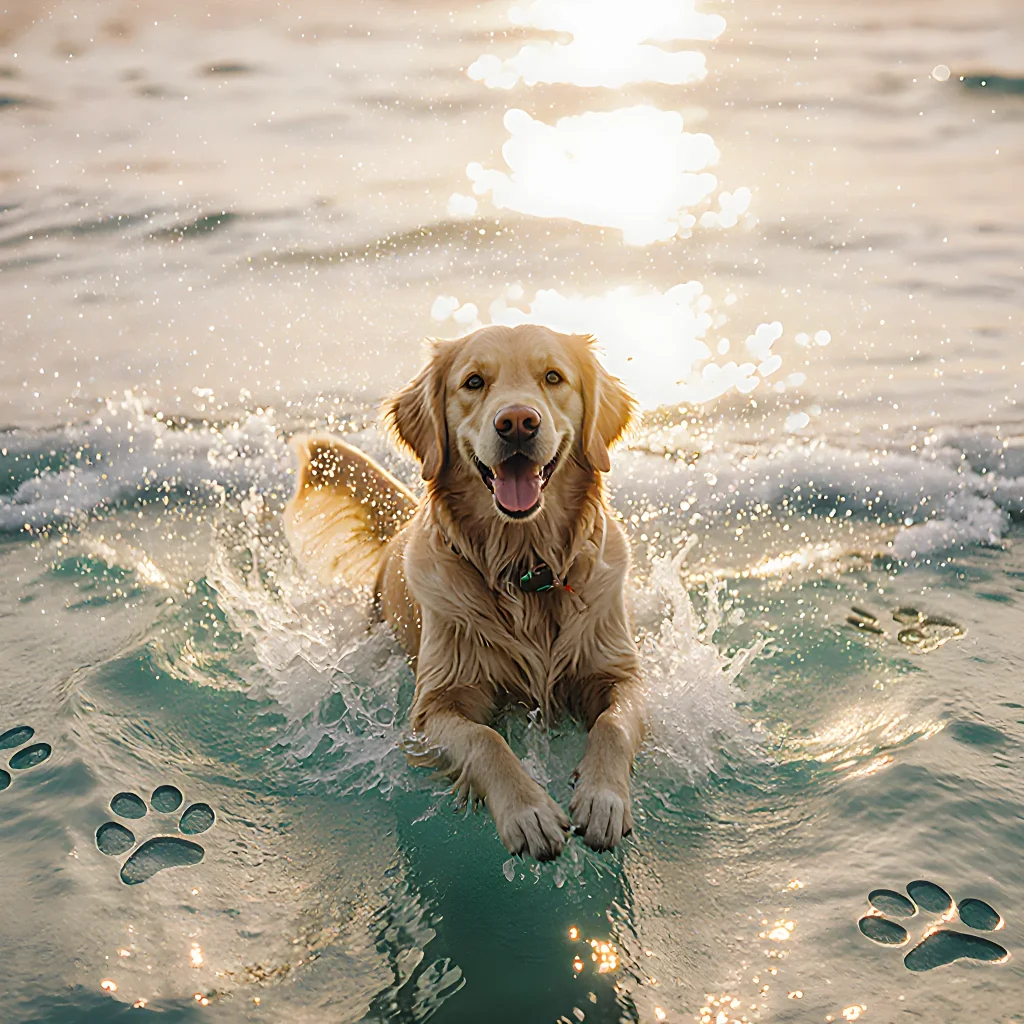
Unleash Joyful Paws!
Woof‑Waves of Wonder: The Ultimate Guide to Dog Happiness
Table of Contents
- Introduction
- Tail Wagging: The Classic Sign of Joy
- Ears Up and Forward: Listening with Happiness
- Soft Eyes: A Relaxed Gaze
- Playful Barks and Howls
- Licking: Affectionate Expressions
- Rolling Over: A Sign of Trust and Contentment
- Jumping Up with Excitement
- Sniffing the Air: Curiosity Meets Happiness
- Body Posture: Loose and Lively Stance
- Panting Lightly: A Relaxed Breath
- Chewing on Toys: Playful Energy
- Snuggling and Physical Contact
- Conclusion
- FAQ
Introduction
While a wagging tail is the most iconic sign of canine joy, dogs use a rich tapestry of postural cues and subtle signals to communicate their mood. By learning to read these non‑verbal messages, you can build stronger bonds with your pet and respond appropriately in every situation.
1. Tail Language: More Than Just Wagging
- High & Fast Wag: The classic “happy tail” – the dog is excited, friendly, and feeling safe.
- Low or Tucked Tail: A relaxed but slightly nervous dog. Often seen when a puppy first meets strangers.
- Tail Between Legs (or Pinned Back): Indicates fear or extreme anxiety – avoid forcing interaction.
2. Ear Position: The “Ear Gauge”
Ears that are forward and perked up usually signal interest and alertness, but when a dog is genuinely content they often settle into a neutral or slightly relaxed position.
3. Eye Contact & Blink Rate
- Soft, Slow Blinks: “Doggie eye contact” – a sign of trust and affection. Try slow blinking at your dog to reinforce bonding.
- Rapid or Avoided Eye Contact: Can indicate stress; give the animal space.
4. Body Posture: The “Relaxed Stance”
A relaxed, loose body is a clear sign of happiness. Look for:
- Soft shoulders and a slight bend in the spine.
- Loose limbs; paws not clenched or tucked under the tail.
- Grounded stance – feet slightly apart, weight evenly distributed.
5. Play Bow: The Invitation to Fun
This classic posture—front legs stretched forward, hindquarters lifted, and chest lowered—is an invitation for play. If your dog gives you a play bow, respond with a friendly gesture or a gentle toss of a ball.
6. Vocalizations & Body Sync
- Purring (or “bark‑purr”): Many dogs exhale softly while wagging, often called “dog purr.”
- Soft Barking: A quick bark followed by a tail wag can indicate excitement.
Practical Tips for Everyday Interaction
- Observe in Context: A tail that wags while the dog is lying down might simply mean they’re comfortable, not necessarily excited.
- Use Slow Blinks: Mimic your dog's slow blink during petting sessions to strengthen trust.
- Respect Personal Space: If a dog lowers its tail or ears, give them time and avoid sudden movements.
- Encourage Play Bow Responses: When your dog gives you a play bow, respond with an open hand or a toy to reinforce positive behavior.
- Stay Calm During Excitement: A calm demeanor helps the dog stay relaxed and prevents overstimulation.
By tuning into these subtle cues, you’ll not only understand when your dog is happy but also nurture a deeper, more intuitive relationship that benefits both of you.
Tail Wagging: The Classic Sign of Joy
When a dog’s tail is in motion, it’s almost always an indicator that something is going well for them. However, the exact meaning of a wag depends on how fast it moves, where it’s positioned, and what else the dog is doing at the time. Below we break down the nuances so you can read your pup’s tail with confidence.
1. The “Happy” Wag – Slow & Soft
A relaxed wag that starts near the base of the tail and gently sweeps from side to side is the classic sign of a content dog. It usually accompanies other positive cues such as:
- Soft eyes, a relaxed muzzle, and ears in a natural position.
- A slight lift of the hindquarters, indicating that the dog feels safe.
- Occasional vocalizations like gentle sighs or soft whines.
2. The Fast & Wide Wag – High Energy
When a tail moves quickly from side to side or up and down with an almost pendulum-like motion, your dog is often excited or playful. This can happen during:
- Play sessions (fetch, tug‑of‑war).
- New stimuli—like a stranger entering the room or a new toy.
- Approaching a favorite activity (e.g., going for a walk).
3. The “Nervous” Wag – Low & Fast
A low tail that wags quickly often signals anxiety or uncertainty. Look for accompanying signs such as:
- Ears pinned back or flattened.
- Body tucked, with the chest lowered.
- Quick darting of the eyes.
4. The “Alert” Wag – High & Taut
A tail that’s held high and moves in short, stiff bursts usually means the dog is on alert—perhaps noticing something interesting or guarding territory. This can occur during:
- New scents or sounds.
- When you’re away from your usual environment.
5. The “Surrender” Wag – Slow & Lateral
Some dogs exhibit a slow, side-to-side wag when they feel submissive or are trying to de-escalate tension. It’s often accompanied by:
- Direct eye contact that is brief.
- A slight bowing of the head.
- Body language that shows openness (e.g., no stiffening).
Real‑World Example: “Luna’s Walk”
During her daily stroll, Luna’s tail shifts from a relaxed wag to a quick, wide swing whenever she spots another dog on the sidewalk. If you’ve noticed this pattern, it tells you that Luna is excited about social interaction. You can use this cue to gauge when to let her sniff or to pull back if the other dog appears nervous.
Practical Advice for Dog Owners
- Observe in Context: Never judge a tail wag in isolation—combine it with eye contact, ear position, and overall body posture.
- Keep a Journal: Note times when your dog wags in different patterns. Over time, you’ll spot trends that help anticipate mood changes.
- Use Positive Reinforcement: Reward calm tail wagging with treats or affection to reinforce the behavior.
- Seek Professional Help: If a wag appears accompanied by aggression or fear, consult a veterinarian or certified dog trainer for guidance.
Understanding tail wagging is a key step toward deeper communication with your canine companion. By paying attention to these subtle variations, you’ll build stronger trust and ensure that every wag means the same: your dog’s heart is full of joy—or at least trying to tell you what they’re feeling.
Ears Up and Forward: Listening with Happiness
When a dog’s ears are perked up and angled forward, it signals that they’re fully engaged and receptive to the world around them—especially when paired with other joyful cues. This “ear position” is one of the most reliable indicators that your canine companion is not only listening but also feeling happy.
Why Ears Up Matter
- Attention: Forward‑pointing ears help dogs focus on sounds and visual stimuli, showing they’re actively processing information.
- Curiosity & Excitement: An alert ear position often accompanies playfulness or anticipation of a reward.
- Social Bonding: Dogs use their ears to communicate with humans and other dogs; when ears are up, they’re signaling friendliness and openness.
Complementary Body Language Signals
The ear position rarely appears in isolation. Combine it with these cues for a fuller picture of canine happiness:
- Tail Wagging (Mid‑to‑High Speed): A relaxed, wagging tail often indicates positive emotions.
- Soft Eyes & Eye Contact: Warm, slightly squinted eyes that meet yours suggest trust and contentment.
- Play Bow: Front legs stretched forward with the hindquarters lowered—often accompanied by ears up and tail wagging.
- Panting (Light, Relaxed): When combined with the above signals, light panting usually means pleasure rather than distress.
- Body Looseness: A relaxed posture without tension shows comfort in the environment.
Practical Ways to Encourage Ears Up & Happiness
- Use Positive Reinforcement:
- Give treats or verbal praise when your dog’s ears are perked during play or greeting sessions.
- Associate the sound of a bell or clicker with positive outcomes to reinforce attentive behavior.
- Interactive Games:
- Play “find it” games where you hide treats and let your dog locate them. The hunt naturally encourages ears up and focused listening.
- Introduce gentle tug‑of‑war or fetch sessions to maintain excitement while keeping ears forward.
- Teach “Look at Me” Commands:
- Start by holding a treat near your face and say, “look.” Reward when the dog’s gaze meets yours.
- Gradually add distractions—other people or toys—to strengthen the cue under varied conditions.
- Create a Calm Environment:
- A quiet, safe space with familiar scents and soft lighting reduces anxiety that can cause ears to flatten or tilt backward.
- Use calming music or white noise to mask sudden loud sounds that might startle your dog.
- Observe & Adjust:
- If a dog’s ears remain down despite positive stimuli, check for potential discomfort or health issues—ear infections can limit mobility.
- Consult a vet if you notice persistent ear flattening or signs of pain.
Real‑World Example: The “Happy Hound” Scenario
Scenario: You’re at the park, and your dog, Max, spots his favorite ball. As soon as he hears you call him, his ears lift forward, tail starts wagging rapidly, and he darts toward the ball with a playful bow.
- What’s happening? Max’s ears up indicate he’s listening intently to your voice—he knows you’re about to reward him. The tail wag and play bow confirm his excitement.
- How can you reinforce this? After Max retrieves the ball, give a treat and say “good job” in an enthusiastic tone, ensuring the ear‑up cue is paired with positive reinforcement.
Key Takeaway
When your dog’s ears are up and forward, it’s a clear sign of attention, curiosity, and happiness. By recognizing this posture along with other body language cues, you can respond appropriately—rewarding, engaging, or calming—to strengthen your bond and ensure your canine friend feels loved and understood.
Soft Eyes: A Relaxed Gaze
A relaxed, gentle gaze is one of the most powerful indicators that your dog is feeling happy and comfortable around you. When a dog's eyes are soft—meaning they appear unstrained, slightly squinty, and free of sharp focus—their pupils may even dilate in a subtle way. This visual cue signals trust, calmness, and an overall sense of well‑being.
What to Look For
- Pupil size: Slightly dilated but not wide open or constricted—just a gentle glow that matches the lighting.
- Eye shape: The eyelids are relaxed; you may see a faint “smile” in the corner of the eye, often called a "doggy grin."
- Facial tension: No furrowed brow or tense jaw—just soft muscles around the eyes.
How to Encourage Soft Eyes
- Speak in a calm tone: Dogs pick up on vocal cues. A gentle, low‑volume voice helps them feel secure and less likely to stare aggressively.
- Use slow eye contact: Instead of staring directly for long periods, blink slowly or look away briefly. This mimics human “softening” behavior and reduces potential intimidation.
- Offer treats in a relaxed posture: Sit on the floor with your hands open, so your dog can see you as non‑threatening while receiving positive reinforcement.
Practical Examples
Scenario 1: New Visitor at Home
- Your guest enters the living room. The dog’s eyes are soft and they wag their tail slowly, indicating they’re comfortable with the new presence.
- If you notice the dog's gaze tightening, pause and give them a few seconds of calm eye contact before approaching.
Scenario 2: During Grooming
- A soft gaze during brushing shows that your dog trusts you enough to allow their face to be exposed. If the eyes become narrowed, pause and give a reassuring word or treat.
Common Misinterpretations
Some owners mistake a relaxed eye for disinterest. However, a truly soft gaze paired with other happy body language—like a wagging tail, loose ears, and an overall relaxed posture—confirms genuine contentment.
Key Takeaway
A dog's soft eyes are a subtle but unmistakable sign of happiness. By recognizing this cue and responding appropriately, you strengthen the bond with your pet and create an environment where they feel safe, loved, and understood.
Playful Barks and Howls
When a dog is feeling joyful or content, their body language becomes an open book that tells you exactly how they feel. Understanding these subtle cues not only deepens the bond between you and your pet but also helps you respond in ways that reinforce positive behavior.
1. Tail Wagging: The Classic Indicator
- High, Loose Wag: A relaxed wag with a loose tail swinging from side to side typically indicates happiness or excitement.
- Low, Fast Wag: Often seen when the dog is excited but slightly nervous—think of a puppy meeting new people for the first time.
- Tail Position: A tail held high and gently wagging suggests confidence and joy; if it’s tucked between the legs, the dog might be anxious or fearful.
2. Facial Expressions: The “Happy Face”
- Soft Eyes & Relaxed Gaze: A relaxed gaze with a soft eye look (sometimes called “dog eyes”) is a sign of trust and affection.
- Open Mouth & Slight Lick: A dog that opens its mouth slightly, sometimes licks your hand, often means it’s feeling comfortable and pleased.
- Cheek Relaxation: When the cheeks are relaxed and not tight, the dog is usually happy; tension around the eyes or mouth can signal discomfort.
3. Body Posture: The “Ready to Play” Stance
- Energetic & Upright: A standing or sitting posture with a straight back, alert ears, and an upright tail shows readiness for interaction.
- Play Bow: Front legs stretched forward, hindquarters low to the ground—this is the classic invitation to play. If your dog bows when you approach, it’s a clear sign of excitement.
- Relaxed Posture: A relaxed body with ears in a natural position and tail swinging freely indicates that the dog feels safe and content.
4. Playful Behaviors: How They Communicate Joy
- Gentle Biting or Chewing on Your Hand: This is often a playful gesture, not aggression—especially if accompanied by a wagging tail and relaxed ears.
- Jumping Up: While it can be a sign of excitement, ensure your dog’s jump is controlled. A gentle lift of one paw or a playful nudge instead of full-on jumping helps keep the interaction safe.
- Rolling Over: When a dog rolls onto its back and exposes its belly (but not in a submissive way), it often means they trust you enough to show their vulnerable side.
5. Practical Tips for Responding to Happy Body Language
- Mirror Their Energy: If your dog is wagging and playful, respond with a gentle voice and light play—this reinforces positive interaction.
- Respect Boundaries: Even if the dog appears happy, it may still need space. Watch for signs like ears back or a sudden stiffening of the body.
- Use Positive Reinforcement: Reward calm play with treats or affection to strengthen the behavior you want to see.
- Stay Consistent: Dogs thrive on routine. Regular play sessions and consistent signals help them understand what’s expected during happy interactions.
6. Common Misinterpretations
- A wagging tail alone doesn’t always mean happiness—some dogs may wag when anxious or overstimulated. Observe the entire body language context.
- Playful barking can sometimes signal excitement, but if it’s harsh or prolonged, it might indicate frustration.
By paying close attention to these cues, you’ll be better equipped to recognize when your dog is truly happy and respond in ways that foster a joyful, trusting relationship. Happy tail wags, gentle eyes, and playful bows are not just cute—they’re the language of affection that strengthens the bond between you and your canine companion.
Licking: Affectionate Expressions
A dog's joy is often most evident in the subtle cues they give through their body. By learning to read these signals, owners can deepen their bond and respond more effectively to their pet’s emotional state.
1. The Classic Tail Wag
- Speed & Width: A fast, wide wag usually indicates excitement or a high level of happiness, while a slower, narrower wag can signal mild contentment or nervousness.
- Body Position: When the tail is held high and moves freely from side to side, it’s a sign that your dog feels safe and confident.
2. Relaxed Body Posture
A relaxed body—soft eyes, loose ears, and an overall calm stance—tells you the dog is comfortable. If you notice a dog’s shoulders dropping and their belly exposed when lying down or sitting beside you, it’s a clear sign of trust and affection.
3. Play Bow
The classic play bow (front legs stretched forward, hindquarters up) is an invitation to engage in play. It’s one of the most direct ways a dog shows they’re happy and ready for fun.
4. Gentle Licking & Mouth Movements
- Soft Lips: A relaxed, slightly open mouth with a gentle licking motion is often a sign of affection.
- Ear Position: When the ears are in their natural “alert” position but not stiff or flattened, it shows interest and enjoyment.
5. Eye Contact & Pupil Dilation
Soft, slow blinking at you is a sign of trust—many dogs will “blink like a human” when they’re comfortable. Dilated pupils can also indicate excitement or heightened arousal.
6. Head Tilting
A gentle tilt of the head often accompanies curiosity and affection. Dogs usually do this when they want to understand what you’re saying or when they’re engaged in a pleasant interaction.
Practical Tips for Owners
- Observe During Calm Moments: Sit quietly with your dog and note how they move. This baseline helps you spot changes that indicate stress or happiness.
- Use Positive Reinforcement: When your dog displays a happy posture, reward them with praise or treats to reinforce the behavior.
- Mirror Their Energy: If your dog is wagging their tail excitedly, respond with enthusiastic gestures—this can boost mutual bonding.
- Avoid Overstimulation: Even if a dog appears happy, continuous play or loud noises may overwhelm them. Watch for signs of fatigue such as yawning or turning away.
- Consistent Communication: Speak in a calm, upbeat tone and use gentle petting to maintain a positive atmosphere.
Common Misinterpretations
Remember that not every wagging tail means the dog is happy. Some dogs will wag when they’re anxious or excited about something negative. Always consider the overall context—body posture, ear position, and eye contact—to accurately gauge emotions.
By paying close attention to these affectionate expressions, you’ll become more attuned to your dog’s emotional world and foster a stronger, happier relationship.
Rolling Over: A Sign of Trust and Contentment
Rolling Over: A Sign of Trust and Contentment
When a dog rolls onto its side or back, it is not just a playful trick—it’s a powerful gesture that signals deep trust, relaxation, and happiness. By exposing its vulnerable belly, the animal communicates that it feels safe enough to let go of defenses and simply be itself.
Why Belly‑Rolling Is a Trust Indicator
- Vulnerability: The belly is one of the most exposed parts of a dog’s body. Rolling over removes any physical barrier between the dog and its environment, showing that it trusts you to stay within safe bounds.
- Social Bonding: In pack dynamics, the act of lying on the back can be an invitation for gentle petting or grooming—behaviors that reinforce social bonds.
- Relaxation Cue: A relaxed belly roll is often accompanied by a slow blink, soft ears, and a loose tail. These cues together paint a picture of contentment.
Examples in Everyday Life
1. Morning Greeting: You walk into the kitchen, and your Labrador rolls onto its side, belly exposed, waiting for you to pet it. This is a clear sign that it trusts you enough to be vulnerable.
2. During Playtime: While playing fetch, a Border Collie occasionally rolls over mid‑game, allowing you to scratch behind the ears or under the chin—an invitation to deepen the bond.
3. At the Vet: A typically nervous dog might roll onto its back during a routine checkup if it feels secure with the vet and their staff. The moment can be a quiet affirmation of trust in the care environment.
Practical Advice for Owners
- Respect the Gesture: When your dog rolls over, respond with gentle strokes rather than grabbing its belly or forcing it into an uncomfortable position. This reinforces that you are a safe presence.
- Use Belly‑Rolls as Training Signals: Teach commands like “roll” and reward the behavior with treats and praise. The dog learns to associate rolling over with positive reinforcement, strengthening trust further.
- Watch for Stress Signs: Not all belly rolls are happy; some dogs may roll out of fear or frustration. Look for stiff body language, tucked tail, or rapid breathing to gauge the true emotion.
- Create a Safe Space: Ensure your dog’s resting area is quiet and free from sudden stimuli. A calm environment encourages more frequent belly rolls as an expression of contentment.
- Practice Gentle Handling: If you’re new to handling a dog's belly, start by lightly patting the chest area before moving down to the abdomen. This gradual approach helps build confidence.
By understanding and honoring this body‑language cue, owners can deepen their relationship with their dogs, creating an environment where trust thrives and happiness is visibly expressed through every gentle roll.
Jumping Up with Excitement
One of the most unmistakable signs that a dog is thrilled to see you is the spontaneous jumping up. This energetic display is not just cute; it’s a clear message that your pup feels joy, excitement, and a strong bond with you. Below we break down why dogs jump, what they’re communicating, how to respond safely, and some training tips so that this happy habit stays positive for everyone.
Why Dogs Jump When They’re Happy
- Energetic Release: Many dogs have a lot of stored energy. A quick jump is a natural way to vent that excitement, especially after a long day or a short walk.
- Attention-Seeking: Dogs quickly learn that jumping up often results in your attention—praise, petting, or even a treat. This reinforces the behavior as a happy signal.
- Communication of Anticipation: A jump signals “I can’t wait to interact!” It’s an instinctual way to show eagerness and readiness for play or affection.
Body Language That Complements the Jump
A dog that’s genuinely happy will display several other cues alongside the jump:
- Tail Wagging: A loose, wagging tail—especially if it’s sweeping from side to side—shows excitement.
- Relaxed Face: Soft eyes and a slightly open mouth (sometimes called a “smile”) indicate a calm, joyful state.
- **Ears in Forward Position**: Ears perked up but not stiff or flattened show that the dog is alert yet content.
- Body Posture: A low stance with a relaxed belly and a light bounce in the hindquarters signals readiness for interaction.
Responding Safely to Jumping Dogs
While it’s tempting to join in the excitement, safety is key. Here are practical steps to respond without encouraging risky behavior:
- Use a Calm Voice: Say “Good dog!” or “Nice jump!” in a warm tone to reinforce the positive feeling.
- Set Boundaries: If your dog is jumping on you, gently guide them back down with a light touch or a verbal cue like “Down.” This teaches that jumping isn’t required for affection.
- Offer Alternatives: Provide a favorite toy or a quick game of fetch as an outlet for the energy that would otherwise be expressed by jumping.
- Reward Calmness: Whenever your dog jumps and you calmly guide them down, give them a treat. This shows that calm behavior gets the reward.
Training Tips to Manage Excessive Jumping
If your dog’s jumping becomes excessive or unsafe (e.g., onto children or in high-traffic areas), try these strategies:
- Teach “Sit” on Greeting: Train a consistent greeting routine where you ask for a sit before allowing any physical contact. Reward the sit with treats.
- Use a Leash During Walks: Keep your dog leashed when approaching people or pets to prevent uncontrolled jumps.
- Positive Reinforcement: Whenever your dog greets you calmly, give praise and a treat. Over time, the dog learns that calm behavior is more rewarding.
- Redirect Energy: Offer a chew toy or engage in a short play session immediately after greeting to burn off excess excitement before it turns into jumping on people.
Practical Examples from Real Life
- Scenario A: Family Home – A Labrador jumps up when the owner returns home. The owner calmly says “Sit” and rewards the sit with a treat. Over weeks, the dog learns to greet quietly.
- Scenario B: Dog Park – An energetic terrier leaps onto strangers. By consistently using the “Down” cue after each jump and rewarding calmness, the owner reduces unwanted jumps while maintaining excitement in play.
- Scenario C: Outdoor Walk – A German Shepherd bounces on a child’s lap. The handler gently pulls back, says “No jump,” and offers a chew toy. The dog shifts focus to chewing instead of jumping.
Final Takeaway
Jumping up with excitement is a natural expression of happiness in dogs, but it can become problematic if left unchecked. By recognizing the accompanying body language, responding calmly, and using consistent training techniques, you can keep your pup’s joyful energy directed in safe, enjoyable ways for both of you.
Sniffing the Air: Curiosity Meets Happiness
When a dog is genuinely happy, its curiosity about the world is usually the first thing you notice. A wagging tail, bright eyes, and an eager nose can signal that your companion is in a joyful state. Below we break down how to read those subtle cues and use them to deepen your bond.
1. The Tail: More Than Just a Wag
- High & loose: A tail held high with a gentle curve indicates confidence and excitement. If the dog is sniffing around, you can safely assume it’s happy to explore.
- Side-to-side wag: This classic sign of friendliness shows that your dog is relaxed and content. Notice the rhythm—quick, short wags often mean playful anticipation.
- Tail tucked or low: A lowered tail may signal anxiety rather than happiness. In such cases, keep the environment calm and give your pet space to sniff at its own pace.
2. The Eyes: Window to the Soul
- Soft, relaxed gaze: When a dog’s pupils are not dilated and the corners of its eyes are slightly crinkled, it is in a state of calm happiness.
- “Doggy smile” (mouth open with relaxed lips): A gentle grin—especially when combined with a wagging tail—indicates that your dog feels safe and joyful.
- Eye contact: Dogs that look directly at you while sniffing are often communicating trust. Avoid staring too intensely, as this can be perceived as threatening.
3. The Nose: Your Dog’s Sensory Compass
- Active sniffing: A dog that actively explores its environment with a relaxed nose is usually happy. Notice the rhythmic breathing—steady, deep breaths signal contentment.
- Nose to ground: A low, sniffing position can indicate curiosity and excitement about new scents.
- Frequent licking of the nose or mouth: This behavior often accompanies playfulness and a high level of comfort around you.
4. The Body: Posture That Speaks Volumes
- Loosely tucked body: A relaxed, slightly hunched posture shows that the dog is at ease while sniffing or exploring.
- Standing tall with ears perked: This stance reflects alertness and interest—a sign of a happy, engaged canine.
- Playful bouncing or rolling over: These actions are typically displayed when a dog feels safe and joyful.
5. Practical Tips for Encouraging Happy Sniffing Sessions
- Create a scent trail: Use safe, natural scents (e.g., dried herbs or citrus peels) to set up a gentle trail around your yard or living room.
- Use positive reinforcement: Reward with treats and praise when the dog follows the trail or shows curiosity. This strengthens the association between sniffing and happiness.
- Keep sessions short: Overstimulating a highly curious dog can lead to overstimulation. Aim for 5–10 minute intervals and watch for signs of fatigue.
- Respect boundaries: If your dog pulls back or shows signs of discomfort (e.g., flattened ears, tucked tail), give it space before trying again.
- Incorporate play: End a sniffing session with a game like fetch or tug to reinforce the positive experience.
By paying close attention to these body language cues, you’ll be able to interpret when your dog is truly happy and curious. This understanding not only enhances their well‑being but also deepens the mutual trust that forms the foundation of a strong human–dog relationship.
Body Posture: Loose and Lively Stance
When a dog feels safe, comfortable, and joyful, its body posture is typically relaxed and fluid. This loose and lively stance is one of the most reliable indicators that your companion is happy.
Key Features of a Happy Posture
- Soft, Slightly Wagging Tail: The tail is often in motion but not rigid. A gentle sway or a relaxed, loose tail that’s not tucked shows contentment.
- Open Chest and Easy Breathing: The dog’s chest expands naturally when breathing; you can see the movement without tension.
- Relaxed Ears: Depending on breed, ears may be in a natural position—either slightly forward or flopping freely.
- Loose Body Lines: The limbs are not stiff. You’ll notice subtle flexion at the joints, giving the body a “ready to play” look.
Practical Ways to Encourage This Posture
- Use Gentle Touch: Light pats on the shoulder or chest help dogs feel safe and reinforce relaxed muscles. Avoid sudden, forceful strokes that can tighten the body.
- Play Interactive Games: Games like fetch, tug‑of‑war (with a gentle grip), or hide‑and‑seek stimulate movement while keeping the dog’s frame loose.
- Provide Comfortable Rest Areas: A well‑fitted bed with enough space allows the dog to stretch out fully. Observe how the dog lies—if it spreads its limbs, that’s a sign of trust and relaxation.
- Use Positive Reinforcement: Reward calm, relaxed postures with treats or affection. This teaches the dog that staying loose is desirable behavior.
Common Misinterpretations
A relaxed posture can sometimes be mistaken for boredom or a lack of stimulation. Look for accompanying signs such as an engaged gaze, playful vocalizations, and a wagging tail to confirm genuine happiness.
Visual Checklist for Owners
| Indicator | What It Looks Like |
|---|---|
| Tail | Swaying or relaxed, not rigid. |
| Ears | Natural position, not pinned back. |
| Chest | Expands with breathing; no tightening. |
| Limb Flexion | Slightly bent joints, no stiffness. |
By paying close attention to these cues and creating an environment that encourages relaxation, you can help your dog maintain a loose and lively stance—an unmistakable sign of happiness.
Panting Lightly: A Relaxed Breath
When a dog is content and relaxed, its breathing pattern often shifts from the rapid, deep panting seen in excitement or stress to a slower, more even rhythm. This “relaxed breath” can be a subtle cue that your pet is feeling safe, comfortable, and happy.
How Dogs Express Happiness Through Body Language
- Tail wagging: A loose, wavy tail that swings from side to side indicates friendliness. The height of the tail can also give clues—high tails often signal excitement, while a lower tail suggests calmness.
- Facial expression: Soft eyes, relaxed ears (not pinned back), and an open mouth with the tongue slightly out are signs of contentment.
- Posture: A loose body with a slight bend in the spine shows that the dog is at ease. An upright stance or stiff limbs usually signal alertness or agitation.
- Relaxed breathing: Slow, rhythmic breaths are a hallmark of a calm state. Rapid panting typically signals heat, anxiety, or excitement.
Practical Tips to Recognize and Encourage Relaxed Breathing
- Observe in context: Notice if the relaxed breath occurs when your dog is lying down, sleeping, or simply sitting next to you. This helps differentiate between excitement and calmness.
- Check for other signs: Combine breathing observations with tail position and ear orientation. If all cues align—tail wagging gently, ears perked but relaxed, eyes soft—you can be confident your dog is happy.
- Create a calming environment: Soft lighting, familiar scents (like a blanket), or gentle background music can promote steady breathing.
- Use positive reinforcement: When you notice relaxed breathing, reward the dog with a treat or affection. This reinforces that calmness is rewarding and encourages future relaxed states.
- Practice deep-breathing exercises together: Sit beside your dog, breathe slowly and evenly, and mirror their rhythm. Dogs often pick up on human cues; a steady breathing pattern can help them settle down too.
Examples in Everyday Life
Scenario 1: Evening Wind‑Down
- You sit on the couch after work. Your dog lies next to you, tail relaxed and breathing slowly.
- Action: Pet gently, keep your voice calm, avoid sudden movements. This supports continued relaxation.
Scenario 2: Playtime Transition
- After a burst of energetic play, the dog’s breathing starts to slow and their tail lowers slightly.
- Action: Offer a quiet space or a chew toy. This helps the dog transition from excitement to calmness without abrupt changes.
By paying attention to relaxed breath patterns alongside other body language cues, you gain a deeper understanding of your dog’s emotional state and can respond in ways that promote happiness and well‑being.
Chewing on Toys: Playful Energy
When a dog is in its element—whether it’s chasing a ball, sniffing a new toy, or simply wagging its tail—you’re looking at a visual language that speaks louder than words. Below are some of the most telling signs that your canine companion is genuinely happy and how to interpret them during those playful moments.
1. The Classic Wagging Tail
- High‑energy wag: A tail held high with a wide, sweeping motion usually signals excitement and joy.
- Low, gentle wag: When the tail is near the ground but still moving rhythmically, it often indicates contentment or mild enthusiasm.
Example: During a game of fetch, you’ll notice your dog’s tail swinging like a metronome—fast and wide when the ball is near, slowing down only after the throw. That’s pure happiness in motion.
2. Play Bow (Front‑Legs Down, Rear Up)
The play bow is one of the most unmistakable signs that a dog wants to engage in friendly fun. The front legs stretch forward while the hindquarters lift slightly—an invitation for play.
- Dog initiates: If your pup goes into a play bow first, it’s saying “let’s have fun!”
- You respond: A quick bark or a gentle nudge encourages the game to continue.
3. Relaxed Body and Open Mouth (Muzzle)
A relaxed, loose body combined with an open mouth—often described as “smiling”—is a clear indicator that your dog is feeling safe and happy.
“A dog’s smile is more than a grin; it’s a sign of trust and contentment.”
4. Ears in a Natural Position
- Forward or neutral: When ears are perked up or flat but relaxed, the dog is engaged but not stressed.
- Ear twitching: Slight twitches often accompany playful excitement.
5. Playful Barks and Vocalizations
High‑pitched, rhythmic barks—often called “play whines”—are typical during interactive play sessions. They’re not aggressive; they’re a way to express joy and invite continued activity.
- Observe the context: A wagging tail during a quiet evening at home may mean your dog is simply relaxed, while the same wag in a park indicates excitement.
- Watch for consistency: A single twitch of an ear doesn’t tell the whole story; look for patterns across several moments.
- Pair body language with behavior: If your dog’s tail is high and it leans toward you while nudging a toy, that’s a clear invitation to play.
Scenario 1: Fetch with a Frisbee
- Your dog’s tail wags vigorously as it spots the disc.
- It performs a play bow before sprinting after the Frisbee.
- Upon return, its muzzle relaxes into an open “smile,” and ears are perked but relaxed.
Scenario 2: Tug‑of‑War with a Rope Toy
- During the game, the dog’s body remains loose and its tail sways side to side.
- It occasionally gives a playful bark, indicating it enjoys the challenge.
- When you release the rope, the tail drops slowly, signaling satisfaction with the play session.
- Use toys that match your dog’s size and strength: Avoid over‑powered toys that might frighten or frustrate them.
- Keep sessions short and energetic: Over‑exertion can lead to exhaustion, which masks happiness with lethargy.
- Reward good behavior with praise and treats: Positive reinforcement strengthens the association between playfulness and affection.
Understanding these cues not only helps you gauge your dog’s mood but also deepens the bond you share through playful interaction. By tuning into their body language, you can create a richer, happier experience for both of you—one wagging tail at a time.
Snuggling and Physical Contact
When a dog feels safe, loved, and content, one of the most obvious ways it shows its happiness is through physical affection. Whether it’s a gentle nudge with the nose, a slow blink, or simply lying close to you, these actions are powerful signals that your furry friend trusts you completely.
Common Behaviors That Signal Joy
- Nose‑to‑nose contact: A dog will often bring its muzzle up to yours in a friendly, almost playful manner. This “nose kiss” is one of the most intimate gestures a dog can give.
- Slow blinking (the “dog eye”): When a dog looks at you and slowly closes its eyes, it’s showing that it feels relaxed and comfortable. Try mirroring this by slow‑blinking back; your pup will often respond with an even deeper bond.
- Lying on their side or belly: This vulnerable position is only taken when a dog trusts the person nearby. If you see your dog roll onto its back and expose its tummy, they’re inviting you to pet them.
- Head‑to‑head nudges: A gentle nudge from a dog’s head against yours is another sign of affection. It’s like saying “I want to be close to you.”
Practical Tips for Encouraging Snuggling
- Create a safe space: Set up a cozy corner with soft bedding or a dog‑friendly blanket where your pup can feel secure. A calm environment encourages them to relax and approach you.
- Use positive reinforcement: When your dog lies beside you or nudges your hand, reward them with praise, gentle strokes, or a tasty treat. This reinforces that being close is a good thing.
- Respect boundaries: Some dogs may need a little more time before they feel comfortable snuggling. Observe their body language—if they pull away or stiffen, give them space and try again later.
- Practice gentle petting: Start with light strokes along the back, gradually moving to more sensitive areas like the chest or base of the tail once your dog shows interest.
- Incorporate playtime: After a good game of fetch or tug‑of‑war, give your dog a chance to cuddle. The transition from high energy to calm can reinforce the bond.
Common Misunderstandings
It’s easy to misinterpret certain behaviors. For instance, a dog that rolls onto its back might not always be seeking affection—it could also be trying to cool down or simply marking territory with their scent glands. Context matters: if the dog is relaxed and looking at you with soft eyes, it’s likely an invitation for snuggle.
Case Study: “Milo”’s Transformation
Milo, a 4‑year‑old golden retriever, was initially shy around new people. By setting up a quiet corner in the living room and offering slow, steady petting sessions after his walks, Milo began to seek out physical contact with family members. Within three weeks, he would nudge his nose against our ankles during dinner time, a clear sign that he felt secure and happy.
Final Thoughts
Physical affection is one of the most direct ways dogs communicate happiness. By paying attention to subtle cues—nose nudges, slow blinks, vulnerable postures—you can deepen your bond and create an environment where both you and your dog thrive on mutual trust and love.
Conclusion
Understanding the subtle cues that signal a happy dog can transform your relationship with them and help you respond to their needs more effectively. Below is an expanded guide featuring detailed descriptions, real‑world examples, and actionable tips for interpreting and encouraging positive body language in dogs.
Key Indicators of a Happy Dog
- Relaxed Tail: A tail that waves or gently sways indicates contentment. For example, a golden retriever might hold its tail mid‑air while walking calmly beside you.
- Soft Eyes and Open Mouth: When a dog’s eyes are slightly squinted and the mouth is relaxed (sometimes with a gentle “smile” or open-lipped bark), it signals friendliness. Think of a terrier greeting its owner after a long day at work.
- Play Bow: The classic play bow—front legs stretched forward, rear end up—shows excitement and readiness to engage. A beagle might use this pose when you bring out their favorite toy.
- Loose Body Posture: A dog that’s not stiff or tense is generally at ease. Notice how a German shepherd stands with its ears slightly back, head level, and body relaxed during a casual stroll.
Common Misinterpretations
Some owners mistake a wagging tail for aggression if the tail is held high or moves fast. Context matters: a high‑wagging tail while eye contact is avoided may indicate nervousness rather than joy. Always pair tail signals with other cues like ear position and overall body tension.
Practical Ways to Encourage Happy Body Language
- Positive Reinforcement: Reward calm, relaxed behavior with treats or affection. For instance, give a clicker reward when your dog relaxes after being excited about a walk.
- Consistent Routines: Dogs thrive on predictability. A steady feeding schedule and daily exercise help maintain a baseline of calm confidence.
- Socialization Sessions: Introduce your dog to new people, places, and other dogs in controlled settings to build social comfort. Observe their body language; a relaxed greeting with another dog indicates good social health.
- Mindful Interaction: Avoid abrupt movements or loud noises that can startle your dog. Instead, approach slowly, speak softly, and give them time to sniff before engaging.
When Body Language Signals Trouble
Even happy dogs can show subtle signs of discomfort: flattened ears, a tucked tail, or avoidance eye contact may hint at pain or anxiety. If you notice these alongside typical happiness cues, consult your veterinarian to rule out underlying issues.
Conclusion
By paying close attention to the nuances of your dog’s body language—tail position, ear orientation, eye expression, and overall posture—you can better gauge their emotional state. This awareness not only deepens your bond but also allows you to respond proactively, ensuring your canine companion remains joyful, healthy, and well‑adjusted.
FAQ
1. Tail Wagging – The Classic Indicator
A wagging tail is often the first thing you notice when a dog feels happy, but not all wags mean joy. Context matters:
- Wide, relaxed wag (low to mid-body): Indicates genuine excitement or contentment.
- High, stiff wag: May signal alertness or mild anxiety; look for accompanying body cues.
- Slow, low wag with ear twitch: A subtle happy “hello” when you return home.
Practical tip: Observe the tail’s speed and amplitude. A high‑energy wag often correlates with playfulness, while a gentle, slow sway is typical of a dog simply relieved to see you.
2. Ears – The “Happy Ear” Position
Most dogs have flexible ears that provide visual cues about their emotional state:
- Forward and relaxed: Shows curiosity or interest, often paired with a happy tail.
- Softly angled back but not rigid: Indicates friendly alertness; the dog is listening without tension.
- Tucked tight to the head: A sign of fear or discomfort—avoid this in a happy context.
Practical tip: When greeting your dog, note how their ears respond. If they’re perked up and slightly forward, it’s a good sign that they’re ready for interaction.
3. Eye Contact – The Warm Gaze
Soft, relaxed eye contact is a hallmark of trust and happiness:
- Slow blinking (blink‑pause‑blink): A “doggie kiss” that signals affection.
- Wide, open eyes with no darting: The dog feels safe and content.
- Frequent staring at you while relaxed: Indicates they’re paying attention because they enjoy your presence.
Practical tip: Practice slow blinking when petting your dog. This reciprocal eye contact can deepen the bond and reinforce their positive feelings.
4. Body Posture – The “Relaxed Stance”
A happy dog often adopts a relaxed, loose posture:
- Soft body, no tension in shoulders or neck: Indicates ease.
- Lying down with the head on paws or chest exposed: A sign of trust and comfort.
- Standing tall but not rigid, with a slight bend at the hips: Ready for play or exploration.
Practical tip: When you’re in a calm environment (e.g., after a walk), observe if your dog lies belly‑up. This is a strong indicator of happiness and trust.
5. Play Bow – The Invitation to Fun
The classic play bow (front legs stretched forward, hindquarters lifted) signals excitement and a desire for interaction:
- Tail wagging, ears perked: Confirms the dog’s intent is playful.
- Quick movements or nudges: The dog wants to engage in play.
Practical tip: Respond with a toy or gentle touch. If your dog bows and you ignore them, they might become frustrated or anxious.
6. Vocalizations – Soft Barking or Chattering
Happy dogs may emit low‑pitched barks or gentle chattering, especially when excited:
- Soft, rhythmic bark: Often a “happy bark” during play.
- Chatter with tongue out: Indicates excitement (e.g., at the scent of a treat).
Practical tip: Listen for these sounds while your dog is relaxed. A sudden burst of high‑pitched bark may signal overstimulation or anxiety.
7. Sniffing & Nosing – Curiosity Meets Joy
Dogs use their nose to gather information. A relaxed sniff with a wagging tail often reflects contentment:
- Exploratory sniffing while the tail wags: Indicates curiosity in a safe environment.
- Sniff then sit or lie down: Suggests they’re satisfied with what they’ve discovered.
Practical tip: Allow your dog to sniff around during walks. This activity is mentally stimulating and reinforces their happiness.
8. Licking & Saliva – The Affectionate Gesture
Licking can signal submission, but when combined with relaxed body language it often means affection:
- Gentle licking of hands or face while eyes are soft: A sign they’re comfortable and happy.
- Rapid licking with tense body: May indicate stress; watch for other signs.
Practical tip: If your dog licks you in a relaxed manner, reward them with gentle petting to reinforce positive behavior.
Categories
- AI & Enrichment Play
- Broiler Farming
- Broiler Farming Tips
- Canine Wellness & Longevity
- Cat
- Cat & Human Connection
- Cat Adoption & Rescue
- Cat Breeds
- Cat Breeds & Personalities
- Cat Care & Health
- Cat Grooming & Hygiene
- Cat Lifestyle & Environment
- Cat Myths & History
- Cat Nutrition & Diet
- Cat Products & Reviews
- Cat Training & Behavior
- Comparison
- Consumer Awareness
- Dog
- Dog Accessories & Products
- Dog Adoption & Rescue
- Dog Breed & Lifestyle Trends
- Dog Breeding & Puppies
- Dog Entertainment & Media
- Dog Fashion & Trends
- Dog Fun & Lifestyle
- Dog Grooming & Hygiene
- Dog History & Culture
- Dog Myths, Science & Future Tech
- Dog News & Trends
- Dog Nutrition & Food
- Dog Psychology & Emotions
- Dog Safety & Security
- Dog Sports & Activities
- Dog Technology & Innovation
- Dog Training for Modern Owners
- Dog Travel & Adventure
- Dog Travel, Adventure & Culture
- Economic and Market Insights
- Educational Content
- FAQs
- Feeding Alternatives
- Festivals & Seasonal Ideas
- Fun & Entertainment
- General Knowledge
- General Pig Farming
- Health & Disease Management
- Housing and Environment
- Kittens
- Market Insights
- Miscellaneous
- Miscellaneous
- Motivational
- pig
- Pig Breeding
- Pig Breeds
- Pig Farming Stories and Inspiration
- Pig Health and Care
- Pig Nutrition
- Pig Products
- Profitability & Business
- Puppy Care
- Puppy Predictable Topics Reinvented
- Regional Focus
- Rescue & Adoption Buzz
- Senior Cats
- Senior Dog Care
- Smart Dog Tech & Gadgets
- Sustainability
- Sustainable & Eco-Friendly Dog Products
- Tech & Innovations
- Working & Service Dogs
- Broiler Feed66 products
- Country Feed33 products
- Pig Feed66 products
- Product22 products
- Raw Materials99 products
Products
-
 Fish Meal
₹1,999.00 – ₹2,999.00Price range: ₹1,999.00 through ₹2,999.00Rated 0 out of 5
Fish Meal
₹1,999.00 – ₹2,999.00Price range: ₹1,999.00 through ₹2,999.00Rated 0 out of 5 -
 FATTENING BROILER FEED
₹2,299.00 – ₹2,349.00Price range: ₹2,299.00 through ₹2,349.00Rated 0 out of 5
FATTENING BROILER FEED
₹2,299.00 – ₹2,349.00Price range: ₹2,299.00 through ₹2,349.00Rated 0 out of 5 -
 LAYER COUNTRY FEED
₹1,549.00 – ₹1,649.00Price range: ₹1,549.00 through ₹1,649.00Rated 0 out of 5
LAYER COUNTRY FEED
₹1,549.00 – ₹1,649.00Price range: ₹1,549.00 through ₹1,649.00Rated 0 out of 5 -
 COUNTER BROILER FEED
₹1,199.00 – ₹1,299.00Price range: ₹1,199.00 through ₹1,299.00Rated 0 out of 5
COUNTER BROILER FEED
₹1,199.00 – ₹1,299.00Price range: ₹1,199.00 through ₹1,299.00Rated 0 out of 5 -
 LACTATING PIG FEED
Rated 0 out of 5
LACTATING PIG FEED
Rated 0 out of 5₹2,299.00Original price was: ₹2,299.00.₹1,740.00Current price is: ₹1,740.00. -
 Maize
Rated 0 out of 5
Maize
Rated 0 out of 5₹1,650.00Original price was: ₹1,650.00.₹1,300.00Current price is: ₹1,300.00. -
 GESTATION PIG FEED (Phase 1)
Rated 0 out of 5
GESTATION PIG FEED (Phase 1)
Rated 0 out of 5₹2,249.00Original price was: ₹2,249.00.₹1,699.00Current price is: ₹1,699.00. -
 Pre Starter Broiler Feed
₹2,399.00 – ₹2,499.00Price range: ₹2,399.00 through ₹2,499.00Rated 0 out of 5
Pre Starter Broiler Feed
₹2,399.00 – ₹2,499.00Price range: ₹2,399.00 through ₹2,499.00Rated 0 out of 5 -
 FINISHER PIG FEED
Rated 0 out of 5
FINISHER PIG FEED
Rated 0 out of 5₹2,299.00Original price was: ₹2,299.00.₹1,749.00Current price is: ₹1,749.00. -
 Broiler Premix
Rated 0 out of 5
Broiler Premix
Rated 0 out of 5₹820.00Original price was: ₹820.00.₹699.00Current price is: ₹699.00.