
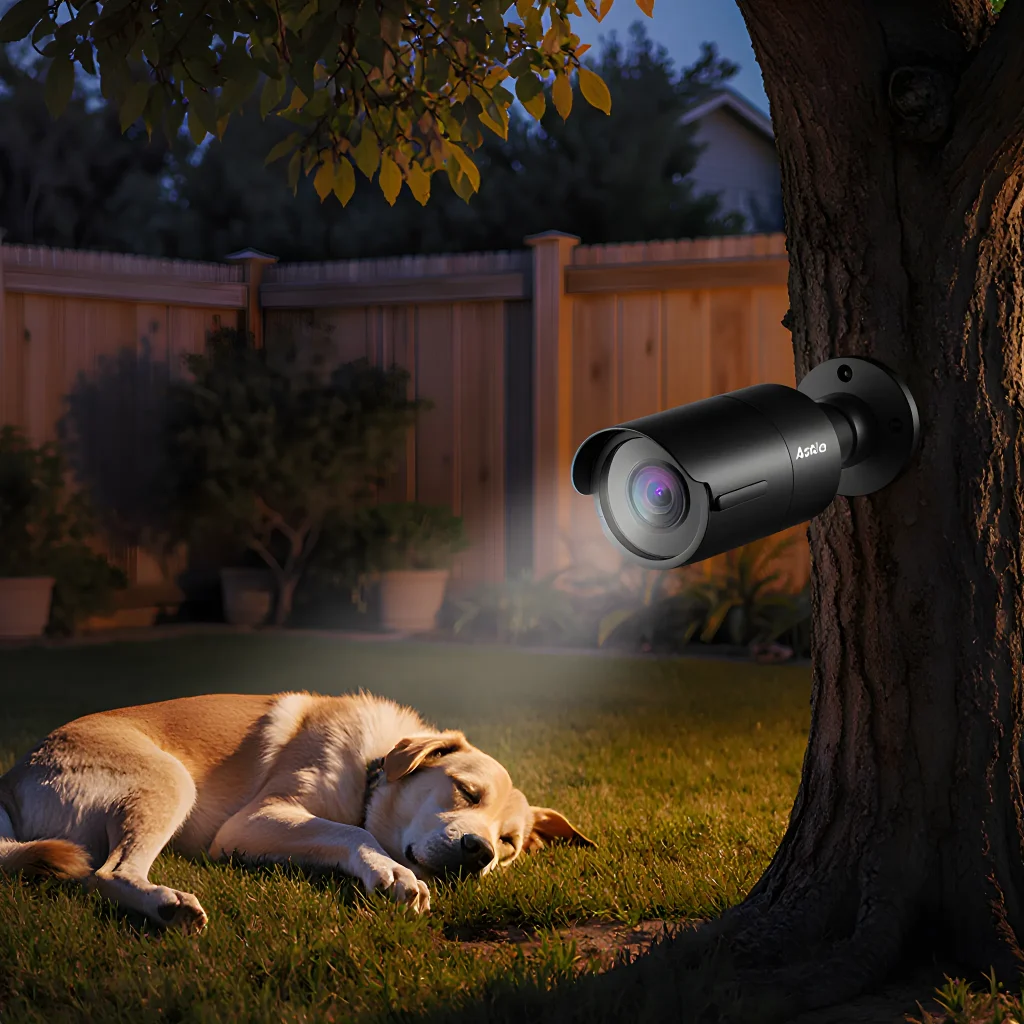
Quietly Watch Over Your Canine Companion
Dog Whisperer Cam: Subtle, Secure Monitoring for All Nights
Table of Contents
- Introduction
- Benefits of Smart Cameras for Dog Owners
- Key Features to Look For
- Camera Types (Indoor vs Outdoor)
- Wireless vs Wired Connectivity
- Night Vision Capabilities
- Motion Detection and Alerts
- Two‑Way Audio Communication
- Mobile App Integration
- Privacy & Security Considerations
- Budget Options and Price Ranges
- Setup & Installation Tips
- Troubleshooting Common Issues
- Conclusion
- FAQ
Introduction
If you’re a dog owner who travels frequently or simply wants to keep an eye on your furry friend while you’re away, a smart camera can be a game‑changer. These devices do more than just record footage; they let you interact with your pet in real time, monitor behavior patterns, and even help manage training routines.
Key Features You Should Look For
- Two‑way audio: Speak to your dog and hear their response instantly. Some cameras also support voice commands that trigger specific actions (e.g., “treat” or “play”).
- Motion detection & alerts: Receive push notifications when the camera senses movement, ensuring you’re alerted only when something unusual happens.
- Night vision: Clear footage in low light so you can see your dog’s antics after dark.
- Pan‑tilt‑zoom (PTZ): Remote control of the camera angle to follow your pup around the room.
- Treat dispenser integration: Some models allow you to drop treats from a distance, turning monitoring into an interactive training session.
- Cloud storage & local backup: Keep footage safe with encrypted cloud options or store it locally on an SD card.
Top Smart Cameras for Dogs (2025)
- PetCam Pro 2.0 – Offers a 180° wide‑angle lens, built‑in treat dispenser, and AI‑powered behavior analysis that flags barking or chewing patterns.
- DogWatch HD Plus – Features ultra‑high definition video, two‑way audio with noise cancellation, and an optional solar panel for extended battery life.
- HomeGuardian X5 – Combines a smart camera with a security system; it alerts you to any human intruders while simultaneously monitoring your dog’s activity.
Practical Tips for Setting Up and Using Your Smart Camera
- Placement matters: Position the camera at eye level of your dog, ideally overlooking a play area or their sleeping spot. Avoid placing it directly in front of windows to reduce glare.
- Test audio and video quality: Before you leave home, run a quick test to ensure sound levels are balanced and video is clear both during the day and at night.
- Use motion‑triggered recordings sparingly: Enable motion alerts for high‑activity periods (e.g., after dinner) but disable them when your dog is calm to conserve storage.
- Interact regularly: Spend a few minutes each day speaking to your dog through the camera. This helps reduce anxiety and strengthens bonding even when you’re not physically present.
- Review footage for training insights: Look back at recorded sessions to identify patterns like excessive barking or chewing. Use this data to adjust training plans.
Common Pitfalls & How to Avoid Them
- Noisy environment: Background noise can trigger false motion alerts. Consider using a dedicated room or adding sound‑absorbing materials.
- Weak Wi‑Fi signal: A spotty connection leads to laggy video. Place the camera near your router or use a Wi‑Fi extender.
- Battery drain: If you’re using battery‑powered cameras, schedule charging times and keep spare batteries on hand.
By choosing the right smart camera and following these setup tips, you can enjoy peace of mind knowing your dog is safe, entertained, and well‑cared for while you’re away. Whether you’re a busy professional or a weekend traveler, this technology bridges the distance between you and your beloved companion.
Benefits of Smart Cameras for Dog Owners
Smart cameras designed specifically for pet monitoring bring more than just video feed to your home. They integrate advanced sensors, AI-driven alerts, and interactive features that keep you connected with your canine companion even when you’re not in the same room.
1. Real‑Time Activity Tracking
- Motion Detection Zones: Configure multiple zones (e.g., living room, backyard) so the camera only alerts you when your dog enters a specific area.
- Activity Logs: Most devices store a chronological record of movements. Review these logs to spot patterns such as nighttime pacing or frequent door checks.
2. Behavioral Insights & Health Monitoring
AI algorithms analyze gait, posture, and breathing patterns. If your dog starts limping or shows signs of rapid heart rate, the camera can trigger a notification to your phone or even an email alert.
Practical Tip:
Pair the camera with a pet‑friendly thermometer that feeds data back to the app. A sudden spike in temperature combined with restlessness can indicate early signs of illness.
3. Remote Interaction & Training Tools
- Two‑Way Audio: Calm your pup by speaking or give commands while you’re away.
- Remote Treat Dispenser Integration: Use the camera’s built‑in speaker to trigger a treat dispenser, rewarding good behavior from afar.
Example Scenario
You’re on vacation and your dog is anxious. Through the smart camera app you play soothing music, give verbal praise, and release a treat—reducing stress and reinforcing positive behavior.
4. Safety & Security Enhancements
- Door/Window Sensors: Receive alerts if a door opens when no human is present.
- Night Vision & Low‑Light Mode: Keep an eye on nighttime activities such as digging or barking that might indicate a problem.
5. Data-Driven Decision Making
Many smart cameras compile weekly summaries of activity levels, sleep patterns, and feeding times. Use this data to adjust exercise routines or consult your vet with concrete evidence.
How to Leverage the Data:
- Export the monthly activity graph.
- Compare it against your dog’s weight and appetite.
- Discuss any deviations during your next veterinary visit.
Smart cameras for watching dogs at home transform passive observation into proactive care. By combining real‑time alerts, health analytics, remote interaction, and security features, they provide a comprehensive safety net that lets you stay connected to your best friend no matter where you are.
Key Features to Look For
When choosing a smart camera specifically for monitoring your dog at home, you’ll want to focus on features that enhance safety, convenience, and peace of mind. Below are the most important aspects to consider, along with practical tips and real‑world examples.
Two‑Way Audio
- Why it matters: Lets you talk to your dog or a visitor, helping to calm nerves and prevent unwanted behavior.
- Practical use case: Your pup starts barking at a neighbor’s cat. You can calmly say “It’s okay” through the camera’s speaker, reducing stress for both animals.
- Tip: Check if the audio is clear and whether there’s an option to mute or adjust volume remotely.
Motion Detection & Customizable Alerts
- Why it matters: Ensures you’re notified only when something important happens—avoids endless video clips of the dog chewing a couch.
- Practical use case: You set up a “quiet zone” around the living room. When your dog enters that area, the camera sends a push notification and starts recording.
- Tip: Look for adjustable sensitivity settings and the ability to create multiple zones or schedules (e.g., only alert during work hours).
Night Vision
- Why it matters: Dogs are often active after dark. Good night vision lets you see them clearly without disturbing their sleep.
- Practical use case: Your dog tends to wander at 2 a.m. With infrared LEDs, the camera shows a crisp image of your pup in the hallway.
- Tip: Test the camera’s low‑light performance by watching it during dusk or nighttime hours before purchasing.
High‑Resolution Video (1080p+)
- Why it matters: A clear image helps you identify your dog’s expressions, any potential hazards, and whether a vet or service animal is present.
- Practical use case: Your dog has a limp. You can see the exact area of discomfort and decide if a veterinary visit is needed.
- Tip: Verify that the camera supports 1080p or higher, especially if you plan to store footage on cloud services with bandwidth limits.
Cloud Storage & Local Backup Options
- Why it matters: Protects your footage from device loss or hardware failure.
- Practical use case: Your camera’s battery dies during a storm. Cloud storage keeps the video safe and accessible on your phone.
- Tip: Choose plans that offer at least 30 days of free cloud storage, or consider a local SD card if you’re concerned about privacy.
Smart Home Ecosystem Compatibility
- Why it matters: Allows your camera to work with Alexa, Google Assistant, or Apple HomeKit for voice commands and automation.
- Practical use case: “Hey Alexa, show me the living room camera.” You can also set up routines like turning on a smart light when motion is detected near the door.
- Tip: Verify that the camera’s app and firmware are regularly updated to maintain compatibility with new smart devices.
Battery Life & Power Flexibility
- Why it matters: A long‑lasting battery or the ability to plug in ensures your camera never misses a moment.
- Practical use case: Your dog’s routine changes during holidays. The camera remains powered on without needing frequent recharges.
- Tip: Look for at least 8–12 hours of battery life and an optional USB charging port or wall adapter.
Tamper & Privacy Mode
- Why it matters: Prevents unwanted recordings and informs you if someone tries to move or disable the camera.
- Practical use case: Your neighbor’s cat knocks over a lamp. The camera detects the movement, triggers an alert, and records the incident.
- Tip: Enable privacy mode during times you want to avoid recording (e.g., when guests are in the house).
Mounting Options & Setup Simplicity
- Why it matters: A camera that’s hard to set up or has limited mounting options can limit coverage.
- Practical use case: You mount the camera on a wall, using the included adhesive pads for a clean look without drilling holes.
- Tip: Check if the camera supports both ceiling and wall mounts, and whether it can be moved easily between rooms.
Warranty Length & Support Quality
- Why it matters: A solid warranty and responsive
Camera Types (Indoor vs Outdoor)
When choosing a smart camera to keep an eye on your canine companion, the environment in which it will operate is crucial. Indoor cameras excel in controlled lighting and noise levels, while outdoor units must endure weather, temperature extremes, and sometimes harsh light conditions. Below we break down key differences, highlight popular models for each setting, and provide practical tips for installation and use.
Indoor Cameras
- Lighting Flexibility: Indoor cameras often include adjustable LED lights or night‑vision modes that can be tailored to dim rooms without disturbing the dog’s sleep patterns.
- Audio Quality: Most indoor units feature high‑sensitivity microphones and directional audio, enabling you to hear your pup’s barks or whines from across a room.
- Compact Design: Sleek, wall‑mounted options like the Nest Cam Indoor or Ring Stick Up Cam blend seamlessly with home décor.
- Common Use Cases:
- Monitoring a dog’s play area during work hours.
- Ensuring the pet stays away from fragile items.
- Checking on a puppy in a crate without disturbing its sleep.
Outdoor Cameras
- Weatherproofing: Outdoor cameras must be rated at least IP65. Models like the Arlo Pro 4 and Ring Floodlight Cam provide sealed housings that resist rain, dust, and temperature swings.
- Wide Field of View: A 130°–180° lens captures a broader perimeter, essential for monitoring a backyard or porch where the dog may roam freely.
- Infrared Night Vision: Many outdoor units use powerful IR LEDs to illuminate even in complete darkness while keeping the camera’s presence subtle.
- Motion‑Triggered Alerts: Outdoor cameras often include advanced motion detection that can differentiate between pets and humans, reducing false alarms.
- Common Use Cases:
- Watching a dog during a backyard play session or fetch game.
- Ensuring the pet stays within safe boundaries (e.g., fence).
- Monitoring for intruders while you’re away, giving peace of mind that your dog is safe and your home secure.
Choosing Between Indoor and Outdoor
The decision often comes down to where the bulk of your dog’s activity occurs. If most playtime happens inside, an indoor camera with a smaller footprint may suffice. For dogs that love the outdoors or if you’re concerned about pets wandering outside while you’re away, invest in a robust outdoor model.
Practical Installation Tips
- Positioning: Place indoor cameras at eye level of your dog’s usual rest spots. Outdoor units should be mounted high enough to avoid being knocked over but low enough for clear footage.
- Power Source: Indoor cameras can often run on batteries or USB power, giving you flexibility in placement. Outdoor cameras typically need a hardwired connection or a reliable solar panel setup if they’re battery‑powered.
- Connectivity: Ensure strong Wi-Fi coverage; use extenders or mesh systems for deeper indoor spaces and outdoor walls that can attenuate signals.
- Privacy Settings: Adjust motion sensitivity to avoid constant notifications when the dog is simply moving around. Most apps allow you to set “quiet hours” so alerts are only sent during workdays.
Recommended Models for Dog Monitoring
| Camera Type | Model | Key Features for Dogs |
|---|---|---|
| Indoor | Nest Cam Indoor | Color night vision, 1080p HD, two‑way audio, quiet mode |
| Indoor | Ring Stick Up Cam | 360° view option, motion zones, Alexa integration |
| Outdoor | Arlo Pro 4 | 1080p HD, color night vision, two‑way audio, battery backup |
| Outdoor | Ring Floodlight Cam | Built‑in LED floodlights, motion alerts, 3‑way audio |
By aligning camera features with your dog’s habits and the environment they inhabit, you can choose a smart camera that offers reliable monitoring while respecting both pet comfort and homeowner convenience.
Wireless vs Wired Connectivity
When you’re setting up a smart camera to keep an eye on your canine companion, the type of network connection can make a huge difference in performance, reliability, and ease of installation. Below we break down the pros and cons of both wireless (Wi‑Fi) and wired (Ethernet) options, illustrate real‑world scenarios, and give you step‑by‑step tips for making the best choice.
Why Connectivity Matters
- Video Quality: Higher bandwidth allows for HD or even 4K streams.
- Latency: Low delay is essential if you want instant alerts when your dog barks or jumps on the couch.
- Reliability: A stable connection reduces missed frames and dropped notifications.
- Installation Flexibility: Wireless offers easy placement; wired gives you a guaranteed link.
Wireless (Wi‑Fi) Cameras
Most consumer smart cameras use Wi‑Fi because it’s convenient and requires no extra cabling. However, there are nuances to consider.
Advantages
- No Cables: Mount the camera on a shelf, balcony railing, or inside a living room without hunting for an Ethernet port.
- Easy Relocation: Move the unit to a different spot if you change your dog’s routine or redecorate.
- Remote Access: Many Wi‑Fi cameras come with companion apps that let you stream live video from anywhere using cellular data.
Limitations
- Signal Interference: Walls, metal objects, and neighboring networks can weaken the signal. A dog in a basement may suffer from choppy footage.
- Bandwidth Sharing: Your Wi‑Fi network is shared with phones, laptops, smart TVs, etc., so heavy usage can cause buffering.
- Security Risks: Wireless networks are more vulnerable to hacking if not properly secured (e.g., WPA3, strong passwords).
Practical Tips for Wi‑Fi Cameras
- Place the Router Strategically: Position it in a central location and consider using a mesh network to extend coverage.
- Use 5 GHz Band: If your camera supports dual‑band, switch to 5 GHz for less congestion (though range is slightly shorter).
- Channel Selection: Use tools like Wi‑Fi Analyzer to pick the least crowded channel.
- Secure Your Network: Enable WPA3 or at least WPA2, use a unique password, and consider setting up a guest network for IoT devices.
Wired (Ethernet) Cameras
Ethernet‑connected cameras are becoming increasingly popular in home security setups. They offer a more robust link, especially for high‑definition streams.
Advantages
- Stable Connection: No interference from walls or other devices.
- Higher Bandwidth: Ideal for 1080p/4K video and simultaneous multiple camera feeds.
- Power over Ethernet (PoE): Some models can receive power through the same cable that carries data, eliminating a separate power outlet.
Limitations
- Cable Management: Requires running an Ethernet cable from the router or switch to the camera location. This can be messy in older homes with limited wiring options.
- Less Mobility: Relocating the camera means pulling a new cable or using a wireless bridge.
Practical Tips for Ethernet Cameras
- Use Cat6 or Higher: Supports gigabit speeds and future‑proofs your setup.
- Check PoE Compatibility: If you opt for a PoE camera, ensure your router or switch has a PoE injector or port.
- Plan Cable Routes: Run cables through existing walls, baseboards, or use surface‑mount conduits to keep them neat and hidden.
- Label Cables: Helps with troubleshooting and future upgrades.
Real‑World Use Cases
| Scenario | Recommended Connection | Why? |
|---|---|---|
| Dog lives in a multi‑story home with many rooms. | Wi‑Fi (mesh network). | Easy to place cameras on different floors without cabling. |
| You need 4K video for a professional pet photography studio. | Ethernet (PoE). | Provides the bandwidth and reliability required for high‑resolution streams. |
| Camera located in a basement with thick concrete walls. | Ethernet or Wi‑Fi with an extender. | Cables bypass wall interference; extenders boost signal if Wi‑Fi is chosen. |
Hybrid Approach: Using Both
Some smart home enthusiasts combine both wired and wireless devices. For example, you could run an Ethernet cable to a central hub that then broadcasts the signal via Wi‑Fi to your smartphone. This gives you the best of both worlds: stable streaming from the camera and easy remote access.
Final Decision Checklist
- What’s the camera’s primary use? (e.g., continuous monitoring vs occasional alerts)
- <strong
Night Vision Capabilities
One of the most critical features for a dog‑watching camera is reliable night vision. Dogs are active during dawn, dusk, and nighttime, so you need a system that keeps up with their movements even when visibility drops to zero.
How Night Vision Works in Smart Cameras
- Infrared (IR) LEDs: The most common approach uses built‑in IR LEDs that illuminate the scene without visible light. Modern cameras can detect wavelengths beyond human vision, producing a clear grayscale image.
- Low‑Light CMOS Sensors: Some models employ high‑sensitivity sensors that capture more photons in low‑light conditions, giving you a brighter picture even when IR is off.
- Hybrid Systems: A combination of both—IR LEDs for deep darkness and a low‑light sensor for twilight—ensures seamless coverage from dusk to dawn.
Practical Tips for Choosing Night Vision Features
- Check IR Range: Look for cameras that advertise at least a 10–15 meter (30–50 ft) infrared range. Dogs often roam beyond the immediate porch area, so a longer range keeps them in view.
- Consider Heat‑Signature Sensors: Some high‑end models add thermal imaging, which can detect your dog’s body heat even through obstacles like bushes or curtains.
- Verify LED Placement: Cameras with evenly distributed LEDs around the lens reduce dark spots and shadows that could hide a pup’s movement.
- Test in Your Environment: If possible, rent or demo a camera before buying. Place it where you normally monitor your dog and record how well it tracks them at night.
Real‑World Example: The “DogGuard Pro” vs. “NightPatrol 360”
| Feature | DogGuard Pro | NightPatrol 360 |
|---|---|---|
| IR Range (m) | 12 | 15 |
| Low‑Light Sensor Sensitivity | Standard CMOS | High‑gain APS-C sensor |
| Thermal Imaging | No | Yes (4 MP) |
| Night‑time Audio Quality | Basic mic | Directional mic with noise cancellation |
In a side‑by‑side test, the NightPatrol 360’s thermal sensor caught a 10‑lb terrier sprinting through a shaded garden at 3 am—something the DogGuard Pro missed until the dog entered full IR range.
Integrating Night Vision with Smart Alerts
Beyond raw image quality, smart cameras can use night vision data to trigger intelligent alerts:
- Motion Detection Thresholds: Set a lower threshold for low‑light periods so that even subtle movements (e.g., a tail wag) prompt an alert.
- Behavioral Learning: Some systems learn your dog’s typical nighttime patterns and suppress false positives when the pup is sleeping.
- Geofencing: If your dog leaves a designated “home zone” during night hours, receive an instant push notification.
Maintenance Tips for Night Vision Performance
- Clean the IR LEDs regularly with a microfiber cloth; dust can significantly reduce illumination.
- Check firmware updates—many manufacturers add improved low‑light processing algorithms in OTA patches.
- Position the camera to avoid direct sunlight during the day, which can cause sensor saturation and degrade night vision performance later.
By investing in a smart camera with robust night vision, you ensure your furry friend is monitored safely around the clock, giving you peace of mind whether they’re lounging on the porch or exploring the backyard at twilight.
Motion Detection and Alerts
One of the most powerful features of modern smart cameras is their ability to detect motion and notify you in real time. When it comes to monitoring your canine companions, this capability can provide peace of mind while ensuring that any unusual activity—whether a stray visitor or an excited dog darting into the yard—is promptly reported.
How Motion Detection Works
Smart cameras use built‑in sensors and sophisticated algorithms to analyze changes in video frames. When motion is detected, the camera can:
- Trigger recording: Start capturing footage from a few seconds before the event (pre‑capture) to capture context.
- Send notifications: Push an alert via email, SMS, or app push notification with a thumbnail or short video clip.
- Tag events: Label each incident as “dog,” “person,” or “unknown” using AI-based object recognition, allowing you to filter alerts later.
Configuring Motion Zones for Your Dog’s Environment
To reduce false positives and focus on the areas most relevant to your dog, set up motion zones. For example:
- Yard entry point: Create a narrow zone around the front door or gate where the camera can detect any approach.
- Lawn area: If your dog likes to run across the grass, set a larger zone covering that space so you’re alerted when they start running.
- Indoor living room: Place a smaller zone near the couch or bed where your dog typically rests.
Most smart camera apps allow you to draw these zones directly on the live feed. Experiment with different shapes and sizes until you find a balance between sensitivity and false alarms.
Fine‑Tuning Sensitivity Levels
Every home has unique lighting conditions, pets’ activity levels, and environmental noise. Adjusting sensitivity helps ensure that your dog’s normal movements don’t flood your notification inbox:
- Low sensitivity: Ideal for homes with high ambient motion (e.g., a bustling family or a yard full of birds).
- Medium sensitivity: Good for most situations; captures deliberate movements while ignoring minor brush‑by events.
- High sensitivity: Useful when you’re away for long periods and want every movement recorded, but expect more alerts.
Practical Alert Settings for Dog Owners
- Nighttime alerts only: Set the camera to send notifications during hours your dog is most active (e.g., 6 pm–2 am).
- Quiet mode during play: If you know your dog will be running around after a walk, temporarily disable motion alerts or lower sensitivity.
- “Dog” filter: Enable AI tagging so that only movements identified as dogs trigger notifications. This eliminates alerts for birds, insects, or passing cars.
Integrating Alerts with Other Smart Home Devices
Many smart cameras support integration with platforms like IFTTT, Alexa, or Google Assistant. Use these to create richer workflows:
- IFTTT recipe example: When a motion alert is triggered and the object is tagged as “dog,” turn on a hallway light and send an email.
- Alexa routine: “If my camera detects dog movement, Alexa says ‘Your dog has entered the yard!’”
- Google Home action: Play a calming playlist for your dog when it’s detected to reduce anxiety during your absence.
Testing and Troubleshooting
After setting up motion detection, perform a quick test:
- Walk your dog past the camera while you observe the live feed.
- Check that an alert is received within seconds.
- Review the recorded clip to ensure it captures the event accurately.
If alerts are missing or too frequent, revisit sensitivity settings and zone placement. Remember that environmental factors such as shadows from trees or sudden light changes (e.g., a car headlights turning on) can trigger false positives—adjust zones accordingly.
Conclusion
Motion detection and alerting transform a simple smart camera into an intelligent guardian for your dog’s home environment. By configuring motion zones, fine‑tuning sensitivity, and integrating alerts with other smart devices, you’ll stay informed about your pet’s activities while minimizing unnecessary notifications.
Two‑Way Audio Communication
One of the most compelling features of modern smart cameras is the ability to talk back to your pet from anywhere in the world. This section dives into how two‑way audio works, why it matters for dog owners, and practical tips to make the experience as natural and effective as possible.
How Two‑Way Audio Works
- Built‑in microphones & speakers: The camera houses a high‑sensitivity mic that captures your dog’s sounds and a speaker that plays back your voice. Some models even include multiple mics to create a more immersive audio experience.
- Low‑latency streaming: Proprietary codecs compress the audio stream in real time, ensuring minimal delay between what you say and what your dog hears.
- Bi‑directional sync: When you speak into the camera’s mic, the feed instantly re‑encodes it and sends it back to the app. The same process works when your dog barks or whines; the sound is picked up by the camera and sent to your phone.
Why Two‑Way Audio Is a Game Changer for Dog Owners
Dogs thrive on human interaction. Even brief, consistent communication can reduce separation anxiety and curb destructive behaviors. With two‑way audio you can:
- Calm your dog during long absences: A soothing voice can reassure a nervous pup.
- Reward good behavior in real time: Praise or give commands immediately, reinforcing training outside the home.
- Detect emergencies early: If your dog whines for help, you’ll hear it instantly and can respond before the situation escalates.
Practical Tips to Maximize Effectiveness
- Speak clearly and at a normal volume: Dogs have excellent hearing but are sensitive to high‑frequency or shouting. A calm tone works best.
- Use familiar phrases: If your dog responds to “Sit” or “Come,” try incorporating those words into the conversation.
- Record a short greeting clip: Many cameras allow you to upload custom audio. A pre‑recorded “Hey buddy, I’m home!” can be played automatically when you return.
- Position the camera strategically: Place it near your dog’s usual resting spot so the mic captures their voice clearly and they hear yours without obstruction.
Common Issues & Troubleshooting
| Issue | Possible Cause | Solution |
|---|---|---|
| No audio from your dog | Mic sensitivity too low or muted. | Check camera settings, increase mic gain, ensure the mic is not blocked by a case. |
| Audio lag > 2 seconds | Weak Wi‑Fi signal or network congestion. | Move the router closer to the camera, use 5 GHz band, reduce other bandwidth‑heavy devices. |
| Your voice doesn’t come through | App permissions denied. | Grant microphone and speaker access in both app settings and device OS. |
Real‑World Example: “Buddy’s Day Out” Scenario
Imagine you’re at work, and your dog Buddy is left alone. The camera picks up his barking. You open the app, hear him, and say, “Hey Buddy, I’m on my way home!” Buddy immediately stops barking, calms down, and even starts wagging his tail. When you arrive, he’s ready for a walk—no more frantic pacing or destructive chewing.
Choosing the Right Camera
- Audio quality: Look for 16‑bit stereo mics and high‑fidelity speakers.
- App integration: Ensure the app supports push notifications when sound is detected.
- Battery life vs. wired power: For continuous use, a wired model or one with a long battery can keep the mic active 24/7.
Two‑way audio transforms your smart camera from a passive observer into an interactive companion for your dog—keeping them calm, engaged, and safe while you’re away.
Mobile App Integration
One of the biggest advantages of modern smart cameras for watching dogs at home is their seamless integration with mobile apps. Whether you’re on a run, at work, or traveling abroad, the app gives you instant access to your pet’s world and lets you interact in real time.
Key Features You’ll Find in Most Apps
- Live Streaming: Watch your dog from any device. High‑definition video (1080p or higher) keeps the image sharp even on a small phone screen.
- Two‑Way Audio: Speak to your dog and hear its reaction. Many apps also support push notifications when the camera detects motion.
- Motion Zones & Alerts: Set up specific areas in front of the camera that trigger alerts only when your dog moves into them, reducing false positives from passing cars or birds.
- Night Vision & Thermal Imaging: Some cameras offer infrared or thermal modes to keep an eye on your pet even in total darkness.
- Cloud Recording & Playback: Store clips securely in the cloud, allowing you to review incidents later without filling up local storage.
Practical Setup Tips
- Choose a Reliable Wi‑Fi Network: The camera’s performance hinges on a stable connection. Position the router close to the camera or use a powerline adapter if the signal is weak.
- Secure Your Credentials: Use strong, unique passwords for both the camera and the app. Enable two‑factor authentication if available.
- Calibrate Motion Detection: Most apps let you adjust sensitivity. Start with medium settings and tweak after a few days of observation to avoid endless alerts from household pets moving around.
- Test Two‑Way Audio Early: Some devices have a slight audio lag. Test the microphone and speaker by calling your dog’s name and ensuring it hears you clearly.
- Set Up Push Notifications Wisely: Turn on alerts only for “high activity” or “dog detection” to avoid notification fatigue.
Real‑World Use Cases
- During Work Hours: Receive a push alert when your dog wakes up and play a recorded greeting via the app’s audio feature. This can calm them down and reduce nighttime barking.
- Vacation Monitoring: Record short clips of your dog’s daily routine to share with friends or family, giving you peace of mind while away.
- Behavior Training: Use the app’s playback feature to review how your dog reacts to commands. The visual evidence helps reinforce training sessions at home.
Choosing an App‑Compatible Camera
Not all cameras work with every app. Look for compatibility lists on manufacturer websites or in product reviews. Popular ecosystems include:
- Arlo, Ring, Nest: These brands offer dedicated apps that sync across devices and provide advanced analytics.
- Wyze Cam: A budget-friendly option with a free app supporting motion detection and two‑way audio.
- FeiyuTech’s Smart Dog Camera: Tailored for pet owners, featuring dog‑specific alerts and an integrated treat dispenser controlled via the app.
Future-Proofing Your Setup
As firmware updates roll out, keep your camera and app up to date. New features like AI‑driven pet detection, facial recognition for family members, or integration with smart home assistants (Alexa, Google Home) can enhance both convenience and security.
Bottom Line
A well-integrated mobile app turns a simple camera into a powerful tool for keeping your canine companion safe, happy, and engaged—no matter where you are. By following the setup tips above and choosing a compatible device, you’ll enjoy real-time peace of mind and the flexibility to interact with your dog anytime, anywhere.
Privacy & Security Considerations
When you install a smart camera to keep an eye on your canine companion, it’s easy to focus solely on the convenience and peace of mind it offers. However, cameras are also powerful surveillance tools that can expose personal data, create security vulnerabilities, and raise ethical questions about privacy—both for you and anyone who might enter your home.
1. Data Ownership & Storage
- Local vs Cloud: Local storage (SD card or on‑device memory) keeps footage within your possession, reducing exposure to third‑party breaches. Cloud services offer remote access and backup but rely on the provider’s security measures.
- Retention Policies: Check how long the vendor retains video clips. Some services automatically delete after 30 days; others keep indefinitely unless you manually purge them.
- Encryption: Ensure that data is encrypted both in transit (TLS/SSL) and at rest. Without encryption, anyone intercepting traffic or accessing cloud accounts could view sensitive footage.
2. Access Controls & Authentication
- Strong Passwords: Use unique, complex passwords for camera apps and associated accounts. Avoid defaults like “admin” or “password.”
- Two‑Factor Authentication (2FA): Enable 2FA wherever possible to add an extra layer of protection against account hijacking.
- User Permissions: If you share access with family members, assign the lowest privilege necessary. Some cameras allow “view-only” accounts that cannot change settings or download footage.
3. Physical Security & Placement
- Secure Mounting: Install cameras in locations that are difficult to tamper with—e.g., inside a wall, under a false ceiling tile, or behind furniture.
- Camera Tampering Detection: Some models provide alerts if the lens is covered or the device is moved. Enable these features and place them where they can’t be easily hidden.
4. Network Security
- Separate Wi‑Fi SSID: Create a dedicated network for IoT devices to isolate them from your main home network.
- Firmware Updates: Regularly update camera firmware to patch known vulnerabilities. Many vendors release critical security patches that can prevent remote exploitation.
- VPN Usage: When accessing cameras remotely, route traffic through a VPN instead of direct internet exposure.
5. Legal & Ethical Considerations
- Recording in Shared Spaces: If your dog’s area overlaps with common areas where guests might pass (e.g., hallways), consider placing visible signs indicating recording to comply with privacy laws.
- Third‑Party Sharing: Avoid uploading footage to public platforms or sharing it with strangers. Even short clips can contain personal details that could be misused.
6. Practical Tips for Everyday Use
- Test Alerts: Once set up, trigger a motion event (e.g., open the door) to confirm notifications arrive promptly and correctly.
- Backup Plan: Keep a spare SD card or an external hard drive for local backups in case cloud service downtime occurs.
- Regular Audits: Every quarter, review who has access, check stored footage, and delete unnecessary clips to minimize data exposure.
By proactively addressing these privacy and security aspects, you can enjoy the benefits of smart cameras—monitoring your dog’s health and safety—while safeguarding your household’s personal information and maintaining compliance with applicable laws.
Budget Options and Price Ranges
If you’re looking to keep your furry friend safe while you’re away but don’t want to break the bank, there are plenty of affordable smart camera solutions that still offer reliable video monitoring, two‑way audio, and motion detection. Below is a quick guide to help you choose the right price point for your needs.
1. Entry‑Level (Under $100)
- Wyze Cam v3 – $35–$40
- Features: 1080p HD, night vision, local storage via microSD card, free cloud storage for 24‑hour clips.
- Best For: Small apartments or a single room where you only need basic monitoring.
- Tip: Pair it with a motion‑triggered email alert to get notified instantly when your dog moves around the house.
2. Mid‑Range ( $100–$250)
- Ring Indoor Cam – $70–$90
- Nest Cam IQ Indoor – $120–$150
- Features: Enhanced motion detection, facial recognition (optional), 24/7 cloud storage with a subscription, two‑way audio.
- Best For: Homes where you want continuous recording and the ability to review footage later. The Nest IQ’s face‑detection can even differentiate between your dog and visitors.
- Tip: Use the “Pet Mode” (if available) which lowers false alerts caused by small animals or moving blankets.
3. Premium ( $250–$500)
- Arlo Ultra 2 – $200–$300
- Google Nest Cam Outdoor (Indoor variant) – $280–$350
- Features: 4K HDR video, wide‑angle lens, night vision up to 15 meters, advanced AI for distinguishing pets from people.
- Best For: Larger homes or multi‑room setups where you want top‑tier clarity and robust analytics.
- Tip: Combine the camera with a smart speaker so you can ask “Hey Google, show me the backyard cam” right from your couch.
4. DIY/Custom Builds ( $0–$150)
- Raspberry Pi + Camera Module – $50–$80
- Features: Fully customizable software, can stream to a local network or cloud via MQTT.
- Best For: Tech‑savvy users who want full control over video quality and storage options.
- Tip: Install motion‑detection libraries like MotionEyeOS and set up alerts via email or SMS.
Practical Buying Checklist
- Resolution & Field of View: At least 1080p for clear dog faces; a 120° lens covers more area.
- Night Vision: Infrared LEDs or thermal imaging if you’ll be home during the night.
- Two‑Way Audio: Allows you to talk to your dog and calm them remotely.
- Motion Detection Sensitivity: Adjustable so that small movements (like a tail wag) don’t trigger constant alerts.
- Cloud vs Local Storage: Cloud is convenient but often requires a subscription; local storage keeps costs low.
By matching your budget with the features you actually need, you can keep an eye on your canine companion without overspending. Happy hunting for the perfect smart camera!
Setup & Installation Tips
Installing a smart camera to monitor your dog at home can seem daunting, but with the right approach it’s straightforward and highly rewarding. Below is a step‑by‑step guide that covers everything from choosing the best location to configuring advanced features like motion alerts and two‑way audio.
1. Pick the Ideal Placement
- Field of View: Position the camera so it captures a wide area—ideally the main living space, hallway, or your dog’s favorite spot. Use a tripod or wall mount to keep the angle stable.
- Lighting Conditions: Avoid placing the camera directly in front of bright windows or light fixtures that can cause glare. If you have low‑light areas, consider a model with infrared night vision.
- Height Matters: Mount the camera at eye level (around 3–4 feet) to get a natural perspective of your dog’s movements while keeping it out of reach for curious pets.
- Power Source: If using a wired model, choose a location near an outlet. For wireless units, ensure you have a reliable Wi‑Fi signal within 30–50 feet of the router.
2. Secure a Stable Connection
- Router Placement: Position your router centrally or use a mesh network to eliminate dead spots, especially if your dog’s usual zone is far from the main router.
- Signal Strength Check: Use a Wi‑Fi analyzer app (e.g., NetSpot) to confirm strong signal coverage. If needed, add a repeater or upgrade to a dual‑band 5 GHz router for higher throughput.
- Static IP (Optional): For advanced users, assigning a static IP to the camera can prevent address changes that might disrupt app connectivity.
3. Configure Motion Detection Zones
Most smart cameras let you define “zones” where motion alerts are triggered. This helps reduce false alarms from passing cars or moving curtains.
- Primary Zone: Set a zone around your dog’s usual area (e.g., the couch, bed, or play mat).
- Secondary Zone: If you want to monitor hallway traffic without alerts, create a secondary zone and disable notifications for it.
- Adjust Sensitivity: Start with medium sensitivity; tweak up if you’re missing small movements or down if the camera is too reactive to minor changes.
4. Enable Two‑Way Audio & Microphone
Two‑way audio lets you talk to your dog and hear their reactions in real time. It’s a great tool for training or simply comforting them while you’re away.
- Test the Mic: Speak into the camera’s mic and check the app for clear playback.
- Mute When Needed: If your dog is barking excessively, mute the microphone to avoid startling them or creating a feedback loop.
- Use Voice Commands: Some cameras support Alexa or Google Assistant integration—use “Hey Alexa, play the camera in the living room” for hands‑free control.
5. Set Up Alerts & Notifications
Receive instant alerts on your phone when motion is detected, and customize how you receive them.
- Push vs Email: Push notifications are immediate; email can be useful for long‑term logs.
- Smart Alerts: Many cameras distinguish between human and pet movement. Enable this to avoid barking dogs triggering alerts.
- Time‑Based Rules: Schedule “quiet hours” (e.g., 10 pm–6 am) during which motion alerts are suppressed, preventing unnecessary notifications at night.
6. Optimize Battery Life (If Applicable)
If you’re using a battery‑powered camera:
- Adjust Power Settings: Reduce the resolution or frame rate during low‑activity periods.
- Use Solar Panels: Some outdoor models support solar charging; install panels to keep the unit fully powered.
- Regular Charging Schedule: Charge the battery once a week or when you notice the indicator flashing red.
7. Keep Firmware Updated
Manufacturers often release updates that improve performance, add features, and patch security vulnerabilities.
- Auto‑Update: Enable automatic firmware updates in the camera settings.
- Manual Check: Go to the app’s “Device Info” section periodically to see if a newer version is available.
8. Test and Iterate
After installation, spend a few days monitoring how the camera behaves:
- Observe Alerts: Verify that alerts trigger only when you expect them.
- Review Footage: Watch recorded clips to ensure image quality and field of view are satisfactory.
- Tweak Settings: Adjust sensitivity, zones, or resolution based on your observations.
By following these setup and installation tips, you’ll create a reliable monitoring system that keeps you connected to your dog’s daily adventures—no matter how far apart you are.
Troubleshooting Common Issues
If your smart camera isn’t behaving as expected—whether it’s failing to record when your dog barks, losing Wi‑Fi connection, or not sending alerts—you can often resolve the problem with a few simple steps. Below are the most frequent issues and how to fix them.
1. Camera Won’t Power On
- Check the power source: Ensure the adapter is plugged into a working outlet or that batteries (if applicable) are fully charged.
- Reset the device: Most cameras have a reset button. Hold it for 10–15 seconds until the LED indicator blinks.
- Inspect cables: Look for frayed or broken wires, especially in outdoor models exposed to weather.
2. No Video Feed or Poor Image Quality
- Verify Wi‑Fi strength: Move the router closer or use a mesh system. Bad signal can cause pixelated video.
- Clear camera lenses: Dirt, rain, or condensation can blur footage—clean with a microfiber cloth.
- Adjust resolution settings: In the app, lower the frame rate to reduce bandwidth strain if you’re on a limited plan.
3. Motion Detection Isn’t Triggering
- Calibrate motion zones: Most apps let you define “do‑not‑disturb” areas (e.g., the dog’s bed). Re‑draw these zones if your dog is inside them.
- Tune sensitivity: Increase or decrease the threshold in the camera settings. Too high and small movements are ignored; too low and every paw swipe triggers an alert.
- Check for obstructions: Ensure nothing blocks the sensor (e.g., a new piece of furniture).
4. Audio Is Cut Out or Distorted
- Confirm microphone permissions: In the app, grant full access to audio recording.
- Reduce background noise: If your dog is barking at a neighbor’s fence, consider repositioning the camera farther away from that source.
- Inspect cable connections: Loose microphone cables can cause intermittent audio.
5. Alerts Fail to Reach Your Phone
- Check notification settings: Ensure push notifications are enabled for the camera app on your device.
- Verify account sync: Log out and back into your smart home platform; sometimes a stale session blocks alerts.
- Test with a different device: Install the app on another phone to rule out device‑specific issues.
6. Camera Keeps Disconnecting or Rebooting
- Power cycle: Turn off the camera, unplug it for 30 seconds, then plug back in.
- Firmware update: Outdated firmware can cause instability—check the manufacturer’s site for the latest version and follow the update guide.
- Check temperature limits: Most cameras have operating ranges (e.g., 32–104 °F). Extreme heat or cold may trigger automatic shutdowns.
7. Video Is Lagging Behind Real Time
- Reduce resolution: Switching from 1080p to 720p can dramatically cut latency.
- Upgrade your internet plan: A slow upload speed on the camera side or a congested network can cause buffering.
- Enable edge processing: Some cameras process motion locally, sending only essential frames to the cloud—this reduces bandwidth use.
Practical Tips for Long‑Term Reliability
- Use a mesh Wi‑Fi system so every corner of your home receives robust coverage.
- Place cameras on elevated, unobstructed surfaces to avoid accidental knocks and to capture a broader view.
- Regularly update the camera’s firmware and the associated mobile app; manufacturers often patch bugs that affect performance.
- Schedule routine checks: once a month, review motion zones, clean lenses, and test alerts by triggering a mock event.
By following these troubleshooting steps, you’ll keep your smart camera humming smoothly, ensuring your canine companion’s antics are captured reliably—no matter where you are.
Conclusion
Modern smart cameras have evolved from simple video recorders into interactive hubs that keep you connected to your canine companion even when you’re miles away. By integrating motion sensors, two‑way audio, and cloud storage, these devices let you monitor, engage with, and protect your dog 24/7.
Key Features to Look For
- High‑Resolution Video (1080p+): Clear footage lets you see facial expressions and body language—essential for spotting signs of anxiety or discomfort.
- Night Vision: Infrared LEDs keep the feed visible in low light, so you can check on your dog during nighttime play sessions or after dark walks.
- Two‑Way Audio & Voice Commands: Speak to your dog and hear their response. Use commands like “Sit” or “Stay” remotely to reinforce training.
- Motion Detection & Alerts: Receive instant push notifications when the camera senses movement, helping you catch unusual behavior such as pacing or digging.
- Pan‑Tilt‑Zoom (PTZ): Remotely adjust the view to follow your dog’s activities across different rooms or outdoor spaces.
- Cloud & Local Storage: Store footage securely in the cloud for easy sharing, while local SD card backup protects against internet outages.
- Smart Home Integration: Compatibility with Alexa, Google Assistant, or Apple HomeKit lets you control the camera via voice commands and integrate it into broader automation routines.
Popular Smart Camera Models for Dogs
| Model | Resolution | Night Vision | Two‑Way Audio |
|---|---|---|---|
| Wyze Cam Pan | 1080p | Infrared LEDs | Yes |
| Nest Cam IQ Outdoor | 4K (up to 60fps) | Infrared | Yes |
| Ring Spotlight Cam | 1080p | LED spotlight + infrared | Yes |
| Arlo Ultra 2 | 4K HDR | Infrared & LED | Yes |
Practical Tips for Maximizing Your Smart Camera Experience
- Placement Matters: Position the camera at eye level of your dog’s typical resting spot. Avoid placing it near windows that can create glare on the screen.
- Create “Do Not Disturb” Zones: Many cameras allow you to set motion‑free zones so you’re not bombarded with alerts when your dog is simply lounging.
- Use Voice Alerts Wisely: Instead of constant barking, program the camera to announce only significant events like “Dog is at the door” or “Unusual activity detected.”
- Regular Firmware Updates: Keep your device’s software current to benefit from improved security patches and new features.
- Combine with a Pet Door Camera: Pair a smart camera with an indoor‑outdoor pet door sensor for real‑time alerts when your dog exits the house.
- Integrate Treat Dispensers: Some systems allow you to control treat dispensers via the same app, turning a routine check‑in into an interactive training session.
Case Study: Remote Training with Two‑Way Audio
A 5‑year‑old Labrador named Max was struggling with impulse control. His owner, Sarah, set up a Wyze Cam Pan in the living room and used its two‑way audio to reinforce “Sit” commands while she was at work. By watching Max’s reaction on her phone and issuing commands instantly, she shortened his training time from 3 months to just 6 weeks.
Security & Privacy Considerations
- Enable end‑to‑end encryption for video streams.
- Use strong, unique passwords for the camera’s app and cloud account.
- Regularly audit connected devices to ensure no unauthorized access.
Conclusion
Smart cameras are more than just surveillance tools—they’re interactive partners that help you nurture your dog’s well‑being from afar. By selecting a model with the right blend of video quality, audio capabilities, and smart home integration, you can keep an eye on your pet’s daily life, respond to emergencies in real time, and even reinforce training—all while maintaining peace of mind during long absences.
FAQ
What are the main features to look for in a smart camera for my dog?
When choosing a camera, consider:
- Two‑way audio: Lets you talk and hear your pup from anywhere.
- Motion detection & alerts: Get instant notifications when the dog moves or triggers the sensor.
- Night vision: Clear video in low light, so you can monitor nighttime play or naps.
- Pan‑tilt‑zoom (PTZ): Allows remote control of the camera’s view to follow your dog’s movements.
- Cloud storage & local backup: Safeguards footage in case of internet outages.
- Pet‑specific alerts: Some cameras can distinguish between a human and a pet, reducing false alarms.
How do I set up motion detection to avoid constant alerts?
Follow these steps:
- Define a “no‑motion” zone: In the camera app, draw an area where motion is ignored (e.g., the living room floor).
- Tune sensitivity: Set it to low or medium; high sensitivity often triggers on small movements like a passing breeze.
- Use pet‑friendly detection: If your model supports animal recognition, enable it so that only the dog’s movement generates an alert.
Can I use a smart camera to train my dog remotely?
Yes. Many owners combine cameras with treat dispensers or laser pointers:
- Treat dispenser integration: Feed your dog from the app when it sits or performs a trick.
- Laser pointer control: Some systems let you move a virtual laser to encourage running or fetching.
- Recording sessions: Review footage later to see if the dog responds to cues or needs more practice.
What privacy concerns should I be aware of?
Smart cameras can store sensitive data. Mitigate risks by:
- Using strong, unique passwords for both the camera and its cloud account.
- Enabling two‑factor authentication (2FA).
- Encrypting local storage, if supported.
- Regularly updating firmware to patch security vulnerabilities.
How can I integrate my smart camera with other home automation systems?
Most cameras support:
- IFTTT (If This Then That): Trigger actions like turning on lights when the dog enters a room.
- Alexa or Google Assistant: Ask your assistant to “show me the living room camera.”
- Smart plugs: Power a pet feeder only after the camera confirms the dog is present.
What are some real‑world examples of smart cameras improving dog care?
Consider these scenarios:
- Long‑haul travel: A family uses a camera to check on their terrier while staying at an airport for 12 hours.
- Senior dogs with health issues: A caregiver monitors a golden retriever’s breathing patterns during nighttime rest.
- Preventing destructive behavior: Owners receive alerts when a puppy chews on furniture, allowing them to intervene promptly.
What budget options exist for beginners?
Here are three tiers:
- $50–$80: Basic models like the Wyze Cam v3 – great for motion alerts and two‑way audio.
- $90–$150: Mid‑range options such as the Arlo Essential Spotlight – adds PTZ, night vision, and cloud storage.
- $200+: Premium units like the Nest Cam IQ or Logitech Circle View – include facial recognition, higher resolution, and advanced analytics.
Choosing the right smart camera depends on your dog’s habits, your lifestyle, and how much control you want over monitoring. By combining thoughtful setup with the right features, you can keep an eye on your furry friend while maintaining peace of mind.
Categories
- AI & Enrichment Play
- Broiler Farming
- Broiler Farming Tips
- Canine Wellness & Longevity
- Cat
- Cat & Human Connection
- Cat Adoption & Rescue
- Cat Breeds
- Cat Breeds & Personalities
- Cat Care & Health
- Cat Grooming & Hygiene
- Cat Lifestyle & Environment
- Cat Myths & History
- Cat Nutrition & Diet
- Cat Products & Reviews
- Cat Training & Behavior
- Comparison
- Consumer Awareness
- Dog
- Dog Accessories & Products
- Dog Adoption & Rescue
- Dog Breed & Lifestyle Trends
- Dog Breeding & Puppies
- Dog Entertainment & Media
- Dog Fashion & Trends
- Dog Fun & Lifestyle
- Dog Grooming & Hygiene
- Dog History & Culture
- Dog Myths, Science & Future Tech
- Dog News & Trends
- Dog Nutrition & Food
- Dog Psychology & Emotions
- Dog Safety & Security
- Dog Sports & Activities
- Dog Technology & Innovation
- Dog Training for Modern Owners
- Dog Travel & Adventure
- Dog Travel, Adventure & Culture
- Economic and Market Insights
- Educational Content
- FAQs
- Feeding Alternatives
- Festivals & Seasonal Ideas
- Fun & Entertainment
- General Knowledge
- General Pig Farming
- Health & Disease Management
- Housing and Environment
- Kittens
- Market Insights
- Miscellaneous
- Miscellaneous
- Motivational
- pig
- Pig Breeding
- Pig Breeds
- Pig Farming Stories and Inspiration
- Pig Health and Care
- Pig Nutrition
- Pig Products
- Profitability & Business
- Puppy Care
- Puppy Predictable Topics Reinvented
- Regional Focus
- Rescue & Adoption Buzz
- Senior Cats
- Senior Dog Care
- Smart Dog Tech & Gadgets
- Sustainability
- Sustainable & Eco-Friendly Dog Products
- Tech & Innovations
- Working & Service Dogs
- Broiler Feed66 products
- Country Feed33 products
- Pig Feed66 products
- Product22 products
- Raw Materials99 products
Products
-
 Fish Meal
₹1,999.00 – ₹2,999.00Price range: ₹1,999.00 through ₹2,999.00Rated 0 out of 5
Fish Meal
₹1,999.00 – ₹2,999.00Price range: ₹1,999.00 through ₹2,999.00Rated 0 out of 5 -
 FATTENING BROILER FEED
₹2,299.00 – ₹2,349.00Price range: ₹2,299.00 through ₹2,349.00Rated 0 out of 5
FATTENING BROILER FEED
₹2,299.00 – ₹2,349.00Price range: ₹2,299.00 through ₹2,349.00Rated 0 out of 5 -
 LAYER COUNTRY FEED
₹1,549.00 – ₹1,649.00Price range: ₹1,549.00 through ₹1,649.00Rated 0 out of 5
LAYER COUNTRY FEED
₹1,549.00 – ₹1,649.00Price range: ₹1,549.00 through ₹1,649.00Rated 0 out of 5 -
 COUNTER BROILER FEED
₹1,199.00 – ₹1,299.00Price range: ₹1,199.00 through ₹1,299.00Rated 0 out of 5
COUNTER BROILER FEED
₹1,199.00 – ₹1,299.00Price range: ₹1,199.00 through ₹1,299.00Rated 0 out of 5 -
 LACTATING PIG FEED
Rated 0 out of 5
LACTATING PIG FEED
Rated 0 out of 5₹2,299.00Original price was: ₹2,299.00.₹1,740.00Current price is: ₹1,740.00. -
 Maize
Rated 0 out of 5
Maize
Rated 0 out of 5₹1,650.00Original price was: ₹1,650.00.₹1,300.00Current price is: ₹1,300.00. -
 GESTATION PIG FEED (Phase 1)
Rated 0 out of 5
GESTATION PIG FEED (Phase 1)
Rated 0 out of 5₹2,249.00Original price was: ₹2,249.00.₹1,699.00Current price is: ₹1,699.00. -
 Pre Starter Broiler Feed
₹2,399.00 – ₹2,499.00Price range: ₹2,399.00 through ₹2,499.00Rated 0 out of 5
Pre Starter Broiler Feed
₹2,399.00 – ₹2,499.00Price range: ₹2,399.00 through ₹2,499.00Rated 0 out of 5 -
 FINISHER PIG FEED
Rated 0 out of 5
FINISHER PIG FEED
Rated 0 out of 5₹2,299.00Original price was: ₹2,299.00.₹1,749.00Current price is: ₹1,749.00. -
 Broiler Premix
Rated 0 out of 5
Broiler Premix
Rated 0 out of 5₹820.00Original price was: ₹820.00.₹699.00Current price is: ₹699.00.