
Unlock hidden profits in pig farming!
Advantages of Raising Pigs in Rural Areas
Introduction
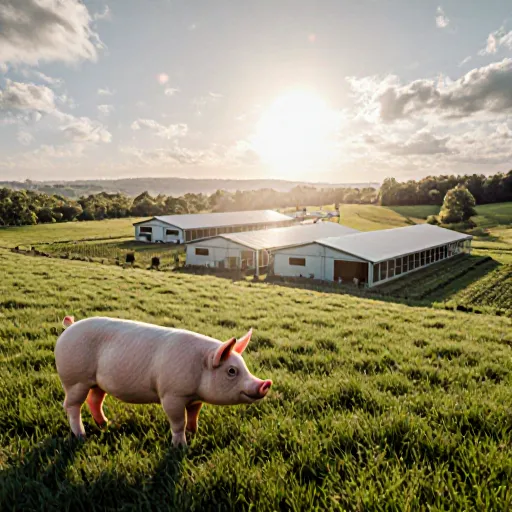
Pig farming in rural areas offers numerous advantages over urban or suburban farming. Rural settings provide an ideal environment for raising pigs due to the abundance of space, lower costs, and access to natural resources. This blog explores the many benefits of raising pigs in rural areas and why it is becoming an increasingly popular choice for farmers seeking profitability, sustainability, and growth.
Whether you’re a new farmer or an experienced one, understanding the unique advantages of rural pig farming can help you make informed decisions about starting or expanding your pig farming operation.
Placeholder for Image 1
1. Ample Space for Pigs
One of the most significant advantages of raising pigs in rural areas is the abundant space available for your operation. Unlike urban farms, which are often constrained by limited space and zoning restrictions, rural farms offer vast areas for pigs to roam, grow, and live comfortably.
Benefits of Space in Rural Pig Farming
- Better Living Conditions: Pigs require adequate space to move around, exercise, and exhibit natural behaviors. The spacious environment reduces stress, which leads to better health and productivity.
- Improved Biosecurity: Having a large area helps reduce the spread of diseases, as pigs are less likely to come into contact with other animals or humans who may carry infections.
- Lower Stress Levels: When pigs have enough space to roam and explore, they are less likely to experience stress, which can negatively impact their growth and overall well-being.
With ample space, rural pig farms can foster a more natural environment for pigs, contributing to improved health and growth, thus leading to greater profitability in the long run.
2. Lower Costs of Land and Resources
One of the most appealing factors of raising pigs in rural areas is the lower cost of land, labor, and resources. Land prices in rural areas are significantly cheaper than in urban or suburban areas, allowing farmers to invest more in pig farming rather than in land acquisition costs.
How Lower Costs Help Maximize Profit
- Affordable Land Prices: In rural areas, farmers can acquire large tracts of land for a fraction of the cost of urban or suburban properties, which lowers the initial investment required for setting up a farm.
- Access to Affordable Labor: Labor costs are typically lower in rural areas, which means you can hire skilled workers at a lower cost, reducing operational expenses.
- Cheaper Resources: In rural areas, feed, water, and other farming resources are often more affordable, allowing farmers to reduce their input costs while maintaining the quality of their products.
These cost-saving advantages make rural pig farming an attractive option for farmers seeking to maximize profits while minimizing overhead costs.
3. Access to Natural Resources
Rural areas provide farmers with direct access to natural resources such as abundant water supplies, fertile land, and agricultural by-products that can be used as feed or compost. These resources play a crucial role in reducing costs and promoting sustainability in pig farming.
How Natural Resources Contribute to Profits
- Water Availability: Rural areas are often blessed with reliable water sources, which is essential for pigs’ health, growth, and overall productivity. Access to clean water helps reduce costs related to water procurement.
- Fertile Soil for Crop Production: With fertile soil, farmers can grow their own feed crops like maize or soybeans, which can significantly cut feed costs and improve the sustainability of the farm.
- Agro-Waste Utilization: Agricultural by-products, such as crop residues, can be repurposed as supplementary feed for pigs, helping reduce feed expenses while promoting sustainability.
With an abundant supply of natural resources, rural pig farmers can operate more sustainably and cost-effectively, boosting their long-term profitability.
4. Growing Market Demand
As the demand for pork continues to rise globally, rural pig farming offers farmers a unique opportunity to capitalize on this trend. Rural areas are often situated close to major transportation routes, making it easier to transport pigs to market while maintaining quality and freshness.
How Market Demand Impacts Profitability
- Access to Larger Markets: Being located in rural areas allows farmers to tap into larger regional markets or export opportunities, where there is higher demand for pork products.
- Local Market Potential: Rural areas often have established markets for fresh, locally raised pork, allowing farmers to sell directly to consumers or local butchers for better profit margins.
- Supply Chain Efficiency: Proximity to key infrastructure like roads and logistics hubs allows rural farmers to transport their products more efficiently, reducing costs and increasing profitability.
The growing market demand for pork creates profitable opportunities for rural pig farmers to expand their operations and take advantage of favorable market conditions.
5. Promoting Sustainable Farming Practices
Rural pig farming offers a unique environment for promoting sustainability. With more space, access to resources, and fewer environmental pressures, rural farmers are better positioned to implement eco-friendly farming practices.
Examples of Sustainable Practices in Rural Pig Farming
- Rotational Grazing: This practice allows pigs to graze on fresh pasture while allowing previously grazed land to regenerate, promoting soil health and reducing feed costs.
- Waste Management: Rural areas offer ample space to implement efficient waste management systems like composting and biogas production, reducing the farm's environmental impact.
- Organic Farming: Rural farms can take advantage of natural fertilizers, such as pig manure, to maintain soil fertility and reduce reliance on synthetic chemicals.
By promoting sustainability, rural pig farmers can reduce their environmental footprint while creating a more resilient and profitable farming system.
6. Community Support and Networks
Rural communities are often tightly knit, and farmers can benefit from the support of local networks and agricultural associations. These communities foster a collaborative environment where knowledge, resources, and support are shared among farmers.
How Community Networks Help Farmers
- Knowledge Sharing: Rural communities provide opportunities for farmers to exchange knowledge, tips, and best practices, improving the success of pig farming operations.
- Access to Cooperative Resources: Rural farmers can join agricultural cooperatives to pool resources, share equipment, and access bulk buying discounts on feed and other supplies.
- Mutual Support: In times of need, rural farmers can rely on one another for labor, advice, and emotional support, helping them weather challenges and succeed in their ventures.
Community support and networking in rural areas can greatly enhance a pig farmer's chances of success by fostering collaboration and shared learning.
7. Health and Well-Being of Pigs
In rural areas, pigs tend to experience fewer stressors than those raised in industrial settings, leading to improved health and overall well-being. With access to larger spaces, better air quality, and a more natural living environment, pigs are less likely to experience diseases, injuries, and behavioral issues.
How Rural Areas Contribute to Pigs' Health
- Better Air Quality: Pigs raised in rural areas have access to better ventilation and cleaner air, which reduces the risk of respiratory diseases.
- Natural Environment: With more space and outdoor areas, pigs can engage in natural behaviors, such as rooting and foraging, which improves their physical and mental health.
- Less Disease Pressure: Rural areas with fewer nearby farms and animals tend to have lower disease transmission rates, reducing the need for costly veterinary treatments.
Raising pigs in a rural environment promotes the overall health and well-being of the animals, resulting in healthier pigs and more profitable production.
FAQs
1. What are the main advantages of raising pigs in rural areas?
The main advantages of raising pigs in rural areas include access to ample space, lower costs of land and resources, availability of natural resources, growing market demand, and access to supportive communities.
2. How does raising pigs in rural areas impact pig health?
Pigs raised in rural areas generally have better health because they experience less stress, have access to clean air, and live in more natural environments, reducing the likelihood of disease.
3. Can raising pigs in rural areas be profitable?
Yes, raising pigs in rural areas can be highly profitable due to lower operational costs, greater access to resources, and higher market demand for pork products.
Conclusion
Raising pigs in rural areas offers many benefits, from lower costs and access to natural resources to healthier pigs and growing market demand. By capitalizing on these advantages, farmers can create profitable, sustainable pig farming operations that thrive in rural settings.
Whether you're considering starting a pig farm or looking to expand, rural areas provide the ideal environment for success. The advantages of space, cost savings, and access to resources are key factors in ensuring your pig farming venture flourishes.
Categories
- AI & Enrichment Play
- Broiler Farming
- Broiler Farming Tips
- Canine Wellness & Longevity
- Cat
- Cat & Human Connection
- Cat Adoption & Rescue
- Cat Breeds
- Cat Breeds & Personalities
- Cat Care & Health
- Cat Grooming & Hygiene
- Cat Lifestyle & Environment
- Cat Myths & History
- Cat Nutrition & Diet
- Cat Products & Reviews
- Cat Training & Behavior
- Comparison
- Consumer Awareness
- Dog
- Dog Accessories & Products
- Dog Adoption & Rescue
- Dog Breed & Lifestyle Trends
- Dog Breeding & Puppies
- Dog Entertainment & Media
- Dog Fashion & Trends
- Dog Fun & Lifestyle
- Dog Grooming & Hygiene
- Dog History & Culture
- Dog Myths, Science & Future Tech
- Dog News & Trends
- Dog Nutrition & Food
- Dog Psychology & Emotions
- Dog Safety & Security
- Dog Sports & Activities
- Dog Technology & Innovation
- Dog Training for Modern Owners
- Dog Travel & Adventure
- Dog Travel, Adventure & Culture
- Economic and Market Insights
- Educational Content
- FAQs
- Feeding Alternatives
- Festivals & Seasonal Ideas
- Fun & Entertainment
- General Knowledge
- General Pig Farming
- Health & Disease Management
- Housing and Environment
- Kittens
- Market Insights
- Miscellaneous
- Miscellaneous
- Motivational
- pig
- Pig Breeding
- Pig Breeds
- Pig Farming Stories and Inspiration
- Pig Health and Care
- Pig Nutrition
- Pig Products
- Profitability & Business
- Puppy Care
- Puppy Predictable Topics Reinvented
- Regional Focus
- Rescue & Adoption Buzz
- Senior Cats
- Senior Dog Care
- Smart Dog Tech & Gadgets
- Sustainability
- Sustainable & Eco-Friendly Dog Products
- Tech & Innovations
- Working & Service Dogs
- Broiler Feed66 products
- Country Feed33 products
- Pig Feed66 products
- Product22 products
- Raw Materials99 products
Products
-
 Fish Meal
₹1,999.00 – ₹2,999.00Price range: ₹1,999.00 through ₹2,999.00Rated 0 out of 5
Fish Meal
₹1,999.00 – ₹2,999.00Price range: ₹1,999.00 through ₹2,999.00Rated 0 out of 5 -
 FATTENING BROILER FEED
₹2,299.00 – ₹2,349.00Price range: ₹2,299.00 through ₹2,349.00Rated 0 out of 5
FATTENING BROILER FEED
₹2,299.00 – ₹2,349.00Price range: ₹2,299.00 through ₹2,349.00Rated 0 out of 5 -
 LAYER COUNTRY FEED
₹1,549.00 – ₹1,649.00Price range: ₹1,549.00 through ₹1,649.00Rated 0 out of 5
LAYER COUNTRY FEED
₹1,549.00 – ₹1,649.00Price range: ₹1,549.00 through ₹1,649.00Rated 0 out of 5 -
 COUNTER BROILER FEED
₹1,199.00 – ₹1,299.00Price range: ₹1,199.00 through ₹1,299.00Rated 0 out of 5
COUNTER BROILER FEED
₹1,199.00 – ₹1,299.00Price range: ₹1,199.00 through ₹1,299.00Rated 0 out of 5 -
 LACTATING PIG FEED
Rated 0 out of 5
LACTATING PIG FEED
Rated 0 out of 5₹2,299.00Original price was: ₹2,299.00.₹1,740.00Current price is: ₹1,740.00. -
 Maize
Rated 0 out of 5
Maize
Rated 0 out of 5₹1,650.00Original price was: ₹1,650.00.₹1,300.00Current price is: ₹1,300.00. -
 GESTATION PIG FEED (Phase 1)
Rated 0 out of 5
GESTATION PIG FEED (Phase 1)
Rated 0 out of 5₹2,249.00Original price was: ₹2,249.00.₹1,699.00Current price is: ₹1,699.00. -
 Pre Starter Broiler Feed
₹2,399.00 – ₹2,499.00Price range: ₹2,399.00 through ₹2,499.00Rated 0 out of 5
Pre Starter Broiler Feed
₹2,399.00 – ₹2,499.00Price range: ₹2,399.00 through ₹2,499.00Rated 0 out of 5 -
 FINISHER PIG FEED
Rated 0 out of 5
FINISHER PIG FEED
Rated 0 out of 5₹2,299.00Original price was: ₹2,299.00.₹1,749.00Current price is: ₹1,749.00. -
 Broiler Premix
Rated 0 out of 5
Broiler Premix
Rated 0 out of 5₹820.00Original price was: ₹820.00.₹699.00Current price is: ₹699.00.