
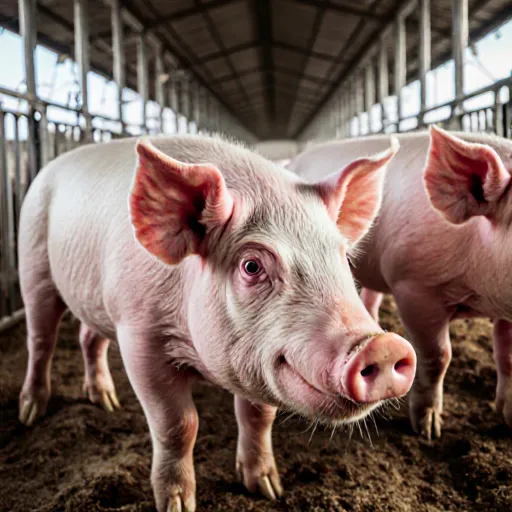
Boost your pork business through cutting-edge breeding techniques.
Introduction
Crossbreeding in pig farming is a practice that has been adopted widely to combine the beneficial traits of different pig breeds. This technique is often employed to enhance productivity, improve disease resistance, and create a more efficient farming system. By pairing different breeds, farmers can take advantage of the superior characteristics each breed offers.
However, crossbreeding pigs also brings its own set of challenges. From genetic concerns to the need for proper management, understanding both the benefits and challenges is crucial for any pig farmer considering crossbreeding as a strategy.
What is Crossbreeding?
Crossbreeding is the intentional mating of two different pig breeds to produce offspring that inherit desirable traits from both parent breeds. This process aims to combine specific characteristics such as fast growth rates, disease resistance, and excellent meat quality.
The goal of crossbreeding is to create pigs that are more productive, healthier, and easier to manage than purebred pigs. The offspring often exhibit hybrid vigor, also known as heterosis, which results in better overall performance.
Benefits of Crossbreeding Pigs
Crossbreeding pigs provides numerous benefits for farmers, particularly in large-scale operations. By choosing the right combinations of breeds, farmers can optimize their production and reduce some of the challenges associated with raising pigs. Below are some of the major advantages of crossbreeding pigs:
1. Increased Hybrid Vigor
One of the primary benefits of crossbreeding pigs is the increased hybrid vigor, which refers to the enhanced performance of hybrid offspring compared to their parents. The crossbred pigs often exhibit greater resistance to diseases, higher fertility, and better growth rates. This results in more robust animals that can perform better in both breeding and meat production.
2. Improved Meat Quality
Crossbreeding allows farmers to combine desirable traits from different breeds. For example, crossing a fast-growing breed like the Yorkshire with a breed known for superior meat quality like the Berkshire can result in pigs that grow quickly while also producing premium-quality pork. This combination ensures the production of both lean and marbled meat, meeting market demands for quality pork.
3. Disease Resistance
Some pig breeds are more resistant to specific diseases than others. Crossbreeding can combine these genetic traits to produce offspring with enhanced immunity. For example, crossing a breed with strong resistance to respiratory diseases with a breed that is more resistant to gastrointestinal diseases can result in healthier pigs that are less susceptible to common illnesses.
4. Enhanced Productivity
Crossbred pigs often show improved productivity, including faster growth rates, increased litter sizes, and better feed conversion ratios. This means farmers can raise more pigs in less time, with reduced feed costs and better overall productivity, making it a cost-effective option in commercial pig farming.
5. Adaptability to Different Environments
Crossbreeding can also produce pigs that are better suited to specific environmental conditions. For instance, crossing pigs with good heat tolerance with those adapted to colder climates can produce offspring that are resilient to a range of weather conditions, increasing their overall survival rate and reducing mortality.

Challenges of Crossbreeding Pigs
While crossbreeding offers several benefits, there are also challenges that need to be addressed to ensure its success. Farmers must be prepared for these challenges and understand how to mitigate them for the best results.
1. Genetic Incompatibility
One of the key challenges in crossbreeding is the possibility of genetic incompatibility between the two parent breeds. This can result in poor health in the offspring or the inheritance of undesirable traits. For instance, crossing breeds with conflicting genetic backgrounds may lead to reduced fertility, poor growth, or defects in the offspring.
2. Maintaining Consistency
Crossbreeding can result in offspring that vary in characteristics such as size, growth rate, and disease resistance. This can make it difficult for farmers to maintain consistency in production, as each pig may exhibit different traits. Over time, this may affect the overall efficiency of the farm.
3. Increased Management Complexity
Managing crossbred pigs can be more complex than managing purebred pigs. Farmers need to understand the traits of both parent breeds and how they interact to ensure the proper care, feeding, and healthcare practices are implemented. Crossbreeding may require more management effort in terms of breeding strategies, health monitoring, and farm setup.
4. Cost of Maintaining Breeding Stocks
To successfully crossbreed pigs, farmers need to maintain a breeding stock of both parent breeds. This can incur additional costs, especially if both breeds require specific care or breeding conditions. The costs of acquiring and maintaining these breeding pigs can be higher than maintaining a single breed.
5. Risk of Overbreeding
In some cases, overbreeding can lead to the loss of desirable traits in the offspring. If the same breeds are repeatedly crossed, the offspring may lose the advantages gained from hybrid vigor, and the quality of pigs may decline. This requires careful selection and planning to avoid overbreeding and ensure the continued success of the crossbreeding program.
Successful Crossbreeding Examples
Several successful crossbreeding programs have been developed to create pigs that meet specific farming goals. Below are some examples of successful crossbreeding combinations:
1. Yorkshire x Landrace Cross
The Yorkshire x Landrace cross is one of the most common combinations used in commercial pig farming. This hybrid produces pigs that are highly fertile, have good growth rates, and excellent meat quality. The Yorkshire breed contributes to the pig's size and productivity, while the Landrace contributes to its excellent maternal traits.
2. Berkshire x Duroc Cross
The Berkshire x Duroc cross is a popular combination for producing high-quality pork. The Berkshire breed is known for its exceptional meat marbling, while the Duroc breed is known for its rapid growth and strong musculature. This cross combines the best of both worlds, resulting in pigs that grow quickly and produce tender, flavorful meat.
3. Large White x Hampshire Cross
The Large White x Hampshire cross is a popular choice for farmers focused on breeding pigs with high reproductive performance and good carcass quality. The Large White breed is known for its excellent growth rate and adaptability, while the Hampshire breed contributes to superior meat quality.
Steps in Crossbreeding Pigs
Crossbreeding pigs requires careful planning and execution to ensure success. Here are the steps to follow:
1. Select the Right Breeds
The first step in successful crossbreeding is selecting the right breeds. Farmers should choose breeds with complementary traits, such as size, growth rate, disease resistance, and meat quality. The right combination will depend on the farmer's specific goals.
2. Implement Proper Breeding Strategies
Farmers need to use proper breeding strategies to ensure the offspring inherit the desired traits. This may involve artificial insemination or natural breeding techniques. It's important to monitor the breeding process to avoid inbreeding and genetic issues.
3. Manage the Pigs Carefully
Crossbred pigs require proper management to ensure they grow healthy and strong. Farmers need to monitor their feeding, healthcare, and environmental conditions to optimize their growth and performance.
FAQs
What is crossbreeding in pig farming?
Crossbreeding in pig farming involves mating two different pig breeds to create offspring with desirable traits from both parents.
What are the benefits of crossbreeding pigs?
Benefits include increased hybrid vigor, improved meat quality, disease resistance, and enhanced productivity.
Are there any risks involved in crossbreeding pigs?
Yes, challenges include genetic incompatibility, maintaining consistency in traits, and increased management complexity.
Conclusion
Crossbreeding pigs offers several advantages, including increased productivity, improved disease resistance, and better meat quality. However, it also presents challenges, such as genetic compatibility issues and management complexities. By carefully selecting the right breeds and employing proper management techniques, farmers can successfully implement crossbreeding programs that help achieve their farming goals.
Products
-
 Fish Meal
Price range: ₹1,999.00 through ₹2,999.00
Fish Meal
Price range: ₹1,999.00 through ₹2,999.00
-
 FATTENING BROILER FEED
Price range: ₹2,299.00 through ₹2,349.00
FATTENING BROILER FEED
Price range: ₹2,299.00 through ₹2,349.00
-
 LAYER COUNTRY FEED
Price range: ₹1,549.00 through ₹1,649.00
LAYER COUNTRY FEED
Price range: ₹1,549.00 through ₹1,649.00
-
 COUNTER BROILER FEED
Price range: ₹1,199.00 through ₹1,299.00
COUNTER BROILER FEED
Price range: ₹1,199.00 through ₹1,299.00
-
 LACTATING PIG FEED
Original price was: ₹2,299.00.₹1,740.00Current price is: ₹1,740.00.
LACTATING PIG FEED
Original price was: ₹2,299.00.₹1,740.00Current price is: ₹1,740.00.
-
 Maize
Original price was: ₹1,650.00.₹1,300.00Current price is: ₹1,300.00.
Maize
Original price was: ₹1,650.00.₹1,300.00Current price is: ₹1,300.00.
-
 GESTATION PIG FEED (Phase 1)
Original price was: ₹2,249.00.₹1,699.00Current price is: ₹1,699.00.
GESTATION PIG FEED (Phase 1)
Original price was: ₹2,249.00.₹1,699.00Current price is: ₹1,699.00.
-
 Pre Starter Broiler Feed
Price range: ₹2,399.00 through ₹2,499.00
Pre Starter Broiler Feed
Price range: ₹2,399.00 through ₹2,499.00
-
 FINISHER PIG FEED
Original price was: ₹2,299.00.₹1,749.00Current price is: ₹1,749.00.
FINISHER PIG FEED
Original price was: ₹2,299.00.₹1,749.00Current price is: ₹1,749.00.
-
 Broiler Premix
Original price was: ₹820.00.₹699.00Current price is: ₹699.00.
Broiler Premix
Original price was: ₹820.00.₹699.00Current price is: ₹699.00.