
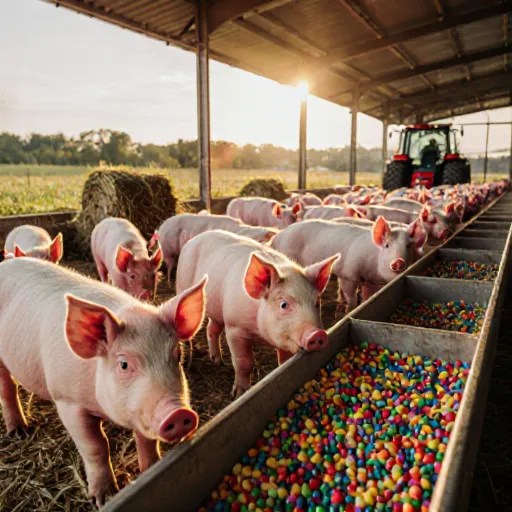
Feed your pigs right for higher profits!
Introduction
When it comes to raising pigs for healthy growth, optimal performance, and high-quality production, providing the right nutrients is crucial. Pigs, like all animals, require a balanced diet that supports their growth, reproduction, and overall health. These nutrients, which include proteins, fats, carbohydrates, vitamins, and minerals, must be supplied in the right amounts to meet the pigs' specific needs at each stage of life.
This blog will provide an in-depth look at the essential nutrients required for healthy pigs, the role each nutrient plays in the pigs' development, and how you can ensure your pigs receive a balanced diet.
Importance of Nutrition for Pigs
Good nutrition is fundamental to the health and productivity of pigs. Proper nutrition influences their growth rate, feed conversion efficiency, disease resistance, and reproductive success. If pigs do not receive adequate nutrition, they may suffer from growth retardation, reduced immunity, or reproductive problems. Inadequate feed also leads to poor feed conversion, meaning pigs are not utilizing the feed efficiently, which increases production costs.
Therefore, understanding the specific nutritional needs of pigs is critical to achieving a healthy, profitable, and sustainable farming operation.
Types of Essential Nutrients for Pigs
There are several essential nutrients that pigs require to maintain health and performance. These include:
- Protein
- Energy
- Fiber
- Vitamins
- Minerals
In the following sections, we will dive deeper into each nutrient and discuss its role in maintaining the health of pigs.
Protein
Protein is one of the most important nutrients for pigs. It is required for the growth and repair of tissues, as well as for the production of enzymes and hormones that regulate metabolic processes. Protein is especially important during the early stages of a pig’s life when they are growing rapidly.
The best sources of protein for pigs include soybean meal, fish meal, alfalfa meal, and various oilseed meals. Pigs need high-quality protein to develop muscle mass and maintain body functions. However, excessive protein intake can lead to health problems, such as kidney strain, so it is crucial to strike the right balance.
A lack of protein in the diet can lead to poor growth rates, muscle wasting, and in severe cases, even death. To maintain optimal growth, it is essential to provide protein at the right level based on the pigs' age and stage of growth.
Energy
Energy is the most important factor influencing the growth and overall health of pigs. It provides the calories needed for basic metabolic functions, growth, reproduction, and lactation. Pigs obtain energy from carbohydrates, fats, and proteins, but carbohydrates are the most efficient energy source for pigs.
Energy is typically derived from grains like corn, wheat, and barley. These grains are rich in carbohydrates, which are easily converted into energy. Fats, such as those from animal fats or vegetable oils, can also provide a concentrated energy source for pigs.
Ensuring pigs receive adequate energy is crucial, as energy deficits can lead to reduced growth rates, poor feed conversion efficiency, and reproductive failures. On the other hand, excessive energy intake can lead to obesity and other health problems.
Fiber
Fiber plays an essential role in the digestive system of pigs. It helps regulate bowel movements, maintain gut health, and prevent constipation and digestive issues. Fiber is particularly important in the diets of older pigs and sows.
The primary sources of fiber in pig feed include forage crops such as alfalfa, silage, and grasses, as well as by-products like wheat bran and soybean hulls. Fiber also contributes to the satiety of pigs, helping them feel full and reducing the risk of overeating.
While pigs do not require as much fiber as ruminants like cattle, it is essential to ensure that they receive enough fiber to promote healthy digestion. Inadequate fiber can lead to gastrointestinal issues and poor feed utilization.
Vitamins
Vitamins are essential for a wide range of metabolic processes in pigs. They support immune function, promote growth, and regulate the body’s response to stress. The most important vitamins for pigs include Vitamin A, Vitamin D, Vitamin E, and B-complex vitamins.
1. Vitamin A
Vitamin A is crucial for maintaining healthy vision, skin, and mucous membranes. It also supports the immune system and promotes healthy reproduction. Sources of Vitamin A include green forages and animal products like fish oil.
2. Vitamin D
Vitamin D is essential for calcium absorption and bone health. It helps pigs grow strong bones and support the function of muscles and nerves. Vitamin D can be provided through sunlight exposure or added to feed in the form of supplements.
3. Vitamin E
Vitamin E acts as an antioxidant, protecting cells from damage. It also supports immune function and prevents muscular dystrophy in pigs. Good sources of Vitamin E include plant oils and green leafy plants.
4. B-complex Vitamins
B-complex vitamins are crucial for energy metabolism and nerve function. These vitamins help convert carbohydrates and fats into energy, and are essential for growth and tissue repair.
Minerals
Minerals are vital for a variety of functions, including bone formation, nerve function, and electrolyte balance. Key minerals for pigs include calcium, phosphorus, magnesium, sodium, and zinc.
1. Calcium and Phosphorus
Calcium and phosphorus are essential for healthy bone development and overall growth. They are particularly important for piglets, growing pigs, and pregnant sows. The ratio of calcium to phosphorus should be balanced to ensure proper bone mineralization.
2. Sodium and Chloride
Sodium and chloride are necessary for maintaining proper fluid balance, nerve function, and digestion. Adequate salt in the diet ensures that pigs remain hydrated and their electrolytes are in balance.
3. Zinc
Zinc supports immune function, growth, and skin health. Zinc deficiencies can lead to poor coat quality, slow growth, and weakened immunity.
How to Feed Pigs for Optimal Health
Feeding pigs the right combination of nutrients at the right times is essential to ensuring their health and productivity. It's important to provide a well-balanced, age-appropriate diet, as nutritional needs change throughout a pig's life. Feeding systems, including the use of automatic feeders, can help ensure consistency and efficiency in feeding.
Common Feeding Mistakes
Even experienced farmers can make mistakes when feeding pigs. Common errors include overfeeding or underfeeding, feeding poor-quality feed, and failing to balance nutrients properly. These mistakes can lead to health issues, reduced productivity, and financial losses.
FAQs
What are the most important nutrients for pig health?
Protein, energy, fiber, vitamins, and minerals are the most essential nutrients for pig health.
Can pigs be fed a vegetarian diet?
Yes, pigs can be fed a vegetarian diet, but it must be properly balanced to provide all the essential nutrients, particularly protein and energy.
How often should pigs be fed?
Pigs should be fed 2-3 times per day depending on their age and growth stage.
Conclusion
Providing the right nutrients for pigs is essential to maintaining their health, growth, and productivity. By ensuring that pigs receive a balanced diet, farmers can prevent deficiencies and support optimal development. Whether you are raising piglets, breeding sows, or finishing pigs, understanding the role of each essential nutrient is key to achieving success in pig farming.
Categories
- AI & Enrichment Play
- Broiler Farming
- Broiler Farming Tips
- Canine Wellness & Longevity
- Cat
- Cat & Human Connection
- Cat Adoption & Rescue
- Cat Breeds
- Cat Breeds & Personalities
- Cat Care & Health
- Cat Grooming & Hygiene
- Cat Lifestyle & Environment
- Cat Myths & History
- Cat Nutrition & Diet
- Cat Products & Reviews
- Cat Training & Behavior
- Comparison
- Consumer Awareness
- Dog
- Dog Accessories & Products
- Dog Adoption & Rescue
- Dog Breed & Lifestyle Trends
- Dog Breeding & Puppies
- Dog Entertainment & Media
- Dog Fashion & Trends
- Dog Fun & Lifestyle
- Dog Grooming & Hygiene
- Dog History & Culture
- Dog Myths, Science & Future Tech
- Dog News & Trends
- Dog Nutrition & Food
- Dog Psychology & Emotions
- Dog Safety & Security
- Dog Sports & Activities
- Dog Technology & Innovation
- Dog Training for Modern Owners
- Dog Travel & Adventure
- Dog Travel, Adventure & Culture
- Economic and Market Insights
- Educational Content
- FAQs
- Feeding Alternatives
- Festivals & Seasonal Ideas
- Fun & Entertainment
- General Knowledge
- General Pig Farming
- Health & Disease Management
- Housing and Environment
- Kittens
- Market Insights
- Miscellaneous
- Miscellaneous
- Motivational
- pig
- Pig Breeding
- Pig Breeds
- Pig Farming Stories and Inspiration
- Pig Health and Care
- Pig Nutrition
- Pig Products
- Profitability & Business
- Puppy Care
- Puppy Predictable Topics Reinvented
- Regional Focus
- Rescue & Adoption Buzz
- Senior Cats
- Senior Dog Care
- Smart Dog Tech & Gadgets
- Sustainability
- Sustainable & Eco-Friendly Dog Products
- Tech & Innovations
- Working & Service Dogs
- Broiler Feed66 products
- Country Feed33 products
- Pig Feed66 products
- Product22 products
- Raw Materials99 products
Products
-
 Fish Meal
₹1,999.00 – ₹2,999.00Price range: ₹1,999.00 through ₹2,999.00Rated 0 out of 5
Fish Meal
₹1,999.00 – ₹2,999.00Price range: ₹1,999.00 through ₹2,999.00Rated 0 out of 5 -
 FATTENING BROILER FEED
₹2,299.00 – ₹2,349.00Price range: ₹2,299.00 through ₹2,349.00Rated 0 out of 5
FATTENING BROILER FEED
₹2,299.00 – ₹2,349.00Price range: ₹2,299.00 through ₹2,349.00Rated 0 out of 5 -
 LAYER COUNTRY FEED
₹1,549.00 – ₹1,649.00Price range: ₹1,549.00 through ₹1,649.00Rated 0 out of 5
LAYER COUNTRY FEED
₹1,549.00 – ₹1,649.00Price range: ₹1,549.00 through ₹1,649.00Rated 0 out of 5 -
 COUNTER BROILER FEED
₹1,199.00 – ₹1,299.00Price range: ₹1,199.00 through ₹1,299.00Rated 0 out of 5
COUNTER BROILER FEED
₹1,199.00 – ₹1,299.00Price range: ₹1,199.00 through ₹1,299.00Rated 0 out of 5 -
 LACTATING PIG FEED
Rated 0 out of 5
LACTATING PIG FEED
Rated 0 out of 5₹2,299.00Original price was: ₹2,299.00.₹1,740.00Current price is: ₹1,740.00. -
 Maize
Rated 0 out of 5
Maize
Rated 0 out of 5₹1,650.00Original price was: ₹1,650.00.₹1,300.00Current price is: ₹1,300.00. -
 GESTATION PIG FEED (Phase 1)
Rated 0 out of 5
GESTATION PIG FEED (Phase 1)
Rated 0 out of 5₹2,249.00Original price was: ₹2,249.00.₹1,699.00Current price is: ₹1,699.00. -
 Pre Starter Broiler Feed
₹2,399.00 – ₹2,499.00Price range: ₹2,399.00 through ₹2,499.00Rated 0 out of 5
Pre Starter Broiler Feed
₹2,399.00 – ₹2,499.00Price range: ₹2,399.00 through ₹2,499.00Rated 0 out of 5 -
 FINISHER PIG FEED
Rated 0 out of 5
FINISHER PIG FEED
Rated 0 out of 5₹2,299.00Original price was: ₹2,299.00.₹1,749.00Current price is: ₹1,749.00. -
 Broiler Premix
Rated 0 out of 5
Broiler Premix
Rated 0 out of 5₹820.00Original price was: ₹820.00.₹699.00Current price is: ₹699.00.