
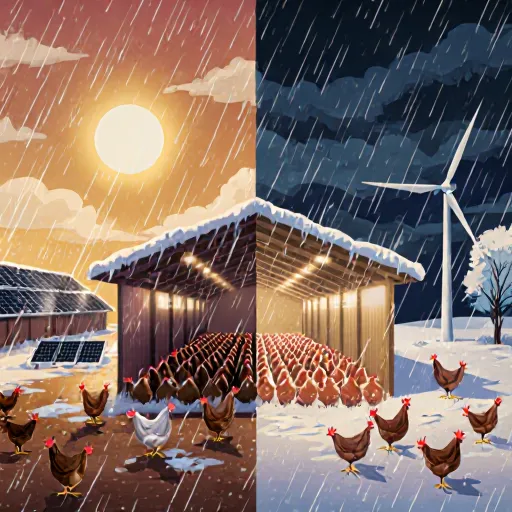
Staycooled: Tips to Shield Your Broilers
Table of Contents
- Identifying Common Weather Challenges for Broilers
- Understanding Heat Stress in Broilers
- Implementing Cooling Systems
- Providing Shade and Ventilation
- Adjusting Feeding Schedule for Cooler Weather
- Water Management During Cold Spells
- Selecting Appropriate Genetics for Climate Resistance
- Maintaining Proper Housing and Facilities
- Monitoring Broiler Health Closely
- Implementing Winter Heating Strategies
- Protective Clothing for Broilers in Cold Weather
- Ensuring Access to Shelter from Strong Winds
- Frequent Inspection and Maintenance of Facilities
- Developing an Emergency Plan for Extreme Weather Events
- Conclusion
- FAQ
Identifying Common Weather Challenges for Broilers
When raising broilers, it is essential to be aware of common weather challenges that can significantly impact their health and productivity. Extreme temperatures, humidity levels, wind speed, and precipitation are some of the key factors that need careful monitoring and management. Below are detailed insights into these challenges along with practical advice on how to protect broilers from them.
1. Excessive Heat
High temperatures can lead to heat stress, which is one of the most critical issues affecting broilers during summer months. Heat stress not only reduces feed efficiency but also increases mortality rates. To mitigate these risks:
- Ensure Adequate Ventilation: Proper ventilation helps cool down the broiler house by providing a constant flow of fresh air. Install exhaust fans or open windows to enhance airflow.
- Use Shade Structures: Provide shaded areas within the broiler house using structures like tarps or nets to reduce direct sunlight exposure.
- Adjust Feeding Schedules: Offer feed earlier in the day when temperatures are lower and avoid feeding during peak heat periods.
2. Extreme Cold
Extremely cold weather can also pose significant threats to broilers, especially those raised in open-air environments or poorly insulated houses. Low temperatures can cause birds to shiver excessively, leading to reduced growth rates and higher energy consumption.
- Insulate Housing: Ensure your broiler house is well-insulated against cold winds and drafts.
- Provide Additional Heat Sources: Use heaters or heat lamps installed at appropriate heights within the broiler house to maintain optimal temperatures.
- Adjust Feeding Strategies: Increase feed intake slightly during colder periods as broilers require more energy to stay warm.
3. High Humidity
High humidity combined with high temperature can exacerbate heat stress in broilers, making them vulnerable to respiratory diseases and increased mortality rates. Managing humidity levels is crucial for maintaining good air quality inside the broiler house.
- Implement Ventilation: Enhanced ventilation helps remove excess moisture from the air, keeping it within safe limits.
- Use Dehumidifiers: If natural ventilation is insufficient, consider installing dehumidifiers to reduce humidity levels effectively.
- Clean Regularly: Keep the broiler house clean and dry by regularly removing droppings and other waste materials that contribute to increased moisture in the air.
4. Strong Winds
Strong winds can cause discomfort and stress for broilers, potentially leading to respiratory issues and increased energy expenditure as birds struggle to maintain their body heat.
- Strengthen Housing Structure: Ensure your broiler house is securely built against wind pressures.
- Use Windbreaks: Plant trees or erect barriers around the broiler area to create a protected zone from strong winds.
5. Precipitation
Heavy rainfalls and sudden changes in weather patterns can introduce additional stressors for broilers, including damp conditions that promote fungal growth and increased risk of infections.
- Protect Against Rain: Use rain shelters or cover the broiler house to protect birds from direct exposure to heavy rains.
- Monitor Water Quality: Regularly check water sources for contamination and ensure they are clean and accessible.
By understanding these common weather challenges and implementing effective strategies, you can significantly enhance the welfare of your broilers while optimizing their growth and productivity.
Understanding Heat Stress in Broilers
Understanding heat stress in broilers is crucial for ensuring optimal growth and health, which directly impacts your farm's productivity and profitability. Heat stress can significantly reduce feed intake, affect body weight gain, decrease egg production (in older birds), and increase mortality rates. This section will delve into the specific ways heat stress affects broilers and provide practical advice on protecting them from extreme weather conditions.
How Heat Stress Affects Broilers
Heat stress in broilers occurs when environmental temperatures exceed their thermoneutral zone, which is typically between 18°C to 25°C (64°F to 77°F). When the temperature rises above this range, broilers struggle to maintain their body temperature. As a result, they pant more frequently to try and dissipate excess heat, leading to increased respiration rates and water consumption.
- Reduced Feed Intake: Higher temperatures lead to reduced feed intake because broilers are focused on cooling themselves rather than eating. This reduction in feed can result in lower weight gains and poorer performance.
- Increased Mortality Rates: Extreme heat can be fatal for broilers, especially during hot periods like summer. Poor ventilation or lack of shade can exacerbate this issue.
- Egg Production Decline: In older birds, extreme heat can lead to a reduction in egg production and quality. This is particularly concerning for farms that also aim to maximize their broiler breeder operations.
Protecting Broilers from Extreme Weather
To mitigate the effects of heat stress on your broilers, it's essential to implement strategies that help maintain a comfortable environment within the thermoneutral zone. Here are some practical steps you can take:
Ventilation and Cooling Systems
Proper ventilation is key to managing heat in broiler houses. Ensure that your facility has adequate airflow to prevent the buildup of excess heat from birds, bedding materials, or feed. Installing evaporative coolers can help reduce ambient temperatures by as much as 5°C (9°F), providing a significant cooling effect.
Shade and Irrigation
Providing shade through the use of shade cloth or natural vegetation is vital for protecting broilers from direct sunlight. Additionally, misting systems can be used to create a cooling effect by spraying water onto the birds or on the ground around them.
Nutritional Management
Adjusting your broiler's diet during hot periods is another effective strategy. Providing higher-protein feeds in the morning and switching to lower-energy feeds later in the day can help reduce heat production within the birds. Offering water more frequently throughout the day ensures that they stay hydrated, which is crucial for thermoregulation.
Monitoring and Adjusting
Regular monitoring of environmental conditions and bird behavior allows you to make timely adjustments to your management practices. Invest in temperature sensors and other monitoring tools to get real-time data on the environment inside the broiler house. This information can guide decisions about ventilation, cooling methods, and nutritional adjustments.
Conclusion
Understanding how heat stress affects broilers is essential for maintaining their health and productivity under challenging environmental conditions. By implementing a combination of ventilation improvements, nutritional management, and other protective measures, you can significantly reduce the impact of extreme weather on your flock. Prioritizing these strategies will not only enhance the welfare of your birds but also contribute to higher economic returns.
Implementing Cooling Systems
To effectively protect broilers from extreme weather, particularly during hot and humid conditions, implementing a robust cooling system is essential. The primary goal of such systems is to maintain optimal environmental temperatures within the poultry house, ensuring that broilers remain healthy and productive.
Broilers require specific temperature ranges during different stages of their growth cycle. Generally, they need a cooler environment as they approach market weight to reduce heat stress. Excessive heat can lead to poor feed efficiency, increased mortality rates, and reduced meat quality. Therefore, implementing cooling systems is crucial for maintaining these optimal conditions.
There are various types of cooling systems available for broiler houses. The choice depends on factors such as climate, house size, budget, and energy availability. Some common options include:
- Water Mist Systems: Spraying water into the air can cool it down quickly. However, this method requires regular maintenance to prevent mold growth.
- Air Cooling Fans: These fans increase airflow and help dissipate heat more effectively than passive ventilation alone.
- Evaporative Coolers: Utilizing wetted media to cool the incoming air can be highly effective, especially in dry climates. However, they are less suitable for very humid environments.
- Water Sprinklers: These systems involve spraying water directly onto the broilers or floors of the house, providing instant cooling but requiring careful management to avoid water-related health issues.
When implementing a cooling system, it's important to consider the following:
- System Design: Ensure that the cooling system is appropriately sized for your broiler house. Over-sizing can lead to unnecessary energy costs, while under-sizing can result in ineffective cooling.
- Placement: Position the cooling devices strategically within the house to ensure even distribution of cool air throughout. Proper placement also helps prevent localized hot spots.
- Maintenance: Regular maintenance is crucial to keep your cooling system functioning optimally. This includes cleaning nozzles, checking for blockages, and ensuring all components are working correctly.
- Monitoring: Use sensors and monitoring systems to track temperature changes in real-time. This allows you to adjust the system as needed based on actual conditions rather than relying solely on preset schedules.
A farm in Texas, known for its hot summers, installed a combination of water mist and evaporative cooler systems. By carefully calibrating the system based on weather data and broiler growth stages, they were able to significantly reduce heat stress among their broilers.
“We saw an increase in feed efficiency by 10% and a reduction in mortality rates by 5%, which translated into substantial savings and improved overall performance.”
In conclusion, implementing cooling systems is not just about providing relief from extreme heat; it's also an investment in the health and productivity of your broilers. By selecting the right system for your specific needs and maintaining it properly, you can protect your flock and maximize profitability.
Providing Shade and Ventilation
To protect broilers from extreme weather conditions, providing adequate shade and ventilation is crucial. These two factors not only help regulate temperature but also contribute to the overall well-being of the birds by reducing stress and improving growth performance.
Shade is essential during hot weather as it helps keep broilers cool, preventing heat stress which can lead to reduced feed intake, lower weight gain, and increased mortality rates. Providing adequate shade can be achieved through various methods:
- Use of Shade Cloths or Nets: Installing shade cloths or nets over the broiler houses can provide effective protection against direct sunlight. These materials should ideally block at least 60-75% of sunlight.
- Positioning Structures Properly: Ensure that any structures within the poultry house, such as feeders and waterers, are positioned in areas that receive less direct sun exposure during peak heat hours.
- Natural Vegetation: Planting trees or other natural vegetation around the broiler houses can offer additional shade. However, it is important to consider wind patterns to ensure they do not cause ventilation issues.
Ventilation plays a key role in maintaining air quality within the broiler house and ensuring proper heat dissipation during hot weather. Poor ventilation can lead to high ammonia levels, increased moisture content, and an overall increase in temperature inside the house.
- Proper Ventilation System: Install a well-designed ventilation system that includes both exhaust fans and fresh air intake vents. This system should be capable of providing continuous airflow to maintain optimal conditions within the broiler house.
- Adjusting Ventilation Rates: It is important to adjust the ventilation rates according to the temperature outside. For instance, during hot weather, higher ventilation rates are necessary to cool down the air inside the house. Conversely, in colder periods, lower ventilation rates should be used to retain heat.
- Placement of Fans: Ensure that exhaust fans and intake vents are placed strategically for maximum effectiveness. Placing them at different levels within the building can help create a proper airflow pattern known as cross-ventilation.
To effectively protect broilers from extreme weather, it is essential to balance both shade and ventilation. Over-relying on one at the expense of the other can lead to issues such as insufficient cooling or poor air quality.
- Hybrid Approach: Implement a hybrid approach where you use natural elements like trees combined with mechanical means like fans and nets to provide comprehensive protection against heat stress.
- Regular Monitoring: Regularly monitor the temperature, humidity levels, and air quality within the broiler house. Adjusting your shade and ventilation strategies based on these observations can ensure optimal conditions for the birds year-round.
In conclusion, providing adequate shade and ventilation is critical to protecting broilers from extreme weather conditions. By implementing the right measures and continuously monitoring environmental factors, farmers can create a healthier and more productive environment for their broilers, ultimately leading to better growth rates and lower mortality rates.
Adjusting Feeding Schedule for Cooler Weather
When the weather cools down, it's important to adjust your broiler feeding schedule to ensure they stay healthy and thrive. Just as with protecting them from extreme weather conditions, adjusting their diet can play a crucial role in maintaining optimal growth and health during colder months.
Understanding the Impact of Cooler Weather on Broilers
Cooler temperatures can affect broilers in various ways. For instance, they may consume more water as they try to maintain their body temperature by drinking more often. This increased water intake can lead to a higher excretion rate and potential digestive issues if not managed properly.
Adjusting Feeding Times
To cope with the lower temperatures, broilers need to eat more to generate heat through metabolism. Therefore, it's essential to increase feeding during cooler weather. However, you should also be cautious about overfeeding as this can lead to digestive issues and waste.
- Early Morning Feeding: Start feeding a little earlier in the morning when temperatures start dropping. This will provide energy for them to warm up throughout the day.
- Midday Feeding: Ensure they have sufficient food at midday as this is usually the coldest time of the day, and they need more energy to maintain their body temperature.
- Evening Feeding: Increase evening feeding slightly but avoid overfeeding. A full crop can help them stay warm through the night.
Feeding Quality
The quality of feed is equally important during cooler weather. Broilers require a balanced diet that includes proteins, fats, carbohydrates, vitamins, and minerals to support their body's energy needs and maintain warmth.
- Proteins: Higher protein content in the diet helps broilers maintain muscle mass which can be lost due to colder temperatures.
- Fats: Increase fat content in feed to help broilers generate more heat through metabolism. However, it should not exceed 3% of their total daily intake.
- Vitamins and Minerals: Ensure that the feed is fortified with essential vitamins (like A, D, E) and minerals (such as calcium and phosphorus). These are crucial for bone development and overall health.
Practical Tips
To implement these changes effectively, consider the following practical tips:
- Monitor Feeding Behavior: Keep a close watch on how your broilers respond to the new feeding schedule. Adjust accordingly if you notice any signs of discomfort or health issues.
- Provide Warm Water: Ensure that the water is warm, not just for drinking but also for bathing as colder temperatures can make it harder for them to stay dry and warm.
- Use Insulated Feeders: If possible, use feeders with insulation properties to prevent food from getting too cold before they consume it.
- Space Heaters: For smaller flocks or in specific areas of the brooder house that are especially cool, consider placing space heaters. However, be cautious as these can pose a fire hazard and should be used with caution.
Conclusion
Just like protecting your broilers from extreme weather, adjusting their feeding schedule for cooler temperatures is vital to ensure their health and optimal growth. By understanding the impact of temperature on their behavior and nutritional needs, you can make informed decisions that will contribute to a healthier flock.
Water Management During Cold Spells
To ensure optimal broiler performance during cold spells, proper water management is crucial. Just as protecting broilers from extreme weather conditions, such as high temperatures and heat stress, is vital for their health and productivity, managing the quality and temperature of drinking water is equally important in cold weather.
The availability of fresh, clean, and warm water can significantly impact broiler performance during cold spells. Broilers rely on a steady supply of water for hydration, feed consumption, and thermoregulation. Ensuring that the water is not only accessible but also at an appropriate temperature can help mitigate stress and improve overall health.
Water Quality
Maintaining high standards of water quality in cold weather conditions can be challenging. Water can become contaminated more easily due to lower temperatures, which may lead to the growth of bacteria or other pathogens. Regularly inspecting and cleaning waterers is essential to prevent such issues.
Water Temperature
In cold environments, water can cool down quickly, leading to potential health risks for broilers. Providing warm water (around 104°F or 40°C) ensures that the birds have access to a source of hydration that does not require them to use additional energy to heat the water in their bodies. This can help improve feed efficiency and overall health.
Water Supply
Adequate water supply is critical during cold spells, as broilers need more water per pound of feed consumed compared to other birds due to their high metabolic rate. Ensuring that all waterers are functioning properly and that there is sufficient space for the broilers to access them can prevent dehydration.
- Use Water Heaters: Install thermostatically controlled heaters in drinking water systems to maintain a consistent temperature. This helps in preventing the water from freezing and ensures that it remains warm throughout the day.
- Frequent Inspection: Regularly check for any signs of blockages or leaks in the water system. Clean waterers at least once daily to prevent contamination.
- Monitor Water Consumption: Keep track of how much water your broilers consume each day. This can help identify any issues that may be affecting their health and productivity.
- Ensure Proper Ventilation: Adequate ventilation in the broiler house helps maintain a suitable environment for both temperature and humidity, which is crucial for good water quality.
Here are some examples of how farmers can implement effective water management strategies during cold spells:
- Installing Heaters: A farmer in a region known for its cold winters installed electric heaters in all broiler houses. This helped maintain the optimal temperature for both feed and water, significantly reducing stress on the birds.
- Regular Cleaning Practices: Another farmer ensured that all waterers were cleaned twice daily during cold spells. This practice not only improved water quality but also reduced the risk of disease outbreaks.
- Monitoring Systems: A modern farm equipped with automated monitoring systems for water temperature and consumption. These systems provided real-time data, allowing farmers to make quick adjustments as needed.
In summary, managing water during cold spells is just as important as protecting broilers from extreme heat. By focusing on water quality, temperature, and supply, you can help ensure the health and productivity of your flock. Remember that small adjustments in these areas can lead to significant improvements in broiler performance.
Selecting Appropriate Genetics for Climate Resistance
Selecting appropriate genetics for climate resistance is crucial in protecting broilers from extreme weather conditions. This involves careful selection and breeding practices to ensure that your flock can withstand high temperatures, humidity levels, and other environmental stressors effectively.
The climate plays a significant role in determining broiler performance and health. Extreme weather conditions such as heatwaves, cold snaps, and heavy rains can have severe effects on broilers if they are not genetically predisposed to handle these stresses. By selecting breeds that possess the necessary genetic traits for resilience against adverse environmental factors, you can mitigate some of the risks associated with climate variability.
- Heat stress: Prolonged exposure to high temperatures can lead to reduced feed intake, increased mortality rates, and poor growth efficiency. Selecting broiler strains known for their ability to maintain body temperature regulation under hot conditions is essential.
- Cold tolerance: While not as critical in tropical regions, cold spells still pose challenges even where winters are mild. Breeds that exhibit better insulation properties or have thicker feather coverings might be preferable depending on local climates.
- Humidity control: Excessive moisture in air leads to higher respiratory diseases incidence among poultry populations. Genetic predispositions towards efficient ventilation systems within lungs could help reduce such issues.
Achieving optimal climate resistance often requires combining multiple desirable traits through crossbreeding programs. Here are some strategies to consider:
- Combining heat tolerance with growth rate: Some breeds inherently have slower growth rates but possess excellent heat tolerance which can be advantageous during summer months when temperatures soar.
- Mixing cold hardiness with rapid development: For areas experiencing significant fluctuations between seasons, choosing a cross that balances fast maturation without sacrificing frost resistance would provide greater adaptability.
- Incorporating disease resistance alongside environmental resilience: Certain breeds carry genes conferring immunity to common poultry diseases. Including these traits into your selection process can yield healthier flocks capable of surviving both sickness and harsh climates simultaneously.
To successfully implement genetic selection practices aimed at enhancing climate resistance in broilers, follow these steps:
- Conduct thorough research: Before making any decisions about which breeds or crossbreeds to use, consult with experts or conduct your own studies regarding their suitability for specific climatic zones.
- Monitor performance metrics: Keep track of how different genetic lines perform under various weather conditions so that you can make informed choices going forward based on real data rather than assumptions.
- Pursue continuous improvement: As climates continue to change due to global warming, it’s important to stay updated on emerging research and adapt your breeding programs accordingly over time.
Here are some examples of broiler breeds known for their climate resistance:
| Breed Name | Climate Adaptation Trait | Main Advantages |
|---|---|---|
| Hubbard | Heat Tolerance | Rapid growth, strong immune system. |
| Lohmann Brown | Cold Hardiness | Better feed efficiency, robust constitution. |
| Holstein White Plymouth Rock | High Humidity Tolerance | Adapted to humid environments, lower respiratory disease rates. |
In conclusion, selecting appropriate genetics for climate resistance is vital in ensuring the health and productivity of your broiler flock. By understanding what aspects of climate affect broilers most significantly, employing strategic crossbreeding techniques, following practical tips during implementation, and considering examples from proven breeds like those listed above, you can create a resilient flock capable of thriving even under challenging weather conditions.
Maintaining Proper Housing and Facilities
To protect broilers from extreme weather conditions, it is crucial to maintain proper housing and facilities. This involves ensuring that the broiler houses are designed and equipped to provide optimal environmental control, which directly impacts their health, growth rate, and overall productivity.
1. Insulation and Ventilation
The insulation of a broiler house plays a significant role in regulating temperature during both hot and cold weather conditions. Properly insulated houses help maintain the desired internal temperatures, preventing heat stress in warm months and excessive cooling in colder periods.
- Insulation Materials: Use high-quality insulation materials such as polyurethane foam or rock wool to ensure efficient temperature control.
- Ventilation Systems: Implement a balanced ventilation system that allows for fresh air exchange while minimizing drafts and maintaining consistent humidity levels. This helps in preventing respiratory issues and provides the broilers with a healthy environment.
2. Climate Control
Climate control systems, such as fans, heaters, and coolers, are essential for managing environmental conditions within the broiler houses. These systems help in maintaining a stable temperature range that is suitable for broilers of different ages.
- Fans: Use ceiling or wall-mounted fans to improve air circulation and prevent heat buildup. This is particularly important during hot weather when broilers are prone to overheating.
- Heaters: Install heaters in areas where broilers may be exposed to cold drafts, ensuring that they remain comfortable even on colder days.
- Coolers: Use misting systems or evaporative coolers during hot periods to help reduce the temperature inside the houses. These can significantly lower temperatures by up to 10°F (6°C).
3. Humidity Management
Humidity levels are another critical factor in protecting broilers from extreme weather conditions. High humidity can lead to respiratory problems, while excessively low humidity can cause dehydration and stress.
- Mister Systems: Install misting systems or evaporative coolers to increase humidity during hot periods. This helps maintain a comfortable environment that is less stressful for the broilers.
- Dry Air Conditioners: Use dry air conditioners in cold months to prevent excessive condensation and maintain proper moisture levels inside the houses.
4. Cleanliness and Sanitation
A clean and hygienic environment is vital for preventing diseases that can be exacerbated by extreme weather conditions. Regular cleaning, disinfection, and maintenance of housing facilities help in maintaining a healthy environment for the broilers.
- Regular Cleaning: Clean the houses thoroughly on a daily basis to remove any feed spills or waste materials that may attract pests or cause health issues.
- Disinfection: Use appropriate disinfectants to clean and disinfect the housing facilities periodically, especially after each flock has been removed. This helps in preventing disease outbreaks.
5. Monitoring and Adjustment
Continuous monitoring of environmental conditions is essential for effective management of broiler houses during extreme weather events. Regular checks on temperature, humidity, ventilation, and other parameters allow for timely adjustments to the housing facilities.
- Thermometers and Hygrometers: Install thermometers and hygrometers in strategic locations within the broiler houses to monitor temperature and humidity levels accurately.
- Adjustments Based on Monitoring: Make necessary adjustments based on the readings obtained from these instruments. For example, if the temperature exceeds safe limits during hot weather, increase ventilation or activate cooling systems immediately.
In conclusion, maintaining proper housing and facilities is a key component of protecting broilers from extreme weather conditions. By implementing the measures outlined above, farmers can ensure that their broilers remain healthy, comfortable, and productive throughout all seasons.
Monitoring Broiler Health Closely
Monitoring broiler health closely is essential for ensuring optimal growth, reducing mortality rates, and enhancing overall productivity. This process involves regular checks of various parameters that can indicate the broilers' well-being. By closely monitoring these factors, farmers can take timely actions to protect their flock from potential threats, including extreme weather conditions.
- Body Weight: Regularly weigh broilers at specific intervals (e.g., every 5 days) to ensure they are growing within the target range. Variations in weight can indicate health issues or environmental stress.
- Feeding Behavior: Observe how broilers eat and drink. Changes in their feeding patterns may signal discomfort due to high temperatures or cold conditions.
- Disease Signs: Look for any signs of illness such as lethargy, respiratory distress, or unusual droppings. Early detection of diseases can prevent them from spreading and causing significant losses.
- Vital Signs: Measure temperature, respiration rate, and pulse to detect any abnormalities that could be caused by extreme weather conditions.
Extreme weather can pose serious risks to broilers. By monitoring health closely, farmers are better equipped to protect their flock from these challenges. Here’s how:
Heat Stress in Hot Weather
During hot periods, broilers may struggle to regulate their body temperature effectively. Farmers should monitor broiler behavior and health indicators for signs of heat stress.
- Provide Shade: Ensure there is adequate shade to protect the broilers from direct sunlight.
- Enhance Ventilation: Improve air circulation by opening windows or using fans. This helps in keeping the environment cool and reducing stress levels.
- Adjust Feeding Schedule: Feed broilers earlier in the morning when temperatures are lower, and reduce feed intake during peak heat hours to prevent overheating.
- Offer Cool Water: Provide fresh, cool water for drinking. This can help broilers maintain their body temperature better.
Cold Stress in Cold Weather
In cold periods, broilers are also susceptible to stress and illness if they do not have the necessary protection.
- Heating Systems: Use heaters or warm water lines to maintain a comfortable temperature for the broilers. Ensure that these systems are properly maintained to avoid carbon dioxide buildup, which can be harmful.
- Insulate Housing: Provide insulation around the housing area to keep it warmer inside. This helps in maintaining an ideal temperature range even during cold spells.
- Adjust Feeding Schedule: In colder conditions, broilers tend to eat more as they need extra energy to stay warm. Adjust feeding times and quantities accordingly.
- Promote Activity: Encourage physical activity through adequate space allocation and stimulating activities. This can help in generating body heat and improving overall health.
By closely monitoring broiler health, farmers can identify early signs of stress or illness due to extreme weather conditions. This proactive approach not only ensures the well-being of the broilers but also maximizes productivity and profitability. Regular checks combined with appropriate protective measures are crucial for maintaining a healthy flock under varying environmental conditions.
Implementing Winter Heating Strategies
To protect broilers from extreme winter weather, it is crucial to implement effective heating strategies that not only maintain optimal temperatures but also ensure air quality and prevent stress on the birds. Implementing these strategies can significantly enhance broiler performance, reduce mortality rates, and improve overall farm efficiency.
1. Understanding Broiler Heating Needs
Broilers are highly sensitive to temperature fluctuations. The ideal temperature range for broilers is typically between 70°F (21°C) and 85°F (29°C), depending on their age and stage of growth. In winter, when temperatures drop below this range, it becomes essential to provide adequate heating to prevent hypothermia. Overheating should also be avoided as excessive heat can lead to dehydration and increased respiratory stress.
2. Choosing the Right Heating System
The type of heating system used can greatly influence broiler welfare and performance. Common systems include radiant heaters, tunnel ventilation with heaters, and pad cooling systems combined with heaters for winter use.
- Radiant Heaters: These are effective at warming small areas around the birds but may not be sufficient for larger barns without additional measures. They work by emitting infrared radiation directly to the birds.
- Tunnel Ventilation Systems with Heaters: This system provides a consistent flow of air across the broilers, ensuring even temperature distribution throughout the barn. It is particularly useful in larger facilities where maintaining uniform temperatures can be challenging.
- Pad Cooling Systems Combined with Heaters: During winter, these systems can be adapted to provide heating by using heaters instead of cooling pads. This dual functionality makes them versatile for different seasons while still providing the benefits of controlled environmental conditions.
3. Maintaining Proper Humidity Levels
In addition to temperature control, maintaining appropriate humidity levels is critical for broiler health and performance. The ideal relative humidity range for broilers during winter is typically between 50% and 65%. Low humidity can lead to respiratory issues, while high humidity increases the risk of mold growth and ammonia buildup, both of which negatively impact broiler welfare.
To monitor and adjust humidity levels effectively:
- Install environmental sensors in strategic locations within the barn.
- Use misting systems or evaporative cooling pads (adapted for winter heating) to manage humidity levels.
- Ensure proper ventilation to exchange stale air with fresh, filtered air when necessary.
4. Implementing Heat Zones and Gradual Temperature Adjustments
Creating heat zones within the broiler barn allows you to tailor temperature settings more precisely for different areas of the facility. This approach helps maintain optimal temperatures without causing excessive stress on the birds or wasting energy.
Steps to implement heat zones:
- Determine the temperature preferences and needs of each age group in the flock.
- Install heaters strategically, ensuring that all broilers have access to a warm area when needed.
- Monitor temperatures regularly and adjust heater settings gradually as necessary to avoid sudden changes that could stress the birds.
5. Monitoring Broiler Health and Welfare
Regular monitoring of broiler health is essential to identify any signs of discomfort or illness early on. Signs of excessive heat or cold, such as panting, huddling, or lethargy, should prompt immediate adjustments in heating strategies.
- Train staff to recognize these signs and respond promptly.
- Consider installing automated temperature control systems that can make adjustments based on real-time data from environmental sensors.
- Ensure that all broilers have access to fresh water at all times, as dehydration is a common issue when temperatures are too high or too low.
6. Practical Advice for Winter Heating
To optimize winter heating strategies:
- Start heaters early in the morning before birds begin feeding to ensure they have access to warm areas immediately upon entering the barn.
- Avoid over-heating by ensuring there is adequate ventilation to prevent overheating and humidity build-up.
- Regularly clean and maintain heating equipment to ensure its efficiency and longevity.
- Consider using insulating materials around heaters and in the barn to help retain heat more effectively.
By carefully implementing these strategies, you can protect your broilers from extreme winter weather and promote their health and welfare. Remember that a well-maintained and monitored heating system is key to achieving optimal conditions for broiler growth and performance.
Protective Clothing for Broilers in Cold Weather
The welfare and productivity of broilers during cold weather are crucial for farmers. Providing appropriate protective clothing can significantly enhance their comfort, health, and overall performance. Here’s a detailed guide on how to protect broilers in cold weather.
Understanding Broiler Needs in Cold Weather
Broilers have specific heat production needs that are higher during cold periods compared to warmer conditions. Ensuring they are well-equipped to withstand the cold is essential for preventing stress and maintaining optimal growth rates. One of the key factors affecting broilers' performance under cold weather is their ability to generate body heat efficiently.
Providing Thermal Protection
The most effective way to protect broilers from cold is by providing them with suitable bedding materials that help insulate against low temperatures. Straw, wood shavings, and sawdust are popular choices because they trap air which acts as an insulating layer. Ensure the bedding material is dry and clean to prevent respiratory diseases.
Increasing Feed Intake
Broilers consume more feed when temperatures drop significantly as part of their thermoregulation process. Offering a balanced diet that includes additional energy sources like corn or wheat can help meet increased feed consumption needs without compromising quality and quantity. Monitoring feed intake closely ensures that broilers are getting enough calories to maintain body heat effectively.
Optimizing Housing Environment
The design of the housing environment plays a vital role in protecting broilers from cold stressors. Proper ventilation, insulation, and temperature control systems should be implemented to keep the space warm without compromising air quality or hygiene standards. Ensuring that waterers do not freeze is crucial since access to clean drinking water maintains broilers' health and performance.
Using Heating Systems
In severe cold spells, supplementary heating systems may be necessary but must be used carefully due to potential risks such as fire hazards or carbon dioxide buildup. Electric heaters and infrared lamps are common options that can provide localized warmth without altering the overall ambient temperature significantly.
Implementing Management Practices
Adopting good management practices is equally important alongside physical protections. Regular cleaning schedules, proper sanitation protocols, and timely vaccination programs contribute to healthier birds and better disease prevention measures during cold seasons. Adjusting feeding times based on actual temperatures can also optimize broilers' response to changing environmental conditions.
Monitoring Broiler Health
Regular health checks are essential throughout the cold period to identify any signs of distress early enough for intervention. This includes observing behavior patterns, checking for changes in feathering or plumage quality, and monitoring respiratory rates among others. Early detection allows prompt action that minimizes negative impacts on broilers’ well-being.
Conclusion
Protecting broilers from extreme cold weather requires a multifaceted approach combining physical protections like bedding materials with environmental adjustments such as improved ventilation and heating systems. Additionally, managing feed intake appropriately and implementing sound management practices are critical components in ensuring broilers remain healthy and productive even during colder months.
Ensuring Access to Shelter from Strong Winds
Protecting broilers from extreme weather is a crucial aspect of broiler farming, ensuring their health and well-being. This concept can be extended to understanding how to provide adequate shelter for chickens in general, especially during strong winds. Strong winds can cause significant stress and even harm to the birds, affecting their growth rates and overall productivity.
To ensure access to shelter from strong winds, it is essential to design your chicken coop or housing structure with careful consideration of wind resistance and ventilation. The roof should be sturdy enough to withstand high-speed winds without causing damage that could expose the chickens to harsh elements. Ideally, the shelter should have a pitched roof with adequate overhangs to protect the birds from direct wind exposure.
The walls of the chicken coop should also be designed with strong materials such as wood or metal sheeting. These materials help in resisting the impact of heavy winds and prevent drafts that can lower the temperature inside the coop, which is particularly important during colder months when wind chill becomes a factor.
For practical advice on designing your shelter, consider these tips:
- Use Reinforced Structures: Ensure that all structural components of the chicken coop are reinforced to withstand strong winds. This includes using metal stakes and braces for the frame and securing the roof with additional nails or bolts.
- Incorporate Windbreaks: Plant trees, shrubs, or set up windbreakers around the perimeter of your chicken run to create natural barriers that can reduce wind speed. These windbreaks also help in creating a more comfortable microclimate for your chickens.
- Proper Ventilation: While providing shelter from strong winds is crucial, it is equally important not to compromise ventilation. Ensure there are sufficient gaps or vents to allow fresh air to circulate, preventing the buildup of ammonia and other harmful gases that can affect respiratory health.
In addition to physical structures, it is also beneficial to understand the behavior of your chickens in relation to strong winds. Observe how they react to wind conditions and make adjustments accordingly. For example, if you notice that certain areas are more exposed or vulnerable during storms, consider relocating the chicken run temporarily to a safer location.
By ensuring access to shelter from strong winds, you not only protect your chickens but also contribute to their overall health and well-being. This approach is analogous to protecting broilers from extreme weather conditions by providing them with safe environments that promote optimal growth and productivity. Implementing these strategies will help in reducing stress levels among the birds, leading to better feed efficiency and overall performance.
Frequent Inspection and Maintenance of Facilities
To protect broilers from extreme weather, it is crucial to ensure that the facilities are well-maintained and inspected frequently. Proper maintenance not only enhances the longevity of your broiler houses but also ensures optimal performance under varying environmental conditions.
Regular Inspection Schedule
Developing a regular inspection schedule is essential for identifying potential issues before they escalate into significant problems. Here's how you can create an effective maintenance plan:
- Daily Checks: Conduct daily checks to identify minor issues that need immediate attention, such as loose panels or clogged ventilation systems.
- Weekly Inspections: Perform weekly inspections focusing on the overall condition of the facility. Check for any signs of structural damage, electrical faults, and ensure all safety equipment is functioning properly.
- Monthly Evaluations: Carry out monthly evaluations that go beyond surface-level checks. This includes testing the HVAC system, examining insulation levels, and ensuring proper sealing around doors and windows to prevent drafts.
- Seasonal Inspections: Perform seasonal inspections before major weather changes occur. For example, conduct an inspection before winter to ensure heating systems are working efficiently or before summer to check for adequate cooling capabilities.
Tips for Effective Maintenance
To maximize the effectiveness of your maintenance efforts, follow these practical tips:
- Use Quality Materials and Tools: Invest in high-quality materials and tools. Poor quality items can lead to frequent replacements and increased costs over time.
- Train Your Staff: Ensure that your staff is well-trained in facility maintenance practices. Regular training sessions will help them identify potential issues early and handle emergencies effectively.
- Keep Detailed Records: Maintain detailed records of all inspections, repairs, and maintenance activities. These records can serve as a valuable resource for future planning and troubleshooting.
Protecting Broilers from Extreme Weather
Extreme weather conditions such as harsh winters or scorching summers pose significant risks to broilers. By implementing these frequent inspection and maintenance practices, you can effectively protect your broilers:
- Winter Protection: Ensure that the heating systems are functioning correctly and that insulation is adequate to keep the broilers warm during cold weather.
- Summer Protection: Make sure that cooling systems are in good working order. Proper ventilation and shading can also help maintain a comfortable temperature for your broilers during hot months.
Conclusion
In summary, frequent inspections and regular maintenance of facilities play a critical role in protecting broilers from extreme weather conditions. By adhering to this practice, you can enhance the overall health and productivity of your broiler operation while minimizing risks associated with environmental challenges.
Developing an Emergency Plan for Extreme Weather Events
Developing an emergency plan for extreme weather events is crucial for ensuring safety and minimizing damage. This section focuses on how to create a robust plan specifically tailored for broilers, drawing parallels with the steps needed in protecting broilers from extreme weather conditions.
Before crafting an emergency plan, it's essential to understand the types of extreme weather events you might encounter. These can include hurricanes, floods, heatwaves, and cold snaps. Each event presents unique challenges that require specific precautions. For instance, broilers are particularly vulnerable during hot spells due to their inability to regulate body temperature effectively.
- Assessment: Conduct a thorough assessment of your facilities and operations. Identify critical areas such as ventilation systems, power supply, and water sources that are prone to failure during extreme weather.
- Communication Plan: Establish a clear communication protocol. This should include contact information for all relevant parties, such as local authorities, veterinarians, and utility providers. Ensure there are backup methods of communication in case primary lines fail.
- Evacuation Routes: Identify safe evacuation routes for both personnel and livestock. Ensure these routes are well-marked and regularly checked for debris or other obstructions.
- Potable Water Supply: Secure a reliable supply of clean water. In extreme weather events, water sources may become contaminated or unavailable. Ensure you have enough storage capacity and backup systems in place.
- Backup Power Supply: Invest in reliable backup power sources such as generators or solar panels to ensure essential functions continue during power outages. For broilers, this ensures they receive adequate ventilation and temperature control.
In the context of broilers, this might involve checking the integrity of their housing structures, ensuring proper airflow, and securing any loose materials that could be blown away by strong winds.
For broilers, this could mean having a reliable phone system or satellite internet to maintain regular updates on the health and welfare of your flock.
For broilers, this might involve having designated areas within the housing where birds can be quickly moved to shelter during severe weather conditions.
In broiler farming, maintaining a continuous supply of fresh water is critical for their health and well-being during heatwaves. Consider installing rainwater harvesting systems to augment your water supply.
To further enhance your emergency plan, consider implementing the following practical advice:
- Regular Maintenance Checks: Schedule regular maintenance checks for all critical equipment and infrastructure. This helps identify potential issues before they become problems.
- Training Staff: Ensure your staff is trained in emergency procedures. They should know what actions to take in various scenarios and be familiar with the communication plan.
- Inventory of Emergency Supplies: Keep an inventory of emergency supplies such as food, water, and medical equipment. Regularly update this list to ensure all items are accounted for and replace any that have expired or been used.
- Stay Informed: Stay informed about weather forecasts and alerts. Use these to anticipate potential threats and take preemptive measures.
For broilers, this could involve routine inspections of ventilation systems to ensure optimal performance during heatwaves.
In broiler farming, training employees on how to handle extreme weather conditions, including setting up portable shelters or adjusting ventilation during heatwaves, can make a significant difference.
For broilers, maintaining a stock of feed and bedding materials is essential during prolonged power outages or disruptions in supply chains.
In broiler farming, staying updated on local weather conditions allows for timely adjustments in housing structures and ventilation systems to protect the birds from extreme temperatures.
Developing an emergency plan for extreme weather events is a proactive approach that can save lives and reduce property damage. By following these steps and advice, you can create a comprehensive strategy that not only protects broilers but also extends to other critical aspects of your operations.
Conclusion
To effectively protect broilers from extreme weather conditions, it is crucial to adopt a comprehensive and proactive approach. Here are some detailed strategies that can be implemented:
Thermal Management
- Environmental Control: Implementing climate control systems in poultry houses can help maintain optimal temperature levels. This includes using fans, misters, and evaporative coolers during hot weather to reduce heat stress. In cold weather, heaters or insulation materials can be used to keep broilers warm.
- Proper Ventilation: Ensuring proper ventilation is essential for maintaining air quality and temperature stability. Over-ventilating in hot weather can lead to drafts that make broilers uncomfortable. Conversely, under-ventilating in cold weather can increase the risk of respiratory issues.
Feeding Practices
- Hydration: Always ensure that broilers have access to clean and fresh water. Dehydration exacerbates heat stress, so providing electrolyte solutions during hot periods can be beneficial.
- Diet Adjustments: Modify the diet based on weather conditions. For example, feeding a higher percentage of protein in colder months can boost energy levels and body temperature. During hotter periods, adding probiotics to the feed can aid digestion and improve overall health.
Routine Monitoring
- Health Checks: Regularly check broilers for signs of stress or illness. Early detection and treatment are critical in preventing larger issues that could arise from prolonged exposure to extreme weather.
- Data Analysis: Utilize data analytics tools to monitor temperature, humidity, feed consumption, and growth rates. This information can be used to make informed decisions about adjusting management practices.
Structural Improvements
- Pen Design: Ensure that the broiler pens are designed to provide adequate space for movement and rest. Overcrowding increases stress levels, making broilers more susceptible to health issues in extreme weather conditions.
- Nesting Boxes: Provide nesting boxes for broilers during cold months to offer them a warm area away from drafts. This can help reduce heat loss and improve welfare.
Emergency Preparedness
- Backup Systems: Have backup power generators or alternative cooling systems in place to ensure that critical systems remain operational during power outages or unexpected weather events.
- Training Staff: Ensure that all staff are trained on how to respond to extreme weather situations. This includes knowing when and how to activate emergency protocols such as moving broilers into shaded areas or providing additional heating.
FAQ
Protecting broilers from extreme weather is crucial for maintaining their health and productivity. Here are some frequently asked questions along with detailed answers to help you ensure the best care for your broilers.
Finding the Right Broiler Housing
Q: What type of housing should I provide for my broilers?
The right housing is essential to protect your broilers from extreme weather conditions. Ideally, choose a housing system that provides sufficient space and ventilation while being protected from harsh elements. Here are some key points:
- Insulation: Ensure the housing has proper insulation to keep broilers warm during cold spells.
- Ventilation: Proper airflow is crucial for maintaining a healthy environment, but it should be controlled to prevent drafts that could chill broilers.
- Heating Systems: In colder climates, consider installing heating systems like heat lamps or radiant heaters if the housing does not have built-in insulation.
Managing Humidity and Temperature
Q: How do I manage humidity and temperature in broiler housing?
Proper management of both humidity and temperature is critical for the well-being of your broilers.
- Humidity: Aim to maintain a relative humidity level between 60% and 70%. High humidity can lead to respiratory issues, while low humidity can cause dehydration. Use misting systems or evaporative coolers in hot weather to regulate humidity levels.
- Temperature: Broilers have specific temperature requirements depending on their age. For instance, newly hatched chicks should be kept at around 95°F (35°C), which gradually decreases as they grow older. Use thermostats and fans to maintain a consistent temperature within the housing.
Protecting Against Wind and Rain
Q: What measures can I take to protect broilers from wind and rain?
Wind and rain can be damaging to broilers, so it's important to provide adequate shelter.
- Roofing: Ensure the housing has a strong and waterproof roof. Metal roofs are durable but require regular maintenance to prevent leaks.
- Sidewalls: Make sure there are solid sidewalls that can withstand high winds and keep rain out.
- Storm Shelters: Consider installing smaller shelters or areas within the housing where broilers can seek refuge during severe weather events.
Providing Safe Water and Feed
Q: How do I ensure that water and feed are safe for my broilers?
The quality of the water and feed can significantly impact your broilers' health.
- Potable Water: Always provide clean, fresh, and potable water. Use water heaters in cold weather to keep water from freezing and causing stress to the birds.
- Fresh Feed: Ensure that feed is stored properly to prevent contamination. Use airtight containers to store grain feeds and regularly check for spoilage or mold.
Monitoring and Adjusting Housing Conditions
Q: How often should I monitor the housing conditions?
Frequent monitoring is essential for maintaining optimal housing conditions. Here’s a recommended schedule:
- Check temperature, humidity, and ventilation at least twice daily.
- Inspect water and feed regularly to ensure they are clean and fresh.
- Look out for signs of distress or illness in the broilers; adjust conditions as needed.
Seeking Professional Advice
Q: When should I seek professional advice?
Even with proper preparation, issues can arise. It’s wise to consult a veterinarian or agricultural expert if you notice:
- Sudden changes in feed consumption or water intake.
- Increased mortality rates.
- Respiratory symptoms or other signs of illness.
Conclusion
In conclusion, protecting broilers from extreme weather is a multifaceted task that requires attention to detail and regular monitoring. By providing appropriate housing, managing temperature and humidity effectively, securing against wind and rain, ensuring safe water and feed, and regularly checking conditions, you can significantly enhance the health and productivity of your broilers.
Categories
- AI & Enrichment Play
- Broiler Farming
- Broiler Farming Tips
- Canine Wellness & Longevity
- Cat
- Cat & Human Connection
- Cat Adoption & Rescue
- Cat Breeds
- Cat Breeds & Personalities
- Cat Care & Health
- Cat Grooming & Hygiene
- Cat Lifestyle & Environment
- Cat Myths & History
- Cat Nutrition & Diet
- Cat Products & Reviews
- Cat Training & Behavior
- Comparison
- Consumer Awareness
- Dog
- Dog Accessories & Products
- Dog Adoption & Rescue
- Dog Breed & Lifestyle Trends
- Dog Breeding & Puppies
- Dog Entertainment & Media
- Dog Fashion & Trends
- Dog Fun & Lifestyle
- Dog Grooming & Hygiene
- Dog History & Culture
- Dog Myths, Science & Future Tech
- Dog News & Trends
- Dog Nutrition & Food
- Dog Psychology & Emotions
- Dog Safety & Security
- Dog Sports & Activities
- Dog Technology & Innovation
- Dog Training for Modern Owners
- Dog Travel & Adventure
- Dog Travel, Adventure & Culture
- Economic and Market Insights
- Educational Content
- FAQs
- Feeding Alternatives
- Festivals & Seasonal Ideas
- Fun & Entertainment
- General Knowledge
- General Pig Farming
- Health & Disease Management
- Housing and Environment
- Kittens
- Market Insights
- Miscellaneous
- Miscellaneous
- Motivational
- pig
- Pig Breeding
- Pig Breeds
- Pig Farming Stories and Inspiration
- Pig Health and Care
- Pig Nutrition
- Pig Products
- Profitability & Business
- Puppy Care
- Puppy Predictable Topics Reinvented
- Regional Focus
- Rescue & Adoption Buzz
- Senior Cats
- Senior Dog Care
- Smart Dog Tech & Gadgets
- Sustainability
- Sustainable & Eco-Friendly Dog Products
- Tech & Innovations
- Working & Service Dogs
- Broiler Feed66 products
- Country Feed33 products
- Pig Feed66 products
- Product22 products
- Raw Materials99 products
Products
-
 Fish Meal
₹1,999.00 – ₹2,999.00Price range: ₹1,999.00 through ₹2,999.00Rated 0 out of 5
Fish Meal
₹1,999.00 – ₹2,999.00Price range: ₹1,999.00 through ₹2,999.00Rated 0 out of 5 -
 FATTENING BROILER FEED
₹2,299.00 – ₹2,349.00Price range: ₹2,299.00 through ₹2,349.00Rated 0 out of 5
FATTENING BROILER FEED
₹2,299.00 – ₹2,349.00Price range: ₹2,299.00 through ₹2,349.00Rated 0 out of 5 -
 LAYER COUNTRY FEED
₹1,549.00 – ₹1,649.00Price range: ₹1,549.00 through ₹1,649.00Rated 0 out of 5
LAYER COUNTRY FEED
₹1,549.00 – ₹1,649.00Price range: ₹1,549.00 through ₹1,649.00Rated 0 out of 5 -
 COUNTER BROILER FEED
₹1,199.00 – ₹1,299.00Price range: ₹1,199.00 through ₹1,299.00Rated 0 out of 5
COUNTER BROILER FEED
₹1,199.00 – ₹1,299.00Price range: ₹1,199.00 through ₹1,299.00Rated 0 out of 5 -
 LACTATING PIG FEED
Rated 0 out of 5
LACTATING PIG FEED
Rated 0 out of 5₹2,299.00Original price was: ₹2,299.00.₹1,740.00Current price is: ₹1,740.00. -
 Maize
Rated 0 out of 5
Maize
Rated 0 out of 5₹1,650.00Original price was: ₹1,650.00.₹1,300.00Current price is: ₹1,300.00. -
 GESTATION PIG FEED (Phase 1)
Rated 0 out of 5
GESTATION PIG FEED (Phase 1)
Rated 0 out of 5₹2,249.00Original price was: ₹2,249.00.₹1,699.00Current price is: ₹1,699.00. -
 Pre Starter Broiler Feed
₹2,399.00 – ₹2,499.00Price range: ₹2,399.00 through ₹2,499.00Rated 0 out of 5
Pre Starter Broiler Feed
₹2,399.00 – ₹2,499.00Price range: ₹2,399.00 through ₹2,499.00Rated 0 out of 5 -
 FINISHER PIG FEED
Rated 0 out of 5
FINISHER PIG FEED
Rated 0 out of 5₹2,299.00Original price was: ₹2,299.00.₹1,749.00Current price is: ₹1,749.00. -
 Broiler Premix
Rated 0 out of 5
Broiler Premix
Rated 0 out of 5₹820.00Original price was: ₹820.00.₹699.00Current price is: ₹699.00.