
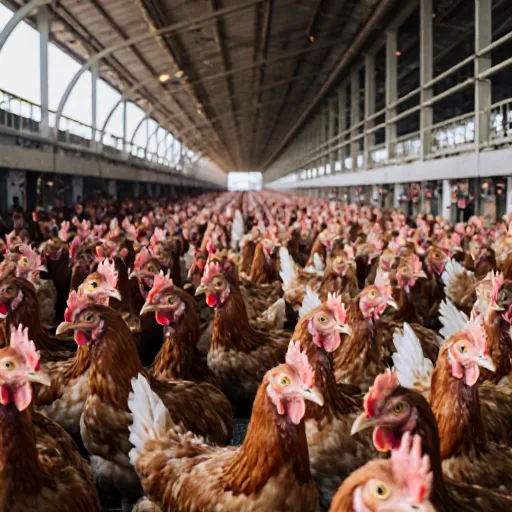
Boost Your Broiler Farm with Top Ventilation Tips!
Table of Contents
- Introduction to Broiler Farms
- Importance of Ventilation in Broiler Farms
- Types of Ventilation Systems Used
- Advantages and Disadvantages of Natural Ventilation
- Mechanical Ventilation Techniques Explained
- Importance of Proper Ventilation in Maintaining Air Quality
- Effect of Ventilation on Bird Health and Welfare
- Impact of Humidity Levels on Ventilation Efficiency
- Role of Temperature Control in Broiler Farms
- Ventilation and Its Effect on Feed Consumption and Growth Rates
- Conclusion
- Common Mistakes in Ventilation Practices
- Best Practices for Implementing Effective Ventilation
- FAQs on Proper Ventilation Techniques
Introduction to Broiler Farms
Broiler farms play a crucial role in poultry farming, primarily focused on raising chickens for meat production. These specialized facilities are designed to provide optimal conditions for broilers (young chickens) to grow quickly and efficiently until they reach market weight. Proper management of these farms is essential for maximizing productivity, minimizing disease risks, and ensuring humane living conditions.
Ventilation in broiler farms is a critical aspect that directly impacts the health and performance of the birds. It involves controlling air movement through the building to maintain temperature, humidity, and air quality within acceptable limits. Proper ventilation ensures that fresh air enters the house while stale or contaminated air exits, helping to prevent respiratory issues and other diseases.
Key Components of Ventilation Systems
- Air Inlet: The inlet is responsible for bringing in fresh air from outside. It should be strategically placed to allow for even air distribution throughout the building.
- Ventilator Fans: These fans are crucial for moving air through the broiler house. They help maintain consistent temperature and humidity levels by ensuring that stale or contaminated air is properly removed.
- Ductwork: Efficient ducting ensures that fresh air is distributed evenly throughout the building, preventing hot spots and cold areas which can stress the birds.
Benefits of Proper Ventilation
Proper ventilation in broiler farms offers numerous benefits. These include:
- Improved Growth Performance: Optimal air quality and temperature help the birds grow faster and healthier, leading to better meat quality.
- Disease Prevention: Fresh air helps reduce the spread of pathogens, minimizing the risk of respiratory diseases and other health issues.
- Enhanced Bird Comfort: Comfortable conditions lead to lower stress levels, which can improve feed efficiency and overall welfare.
Practical Advice for Broiler Farms
To ensure that ventilation systems are functioning optimally, consider the following tips:
- Regular Inspection: Conduct regular checks on all ventilation components to ensure they are clean and operating correctly.
- Temperature Control: Monitor temperature and humidity levels closely. Adjust ventilation as needed to maintain these parameters within the optimal range for broilers.
- Air Quality Monitoring: Use air quality monitoring devices to detect any contaminants in the air, allowing for timely adjustments to the ventilation system.
- Proper Placement: Ensure that inlets and outlets are placed correctly to allow for natural air flow patterns within the building.
Examples of Ventilation Challenges
Broiler farms can face several ventilation challenges, such as:
- Hot Spots: Areas in the house where air movement is poor or nonexistent. This can lead to temperature fluctuations and stress on the birds.
- Precipitation Entrapment: Rainwater entering through poorly sealed openings and being trapped inside the building, leading to damp conditions that promote mold growth.
To address these challenges, it is important to implement proper maintenance practices and design the ventilation system with these potential issues in mind.
Importance of Ventilation in Broiler Farms
The importance of ventilation in broiler farms cannot be overstated. Proper ventilation ensures that broilers have a healthy environment, which is crucial for their growth and well-being. Ventilation helps maintain the air quality by controlling temperature, humidity, ammonia levels, and fresh air supply within the poultry house.
A poorly ventilated broiler farm can lead to respiratory problems and increased susceptibility to diseases among the birds. High ammonia levels from manure accumulation can irritate the respiratory tract, leading to infections and poor weight gain. Proper ventilation helps reduce these risks by maintaining optimal air quality.
The ability to control temperature is vital in broiler farming as it directly affects the birds' comfort and growth rate. Ventilation systems help regulate both heat and cold, ensuring that the broilers are not overheated or exposed to extreme temperatures. This balance is crucial for optimal feed efficiency and meat quality.
Humidity levels play a significant role in the health of broilers. Ventilation systems help manage humidity by allowing excess moisture to escape, preventing dampness that can lead to mold growth and disease outbreaks. By keeping the environment dry, ventilation helps maintain a healthier flock.
The air quality in a broiler farm is crucial for reducing stress levels among birds. High levels of ammonia and other harmful gases are produced from manure, feed, and waste. Proper ventilation systems help filter out these impurities, ensuring that the air remains breathable and free from harmful substances.
1. Natural Ventilation
Natural ventilation uses wind and temperature differences to exchange stale indoor air with fresh outdoor air. This method is cost-effective and can be enhanced by installing louvers, vents, and fans. However, natural ventilation may not provide sufficient control over humidity and temperature in all climates.
2. Mechanical Ventilation
Mechanical ventilation systems use fans to force air into the building and exhaust it out. This method offers better control over temperature, humidity, and air quality. It is particularly useful in large-scale broiler farms where natural methods may not be sufficient.
3. Combination Ventilation
A combination of natural and mechanical ventilation provides the best results. By integrating both systems, farmers can achieve optimal control over the environment while reducing energy costs. This hybrid approach allows for flexibility in adapting to varying weather conditions and farming needs.
- Regular Maintenance: Ensure that all ventilation equipment is regularly inspected and maintained to prevent malfunctions that could compromise air quality.
- Proper Placement: Install ventilation systems in strategic locations within the farm to ensure even airflow throughout the broiler houses.
- Tune Ventilation Systems: Adjust the settings of your ventilation system based on seasonal changes and specific needs of the birds at different stages of growth.
In conclusion, proper ventilation is essential for maintaining a healthy environment in broiler farms. By implementing these techniques and following practical advice, farmers can ensure that their broilers have optimal growing conditions, leading to better health, higher productivity, and improved meat quality.
Types of Ventilation Systems Used
Proper ventilation is critical in broiler farms as it ensures optimal air quality, temperature regulation, and overall health of the birds. There are several types of ventilation systems used to achieve these goals:
1. Cross Ventilation
Cross ventilation involves using natural airflow through the use of windows and doors on opposite sides of a building. This system works best in environments where there is a steady breeze, allowing for continuous air exchange.
Example: A broiler farm located near a river or coastline with prevailing winds can benefit from cross ventilation. The wind blows through open windows and doors, creating a cool and fresh environment inside the building.
PRACTICAL ADVICE: Ensure that the openings are strategically placed to maximize airflow without causing drafts that could chill the birds.
2. Mechanical Ventilation
Mechanical ventilation systems use fans and other equipment to circulate air within the building. These systems can be either static (using fans only) or dynamic (combining fans with windows).
Type A: Static Ventilation
In a static system, all airflow is achieved through mechanical means without any natural ventilation elements. This can include using large axial fans to pull air out of the building and supply fresh air from outside.
Example: In an enclosed broiler house with no windows or doors for natural ventilation, a static system would rely on large fans to maintain air quality.
PRACTICAL ADVICE: Regular maintenance of the fans is crucial to ensure they operate efficiently and effectively.
Type B: Dynamic Ventilation
A dynamic system combines mechanical means with natural ventilation. This allows for more flexibility in air flow, as it can be adjusted based on weather conditions or specific needs of the birds.
Example: A broiler farm might use dynamic ventilation by having fans to control airflow and open windows during cooler periods to allow fresh air in.
PRACTICAL ADVICE: Consider using programmable thermostats or sensors that can automatically adjust the system based on temperature and humidity levels inside the building.
3. Exhaust Ventilation
This type of ventilation removes stale air from the broiler house by drawing it out through exhaust fans. It is often used in conjunction with fresh air supply to ensure a continuous flow of clean air into the building.
Example: An exhaustive system might use several large fans located at the top of the building, which suck out old and humid air while allowing cooler outside air to enter through doors or windows.
PRACTICAL ADVICE: Ensure that the exhaust fans are positioned to effectively remove hot and moist air from the broiler house without causing cold drafts inside the building.
4. Combination Systems
In some cases, a combination of two or more ventilation systems is used to achieve the desired level of comfort and efficiency for the birds. This can include any mix of cross-ventilation, mechanical ventilation, dynamic ventilation, and exhaust ventilation.
Example: A broiler farm might use cross-ventilation during cooler months when natural airflow is sufficient and switch to a combination of mechanical and exhaust systems during hotter periods for better control over air quality and temperature.
PRACTICAL ADVICE: The choice of combination system should be based on the specific climate conditions, bird housing design, and operational requirements of the farm. Regular monitoring and adjustment are essential to maintain optimal ventilation.
Advantages and Disadvantages of Natural Ventilation
Natural ventilation is a crucial aspect of maintaining proper conditions in broiler farms. It involves the exchange of air through openings such as windows, doors, or louvers without mechanical assistance. This method can be highly effective but also has its limitations. Below are detailed advantages and disadvantages of natural ventilation with specific reference to broiler farm ventilation techniques.
Advantages
- Economic Savings: Natural ventilation does not require additional energy consumption, thereby saving on electricity costs. This is especially beneficial in regions where power supply can be unreliable or expensive.
- Natural Airflow: Fresh air naturally brings with it essential nutrients and oxygen, which are vital for the health of broilers. Proper airflow also helps in reducing humidity levels within the barn.
Natural ventilation allows for better control over temperature and humidity through the strategic placement of openings. This can help maintain optimal conditions for broiler growth and development. By allowing fresh air to circulate, natural ventilation helps reduce respiratory problems among birds by minimizing the buildup of harmful gases and pathogens within the enclosed space.
Disadvantages
- Inconsistent Airflow: The airflow can vary significantly based on wind direction, speed, and temperature. This inconsistency may not always provide a consistent environment for broilers, potentially leading to stress and reduced growth rates.
Natural ventilation cannot be controlled as precisely as mechanical systems. This lack of control means that the conditions inside the barn can fluctuate unpredictably, which is particularly problematic during extreme weather conditions or in regions with inconsistent climates. Depending on the location and surrounding environment, natural ventilation may allow pollutants from outside to enter the barn. This includes dust, pollen, and even bird droppings, which can affect both the birds' health and the quality of meat produced. For large broiler farms or in densely populated areas, natural ventilation alone may not be sufficient to provide adequate airflow for all birds. This limitation could lead to overcrowding and poor air quality within the barns.
Practical Advice
To maximize the benefits of natural ventilation while mitigating its drawbacks, farmers should consider several practical measures:
- Strategic Placement of Openings: Careful placement and design of windows, doors, and louvers are crucial. They should be oriented to catch prevailing winds and direct airflow towards the broilers.
The design and size of openings may need to change with the seasons to adapt to varying weather conditions and wind patterns. In cases where natural ventilation alone is insufficient, supplementary mechanical systems can be used during peak times or in critical periods. Regular cleaning of openings and ensuring they are free from obstructions will help maintain optimal airflow. This includes keeping windows closed during heavy rain or snowfall to prevent water ingress.
Mechanical Ventilation Techniques Explained
Proper ventilation is critical for maintaining optimal conditions in broiler farms. Mechanical ventilation techniques play a key role in ensuring that the environment inside the farm remains healthy and suitable for the birds, which ultimately impacts their growth, health, and productivity. Here’s an overview of various mechanical ventilation techniques used in broiler farming:
Continuous ventilation involves maintaining airflow throughout the day without any interruptions. This method is particularly effective during periods when temperature control is crucial for the broilers' growth. By keeping the air circulating continuously, this technique helps in removing moisture and other harmful gases from the environment.
- Benefits: Maintains constant temperature and humidity levels, reduces stress on birds, enhances feed efficiency.
- Example: In a fully automated system, fans operate at all times to ensure steady air flow. This is ideal for maintaining the right conditions during different stages of broiler development.
In contrast to continuous ventilation, intermittent ventilation operates in cycles where it runs for a specific period and then stops for an equal or longer time. This method is useful when the need for air movement decreases during certain hours.
- Benefits: Saves energy by reducing fan operation times, helps in maintaining temperature stability without overworking fans.
- Example: During night time or cooler periods, the ventilation system can be set to operate only for a few hours to maintain necessary airflow while conserving power.
Cross-ventilation is designed to create an air current that moves through the building from one side to another, typically using fans and vents strategically placed at opposite ends of the building. This technique helps in reducing heat stress by providing a cool airflow.
- Benefits: Reduces heat stress, improves air quality, promotes better bird health.
- Example: In a modern broiler farm, fans are installed on one side of the building while vents are opened on the opposite side. This allows for effective cross-ventilation during warmer months.
This technique involves recycling air within the building but also includes a filtration system to remove contaminants and harmful gases like ammonia before the air is reused. This method can significantly improve indoor air quality, which is vital for the health of broilers.
- Benefits: Reduces energy costs by reusing air, improves air quality, minimizes ammonia exposure that can affect bird performance and health.
- Example: A modern broiler farm might install a recirculation system with an advanced filtration unit. The fans draw in air from the interior of the building, pass it through filters to remove contaminants, and then return clean air back into the barn.
A hybrid ventilation system combines both mechanical and natural ventilation methods. This approach allows for flexibility in adjusting airflow based on changing environmental conditions inside the farm.
- Benefits: Provides maximum control over air quality, temperature, and humidity levels; adaptable to different weather conditions.
- Example: In a hybrid system, fans are used during high heat periods while opening windows or using roof ventilators when the outside air is cooler. This ensures optimal growing conditions for broilers year-round.
In conclusion, choosing the right mechanical ventilation technique depends on various factors including farm size, climate, and specific needs of the birds at different stages of growth. By implementing proper ventilation practices, farmers can ensure better bird health, higher productivity, and overall profitability of their broiler operations.
Importance of Proper Ventilation in Maintaining Air Quality
The importance of proper ventilation cannot be overstated when it comes to maintaining air quality, especially in environments such as broiler farms where high-density poultry populations can lead to rapid deterioration of air quality. Proper ventilation ensures that fresh air is consistently introduced into the environment while stale and contaminated air is removed, preventing the accumulation of harmful gases like ammonia, carbon dioxide, and moisture.
Key Benefits of Proper Ventilation
- Avoiding Respiratory Issues: Prolonged exposure to poor air quality can lead to respiratory problems in both the birds and farm workers. By ensuring proper ventilation, harmful gases are flushed out, reducing the risk of infection and disease.
- Enhanced Growth Performance: Optimal air quality is essential for promoting healthy growth rates and improving feed efficiency. Poor ventilation can lead to stress and reduced performance in broilers, impacting economic outcomes for farmers.
- Maintenance of Ideal Humidity Levels: Ventilation helps regulate humidity levels within the farm environment. Excessive moisture can promote the growth of pathogens, while dry conditions can cause respiratory irritation. Proper ventilation ensures a balanced humidity level that supports both bird health and overall air quality.
Proper Ventilation Techniques for Broiler Farms
To achieve optimal air quality in broiler farms, several techniques are employed to ensure effective ventilation:
1. Natural Ventilation
Natural ventilation utilizes existing air movement through windows, doors, and louvers. This method is cost-effective and relies on wind direction and speed for optimal airflow. However, it may not be sufficient during certain weather conditions or in areas with unpredictable climates.
2. Mechanical Ventilation
Mechanical ventilation systems use fans to control the flow of air into and out of the broiler house. These systems offer greater flexibility and can be adjusted based on environmental conditions, ensuring consistent air quality throughout the growing period. Modern systems often include computerized controls for precise temperature and humidity management.
3. Air Filtration
Air filtration is crucial in maintaining high-quality air by removing dust particles, odors, and pathogens from the environment. High-efficiency particulate air (HEPA) filters are commonly used to achieve this goal. Regular maintenance of these filters ensures their effectiveness and extends the life of the ventilation system.
4. Exhaust Systems
An exhaust system helps remove stale, contaminated air from the broiler house, ensuring that only fresh air is circulated within the environment. This is particularly important in preventing the build-up of ammonia, which can be detrimental to both bird health and worker comfort.
5. Use of Ventilation Fans
Ventilation fans play a critical role in promoting airflow throughout the broiler house. Proper placement and calibration of these fans ensure that air is evenly distributed, reducing hotspots and ensuring consistent environmental conditions across all areas of the farm.
Conclusion
In summary, proper ventilation is vital for maintaining optimal air quality in broiler farms. By implementing effective ventilation techniques such as natural and mechanical ventilation, using air filtration systems, and employing exhaust fans and ventilation fans, farmers can create a healthier environment that supports the growth and well-being of their broilers while ensuring worker safety and comfort.
Effect of Ventilation on Bird Health and Welfare
The proper management of ventilation within broiler farms is crucial for maintaining the health and welfare of birds. Ventilation plays a vital role in ensuring that broilers have optimal living conditions, which directly impacts their growth rate, disease resistance, and overall well-being.
Importance of Proper Ventilation
Proper ventilation is essential for maintaining air quality inside the broiler houses. It helps to remove harmful gases such as ammonia, carbon dioxide, and moisture that can accumulate in a closed environment. These gases, if not controlled, can lead to respiratory issues and stress among the birds, thereby affecting their growth and productivity.
Types of Ventilation
There are two main types of ventilation used in broiler farms: natural ventilation and mechanical ventilation.
- Natural Ventilation: This method relies on the movement of air due to temperature differences between inside and outside the building. Doors, windows, and exhaust fans can be adjusted manually or automatically based on the environmental conditions. Natural ventilation is often used during colder months when outdoor temperatures are suitable for broilers.
- Mechanical Ventilation: This involves the use of fans to control air flow. It provides more precise control over temperature, humidity, and air quality compared to natural ventilation. Mechanical systems can be divided into cross-ventilation (using side walls) or tunnel ventilation (using longitudinal fans). Tunnel ventilation is particularly effective in broiler houses as it promotes better air exchange rates.
Impact on Bird Health
The quality of the air inside a broiler house significantly affects bird health. Poor air quality can lead to respiratory diseases, increased stress levels, and reduced feed efficiency. By ensuring proper ventilation, farmers can mitigate these risks:
- Reduction in Respiratory Diseases: Adequate ventilation reduces the concentration of harmful gases like ammonia, which are known to irritate birds' respiratory tracts.
- Improved Feed Efficiency: Birds exposed to clean air tend to be more active and consume food more efficiently. This results in better growth rates and higher conversion ratios (feed-to-meat).
- Better Stress Management: Ventilation helps keep the environment comfortable, reducing stress levels among birds.
Practical Advice for Implementing Proper Ventilation
To achieve optimal ventilation in broiler farms, consider the following practical tips:
- Regular Inspection: Regularly check and maintain all ventilation equipment to ensure they are functioning correctly. This includes cleaning filters, checking fan performance, and ensuring that doors and windows are properly sealed.
- Adaptation to Seasonal Changes: As the seasons change, so too should your ventilation strategy. For instance, during colder months, focus on maintaining temperature stability by adjusting natural vent openings while ensuring adequate air exchange rates. Conversely, in warmer periods, prioritize cooling and humidity control.
- Use of Sensors: Consider installing environmental sensors to monitor key parameters like temperature, humidity, CO2 levels, and ammonia concentrations. These can trigger automatic adjustments to the ventilation system, providing real-time optimization for bird health and welfare.
In conclusion, proper ventilation is not just a comfort measure but a critical factor in ensuring that broilers have a healthy and productive environment. By understanding the importance of ventilation techniques and implementing them effectively, farmers can significantly enhance both bird health and overall farm productivity.
Impact of Humidity Levels on Ventilation Efficiency
The impact of humidity levels on ventilation efficiency is a critical factor in managing broiler farms. Proper ventilation techniques are essential for maintaining optimal air quality and temperature, which directly influence the health and productivity of broilers. High humidity levels can lead to respiratory issues, growth retardation, and increased mortality rates among broilers.
Humidity is a measure of the amount of water vapor present in the air. In broiler farms, maintaining an optimal relative humidity level is crucial for preventing diseases, improving feed efficiency, and ensuring the health and welfare of the birds.
Optimal Humidity Levels
The ideal humidity levels for broilers vary depending on their age and environmental conditions. Typically, young chicks require higher humidity (around 60-75%) to help retain moisture in their skin and prevent dehydration. As the birds grow older, the relative humidity can be reduced gradually to around 40-50% during the finishing phase.
Impact on Ventilation Efficiency
High humidity levels can significantly reduce ventilation efficiency by causing condensation on the inside surfaces of ventilation ducts and fans. This not only increases energy consumption but also reduces the effectiveness of air exchange, leading to poor air quality within the barn.
The presence of moisture in the air can lead to the growth of mold and bacteria, which are harmful to both the broilers and the farm workers. Mold spores and bacterial contaminants can be transported into the respiratory tract of the birds, causing respiratory diseases and other health issues.
Proper Ventilation Techniques
To manage humidity levels effectively, it is important to implement proper ventilation techniques that balance temperature and moisture control. Some practical tips include:
- Use of Dehumidifiers: Installing dehumidifiers can help reduce excess moisture in the air, thus improving ventilation efficiency.
- Air Circulation: Ensure proper air circulation within the barn to prevent stagnant air and condensation build-up. This can be achieved through the use of fans strategically placed around the farm.
- Proper Ventilation Scheduling: Adjust ventilation schedules based on weather conditions and humidity levels to maintain optimal relative humidity throughout the day.
Conclusion
In conclusion, managing humidity levels through proper ventilation techniques is vital for maintaining a healthy environment in broiler farms. By understanding the impact of high humidity on ventilation efficiency and implementing effective strategies, farmers can improve flock health, reduce mortality rates, and enhance overall productivity.
Role of Temperature Control in Broiler Farms
The role of temperature control in broiler farms is critical for ensuring optimal growth, health, and productivity of the birds. Proper temperature management helps to prevent stress, disease outbreaks, and ensures that the broilers are comfortable throughout their growing period. In a controlled environment, farmers can manage various factors like humidity, airflow, and lighting, but temperature remains one of the most important aspects.
The optimal temperature for broiler chickens is typically between 75°F to 90°F (24°C to 32°C) depending on their age. This range can vary slightly based on the breed and environmental conditions. As the birds grow, the ambient temperature should be gradually reduced to prepare them for the outside environment post-graduation from brooding.
Benefits of Proper Temperature Control
- Reduced Stress: Optimal temperatures help in reducing stress levels among the birds, which is crucial as stress can lead to poor growth and increased susceptibility to diseases.
- Promotes Healthy Growth: Proper temperature control supports healthy development of the broilers. Temperatures that are too high or too low can lead to stunted growth or overgrown chickens, neither of which is desirable for commercial production.
- Enhanced Feed Efficiency: When temperatures are maintained within an optimal range, broilers are more efficient in converting feed into meat, reducing the overall cost per pound of gain.
- Promotes Disease Control: Proper temperature control helps in minimizing the risk of respiratory diseases and other infections that thrive in extremes of heat or cold.
Ventilation is crucial to maintain proper temperatures, humidity levels, and air quality within broiler farms. Efficient ventilation ensures that the birds have access to fresh air, which is essential for their respiratory health.
Key Elements of Ventilation Techniques
- Adequate Airflow: Ensuring that there is enough airflow within the barns helps in cooling down the environment. This can be achieved by using fans strategically placed to circulate air effectively.
- Humidity Control: Proper ventilation also plays a crucial role in managing humidity levels, which are critical for maintaining optimal temperature and preventing mold or dampness that could affect bird health.
- Air Quality: Fresh air exchange through proper ventilation helps to filter out harmful gases like ammonia, carbon dioxide, and other pollutants. This is particularly important as these can lead to respiratory issues in the birds.
Practical Ventilation Strategies
- Use of Fans: Install fans at strategic points within the broiler barns to ensure even distribution of air. Fans should be placed at a height that allows for efficient circulation without causing drafts, which can chill the birds.
- Precise Control Systems: Utilize automated systems that adjust ventilation based on real-time temperature and humidity readings. These systems provide precision in managing the environment, making it easier to maintain optimal conditions throughout the brooding period.
- Regular Inspection: Conduct regular inspections of the ventilation system to ensure everything is functioning correctly. This includes checking filters for blockages and ensuring fans are working properly.
In conclusion, temperature control in broiler farms, coupled with proper ventilation techniques, is essential for maintaining a healthy environment that promotes optimal growth and productivity. By implementing these practices, farmers can significantly enhance the health and welfare of their flock, leading to better performance and profitability.
Ventilation and Its Effect on Feed Consumption and Growth Rates
Proper ventilation is a critical aspect of broiler farming that significantly impacts feed consumption and growth rates. The balance between temperature control, air quality, and humidity levels ensures optimal growing conditions for the broilers. Here’s an in-depth look at how ventilation affects these key factors:
Feed consumption is directly influenced by environmental conditions within the broiler house. Ventilation plays a pivotal role in maintaining the right temperature and air quality, which can either stimulate or reduce feed intake. When temperatures are too high, broilers tend to eat less as they focus more energy on cooling down their bodies. Conversely, when ventilation leads to excessive drafts or cold air, it may cause stress, leading to decreased feed consumption.
To maintain optimal feed intake, the goal is to keep the temperature within a range of 20°C to 30°C (68°F to 86°F) during brooding and 15°C to 25°C (59°F to 77°F) as broilers mature. Proper ventilation helps in achieving this by ensuring that air is circulated efficiently, removing stale air and replacing it with fresh air.
Example: A study conducted by the University of Georgia found that for every degree increase in temperature above 25°C (77°F), broilers consumed an additional gram of feed per day. This highlights how even small changes in temperature can influence feed intake negatively if not managed properly.
Growth rates are influenced by several factors, with ventilation being one of the most significant. Properly ventilated broiler houses ensure that broilers have a stress-free environment, which is crucial for their overall health and growth rates. Stressors like high humidity, poor air quality, or extreme temperatures can lead to reduced feed efficiency and slower growth.
Research from the University of Illinois suggests that optimal ventilation can improve feed conversion ratio (FCR) by up to 5%. A good FCR is essential for maximizing economic returns on broiler farms. By ensuring that the environment is conducive to healthy growth, ventilation indirectly supports faster and more efficient weight gain.
Practical Advice: Regularly check and adjust your ventilation system based on weather conditions. For instance, during hot months, ensure that there is enough airflow to keep temperatures down without causing chilling drafts. In colder periods, focus on maintaining a balance where the house does not become too warm or humid.
- Exhaust Fans: These are essential in removing stale air and heat from the broiler house. The number of fans should be adjusted based on the size of the farm and external temperatures to maintain optimal conditions.
- Inlet Doors or Windows: Inlet doors or windows allow for fresh air intake, which is crucial during warmer periods. Care must be taken not to create drafts that can cause stress among the broilers.
- Ventilation Fans: These are used to circulate air evenly throughout the house, ensuring all birds have access to clean and fresh air.
- Humidity Control Systems: Humidity is a critical factor that affects both feed consumption and growth rates. Properly managing humidity levels through ventilation helps in preventing respiratory issues and maintaining healthy broilers.
In conclusion, the effectiveness of your ventilation system directly impacts the performance metrics of your broiler farm. By understanding how ventilation influences feed consumption and growth rates, you can make informed decisions to optimize these aspects, leading to healthier, more productive birds and higher economic returns.
Conclusion
Proper ventilation is one of the most critical aspects of managing broiler farms, directly impacting bird health, growth rates, and overall farm productivity. To ensure optimal conditions for the broilers, farmers must implement a comprehensive approach to ventilation techniques that balance air quality, humidity levels, temperature control, and airflow distribution.
Understanding Ventilation Requirements
The ideal ventilation rate is essential for maintaining clean and healthy air within the broiler house. It involves exchanging stale, hot, or humid air with fresh air to remove harmful gases like ammonia and carbon dioxide while introducing oxygen-rich air. The exact requirements vary based on environmental conditions such as temperature, humidity, and bird density.
Types of Ventilation Systems
- Natural Ventilation: This system relies on wind and heat differences to create airflow through openings in the building. It is cost-effective but less reliable during unfavorable weather conditions, such as heavy rain or strong winds.
- Mechanical Ventilation: Utilizes fans and ducts to control air flow throughout the house. This method provides better control over air quality and temperature but requires regular maintenance to ensure it operates efficiently.
- Combination Ventilation: Combines natural and mechanical ventilation for flexibility in managing airflow based on weather conditions and bird needs.
Practical Tips for Effective Ventilation
- Regular Inspection: Conduct regular checks of the ventilation system to identify any blockages or malfunctions. Ensure that exhaust fans are clean and operating correctly, and check for proper closure of windows and doors.
- Adjust Ventilation Based on Weather: Modify the ventilation settings according to weather changes. In cold seasons, increase humidity levels slightly while reducing temperature fluctuations; conversely, in hot conditions, focus on maintaining cooler temperatures by enhancing airflow.
- Monitor Air Quality: Use sensors and meters to continuously monitor air quality indicators such as ammonia levels, CO2 concentration, and particulate matter. Adjust ventilation rates accordingly to maintain acceptable thresholds for respiratory health.
Examples of Successful Implementation
A case study from a large-scale broiler farm demonstrates the benefits of advanced ventilation systems. By integrating state-of-the-art sensors and automated controls, this farm achieved significant improvements in bird welfare and productivity:
"Implementing a combination ventilation system that could adapt to both environmental and bird needs greatly reduced respiratory diseases among our flock. We observed improved growth rates and lower mortality rates, translating into higher profits for the farm."
Conclusion
In conclusion, proper ventilation techniques are indispensable in broiler farms as they significantly enhance the health and performance of the birds. By understanding and applying these techniques effectively, farmers can create optimal living conditions that promote better growth rates, reduced stress levels, and ultimately higher profits from their flock.
Common Mistakes in Ventilation Practices
In broiler farms, proper ventilation is crucial for maintaining optimal growth and health of the birds. However, many farmers often make common mistakes that can lead to suboptimal performance. Here are some of the most frequent errors in ventilation practices:
1. Incorrect Ventilation Rate
One of the primary mistakes is setting an incorrect ventilation rate. The ventilation rate must be adjusted based on factors such as bird age, environmental conditions, and flock size. If the ventilation rate is too low, it can lead to poor air quality, high humidity levels, and increased respiratory issues in the birds. Conversely, if the rate is too high, it can cause drafts that stress the birds.
Example: At brooding age (0-4 weeks), a ventilation rate of 10-20 cubic feet per minute per bird is recommended. As the birds grow and reach market weight (6-8 weeks), this rate should be reduced to around 5 cubic feet per minute per bird.
Practical Advice: Regularly monitor air quality parameters such as carbon dioxide, ammonia levels, and relative humidity using sensors or meters. Adjust the ventilation settings accordingly based on these readings.
2. Poor Air Distribution
A common mistake is not ensuring proper air distribution throughout the broiler house. Uneven air flow can lead to localized hotspots or cold spots, which affect bird comfort and growth rate.
Example: In a typical broiler house, if one end of the house is colder than the other due to poor air distribution, birds on that side may not grow as efficiently. This can result in uneven weight gain across the flock.
Practical Advice: Ensure that your ventilation system includes static pressure balancing and check for any blockages or restrictions in ductwork. Use fans strategically placed to create an optimal air current pattern throughout the house.
3. Neglecting Humidity Control
A third mistake is neglecting humidity control, which is vital for maintaining proper respiratory function and preventing stress among broilers. High humidity can lead to increased moisture on surfaces, promoting bacterial growth, while low humidity may cause dehydration.
Example: During hot weather, if the relative humidity drops too low due to over-ventilation, birds might experience respiratory problems leading to reduced feed intake and slower weight gain. On the flip side, during cold periods with high humidity from leaky roofs or poor insulation, mold and other pathogens may flourish.
Practical Advice: Use a humidifier/dehumidifier system to maintain an optimal relative humidity between 50% - 65%. Regularly inspect the roof for leaks and ensure good insulation around doors and windows. Monitor daily using hygrometers placed strategically within the barn.
4. Overlooking Fresh Air Intake
Another common mistake is overlooking fresh air intake, which introduces beneficial outdoor air into your broiler house while removing stale indoor air. Insufficient fresh air can lead to stagnant conditions inside the building, contributing to poor air quality.
Example: If there's no proper ventilation allowing new air from outside to enter, old air becomes recycled back into the environment without adequate replacement. This recycling process dilutes the oxygen content and increases contaminants like ammonia levels significantly.
Practical Advice: Ensure that your ventilation system provides sufficient fresh air intake, especially during winter months when windows might be closed for energy conservation purposes but still allow proper airflow through the house. Consider using a combination of tunnel or cross-ventilation systems depending on climate conditions to optimize both temperature and humidity control.
5. Improper Maintenance of Equipment
The final major area where mistakes occur relates to regular maintenance of ventilation equipment such as fans, filters, and ductwork. Inadequate upkeep can reduce the efficiency of your system, leading to inefficiencies in temperature regulation and air quality.
Example: Dust buildup on filter screens reduces airflow capacity, making it harder for fresh air to enter while stale air exits effectively. Clogged exhaust fans also decrease their effectiveness, causing pressure imbalances within the house that can negatively impact bird health.
Practical Advice: Establish a scheduled maintenance plan for your ventilation equipment including regular cleaning of filters and fan blades, checking motor bearings, and verifying overall system integrity. Consider consulting with a professional HVAC technician who specializes in agricultural buildings at least twice annually to perform comprehensive inspections and tune-ups.
Best Practices for Implementing Effective Ventilation
Proper ventilation is crucial for maintaining optimal conditions in broiler farms, ensuring the health and productivity of the birds. Effective ventilation helps to regulate temperature, humidity, air quality, and gas exchange within the poultry house. Here are some best practices for implementing effective ventilation techniques specifically tailored for broiler farms:
The first step in implementing effective ventilation is understanding the specific needs of your broilers at different stages of their growth. Broilers have higher metabolic rates compared to other poultry, which means they produce more heat and carbon dioxide. Proper ventilation should be adjusted based on the age of the birds and environmental conditions.
- Day Old Chicks: Focus on air movement rather than exchange. Fresh air is crucial for preventing disease spread during this critical period.
- Grower Phase (2 to 4 weeks): Ventilation should be focused on heat removal and humidity control. Aim for a temperature range of 75-80°F (24-27°C).
- Finisher Phase (4 to 6 weeks): Emphasize air exchange, as broilers are now heavier and generate more body heat. Maintain temperatures between 70-75°F (21-24°C).
The design of the ventilation system is critical for effective air management. A properly designed system should be able to handle both natural and mechanical components seamlessly.
- Natural Ventilation: Utilize windows, side walls, and roof vents to allow fresh air in during mild weather conditions. Natural ventilation helps in temperature regulation by creating a breeze that cools the broilers.
- Mechanical Ventilation: Use fans for forced ventilation to ensure consistent airflow throughout the poultry house. Fans should be strategically placed to circulate air effectively, especially in larger buildings.
Air quality is a key factor in broiler health and performance. Poor air quality can lead to respiratory diseases, increased mortality rates, and reduced feed efficiency.
- Remove Ammonia: Ensure adequate ventilation to dilute ammonia levels, which can be harmful if allowed to build up.
- Maintain Humidity Levels: Use dehumidifiers or misting systems to control humidity. High humidity promotes the growth of molds and bacteria, while low humidity can cause dehydration in broilers.
Temperature management is essential for broiler welfare and performance. Extreme temperatures can negatively impact bird growth, feed intake, and health.
Heat Management: During cold periods, supplemental heaters may be necessary to maintain optimal temperature ranges. Ensure that the heat source is evenly distributed to avoid hotspots where birds may congregate.
Cooling Strategies: In hot weather, increase ventilation rates and use misting systems or evaporative coolers to keep the environment cooler for the broilers.
To ensure that your ventilation system operates efficiently, regular maintenance is essential. This includes cleaning fans, filters, and other components regularly to prevent dust and debris accumulation.
- Check Filters: Clean or replace air filters at least once a week during the growing season.
- Clean Fans: Inspect and clean fans every two weeks, especially in dusty environments.
- Detect Leaks: Regularly inspect the building for any leaks that could affect temperature control and air quality.
Regular monitoring of ventilation parameters is crucial to ensure optimal conditions are maintained at all times. Use data loggers or environmental sensors to track key metrics such as temperature, humidity, and carbon dioxide levels.
Adaptive Ventilation: Implement adaptive control systems that automatically adjust the ventilation settings based on real-time environmental data. This ensures that the poultry house is always in optimal condition without manual intervention.
Effective ventilation practices are vital for broiler farm management, contributing to improved bird health, higher productivity, and overall profitability. By adhering to these best practices, you can create a healthier environment that supports the growth and well-being of your broilers.
FAQs on Proper Ventilation Techniques
Q: What is proper ventilation, and why is it crucial for broiler farms?
Proper ventilation in broiler farms is essential for maintaining optimal air quality within the poultry舍
Categories
- AI & Enrichment Play
- Broiler Farming
- Broiler Farming Tips
- Canine Wellness & Longevity
- Cat
- Cat & Human Connection
- Cat Adoption & Rescue
- Cat Breeds
- Cat Breeds & Personalities
- Cat Care & Health
- Cat Grooming & Hygiene
- Cat Lifestyle & Environment
- Cat Myths & History
- Cat Nutrition & Diet
- Cat Products & Reviews
- Cat Training & Behavior
- Comparison
- Consumer Awareness
- Dog
- Dog Accessories & Products
- Dog Adoption & Rescue
- Dog Breed & Lifestyle Trends
- Dog Breeding & Puppies
- Dog Entertainment & Media
- Dog Fashion & Trends
- Dog Fun & Lifestyle
- Dog Grooming & Hygiene
- Dog History & Culture
- Dog Myths, Science & Future Tech
- Dog News & Trends
- Dog Nutrition & Food
- Dog Psychology & Emotions
- Dog Safety & Security
- Dog Sports & Activities
- Dog Technology & Innovation
- Dog Training for Modern Owners
- Dog Travel & Adventure
- Dog Travel, Adventure & Culture
- Economic and Market Insights
- Educational Content
- FAQs
- Feeding Alternatives
- Festivals & Seasonal Ideas
- Fun & Entertainment
- General Knowledge
- General Pig Farming
- Health & Disease Management
- Housing and Environment
- Kittens
- Market Insights
- Miscellaneous
- Miscellaneous
- Motivational
- pig
- Pig Breeding
- Pig Breeds
- Pig Farming Stories and Inspiration
- Pig Health and Care
- Pig Nutrition
- Pig Products
- Profitability & Business
- Puppy Care
- Puppy Predictable Topics Reinvented
- Regional Focus
- Rescue & Adoption Buzz
- Senior Cats
- Senior Dog Care
- Smart Dog Tech & Gadgets
- Sustainability
- Sustainable & Eco-Friendly Dog Products
- Tech & Innovations
- Working & Service Dogs
- Broiler Feed66 products
- Country Feed33 products
- Pig Feed66 products
- Product22 products
- Raw Materials99 products
Products
-
 Fish Meal
₹1,999.00 – ₹2,999.00Price range: ₹1,999.00 through ₹2,999.00Rated 0 out of 5
Fish Meal
₹1,999.00 – ₹2,999.00Price range: ₹1,999.00 through ₹2,999.00Rated 0 out of 5 -
 FATTENING BROILER FEED
₹2,299.00 – ₹2,349.00Price range: ₹2,299.00 through ₹2,349.00Rated 0 out of 5
FATTENING BROILER FEED
₹2,299.00 – ₹2,349.00Price range: ₹2,299.00 through ₹2,349.00Rated 0 out of 5 -
 LAYER COUNTRY FEED
₹1,549.00 – ₹1,649.00Price range: ₹1,549.00 through ₹1,649.00Rated 0 out of 5
LAYER COUNTRY FEED
₹1,549.00 – ₹1,649.00Price range: ₹1,549.00 through ₹1,649.00Rated 0 out of 5 -
 COUNTER BROILER FEED
₹1,199.00 – ₹1,299.00Price range: ₹1,199.00 through ₹1,299.00Rated 0 out of 5
COUNTER BROILER FEED
₹1,199.00 – ₹1,299.00Price range: ₹1,199.00 through ₹1,299.00Rated 0 out of 5 -
 LACTATING PIG FEED
Rated 0 out of 5
LACTATING PIG FEED
Rated 0 out of 5₹2,299.00Original price was: ₹2,299.00.₹1,740.00Current price is: ₹1,740.00. -
 Maize
Rated 0 out of 5
Maize
Rated 0 out of 5₹1,650.00Original price was: ₹1,650.00.₹1,300.00Current price is: ₹1,300.00. -
 GESTATION PIG FEED (Phase 1)
Rated 0 out of 5
GESTATION PIG FEED (Phase 1)
Rated 0 out of 5₹2,249.00Original price was: ₹2,249.00.₹1,699.00Current price is: ₹1,699.00. -
 Pre Starter Broiler Feed
₹2,399.00 – ₹2,499.00Price range: ₹2,399.00 through ₹2,499.00Rated 0 out of 5
Pre Starter Broiler Feed
₹2,399.00 – ₹2,499.00Price range: ₹2,399.00 through ₹2,499.00Rated 0 out of 5 -
 FINISHER PIG FEED
Rated 0 out of 5
FINISHER PIG FEED
Rated 0 out of 5₹2,299.00Original price was: ₹2,299.00.₹1,749.00Current price is: ₹1,749.00. -
 Broiler Premix
Rated 0 out of 5
Broiler Premix
Rated 0 out of 5₹820.00Original price was: ₹820.00.₹699.00Current price is: ₹699.00.
Recently Viewed Products
-
 Rice DDGS (Distillers Dried Grains with Solubles from Rice)
₹1,600.00Original price was: ₹1,600.00.₹1,449.00Current price is: ₹1,449.00.