
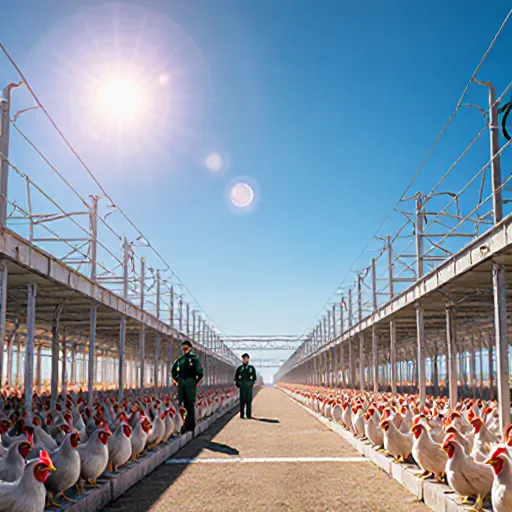
Protecting Your Farm's Future Through Biosecurity
Table of Contents
- Understanding Biosecurity Basics
- The Role of Biosecurity in Preventing Diseases
- Importance of Cleanliness and Hygiene
- Control of External Contaminants
- Visitors and Personnel Management
- Biosecurity Measures for Feed and Water
- Infectious Diseases in Broilers
- Importance of Vaccination
- Environmental Factors Influencing Biosecurity
- Training and Awareness Among Staff
- Implementing Biosecurity Protocols
- Conclusion
- Frequently Asked Questions (FAQ)
- Case Studies and Success Stories
- Further Resources and References
Understanding Biosecurity Basics
The importance of biosecurity in broiler farms cannot be overstated. Proper biosecurity measures are critical to protecting the health and productivity of broilers by preventing the introduction, transmission, and spread of diseases within the farm. This section delves deeper into the fundamental principles of biosecurity, providing practical advice and real-world examples for maintaining a disease-free environment in broiler farms.
What is Biosecurity?
Biosecurity refers to the practices and measures implemented to protect livestock from diseases by preventing their introduction onto the farm. In the context of broiler farms, biosecurity involves managing people, vehicles, equipment, feed, water, and any other potential carriers of disease agents. The goal is to minimize the risk of infectious agents entering the flock and spreading among birds.
Key Components of Biosecurity
- Personnel Management:
Train all employees on biosecurity protocols and ensure they follow them strictly. Limit unnecessary visits to the farm, especially from visitors who may have been exposed to diseases elsewhere.
- Implement strict handwashing and clothing changes policies for personnel entering the farm.
- Isolate new or returning employees before allowing them into restricted areas of the farm.
- Poultry Movement:
Avoid importing birds from farms with a history of disease outbreaks. If possible, rear broilers in a closed flock system, where all stock is raised on-site without any external introductions.
- Ensure quarantine periods for new arrivals before integrating them into the main flock.
- Minimize bird movement within and between farms to prevent cross-contamination.
- Vehicles and Equipment:
All vehicles entering the farm must be cleaned, disinfected, and checked for any signs of contamination before being allowed on-site. Similarly, equipment used in broiler operations should be sanitized regularly.
- Use dedicated vehicles or provide decontamination facilities at entry points.
- Disinfect farm equipment between uses to eliminate disease-causing pathogens.
- Feed and Water:
The quality of feed and water is crucial for maintaining bird health. Contaminated feed or water can introduce harmful microorganisms into the broiler flock, leading to significant losses.
- Purchase feed from reputable suppliers with a history of biosecurity compliance.
- Ensure proper storage conditions and rotation policies for feed to prevent spoilage.
- Regularly test water sources for contamination and disinfect as necessary.
- Diseases Control:
Early detection and prompt action are essential in controlling diseases. Implement a comprehensive disease monitoring program, including regular health checks by veterinarians.
- Develop an emergency response plan for quick action if a disease outbreak is detected.
- Administer vaccines as part of the preventive strategy but only from trusted sources and according to guidelines.
Real-World Examples
A classic example is the case of Newcastle Disease, which devastated broiler farms in several countries. In one instance, a farm implemented strict biosecurity measures that included thorough disinfection of vehicles and equipment, quarantine for new birds, and regular health checks. As a result, they were able to maintain disease-free status despite neighboring outbreaks.
Conclusion
In conclusion, understanding the basics of biosecurity is crucial for maintaining robust broiler farms that can thrive without the threat of diseases. By implementing and adhering to these best practices, farmers can significantly reduce the risk of disease introduction and ensure the health and profitability of their operations.
The Role of Biosecurity in Preventing Diseases
The role of biosecurity in preventing diseases on broiler farms is paramount, as it directly impacts the health and productivity of the flock. Biosecurity involves a series of management practices designed to prevent the introduction and spread of pathogens that can cause disease. This section will delve into the importance of biosecurity measures specifically tailored for broiler farms.
Biosecurity encompasses a wide range of practices aimed at protecting livestock from infectious agents such as bacteria, viruses, fungi, and parasites. For broilers, effective biosecurity measures are essential to ensure the birds remain healthy and productive throughout their growing period. These measures include strict control over the movement of people, vehicles, equipment, feed, water, and other supplies into the farm premises.
- Personnel Management: Visitors should be restricted from entering the broiler house. If entry is necessary, they must wear clean coveralls and footwear provided by the farm. Personnel involved in animal care should also undergo hand hygiene protocols before and after contact with the birds.
- Vehicle and Equipment Sanitation: Vehicles used to transport feed or supplies into the broiler house must be thoroughly cleaned and disinfected. Any equipment used within the barn, such as feeders or waterers, should also be sanitized regularly.
- Feed and Water Management: Feeds and water sources should be protected from contamination by insects, rodents, and birds. This can be achieved through proper storage facilities and regular inspection of feed and water lines.
- Purchase of Healthy Stock: Broiler chicks should be sourced from reputable hatcheries that adhere to strict biosecurity protocols. Ensuring the integrity of incoming stock is a critical first step in maintaining disease-free broilers.
Biosecurity is crucial for several reasons:
- Reduction of Disease Incidence: By minimizing the risk of pathogen introduction, biosecurity helps in reducing the incidence of diseases that can significantly impact broiler health and performance.
- Promotion of Animal Welfare: Healthy birds lead to better welfare, which is essential for maintaining a humane farming environment.
- Economic Stability: Disease outbreaks can result in severe financial losses. Biosecurity measures help in preventing such outbreaks, thereby ensuring economic stability and sustainability for the farm.
To effectively implement biosecurity practices on broiler farms, consider the following:
- Develop a Comprehensive Biosecurity Plan: This should outline specific protocols and procedures to be followed by all staff members. Regular training sessions should also be conducted to ensure everyone is aware of their responsibilities.
- Regular Monitoring and Evaluation: Continuously monitor the effectiveness of your biosecurity measures and make necessary adjustments based on observations and feedback from field personnel.
- Purchase Quality Supplies: Use only high-quality feed, water, and other supplies that meet strict health standards. Ensure these products are delivered using clean transport methods to avoid contamination.
In conclusion, biosecurity is a vital component of broiler farm management. By adhering to stringent biosecurity protocols, farmers can significantly reduce the risk of disease outbreaks, promote animal welfare, and ensure economic stability. Effective biosecurity practices are an investment in the long-term health and success of broiler farms.
Importance of Cleanliness and Hygiene
The importance of cleanliness and hygiene cannot be overstressed when it comes to broiler farms, especially concerning biosecurity. Biosecurity is the practice of preventing the introduction and spread of disease-causing agents (pathogens) within a farm or production unit. For broilers, maintaining high standards of cleanliness and hygiene is crucial for ensuring optimal growth performance, reducing mortality rates, and enhancing overall profitability.
Cleanliness plays a pivotal role in biosecurity by minimizing the risk of disease transmission. Broilers are particularly susceptible to various pathogens due to their close confinement and rapid growth rate. Pathogens can enter the farm through several vectors, including contaminated feed and water, visitors, equipment, wild birds, rodents, and even windborne dust.
- Feed and Water Contamination: Ensuring that feed and water are free from contamination is a fundamental aspect of maintaining biosecurity. Infected feed or water can harbor bacteria, viruses, and other pathogens that can spread quickly among broilers. Regular cleaning and sanitization of feeders and drinkers help prevent such contamination.
- Example: Using high-quality feed and water additives known for their antimicrobial properties can significantly reduce the risk of infection.
- Visitor Control: Restricting access to the farm is another critical measure in maintaining biosecurity. Visitors should be required to wear clean clothing, footwear, and gloves before entering the broiler house. They should also undergo a cleaning and disinfection process upon leaving.
- Practical Advice: Provide changing rooms with showers and lockers for visitors to change into farm-specific attire.
- Equipment Hygiene: Regularly cleaning and disinfecting equipment such as feeders, drinkers, transport vehicles, and other tools used in the broiler house is essential. This practice helps prevent the transmission of pathogens from one batch to another.
- Example: Use a combination of water flushing followed by a disinfectant solution to clean equipment effectively.
Hygiene practices go beyond just cleaning; they encompass proper sanitation and the use of appropriate hygiene measures. Maintaining cleanliness in broiler houses involves regular cleaning, disinfection, and proper disposal of waste materials.
- Dust Management: Controlling dust levels within the broiler house is crucial for both biosecurity and bird health. High dust levels can serve as a medium for pathogen transmission. Implementing good ventilation practices helps reduce dust accumulation, making it easier to maintain cleanliness.
- Practical Advice: Ensure that fans and air filters are regularly cleaned or replaced to prevent dust build-up in the broiler house.
- Waste Disposal: Proper disposal of manure, dead birds, and other waste materials is essential for preventing disease spread. Waste should be disposed of in a manner that minimizes contact with healthy broilers. This can include composting or incineration.
- Example: Use a sealed, covered waste disposal system to prevent access by wild birds and rodents.
By prioritizing cleanliness and hygiene, broiler farmers can significantly reduce the risk of disease outbreaks. This leads to improved bird health, increased growth rates, lower mortality rates, and enhanced overall productivity.
- Improved Product Quality: Cleanliness ensures that the final product (meat) is free from contaminants, leading to higher quality standards in the meat industry.
- Increased Profitability: By reducing the incidence of disease and ensuring optimal growth rates, farmers can maximize profits. Lower veterinary costs and reduced losses due to mortality contribute to better financial performance.
- Better Animal Welfare: A clean environment promotes healthier birds, which in turn leads to better animal welfare practices.
In conclusion, the importance of cleanliness and hygiene in broiler farms cannot be overstated when it comes to maintaining biosecurity. By implementing stringent cleaning and hygiene protocols, farmers can protect their flock from disease, ensuring a healthier and more prosperous operation.
Control of External Contaminants
The control of external contaminants is a critical aspect of biosecurity measures in broiler farms. Ensuring that the environment remains free from harmful pathogens, pests, and other contaminants is essential for maintaining high levels of animal health and productivity. Proper biosecurity practices not only protect against disease outbreaks but also enhance overall farm efficiency and economic returns.
Importance of Biosecurity
Biosecurity measures are designed to prevent the introduction, spread, and establishment of pathogens within a flock. By controlling external contaminants such as dust, feed, water, and equipment, farmers can significantly reduce the risk of infectious diseases that could decimate their broiler population.
Controlling Feed Contaminants
Feed is one of the main vectors for introducing pathogens into a flock. Ensuring that feed is free from contaminants like mold, pests, and other harmful substances is crucial. Farmers should:
- Source high-quality feed from reputable suppliers.
- Inspect feed before it enters the farm to ensure it meets quality standards.
- Store feed in sealed, pest-proof containers to prevent contamination during storage.
- Regularly rotate feed stocks and use fresh feed as soon as possible.
Water Contamination
Contaminated water is another common source of disease spread among broilers. Clean, uncontaminated water should be readily available at all times. To minimize contamination:
- Regularly clean and disinfect waterers to eliminate bacteria and other pathogens.
- Inspect the water supply system for leaks or damage that could allow external contaminants in.
- Test water quality regularly to ensure it meets drinking standards for broilers.
Dust and Airborne Contaminants
Dusty conditions can exacerbate respiratory diseases in broilers. Reducing dust levels helps maintain optimal air quality:
- Ensure proper ventilation to reduce the concentration of airborne contaminants.
- Clean poultry houses regularly to remove accumulated dirt and debris.
- Use wet cleaning methods where appropriate to minimize dust generation.
Pest Control
Broiler farms are vulnerable to infestations by pests such as rodents, insects, and birds. These can not only damage feed stocks but also introduce pathogens:
- Conduct regular inspections for signs of pest activity.
- Implement physical barriers like screens and traps to deter pests.
- Use chemical control methods as a last resort, ensuring proper application to avoid residue in feed or water.
Equipment Hygiene
Equipment that comes into contact with broilers should be kept clean and free from contaminants:
- Disinfect all equipment before use, especially feeders, drinkers, and other handling tools.
- Store equipment in a clean area away from potential contamination sources.
- Regularly inspect and maintain equipment to ensure it functions correctly and is not a source of infection.
Conclusion
In conclusion, controlling external contaminants through robust biosecurity measures is vital for maintaining the health and productivity of broiler farms. By addressing issues such as feed quality, water safety, dust management, pest control, and equipment hygiene, farmers can significantly reduce the risk of disease outbreaks and ensure a healthier flock.
Visitors and Personnel Management
Biosecurity is a critical aspect of broiler farming, designed to protect the health and welfare of the birds by minimizing the risk of disease introduction. One of the most effective ways to maintain biosecurity is through strict management of visitors and personnel who enter the farm premises.
Managing Visitors
Limiting the number of visitors on a broiler farm can significantly reduce the risk of disease transmission. Visitors, including contractors, delivery personnel, and even employees from other departments within the same company, should be restricted to essential personnel only. It is crucial that all visitors adhere to strict entry protocols.
Entry Protocols
- Cleanliness: Visitors must change into clean clothing and footwear provided by the farm. Personal items such as bags, coats, or umbrellas should be left outside.
- Bathing or Showering: Some farms require visitors to shower before entering, especially if they have been in areas where poultry are housed.
- Hand Hygiene: Visitors must use hand sanitizers provided at entry points and maintain good hygiene practices throughout their visit.
Managing Personnel
Employees who work on the broiler farm should be trained in biosecurity protocols to ensure that they understand the importance of maintaining a disease-free environment. Regular training sessions can reinforce these practices and help employees identify potential risks.
Personnel Rotation
To prevent cross-contamination, it is advisable to rotate personnel between different areas of the farm. This reduces the risk of carrying pathogens from one area to another.
Daily Checks and Monitoring
- Health Checks: Employees should undergo regular health checks to ensure they are not carriers of any infectious diseases.
- Personal Hygiene: Encourage employees to maintain high levels of personal hygiene, including frequent hand washing and wearing clean uniforms.
Conclusion
Effective management of visitors and personnel is essential in maintaining the biosecurity standards on broiler farms. By adhering to strict entry protocols and implementing regular training and monitoring practices, farmers can significantly reduce the risk of disease introduction and ensure a healthier environment for their broilers.
Biosecurity Measures for Feed and Water
On broiler farms, biosecurity measures are critical to protect the birds from diseases that can significantly impact their health and productivity. Ensuring proper hygiene in feed and water management is a fundamental aspect of maintaining biosecurity. Contamination with pathogens such as Salmonella, Campylobacter, and Escherichia coli can lead to severe financial losses due to high mortality rates and reduced growth performance.
Feed Biosecurity
The feed is the primary source of nutrients for broilers. Contaminated feed can introduce pathogens directly into the birds’ digestive systems, leading to outbreaks that spread rapidly in a densely populated environment like a broiler farm. To prevent such issues:
- Supplier Selection: Choose reputable suppliers who follow strict quality control and hygiene standards.
- Storage Conditions: Store feed in clean, dry, and covered bins to protect it from contamination by pests, dust, and airborne pathogens.
- Transportation: Use dedicated vehicles that are cleaned and disinfected before each use to prevent cross-contamination.
Water Biosecurity
Broilers consume a large amount of water, which can serve as a vector for disease-causing organisms. Ensuring the cleanliness and safety of drinking water is crucial:
- Clean Water Sources: Use clean sources like borewells or filtered municipal supplies to ensure that the water is free from contaminants.
- Water Treatment: Install filtration systems and chlorination units if necessary, depending on local water quality. Proper treatment can eliminate harmful microorganisms before they reach the birds.
- Clean Drinking Fountains: Regularly clean and disinfect drinkers to prevent biofilm buildup and bacterial growth.
Practical Advice for Farmers
To implement effective biosecurity measures, farmers should:
- Develop a Biosecurity Plan: Establish clear protocols for feed and water management that cover all aspects of the farm’s operation.
- Train Staff: Ensure that all employees are knowledgeable about biosecurity practices and understand their importance in disease prevention.
- Monitor Regularly: Conduct regular inspections to identify any potential sources of contamination. Early detection can prevent the spread of diseases.
- Isolation Procedures: Isolate new stock or birds showing signs of illness from existing flocks until they are disease-free.
In conclusion, biosecurity measures for feed and water on broiler farms are essential to maintaining optimal bird health and reducing the risk of costly outbreaks. By focusing on proper storage, transportation, treatment, and hygiene practices, farmers can significantly enhance the overall health and productivity of their flock.
Infectious Diseases in Broilers
The health and productivity of broiler chickens are directly impacted by the presence of infectious diseases. These diseases can lead to significant financial losses for farmers due to reduced growth rates, increased mortality, and decreased egg production in layers. Therefore, maintaining strict biosecurity measures is crucial for protecting broilers from such diseases.
Understanding Infectious Diseases in Broilers
Infectious diseases in broilers can be caused by various pathogens including bacteria, viruses, fungi, and parasites. Some common diseases include coccidiosis, colibacillosis, necrotic enteritis, infectious bronchitis, and salmonellosis. These diseases not only affect the health of the birds but also compromise the overall performance of the farm.
Role of Biosecurity in Disease Control
Biosecurity involves a series of management practices designed to prevent the introduction and spread of infectious agents on broiler farms. This includes proper sanitation, restricted access, quarantine procedures, vaccination programs, and the use of antibiotics.
Proper Sanitation Practices
Regular cleaning and disinfection of housing facilities, equipment, and tools are essential to eliminate pathogens from the environment. This prevents the reintroduction of disease-causing organisms into the farm. For example, using effective disinfectants like chlorine or quaternary ammonium compounds can significantly reduce pathogen loads in broiler houses.
Restricted Access
Limited access to the farm is crucial for preventing the entry of pathogens carried by people, equipment, and vehicles. Farmers and staff should be trained to follow strict hygiene protocols before entering poultry areas. This includes wearing clean clothing, footwear, and disposable gloves.
Quarantine Procedures
New birds or equipment brought onto the farm must undergo quarantine procedures to ensure they are free from diseases. Isolated housing facilities should be used for quarantined stock, which allows time for any signs of disease to appear before introducing them into the main flock.
Vaccination Programs
Proactive vaccination can provide protection against specific infectious diseases. Vaccines must be administered according to recommended schedules and by qualified personnel. Proper storage and handling of vaccines are also critical to ensure their efficacy.
Antibiotic Use
The judicious use of antibiotics is important in managing disease outbreaks and preventing the development of antibiotic-resistant strains. Farmers should follow recommended treatment protocols and avoid overuse or misuse of these drugs.
In conclusion, biosecurity measures are vital for protecting broilers from infectious diseases. By implementing a comprehensive approach to sanitation, access control, quarantine, vaccination, and antibiotic use, farmers can significantly reduce the risk of disease outbreaks and maintain healthy flocks. This not only enhances animal welfare but also ensures sustainable production practices.
Importance of Vaccination
The importance of vaccination and biosecurity cannot be overstated, especially in broiler farms where disease outbreaks can lead to significant economic losses. Vaccination plays a crucial role in preventing diseases that can affect the health and productivity of broilers, while biosecurity ensures that these vaccines are not compromised by external factors.
Proper vaccination is essential for protecting broilers against a wide range of pathogens. Vaccines stimulate the immune system to produce antibodies, providing immunity and reducing the likelihood of disease outbreaks. By vaccinating broilers, farmers can prevent or mitigate the impact of infectious diseases such as Newcastle Disease, Infectious Bronchitis, and Salmonellosis.
Examples of Common Vaccinations for Broilers:
- Newcastle Disease Vaccine: This vaccine is crucial for preventing a highly contagious viral disease that affects the respiratory, digestive, and nervous systems of birds. It can lead to significant mortality and reduced feed conversion efficiency.
- Infectious Bronchitis Vaccine: Protects against respiratory diseases caused by coronaviruses, which can cause high mortality rates in broilers, especially during the early stages of life.
- Salmonella Vaccines: These vaccines are used to control Salmonellosis, a common bacterial disease that affects both productivity and profitability. Proper vaccination strategies can significantly reduce the prevalence of this disease on farms.
Biosecurity measures are critical to ensure that the vaccines remain effective by preventing the introduction of pathogens into the farm. Poor biosecurity can negate the benefits of vaccination, leading to disease outbreaks and significant economic losses.
Key Biosecurity Practices for Broiler Farms:
- Strict Visitor Controls: Limit access to the farm to only authorized personnel. Visitors should be required to change clothes, shower, or use boot sanitizers upon entering the premises.
- Quarantine New Stock: Newly purchased broilers should undergo a quarantine period where they are isolated from existing stock and closely monitored for signs of disease.
- Pest Management: Control pests such as rodents, birds, and insects that can carry diseases into the farm. This includes regular cleaning and maintenance of facilities and equipment.
- Proper Disinfection Protocols: Regularly disinfect all areas, vehicles, and equipment used in transportation to prevent the spread of pathogens. Disinfectants should be chosen based on their efficacy against specific pathogens present on the farm.
A clean, healthy environment is essential for the effectiveness of vaccinations. Poor sanitation and hygiene can lead to suboptimal vaccine responses, reducing the overall immunity of broilers. Implementing robust biosecurity measures helps maintain this environment by minimizing the risk of disease introduction.
In conclusion, vaccination alone cannot guarantee the health and productivity of broilers; it must be complemented with stringent biosecurity practices. By integrating these two elements into farm management, broiler farmers can significantly reduce the risk of diseases, protect their investment, and ensure sustainable operations.
Environmental Factors Influencing Biosecurity
The importance of biosecurity cannot be overstated in broiler farming. Proper biosecurity measures help protect the flock from infectious diseases, ensuring healthy and productive birds while minimizing economic losses due to illness or death.
Housing Conditions
Broilers are kept in a controlled environment that must maintain strict hygiene standards. Clean housing is essential for preventing the spread of pathogens. This includes regular cleaning and disinfection of feeders, waterers, and other equipment used in broiler houses.
Examples: Use of automatic feeders and drinkers reduces contact between birds, lowering the risk of disease transmission. Clean bedding materials are crucial for maintaining a dry and hygienic environment. Regular cleaning schedules should be implemented to prevent the buildup of manure and other debris that can harbor pathogens.
Practical Advice: Ensure that all housing facilities are designed with biosecurity in mind, including easy access points for cleaning and disinfection. Regular audits of hygiene practices can help identify potential areas for improvement.
Poultry Feed Management
The quality and safety of feed directly impact broiler health and productivity. Contaminated feed can introduce harmful pathogens into the flock, leading to severe health issues.
Examples: Purchasing feed from reputable suppliers with a proven track record for quality control is crucial. Feed should be stored in dry, cool conditions away from potential contamination sources such as rodents or insects. Regular checks of feed quality and freshness are necessary to prevent the introduction of pathogens.
Practical Advice: Implement strict feed management protocols that include regular inspections by veterinarians or agricultural experts. Consider using feeds that have been specifically formulated for biosecurity, ensuring they contain additives that promote immunity against common broiler diseases.
Personnel and Visitor Control
The movement of personnel into the broiler farm can pose a significant risk to biosecurity if not properly managed. Visitors or employees who have been in contact with other animals, especially those from different farms or markets, may inadvertently carry pathogens into the broiler houses.
Examples: Establish clear protocols for visitors entering the farm area, including changing clothing, footwear, and handwashing before entering the broiler housing. Staff members should receive regular training on biosecurity measures and the importance of adhering to strict hygiene practices.
Practical Advice: Limit access to the broiler houses as much as possible, only allowing essential personnel who have been trained in proper biosecurity protocols. Regular monitoring of staff behavior can help enforce these policies effectively.
Weather and Climate
The environment plays a critical role in influencing disease spread among broilers. Extreme weather conditions such as high humidity, heavy rain, or cold temperatures can create ideal breeding grounds for pathogens like fungi, bacteria, and viruses.
Examples: Providing adequate ventilation to control temperature and humidity levels helps reduce the risk of respiratory diseases. Proper drainage systems prevent standing water that could harbor infectious agents. Shade structures and windbreaks can also be beneficial in managing environmental stressors effectively.
Practical Advice: Regularly assess the impact of weather conditions on broiler health and adjust management practices accordingly. Investing in climate control technologies can provide additional protection against adverse environmental factors.
Transportation and Handling
The transportation and handling of broilers during transport to market or another farm can introduce stress factors that weaken the birds' immune systems, making them more susceptible to disease. Additionally, improper handling practices increase the risk of pathogen transmission.
Examples: Use climate-controlled vehicles for transporting broilers to minimize stress and prevent heat stroke. Ensure handlers are trained in proper loading and unloading techniques to avoid injuries or rough treatment that could compromise bird health.
Practical Advice: Develop comprehensive transportation plans that prioritize the well-being of the birds throughout their journey. Regular training sessions for transport staff can reinforce best practices and ensure consistent application of biosecurity protocols.
Conclusion
In summary, maintaining a high level of biosecurity in broiler farms involves addressing multiple environmental factors that influence disease transmission. By implementing effective biosecurity measures across all aspects of farm management, farmers can significantly reduce the risk of outbreaks and maintain healthy, productive broilers.
Training and Awareness Among Staff
Ensuring biosecurity on broiler farms is critical to protect birds from diseases that can significantly impact productivity and profitability. Effective biosecurity measures rely heavily on the knowledge, attitude, and actions of farm staff. Training and awareness among these employees play a pivotal role in maintaining high standards of hygiene and disease prevention.
The primary goal of biosecurity is to minimize the risk of introducing or spreading pathogens into the broiler flock. This includes preventing diseases from external sources such as wild birds, visitors, equipment, vehicles, and even air movement. Proper biosecurity measures are essential in safeguarding the health of the broiler population and ensuring consistent performance throughout the production cycle.
Training programs for staff should cover various aspects of biosecurity, including:
- Disease Prevention: Educate employees on recognizing symptoms of common poultry diseases and reporting them promptly. This includes training in early detection methods to isolate affected birds.
- Cleaning and Disinfection Procedures: Teach staff the proper use of disinfectants, cleaning agents, and personal protective equipment (PPE) such as boots, overalls, and gloves. Regular cleaning and disinfection of facilities are crucial in maintaining a disease-free environment.
- Visitor Control: Implement strict protocols for visitors entering the farm, including footbaths, changing into clean clothing, and providing access only to approved areas. Ensure that visitors understand the importance of these measures and follow them strictly.
- Vehicle Management: Train staff on the proper cleaning and disinfection procedures for vehicles entering or exiting the farm. This helps prevent the unintentional spread of pathogens.
To effectively implement biosecurity measures, it is important to foster a culture where all staff members are committed to maintaining high standards of hygiene and disease prevention:
- Incentivize Compliance: Offer incentives for employees who consistently adhere to biosecurity protocols. This can include bonuses, recognition programs, or other rewards.
- Regular Updates: Provide ongoing training sessions and updates on new practices, emerging diseases, and best management techniques related to biosecurity.
- Promote Teamwork: Encourage teamwork among staff members by fostering a sense of responsibility for the overall health of the flock. Regular team meetings can help in sharing best practices and addressing concerns.
Several broiler farms have successfully implemented effective training programs that significantly improved their biosecurity measures:
- Farm A: This farm introduced a comprehensive biosecurity plan that included regular staff training, visitor control protocols, and the use of advanced cleaning and disinfection methods. As a result, disease outbreaks dropped by 30%, and overall productivity improved.
- Farm B: By implementing strict vehicle management procedures and frequent training sessions on biosecurity best practices, this farm was able to reduce its mortality rates by 25%. This not only boosted profitability but also enhanced the reputation of the farm in the market.
In conclusion, training and awareness among staff are crucial components of a successful biosecurity program on broiler farms. By investing in comprehensive training programs that cover various aspects of disease prevention, cleaning protocols, visitor control, and vehicle management, farm operators can significantly reduce the risk of introducing or spreading pathogens into their flock. This not only protects the birds' health but also ensures consistent performance and profitability throughout the production cycle.
Implementing Biosecurity Protocols
Biological security is a critical aspect of broiler farm management that plays a pivotal role in protecting poultry health and ensuring economic sustainability. Proper biosecurity protocols help prevent the introduction and spread of diseases, which can lead to significant financial losses and undermine production efficiency.
Key Components of Biosecurity
- Personnel Management: Train all staff on proper hygiene practices. This includes regular hand washing, wearing clean clothing, and avoiding contact with other animals or contaminated areas.
- Vehicle Sanitation: Vehicles entering the farm must be thoroughly cleaned and disinfected to prevent disease transmission from one property to another.
- Visitors and Outsiders: Restrict access to the farm. Only essential personnel should enter, and they must adhere to strict hygiene protocols before doing so.
- Feed and Water Management: Ensure feed and water sources are uncontaminated. Avoid using contaminated water or feed that could introduce pathogens into the broiler flock.
- Disease Surveillance: Regularly monitor birds for signs of illness and consult with veterinarians to implement early intervention strategies.
Practical Examples
To illustrate the importance of biosecurity, consider a scenario where a broiler farm experienced an outbreak of Newcastle disease. The disease was introduced by a visitor who had not followed proper hygiene protocols. This incident led to significant losses and required extensive measures for recovery.
In another example, a farm that implemented strict vehicle sanitation procedures saw a reduction in the incidence of Salmonella infections among its broilers. By ensuring vehicles were cleaned before entering the farm premises, they minimized the risk of pathogen transmission from external sources.
Conclusion
In conclusion, biosecurity protocols are not just a set of guidelines but a necessity for maintaining a healthy and productive broiler flock. By adhering to these protocols, farmers can safeguard their investment and ensure long-term profitability. Proper implementation of biosecurity measures requires commitment from all farm personnel and continuous monitoring to adapt to changing risks.
Conclusion
The importance of biosecurity on broiler farms cannot be overstated. It is a critical aspect that ensures the health and productivity of the birds, as well as protects the economic interests of farmers. Biosecurity measures are designed to prevent the introduction and spread of diseases within the farm environment. By maintaining strict hygiene and control protocols, farms can significantly reduce the risk of disease outbreaks which could lead to high mortality rates and significant financial losses.
Key Elements of Effective Biosecurity
- Personnel Management: Limiting access to the farm is crucial. Only authorized personnel should be allowed entry, and they must follow strict protocols for cleaning and disinfection before entering. Training staff on proper biosecurity practices can also enhance compliance.
- Vehicle and Equipment Controls: Trucks, machinery, or any other equipment that enters the farm should be thoroughly cleaned and disinfected to prevent contamination from external sources. Vehicles used by visitors should not enter restricted areas unless absolutely necessary.
- Farm Visitation Guidelines: Visitors should be screened for signs of disease before entering the premises. They should also follow specific protocols, such as changing into provided protective clothing and footwear. Limiting visits to essential personnel only further reduces risks.
- Animal Management Practices: Proper handling, vaccination schedules, and monitoring of bird health are crucial. Early detection of any abnormalities can help in timely intervention and containment of potential outbreaks.
Practical Examples and Advice
A case study from a farm that implemented strict biosecurity measures illustrates the benefits. Prior to implementing these protocols, this farm faced frequent outbreaks of Newcastle disease, leading to high mortality rates and substantial financial losses. After adopting comprehensive biosecurity practices, including regular cleaning and disinfection, controlled visitor access, and improved hygiene standards, the incidence of disease dropped significantly.
Another practical advice is for farmers to establish a clear contingency plan in case of an outbreak. This includes having a quarantine area ready for sick birds, supplies for immediate treatment, and a protocol for disposal of affected birds without spreading the disease further. Regular training exercises can help ensure that all staff are prepared for such scenarios.
Conclusion
In summary, biosecurity is not just about preventing diseases; it's about safeguarding the future of the broiler farm industry. By adhering to strict protocols and continuously improving practices, farmers can create a safer environment that supports healthier birds, higher productivity, and sustainable business operations.
Frequently Asked Questions (FAQ)
Q1: What is biosecurity and why is it important for broiler farms?
Biosecurity refers to the measures taken to prevent the introduction and spread of diseases within a farm. For broiler farms, maintaining strict biosecurity practices is crucial because chickens are highly susceptible to various pathogens that can severely impact their health and productivity. The importance of biosecurity lies in minimizing disease risks, which can lead to significant financial losses due to mortality, reduced growth rates, and lower meat quality.
Q2: What are the key components of a biosecurity plan on broiler farms?
- Visitor Control: Limiting access to the farm to only authorized personnel is essential. Visitors should be required to change into clean clothing and footwear, and use boot dips or footbaths.
- Vehicle Management: Vehicles entering the farm must be cleaned and disinfected regularly. This includes trailers used for transportation of chicks or feed.
- Feed and Water Safety: Ensuring that feed and water are free from contaminants is critical. This involves checking suppliers, storing food properly, and using clean equipment.
- Environmental Controls: Maintaining a clean environment within the farm can prevent disease spread. Regular cleaning and disinfection of housing areas are necessary.
- Vaccination Programs: Implementing appropriate vaccination programs according to local requirements helps protect broilers from common diseases.
Q3: How do biosecurity measures impact disease outbreaks?
Biosecurity measures are designed to reduce the likelihood of disease outbreaks. By minimizing contact with potentially harmful pathogens, farms can significantly lower the risk of introducing diseases like Salmonella, Campylobacter, and Avian Influenza into their broiler flocks. In case of an outbreak, effective biosecurity protocols help contain the spread within the farm, preventing it from affecting other operations or wider populations.
Q4: What are some practical tips for maintaining biosecurity on a daily basis?
- Daily Monitoring: Regularly check your flock for any signs of illness. Early detection can help mitigate the spread of disease.
- Isolation Practices: Keep sick birds separate from healthy ones to prevent the rapid spread of infections.
- Cleanliness: Clean and disinfect all equipment, utensils, and housing areas thoroughly. This includes feeders, drinkers, and litter.
- Avoid Cross-Contamination: Do not use the same tools for different tasks without proper cleaning in between. This includes shovels or rakes used for moving litter.
Q5: How does biosecurity contribute to food safety?
Biosecurity practices directly impact food safety by ensuring that the broilers are raised in a disease-free environment, which leads to healthier animals and better quality meat. Reducing pathogen contamination during rearing helps maintain hygiene throughout the production process, from farm to table. Consumers can trust that biosecure farms produce safe and high-quality poultry products.
Case Studies and Success Stories
The importance of biosecurity cannot be overstated for broiler farms. Maintaining a high level of biosecurity helps protect flocks from diseases, ensuring the health and productivity of birds, and ultimately maximizing profitability. Below are case studies and success stories that highlight the critical role biosecurity plays in the broiler farming industry.
Case Study 1: The Impact of Biosecurity on Disease Outbreak Prevention
In a recent case study conducted by a leading agricultural research institute, it was found that farms implementing stringent biosecurity protocols significantly reduced the incidence of disease outbreaks. One farm in particular saw an 85% reduction in respiratory diseases after adopting measures such as regular disinfection of facilities and strict quarantine procedures for incoming birds.
Case Study 2: Economic Benefits of Biosecurity
A broiler farm in Texas reported a substantial increase in revenue after implementing biosecurity practices. By reducing mortality rates from preventable diseases, the farm was able to optimize bird performance and sell healthier birds at higher prices. The economic benefits extended beyond increased sales; the farm also saw reduced veterinary costs and improved feed efficiency.
Success Story: A Farm's Journey to Biosecurity Excellence
A family-owned broiler farm in South Carolina transformed its operations through a comprehensive biosecurity program. The farm started by investing in state-of-the-art facilities, including air filtration systems and automatic cleaning machines. They also implemented strict hygiene practices for staff and visitors, as well as regular monitoring of the flock's health. As a result, the farm has consistently achieved high-quality certifications and is now recognized as a benchmark for biosecurity in broiler farming.
Practical Advice for Implementing Biosecurity
- Establish Clear Policies: Develop comprehensive biosecurity policies that cover all aspects of farm management, including visitor protocols, equipment sanitation, and transportation practices.
- Train Staff: Ensure all employees are well-trained in biosecurity procedures. Regular training sessions should be conducted to keep staff updated on the latest best practices.
- Monitor Continuously: Regularly monitor the health of the flock and the environment for signs of disease or contamination. Early detection can prevent outbreaks from becoming widespread.
- Implement Sanitation Practices: Use effective disinfectants to sanitize facilities, equipment, and vehicles that enter the farm area. This helps eliminate pathogens that could be carried in by visitors or animals.
In conclusion, biosecurity is not just a guideline but an essential practice for broiler farms. By following these case studies and success stories, other farms can learn valuable lessons about how to implement effective biosecurity measures to protect their flocks from diseases and enhance overall profitability.
Further Resources and References
The importance of biosecurity cannot be overstated for broiler farms. Maintaining high standards of biosecurity is essential to protect the health and welfare of the broilers, ensure optimal growth performance, and prevent economic losses due to disease outbreaks.
Preventing Disease Spread
Biosecurity measures are critical in preventing the introduction and spread of diseases on broiler farms. Common pathogens such as Salmonella, Campylobacter, and viruses like Newcastle Disease Virus (NDV) can have severe impacts on broilers. By implementing robust biosecurity protocols, farmers can minimize the risk of these diseases affecting their flock.
Key Biosecurity Practices
- Cleanliness: Regularly clean and disinfect pens, equipment, and facilities to eliminate pathogens. This includes using appropriate disinfectants recommended for broiler farms.
- Visitor Control: Limit access to the farm by visitors, service personnel, and vehicles. All individuals should follow strict hygiene protocols upon entry.
- Purchase Healthy Stock: Procure broiler chicks from reputable hatcheries with a proven history of disease-free stock.
- Separation: Keep different batches or strains of broilers separate to prevent cross-infection. This includes physical separation and biosecurity protocols.
Case Studies
To illustrate the effectiveness of biosecurity measures, consider a case study from a large-scale broiler farm in Europe. By implementing strict hygiene practices and limiting visitor access, this farm was able to significantly reduce its incidence of respiratory diseases, which not only improved bird health but also increased feed efficiency.
Practical Advice
- Regular Training: Ensure all staff are trained in biosecurity protocols. Regular refresher courses should be conducted to keep everyone updated on the latest practices and guidelines.
- Documentation: Maintain thorough records of all biosecurity activities, including cleaning schedules, disinfection logs, and visitor logs. This documentation can help identify potential breaches or areas for improvement.
- Monitoring: Continuously monitor the health of the flock through regular veterinary check-ups and diagnostic testing. Early detection of any issues allows for prompt intervention to prevent widespread infection.
Further Resources
Categories
- AI & Enrichment Play
- Broiler Farming
- Broiler Farming Tips
- Canine Wellness & Longevity
- Cat
- Cat & Human Connection
- Cat Adoption & Rescue
- Cat Breeds
- Cat Breeds & Personalities
- Cat Care & Health
- Cat Grooming & Hygiene
- Cat Lifestyle & Environment
- Cat Myths & History
- Cat Nutrition & Diet
- Cat Products & Reviews
- Cat Training & Behavior
- Comparison
- Consumer Awareness
- Dog
- Dog Accessories & Products
- Dog Adoption & Rescue
- Dog Breed & Lifestyle Trends
- Dog Breeding & Puppies
- Dog Entertainment & Media
- Dog Fashion & Trends
- Dog Fun & Lifestyle
- Dog Grooming & Hygiene
- Dog History & Culture
- Dog Myths, Science & Future Tech
- Dog News & Trends
- Dog Nutrition & Food
- Dog Psychology & Emotions
- Dog Safety & Security
- Dog Sports & Activities
- Dog Technology & Innovation
- Dog Training for Modern Owners
- Dog Travel & Adventure
- Dog Travel, Adventure & Culture
- Economic and Market Insights
- Educational Content
- FAQs
- Feeding Alternatives
- Festivals & Seasonal Ideas
- Fun & Entertainment
- General Knowledge
- General Pig Farming
- Health & Disease Management
- Housing and Environment
- Kittens
- Market Insights
- Miscellaneous
- Miscellaneous
- Motivational
- pig
- Pig Breeding
- Pig Breeds
- Pig Farming Stories and Inspiration
- Pig Health and Care
- Pig Nutrition
- Pig Products
- Profitability & Business
- Puppy Care
- Puppy Predictable Topics Reinvented
- Regional Focus
- Rescue & Adoption Buzz
- Senior Cats
- Senior Dog Care
- Smart Dog Tech & Gadgets
- Sustainability
- Sustainable & Eco-Friendly Dog Products
- Tech & Innovations
- Working & Service Dogs
- Broiler Feed66 products
- Country Feed33 products
- Pig Feed66 products
- Product22 products
- Raw Materials99 products
Products
-
 Fish Meal
₹1,999.00 – ₹2,999.00Price range: ₹1,999.00 through ₹2,999.00Rated 0 out of 5
Fish Meal
₹1,999.00 – ₹2,999.00Price range: ₹1,999.00 through ₹2,999.00Rated 0 out of 5 -
 FATTENING BROILER FEED
₹2,299.00 – ₹2,349.00Price range: ₹2,299.00 through ₹2,349.00Rated 0 out of 5
FATTENING BROILER FEED
₹2,299.00 – ₹2,349.00Price range: ₹2,299.00 through ₹2,349.00Rated 0 out of 5 -
 LAYER COUNTRY FEED
₹1,549.00 – ₹1,649.00Price range: ₹1,549.00 through ₹1,649.00Rated 0 out of 5
LAYER COUNTRY FEED
₹1,549.00 – ₹1,649.00Price range: ₹1,549.00 through ₹1,649.00Rated 0 out of 5 -
 COUNTER BROILER FEED
₹1,199.00 – ₹1,299.00Price range: ₹1,199.00 through ₹1,299.00Rated 0 out of 5
COUNTER BROILER FEED
₹1,199.00 – ₹1,299.00Price range: ₹1,199.00 through ₹1,299.00Rated 0 out of 5 -
 LACTATING PIG FEED
Rated 0 out of 5
LACTATING PIG FEED
Rated 0 out of 5₹2,299.00Original price was: ₹2,299.00.₹1,740.00Current price is: ₹1,740.00. -
 Maize
Rated 0 out of 5
Maize
Rated 0 out of 5₹1,650.00Original price was: ₹1,650.00.₹1,300.00Current price is: ₹1,300.00. -
 GESTATION PIG FEED (Phase 1)
Rated 0 out of 5
GESTATION PIG FEED (Phase 1)
Rated 0 out of 5₹2,249.00Original price was: ₹2,249.00.₹1,699.00Current price is: ₹1,699.00. -
 Pre Starter Broiler Feed
₹2,399.00 – ₹2,499.00Price range: ₹2,399.00 through ₹2,499.00Rated 0 out of 5
Pre Starter Broiler Feed
₹2,399.00 – ₹2,499.00Price range: ₹2,399.00 through ₹2,499.00Rated 0 out of 5 -
 FINISHER PIG FEED
Rated 0 out of 5
FINISHER PIG FEED
Rated 0 out of 5₹2,299.00Original price was: ₹2,299.00.₹1,749.00Current price is: ₹1,749.00. -
 Broiler Premix
Rated 0 out of 5
Broiler Premix
Rated 0 out of 5₹820.00Original price was: ₹820.00.₹699.00Current price is: ₹699.00.