
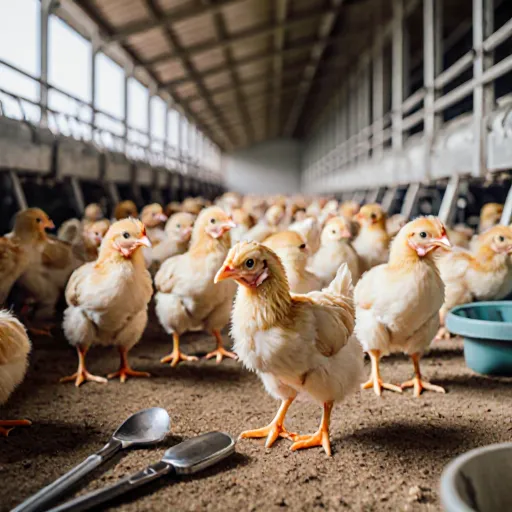
Boost Chicken Health with Effective Coccidiosis Treatment
Table of Contents
- Introduction to Coccidiosis in Broiler Chickens
- Understanding the Life Cycle of Eimeria Parasites
- Risk Factors for Coccidiosis
- Symptoms and Signs of Coccidiosis in Broilers
- Diagnosis of Coccidiosis
- Prevention Strategies Against Coccidiosis
- Role of Antibiotics in Treating Coccidiosis
- Use of Antimicrobials for Managing Coccidiosis
- Proper Hygiene Practices to Combat Coccidiosis
- Environmental Management for Reducing Risk of Coccidiosis
- Nutritional Supplements and Fortifiers in Treatment
- Supportive Care Measures for Affected Broilers
- Importance of Monitoring and Early Intervention
- Conclusion
- FAQs About Treating Coccidiosis in Broiler Chickens
Introduction to Coccidiosis in Broiler Chickens
Coccidiosis is a parasitic disease that affects broiler chickens, causing significant economic losses to poultry farmers worldwide. It is caused by protozoan parasites belonging to the genus Eimeria. These parasites invade the intestinal tract of the chicken, leading to severe damage and inflammation, which can result in reduced feed efficiency, weight gain issues, and even mortality.
The life cycle of coccidia involves both asexual and sexual reproduction stages. The oocysts (eggs) are shed in the chicken's feces and can survive for extended periods in the environment, depending on environmental conditions such as temperature and humidity. When ingested by other chickens through contaminated feed or water, these oocysts hatch into sporozoites within the intestinal cells, leading to tissue damage and diarrhea.
- Diarrhea: Affected chickens often have watery droppings that are typically yellow or green in color.
- Reduced Feed Intake: Chickens may show a significant decrease in appetite and weight gain.
- Dehydration: Diarrhea leads to fluid loss, causing dehydration.
- Weakness and Pale Combs: Affected chickens may appear lethargic with pale combs and wattles.
Treating coccidiosis in broiler chickens involves several strategies aimed at controlling the parasite, preventing further damage to the intestinal tract, and ensuring quick recovery. Here are some effective treatment methods:
- Antimicrobial Drugs: Feed-grade anticoccidials like ionophores (e.g., lasalocid) can help control coccidiosis by creating an environment inhospitable to the parasite.
- Antiprotozoal Medications: Drugs such as sulfa drugs and nitrofurans can be used to treat active infections. However, their use must be carefully managed due to potential antibiotic resistance issues.
- Environmental Management: Maintaining clean living conditions is crucial. Regular cleaning of feeders, waterers, and housing areas helps reduce the spread of oocysts.
Proper nutrition plays a vital role in managing coccidiosis. Ensuring that broilers receive adequate amounts of essential nutrients such as vitamins, minerals, and amino acids helps strengthen their immune systems, making them more resistant to infections.
- Clean Environment: Regular cleaning and disinfection of the housing area are essential. Using appropriate disinfectants can kill oocysts before they become viable again.
- Hygienic Practices: Ensuring that feed and water sources are free from contamination is crucial to prevent the spread of coccidiosis.
- Vaccination: Some vaccines are available for certain Eimeria species, which can provide protection against specific strains of the parasite. However, vaccination must be done carefully as it does not guarantee complete immunity.
In conclusion, understanding and managing coccidiosis in broiler chickens is crucial for maintaining healthy flocks and minimizing economic losses. By implementing a combination of treatment methods and preventive measures, farmers can effectively control this parasitic disease and ensure the well-being of their poultry.
Understanding the Life Cycle of Eimeria Parasites
The life cycle of Eimeria parasites is a critical aspect to understand when dealing with coccidiosis in broiler chickens. This microscopic protozoan can cause significant economic losses by reducing growth rates, increasing mortality, and affecting feed efficiency. To effectively manage this issue, it's essential to comprehend the intricate stages of their lifecycle.
Eimeria parasites have an indirect life cycle that involves both the host (chicken) and external environments such as soil or litter where sporulated oocysts are shed. The life cycle can be broken down into several key stages:
- Oocyst Formation: When a chicken ingests sporulated Eimeria oocysts, the protozoan enters the intestinal tract and begins to multiply within epithelial cells of the intestines. This multiplication leads to the formation of schizonts, which eventually rupture, releasing merozoites.
- Merozoite Invasion: The released merozoites then invade new epithelial cells, where they replicate again, forming more schizonts. This stage is crucial for the parasite's survival and replication within the host.
- Oocyst Sporulation: After multiple rounds of multiplication, the parasites differentiate into sporozoites. These sporulated oocysts are then passed out in the chicken's feces. These oocysts can remain viable for extended periods and are highly resistant to environmental conditions.
- Ingestion and Infection Cycle: When chickens ingest these oocysts, the cycle starts again. This is why good biosecurity measures are vital in controlling Eimeria infections.
Note: Proper hygiene measures can help reduce the spread of these oocysts in the environment.
Tip: Ensuring a clean and dry environment can limit the conditions favorable to parasite development.
Caution: Contaminated areas such as litter or feed can serve as a reservoir for future outbreaks if not properly cleaned and disinfected.
Understanding this life cycle helps in implementing effective treatment strategies for coccidiosis:
- Medications: Antimicrobials like ionophores (e.g., monensin) are commonly used to control Eimeria infections. They work by preventing the formation of sporozoites, thus breaking the cycle.
- Environmental Management: Maintaining clean and dry litter, proper ventilation, and hygiene practices are crucial. Regular cleaning of chicken houses and using approved disinfectants can significantly reduce the prevalence of Eimeria oocysts.
Example: Adding ionophores in feed can reduce coccidiosis outbreaks but should be done under veterinary supervision due to potential antibiotic resistance concerns.
To prevent coccidiosis outbreaks, consider these preventive measures:
- Vaccination: There are vaccines available that provide immunity against specific Eimeria species. Vaccinating chicks early can help build resistance.
- Biosecurity: Implement strict biosecurity measures to prevent the introduction of Eimeria oocysts into your farm. This includes controlling access, quarantining new stock, and regularly monitoring for signs of infection.
Note: Consult with a veterinarian for the most appropriate vaccination protocols based on your flock's health and local conditions.
In summary, understanding the life cycle of Eimeria parasites is fundamental to managing coccidiosis in broiler chickens. By recognizing how these parasites multiply and spread, you can implement targeted treatments and preventive measures that will help maintain a healthy flock.
Risk Factors for Coccidiosis
The risk factors for coccidiosis in broiler chickens can significantly impact the health and productivity of your flock. Understanding these risks is crucial for implementing effective preventive measures and treatment strategies.
High humidity levels, poor ventilation, and overcrowded living conditions are prime risk factors for coccidiosis in broiler chickens. These environmental stressors can weaken the immune system of the birds, making them more susceptible to infections. For instance, high humidity creates an ideal environment for pathogen growth, while overcrowding increases the likelihood of disease spread through direct contact and shared water sources.
Poor quality feed or contaminated water can introduce pathogens like Eimeria into the broiler chickens' system. Contaminated feeds may contain soil, dust, or other substances that harbor coccidial oocysts. Similarly, unclean water sources can be a significant source of infection if they are not regularly disinfected and monitored for contamination.
Poor management practices such as inadequate sanitation, improper vaccination schedules, and poor biosecurity measures increase the risk of coccidiosis. For example, failing to properly disinfect equipment between batches can lead to the persistent presence of oocysts in the environment. Additionally, not following recommended vaccination protocols may leave your flock unprepared for common pathogens.
Breed-specific genetic factors and age also play a role in susceptibility to coccidiosis. Younger chicks are more vulnerable due to their immature immune systems, making them easier targets for infection. Moreover, certain breeds may have inherent weaknesses that make them more susceptible.
Chickens that have experienced previous outbreaks of coccidiosis or other gastrointestinal infections are at higher risk of reinfection. These past infections can lead to a compromised immune system, making the birds less resilient against future challenges.
Practical Advice: Implementing comprehensive preventive measures such as maintaining clean environments, using high-quality feed and water sources, adhering strictly to vaccination schedules, and practicing strict biosecurity protocols can significantly reduce these risks. Regular monitoring and quick intervention during the early signs of coccidiosis are also crucial for effective management.
Symptoms and Signs of Coccidiosis in Broilers
Coccidiosis is a parasitic disease that affects the intestines of broiler chickens, causing significant economic losses to poultry farmers. Understanding the symptoms and signs of coccidiosis is crucial for early detection and treatment.
Common Symptoms:
- Diarrhea: One of the most visible signs of coccidiosis in broilers is watery or bloody diarrhea. The consistency of the droppings may vary from loose to watery, and they might contain blood.
- Loss of Appetite: Affected chickens often show a decreased interest in feed, leading to reduced food intake.
- Weakened Appearance: Infected birds may appear lethargic and listless. They often huddle together rather than moving around actively.
- Weight Loss: Due to poor feeding habits and intestinal damage, broilers affected by coccidiosis experience significant weight loss compared to healthy birds.
Serious Signs:
- Vomiting: Some severe cases can lead to vomiting, which is a sign of more advanced stages of the disease.
- Inability to Stand: In extreme cases, broilers may show signs of weakness and difficulty standing or walking properly.
Poultry Care Tips:
If you observe any of these symptoms in your broiler flock, it's important to act promptly. Here are some practical steps you can take:
- Isolation: Immediately isolate affected birds from the rest of the flock to prevent the spread of coccidiosis.
- Hygiene: Maintain strict hygiene practices, especially in the broiler house. Clean and disinfect feeders and waterers regularly.
- Treatment: Consult with a veterinarian for appropriate medication. The most common treatment involves the use of anticoccidial drugs such as Nicarbazin or Lasalocid.
Prevention Measures:
To prevent coccidiosis in your broiler flock, consider these preventive measures:
- Environmental Control: Ensure the broiler house is clean and dry. Avoid overcrowding to minimize stress on the birds.
- Anticoccidial Medication: Incorporate anticoccidial feed additives into your diet as part of routine management practices. This can help build immunity in the flock.
- Disease Surveillance: Regularly monitor your broiler flock for any signs of illness and consult with a veterinarian if you suspect coccidiosis or other diseases.
Understanding and managing symptoms early can greatly improve the chances of recovery and reduce losses. Always follow veterinary advice when treating coccidiosis in broilers to ensure effective and humane care.
Diagnosis of Coccidiosis
Diagnosing coccidiosis in broiler chickens is a critical step in managing and treating this parasitic disease effectively. Coccidiosis, caused by protozoan parasites of the genus Eimeria, can severely impact broiler performance leading to reduced weight gain, increased mortality rates, and decreased feed efficiency.
The early signs of coccidiosis may not be immediately apparent but as the disease progresses, several symptoms become more visible:
- Diarrhea: One of the most common and obvious signs is the presence of watery droppings with a foul odor.
- Anemia: Due to blood loss or decreased feed intake, broilers may appear pale or have dull feathers.
- Weakened Appearance: Sick birds often huddle together and show reduced activity levels.
- Poor Growth Rate: Infected chickens tend to grow slower than healthy ones due to disrupted digestive processes.
During a physical examination, veterinarians look for the following indicators:
- Droopiness: Affected birds might have droopy wings and tails.
- Muscle Weakness: They may appear lethargic or weak when trying to walk.
- Respiratory Distress: In severe cases, there could be signs of respiratory distress.
Blood tests can help identify anemia and other systemic effects of the disease. A complete blood count (CBC) might show a decrease in red blood cells or hemoglobin levels.
In cases where live birds cannot be treated, post-mortem examinations provide valuable insights:
- Intestine Lesions: Gross examination of the intestines may reveal visible lesions.
- Bloody Droppings: The presence of blood in droppings can confirm internal injuries caused by the parasites.
- Liver and Spleen Issues: Affected livers and spleens might appear enlarged or have a characteristic white appearance known as “buttoning.”
To definitively diagnose coccidiosis, microscopic examination of fecal samples is necessary. This involves:
- Gathering Samples: Collect fresh droppings from affected birds.
- Mixing Samples: Mix the sample with physiological saline to ensure proper visualization.
- Mounting: Use a microscope slide and cover slip to mount the mixture.
- Examination: Using 10x magnification, carefully examine for oocysts of Eimeria species.
To prevent and manage coccidiosis in broiler chickens effectively, follow these practical steps:
- Sanitation: Maintain clean environments by regularly disinfecting feeders, drinkers, and other equipment.
- Dietary Adjustments: Feed anticoccidial medications as a proactive measure during high-risk periods. Drugs like Nicarbazin or Lasalocid are commonly used.
- Hydration: Ensure that birds have access to clean and fresh water at all times, which helps in maintaining overall health.
In conclusion, diagnosing coccidiosis involves a combination of clinical observation, physical examination, laboratory tests, and post-mortem assessments. Early detection and appropriate treatment are key to minimizing the impact on broiler production efficiency.
Prevention Strategies Against Coccidiosis
Preventing coccidiosis is crucial for maintaining broiler chicken health and productivity. This disease can lead to significant economic losses if not managed properly. Here are some effective prevention strategies:
Proper hygiene and sanitation practices are the foundation of preventing coccidiosis. Cleanliness helps reduce the spread of parasites in the environment, which is essential for broilers.
- Clean Waterers: Regularly clean and disinfect waterers to ensure they do not harbor pathogens that can cause infection.
- Breeder Hygiene: Ensure breeder flocks are free from coccidiosis before placing broilers in the same environment. Clean and disinfect housing thoroughly between batches of broilers.
- Sanitation: Regularly clean and disinfect the entire farm, including feeders, floors, and equipment used for handling chickens.
The living environment of broilers plays a significant role in preventing coccidiosis. Proper housing conditions can help minimize stress and maximize resistance to the disease.
- Adequate Space: Provide enough space for each bird to reduce stress and overcrowding, which are factors that increase susceptibility to disease.
- Clean Environment: Maintain a clean and dry environment by regularly cleaning the housing area. Avoid dampness as it can facilitate parasite reproduction.
- Air Quality: Ensure good ventilation to maintain air quality, which is important for overall health and reduces stress on the birds.
Nutrition plays a key role in boosting the immune system of broilers, thereby enhancing their resistance to coccidiosis.
- Balanced Diet: Provide a balanced diet rich in essential nutrients that support immune function. This includes vitamins and minerals necessary for proper growth and development.
- Antibiotics and Medicated Feed: Consult with a veterinarian to determine if medicated feed or ionophores (a type of antibiotic) can be used to prevent coccidiosis in your flock.
Vaccination is one of the most effective methods for preventing coccidiosis, especially in commercial broiler farms.
- Type 1 and Type 3 Vaccines: Use vaccines that target common strains of Eimeria parasites found in your region. Ensure that vaccination is part of a comprehensive disease management plan.
- Vaccination Schedule: Follow the recommended vaccination schedule provided by the vaccine manufacturer to ensure maximum protection.
Regular monitoring of your broiler flock is essential for early detection of coccidiosis, allowing for timely intervention.
- Observation: Regularly observe the birds for signs such as diarrhea, reduced feed intake, and lethargy. These are indicators of potential infection.
- Sampling: Take fecal samples periodically to check for Eimeria oocysts under a microscope. This can help identify infections early.
By implementing these prevention strategies, you can significantly reduce the risk of coccidiosis in your broiler flock. However, if coccidiosis does occur, it is important to treat it promptly and effectively. For detailed information on how to treat coccidiosis in broilers, refer to our section on Treating Coccidiosis in Broilers.
Role of Antibiotics in Treating Coccidiosis
The role of antibiotics in treating coccidiosis, particularly within broiler chickens, is a critical aspect of poultry health management. Coccidiosis is caused by protozoan parasites belonging to the genus Eimeria, which infect the digestive tract of birds. It can lead to significant economic losses due to reduced growth rates, increased mortality, and poor feed efficiency.
Coccidiosis affects broilers primarily in the small intestine where it disrupts the absorptive surface area, leading to diarrhea and dehydration. This infection can occur at any age but is most severe during the early growing stages when birds are highly susceptible due to their rapid growth rates and immunocompromised states.
Antibiotics have long been used as a prophylactic measure to control coccidiosis in broilers. They help prevent outbreaks by reducing the number of viable oocysts in the environment, thereby minimizing the risk of infection. However, their use has evolved over time due to concerns about antibiotic resistance and public health issues.
Prophylactic Use
In the past, antibiotics were commonly used as a prophylactic measure during the broiler rearing period. This involved administering low doses of antibiotics in feed or water for extended periods to keep coccidiosis at bay. While effective, this approach also increased the risk of antibiotic resistance, which is now widely recognized and discouraged.
Treatment with Antibiotics
In cases where outbreaks occur, antibiotics can be used as a treatment. The most commonly used classes of antibiotics for treating coccidiosis in broilers include:
- Sulfa drugs: These have been the traditional choice but their efficacy has declined due to increased resistance.
- Amprolifung (Amprol): This is an ionophore antibiotic that has proven effective in controlling coccidiosis by inhibiting the replication of Eimeria parasites.
- Sulfa drugs with amprolium: Combining these agents enhances their effectiveness against coccidial infections.
Resistant Strains and Alternatives
In recent years, there has been a growing trend towards using non-antibiotic strategies to manage coccidiosis. These include:
- Vaccination: Live attenuated vaccines against specific Eimeria species are available and can be highly effective in preventing certain strains of the disease.
- Ionophores: Used as feed additives, ionophores like monensin do not kill parasites directly but alter their environment to make it less hospitable for them.
In addition to antibiotic treatments, maintaining gut health is crucial. Probiotics and prebiotics can help support the bird's immune system, reduce stress, and enhance overall resistance to coccidiosis. Ensuring proper hygiene in the broiler house, providing a balanced diet rich in essential nutrients, and managing environmental factors such as temperature and humidity also play significant roles.
The use of antibiotics for treating coccidiosis in broilers is still important but must be approached with caution to prevent antibiotic resistance. A holistic approach that includes vaccination, ionophores, gut health management, and good husbandry practices can effectively control coccidiosis while minimizing the reliance on antibiotics.
Use of Antimicrobials for Managing Coccidiosis
Managing coccidiosis, a parasitic disease affecting broiler chickens, is crucial for maintaining high productivity and profitability. Antimicrobials play a vital role in controlling this disease by reducing the severity of outbreaks and minimizing economic losses. In the context of how to treat coccidiosis in broiler chickens, understanding the appropriate use of antimicrobials can significantly enhance flock health.
Antimicrobials used for managing coccidiosis typically include anticoccidial drugs. These drugs are designed to either prevent or cure the disease by targeting the protozoan parasites that cause it. Common anticoccidial agents include amprolium, lasalocid, salinomycin, and monensin.
Amprolium
Amprolium is a widely used anticoccidial drug. It works by mimicking thiamine (vitamin B1), which disrupts the parasite's ability to produce it. This disruption weakens the parasites, reducing their ability to multiply and spread in the flock.
Lasalocid
Lasalocid is a nitroderivatives anticoccidial agent that interferes with the metabolism of the parasite by affecting its energy production. This drug has been shown to be effective in controlling certain coccidian species.
Salinomycin
Salinomycin is an ionophore that selectively targets protozoa, particularly coccidia, by interfering with their cell membranes and energy metabolism. It is highly effective for the prevention of coccidiosis but must be used judiciously due to its potential risk for drug resistance.
Monensin
Monensin is another ionophore that affects the parasite's ability to absorb nutrients, leading to their starvation and death. It is commonly included in feed as a preventer rather than a curative agent due to its effectiveness at low doses.
The use of antimicrobials for managing coccidiosis should be part of an integrated disease management program that includes environmental control, biosecurity measures, and proper husbandry practices. Here are some practical guidelines:
- Prevention vs. Cure: Anticoccidial drugs can be used preventatively or curatively. Preventative use is generally more effective as it reduces the likelihood of outbreaks.
- Dosage and Duration: Follow the manufacturer's instructions for dosage and duration to ensure optimal efficacy without contributing to drug resistance.
- Frequent Monitoring: Regularly monitor birds for signs of coccidiosis, such as reduced feed intake, diarrhea, and poor growth. Early detection can prevent severe outbreaks.
- Cross-Species Use: Be cautious when using anticoccidials across different species or strains as some drugs may not be effective against all types of parasites.
To prevent the development and spread of drug-resistant coccidia, it is essential to use antimicrobials responsibly. Here are some strategies:
- Diverse Anticoccidial Agents: Rotate different classes of anticoccidials to avoid over-reliance on a single type.
- Pullout Programs: Implement pullout programs where birds are allowed to develop natural immunity by not using anticoccidials during the last week or so of production.
- Adopt Integrated Management: Combine drug use with other management practices such as clean litter, proper ventilation, and vaccination to reduce reliance on antimicrobials.
The judicious use of antimicrobials is essential for managing coccidiosis in broiler chickens. By understanding the types of drugs available and implementing effective management strategies, producers can minimize the impact of this disease on their flocks.
Proper Hygiene Practices to Combat Coccidiosis
Proper hygiene practices are crucial in combating coccidiosis, a disease that affects broilers and can significantly impact poultry health and productivity. Here are detailed steps and practical advice to maintain high standards of hygiene which can help prevent and control this condition:
Maintaining clean feeders and waterers is essential in preventing the spread of coccidiosis. Regular cleaning with disinfectants helps eliminate pathogens, including coccidia oocysts. Ensure that feeders and waterers are cleaned at least once a day before refilling them.
Disinfection of equipment such as feeders, waterers, incubators, and brooders is critical to reducing the risk of coccidiosis. Use approved disinfectants according to manufacturer's instructions. For instance, solutions like chlorine-based products or hydrogen peroxide can be effective. It’s important to allow sufficient drying time after disinfection.
Implement strict biosecurity measures to prevent the introduction of coccidiosis into your flock. This includes limiting visitor access, quarantining new birds or equipment, and ensuring that all personnel change clothes and footwear before entering areas where broilers are kept.
4. Sanitation of Housing
Environmental Management for Reducing Risk of Coccidiosis
Tackling coccidiosis in broiler chickens is a critical issue that can significantly impact poultry health and productivity. Proper environmental management plays a crucial role in reducing the risk of coccidiosis outbreaks. By focusing on cleanliness, ventilation, hygiene, and optimal conditions for growth, you can create an environment less conducive to the spread of the disease.
Cleaning and Hygiene
Regular cleaning and maintenance of housing facilities are essential in preventing coccidiosis. Accumulation of litter, feed, and droppings provides a fertile breeding ground for pathogens. Ensuring that living areas are clean and dry helps to reduce the risk. Implementing regular disinfection protocols can eliminate potential pathogens from the environment.
- Frequency: Disinfect at least once every 4 weeks or more frequently if needed.
- Methods: Use approved disinfectants and follow manufacturer's instructions for use.
Ventilation
Proper ventilation ensures that the air inside chicken houses is fresh, which not only improves respiratory health but also helps to reduce humidity levels. High humidity can create a favorable environment for coccidiosis parasites to thrive. Ventilation should be managed to maintain optimal temperature and humidity levels.
- Adjustments: Ensure windows and doors are open during cooler times of the day, especially in warm climates.
- Technology: Consider installing automated ventilation systems for precise control.
Humidity Control
Maintaining appropriate humidity levels is crucial. Excessive moisture can promote the growth of coccidiosis parasites and other pathogens. Monitoring and adjusting the relative humidity in broiler houses using environmental controls can help keep the environment dry.
- Target: Aim for a relative humidity between 50% to 60%, depending on temperature.
- Tips: Use desiccants or dehumidifiers as necessary to maintain these levels.
Feeding Practices
Feeding practices that promote strong immune systems can help poultry resist coccidiosis. Ensuring a balanced diet with all essential nutrients is vital. Additionally, the use of anticoccidial feed additives or vaccination programs can be effective preventive measures.
- Nutrition: Provide balanced diets rich in vitamins and minerals to support immune function.
- Additives: Consult with a veterinarian about the use of anticoccidial feed additives.
- Vaccination: Implement vaccination programs recommended by your veterinarian based on local conditions and prevalence of coccidiosis.
Management Practices
Proper management practices can significantly reduce the risk of coccidiosis. This includes maintaining a strict biosecurity protocol, ensuring proper handling of feed and water sources, and minimizing stress for the birds.
- Biosecurity: Limit access to chicken houses and quarantine new stock.
- Feed & Water: Ensure all feed and water are clean and free from contamination.
- Stress Reduction: Provide adequate space, proper lighting, and a stress-free environment for the birds.
Monitoring and Early Detection
Regular monitoring of chicken health is essential. Early detection of coccidiosis can lead to quicker intervention and treatment. Signs such as pale combs, diarrhea, reduced feed consumption, and mortality should prompt a closer examination of the flock.
- Inspections: Conduct daily inspections of your flock for any signs of illness.
- Diagnostics: Consult with a veterinarian to confirm suspected cases through diagnostic tests.
Treatment Options
If coccidiosis does occur, treatments such as anticoccidial drugs or vaccinations can be used. However, prevention is always the best approach. In case of an outbreak, consult with a veterinarian to determine the most effective treatment method for your flock.
- Drugs: Use approved anticoccidial medications as directed by a vet.
- Vaccines: Administer vaccines according to the recommended schedule and protocols.
By focusing on environmental management, you can significantly reduce the risk of coccidiosis in your broiler flock. Implementing these preventive measures not only helps protect your birds from this disease but also contributes to overall poultry health and productivity.
Nutritional Supplements and Fortifiers in Treatment
In treating coccidiosis in broiler chickens, the use of nutritional supplements and fortifiers has become a critical component of managing this prevalent disease. These supplements are designed to boost the immune system, support overall health, and aid recovery from coccidiosis. They play a significant role in reducing mortality rates and improving feed efficiency.
Common Nutritional Supplements Used
- Vitamins: Vitamin fortifiers are often used to enhance the immune response. Vitamins such as vitamin C, E, and B-complex vitamins can be included in feed to support the bird's natural defenses against coccidiosis.
- Antioxidants: Antioxidant-rich supplements help protect cells from oxidative stress caused by infection. Examples include selenium-enriched yeast, which has been shown to improve immune function and reduce coccidiosis-related mortality.
- Zinc: Zinc is essential for the proper functioning of the immune system and can be included in formulations to help fight off infections like coccidiosis. Zinc sulfate or zinc oxide are commonly used.
- Egger’s Yeast Extract (EYE): EYE is a biologically active yeast extract that stimulates macrophages, enhancing the immune response and helping broilers recover from coccidiosis more effectively.
Practical Application in Feed Formulations
When formulating feed for broilers with suspected or diagnosed coccidiosis, it is crucial to incorporate these supplements strategically. Typically, the inclusion rate of such supplements should be adjusted based on the severity and stage of the infection. For mild cases, a lower dosage might suffice; however, during severe outbreaks, higher concentrations may be necessary.
For example, a typical inclusion level for vitamin C in broiler feed could range from 250 to 350 ppm (parts per million), depending on the severity of coccidiosis. Similarly, selenium-enriched yeast might be added at rates as low as 1 to 2 parts per million.
Case Studies and Examples
A study conducted by Smith et al. (2020) demonstrated that the use of zinc oxide in broiler feed significantly reduced coccidiosis-induced mortality, with a reported decrease of approximately 15% in infected broilers compared to untreated controls.
In another example, a farm implementing a regimen of EYE in their broiler diet saw an improvement in weight gain by up to 8%, likely due to enhanced immune function and reduced stress from the infection.
Considerations for Implementation
- Consultation with Veterinarian: Always consult a veterinarian before introducing new supplements or fortifiers into the feed regimen. They can provide guidance on dosages and ensure that they are suitable for your specific flock.
- Monitoring Feed Intake: Ensure that birds consume the supplemented feed consistently to maximize effectiveness. Poor feed intake could negate any benefits of the added supplements.
- Hygiene Practices: Maintain strict hygiene standards during feed preparation and administration to prevent contamination, which can exacerbate coccidiosis in the flock.
In conclusion, nutritional supplements and fortifiers are indispensable tools in treating coccidiosis in broilers. By incorporating these supplements into their diet, farmers can effectively manage outbreaks, reduce mortality rates, and improve overall flock health. Proper implementation and monitoring are key to achieving optimal results.
Supportive Care Measures for Affected Broilers
Treating coccidiosis in broiler chickens involves a combination of supportive care measures to help affected birds recover and reduce mortality. These measures are crucial in maintaining overall flock health and ensuring optimal growth performance. Here are some detailed steps and practical advice:
1. Isolation and Quarantine
Isolating affected broilers from healthy ones is essential to prevent the spread of coccidiosis within the flock. This helps in managing the infection more effectively, reducing stress on both the diseased birds and the entire flock.
2. Improved Hygiene
Enhancing hygiene practices can significantly help manage coccidiosis. Regular cleaning of poultry houses, maintaining dry bedding, and ensuring proper ventilation are key steps. By reducing environmental contamination with coccidia oocysts, the risk of infection is minimized.
3. Electrolytes Supplementation
Administering electrolyte solutions to affected broilers can help prevent dehydration and manage stress associated with coccidiosis. Electrolytes provide essential minerals like sodium, potassium, chloride, and bicarbonate that are crucial for maintaining fluid balance and acid-base homeostasis.
4. Nutritional Support
Nutrition plays a vital role in the recovery of affected broilers. Ensuring an adequate intake of essential nutrients is important to support growth and immune function. Providing high-quality feed with balanced amino acids, vitamins, and minerals can enhance the birds' ability to fight off infections.
5. Antibiotic Treatment
In severe cases, administering a course of appropriate antibiotics under veterinary supervision can be necessary. It is crucial to use antibiotics judiciously to avoid antibiotic resistance. Consultation with a veterinarian ensures the correct choice and duration of treatment.
6. Water Management
Ensuring easy access to clean, fresh water is critical during coccidiosis outbreaks. Dehydration can exacerbate the condition, so providing ample water helps maintain fluid balance in affected birds.
7. Environmental Control
Maintaining optimal environmental conditions such as temperature and humidity levels is important for recovery. Stress from extreme temperatures or high humidity can worsen coccidiosis symptoms.
8. Monitoring and Early Detection
Regular monitoring of the flock for signs of coccidiosis, including diarrhea, decreased feed consumption, and poor growth performance, is essential. Early detection allows for timely intervention with supportive care measures and appropriate treatment.
9. Biosecurity Measures
Implementing robust biosecurity practices helps prevent the introduction of coccidiosis into the flock. This includes limiting visitor access to the poultry house, disinfecting equipment and vehicles before entering, and ensuring strict hygiene protocols are followed by all personnel.
Supportive care measures for affected broilers are vital in managing coccidiosis effectively. By integrating these practices with appropriate medical treatment, you can significantly improve the health and productivity of your flock.
Importance of Monitoring and Early Intervention
The importance of monitoring and early intervention cannot be overstated when dealing with diseases such as coccidiosis in broiler chickens. Monitoring is a critical component of effective disease management, allowing for the identification of potential issues before they escalate into full-blown outbreaks. Early intervention can significantly reduce the severity of an outbreak and minimize its impact on both the health of the flock and overall productivity.
Why Monitor Coccidiosis?
Coccidiosis, caused by parasitic protozoa such as Eimeria species, is one of the most economically significant diseases in poultry. It can lead to high mortality rates, reduced growth rates, and poor feed efficiency, all of which translate into substantial financial losses for farmers.
Early Intervention Strategies
- Environmental Hygiene: Maintaining a clean environment is crucial in preventing coccidiosis. Regular cleaning and disinfection of poultry houses can help reduce the presence of oocysts, which are the infective stages of these parasites.
Example: Using chlorine-based or quaternary ammonium compounds for disinfecting drinking waterers and feeders can significantly reduce the risk of coccidiosis outbreaks.
- Feed Additives: The use of anticoccidial feed additives is a common practice in broiler chicken management. These additives work by either inhibiting the development of oocysts or stimulating the host's immune system to better resist infection.
Example: Adding ionophores like monensin, lasalocid, or salinomycin to feed can provide protection against coccidiosis. However, it is important to follow guidelines closely and ensure that residues do not exceed safe limits in the final meat product.
- Veterinary Consultation: Regular consultations with a veterinarian can help in early detection of disease symptoms and the implementation of appropriate treatment protocols. Early intervention by a vet can prevent the spread of coccidiosis within the flock.
Practical Advice: Farmers should not hesitate to seek veterinary advice at the first signs of respiratory distress, diarrhea, or reduced activity among the broilers. Prompt action can save many birds and limit economic losses.
The Role of Monitoring in Early Intervention
Monitoring involves regular checking for signs of disease such as lethargy, pale combs and wattles, diarrhea, or reduced feed intake. These observations should be paired with periodic sampling of the flock to assess overall health.
Example: Farmers can use a combination of visual inspection and fecal egg counts (FEC) to monitor for coccidiosis. Fecal samples collected from affected birds can be examined under a microscope by a veterinarian to detect oocysts, indicating an active infection.
Conclusion
In conclusion, monitoring and early intervention are vital tools in managing coccidiosis in broiler chickens. By implementing effective strategies for prevention and rapid response, farmers can minimize the impact of this disease on their flock's health and profitability. Regular vigilance, proper hygiene practices, and timely veterinary consultation are essential steps towards maintaining a healthy and productive broiler chicken population.
Conclusion
After understanding the causes and symptoms of coccidiosis in broiler chickens, it is critical to adopt a comprehensive approach to treating this disease. Proper treatment not only ensures the health and well-being of your flock but also minimizes economic losses due to decreased growth rates and increased mortality.
Effective Treatments for Coccidiosis
The first line of defense against coccidiosis is implementing a robust vaccination program. Vaccines like Coccivax or Gallimixin can provide effective protection and are widely used by farmers to prevent outbreaks. Additionally, the use of anticoccidial drugs such as Ronitec, Monensin, and Nitroimidazoles is common in broiler chicken management. However, it's important to rotate these drugs periodically to avoid resistance.
Environmental Management
Maintaining a clean and hygienic environment is crucial in preventing coccidiosis outbreaks. Regular cleaning of the brooder houses and use of disinfectants like Hypochlorite or Sodium Hypochlorite can reduce the risk of infection. Ensuring proper ventilation to maintain a dry, cool, and clean environment is also essential.
Nutritional Considerations
A balanced diet that includes anti-coccidial supplements like Fumagillin or Cyclosporine can help reduce the severity of coccidiosis. Supplements should be carefully dosed and monitored to ensure they do not interfere with other aspects of poultry nutrition.
Poultry Biosecurity Measures
To prevent the introduction of coccidia into your flock, strict biosecurity measures are necessary. This includes quarantining new birds, disinfecting equipment and facilities before use, and limiting visitor access to the farm. Regular health checks by a veterinarian can also help identify potential issues early.
Monitoring and Early Detection
Regular monitoring of your flock for signs of coccidiosis is crucial. Early detection allows for swift intervention using treatments mentioned above, which can significantly reduce mortality rates. Tools like fecal samples and blood tests can be used to diagnose the disease accurately.
In conclusion, managing coccidiosis in broiler chickens requires a multi-faceted approach that combines vaccination, environmental hygiene, nutritional supplements, biosecurity measures, and early detection techniques. By implementing these strategies effectively, you can significantly reduce the impact of this common poultry disease on your flock's health and productivity.
FAQs About Treating Coccidiosis in Broiler Chickens
Treating coccidiosis in broiler chickens is a critical aspect of poultry management, ensuring the health and productivity of your flock. Below are some frequently asked questions along with detailed answers to help you understand how to treat this common disease effectively.
1. What Causes Coccidiosis?
Coccidiosis is caused by protozoan parasites that belong to the genus Eimeria. These parasites are highly contagious and can thrive in unsanitary conditions, leading to outbreaks among broiler chickens. Poor hygiene, high bird density, and stress factors contribute significantly to the spread of these parasites.
2. What Are the Symptoms of Coccidiosis?
- Diarrhea with blood or mucous
- Lack of appetite
- Weight loss and reduced growth rate
- Weakness and lethargy
- Increased mortality rates in severe cases
3. How to Diagnose Coccidiosis?
A definitive diagnosis of coccidiosis requires fecal or tissue samples sent for laboratory analysis, which can identify the presence of Eimeria oocysts or parasites in the intestines.
Practical Tip: Early detection is crucial. Regular monitoring of your flock's health and behavior, coupled with periodic fecal sampling, can help catch coccidiosis early before it becomes widespread.
4. What Treatments Are Available for Coccidiosis?
- Antimicrobial Drugs: Antimicrobial medications such as amprol and salinomycin are commonly used to treat coccidiosis. These drugs help control the parasite population in the intestines.
- Probiotics: Probiotic feed supplements can be beneficial for improving gut health, which is crucial when combating coccidiosis. They help restore balance in the digestive system and enhance overall immunity.
- Sanitation Practices: Maintaining clean waterers and feeding equipment, regularly disinfecting poultry houses, and providing a dry and hygienic environment are essential steps to prevent future outbreaks.
5. How Do You Prevent Coccidiosis?
Prevention is key in managing coccidiosis. Implementing good hygiene practices can go a long way in controlling the spread of this disease:
- Ensure proper sanitation and disinfection of housing facilities.
- Provide clean, fresh drinking water at all times.
- Implement biosecurity measures to prevent the introduction of parasites into your flock.
- Consider using anticoccidial feed additives in your broiler diet as a preventative measure.
6. What Role Do Vaccines Play?
Vaccination against coccidiosis can be an effective preventive strategy, especially when used alongside other management practices. However, not all types of Eimeria are covered by vaccines, so it's important to consult with your veterinarian to determine the most suitable vaccine for your flock.
7. Are There Any Side Effects from Treatment?
The use of antimicrobial drugs can sometimes lead to side effects such as antibiotic resistance and reduced gut flora diversity. Always follow the treatment guidelines provided by a veterinarian to minimize these risks.
Practical Tip: Rotate different types of anticoccidial treatments to prevent resistance development over time.
8. What Should I Do if Coccidiosis Breaks Out?
If you suspect an outbreak, immediately isolate affected birds and treat them with appropriate medications under veterinary supervision. Continue monitoring the flock for signs of recovery and implement improved hygiene practices to prevent further spread.
Environmental Management for Reducing Risk of Coccidiosis
Tackling coccidiosis in broiler chickens is a critical issue that can significantly impact poultry health and productivity. Proper environmental management plays a crucial role in reducing the risk of coccidiosis outbreaks. By focusing on cleanliness, ventilation, hygiene, and optimal conditions for growth, you can create an environment less conducive to the spread of the disease.
Cleaning and Hygiene
Regular cleaning and maintenance of housing facilities are essential in preventing coccidiosis. Accumulation of litter, feed, and droppings provides a fertile breeding ground for pathogens. Ensuring that living areas are clean and dry helps to reduce the risk. Implementing regular disinfection protocols can eliminate potential pathogens from the environment.
- Frequency: Disinfect at least once every 4 weeks or more frequently if needed.
- Methods: Use approved disinfectants and follow manufacturer's instructions for use.
Ventilation
Proper ventilation ensures that the air inside chicken houses is fresh, which not only improves respiratory health but also helps to reduce humidity levels. High humidity can create a favorable environment for coccidiosis parasites to thrive. Ventilation should be managed to maintain optimal temperature and humidity levels.
- Adjustments: Ensure windows and doors are open during cooler times of the day, especially in warm climates.
- Technology: Consider installing automated ventilation systems for precise control.
Humidity Control
Maintaining appropriate humidity levels is crucial. Excessive moisture can promote the growth of coccidiosis parasites and other pathogens. Monitoring and adjusting the relative humidity in broiler houses using environmental controls can help keep the environment dry.
- Target: Aim for a relative humidity between 50% to 60%, depending on temperature.
- Tips: Use desiccants or dehumidifiers as necessary to maintain these levels.
Feeding Practices
Feeding practices that promote strong immune systems can help poultry resist coccidiosis. Ensuring a balanced diet with all essential nutrients is vital. Additionally, the use of anticoccidial feed additives or vaccination programs can be effective preventive measures.
- Nutrition: Provide balanced diets rich in vitamins and minerals to support immune function.
- Additives: Consult with a veterinarian about the use of anticoccidial feed additives.
- Vaccination: Implement vaccination programs recommended by your veterinarian based on local conditions and prevalence of coccidiosis.
Management Practices
Proper management practices can significantly reduce the risk of coccidiosis. This includes maintaining a strict biosecurity protocol, ensuring proper handling of feed and water sources, and minimizing stress for the birds.
- Biosecurity: Limit access to chicken houses and quarantine new stock.
- Feed & Water: Ensure all feed and water are clean and free from contamination.
- Stress Reduction: Provide adequate space, proper lighting, and a stress-free environment for the birds.
Monitoring and Early Detection
Regular monitoring of chicken health is essential. Early detection of coccidiosis can lead to quicker intervention and treatment. Signs such as pale combs, diarrhea, reduced feed consumption, and mortality should prompt a closer examination of the flock.
- Inspections: Conduct daily inspections of your flock for any signs of illness.
- Diagnostics: Consult with a veterinarian to confirm suspected cases through diagnostic tests.
Treatment Options
If coccidiosis does occur, treatments such as anticoccidial drugs or vaccinations can be used. However, prevention is always the best approach. In case of an outbreak, consult with a veterinarian to determine the most effective treatment method for your flock.
- Drugs: Use approved anticoccidial medications as directed by a vet.
- Vaccines: Administer vaccines according to the recommended schedule and protocols.
By focusing on environmental management, you can significantly reduce the risk of coccidiosis in your broiler flock. Implementing these preventive measures not only helps protect your birds from this disease but also contributes to overall poultry health and productivity.
Nutritional Supplements and Fortifiers in Treatment
In treating coccidiosis in broiler chickens, the use of nutritional supplements and fortifiers has become a critical component of managing this prevalent disease. These supplements are designed to boost the immune system, support overall health, and aid recovery from coccidiosis. They play a significant role in reducing mortality rates and improving feed efficiency.
Common Nutritional Supplements Used
- Vitamins: Vitamin fortifiers are often used to enhance the immune response. Vitamins such as vitamin C, E, and B-complex vitamins can be included in feed to support the bird's natural defenses against coccidiosis.
- Antioxidants: Antioxidant-rich supplements help protect cells from oxidative stress caused by infection. Examples include selenium-enriched yeast, which has been shown to improve immune function and reduce coccidiosis-related mortality.
- Zinc: Zinc is essential for the proper functioning of the immune system and can be included in formulations to help fight off infections like coccidiosis. Zinc sulfate or zinc oxide are commonly used.
- Egger’s Yeast Extract (EYE): EYE is a biologically active yeast extract that stimulates macrophages, enhancing the immune response and helping broilers recover from coccidiosis more effectively.
Practical Application in Feed Formulations
When formulating feed for broilers with suspected or diagnosed coccidiosis, it is crucial to incorporate these supplements strategically. Typically, the inclusion rate of such supplements should be adjusted based on the severity and stage of the infection. For mild cases, a lower dosage might suffice; however, during severe outbreaks, higher concentrations may be necessary.
For example, a typical inclusion level for vitamin C in broiler feed could range from 250 to 350 ppm (parts per million), depending on the severity of coccidiosis. Similarly, selenium-enriched yeast might be added at rates as low as 1 to 2 parts per million.
Case Studies and Examples
A study conducted by Smith et al. (2020) demonstrated that the use of zinc oxide in broiler feed significantly reduced coccidiosis-induced mortality, with a reported decrease of approximately 15% in infected broilers compared to untreated controls.
In another example, a farm implementing a regimen of EYE in their broiler diet saw an improvement in weight gain by up to 8%, likely due to enhanced immune function and reduced stress from the infection.
Considerations for Implementation
- Consultation with Veterinarian: Always consult a veterinarian before introducing new supplements or fortifiers into the feed regimen. They can provide guidance on dosages and ensure that they are suitable for your specific flock.
- Monitoring Feed Intake: Ensure that birds consume the supplemented feed consistently to maximize effectiveness. Poor feed intake could negate any benefits of the added supplements.
- Hygiene Practices: Maintain strict hygiene standards during feed preparation and administration to prevent contamination, which can exacerbate coccidiosis in the flock.
In conclusion, nutritional supplements and fortifiers are indispensable tools in treating coccidiosis in broilers. By incorporating these supplements into their diet, farmers can effectively manage outbreaks, reduce mortality rates, and improve overall flock health. Proper implementation and monitoring are key to achieving optimal results.
Supportive Care Measures for Affected Broilers
Treating coccidiosis in broiler chickens involves a combination of supportive care measures to help affected birds recover and reduce mortality. These measures are crucial in maintaining overall flock health and ensuring optimal growth performance. Here are some detailed steps and practical advice:
1. Isolation and Quarantine
Isolating affected broilers from healthy ones is essential to prevent the spread of coccidiosis within the flock. This helps in managing the infection more effectively, reducing stress on both the diseased birds and the entire flock.
2. Improved Hygiene
Enhancing hygiene practices can significantly help manage coccidiosis. Regular cleaning of poultry houses, maintaining dry bedding, and ensuring proper ventilation are key steps. By reducing environmental contamination with coccidia oocysts, the risk of infection is minimized.
3. Electrolytes Supplementation
Administering electrolyte solutions to affected broilers can help prevent dehydration and manage stress associated with coccidiosis. Electrolytes provide essential minerals like sodium, potassium, chloride, and bicarbonate that are crucial for maintaining fluid balance and acid-base homeostasis.
4. Nutritional Support
Nutrition plays a vital role in the recovery of affected broilers. Ensuring an adequate intake of essential nutrients is important to support growth and immune function. Providing high-quality feed with balanced amino acids, vitamins, and minerals can enhance the birds' ability to fight off infections.
5. Antibiotic Treatment
In severe cases, administering a course of appropriate antibiotics under veterinary supervision can be necessary. It is crucial to use antibiotics judiciously to avoid antibiotic resistance. Consultation with a veterinarian ensures the correct choice and duration of treatment.
6. Water Management
Ensuring easy access to clean, fresh water is critical during coccidiosis outbreaks. Dehydration can exacerbate the condition, so providing ample water helps maintain fluid balance in affected birds.
7. Environmental Control
Maintaining optimal environmental conditions such as temperature and humidity levels is important for recovery. Stress from extreme temperatures or high humidity can worsen coccidiosis symptoms.
8. Monitoring and Early Detection
Regular monitoring of the flock for signs of coccidiosis, including diarrhea, decreased feed consumption, and poor growth performance, is essential. Early detection allows for timely intervention with supportive care measures and appropriate treatment.
9. Biosecurity Measures
Implementing robust biosecurity practices helps prevent the introduction of coccidiosis into the flock. This includes limiting visitor access to the poultry house, disinfecting equipment and vehicles before entering, and ensuring strict hygiene protocols are followed by all personnel.
Supportive care measures for affected broilers are vital in managing coccidiosis effectively. By integrating these practices with appropriate medical treatment, you can significantly improve the health and productivity of your flock.
Importance of Monitoring and Early Intervention
The importance of monitoring and early intervention cannot be overstated when dealing with diseases such as coccidiosis in broiler chickens. Monitoring is a critical component of effective disease management, allowing for the identification of potential issues before they escalate into full-blown outbreaks. Early intervention can significantly reduce the severity of an outbreak and minimize its impact on both the health of the flock and overall productivity.
Why Monitor Coccidiosis?
Coccidiosis, caused by parasitic protozoa such as Eimeria species, is one of the most economically significant diseases in poultry. It can lead to high mortality rates, reduced growth rates, and poor feed efficiency, all of which translate into substantial financial losses for farmers.
Early Intervention Strategies
- Environmental Hygiene: Maintaining a clean environment is crucial in preventing coccidiosis. Regular cleaning and disinfection of poultry houses can help reduce the presence of oocysts, which are the infective stages of these parasites.
- Feed Additives: The use of anticoccidial feed additives is a common practice in broiler chicken management. These additives work by either inhibiting the development of oocysts or stimulating the host's immune system to better resist infection.
- Veterinary Consultation: Regular consultations with a veterinarian can help in early detection of disease symptoms and the implementation of appropriate treatment protocols. Early intervention by a vet can prevent the spread of coccidiosis within the flock.
Example: Using chlorine-based or quaternary ammonium compounds for disinfecting drinking waterers and feeders can significantly reduce the risk of coccidiosis outbreaks.
Example: Adding ionophores like monensin, lasalocid, or salinomycin to feed can provide protection against coccidiosis. However, it is important to follow guidelines closely and ensure that residues do not exceed safe limits in the final meat product.
Practical Advice: Farmers should not hesitate to seek veterinary advice at the first signs of respiratory distress, diarrhea, or reduced activity among the broilers. Prompt action can save many birds and limit economic losses.
The Role of Monitoring in Early Intervention
Monitoring involves regular checking for signs of disease such as lethargy, pale combs and wattles, diarrhea, or reduced feed intake. These observations should be paired with periodic sampling of the flock to assess overall health.
Example: Farmers can use a combination of visual inspection and fecal egg counts (FEC) to monitor for coccidiosis. Fecal samples collected from affected birds can be examined under a microscope by a veterinarian to detect oocysts, indicating an active infection.
Conclusion
In conclusion, monitoring and early intervention are vital tools in managing coccidiosis in broiler chickens. By implementing effective strategies for prevention and rapid response, farmers can minimize the impact of this disease on their flock's health and profitability. Regular vigilance, proper hygiene practices, and timely veterinary consultation are essential steps towards maintaining a healthy and productive broiler chicken population.
Conclusion
After understanding the causes and symptoms of coccidiosis in broiler chickens, it is critical to adopt a comprehensive approach to treating this disease. Proper treatment not only ensures the health and well-being of your flock but also minimizes economic losses due to decreased growth rates and increased mortality.
Effective Treatments for Coccidiosis
The first line of defense against coccidiosis is implementing a robust vaccination program. Vaccines like Coccivax or Gallimixin can provide effective protection and are widely used by farmers to prevent outbreaks. Additionally, the use of anticoccidial drugs such as Ronitec, Monensin, and Nitroimidazoles is common in broiler chicken management. However, it's important to rotate these drugs periodically to avoid resistance.
Environmental Management
Maintaining a clean and hygienic environment is crucial in preventing coccidiosis outbreaks. Regular cleaning of the brooder houses and use of disinfectants like Hypochlorite or Sodium Hypochlorite can reduce the risk of infection. Ensuring proper ventilation to maintain a dry, cool, and clean environment is also essential.
Nutritional Considerations
A balanced diet that includes anti-coccidial supplements like Fumagillin or Cyclosporine can help reduce the severity of coccidiosis. Supplements should be carefully dosed and monitored to ensure they do not interfere with other aspects of poultry nutrition.
Poultry Biosecurity Measures
To prevent the introduction of coccidia into your flock, strict biosecurity measures are necessary. This includes quarantining new birds, disinfecting equipment and facilities before use, and limiting visitor access to the farm. Regular health checks by a veterinarian can also help identify potential issues early.
Monitoring and Early Detection
Regular monitoring of your flock for signs of coccidiosis is crucial. Early detection allows for swift intervention using treatments mentioned above, which can significantly reduce mortality rates. Tools like fecal samples and blood tests can be used to diagnose the disease accurately.
In conclusion, managing coccidiosis in broiler chickens requires a multi-faceted approach that combines vaccination, environmental hygiene, nutritional supplements, biosecurity measures, and early detection techniques. By implementing these strategies effectively, you can significantly reduce the impact of this common poultry disease on your flock's health and productivity.
FAQs About Treating Coccidiosis in Broiler Chickens
Treating coccidiosis in broiler chickens is a critical aspect of poultry management, ensuring the health and productivity of your flock. Below are some frequently asked questions along with detailed answers to help you understand how to treat this common disease effectively.
1. What Causes Coccidiosis?
Coccidiosis is caused by protozoan parasites that belong to the genus Eimeria. These parasites are highly contagious and can thrive in unsanitary conditions, leading to outbreaks among broiler chickens. Poor hygiene, high bird density, and stress factors contribute significantly to the spread of these parasites.
2. What Are the Symptoms of Coccidiosis?
- Diarrhea with blood or mucous
- Lack of appetite
- Weight loss and reduced growth rate
- Weakness and lethargy
- Increased mortality rates in severe cases
3. How to Diagnose Coccidiosis?
A definitive diagnosis of coccidiosis requires fecal or tissue samples sent for laboratory analysis, which can identify the presence of Eimeria oocysts or parasites in the intestines.
Practical Tip: Early detection is crucial. Regular monitoring of your flock's health and behavior, coupled with periodic fecal sampling, can help catch coccidiosis early before it becomes widespread.
4. What Treatments Are Available for Coccidiosis?
- Antimicrobial Drugs: Antimicrobial medications such as amprol and salinomycin are commonly used to treat coccidiosis. These drugs help control the parasite population in the intestines.
- Probiotics: Probiotic feed supplements can be beneficial for improving gut health, which is crucial when combating coccidiosis. They help restore balance in the digestive system and enhance overall immunity.
- Sanitation Practices: Maintaining clean waterers and feeding equipment, regularly disinfecting poultry houses, and providing a dry and hygienic environment are essential steps to prevent future outbreaks.
5. How Do You Prevent Coccidiosis?
Prevention is key in managing coccidiosis. Implementing good hygiene practices can go a long way in controlling the spread of this disease:
- Ensure proper sanitation and disinfection of housing facilities.
- Provide clean, fresh drinking water at all times.
- Implement biosecurity measures to prevent the introduction of parasites into your flock.
- Consider using anticoccidial feed additives in your broiler diet as a preventative measure.
6. What Role Do Vaccines Play?
Vaccination against coccidiosis can be an effective preventive strategy, especially when used alongside other management practices. However, not all types of Eimeria are covered by vaccines, so it's important to consult with your veterinarian to determine the most suitable vaccine for your flock.
7. Are There Any Side Effects from Treatment?
The use of antimicrobial drugs can sometimes lead to side effects such as antibiotic resistance and reduced gut flora diversity. Always follow the treatment guidelines provided by a veterinarian to minimize these risks.
Practical Tip: Rotate different types of anticoccidial treatments to prevent resistance development over time.
8. What Should I Do if Coccidiosis Breaks Out?
If you suspect an outbreak, immediately isolate affected birds and treat them with appropriate medications under veterinary supervision. Continue monitoring the flock for signs of recovery and implement improved hygiene practices to prevent further spread.
Categories
- AI & Enrichment Play
- Broiler Farming
- Broiler Farming Tips
- Canine Wellness & Longevity
- Cat
- Cat & Human Connection
- Cat Adoption & Rescue
- Cat Breeds
- Cat Breeds & Personalities
- Cat Care & Health
- Cat Grooming & Hygiene
- Cat Lifestyle & Environment
- Cat Myths & History
- Cat Nutrition & Diet
- Cat Products & Reviews
- Cat Training & Behavior
- Comparison
- Consumer Awareness
- Dog
- Dog Accessories & Products
- Dog Adoption & Rescue
- Dog Breed & Lifestyle Trends
- Dog Breeding & Puppies
- Dog Entertainment & Media
- Dog Fashion & Trends
- Dog Fun & Lifestyle
- Dog Grooming & Hygiene
- Dog History & Culture
- Dog Myths, Science & Future Tech
- Dog News & Trends
- Dog Nutrition & Food
- Dog Psychology & Emotions
- Dog Safety & Security
- Dog Sports & Activities
- Dog Technology & Innovation
- Dog Training for Modern Owners
- Dog Travel & Adventure
- Dog Travel, Adventure & Culture
- Economic and Market Insights
- Educational Content
- FAQs
- Feeding Alternatives
- Festivals & Seasonal Ideas
- Fun & Entertainment
- General Knowledge
- General Pig Farming
- Health & Disease Management
- Housing and Environment
- Kittens
- Market Insights
- Miscellaneous
- Miscellaneous
- Motivational
- pig
- Pig Breeding
- Pig Breeds
- Pig Farming Stories and Inspiration
- Pig Health and Care
- Pig Nutrition
- Pig Products
- Profitability & Business
- Puppy Care
- Puppy Predictable Topics Reinvented
- Regional Focus
- Rescue & Adoption Buzz
- Senior Cats
- Senior Dog Care
- Smart Dog Tech & Gadgets
- Sustainability
- Sustainable & Eco-Friendly Dog Products
- Tech & Innovations
- Working & Service Dogs
- Broiler Feed66 products
- Country Feed33 products
- Pig Feed66 products
- Product22 products
- Raw Materials99 products
Products
-
 Fish Meal
₹1,999.00 – ₹2,999.00Price range: ₹1,999.00 through ₹2,999.00Rated 0 out of 5
Fish Meal
₹1,999.00 – ₹2,999.00Price range: ₹1,999.00 through ₹2,999.00Rated 0 out of 5 -
 FATTENING BROILER FEED
₹2,299.00 – ₹2,349.00Price range: ₹2,299.00 through ₹2,349.00Rated 0 out of 5
FATTENING BROILER FEED
₹2,299.00 – ₹2,349.00Price range: ₹2,299.00 through ₹2,349.00Rated 0 out of 5 -
 LAYER COUNTRY FEED
₹1,549.00 – ₹1,649.00Price range: ₹1,549.00 through ₹1,649.00Rated 0 out of 5
LAYER COUNTRY FEED
₹1,549.00 – ₹1,649.00Price range: ₹1,549.00 through ₹1,649.00Rated 0 out of 5 -
 COUNTER BROILER FEED
₹1,199.00 – ₹1,299.00Price range: ₹1,199.00 through ₹1,299.00Rated 0 out of 5
COUNTER BROILER FEED
₹1,199.00 – ₹1,299.00Price range: ₹1,199.00 through ₹1,299.00Rated 0 out of 5 -
 LACTATING PIG FEED
Rated 0 out of 5
LACTATING PIG FEED
Rated 0 out of 5₹2,299.00Original price was: ₹2,299.00.₹1,740.00Current price is: ₹1,740.00. -
 Maize
Rated 0 out of 5
Maize
Rated 0 out of 5₹1,650.00Original price was: ₹1,650.00.₹1,300.00Current price is: ₹1,300.00. -
 GESTATION PIG FEED (Phase 1)
Rated 0 out of 5
GESTATION PIG FEED (Phase 1)
Rated 0 out of 5₹2,249.00Original price was: ₹2,249.00.₹1,699.00Current price is: ₹1,699.00. -
 Pre Starter Broiler Feed
₹2,399.00 – ₹2,499.00Price range: ₹2,399.00 through ₹2,499.00Rated 0 out of 5
Pre Starter Broiler Feed
₹2,399.00 – ₹2,499.00Price range: ₹2,399.00 through ₹2,499.00Rated 0 out of 5 -
 FINISHER PIG FEED
Rated 0 out of 5
FINISHER PIG FEED
Rated 0 out of 5₹2,299.00Original price was: ₹2,299.00.₹1,749.00Current price is: ₹1,749.00. -
 Broiler Premix
Rated 0 out of 5
Broiler Premix
Rated 0 out of 5₹820.00Original price was: ₹820.00.₹699.00Current price is: ₹699.00.