
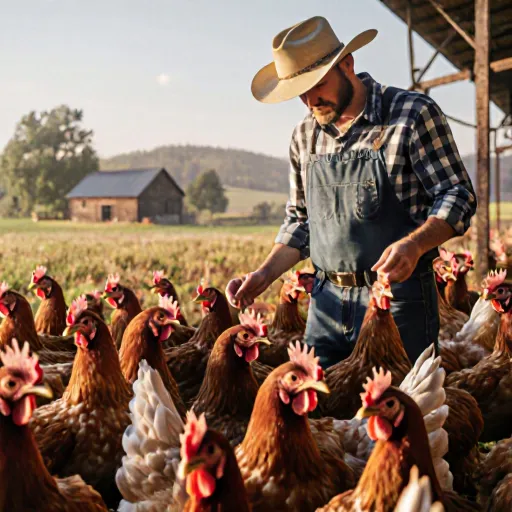
Maximize Income with Smart Broiler Chicken Pricing
Table of Contents
- Understanding the Basics of Broiler Chicken Pricing
- Market Research and Demand Analysis
- Cost Estimation for Broiler Production
- Breeder Selection and Management Costs
- Feeding and Nutrition Expenses
- Healthcare and Disease Control Costs
- Poultry Housing and Equipment Costs
- Labor Costs in Broiler Chicken Production
- Feed Conversion Efficiency (FCR) Analysis
- Quality and Grading Standards for Broilers
- Seasonal Price Fluctuations and Their Impact
- Competitor Pricing Strategies Analysis
- Strategic Marketing and Sales Channels
- Conclusion: Maximizing Broiler Chicken Profit
- FAQs about Pricing Broiler Chickens for Maximum Profit
Understanding the Basics of Broiler Chicken Pricing
To maximize profit when selling broiler chickens, it is crucial to understand the basics of pricing. Pricing your broilers effectively involves several factors that can influence both cost and demand in the market. Let's break down these key elements:
1. Cost Factors
The first step in determining the price for your broiler chickens is understanding all the costs involved in raising them. These include feed, water, veterinary care, labor, housing, and any other expenses incurred during the rearing period.
- Feed Costs: Feed makes up a significant portion of the total cost. The quality and type of feed can greatly affect the growth rate and overall health of your broilers. Higher-quality feeds may command higher prices but could also lead to better bird performance, which can increase profit margins.
- Example: A premium feed that enhances meat quality might cost more per kilogram than a standard feed, but it can result in faster weight gain and superior texture when cooked.
- Veterinary Care: Ensuring the health of your broilers is critical. Any health issues can lead to lower yields or even loss. Preventive care through vaccinations and regular check-ups can help avoid higher treatment costs.
2. Market Demand
The demand for broiler chickens in the market plays a significant role in pricing. Factors such as seasonality, local preferences, and economic conditions can influence how much consumers are willing to pay.
- Seasonal Variations: Broilers are often more popular during certain times of the year due to holidays or festivals. Pricing higher during these periods can maximize profits if supply does not exceed demand.
- Example: During Christmas, broiler prices might be 20% higher than usual due to increased demand for holiday meals.
- Local Preferences: Understanding regional tastes can help tailor your product offerings and pricing strategies. For instance, some areas may prefer organic or free-range chickens over conventional broilers.
3. Competition
The level of competition in the local market is another critical factor to consider when setting prices for your broiler chickens. Analyzing competitors' offerings and pricing can help you position your product effectively.
- Analyze Competitors: Look at what other farmers or suppliers are offering similar products. Are they selling organic, free-range, or conventional broilers? What is their price range?
- Example: If most competitors sell conventional broilers for $2 per pound and you offer a higher-quality product at $2.50 per pound, your pricing strategy should reflect this value proposition.
4. Value Proposition
Your ability to communicate the unique selling points of your broiler chickens can influence consumer perception and willingness to pay a premium price.
- Unique Selling Points: Highlight what sets your broilers apart from others, such as being organic, free-range, or raised on specially formulated feed. Consumers are often willing to pay more for products they perceive as higher quality or ethically produced.
- Example: If you market your broilers as "locally sourced" and "humanely raised," this could justify a price increase of 10% compared to conventional broilers in the same region.
In conclusion, pricing your broiler chickens for maximum profit requires careful consideration of cost factors, market demand, competition, and value propositions. By understanding these elements and adjusting your strategies accordingly, you can ensure that you are maximizing both revenue and profitability in a competitive marketplace.
Market Research and Demand Analysis
To maximize profit when pricing your broiler chickens, it is crucial to conduct thorough market research and perform a demand analysis. This involves understanding the current trends in the poultry industry, identifying key factors that influence consumer preferences, and analyzing historical data to forecast future demands.
Understanding Market Trends
The first step in conducting effective market research is staying informed about ongoing trends. This includes knowing the seasonality of chicken consumption, any shifts towards organic or free-range products, and overall consumer preferences for different types of poultry. For instance, during holidays like Christmas, there might be a higher demand for whole chickens compared to processed chicken products.
Identifying Key Influences
Demand analysis involves identifying the key factors that influence purchasing decisions. These can include price sensitivity, availability of substitutes, and quality perceptions. For broilers specifically, factors such as bird size, breeding strain, and processing method play significant roles in determining market value.
Historical Data Analysis
Analyzing historical data helps in predicting future trends. By examining past sales figures, you can identify periods of high demand and low supply, which are critical for setting optimal prices. For example, if the data shows that broilers sell out faster during certain months due to increased consumption, it is advisable to set higher prices then.
Competitor Analysis
Understanding competitor pricing strategies can provide valuable insights. Conducting a SWOT analysis (Strengths, Weaknesses, Opportunities, Threats) of your competitors helps in identifying potential price gaps and opportunities for differentiation. For instance, if nearby markets are charging lower prices due to bulk purchasing deals, you might need to adjust your own pricing accordingly.
Customer Feedback
Incorporating customer feedback into your market research can also provide valuable insights. Surveys and focus groups can help in understanding what customers value most in broilers—be it flavor, texture, or freshness—and how these factors influence their purchasing decisions.
Practical Tips for Pricing
- Cost-Based Pricing: Start by calculating your costs per bird. This includes feed, labor, breeder costs, and overhead expenses. Add a reasonable profit margin to determine the base price.
- Value-Based Pricing: Focus on the perceived value of your product rather than just cost. If your broilers are of higher quality or organic, you can command premium prices.
- Psychological Pricing: Use pricing tactics like setting prices slightly below round numbers (e.g., $3.99 instead of $4). This can make the product seem more attractive to customers.
Conclusion
In conclusion, conducting comprehensive market research and performing a demand analysis are essential for optimizing your pricing strategy for broiler chickens. By staying informed about trends, analyzing key factors, using historical data, understanding competitors, and incorporating customer feedback, you can set prices that reflect both your costs and the perceived value of your product, thereby maximizing profit.
Cost Estimation for Broiler Production
Estimating costs is a crucial step before you can price your broiler chickens effectively. This section will walk you through the essential cost factors involved and how to incorporate them into pricing strategies that maximize profitability.
The cost of raising broilers involves several components, each contributing significantly to the overall production costs:
- Feed Costs: This is one of the largest expenses in broiler production. Quality feed directly impacts bird health and growth rate. It's essential to source high-quality feeds that meet nutritional requirements without unnecessary additives.
- Breeding Stock: The cost of breeding stock, including both parents (broilers) and breeders, plays a vital role in the genetic quality of your broiler flock.
- Veterinary Expenses: Preventive healthcare through vaccinations and regular check-ups can help avoid costly treatments later. Consider preventive measures to minimize these costs.
- Fuel for Ventilation and Heating: Proper climate control is necessary, especially in large broiler houses. Efficient use of energy sources can significantly reduce heating or cooling bills.
- Building Maintenance and Repair: Keeping the broiler house in good condition extends its life and ensures efficient operation. Regular maintenance prevents costly repairs down the line.
To maximize your profit, focus on improving production efficiency through better management practices. Here’s how:
- Optimize Feeding Programs: Implement a balanced diet that supports fast growth and reduces feed conversion ratio (FCR). A lower FCR translates to higher productivity with less feed used per kilogram of meat produced.
- Control Environment: Maintain optimal temperature, humidity, and ventilation levels. These factors directly influence bird health and weight gain.
- Hygiene Practices: Ensuring cleanliness in the broiler house reduces disease outbreaks and improves overall flock health.
Pricing your broilers strategically is key to maximizing profit. Here are some tips:
- Analyze Market Trends: Stay updated on market demand, consumer preferences, and competitor pricing. This information helps in setting competitive yet profitable prices.
- Consider Quality Premiums: Consumers often pay a premium for high-quality broilers with specific certifications or breeds known for their taste and texture.
- Differentiate Your Product: Highlight unique selling points such as organic certification, local sourcing, or special breeds. This can justify higher prices.
To determine the right price per broiler chicken, consider the following formula:
Total Cost = Feed Costs + Breeding Stock + Veterinary Expenses + Fuel Costs + Maintenance Costs
Once you have calculated your total cost per bird, add a reasonable margin for profit. This margin should be based on market conditions and competitor pricing.
Incorporating these factors into your broiler production and pricing strategy will help you achieve maximum profitability. By closely monitoring costs, optimizing operations, and setting competitive prices, you can ensure that each chicken contributes positively to your bottom line.
Breeder Selection and Management Costs
Choosing the right breed of broiler chickens is critical to maximizing your profit. The selected breed should not only match your market requirements but also align with the environmental conditions and feed availability in your area.
Factors Influencing Breeder Selection
- Market Demand: Understanding what consumers prefer helps you select a breed that is popular. For instance, if there's a growing trend for organic or free-range chickens, selecting a breed that can thrive in such conditions is crucial.
- Growth Rate: Some breeds grow faster than others, which directly affects the time-to-market and thus your profit margins. Slower-growing breeds may have higher meat quality but require more feed and longer periods before reaching market weight.
- Mortality Rates: Breeds with lower mortality rates will be more cost-effective in the long run as they reduce the number of chicks that need to be replaced or reared. This can significantly impact your breeder selection process.
Management Costs
The management costs associated with broiler chickens are substantial and include feed, housing, medication, labor, and utilities. Here’s a closer look at each component:
Feed Costs
Feed is the largest expense in broiler chicken production. The cost of feed can vary based on the breed's growth rate and feed efficiency. For example, breeds that grow faster but with higher feed conversion ratios (FCR) may have higher costs per kilogram of gain.
Housing Costs
Proper housing is essential for broiler chickens to remain healthy and productive. The cost of construction, maintenance, heating, ventilation, and lighting can add up quickly. Additionally, the space requirements vary by breed; some need more room per bird to allow for healthy growth.
Medication Costs
Infections and diseases can devastate a broiler flock if not managed properly. The cost of vaccines and antibiotics should be factored into your budget, as these costs can escalate rapidly during outbreaks or in unsanitary conditions.
Labor and Utilities
Labor costs include wages for employees who manage the flock, clean facilities, feed the birds, and perform other necessary tasks. Utility expenses such as electricity for lighting and ventilation also play a key role in overall management costs.
Practical Advice for Breeder Selection
- Research Thoroughly: Before making your decision, research different breeds to understand their growth rates, feed efficiency, mortality rates, and compatibility with local conditions.
- Consult Experts: Consulting with veterinarians or poultry experts can provide valuable insights into breed-specific health issues and management practices.
- Analyze Market Trends: Stay updated on market trends to ensure that the breed you choose aligns well with current consumer preferences and future demand.
In conclusion, selecting the right breed of broiler chickens is a multifaceted decision that involves careful consideration of various factors. By balancing these aspects effectively, you can enhance your chances of achieving maximum profit while ensuring efficient and sustainable poultry farming practices.
Feeding and Nutrition Expenses
In order to maximize profit when pricing your broiler chickens, it is crucial to understand and manage the feeding and nutrition expenses effectively. These costs can vary significantly based on factors such as feed quality, ingredient prices, and feeding practices. Let's delve deeper into this critical aspect.
Understanding Feed Costs
The cost of feed is one of the largest components of your total production expenses for broiler chickens. Quality feeds formulated specifically for broilers are essential to ensure optimal growth rates, meat quality, and health. It's important to source feeds from reputable suppliers who can provide consistent quality at competitive prices.
Ingredient Prices
The price of ingredients such as corn, soybean meal, vitamins, minerals, and other additives fluctuates based on market conditions. To minimize fluctuations in your feed costs, consider locking in ingredient prices through contracts or hedging strategies. Additionally, keeping a close eye on the supply chain can help you negotiate better deals with suppliers.
Feeding Practices
The way you feed your broilers can have a significant impact on both their growth and your bottom line. Optimal feeding practices include:
- Proper Feed Intake: Ensure that the chickens receive adequate amounts of feed to support rapid growth without overfeeding, which can lead to increased costs and reduced profitability.
- Feed Efficiency: Aim for high feed efficiency by providing balanced rations. This means maximizing weight gain relative to feed consumption.
- Consistent Feeding Schedule: Maintain a consistent feeding schedule to promote steady growth and reduce waste.
Examples of Practical Advice
Here are some practical tips for managing your feeding and nutrition expenses effectively:
- Diversify Your Feed Suppliers: Don't rely on a single supplier. Diversifying can help you secure better deals and mitigate risks associated with price fluctuations.
- Monitor Feed Quality: Regularly check the quality of your feed to ensure it meets the nutritional requirements for optimal growth and health.
- Implement Waste Reduction Measures: Minimize waste by carefully monitoring feed consumption and adjusting portions as needed. Using automated feeding systems can also help reduce waste.
Conclusion
In conclusion, managing your feeding and nutrition expenses is a key factor in maximizing profits when pricing your broiler chickens. By understanding ingredient prices, implementing efficient feeding practices, and following practical advice, you can control costs effectively and ensure the health and productivity of your flock.
Healthcare and Disease Control Costs
In the context of raising broiler chickens, understanding and managing healthcare and disease control costs is crucial for maximizing profit. The health of your flock directly impacts both the quality of meat produced and operational expenses. Disease outbreaks can lead to significant financial losses due to increased feed consumption, lower growth rates, and even death losses.
The most common diseases affecting broiler chickens include coccidiosis, necrotic enteritis, salmonellosis, and新城援助
To maximize profit from your broiler chicken operation, understanding the costs associated with housing and equipment is crucial. While determining how to price your broilers effectively plays a significant role in profitability, the setup of your poultry house and the choice of equipment can greatly influence both your production efficiency and overall expenses. The cost of building or purchasing a suitable housing system for broilers is one of the biggest initial investments. This includes factors such as land preparation, construction materials, labor costs, and ongoing maintenance fees. A well-designed poultry house ensures optimal conditions for your chickens, including proper ventilation, temperature control, lighting, and space allocation. The cost-effectiveness of a broiler house is influenced by its energy efficiency, insulation quality, and ease of management. A well-insulated building reduces heating and cooling costs, thus saving on utility bills in the long run. Additionally, automatic feeding systems and waterers can significantly reduce labor costs and improve hygiene. Beyond just housing, several pieces of equipment are necessary to ensure a profitable broiler operation: Adequate ventilation is vital for controlling humidity levels, removing ammonia gas from manure, and maintaining optimal temperatures inside the poultry house. High-quality ventilation systems can be expensive but are essential for broiler health and performance. Proper lighting enhances feed consumption and growth rate in broilers. LED lights are becoming increasingly popular due to their energy efficiency compared to traditional incandescent bulbs. While it might seem counterintuitive, investing wisely in high-quality housing and equipment can lead to increased profitability by improving your flock's health and productivity. By carefully selecting the right broiler house design and essential equipment, you not only enhance operational efficiency but also protect against potential losses from disease or suboptimal growth rates. When it comes to broiler chicken production, labor costs can significantly impact profitability. Efficient management of these costs is crucial for maximizing profits. This section will explore the various aspects of labor costs in broiler chicken production and how understanding them can help you price your broilers effectively. Labor costs in broiler chicken production encompass a wide range of activities, from chick delivery to processing. These costs include the wages paid to workers for tasks such as feeding, cleaning, monitoring health, and maintaining the poultry house environment. Understanding these costs is essential for accurate pricing. The cost of labor directly influences the overall profitability of broiler chicken production. Efficient use of labor can reduce costs while maintaining high standards of care for the chickens. Conversely, inefficiencies in labor management can lead to higher costs and reduced profits. One way to manage labor costs effectively is by automating certain tasks that are currently done manually. For instance, automated feeders and drinkers reduce the time spent on feeding and cleaning. Additionally, using technology like environmental control systems can help in managing the poultry house conditions more efficiently. To maximize profits from your broiler chickens, it is essential to consider the labor costs that go into their production. By understanding and effectively managing these costs, you can ensure that they are reflected in your pricing strategy. If you know that feeding and cleaning one broiler house takes 10 hours a day for two workers at $20 per hour each, the daily labor cost would be $80. Over a period of three weeks (assuming the broilers are ready in this time frame), the total labor cost would be approximately $560. To recover these costs and make a profit, you need to factor these expenses into your selling price. By carefully considering all aspects of labor costs in broiler chicken production, from hiring staff to optimizing work processes, you can ensure that your pricing strategy is aligned with the realities of your business operations. This approach not only helps in controlling costs but also in achieving maximum profitability. In the context of broiler chicken farming, Feed Conversion Efficiency (FCR) is a critical metric that measures how effectively chickens convert feed into body weight. This analysis is essential for maximizing profits as it directly influences your cost per kilogram of live weight produced. Understanding and optimizing FCR can significantly enhance the profitability of your poultry business. Feed Conversion Efficiency (FCR) is calculated by dividing the total feed consumed during a specific period by the total live weight gained by the chickens over that same period. A lower FCR indicates better efficiency, meaning less feed is required to produce one kilogram of chicken meat. The formula for calculating FCR is: To price your broiler chickens for maximum profit, it's crucial to consider the cost structure that includes feed costs. By optimizing FCR, you can minimize these costs, which directly impacts your pricing strategy. Let's consider two scenarios to illustrate the impact of FCR on profitability: In Scenario 1, if the cost of feed is $0.5 per kilogram, the total feed cost for producing 100 kilograms of chicken would be: In Scenario 2, with a more efficient FCR of 2.0, the feed cost reduces to: This example clearly shows how improving FCR can reduce feed costs by $25 for every 100 kilograms of chicken meat produced. In conclusion, Feed Conversion Efficiency (FCR) is a vital factor in broiler chicken farming that significantly impacts profitability. By focusing on optimizing FRC through quality feeds, efficient management practices, and controlled environments, farmers can maximize their profits while maintaining high-quality products. Understanding these principles will help you price your broilers effectively for maximum profit. The quality and grading standards for broilers are crucial factors that directly impact how you price your broiler chickens for maximum profit. Understanding these standards helps ensure your birds meet market expectations, thereby enhancing your selling value and profitability. Grading broilers involves evaluating several key parameters including weight, size uniformity, feather condition, skin integrity, and overall health. These criteria are essential for buyers who rely on consistent quality in their products. The standards mentioned above not only affect how your broilers are graded but also influence how they are priced. By adhering to these standards, you can ensure that your birds are sold at premium prices. An example might be a scenario where two batches of broilers have identical weight and size uniformity but differ in feather condition. Batch A has clean feathers with no signs of damage, while Batch B has some discolored feathers. Batch A would likely fetch a higher price due to its better appearance. In summary, adhering to quality and grading standards is not just about meeting market expectations; it's a strategic move towards maximizing your profit. By ensuring that your broilers meet these high standards, you can command premium prices in the market, thereby increasing your profitability. The poultry industry is subject to a variety of factors that can influence the price of broiler chickens. One such factor is seasonal price fluctuations, which can significantly impact your profitability as a chicken farmer or producer. Understanding these fluctuations and how they affect demand and supply in different seasons can help you make informed decisions about pricing your broiler chickens for maximum profit. The seasonal demand for broiler chickens is heavily influenced by cultural practices, holidays, and weather patterns. For example, during the holiday season, there is a higher demand due to increased consumption at family gatherings and special events. Additionally, warmer temperatures in spring and summer can lead to an increase in outdoor dining and barbecuing, which often includes chicken as a staple item. The supply chain for broiler chickens is also affected by seasons. During peak demand periods, the supply may not meet the demand due to increased production costs or limited availability of feed and labor. Conversely, in low-demand periods, excess supplies can lead to oversaturated markets, driving down prices. To maximize profit, farmers must adjust their pricing strategies based on seasonal fluctuations. During peak seasons, you may be able to charge a premium price for your broilers due to higher demand and less competition. Conversely, during off-peak seasons, it is crucial to focus on cost management rather than price increases. To determine the optimal price point for your broiler chickens, consider the following steps: In addition to adjusting your pricing strategy, consider implementing promotional strategies to increase sales during off-peak periods. For example: By understanding and adapting to seasonal price fluctuations, you can optimize your broiler chicken pricing strategy for maximum profit. Stay informed about market trends, adjust your prices accordingly, and implement effective promotional strategies during off-peak periods. This approach will help you maintain profitability throughout the year. Pricing your broiler chickens is a critical aspect of maximizing profit, especially within a competitive market. Understanding and analyzing your competitors' pricing strategies can provide valuable insights into market dynamics and help you make informed decisions. This section delves deeper into various competitor pricing strategies and how they impact profitability. To effectively analyze competitor pricing, it's important to understand the different strategies they might be employing. Common strategies include price skimming, penetration pricing, competitive parity, and promotional pricing. Each strategy has its own implications for market positioning and customer perception. In this strategy, competitors set initial high prices to capture premium customers willing to pay more for quality or brand recognition. Over time, the price is gradually reduced as new entrants join the market or consumer acceptance grows. This approach can be profitable in the short term but may not sustain long-term profitability if it alienates potential cost-sensitive customers. Here, competitors introduce a product at a lower price point to quickly capture market share and deter entry from other firms. This strategy is effective in crowded markets where volume sales can offset low margins. However, it may not be suitable if your broiler chickens are perceived as premium products. Competitors often match the prices of leading brands or market leaders to maintain their position without creating a price war. This strategy is about maintaining brand integrity and customer loyalty rather than competing on price alone. By aligning with industry leaders, you can avoid being seen as too cheap or too expensive. Competitors use temporary discounts, bundle deals, and other promotional tactics to boost sales during peak periods or clear out excess inventory. This strategy is effective in attracting price-sensitive customers but requires careful management to ensure it doesn’t erode your profit margins. To analyze competitor pricing effectively, start by gathering data on their current prices and promotional offers. Tools like Google Alerts or specialized market research platforms can help track price changes over time. Look for patterns in how they respond to market conditions or seasonal fluctuations. Consider conducting focus groups or surveys with your customers to understand their perceptions of different pricing strategies. This qualitative data can provide deeper insights into what drives customer decision-making and loyalty. Based on the analysis, you should consider adopting a pricing strategy that aligns with your business goals and market conditions. For broiler chickens, a tiered pricing model can be effective, where premium quality products are priced higher while standard offerings maintain competitive prices. For example, if competitor data shows that they frequently use promotional discounts during certain months, you might consider introducing similar offers for a limited time to boost sales. Alternatively, maintaining consistent pricing with occasional high-value promotions can help sustain customer loyalty and premium perception. Competitor pricing strategies play a crucial role in shaping market dynamics and influencing profitability. By closely monitoring competitors and adapting your own strategy accordingly, you can optimize pricing for maximum profit without compromising on quality or brand integrity. When it comes to maximizing profits from broiler chickens, strategic marketing and sales channels play a crucial role. The success of your broiler chicken business heavily depends on how well you can connect with your target market and deliver products that meet their needs. The first step in maximizing profits is to identify the most effective marketing channels for your broiler chickens. This involves understanding your target audience, their preferences, and where they are most likely to purchase or consume chicken products. Here are some key considerations: Once you have identified the most effective marketing channels, it is essential to implement a pricing strategy that maximizes your profit. The goal is not just to sell broiler chickens at any price but to set prices that are competitive yet profitable. Value-Based Pricing: Consider pricing your broiler chickens based on the value they provide to the consumer. This approach involves understanding what customers are willing to pay for quality, sustainability, and convenience. For example, if you emphasize organic farming practices or superior meat quality, you can justify a higher price point. Cost-Plus Pricing: Another method is cost-plus pricing, where you add a fixed percentage of profit to your production costs. This ensures that you cover all expenses and earn the desired margin. However, be mindful of market demand; overpricing could lead to reduced sales. To ensure that your marketing and sales efforts are yielding optimal results, it is crucial to regularly evaluate their effectiveness. Here’s how you can do this: In conclusion, strategic marketing and sales channels are vital for maximizing profits in the broiler chicken industry. By carefully selecting the right platforms, implementing effective pricing strategies, and continuously evaluating performance, you can build a successful and profitable business. To maximize profit from broiler chicken farming, it's crucial to not only focus on efficient production but also on strategic pricing. The profitability of your flock hinges on a combination of cost management, quality control, and market insight. Here’s how you can achieve this by effectively setting the price for your broiler chickens. The first step in pricing your broiler chickens for maximum profit is understanding market demand. Research local consumer preferences, dietary trends, and seasonal factors that could influence demand. For instance, during festive seasons or health-conscious periods, there might be higher demand for premium organic broilers. Adjusting your supply to meet these demands can help you sell at a higher price. Covering all costs is essential for profitability. Calculate the total production cost per chicken, which includes feed, labor, housing, utilities, and any veterinary expenses. Once you know your break-even point, you can determine a price that ensures a profit margin. For example, if each broiler chicken incurs $0.50 in additional costs beyond feed (assuming feed is covered by revenue), the selling price should be adjusted accordingly. The quality of your broilers can significantly influence their market value. High-quality birds are often priced higher due to perceived superior taste and nutritional value. If you can offer a premium product, consider branding it to create customer loyalty. For example, if you're known for providing healthier or more ethically raised chickens, consumers may be willing to pay extra. Stay informed about competitor prices in your area. Setting your broilers too high can deter customers, while being too low could mean leaving money on the table. A good strategy is to position yourself as a value-added option—your price should reflect both higher quality and additional services like packaging or delivery. Demand for broilers can fluctuate seasonally, so adjust your pricing accordingly. For instance, during off-peak times when there is less competition, you might offer a discount to clear out inventory. Conversely, in peak seasons, when demand is high, you can command higher prices. To increase profitability, consider implementing customer loyalty programs or offering bundled products that include your broilers with other value-added services like fresh produce or marinades. This not only increases the perceived value of your product but also encourages repeat business. In conclusion, maximizing profit from broiler chicken farming requires a holistic approach that encompasses understanding market dynamics, managing costs effectively, and leveraging quality branding and competitive strategies. By carefully considering these factors when setting your prices, you can ensure that every bird contributes to the overall profitability of your farm. Q: What factors should I consider when pricing broiler chickens for maximum profit? The price you set for your broiler chickens significantly impacts your profitability. To ensure optimal returns, it's important to consider several key factors: Q: How do I determine a fair price that attracts customers without underpricing? To balance attractiveness and profitability, follow these steps: Q: What are some practical tips to maximize profit from broiler chicken sales? Q: Are there any common mistakes to avoid when pricing broilers? To ensure you're not underpricing or overpricing your broiler chickens, avoid these common pitfalls: Q: How can I test the market before finalizing my price? Testing your product in the market before committing to a final price is crucial:Poultry Housing and Equipment Costs
Types of Housing
Economic Considerations
Feeding Equipment
Watering Equipment
Ventilation Systems
Lighting Systems
Labor Costs in Broiler Chicken Production
Key Components of Labor Costs
Example: Cost Reduction Strategies
Practical Advice
Example: Pricing Model Incorporating Labor Costs
Feed Conversion Efficiency (FCR) Analysis
Understanding FCR
Formula for FCR
FRC = Total Feed Consumed / Total Live Weight Gained
Importance of FCR in Pricing Broilers
Steps to Optimize FCR
Practical Examples
Scenario 1: In a farm where the average FCR is 2.5, this means that for every kilogram of chicken meat produced, 2.5 kilograms of feed are consumed.
Scenario 2: By implementing optimized practices and better feed management, the FCR drops to 2.0. Now, only 2.0 kilograms of feed are required to produce one kilogram of chicken meat.
$0.5 * 2.5 * 100 = $125
$0.5 * 2.0 * 100 = $100
Conclusion
Quality and Grading Standards for Broilers
Example of Grading Impact on Price
Practical Advice for Maintaining High Standards
Seasonal Price Fluctuations and Their Impact
Understanding Seasonal Demand
Supply Chain Dynamics
Impact on Pricing Strategy
Examples of Price Adjustments
Pricing for Maximum Profit
Promotional Strategies
Conclusion
Competitor Pricing Strategies Analysis
Understanding Competitor Pricing
Price Skimming
Penetration Pricing
Competitive Parity
Promotional Pricing
Analyzing Competitor Pricing
Pricing Your Broiler Chickens for Maximum Profit
Conclusion
Strategic Marketing and Sales Channels
Selecting the Right Marketing Channels
Pricing Strategy for Broiler Chickens
Evaluating Sales Channels Effectiveness
Conclusion: Maximizing Broiler Chicken Profit
1. Understand Market Demand
2. Consider Production Costs
3. Quality and Branding
4. Competitive Pricing
5. Seasonal Adjustments
6. Customer Preferences and Loyalty Programs
FAQs about Pricing Broiler Chickens for Maximum Profit
Categories
- AI & Enrichment Play
- Broiler Farming
- Broiler Farming Tips
- Canine Wellness & Longevity
- Cat
- Cat & Human Connection
- Cat Adoption & Rescue
- Cat Breeds
- Cat Breeds & Personalities
- Cat Care & Health
- Cat Grooming & Hygiene
- Cat Lifestyle & Environment
- Cat Myths & History
- Cat Nutrition & Diet
- Cat Products & Reviews
- Cat Training & Behavior
- Comparison
- Consumer Awareness
- Dog
- Dog Accessories & Products
- Dog Adoption & Rescue
- Dog Breed & Lifestyle Trends
- Dog Breeding & Puppies
- Dog Entertainment & Media
- Dog Fashion & Trends
- Dog Fun & Lifestyle
- Dog Grooming & Hygiene
- Dog History & Culture
- Dog Myths, Science & Future Tech
- Dog News & Trends
- Dog Nutrition & Food
- Dog Psychology & Emotions
- Dog Safety & Security
- Dog Sports & Activities
- Dog Technology & Innovation
- Dog Training for Modern Owners
- Dog Travel & Adventure
- Dog Travel, Adventure & Culture
- Economic and Market Insights
- Educational Content
- FAQs
- Feeding Alternatives
- Festivals & Seasonal Ideas
- Fun & Entertainment
- General Knowledge
- General Pig Farming
- Health & Disease Management
- Housing and Environment
- Kittens
- Market Insights
- Miscellaneous
- Miscellaneous
- Motivational
- pig
- Pig Breeding
- Pig Breeds
- Pig Farming Stories and Inspiration
- Pig Health and Care
- Pig Nutrition
- Pig Products
- Profitability & Business
- Puppy Care
- Puppy Predictable Topics Reinvented
- Regional Focus
- Rescue & Adoption Buzz
- Senior Cats
- Senior Dog Care
- Smart Dog Tech & Gadgets
- Sustainability
- Sustainable & Eco-Friendly Dog Products
- Tech & Innovations
- Working & Service Dogs
- Broiler Feed66 products
- Country Feed33 products
- Pig Feed66 products
- Product22 products
- Raw Materials99 products
Products
-
 Fish Meal
₹1,999.00 – ₹2,999.00Price range: ₹1,999.00 through ₹2,999.00Rated 0 out of 5
Fish Meal
₹1,999.00 – ₹2,999.00Price range: ₹1,999.00 through ₹2,999.00Rated 0 out of 5 -
 FATTENING BROILER FEED
₹2,299.00 – ₹2,349.00Price range: ₹2,299.00 through ₹2,349.00Rated 0 out of 5
FATTENING BROILER FEED
₹2,299.00 – ₹2,349.00Price range: ₹2,299.00 through ₹2,349.00Rated 0 out of 5 -
 LAYER COUNTRY FEED
₹1,549.00 – ₹1,649.00Price range: ₹1,549.00 through ₹1,649.00Rated 0 out of 5
LAYER COUNTRY FEED
₹1,549.00 – ₹1,649.00Price range: ₹1,549.00 through ₹1,649.00Rated 0 out of 5 -
 COUNTER BROILER FEED
₹1,199.00 – ₹1,299.00Price range: ₹1,199.00 through ₹1,299.00Rated 0 out of 5
COUNTER BROILER FEED
₹1,199.00 – ₹1,299.00Price range: ₹1,199.00 through ₹1,299.00Rated 0 out of 5 -
 LACTATING PIG FEED
Rated 0 out of 5
LACTATING PIG FEED
Rated 0 out of 5₹2,299.00Original price was: ₹2,299.00.₹1,740.00Current price is: ₹1,740.00. -
 Maize
Rated 0 out of 5
Maize
Rated 0 out of 5₹1,650.00Original price was: ₹1,650.00.₹1,300.00Current price is: ₹1,300.00. -
 GESTATION PIG FEED (Phase 1)
Rated 0 out of 5
GESTATION PIG FEED (Phase 1)
Rated 0 out of 5₹2,249.00Original price was: ₹2,249.00.₹1,699.00Current price is: ₹1,699.00. -
 Pre Starter Broiler Feed
₹2,399.00 – ₹2,499.00Price range: ₹2,399.00 through ₹2,499.00Rated 0 out of 5
Pre Starter Broiler Feed
₹2,399.00 – ₹2,499.00Price range: ₹2,399.00 through ₹2,499.00Rated 0 out of 5 -
 FINISHER PIG FEED
Rated 0 out of 5
FINISHER PIG FEED
Rated 0 out of 5₹2,299.00Original price was: ₹2,299.00.₹1,749.00Current price is: ₹1,749.00. -
 Broiler Premix
Rated 0 out of 5
Broiler Premix
Rated 0 out of 5₹820.00Original price was: ₹820.00.₹699.00Current price is: ₹699.00.