
Mastering Market Forces in Chicken Farming
Table of Contents
- Understanding Demand Dynamics in the Broiler Industry
- Impact of Market Trends on Consumer Preferences
- Role of Government Policies and Regulations
- Seasonal Variations in Broiler Consumption
- Global vs. Local Demand Patterns
- Supply Chain Analysis: From Hatchery to Retail
- Key Factors Influencing Broiler Production
- Technology Advancements in Broiler Farming
- Impact of Disease Outbreaks on Supply
- Economic Viability and Profitability for Farmers
- Importance of Quality Control in Broiler Production
- Market Competition and Price Elasticity
- Role of Export Markets in Supply Dynamics
- Conclusion
- FAQs
Understanding Demand Dynamics in the Broiler Industry
Understanding demand dynamics in the broiler industry is crucial for effective business decision-making, especially given its significant role in the global food supply. The broiler market's demand and supply are influenced by a variety of factors that can be categorized into economic, social, environmental, and technological influences.
The price elasticity of demand for broilers plays a pivotal role in shaping consumer behavior. Typically, the demand for chicken is more elastic when prices are high due to alternative protein sources being relatively cheaper. Conversely, during economic downturns or inflationary periods, consumers may choose cheaper alternatives like eggs or plant-based proteins over chicken. Understanding these dynamics helps businesses anticipate changes and adjust their supply strategies accordingly.
Social trends significantly impact consumer preferences in the broiler industry. For instance, changing dietary habits due to health concerns (like avoiding red meat or reducing cholesterol intake) can drive demand for chicken. Cultural factors also influence consumption patterns; certain cultures may have a higher preference for poultry over other meats. Marketing campaigns that align with these social trends can effectively boost sales.
The environmental impact of the broiler industry, including issues like carbon emissions and water usage, is increasingly becoming a concern for consumers. Sustainable practices such as reducing feed conversion ratios (FCR) to enhance efficiency can attract eco-conscious buyers who are willing to pay more for ethically produced products. Transparency in labeling about farming methods and sustainability efforts also plays a key role.
The advent of technology has introduced innovations that influence both supply and demand in the broiler industry. For instance, advancements in breeding techniques have led to faster-growing chickens with higher meat quality, increasing market appeal. Additionally, improvements in feed formulation and nutrition can enhance growth rates while reducing resource usage. Retailers are also leveraging technology through online platforms and mobile apps for easy purchase of broilers, enhancing convenience and accessibility.
- Analyze Market Trends: Regularly monitor economic indicators, social media trends, and environmental developments to stay ahead of potential shifts in consumer preferences.
- Engage with Consumers: Utilize surveys, focus groups, and social media interactions to gather direct feedback on product offerings and packaging.
- Invest in Sustainability: Adopt practices that minimize environmental impact. This not only appeals to environmentally aware consumers but also supports long-term business sustainability.
- Promote Technology: Highlight the latest technological advancements in your products, such as faster-growing chickens or more efficient farming methods.
Impact of Market Trends on Consumer Preferences
The impact of market trends on consumer preferences is a critical factor that businesses, especially those operating in competitive markets such as the broiler industry, must continuously monitor and adapt to. Understanding these dynamics not only helps in aligning product offerings with customer expectations but also ensures sustainable growth and profitability.
The broiler industry is characterized by its sensitivity to market trends, particularly those affecting demand and supply. The demand for broilers is influenced by a variety of factors including consumer health consciousness, economic conditions, and environmental concerns.
Consumer Health Consciousness
As consumers become more health-conscious, the demand for broiler products that are perceived as healthier alternatives to other meats has increased. This trend is driven by a growing awareness of the nutritional value and potential benefits associated with consuming leaner cuts of meat. Broilers that are free-range, organic, or raised without antibiotics are in higher demand due to these perceived health benefits.
Economic Conditions
The economic climate significantly impacts consumer purchasing power, which in turn affects the demand for broiler products. During periods of economic downturns, consumers tend to opt for more affordable protein sources such as chicken (broilers), leading to increased demand. Conversely, during prosperous times, higher-income consumers may seek out premium cuts or specialty broiler products, driving up prices and demand.
Environmental Concerns
The environmental impact of the food industry is a growing concern for consumers. The broiler industry has made efforts to reduce its carbon footprint by improving energy efficiency in farms and adopting sustainable farming practices. These changes are likely to influence consumer preferences positively, encouraging more people to choose ethically sourced broilers.
To effectively adapt to these market trends, the broiler industry must continuously innovate and refine its products and processes. Here are some practical steps companies can take:
- Product Diversification: Offer a range of broiler products that cater to different consumer preferences, such as organic, free-range, and premium cuts.
- Sustainability Initiatives: Implement sustainable farming practices and communicate these efforts transparently to consumers. This can include reducing water usage, using renewable energy sources, and implementing waste management systems.
- Pricing Strategies: Adjust pricing based on economic conditions and consumer demand. For instance, during holidays or special events, premium cuts may command higher prices due to increased demand.
- Marketing Campaigns: Launch targeted marketing campaigns that highlight the health benefits and sustainability of broiler products. Social media platforms can be particularly effective in reaching a wide audience.
In conclusion, understanding market trends is crucial for the broiler industry to meet evolving consumer preferences effectively. By staying informed about health consciousness, economic conditions, and environmental concerns, businesses can position themselves to capitalize on these trends and maintain a competitive edge in an ever-changing market.
Role of Government Policies and Regulations
The role of government policies and regulations in understanding demand and supply dynamics within the broiler industry is crucial. The broiler chicken sector, which plays a significant role in global food production, is heavily influenced by market forces such as supply and demand. Government policies and regulatory frameworks shape the environment in which producers operate, affecting their decisions on production levels, pricing strategies, and innovation. Here’s an in-depth look at how these factors interplay:
Understanding Demand
Demand for broiler chickens is driven by several factors including population growth, dietary habits, economic conditions, and government policies that promote or restrict consumption. For instance, governments may subsidize poultry feed to encourage chicken production, which in turn increases supply and potentially lowers prices for consumers.
Supply Determinants
The supply of broiler chickens is influenced by a myriad of factors such as feed costs, technological advancements, labor availability, and government incentives. Government policies can significantly impact these elements:
- Feed Costs: Subsidies for feed ingredients or imposition of tariffs on imported feeds can influence the overall cost of production.
- Labor Availability: Minimum wage laws and immigration policies affect labor costs, which are a major component of total production costs.
- Tax Incentives: Tax breaks for poultry farmers can encourage expansion in broiler production.
Economic Policies
Economic policies such as trade agreements, tariffs, and quotas play a vital role in shaping the supply and demand dynamics of the broiler industry. For example:
- Trade Agreements: Free trade agreements can increase exports by lowering barriers to entry into foreign markets.
- Tariffs: Import tariffs on competing products like pork or beef can protect domestic broiler producers, increasing demand for domestically produced broilers.
Environmental Regulations
Environmental regulations also have a significant impact on the broiler industry. Compliance with environmental standards can increase operational costs but may also lead to better animal welfare and sustainable practices:
- Animal Welfare Standards: Mandatory requirements for humane treatment of broilers, which could affect production methods and thus supply.
- Emission Limits: Regulations on emissions from poultry farms can influence the design and operation of farms, potentially impacting their efficiency and productivity.
Promoting Innovation
Government policies can foster innovation in the broiler industry by providing incentives for research and development. This includes:
- Research Grants: Funding for universities and private companies to develop new breeds or feeding techniques.
- Pilot Projects: Government backing for pilot projects aimed at improving broiler production efficiency.
Practical Advice
To navigate the complexities of demand and supply in the broiler industry, producers and policy-makers should consider the following:
- Analyze Market Trends: Regularly monitor consumer preferences and economic indicators to predict future trends.
- Stay Updated on Policies: Keep abreast of government policies that could impact your business, including subsidies, tariffs, and environmental regulations.
- Invest in Innovation: Embrace technological advancements to improve efficiency and sustainability.
In conclusion, the role of government policies and regulations in understanding demand and supply within the broiler industry is multifaceted. By comprehensively considering all these factors, stakeholders can better position themselves to capitalize on market opportunities while adhering to regulatory requirements.
Seasonal Variations in Broiler Consumption
Understanding demand and supply dynamics is crucial for predicting and managing broiler consumption, especially considering seasonal variations. These variations can significantly impact the broiler industry by affecting production schedules, inventory management, and ultimately, profitability.
The seasons play a critical role in influencing broiler consumption patterns. Factors such as weather conditions, holidays, cultural events, and consumer preferences all contribute to these fluctuations. For instance, during colder months or festive periods like Christmas and New Year, there is often an increased demand for broilers due to warmer indoor dining experiences and gift-giving traditions.
Colder weather can increase the consumption of broilers as people tend to consume more meat in their meals during such periods. This shift towards higher protein foods is driven by a desire for warmth and sustenance. Additionally, schools and workplaces are often on break during winter months, leading to increased family dining out or home-cooked meals using broilers.
Major holidays such as Thanksgiving, Christmas, and New Year's Day see a significant rise in broiler consumption. These occasions are characterized by large gatherings where traditional dishes featuring broilers play a central role. For example, during the holiday season, families often prepare turkey or chicken (broilers) as part of their feast.
The food industry is continuously evolving with changing consumer preferences towards healthier options, sustainability, and convenience. Broilers are a versatile meat type that can be prepared in various ways to suit these trends. For instance, the rise of grilled chicken or broiler-based salads has increased its popularity among health-conscious consumers.
To effectively manage seasonal variations in demand, supply chain strategies must adapt accordingly. This includes adjusting production levels, forecasting accurately, and maintaining adequate inventory to meet peak demands without overstocking during off-peak times. For example, poultry farms might increase their output just before a holiday season to ensure product availability.
- Analyze historical data: Use past consumption patterns to predict future trends and adjust production schedules.
- Adapt pricing strategies: Offer discounts or promotions during off-peak seasons to boost sales without significantly affecting profits.
- Expand product lines: Introduce new broiler-based dishes that align with current dietary preferences, such as gluten-free options or vegan substitutes for traditional broilers.
In conclusion, understanding and addressing seasonal variations in broiler consumption is essential for the success of businesses within this industry. By leveraging insights into demand drivers like weather patterns, holidays, and consumer trends, companies can optimize their operations to meet fluctuating demands more effectively.
Global vs. Local Demand Patterns
The broiler industry, like many agricultural sectors, is heavily influenced by both global and local demand patterns. These patterns can vary significantly based on geographic location, economic conditions, cultural preferences, and market trends. Understanding these dynamics is crucial for producers, marketers, and policymakers to ensure sustainable growth and profitability.
Global Demand Patterns
Global demand for broilers is primarily driven by factors such as population growth, dietary shifts towards meat consumption, and economic development in emerging markets. Countries like China, Brazil, and the United States are significant consumers of broiler products due to their large populations and increasing disposable incomes.
- Population Growth: As countries continue to grow, so does the demand for meat protein. Broilers provide a cost-effective source of nutrition that can support growing populations.
- Economic Development: In developing economies, as per capita income rises, there is an increase in disposable income, leading to higher consumption levels, especially for discretionary food items like broiler meats.
- Dietary Shifts: There has been a significant trend towards more meat-centric diets worldwide. This shift is particularly noticeable in regions where traditional diets were predominantly plant-based.
Local Demand Patterns
While global trends set the broader context, local demand patterns can vary widely based on cultural preferences and specific economic conditions within a country or region. These variations are important for understanding regional markets effectively.
- Cultural Preferences: In some cultures, broilers play a central role in culinary traditions, influencing consumption patterns. For instance, the demand in countries like Thailand is influenced by its rich tradition of using broiler meat in soups and other dishes.
- Economic Conditions: Local economic conditions can significantly affect demand. In times of recession or inflation, consumers may shift their purchasing power towards more affordable food options, impacting the demand for broilers.
- Seasonal Variations: The demand for broilers can also be affected by seasonal changes in consumption habits. For example, during festive periods, there is often a spike in demand due to increased food preparation and gift-giving activities.
Predicting Demand Trends
To predict global and local demand trends effectively, it's essential to consider various economic indicators and market research. For instance:
- Economic Indicators: GDP growth rates, inflation levels, and unemployment rates provide insights into consumer purchasing power.
Conducting surveys and analyzing consumer behavior helps tailor marketing strategies to meet specific needs in different regions.
PRACTICAL ADVICE FOR MANUFACTURERS
Manufacturers can leverage these insights by adopting a multi-faceted approach:
- Analyze Market Data: Use tools like Google Trends and social media analytics to gauge consumer interest in broilers.
- Diversify Product Offerings: Offering a range of product types (e.g., organic, free-range, frozen) can cater to different market segments.
- Engage with Consumers: Building strong relationships with local communities and understanding their specific demands through direct engagement can provide valuable insights.
Conclusion
In summary, while global demand patterns set the broad framework for the broiler industry, local demand patterns are equally important for tailored market strategies. By closely monitoring both dimensions, producers and marketers can better adapt to changing consumer preferences and economic conditions, ensuring sustainable growth in the industry.
Supply Chain Analysis: From Hatchery to Retail
The broiler industry is a crucial component of the global poultry sector, contributing significantly to food security and economic stability. The supply chain in this industry spans from the hatchery where chicks are produced, through various stages of production such as feed manufacturing, breeding, raising, processing, distribution, and finally reaching the retail market. Understanding each stage of the supply chain is essential for ensuring efficient operations, meeting demand, and maintaining quality standards.
1. Hatchery
The hatchery is the starting point of the broiler supply chain. Here, eggs are incubated under controlled conditions to ensure that chicks develop properly before they are hatched. The selection of breeding stock plays a critical role in determining the quality and performance characteristics of the resulting broilers. Proper management practices at the hatchery are vital for producing healthy chicks which can then be raised optimally.
Example: A well-managed hatchery will ensure that eggs are stored under appropriate conditions, that incubators are calibrated correctly, and that hatching procedures follow best practices. This ensures that the chicks produced are robust and capable of rapid growth which is essential for efficient meat production.
2. Feed Manufacturing
Quality feed is paramount to ensuring healthy broilers that grow efficiently towards market weight. The feed ingredients must be carefully selected based on nutritional requirements, cost considerations, and availability. Ingredients can include corn, soybean meal, vitamins, minerals, and other additives tailored for specific growth stages.
Practical Advice: Feed manufacturers should work closely with veterinarians and nutritionists to formulate balanced diets that support rapid weight gain without compromising health or welfare. Regular monitoring of feed quality and efficiency is necessary to minimize waste and maximize output.
3. Breeding
The breeding program at the hatchery sets the foundation for future broiler production. It involves selecting high-performing birds that will be used as parents for the next generation of broilers. The goal is to produce broilers with desirable traits like fast growth rates, good meat quality, and high feed conversion efficiency.
Understanding Demand: Breeders need to have a clear understanding of market demand to align their breeding programs accordingly. For instance, if there's growing preference for organic or free-range products, breeders should focus on developing lines that meet these criteria while still maintaining productivity standards.
4. Raising Broilers
The raising stage involves managing broilers from the time they leave the hatchery until they reach market weight. This phase includes providing proper housing, temperature control, feeding schedules, disease prevention, and general care to promote healthy growth.
Supply Insight: During this period, producers need to balance supply with demand by keeping an eye on local and global markets to adjust production levels as needed. Efficient use of resources like water and electricity is also crucial for sustainability and profitability.
5. Processing
Once the broilers have reached market weight, they are processed into various cuts suitable for different retail outlets or catering services. This process involves slaughtering, defeathering, evisceration, chilling, packaging, and labeling.
Demand Considerations: Processing facilities must be capable of handling varying demands depending on the seasonality of demand in certain regions or countries. For example, during holidays or special events like Thanksgiving or Christmas in North America, increased demand for poultry products could necessitate additional processing capacity and staff.
6. Distribution
The final leg of the journey before reaching consumers is distribution, which involves transporting broiler products from processing plants to retailers or food service establishments. Efficient logistics networks are key to delivering fresh product on time without spoilage.
Supply and Demand: Effective forecasting helps in coordinating transportation schedules with retail orders. Utilizing cold chain technologies ensures that perishable items arrive at their destination intact, maintaining quality expectations set by consumers.
Conclusion
Understanding the complexities of each stage within the broiler supply chain—from hatchery to retail—is indispensable for stakeholders involved in this industry. By focusing on efficient management practices at every step, producers can better meet changing market demands and sustainably contribute to global food systems.
Key Factors Influencing Broiler Production
The broiler production industry is intricately linked with the broader poultry sector, where demand and supply dynamics play a crucial role in shaping its trajectory. This section delves into the key factors that influence broiler production by exploring how understanding these dynamics can optimize efficiency and sustainability.
Market Demand
The primary driver of broiler production is market demand, which is influenced by several factors:
- Consumer Preferences: Consumer trends significantly impact the demand for broilers. Increased health-conscious choices have led to greater interest in organic and free-range broilers.
- Economic Factors: Economic conditions, including income levels and inflation rates, directly affect purchasing power. Higher disposable incomes generally lead to increased consumption of meat products like broilers.
- Social Trends: Cultural shifts toward healthier eating habits have fueled demand for poultry over red meats in many regions.
Supply Chain Efficiency
Efficient supply chain management is vital to ensure a steady flow of broilers to the market. Key factors include:
- Sourcing Quality Feed: High-quality feed ensures optimal growth and health, affecting meat quality and yield.
- Poultry Health Management: Disease control measures are essential to prevent outbreaks that could halt production. Vaccination programs and biosecurity practices are critical in maintaining supply.
- Sustainable Practices: Implementing sustainable farming practices, such as reduced water usage and waste management, can enhance the overall efficiency of broiler production.
Pricing Mechanisms
The price at which broilers are sold is a crucial factor in determining supply levels:
- Market Competition: Competitive pricing strategies can either stimulate or suppress production. Producers often adjust their output based on competitor actions.
- Government Policies: Subsidies, tariffs, and other government interventions can influence both supply and demand by altering the cost structure for producers and consumers.
Technological Advancements
Innovation in broiler production is driven by advancements that enhance productivity:
- Agricultural Biotechnology: Genetic modifications and improved breeding programs can lead to faster-growing, more disease-resistant broilers.
- Automation: Automated feeding systems and climate control technologies improve efficiency and reduce labor costs.
Conclusion
In summary, understanding the demand and supply dynamics is essential for optimizing broiler production. By addressing these key factors—market demand, supply chain efficiency, pricing mechanisms, and technological advancements—you can make informed decisions that enhance profitability and sustainability in this dynamic industry.
Technology Advancements in Broiler Farming
In recent years, technology advancements have played a crucial role in optimizing broiler farming practices. These innovations not only enhance efficiency but also contribute to meeting the increasing demand for poultry meat while ensuring sustainable supply. Understanding and aligning these technological advancements with market dynamics is key to success in this industry.
The design of broiler houses has evolved significantly, incorporating modern technologies that improve ventilation, lighting, and temperature control. Automated systems can now manage feed delivery, water supply, and even medication administration, ensuring optimal growing conditions for the birds.
Example: Companies like Lohmann Tierzucht have developed advanced broiler house designs that integrate automated feeding systems. These systems not only reduce labor costs but also ensure that each bird receives the exact amount of feed needed to grow at an optimal rate, thereby enhancing productivity and minimizing waste.
Data analytics plays a vital role in understanding market demand trends. By analyzing historical sales data, consumer preferences, and economic indicators, farmers can predict future demand more accurately. This information is crucial for making informed decisions about production levels, breeding strategies, and marketing efforts.
Example: A large broiler farming company may use predictive analytics tools to forecast the demand for chicken breast versus thighs in different regions based on seasonal trends, dietary preferences, and price elasticity. Such insights help in aligning supply with market needs, reducing surplus or shortage issues.
With the increasing complexity of disease management in broiler farming, biosecurity measures have become more sophisticated. Advanced technologies such as RFID tagging and real-time monitoring systems are used to track bird health and movement within the farm. This helps prevent outbreaks of diseases that could disrupt production schedules.
Example: Farmers can now implement AI-based disease detection systems that analyze video footage from cameras installed in broiler houses. These systems can identify early signs of illness, allowing for timely intervention to control and contain the spread of pathogens.
To meet growing consumer demand for ethically sourced meat products, many farmers are adopting sustainable farming practices. This includes using renewable energy sources like solar panels to power farms, implementing water-saving techniques, and promoting genetic diversity in the broiler breeds used.
Example: A farm might switch from traditional lighting systems to LED lights that reduce energy consumption while maintaining adequate light levels for broilers. Additionally, adopting rotational grazing methods can improve soil health and reduce environmental impact.
Advances in genetic engineering allow for the development of broiler breeds with enhanced growth rates, disease resistance, and meat quality. Selective breeding programs are designed to produce birds that meet specific market demands more effectively.
Example: Companies like Cobb-Vantress have developed broiler strains that grow faster while maintaining high meat yield and good health. These advancements help farmers increase their profit margins by producing higher-quality products in less time.
The integration of these technological advancements into broiler farming is essential for navigating the complexities of supply and demand in this dynamic industry. By leveraging technology, farmers can better serve consumer preferences while ensuring long-term sustainability and profitability.
Impact of Disease Outbreaks on Supply
The impact of disease outbreaks on supply is a critical aspect that significantly influences the dynamics of demand and supply in the broiler industry. Understanding how these disruptions affect the market requires an examination of both the immediate and long-term implications for producers, consumers, and the broader economy.
Disease outbreaks in the broiler industry can lead to a sudden decrease in supply, which directly affects the market equilibrium. When disease strikes, it often results in higher mortality rates among broilers, leading to reduced production levels. This immediate drop in supply causes an imbalance where demand remains constant or increases due to consumer perception of increased scarcity and potential quality concerns.
Producer Response
Producers may face several challenges following a disease outbreak:
- Increased Costs: Higher mortality rates mean more resources are spent on maintaining the flock, potentially leading to increased feed costs and lower overall efficiency.
- Reduced Output: Lower production levels can lead to significant financial losses for producers who have invested in infrastructure and management practices.
- Innovation and Adaptation: Producers may invest more heavily in preventive measures, such as better sanitation protocols or advanced vaccination strategies, to mitigate future risks.
The long-term effects of disease outbreaks on supply can be both immediate and sustained. Over time, producers may experience:
- Increased Risk Management: Producers might adopt more stringent biosecurity measures to prevent future outbreaks.
- Market Realignment: Consumers' perceptions of safety and quality can shift, leading to changes in consumer preferences that could permanently alter market demand for broilers.
- Economic Adjustments: Government policies may be implemented to support affected producers or to stabilize the market through subsidies or other means.
The demand for broilers is influenced by several factors, including consumer preference, income levels, and health concerns. In the context of disease outbreaks:
- Consumer Behavior: Outbreaks can lead to increased demand as consumers seek alternatives or heightened awareness about food safety.
- Price Elasticity: The price elasticity of demand for broilers may change, affecting how sensitive consumers are to price changes. This sensitivity is crucial in understanding the market's response to supply disruptions.
To mitigate the impact of disease outbreaks on supply and maintain a stable market:
- Prioritize Biosecurity: Invest in robust biosecurity measures to prevent diseases from entering the flock.
- Leverage Technology: Utilize modern technologies such as digital monitoring systems and advanced vaccination techniques to enhance efficiency and reduce risks.
- Adopt Diversification Strategies: Consider diversifying into other poultry products or exploring alternative markets to minimize dependency on a single product line.
Disease outbreaks in the broiler industry have profound and far-reaching impacts on supply, affecting not only producers but also consumers and the broader economy. By understanding these dynamics and implementing proactive measures, the industry can better navigate challenges and ensure sustainable growth.
Economic Viability and Profitability for Farmers
Economic viability and profitability for farmers are crucial aspects that determine the success of any agricultural enterprise, especially in the broiler industry. Understanding demand and supply dynamics can significantly influence a farmer's decision-making process and ultimately impact their financial health.
The first step towards ensuring economic viability is understanding market demand. In the broiler industry, this involves analyzing factors such as consumer preferences, dietary trends, and price elasticity of demand. For instance, a growing trend in organic and free-range products can dictate changes in production practices.
Consumer Preferences
Consumers are increasingly looking for healthier alternatives with minimal additives. This shift has led to an increase in the demand for organic broilers that meet strict hygiene standards. Farmers who align their production methods with these preferences can capitalize on this trend, thereby increasing their marketability and profitability.
Dietary Trends
Global dietary trends also play a significant role in shaping demand. For example, the preference for lower-cholesterol diets has led to an increased demand for broilers that are lower in fat content. By understanding these trends, farmers can adjust their breeding and feeding practices to meet consumer expectations.
Supply-side considerations are equally important in ensuring economic viability. Farmers must understand the supply chain dynamics and the factors that influence the availability of broilers in the market. This includes understanding the capacity of poultry farms, the efficiency of processing plants, and the transportation infrastructure.
Poultry Farm Capacity
The number of broiler farms in operation can significantly impact supply. An oversupply can lead to lower prices and reduced profitability for farmers. Conversely, a shortage can drive up costs due to higher demand and increased input prices.
Processing Plant Efficiency
The efficiency of processing plants is crucial as it affects the quality and availability of broilers in the market. Farmers should partner with efficient processors who can ensure consistent quality and timely delivery, thus maintaining their brand reputation and customer satisfaction.
Transportation Infrastructure
The transportation infrastructure also plays a vital role in the supply chain. Efficient logistics reduce costs and maintain freshness, which are critical factors for broiler quality. Farmers should choose suppliers who have reliable transport networks to ensure that their products reach the market promptly.
To maximize profitability, farmers need to implement strategies that optimize both demand and supply aspects. This includes:
- Market Research: Regularly conduct market research to stay updated on consumer preferences and trends.
- Adaptive Production Practices: Adjust production methods based on changing market demands, such as transitioning to organic farming techniques.
- Efficient Supply Chain Management: Work closely with suppliers and processors to ensure a smooth supply chain that minimizes costs and maximizes quality.
In conclusion, understanding the demand and supply dynamics in the broiler industry is essential for farmers aiming to achieve economic viability and profitability. By aligning their practices with market trends and optimizing their operations, farmers can enhance their competitiveness in the market and secure a sustainable future for their enterprises.
Importance of Quality Control in Broiler Production
The importance of quality control in broiler production cannot be overstated, especially when considering the dynamics of demand and supply in the broiler industry. Quality control ensures that every aspect of broiler production meets rigorous standards, leading to consistent product quality which is crucial for consumer satisfaction and market competitiveness.
In a supply-driven market like broiler production, consistency in product quality is paramount. Consumers expect broilers that are uniform in size, color, and meat quality. Poor quality control can lead to inconsistent products, which may not meet the standards set by buyers or regulatory bodies. This inconsistency can result in lower prices for producers and potential loss of market share.
Understanding demand involves knowing what consumers want and need. Broilers are no exception; they must be tender, juicy, and free from defects such as broken bones or bruising. Quality control measures such as proper feeding, housing conditions, and health management play a critical role in meeting these expectations. For instance, broilers raised under hygienic conditions with balanced diets tend to have better meat quality.
The supply side of the broiler industry is heavily influenced by regulations that govern food safety and animal welfare standards. Quality control helps producers meet these regulatory requirements, ensuring that their products are safe for consumption and comply with local and international health standards. For example, adherence to specific drug withdrawal periods or stringent hygiene protocols in processing plants.
In a competitive market, where supply often exceeds demand, quality control becomes an essential tool for differentiation. Producers who invest in high-quality broiler production can command higher prices and better margins. By offering superior products, these producers not only attract more customers but also build a loyal customer base.
- Regular Monitoring: Conduct frequent checks on feed quality, water supply, and environmental conditions to ensure they meet health and growth requirements.
- Health Management: Regularly monitor broilers for signs of disease or stress. Prompt treatment can prevent the spread of diseases and maintain optimal production levels.
- Housing Conditions: Provide adequate space, ventilation, and lighting to promote healthy growth and reduce stress factors that could compromise meat quality.
- Processing Standards: Implement stringent processing protocols to ensure hygiene and consistency in product handling from slaughter to packaging.
In conclusion, quality control is not just about ensuring the health and welfare of broilers but also a strategic tool for meeting market demands effectively. By prioritizing quality control, producers can enhance their competitiveness, meet regulatory requirements, and satisfy consumer expectations, ultimately leading to greater profitability and sustainability in the industry.
Market Competition and Price Elasticity
The broiler industry is a significant sector within poultry farming, characterized by its dynamic market structure and complex economic factors that influence demand and supply. Understanding these factors, particularly market competition and price elasticity, is crucial for stakeholders looking to navigate the complexities of this industry successfully.
Market Competition
Market competition in the broiler industry is intense due to the large number of players involved. This competition can be categorized into several types:
- Price Competition: One of the most common forms where firms compete by offering lower prices for their products. In a highly competitive market, if one firm lowers its price, others are often forced to follow suit.
- Quality Competition: Firms differentiate themselves through product quality, brand reputation, and innovation in broiler breeds and feeding methods. This type of competition is vital as consumers increasingly demand higher-quality products.
- Sales Promotion: The use of discounts, coupons, and other promotional strategies to attract customers. Effective sales promotions can significantly impact market share and customer loyalty.
Price Elasticity
Price elasticity measures the responsiveness of quantity demanded to a change in price. In the broiler industry, understanding the price elasticity is crucial for setting competitive prices:
| Type of Demand | Description | Price Elasticity |
|---|---|---|
| Inelastic Demand | Demand is not very sensitive to price changes. Even if prices increase, the quantity demanded does not decrease significantly. | Elasticity Value: Less than 1 |
| Unit Elastic Demand | The demand increases by a proportional amount as the price decreases or vice versa. | Elasticity Value: Exactly 1 |
| Elastic Demand | Demand is highly sensitive to price changes. A small change in price leads to a significant change in quantity demanded. | Elasticity Value: Greater than 1 |
In the broiler industry, the demand for broilers tends to be elastic due to the availability of substitutes and the relatively high price compared to other sources of protein. This means that a small change in price can lead to a significant change in the quantity demanded.
Practical Advice
- Analyze Competitors: Regularly monitor competitors' pricing strategies and promotional activities to stay competitive.
- Focus on Quality: Investing in product quality can help differentiate your brand from others, reducing reliance on price competition.
- Promote Seasonally: Promotional campaigns during off-peak seasons can increase demand and reduce excess inventory.
- Cost Management: Efficient cost management helps maintain profitability despite fluctuations in market prices.
In conclusion, understanding the dynamics of market competition and price elasticity is essential for effective decision-making in the broiler industry. By leveraging these insights, stakeholders can optimize their strategies to maximize profits and gain a competitive edge.
Role of Export Markets in Supply Dynamics
The export markets play a crucial role in shaping the supply dynamics of broilers within the poultry industry. Understanding this relationship is essential for producers, traders, and policy makers to ensure sustainable growth and profitability in the sector. Here’s how export markets influence supply dynamics and how demand is understood:
The supply of broiler meat is influenced by a variety of factors including feed availability, weather conditions, disease outbreaks, government policies, and global market trends. Export markets are particularly important as they provide an additional outlet for surplus production, thereby stabilizing the domestic market prices.
Market Demand Influence
The demand for broiler meat in export markets is driven by factors such as economic growth, dietary preferences, and health consciousness. As countries develop economically, there is often an increase in per capita income which leads to a higher demand for protein-rich foods like chicken. Additionally, changing dietary habits towards more vegetarian or low-carbohydrate diets further enhances the demand for broilers.
Supply Response
Producers respond to increased export opportunities by optimizing their production processes and improving quality standards. This includes better feed management, disease control measures, and advanced breeding practices that enhance meat yield and quality. The supply chain also benefits from improved logistics and transportation networks which facilitate faster delivery of fresh broiler products.
Price Stability
By diversifying their customer base through exports, poultry producers can reduce risks associated with domestic market fluctuations. If one domestic market experiences a downturn due to economic recessions or policy changes, the diversified supply chain ensures that there are other markets willing to purchase broiler products at competitive prices.
Case Study: Turkey's Export Market
Turkey has become one of the largest exporters of broilers globally. Its strategic location and favorable climate allow it to produce year-round, making it highly competitive in international markets. By aligning domestic production with global demand patterns, Turkey has managed to maintain steady export volumes even during periods when regional markets were struggling.
Practical Advice for Producers
- Invest in quality assurance systems to meet international standards.
- Promote sustainable farming practices that are acceptable worldwide.
- Stay informed about global market trends and adapt production accordingly.
- Develop relationships with reliable importers/exporters who can provide consistent demand information.
Conclusion
In conclusion, understanding the role of export markets in supply dynamics is vital for optimizing broiler production. By tapping into international demand, producers not only stabilize their domestic operations but also contribute positively to global food security. Continuous adaptation and innovation are key elements that enable sustained success in this competitive industry.
Conclusion
FAQs
Q: What is demand in the broiler industry?
The demand for broilers in the market refers to how much of these birds are desired by consumers. In a dynamic market like this one, numerous factors influence consumer preferences and purchasing power, such as income levels, dietary trends, and health awareness.
For example, during holidays or special occasions, there is often an increase in demand for broilers due to traditional dishes served at these times. On the other hand, if a new health report suggests that red meat should be consumed less frequently, it might reduce the overall demand for broilers and poultry products.
Practical advice: Stay updated with market trends and consumer behavior. Understanding your target audience's preferences will help you adjust your supply to meet the current demands effectively.
Q: How does supply affect the broiler industry?
The supply of broilers is determined by various factors including production capacity, feed availability, and health conditions. A surplus or shortage in the supply can significantly impact prices and profitability.
For instance, if there is a sudden outbreak affecting poultry farms, leading to high mortality rates among broilers, it would reduce the overall supply. This could lead to higher prices as consumers are willing to pay more for limited supplies.
Practical advice: Diversify your suppliers and ensure sustainable practices in your production process. Establishing good relationships with farmers and suppliers can help stabilize your supply chain during unexpected disruptions.
Q: How do demand and supply interact to determine broiler prices?
The interaction between demand and supply is crucial in determining the price of broilers. When demand exceeds supply, prices tend to rise due to increased competition among buyers for limited products. Conversely, when there is an oversupply, prices may drop as sellers compete to offload excess inventory.
Example: During a typical year, if the supply of broilers meets or slightly exceeds demand, you might see stable pricing. However, during peak seasons like summer, where there's increased demand for grilled chicken and other broiler-based dishes, prices could increase significantly due to higher demand.
Practical advice: Consider implementing strategies such as adjusting production schedules based on forecasted demand or exploring new markets to balance your supply effectively.
Q: What role do government policies play in the broiler industry?
Government policies can have a direct impact on both demand and supply within the broiler industry. Policies related to subsidies, import tariffs, and environmental regulations are just a few examples.
For example, if a country introduces policies that incentivize local poultry production through subsidies, it could increase the domestic supply of broilers while simultaneously reducing imports. This change in supply would affect prices and availability within the market.
Practical advice: Stay informed about governmental regulations and consider how these might influence your business strategy. Engaging with policymakers can also provide opportunities to shape policies that benefit your industry positively.
Q: How does the broiler industry adapt to changes in demand?
The broiler industry must continuously adapt to changing demands to remain competitive. This includes adjusting production volumes, improving quality standards, and innovating with new products.
An example of adaptation is the introduction of organic broilers or those raised under specific health protocols, which cater to increasing consumer demand for healthier food options. Additionally, expanding into new markets like online retail or international distribution can also help meet changing demands.
Practical advice: Be proactive in identifying emerging trends and adapt your business model accordingly. Investing in research and development can also provide a competitive edge by offering unique products that align with market needs.
Categories
- AI & Enrichment Play
- Broiler Farming
- Broiler Farming Tips
- Canine Wellness & Longevity
- Cat
- Cat & Human Connection
- Cat Adoption & Rescue
- Cat Breeds
- Cat Breeds & Personalities
- Cat Care & Health
- Cat Grooming & Hygiene
- Cat Lifestyle & Environment
- Cat Myths & History
- Cat Nutrition & Diet
- Cat Products & Reviews
- Cat Training & Behavior
- Comparison
- Consumer Awareness
- Dog
- Dog Accessories & Products
- Dog Adoption & Rescue
- Dog Breed & Lifestyle Trends
- Dog Breeding & Puppies
- Dog Entertainment & Media
- Dog Fashion & Trends
- Dog Fun & Lifestyle
- Dog Grooming & Hygiene
- Dog History & Culture
- Dog Myths, Science & Future Tech
- Dog News & Trends
- Dog Nutrition & Food
- Dog Psychology & Emotions
- Dog Safety & Security
- Dog Sports & Activities
- Dog Technology & Innovation
- Dog Training for Modern Owners
- Dog Travel & Adventure
- Dog Travel, Adventure & Culture
- Economic and Market Insights
- Educational Content
- FAQs
- Feeding Alternatives
- Festivals & Seasonal Ideas
- Fun & Entertainment
- General Knowledge
- General Pig Farming
- Health & Disease Management
- Housing and Environment
- Kittens
- Market Insights
- Miscellaneous
- Miscellaneous
- Motivational
- pig
- Pig Breeding
- Pig Breeds
- Pig Farming Stories and Inspiration
- Pig Health and Care
- Pig Nutrition
- Pig Products
- Profitability & Business
- Puppy Care
- Puppy Predictable Topics Reinvented
- Regional Focus
- Rescue & Adoption Buzz
- Senior Cats
- Senior Dog Care
- Smart Dog Tech & Gadgets
- Sustainability
- Sustainable & Eco-Friendly Dog Products
- Tech & Innovations
- Working & Service Dogs
- Broiler Feed66 products
- Country Feed33 products
- Pig Feed66 products
- Product22 products
- Raw Materials99 products
Products
-
 Soya Doc (Soyabean Meal)
₹2,449.00 – ₹2,699.00Price range: ₹2,449.00 through ₹2,699.00Rated 0 out of 5
Soya Doc (Soyabean Meal)
₹2,449.00 – ₹2,699.00Price range: ₹2,449.00 through ₹2,699.00Rated 0 out of 5 -
 Farm Fresh Eggs
₹10.00 – ₹15.00Price range: ₹10.00 through ₹15.00Rated 0 out of 5
Farm Fresh Eggs
₹10.00 – ₹15.00Price range: ₹10.00 through ₹15.00Rated 0 out of 5 -
 LAYER COUNTRY FEED
₹1,549.00 – ₹1,649.00Price range: ₹1,549.00 through ₹1,649.00Rated 0 out of 5
LAYER COUNTRY FEED
₹1,549.00 – ₹1,649.00Price range: ₹1,549.00 through ₹1,649.00Rated 0 out of 5 -
 FATTENING BROILER FEED
₹2,299.00 – ₹2,349.00Price range: ₹2,299.00 through ₹2,349.00Rated 0 out of 5
FATTENING BROILER FEED
₹2,299.00 – ₹2,349.00Price range: ₹2,299.00 through ₹2,349.00Rated 0 out of 5 -
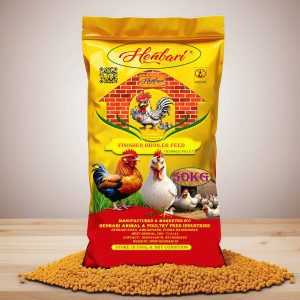 FINISHER BROILER FEED
₹2,199.00 – ₹2,299.00Price range: ₹2,199.00 through ₹2,299.00Rated 0 out of 5
FINISHER BROILER FEED
₹2,199.00 – ₹2,299.00Price range: ₹2,199.00 through ₹2,299.00Rated 0 out of 5 -
 STARTER COUNTRY FEED
₹1,699.00 – ₹1,799.00Price range: ₹1,699.00 through ₹1,799.00Rated 0 out of 5
STARTER COUNTRY FEED
₹1,699.00 – ₹1,799.00Price range: ₹1,699.00 through ₹1,799.00Rated 0 out of 5 -
 COUNTER BROILER FEED
₹1,199.00 – ₹1,299.00Price range: ₹1,199.00 through ₹1,299.00Rated 0 out of 5
COUNTER BROILER FEED
₹1,199.00 – ₹1,299.00Price range: ₹1,199.00 through ₹1,299.00Rated 0 out of 5 -
 Fish Meal
₹1,999.00 – ₹2,999.00Price range: ₹1,999.00 through ₹2,999.00Rated 0 out of 5
Fish Meal
₹1,999.00 – ₹2,999.00Price range: ₹1,999.00 through ₹2,999.00Rated 0 out of 5 -
 Pre Starter Broiler Feed
₹2,399.00 – ₹2,499.00Price range: ₹2,399.00 through ₹2,499.00Rated 0 out of 5
Pre Starter Broiler Feed
₹2,399.00 – ₹2,499.00Price range: ₹2,399.00 through ₹2,499.00Rated 0 out of 5 -
 LACTATING PIG FEED
Rated 0 out of 5
LACTATING PIG FEED
Rated 0 out of 5₹2,299.00Original price was: ₹2,299.00.₹1,740.00Current price is: ₹1,740.00.