
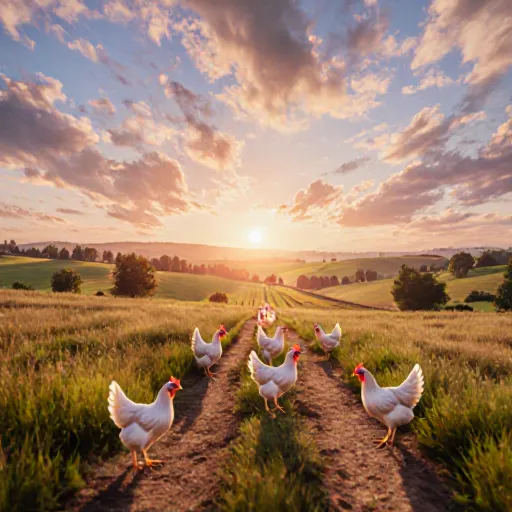
Tips to Greenify Your Broiler Farm
Table of Contents
- Planning for Sustainability: Initial Steps in Broiler Farm Setup
- Energy Efficiency Measures: Lighting, Ventilation, and Temperature Control
- Water Conservation Strategies: Efficient Irrigation Systems and Recycling
- Use of Renewable Energy Sources: Solar and Wind Power for Broiler Farms
- Waste Management: Minimizing and Proper Disposal of Farm Waste
- Feeding Practices: Sustainable Feed Usage and Organic Inputs
- Poultry Health and Disease Management Without Harmful Chemicals
- Soil Health: Organic Manure and Crop Rotation for Broiler Farms
- Plant-Based Diets: Reducing Meat Production Impact on Environment
- Greenhouse Gas Emissions Reduction through Efficient Farming Practices
- Education and Training for Workers on Eco-Friendly Practices
- Certifications and Labels: Achieving Recognition for Eco-Friendly Farming
- Monitoring and Evaluation: Continuous Improvement in Sustainability Efforts
- Conclusion: The Future of Broiler Farms Awaits Eco-Revolution
- FAQs: Answers to Common Questions About Eco-Friendly Broiler Farming
Planning for Sustainability: Initial Steps in Broiler Farm Setup
To make your broiler farm eco-friendly and sustainable, it is essential to take initial steps that prioritize environmental impact minimization. These steps ensure a harmonious balance between production efficiency and ecological preservation.
Evaluating Environmental Impact
Before setting up a broiler farm, conduct an environmental impact assessment (EIA) to understand the potential effects on local ecosystems. This includes analyzing water usage, waste generation, and air quality. Understanding these factors helps in planning sustainable practices.
Selecting Suitable Land
Choosing the right location for your broiler farm is crucial. Opt for land that is well-drained to avoid flooding issues during heavy rains. Ensure there are no nearby water bodies or habitats that could be adversely affected by runoff from your farm. Proper site selection can significantly reduce pollution and prevent soil erosion.
Water Management
Water usage in broiler farms is substantial, so efficient management is paramount. Implement a recycling system where feasible to minimize freshwater consumption. This not only conserves resources but also reduces the strain on local water supplies. Additionally, ensure all waste products are properly treated before disposal.
Waste Management
Effective waste management practices are critical for sustainability. Encourage recycling and composting programs to divert organic waste from landfills. By turning waste into resources like compost, you not only reduce environmental impact but also enhance soil fertility in the long run.
Air Quality Considerations
Energy Efficiency Measures: Lighting, Ventilation, and Temperature Control
To make your broiler farm eco-friendly, it is crucial to focus on energy efficiency measures that can significantly reduce operational costs while minimizing environmental impact. By optimizing lighting, ventilation, and temperature control systems in your broiler farm, you not only enhance productivity but also contribute positively to the environment.
1. Optimal Lighting for Broilers
The right lighting system can have a profound effect on the health and well-being of broilers. Overly bright or poorly controlled lights can lead to stress, reduced feed intake, and lower growth rates. Here are some practical tips:
- LED Lighting: Transitioning from traditional incandescent bulbs to LED lighting is a significant step towards energy efficiency. LEDs use 75% less energy than conventional bulbs while lasting longer.
- Cycle Control: Implement a controlled lighting cycle that mimics natural light patterns, promoting better feeding and rest periods for the broilers.
- Sensor-Based Lighting: Utilize motion sensors or photoelectric cells to automatically adjust lighting based on occupancy and time of day. This ensures energy is not wasted during idle times.
2. Efficient Ventilation for Broiler Farms
A well-ventilated broiler farm maintains optimal air quality, which is vital for the health and growth of your flock. Proper ventilation also helps regulate temperature, humidity, and CO2 levels.
- Natural Ventilation: Designing buildings with large windows or slats allows for natural airflow, reducing the need for energy-intensive fans. Ensure that these openings are well-ventilated to prevent drafts and cold spots.
- Ducted Systems: Install ducted ventilation systems to ensure even air distribution throughout the farm. This helps maintain consistent temperature and humidity levels across different areas.
- Heat Recovery Ventilation: Use heat recovery ventilators (HRVs) or energy recovery ventilators (ERVs) to reuse warmth from exhaust air, reducing heating costs in winter months.
3. Effective Temperature Control
The temperature inside the broiler house plays a critical role in the birds' growth and development. Excessive heat or cold can lead to stress and reduced productivity.
- Thermostatic Controls: Install thermostats that automatically adjust heating or cooling based on ambient temperatures, ensuring optimal conditions for broilers at all times.
- Infrared Heaters: For localized heating in cold areas of the barn, infrared heaters can provide targeted heat without raising overall energy consumption.
- Insulation and Sealing: Properly insulate your broiler house to minimize heat loss or gain. Seal any gaps around doors, windows, and vents to prevent drafts that can affect temperature stability.
Conclusion
Implementing these energy efficiency measures in your broiler farm is a step towards making it eco-friendly. By focusing on lighting, ventilation, and temperature control, you not only save money but also contribute to a sustainable farming practice. Start by assessing the current setup and gradually introduce changes that align with your specific needs and resources.
Water Conservation Strategies: Efficient Irrigation Systems and Recycling
In pursuit of making your broiler farm more eco-friendly, water conservation strategies play a crucial role. Efficient irrigation systems and recycling are key components that can significantly reduce water usage while ensuring optimal conditions for the broilers. These practices not only help in conserving vital resources but also contribute to reducing costs associated with water bills.
Efficient Irrigation Systems
The choice of irrigation system is critical in a broiler farm setting. Drip irrigation, for example, delivers water directly to the base of each plant or broiler, minimizing wastage and ensuring that water reaches where it's needed most. This method is particularly beneficial because it reduces evaporation and runoff, which are common issues with other irrigation methods like flood irrigation.
A pivot irrigation system can also be effective, especially for large-scale operations. These systems rotate around the farm area, efficiently covering vast spaces by delivering water in a circular pattern. However, they require careful planning to ensure that all areas receive adequate moisture without excess.
Water Recycling
Recycling water within your broiler farm can greatly enhance its sustainability. This involves capturing and reusing water from various sources such as condensate, rainwater, and even treated wastewater. For instance, capturing condensate from air conditioning units is a simple yet effective method to reuse water that would otherwise be discarded.
An example of an advanced recycling system is the use of constructed wetlands. These systems treat wastewater through natural processes, making it suitable for irrigation purposes. Constructed wetlands not only recycle water but also help in purifying it, providing a dual benefit to your farm's sustainability goals.
Practical Advice
- Regular Maintenance: Ensure that all irrigation systems are regularly maintained. This includes checking for leaks and blockages, which can waste significant amounts of water if left unchecked.
- Monitor Usage: Implement monitoring tools to keep track of water usage. This allows you to identify areas where improvements can be made and helps in making informed decisions regarding your irrigation practices.
- Training Staff: Train farm personnel on the importance of water conservation and how to implement efficient irrigation methods. Educated staff are more likely to adopt sustainable practices, ensuring that these strategies are effectively carried out every day.
Incorporating these water conservation strategies into your broiler farm not only makes it eco-friendly but also contributes positively to the broader environmental and economic goals of your operation. By focusing on efficient irrigation systems and recycling methods, you can create a more sustainable and resilient farming environment.
Use of Renewable Energy Sources: Solar and Wind Power for Broiler Farms
To make your broiler farm eco-friendly, integrating renewable energy sources such as solar and wind power is a crucial step. This approach not only helps in reducing the carbon footprint but also ensures sustainable farming practices. Here’s how you can achieve this:
1. Understanding Solar Power for Broiler Farms
Solar power harnesses energy from sunlight to generate electricity, which is then used to power various aspects of your broiler farm operations. This includes lighting, heating systems, and even cooling mechanisms if needed.
- Photovoltaic Panels: Install photovoltaic (PV) panels on the roofs or designated areas where they can catch maximum sunlight. These panels convert solar energy into direct current electricity, which is then fed into your farm’s electrical system.
Example: A large broiler farm might use a 1 MW solar farm to meet its energy needs completely during the day when broilers are not consuming much power.
- Inverter Systems: Ensure that you have efficient inverters which convert direct current into alternating current suitable for use in your farm's electrical systems.
2. Harnessing Wind Power for Broiler Farms
Wind power is another excellent renewable energy source that can be harnessed to reduce dependency on conventional electricity sources. Properly placed wind turbines can generate significant amounts of clean energy.
- Turbine Placement: Optimal placement of wind turbines is critical; they should be positioned in areas with high and consistent wind speeds. This ensures maximum efficiency and output.
- Maintenance: Regular maintenance checks are necessary to keep the turbines running smoothly and efficiently, minimizing downtime and maximizing energy production.
3. Integrating Renewable Energy into Broiler Farm Operations
The integration of solar and wind power can significantly contribute to making your broiler farm eco-friendly by reducing costs associated with electricity bills while promoting sustainable practices.
- Scheduling: Implement smart scheduling for lighting and other electrical appliances based on the availability of renewable energy. This ensures that you are not wasting generated power during peak times when solar panels or wind turbines may not be producing at their maximum capacity.
- Backup Systems: While renewables are a step in the right direction, they cannot provide 100% power throughout all seasons and conditions. Therefore, having reliable backup systems (like batteries) to store excess energy during peak production periods can help maintain continuous operations even when renewable sources aren’t generating as much electricity.
4. Benefits of Using Renewable Energy
The use of solar and wind power not only helps in reducing reliance on non-renewable energy sources but also has several other benefits:
- Economic Savings: By generating your own electricity, you can significantly reduce or eliminate the cost of purchasing electricity from the grid.
- Environmental Impact: Reducing reliance on fossil fuels helps decrease greenhouse gas emissions and contributes positively to environmental conservation efforts.
Conclusion
Incorporating solar and wind power into your broiler farm operations is a practical way to make it more eco-friendly. By carefully planning, installing appropriate systems, and integrating renewable energy sources effectively, you can achieve sustainable farming practices that benefit both the environment and your bottom line.
Waste Management: Minimizing and Proper Disposal of Farm Waste
Effective waste management is a critical component of running an eco-friendly broiler farm. By implementing sustainable practices, you not only protect the environment but also enhance your farm's reputation as a responsible business partner in the community.
Minimizing Farm Waste
The first step towards minimizing waste is to reduce its generation at the source. Here are some practical steps you can take:
- Optimize Feed Usage: Ensuring that feed conversion ratios (FCR) are optimized helps in reducing excess feed, which often ends up as waste.
- Control Housing Density: Properly managing the number of broilers per unit area can reduce stress and improve efficiency, thus minimizing waste production.
- Regular Monitoring: Regular checks on farm practices help identify areas where improvements can be made to minimize waste.
By focusing on these key areas, you not only cut down the amount of waste produced but also improve overall farm efficiency and sustainability.
Proper Disposal Methods
Once generated, it is essential to dispose of farm waste in a manner that prevents pollution and environmental harm. Here are some effective disposal methods:
- Composting: Organic wastes such as poultry litter can be composted for use as organic fertilizer. This process not only reduces waste but also enriches the soil, creating a circular economy within your farm.
- Paper and Plastic Recycling: Ensure that any paper packaging or plastic used in feed and other supplies is properly recycled to prevent it from ending up in landfills.
- Water Management: Proper water management practices, such as reusing wash water for non-potable purposes like irrigation, can significantly reduce the volume of waste water generated.
By adopting these methods, you contribute to a cleaner environment and support sustainable farming practices.
Educating and Engaging Employees
Employee education is paramount in achieving effective waste management. Here are some ways to engage your team:
- Training Programs: Conduct regular training sessions on the importance of waste management and proper disposal techniques.
- Encourage Reporting: Create an open environment where employees feel encouraged to report any issues related to waste generation or improper disposal practices.
- Incentivize Good Practices: Implement performance-based incentives that reward those who contribute positively towards reducing and managing farm waste.
Educating your workforce helps foster a culture of sustainability, ensuring everyone plays their part in making the broiler farm eco-friendly.
Case Study: Success Stories
To better understand how waste management can be effectively implemented, here are some case studies from farms that have successfully integrated eco-friendly practices:
- Farm X: This farm reduced its feed wastage by 20% through proper feed distribution techniques and optimized housing conditions. They also invested in a composting facility, turning poultry litter into valuable organic fertilizer.
- Farm Y: By introducing recycling programs for paper and plastic packaging, Farm Y significantly reduced their landfill waste. This initiative not only saved them costs but also earned them recognition as a leader in sustainable farming practices.
These examples demonstrate that with the right approach and commitment, eco-friendly farm management is both achievable and beneficial.
Feeding Practices: Sustainable Feed Usage and Organic Inputs
To make your broiler farm eco-friendly, adopting sustainable feeding practices is crucial. Proper feed usage not only ensures the health and productivity of your birds but also reduces environmental impact. Here are some key strategies to consider:
Sustainable Feed Usage
- Feed Efficiency: Opt for feeds that have high nutritional value per unit weight, ensuring minimal waste. This can be achieved by using feeds with the right balance of protein, carbohydrates, and fats.
- Reduction of Antibiotics: Minimize the use of antibiotics by focusing on disease prevention through good management practices and a balanced diet. This helps in reducing antibiotic resistance and promoting sustainable farming.
- Use of By-Products: Incorporate by-products from other industries into your feed, such as brewers' grains or soybean meal. These are not only cost-effective but also environmentally friendly, as they reduce the demand for additional resources.
Organic Inputs
- Select Organic Feed Ingredients: If possible, opt for organic feed ingredients to promote sustainable practices. Look for suppliers who provide certified organic feeds, which are free from synthetic chemicals and genetically modified organisms (GMOs).
- Incorporate Local Resources: Use local feed resources as much as possible to minimize transportation emissions and support the local economy.
- Composting and Biogas: Utilize composting and biogas technology for organic waste management. This not only reduces landfill use but also provides renewable energy sources that can be used on your farm.
Poultry Management Tips
- Water Quality: Ensure clean water is available at all times, as this directly impacts feed efficiency and bird health. Poor quality water can lead to digestive issues and decreased productivity.
- Clean Feeding Equipment: Regularly sanitize feeding equipment to prevent bacterial contamination and ensure optimal feed consumption.
- Diversify Feed Sources: Diversifying your feed sources can help in reducing dependency on a single supplier, thus making the supply chain more resilient. It also helps in managing risks associated with fluctuations in prices or availability of certain ingredients.
Monitoring and Evaluation
- Data Collection: Regularly collect data on feed consumption, growth rates, and health indicators. This information can be crucial for identifying inefficiencies and making necessary adjustments to your feeding practices.
- Feedback Loop: Establish a feedback loop with suppliers and veterinarians to continuously improve the quality of feeds and overall poultry management practices.
By implementing these sustainable feed usage and organic input strategies, you can significantly contribute to the eco-friendliness of your broiler farm. Not only does this enhance environmental sustainability but it also improves animal welfare and product quality, which are essential for long-term success in the agricultural sector.
Poultry Health and Disease Management Without Harmful Chemicals
Incorporating eco-friendly practices into your broiler farm is not only beneficial for the environment but also ensures the health of your birds. By adopting sustainable methods, you can minimize disease outbreaks and improve overall flock performance without relying on harmful chemicals. Here are some practical steps to achieve this:
1. Optimal Environment Control
- Temperature Management: Maintain a stable temperature in the broiler house, as extreme temperatures can stress birds and make them more susceptible to diseases. Use natural ventilation methods such as open windows or fans to keep the environment comfortable.
- Humidity Control: Proper humidity levels are crucial for preventing respiratory issues. Use misting systems or vaporizers that use natural solutions like essential oils instead of chemical additives.
2. Hygiene and Sanitation
- Clean Water: Ensure that your birds have access to clean, filtered water at all times. Install water filters that use natural materials like charcoal or activated carbon for purification.
- Frequent Cleaning: Regularly clean and disinfect the broiler house with natural cleaning agents such as vinegar or baking soda solutions instead of harsh chemical disinfectants.
3. Nutrient-Rich Diet
A balanced diet plays a significant role in maintaining bird health. Incorporate a variety of grains, vegetables, and supplements that are rich in essential nutrients:
- Vitamins and Minerals: Ensure that your feed contains adequate levels of vitamins and minerals. Use organic or non-GMO sources whenever possible.
- Fortified Feed: Add natural supplements such as garlic, oregano, and thyme to the diet. These herbs have antimicrobial properties that help prevent infections without introducing harmful chemicals into the environment.
4. Biosecurity Measures
Biosecurity is essential for preventing the introduction of diseases into your flock:
- Visitor Control: Limit access to the broiler house and require visitors to wear clean clothing and shoes.
- Vehicle Inspection: Inspect vehicles entering the farm for any potential disease carriers.
- Isolation of New Birds: Newly arrived birds should be quarantined for at least two weeks before being introduced into the main flock to monitor their health status.
5. Integrated Pest Management
To manage pests without harmful chemicals, consider these methods:
- Pest-Repelling Plants: Plant pest-repellent herbs and flowers around the broiler house to deter insects.
- Physical Barriers: Use netting or screens to prevent pests from entering the broiler house.
- Traps: Set up traps using natural attractants like fruit bait instead of chemical lures.
Conclusion
Maintaining poultry health and disease management without harmful chemicals requires a holistic approach that focuses on creating a healthy environment for the birds. By implementing these eco-friendly practices, you can ensure the well-being of your flock while protecting the environment. This not only benefits your farm but also helps in building a sustainable future.
References
- How to Make Your Broiler Farm Eco-Friendly: A Guide for Sustainable Practices
Soil Health: Organic Manure and Crop Rotation for Broiler Farms
To make your broiler farm eco-friendly, maintaining healthy soil is crucial. Soil health directly impacts the quality of feed, which in turn affects the health and productivity of your broilers.
Organic Manure: A Natural Fertilizer
Using organic manure as a fertilizer can significantly improve the nutrient content and structure of the soil. This not only enhances plant growth but also reduces the need for chemical fertilizers, which are harmful to both the environment and your broilers.
How to Use Organic Manure Effectively
- Composting: Properly composted manure is rich in nutrients and free of pathogens. Compost it before using it on your farm.
- Application Timing: Apply manure during the off-season to allow time for decomposition, ensuring that the nutrients are readily available when needed.
- Layering: Incorporate a layer of compost into the soil before planting. This helps in gradual release of nutrients and improves soil structure.
Crop Rotation: A Sustainable Practice
Crop rotation is an effective strategy to maintain soil health by preventing nutrient depletion and reducing pest buildup. It also helps control weeds and diseases, promoting a healthier environment for your broilers.
Examples of Crop Rotations
- Grain Rotation: Alternating between grain crops like wheat or corn can help in balancing the soil nutrients required by broilers.
- Legumes and Leguminous Crops: Including legumes such as beans or lentils helps fix nitrogen in the soil, reducing the need for synthetic fertilizers.
- Cover Crops: Planting cover crops like clover or rye between broiler cycles can help improve soil structure and prevent erosion.
Benefits of Organic Manure and Crop Rotation
By integrating organic manure and crop rotation into your farming practices, you not only enhance the health of your soil but also promote environmental sustainability. This approach leads to healthier broilers, improved feed efficiency, and reduced reliance on chemical inputs.
Promoting Broiler Health
Healthy soil translates directly to better feed quality, which is essential for the growth and development of your broilers. By providing them with nutrient-rich feed, you ensure that they are in optimal health, leading to higher productivity and lower mortality rates.
Eco-Friendly Practices
- Reduction in Chemical Inputs: Organic manure and crop rotation reduce the need for chemical fertilizers and pesticides, contributing to a greener environment.
- Water Conservation: Healthy soil retains more water, reducing the need for irrigation.
- Biodiversity: Crop rotations encourage biodiversity, which is beneficial for both the farm ecosystem and the broilers.
In conclusion, focusing on soil health through organic manure and crop rotation not only enhances the sustainability of your broiler farm but also ensures that you are producing healthier birds in a more environmentally friendly manner. These practices align perfectly with the principles of making your broiler farm eco-friendly.
Plant-Based Diets: Reducing Meat Production Impact on Environment
The shift towards plant-based diets has gained significant momentum as a means to mitigate the environmental impact of meat production. Livestock farming, particularly broiler chicken farming, is known for its substantial ecological footprint, including high water usage, greenhouse gas emissions, and deforestation. By promoting plant-based diets, we can significantly reduce these impacts.
Environmental Impact of Meat Production
Livestock farming contributes to a range of environmental issues:
- Water Usage: Producing one kilogram of beef requires approximately 15,000 liters of water. In contrast, producing the same amount of plant-based protein requires far less.
- Greenhouse Gas Emissions: Livestock farming is responsible for about 14.5% of global greenhouse gas emissions. This includes methane from livestock and manure.
- Deforestation: The expansion of pastureland and feed crop cultivation often leads to deforestation, particularly in regions like the Amazon rainforest.
How Plant-Based Diets Can Help
A shift towards plant-based diets can help reduce these impacts. By choosing more plant-based proteins such as legumes, nuts, and seeds, we can decrease demand for meat products. This reduces the need for large-scale livestock farming.
Practical Steps to Promote Plant-Based Diets
- Educate Consumers: Raise awareness about the environmental benefits of plant-based diets through educational campaigns and social media platforms. Highlight the ease of incorporating more plant-based meals into daily routines.
- Incorporate Plant-Based Options in Restaurants: Encourage restaurants to offer more plant-based options on their menus, making it easier for consumers to choose environmentally friendly meal choices.
- Promote Sustainable Agriculture Practices: Support sustainable farming practices that minimize environmental impact, such as agroforestry and crop rotation. These practices are often used in the production of plant-based foods.
Examples of Eco-Friendly Broiler Farming
The concept of how to make your broiler farm eco-friendly can be directly related to reducing environmental impact:
- Water Efficiency: Implement water-saving technologies and practices, such as drip irrigation systems for feed crops.
- Waste Management: Properly manage waste through composting or recycling. This reduces the need for landfill space and minimizes pollution.
- Energy Use: Utilize renewable energy sources like solar panels to power farm operations, thereby reducing reliance on non-renewable energy sources.
By adopting these practices in conjunction with promoting plant-based diets, we can significantly reduce the environmental footprint of meat production. Encouraging a shift towards more sustainable dietary choices is crucial for protecting our planet's resources and ecosystems.
Greenhouse Gas Emissions Reduction through Efficient Farming Practices
To make your broiler farm eco-friendly and reduce greenhouse gas emissions, efficient farming practices play a crucial role. By adopting sustainable methods, farmers can minimize their environmental footprint while ensuring optimal production efficiency.
1. Optimize Feeding Practices
Proper feeding is essential to reduce the overall energy requirement of broilers and decrease methane emissions from manure management. Here are some strategies:
- Use Nutrient-Rich Diets: Feed broilers diets that provide all necessary nutrients in optimal quantities. This reduces the amount of feed needed, thereby lowering the energy required for production.
- Supplement with Alternative Proteins: Incorporate plant-based proteins or by-products from other industries to reduce reliance on soybean meal and decrease overall emissions.
- Implement Precision Feeding: Use technology to monitor feed intake and adjust feeding schedules accordingly. This helps in reducing waste and optimizing energy use.
2. Improve Ventilation and Temperature Control
Maintaining optimal environmental conditions within the broiler house is vital for both animal health and greenhouse gas emissions management:
- Proper Ventilation: Ensure adequate ventilation to maintain a comfortable environment, which reduces stress on birds. Overheating can lead to increased respiration rates and more methane production.
- Temperature Control: Use automated systems to regulate temperature according to the age of the broilers. This helps in reducing respiratory issues and related emissions.
3. Enhance Manure Management
Effective manure management not only reduces greenhouse gas emissions but also improves soil health:
- Composting: Convert manure into compost, which can be used as a natural fertilizer. This process reduces the amount of methane produced during decomposition.
- Pile Management: Properly manage manure piles to ensure they are not exposed to open air for prolonged periods, thus reducing the potential for greenhouse gas emissions.
4. Integrate Renewable Energy Sources
Incorporating renewable energy into your broiler farm can significantly reduce carbon footprints:
- Solar Power: Install solar panels to meet the electricity needs of the farm. This not only reduces reliance on fossil fuels but also cuts down on associated emissions.
- Biogas Systems: Implement biogas systems that harness methane from manure and convert it into usable energy, further reducing emissions.
5. Promote Biodiversity
Creating a balanced ecosystem around your broiler farm can enhance overall sustainability and reduce greenhouse gas emissions:
- Plant Cover Crops: Integrate cover crops to prevent soil erosion, promote biodiversity, and improve carbon sequestration.
- Pollinator-friendly Practices: Plant flowers that attract pollinators to support local ecosystems. This can indirectly enhance the health of your farm by supporting beneficial insects.
Conclusion
Incorporating these efficient farming practices into your broiler operation is not only environmentally friendly but also economically viable. By focusing on sustainable practices, farmers can reduce greenhouse gas emissions while enhancing the overall health and productivity of their farms.
Education and Training for Workers on Eco-Friendly Practices
In order to make your broiler farm eco-friendly, it is crucial that all workers are well-educated and trained in sustainable practices. This not only ensures compliance with environmental regulations but also helps reduce the ecological footprint of your operations.
Importance of Education and Training
Educating and training your workforce on eco-friendly practices is essential for several reasons:
- Enhances Awareness: Workers will understand the importance of reducing waste, conserving resources, and minimizing environmental impact.
- Improves Efficiency: Proper training helps workers implement sustainable methods that can increase productivity without compromising on environmental standards.
- Innovation in Practices: Educated employees are more likely to come up with creative solutions that benefit both the environment and the farm's operations.
Training Content
The training should cover various aspects including waste management, energy conservation, water usage, and sustainable feed practices. Here’s a breakdown of what each area entails:
Waste Management
Teach your workers about proper waste disposal methods to minimize pollution and ensure that all waste is recycled or composted wherever possible.
Energy Conservation
Instruct them on how to use energy-efficient equipment, monitor electricity consumption, and implement practices such as turning off lights when not in use. For example, using motion sensors can help reduce unnecessary lighting usage.
Water Usage
Train staff on water-saving techniques like reusing gray water from cleaning processes or implementing drip irrigation systems to minimize waste.
Sustainable Feed Practices
Educate workers about the importance of using locally sourced, organic feed and reducing feed wastage. This can be achieved through better feeding practices and storage conditions.
Practical Tips for Broiler Farms
- Regular Training Sessions: Conduct regular workshops and seminars to keep the workforce updated on new eco-friendly practices and technologies.
- Set Goals: Establish clear, measurable goals for reducing resource consumption and waste. Monitor progress regularly.
- Incentivize Employees: Offer incentives or recognition programs to motivate workers to adopt sustainable practices.
Conclusion
By investing in the education and training of your workforce, you not only contribute positively to environmental conservation but also enhance the overall efficiency and profitability of your broiler farm. Remember, small changes made by each individual worker can collectively lead to significant improvements for the environment.
Certifications and Labels: Achieving Recognition for Eco-Friendly Farming
As eco-friendly farming practices gain prominence, certifications and labels play a crucial role in recognizing the efforts of farms that prioritize sustainability. These recognitions not only enhance consumer trust but also provide farms with a competitive edge. In the context of broiler farming, implementing eco-friendly practices can lead to significant environmental benefits while improving farm efficiency. Here’s how you can achieve recognition for your broiler farm through various certifications and labels.
Eco-Friendly Broiler Farming Certifications
There are several certifications that a broiler farm can pursue to demonstrate its commitment to environmental sustainability:
- LEED Certification for Farms (Leadership in Energy and Environmental Design): Although primarily known for buildings, LEED standards have been adapted for farms. Achieving this certification involves implementing energy-efficient practices, reducing water usage, and minimizing waste.
- Farmers Market Coalition’s Eco-Friendly Farm Standard: This certification ensures that your farm adheres to strict environmental and social sustainability criteria, including the use of renewable resources and fair labor practices.
- GFSI (Global Food Safety Initiative) BRC (British Retail Consortium): While primarily a food safety standard, pursuing GFSI certification can also emphasize your farm's commitment to sustainable agricultural practices. This involves implementing rigorous hygiene and environmental standards.
Labels for Eco-Friendly Broiler Products
In addition to certifications, labels on broiler products can significantly influence consumer perception:
- Farm-to-Table Label: This label indicates that the broilers are sourced directly from a local farm. It appeals to consumers who prefer locally produced and sustainable food.
- Certified Organic Label: By adhering to organic farming practices, you can obtain this certification. The label assures consumers of no synthetic pesticides or fertilizers being used in the production process.
- Farm-Raised Fish & Shellfish Labels (for Integrated Farming): If your broiler farm is part of an integrated farming system that also raises fish, you can obtain labels indicating sustainable practices. This highlights the holistic approach to agriculture and aquaculture.
Practical Advice for Achieving Recognition
To achieve these certifications and labels, consider implementing the following practical advice:
- Conduct a Sustainability Audit: Regularly assess your farm’s environmental impact. This helps identify areas where you can improve efficiency and reduce waste.
- Invest in Renewable Energy: Consider installing solar panels or wind turbines to reduce reliance on non-renewable energy sources.
- Implement Water Conservation Measures: Efficient irrigation systems, rainwater harvesting, and other water-saving techniques can significantly reduce your farm’s water footprint.
- Leverage Technology: Utilize smart farming technology to monitor and optimize resource usage. This can help in reducing energy consumption and improving productivity.
- Engage with Consumers: Educate consumers about the benefits of your eco-friendly practices through marketing campaigns and community events. Positive consumer feedback can be a strong motivator for certification bodies.
Conclusion
Achieving certifications like LEED, GFSI BRC, or labels such as Farm-to-Table or Certified Organic not only highlights your broiler farm’s commitment to sustainability but also opens up new markets and enhances consumer trust. By adopting eco-friendly practices and pursuing these recognitions, you can contribute effectively to environmental conservation while reaping the benefits of a sustainable farming model.
Monitoring and Evaluation: Continuous Improvement in Sustainability Efforts
In the context of making your broiler farm eco-friendly, monitoring and evaluation (M&E) play a crucial role in ensuring continuous improvement in sustainability efforts. M&E is an essential component that helps farms identify areas for improvement, track progress towards sustainability goals, and make informed decisions based on data.
Importance of Monitoring and Evaluation
- Data-Driven Decisions: By regularly monitoring key performance indicators (KPIs), such as energy consumption, water usage, waste generation, and carbon footprint, farms can make data-driven decisions to optimize resource use.
- Risk Management: Monitoring helps in identifying potential risks early on, allowing for proactive interventions that minimize negative impacts on the environment.
- Sustainability Reporting: M&E facilitates the preparation of sustainability reports, which are essential for stakeholders to understand the farm’s environmental and social performance.
Key Components of Monitoring and Evaluation
Effective monitoring and evaluation should cover several key components that are directly relevant to making a broiler farm eco-friendly:
1. Energy Efficiency
Monitor energy consumption to identify opportunities for reducing electricity usage, such as replacing old equipment with more efficient models or implementing solar power systems. For example, switching from incandescent bulbs to LED lighting can significantly reduce energy costs and environmental impact.
2. Water Conservation
Track water usage closely to ensure that resources are used efficiently. Implementing drip irrigation systems for landscaping or optimizing broiler housing design to minimize water waste are practical steps a farm can take. Regular monitoring will help identify leaks and other inefficiencies.
3. Waste Management
Evaluate the amount of waste generated, its types, and how it is managed. Transitioning from traditional litter-based systems to alternative bedding materials like rice hulls or peanut hulls can reduce waste volume. Additionally, implementing a composting program for organic waste can contribute to circular economy practices.
4. Greenhouse Gas Emissions
Evaluate greenhouse gas emissions to understand the farm’s carbon footprint and identify areas where reductions can be made. Implementing strategies such as reducing methane emissions from manure management or using biogas systems can contribute to a greener operation.
Practical Advice for Broiler Farms
- Set Clear Goals: Define specific, measurable, achievable, relevant, and time-bound (SMART) sustainability goals. This will provide clear direction for monitoring efforts.
- Prioritize Areas of Focus: Based on the initial assessment, prioritize which areas need immediate attention or focus more resources. For instance, if energy consumption is a major concern, concentrate efforts there first.
- Engage Stakeholders: Involve all stakeholders, including employees and community members, in the monitoring process to ensure buy-in and commitment towards sustainability goals.
- Use Technology: Leverage technology such as IoT sensors and analytics software to automate data collection and analysis, making it easier to track performance metrics over time.
In conclusion, by incorporating monitoring and evaluation into your broiler farm operations, you can systematically enhance sustainability efforts. This approach not only benefits the environment but also improves operational efficiency and enhances reputation among stakeholders.
Conclusion: The Future of Broiler Farms Awaits Eco-Revolution
The future of broiler farms is undoubtedly poised for an eco-revolution, driven by increasing consumer awareness and regulatory pressures towards sustainability. This shift necessitates a holistic approach that integrates environmental responsibility into every aspect of farm operations. To achieve this, several key strategies are essential: sustainable practices in feed production, efficient resource use, waste management, and the implementation of renewable energy solutions.
1. Sustainable Practices in Feed Production
One critical step towards making broiler farms eco-friendly is sourcing feed materials from sustainable sources. This involves prioritizing locally grown grains and legumes to reduce transportation emissions. Additionally, incorporating organic waste into the diet as a supplement can enhance the nutritional value of the feed while reducing landfill waste.
For instance, integrating crop residues or by-products from other agricultural sectors into broiler diets not only promotes resource efficiency but also supports biodiversity in local ecosystems. Farmers should explore options such as using brewers' grains, poultry by-product meal (PBPM), or fishmeal alternatives like canola cake and soybean meal.
2. Efficient Resource Use
Water conservation is paramount in broiler farming due to the high water requirements of broilers during their short life cycles. Implementing rainwater harvesting systems, using efficient drip irrigation for supporting crops grown around the farm, and recycling wastewater can significantly reduce overall water consumption.
Moreover, optimizing feed conversion ratios through advanced feeding strategies like precision feeding or vertical integration can minimize waste and ensure that every kilogram of feed translates into valuable meat production. This not only saves resources but also contributes to higher profitability for farmers.
3. Waste Management
The management of manure and other by-products from broiler farms is a significant environmental concern. Implementing composting or anaerobic digestion processes can convert these waste products into valuable soil amendments, reducing the environmental impact significantly. These methods also help in producing biogas, which can be used to generate electricity on-site.
For example, setting up small-scale anaerobic digesters can transform manure and other organic wastes into methane-rich biogas, providing an alternative energy source for farm operations or even selling excess to nearby communities. This approach not only reduces greenhouse gas emissions but also fosters a circular economy within the agricultural sector.
4. Renewable Energy Solutions
Incorporating renewable energy sources such as solar, wind, and biomass can significantly reduce the carbon footprint of broiler farms. Solar panels installed on farm buildings or surrounding landspaces can provide a reliable source of electricity, while wind turbines could generate additional power if suitable conditions are met.
Biomass boilers using locally sourced wood chips or other organic materials can also serve as heating systems for broiler houses, further reducing reliance on fossil fuels. These investments in renewable energy not only cut operational costs but also position the farm at the forefront of sustainable practices.
Conclusion
The future of broiler farms indeed awaits an eco-revolution that prioritizes sustainability and environmental stewardship. By adopting these eco-friendly practices, broiler farmers can contribute to a more resilient agricultural system while ensuring long-term viability for their operations. Embracing innovation in feed production, efficient resource use, waste management, and renewable energy integration is essential for creating a sustainable future.
FAQs: Answers to Common Questions About Eco-Friendly Broiler Farming
Frequently Asked Questions:
Q: What is eco-friendly broiler farming?
Eco-friendly broiler farming involves adopting sustainable practices to minimize the environmental impact of raising broilers. This includes reducing waste, conserving resources like water and electricity, and using environmentally friendly feed and medication options.
Q: How can I reduce waste in my broiler farm?
To reduce waste, start by optimizing the diet to minimize feed conversion inefficiencies. Use precision feeding techniques that match the nutritional needs of your birds closely. Proper disposal of manure and litter is also crucial; consider composting or using organic fertilizers made from this waste.
Q: What are some water-saving measures I can implement?
Implement water-saving techniques such as recycling water for non-drinking purposes, like cleaning and flushing. Install low-flow nozzles on drinking fountains to reduce water usage without compromising bird health.
Q: How can I ensure responsible use of energy?
To conserve electricity, use LED lighting that is motion-activated or timers. Install solar panels if possible to generate renewable energy for your farm operations. Additionally, maintain equipment regularly to ensure it operates efficiently and uses minimal power.
Q: What feed options are eco-friendly?
Select feeds that have a lower environmental footprint, such as those made from locally sourced grains or organic ingredients. Look for certified sustainable feed providers who minimize their carbon impact by reducing transportation and using renewable resources.
Q: How can I manage broiler litter effectively?
Litter management is crucial; remove wet or soiled litter promptly to prevent ammonia buildup. Consider using bio-degradable bedding materials that break down naturally and reduce the need for frequent removal.
Q: What role does medication play in eco-friendly broiler farming?
Avoid overmedicating by focusing on preventive care, such as ensuring proper hygiene and nutrition. Use antibiotics only when necessary, following vet advice to prevent resistance. Opt for organic or herbal remedies if available.
Q: How do I engage my community in sustainable farming practices?
Educate your farm workers and community members about the importance of sustainability. Share success stories and best practices through workshops, seminars, or online platforms. Encourage them to participate in recycling initiatives within the farm.
Q: What are some innovative eco-friendly technologies I can use?
Investigate technologies like automated feeding systems that reduce feed waste, controlled environment housing for broilers to optimize resource use, and air quality monitoring systems to keep the farm clean and healthy.
Energy Efficiency Measures: Lighting, Ventilation, and Temperature Control
To make your broiler farm eco-friendly, it is crucial to focus on energy efficiency measures that can significantly reduce operational costs while minimizing environmental impact. By optimizing lighting, ventilation, and temperature control systems in your broiler farm, you not only enhance productivity but also contribute positively to the environment.
1. Optimal Lighting for Broilers
The right lighting system can have a profound effect on the health and well-being of broilers. Overly bright or poorly controlled lights can lead to stress, reduced feed intake, and lower growth rates. Here are some practical tips:
- LED Lighting: Transitioning from traditional incandescent bulbs to LED lighting is a significant step towards energy efficiency. LEDs use 75% less energy than conventional bulbs while lasting longer.
- Cycle Control: Implement a controlled lighting cycle that mimics natural light patterns, promoting better feeding and rest periods for the broilers.
- Sensor-Based Lighting: Utilize motion sensors or photoelectric cells to automatically adjust lighting based on occupancy and time of day. This ensures energy is not wasted during idle times.
2. Efficient Ventilation for Broiler Farms
A well-ventilated broiler farm maintains optimal air quality, which is vital for the health and growth of your flock. Proper ventilation also helps regulate temperature, humidity, and CO2 levels.
- Natural Ventilation: Designing buildings with large windows or slats allows for natural airflow, reducing the need for energy-intensive fans. Ensure that these openings are well-ventilated to prevent drafts and cold spots.
- Ducted Systems: Install ducted ventilation systems to ensure even air distribution throughout the farm. This helps maintain consistent temperature and humidity levels across different areas.
- Heat Recovery Ventilation: Use heat recovery ventilators (HRVs) or energy recovery ventilators (ERVs) to reuse warmth from exhaust air, reducing heating costs in winter months.
3. Effective Temperature Control
The temperature inside the broiler house plays a critical role in the birds' growth and development. Excessive heat or cold can lead to stress and reduced productivity.
- Thermostatic Controls: Install thermostats that automatically adjust heating or cooling based on ambient temperatures, ensuring optimal conditions for broilers at all times.
- Infrared Heaters: For localized heating in cold areas of the barn, infrared heaters can provide targeted heat without raising overall energy consumption.
- Insulation and Sealing: Properly insulate your broiler house to minimize heat loss or gain. Seal any gaps around doors, windows, and vents to prevent drafts that can affect temperature stability.
Conclusion
Implementing these energy efficiency measures in your broiler farm is a step towards making it eco-friendly. By focusing on lighting, ventilation, and temperature control, you not only save money but also contribute to a sustainable farming practice. Start by assessing the current setup and gradually introduce changes that align with your specific needs and resources.
Water Conservation Strategies: Efficient Irrigation Systems and Recycling
In pursuit of making your broiler farm more eco-friendly, water conservation strategies play a crucial role. Efficient irrigation systems and recycling are key components that can significantly reduce water usage while ensuring optimal conditions for the broilers. These practices not only help in conserving vital resources but also contribute to reducing costs associated with water bills.
Efficient Irrigation Systems
The choice of irrigation system is critical in a broiler farm setting. Drip irrigation, for example, delivers water directly to the base of each plant or broiler, minimizing wastage and ensuring that water reaches where it's needed most. This method is particularly beneficial because it reduces evaporation and runoff, which are common issues with other irrigation methods like flood irrigation.
A pivot irrigation system can also be effective, especially for large-scale operations. These systems rotate around the farm area, efficiently covering vast spaces by delivering water in a circular pattern. However, they require careful planning to ensure that all areas receive adequate moisture without excess.
Water Recycling
Recycling water within your broiler farm can greatly enhance its sustainability. This involves capturing and reusing water from various sources such as condensate, rainwater, and even treated wastewater. For instance, capturing condensate from air conditioning units is a simple yet effective method to reuse water that would otherwise be discarded.
An example of an advanced recycling system is the use of constructed wetlands. These systems treat wastewater through natural processes, making it suitable for irrigation purposes. Constructed wetlands not only recycle water but also help in purifying it, providing a dual benefit to your farm's sustainability goals.
Practical Advice
- Regular Maintenance: Ensure that all irrigation systems are regularly maintained. This includes checking for leaks and blockages, which can waste significant amounts of water if left unchecked.
- Monitor Usage: Implement monitoring tools to keep track of water usage. This allows you to identify areas where improvements can be made and helps in making informed decisions regarding your irrigation practices.
- Training Staff: Train farm personnel on the importance of water conservation and how to implement efficient irrigation methods. Educated staff are more likely to adopt sustainable practices, ensuring that these strategies are effectively carried out every day.
Incorporating these water conservation strategies into your broiler farm not only makes it eco-friendly but also contributes positively to the broader environmental and economic goals of your operation. By focusing on efficient irrigation systems and recycling methods, you can create a more sustainable and resilient farming environment.
Use of Renewable Energy Sources: Solar and Wind Power for Broiler Farms
To make your broiler farm eco-friendly, integrating renewable energy sources such as solar and wind power is a crucial step. This approach not only helps in reducing the carbon footprint but also ensures sustainable farming practices. Here’s how you can achieve this:
1. Understanding Solar Power for Broiler Farms
Solar power harnesses energy from sunlight to generate electricity, which is then used to power various aspects of your broiler farm operations. This includes lighting, heating systems, and even cooling mechanisms if needed.
- Photovoltaic Panels: Install photovoltaic (PV) panels on the roofs or designated areas where they can catch maximum sunlight. These panels convert solar energy into direct current electricity, which is then fed into your farm’s electrical system.
- Inverter Systems: Ensure that you have efficient inverters which convert direct current into alternating current suitable for use in your farm's electrical systems.
Example: A large broiler farm might use a 1 MW solar farm to meet its energy needs completely during the day when broilers are not consuming much power.
2. Harnessing Wind Power for Broiler Farms
Wind power is another excellent renewable energy source that can be harnessed to reduce dependency on conventional electricity sources. Properly placed wind turbines can generate significant amounts of clean energy.
- Turbine Placement: Optimal placement of wind turbines is critical; they should be positioned in areas with high and consistent wind speeds. This ensures maximum efficiency and output.
- Maintenance: Regular maintenance checks are necessary to keep the turbines running smoothly and efficiently, minimizing downtime and maximizing energy production.
3. Integrating Renewable Energy into Broiler Farm Operations
The integration of solar and wind power can significantly contribute to making your broiler farm eco-friendly by reducing costs associated with electricity bills while promoting sustainable practices.
- Scheduling: Implement smart scheduling for lighting and other electrical appliances based on the availability of renewable energy. This ensures that you are not wasting generated power during peak times when solar panels or wind turbines may not be producing at their maximum capacity.
- Backup Systems: While renewables are a step in the right direction, they cannot provide 100% power throughout all seasons and conditions. Therefore, having reliable backup systems (like batteries) to store excess energy during peak production periods can help maintain continuous operations even when renewable sources aren’t generating as much electricity.
4. Benefits of Using Renewable Energy
The use of solar and wind power not only helps in reducing reliance on non-renewable energy sources but also has several other benefits:
- Economic Savings: By generating your own electricity, you can significantly reduce or eliminate the cost of purchasing electricity from the grid.
- Environmental Impact: Reducing reliance on fossil fuels helps decrease greenhouse gas emissions and contributes positively to environmental conservation efforts.
Conclusion
Incorporating solar and wind power into your broiler farm operations is a practical way to make it more eco-friendly. By carefully planning, installing appropriate systems, and integrating renewable energy sources effectively, you can achieve sustainable farming practices that benefit both the environment and your bottom line.
Waste Management: Minimizing and Proper Disposal of Farm Waste
Effective waste management is a critical component of running an eco-friendly broiler farm. By implementing sustainable practices, you not only protect the environment but also enhance your farm's reputation as a responsible business partner in the community.
Minimizing Farm Waste
The first step towards minimizing waste is to reduce its generation at the source. Here are some practical steps you can take:
- Optimize Feed Usage: Ensuring that feed conversion ratios (FCR) are optimized helps in reducing excess feed, which often ends up as waste.
- Control Housing Density: Properly managing the number of broilers per unit area can reduce stress and improve efficiency, thus minimizing waste production.
- Regular Monitoring: Regular checks on farm practices help identify areas where improvements can be made to minimize waste.
By focusing on these key areas, you not only cut down the amount of waste produced but also improve overall farm efficiency and sustainability.
Proper Disposal Methods
Once generated, it is essential to dispose of farm waste in a manner that prevents pollution and environmental harm. Here are some effective disposal methods:
- Composting: Organic wastes such as poultry litter can be composted for use as organic fertilizer. This process not only reduces waste but also enriches the soil, creating a circular economy within your farm.
- Paper and Plastic Recycling: Ensure that any paper packaging or plastic used in feed and other supplies is properly recycled to prevent it from ending up in landfills.
- Water Management: Proper water management practices, such as reusing wash water for non-potable purposes like irrigation, can significantly reduce the volume of waste water generated.
By adopting these methods, you contribute to a cleaner environment and support sustainable farming practices.
Educating and Engaging Employees
Employee education is paramount in achieving effective waste management. Here are some ways to engage your team:
- Training Programs: Conduct regular training sessions on the importance of waste management and proper disposal techniques.
- Encourage Reporting: Create an open environment where employees feel encouraged to report any issues related to waste generation or improper disposal practices.
- Incentivize Good Practices: Implement performance-based incentives that reward those who contribute positively towards reducing and managing farm waste.
Educating your workforce helps foster a culture of sustainability, ensuring everyone plays their part in making the broiler farm eco-friendly.
Case Study: Success Stories
To better understand how waste management can be effectively implemented, here are some case studies from farms that have successfully integrated eco-friendly practices:
- Farm X: This farm reduced its feed wastage by 20% through proper feed distribution techniques and optimized housing conditions. They also invested in a composting facility, turning poultry litter into valuable organic fertilizer.
- Farm Y: By introducing recycling programs for paper and plastic packaging, Farm Y significantly reduced their landfill waste. This initiative not only saved them costs but also earned them recognition as a leader in sustainable farming practices.
These examples demonstrate that with the right approach and commitment, eco-friendly farm management is both achievable and beneficial.
Feeding Practices: Sustainable Feed Usage and Organic Inputs
To make your broiler farm eco-friendly, adopting sustainable feeding practices is crucial. Proper feed usage not only ensures the health and productivity of your birds but also reduces environmental impact. Here are some key strategies to consider:
Sustainable Feed Usage
- Feed Efficiency: Opt for feeds that have high nutritional value per unit weight, ensuring minimal waste. This can be achieved by using feeds with the right balance of protein, carbohydrates, and fats.
- Reduction of Antibiotics: Minimize the use of antibiotics by focusing on disease prevention through good management practices and a balanced diet. This helps in reducing antibiotic resistance and promoting sustainable farming.
- Use of By-Products: Incorporate by-products from other industries into your feed, such as brewers' grains or soybean meal. These are not only cost-effective but also environmentally friendly, as they reduce the demand for additional resources.
Organic Inputs
- Select Organic Feed Ingredients: If possible, opt for organic feed ingredients to promote sustainable practices. Look for suppliers who provide certified organic feeds, which are free from synthetic chemicals and genetically modified organisms (GMOs).
- Incorporate Local Resources: Use local feed resources as much as possible to minimize transportation emissions and support the local economy.
- Composting and Biogas: Utilize composting and biogas technology for organic waste management. This not only reduces landfill use but also provides renewable energy sources that can be used on your farm.
Poultry Management Tips
- Water Quality: Ensure clean water is available at all times, as this directly impacts feed efficiency and bird health. Poor quality water can lead to digestive issues and decreased productivity.
- Clean Feeding Equipment: Regularly sanitize feeding equipment to prevent bacterial contamination and ensure optimal feed consumption.
- Diversify Feed Sources: Diversifying your feed sources can help in reducing dependency on a single supplier, thus making the supply chain more resilient. It also helps in managing risks associated with fluctuations in prices or availability of certain ingredients.
Monitoring and Evaluation
- Data Collection: Regularly collect data on feed consumption, growth rates, and health indicators. This information can be crucial for identifying inefficiencies and making necessary adjustments to your feeding practices.
- Feedback Loop: Establish a feedback loop with suppliers and veterinarians to continuously improve the quality of feeds and overall poultry management practices.
By implementing these sustainable feed usage and organic input strategies, you can significantly contribute to the eco-friendliness of your broiler farm. Not only does this enhance environmental sustainability but it also improves animal welfare and product quality, which are essential for long-term success in the agricultural sector.
Poultry Health and Disease Management Without Harmful Chemicals
Incorporating eco-friendly practices into your broiler farm is not only beneficial for the environment but also ensures the health of your birds. By adopting sustainable methods, you can minimize disease outbreaks and improve overall flock performance without relying on harmful chemicals. Here are some practical steps to achieve this:
1. Optimal Environment Control
- Temperature Management: Maintain a stable temperature in the broiler house, as extreme temperatures can stress birds and make them more susceptible to diseases. Use natural ventilation methods such as open windows or fans to keep the environment comfortable.
- Humidity Control: Proper humidity levels are crucial for preventing respiratory issues. Use misting systems or vaporizers that use natural solutions like essential oils instead of chemical additives.
2. Hygiene and Sanitation
- Clean Water: Ensure that your birds have access to clean, filtered water at all times. Install water filters that use natural materials like charcoal or activated carbon for purification.
- Frequent Cleaning: Regularly clean and disinfect the broiler house with natural cleaning agents such as vinegar or baking soda solutions instead of harsh chemical disinfectants.
3. Nutrient-Rich Diet
A balanced diet plays a significant role in maintaining bird health. Incorporate a variety of grains, vegetables, and supplements that are rich in essential nutrients:
- Vitamins and Minerals: Ensure that your feed contains adequate levels of vitamins and minerals. Use organic or non-GMO sources whenever possible.
- Fortified Feed: Add natural supplements such as garlic, oregano, and thyme to the diet. These herbs have antimicrobial properties that help prevent infections without introducing harmful chemicals into the environment.
4. Biosecurity Measures
Biosecurity is essential for preventing the introduction of diseases into your flock:
- Visitor Control: Limit access to the broiler house and require visitors to wear clean clothing and shoes.
- Vehicle Inspection: Inspect vehicles entering the farm for any potential disease carriers.
- Isolation of New Birds: Newly arrived birds should be quarantined for at least two weeks before being introduced into the main flock to monitor their health status.
5. Integrated Pest Management
To manage pests without harmful chemicals, consider these methods:
- Pest-Repelling Plants: Plant pest-repellent herbs and flowers around the broiler house to deter insects.
- Physical Barriers: Use netting or screens to prevent pests from entering the broiler house.
- Traps: Set up traps using natural attractants like fruit bait instead of chemical lures.
Conclusion
Maintaining poultry health and disease management without harmful chemicals requires a holistic approach that focuses on creating a healthy environment for the birds. By implementing these eco-friendly practices, you can ensure the well-being of your flock while protecting the environment. This not only benefits your farm but also helps in building a sustainable future.
References
- How to Make Your Broiler Farm Eco-Friendly: A Guide for Sustainable Practices
Soil Health: Organic Manure and Crop Rotation for Broiler Farms
To make your broiler farm eco-friendly, maintaining healthy soil is crucial. Soil health directly impacts the quality of feed, which in turn affects the health and productivity of your broilers.
Organic Manure: A Natural Fertilizer
Using organic manure as a fertilizer can significantly improve the nutrient content and structure of the soil. This not only enhances plant growth but also reduces the need for chemical fertilizers, which are harmful to both the environment and your broilers.
How to Use Organic Manure Effectively
- Composting: Properly composted manure is rich in nutrients and free of pathogens. Compost it before using it on your farm.
- Application Timing: Apply manure during the off-season to allow time for decomposition, ensuring that the nutrients are readily available when needed.
- Layering: Incorporate a layer of compost into the soil before planting. This helps in gradual release of nutrients and improves soil structure.
Crop Rotation: A Sustainable Practice
Crop rotation is an effective strategy to maintain soil health by preventing nutrient depletion and reducing pest buildup. It also helps control weeds and diseases, promoting a healthier environment for your broilers.
Examples of Crop Rotations
- Grain Rotation: Alternating between grain crops like wheat or corn can help in balancing the soil nutrients required by broilers.
- Legumes and Leguminous Crops: Including legumes such as beans or lentils helps fix nitrogen in the soil, reducing the need for synthetic fertilizers.
- Cover Crops: Planting cover crops like clover or rye between broiler cycles can help improve soil structure and prevent erosion.
Benefits of Organic Manure and Crop Rotation
By integrating organic manure and crop rotation into your farming practices, you not only enhance the health of your soil but also promote environmental sustainability. This approach leads to healthier broilers, improved feed efficiency, and reduced reliance on chemical inputs.
Promoting Broiler Health
Healthy soil translates directly to better feed quality, which is essential for the growth and development of your broilers. By providing them with nutrient-rich feed, you ensure that they are in optimal health, leading to higher productivity and lower mortality rates.
Eco-Friendly Practices
- Reduction in Chemical Inputs: Organic manure and crop rotation reduce the need for chemical fertilizers and pesticides, contributing to a greener environment.
- Water Conservation: Healthy soil retains more water, reducing the need for irrigation.
- Biodiversity: Crop rotations encourage biodiversity, which is beneficial for both the farm ecosystem and the broilers.
In conclusion, focusing on soil health through organic manure and crop rotation not only enhances the sustainability of your broiler farm but also ensures that you are producing healthier birds in a more environmentally friendly manner. These practices align perfectly with the principles of making your broiler farm eco-friendly.
Plant-Based Diets: Reducing Meat Production Impact on Environment
The shift towards plant-based diets has gained significant momentum as a means to mitigate the environmental impact of meat production. Livestock farming, particularly broiler chicken farming, is known for its substantial ecological footprint, including high water usage, greenhouse gas emissions, and deforestation. By promoting plant-based diets, we can significantly reduce these impacts.
Environmental Impact of Meat Production
Livestock farming contributes to a range of environmental issues:
- Water Usage: Producing one kilogram of beef requires approximately 15,000 liters of water. In contrast, producing the same amount of plant-based protein requires far less.
- Greenhouse Gas Emissions: Livestock farming is responsible for about 14.5% of global greenhouse gas emissions. This includes methane from livestock and manure.
- Deforestation: The expansion of pastureland and feed crop cultivation often leads to deforestation, particularly in regions like the Amazon rainforest.
How Plant-Based Diets Can Help
A shift towards plant-based diets can help reduce these impacts. By choosing more plant-based proteins such as legumes, nuts, and seeds, we can decrease demand for meat products. This reduces the need for large-scale livestock farming.
Practical Steps to Promote Plant-Based Diets
- Educate Consumers: Raise awareness about the environmental benefits of plant-based diets through educational campaigns and social media platforms. Highlight the ease of incorporating more plant-based meals into daily routines.
- Incorporate Plant-Based Options in Restaurants: Encourage restaurants to offer more plant-based options on their menus, making it easier for consumers to choose environmentally friendly meal choices.
- Promote Sustainable Agriculture Practices: Support sustainable farming practices that minimize environmental impact, such as agroforestry and crop rotation. These practices are often used in the production of plant-based foods.
Examples of Eco-Friendly Broiler Farming
The concept of how to make your broiler farm eco-friendly can be directly related to reducing environmental impact:
- Water Efficiency: Implement water-saving technologies and practices, such as drip irrigation systems for feed crops.
- Waste Management: Properly manage waste through composting or recycling. This reduces the need for landfill space and minimizes pollution.
- Energy Use: Utilize renewable energy sources like solar panels to power farm operations, thereby reducing reliance on non-renewable energy sources.
By adopting these practices in conjunction with promoting plant-based diets, we can significantly reduce the environmental footprint of meat production. Encouraging a shift towards more sustainable dietary choices is crucial for protecting our planet's resources and ecosystems.
Greenhouse Gas Emissions Reduction through Efficient Farming Practices
To make your broiler farm eco-friendly and reduce greenhouse gas emissions, efficient farming practices play a crucial role. By adopting sustainable methods, farmers can minimize their environmental footprint while ensuring optimal production efficiency.
1. Optimize Feeding Practices
Proper feeding is essential to reduce the overall energy requirement of broilers and decrease methane emissions from manure management. Here are some strategies:
- Use Nutrient-Rich Diets: Feed broilers diets that provide all necessary nutrients in optimal quantities. This reduces the amount of feed needed, thereby lowering the energy required for production.
- Supplement with Alternative Proteins: Incorporate plant-based proteins or by-products from other industries to reduce reliance on soybean meal and decrease overall emissions.
- Implement Precision Feeding: Use technology to monitor feed intake and adjust feeding schedules accordingly. This helps in reducing waste and optimizing energy use.
2. Improve Ventilation and Temperature Control
Maintaining optimal environmental conditions within the broiler house is vital for both animal health and greenhouse gas emissions management:
- Proper Ventilation: Ensure adequate ventilation to maintain a comfortable environment, which reduces stress on birds. Overheating can lead to increased respiration rates and more methane production.
- Temperature Control: Use automated systems to regulate temperature according to the age of the broilers. This helps in reducing respiratory issues and related emissions.
3. Enhance Manure Management
Effective manure management not only reduces greenhouse gas emissions but also improves soil health:
- Composting: Convert manure into compost, which can be used as a natural fertilizer. This process reduces the amount of methane produced during decomposition.
- Pile Management: Properly manage manure piles to ensure they are not exposed to open air for prolonged periods, thus reducing the potential for greenhouse gas emissions.
4. Integrate Renewable Energy Sources
Incorporating renewable energy into your broiler farm can significantly reduce carbon footprints:
- Solar Power: Install solar panels to meet the electricity needs of the farm. This not only reduces reliance on fossil fuels but also cuts down on associated emissions.
- Biogas Systems: Implement biogas systems that harness methane from manure and convert it into usable energy, further reducing emissions.
5. Promote Biodiversity
Creating a balanced ecosystem around your broiler farm can enhance overall sustainability and reduce greenhouse gas emissions:
- Plant Cover Crops: Integrate cover crops to prevent soil erosion, promote biodiversity, and improve carbon sequestration.
- Pollinator-friendly Practices: Plant flowers that attract pollinators to support local ecosystems. This can indirectly enhance the health of your farm by supporting beneficial insects.
Conclusion
Incorporating these efficient farming practices into your broiler operation is not only environmentally friendly but also economically viable. By focusing on sustainable practices, farmers can reduce greenhouse gas emissions while enhancing the overall health and productivity of their farms.
Education and Training for Workers on Eco-Friendly Practices
In order to make your broiler farm eco-friendly, it is crucial that all workers are well-educated and trained in sustainable practices. This not only ensures compliance with environmental regulations but also helps reduce the ecological footprint of your operations.
Importance of Education and Training
Educating and training your workforce on eco-friendly practices is essential for several reasons:
- Enhances Awareness: Workers will understand the importance of reducing waste, conserving resources, and minimizing environmental impact.
- Improves Efficiency: Proper training helps workers implement sustainable methods that can increase productivity without compromising on environmental standards.
- Innovation in Practices: Educated employees are more likely to come up with creative solutions that benefit both the environment and the farm's operations.
Training Content
The training should cover various aspects including waste management, energy conservation, water usage, and sustainable feed practices. Here’s a breakdown of what each area entails:
Waste Management
Teach your workers about proper waste disposal methods to minimize pollution and ensure that all waste is recycled or composted wherever possible.
Energy Conservation
Instruct them on how to use energy-efficient equipment, monitor electricity consumption, and implement practices such as turning off lights when not in use. For example, using motion sensors can help reduce unnecessary lighting usage.
Water Usage
Train staff on water-saving techniques like reusing gray water from cleaning processes or implementing drip irrigation systems to minimize waste.
Sustainable Feed Practices
Educate workers about the importance of using locally sourced, organic feed and reducing feed wastage. This can be achieved through better feeding practices and storage conditions.
Practical Tips for Broiler Farms
- Regular Training Sessions: Conduct regular workshops and seminars to keep the workforce updated on new eco-friendly practices and technologies.
- Set Goals: Establish clear, measurable goals for reducing resource consumption and waste. Monitor progress regularly.
- Incentivize Employees: Offer incentives or recognition programs to motivate workers to adopt sustainable practices.
Conclusion
By investing in the education and training of your workforce, you not only contribute positively to environmental conservation but also enhance the overall efficiency and profitability of your broiler farm. Remember, small changes made by each individual worker can collectively lead to significant improvements for the environment.
Certifications and Labels: Achieving Recognition for Eco-Friendly Farming
As eco-friendly farming practices gain prominence, certifications and labels play a crucial role in recognizing the efforts of farms that prioritize sustainability. These recognitions not only enhance consumer trust but also provide farms with a competitive edge. In the context of broiler farming, implementing eco-friendly practices can lead to significant environmental benefits while improving farm efficiency. Here’s how you can achieve recognition for your broiler farm through various certifications and labels.
Eco-Friendly Broiler Farming Certifications
There are several certifications that a broiler farm can pursue to demonstrate its commitment to environmental sustainability:
- LEED Certification for Farms (Leadership in Energy and Environmental Design): Although primarily known for buildings, LEED standards have been adapted for farms. Achieving this certification involves implementing energy-efficient practices, reducing water usage, and minimizing waste.
- Farmers Market Coalition’s Eco-Friendly Farm Standard: This certification ensures that your farm adheres to strict environmental and social sustainability criteria, including the use of renewable resources and fair labor practices.
- GFSI (Global Food Safety Initiative) BRC (British Retail Consortium): While primarily a food safety standard, pursuing GFSI certification can also emphasize your farm's commitment to sustainable agricultural practices. This involves implementing rigorous hygiene and environmental standards.
Labels for Eco-Friendly Broiler Products
In addition to certifications, labels on broiler products can significantly influence consumer perception:
- Farm-to-Table Label: This label indicates that the broilers are sourced directly from a local farm. It appeals to consumers who prefer locally produced and sustainable food.
- Certified Organic Label: By adhering to organic farming practices, you can obtain this certification. The label assures consumers of no synthetic pesticides or fertilizers being used in the production process.
- Farm-Raised Fish & Shellfish Labels (for Integrated Farming): If your broiler farm is part of an integrated farming system that also raises fish, you can obtain labels indicating sustainable practices. This highlights the holistic approach to agriculture and aquaculture.
Practical Advice for Achieving Recognition
To achieve these certifications and labels, consider implementing the following practical advice:
- Conduct a Sustainability Audit: Regularly assess your farm’s environmental impact. This helps identify areas where you can improve efficiency and reduce waste.
- Invest in Renewable Energy: Consider installing solar panels or wind turbines to reduce reliance on non-renewable energy sources.
- Implement Water Conservation Measures: Efficient irrigation systems, rainwater harvesting, and other water-saving techniques can significantly reduce your farm’s water footprint.
- Leverage Technology: Utilize smart farming technology to monitor and optimize resource usage. This can help in reducing energy consumption and improving productivity.
- Engage with Consumers: Educate consumers about the benefits of your eco-friendly practices through marketing campaigns and community events. Positive consumer feedback can be a strong motivator for certification bodies.
Conclusion
Achieving certifications like LEED, GFSI BRC, or labels such as Farm-to-Table or Certified Organic not only highlights your broiler farm’s commitment to sustainability but also opens up new markets and enhances consumer trust. By adopting eco-friendly practices and pursuing these recognitions, you can contribute effectively to environmental conservation while reaping the benefits of a sustainable farming model.
Monitoring and Evaluation: Continuous Improvement in Sustainability Efforts
In the context of making your broiler farm eco-friendly, monitoring and evaluation (M&E) play a crucial role in ensuring continuous improvement in sustainability efforts. M&E is an essential component that helps farms identify areas for improvement, track progress towards sustainability goals, and make informed decisions based on data.
Importance of Monitoring and Evaluation
- Data-Driven Decisions: By regularly monitoring key performance indicators (KPIs), such as energy consumption, water usage, waste generation, and carbon footprint, farms can make data-driven decisions to optimize resource use.
- Risk Management: Monitoring helps in identifying potential risks early on, allowing for proactive interventions that minimize negative impacts on the environment.
- Sustainability Reporting: M&E facilitates the preparation of sustainability reports, which are essential for stakeholders to understand the farm’s environmental and social performance.
Key Components of Monitoring and Evaluation
Effective monitoring and evaluation should cover several key components that are directly relevant to making a broiler farm eco-friendly:
1. Energy Efficiency
Monitor energy consumption to identify opportunities for reducing electricity usage, such as replacing old equipment with more efficient models or implementing solar power systems. For example, switching from incandescent bulbs to LED lighting can significantly reduce energy costs and environmental impact.
2. Water Conservation
Track water usage closely to ensure that resources are used efficiently. Implementing drip irrigation systems for landscaping or optimizing broiler housing design to minimize water waste are practical steps a farm can take. Regular monitoring will help identify leaks and other inefficiencies.
3. Waste Management
Evaluate the amount of waste generated, its types, and how it is managed. Transitioning from traditional litter-based systems to alternative bedding materials like rice hulls or peanut hulls can reduce waste volume. Additionally, implementing a composting program for organic waste can contribute to circular economy practices.
4. Greenhouse Gas Emissions
Evaluate greenhouse gas emissions to understand the farm’s carbon footprint and identify areas where reductions can be made. Implementing strategies such as reducing methane emissions from manure management or using biogas systems can contribute to a greener operation.
Practical Advice for Broiler Farms
- Set Clear Goals: Define specific, measurable, achievable, relevant, and time-bound (SMART) sustainability goals. This will provide clear direction for monitoring efforts.
- Prioritize Areas of Focus: Based on the initial assessment, prioritize which areas need immediate attention or focus more resources. For instance, if energy consumption is a major concern, concentrate efforts there first.
- Engage Stakeholders: Involve all stakeholders, including employees and community members, in the monitoring process to ensure buy-in and commitment towards sustainability goals.
- Use Technology: Leverage technology such as IoT sensors and analytics software to automate data collection and analysis, making it easier to track performance metrics over time.
In conclusion, by incorporating monitoring and evaluation into your broiler farm operations, you can systematically enhance sustainability efforts. This approach not only benefits the environment but also improves operational efficiency and enhances reputation among stakeholders.
Conclusion: The Future of Broiler Farms Awaits Eco-Revolution
The future of broiler farms is undoubtedly poised for an eco-revolution, driven by increasing consumer awareness and regulatory pressures towards sustainability. This shift necessitates a holistic approach that integrates environmental responsibility into every aspect of farm operations. To achieve this, several key strategies are essential: sustainable practices in feed production, efficient resource use, waste management, and the implementation of renewable energy solutions.
1. Sustainable Practices in Feed Production
One critical step towards making broiler farms eco-friendly is sourcing feed materials from sustainable sources. This involves prioritizing locally grown grains and legumes to reduce transportation emissions. Additionally, incorporating organic waste into the diet as a supplement can enhance the nutritional value of the feed while reducing landfill waste.
For instance, integrating crop residues or by-products from other agricultural sectors into broiler diets not only promotes resource efficiency but also supports biodiversity in local ecosystems. Farmers should explore options such as using brewers' grains, poultry by-product meal (PBPM), or fishmeal alternatives like canola cake and soybean meal.
2. Efficient Resource Use
Water conservation is paramount in broiler farming due to the high water requirements of broilers during their short life cycles. Implementing rainwater harvesting systems, using efficient drip irrigation for supporting crops grown around the farm, and recycling wastewater can significantly reduce overall water consumption.
Moreover, optimizing feed conversion ratios through advanced feeding strategies like precision feeding or vertical integration can minimize waste and ensure that every kilogram of feed translates into valuable meat production. This not only saves resources but also contributes to higher profitability for farmers.
3. Waste Management
The management of manure and other by-products from broiler farms is a significant environmental concern. Implementing composting or anaerobic digestion processes can convert these waste products into valuable soil amendments, reducing the environmental impact significantly. These methods also help in producing biogas, which can be used to generate electricity on-site.
For example, setting up small-scale anaerobic digesters can transform manure and other organic wastes into methane-rich biogas, providing an alternative energy source for farm operations or even selling excess to nearby communities. This approach not only reduces greenhouse gas emissions but also fosters a circular economy within the agricultural sector.
4. Renewable Energy Solutions
Incorporating renewable energy sources such as solar, wind, and biomass can significantly reduce the carbon footprint of broiler farms. Solar panels installed on farm buildings or surrounding landspaces can provide a reliable source of electricity, while wind turbines could generate additional power if suitable conditions are met.
Biomass boilers using locally sourced wood chips or other organic materials can also serve as heating systems for broiler houses, further reducing reliance on fossil fuels. These investments in renewable energy not only cut operational costs but also position the farm at the forefront of sustainable practices.
Conclusion
The future of broiler farms indeed awaits an eco-revolution that prioritizes sustainability and environmental stewardship. By adopting these eco-friendly practices, broiler farmers can contribute to a more resilient agricultural system while ensuring long-term viability for their operations. Embracing innovation in feed production, efficient resource use, waste management, and renewable energy integration is essential for creating a sustainable future.
FAQs: Answers to Common Questions About Eco-Friendly Broiler Farming
Frequently Asked Questions:
Eco-friendly broiler farming involves adopting sustainable practices to minimize the environmental impact of raising broilers. This includes reducing waste, conserving resources like water and electricity, and using environmentally friendly feed and medication options.
To reduce waste, start by optimizing the diet to minimize feed conversion inefficiencies. Use precision feeding techniques that match the nutritional needs of your birds closely. Proper disposal of manure and litter is also crucial; consider composting or using organic fertilizers made from this waste.
Implement water-saving techniques such as recycling water for non-drinking purposes, like cleaning and flushing. Install low-flow nozzles on drinking fountains to reduce water usage without compromising bird health.
To conserve electricity, use LED lighting that is motion-activated or timers. Install solar panels if possible to generate renewable energy for your farm operations. Additionally, maintain equipment regularly to ensure it operates efficiently and uses minimal power.
Select feeds that have a lower environmental footprint, such as those made from locally sourced grains or organic ingredients. Look for certified sustainable feed providers who minimize their carbon impact by reducing transportation and using renewable resources.
Litter management is crucial; remove wet or soiled litter promptly to prevent ammonia buildup. Consider using bio-degradable bedding materials that break down naturally and reduce the need for frequent removal.
Avoid overmedicating by focusing on preventive care, such as ensuring proper hygiene and nutrition. Use antibiotics only when necessary, following vet advice to prevent resistance. Opt for organic or herbal remedies if available.
Educate your farm workers and community members about the importance of sustainability. Share success stories and best practices through workshops, seminars, or online platforms. Encourage them to participate in recycling initiatives within the farm.
Investigate technologies like automated feeding systems that reduce feed waste, controlled environment housing for broilers to optimize resource use, and air quality monitoring systems to keep the farm clean and healthy.
Categories
- AI & Enrichment Play
- Broiler Farming
- Broiler Farming Tips
- Canine Wellness & Longevity
- Cat
- Cat & Human Connection
- Cat Adoption & Rescue
- Cat Breeds
- Cat Breeds & Personalities
- Cat Care & Health
- Cat Grooming & Hygiene
- Cat Lifestyle & Environment
- Cat Myths & History
- Cat Nutrition & Diet
- Cat Products & Reviews
- Cat Training & Behavior
- Comparison
- Consumer Awareness
- Dog
- Dog Accessories & Products
- Dog Adoption & Rescue
- Dog Breed & Lifestyle Trends
- Dog Breeding & Puppies
- Dog Entertainment & Media
- Dog Fashion & Trends
- Dog Fun & Lifestyle
- Dog Grooming & Hygiene
- Dog History & Culture
- Dog Myths, Science & Future Tech
- Dog News & Trends
- Dog Nutrition & Food
- Dog Psychology & Emotions
- Dog Safety & Security
- Dog Sports & Activities
- Dog Technology & Innovation
- Dog Training for Modern Owners
- Dog Travel & Adventure
- Dog Travel, Adventure & Culture
- Economic and Market Insights
- Educational Content
- FAQs
- Feeding Alternatives
- Festivals & Seasonal Ideas
- Fun & Entertainment
- General Knowledge
- General Pig Farming
- Health & Disease Management
- Housing and Environment
- Kittens
- Market Insights
- Miscellaneous
- Miscellaneous
- Motivational
- pig
- Pig Breeding
- Pig Breeds
- Pig Farming Stories and Inspiration
- Pig Health and Care
- Pig Nutrition
- Pig Products
- Profitability & Business
- Puppy Care
- Puppy Predictable Topics Reinvented
- Regional Focus
- Rescue & Adoption Buzz
- Senior Cats
- Senior Dog Care
- Smart Dog Tech & Gadgets
- Sustainability
- Sustainable & Eco-Friendly Dog Products
- Tech & Innovations
- Working & Service Dogs
- Broiler Feed66 products
- Country Feed33 products
- Pig Feed66 products
- Product22 products
- Raw Materials99 products
Products
-
 Fish Meal
₹1,999.00 – ₹2,999.00Price range: ₹1,999.00 through ₹2,999.00Rated 0 out of 5
Fish Meal
₹1,999.00 – ₹2,999.00Price range: ₹1,999.00 through ₹2,999.00Rated 0 out of 5 -
 FATTENING BROILER FEED
₹2,299.00 – ₹2,349.00Price range: ₹2,299.00 through ₹2,349.00Rated 0 out of 5
FATTENING BROILER FEED
₹2,299.00 – ₹2,349.00Price range: ₹2,299.00 through ₹2,349.00Rated 0 out of 5 -
 LAYER COUNTRY FEED
₹1,549.00 – ₹1,649.00Price range: ₹1,549.00 through ₹1,649.00Rated 0 out of 5
LAYER COUNTRY FEED
₹1,549.00 – ₹1,649.00Price range: ₹1,549.00 through ₹1,649.00Rated 0 out of 5 -
 COUNTER BROILER FEED
₹1,199.00 – ₹1,299.00Price range: ₹1,199.00 through ₹1,299.00Rated 0 out of 5
COUNTER BROILER FEED
₹1,199.00 – ₹1,299.00Price range: ₹1,199.00 through ₹1,299.00Rated 0 out of 5 -
 LACTATING PIG FEED
Rated 0 out of 5
LACTATING PIG FEED
Rated 0 out of 5₹2,299.00Original price was: ₹2,299.00.₹1,740.00Current price is: ₹1,740.00. -
 Maize
Rated 0 out of 5
Maize
Rated 0 out of 5₹1,650.00Original price was: ₹1,650.00.₹1,300.00Current price is: ₹1,300.00. -
 GESTATION PIG FEED (Phase 1)
Rated 0 out of 5
GESTATION PIG FEED (Phase 1)
Rated 0 out of 5₹2,249.00Original price was: ₹2,249.00.₹1,699.00Current price is: ₹1,699.00. -
 Pre Starter Broiler Feed
₹2,399.00 – ₹2,499.00Price range: ₹2,399.00 through ₹2,499.00Rated 0 out of 5
Pre Starter Broiler Feed
₹2,399.00 – ₹2,499.00Price range: ₹2,399.00 through ₹2,499.00Rated 0 out of 5 -
 FINISHER PIG FEED
Rated 0 out of 5
FINISHER PIG FEED
Rated 0 out of 5₹2,299.00Original price was: ₹2,299.00.₹1,749.00Current price is: ₹1,749.00. -
 Broiler Premix
Rated 0 out of 5
Broiler Premix
Rated 0 out of 5₹820.00Original price was: ₹820.00.₹699.00Current price is: ₹699.00.