
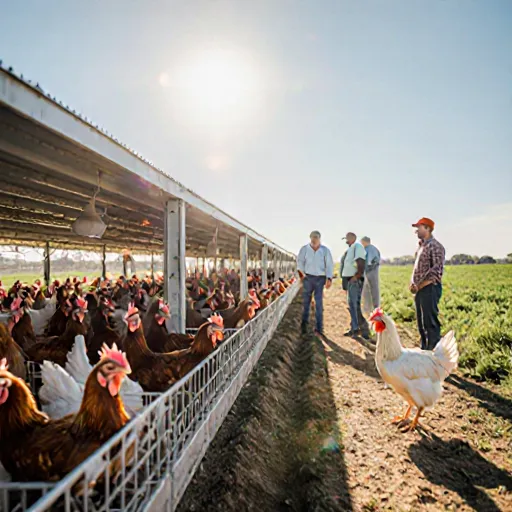
Boost your farm’s sustainability with broiler technology.
Table of Contents
- The Definition of Broiler Farming
- Global Impact of Broiler Farming on Agriculture
- Environmental Considerations in Broiler Farming
- Role of Technology in Sustainable Broiler Farming Practices
- Nutritional Value and Broilers
- Broiler Farming and Economic Benefits for Farmers
- Impact on Local Food Security
- Sustainable Feed Production for Broilers
- Water Management in Broiler Farming
- Waste Management and Recycling in Broiler Farms
- Certifications for Sustainable Broiler Practices
- Future Trends in Sustainable Broiler Farming
- Challenges in Implementing Sustainable Broiler Farming
- Case Studies of Successful Sustainable Broiler Farms
- FAQs About the Role of Broilers in Sustainable Agriculture
The Definition of Broiler Farming
Broiler farming, also known as chicken meat production, is a specialized method of raising chickens for the purpose of harvesting their meat. This form of poultry farming focuses on producing broilers, which are specifically bred and raised under controlled conditions to achieve rapid growth and efficient weight gain. Broilers are typically kept in large, climate-controlled facilities or open-air pens, depending on the farmer's practices and local regulations.
The process begins with selecting high-quality breeders that produce broiler chicks with desirable genetic traits for growth rate and meat quality. These chicks are then raised under controlled conditions to ensure optimal health and productivity. The role of broiler farming in sustainable agriculture is multifaceted, contributing both positively and negatively depending on the practices employed by farmers.
Positive Contributions:
Efficiency: Broilers reach market weight quickly, making efficient use of resources like feed and space. This rapid growth helps meet global demand for protein in a relatively short time frame.
Economic Benefits: Broiler farming is an important component of the agricultural economy, providing jobs and income opportunities in rural areas.
Social Impact: It contributes to food security by increasing the availability and affordability of protein for many communities.
Negative Implications:
Ethical Concerns: Broiler chickens are often kept in overcrowded conditions, which can lead to stress, disease, and poor welfare. Ethical considerations regarding the treatment of animals play a crucial role in sustainable agriculture.
Environmental Impact: The intensive nature of broiler farming can contribute to water pollution through runoff from manure and chemicals used in feed. Additionally, high consumption of resources like water and grain can strain local ecosystems.
To align with sustainable agriculture principles, broiler farming practices must be optimized for efficiency while minimizing negative impacts on the environment and animal welfare. This includes adopting more humane housing systems, improving feed conversion ratios, reducing waste, and implementing sustainable resource management strategies. By fostering a balance between productivity and environmental stewardship, broiler farming can contribute meaningfully to global food security and sustainability goals.
Practical advice for farmers looking to enhance the sustainability of their broiler operations includes:
Implementing biosecurity measures to prevent disease outbreaks and reduce the need for antibiotics.
Using certified organic feed that is produced sustainably, reducing reliance on non-sustainable agricultural practices.
Promoting natural lighting and ventilation in broiler houses to improve animal health and welfare.
In conclusion, while broiler farming plays a vital role in sustainable agriculture through its efficiency and economic contributions, it is essential to address the challenges associated with overcrowded conditions, environmental impact, and ethical concerns. By adopting more sustainable practices, farmers can ensure that this form of poultry farming continues to support global food security without compromising long-term environmental health or animal welfare.
Global Impact of Broiler Farming on Agriculture
The global impact of broiler farming on agriculture is multifaceted, with both positive and negative effects that extend beyond the poultry industry itself. Broiler farming plays a significant role in sustainable agriculture by providing protein-rich products for human consumption while also contributing to economic growth in rural areas. However, it also poses challenges related to environmental sustainability and resource management.
Broiler farming has the potential to contribute positively to sustainable agriculture through efficient use of resources, local employment generation, and integration into larger agricultural systems. Properly managed broiler farms can serve as a part of integrated crop-livestock systems where waste products from poultry are used as organic fertilizers for crops.
Economic Benefits
Broiler farming provides numerous economic benefits, particularly in developing countries. It generates employment opportunities both directly and indirectly through supply chain activities such as feed production, transportation, packaging, and retailing. Small-scale broiler farmers often provide a reliable income source for rural families.
Environmental Challenges
Despite its potential contributions, broiler farming faces several environmental challenges that need careful management to ensure sustainability. These include:
- Water Use and Quality: Broiler operations require substantial amounts of water for drinking and cleaning purposes. Improper management can lead to contamination of water sources.
- Feed Efficiency: High feed conversion ratios (FCR) mean that a significant portion of agricultural produce is used as input into broiler farming, which could otherwise be consumed directly by humans or used for other livestock.
- Waste Management: The large volume of manure produced can pose risks if not properly managed. It can lead to soil degradation and water pollution if not treated correctly.
Examples of Sustainable Practices
To mitigate these challenges, sustainable practices are essential. For instance:
- Water Conservation: Implementing drip irrigation systems can reduce water usage significantly. Additionally, using recycled water for non-potable purposes helps conserve freshwater resources.
- Feed Optimization: Research into feed additives and alternative protein sources such as insects or plant-based proteins could help lower the dependency on grain crops.
- Manure Management: Composting manure into organic fertilizer not only reduces waste but also enriches soil quality, enhancing crop yields in surrounding agricultural lands.
Policies and Guidelines
Governments play a crucial role in promoting sustainable broiler farming practices. Policies that encourage recycling of nutrients back into agriculture and support research on feed efficiency can significantly enhance the sustainability of the industry. International organizations like FAO provide guidelines aimed at improving broiler farming practices globally.
Conclusion
In conclusion, while broiler farming brings substantial economic benefits to agricultural economies worldwide, it is vital that these activities are conducted sustainably. By adopting best management practices and adhering to policies promoting environmental responsibility, the negative impacts can be minimized, leading towards a more resilient and sustainable global agriculture system.
Environmental Considerations in Broiler Farming
The role of broiler farming in sustainable agriculture is a topic that demands careful consideration, particularly regarding its environmental impact. As the demand for poultry meat continues to grow globally, it is essential to address how these practices can be aligned with sustainability principles.
Water Usage
Broiler farming requires significant amounts of water, primarily for drinking and cleaning purposes. Efficient water management is crucial in reducing the environmental footprint. Farmers should invest in technologies like automated watering systems to minimize waste. Additionally, recycling water where feasible can help conserve this vital resource.
Feed Efficiency
The feed efficiency of broilers directly impacts sustainability. High-quality feeds that contain appropriate levels of nutrients are crucial. Implementing precision feeding techniques based on the birds' specific needs can reduce waste and improve growth rates, thus leading to a more sustainable operation.
Manure Management
Broiler farms generate substantial amounts of manure, which if not managed properly, can lead to environmental pollution. Proper handling includes composting or anaerobic digestion to convert waste into useful products like organic fertilizer. This approach not only reduces landfill waste but also enriches the soil for future crops.
Energy Consumption
The energy consumption in broiler farming is significant, especially considering the need for controlled temperature and humidity levels inside poultry houses. Investing in energy-efficient equipment such as LED lighting and advanced climate control systems can significantly reduce this footprint. Additionally, renewable energy sources like solar panels can be incorporated to power farm operations.
Land Use
Broiler farming requires extensive land for feed production and housing facilities. Sustainable practices include optimizing land use through crop rotation and integrated farming systems that enhance biodiversity and soil health. This holistic approach ensures that resources are used efficiently, supporting long-term sustainability.
Case Studies
Case Study 1: A broiler farm in Brazil implemented water-saving technologies and recycled water for non-drinking purposes. The result was a 20% reduction in overall water usage without compromising the health of the birds.
Case Study 2: In Europe, farms that adopted precision feeding methods saw an increase in feed efficiency by up to 15%. This improvement not only reduced waste but also lowered production costs effectively.
Policies and Certifications
To ensure broiler farming aligns with sustainable practices, adherence to various certifications and regulatory frameworks is essential. Organizations like the Global Animal Partnership (GAP) and the Animal Welfare Approved (AWA) provide guidelines that promote ethical and environmentally friendly farming methods.
Conclusion
In conclusion, broiler farming can play a vital role in sustainable agriculture when implemented with environmental considerations at its core. By focusing on water management, feed efficiency, manure recycling, energy conservation, and land use optimization, farmers can contribute positively to the environment while maintaining profitability.
Role of Technology in Sustainable Broiler Farming Practices
The role of technology in sustainable broiler farming practices is pivotal in ensuring that agricultural practices align with environmental sustainability and ethical production. This section explores how technological advancements contribute to the integration of broiler farming within sustainable agriculture, addressing issues such as resource efficiency, waste management, and overall farm productivity.
The use of technology in broiler farming helps in optimizing resources like feed, water, and energy. For instance, the implementation of precision feeding systems ensures that broilers receive only what they need, reducing waste and minimizing the carbon footprint associated with food production.
Additionally, modern poultry housing equipped with climate control systems can maintain optimal temperature and humidity levels, leading to healthier birds and increased growth rates. This not only enhances productivity but also improves animal welfare by creating a more comfortable environment for broilers.
Technology enables farmers to make data-driven decisions that are crucial for sustainable broiler farming practices. Sensors placed in the farms collect real-time data on various factors such as temperature, humidity, and air quality, which can be analyzed using advanced analytics tools.
For example, predictive maintenance systems based on sensor data can prevent equipment failures before they occur, reducing downtime and costs associated with repairs or replacements. This proactive approach ensures that the farm operates at peak efficiency all year round.
The integration of technology into broiler farming helps in mitigating environmental impacts by promoting sustainable practices such as waste reduction, recycling, and reusing resources.
An example is the use of automated manure removal systems that not only clean the pens more effectively but also help in managing nutrients more efficiently. By separating different components like feathers, bones, and meat scraps, these systems enable farmers to generate biofuels or organic fertilizers from waste products.
Technology plays a significant role in enhancing animal welfare by providing better living conditions for broilers. Automated feeding and watering systems ensure consistent access to food and water, reducing stress on the birds.
Veterinary telemedicine services supported by technology allow farmers to consult with veterinarians remotely, receiving expert advice on common health issues faced by poultry farms. This timely intervention can prevent widespread diseases, leading to healthier broilers and fewer losses during the farming cycle.
In conclusion, the role of technology in sustainable broiler farming practices is crucial for achieving a balance between economic viability, environmental responsibility, and animal welfare. By leveraging modern technologies such as precision feeding systems, climate control units, data analytics tools, and automated waste management solutions, farmers can significantly contribute to the sustainability goals of agriculture while ensuring efficient and ethical production processes.
Nutritional Value and Broilers
The role of broiler farming in sustainable agriculture extends far beyond just providing a protein-rich food source. One crucial aspect is the nutritional value that broilers contribute to our diets, particularly through their meat.
Broiler meat is renowned for its high-quality protein content which is essential for muscle growth and repair. On average, a 100g serving of broiler meat contains approximately 26 grams of protein, making it an excellent source of this vital nutrient.
Vitamins and Minerals
- Vitamin B12: Broilers are rich in vitamin B12 which is crucial for the formation of red blood cells and DNA synthesis. A 100g serving provides about 2% of the daily recommended intake.
- Potassium: Potassium helps maintain normal heart function, muscle control, and balances fluid levels in the body. Broiler meat is a good source with around 387mg per 100g.
- Selenium: Selenium acts as an antioxidant which can help protect cells from damage and supports immune function. A single broiler provides about 28% of the daily value for selenium.
Eco-Friendly Protein Source
Broilers are often praised for their efficiency in converting feed into high-quality protein, which is particularly beneficial when considering sustainable agriculture. This efficiency means that broiler farming can produce a large amount of meat using relatively less land compared to other livestock such as cattle.
- Plan Balanced Meals: Include broilers in your weekly meal planning alongside a variety of vegetables and whole grains. This helps ensure that you are getting all the essential nutrients.
- Use Lean Cuts: Opt for lean cuts of broiler meat to reduce fat intake, which is healthier while still providing valuable protein.
- Support Local Farms: By choosing broilers from local farms, you can support sustainable farming practices and help reduce the carbon footprint associated with food transportation.
Incorporating broiler meat into a sustainable diet not only provides essential nutrients but also supports environmentally friendly agricultural practices. As part of a balanced, varied diet, broilers can play an important role in maintaining good health while contributing positively to the environment.
Broiler Farming and Economic Benefits for Farmers
Broiler farming is a significant component of sustainable agriculture, playing a crucial role not only in meeting global demand for poultry meat but also in contributing to the economic stability and development of rural areas. Broilers are domestic chickens specifically bred for rapid weight gain with the goal of producing meat efficiently. The practice has gained prominence due to its ability to provide substantial returns on investment while ensuring food security.
Broiler farming supports sustainable agriculture by promoting efficient resource use and minimizing environmental impact. Sustainable practices in broiler farming include the recycling of waste materials, proper nutrient management, and the implementation of closed-loop systems that reduce pollution and preserve natural resources.
Efficient Resource Utilization
- Water Use: Modern broiler farms are designed to minimize water consumption through advanced technologies such as recirculating systems. This not only conserves a vital resource but also reduces the environmental footprint of the farm.
- Feed Efficiency: Broilers are bred for high feed conversion ratios, meaning they convert less feed into more meat. This efficiency in feed utilization is crucial for sustainable agricultural practices.
Minimizing Environmental Impact
- Emission Reduction: By optimizing farm management and using biosecurity measures, broiler farms can significantly reduce greenhouse gas emissions and other pollutants.
- Biosecurity Measures: Strict hygiene protocols prevent the spread of diseases that could affect not only broilers but also wild bird populations. This ensures a healthier environment for both domesticated and natural ecosystems.
Broiler farming offers several economic advantages to farmers, making it an attractive venture in many regions:
High Returns on Investment
- Shorter Production Cycle: Broilers reach market weight in about 6-8 weeks, compared to other livestock that may take months. This quick turnaround time allows for multiple cycles of production annually.
- Higher Profitability: Due to the high growth rate and efficient feed conversion, broiler farming can yield higher profits per unit area than many other forms of animal husbandry.
Job Creation and Rural Development
Broiler farms require a variety of skilled workers for tasks such as feeding, monitoring health conditions, managing waste, and maintaining equipment. This creates job opportunities that contribute to the local economy and support rural communities.
Market Stability and Consumer Demand
- Demand Growth: The global demand for broiler meat is steadily increasing due to changing dietary habits and growing populations in developing countries.
- Stable Markets: Broiler farming can provide a steady income stream as it is less affected by fluctuations seen in other agricultural commodities like grains or dairy products.
To maximize the economic benefits of broiler farming, farmers should focus on several key areas:
Proper Planning and Management
- Feasibility Study: Conduct a thorough feasibility study to assess local market demand, available resources, and potential risks.
- Quality Control: Implement strict quality control measures to ensure consistent product quality that meets consumer expectations.
Sustainable Practices
- Recycling Systems: Invest in recycling systems for manure and other waste products. This not only reduces costs but also provides valuable nutrients for other crops.
- Diversity of Feed: Use a diverse feed mix that includes locally sourced ingredients to reduce input costs while supporting local agriculture.
Marketing Strategies
- Branding: Develop a strong brand identity for your broiler products. This can help differentiate your product in the market and command premium prices.
- Sales Channels: Explore different sales channels such as direct to consumers, supermarkets, and online platforms to reach a wider audience.
In conclusion, broiler farming is not only essential for meeting global food demands but also offers substantial economic benefits for farmers. By adopting sustainable practices and leveraging market opportunities, farmers can enhance their profitability while contributing positively to the environment and rural development.
Impact on Local Food Security
Broiler farming, a crucial component of the poultry industry, plays an essential role in enhancing local food security by providing a reliable source of protein. The practice contributes significantly to sustainable agriculture by addressing nutritional needs while also supporting economic stability and environmental sustainability.
Contributing to Local Food Security
Broiler farming is integral to the agricultural landscape, particularly in areas where small-scale farmers operate. It helps in meeting local protein requirements, thereby reducing dependency on imported foods. By producing locally consumed chicken meat and eggs, broiler farms contribute directly to improving dietary quality, especially for populations with limited access to diverse diets.
Supporting Economic Stability
The economic benefits of broiler farming extend beyond the production process itself. Small-scale farmers who engage in broiler farming can earn additional income, which is crucial for improving household livelihoods and overall community welfare. Moreover, the demand for broilers creates employment opportunities along various stages of the supply chain, including feed manufacturing, transportation, processing, and retail.
Environmental Considerations
Incorporating sustainable farming practices is vital to ensure that broiler farming aligns with broader environmental goals. Practices such as integrated crop-livestock systems, efficient water usage, waste management through composting, and the use of renewable energy sources can mitigate the ecological footprint associated with broiler production.
Practical Examples
For instance, in regions like West Africa, smallholder broiler farms have shown remarkable success. These farms not only improve dietary intake but also foster community resilience against food shortages and price fluctuations. Another example is the case of broiler farming initiatives supported by international organizations in Asia, where such projects have empowered farmers to adopt sustainable practices that enhance their productivity.
Encouraging Sustainable Agriculture
To further promote sustainable agriculture through broiler farming, it is essential to implement supportive policies and provide training programs. Governments and NGOs should collaborate to establish frameworks that prioritize environmental protection alongside economic growth. Providing farmers with access to credit facilities for investing in sustainable practices can also bolster their ability to adopt long-term strategies.
Conclusion
In summary, broiler farming significantly impacts local food security by enhancing nutritional quality and supporting livelihoods within the community. By embracing sustainable agricultural methods, broilers can contribute positively towards achieving global food security goals while fostering economic prosperity and environmental conservation.
Sustainable Feed Production for Broilers
The role of broiler farming within sustainable agriculture is multifaceted, and ensuring the sustainability of feed production plays a crucial part. Sustainable feed production for broilers focuses on minimizing environmental impact while maximizing efficiency and animal welfare. This approach ensures that the food produced is both eco-friendly and nutritionally balanced.
- Grain Quality and Origin: The use of high-quality grains from sustainable sources is vital. Organic, locally-sourced grains not only reduce the carbon footprint but also ensure that broilers receive nutritious food without harmful additives.
- Feed Additives and Supplements: Utilizing natural feed supplements like seaweed extracts or probiotics can enhance broiler health and performance while reducing reliance on antibiotics. These alternatives promote gut health, improve feed efficiency, and reduce the risk of bacterial contamination.
- Water Usage and Management: Efficient water management in feed production is essential for sustainability. Techniques such as recycling water and using drought-resistant crops can significantly reduce water consumption, contributing to a more sustainable farming operation.
- Implement Crop Rotation: Rotating crops helps maintain soil health and reduces the need for chemical fertilizers. This practice not only enhances grain quality but also supports biodiversity in the surrounding ecosystem.
- Adopt Precision Feeding: By accurately measuring feed intake, farmers can reduce waste and ensure that broilers receive exactly what they need. Precision feeding systems can also help in reducing feed costs, which is beneficial for both economic and environmental sustainability.
- Utilize Renewable Energy Sources: Investing in renewable energy sources like solar or wind power for on-farm operations can significantly reduce the carbon footprint of broiler farming. This shift towards cleaner energy sources supports broader sustainable agriculture goals.
One notable example is the case study of a family farm in Argentina that transitioned to organic feed production. By sourcing grains from nearby farms and incorporating natural supplements, they were able to reduce their carbon footprint while maintaining high broiler health standards. Another example includes a commercial poultry operation in Thailand that implemented precision feeding systems and recycled water for irrigation.
In conclusion, sustainable feed production for broilers is integral to the broader goal of sustainable agriculture. By focusing on grain quality, adopting efficient feed management practices, and leveraging renewable energy sources, farmers can contribute significantly to environmental conservation while maintaining high standards of animal health and welfare.
Water Management in Broiler Farming
Sustainable agriculture focuses on producing food in an environmentally responsible and efficient manner. Broiler farming, a critical component of livestock production, plays a significant role in sustainable agricultural practices by optimizing resource use, particularly water management.
Water Management in Broiler Farming
In broiler farming, water is not only essential for the broilers' survival but also for maintaining hygiene and ensuring optimal growth conditions. Efficient water management can significantly contribute to sustainable agricultural practices by reducing waste, conserving resources, and promoting healthier poultry.
Importance of Water
- Dietary Needs: Broilers require a constant supply of fresh water for hydration. Proper hydration aids in digestion, nutrient absorption, and overall health.
- Cooling Mechanism: Poultry do not have sweat glands, so they rely on respiratory and evaporative cooling mechanisms to regulate body temperature. Adequate water intake helps maintain their body temperature and prevents heat stress.
Water Consumption Patterns
Broilers consume a substantial amount of water throughout their growth cycle. On average, broilers drink approximately 10-20% more water than feed by weight during the growing period. Understanding these patterns helps in optimizing water usage and reducing waste.
Water Quality
The quality of water used for broilers is crucial. Contaminated or unsuitable water can lead to health issues, reduced growth rates, and increased mortality. Ensuring that the water meets the necessary standards helps in maintaining a healthy environment for the broilers.
Water Management Strategies
- Automatic Waterers: Using automatic waterers ensures that broilers have constant access to clean water. This system minimizes water wastage and reduces labor costs associated with manual watering.
- Frequency of Cleanings: Regular cleaning of drinking equipment is vital to prevent bacterial growth and contamination, which can lead to health issues in the flock.
- Monitoring Systems: Implementing monitoring systems for water consumption and quality helps farmers make informed decisions and address any issues promptly.
Case Study: Broiler Farm with Sustainable Water Management
A case study conducted at a broiler farm in [Location] demonstrated the effectiveness of sustainable water management practices. By installing automatic waterers, regular cleaning schedules, and implementing monitoring systems, this farm reduced its water usage by 20% without compromising broiler health or growth rates.
Conclusion
In conclusion, effective water management in broiler farming is a key factor in sustainable agricultural practices. By focusing on the importance of water, understanding consumption patterns, ensuring water quality, and implementing efficient management strategies, farmers can contribute to environmental sustainability while maintaining optimal broiler health and productivity.
Waste Management and Recycling in Broiler Farms
Broiler farming, a crucial component of sustainable agriculture, plays a significant role in meeting global protein demands while minimizing environmental impacts. However, the waste generated from broiler farms can have detrimental effects if not managed properly. Effective waste management and recycling are essential for ensuring that this sector contributes positively to sustainability goals.
Understanding Waste Generation
Broiler farming generates various types of waste, including manure, dead birds, feathers, bedding materials, and excess feed. These wastes contain valuable nutrients like nitrogen, phosphorus, and potassium, which can be recycled through composting or anaerobic digestion.
Composting Manure
Composting is a cost-effective method for managing poultry manure. By composting properly, the waste is transformed into high-quality fertilizer that can enhance soil health and reduce the need for synthetic fertilizers. This process also reduces ammonia emissions, which are harmful to both the environment and human health.
- Steps: Collect manure separately from bedding materials. Mix with appropriate carbon-rich materials like straw or sawdust in a ratio of 1:2 (carbon:nitrogen). Turn the pile regularly for aeration, ensuring proper temperature and moisture levels.
Anaerobic Digestion
Anaerobic digestion is an advanced method that can be used to manage broiler farm waste. This process involves breaking down organic matter in the absence of oxygen, producing biogas (methane and carbon dioxide) which can be used as a renewable energy source.
- Advantages: Reduces greenhouse gas emissions significantly compared to landfilling or incineration. Produces biogas that can generate electricity or heat.
- Considerations: Requires specialized equipment and expertise, which may be a cost consideration for smaller farms.
Feather Management
Feathers from broilers are often seen as waste but can be recycled into various products. Feather recycling can reduce the amount of organic matter sent to landfills and provide raw materials for industries like cosmetics, insulation, and textile manufacturing.
- Methods: Shredding feathers into fine particles and selling them as bedding material or mulch. Utilizing feather meal, a high-protein supplement for livestock feed.
Water Management
Broiler farming also involves managing water usage efficiently to minimize waste. Proper irrigation systems and rainwater harvesting can reduce the amount of freshwater used in poultry operations. Additionally, recycling wastewater through treatment processes that make it safe for reuse can further enhance sustainability.
Integrated Waste Management Strategies
An integrated approach combining composting, anaerobic digestion, feather recycling, and water management ensures that broiler farming contributes positively to sustainable agriculture. This holistic strategy reduces environmental impact while maximizing resource recovery.
- Example: A broiler farm in Brazil implemented an integrated waste management system where they composted manure, anaerobically digested organic matter for biogas production, and recycled feathers into bedding materials. This approach not only reduced their carbon footprint but also increased the profitability of their operations by selling the resulting products.
In conclusion, proper waste management and recycling are vital components of sustainable broiler farming practices. By adopting these strategies, farms can significantly reduce environmental impacts while promoting circular economy principles within agricultural systems.
Certifications for Sustainable Broiler Practices
The role of broiler farming in sustainable agriculture is critical as it contributes significantly to global food security and nutrition. However, for broiler farming practices to truly align with sustainability goals, they must be certified through rigorous standards that ensure environmental responsibility, ethical treatment of animals, and human health protection. Certifications for sustainable broiler practices not only enhance the reputation of farms but also provide consumers with confidence in their purchasing decisions.
Several certifications exist to recognize broiler farming practices that meet specific sustainability criteria:
- GFSI (Global Food Safety Initiative) Certified: This certification focuses on food safety and hygiene, ensuring that broilers are raised under conditions that minimize contamination risks. Farms achieving this certification must comply with strict sanitation protocols throughout the entire production process.
- BRC (British Retail Consortium) Standards: Recognized internationally for their robust requirements regarding quality assurance, environmental impact assessment, and animal welfare standards. Adherence to these standards helps ensure safer food products while promoting responsible farming practices that reduce ecological footprint.
- SACI (Sustainable Agricultural Certification Initiative): Developed by the United Nations Food and Agriculture Organization (FAO), this initiative aims at fostering sustainable agriculture worldwide through education, technical assistance, and capacity building. SACI certifications encourage biodiversity conservation efforts within broiler farms, which can help maintain ecosystem health.
- Certified Organic: This certification verifies that broilers are raised without synthetic pesticides or fertilizers, GMO feed ingredients, antibiotics (except for prevention purposes), or other chemicals prohibited by organic standards. Consumers seeking eco-friendly options often look for this label when purchasing poultry products.
Implementing sustainable broiler practices certified according to recognized guidelines has numerous benefits:
- Environmental Protection: By reducing water usage, minimizing waste generation, and conserving natural resources, certified farms play an essential role in preserving ecosystems.
- Animal Welfare: Properly managed broilers enjoy better living conditions, leading to healthier animals with fewer health issues. This reduces the need for excessive medication or feed additives, contributing positively to both animal well-being and product quality.
- Economic Stability: Meeting certification requirements enhances market access opportunities and improves brand image among consumers who prioritize sustainability when making purchasing decisions.
To achieve certifications related to sustainable broiler practices, follow these practical steps:
- Conduct a Baseline Assessment: Evaluate current farming methods against certification criteria. Identify areas where improvements are needed and prioritize them based on feasibility and impact.
- Develop an Implementation Plan: Create detailed plans outlining specific actions required to meet certification requirements, including timelines, responsible individuals, and resource allocation strategies.
- Seek Expert Guidance: Consult with agricultural experts or consultants specializing in sustainable farming techniques. They can offer valuable insights into best practices and potential challenges during the transition process.
- Monitor Progress Regularly: Establish regular audits and reviews to track progress towards achieving certification goals. Address any issues promptly to avoid delays or setbacks.
- Promote Transparency: Share information about your sustainability efforts with stakeholders, including customers, employees, and community members. This fosters trust and demonstrates commitment to responsible business practices.
In conclusion, obtaining certifications for sustainable broiler practices is crucial for promoting a more environmentally friendly approach to poultry farming. These certifications not only enhance the reputation of farms but also provide consumers with peace of mind regarding their food choices. By implementing these best practices and staying committed to continuous improvement, broiler farmers can contribute meaningfully towards achieving global sustainability targets.
Future Trends in Sustainable Broiler Farming
The future trends in sustainable broiler farming are critical for ensuring both environmental sustainability and ethical practices. As global demand for poultry products continues to rise, the focus on sustainable agriculture has never been more important. Sustainable broiler farming not only addresses the need for efficient resource use but also ensures that animal welfare is a priority.
The role of broiler farming in sustainable agriculture involves minimizing waste and maximizing efficiency. One of the key trends is the shift towards precision feeding, which reduces feed costs and minimizes environmental impact by delivering exactly what each bird needs at the right time.
For example, the use of biomarkers to monitor birds' nutritional requirements can lead to more precise feeding protocols. This approach ensures that broilers are not only growing healthily but also using resources efficiently, which is crucial for sustainable farming practices.
Another significant trend is the development of climate-controlled environments within broiler houses. These systems use advanced technology to maintain optimal temperature, humidity, and air quality, thereby enhancing bird health and growth rates.
For instance, the integration of automated ventilation systems can help in maintaining a consistent microclimate inside the broiler house, which is crucial for disease prevention and overall animal welfare. This not only supports sustainable practices but also ensures higher yields with less input.
The future of sustainable broiler farming includes leveraging genetic engineering to develop breeds that are more efficient in converting feed into meat, grow faster, and require fewer resources. Selective breeding programs can play a vital role in improving the sustainability of broiler farming.
For example, breeders are focusing on developing lines that have higher feed conversion ratios (FCR), meaning these birds convert less feed into fat and more into muscle. This results in less waste and more efficient resource use, aligning with sustainable agriculture principles.
A crucial aspect of sustainable broiler farming is the sourcing of feed ingredients. The future trends include a move towards using locally sourced, organic, and non-GMO feed components to reduce transportation emissions and support local economies. This practice also ensures that feed production aligns with environmental sustainability goals.
For instance, incorporating by-products from other industries like brewing or bakery can not only reduce waste but also lower the carbon footprint of feed production. Additionally, the use of alternative proteins such as insects or algae is gaining traction as a sustainable and resource-efficient option for broiler diets.
As consumer awareness grows about animal welfare and ethical farming practices, there is an increasing demand for more humane broiler farming methods. This includes providing birds with better living conditions, reducing stress, and ensuring that the overall quality of life during their short lifespan is as high as possible.
Practical advice for farmers includes implementing enrichment programs within broiler houses to allow birds more freedom of movement and expression. This can include providing perches or scratch areas, which are not only ethical but also beneficial for bird health and growth.
In conclusion, the future trends in sustainable broiler farming are multifaceted, encompassing advancements in feeding practices, housing technologies, genetic engineering, feed production, and ethical considerations. By embracing these trends, broiler farmers can contribute significantly to the sustainability of agriculture while meeting market demands efficiently and ethically.
Challenges in Implementing Sustainable Broiler Farming
The implementation of sustainable broiler farming practices is crucial for ensuring that broiler production aligns with principles of sustainability. However, several challenges must be addressed to achieve this goal effectively. These challenges are not only technical but also socio-economic and environmental in nature.
Sustainable broiler farming requires advanced technical knowledge and infrastructure that many farms lack. For instance, precision feeding systems can help reduce waste and improve efficiency, but these technologies can be expensive to implement and maintain. Additionally, managing broiler housing conditions for optimal welfare involves precise control over temperature, ventilation, humidity, and light cycles.
Transitioning to sustainable practices often requires significant upfront investment from farmers, which can be a barrier for small-scale operations. For example, purchasing organic feed or installing solar panels increases initial costs. Moreover, there is often a lack of awareness and training regarding the benefits of sustainability among farmers and related stakeholders.
The environmental impact of broiler farming includes water pollution from manure runoff and high greenhouse gas emissions due to feed production and processing. Implementing sustainable practices, such as reducing antibiotic use or adopting closed-loop systems for waste management, can mitigate these impacts but require careful planning and execution.
- Use of Alternative Feeds: Encourage the use of alternative feed sources like insects or spent grain from breweries. For instance, some farms in Europe are experimenting with black soldier fly larvae as a protein source for broilers.
- Water Management: Implementing water-saving technologies and recycling systems can significantly reduce water usage. Farms that have adopted these practices report substantial savings in both cost and resource use.
- Agroforestry Systems: Integrating broiler farming with agroforestry can provide additional benefits such as soil improvement, reduced erosion, and increased biodiversity. Studies show that integrating trees into poultry farms can enhance overall farm productivity while promoting sustainability.
The Role of Broiler Farming in Sustainable Agriculture
In the context of sustainable agriculture, broiler farming plays a dual role: it provides an essential source of protein for human consumption and contributes to local economies. However, its environmental footprint must be managed responsibly. By addressing these challenges through innovation, collaboration, and policy support, the broiler industry can make significant strides toward sustainability.
Case Studies of Successful Sustainable Broiler Farms
The role of broiler farming in sustainable agriculture is increasingly recognized for its potential to contribute positively to environmental, social, and economic sustainability. Below are detailed case studies highlighting successful practices that have been implemented across various regions.
Case Study: GreenBroil Farm, United States
GreenBroil Farm has successfully integrated sustainable broiler farming into its operations through a combination of innovative practices and technologies. The farm uses recycled materials for housing, ensuring minimal environmental impact.
- Recycled Housing: The use of recycled materials in the construction of broiler houses helps reduce waste and lower production costs.
- Water Efficiency: A state-of-the-art water management system ensures that every drop is used efficiently, minimizing water usage by up to 30% compared to traditional farms.
- Manure Management: GreenBroil Farm partners with local agricultural colleges for research into manure composting techniques. This not only reduces the environmental footprint but also provides valuable nutrients back to the soil.
The farm's commitment to sustainability extends beyond just operational efficiency; it actively engages in community education programs, sharing knowledge on sustainable farming practices.
Case Study: EcoFowl Farm, Brazil
EcoFowl Farm has embraced sustainable broiler farming by focusing on biodiversity and organic practices. The farm maintains a diverse ecosystem that supports local wildlife.
- Biodiversity: By allowing natural habitats to flourish around the farm, EcoFowl enhances biodiversity, which is crucial for maintaining ecological balance.
- Organic Feed: All feed used at EcoFowl Farm is organic, sourced locally whenever possible. This reduces transportation emissions and supports local farmers.
- Sunlight and Ventilation: The broiler houses are designed to maximize natural sunlight and ventilation, reducing the need for artificial lighting and cooling systems.
EcoFowl Farm has also implemented a transparent supply chain that allows consumers to trace the source of their food back to the farm. This approach builds trust with customers and promotes sustainable consumption habits.
Case Study: Sustainable Poultry, India
Sustainable Poultry has pioneered a community-based approach to broiler farming that ensures both economic viability and environmental responsibility. The farm works closely with local communities to provide training and resources for sustainable practices.
- Community Engagement: Sustainable Poultry organizes workshops and training sessions for farmers from nearby villages, teaching them about sustainable broiler farming techniques.
- Eco-Friendly Packaging: The farm uses eco-friendly packaging materials to minimize waste. This includes biodegradable bags that break down naturally over time.
- Solar Power: To further reduce its carbon footprint, Sustainable Poultry has installed solar panels on its premises, generating renewable energy for the farm's operations.
The success of Sustainable Poultry lies in its holistic approach to broiler farming. By integrating social responsibility and environmental sustainability into every aspect of its business model, it sets an example that others can follow.
Conclusion
These case studies demonstrate that sustainable broiler farming is not only possible but also highly beneficial when approached with a holistic mindset. By adopting practices such as recycling materials, using organic feed, and promoting biodiversity, farms like GreenBroil Farm, EcoFowl Farm, and Sustainable Poultry are making significant contributions to the sustainability of agriculture.
FAQs About the Role of Broilers in Sustainable Agriculture
Frequently Asked Questions
The role of broilers in sustainable agriculture extends beyond just meat production. Broiler farming, when practiced sustainably, contributes to a holistic approach that integrates environmental protection, economic viability, and social responsibility. Sustainable broiler farming aims to minimize negative impacts on the environment while maximizing resource use efficiency.
Broiler farming can significantly contribute to sustainable agriculture by promoting efficient land and water use. For example, modern broiler farms are designed with precision feeding systems that reduce waste and ensure that nutrients from feed are used efficiently. This minimizes the environmental footprint of the farm.
Sustainable practices include the use of litter management systems that recycle waste into valuable resources like compost, which can be used to enrich soil. Additionally, farmers are encouraged to use renewable energy sources such as solar power for farm operations, reducing reliance on fossil fuels.
Broiler farming can have both positive and negative impacts on the environment. However, with sustainable practices in place, many of these impacts can be mitigated. Positive environmental impacts include reduced greenhouse gas emissions through efficient feed conversion rates. Negative impacts such as water pollution from runoff can be minimized by proper manure management.
Sustainable broiler farming can lead to increased profitability for farmers. By reducing feed costs through efficient use and by recycling resources like manure, farmers can lower operational expenses. Additionally, the premium market demand for sustainably produced poultry products can increase revenue streams.
Sustainable broiler farming supports social responsibility by ensuring fair labor practices and safe working conditions. It also contributes to local economies through the purchase of inputs like feed from local suppliers, thereby supporting small businesses in the community.
Examples of Sustainable Broiler Farming
Precision feeding systems are used to deliver feed directly to broilers based on their individual needs. This not only reduces waste but also ensures that every bird receives the right amount of nutrients, which can lead to higher growth rates and better health outcomes.
Some broiler farms are now utilizing solar panels to generate electricity for their operations. This reduces the carbon footprint of the farm while also reducing utility costs. For instance, a large-scale broiler farm might install enough solar panels to meet up to 50% of its daily energy needs.
Practical Advice for Farmers
To conserve water, farmers can implement practices such as using drip irrigation systems and recycling rainwater. These measures not only save on water costs but also help in maintaining optimal growing conditions for broilers.
Improving feed conversion ratios can significantly reduce the amount of feed required to produce a pound of meat. This can be achieved by using high-quality feed ingredients and ensuring that broilers have access to clean water at all times.
Promoting animal welfare is not only a moral imperative but also contributes to sustainable farming practices. Ensuring that broilers have adequate space, fresh air, and clean water helps in reducing stress levels and improving overall health.
Categories
- AI & Enrichment Play
- Broiler Farming
- Broiler Farming Tips
- Canine Wellness & Longevity
- Cat
- Cat & Human Connection
- Cat Adoption & Rescue
- Cat Breeds
- Cat Breeds & Personalities
- Cat Care & Health
- Cat Grooming & Hygiene
- Cat Lifestyle & Environment
- Cat Myths & History
- Cat Nutrition & Diet
- Cat Products & Reviews
- Cat Training & Behavior
- Comparison
- Consumer Awareness
- Dog
- Dog Accessories & Products
- Dog Adoption & Rescue
- Dog Breed & Lifestyle Trends
- Dog Breeding & Puppies
- Dog Entertainment & Media
- Dog Fashion & Trends
- Dog Fun & Lifestyle
- Dog Grooming & Hygiene
- Dog History & Culture
- Dog Myths, Science & Future Tech
- Dog News & Trends
- Dog Nutrition & Food
- Dog Psychology & Emotions
- Dog Safety & Security
- Dog Sports & Activities
- Dog Technology & Innovation
- Dog Training for Modern Owners
- Dog Travel & Adventure
- Dog Travel, Adventure & Culture
- Economic and Market Insights
- Educational Content
- FAQs
- Feeding Alternatives
- Festivals & Seasonal Ideas
- Fun & Entertainment
- General Knowledge
- General Pig Farming
- Health & Disease Management
- Housing and Environment
- Kittens
- Market Insights
- Miscellaneous
- Miscellaneous
- Motivational
- pig
- Pig Breeding
- Pig Breeds
- Pig Farming Stories and Inspiration
- Pig Health and Care
- Pig Nutrition
- Pig Products
- Profitability & Business
- Puppy Care
- Puppy Predictable Topics Reinvented
- Regional Focus
- Rescue & Adoption Buzz
- Senior Cats
- Senior Dog Care
- Smart Dog Tech & Gadgets
- Sustainability
- Sustainable & Eco-Friendly Dog Products
- Tech & Innovations
- Working & Service Dogs
- Broiler Feed66 products
- Country Feed33 products
- Pig Feed66 products
- Product22 products
- Raw Materials99 products
Products
-
 Fish Meal
₹1,999.00 – ₹2,999.00Price range: ₹1,999.00 through ₹2,999.00Rated 0 out of 5
Fish Meal
₹1,999.00 – ₹2,999.00Price range: ₹1,999.00 through ₹2,999.00Rated 0 out of 5 -
 FATTENING BROILER FEED
₹2,299.00 – ₹2,349.00Price range: ₹2,299.00 through ₹2,349.00Rated 0 out of 5
FATTENING BROILER FEED
₹2,299.00 – ₹2,349.00Price range: ₹2,299.00 through ₹2,349.00Rated 0 out of 5 -
 LAYER COUNTRY FEED
₹1,549.00 – ₹1,649.00Price range: ₹1,549.00 through ₹1,649.00Rated 0 out of 5
LAYER COUNTRY FEED
₹1,549.00 – ₹1,649.00Price range: ₹1,549.00 through ₹1,649.00Rated 0 out of 5 -
 COUNTER BROILER FEED
₹1,199.00 – ₹1,299.00Price range: ₹1,199.00 through ₹1,299.00Rated 0 out of 5
COUNTER BROILER FEED
₹1,199.00 – ₹1,299.00Price range: ₹1,199.00 through ₹1,299.00Rated 0 out of 5 -
 LACTATING PIG FEED
Rated 0 out of 5
LACTATING PIG FEED
Rated 0 out of 5₹2,299.00Original price was: ₹2,299.00.₹1,740.00Current price is: ₹1,740.00. -
 Maize
Rated 0 out of 5
Maize
Rated 0 out of 5₹1,650.00Original price was: ₹1,650.00.₹1,300.00Current price is: ₹1,300.00. -
 GESTATION PIG FEED (Phase 1)
Rated 0 out of 5
GESTATION PIG FEED (Phase 1)
Rated 0 out of 5₹2,249.00Original price was: ₹2,249.00.₹1,699.00Current price is: ₹1,699.00. -
 Pre Starter Broiler Feed
₹2,399.00 – ₹2,499.00Price range: ₹2,399.00 through ₹2,499.00Rated 0 out of 5
Pre Starter Broiler Feed
₹2,399.00 – ₹2,499.00Price range: ₹2,399.00 through ₹2,499.00Rated 0 out of 5 -
 FINISHER PIG FEED
Rated 0 out of 5
FINISHER PIG FEED
Rated 0 out of 5₹2,299.00Original price was: ₹2,299.00.₹1,749.00Current price is: ₹1,749.00. -
 Broiler Premix
Rated 0 out of 5
Broiler Premix
Rated 0 out of 5₹820.00Original price was: ₹820.00.₹699.00Current price is: ₹699.00.