
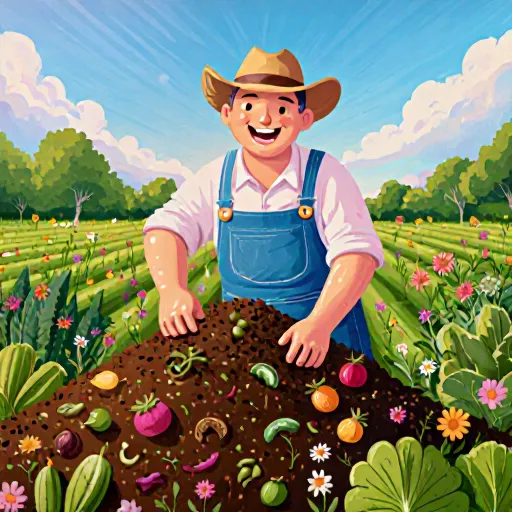
Transform Waste into Rich Soil: Composting Secrets for Farmers
Table of Contents
- Introduction
- Understanding Broiler Waste
- The Importance of Composting and Recycling
- Compost Bin Setup
- Choosing the Right Compost Ingredients
- Balancing Nutrients for Effective Composting
- Maintaining Proper Moisture Levels
- Turning and Airing the Compost Heap
- Monitoring Temperature during Composting
- Harvesting Your Compost
- Recycling Broiler Waste into Nutrient-Rich Soil
- Innovative Recycling Techniques for Broiler Waste
- Benefits of Composting and Recycling Broiler Waste
- Conclusion
- FAQ
Introduction
In managing broiler waste, composting and recycling are crucial steps towards sustainable farming practices. Broiler waste primarily consists of feathers, manure, and leftover feed. Proper handling not only reduces environmental impact but also ensures the safety and productivity of future crops and livestock. By implementing effective composting and recycling techniques, farmers can significantly reduce their operational costs and contribute to a greener environment.
Understanding Broiler Waste
Broiler chickens are specifically bred for meat production and grow rapidly under intensive farming conditions. The waste generated from broiler operations includes feathers, manure, and uneaten feed. This waste can pose environmental risks if not managed properly. Feathers can degrade into harmful pollutants over time, while manure can lead to nutrient runoff if not treated correctly.
Composting Broiler Waste
Composting is an excellent method for recycling broiler waste. The process involves breaking down organic materials through biological decomposition, transforming them into a stable compost product that can be used as fertilizer. To effectively compost broiler waste, it's essential to ensure the right balance of carbon and nitrogen-rich materials.
- Carbon-Nitrogen Balance: Aim for a 25:1 ratio of carbon to nitrogen in your compost pile. This can be achieved by mixing high-carbon materials like straw or sawdust with high-nitrogen materials such as manure and feathers.
- Water Content: Keep the compost moist but not soggy. A proper moisture level helps microorganisms break down the waste effectively.
- Aeration: Turning the compost pile regularly ensures adequate oxygen supply, which is crucial for decomposition.
Recycling Broiler Waste
Beyond composting, broiler waste can be recycled in various ways to repurpose materials and reduce waste. For instance, feathers can be used as a biofuel or processed into feather meal, which is rich in proteins and can serve as a valuable feed supplement for other livestock.
- Biofuel Production: Feather meal derived from composted broiler waste can be converted into energy through anaerobic digestion. This process produces biogas that can be used to power farm equipment or sold back to the grid.
- Feather Meal as Feed: Once processed, feather meal can be fed to fish and poultry, providing essential amino acids and other nutrients.
Practical Tips for Effective Waste Management
To ensure successful composting and recycling of broiler waste, consider the following practical tips:
- Segregation: Separate different types of waste before composting to maintain a balanced carbon-nitrogen ratio.
- Timing: Compost broiler waste as soon as possible after collection to prevent the growth of harmful bacteria and odors.
- Safety Measures: Wear appropriate protective gear when handling compost piles, especially during turning. Ensure that composted material is fully decomposed before use to avoid contamination.
By adopting these methods, farmers can significantly reduce their environmental footprint and enhance sustainability in broiler farming operations. Effective waste management not only benefits the immediate farm environment but also contributes positively to global efforts towards a more sustainable future.
Understanding Broiler Waste
Managing broiler waste is a critical aspect of sustainable poultry farming. Broilers, or meat chickens, are raised for their flesh rather than laying eggs, and they produce significant amounts of waste during their short life cycle. This waste includes feathers, manure, spent feed, and bedding materials. Proper management of this waste not only enhances environmental sustainability but also contributes to better animal health and welfare.
- Feathers: Feathers are a byproduct of broilers, especially in the later stages of their life. Proper disposal or recycling can help reduce waste and find alternative uses for these materials.
- Manure: Broiler manure is rich in nutrients but requires careful handling to avoid contamination of soil and water sources. Composting can transform this waste into a valuable fertilizer.
- Spent Feed: The uneaten or partially eaten feed that remains after broilers are slaughtered. This can be recycled back into the farm's diet for other livestock or used as an energy source.
- Bedding Materials: Common bedding materials include wood shavings, straw, and sawdust. These materials help absorb moisture from the litter, but they also contribute to waste that needs proper management.
Composting is an effective method for managing broiler waste, particularly manure and bedding materials. By composting these materials, you can transform them into a valuable organic fertilizer, reducing the need for chemical fertilizers.
Steps to Compost Broiler Waste
- Gather Materials: Collect broiler manure and bedding materials. Ensure that the bedding is dry before composting to avoid excess moisture.
- Mix Ingredients: Combine the manure with other organic materials such as straw, sawdust, or wood shavings to balance the carbon-to-nitrogen ratio for optimal decomposition.
- Aerate Regularly: Turn the compost pile regularly to introduce oxygen and promote faster breakdown. This is crucial for breaking down complex organic materials into simpler forms.
- Monitor Temperature: Keep an eye on the temperature of your compost pile, aiming for a range between 130°F to 160°F (54°C to 71°C) to ensure pathogens are killed.
- Maturity Check: Once the compost has cooled down and is dark in color with an earthy smell, it is ready for use as a soil amendment.
Beyond composting, there are several ways to recycle broiler waste into valuable resources on your farm or community. This not only reduces waste but also contributes to overall sustainability.
Feather Recycling
Fine feathers can be recycled into bedding for animals like rabbits and guinea pigs, providing a soft and absorbent material that they find comfortable. Larger feathers can be used in various crafts or even sold as decorative items.
Spent Feed Utilization
Spent feed can be reused on your farm for other livestock such as laying hens, pigs, or fish. For example, the protein and energy content of spent broiler feed can be beneficial for growing pigs. Alternatively, it can be used in bioenergy production to create biogas.
Bedding Reuse
Used bedding materials from broilers can serve as excellent mulch or soil amendment after composting. They help retain moisture and improve soil structure when added back into the garden or fields.
In conclusion, understanding and managing broiler waste through methods like composting and recycling not only reduces environmental impact but also fosters a circular economy within your farm. By adopting these practices, you can contribute to a more sustainable and efficient farming operation.
The Importance of Composting and Recycling
The importance of composting and recycling cannot be overstated, especially when it comes to managing broiler waste. Broilers are a significant source of agricultural byproducts that can be detrimental to the environment if not properly managed. Composting and recycling offer effective solutions to reduce environmental impact while also providing sustainable resources for agriculture.
- Eco-Friendly Waste Management: Composting broiler waste helps in reducing the volume of organic materials that would otherwise end up in landfills. This practice significantly decreases methane emissions, a potent greenhouse gas.
- Natural Fertilizer Production: The compost produced from broiler waste is rich in nutrients essential for plant growth. It can be used as a natural fertilizer to improve soil quality and reduce reliance on synthetic fertilizers.
- Economic Savings: By recycling and composting, farmers can save money by reducing the need for expensive commercial fertilizers and minimizing disposal costs associated with landfilling.
- Choose the Right Location: Find a suitable location for composting that is protected from direct sunlight to prevent excessive drying. Ensure it's also accessible and out of reach of pests.
- Balancing Ingredients: Composting broiler waste requires balancing "greens" (nitrogen-rich materials like manure) and "browns" (carbon-rich materials like straw). A good ratio is approximately 30 parts brown to one part green.
- Moisture Control: Keep the compost moist but not soggy. Too much moisture can lead to anaerobic conditions, producing odors and inhibiting decomposition.
- Aeration: Regularly turn the compost pile or use a compost tumbler to ensure proper aeration. This helps in maintaining healthy microbial activity necessary for effective decomposition.
Beyond composting, recycling broiler waste can contribute significantly to sustainable practices. For instance, spent litter from broilers is often rich in nutrients but contains pathogens and parasites that need careful handling. Properly recycled, this material can be used for biofuel production or as a component in brick-making processes.
- Pathogen Control: Always ensure that recycling methods include steps to control pathogens and parasites. This might involve pasteurization of the waste before reuse.
- Market Research: Investigate local markets for recycled broiler waste products. Some regions have specific applications or industries that can benefit from these materials, such as biofuel plants or brick manufacturers.
- Partnerships: Form partnerships with local businesses and research institutions to explore innovative ways of recycling broiler waste into valuable resources.
In conclusion, composting and recycling broiler waste are crucial components in sustainable agricultural practices. By implementing these methods, farmers can significantly reduce their environmental footprint while enhancing soil health and resource efficiency.
Compost Bin Setup
Setting up a compost bin is an essential step towards effectively managing broiler waste. Proper setup ensures that the organic materials from your broiler operation are turned into valuable compost, reducing landfill waste and improving soil quality. Here’s how you can set up a compost bin for optimal results:
1. Choosing the Right Location
The location of your compost bin is crucial for its success. Ideally, it should be placed in a shady area to maintain consistent moisture levels and temperature. Ensure that the spot is easily accessible but also secure enough to protect from pests.
2. Building the Compost Bin
To build your compost bin, you can use various materials such as wood pallets, metal wire mesh, or even recycled plastic bins. Here’s a simple DIY guide:
- Materials Needed: Wooden planks, stakes, wire mesh, screws.
- Base Setup: Start by laying down wooden planks to create a base that is level and stable. This will prevent the bin from sinking into the ground.
- Sides and Top: Use wooden planks or wire mesh to build the sides of your compost bin, ensuring they are sturdy enough to hold in the waste material. Cover the top with a tarp to keep rainwater in and pests out.
- Maintain Ventilation: Ensure that there is adequate space for air circulation by leaving gaps between the planks or using wire mesh. This allows microorganisms to breathe and break down the waste effectively.
3. Layering Materials Properly
To create effective compost, it's important to layer your materials correctly:
- Browns (Carbon-Rich): Add dry leaves, straw, and shredded paper. These provide the carbon necessary for decomposition.
- Greens (Nitrogen-Rich): Include food scraps, grass clippings, and chicken manure from your broilers. These offer nitrogen that is essential for rapid breakdown.
- Aeration: Mix in some wood chips or sawdust to help with aeration. Proper air circulation is key to the composting process.
4. Maintaining Moisture and Temperature
The right moisture level and temperature are crucial for successful composting:
- Moisture: Keep the compost pile damp, similar to a wrung-out sponge. Too much water can make it anaerobic; not enough will slow down decomposition.
- Temperature: The ideal temperature for composting is between 140°F and 160°F (60°C to 71°C). Regularly turn the pile with a pitchfork to ensure even heat distribution, which also helps aerate it properly.
5. Turning and Monitoring
To keep your compost bin running smoothly:
- Turn the Bin Regularly: Every few days, turn the pile with a pitchfork to ensure all materials are exposed to air and moisture.
- Check Moisture Levels: Occasionally check if the pile needs more water or has dried out. Adjust as necessary.
6. Harvesting Compost
Once your compost is dark, crumbly, and has a rich earthy smell, it's ready to use. To harvest:
- Pick Out Large Materials: Remove any large pieces of undecomposed material.
- Use the Compost: Spread the compost in your garden or farm as a rich, nutrient-dense fertilizer. It can also be used to improve soil structure and moisture retention.
By following these steps for setting up and maintaining your compost bin, you can effectively manage broiler waste while contributing positively to the environment. This approach not only reduces landfill waste but also enriches your soil, promoting sustainable agricultural practices.
Choosing the Right Compost Ingredients
When it comes to managing broiler waste, composting is an essential part of the recycling process. The success of your compost depends heavily on choosing the right ingredients for optimal decomposition and nutrient retention. Here’s a detailed guide on selecting appropriate materials for your compost pile.
Understanding Compost Ingredients
The key to successful broiler waste composting lies in the balance between nitrogen-rich (green) materials and carbon-rich (brown) materials. This ratio is crucial as it directly affects the speed of decomposition and nutrient availability for future crops.
Nitrogen-Rich Materials
- Manure from broilers - This is a primary source of nitrogen and can be mixed into your compost pile. Ensure you have enough carbon-rich materials to balance the high nitrogen content.
- Cooked kitchen scraps - While not recommended for direct feeding, leftover cooked food can add valuable nutrients when composted properly.
Carbon-Rich Materials
- Paper shreds and cardboard - These materials are excellent for adding carbon to your compost pile. Avoid colored or glossy paper as they may contain harmful dyes.
- Dried leaves and hay - Natural, dried plant material is a great source of carbon. Be sure to shred them finely for faster decomposition.
Practical Advice
To ensure your compost pile maintains proper moisture levels and temperature, it’s important to maintain the right balance between green and brown materials:
- Aim for a ratio of approximately 2 parts carbon-rich material to 1 part nitrogen-rich material.
- Regularly turn your compost pile to aerate it, which helps speed up decomposition.
- Monitor moisture levels; the mix should be as damp as a wrung-out sponge. Adjust by adding more brown or green materials as needed.
Examples of Compost Ingredients
Here are some specific examples that can be used in your composting process:
- Broiler feather bedding - This material is high in carbon and helps with moisture retention.
- Used broiler litter - While not ideal for direct use, it can be beneficial when mixed properly with other materials to enhance the compost’s nutrient content.
- Ground corncobs - They are rich in carbon and help improve soil texture.
Conclusion
Selecting the right ingredients for your broiler waste compost is crucial for achieving a high-quality compost that benefits both the environment and agricultural productivity. By understanding the balance between nitrogen-rich and carbon-rich materials, you can create an effective compost system that contributes to sustainable waste management.
Balancing Nutrients for Effective Composting
To effectively manage broiler waste through composting, it is crucial to balance nutrients. Proper nutrient balancing ensures that the composting process not only reduces waste but also produces a high-quality organic fertilizer for your garden or agricultural needs. This section will delve deeper into how you can achieve this by considering specific elements of broiler waste and their impacts on the composting process.
Understanding Broiler Waste Components
Broiler waste primarily consists of feathers, manure, blood meal, bone meal, and carcasses. Each component contributes unique nutrients to the compost pile:
- Feathers: High in nitrogen but have a slow breakdown rate.
- Manure: Rich in nitrogen, phosphorus, and potassium (NPK) but can be high in salts which may affect soil pH if not balanced properly.
- Blood Meal: Extremely rich in nitrogen. Should be used sparingly to avoid burning plants.
- Bone Meal: High in phosphorus and calcium, beneficial for root growth and flowering plants.
- Carcasses: Provide a mix of nutrients including nitrogen, phosphorus, potassium, and trace minerals.
The Importance of Nutrient Balance
A balanced compost pile should contain the following approximate ratios for optimal decomposition and nutrient release:
| Nutrient | Desired Ratio in Compost Pile |
|---|---|
| Nitrogen (N) | 25-30 parts organic material to 1 part nitrogen source. |
| Potassium (K) | About 6% of the total weight should be potassium. |
| Phosphorus (P) | A balance with nitrogen and potassium, ideally around a ratio of 1:2:3 for NPK. |
Tips for Composting Broiler Waste
- Layer Materials Properly: Layer broiler waste materials with other organic matter such as straw, sawdust, or coffee grounds to ensure a balanced mix of carbon and nitrogen sources.
- Aerate Regularly: Turning the compost pile regularly helps in aerating it, which is essential for nutrient breakdown and efficient decomposition. This also prevents the growth of unwanted pathogens.
- Monitor Moisture Levels: Keep your compost moist but not soggy. The ideal moisture level should be similar to a wrung-out sponge.
- Add Lime if Necessary: If your broiler waste is particularly acidic, adding lime can help neutralize the pH and balance other nutrients.
Practical Advice for Effective Composting
To ensure that you are composting effectively, follow these steps:
- Gather Waste Materials: Collect feathers, manure, blood meal, bone meal, and carcasses separately to understand their individual contributions.
- Create a Compost Pile: Start your compost pile by laying down a layer of browns (straw or leaves) followed by a layer of greens (broiler waste). Continue alternating layers until you have a balanced mix.
- Maintain Conditions: Regularly check the temperature and moisture levels. A healthy compost pile should reach temperatures between 140-160°F (60-71°C) to ensure effective decomposition.
- Harvest Your Compost: Once your compost is dark, crumbly, and has an earthy smell, it’s ready for use. Spread it in your garden or fields as a rich, natural fertilizer.
By carefully balancing the nutrients in broiler waste through composting, you can not only manage your waste effectively but also enrich your soil with valuable organic matter. This sustainable approach aligns well with modern agricultural and environmental practices, promoting healthier ecosystems and more productive farming.
Maintaining Proper Moisture Levels
Maintaining proper moisture levels is crucial for effective composting and recycling of broiler waste. Moisture plays a key role in ensuring that the compost heap remains conducive to microbial activity, which is essential for breaking down organic materials into nutrient-rich soil amendments. Excessive or insufficient moisture can lead to poor decomposition processes, affecting both the quality and quantity of the final compost.
Significance of Proper Moisture Levels
The ideal moisture content for composting broiler waste is typically between 40% and 60%. This range ensures that enough water is available to support microbial growth, while not allowing excess water to cause anaerobic conditions or leach out essential nutrients. Below this range, the material may be too dry, slowing down decomposition; above this range, it can become soggy, leading to unpleasant odors and potential pest issues.
Strategies for Maintaining Proper Moisture
- Regular Turnings: Turning the compost pile regularly helps distribute moisture evenly throughout. This process also aerates the heap, which is vital for microbial activity and preventing compaction.
- Add Water Sparingly: When adding water to a dry compost pile, do so gradually. Too much water can lead to an excess of liquid leaching out, which may affect nearby areas or cause odors if it pools on the ground.
- Incorporate Bulky Browns: Mixing in materials like straw, sawdust, or wood chips helps absorb extra moisture and adds bulk to the heap. This can help maintain the right consistency for composting broiler waste.
Monitoring Moisture Content
To check the moisture content of your compost pile, squeeze a handful of material. If water drips out or clumps form when you open your hand, it is too wet. Ideally, the compost should feel slightly damp but not soggy.
Examples and Practical Advice
- Add Dry Materials: When adding dry bedding from broiler houses, mix in moist materials like vegetable scraps or manure to balance out the moisture content. This approach ensures that the compost pile remains at an optimal level for decomposition.
- Avoid Overwatering: If your compost heap is too wet, consider adding more dry materials such as straw or shredded paper. These can absorb excess water and help restore balance.
- Incorporate Water-Soluble Fertilizers: Adding a small amount of water-soluble fertilizer to the compost pile can provide additional nutrients while helping maintain moisture levels, especially if you're dealing with a particularly dry period.
By carefully managing the moisture content in your broiler waste composting process, you can ensure efficient decomposition and produce high-quality compost that is beneficial for agricultural purposes. Properly managed compost not only reduces waste but also contributes to sustainable farming practices by recycling nutrients back into the soil.
Turning and Airing the Compost Heap
Turning and airing the compost heap is a crucial step in managing broiler waste effectively. This process ensures that the decomposition process continues optimally, leading to high-quality compost suitable for gardening and farming. By turning the compost pile regularly, you expose it to more air, which helps in maintaining proper moisture levels and facilitating aerobic decomposition.
Benefits of Turning and Airing
- Maintains Proper Moisture Levels: When you turn the compost heap, you allow excess moisture to escape. This prevents the pile from becoming too wet, which can lead to anaerobic conditions that produce bad odors.
- Aerates the Compost Pile: Turning introduces air into the pile, promoting beneficial aerobic bacteria and fungi that break down organic matter faster than anaerobic bacteria.
- Promotes Even Decomposition: By turning the compost heap, you ensure that all parts of it receive adequate exposure to oxygen and moisture. This leads to more uniform decomposition throughout the pile, resulting in a more consistent quality of finished compost.
Tips for Turning and Airing
- Frequency: Depending on the conditions (temperature, humidity), you should turn your compost heap every 2-4 weeks. In warmer months or during high temperatures, more frequent turning may be necessary.
- Temperature Check: Use a thermometer to check if the core temperature of the compost pile is around 55°C (130°F). At this temperature, turning becomes even more critical as it helps in maintaining and controlling heat levels.
- Layering Materials: When turning, mix different layers of materials. This ensures that all parts of the heap are exposed to air and moisture, promoting even decomposition.
Practical Examples
Imagine you have a compost bin filled with broiler waste, kitchen scraps, and yard clippings. After two weeks, you turn the pile, ensuring that all materials are thoroughly mixed. You notice some parts of the heap are cooler than others, so you spend extra time turning those sections more vigorously.
Another example is when you add new layers to your compost bin. By turning after each addition, you ensure that these fresh materials mix well with older ones, promoting better decomposition and faster nutrient release in the final product.
Conclusion
Taking the time to turn and air your compost heap is an essential part of managing broiler waste effectively. It ensures a high-quality end product that can be used for enriching soil, enhancing plant growth, and reducing environmental impact. By following these tips and maintaining proper practices, you can achieve successful composting and contribute positively to sustainability efforts.
Monitoring Temperature during Composting
In the process of composting broiler waste, maintaining optimal temperature is crucial for ensuring efficient decomposition and pathogen destruction. Temperature monitoring plays a key role in managing the composting process effectively. Here are some detailed tips and practical advice on how to monitor and manage the temperature during composting:
Importance of Monitoring Temperature
The temperature of the compost pile is directly related to its efficiency. A properly maintained compost heap should reach temperatures between 50°C to 70°C, which are ideal for thermophilic bacteria to break down organic materials and destroy harmful pathogens. If the temperature is too low, decomposition will be slow or incomplete, leading to ineffective waste management.
Tools for Monitoring Temperature
To monitor the internal temperature of your compost pile accurately, you can use a variety of tools:
- Thermometer Probe: A digital or analog thermometer probe is one of the most effective tools. Insert it into different parts of the heap to get an accurate reading.
- Infrared Thermometer: Useful for quick temperature checks from a distance, especially when you need to check large compost piles without disturbing them.
- Temperature Logging Devices: These devices can be placed in the compost pile and provide continuous monitoring. They are particularly useful for long-term projects or when you want detailed data on how temperatures vary over time.
Strategies to Maintain Optimal Temperature
To ensure your compost pile stays within the optimal temperature range, consider these strategies:
- Moisture Management: Keep the compost heap moist but not overly wet. Moisture is essential for microbial activity and heat production. If the heap gets too dry, it can cool down; if it becomes too wet, anaerobic conditions may develop, leading to poor decomposition.
- Aerate Regularly: Turning the compost pile regularly helps distribute air throughout the heap, which is necessary for aerobic decomposition and maintaining high temperatures. This also ensures even heat distribution.
- Add Carbon and Nitrogen Sources: Ensure a proper C:N ratio by mixing the right amount of nitrogen-rich materials (like manure) with carbon-rich materials (like straw). An imbalance can lead to temperature fluctuations or insufficient microbial activity.
Practical Examples
Here are some practical examples of monitoring and managing composting temperatures:
- Case Study 1: A commercial broiler waste facility uses a combination of digital thermometers and temperature logging devices. By setting up alerts for temperature deviations, they can quickly address any issues and maintain optimal conditions.
- Case Study 2: A small-scale composting operation manages a home-based compost pile by regularly turning the heap and checking it with an infrared thermometer. They ensure that temperatures stay above 50°C to effectively decompose broiler waste.
Tips for Success
To succeed in composting broiler waste, follow these tips:
- Start with a well-balanced mix of materials.
- Maintain consistent moisture and temperature checks.
- Be patient; the process takes time but is worth it for sustainable waste management.
- Continuously monitor and adjust as needed to ensure optimal conditions are maintained throughout the composting cycle.
In conclusion, monitoring the temperature during composting is vital for successful broiler waste management. By using appropriate tools, implementing effective strategies, and following practical advice, you can ensure that your compost pile remains at the ideal temperatures for efficient decomposition and pathogen destruction.
Harvesting Your Compost
Once you've diligently managed your broiler waste through composting, the next crucial step is harvesting your compost. This process involves collecting and preparing your compost for use in various gardening or agricultural applications. Proper harvesting ensures that you get the most out of your effort and contributes positively to soil health.
Step 1: Choosing the Right Time
The timing of when to harvest your compost is critical. Ideally, your compost should be ready within a few months, depending on the materials you've used and the conditions in your compost pile. To check if it's ready, ensure that the compost has cooled down completely (typically around 140°F or 60°C). It should also have a crumbly texture similar to damp soil. If these criteria are met, it's time to harvest.
Step 2: Using Protective Gear
Safety is paramount when handling compost. Always wear protective gloves and glasses to avoid any accidental contact with the waste materials. This precautionary measure ensures that you don't come into contact with potentially harmful pathogens or odors.
Step 4: Harvesting Techniques
The method of harvesting your compost depends on how it was stored initially. Here are a few techniques:
- Pile Removal: If you've been using an open-air pile, simply remove the top layer of finished compost, which is usually lighter in color and has a rich brown appearance.
- Bin Retrieval: For those who use bins or containers, carefully tip over the bin to let the compost fall into a wheelbarrow. Ensure that you do this gently to avoid breaking any clumps of compost.
Step 5: Storing Your Compost
After harvesting, it's important to store your compost properly. This prevents rainwater from washing away valuable nutrients and keeps the compost in a ready-to-use state until you need it.
- In Containers: Place harvested compost into bins or bags for future use.
- Garden Beds: Mix your compost directly into garden beds, ensuring that you do not over-mix to avoid clumping and ensure good aeration in the soil.
Potential Challenges
While harvesting compost is straightforward, there can be challenges. Issues like incomplete decomposition or odors might arise if proper conditions weren't maintained during the composting process. If you encounter any problems, consider adjusting your composting methods in future batches.
Conclusion
Harnessing your compost is a rewarding and essential part of managing broiler waste effectively. By following these steps carefully, you ensure that your efforts yield high-quality compost ready to enhance soil health and promote sustainable farming practices.
Recycling Broiler Waste into Nutrient-Rich Soil
Recycling broiler waste into nutrient-rich soil is an essential practice for sustainable farming and reducing environmental impact. This process involves composting and recycling broiler litter, which includes wood shavings, straw, bedding materials, and manure accumulated during the broiler rearing period. Proper management of this waste not only ensures a healthier environment but also provides valuable resources for crop production.
Composting Broiler Litter
Composting is one of the most effective methods to recycle broiler litter into nutrient-rich soil. The process involves layering different components such as manure, wood shavings, and bedding materials in a compost pile or bin. This allows for the decomposition of organic matter under controlled conditions, leading to the production of rich compost that can be used as a soil amendment.
Steps for Effective Composting
- Layering Materials: Start by layering the broiler litter with materials like straw or wood shavings. Ensure proper air circulation and moisture content are maintained throughout the process.
- Moisture Control: Keep the compost moist but not soggy. Water should be added as needed to ensure optimal decomposition rates.
- Aeration: Regularly turn the compost pile or use a compost tumbler to provide oxygen, which is crucial for the breakdown of organic materials.
- Time and Patience: Composting broiler litter can take several weeks to months. The time depends on factors such as temperature, moisture, and turning frequency.
Utilizing the Compost
The end result of composting is a nutrient-rich soil amendment that can be used in various ways:
- Crop Production: Mix the compost into garden beds or containers to enhance soil fertility and structure.
- Fertilizer Substitute: Use compost as an alternative to chemical fertilizers, reducing reliance on synthetic nutrients.
- Erosion Control: Compost can help improve soil retention and reduce erosion in fields or landscapes.
Composting and Recycling Tips
To ensure successful composting of broiler waste, consider the following tips:
- Balance Carbon to Nitrogen Ratio: Aim for a balance between carbon-rich materials (like straw) and nitrogen-rich materials (manure). This ratio affects decomposition rates.
- Use a Compost Bin or Tumbler: These tools can help manage the composting process more effectively, ensuring proper air circulation and temperature control.
- Monitor Temperature: The compost pile should reach temperatures between 130°F to 160°F for effective decomposition. Regularly check and adjust as needed.
Sustainability and Future Impact
By recycling broiler waste into nutrient-rich soil, farmers and agriculturalists contribute significantly to sustainable practices. This approach reduces landfill waste, conserves resources, and promotes healthier ecosystems. Encouraging the use of compost in agriculture can lead to improved soil health and enhanced crop yields over time.
Innovative Recycling Techniques for Broiler Waste
Managing broiler waste is a critical aspect of sustainable poultry farming. Traditional methods like composting are effective, but there are innovative recycling techniques that can further enhance resource efficiency and reduce environmental impact.
1. Feather Dusting and Reuse
Fine dust from feather processing is often discarded, but it contains valuable nutrients that can be repurposed in agriculture. By collecting this fine feather dust and using it as a soil conditioner or fertilizer supplement, farmers can reduce waste and enhance soil health.
2. Nutrient Recovery through Anaerobic Digestion
Anaerobic digestion is a process where microorganisms break down biodegradable material in the absence of oxygen to produce biogas. This technique not only reduces the volume of waste but also generates renewable energy. By integrating anaerobic digestion into broiler farms, farmers can recover nutrients and reduce their carbon footprint.
3. Recycling Chicken Manure
Chicken manure is rich in nitrogen, phosphorus, and potassium – essential for plant growth. Innovative recycling techniques include using manure in vertical farming or converting it into biochar to enhance soil fertility while reducing odor issues.
4. Utilizing Broiler By-Products
Broiler by-products such as blood, feathers, and entrails can be processed into value-added products like poultry feed supplements. This recycling technique reduces waste and supports circular agriculture practices by providing sustainable nutrients back to the farming cycle.
5. Waste-to-Energy Solutions
Broiler farms generate significant amounts of organic waste, which can be converted into energy through various methods such as incineration or gasification. This approach not only reduces landfill but also provides a clean source of energy for the farm.
1. Proper Segregation of Waste Streams
To maximize recycling potential, it is crucial to segregate waste streams effectively. This includes separating organic materials like feathers and manure from non-organic wastes such as packaging materials.
2. Regular Monitoring and Maintenance
Regular monitoring of composting processes ensures optimal conditions for decomposition. Proper maintenance helps in achieving high-quality compost that can be used effectively on farms or sold to gardeners.
3. Encouraging Community Involvement
Involving the local community in recycling initiatives can increase awareness and participation. For example, schools and community groups can participate in learning about sustainable farming practices through waste management projects.
Innovative recycling techniques for broiler waste not only help in reducing environmental pollution but also contribute to the circular economy by repurposing resources efficiently. By adopting these methods, farmers can play a pivotal role in creating sustainable agricultural practices that benefit both the environment and future generations.
Benefits of Composting and Recycling Broiler Waste
The practice of composting and recycling broiler waste offers numerous benefits, not just for reducing environmental impact but also for enhancing operational efficiency and sustainability. Here’s a detailed look at why this method is advantageous:
One of the primary advantages of composting and recycling broiler waste is the significant reduction in landfill waste. By diverting organic materials from landfills, we minimize methane production, which is a potent greenhouse gas. This practice helps in creating a more sustainable environment by reducing the dependency on non-renewable resources.
The compost derived from broiler waste can significantly improve soil health and fertility when used as a natural fertilizer. The organic matter in the compost enriches the soil, improves its structure, and increases nutrient availability for plants. This not only supports agricultural productivity but also promotes biodiversity by creating healthier ecosystems.
Composting and recycling broiler waste can lead to substantial economic savings in terms of waste disposal costs. By managing the waste on-site or through local composting facilities, farms can avoid expensive landfill fees and transportation costs associated with off-site disposal.
In many regions, regulations are becoming stricter regarding waste management practices in the agricultural sector. Adopting composting and recycling methods helps farmers comply with these regulations, avoiding potential fines and penalties. Additionally, it can also enhance a farm's reputation for environmental responsibility.
The concept of circular economy is gaining traction globally. By recycling broiler waste into compost, farms contribute to the circular flow of materials within their operations. This approach ensures that resources are used efficiently and reused, minimizing waste generation and promoting a more sustainable way of living.
- Source Selection: Use high-quality composting bins or tumblers to ensure proper aeration and moisture control. This helps in maintaining optimal conditions for decomposition.
- Mixing Materials: Combine broiler waste with other organic materials like straw, leaves, and kitchen scraps to create a balanced mix that accelerates decomposition.
- Moisture Management: Keep the compost pile moist but not waterlogged. Regularly turning the pile also helps in maintaining proper moisture levels.
- Temperature Monitoring: Monitor the temperature of the compost pile to ensure it reaches ideal levels for decomposition, typically between 130°F and 160°F (54°C to 71°C).
In conclusion, composting and recycling broiler waste is a win-win situation for both the environment and agricultural operations. By adopting these practices, farmers can contribute significantly to environmental sustainability while reaping economic benefits and adhering to regulatory standards.
Conclusion
Managing broiler waste is a critical aspect of sustainable poultry farming, impacting both environmental health and farm economics. The waste generated by broilers includes manure, feathers, spilled feed, and bedding materials. Proper management ensures the reduction of pollution, efficient resource utilization, and compliance with regulatory standards.
One of the most effective methods for managing broiler waste is composting. This process involves the biological decomposition of organic materials into a stable humus-like material that can be used as soil amendment. Composting helps in reducing the volume of waste and converting it into a valuable resource.
Step-by-Step Guide to Successful Broiler Waste Composting
- Pile Construction: Start by building a compost pile using appropriate dimensions. The ideal size is typically 3x3 meters, which allows for proper heat generation and microbial activity.
- Mixing Materials: Combine broiler waste with other organic materials like straw or sawdust to ensure a balanced mix of carbon and nitrogen sources.
- Moisture Level: Maintain the moisture level between 40% to 60%. This is crucial for microbial activity. Excess water can lead to anaerobic conditions, which are not favorable for composting.
- Aeration: Turn the pile regularly every 2-3 weeks to ensure proper aeration and mixing of materials.
- Temperature Monitoring: Monitor the temperature of the compost heap. It should ideally reach temperatures between 50°C to 60°C, which indicates active microbial activity.
Beyond composting, recycling broiler waste can significantly enhance farm productivity and efficiency. This includes using recycled materials in bedding, repurposing feathers, and reducing feed waste through better management practices.
Practical Tips for Recycling Broiler Waste
- Feather Repurposing: Feather meal can be used as a high-protein supplement in livestock feeds. This not only reduces waste but also provides an additional revenue stream.
- Bioenergy Production: Spent broiler carcasses and manure can be used to generate biogas, which is a renewable energy source that can power farm machinery or heat structures.
- Poultry Litter Recycling: Used bedding materials can be recycled into new bedding by adding fresh straw, sawdust, or wood shavings. This reduces the need for purchasing new bedding and minimizes waste.
Incorporating eco-friendly practices ensures that broiler farms are not only efficient but also environmentally responsible. These practices include proper handling of spills, minimizing the use of harmful chemicals, and implementing robust waste management systems.
Implementing Sustainable Practices
- Spill Prevention: Use appropriate flooring materials to prevent water runoff and ensure that all areas are sloped for proper drainage.
- Chemical Management: Limit the use of antibiotics and other chemicals by improving hygiene practices and using probiotics in feed. This reduces environmental pollution from antibiotic residues.
In conclusion, managing broiler waste through composting and recycling is not just a necessity but also an opportunity for poultry farmers to contribute positively to their communities and the environment. By adopting these sustainable practices, farmers can achieve a more efficient and eco-friendly operation.
FAQ
Managing broiler waste is crucial for sustainable farming practices. Proper handling of this waste not only reduces environmental impact but also provides valuable resources for soil improvement and farm productivity. Below are some frequently asked questions along with detailed answers to guide you through the process.
Q: What Exactly is Broiler Waste?
Broiler waste primarily consists of chicken manure, spent litter (the bedding material used in brooder pens), and feathers that have been collected from processing facilities. Proper management of this waste is essential to prevent contamination of water sources and soil, as well as to avoid the spread of pathogens.
Q: Why Should I Compost Broiler Waste?
Composting broiler waste offers several benefits. It reduces the volume of waste significantly, turning it into a valuable resource that can be used as organic fertilizer. This process also helps in reducing greenhouse gas emissions by stabilizing nitrogen and preventing ammonia volatilization.
Q: What Are the Steps to Composting Broiler Waste?
- Collection: Gather broiler waste from processing facilities, including manure, spent litter, and feathers. Ensure that all waste is free of contaminants such as plastic or metal.
- Preparation: Mix the materials well to ensure even decomposition. You can add other organic materials like straw, sawdust, or crop residue to improve the quality of compost.
- Balancing Moisture and Carbon-Nitrogen Ratio: Maintain an appropriate moisture level (40-60%) and a carbon-nitrogen ratio close to 30:1 for optimal decomposition. Excess moisture can lead to anaerobic conditions, while too dry materials will not decompose properly.
- Aeration: Regularly turn the compost pile or use aerating equipment to ensure proper oxygen flow, which is essential for aerobic decomposition and pathogen reduction.
- Maturity Check: Compost is ready when it has a rich brown color, a crumbly texture, and no recognizable original ingredients. A simple maturity test involves checking the temperature: mature compost should be cool to touch (below 50°C).
Q: Can I Use Broiler Waste Compost in My Garden?
Yes, broiler waste compost is an excellent addition to any garden. It enriches the soil with essential nutrients and improves its structure. However, it's important to ensure that the compost has reached maturity before use. This prevents potential risks of pathogens and high ammonia levels.
Q: What Alternatives Are There for Recycling Broiler Waste?
In addition to composting, broiler waste can be recycled in several ways:
- Liquid Manure Management: This involves collecting and treating liquid manure separately from solid waste. Liquid manure can then be used as a nutrient-rich fertilizer.
- Bioenergy Production: Organic components of broiler waste, including feathers and litter, can be converted into bioenergy through anaerobic digestion or gasification processes.
- Poultry Feed Manufacturing: Feather meal and other by-products from processing facilities can be used to produce high-protein poultry feed.
Q: How Can I Promote Broiler Waste Recycling in My Community?
To encourage recycling practices, consider implementing educational programs or workshops for farmers and community members. Establish partnerships with local agricultural extension services or environmental organizations to promote best management practices. Additionally, incentivize recycling efforts through grants or tax breaks.
By managing broiler waste effectively through composting and recycling, you contribute significantly to a more sustainable farming ecosystem. These practices not only reduce waste but also enhance soil health and crop productivity.
Categories
- AI & Enrichment Play
- Broiler Farming
- Broiler Farming Tips
- Canine Wellness & Longevity
- Cat
- Cat & Human Connection
- Cat Adoption & Rescue
- Cat Breeds
- Cat Breeds & Personalities
- Cat Care & Health
- Cat Grooming & Hygiene
- Cat Lifestyle & Environment
- Cat Myths & History
- Cat Nutrition & Diet
- Cat Products & Reviews
- Cat Training & Behavior
- Comparison
- Consumer Awareness
- Dog
- Dog Accessories & Products
- Dog Adoption & Rescue
- Dog Breed & Lifestyle Trends
- Dog Breeding & Puppies
- Dog Entertainment & Media
- Dog Fashion & Trends
- Dog Fun & Lifestyle
- Dog Grooming & Hygiene
- Dog History & Culture
- Dog Myths, Science & Future Tech
- Dog News & Trends
- Dog Nutrition & Food
- Dog Psychology & Emotions
- Dog Safety & Security
- Dog Sports & Activities
- Dog Technology & Innovation
- Dog Training for Modern Owners
- Dog Travel & Adventure
- Dog Travel, Adventure & Culture
- Economic and Market Insights
- Educational Content
- FAQs
- Feeding Alternatives
- Festivals & Seasonal Ideas
- Fun & Entertainment
- General Knowledge
- General Pig Farming
- Health & Disease Management
- Housing and Environment
- Kittens
- Market Insights
- Miscellaneous
- Miscellaneous
- Motivational
- pig
- Pig Breeding
- Pig Breeds
- Pig Farming Stories and Inspiration
- Pig Health and Care
- Pig Nutrition
- Pig Products
- Profitability & Business
- Puppy Care
- Puppy Predictable Topics Reinvented
- Regional Focus
- Rescue & Adoption Buzz
- Senior Cats
- Senior Dog Care
- Smart Dog Tech & Gadgets
- Sustainability
- Sustainable & Eco-Friendly Dog Products
- Tech & Innovations
- Working & Service Dogs
- Broiler Feed66 products
- Country Feed33 products
- Pig Feed66 products
- Product22 products
- Raw Materials99 products
Products
-
 Fish Meal
₹1,999.00 – ₹2,999.00Price range: ₹1,999.00 through ₹2,999.00Rated 0 out of 5
Fish Meal
₹1,999.00 – ₹2,999.00Price range: ₹1,999.00 through ₹2,999.00Rated 0 out of 5 -
 FATTENING BROILER FEED
₹2,299.00 – ₹2,349.00Price range: ₹2,299.00 through ₹2,349.00Rated 0 out of 5
FATTENING BROILER FEED
₹2,299.00 – ₹2,349.00Price range: ₹2,299.00 through ₹2,349.00Rated 0 out of 5 -
 LAYER COUNTRY FEED
₹1,549.00 – ₹1,649.00Price range: ₹1,549.00 through ₹1,649.00Rated 0 out of 5
LAYER COUNTRY FEED
₹1,549.00 – ₹1,649.00Price range: ₹1,549.00 through ₹1,649.00Rated 0 out of 5 -
 COUNTER BROILER FEED
₹1,199.00 – ₹1,299.00Price range: ₹1,199.00 through ₹1,299.00Rated 0 out of 5
COUNTER BROILER FEED
₹1,199.00 – ₹1,299.00Price range: ₹1,199.00 through ₹1,299.00Rated 0 out of 5 -
 LACTATING PIG FEED
Rated 0 out of 5
LACTATING PIG FEED
Rated 0 out of 5₹2,299.00Original price was: ₹2,299.00.₹1,740.00Current price is: ₹1,740.00. -
 Maize
Rated 0 out of 5
Maize
Rated 0 out of 5₹1,650.00Original price was: ₹1,650.00.₹1,300.00Current price is: ₹1,300.00. -
 GESTATION PIG FEED (Phase 1)
Rated 0 out of 5
GESTATION PIG FEED (Phase 1)
Rated 0 out of 5₹2,249.00Original price was: ₹2,249.00.₹1,699.00Current price is: ₹1,699.00. -
 Pre Starter Broiler Feed
₹2,399.00 – ₹2,499.00Price range: ₹2,399.00 through ₹2,499.00Rated 0 out of 5
Pre Starter Broiler Feed
₹2,399.00 – ₹2,499.00Price range: ₹2,399.00 through ₹2,499.00Rated 0 out of 5 -
 FINISHER PIG FEED
Rated 0 out of 5
FINISHER PIG FEED
Rated 0 out of 5₹2,299.00Original price was: ₹2,299.00.₹1,749.00Current price is: ₹1,749.00. -
 Broiler Premix
Rated 0 out of 5
Broiler Premix
Rated 0 out of 5₹820.00Original price was: ₹820.00.₹699.00Current price is: ₹699.00.