
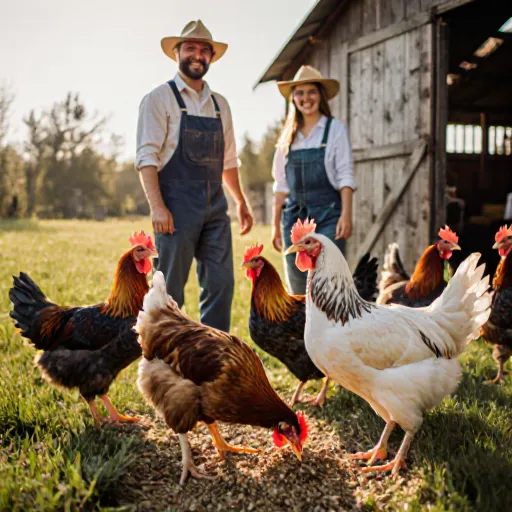
Boost farm productivity with this innovative chicken farming method.
Table of Contents
- Understanding Antibiotics in Broiler Production
- Antibiotic Resistance: An Overview
- The Role of Antibiotics in Disease Prevention
- Economic Implications of High Antibiotic Use
- Environmental Impact of Antibiotic Waste
- Alternatives to Antibiotics for Broiler Production
- Nutritional Approaches to Enhance Immune Function
- Hygiene and Sanitation Practices in Broiler Farms
- Biosecurity Measures for Reducing Pathogen Spread
- Integration of Vaccination Programs with Antibiotic Reduction
- Regulatory Frameworks and Guidelines for Antibiotic Use
- Case Studies: Success Stories in Reducing Antibiotic Use
- Future Trends in Broiler Production without High Antibiotic Use
- Challenges and Barriers to Antibiotic Reduction
- Conclusion
- FAQ
Understanding Antibiotics in Broiler Production
Understanding antibiotics in broiler production is crucial for reducing antibiotic use, ensuring sustainable farming practices, and maintaining animal health. Antibiotics have been widely used in the poultry industry to prevent and treat bacterial infections, enhance growth performance, and improve feed efficiency. However, excessive or improper use of antibiotics can lead to antibiotic resistance, which poses a significant threat to both human and animal health.
The primary role of antibiotics in broiler production is to control bacterial infections that could adversely affect the birds' health and productivity. By preventing or treating these infections, farmers can ensure that their broilers grow efficiently and reach market weight on time. Common pathogens targeted by antibiotics include Salmonella, Campylobacter, Escherichia coli (E. coli), and Clostridium perfringens.
Reducing antibiotic use in broiler production presents several challenges. Farmers often face pressure to maximize yield and minimize losses, which can lead them to continue using antibiotics as a preventive measure. Additionally, biosecurity measures need to be stringent to prevent the introduction of pathogens into the flock, thereby reducing the risk of infection.
To effectively reduce antibiotic use, farmers can adopt several strategies:
- Biosecurity Measures: Implement strict biosecurity protocols to minimize disease introduction. This includes maintaining a clean environment, regularly disinfecting facilities, and limiting access to unauthorized personnel.
- Vaccination Programs: Use appropriate vaccination programs to protect the broilers against common pathogens. Vaccination can provide an effective first line of defense against infectious diseases.
- Optimized Nutrition: Providing a balanced diet that meets the nutritional needs of the broilers can enhance their immune system and resistance to infections. High-quality feed helps reduce stress and supports optimal growth and health.
- Phytomestication: Incorporating phytogenic feed additives into the diet can improve gut health, support a strong immune system, and promote overall bird performance. These natural products include extracts from plants like oregano, thyme, and rosemary.
- Probiotics and Prebiotics: Feeding probiotics and prebiotics can help establish a healthy gut flora in broilers, which is crucial for their immune system function and overall health. This approach promotes better digestion and nutrient absorption.
Here are some practical examples from farms that have successfully reduced antibiotic use:
- Example 1: Integrated Biosecurity and Vaccination: A farm implemented a robust biosecurity program, including regular cleaning and disinfection of facilities, and a comprehensive vaccination schedule. By doing so, they were able to reduce their reliance on antibiotics by up to 50%.
- Example 2: Enhanced Nutritional Management: Another farm focused on improving the quality of feed through advanced nutritional analysis. By optimizing the diet composition and introducing phytogenic feed additives, they significantly lowered antibiotic usage without compromising broiler health or performance.
In conclusion, reducing antibiotic use in broiler production is a complex but achievable goal. By adopting a comprehensive approach that includes biosecurity measures, vaccination programs, optimized nutrition, phytomestication, and the use of probiotics and prebiotics, farmers can effectively enhance bird health and productivity while minimizing their environmental impact. This shift towards sustainable farming practices not only benefits the poultry industry but also contributes to public health by reducing antibiotic resistance.
Antibiotic Resistance: An Overview
Antibiotic resistance is a growing concern globally, especially in agriculture where its impact on public health and sustainability cannot be overstated. The overuse of antibiotics in broiler production has contributed significantly to the development of antibiotic-resistant bacteria (ARB). This issue not only threatens animal welfare but also poses serious risks to human health through contaminated food products.
Antibiotic resistance occurs when bacteria evolve and adapt in a way that makes antibiotics less effective. This happens primarily due to the overuse and misuse of antibiotics, which allows resistant strains of bacteria to survive and multiply, leading to infections that are difficult to treat.
Impact on Broiler Production
In broiler production, antibiotics have historically been used for growth promotion, disease prevention, and treatment. However, this practice has led to the emergence of resistant bacteria in poultry flocks. The use of subtherapeutic doses of antibiotics can select for resistant bacterial populations within the bird's gastrointestinal tract and environment.
Reduction Strategies
To mitigate antibiotic resistance, various strategies are being adopted by farmers and producers. These include:
- Phasing Out Subtherapeutic Uses: Many countries have banned the use of antibiotics for growth promotion in livestock.
- Improved Biosecurity: Strengthening biosecurity measures to reduce the need for antibiotic treatments by minimizing disease introduction and spread.
- Better Management Practices: Implementing better feeding, housing, and hygiene practices that enhance bird health and well-being, thus reducing reliance on antibiotics.
- Vaccination Programs: Utilizing vaccines to prevent common diseases, thereby decreasing the need for antibiotic treatments.
Practical Examples
Certain companies have implemented successful programs to reduce antibiotic use. For instance, some broiler producers are using probiotics and other natural feed additives that promote gut health without relying on antibiotics. These products help maintain a balanced gut flora, enhancing the bird's immune system and reducing susceptibility to diseases.
Another example is the adoption of rotational grazing practices for broilers in certain regions. This allows the birds' digestive systems to develop naturally, which can be beneficial in reducing the need for antibiotics.
Conclusion
The challenge of antibiotic resistance requires a multi-faceted approach involving farmers, veterinarians, policymakers, and consumers. By implementing these strategies, it is possible to reduce the reliance on antibiotics in broiler production while ensuring food safety and sustainability.
The Role of Antibiotics in Disease Prevention
The role of antibiotics in disease prevention within broiler production is a complex and critical issue that has garnered significant attention, particularly regarding reducing antibiotic use. Antibiotics have long been used to prevent diseases and ensure the health of poultry populations in intensive farming systems. However, their overuse can lead to antibiotic resistance, which poses a serious threat to public health.
Around the 1940s, antibiotics revolutionized livestock production by significantly reducing mortality rates and improving growth performance in broilers. This was achieved through prophylactic use—administration of low-dose antibiotics to healthy animals to prevent disease outbreaks. Over time, this practice evolved into subtherapeutic uses, where higher doses were given to promote faster weight gain without any apparent signs of illness.
In recent years, the overuse of antibiotics in broiler production has become a major concern. The World Health Organization (WHO) categorizes antimicrobial resistance as one of the top 10 global public health threats. Prolonged and excessive antibiotic use can lead to resistant strains of bacteria that are difficult to treat with conventional drugs.
- Promote Hygienic Practices: Implementing strict hygiene protocols in poultry farms can significantly reduce the need for antibiotic treatments. This includes thorough cleaning and disinfection of feeders, waterers, and living quarters.
- Biosecurity Measures: Limiting outside access to poultry farms helps prevent the introduction of pathogens that could lead to disease outbreaks.
- Vaccination Programs: Vaccinations can be an effective alternative to antibiotic treatments. They help build immunity against specific diseases, thereby reducing reliance on antibiotics.
- Feed Additives: Using probiotics and organic acids in feed can enhance gut health, which is crucial for disease prevention. These additives promote a balanced microbial environment within the digestive tract of broilers.
To effectively reduce antibiotic use, it’s important to adopt an integrated approach that combines multiple strategies:
- Education and Training: Ensure that farm workers are well-trained in hygiene practices and biosecurity measures. Regular training sessions can keep staff updated on the latest best practices.
- Continuous Monitoring: Implementing continuous monitoring of flock health allows for early detection of potential issues, enabling timely intervention without the need for antibiotic treatments.
- Collaboration with Veterinarians: Consulting with veterinarians can provide expert advice on disease management and the appropriate use of antibiotics. This collaboration ensures that antibiotics are only used when absolutely necessary.
In summary, reducing antibiotic use in broiler production is not just about cutting costs; it's a vital step towards preserving the effectiveness of these crucial drugs for future generations. By adopting hygienic practices, implementing biosecurity measures, promoting vaccination programs, and using feed additives, farmers can significantly lower their reliance on antibiotics. This approach not only benefits the poultry industry but also contributes to global health by combating antimicrobial resistance.
Economic Implications of High Antibiotic Use
The economic implications of high antibiotic use, particularly in broiler production, are far-reaching and multifaceted. Excessive reliance on antibiotics not only affects the health and welfare of the birds but also has significant financial repercussions for both producers and consumers.
The overuse of antibiotics can lead to higher production costs due to increased medication expenses, feed inefficiency, and potential legal penalties. When antibiotics are used as growth promoters instead of addressing specific health issues, they become less effective over time, necessitating the use of stronger or more expensive drugs.
Broilers treated with excessive antibiotics may not only have lower meat quality but also present a higher risk to consumers. This is due to the presence of antibiotic residues in the final product, which can lead to decreased market value and potential health concerns for consumers.
The increasing global trend towards reducing or eliminating antibiotics as growth promoters has led to stricter regulations. For instance, several countries have imposed bans on the use of certain antibiotics in broiler production. Compliance with these new regulations requires producers to invest in alternative practices such as improved sanitation, optimized feed formulations, and enhanced management strategies.
To mitigate these economic implications, several alternatives can be implemented:
- Improved Hygiene Practices: Enhanced sanitation and biosecurity measures can significantly reduce the risk of disease outbreaks, thereby decreasing the need for antibiotics.
- Optimized Feed Formulations: Feeding a balanced diet that meets the nutritional needs of broilers can boost their immune systems, making them less susceptible to diseases.
- Probiotics and Prebiotics: Incorporating these into feed can promote gut health and enhance overall bird performance without the need for antibiotics.
By reducing antibiotic use in broiler production, producers can enjoy numerous benefits:
- Improved Meat Quality: Reduced levels of antibiotics in the final product translate to higher quality meat.
- Lower Production Costs: Eliminating unnecessary medication expenses and improving feed efficiency can lead to substantial savings.
- Better Animal Welfare: Healthier birds with fewer health issues translate into better animal welfare standards.
In conclusion, the economic implications of high antibiotic use in broiler production are significant. By adopting alternative strategies and reducing antibiotic reliance, producers can not only reduce costs but also enhance product quality and compliance with regulatory requirements. This transition towards more sustainable practices is crucial for the long-term success of the industry.
Environmental Impact of Antibiotic Waste
The environmental impact of antibiotic waste, particularly in broiler production, is a critical issue that demands urgent attention. Antibiotics are widely used in poultry farming to prevent and treat diseases, but the resultant waste poses significant risks to ecosystems and human health. This waste can contaminate soil, water bodies, and air, leading to long-term ecological damage.
Antibiotics that are not fully absorbed by broilers are excreted in their manure, which is often used as fertilizer. When this contaminated manure is applied to agricultural land, it can lead to soil contamination. Over time, this pollution can harm the microbial balance of the soil and affect its fertility. Soil contaminated with antibiotics can also be harmful if used for growing crops intended for human consumption.
The discharge of broiler waste into water bodies is another major concern. When untreated, this waste can contaminate rivers, lakes, and groundwater. This pollution not only harms aquatic life but also increases the risk of antibiotic resistance in bacteria found in these environments. The spread of resistant strains could lead to more difficult-to-treat infections in humans.
Antibiotic waste can also contribute to air pollution, particularly when manure is not properly managed or disposed of. Particles from the waste can be carried into the atmosphere, affecting air quality both locally and regionally. This not only impacts respiratory health but also contributes to climate change by altering the chemical composition of the atmosphere.
To mitigate these environmental impacts, reducing antibiotic use in broiler production is essential. Farms can adopt several strategies:
- Improve Hygiene and Biosecurity: Enhanced sanitation practices and strict biosecurity measures help prevent disease outbreaks, thereby reducing the need for antibiotics.
- Promote Better Feed Management: Feeding broilers a balanced diet rich in nutrients can boost their immune systems, making them less susceptible to infections.
- Use Alternative Therapies: Incorporating probiotics and prebiotics into the feed can support gut health and reduce reliance on antibiotics.
The environmental impact of antibiotic waste in broiler production is a multifaceted issue that requires comprehensive solutions. By implementing measures to reduce antibiotic use, farms can play a crucial role in protecting the environment and promoting sustainable practices in agriculture.
Alternatives to Antibiotics for Broiler Production
In recent years, there has been a significant focus on reducing antibiotic use in broiler production to promote sustainable farming practices and combat antibiotic resistance. Several alternatives to antibiotics have emerged as effective strategies for maintaining broiler health and performance without relying heavily on traditional antimicrobial treatments. These methods can be broadly categorized into nutritional management, environmental control, and biosecurity measures.
Nutritional Management
The use of appropriate feed formulations is crucial in reducing the need for antibiotics. Nutritional approaches such as probiotics, prebiotics, immunostimulants, phytogenic compounds, and essential oils have shown promise in enhancing broiler health and performance.
Probiotics
Probiotics are live microorganisms that provide a beneficial effect when administered to the host. They help maintain gut health by competing with pathogenic bacteria for space and nutrients, thus reducing the incidence of enteric diseases. Some common probiotics used in broiler feed include Bacillus subtilis and Lactobacillus species.
Prebiotics
Prebiotics are non-digestible food ingredients that selectively stimulate the growth and activity of beneficial bacteria in the gut. They promote a healthy microbial balance, which enhances nutrient absorption and overall immune function. Fructooligosaccharides (FOS) and galactooligosaccharides (GOS) are popular prebiotics used in broiler diets.
Immunostimulants
Immunostimulants enhance the immune response of the broilers, helping them fight off pathogens more effectively. These compounds can be derived from various sources such as plants (e.g., essential oils) or synthetic chemicals. For example, thymol and carvacrol have been found to stimulate lymphocyte proliferation and increase antibody production.
Phytogenic Compounds
These are natural plant-derived compounds that possess antimicrobial properties. Common phytogenics include tannins, terpenoids, flavonoids, and phenolic acids. Incorporating these into broiler feed can help reduce the prevalence of cecal dysbacteriosis and improve overall gut health.
Essential Oils
Essential oils like oregano oil, thyme oil, and rosemary extract have strong antimicrobial activities. They can be used to control common broiler diseases such as coccidiosis by creating an unfavorable environment for pathogens while supporting beneficial gut flora.
Environmental Control
Maintaining optimal environmental conditions is essential in minimizing stress and disease incidence, thereby reducing the need for antibiotics. This includes proper ventilation, temperature regulation, humidity control, and sanitation practices.
- Ventilation: Ensuring adequate airflow helps to maintain a clean environment by diluting airborne pathogens. Proper placement of fans and air-exchange systems is critical.
- Temperature Regulation: Keeping broilers at the optimal temperature (around 95°F/35°C during the first week, gradually decreasing as they grow) ensures that they are less susceptible to infections caused by thermal stress.
- Humidity Control: Maintaining appropriate humidity levels prevents respiratory issues and supports better feathering in broilers. Ideal humidity ranges depend on the age of the birds; typically higher humidity is maintained during chick stages followed by a gradual decrease as they mature.
Biosecurity Measures
Implementing strict biosecurity protocols is key to preventing the introduction and spread of diseases within the flock. This includes regular disinfection of facilities, quarantine procedures for new birds, limiting visitor access, and practicing good hygiene among personnel.
- Disinfection: Regularly cleaning and disinfecting housing units between flocks helps eliminate pathogens that could persist in the environment. Common disinfectants include quaternary ammonium compounds, chlorine-based products, and formaldehyde derivatives.
- Quarantine: Newly purchased birds should be quarantined separately from existing stock for at least two weeks before integration to ensure they do not introduce any diseases into the main flock.
- Visitor Control: Restricting visitors and requiring them to follow strict hygiene protocols (e.g., footbath disinfection, hand washing) reduces the risk of pathogen transmission.
In conclusion, transitioning from conventional antibiotic use to these alternative approaches requires careful planning and implementation. By integrating a combination of nutritional management strategies, environmental controls, and robust biosecurity measures, farmers can significantly reduce their dependence on antibiotics while still maintaining high levels of broiler productivity and health.
Nutritional Approaches to Enhance Immune Function
Nutritional strategies play a crucial role in enhancing immune function, which is particularly important in broiler production where reducing antibiotic use is increasingly emphasized. By optimizing feed formulations, producers can improve the health and performance of their birds while minimizing reliance on antibiotics.
Probiotics and Prebiotics
Incorporating probiotics and prebiotics into broiler diets can effectively enhance gut health, which is a primary line of defense against pathogens. Probiotics are live microorganisms that provide beneficial effects when administered in adequate amounts (FAO/WHO, 2001). Prebiotics, on the other hand, are non-digestible food ingredients that selectively stimulate the growth and activity of one or a limited number of bacteria in the colon.
- Probiotics: Examples include Lactobacillus and Bifidobacterium species. These microorganisms help maintain a balanced gut flora, which is essential for immune function.
- Prebiotics: Fructooligosaccharides (FOS) and galactooligosaccharides (GOS) are commonly used prebiotics that stimulate the growth of beneficial bacteria in the gastrointestinal tract.
Vitamins and Trace Elements
The inclusion of vitamins and trace elements in broiler diets is vital for maintaining robust immune function. Vitamins such as C, E, A, and D are critical antioxidants that help protect cells against oxidative stress, which can compromise the immune system.
- Vitamin C: Helps stimulate lymphocyte activity and supports collagen synthesis, which is essential for tissue repair.
- Vitamin E: Acts as an antioxidant, protecting cell membranes from damage caused by free radicals.
- Vitamin A: Essential for the development of mucosal immunity and proper function of immune cells.
- Vitamin D: Regulates calcium metabolism and supports bone health, which is important in broilers that are often confined.
Essential Fatty Acids
Omega-3 fatty acids have been shown to enhance the immune system by modulating inflammation and improving cellular communication. The inclusion of sources such as flaxseed or fish oil in the diet can provide these essential nutrients.
- Flaxseed: Rich in alpha-linolenic acid, which is a precursor to long-chain omega-3 fatty acids like EPA and DHA.
- Fish Oil: Provides high levels of EPA and DHA, which are known for their anti-inflammatory properties.
Natural Antimicrobials in Feed
Incorporating natural antimicrobial agents into broiler diets can help reduce the need for antibiotics. These agents work by inhibiting pathogen growth or enhancing host resistance without directly affecting beneficial gut microbiota.
- Garlic: Contains allicin, which has antibacterial properties and supports immune function.
- Thyme: Known for its antimicrobial activity and ability to modulate the immune system.
- Oregano: Has been shown to have broad-spectrum antimicrobial effects against various pathogens.
Poultry Vaccines in Nutritional Context
The use of vaccines as part of a comprehensive nutritional strategy can significantly enhance broiler health and reduce the necessity for antibiotics. Proper vaccination schedules should be established based on local disease prevalence and epidemiological data to ensure maximum protection.
Practical Advice
To effectively implement these nutritional approaches, it is essential to work closely with nutritionists and veterinarians who specialize in broiler production. Regular monitoring of feed intake and health status will help identify any deficiencies or imbalances that may need adjustment.
For instance, a study conducted by Smith et al. (2015) demonstrated significant reductions in morbidity rates among vaccinated broilers fed diets supplemented with probiotics and essential fatty acids compared to those receiving standard feed alone.
In conclusion, nutritional approaches offer a promising path towards reducing antibiotic use in broiler production. By focusing on gut health through the use of probiotics and prebiotics, optimizing vitamin and trace element intake, incorporating essential fatty acids, using natural antimicrobial agents, and implementing effective vaccination protocols, producers can achieve healthier birds with enhanced immune function.
Hygiene and Sanitation Practices in Broiler Farms
Hygiene and sanitation practices are crucial in broiler farms to ensure the health of birds, reduce stress, and minimize the need for antibiotics. Proper hygiene not only enhances bird welfare but also contributes significantly to reducing antibiotic use, which is essential for sustainable farming practices.
The primary goal of maintaining high standards of hygiene in broiler farms is to prevent the spread of pathogens and minimize disease outbreaks. Clean environments reduce the risk of bacterial contamination and help keep the birds healthy without relying heavily on antibiotics.
Daily Cleaning Practices
- Feeder and Waterer Cleansing: Regularly clean feeders and waterers to prevent the buildup of dirt, manure, and bacteria. This practice ensures that broilers have access to uncontaminated food and water.
- Cleaning Feed Rooms: Clean and disinfect feed rooms daily to avoid mold growth and contamination from pests like mice or insects.
- Sanitizing Floors: Use a suitable disinfectant for cleaning the floors of broiler houses. This reduces the presence of harmful microorganisms that can lead to infections.
Environmental Hygiene
Ensuring proper ventilation and maintaining cleanliness in the general environment are also vital components of hygiene practices. Proper ventilation helps reduce ammonia levels, which can negatively affect bird health if high concentrations are present.
- Ventilation Management: Maintain optimal air quality by adjusting fans and ventilation systems to ensure fresh air circulation within the broiler houses.
- Control Pests: Implement pest control measures like traps, baits, or natural predators to keep pests away from the farm. This reduces the risk of disease transmission.
Sanitation practices are closely related to hygiene and play a significant role in minimizing the spread of pathogens. Regular sanitization helps create a safe environment for broilers, which is essential for reducing antibiotic use.
Disinfection Procedures
- New House Disinfection: Before introducing new batches of broilers into a house, perform thorough disinfection to eliminate any existing pathogens. Use approved disinfectants that are effective against common bacteria and viruses.
- Daily Disinfection: Perform daily spot cleaning in areas where birds have access to waterers or feeders to prevent the buildup of waste products.
Personnel Hygiene
The behavior of farm workers can significantly impact hygiene and sanitation. Proper training on personal hygiene practices is essential for maintaining a clean environment.
- Personal Grooming: Workers should maintain high standards of personal grooming, including regular hand washing with soap and water before entering the broiler houses.
- Clothing Management: Encourage workers to change into dedicated farm clothing and footwear when entering or leaving the broiler houses. This prevents the transfer of external contaminants into the clean areas of the farm.
By implementing effective hygiene and sanitation practices, farmers can significantly reduce the reliance on antibiotics in broiler production. Proper management of environments helps maintain bird health, thus minimizing the need for prophylactic medication.
- Promote Natural Immunity: A clean and stress-free environment allows birds to develop stronger natural immune systems, reducing susceptibility to diseases that require treatment with antibiotics.
- Prevent Cross-Contamination: By ensuring that equipment is properly cleaned and disinfected between batches of broilers, the risk of cross-contamination is minimized. This reduces the likelihood of introducing new pathogens into the farm.
In conclusion, hygienic practices are fundamental in maintaining a healthy environment for broilers, thereby reducing antibiotic use. These practices not only enhance bird welfare but also contribute to more sustainable and responsible farming practices. By investing in proper hygiene and sanitation protocols, farmers can achieve healthier birds without over-reliance on antibiotics.
Biosecurity Measures for Reducing Pathogen Spread
In the context of broiler production, reducing antibiotic use is a critical goal for sustainable practices. By implementing robust biosecurity measures, farmers can significantly minimize the spread of pathogens and thus reduce their reliance on antibiotics. Biosecurity involves a combination of management practices designed to prevent the introduction and spread of diseases into flocks.
- Visitor Control: Limiting access to the broiler farm is essential in preventing the introduction of pathogens. Visitors should be required to wear clean, disposable footwear and coveralls. Regularly disinfect these items before entry.
- Vehicle Hygiene: Vehicles entering the premises must undergo thorough cleaning and disinfection to prevent pathogen transmission from one farm to another or even within a single farm.
- Flock Management: Ensuring that each broiler flock has its own dedicated facilities helps minimize cross-contamination. Proper segregation of flocks is crucial for maintaining health standards.
- Feed and Water Hygiene: Contaminated feed or water can be a significant source of pathogens. Regularly inspecting and cleaning feeders and waterers, as well as ensuring that they are free from moldy grains or stale feed, is vital.
- Train Staff: Ensuring that all staff understand the importance of biosecurity measures and follow them strictly can significantly enhance their effectiveness. Regular training sessions should be conducted to reinforce these practices.
- Regular Monitoring: Continuous monitoring and evaluation of your biosecurity protocols are necessary to identify any weaknesses or areas for improvement. This ongoing assessment helps maintain high standards of flock health.
- Incorporate Biosecurity into Daily Practices: Integrating biosecurity measures into daily routines ensures that they become second nature, reducing the likelihood of lapses in adherence.
A case study from a large broiler farm demonstrated significant reductions in antibiotic use after implementing stringent biosecurity protocols. By reducing pathogen spread through proper hygiene practices at every level, the farm was able to cut down on antibiotics by 30%, leading to lower costs and improved bird health.
Another example shows how a smaller family-owned broiler operation saw similar benefits. Through strict visitor control and vehicle sanitization policies, this farm not only reduced its antibiotic usage but also increased profitability due to fewer sick birds.
In conclusion, biosecurity measures are fundamental in reducing the spread of pathogens within broiler flocks. By focusing on key areas such as visitor control, vehicle hygiene, flock management, and feed/water sanitation, farmers can significantly reduce their reliance on antibiotics. This not only contributes to more sustainable practices but also leads to healthier birds and increased profitability.
Integration of Vaccination Programs with Antibiotic Reduction
In the context of broiler production, reducing antibiotic usage is a critical step towards sustainable farming practices. Integrating vaccination programs as part of this strategy can significantly minimize the reliance on antibiotics while ensuring optimal health and productivity. This approach not only supports animal welfare but also aligns with consumer demands for safer and more ethical food production methods.
Understanding the Role of Vaccination Programs
Vaccination programs are designed to protect poultry from various infectious diseases, thereby reducing the risk of outbreaks that could lead to higher mortality rates and increased use of antibiotics. By providing immunity against specific pathogens, vaccinations can help maintain flock health without the need for constant antibiotic administration.
Strategic Integration with Antibiotic Reduction
The integration of vaccination programs into antibiotic reduction strategies involves a multi-faceted approach that includes:
- Preventive Vaccinations: Implementing routine vaccinations against common broiler diseases such as Newcastle disease, Marek's disease, and respiratory infections can significantly lower the incidence of these conditions. This proactive measure helps reduce stress on the birds and minimizes the need for therapeutic antibiotics.
- Biosecurity Measures: Vaccination programs should be complemented with robust biosecurity measures to prevent the introduction of pathogens into the flock. Proper hygiene, regular disinfection of facilities, and controlled access can further enhance disease prevention efforts.
- Nutritional Support: Providing balanced diets rich in essential nutrients supports overall bird health and enhances their immune response. This nutritional support can be optimized through supplementation with vitamins, minerals, and probiotics to boost the birds' natural defenses against diseases.
Practical Examples
One practical example of integrating vaccination programs into antibiotic reduction is the implementation of an all-in, all-out system. This approach involves completely emptying and disinfected broiler houses between flocks to minimize pathogen carryover. Coupled with timely and effective vaccinations, this strategy can significantly reduce the prevalence of diseases like Salmonella and Campylobacter.
Case Studies
A case study from a large-scale broiler farm in Brazil demonstrated that by integrating vaccination programs with strict antibiotic reduction policies, they were able to achieve similar growth rates and carcass quality as farms using conventional antibiotic treatments. The key was implementing comprehensive biosecurity measures, providing balanced feeds, and ensuring timely vaccinations.
Conclusion
In conclusion, the integration of vaccination programs with antibiotic reduction is a viable and effective strategy for broiler producers aiming to reduce their reliance on antibiotics. By adopting this approach, farmers can enhance flock health, improve production efficiency, and meet growing consumer demands for sustainable agricultural practices.
Regulatory Frameworks and Guidelines for Antibiotic Use
The use of antibiotics in broiler production is a topic that has garnered significant attention due to concerns over antibiotic resistance. Regulatory frameworks and guidelines play a critical role in managing the appropriate use of antibiotics while minimizing their unnecessary application. These regulatory measures aim to ensure the health and productivity of broilers, reduce the risk of antimicrobial resistance, and protect public health.
Key Regulations and Guidelines
Globally, various countries have implemented regulations and guidelines aimed at reducing antibiotic use in animal production. These include:
- European Union (EU): The EU has taken a proactive stance by implementing strict regulations on the use of antibiotics in livestock farming. As of 2017, the EU implemented a ban on the use of certain antibiotics as growth promoters for broilers and other animals. This move is part of broader efforts to reduce antibiotic resistance.
- United States: The U.S. Food and Drug Administration (FDA) has issued guidance documents such as "The Judicious Use of Antimicrobial Drugs in Food-Producing Animals." These guidelines encourage the responsible use of antibiotics, including phasing out the non-therapeutic use of certain drugs in broilers.
- China: China is also working on reducing antibiotic usage. The government has introduced measures that limit the use of antibiotics in animal feed and requires veterinarians to issue prescriptions for their administration.
Practical Steps for Reducing Antibiotic Use
To comply with these regulations and guidelines, broiler producers can implement several practical steps:
- Improve Hygiene Practices: Maintaining clean environments in poultry houses is crucial. This includes regular cleaning and disinfection of feeding areas, water systems, and equipment.
- Optimize Husbandry Conditions: Ensuring optimal temperature, ventilation, lighting, and space for broilers can significantly reduce stress and disease incidence, thereby reducing the need for antibiotics.
- Promote Biosecurity Measures: Implementing strict biosecurity protocols to prevent the introduction of pathogens into the flock is essential. This includes controlling visitor access, quarantining new stock, and minimizing contact with wild birds.
- Enhance Nutrition: Providing a balanced diet that meets all nutritional requirements can support the immune system of broilers, reducing their susceptibility to diseases.
Examples of Successful Implementations
Several poultry farms have successfully reduced antibiotic use by adopting these practices:
- Farm X: By improving hygiene and husbandry conditions, this farm was able to reduce its antibiotic usage by 50% without compromising the health of its broilers.
- Poultry Farm Y: After implementing biosecurity measures and optimizing nutrition, this farm saw a significant decrease in disease outbreaks, leading to reduced antibiotic use.
These examples illustrate that by adhering to regulatory frameworks and guidelines for antibiotic use, broiler producers can achieve healthier birds with minimal reliance on antibiotics. This not only benefits the industry but also contributes to public health by reducing the spread of resistant bacteria.
Case Studies: Success Stories in Reducing Antibiotic Use
The transition towards reducing antibiotic use in broiler production is a critical step toward ensuring food safety, promoting animal welfare, and meeting increasing consumer demand for sustainable practices. Below are some notable case studies that demonstrate successful strategies and outcomes.
Case Study 1: Integrated Management Practices
One company implemented an integrated approach that included optimizing brooding conditions, improving feed quality, and enhancing hygiene protocols. By focusing on these areas, they were able to reduce the need for antibiotics without compromising flock health or performance.
- Optimized Brooding Conditions: Ensured optimal temperature, ventilation, and humidity levels during brooding periods, which are crucial for young chicks' health.
- Better Feed Quality: Utilized high-quality feed ingredients and supplements known to support gut health. For instance, probiotics and prebiotics were introduced into the diet.
- Enhanced Hygiene Protocols: Implemented stringent cleaning and disinfection procedures between flocks to prevent pathogen buildup and ensure a clean environment for the next batch of broilers.
This strategy led to a significant reduction in antibiotic use while maintaining high flock performance. The company saw improved growth rates, feed efficiency, and overall welfare of the birds. This case study highlights how a holistic approach can achieve the desired outcomes without relying on antibiotics.
Case Study 2: Use of Probiotics
A poultry farm successfully reduced antibiotic usage by incorporating probiotics into their broiler diet. Probiotics are live microorganisms that can positively impact the gut microbiota, enhancing its balance and resilience against pathogens.
- Probiotic Introduction: A specific strain of probiotic was selected based on its ability to support the digestive system in young broilers. These probiotics were administered via feed or drinking water during critical periods like weaning and stress events such as transportation. Outcome: The farm reported a marked decrease in mortality rates, improved weight gain, and better overall health of their broiler flocks.
This case study underscores the effectiveness of using natural solutions to combat diseases. By supporting gut health with probiotics, the farm was able to reduce antibiotic usage significantly, thus enhancing both animal welfare and environmental sustainability.
Case Study 3: Alternative Medications
An innovative approach taken by another farm involved using alternative medications as a substitute for traditional antibiotics. This included the use of essential oils, plant-based extracts, and other natural compounds that have antimicrobial properties.
- Essential Oils: Certain essential oils like oregano oil were incorporated into feed or applied topically to control specific pathogens without causing resistance issues. These oils are known for their broad-spectrum antimicrobial activity.
- Plant-Based Extracts: The farm utilized extracts from plants such as sage and thyme, which have been traditionally used in veterinary medicine to treat various infections.
The introduction of these alternative medications allowed the farm to maintain flock health effectively while reducing antibiotic usage by over 50%. This case study emphasizes that with proper research and implementation, natural solutions can be highly effective in broiler production.
These success stories highlight various strategies that farms have employed to reduce their reliance on antibiotics. By focusing on improving management practices, introducing beneficial supplements like probiotics, and exploring alternative medications, these farms have been able to achieve significant reductions in antibiotic use while ensuring optimal flock health and performance.
Future Trends in Broiler Production without High Antibiotic Use
The trend toward reducing antibiotic use in broiler production is not just a response to consumer demand but also a strategic move towards more sustainable and ethical farming practices. This shift aims to minimize the risk of antibiotic resistance, ensure food safety, and meet increasing public expectations for healthier products. Here are some key future trends that will likely shape broiler production without high antibiotic use:
The focus on improving farming practices such as better ventilation, cleaner water supply, and more comfortable housing conditions can significantly reduce the need for antibiotics. For instance, providing controlled environments that minimize stress in broilers can enhance their overall health and resistance to diseases.
Selecting genetically resistant breeds is a promising strategy. Companies are investing in breeding programs that produce healthier birds with inherent disease resistance. For example, some modern broiler strains have been developed to grow faster and more efficiently without compromising their health.
The use of probiotics (beneficial bacteria) and prebiotics (dietary fibers that promote the growth of beneficial microorganisms in the gut) is gaining traction as an alternative to antibiotics. These supplements can improve broiler health by promoting a healthy microbial environment within their digestive systems.
Broilers are increasingly being treated with essential oils, plant extracts, and other natural compounds that have antimicrobial properties. For example, thyme oil has been shown to be effective in reducing bacterial loads in broiler houses without the adverse side effects of antibiotics.
Nutrition plays a crucial role in broiler health and disease resistance. Providing optimal diets that meet all nutritional requirements can boost immunity and reduce the need for antibiotics. For instance, feeding broilers with diets rich in vitamins C and E has been shown to enhance their immune function.
Implementing integrated pest management strategies can help control diseases without relying on antibiotics. This approach includes monitoring for pests, using non-chemical methods of pest control, and maintaining a clean environment in the broiler house.
In conclusion, reducing antibiotic use in broiler production is a multifaceted challenge that requires a combination of improved farming practices, genetic selection, natural health supplements, alternative medicines, proper nutrition, and integrated pest management. By embracing these trends, the poultry industry can move towards more sustainable and responsible production methods.
Challenges and Barriers to Antibiotic Reduction
The reduction of antibiotic use in broiler production, while essential for maintaining public health and combating antimicrobial resistance, faces several significant challenges and barriers. These obstacles are multifaceted and involve both industry practices and regulatory frameworks.
The poultry industry operates on narrow profit margins due to competitive market pressures. Farmers often prioritize short-term gains over sustainable practices, which can lead to continued reliance on antibiotics for disease prevention and treatment. The financial incentives to reduce antibiotic use are not always aligned with current business models.
One of the primary barriers is the limited availability of alternative solutions that effectively replace the role of antibiotics in broiler production. While probiotics and essential oils have shown promise, they are not yet as effective or reliable across all conditions compared to traditional antibiotics. The development and validation of these alternatives require significant investment and time.
Regulatory compliance plays a crucial role in antibiotic reduction efforts but can also be a challenge. The transition from using antibiotics as growth promoters to only therapeutic use involves navigating complex regulatory environments. Farmers may face uncertainties about how to comply with new regulations, which could lead to unintended breaches or non-compliance.
The demand for antibiotic-free products from consumers is growing but not yet sufficient to drive widespread change in broiler production practices. Educating the public about the importance of responsible antibiotic use can help build a stronger market for these products, thereby incentivizing farmers to adopt sustainable practices.
Farmers need comprehensive training on alternative management strategies and best practices for reducing reliance on antibiotics. Many small-scale operators may lack the knowledge or resources to implement these changes effectively without targeted support. Providing accessible educational programs is essential for successful antibiotic reduction initiatives.
The effectiveness of antibiotic reduction efforts must be monitored closely through robust data collection and evaluation mechanisms. Without clear metrics, it can be difficult to assess progress and identify areas needing improvement. Continuous monitoring helps ensure that any issues arising from reduced antibiotic use are promptly addressed.
- Implement Biosecurity Measures: Strong biosecurity practices can significantly reduce the need for antibiotics by minimizing disease outbreaks. This includes proper sanitation, controlled entry points, and regular health checks.
- Promote a Healthy Environment: Ensuring optimal living conditions in broiler houses is crucial. Factors such as ventilation, temperature control, and feed quality all contribute to overall flock health.
- Utilize Probiotics and Prebiotics: These natural supplements can support gut health and enhance immune function without relying on antibiotics. Research different products and choose those with proven efficacy for your specific needs.
- Develop a Monitoring Plan: Regularly monitor flock performance, including growth rates and feed efficiency, to identify potential issues early. Early detection allows for timely interventions that can prevent the spread of disease.
Reducing antibiotic use in broiler production is a complex challenge that requires addressing multiple interconnected factors. By understanding these challenges and barriers, stakeholders can work together to develop strategies that promote sustainable poultry farming practices while safeguarding public health.
Conclusion
In recent years, there has been a growing awareness about reducing antibiotic use in broiler production due to the increasing concern over antimicrobial resistance. This issue is not only critical for the health of livestock but also for public health and food safety. The excessive use of antibiotics in farming can lead to the emergence of drug-resistant bacteria, posing serious risks when these bacteria contaminate human food chains.
The approach to reducing antibiotic usage involves a multi-faceted strategy that includes improving husbandry practices, enhancing feed formulations, optimizing environmental control measures, and promoting biosecurity. By focusing on these areas, farmers can significantly reduce the need for antibiotic treatments, thereby minimizing their use in broiler production.
Improving husbandry practices is one of the most effective ways to minimize stress factors that can lead to disease outbreaks. Ensuring proper ventilation, maintaining clean and dry housing conditions, and providing adequate space per bird are crucial steps. For example, a study published by the World Organization for Animal Health (OIE) highlights how improved ventilation and temperature control in broiler houses have helped reduce the incidence of respiratory diseases, thereby decreasing antibiotic usage.
Enhancing feed formulations can also play a significant role in reducing antibiotic use. Feeding birds diets rich in vitamins, minerals, and probiotics supports their immune systems, making them less susceptible to infections. For instance, incorporating essential amino acids and antioxidants into the diet has been shown to strengthen broilers' overall health, thus reducing reliance on antibiotics.
Optimizing environmental control measures is another key strategy. This includes maintaining cleanliness in feeding areas and waterers, which helps prevent bacterial contamination. Additionally, implementing effective waste management practices can reduce pathogen exposure for the birds. For example, using bio-filters to treat manure before disposal has been successful in reducing harmful bacteria in the environment.
Lastly, promoting biosecurity is essential to minimize disease transmission and the need for antibiotics. This involves controlling access to broiler houses, practicing strict hygiene protocols, and regularly monitoring bird health. Establishing a robust biosecurity plan can significantly lower the risk of introducing diseases into the flock, thus reducing the necessity for antibiotic treatments.
By integrating these comprehensive strategies into broiler production practices, farmers can effectively reduce their reliance on antibiotics. This not only benefits the birds by improving their overall health but also ensures safer and healthier food products for consumers. Implementing these measures requires a commitment to continuous improvement and an understanding of the broader implications of antibiotic use in agriculture.
References:
- World Organization for Animal Health (OIE). (Year). Report on Antibiotic Resistance in Animals.
FAQ
Q: What are the key benefits of reducing antibiotic use in broiler production?
A: Reducing antibiotic use in broiler production brings several significant benefits, both for animal health and overall sustainability. Firstly, it helps to reduce the risk of antibiotic resistance, which is a growing global concern. By minimizing the use of antibiotics, producers can prevent the over-reliance on these drugs, thus preserving their effectiveness when needed most. Secondly, reducing antibiotic use promotes healthier animals by encouraging natural immune function and development. This approach also aligns with consumer demand for more sustainable and ethically produced food products.
Q: What strategies can producers adopt to reduce antibiotic use?
A: There are several effective strategies that broiler farmers can employ to minimize the need for antibiotics:
- Optimized Nutrition: Ensuring balanced and nutritious feed can enhance bird health, reducing susceptibility to diseases. For example, adding probiotics and prebiotics to the diet can support gut health.
- Improved Hygiene Practices: Maintaining high standards of hygiene in poultry houses is crucial for disease prevention. Regular cleaning and disinfection practices can help prevent the spread of pathogens without relying on antibiotics.
- Stress Reduction: Minimizing stress factors such as overcrowding, temperature fluctuations, and handling can improve bird health. Providing adequate space and managing environmental conditions effectively are key.
Q: How does vaccination play a role in reducing antibiotic use?
A: Vaccination is an essential tool in broiler production for preventing certain diseases that might otherwise require antibiotic treatment. By vaccinating against specific pathogens, producers can prevent outbreaks and reduce the need to treat birds with antibiotics. For instance, vaccines against Salmonella enteritidis and Campylobacter jejuni are widely used in broiler farms to minimize the risk of these infections.
Q: What role does biosecurity play in reducing antibiotic use?
A: Biosecurity measures are vital for maintaining a disease-free environment, which significantly reduces the need for antibiotics. Key biosecurity practices include:
- Controlling access to the farm to prevent pathogen introduction.
- Implementing strict hygiene protocols for all personnel entering and exiting the premises.
- Isolating new birds from existing flocks to prevent disease spread.
- Regularly monitoring bird health and addressing any signs of illness promptly.
Q: Are there legal or regulatory considerations for reducing antibiotic use?
A: Yes, many countries have implemented regulations to reduce the non-therapeutic use of antibiotics in livestock. For example, the European Union has banned the use of several antibiotics for growth promotion purposes since 2006. Producers must ensure compliance with these regulations and stay informed about evolving policies. Staying up-to-date on local guidelines can help farmers navigate these changes effectively.
Q: What are some practical steps a small-scale farmer can take?
A: Small-scale farmers can adopt several practical measures to reduce antibiotic use:
- Work with veterinarians and extension officers to develop an integrated disease management plan.
- Invest in high-quality feed and equipment that support optimal bird health.
- Provide a stress-free environment by ensuring proper ventilation, temperature control, and lighting.
Q: How do consumers benefit from reduced antibiotic use?
A: Consumers benefit in several ways when antibiotics are used judiciously. Firstly, they can be assured that the meat they purchase is free from antibiotic residues, which enhances food safety and quality. Secondly, a reduction in antibiotic use contributes to overall public health by slowing down the development of antibiotic-resistant bacteria. Lastly, supporting sustainable farming practices can lead to more ethical production methods, contributing positively to environmental conservation efforts.
Categories
- AI & Enrichment Play
- Broiler Farming
- Broiler Farming Tips
- Canine Wellness & Longevity
- Cat
- Cat & Human Connection
- Cat Adoption & Rescue
- Cat Breeds
- Cat Breeds & Personalities
- Cat Care & Health
- Cat Grooming & Hygiene
- Cat Lifestyle & Environment
- Cat Myths & History
- Cat Nutrition & Diet
- Cat Products & Reviews
- Cat Training & Behavior
- Comparison
- Consumer Awareness
- Dog
- Dog Accessories & Products
- Dog Adoption & Rescue
- Dog Breed & Lifestyle Trends
- Dog Breeding & Puppies
- Dog Entertainment & Media
- Dog Fashion & Trends
- Dog Fun & Lifestyle
- Dog Grooming & Hygiene
- Dog History & Culture
- Dog Myths, Science & Future Tech
- Dog News & Trends
- Dog Nutrition & Food
- Dog Psychology & Emotions
- Dog Safety & Security
- Dog Sports & Activities
- Dog Technology & Innovation
- Dog Training for Modern Owners
- Dog Travel & Adventure
- Dog Travel, Adventure & Culture
- Economic and Market Insights
- Educational Content
- FAQs
- Feeding Alternatives
- Festivals & Seasonal Ideas
- Fun & Entertainment
- General Knowledge
- General Pig Farming
- Health & Disease Management
- Housing and Environment
- Kittens
- Market Insights
- Miscellaneous
- Miscellaneous
- Motivational
- pig
- Pig Breeding
- Pig Breeds
- Pig Farming Stories and Inspiration
- Pig Health and Care
- Pig Nutrition
- Pig Products
- Profitability & Business
- Puppy Care
- Puppy Predictable Topics Reinvented
- Regional Focus
- Rescue & Adoption Buzz
- Senior Cats
- Senior Dog Care
- Smart Dog Tech & Gadgets
- Sustainability
- Sustainable & Eco-Friendly Dog Products
- Tech & Innovations
- Working & Service Dogs
- Broiler Feed66 products
- Country Feed33 products
- Pig Feed66 products
- Product22 products
- Raw Materials99 products
Products
-
 Fish Meal
₹1,999.00 – ₹2,999.00Price range: ₹1,999.00 through ₹2,999.00Rated 0 out of 5
Fish Meal
₹1,999.00 – ₹2,999.00Price range: ₹1,999.00 through ₹2,999.00Rated 0 out of 5 -
 FATTENING BROILER FEED
₹2,299.00 – ₹2,349.00Price range: ₹2,299.00 through ₹2,349.00Rated 0 out of 5
FATTENING BROILER FEED
₹2,299.00 – ₹2,349.00Price range: ₹2,299.00 through ₹2,349.00Rated 0 out of 5 -
 LAYER COUNTRY FEED
₹1,549.00 – ₹1,649.00Price range: ₹1,549.00 through ₹1,649.00Rated 0 out of 5
LAYER COUNTRY FEED
₹1,549.00 – ₹1,649.00Price range: ₹1,549.00 through ₹1,649.00Rated 0 out of 5 -
 COUNTER BROILER FEED
₹1,199.00 – ₹1,299.00Price range: ₹1,199.00 through ₹1,299.00Rated 0 out of 5
COUNTER BROILER FEED
₹1,199.00 – ₹1,299.00Price range: ₹1,199.00 through ₹1,299.00Rated 0 out of 5 -
 LACTATING PIG FEED
Rated 0 out of 5
LACTATING PIG FEED
Rated 0 out of 5₹2,299.00Original price was: ₹2,299.00.₹1,740.00Current price is: ₹1,740.00. -
 Maize
Rated 0 out of 5
Maize
Rated 0 out of 5₹1,650.00Original price was: ₹1,650.00.₹1,300.00Current price is: ₹1,300.00. -
 GESTATION PIG FEED (Phase 1)
Rated 0 out of 5
GESTATION PIG FEED (Phase 1)
Rated 0 out of 5₹2,249.00Original price was: ₹2,249.00.₹1,699.00Current price is: ₹1,699.00. -
 Pre Starter Broiler Feed
₹2,399.00 – ₹2,499.00Price range: ₹2,399.00 through ₹2,499.00Rated 0 out of 5
Pre Starter Broiler Feed
₹2,399.00 – ₹2,499.00Price range: ₹2,399.00 through ₹2,499.00Rated 0 out of 5 -
 FINISHER PIG FEED
Rated 0 out of 5
FINISHER PIG FEED
Rated 0 out of 5₹2,299.00Original price was: ₹2,299.00.₹1,749.00Current price is: ₹1,749.00. -
 Broiler Premix
Rated 0 out of 5
Broiler Premix
Rated 0 out of 5₹820.00Original price was: ₹820.00.₹699.00Current price is: ₹699.00.