
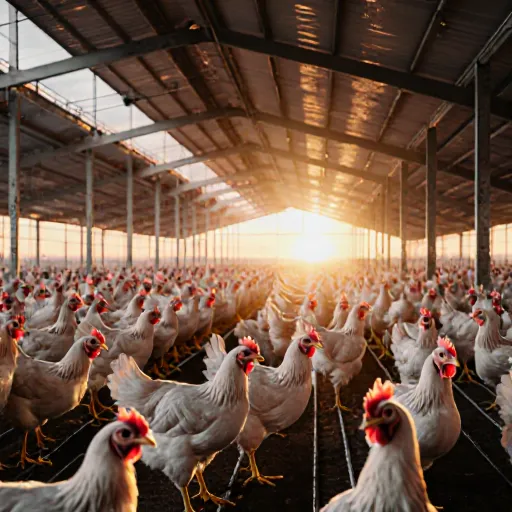
Broilers: Are They Safe to Consume?
Table of Contents
- What Are Broiler Chickens?
- How Are Broiler Chickens Raised?
- Common Diseases in Broilers
- Nutritional Content of Broiler Meat
- Health Risks Associated with Eating Broiler Chickens
- Pesticide Residue and Broilers
- Antibiotic Use in Broiler Production
- Genetic Modifications in Broilers
- Environmental Impact of Broiler Farming
- Certified Organic Broilers
- Regulations and Safety Standards
- Comparative Analysis with Other Poultry
- Consumer Awareness and Education
- Conclusion
- FAQ
What Are Broiler Chickens?
Broiler chickens are a specific breed of chicken developed for meat production. They are bred and raised specifically for their fast growth rate, large breast muscles, and overall size which makes them ideal for consumption as poultry meat. Unlike other breeds like heritage or dual-purpose chickens that are raised primarily for eggs and meat, broilers are selected purely for the purpose of producing a high yield of meat.
- Fast Growth Rate: Broiler chickens reach their optimal weight in about 6 to 8 weeks, which is much faster than traditional chicken breeds. This rapid growth makes them a cost-effective option for commercial meat production.
- Breast Muscles: They have large breast muscles compared to other breeds, contributing significantly to the amount of meat obtained from each bird.
- Sizing: Broilers are generally larger in size than standard chicken breeds. This is another factor that contributes to the yield and profitability for farmers.
The selection of broiler breeders is critical to ensure high-quality meat production. Breeders are chosen based on genetics, feeding efficiency, disease resistance, and overall productivity. These selected birds produce offspring that inherit desirable traits for meat production.
Broilers have specific nutritional requirements throughout their growth cycle. They are typically fed a high-energy diet rich in carbohydrates to promote rapid weight gain. Corn, soybean meal, and other grains form the bulk of their feed. Proper feeding practices ensure that broilers grow at an optimal rate without compromising on meat quality or health.
In commercial settings, broilers are raised in controlled environments to optimize growth and minimize stress factors such as disease. They are housed in large facilities where temperature, humidity, light, and ventilation can be closely monitored. This helps maintain consistent growth rates and meat quality.
The safety of broiler chickens for consumption hinges on proper handling from breeding through slaughter. When raised in a hygienic environment, fed a balanced diet, and processed under USDA or equivalent regulatory guidelines, the meat from broilers is safe to eat.
However, like any poultry product, it's essential to follow safe food-handling practices such as proper cooking. Cooking broiler chicken to an internal temperature of at least 165°F (74°C) ensures that harmful bacteria are destroyed, making the meat safe for consumption.
How Are Broiler Chickens Raised?
The raising of broiler chickens, also known as meat chickens, is a crucial step in ensuring that the final product you purchase at your local grocery store or farmer's market is safe and healthy. Broilers are raised specifically for their meat, and their growth rate is much faster than other breeds, making them ideal for commercial production due to their ability to reach slaughter weight quickly.
Commercial Production Practices
The raising of broiler chickens in modern commercial farms follows strict guidelines set by the government and industry standards. These practices focus on maximizing yield while ensuring humane treatment and safety. Broilers are typically raised indoors in climate-controlled facilities to protect them from external threats such as disease, extreme weather conditions, and predators.
Feeding Practices
Broilers have a highly efficient digestive system that allows them to convert feed into meat very rapidly. They are fed a carefully formulated diet consisting of corn, soybean meal, vitamins, minerals, and other nutrients tailored to support their rapid growth rate. The diet is designed to meet the specific nutritional needs of broilers at different stages of their development.
It's important for farmers to monitor feed intake closely because overfeeding can lead to health issues such as fatty liver syndrome, which affects the quality and safety of the meat. Farmers also ensure that there is always clean water available for the chickens, as hydration plays a critical role in their overall health.
Environmental Controls
The environment in which broilers are raised must be carefully managed to prevent stress and disease. This includes maintaining optimal temperature, humidity levels, ventilation, and lighting schedules. Proper environmental control helps reduce the risk of respiratory diseases that can affect the quality of the meat.
For example, broilers require a temperature range between 70°F and 95°F (21°C to 35°C) during different stages of their growth. As they grow larger, the temperature is gradually increased to mimic natural conditions while still maintaining comfort levels for the birds.
Health and Disease Management
Preventing disease is a top priority in broiler production. Farmers use vaccination programs and antibiotics judiciously to protect the flock from common poultry diseases like Newcastle disease, Salmonella, and Campylobacter. Regular health checks by veterinarians are also conducted to ensure early detection of any potential issues.
It's worth noting that overuse of antibiotics can lead to antibiotic-resistant strains of bacteria in both animals and humans. To mitigate this risk, many companies have shifted towards more sustainable practices such as probiotics, organic acids, and improved hygiene measures instead of relying heavily on antibiotics.
Poultry Inspection Before Slaughter
Before broilers are sent to slaughter, they undergo thorough inspection by veterinarians or government inspectors. These inspections ensure that only healthy chickens go through the processing stages, thereby maintaining food safety standards. Diseased birds are identified and either treated further or humanely euthanized if necessary.
Conclusion
The way broiler chickens are raised plays a significant role in determining whether they will be safe to eat. By following best practices, farmers can produce high-quality meat that not only meets consumer expectations but also adheres to stringent health and safety regulations. Understanding these processes helps consumers make informed decisions about the food they choose.
Common Diseases in Broilers
The safety of broiler chickens for human consumption is a critical concern, especially when discussing their diseases. Understanding the common diseases that affect broilers can help ensure they are safe to eat and contribute to maintaining public health standards.
Disease Overview
Broilers, being intensively reared for meat production, face several health challenges due to their rapid growth rates and stressful environments. Common diseases include Salmonella, Campylobacteriosis, and Enteritis, which can lead to foodborne illnesses if not properly managed.
Salmonella
Salmonella: This bacterial infection is prevalent in broilers due to poor hygiene and stress factors. It can cause severe illness in humans who consume contaminated chicken. Proper biosecurity measures, such as strict sanitation practices and vaccination programs, are essential to prevent the spread of Salmonella.
Campylobacteriosis
Campylobacteriosis: Another common bacterial disease in broilers that can lead to Campylobacteriosis in humans. It is often linked to improper handling and processing practices during slaughter. Ensuring humane treatment of broilers and implementing stringent hygiene protocols at the farm level can significantly reduce the risk of this infection.
Enteritis
Enteritis: This condition involves inflammation of the intestines, which is often a result of poor feed quality or environmental stress. Enteritis can compromise the digestive health of broilers and potentially lead to infections in humans if not addressed properly.
Poultry Management Practices
To ensure that broilers are safe for human consumption, poultry farmers must follow strict management practices:
- Hygiene: Regular cleaning and disinfection of housing facilities to prevent the buildup of pathogens.
- Vaccination: Administering vaccines against common diseases as recommended by veterinarians.
- Feeding Practices: Providing a balanced diet that supports optimal health and growth without compromising hygiene standards.
Conclusion
In conclusion, while broiler chickens can be safe to eat when properly managed, it is crucial for farmers and consumers alike to understand the common diseases affecting these birds. By implementing effective biosecurity measures and adhering to strict hygiene protocols, the risk of foodborne illnesses from broiler chickens can be significantly minimized.
Nutritional Content of Broiler Meat
The nutritional content of broiler meat is a critical factor when considering its safety and healthfulness, especially given concerns about the safety of broiler chickens for consumption. Broilers are chicken breeds that have been specifically developed for meat production due to their rapid growth rate and large size. This section will delve deeper into the nutritional aspects of broiler meat and provide insights into why it is important to understand these aspects before deciding whether broiler chickens are safe to eat.
Broiler meat is a rich source of high-quality protein. Proteins in broiler meat are essential for building muscle, repairing tissues, and supporting overall body function. On average, broiler meat contains around 20-35 grams of protein per 100 grams of meat. This makes it an excellent choice for individuals looking to increase their protein intake as part of a balanced diet.
However, the quality of this protein is important. Broilers are often fed a high-protein feed, which can lead to higher levels of amino acids in their meat compared to wild-caught poultry or heritage breeds. Amino acid profiles are crucial for evaluating the nutritional value and digestibility of proteins.
The fat content in broiler meat is a frequent point of discussion, especially regarding its health implications. Broilers tend to have higher levels of total fat compared to other types of poultry due to their rapid growth rates and high feed efficiency. On average, broiler meat contains around 9-15 grams of fat per 100 grams. The type of fat is also important; broilers are often raised on feeds that include fats derived from corn or soy, which can lead to higher levels of saturated fats in the meat.
To mitigate these risks, consumers may choose lean cuts of broiler meat and opt for grilling or baking rather than frying. Additionally, understanding the difference between dark meat (which is slightly higher in fat) and white meat (which has a lower fat content) can help in making healthier choices.
Broiler meat is also an important source of essential vitamins and minerals. It is rich in B-vitamins, particularly niacin and riboflavin, which are crucial for energy metabolism and cell growth. Iron and zinc levels are also higher than in other types of poultry due to the feed composition. These nutrients play vital roles in preventing deficiencies that could impact overall health.
While broiler meat is nutritious, it's essential to note that its vitamin and mineral content can vary depending on the diet provided during the chickens' lifetime. Organic or pasture-raised broilers may have slightly different nutritional profiles compared to conventionally raised ones.
Despite being a nutritious food source, there are valid concerns about the safety of broiler chickens for consumption. Issues such as high cholesterol levels, antibiotic resistance, and environmental impacts have been highlighted in various studies and reports. These factors should be considered when evaluating whether broiler meat is safe to eat.
One key concern is the potential for broilers to be raised on diets that include antibiotics or other additives designed to promote rapid growth and prevent disease. Overuse of these substances can lead to antibiotic resistance in both humans and animals, which poses a significant public health risk. It's crucial for consumers to choose broiler products from reputable sources that prioritize sustainable farming practices and humane treatment.
- Educate yourself about the nutritional content of broiler meat and its impact on your diet.
- Prioritize lean cuts such as chicken breast over fattier parts like thighs or drumsticks.
- Cook broiler meat using healthy methods like grilling, baking, or steaming rather than frying to reduce fat intake.
- Choose certified organic or pasture-raised broilers whenever possible. These products are often raised under more humane conditions and fed a healthier diet.
Health Risks Associated with Eating Broiler Chickens
When considering the safety of eating broiler chickens, it is crucial to understand the health risks associated with consuming this type of poultry. Broiler chickens are specifically bred for meat production and are raised under intensive farming conditions that can lead to several potential health concerns.
The primary concern when eating broiler chickens is the risk of contamination from bacteria such as Salmonella and Campylobacter. These bacteria are commonly found in chicken meat due to improper handling or processing during slaughter. Studies have shown that approximately 30% of raw chicken can be contaminated with Salmonella, and up to 19% with Campylobacter.
To mitigate these risks, it is essential to follow proper food safety practices such as thorough cooking, avoiding cross-contamination in the kitchen, and washing hands and surfaces frequently. Cooking broiler chickens to an internal temperature of at least 74°C (165°F) can significantly reduce the risk of bacterial infection.
Broilers are often raised on feeds that may contain pesticide residues, which could transfer to the meat. Pesticides used in agriculture can accumulate in animal tissues and be consumed by humans through their diet. While regulatory standards aim to limit these residues, some studies suggest that trace amounts of pesticides might still be present in broiler chicken products.
Consumers can reduce exposure by choosing organic broilers or those raised on certified non-pesticide feed. Additionally, proper cooking methods like grilling or roasting can help break down certain chemicals, although this is not a foolproof solution for all residues.
Intensive farming practices used for broiler chickens can lead to various health issues within the birds themselves. One such issue is egg binding, which occurs when an egg becomes lodged inside the hen’s body. This condition is more prevalent in broilers due to their rapid growth rate and larger size.
While direct consumption of eggs bound by hens does not typically occur in broiler chickens, it highlights the broader welfare concerns associated with industrial chicken farming. Ethical sourcing practices that prioritize humane treatment and health conditions for animals are crucial for ensuring safer meat products.
The production of broiler chickens also has significant environmental impacts. The large-scale use of antibiotics in feed to prevent diseases and promote growth can lead to antibiotic-resistant bacteria, posing a serious public health threat. Additionally, the high demand for broilers contributes to increased greenhouse gas emissions from industrial farming practices.
Supporting sustainable agriculture methods that reduce reliance on antibiotics and minimize environmental impact can contribute to safer food production. Choosing products certified by organizations promoting responsible farming practices can help consumers make more informed choices about their meat consumption.
While broiler chickens are widely consumed, it is important to be aware of the potential health risks associated with their consumption. By following proper food safety protocols, making informed purchasing decisions, and supporting sustainable farming practices, individuals can minimize these risks and enjoy safer meals.
Pesticide Residue and Broilers
The concern over pesticide residue in broiler chickens is a topic that has gained significant attention, particularly given the increasing awareness about food safety and health. Broiler chickens are specifically bred for meat production and are typically raised to be slaughtered at just 6-8 weeks of age. This rapid growth cycle makes them especially vulnerable to environmental contaminants, including pesticides.
Broilers are often reared in large-scale industrial farming operations where they may be exposed to various pesticides and chemicals used for crop protection. These residues can accumulate in the meat of these chickens if proper controls and practices are not strictly followed. The primary concern is that persistent organic pollutants (POPs) and other harmful chemicals may remain within the chicken's body even after processing.
Common Pesticides and Their Effects
- Atrazine: Widely used in agriculture, atrazine has been linked to endocrine disruption and reproductive issues. Although its use is restricted or banned in several countries, it continues to be a significant concern.
- Diazinon: An organophosphate insecticide that can cause neurological damage if consumed in excess.
- Fipronil: Another widely used pesticide linked to various health risks including reproductive and developmental issues.
Regulatory bodies around the world have implemented stringent guidelines to ensure that broilers are safe for consumption. The U.S. Food and Drug Administration (FDA), European Union, and other countries monitor pesticide residue levels in food products, including meat.
Testing is conducted at various stages, from farm to slaughterhouse, ensuring that any detectable residues are below the permissible limits set by regulatory authorities. For instance, the FDA's Clean Water Act and Poultry Products Inspection Act work together to ensure that meat products are safe for human consumption.
Practical Advice for Consumers
To minimize exposure to pesticide residue in broiler chickens, consumers can consider the following:
- Choose Organic Options: Organic chicken is produced without the use of synthetic pesticides and fertilizers. This ensures that you are not consuming potentially harmful residues.
- Educate Yourself About Labels: Look for labels indicating no antibiotic or hormone usage, as these practices can be linked to pesticide exposure.
- Support Local Farmers: Buying from local farms allows you to know more about the farming practices and the likelihood of chemical exposure.
In conclusion, while broiler chickens are a common source of protein for many people, it is crucial to be aware of potential risks associated with pesticide residue. By supporting sustainable agricultural practices and making informed choices as consumers, we can help ensure the safety and quality of our food.
Antibiotic Use in Broiler Production
Antibiotics have been a cornerstone of broiler chicken production for decades, primarily used to prevent and treat bacterial infections. The use of antibiotics in broilers is a complex issue that raises concerns about the safety of consuming these chickens. Here’s an in-depth look at how antibiotics are used in broiler production, their potential risks, and what you need to know to ensure your food is safe.
In broiler chicken production, antibiotics serve multiple purposes:
- Promotion of Growth: Some antibiotics are used as growth promoters. Historically, certain sub-therapeutic doses were given to stimulate faster growth and increase feed efficiency. However, this practice has been banned in several countries due to concerns about the development of antibiotic-resistant bacteria.
- Treatment of Infections: Antibiotics are administered when broilers show signs of disease or infection. This helps reduce mortality rates and ensures that the birds can recover more quickly.
- Prevention of Disease: Prophylactic use involves giving antibiotics to prevent diseases from spreading in a flock, especially during periods of stress like transportation or adverse environmental conditions.
The overuse and misuse of antibiotics can lead to the development of antibiotic-resistant bacteria. These resistant strains not only affect the health of the chickens but also pose a significant risk to human health when people consume meat contaminated by these bacteria.
- Antibiotic Resistance: When antibiotics are overused, bacteria that are exposed to them can develop resistance. This means that future treatments for infections may become less effective.
- Contamination of Meat: If broilers carry antibiotic-resistant bacteria in their guts or on their carcasses, these pathogens can be transferred during slaughter and processing, potentially leading to contaminated meat products.
To mitigate these risks, many countries have implemented stringent regulations regarding the use of antibiotics in broiler production:
- Banning Subtherapeutic Use: Many regions have banned subtherapeutic levels of antibiotic use to prevent the selection for resistant bacteria.
- Safe Handling and Processing: Proper hygiene practices during slaughter, processing, and packaging help minimize contamination. This includes thorough washing of equipment and adherence to strict sanitation protocols.
To ensure that broilers are safe for consumption despite the use of antibiotics, follow these steps:
- Choose Reputable Sources: Buy meat from trusted suppliers who adhere to strict food safety standards. Look for labels that indicate humane treatment and responsible antibiotic use.
- Cooking Properly: Always cook broilers thoroughly to kill any bacteria, including resistant strains. Ensuring an internal temperature of at least 165°F (74°C) will help reduce the risk of foodborne illnesses.
- Purchase Certified Meat: Opt for meat that has been certified as free from antibiotic residues or carrying a label indicating low levels of contamination, if any.
The use of antibiotics in broiler production is a critical issue that requires careful management. By understanding the risks and taking proactive steps to ensure safe handling and consumption, consumers can enjoy broilers without undue worry about their safety. It’s essential for both producers and consumers to work together to minimize antibiotic resistance and maintain food safety standards.
Genetic Modifications in Broilers
The topic of genetic modifications in broiler chickens has been a subject of considerable debate, especially regarding their safety for human consumption. Broilers are specifically bred to grow quickly and efficiently convert feed into meat, making them one of the most productive livestock species today. However, this rapid growth comes with certain trade-offs that have raised questions about the potential risks associated with consuming these birds.
Genetic Engineering Practices
Broilers undergo various genetic modifications to enhance their productivity and yield. These modifications include selecting breeds for faster growth rates, increased breast meat production, and higher feed efficiency. Genetic engineering techniques such as gene editing (CRISPR-Cas9) are also being explored to improve these traits further.
Implications for Consumer Safety
The primary concern regarding the safety of broiler chickens is whether genetic modifications pose any health risks to consumers. Currently, there is no clear consensus on this issue among scientists and public health experts. Some studies suggest that certain genetic alterations might lead to antibiotic resistance or changes in nutrient content.
Examples of Genetic Modifications
- Increased Growth Rate: Selective breeding has led to broilers reaching slaughter weight much faster than their predecessors. This rapid growth can sometimes lead to skeletal issues and heart problems if not managed properly.
- Breast Meat Yield: Genetic modifications aimed at increasing the proportion of breast meat in the final product have been successful but can result in a less balanced distribution of muscle types, which might affect taste and texture.
- Feed Efficiency: Enhancing feed conversion ratios allows farmers to produce more meat using fewer resources. However, this efficiency often comes at the cost of reduced diversity in the diet composition of broilers.
Practical Advice for Consumers
While there is ongoing research into the long-term effects of genetic modifications on broilers, it is advisable for consumers to choose products from reputable sources that prioritize animal welfare and sustainability. Opting for organic or certified humane-raised meats can provide additional assurances about how these birds were raised.
In summary, while genetic modifications have undeniably improved the productivity of broiler chickens, concerns persist around their impact on consumer safety. It is crucial for both producers and consumers to stay informed about current scientific findings and best practices in responsible agricultural practices.
Environmental Impact of Broiler Farming
Broiler chickens, raised for meat production, have a significant environmental footprint that extends beyond just the safety of consumption. Understanding this impact is crucial not only for consumers but also for policymakers and farmers looking to minimize their ecological footprint.
Water Usage
Broiler farming requires vast amounts of water, primarily for drinking, cleaning facilities, and maintaining hygiene in poultry houses. In a single year, broiler farms can use up to several million gallons of water. This high demand on freshwater resources is unsustainable in many regions facing water scarcity. For instance, a typical broiler farm might require about 450 liters of water per bird during its lifetime. Efficient water management practices such as recycling and optimizing feed-to-water ratios are essential to reduce this impact.
Land Use and Soil Degradation
Broiler farming often leads to land degradation, particularly in areas where large-scale monoculture is practiced. The extensive use of antibiotics and other chemicals can contaminate soil and water bodies, leading to long-term damage. Moreover, the conversion of natural habitats into farmland for broilers can disrupt local ecosystems and lead to a loss of biodiversity. Sustainable farming practices like rotational grazing and integrating crop diversification can help mitigate these issues.
Greenhouse Gas Emissions
Broiler farming contributes significantly to greenhouse gas emissions, primarily through methane production from manure management and nitrous oxide emissions from nitrogen-based fertilizers. The intensive nature of broiler farming, with its high stocking densities, further exacerbates these issues. To reduce this impact, the use of alternative feeding practices, such as incorporating more plant-based feeds rich in fiber, can help lower emissions.
Waste Management
The waste generated by broiler farming poses significant challenges for environmental management. Manure from broilers contains high levels of nutrients that can be detrimental when not managed properly. Excessive nutrient runoff into water bodies can lead to eutrophication and harmful algal blooms, affecting aquatic life. Proper composting practices or anaerobic digestion methods can help manage waste more effectively and reduce its environmental impact.
Practical Advice for Consumers
- Purchase from Certified Farms: Look for broilers raised under certified organic or sustainable farming standards. These farms often adopt practices that are less harmful to the environment.
- Support Local and Small-Scale Farms: Smaller operations tend to have a lower environmental footprint, as they can adopt more localized and sustainable practices.
- Avoid Over-Consumption: Be mindful of your consumption habits. Reducing the frequency of meat-heavy meals, especially broilers, can significantly reduce your carbon footprint.
Conclusion
The environmental impact of broiler farming is substantial and cannot be ignored. While broilers are safe to eat when sourced from reputable farms following strict hygiene standards, the broader implications for our planet demand attention. By supporting sustainable practices and making informed choices as consumers, we can help mitigate some of these impacts.
Certified Organic Broilers
When considering the safety and quality of broiler chickens for consumption, one important factor is whether they are certified organic. Certified Organic Broilers refer to chickens raised under strict organic standards that ensure minimal use of chemicals, antibiotics, and hormones during their production phase. This certification provides consumers with a higher level of assurance regarding the health and welfare conditions of the birds.
Health Benefits of Certified Organic Broilers
Chickens raised organically are typically fed a diet consisting solely of organic feed, which is free from genetically modified organisms (GMOs) and synthetic fertilizers. This reduces exposure to harmful pesticides and chemicals that can accumulate in the meat. Additionally, certified organic broilers often have access to outdoor areas, allowing them more space for movement and natural behaviors, which contributes to better overall health.
Environmental Considerations
The production of certified organic broilers not only benefits animal welfare but also has positive impacts on the environment. Organic farming practices promote biodiversity by reducing soil erosion and encouraging the use of natural pest control methods rather than chemical treatments. This approach helps maintain ecological balance, which is crucial for sustainable agriculture.
Practical Advice: How to Identify Certified Organic Broilers
- Label Check: Look for the USDA Organic label or equivalent certification on packaging. This ensures that the product meets rigorous standards set by governing bodies.
- Research Brands: Choose well-known brands recognized for their commitment to organic practices and ethical sourcing.
- Local Markets: Consider purchasing from local farms or farmers' markets where you can ask about the birds' rearing conditions directly from producers.
Conclusion
In conclusion, choosing certified organic broilers offers a safer and more ethically produced option for those concerned about both their own health and environmental sustainability. By opting for these products, consumers play an active role in supporting sustainable farming practices that contribute to healthier food systems.
Regulations and Safety Standards
When considering whether broiler chickens are safe to eat, it is crucial to examine the regulations and safety standards that govern the poultry industry. These standards ensure that the meat we consume meets high quality and safety benchmarks set by health authorities.
The U.S. Department of Agriculture (USDA) and the Food Safety and Inspection Service (FSIS) are responsible for overseeing broiler chicken production, processing, and distribution to ensure consumer safety. They establish and enforce regulations that cover various aspects of poultry farming and processing.
Feed and Nutrition
Broilers receive a balanced diet that meets specific nutritional requirements set by the USDA. This ensures that the meat is not only healthy but also free from harmful additives or chemicals that could affect its safety for consumption. Farmers are required to follow strict guidelines on feed composition, which includes limits on antibiotics and other growth promotants.
Hygiene and Sanitation
The USDA mandates stringent hygiene practices in poultry farms and processing plants to prevent contamination of the meat with pathogens such as Salmonella and Campylobacter. Farms must adhere to strict cleaning protocols, use appropriate disinfectants, and maintain clean environments both indoors and outdoors.
Broilers undergo rigorous inspection processes at slaughterhouses before being distributed to consumers. The FSIS conducts inspections to verify that the birds meet specific quality standards. These include checking for proper feather removal, adequate chilling, and ensuring there are no visible signs of disease or injury.
Labeling
All broiler chickens sold in markets must be properly labeled with information such as the establishment code, product description, net weight, and expiration date. This labeling helps consumers make informed choices about their purchases and allows for traceability in case of any safety concerns.
Besides national regulations, international standards play a significant role in ensuring broiler chicken safety. Organizations like the World Organization for Animal Health (OIE) set guidelines that member countries follow to maintain high standards of food safety and animal health.
Infection Control
Global standards emphasize infection control measures at every stage from breeding to processing. This includes controlling pathogens through vaccination programs, biosecurity practices on farms, and strict hygiene in slaughterhouses.
Consumers can also play a part in ensuring the safety of broiler chicken products by following best practices during preparation:
- Cooking Temperature: Ensure that cooked broilers reach an internal temperature of at least 165°F (74°C) to kill harmful bacteria.
- Thawing: Allow frozen chickens to thaw in the refrigerator or under cold running water, not on the counter where they can spread germs.
- Cleanliness: Wash hands thoroughly before handling raw poultry and clean all surfaces that come into contact with it.
- Avoid Cross-Contamination: Use separate cutting boards for raw meats and other foods to prevent cross-contamination.
In conclusion, the regulations and safety standards in place provide robust safeguards against unsafe broiler chickens. By understanding these measures and following proper handling practices, consumers can enjoy safe and nutritious broiler chicken products.
Comparative Analysis with Other Poultry
The safety and quality of broiler chickens, a specific breed used for meat production, have been topics of discussion in recent years. To understand better whether broiler chickens are safe to eat, it's essential to compare them with other types of poultry commonly consumed by humans.
Comparative Analysis
The primary difference between broiler chickens and other poultry species like heritage breeds or game birds lies in their breeding and farming practices. Broilers are bred specifically for meat production, leading to rapid growth rates that can make them more susceptible to certain health concerns if not raised properly.
Broilers vs Heritage Breeds
Breed Differences: Broilers mature quickly, reaching market weight in about 6-8 weeks. In contrast, heritage breeds take much longer—up to six months. This difference affects not only the taste and texture of the meat but also nutritional content.
- Taste & Texture: Broiler meat is often described as having a milder flavor and more tender texture compared to heritage breeds.
- Nutritional Content: Heritage chickens tend to have higher levels of beneficial fats (like omega-3 fatty acids) due to slower growth rates which allow for better fat distribution throughout the body.
Broilers vs Game Birds
Farming Practices: While broilers are commercially raised, game birds like pheasants or quail are often sourced from sustainable farms that prioritize humane treatment and natural diets. These practices can influence the overall safety of the meat.
- Environmental Impact: Broiler chickens require more feed per unit weight gain than other poultry types, which can lead to higher environmental impacts if not managed sustainably.
- Safety Concerns: Game birds may have lower risks associated with antibiotics and growth hormones since they are typically raised without these additives.
Poultry Safety in General
No matter the type of poultry, ensuring safety involves proper handling, storage, and cooking. For broilers specifically:
- Handling: Always wash hands thoroughly before and after handling raw chicken.
- Storage: Keep cooked and raw foods separate in the refrigerator to prevent cross-contamination.
- Cooking: Cook broilers until they reach an internal temperature of 165°F (74°C) to destroy harmful bacteria such as Salmonella or Campylobacter.
In conclusion, while broiler chickens can be safe to eat when handled and prepared correctly, understanding their differences compared to other poultry species helps consumers make informed choices about their dietary preferences. Choosing organic or sustainably raised broilers can further enhance food safety by reducing the likelihood of exposure to unnecessary chemicals.
Consumer Awareness and Education
Educating consumers about the safety and quality of broiler chickens is crucial for making informed decisions at the grocery store. Understanding the proper handling, storage, and cooking techniques can significantly enhance the safety of broiler chicken consumption. Here’s a comprehensive guide to help you ensure that your broilers are safe to eat.
Understanding Broiler Chickens
Broiler chickens are specifically bred for meat production and are raised under controlled conditions to maximize growth rate. This rapid growth can sometimes lead to issues like leg disorders or fatty liver syndrome, which may affect the chicken’s overall health. However, when properly handled post-harvest, broilers remain a safe food source.
Safe Handling Practices
- Check for Quality: Always choose fresh-looking chickens that have a clean appearance and are free from signs of spoilage. Look for packaging with the appropriate date, indicating freshness.
- Storage: Store broilers in the refrigerator as soon as you bring them home. They should be used within 1-2 days to maintain their quality.
- Cleanliness: Ensure your kitchen is clean and sanitized before preparing broilers. Wash cutting boards, utensils, and hands thoroughly with soap and water.
Safe Cooking Techniques
The most effective way to ensure that broiler chickens are safe to eat is through proper cooking. Here’s how you can do it:
- Cook Thoroughly: Broilers should be cooked to an internal temperature of 165°F (74°C). Use a meat thermometer to check the temperature, ensuring that no part of the chicken remains pink.
- Avoid Cross-Contamination: Do not place cooked broilers next to raw poultry. Clean any surfaces and utensils that have come into contact with raw chicken before using them for other foods.
Additional Tips
To further enhance the safety of your broiler chickens:
- Choose reputable suppliers to ensure you are getting high-quality products.
- Avoid pre-stuffed or self-basting chickens if you have concerns about additives and preservatives.
- Consider purchasing organic broilers, which may be raised without antibiotics and in more humane conditions.
Conclusion
In conclusion, with proper handling and cooking techniques, broiler chickens can certainly be safe to eat. By following the guidelines provided here, you can enjoy a delicious and nutritious meal while ensuring your family's safety from potential foodborne illnesses.
Conclusion
When considering the safety of broiler chickens for consumption, it's important to delve deeper into several key factors that can influence this decision. The primary concern is the potential presence of harmful bacteria and chemicals that could pose a risk to human health.
Understanding Broiler Chickens
Broiler chickens are specifically bred for meat production. They grow rapidly, often reaching maturity in about 6-8 weeks, compared to wild chickens which can take several months. This accelerated growth rate is achieved through selective breeding and a diet rich in protein and energy. However, this rapid growth also makes broilers more susceptible to certain health issues.
Health Risks
The most common risk associated with consuming broiler chicken meat is the presence of Salmonella or Campylobacter bacteria. These pathogens can cause serious gastrointestinal illnesses if not properly handled and cooked. It's crucial for consumers to follow proper food safety guidelines, such as washing hands thoroughly before and after handling raw poultry, cooking it to an internal temperature of at least 165°F (74°C), and avoiding cross-contamination in the kitchen.
Chemical Residues
In addition to bacterial contamination, there is a concern about pesticide residues from feed. While many countries have strict regulations on the levels of pesticides allowed in feed, it's essential for consumers to be aware that some chemicals can persist in meat if not adequately washed or cooked away.
Labeling and Certifications
To ensure safety, look for certified organic broiler chickens. These are raised without antibiotics and are fed an organic diet, which can significantly reduce the risk of contamination with harmful substances. Labels such as "USDA Organic" or "Certified Humane" provide reassurance about the farming practices used.
Practical Advice
For those who choose to consume broiler chicken meat, here are some practical tips:
- Cleanliness: Always wash your hands and kitchen surfaces thoroughly after handling raw chicken.
- Cooking: Ensure that the chicken is cooked to the proper temperature as measured with a food thermometer. Avoid pink or blood in the meat.
- Cool Storage: Store raw chicken in the refrigerator immediately after purchase and use within two days.
In conclusion, while broiler chickens are generally safe for consumption when handled properly, it's crucial to be aware of potential risks. By following best practices and choosing ethically sourced products, consumers can minimize these risks and enjoy their favorite poultry dishes with peace of mind.
Referencing the article "Are Broiler Chickens Safe to Eat?" by [Author Name], this detailed examination emphasizes the importance of proper handling and cooking techniques in ensuring food safety. The article also highlights the role of organic labeling in providing consumers with safer options for their meals.
FAQ
The safety of broiler chickens for consumption depends on several factors including proper handling, storage, and cooking. Here are some frequently asked questions that can help you understand this better:
Freshness and Storage
Broilers should always be purchased from reputable sources to ensure they are fresh. Proper storage is crucial to maintain the quality of the meat. Once brought home, store them in a refrigerator at or below 40°F (4°C). If you plan to cook them within two days, it's best to keep them in their original packaging. For longer storage, consider freezing the chicken parts.
Cooking Temperature and Time
Proper cooking is essential to eliminate any potential pathogens that could cause foodborne illnesses. Cooking broilers to an internal temperature of 165°F (74°C) ensures that harmful bacteria such as Salmonella or Campylobacter are destroyed. Use a meat thermometer for accurate readings.
Handling and Hygiene
When handling raw chicken, always wash your hands thoroughly with soap and water before and after the process to avoid cross-contamination. Use separate cutting boards for raw meats and other food items to prevent contamination. Also, clean and sanitize any surfaces that come into contact with raw meat.
Purchasing from Trusted Sources
Choosing broilers from trusted suppliers ensures that the birds have been raised in controlled environments where health standards are strictly followed. This reduces the risk of contamination and increases the likelihood of safe consumption. Look for certifications or labels indicating humane treatment and food safety practices.
Final Thoughts
In conclusion, broiler chickens can be perfectly safe to eat when handled correctly. By following proper storage, cooking, and hygiene practices, you can enjoy the nutritional benefits of this versatile meat without any risk. Always prioritize safety in your food preparation processes.
Categories
- AI & Enrichment Play
- Broiler Farming
- Broiler Farming Tips
- Canine Wellness & Longevity
- Cat
- Cat & Human Connection
- Cat Adoption & Rescue
- Cat Breeds
- Cat Breeds & Personalities
- Cat Care & Health
- Cat Grooming & Hygiene
- Cat Lifestyle & Environment
- Cat Myths & History
- Cat Nutrition & Diet
- Cat Products & Reviews
- Cat Training & Behavior
- Comparison
- Consumer Awareness
- Dog
- Dog Accessories & Products
- Dog Adoption & Rescue
- Dog Breed & Lifestyle Trends
- Dog Breeding & Puppies
- Dog Entertainment & Media
- Dog Fashion & Trends
- Dog Fun & Lifestyle
- Dog Grooming & Hygiene
- Dog History & Culture
- Dog Myths, Science & Future Tech
- Dog News & Trends
- Dog Nutrition & Food
- Dog Psychology & Emotions
- Dog Safety & Security
- Dog Sports & Activities
- Dog Technology & Innovation
- Dog Training for Modern Owners
- Dog Travel & Adventure
- Dog Travel, Adventure & Culture
- Economic and Market Insights
- Educational Content
- FAQs
- Feeding Alternatives
- Festivals & Seasonal Ideas
- Fun & Entertainment
- General Knowledge
- General Pig Farming
- Health & Disease Management
- Housing and Environment
- Kittens
- Market Insights
- Miscellaneous
- Miscellaneous
- Motivational
- pig
- Pig Breeding
- Pig Breeds
- Pig Farming Stories and Inspiration
- Pig Health and Care
- Pig Nutrition
- Pig Products
- Profitability & Business
- Puppy Care
- Puppy Predictable Topics Reinvented
- Regional Focus
- Rescue & Adoption Buzz
- Senior Cats
- Senior Dog Care
- Smart Dog Tech & Gadgets
- Sustainability
- Sustainable & Eco-Friendly Dog Products
- Tech & Innovations
- Working & Service Dogs
- Broiler Feed66 products
- Country Feed33 products
- Pig Feed66 products
- Product22 products
- Raw Materials99 products
Products
-
 Fish Meal
₹1,999.00 – ₹2,999.00Price range: ₹1,999.00 through ₹2,999.00Rated 0 out of 5
Fish Meal
₹1,999.00 – ₹2,999.00Price range: ₹1,999.00 through ₹2,999.00Rated 0 out of 5 -
 FATTENING BROILER FEED
₹2,299.00 – ₹2,349.00Price range: ₹2,299.00 through ₹2,349.00Rated 0 out of 5
FATTENING BROILER FEED
₹2,299.00 – ₹2,349.00Price range: ₹2,299.00 through ₹2,349.00Rated 0 out of 5 -
 LAYER COUNTRY FEED
₹1,549.00 – ₹1,649.00Price range: ₹1,549.00 through ₹1,649.00Rated 0 out of 5
LAYER COUNTRY FEED
₹1,549.00 – ₹1,649.00Price range: ₹1,549.00 through ₹1,649.00Rated 0 out of 5 -
 COUNTER BROILER FEED
₹1,199.00 – ₹1,299.00Price range: ₹1,199.00 through ₹1,299.00Rated 0 out of 5
COUNTER BROILER FEED
₹1,199.00 – ₹1,299.00Price range: ₹1,199.00 through ₹1,299.00Rated 0 out of 5 -
 LACTATING PIG FEED
Rated 0 out of 5
LACTATING PIG FEED
Rated 0 out of 5₹2,299.00Original price was: ₹2,299.00.₹1,740.00Current price is: ₹1,740.00. -
 Maize
Rated 0 out of 5
Maize
Rated 0 out of 5₹1,650.00Original price was: ₹1,650.00.₹1,300.00Current price is: ₹1,300.00. -
 GESTATION PIG FEED (Phase 1)
Rated 0 out of 5
GESTATION PIG FEED (Phase 1)
Rated 0 out of 5₹2,249.00Original price was: ₹2,249.00.₹1,699.00Current price is: ₹1,699.00. -
 Pre Starter Broiler Feed
₹2,399.00 – ₹2,499.00Price range: ₹2,399.00 through ₹2,499.00Rated 0 out of 5
Pre Starter Broiler Feed
₹2,399.00 – ₹2,499.00Price range: ₹2,399.00 through ₹2,499.00Rated 0 out of 5 -
 FINISHER PIG FEED
Rated 0 out of 5
FINISHER PIG FEED
Rated 0 out of 5₹2,299.00Original price was: ₹2,299.00.₹1,749.00Current price is: ₹1,749.00. -
 Broiler Premix
Rated 0 out of 5
Broiler Premix
Rated 0 out of 5₹820.00Original price was: ₹820.00.₹699.00Current price is: ₹699.00.