
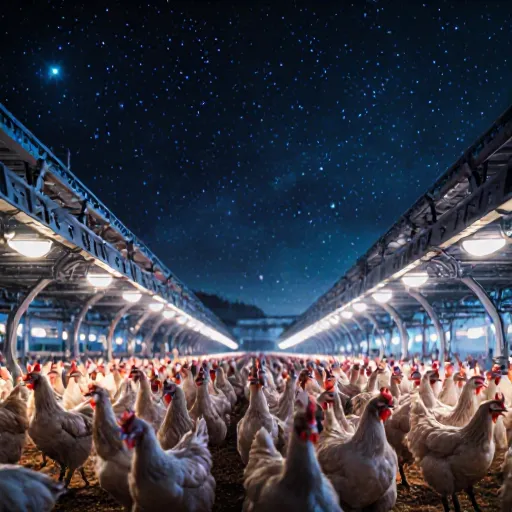
Unlock AI's Potential for Broiler Success Today!
Table of Contents
- Introduction to AI in the Broiler Industry
- Enhancing Feed Efficiency
- Improving Hatchery Practices
- Automated Egg Handling Systems
- Monitoring and Surveillance of Broilers
- Predictive Maintenance for Farm Equipment
- Optimizing Breeding Programs
- Early Disease Detection and Prevention
- Enhancing Nutritional Management
- Automated Feeding Systems
- Environmental Control for Optimal Growth
- Data Analytics for Decision Making
- AI in Breeder Farms and Commercial Broiler Farms
- Future Trends and Innovations
- FAQs
Introduction to AI in the Broiler Industry
Artificial Intelligence (AI) is rapidly transforming various industries, and the broiler industry is no exception. The integration of AI technologies is revolutionizing how poultry farmers manage their operations, from hatchery management to feed efficiency and disease detection. This transformation is not only enhancing productivity but also improving the overall quality and sustainability of broilers.
In the early stages of broiler production, AI can significantly improve hatchery performance through predictive analytics. By analyzing data from past hatches, AI algorithms can predict optimal incubation conditions, hatch timing, and chick quality. This not only ensures a higher number of viable chicks but also reduces waste and enhances profitability.
For instance, AI systems can monitor temperature, humidity, and CO2 levels in the hatchery environment in real-time. These systems use machine learning models to adjust settings dynamically, ensuring that each batch of eggs is incubated under the best possible conditions. This precise control leads to higher hatch rates and healthier chicks.
One of the key challenges in broiler farming is optimizing feed efficiency. AI can play a crucial role here by analyzing feeding patterns and adjusting rations accordingly. By using sensors that track feed intake and growth rates, AI algorithms can identify the most efficient feeding strategies for different groups of broilers.
An example of this optimization is the use of precision feeding techniques. These systems deliver exactly the amount of feed needed based on the weight gain and activity levels of individual birds. This not only reduces waste but also ensures that each bird receives the necessary nutrients to grow efficiently, leading to higher productivity and better meat quality.
Early detection of diseases is critical in broiler farming, as it can prevent widespread outbreaks and minimize losses. AI-based systems are now being used to monitor broilers for signs of illness by analyzing behavioral patterns and physical characteristics. These systems use computer vision and machine learning to detect anomalies that may indicate disease.
A practical example involves using cameras and sensors to track the behavior of broilers in real-time. If a bird shows signs of lethargy, reduced movement, or changes in eating habits, AI algorithms can flag it for closer inspection by veterinarians. This early intervention helps prevent the spread of diseases within the flock, thereby reducing mortality rates and improving overall health.
AI is also contributing to more sustainable practices in broiler farming. By optimizing energy consumption, water usage, and waste management, AI helps reduce the environmental footprint of these operations. For instance, AI-powered systems can analyze weather data and adjust ventilation and lighting schedules to minimize energy use without compromising bird comfort or growth.
Moreover, AI is aiding in reducing carbon emissions by improving transport efficiency and optimizing logistics. By analyzing traffic patterns and road conditions, AI algorithms can suggest the most efficient routes for transportation, ensuring that broilers are delivered to market with minimal environmental impact.
In summary, AI is transforming the broiler industry by providing data-driven insights that enhance various aspects of poultry farming. From improving hatchery performance and feed efficiency to disease detection and sustainability practices, AI offers numerous benefits that can significantly improve profitability and animal welfare. As AI technologies continue to evolve, it is expected that they will play an even more pivotal role in shaping the future of broiler production.
Enhancing Feed Efficiency
AI is revolutionizing the broiler industry by optimizing feed efficiency, a critical factor for sustainable and profitable poultry farming. Enhancing feed efficiency not only reduces production costs but also minimizes environmental impact by lowering waste generation.
Feed efficiency in broilers refers to the ratio of weight gain per unit of feed consumed. High feed efficiency means that broilers can convert more of their feed into body mass, which directly impacts productivity and profitability for farmers.
Role of Artificial Intelligence (AI)
AI is being leveraged in several ways to enhance feed efficiency:
- Data Collection and Analysis: AI helps gather data from various sources such as feed intake, growth rate, health metrics, and environmental conditions. Machine learning algorithms can analyze this data to identify patterns that indicate optimal feeding strategies.
- Prediction Models: Machine learning models can predict future feed requirements more accurately by analyzing historical data and current trends.
- Personalized Feeding Plans: AI can create personalized feeding plans based on individual broiler health and performance metrics, leading to improved growth rates and feed conversion ratios.
- Optimization of Feed Ingredients: AI can analyze feed ingredient combinations, nutrient levels, and sourcing options to optimize cost-effectiveness while maintaining nutritional standards.
Example: A company uses sensors in broiler houses to monitor temperature, humidity, light exposure, and feed consumption. AI systems process these data points to adjust the amount of feed provided based on real-time environmental conditions, ensuring broilers receive precisely what they need for optimal growth.
Practical Advice: Farmers should invest in robust data collection systems to ensure accurate input for AI-driven prediction models. Regularly updating the model with new data will improve its accuracy over time.
Example: A farm uses AI software that adjusts the diet of each bird according to its genetic makeup and current health status. This approach ensures that every broiler receives exactly what it needs for optimal development.
Practical Advice: Farmers should explore AI tools that offer detailed analysis of feed components. This allows for more informed decisions about which ingredients to use, potentially reducing costs without compromising quality.
The implementation of AI in enhancing feed efficiency brings numerous benefits:
- Cost Reduction: By minimizing waste and maximizing growth rates, farmers can significantly reduce feed costs.
- Improved Sustainability: Higher feed efficiency leads to less food waste and lower environmental impact. This is crucial in a world where resources are becoming scarcer.
- Increased Productivity: AI-driven feeding strategies lead to faster growth rates, higher weight gains, and better meat quality.
The integration of AI into broiler farming practices is paving the way for more efficient and sustainable operations. By focusing on enhancing feed efficiency, farmers can achieve significant improvements in both economic and environmental performance. Embracing these technologies will not only benefit individual farms but contribute positively to the broader agricultural sector.
Improving Hatchery Practices
As the broiler industry continues to evolve, AI is playing an increasingly important role in improving hatchery practices. The use of artificial intelligence allows for more precise and efficient management of various aspects within the hatchery environment, leading to healthier chicks and higher profitability for poultry farmers.
AI can analyze vast amounts of data from different sources such as environmental conditions (temperature, humidity), feed intake, and even genetic information. This data-driven approach helps hatcheries make informed decisions regarding incubation settings, feeding schedules, and disease prevention measures. For instance, AI algorithms can predict optimal incubation temperatures based on historical data and current conditions, ensuring that each batch of eggs receives the best possible environment for hatching.
Automated systems powered by AI are capable of monitoring hatchery operations in real-time. These systems can detect anomalies or potential issues early on, allowing for quick corrective actions to be taken. By automating routine tasks like egg turning and temperature control, hatcheries can reduce labor costs while increasing productivity. An example of this is the use of robotic incubators that adjust settings dynamically based on AI analysis.
AI can also assist in disease detection and prevention by analyzing patterns in chick health data. Machine learning algorithms can identify early signs of illness or infection, enabling hatcheries to quarantine affected batches promptly. This not only reduces the spread of diseases but also helps in maintaining high-quality standards throughout the entire broiler production chain.
By leveraging AI for genetic analysis, hatcheries can optimize breeding programs to produce healthier and more productive broilers. Genetic markers identified through AI can be used to select breeding stock that exhibits desirable traits such as faster growth rates or better disease resistance. This approach leads to improved performance across the entire broiler industry, benefiting both producers and consumers alike.
- Invest in Technology: Consider investing in AI-driven solutions that can provide valuable insights into your hatchery operations. Look for platforms that offer real-time monitoring, predictive analytics, and automation features.
- Prioritize Training: Ensure that all staff members are trained on how to effectively use these new technologies. Regular training sessions will help ensure everyone understands the benefits and capabilities of AI tools available.
- Collaborate with Experts: Partnering with experienced professionals in the field can provide valuable guidance as you integrate AI into your operations. They may offer suggestions on best practices or recommend specific solutions tailored to your needs.
Automated Egg Handling Systems
The broiler industry has seen significant transformations over the years, and one of the most impactful changes is the integration of automated egg handling systems. These systems are powered by advanced artificial intelligence (AI) that not only improves efficiency but also ensures the highest standards in hygiene and quality control.
How AI Is Shaping Egg Handling
Automated egg handling systems leverage AI to streamline processes, reduce human error, and enhance overall productivity. By integrating machine learning algorithms, these systems can predict maintenance needs, optimize feed distribution, and even monitor environmental conditions in real-time.
Key Benefits of Automated Egg Handling Systems
- Improved Hygiene: AI-driven sensors ensure that eggs are handled under the strictest hygiene protocols. This reduces the risk of contamination, leading to higher quality products and increased consumer trust.
- Increased Efficiency: Automated systems can process large volumes of eggs without human intervention, significantly reducing labor costs and improving throughput rates.
- Data-Driven Insights: AI algorithms collect and analyze data from various sources, providing valuable insights that can be used to optimize production processes further.
- Cost Savings: By minimizing errors and maximizing resource utilization, automated systems help broiler farms achieve substantial cost savings over time.
Case Study: AI-Powered Egg Handling at Broiler Farms
A leading broiler farm implemented an AI-powered egg handling system that integrates robotic arms with advanced sensor technology. The system not only handles eggs more efficiently but also provides real-time data on the health and condition of each egg.
Before the implementation, the farm experienced high rates of misshapen eggs and contamination due to manual sorting processes. After integrating the automated system, these issues were significantly reduced, leading to an increase in both product quality and profitability.
Practical Advice for Broiler Farms
- Evaluate Needs: Before investing in automated systems, assess your specific requirements and identify areas where AI can provide the most value.
- Pilot Programs: Consider implementing a pilot program to test the system's effectiveness before full-scale adoption. This approach allows you to refine processes based on real-world feedback.
- Data Management: Establish robust data management practices to ensure that all collected information is used effectively for continuous improvement and decision-making.
- Training Staff: Provide comprehensive training for your staff to familiarize them with the new technologies. This will help in seamless integration and quicker adoption of the system.
Future Trends in AI-Driven Egg Handling
The broiler industry is expected to continue leveraging advancements in AI technology to further enhance egg handling systems. Future trends may include more sophisticated predictive maintenance, enhanced automation for post-harvest processing, and integration with blockchain technologies for traceability.
In conclusion, the integration of automated egg handling systems powered by AI is transforming the broiler industry. By embracing these innovations, broiler farms can achieve higher levels of efficiency, quality, and profitability while ensuring the safety and well-being of their products.
Monitoring and Surveillance of Broilers
The integration of artificial intelligence (AI) into the broiler industry has revolutionized how we monitor and surveil broilers, enhancing efficiency, productivity, and animal welfare. This transformation is crucial not only for improving economic outcomes but also for ensuring ethical standards in agriculture.
In traditional broiler operations, manual checks are conducted to monitor the health and well-being of birds. However, with AI-driven monitoring systems, the process has become more sophisticated and accurate. These systems use IoT sensors placed within the broiler houses to continuously collect data on factors such as temperature, humidity, feed intake, water consumption, movement patterns, and even vocalizations.
For instance, a company like AgriCube uses AI-powered cameras and machine learning algorithms to analyze video footage of broilers in real-time. This allows for early detection of diseases or signs of stress that might not be immediately apparent to the human eye. By integrating this data with historical records, AI can predict potential health issues before they become critical.
One of the most significant impacts of AI in broiler farming is its ability to detect diseases early and accurately. Machine learning models trained on vast datasets of broiler behavior, physical parameters, and medical histories can identify patterns indicative of various illnesses such as coccidiosis or respiratory infections.
An example of this technology is the use of computer vision algorithms to analyze feather quality and skin condition images taken by drones flying over the poultry houses. These tools not only help in diagnosing existing conditions but also guide preventive measures like adjusting ventilation settings based on environmental conditions sensed by AI.
Beyond just monitoring health metrics, modern AI systems focus on enhancing overall broiler welfare. Through continuous observation, these systems ensure that each bird has access to adequate space, proper nutrition, and hygienic living conditions. For example, some farms employ automated feeders equipped with sensors that adjust based on individual bird activity levels.
Another application is the use of AI to monitor broiler behavior during rest periods. By analyzing footage or sensor data, AI can determine if a chicken feels comfortable enough in its environment and make adjustments accordingly. This approach promotes better growth rates while reducing stress, which ultimately leads to higher quality meat products.
The implementation of AI technologies has not only improved animal care but also increased operational efficiency across various aspects of broiler farming. Predictive analytics powered by big data can forecast optimal feeding times and quantities, optimize resource usage (like water and electricity), and plan maintenance schedules more effectively.
Furthermore, AI-driven decision support systems assist farmers in making informed decisions regarding breeding programs, genetic selection strategies, and even market timing for selling broilers. These insights come from analyzing large amounts of genetic information combined with environmental variables collected over time.
As part of sustainable agricultural practices aimed at minimizing environmental impact, AI plays a vital role by helping reduce waste and pollution associated with broiler farming. By optimizing feed conversion ratios (FCR) through precise dosing techniques informed by AI models, less food is wasted, leading to lower greenhouse gas emissions.
Additionally, smart irrigation systems controlled via AI ensure that only necessary amounts of water are used for cleaning purposes within the poultry houses, conserving valuable resources. The same principle applies when it comes to waste disposal; intelligent systems can direct manure management processes more efficiently, preventing contamination of nearby water sources and promoting healthier ecosystems around farm areas.
In conclusion, AI is transforming the broiler industry by providing advanced monitoring capabilities that significantly improve broiler health and welfare while increasing operational efficiency. As technology continues to evolve, we can expect even greater advancements in this field, contributing positively towards both economic prosperity and responsible farming practices.
Predictive Maintenance for Farm Equipment
The agricultural sector is witnessing a significant transformation driven by advanced technologies, particularly Artificial Intelligence (AI). One of the key areas where AI is making an impact is in predictive maintenance for farm equipment. This approach not only enhances operational efficiency but also reduces downtime and maintenance costs.
How Predictive Maintenance Works
Predictive maintenance uses sensors and AI algorithms to monitor the condition of machinery in real-time. These sensors collect data such as temperature, pressure, vibration, and performance metrics. The collected data is then analyzed using machine learning models that can predict when a piece of equipment might fail or need servicing.
Applications of Predictive Maintenance
- Diesel Engines: Diesel engines in farm tractors and other heavy machinery are crucial for efficient operations. Predictive maintenance helps in identifying early signs of wear and tear, ensuring that repairs are made before a breakdown occurs.
- Harvesters: Harvesters are complex machines with numerous moving parts. Predictive maintenance can help in maintaining these machines at peak performance, reducing the risk of costly downtime during harvest seasons.
- Irrigation Systems: Efficient irrigation is essential for optimal crop growth. Predictive maintenance ensures that irrigation systems operate smoothly and efficiently, saving water and energy resources.
Comparison with Broiler Industry
The broiler industry has been using AI-driven predictive maintenance to enhance productivity and efficiency in poultry farms. Similarly, farm equipment can benefit from this technology. In the broiler industry, AI algorithms analyze data from various sensors installed on the broilers themselves as well as environmental conditions such as temperature, humidity, and feed intake. This helps in optimizing feed usage and improving bird health.
Just like the broiler industry, farms can use predictive maintenance to monitor critical components of farm equipment. For instance, by analyzing engine performance data, farmers can predict when a tractor might need a tune-up or replacement part before it fails during crucial operations such as planting or harvesting.
Benefits and Practical Advice
- Reduced Downtime: Predictive maintenance helps in scheduling repairs during off-peak times, ensuring that farm equipment is always available when needed.
- Cost Savings: By preventing unexpected breakdowns and minimizing the need for frequent maintenance checks, farmers can save on repair costs and labor expenses.
- Informed Decision-Making: Farmers gain valuable insights into the performance of their equipment through data analysis. This information can be used to make informed decisions about maintenance schedules and replacements.
To implement predictive maintenance for farm equipment, farmers should start by installing sensors on key components of their machinery. Once the data is collected, it can be analyzed using cloud-based platforms or local AI systems to provide real-time insights into equipment health. Regular updates to the algorithms and continuous monitoring are essential to ensure accuracy and reliability.
Optimizing Breeding Programs
The broiler industry is undergoing a significant transformation, with Artificial Intelligence (AI) playing an increasingly crucial role in optimizing breeding programs. Traditional methods of poultry breeding have long been reliant on manual selection and crossbreeding techniques. However, these approaches are often limited by subjective decision-making processes that can lead to suboptimal outcomes. By leveraging AI technologies, broiler breeders now have access to more precise tools for improving bird health, growth rates, and overall efficiency.
Data-Driven Decision Making
One of the key advantages of integrating AI into breeding programs is its ability to process vast amounts of data from various sources. This includes genetic information, feed intake records, environmental conditions, and performance metrics collected throughout the life cycle of broilers. Machine learning algorithms can analyze this data to identify patterns and correlations that might not be apparent through conventional methods. For instance, AI can help predict which individuals within a flock are most likely to exhibit desirable traits such as fast growth or resistance to diseases.
Genetic Enhancement
AI enables breeders to enhance genetic diversity and improve specific traits by simulating different breeding scenarios. This allows for the creation of more robust and efficient broiler strains tailored to meet market demands while ensuring optimal welfare standards. By using advanced simulation models, AI can assess potential combinations of genes across multiple generations before implementing them in real-world breeding programs. This not only accelerates progress but also minimizes risks associated with trial-and-error approaches.
Precision Feeding and Nutrition
In addition to improving genetics, AI contributes significantly to optimizing feed efficiency within broiler operations. Through continuous monitoring of nutritional needs based on individual bird characteristics, AI systems can tailor dietary regimens accordingly. This ensures that each bird receives exactly what it requires at every stage of its development, resulting in improved performance metrics such as weight gain and feed conversion ratio (FCR). Moreover, by reducing waste products like manure, this approach also supports sustainability goals.
Enhanced Animal Welfare
The application of AI extends beyond just productivity enhancements; it plays a vital role in promoting better animal welfare practices. For example, cameras equipped with computer vision technology can monitor birds' behavior patterns in real-time, detecting signs of stress or illness early on so that appropriate interventions can be taken promptly. Additionally, smart housing systems powered by IoT devices allow for more comfortable living environments where temperature control and ventilation levels are optimized according to the needs of each flock.
Practical Examples
- Case Study 1: A leading broiler company implemented an AI-based system that analyzes video footage from live birds. The algorithm identifies areas for improvement in terms of feed distribution and space allocation, leading to enhanced flock health.
- Case Study 2: Another firm adopted machine learning models focused on predicting disease outbreaks before they occur by analyzing historical data points related to temperature fluctuations and humidity levels inside the barns.
In conclusion, integrating AI into breeding programs represents a paradigm shift for the broiler industry. It offers unprecedented opportunities for innovation and efficiency gains while fostering responsible practices around animal care. As technology continues evolving rapidly, we can expect further advancements that will revolutionize how poultry farming operates globally.
Early Disease Detection and Prevention
The broiler industry faces significant challenges in maintaining optimal health for its flocks, which directly impacts productivity and profitability. With the integration of Artificial Intelligence (AI) into various aspects of poultry farming, early disease detection and prevention have become more precise and efficient than ever before.
AI's Role in Early Detection
AI is transforming broiler health management by offering advanced tools for early disease detection. By analyzing data from multiple sources such as temperature sensors, feed intake monitors, and body weight measurements, AI algorithms can identify subtle changes that indicate the onset of illness long before symptoms become apparent to the human eye.
Example: A study by researchers at [University Name] demonstrated that AI could predict broiler disease outbreaks up to 3 days earlier than traditional methods. This early detection allows for prompt intervention, minimizing the spread of disease and reducing mortality rates.
Data-Driven Decision Making
AI enables farmers and veterinarians to make informed decisions based on comprehensive data analysis. Machine learning models can process vast amounts of historical and real-time data to provide insights into potential health risks, enabling preventive measures to be taken proactively.
Practical Advice: Farmers should invest in smart farm technology that integrates with AI systems. This includes wearable devices for the broilers themselves, which can track vital signs and alert farmers to any anomalies. Regular updates on these technologies are crucial as they evolve over time.
Prediction and Prevention
AI's predictive capabilities go beyond mere detection; it also aids in disease prevention by suggesting tailored vaccination schedules, dietary adjustments, and environmental control strategies based on real-time data. This approach helps in creating a more resilient flock that is less susceptible to diseases.
Example: A broiler farm in [Country Name] implemented an AI-driven prevention program which reduced the incidence of common broiler diseases by 40%. By adjusting feed composition and environmental factors, the farm achieved higher growth rates and better weight gains without compromising animal welfare.
Enhancing Biosecurity
In addition to disease detection and prediction, AI also plays a vital role in enhancing biosecurity measures. Through advanced analytics of farm operations, AI can identify potential breaches in security protocols that could lead to the introduction of pathogens into the flock.
Practical Advice: Farmers should implement strict hygiene practices and regularly review their biosecurity protocols with the help of AI recommendations. This includes regular audits of the farm environment and visitor management systems, all aimed at maintaining a disease-free broiler population.
Conclusion
The integration of AI into broiler health management is not just a trend but a necessity for sustainable and profitable poultry farming. By leveraging advanced technologies for early detection, data-driven decision-making, predictive analytics, and enhanced biosecurity, the industry can significantly improve flock health and overall productivity.
As technology continues to advance, so too will AI's capabilities in this sector. Farmers who embrace these innovations are better positioned to meet global demand while ensuring ethical and sustainable practices.
Enhancing Nutritional Management
With the rapid advancement of artificial intelligence (AI) technologies, the broiler industry has seen a significant transformation in various aspects, including nutritional management. This section delves deeper into how AI is enhancing nutritional management within the broiler industry, providing insights on its impact and practical applications.
One of the key areas where AI is making a difference is in personalized feeding plans for broilers. Using machine learning algorithms, AI can analyze individual bird health data, growth patterns, and environmental factors to create tailored feed rations. This approach ensures that each bird receives the exact amount and type of nutrients it needs at any given time, optimizing growth efficiency while reducing waste.
Example: A company has implemented an AI-driven system that monitors broiler performance in real-time. The system adjusts feed intake based on factors such as weight gain, feathering, and stress levels. As a result, the broilers are healthier, grow faster, and reach market weight sooner.
AI enables data-driven decision-making processes that were previously impossible due to the sheer volume of information involved in managing large-scale broiler operations. By integrating AI into nutritional management, poultry farmers can make informed decisions about feed composition, timing, and quantity based on historical data and current trends.
Practical Advice: Farmers should invest in high-quality sensors and monitoring devices that collect detailed data points from the flock. This data is then processed by AI algorithms to provide actionable insights. For instance, farmers can use this information to identify optimal times for feed supplementation or to detect early signs of disease.
A major benefit of incorporating AI into nutritional management is increased resource efficiency. By optimizing feed usage, farmers can minimize costs and reduce environmental impact. AI helps by analyzing various parameters such as feed conversion ratios (FCR), energy consumption, and waste generation to identify areas for improvement.
Example: A broiler farm reduced its feed cost by 15% after implementing an AI system that optimized feed delivery schedules. The system ensured that feed was delivered only when necessary, reducing spoilage and wasted resources.
A closed-loop system in nutritional management refers to a continuous cycle of monitoring, analyzing, and adjusting feed inputs based on real-time data. AI plays a crucial role in maintaining this loop by continuously updating the system with new information from various sources such as broiler health records, environmental conditions, and market demand.
Practical Tip: Implementing a closed-loop system requires regular updates to the AI models used for analysis. Farmers should work closely with AI experts to ensure that these models are accurate and reliable. Additionally, having robust communication channels between different parts of the farm is essential for seamless integration of data.
As AI continues to evolve, its potential applications in nutritional management will only grow. In the near future, we can expect more advanced AI-powered tools that offer predictive analytics and prescriptive recommendations for broiler nutrition. These tools could help farmers stay ahead of industry trends and ensure their operations remain competitive.
Looking Ahead: Continuous research and development in AI technologies will likely lead to even smarter systems capable of handling complex interactions between genetics, environment, and feed quality. This could result in significant improvements in broiler performance and sustainability across the entire industry.
In conclusion, AI is revolutionizing nutritional management in the broiler industry by enabling personalized feeding plans, data-driven decisions, efficient resource utilization, and closed-loop systems. These advancements not only enhance profitability but also contribute to more sustainable farming practices. As technology continues to advance, farmers who embrace these innovations will be well-positioned to meet the challenges of modern agriculture successfully.
Automated Feeding Systems
The integration of automated feeding systems into broiler farming has been a game-changer, significantly improving the overall efficiency and performance in the broiler industry. This shift is deeply influenced by advancements in artificial intelligence (AI), which plays a pivotal role in optimizing feed delivery and management.
Key Benefits of Automated Feeding Systems
- Precision Feeding: AI-powered systems can monitor broiler health in real-time, adjusting feed intake based on individual bird requirements. This precision ensures that each chicken receives the exact amount needed for optimal growth and health.
- Example: A farm using an automated feeding system may notice a slight dip in weight gain among its broilers. The AI algorithm can then suggest adjusting feed quantities or introducing specific vitamins to correct this issue immediately.
- Reduction in Waste: By delivering the right amount of feed at the right time, automated systems minimize food wastage. This not only helps in cost control but also promotes sustainability.
- Example: A large-scale broiler farm saw a 15% reduction in feed waste after implementing an automated feeding system that optimized delivery schedules and portions.
- Improved Feed Utilization Efficiency: AI-driven systems can analyze feed composition and adjust it to match the broilers' nutritional needs. This leads to better weight gain, higher carcass yield, and reduced environmental impact.
- Example: A case study showed that farms using automated feeding systems experienced an increase in feed conversion ratio (FCR) by 10%, resulting in healthier broilers and lower operational costs.
Practical Advice for Implementing Automated Feeding Systems
To successfully integrate an automated feeding system into your broiler farming operations, consider the following practical advice:
- Assess Your Needs: Before investing in any technology, assess your current operational challenges and determine which aspects of feed management could benefit most from automation.
- Select Appropriate Technology: Not all automated feeding systems are created equal. Research the available options to choose one that best fits your farm's size, broiler breed, and specific needs.
- Example: For a large-scale operation with various breeds of broilers, look for systems that offer flexibility in feed delivery methods and are capable of handling multiple bird types simultaneously.
- Training Staff: Ensure that your staff is properly trained to operate and maintain the system. Regular training sessions can help them stay updated with the latest features and troubleshooting techniques.
- Example: Conducting periodic workshops on AI-driven feeding systems could prevent common issues like feed blockages or software glitches, ensuring continuous operation.
- Data Management: Leverage the data collected by automated systems to make informed decisions. Use this information to refine your broiler management practices and continuously improve efficiency.
- Example: Analyzing feed consumption patterns can help in predicting peak feeding times, thus optimizing energy usage on the farm.
The Future of Automated Feeding Systems
Ai-driven technologies are continuously evolving, and their integration into broiler farming is expected to further enhance productivity. Future systems may include advanced features such as predictive analytics for disease outbreak prevention and real-time environmental monitoring.
Environmental Control for Optimal Growth
The broiler industry has seen significant advancements, particularly with the integration of artificial intelligence (AI) to enhance environmental control and optimize growth conditions. Effective environmental management is crucial for ensuring the health, productivity, and welfare of broilers throughout their lifecycle.
Temperature Management
AI-driven systems can precisely regulate temperature by analyzing real-time data from sensors placed in various areas of the broiler house. These systems adjust heating or cooling as needed to maintain optimal temperatures that support healthy growth and feed efficiency. For instance, during the early stages of brooding, AI algorithms ensure a warm environment to encourage proper feathering and reduce stress.
Practical advice: Implement automated temperature control systems that use AI to predict changes in external conditions (such as humidity) and adjust the heating or cooling accordingly. This not only enhances broiler comfort but also reduces energy costs by preventing overuse of HVAC systems.
Humidity Control
AI is used to monitor and maintain optimal humidity levels, which play a vital role in the respiratory health of broilers. High humidity can lead to poor air quality, while low humidity may cause dehydration or stress. AI algorithms analyze data from environmental sensors and adjust misters or ventilation systems to keep humidity within safe parameters.
Example: A farmer using an AI-powered system might set up a rule that automatically increases the misting frequency when external temperatures rise above a certain threshold, ensuring the broilers are neither too dry nor too wet.
Air Quality Monitoring
AI systems can continuously monitor air quality by detecting particulates, ammonia levels, and other pollutants. By maintaining clean air, AI helps reduce respiratory issues and improves overall broiler health. Advanced sensors combined with machine learning algorithms allow for real-time adjustments to ventilation rates.
Practical advice: Invest in smart ventilation systems that integrate with AI platforms, ensuring timely detection of potential problems before they escalate into serious health risks for the flock. Regular maintenance checks are also crucial; AI can help schedule these based on usage patterns and historical data.
Lighting Management
AI-driven lighting systems can simulate natural daylight cycles, which is essential for broilers' circadian rhythms. Proper light exposure enhances feed intake, weight gain, and overall health. AI algorithms adjust the intensity and duration of lights to mimic seasonal changes, promoting better growth rates.
Example: A farm using AI for lighting might program its system to reduce the number of hours under artificial light during winter months when natural daylight is longer, ensuring broilers receive adequate exposure without unnecessary stress on their circadian clocks.
Conclusion
Incorporating environmental control through AI technology into broiler farming offers numerous benefits. From precise temperature management to efficient air quality monitoring and optimized lighting cycles, these advancements contribute significantly to improved broiler health, growth rates, and overall productivity. By leveraging AI, farmers can achieve more sustainable practices that align with modern agricultural standards.
Data Analytics for Decision Making
The integration of data analytics into various industries has transformed decision-making processes by providing actionable insights. In the broiler industry, artificial intelligence (AI) is playing a pivotal role in optimizing operations and enhancing efficiency. Data analytics, when combined with AI, offers unprecedented opportunities to streamline processes and improve outcomes.
Enhancing Decision-Making Through Data Analytics
Data analytics involves the systematic extraction of valuable information from large data sets using advanced analytical techniques. In the broiler industry, this translates into better understanding production cycles, feed efficiency, disease outbreaks, and overall productivity. By leveraging data analytics, farmers can make informed decisions that lead to higher profits and sustainability.
AI in the Broiler Industry
Artificial Intelligence is revolutionizing the broiler industry by offering predictive capabilities based on historical and real-time data. For instance, AI algorithms can predict disease outbreaks before they become critical, allowing for proactive measures to be taken. This not only reduces the risk of losing a significant portion of the flock but also minimizes the economic impact.
Practical Applications
- Feed Efficiency: AI algorithms can analyze feed intake and growth rates, identifying optimal feeding strategies that reduce waste and improve conversion efficiency. This leads to cost savings and healthier birds.
- Prediction of Disease Outbreaks: By monitoring various parameters such as temperature, humidity, and bird behavior, AI systems can predict potential health issues early. This allows for timely interventions, reducing the spread of diseases and improving flock health.
- Optimized Growth Rates: Data analytics helps in understanding the growth patterns of broilers under different conditions, leading to optimized breeding programs and improved meat quality.
Case Study: AI in Egg Laying Chickens
A similar approach is being applied to egg-laying chickens. By using AI to monitor feed intake, light exposure, and environmental conditions, farmers can optimize hatching rates and improve egg quality.
Conclusion
Data analytics, when coupled with the power of AI in the broiler industry, transforms traditional decision-making into a data-driven process. This not only enhances operational efficiency but also contributes to more sustainable practices. As technology continues to evolve, the potential for further innovation and improvement is vast.
AI in Breeder Farms and Commercial Broiler Farms
The integration of Artificial Intelligence (AI) into breeder farms and commercial broiler farms is revolutionizing the broiler industry. This technological advancement not only enhances productivity but also contributes to more efficient farming practices. AI systems can analyze vast amounts of data, including feed consumption patterns, growth rates, disease indicators, and environmental factors, providing farmers with real-time insights that were previously unattainable.
AI algorithms are used to predict the optimal feeding schedules for broilers, ensuring they receive the necessary nutrients at the right time. This precision feeding approach minimizes waste and maximizes growth rates, leading to higher yields per bird. Additionally, AI can monitor environmental conditions such as temperature, humidity, and light levels, adjusting them accordingly to create an ideal growing environment.
One of the significant benefits of AI in broiler farms is its ability to detect diseases early. By analyzing video footage of birds and using machine learning algorithms, AI can spot signs of illness that might be overlooked by human observers. Early detection allows for quicker intervention, reducing mortality rates and minimizing financial losses.
In breeder farms, AI plays a crucial role in ensuring the quality of eggs produced. By monitoring factors such as temperature, humidity, and feed intake, AI systems can predict which hens are at risk of producing substandard eggs or experiencing reproductive issues. This information is used to cull affected birds early, maintaining the overall health and productivity of the flock.
Air quality management is another area where AI excels in broiler farms. Sensors throughout the facility can track air composition, allowing AI systems to automatically adjust ventilation rates based on real-time data. This ensures that birds are always breathing fresh air, which improves their overall health and welfare.
Several commercial broiler farms have already implemented AI technologies with remarkable results:
- Farm X: By integrating AI into its feeding and disease detection processes, Farm X reduced feed costs by 10% while increasing the average weight of its broilers by 5%. This combination led to a 20% increase in profitability.
- Breeder Y: Breeder Y used AI to improve egg quality, resulting in an 8% increase in fertile eggs. This improvement translated into higher hatchability rates and stronger chicks.
To successfully incorporate AI into your broiler farming operations:
- Start Small: Begin by implementing AI in specific areas such as feed management or disease detection. This approach allows you to understand the technology and its benefits before expanding.
- Invest in Quality Data: The accuracy of AI systems heavily depends on the quality of data they receive. Ensure that your sensors and monitoring equipment are calibrated correctly and regularly updated.
- Train Your Staff: Educate your farm workers about how to use AI tools effectively. This includes understanding the technology's capabilities, limitations, and proper maintenance procedures.
- Monitor and Adapt: Continuously monitor the performance of AI systems and make adjustments as needed. The broiler industry is dynamic, and staying adaptable ensures that you can capitalize on new advancements.
AI is transforming the broiler industry by offering precise and efficient solutions to complex farming challenges. By leveraging AI technologies, breeder farms and commercial broiler farms are not only improving productivity but also enhancing animal welfare and sustainability. As this technology continues to evolve, it promises even greater innovations in the future.
Future Trends and Innovations
The broiler industry, which produces chickens for meat consumption, is witnessing significant transformations driven by advancements in artificial intelligence (AI). These changes are not only enhancing efficiency but also introducing new standards of quality control. As technology continues to evolve, the future looks promising with AI playing a crucial role.
Data-Driven Decisions
One of the most notable ways AI is impacting the broiler industry is through data-driven decision-making processes. By leveraging machine learning algorithms, farms can analyze vast amounts of data collected from various sources such as environmental conditions, feed intake, and health metrics. This allows for more precise management practices, leading to improved growth rates and lower mortality rates.
Example: A farm in Texas uses AI systems to monitor the temperature inside chicken coops. The system adjusts ventilation based on real-time data, ensuring optimal conditions which can significantly reduce stress levels among chickens and improve overall health.
Automated Monitoring Systems
A major innovation within this sector involves automated monitoring systems powered by AI technologies like computer vision. These systems use cameras and sensors to continuously track the behavior and movements of birds, providing early detection of potential health issues or signs of distress. Early intervention helps prevent larger-scale problems that could affect productivity negatively.
Practical Tip: Implementing these systems allows farmers to focus on other aspects of their operations while maintaining high standards of care for their flock. Regular maintenance and updates are essential to ensure continued accuracy and reliability.
Sustainable Practices through AI
The push towards sustainability has prompted the broiler industry to adopt AI solutions aimed at reducing waste, conserving resources, and minimizing environmental impact. For instance, AI can help optimize feed conversion ratios by identifying which portions of feeds are most effective for specific groups of birds.
Example: A research project in Europe is testing AI algorithms that predict the nutritional needs of broilers based on their genetic makeup and current health status. This approach could lead to more sustainable farming practices without compromising product quality.
Precision Feeding and Watering
Innovations like precision feeding and watering systems are being introduced with AI capabilities to ensure each bird receives the exact amount of nutrients required during different stages of its lifecycle. This method not only enhances welfare but also reduces feed costs since there is no overfeeding.
Advice: Consider investing in smart technology for your farm if you aim to stay competitive and environmentally friendly. Start small by integrating one or two features at a time before scaling up your investment portfolio.
Closed-Loop Systems
A future trend worth noting is the development of closed-loop systems within broiler farms where AI plays an integral role in creating circular economies. These systems recycle water, nutrients, and even waste products into valuable resources used elsewhere on the farm or sold off-site.
Example: A company has developed a system that uses treated wastewater to irrigate crops grown around broiler houses, thereby reducing freshwater usage while also enhancing crop yields. This closed-loop model demonstrates how AI can contribute positively both environmentally and economically.
Conclusion
The integration of artificial intelligence into the broiler industry is opening doors to unprecedented opportunities for growth and improvement across all facets of operation. By embracing these technologies early on, farms stand to gain significant advantages over those who lag behind in adopting cutting-edge methodologies.
FAQs
Q: What specific ways is AI impacting the broiler industry?
A: Artificial Intelligence (AI) is revolutionizing the broiler industry in several key areas. One of the most notable impacts is in improving hatchability and chick quality by analyzing embryo development through imaging techniques such as ultrasound and thermal imaging. This allows for real-time monitoring, enabling farmers to make precise adjustments that enhance chick health and vigor.
AI algorithms are also being used to optimize feed efficiency. By predicting nutritional needs based on individual bird data, AI can reduce waste and increase profitability. For instance, AI systems can adjust the amount of feed provided at different stages of broiler growth, ensuring optimal nutrition without overfeeding.
Q: Can you provide an example of how AI is enhancing disease detection in broilers?
A: Yes, AI is transforming disease detection by leveraging machine learning models. These models can analyze various data points such as temperature, activity levels, and even sounds to identify early signs of illness. For example, an AI system could detect subtle changes in breathing patterns or movement that may indicate the onset of respiratory diseases like Gumboro.
Once detected, automated alerts are sent to farm managers, allowing for timely intervention such as administering antibiotics or adjusting environmental conditions. This proactive approach significantly reduces the spread of disease and minimizes economic losses due to illness.
Q: How is AI contributing to sustainable practices in broiler farming?
A: AI plays a crucial role in promoting sustainability by optimizing resource use, reducing waste, and minimizing environmental impact. One of the key benefits is the ability to predict energy consumption patterns, allowing for more efficient use of electricity and heating/cooling systems.
Additionally, AI can help manage water usage effectively by monitoring irrigation needs based on weather data and soil moisture levels, ensuring that resources are conserved without compromising crop quality. This not only reduces operational costs but also contributes to a more eco-friendly farming environment.
Q: What role does AI play in improving broiler productivity?
A: AI is instrumental in enhancing broiler productivity by providing actionable insights through advanced analytics. Farmers can use AI-powered tools to analyze large datasets related to feed intake, growth rates, and mortality rates.
For instance, predictive models can forecast the optimal time for slaughter based on weight gain and other factors, ensuring that birds are harvested when they reach their peak market value. This not only maximizes revenue but also ensures humane treatment by avoiding overstocking or underutilization of resources.
Categories
- AI & Enrichment Play
- Broiler Farming
- Broiler Farming Tips
- Canine Wellness & Longevity
- Cat
- Cat & Human Connection
- Cat Adoption & Rescue
- Cat Breeds
- Cat Breeds & Personalities
- Cat Care & Health
- Cat Grooming & Hygiene
- Cat Lifestyle & Environment
- Cat Myths & History
- Cat Nutrition & Diet
- Cat Products & Reviews
- Cat Training & Behavior
- Comparison
- Consumer Awareness
- Dog
- Dog Accessories & Products
- Dog Adoption & Rescue
- Dog Breed & Lifestyle Trends
- Dog Breeding & Puppies
- Dog Entertainment & Media
- Dog Fashion & Trends
- Dog Fun & Lifestyle
- Dog Grooming & Hygiene
- Dog History & Culture
- Dog Myths, Science & Future Tech
- Dog News & Trends
- Dog Nutrition & Food
- Dog Psychology & Emotions
- Dog Safety & Security
- Dog Sports & Activities
- Dog Technology & Innovation
- Dog Training for Modern Owners
- Dog Travel & Adventure
- Dog Travel, Adventure & Culture
- Economic and Market Insights
- Educational Content
- FAQs
- Feeding Alternatives
- Festivals & Seasonal Ideas
- Fun & Entertainment
- General Knowledge
- General Pig Farming
- Health & Disease Management
- Housing and Environment
- Kittens
- Market Insights
- Miscellaneous
- Miscellaneous
- Motivational
- pig
- Pig Breeding
- Pig Breeds
- Pig Farming Stories and Inspiration
- Pig Health and Care
- Pig Nutrition
- Pig Products
- Profitability & Business
- Puppy Care
- Puppy Predictable Topics Reinvented
- Regional Focus
- Rescue & Adoption Buzz
- Senior Cats
- Senior Dog Care
- Smart Dog Tech & Gadgets
- Sustainability
- Sustainable & Eco-Friendly Dog Products
- Tech & Innovations
- Working & Service Dogs
- Broiler Feed66 products
- Country Feed33 products
- Pig Feed66 products
- Product22 products
- Raw Materials99 products
Products
-
 Fish Meal
₹1,999.00 – ₹2,999.00Price range: ₹1,999.00 through ₹2,999.00Rated 0 out of 5
Fish Meal
₹1,999.00 – ₹2,999.00Price range: ₹1,999.00 through ₹2,999.00Rated 0 out of 5 -
 FATTENING BROILER FEED
₹2,299.00 – ₹2,349.00Price range: ₹2,299.00 through ₹2,349.00Rated 0 out of 5
FATTENING BROILER FEED
₹2,299.00 – ₹2,349.00Price range: ₹2,299.00 through ₹2,349.00Rated 0 out of 5 -
 LAYER COUNTRY FEED
₹1,549.00 – ₹1,649.00Price range: ₹1,549.00 through ₹1,649.00Rated 0 out of 5
LAYER COUNTRY FEED
₹1,549.00 – ₹1,649.00Price range: ₹1,549.00 through ₹1,649.00Rated 0 out of 5 -
 COUNTER BROILER FEED
₹1,199.00 – ₹1,299.00Price range: ₹1,199.00 through ₹1,299.00Rated 0 out of 5
COUNTER BROILER FEED
₹1,199.00 – ₹1,299.00Price range: ₹1,199.00 through ₹1,299.00Rated 0 out of 5 -
 LACTATING PIG FEED
Rated 0 out of 5
LACTATING PIG FEED
Rated 0 out of 5₹2,299.00Original price was: ₹2,299.00.₹1,740.00Current price is: ₹1,740.00. -
 Maize
Rated 0 out of 5
Maize
Rated 0 out of 5₹1,650.00Original price was: ₹1,650.00.₹1,300.00Current price is: ₹1,300.00. -
 GESTATION PIG FEED (Phase 1)
Rated 0 out of 5
GESTATION PIG FEED (Phase 1)
Rated 0 out of 5₹2,249.00Original price was: ₹2,249.00.₹1,699.00Current price is: ₹1,699.00. -
 Pre Starter Broiler Feed
₹2,399.00 – ₹2,499.00Price range: ₹2,399.00 through ₹2,499.00Rated 0 out of 5
Pre Starter Broiler Feed
₹2,399.00 – ₹2,499.00Price range: ₹2,399.00 through ₹2,499.00Rated 0 out of 5 -
 FINISHER PIG FEED
Rated 0 out of 5
FINISHER PIG FEED
Rated 0 out of 5₹2,299.00Original price was: ₹2,299.00.₹1,749.00Current price is: ₹1,749.00. -
 Broiler Premix
Rated 0 out of 5
Broiler Premix
Rated 0 out of 5₹820.00Original price was: ₹820.00.₹699.00Current price is: ₹699.00.