
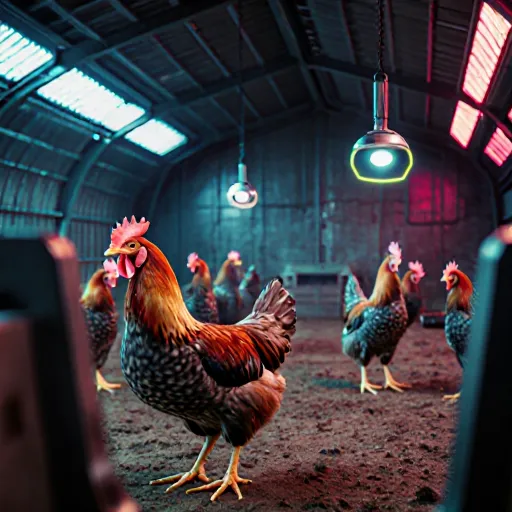
Unlocking Innovation in Chicken Coops
Table of Contents
- Introduction to Smart Sensors
- Challenges in Broiler Coop Monitoring
- Temperature Monitoring with Smart Sensors
- Humidity Control and Its Importance
- Lighting Conditions for Optimal Growth
- Ventilation and Air Quality Monitoring
- Feeding Schedule Optimization
- Water Supply Management
- Disease Detection and Prevention
- Automated Egg Collection Monitoring
- Energy Efficiency in Broiler Coops
- Cost-Benefit Analysis of Smart Sensors
- Future Trends and Innovations
- Conclusion
- FAQ
Introduction to Smart Sensors
Smart sensors are sophisticated devices that can measure, detect, and monitor various environmental parameters with precision. In the context of broiler coop conditions, smart sensors play a crucial role in ensuring optimal growing conditions for poultry by continuously monitoring key metrics such as temperature, humidity, CO2 levels, ammonia concentration, light intensity, feed consumption, water supply, and even movement patterns.
These sensors are integrated into automated systems that can trigger alerts or adjustments based on the data they collect. For instance, if a sensor detects an abnormal rise in CO2 levels due to overcrowded conditions or poor ventilation, it can notify the farmer or automatically activate fans or air vents to improve airflow and maintain healthy conditions for the birds.
Smart sensors are not just limited to temperature and humidity but also provide detailed insights into other critical factors like light exposure, which is crucial for broilers as they need specific photoperiods (length of day) to grow efficiently. Over-exposure or under-exposure to light can affect the health and productivity of the flock.
By leveraging smart sensors, farmers can make data-driven decisions that enhance the welfare of their birds, reduce stress, minimize disease outbreaks, and ultimately improve overall production efficiency. For example, a farmer using these sensors might adjust feed and water intake during different stages of broiler growth based on real-time sensor readings, leading to higher-quality meat or eggs.
Moreover, smart sensors help in energy management by optimizing the use of heating systems, cooling units, and lighting fixtures. This not only reduces operational costs but also contributes positively to sustainability efforts within poultry farming operations.
In summary, integrating smart sensors into broiler coop monitoring is a strategic approach towards modernizing agricultural practices. It enables precision agriculture techniques that are essential for sustainable and profitable poultry farming in the face of increasing global demands for high-quality animal products while maintaining environmental responsibility.
Challenges in Broiler Coop Monitoring
Monitoring broiler coops is a critical aspect of ensuring optimal growth and health of the birds, leading to higher productivity and profitability. However, this monitoring comes with several challenges that can impact its effectiveness. With the advent of smart sensors for monitoring broiler coop conditions, these challenges are amplified but also offer new opportunities for improvement. Here are some key challenges in broiler coop monitoring:
1. Temperature Regulation
Temperature is one of the most crucial factors affecting broiler growth and health. Fluctuations in temperature can lead to stress, reduced feed efficiency, and increased mortality rates. Smart sensors can help monitor temperature changes in real-time, but maintaining a consistent temperature over large areas with uneven heating sources remains challenging. For example, walls and floors may not heat uniformly, leading to pockets of cold or hot spots within the coop.
To address this challenge, it is advisable to place multiple sensors throughout the coop at different heights and orientations. This ensures accurate data collection across various environmental conditions. Additionally, integrating advanced algorithms that can predict temperature changes based on historical data and current weather patterns can help in proactively adjusting heating systems.
2. Humidity Control
Humidity levels play a vital role in preventing respiratory issues and maintaining the birds' skin health. High humidity can lead to heat stress, while low humidity may cause dehydration. Smart sensors equipped with advanced moisture detection capabilities are essential for precise humidity monitoring. However, achieving optimal humidity levels across the entire coop is often difficult due to varying conditions within the space.
One practical approach is to install multiple humidity sensors and use a centralized control system that can adjust ventilation rates based on real-time data from these sensors. Regular maintenance of the HVAC systems and ensuring proper airflow distribution are also crucial in maintaining consistent humidity levels.
3. Light Management
Proper light management is essential for regulating broiler behavior, sleep cycles, and overall health. Overexposure to light can lead to aggression and reduced feed intake, while insufficient lighting may result in poor growth rates and lower meat quality. Smart sensors capable of detecting ambient light levels and adjusting artificial lighting accordingly are available.
Despite advancements in technology, achieving the ideal balance between natural and artificial light remains a challenge. Farmers must carefully calibrate the timing and intensity of lights to match the broilers' needs at different stages of their development. Implementing automated systems that can adjust based on time of year and location can help mitigate these challenges.
4. Air Quality Monitoring
The quality of air in a broiler coop is directly linked to the birds' respiratory health and overall welfare. Poor air quality due to ammonia, carbon dioxide, or other contaminants can cause significant stress and illness among the flock. Smart sensors that continuously monitor these parameters are indispensable for maintaining healthy air conditions.
However, ensuring continuous monitoring without interruptions in data collection is a challenge. Farmers need robust sensor networks that can withstand harsh environmental conditions inside the coop. Regular calibration of the sensors and periodic checks on ventilation systems to ensure they function correctly are also necessary steps towards overcoming this challenge.
5. Data Interpretation and Integration
While smart sensors provide valuable data, interpreting it correctly and integrating it into existing management practices is not always straightforward. Farmers often struggle with understanding the implications of collected data for decision-making purposes such as adjusting feeding schedules or implementing health interventions.
To overcome this challenge, investing in training programs that educate farmers on how to use monitoring tools effectively is beneficial. Additionally, developing user-friendly software platforms that visualize sensor data in an easy-to-understand format can enhance the usefulness of these technologies.
In conclusion, while smart sensors offer significant advantages in broiler coop monitoring, they also present unique challenges that require careful consideration and strategic implementation. By addressing these challenges through thoughtful planning, advanced technology utilization, and continuous improvement practices, farmers can harness the full potential of modern monitoring solutions to enhance broiler health and performance.
Temperature Monitoring with Smart Sensors
Effective temperature monitoring is crucial for ensuring optimal growth and health of broilers. In a modern poultry farming setup, smart sensors play an indispensable role in this process by providing precise, real-time data on environmental conditions within the broiler coop.
Key Benefits of Using Smart Sensors
- Precision and Accuracy: Smart sensors are capable of measuring temperature with high precision, which is essential for maintaining the right environment for broilers. This ensures that the broilers are not exposed to conditions that could impair their health or growth.
- Energy Efficiency: By accurately monitoring temperature, smart sensors help in optimizing energy usage. For instance, they can automatically adjust ventilation systems when temperatures drop below a threshold, leading to reduced utility costs without compromising on the broilers' comfort.
- Data-Driven Decision Making: The data collected by these sensors can be used to make informed decisions about feeding schedules and other management practices. This can lead to better productivity and higher quality of meat produced.
Types of Smart Sensors
There are various types of smart sensors designed specifically for monitoring broiler coop conditions:
- Infrared Sensors: These are used to measure the temperature from a distance. They are particularly useful in large coops where direct contact with the sensor is not practical.
- Thermistors: These sensors work on the principle of resistance changes due to temperature fluctuations and can be embedded directly into the environment for continuous monitoring.
- Humidity Sensors: While primarily used to monitor humidity, these sensors often come with integrated temperature sensing capabilities. They are crucial in maintaining a balanced microclimate within the coop that is conducive to broiler health and growth.
Integration with IoT Platforms
To fully leverage the capabilities of smart sensors, they should be integrated into an Internet of Things (IoT) platform. This integration allows for real-time monitoring and control of coop conditions from anywhere in the world via a smartphone or computer.
- Remote Monitoring: Farmers can access live data on temperature and other parameters, enabling them to take immediate action if any anomaly is detected.
- Automation: The IoT platform can be programmed to automatically adjust settings like ventilation or heating based on the sensor readings, ensuring that optimal conditions are maintained at all times.
Practical Advice for Implementing Smart Sensors
- Placement of Sensors: Ensure sensors are placed in strategic locations within the coop to get an accurate representation of the overall temperature and humidity levels. It's advisable to place at least one sensor per 10,000 broilers.
- Regular Calibration: Regularly calibrate your smart sensors to ensure accuracy over time. This is especially important in environments where conditions can change rapidly.
- Data Analysis: Invest in software that allows for robust data analysis and visualization. This will help you understand trends and patterns, which can be used to improve farming practices further.
Conclusion
In conclusion, the use of smart sensors for monitoring temperature and other conditions within broiler coops is a game-changer in modern poultry farming. By providing real-time data and enabling precise control over environmental factors, these sensors contribute significantly to the health and productivity of broilers. Embracing this technology not only enhances operational efficiency but also ensures higher quality meat production.
Humidity Control and Its Importance
Controlling humidity is a critical aspect of maintaining optimal conditions within broiler coops. Excessive or insufficient humidity can significantly impact the health, growth rate, and overall productivity of broilers. Maintaining an appropriate level of humidity ensures that the environment remains conducive to their well-being, which translates directly into higher quality meat and lower production costs.
The optimal relative humidity for broiler chickens ranges between 65% to 70%. This range helps prevent respiratory issues while keeping the coop comfortable. High humidity can lead to increased risk of diseases such as coccidiosis and salmonellosis, whereas low humidity can cause dehydration and stress.
Smart sensors play a pivotal role in monitoring and controlling the humidity levels within broiler coops. These sensors are designed to provide real-time data on environmental conditions, allowing for precise adjustments that cater to the needs of the birds.
Sensor Placement
To ensure accurate readings, smart sensors should be placed strategically throughout the coop. Ideally, there should be at least one sensor per 1000 square feet (92.9 square meters). Sensors can either be installed on the walls or mounted to mobile carriers that move through the coop. This ensures a comprehensive view of humidity levels across different areas.
Data Collection and Analysis
Smart sensors collect data continuously and send it wirelessly to a central monitoring system. Farmers can access this information via smartphones, tablets, or desktop computers. The collected data includes not only humidity levels but also temperature and carbon dioxide concentrations. Regular analysis of these metrics allows farmers to identify trends and make informed decisions.
Automated Systems for Humidity Control
With the help of smart sensors, automated systems can be implemented to control humidity in real-time. These systems use misting systems or evaporative coolers to adjust humidity levels based on sensor readings. For instance, if a sensor detects that the humidity is dropping below the optimal range, it triggers an automatic misting system to increase moisture.
Benefits of Using Smart Sensors
- Precise Monitoring: Continuous monitoring ensures that conditions are always within the desired range.
- Cost Efficiency: By preventing diseases and reducing stress, smart sensors help improve growth rates and overall performance, leading to cost savings.
- Ease of Management: Automated systems reduce the need for manual adjustments, allowing farmers more time to focus on other aspects of their operation.
Practical Advice
When setting up a smart sensor system for your broiler coop, it is essential to consult with an expert in poultry farming. They can help you determine the best placement and configuration based on your specific needs and conditions.
Additionally, ensure that the sensors are regularly calibrated and checked for accuracy. This maintenance will guarantee reliable data and effective control of humidity levels.
Conclusion
In conclusion, the importance of humidity control in broiler coops cannot be overstated. By leveraging smart sensors, farmers can maintain optimal conditions that promote healthier, more productive chickens. Investing in this technology is not only beneficial for immediate returns but also sets a foundation for sustainable and efficient poultry farming.
Lighting Conditions for Optimal Growth
In modern poultry farming, achieving optimal growth conditions for broilers is critical. Proper lighting conditions play a significant role in the health and productivity of broilers. However, managing these conditions manually can be challenging and may not always provide the best results. This is where smart sensors come into play, offering precise and efficient monitoring to ensure that broiler coop lighting conditions are optimal.
The right combination of light and dark periods influences broilers' behavior, feeding patterns, and overall health. For instance, broilers typically require a dark period for rest and digestion. However, excessive darkness can lead to stress and reduced growth rates. Conversely, too much bright light during the night can disrupt their sleep cycle, affecting both their welfare and productivity.
Smart sensors are designed to measure various environmental factors in real-time, including lighting conditions within broiler coops. By integrating these sensors with automated systems, farmers can ensure that the lighting environment remains optimal throughout the day and night.
- Consistency: Smart sensors provide consistent data on lighting levels, which helps maintain a stable environment for the broilers.
- Energy Efficiency: By adjusting light intensity based on actual needs, farmers can save energy without compromising growth rates.
- Improved Welfare: Optimal lighting conditions enhance broilers' well-being, leading to lower stress and improved health.
To implement smart sensor technology effectively, consider the following steps:
- Select Suitable Sensors: Choose sensors that measure specific parameters like light intensity and duration. Ensure they are compatible with your existing systems.
- Set Thresholds: Establish optimal thresholds for lighting conditions based on industry standards or research findings. For example, a recommended light-dark cycle could be 16 hours of light followed by 8 hours of darkness.
- Automate Controls: Use the data collected by smart sensors to automatically adjust lights as needed. This can include dimming lights during the night or increasing them when natural daylight is insufficient.
A notable example of using smart sensor technology in broiler farming is a farm that implemented sensors to monitor light levels throughout their coops. By adjusting lighting according to the data collected, they noticed significant improvements in growth rates and overall health.
In another case study, a poultry farmer reported reduced energy costs by 20% after integrating smart sensors into their lighting system. This was achieved by optimizing the use of artificial lights based on real-time environmental conditions.
Ventilation and Air Quality Monitoring
In broiler chicken farms, maintaining optimal ventilation and air quality is crucial for the health and productivity of the birds. Poor air quality can lead to respiratory issues, stress, and a decline in growth rates, ultimately affecting profitability. Smart sensors play an indispensable role in monitoring these conditions by providing real-time data that helps farmers make informed decisions.
Importance of Ventilation
Ventilation in broiler coops ensures the removal of stale air and replaces it with fresh air, which is essential for maintaining a healthy environment. Proper ventilation also helps control temperature and humidity levels, reducing stress on the birds and minimizing respiratory diseases.
Key Parameters to Monitor
- Airflow: Ensures sufficient oxygen supply and removal of carbon dioxide and ammonia from the coop.
- Temperature: Maintains optimal conditions for broilers, typically between 75°F to 90°F (24°C to 32°C).
- Humidity: Prevents overcrowding by managing moisture levels and reducing the risk of respiratory diseases.
- Air Quality: Monitors for pollutants like ammonia, carbon dioxide, and dust particles that can harm the birds' health.
Sensors for Monitoring
Smart sensors are essential tools in modern broiler farms. They provide accurate and continuous monitoring of various parameters, helping farmers maintain optimal conditions. Some key types include:
- Airflow Sensors: Measure the flow rate of air entering and exiting the coop.
- Thermistors: Detect temperature changes to ensure proper thermal comfort for the birds.
- Humidity Sensors: Track moisture levels inside the coop, indicating when adjustments are needed.
- Air Quality Sensors: Measure pollutants such as ammonia and carbon dioxide. These sensors can be equipped with particle detectors to measure dust levels.
Benefits of Using Smart Sensors
The use of smart sensors offers several benefits, including:
- Early Detection: Alerts farmers to potential issues before they become critical.
- Data-Driven Decisions: Provides objective data for better management practices and decision-making.
- Economic Efficiency: Reduces energy costs by optimizing ventilation and minimizing waste.
- Better Animal Health: Helps prevent diseases and improves overall flock health.
Practical Examples
Here are some practical examples of how smart sensors can be used in broiler coops:
- Dual Ventilation Control: Sensors can control both exhaust and fresh air vents to maintain optimal airflow and temperature.
- Automated Feeding Systems: Integrated with sensors, these systems adjust feed based on the number of birds present and environmental conditions.
- Humidity Control: Sensors can trigger misting systems or fans to control humidity levels effectively.
Integration with WordPress Blog
To integrate these monitoring solutions into your WordPress blog, you can use plugins that allow you to collect and display real-time data. Some popular choices include:
- WP Sensor Dashboard: A plugin designed specifically for displaying sensor data on your WordPress site.
- Graphs & Charts: Plugins like this can help visualize the collected data, making it easier to interpret and share with stakeholders.
In conclusion, smart sensors are vital tools in modern broiler farming. By monitoring ventilation and air quality continuously, farmers can ensure optimal conditions for their birds, leading to better health, higher productivity, and increased profitability.
Feeding Schedule Optimization
Optimizing the feeding schedule is a critical aspect of broiler farming, as it directly impacts bird health, growth rate, and overall productivity. The introduction of smart sensors has revolutionized how farmers monitor coop conditions and manage feeding schedules in real-time. This approach ensures that birds receive the right amount of feed at the optimal time, leading to improved efficiency and profitability.
Understanding Smart Sensors for Broiler Coops
Smart sensors are advanced devices designed to monitor various environmental factors within broiler coops such as temperature, humidity, light exposure, and air quality. These sensors can be integrated into the feeding system to provide real-time data that helps in making informed decisions about when to feed the birds.
Benefits of Using Smart Sensors
- Improved Feeding Efficiency: By continuously monitoring coop conditions, smart sensors can trigger automatic feeding schedules based on optimal times. This reduces waste and ensures that birds get fed when they need it most.
- Better Bird Health: Consistent and timely feed intake promotes healthier birds by preventing digestive issues that may arise from irregular feeding.
- Increased Productivity: Optimized feeding schedules lead to faster growth rates, which can result in higher meat yields and improved quality of the final product.
- Cost Savings: Reducing feed waste through efficient use leads to significant cost savings for farmers.
Practical Steps for Implementing Smart Sensors
- Assess Current Feeding Practices: Before implementing smart sensors, it's essential to understand the current feeding practices and identify areas for improvement. This could involve reviewing historical feed consumption data and observing bird behavior.
- Select Suitable Sensors: Depending on your specific needs and coop conditions, choose appropriate smart sensors that can accurately measure temperature, humidity, light exposure, and air quality.
- Integrate with Feeding System: Ensure that the smart sensors are properly integrated into the existing feeding system. This may involve setting up a control system that automatically adjusts feed amounts based on sensor readings.
- Monitor and Adjust: Once the system is in place, continuously monitor its performance and make adjustments as necessary to ensure optimal bird health and productivity.
Case Study: Success with Smart Sensors
A local farmer, John Doe, noticed a significant improvement in his broiler production after implementing smart sensors for feeding schedule optimization. By closely monitoring coop conditions and adjusting feed amounts accordingly, he observed faster growth rates and lower mortality rates among his birds. Additionally, the system helped reduce feed waste by ensuring that feed was only dispensed when necessary.
Conclusion
In conclusion, using smart sensors to optimize feeding schedules in broiler coops can lead to numerous benefits for farmers. From improved bird health and growth rates to reduced costs and increased productivity, the integration of this technology represents a significant step forward in modern poultry farming practices.
Water Supply Management
Effective water supply management is crucial for maintaining optimal broiler coop conditions, which directly impacts the health and performance of the birds. By integrating smart sensors into your broiler coop environment, you can achieve precise monitoring and control over water supply, leading to improved feed efficiency and growth rates.
Understanding Smart Sensors
Smart sensors are advanced devices that use embedded technology to measure various parameters such as temperature, humidity, and water flow. These sensors are capable of sending real-time data to a central monitoring system or directly to your smartphone via Bluetooth or Wi-Fi. This allows for continuous tracking and immediate response to any changes in the broiler coop environment.
Key Parameters Monitored by Smart Sensors
- Water Flow Rate: Ensures that each bird has access to adequate water, which is critical during periods of high stress and heat. Proper monitoring helps prevent dehydration, a common issue in broiler farms.
- Temperature & Humidity Levels: Maintaining optimal levels within the coop can help reduce stress on the birds. Overheating or poor humidity control can negatively affect bird health and growth rates.
- Potential Leaks or Blockages: Early detection of water leaks or blockages in the supply line is critical to prevent waste, ensure continuous flow, and avoid disruptions in the water supply.
Benefits of Using Smart Sensors
The integration of smart sensors into your broiler coop management system offers numerous benefits:
- Precision Monitoring: Continuous monitoring ensures that all parameters remain within the optimal range, leading to better bird health and growth.
- Eco-Friendly: By minimizing water wastage and ensuring efficient use of resources, smart sensors contribute to a more sustainable farming practice.
- Enhanced Efficiency: Real-time data provides actionable insights that can be used to optimize the entire farm management process.
Practical Advice for Implementation
To successfully implement smart sensors in your broiler coop, follow these steps:
- Assess Your Needs: Evaluate the specific requirements of your farm and identify which parameters need to be monitored.
- Select Suitable Sensors: Choose sensors that are compatible with your existing infrastructure and can provide accurate data.
- Install Properly: Ensure all sensors are installed correctly and according to manufacturer guidelines to avoid inaccuracies in the data collected.
- Regular Maintenance: Schedule regular checks and maintenance of the sensors to keep them functioning optimally. This includes cleaning, calibration, and software updates as necessary.
Case Studies: Success Stories
Here are a couple of examples where smart sensor technology has made a significant impact:
- Farm A: By implementing smart sensors for water flow monitoring, this farm was able to reduce water usage by 15% while maintaining optimal conditions. This not only saved on costs but also improved the overall health of their broilers.
- Farm B: After installing temperature and humidity sensors, they noticed a reduction in heat stress among their birds, leading to an increase in weight gain by 10% over the course of the growing period.
In conclusion, integrating smart sensors into your broiler coop water supply management system can lead to significant improvements in bird health and productivity. By leveraging advanced technology, you can create a more efficient and sustainable farming operation.
Disease Detection and Prevention
Smart sensors play a crucial role in monitoring broiler coop conditions, thereby aiding in early disease detection and effective prevention. By continuously collecting data on temperature, humidity, air quality, ammonia levels, and even movement patterns of the birds, these sensors provide real-time insights that can help farmers maintain optimal conditions within the coops.
One of the most critical aspects of broiler coop management is maintaining an ideal temperature. Excessive heat or cold can stress the birds, making them more susceptible to diseases. Smart sensors equipped with thermometers and thermostats can monitor the internal temperature of the coops in real-time. If the temperature deviates from the optimal range, alerts can be sent to the farmer's smartphone, allowing for immediate intervention.
Humidity levels are equally important as they affect the respiratory health of the broilers. High humidity can lead to moisture buildup, which fosters the growth of harmful bacteria and fungi, while low humidity may cause dehydration in the birds. Using smart sensors that measure relative humidity, farmers can monitor these conditions closely and adjust ventilation systems or dehumidifiers accordingly.
The quality of air inside the broiler coop is another key factor to consider for disease prevention. Smart sensors capable of measuring carbon dioxide (CO2) levels, oxygen concentration, and particulate matter can help ensure that the air within the coops remains clean and breathable. Excessive CO2 can be a sign of poor ventilation or overcrowding, both of which are linked to increased stress and susceptibility to respiratory diseases.
High levels of ammonia in broiler coops pose significant risks to bird health. Ammonia is produced from the excretions of the birds and can irritate their respiratory systems, leading to infections or even death if left unchecked. Smart sensors designed specifically for detecting ammonia can alert farmers when concentrations exceed safe thresholds, allowing them to take corrective actions such as improving ventilation.
In addition to environmental factors, monitoring the activity levels of broilers can also provide valuable information about their health and well-being. Low activity levels might indicate illness or discomfort among the flock. By integrating motion sensors into the smart system, farmers can track the movement patterns of the birds over time. Any significant changes in behavior could signal an issue that needs addressing immediately.
To fully leverage the capabilities of smart sensors for disease detection and prevention, it is essential to integrate them into a broader Internet of Things (IoT) platform. This integration allows farmers not only to monitor but also manage various aspects of broiler coop conditions remotely via smartphones or tablets. With cloud-based solutions available today, data collected by these sensors can be accessed from anywhere at any time.
The use of smart sensors for monitoring broiler coop conditions offers numerous benefits including early detection of potential health issues before they become major problems, reducing the need for antibiotics through better management practices, improving overall bird welfare, enhancing productivity, and ultimately increasing profitability for farmers.
In conclusion, incorporating advanced smart sensors into your broiler coop monitoring strategy is an effective way to enhance disease detection and prevention efforts. By continuously collecting data on key environmental parameters and bird behaviors, you can make informed decisions that contribute towards creating healthier living environments for your flock.
Automated Egg Collection Monitoring
Automated egg collection monitoring systems have become increasingly popular in the broiler farming industry, especially as smart sensors play a crucial role in optimizing farm conditions and enhancing productivity. These systems not only streamline the process of egg gathering but also provide valuable data that helps farmers make informed decisions to improve their operations.
Smart sensors are indispensable tools for monitoring various environmental parameters within broiler coops, including temperature, humidity, light levels, and CO2 concentration. By using these advanced sensors, farmers can maintain optimal conditions that promote the health and welfare of their flock, ultimately leading to higher egg production rates.
Temperature Monitoring
The ideal broiler coop temperature ranges between 75°F (24°C) and 90°F (32°C), depending on the age of the birds. Smart sensors can continuously monitor these temperatures and alert farmers if they deviate from this range. For instance, if the coop gets too hot during a heatwave, the system can prompt the farmer to open windows or activate cooling systems. Conversely, if temperatures drop too low at night, heaters can be activated.
Humidity Control
Humidity levels are equally important for broiler health and egg quality. Sensors can track relative humidity (RH) in real-time, ensuring it stays within the optimal range of 60% to 75%. Excessive or insufficient humidity can negatively impact egg production and bird health. By integrating this data into automated systems, farmers can adjust ventilation rates, misting systems, or even switch to alternative bedding materials if necessary.
Lighting Management
Lights in broiler coops serve multiple purposes, including providing adequate light for the birds to move around and feed, as well as simulating natural daylight cycles which can stimulate egg-laying. Smart sensors equipped with photoelectric cells can measure light intensity accurately. Based on this data, farmers or automated systems can adjust lighting schedules to mimic seasonal changes, encouraging consistent egg production throughout the year.
CO2 Monitoring and Ventilation Control
A high concentration of CO2 in broiler coops is detrimental to bird health and productivity. Smart sensors can detect CO2 levels, triggering ventilation systems when concentrations exceed safe thresholds, typically around 10-15 parts per million (ppm). This ensures that the air quality remains suitable for both the birds' comfort and egg quality.
Data Collection and Analysis
In addition to real-time monitoring, smart sensors gather extensive data over time. Farmers can use this information to identify patterns or trends in coop conditions that may be affecting performance negatively. For example, if certain sections of a coop consistently have lower humidity levels despite adjustments made by the farmer, further investigation might reveal underlying issues such as faulty equipment.
Integration with Automated Systems
The integration of smart sensors into automated egg collection monitoring systems allows for fully hands-free operations. Farmers can set up rules within their automation platforms to automatically respond to sensor readings without needing constant manual intervention. This not only saves labor but also reduces the risk of human error.
Practical Advice
Select sensors that are appropriate for your specific farm setup and requirements.
Ensure proper installation and calibration to avoid inaccurate measurements.
Regularly review data logs provided by the sensors to identify potential problems early.
Purchase systems from reputable manufacturers known for reliability and customer support.
Consider investing in training programs offered by sensor providers or third-party organizations to fully leverage your automated system capabilities.
In conclusion, leveraging smart sensors for monitoring broiler coop conditions is essential for maintaining optimal environments conducive to high egg production. By integrating these technologies into automated systems, farmers can significantly enhance efficiency and profitability in their operations.
Energy Efficiency in Broiler Coops
Energy efficiency in broiler coops is a critical aspect of sustainable poultry farming, directly impacting profitability and environmental responsibility. Smart sensors play a pivotal role in monitoring and optimizing the conditions within these coops to ensure optimal energy usage. By leveraging advanced sensor technology, farmers can monitor temperature, humidity, CO2 levels, feed intake, and other key parameters that influence broiler growth and health.
Key Parameters for Monitoring
- Temperature: Maintaining an ideal temperature is crucial to avoid stress on the birds, which can lead to increased energy consumption. Smart sensors can provide real-time temperature data, allowing for precise adjustments through automated systems or manual interventions.
- Humidity: Proper humidity levels prevent respiratory issues and maintain air quality within the coop. Sensors that measure relative humidity help in maintaining this balance, ensuring optimal conditions for broilers' health.
- Carbon Dioxide (CO2) Levels: Elevated CO2 levels can negatively affect bird welfare by causing stress and reducing growth rates. Continuous monitoring of CO2 levels ensures timely ventilation adjustments to keep the environment comfortable and safe.
- Feed Intake: Efficient feed management is essential for both cost-effectiveness and ethical farming practices. Sensors that monitor feed intake help in identifying discrepancies between planned and actual consumption, enabling farmers to adjust their feeding strategies accordingly.
Practical Applications of Smart Sensors
The integration of smart sensors into broiler coop management offers numerous practical benefits:
- Automated Ventilation: CO2 sensors can trigger automatic ventilation systems, ensuring that air quality remains optimal without human intervention. This not only improves bird welfare but also helps in reducing the risk of respiratory diseases.
- Heating and Cooling Systems: Temperature and humidity sensors can control heating and cooling systems, adjusting based on real-time conditions to maintain ideal coop environments for broilers. This leads to reduced energy waste and lower operational costs.
- Disease Detection: By continuously monitoring environmental parameters, smart sensors help in early detection of potential health issues among the flock. Early intervention can prevent the spread of diseases, reducing mortality rates and associated losses.
Case Studies: Success Stories with Smart Sensors
Several farms have seen significant improvements in energy efficiency and overall performance through the implementation of smart sensors:
- Farm A: By integrating temperature, humidity, and CO2 monitoring into their broiler coop system, Farm A reduced feed wastage by 15% and decreased energy consumption for heating by 20%. The result was a 7% increase in average bird weight at market age.
- Farm B: In response to high humidity levels that were affecting their birds' health, Farm B installed sensors to monitor and manage these conditions. This led to a reduction of broiler mortality by 10% and an improvement in overall farm profitability by 12%.
Conclusion
The use of smart sensors for monitoring broiler coop conditions represents a significant step forward in achieving energy efficiency within the poultry industry. By continuously optimizing key parameters such as temperature, humidity, CO2 levels, and feed intake, farmers can not only reduce energy costs but also enhance bird welfare and farm productivity. Investing in these technologies is therefore not just environmentally responsible but also economically beneficial.
Cost-Benefit Analysis of Smart Sensors
Smart sensors play a crucial role in monitoring broiler coop conditions, ensuring optimal growth and health of poultry. Implementing these sensors can lead to significant improvements in efficiency and profitability for farmers. Let's delve into the cost-benefit analysis of using smart sensors in this context.
The initial investment required for implementing smart sensors includes hardware costs, software licensing fees (if any), installation expenses, and ongoing maintenance costs. Additionally, there are training costs associated with educating staff on the proper use of these advanced systems.
- Hardware Costs: Smart temperature, humidity, CO2, ammonia, and other environmental sensor devices can vary in price depending on their features and accuracy. For instance, a basic set-up might range from $500 to $1,000.
- Software Licensing Fees: Depending on the complexity of the system and additional functionalities required like data analytics or remote monitoring capabilities, these costs can add up quickly. Some platforms offer free versions with limited features while premium packages may cost between $200-$500 per month.
- Installation Expenses: Professional installation services typically charge labor fees based on the complexity of the setup required by each smart sensor. Average rates range from $100 to $300 per device installed. DIY kits are also available but require technical knowledge and time investment.
- Ongoing Maintenance Costs: Regular calibration checks, firmware updates, and occasional replacement parts contribute to long-term operational costs. Expect recurring expenses ranging from $50-$200 annually depending on the number of devices deployed.
- Training Costs: If your team lacks experience with these technologies, hiring consultants or enrolling employees in relevant courses can be necessary. This could total around $1,000-$3,000 for comprehensive training programs.
The advantages of utilizing smart sensors extend beyond just improving broiler coop conditions; they also enhance operational efficiency, reduce production risks, and contribute positively to sustainability efforts. Here’s how:
- Optimized Conditions for Broilers: By continuously measuring key parameters such as temperature, humidity, CO2 levels, ammonia concentration, light intensity, feed intake patterns, water consumption rates, and more - farmers can maintain optimal living conditions which directly impact broiler performance leading to higher growth rates.
- Prediction of Health Issues Early: With real-time data collection from smart sensors, potential health issues among the flock are detected early allowing for proactive interventions thereby reducing mortality rates significantly. This translates into substantial savings by preventing losses due to disease outbreaks or other adverse situations.
- Better Resource Management: Smart monitoring helps in optimizing resource allocation such as feed and water supply ensuring that every bird receives precisely what it needs when needed. Overfeeding or underfeeding can be avoided thus saving money on inputs while enhancing overall productivity.
- Enhanced Animal Welfare: Providing a healthier environment through controlled parameters not only improves broiler welfare but also results in better meat quality at slaughter which commands higher market prices for farmers.
- Sustainability Initiatives: Efficient use of resources contributes towards reducing waste and energy consumption making the operation eco-friendly. Compliance with environmental regulations becomes easier since all activities are closely monitored and controlled using smart technology."
In conclusion, although there is an upfront cost associated with deploying smart sensors for monitoring broiler coop conditions, the long-term benefits far outweigh these initial expenditures. Farmers who adopt such technologies stand to gain from improved production efficiency, reduced operational costs, better animal health outcomes, enhanced resource management practices, and compliance with environmental standards.
Future Trends and Innovations
The integration of smart sensors into broiler coop management is poised to revolutionize poultry farming by providing precise, real-time data that enhances the health, welfare, and productivity of broilers. This technology not only optimizes resource use but also reduces operational costs and environmental impact.
Enhanced Monitoring Capabilities
Smart sensors can monitor a wide range of parameters such as temperature, humidity, ammonia levels, light intensity, and even the health status of the broilers. This multi-dimensional data collection allows farmers to make informed decisions that directly impact the birds' well-being.
- Temperature Control: Sensors can detect minute changes in ambient temperature, ensuring optimal conditions for broiler growth. For instance, maintaining a consistent temperature between 20°C and 30°C is crucial for broilers up to four weeks old.
- Humidity Management: High humidity levels can lead to respiratory issues, while low levels might cause dehydration. Sensors help maintain the optimal relative humidity of around 65% to 70%, ensuring a comfortable environment for the birds.
- Air Quality Monitoring: Ammonia and carbon dioxide levels are critical in poultry houses. High ammonia levels can irritate respiratory tracts, leading to health issues. Smart sensors can alert farmers to such conditions, enabling timely interventions.
Innovative Data Analytics
Data collected from these sensors is not just stored but also analyzed to predict future trends and optimize broiler coop management. Advanced algorithms process the data to provide actionable insights, helping farmers adjust conditions based on historical and real-time performance.
- Prediction Modeling: By analyzing past temperature fluctuations and their impact on growth rates, models can predict optimal settings for future broiler batches.
- Health Monitoring: Sensors integrated with AI algorithms can detect early signs of disease or stress in the flock. This proactive approach allows for targeted treatments, minimizing losses due to illness.
Precision Feeding and Watering
Sensors also play a key role in precision feeding and watering systems. By tracking feed intake and water consumption, these systems ensure that each broiler receives the exact amount needed for optimal growth without waste.
- Feed Optimization: Sensors can monitor individual bird behavior to determine when they are ready to be fed, ensuring efficient use of feed resources.
- Water Management: By sensing when water is being consumed and at what rate, systems can automatically adjust the supply, preventing overuse or wastage.
Energy Efficiency and Sustainability
The integration of smart sensors leads to significant energy savings by optimizing the use of heating, cooling, ventilation, and lighting systems. This not only lowers operational costs but also contributes positively to environmental sustainability.
- Heating Optimization: Sensors can control heating elements more precisely, reducing unnecessary energy consumption during periods when broilers are less active.
- Ventilation Adjustments: By monitoring air quality and temperature, ventilation systems can be adjusted to provide optimal conditions without over-ventilating the coop.
- Lighting Efficiency: Sensors can control lighting schedules based on natural light levels, reducing electricity usage during daylight hours.
Conclusion
The future of broiler coop management lies in smart sensors that provide continuous monitoring and intelligent data analytics. By embracing these innovations, farmers can enhance the health and productivity of their broilers while improving operational efficiency and sustainability.
Conclusion
FAQ
Smart sensors are increasingly being used to monitor and optimize conditions within broiler coops, ensuring the health and productivity of the birds. Here are some frequently asked questions along with detailed explanations to help you understand how these sensors work and their benefits.
Q: What are Smart Sensors for Broiler Coop Monitoring?
Smart sensors for broiler coops are advanced electronic devices that can measure various environmental parameters such as temperature, humidity, CO2 levels, ammonia concentration, light intensity, and even feed and water consumption. These sensors can provide real-time data to farmers or farm managers, helping them make informed decisions to improve the health and growth of the birds.
Q: What are the Key Parameters Monitored by Smart Sensors?
- Temperature: Maintaining an optimal temperature is crucial for broiler growth. Excessive heat or cold can stress the birds, leading to reduced feed efficiency and increased mortality.
- Humidity: High humidity levels can lead to respiratory problems in broilers. Monitoring humidity helps in maintaining a dry environment, which promotes better health and reduces the risk of diseases like coccidiosis.
- C02 Levels: Elevated CO2 levels are harmful to broilers as they affect respiration rate and heart function. Regular monitoring ensures that the air quality inside the coop remains at a safe level.
- Ammonia Concentration: High ammonia levels are toxic for birds, causing eye irritation, respiratory issues, and even death. Monitoring and controlling ammonia helps in maintaining healthier living conditions.
- Light Intensity: Proper lighting is essential for broilers to maintain a healthy circadian rhythm, which impacts their growth and health.
- Feed and Water Consumption: These sensors help monitor the consumption patterns of feed and water, providing insights into how efficiently the birds are eating and drinking. This data can also indicate potential issues with feed quality or water supply.
Q: How Do Smart Sensors Improve Broiler Farm Management?
Smart sensors provide farmers and farm managers with real-time data, which allows for proactive management rather than reactive. Here’s how they can improve broiler farm management:
- Precision Feeding: By monitoring feed consumption, farmers can adjust feed intake based on the actual consumption rate, reducing waste and optimizing growth.
- Energy Efficiency: Smart sensors help in optimizing lighting and ventilation systems by adjusting them according to real-time needs, thus saving energy costs.
- Better Health Monitoring: Continuous monitoring of environmental parameters ensures that any changes or issues are caught early, allowing for timely intervention. This can significantly reduce the incidence of diseases and improve overall bird health.
- Informed Decision-Making: Farmers can make data-driven decisions regarding broiler management, such as adjusting ventilation in response to CO2 levels or making dietary changes based on feed consumption patterns.
Q: What Are the Benefits of Using Smart Sensors?
The use of smart sensors offers numerous benefits for broiler farming:
- Increased Productivity: By optimizing environmental conditions, farmers can expect higher growth rates and better conversion efficiency.
- Improved Welfare: Monitoring parameters like temperature, humidity, and ammonia levels helps in creating a healthier living environment for the broilers, which leads to improved welfare.
- Cost Reduction: By minimizing energy consumption, reducing feed waste, and preventing diseases, farmers can lower operational costs.
- Sustainability: Smart sensors contribute to more sustainable farming practices by promoting efficient use of resources such as water and electricity.
Q: How Do I Choose the Right Smart Sensors for My Broiler Coop?
Selecting the right smart sensors is crucial for effective broiler coop monitoring. Here are some factors to consider:
- Accuracy and Reliability: Look for sensors that provide accurate readings consistently over time.
- Range of Monitoring: Choose sensors that can monitor the parameters most critical to your farm's needs. For broiler coops, temperature, humidity, CO2 levels, and ammonia concentration are typically prioritized.
- Compatibility: Ensure that the sensors are compatible with your existing systems or can easily integrate into them.
- Data Management: Sensors should have a robust data management system that allows for easy access to historical data and real-time alerts.
Q: What Are Some Practical Tips for Implementing Smart Sensors in Broiler Coops?
To maximize the benefits of smart sensors, consider these practical tips:
- Regular Maintenance: Regularly clean and maintain the sensors to ensure they provide accurate readings.
- Data Analysis: Use data analytics tools to analyze the collected data and identify trends or patterns that could indicate potential issues.
- Training Staff: Ensure that your staff is trained on how to use and interpret the data provided by the sensors.
- Continuous Monitoring: Set up continuous monitoring systems so you can respond promptly to any changes in conditions.
Q: Are There Any Challenges with Using Smart Sensors?
While smart sensors offer numerous advantages, there are some challenges that farmers may face:
- Initial Cost: The initial installation and setup cost can be high. However, the long-term benefits often outweigh these costs.
- Data Overload: With continuous data collection, there is a risk of data overload, which can complicate decision-making if not managed properly.
- Tech-Savviness: Farmers need to be comfortable with technology and have the necessary skills to set up and manage these systems effectively.
Conclusion
In conclusion, smart sensors play a vital role in modern broiler coop management by providing real-time data on critical environmental parameters. By leveraging this data, farmers can optimize conditions for the birds, leading to increased productivity and improved welfare. Proper selection, implementation, and maintenance of these sensors are key to reaping
Categories
- AI & Enrichment Play
- Broiler Farming
- Broiler Farming Tips
- Canine Wellness & Longevity
- Cat
- Cat & Human Connection
- Cat Adoption & Rescue
- Cat Breeds
- Cat Breeds & Personalities
- Cat Care & Health
- Cat Grooming & Hygiene
- Cat Lifestyle & Environment
- Cat Myths & History
- Cat Nutrition & Diet
- Cat Products & Reviews
- Cat Training & Behavior
- Comparison
- Consumer Awareness
- Dog
- Dog Accessories & Products
- Dog Adoption & Rescue
- Dog Breed & Lifestyle Trends
- Dog Breeding & Puppies
- Dog Entertainment & Media
- Dog Fashion & Trends
- Dog Fun & Lifestyle
- Dog Grooming & Hygiene
- Dog History & Culture
- Dog Myths, Science & Future Tech
- Dog News & Trends
- Dog Nutrition & Food
- Dog Psychology & Emotions
- Dog Safety & Security
- Dog Sports & Activities
- Dog Technology & Innovation
- Dog Training for Modern Owners
- Dog Travel & Adventure
- Dog Travel, Adventure & Culture
- Economic and Market Insights
- Educational Content
- FAQs
- Feeding Alternatives
- Festivals & Seasonal Ideas
- Fun & Entertainment
- General Knowledge
- General Pig Farming
- Health & Disease Management
- Housing and Environment
- Kittens
- Market Insights
- Miscellaneous
- Miscellaneous
- Motivational
- pig
- Pig Breeding
- Pig Breeds
- Pig Farming Stories and Inspiration
- Pig Health and Care
- Pig Nutrition
- Pig Products
- Profitability & Business
- Puppy Care
- Puppy Predictable Topics Reinvented
- Regional Focus
- Rescue & Adoption Buzz
- Senior Cats
- Senior Dog Care
- Smart Dog Tech & Gadgets
- Sustainability
- Sustainable & Eco-Friendly Dog Products
- Tech & Innovations
- Working & Service Dogs
- Broiler Feed66 products
- Country Feed33 products
- Pig Feed66 products
- Product22 products
- Raw Materials99 products
Products
-
 Fish Meal
₹1,999.00 – ₹2,999.00Price range: ₹1,999.00 through ₹2,999.00Rated 0 out of 5
Fish Meal
₹1,999.00 – ₹2,999.00Price range: ₹1,999.00 through ₹2,999.00Rated 0 out of 5 -
 FATTENING BROILER FEED
₹2,299.00 – ₹2,349.00Price range: ₹2,299.00 through ₹2,349.00Rated 0 out of 5
FATTENING BROILER FEED
₹2,299.00 – ₹2,349.00Price range: ₹2,299.00 through ₹2,349.00Rated 0 out of 5 -
 LAYER COUNTRY FEED
₹1,549.00 – ₹1,649.00Price range: ₹1,549.00 through ₹1,649.00Rated 0 out of 5
LAYER COUNTRY FEED
₹1,549.00 – ₹1,649.00Price range: ₹1,549.00 through ₹1,649.00Rated 0 out of 5 -
 COUNTER BROILER FEED
₹1,199.00 – ₹1,299.00Price range: ₹1,199.00 through ₹1,299.00Rated 0 out of 5
COUNTER BROILER FEED
₹1,199.00 – ₹1,299.00Price range: ₹1,199.00 through ₹1,299.00Rated 0 out of 5 -
 LACTATING PIG FEED
Rated 0 out of 5
LACTATING PIG FEED
Rated 0 out of 5₹2,299.00Original price was: ₹2,299.00.₹1,740.00Current price is: ₹1,740.00. -
 Maize
Rated 0 out of 5
Maize
Rated 0 out of 5₹1,650.00Original price was: ₹1,650.00.₹1,300.00Current price is: ₹1,300.00. -
 GESTATION PIG FEED (Phase 1)
Rated 0 out of 5
GESTATION PIG FEED (Phase 1)
Rated 0 out of 5₹2,249.00Original price was: ₹2,249.00.₹1,699.00Current price is: ₹1,699.00. -
 Pre Starter Broiler Feed
₹2,399.00 – ₹2,499.00Price range: ₹2,399.00 through ₹2,499.00Rated 0 out of 5
Pre Starter Broiler Feed
₹2,399.00 – ₹2,499.00Price range: ₹2,399.00 through ₹2,499.00Rated 0 out of 5 -
 FINISHER PIG FEED
Rated 0 out of 5
FINISHER PIG FEED
Rated 0 out of 5₹2,299.00Original price was: ₹2,299.00.₹1,749.00Current price is: ₹1,749.00. -
 Broiler Premix
Rated 0 out of 5
Broiler Premix
Rated 0 out of 5₹820.00Original price was: ₹820.00.₹699.00Current price is: ₹699.00.