Broiler Farming in India: Challenges and Opportunities

Table of Contents

Introduction to Broiler Farming in India

The broiler farming industry in India is a vital component of the country's poultry sector, contributing significantly to the economy through its substantial domestic consumption and export potential. Broilers are specifically bred chicken that are raised for meat production, with rapid growth rates and high feed efficiency. The demand for broilers has been on a steady rise due to their lean meat composition and ease of preparation.

Finding the right balance between profitability and sustainability is one of the key challenges faced by Indian broiler farmers. The industry must navigate fluctuating feed costs, which can significantly impact production expenses. Additionally, ensuring consistent quality and hygiene in the farms to prevent disease outbreaks is crucial for maintaining high standards.

The growing middle class in India is driving up demand for poultry products, creating new opportunities for broiler farming. The increasing preference for chicken meat over other meats due to its perceived health benefits further boosts this trend. Moreover, advancements in breeding technology and improved feed formulations offer ways to enhance the productivity of broiler farms.

  • Invest in Quality Genetics: Partner with reputable hatcheries that provide quality broiler chicks. Genetic selection plays a critical role in determining broiler performance and meat quality.
  • Optimize Feed Formulation: Use balanced feeds that meet the nutritional requirements of broilers at different stages of growth to maximize weight gain efficiently while minimizing feed wastage.
  • Implement Proper Hygiene Practices: Regular cleaning and disinfection of poultry houses are essential to prevent disease outbreaks. This also helps in maintaining high standards of food safety for consumers.
  • Leverage Technology: Utilize modern technologies such as automation systems, climate control equipment, and monitoring devices that can enhance operational efficiency and reduce manual labor costs.

One notable example is the implementation of Integrated Broiler Farms (IBFs) where broilers are reared in a controlled environment. These farms use advanced technology to regulate temperature, humidity, lighting, and ventilation, which helps maintain optimal conditions for broiler growth. Another example includes the adoption of vertical farming practices that maximize space utilization while reducing resource consumption.

Broiler farming in India presents both challenges and opportunities, requiring a strategic approach from stakeholders including farmers, hatcheries, feed manufacturers, and government bodies to ensure sustainable growth and success. By addressing these issues head-on with appropriate strategies and technologies, the broiler industry can continue to thrive and contribute positively to the economic landscape of India.

Economic Importance of Broilers in Indian Agriculture

The broiler chicken industry has played a pivotal role in the economic landscape of Indian agriculture. Over the years, this sector has witnessed significant growth, driven by its potential to enhance rural employment opportunities, improve food security, and contribute substantially to the country’s GDP. Broilers are young chickens raised for meat production, typically ready for slaughter within six weeks.

Broiler farming in India has become a vital source of income for millions of small-scale farmers across rural areas. The industry not only provides employment but also offers year-round job opportunities, from breeding to marketing and processing. Small landholders can easily start broiler farms with minimal investment, making it an accessible venture for many. This accessibility has led to the development of numerous poultry cooperatives in various states, further bolstering local economies.

The demand for poultry meat in India is on a steady rise, driven by changing dietary habits and increasing disposable incomes. Broilers fulfill this demand efficiently due to their rapid growth rate, high feed conversion efficiency, and shorter production cycle. By providing a reliable source of protein-rich food, broiler farming helps meet the nutritional needs of the growing population. This not only ensures food security but also supports health initiatives aimed at reducing malnutrition.

The Indian broiler industry has shown strong potential in international markets. The quality and taste of Indian broilers are well-received, leading to significant export opportunities for domestic producers. The government's initiative to promote agricultural exports has further opened up avenues for the broiler sector. Export-oriented farms focus on meeting international standards, which not only enhances the reputation of Indian poultry products but also generates substantial foreign exchange earnings.

Despite its economic importance, the broiler farming industry in India faces several challenges. One major issue is the lack of access to quality feed and veterinary services. This can lead to increased mortality rates among chicks and higher operational costs for farmers. Additionally, market volatility poses a significant risk to the profitability of broiler farms. Fluctuations in feed prices and unpredictable demand from retailers can significantly impact farm revenues.

Another challenge is environmental sustainability. The high density of broiler farms, especially in certain regions, can lead to issues such as water pollution due to improper waste management. Addressing these concerns requires stringent regulations and the adoption of sustainable farming practices. Farmers need to adopt techniques like recycling effluents and using organic manure to minimize their ecological footprint.

The future looks promising for broiler farmers in India. The government’s focus on developing the agricultural sector provides a conducive environment for growth. Policies aimed at improving infrastructure, providing better access to credit facilities, and enhancing research and development can further strengthen this industry. Moreover, the increasing demand from urban populations for fresh, high-quality meat products offers a fertile ground for expansion.

Investments in technology and innovation are also key to unlocking new opportunities. Advanced breeding techniques and improved feed formulations can enhance productivity and efficiency. The adoption of smart farming technologies, such as automated feeding systems and real-time monitoring tools, can help broiler farmers make informed decisions and improve their overall operational performance.

In conclusion, the economic importance of broilers in Indian agriculture cannot be overstated. From rural employment generation to food security and export opportunities, this sector contributes significantly to the national economy. However, addressing the challenges faced by farmers is crucial for sustainable growth. By leveraging existing opportunities and adopting innovative practices, the broiler farming industry in India can continue to thrive, benefiting both producers and consumers alike.

Overview of Broiler Farming Practices

Broiler farming, a crucial component of poultry production, has seen significant advancements and challenges in India. Broilers are specifically bred for meat production, growing rapidly to reach market weight within 6-8 weeks. This intensive farming practice focuses on maximizing growth efficiency but also presents unique challenges related to health, environmental impact, and sustainability.

  • Health Issues: High stocking density in broiler farms increases the risk of disease transmission. Common issues include respiratory diseases, coccidiosis, and necrotic enteritis.
  • Environmental Impact: Broiler farming generates substantial waste which can contaminate water sources if not managed properly. Pesticide residues from feed can also pose risks to the environment.
  • Water Consumption: Given that broilers consume large amounts of water for drinking and cooling, efficient use of water resources is crucial but often challenging in resource-constrained areas.
  • Ethical Concerns: Rapid growth rates can lead to welfare issues such as leg deformities and heart disorders. Ethical concerns are growing as consumers become more aware of animal welfare standards.

To address these challenges, several sustainable practices have been adopted by Indian farmers:

  1. Hygiene and Biosecurity: Implementing strict hygiene protocols and maintaining biosecure environments can significantly reduce the incidence of diseases. Regular cleaning and disinfection of farm facilities are essential.
  2. Sustainable Feed Management: Ensuring feed quality is paramount for broiler health and minimizing environmental impact. Farmers in India are increasingly exploring organic feed options to avoid pesticide residues.
  3. Water Conservation: Employing efficient water management systems such as drip irrigation and recycling of wastewater can help conserve this vital resource.
  4. Animal Welfare: Providing adequate space, ventilation, and appropriate lighting promotes better welfare. Farmers are also focusing on breeding programs that reduce growth-related health issues.

The broiler farming sector in India presents numerous opportunities for growth and development:

  • Innovation in Genetics: Advances in breeding can lead to healthier, more productive birds. Companies are investing heavily in genetic research to improve broiler performance.
  • Market Expansion: Growing demand from urban populations for fresh poultry products offers new market opportunities. Export markets also present potential growth areas.
  • Sustainable Practices: There is a growing trend towards sustainable farming practices, which can enhance brand reputation and attract environmentally conscious consumers.

In conclusion, while broiler farming in India faces several challenges, the industry has shown resilience by adopting various strategies to overcome these issues. By focusing on sustainable and ethical practices, the sector continues to grow and adapt to meet both domestic and international demands.

Common Breeds Used for Broiler Production

In broiler farming, selecting the right breed is crucial for maximizing productivity and efficiency. In India, various breeds are commonly used due to climatic conditions, market demands, and feed availability. The most popular breeds include Cobb, Ross, and Arbor Acres, which have been widely adopted by farmers across the country.

The choice of breed depends on several factors such as growth rate, feed conversion efficiency, carcass quality, disease resistance, and adaptability to local conditions. Each breed has its own advantages that make it suitable for different farming scenarios.

Cobb Breeds

Cobb 500 is one of the most popular breeds used in India. Known for their fast growth rate and high feed conversion efficiency, Cobb broilers reach market weight in about 6-7 weeks. These birds are highly adaptable to various climatic conditions but require intensive management practices.

Example: A farmer in Tamil Nadu uses Cobb 500 broilers which perform well despite the hot and humid climate by providing them with proper ventilation and feeding them a balanced diet.

Ross Breeds

Ross 308 is another widely used breed in India, known for its excellent meat quality and fast growth. They are also highly efficient converters of feed and have good disease resistance. Ross broilers generally take around 5-6 weeks to reach market weight.

Example: A farmer from Punjab uses Ross 308 broilers successfully by optimizing their feed intake and providing them with a clean, hygienic environment which helps in reducing mortality rates.

Arbor Acres Breeds

AA99 is another breed known for its high growth rate and meat quality. They are efficient converters of feed but require careful management to ensure optimal performance. These broilers take about 6-7 weeks to reach market weight.

Example: A farmer in Maharashtra uses AA99 broilers effectively by focusing on proper nutrition, health care, and biosecurity measures which lead to higher profits per bird.

While the use of these breeds presents several opportunities for increased productivity and profitability, there are also challenges that farmers face. These include disease outbreaks, fluctuating feed prices, and environmental stressors like temperature extremes which can impact broiler performance negatively.

To overcome these challenges, farmers should adopt modern poultry management practices such as improved sanitation, vaccination programs, use of high-quality feeds, and the implementation of efficient housing systems. By doing so, they can ensure better health and productivity of their broilers, leading to increased profitability in the long run.

Nutritional Requirements and Feeding Practices

Broiler farming in India has seen significant growth due to increasing consumer demand for poultry meat. However, the success of broiler farming heavily depends on proper nutritional management and feeding practices. The dietary needs of broilers vary at different stages of their growth cycle, which must be carefully managed to ensure optimal performance.

Stage-wise Nutritional Requirements

Broilers go through three main stages: starter (0-2 weeks), grower (3-6 weeks), and finisher (7-8 weeks). Each stage requires a specific balance of nutrients:

  • Starter Stage: This is the most critical period as broilers are just hatched. The feed should be rich in protein, vitamins, minerals, and energy to support rapid growth. Typically, starter feeds contain 20-23% crude protein.
  • Grower Stage: During this stage, broilers grow rapidly but still need a balanced diet. Grower feeds usually have 18-20% crude protein and are formulated to promote efficient feed conversion.
  • Finisher Stage: The final diet should focus on energy for fat deposition and lean meat development. Finisher feeds generally contain around 16-18% crude protein.

Key Nutrients in Broiler Diets

Broilers require a variety of nutrients to grow efficiently:

  • Protein: Essential for muscle development. A balanced amount of amino acids is crucial, especially methionine and lysine.
  • Vitamins: Necessary for overall health and growth. Vitamins are provided through supplements or premixes in the feed.
  • Minerals: Important for bone development and eggshell formation. Key minerals include calcium, phosphorus, and sodium.
  • Fats: Provide energy, support fat deposition, and enhance flavor of meat. However, excessive fats can be detrimental to broilers' health.

Poultry Feed Formulation Challenges in India

India faces unique challenges in formulating feed for broilers due to fluctuating raw material prices, limited local availability of some essential nutrients, and varying quality standards. Farmers often struggle with:

  • Ingredient Quality: Low-quality grains and protein sources can lead to suboptimal growth.
  • Storage Issues: Poor storage conditions can cause feed spoilage and contamination.
  • Inconsistent Feed Formulation: Lack of standardized feed formulation across different regions.

Feeding Practices for Optimal Performance

To maximize broiler performance, feeding practices must be carefully managed:

  • Consistent Feeding Schedule: Regular feeding times ensure consistent growth and development. Typically, broilers are fed four to six times a day.
  • Automatic Feeders: Using automatic feeders reduces labor costs and ensures accurate feed distribution.
  • Water Quality: Clean water is essential for digestion. Water quality should be monitored regularly.

Promoting Broiler Health Through Feeding Practices

Beyond just feeding, there are additional practices that can enhance broiler health and performance:

  • Antibiotic Usage: Controlled use of antibiotics can prevent disease outbreaks. However, excessive usage is discouraged due to antibiotic resistance.
  • Dust Feeders: Using dust feeders can improve feed intake and distribution.
  • Fresh Air Supply: Proper ventilation ensures fresh air supply, which helps in reducing respiratory diseases.

Conclusion

Proper nutritional management and feeding practices are critical for the success of broiler farming in India. By understanding the specific nutritional requirements at each stage, addressing challenges through innovative feed formulations, and implementing best feeding practices, farmers can achieve optimal performance and profitability.

Health Management and Disease Control in Broilers

Broiler farming is a significant component of the poultry industry, contributing substantially to rural economies and providing essential protein sources. However, maintaining optimal health among broiler birds is critical for achieving high productivity and profitability. In India, where the broiler farming sector faces several challenges, effective health management and disease control practices are not only crucial but also offer numerous opportunities.

Common Challenges in Broiler Health Management

  • Inadequate Biosecurity: Poor biosecurity measures allow pathogens to enter the farm, leading to widespread diseases. In India, this is often exacerbated by inadequate infrastructure and practices.
  • Poor Nutrition: Irregular feeding schedules or improper diets can lead to compromised immune systems, making broilers more susceptible to infections.
  • Lack of Proper Ventilation: Poor ventilation leads to poor air quality, which can cause respiratory issues and other health problems in broilers.
  • Inadequate Management Practices: Lack of proper monitoring and management can result in unnoticed health issues that spiral into full-blown infections.

Strategies for Effective Health Management

To address these challenges, broiler farmers must adopt comprehensive strategies focusing on biosecurity, nutrition, ventilation, and regular monitoring. Here are some practical steps:

Biosecurity Measures

  • Implement strict entry controls to prevent unauthorized access.
  • Disinfect footwear and equipment before entering the farm area.
  • Isolate new birds for a quarantine period.
  • Ensure proper disposal of dead birds according to guidelines to avoid contamination.

Nutritional Management

A balanced diet is essential for broilers' health and growth. Farmers should:

  • Consult with a veterinarian or nutritionist to formulate the diet.
  • Ensure timely feeding schedules are followed without skipping meals.
  • Regularly monitor feed quality and freshness.

Ventilation and Environment Control

Maintaining a healthy environment is vital for broilers' well-being:

  • Ensure adequate ventilation to maintain good air quality.
  • Control temperature and humidity levels within recommended ranges.
  • Provide clean, fresh water at all times.

Promoting Disease Control

Disease control is an integral part of broiler health management. Proactive measures can prevent outbreaks and minimize losses:

Vaccination Programs

Implementing a robust vaccination program is essential:

  • Use vaccines recommended by veterinarians.
  • Follow the recommended schedules for vaccination.
  • Monitor birds post-vaccination to ensure they are responding well.

Disease Surveillance and Monitoring

Regular health checks can help detect diseases early:

  • Perform regular health inspections by qualified personnel.
  • Use diagnostic tools like fecal samples, blood tests, etc., as needed.
  • Keep detailed records of all health incidents and treatments administered.

Opportunities in Health Management

The challenges faced by broiler farming also present opportunities for improvement:

  • Innovative Vaccination Techniques: Exploring new vaccination methods, such as oral or respiratory vaccines, can offer better protection.
  • Data Analytics and AI: Utilizing advanced analytics to monitor health trends and predict potential issues can enhance management efficiency.
  • Biosecurity Enhancements: Investing in state-of-the-art biosecurity measures like automated disinfection systems or smart entry gates.

In conclusion, effective health management and disease control are pivotal to the success of broiler farming in India. By addressing challenges through strategic interventions, farmers can significantly improve bird health, reduce losses, and capitalize on the numerous opportunities available in this sector.

Environmental Impact of Broiler Farming

The environmental impact of broiler farming, particularly within the context of India, is a critical issue that requires comprehensive understanding. Broiler farming involves raising chickens for meat production under intensive conditions, which can have significant effects on land use, water resources, and greenhouse gas emissions.

Broiler farming demands substantial land for the construction of sheds and feedlots. In India, where agricultural land is already under pressure from population growth and urbanization, this additional demand can lead to deforestation and conversion of natural habitats into agricultural land. This not only affects biodiversity but also degrades soil quality due to improper management practices.

Broiler farming is water-intensive, requiring significant amounts for drinking, cleaning, and maintaining the sheds. In India, where water scarcity is already a concern in many regions, this intensive use can exacerbate existing shortages. Moreover, runoff from broiler farms often contains antibiotics, chemicals, and other waste materials that pollute nearby water bodies, leading to health risks for both humans and aquatic life.

The production of broilers contributes significantly to greenhouse gas emissions. Livestock farming is responsible for approximately 14.5% of global greenhouse gases, with poultry farming being a notable contributor. In India, the high demand for chicken as a source of protein further intensifies these emissions.

Challenges: The challenges in broiler farming are multifaceted. They include managing waste effectively to prevent pollution, optimizing feed usage to reduce resource consumption, and implementing sustainable practices that minimize environmental impact. Additionally, the industry faces pressure from regulatory bodies to adhere to stricter environmental standards.

Opportunities: However, there are also significant opportunities for improvement. For instance, adopting integrated farming systems where broiler sheds can be part of a larger ecosystem involving organic waste management and recycling processes could mitigate some of the environmental impacts. Moreover, promoting local breeds that require less feed and water can also help reduce the overall footprint.

  • Waste Management: Implementing proper waste management practices such as composting or selling manure to farmers for crop fertilization can significantly reduce environmental pollution.
  • Feed Optimization: Using locally sourced feed materials and optimizing the diet of broilers can decrease reliance on imported ingredients and thus lower carbon footprints associated with transportation.
  • Sustainable Practices: Encouraging sustainable practices such as rainwater harvesting for irrigation, using solar energy where possible, and adopting precision farming techniques can help in reducing overall resource use.

In conclusion, while broiler farming poses significant environmental challenges, there are numerous opportunities to address these issues through innovative approaches and better management practices. By focusing on sustainable methods and responsible resource use, the industry can contribute positively towards mitigating its environmental footprint in India.

Challenges Faced by Broiler Farmers

Broiler farming in India is a rapidly growing sector, but it also comes with its set of challenges. Farmers face numerous issues that can impact the efficiency, productivity, and sustainability of their broiler farms. These challenges range from environmental factors to market dynamics, and they require careful management to ensure success.

1. Feed Cost and Availability

The cost of feed is one of the major challenges faced by broiler farmers in India. High-quality feeds are crucial for ensuring that broilers grow rapidly and efficiently convert feed into meat. However, fluctuations in raw material prices, such as corn and soybean meal, can lead to significant increases in feed costs. Additionally, there may be issues with feed availability during certain seasons or due to transportation delays.

Practical Advice: Farmers should explore alternative feeds made from locally available grains and legumes whenever possible. Diversifying the diet of broilers can help reduce dependency on imported ingredients while maintaining growth rates and meat quality. It is also important to establish strong relationships with reliable suppliers who can ensure consistent supply during peak demand periods.

2. Disease Management

Disease management remains a critical challenge for broiler farmers. Avian diseases, particularly those affecting respiratory health (like Newcastle disease), can spread rapidly among birds housed together in confined spaces like broiler houses. The use of antibiotics has been common practice to prevent these outbreaks; however, excessive usage leads to antibiotic resistance which is harmful not only to the environment but also public health.

Practical Advice: Implementing biosecurity measures such as regular cleaning and disinfection of facilities, quarantine protocols for new stock arrivals, strict visitor controls, and maintaining good ventilation inside poultry houses can significantly reduce disease risks. Vaccination programs should be carefully planned based on local epidemiological data rather than blanket vaccination schedules.

3. Water Quality

Water plays an essential role in broiler farming as it constitutes a significant portion of the dietary intake for these birds and is used for cleaning purposes too. Poor water quality can lead to health problems like scaly leg deformity or reduce feed efficiency due to reduced palatability.

Practical Advice: Ensure access to clean, potable water at all times by installing appropriate filtration systems if needed. Regularly test the pH levels and mineral content of your water supply and adjust as necessary before introducing it into your flock's drinking troughs or misting systems.

4. Market Volatility

The global economic climate influences poultry markets worldwide, including India’s broiler sector. Fluctuations in consumer demand for chicken products can lead to oversupply situations where prices fall drastically below production costs. Conversely, periods of scarcity can push prices upwards beyond what farmers can afford.

Practical Advice: Diversifying product offerings could help mitigate risks associated with market volatility. For instance, some broiler farms focus on producing processed chicken products such as nuggets or breast fillets instead of just live birds. This approach allows them to capture value further down the supply chain where margins tend to be higher.

5. Environmental Impact

Broiler farming, like any intensive animal production system, has environmental impacts including air pollution from manure disposal practices and greenhouse gas emissions resulting from feed production processes. Addressing these concerns is not just about meeting regulatory requirements but also enhancing the sustainability credentials of Indian poultry operations.

Practical Advice: Implement integrated waste management solutions that include composting or anaerobic digestion technologies to convert manure into useful products like soil conditioners or biogas. Encouraging practices such as rotational grazing (if feasible) can help maintain ecosystem balance without degrading natural resources.

Government Policies and Support for Broiler Farmers

The broiler farming sector plays a significant role in the agricultural economy of India, contributing to food security and employment generation. However, like any other livestock farming industry, it faces several challenges that hinder its growth. The Indian government has been proactive in formulating policies and providing support to address these challenges and capitalize on the opportunities available.

Key Government Policies

The Indian government has implemented various policies aimed at enhancing broiler farming practices, improving infrastructure, and supporting farmers financially. Some of the key initiatives include:

  • Bird Flu Control Measures: The Ministry of Agriculture and Farmers Welfare provides comprehensive measures to control bird flu outbreaks that can decimate broiler flocks. This includes vaccination drives, quarantine protocols, and strict biosecurity practices.
  • Sanitation and Hygiene Standards: Guidelines have been issued by the Department of Animal Husbandry & Dairy to ensure proper sanitation and hygiene on broiler farms. These measures help in reducing disease outbreaks and maintaining optimal growth conditions for the birds.
  • Farmers' Welfare Schemes: Various schemes such as PM Kisan Samman Nidhi, Pradhan Mantri Fasal Bima Yojana (PMFBY), and others have been extended to broiler farmers. These provide financial assistance during tough times and ensure that farmers are adequately insured against crop losses.

Financial Support and Subsidies

The government provides substantial financial support in the form of subsidies, loans, and grants to help broiler farmers overcome capital constraints. For instance:

  • Farm Loan Schemes: The National Bank for Agriculture and Rural Development (NABARD) offers farm loan schemes that provide easy access to credit at concessional rates.
  • Scheme of Subsidy on Broiler Feed: The government provides subsidies on the cost of broiler feed, which is a major input cost in broiler farming. This helps reduce production costs and enhances profitability for farmers.

Research and Development Initiatives

The Indian Council of Agricultural Research (ICAR) and various state agricultural universities have initiated research programs aimed at improving broiler breeds, feed formulations, disease management strategies, and overall efficiency in broiler farming. Some practical outcomes include:

  • Breeding Programs: Collaborative projects to develop high-yielding broiler breeds that are resistant to diseases.
  • Feed Optimization: Research on feed additives and formulations that can enhance growth rates, improve meat quality, and reduce environmental impact.

Infrastructure Development

In order to support the broiler farming sector, the government is also focusing on infrastructure development. This includes:

  • Bird Flu Resistant Farms: Construction of bird flu-resistant farms that adhere to strict biosecurity measures.
  • Farm-to-Market Roads and Connectivity: Improving connectivity between broiler farms and markets to ensure timely delivery of products, thereby reducing post-harvest losses.

Challenges Faced by Broiler Farmers

Despite the government's support, broiler farmers in India face several challenges that hinder their growth. Some of these include:

  • Disease Outbreaks: Periodic outbreaks of bird flu and other diseases can cause significant losses to broiler flocks.
  • Pricing Volatility: Fluctuations in the price of feed ingredients and poultry products can affect profitability.
  • Limited Access to Credit: Many small-scale farmers face difficulties in accessing credit, which is a significant barrier for expansion.

Opportunities for Broiler Farmers

With the right policies and support, broiler farming presents numerous opportunities. These include:

  • Growth in Demand: Increasing demand for chicken meat due to its affordability and health benefits.
  • Export Potential: Opportunities for exporting broilers and related products to countries with growing poultry markets.
  • Innovative Practices: Adoption of advanced farming practices, such as vertical farming and precision agriculture, which can further enhance efficiency and productivity.

In conclusion, while the Indian government has taken several steps to support broiler farmers through policies, subsidies, and research initiatives, there is still room for improvement. By addressing existing challenges and leveraging opportunities, the broiler farming sector in India can achieve sustainable growth and contribute more effectively to the national economy.

Technological Advancements in Broiler Farming

Tech Innovations Boost Broiler Farming Efficiency

Broiler farming, a crucial segment of the poultry industry in India, has seen significant advancements driven by technological innovation. These innovations not only enhance productivity but also address some of the challenges faced by farmers in this sector.

1. Automated Feeding Systems

The integration of automated feeding systems is a game-changer for broiler farming. These systems ensure precise feed delivery, reducing wastage and optimizing nutritional intake. In India, where manual labor can be costly and unreliable, automation plays a vital role in maintaining consistent feed quality and quantity.

Example: Companies like Precision Feeding Systems provide technology that uses sensors to monitor feed levels and automatically refill bins when necessary. This not only saves time but also reduces the risk of underfeeding or overfeeding broilers, which can lead to poor growth rates and higher mortality rates.

Tips for Implementation: Farmers should start by assessing their existing setup and identifying areas where automation can be introduced. Small-scale farmers can begin with simpler systems like programmable feeders that allow setting specific feeding times based on broiler age and weight.

2. Smart Egg Incubation

The use of smart incubators is another significant technological advancement in broiler farming. These devices provide precise control over temperature, humidity, and ventilation, ensuring that chicks are hatched under optimal conditions.

Example: Devices like the Smart Incubator by Aviagen monitor and adjust hatchery parameters in real-time, leading to higher hatchability rates and healthier chicks. In India, this technology is particularly useful given the variability in environmental conditions across different regions.

Tips for Implementation: It's important to invest in incubators that can be easily maintained and serviced locally. Farmers should also consider training staff on how to operate these machines effectively.

3. Health Monitoring Systems

The implementation of health monitoring systems using wearable devices or sensors is helping broiler farmers detect diseases early and implement targeted treatments promptly. This reduces the spread of diseases within flocks and minimizes economic losses.

Example: Companies like LivestockIO offer wearable tags that monitor body temperature, heart rate, and other vital signs. This data is transmitted wirelessly to a central server where it can be analyzed in real-time by farm managers or veterinarians.

Tips for Implementation: Farmers should consider the cost-effectiveness of these systems against potential savings on treatment costs and lost productivity due to disease outbreaks. It's also advisable to partner with veterinary experts who can provide guidance on interpreting data from health monitoring devices.

4. Precision Nutrition

Precision nutrition involves tailoring feed formulations to meet the specific dietary needs of broilers at different stages of growth. This approach maximizes weight gain and meat quality while minimizing feed conversion ratios (FCR).

Example: Feed manufacturers like Nutriplus offer software that helps farmers calculate optimal feed mixes based on factors such as age, sex, body weight, and market specifications.

Tips for Implementation: Farmers should work closely with nutritionists to develop customized feeding programs. Training staff in feed formulation can also help ensure consistency across farms.

5. Sustainable Practices

As environmental concerns grow, broiler farming is adopting more sustainable practices. This includes reducing water usage through recycled systems and minimizing waste by using biodegradable materials for packaging.

Example: Farms are installing rainwater harvesting systems to supplement irrigation needs, thus reducing reliance on municipal supplies. Additionally, the use of biodegradable feedbags is becoming more common as part of efforts to reduce plastic pollution.

Tips for Implementation: Farmers should explore government incentives and subsidies that support sustainable practices. Engaging with environmental experts can provide valuable insights into adopting green technologies effectively.

In conclusion, these technological advancements present both challenges and opportunities for broiler farmers in India. While there may be initial costs involved, the long-term benefits include improved productivity, reduced operational expenses, better animal welfare, and enhanced market competitiveness.

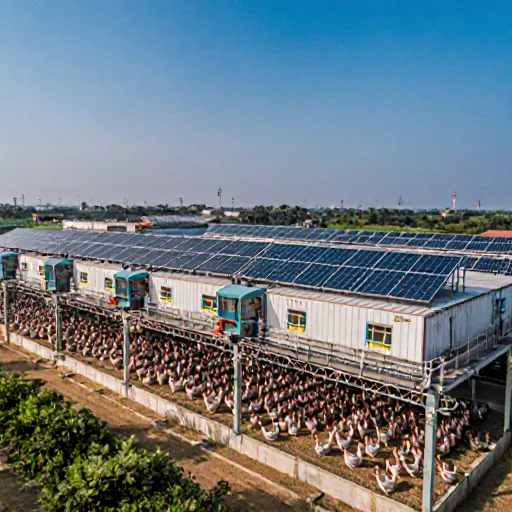
Case Studies on Successful Broiler Farms

The Indian broiler farming sector, despite facing numerous challenges, presents significant opportunities for growth and success. Here are some detailed case studies of successful broiler farms in India that have overcome these challenges to achieve remarkable results.

Case Study: GreenBroilers Inc.

Overview: GreenBroilers Inc. is a leading broiler farm based in western India. They specialize in sustainable broiler farming practices that prioritize animal welfare, environmental impact, and economic efficiency.

Challenges Faced: Like many farms in the region, GreenBroilers Inc. encountered challenges such as fluctuating feed prices, disease management, and market volatility. However, they addressed these issues by investing in advanced biosecurity measures, adopting precision feeding techniques, and entering into long-term contracts with suppliers to stabilize costs.

Opportunities Explored: By focusing on sustainable practices, GreenBroilers Inc. has not only reduced operational costs but also enhanced the quality of their product. This has led to increased demand from eco-conscious consumers and higher market prices for their broilers. They have also diversified into organic farming, expanding their offerings while meeting growing consumer preferences.

Case Study: GoldenPoultry Farms

Overview: GoldenPoultry Farms is located in the eastern part of India and has a reputation for producing high-quality broilers with exceptional feed conversion ratios.

Challenges Faced: The farm faced challenges related to disease outbreaks, which can be particularly devastating in poultry farming. They also struggled with inconsistent weather conditions that affect both productivity and profitability.

Opportunities Explored: GoldenPoultry Farms addressed these issues by implementing state-of-the-art vaccination protocols and investing in climate control systems for their broiler houses. These measures helped to minimize the impact of disease outbreaks and ensure consistent performance throughout the year. Additionally, they have expanded into value-added products like processed poultry meat and bone meal, providing more stable revenue streams.

Case Study: FutureFarms Solutions

Overview: FutureFarms Solutions is a vertically integrated broiler farm that controls every aspect of the production process, from breeding to market.

Challenges Faced: The farm encountered challenges related to maintaining consistent quality across different batches and ensuring compliance with stringent hygiene standards. They also had to navigate complex regulatory environments at both national and international levels.

Opportunities Explored: FutureFarms Solutions addressed these challenges by investing in advanced breeding programs, implementing rigorous quality control processes, and engaging with industry bodies to stay updated on regulatory changes. These efforts have resulted in a robust brand reputation and access to premium markets both domestically and internationally.

The success stories of GreenBroilers Inc., GoldenPoultry Farms, and FutureFarms Solutions highlight the importance of proactive management, strategic planning, and continuous improvement in overcoming challenges and seizing opportunities in broiler farming. By learning from these case studies, aspiring farmers can develop effective strategies to thrive in the competitive Indian market.

Conclusion

In the context of broiler farming in India, challenges and opportunities coexist, shaping the industry's growth trajectory. The Indian poultry sector is a critical component of agricultural development, contributing significantly to rural economies and providing essential proteins for urban populations. However, it faces several hurdles that need to be addressed for sustainable growth.

The primary challenges in broiler farming include:

  • Feed Costs: One of the most significant expenses in broiler farming is feed, which constitutes nearly 60% to 70% of total costs. Fluctuating prices and reliance on imported grains can be detrimental.
  • To mitigate this issue, farmers can diversify their sources of grain and explore local alternatives like sorghum or millets. Additionally, adopting precision feeding techniques based on growth stages can optimize feed efficiency.

  • Disease Management: Poultry diseases such as Newcastle disease, Pullorum disease, and Salmonella pose serious threats to broiler farms. These diseases not only affect productivity but also require stringent biosecurity measures.
  • Incorporating vaccination programs alongside regular health check-ups and using probiotics can help in managing these issues effectively. Moreover, maintaining strict hygiene practices during feed preparation and handling is crucial.

  • Market Access: Poor infrastructure and lack of efficient market channels often lead to suboptimal prices for farmers. This challenges their profitability and sustainability.
  • Solving this problem involves improving transport infrastructure and establishing direct sales platforms. Collaboration with large-scale processors or supermarkets can also provide better market access and higher returns for farmers.

The opportunities in broiler farming are equally promising:

  • Growing Demand: The increasing population and changing dietary preferences, especially among urban areas, drive the demand for poultry products. This trend provides a robust market base for broilers.
  • To capitalize on this opportunity, farmers should focus on quality assurance and branding. Producing organic or free-range broiler meat can attract higher value segments of the market.

  • Government Support: The Indian government has been implementing various policies to support agricultural sectors, including subsidies for inputs like electricity and seedlings, and initiatives aimed at enhancing poultry productivity.
  • Farmers should stay updated with these policies and avail themselves of the benefits. Engaging in agri-tourism or value addition by processing broilers into products like sausages, nuggets, or pies can further enhance profitability.

  • Technology Adoption: The integration of modern technology, such as automated feeders and waste management systems, can improve efficiency and sustainability.
  • Investing in biodegradable packaging for broilers is another way to align with environmental trends. This not only reduces costs but also enhances the product’s market appeal.

In conclusion, while broiler farming in India faces substantial challenges, it also presents numerous opportunities. By addressing key issues like feed costs, disease management, and market access through strategic interventions, farmers can enhance their productivity and profitability. Embracing technological advancements and leveraging government support will be crucial for sustainable growth in the industry.

FAQs About Broiler Farming in India

Frequently Asked Questions

Q: What are the key challenges faced by broiler farmers in India?

The poultry farming sector, particularly broiler farming, faces several significant challenges in India. One of the primary issues is ensuring a consistent supply of quality feed, which can be expensive and challenging to source. Additionally, disease management poses a considerable threat, as outbreaks can devastate entire flocks if not controlled properly. Access to veterinary services and effective vaccines also remains a challenge for many farmers.

Q: How does climate affect broiler farming in India?

The climatic conditions in different regions of India significantly influence broiler farming practices. For instance, areas with higher humidity levels require specific environmental controls to prevent respiratory issues among the birds. Extreme temperatures, especially in summer, can be detrimental if not managed properly through adequate ventilation and cooling systems.

Q: What are some best practices for raising broilers that ensure profitability?

To maximize profits while maintaining high standards of animal welfare, it's crucial to adopt best management practices. This includes providing a balanced diet tailored to the birds' growth stages, ensuring proper hygiene and sanitation within the farm environment, and implementing effective biosecurity measures to minimize disease risks. Additionally, regular monitoring of feed intake and health status is essential for identifying potential problems early on.

Q: Are there any specific advantages of broiler farming in India?

Besides being a viable source of income for small-scale farmers, broiler farming offers several benefits. The demand for chicken meat continues to grow both domestically and internationally, presenting opportunities for export markets. Furthermore, advances in technology have made it possible for even remote regions to participate effectively in this industry.

Q: What kind of support is available for aspiring broiler farmers?

Government initiatives play a vital role in supporting the development and sustenance of poultry farming across India. Programs aimed at providing training, credits, and subsidies can greatly assist newcomers entering the field. Farmers associations also offer valuable resources such as networking platforms, shared knowledge exchanges, and collaborative efforts to address common challenges collectively.

Practical Advice for Success in Broiler Farming

To achieve success in broiler farming, careful planning and continuous learning are key. Regular updates about new technologies, breeding programs, nutrition science, etc., can help farmers stay ahead of trends and improve their operations. Networking with other professionals involved in the poultry industry is equally important as it fosters collaboration which leads to innovation within the sector.

By addressing these frequently asked questions comprehensively, aspiring and existing broiler farmers in India gain insight into what goes into running a successful farm operation. Understanding both challenges and opportunities allows them not only to overcome obstacles but also seize new possibilities for growth and prosperity within this dynamic industry.

Categories

Products

  • Henbari Fish Meal Fish Meal
    Rated 0 out of 5
    Price range: ₹1,999.00 through ₹2,999.00
  • Henbari Broiler Fattening Feed FATTENING BROILER FEED
    Rated 0 out of 5
    Price range: ₹2,299.00 through ₹2,349.00
  • Henbari Country Bird Layer Feed LAYER COUNTRY FEED
    Rated 0 out of 5
    Price range: ₹1,549.00 through ₹1,649.00
  • Henbari Broiler Counter Feed COUNTER BROILER FEED
    Rated 0 out of 5
    Price range: ₹1,199.00 through ₹1,299.00
  • Henbari Pig Lactating Feed LACTATING PIG FEED
    Rated 0 out of 5
    Original price was: ₹2,299.00.Current price is: ₹1,740.00.
  • Henbari Organic Maize Maize
    Rated 0 out of 5
    Original price was: ₹1,650.00.Current price is: ₹1,300.00.
  • Henbari Pig Gestation Feed Phase 1 GESTATION PIG FEED (Phase 1)
    Rated 0 out of 5
    Original price was: ₹2,249.00.Current price is: ₹1,699.00.
  • Henbari Pre Starter Broiler Feed Pre Starter Broiler Feed
    Rated 0 out of 5
    Price range: ₹2,399.00 through ₹2,499.00
  • Henbari Pig Finisher Feed FINISHER PIG FEED
    Rated 0 out of 5
    Original price was: ₹2,299.00.Current price is: ₹1,749.00.
  • Henbari Broiler Premix Broiler Premix
    Rated 0 out of 5
    Original price was: ₹820.00.Current price is: ₹699.00.
Shopping Cart
Scroll to Top






