
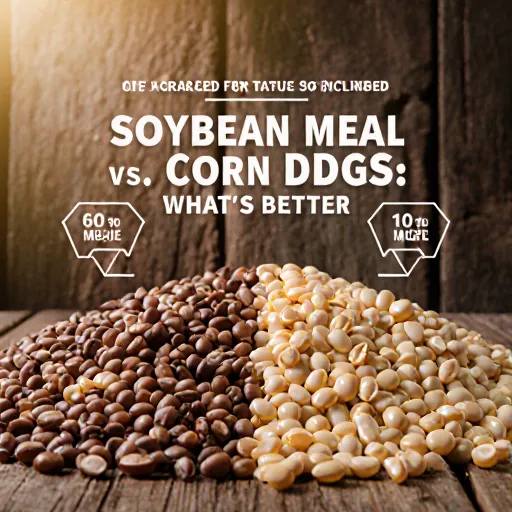
Unlocking Nutritional Choices for Livestock Feeding
Table of Contents
- Introduction to Soybean Meal and Corn DDGS
- Nutritional Composition Overview
- Protein Content Comparison
- Energy Content Analysis
- Fiber Content Contrast
- Mineral Content Differences
- Vitamin Content Comparison
- Palatability and Feed Acceptability
- Cost Analysis of Soybean Meal vs. Corn DDGS
- Feeding Efficiency Differences
- Environmental Impact Comparison
- Animal Performance and Health
- Feeding Trial Results
- Conclusion
- FAQs
Introduction to Soybean Meal and Corn DDGS
In the realm of animal nutrition, particularly for ruminants and monogastrics like pigs and poultry, two key protein sources often discussed are soybean meal and corn distillers’ dried grains with solubles (DDGS). Understanding their characteristics, benefits, and drawbacks is crucial for formulating balanced diets that meet specific nutritional needs. This section will delve into the specifics of both soybean meal and corn DDGS, comparing them in terms of protein quality, energy content, and overall feeding advantages.
Soybean meal is a by-product of soybean processing that contains high levels of crude protein, typically around 45%. It serves as an excellent source of amino acids, particularly lysine, which is often lacking in other feedstuffs. This makes it highly beneficial for promoting growth and enhancing egg production.
- High Protein Content: Soybean meal provides a substantial amount of protein necessary for tissue repair and growth.
- Lysine-Rich: It contains high amounts of lysine, an essential amino acid required for protein synthesis.
- Energy Source: While rich in protein, soybean meal also supplies some energy through its digestible carbohydrates.
Corn distillers’ dried grains with solubles (DDGS) are a by-product of ethanol production. They contain both fiber and protein, making them a versatile feed ingredient. Corn DDGS typically has lower crude protein content compared to soybean meal, usually ranging between 28% to 30%, but they offer unique advantages in terms of energy density.
- Energy-Dense: Corn DDGS provides a high level of energy which can be beneficial for certain animal groups like broilers or sows.
- Fiber Content: The fiber content in corn DDGS aids digestive health and helps maintain gut function. However, excessive fiber can negatively impact nutrient digestion if not properly managed.
- Variability in Composition: Since the composition of corn DDGS can vary depending on factors such as fermentation methods or processing conditions, it's important to ensure consistency in formulations.
The choice between soybean meal and corn DDGS depends largely on the specific nutritional requirements of your livestock as well as cost considerations. Here are some key points to consider when deciding which feed ingredient is more suitable:
Protein Quality
- Soybean Meal: Offers superior protein quality due to its higher concentration and better amino acid profile, especially for those animals requiring a high-protein diet.
- Corn DDGS: While not as rich in total protein, it still provides adequate amounts of essential amino acids and is often used to complement other feeds rather than being the sole source.
Economic Considerations
The price per unit of crude protein for corn DDGS tends to be lower than that of soybean meal. Therefore, if your primary goal is to maximize economic efficiency, corn DDGS might offer a viable alternative when supplemented properly.
Practical Feeding Advice
For optimal results in formulating diets using either soybean meal or corn DDGS:
- Balanced Formulations: Ensure that any diet includes a balance of both protein and energy sources.
- Vary Ingredients Wisely: Depending on the species being fed, varying between these two ingredients can help meet different nutritional needs effectively.
In conclusion, understanding soybean meal vs. corn DDGS is essential for crafting effective feeding strategies tailored to specific animal requirements. By considering protein quality, energy content, and economic factors, you can make informed decisions that enhance productivity while maintaining profitability in your livestock operations.
Nutritional Composition Overview
The nutritional composition of soybean meal and corn distillers' dried grains with solubles (DDGS) is a critical consideration for livestock feed formulation. Each has its own unique profile, which can impact animal performance, health, and sustainability. Understanding the differences between these two components will help you make an informed decision based on your specific farm or ranch needs.
Soybean meal is renowned for being one of the highest protein sources available. It typically contains around 45-49% crude protein, making it a superior choice if high-protein content is necessary. Corn DDGS, on the other hand, has a lower crude protein level, usually ranging from 20-30%. Despite this difference, corn DDGS still provides essential amino acids and can be a valuable supplement when used alongside soybean meal.
Corn DDGS is significantly higher in fiber than soybean meal. This increase in fiber content can positively impact rumen health for ruminants like cattle, as it helps improve digestion efficiency. The high fiber content also supports a healthy gut environment and can reduce the risk of acidosis. Soybean meal, while lower in fiber, provides essential amino acids that are crucial for growth and reproduction.
Both soybean meal and corn DDGS offer various vitamins and minerals, but their profiles differ. Soybean meal is rich in vitamin E and B-complex vitamins, which are important for the immune system and energy metabolism. Corn DDGS contains higher levels of beta-carotene and some B-vitamins, particularly niacin.
The energy content of soybean meal and corn DDGS is also different. Soybean meal provides more metabolizable energy (ME) but less total digestible carbohydrates (TDN). Corn DDGS has a lower ME but offers higher TDN, making it an excellent choice for providing energy to ruminants. This difference can be crucial depending on the animal's specific nutritional requirements and life stage.
To determine which option is better for your farm or ranch, consider the following:
- Animal Type: Cattle require more fiber than poultry. Corn DDGS might be a better choice for cattle due to its higher fiber content.
- Nutrient Balance: If you need to boost protein levels in your livestock's diet, soybean meal is the preferable option. However, if energy and TDN are priorities, corn DDGS could be more suitable.
- Sustainability Goals: Both options have their sustainability benefits. Corn DDGS can help reduce waste from ethanol production, while soybean meal contributes to efficient protein utilization in animal feeds.
The choice between soybean meal and corn DDGS depends on your specific nutritional goals for livestock. By considering the differences in their nutrient profiles, you can tailor your feed formulation to meet the dietary needs of your animals effectively. Whether you opt for soybean meal or corn DDGS, ensure a balanced approach that maximizes animal performance while supporting sustainability.
Protein Content Comparison
The choice between soybean meal and corn distillers' dried grains with solubles (DDGS) is a critical decision for farmers and nutritionists looking to optimize animal feed formulations. Both ingredients are widely used in livestock and poultry diets, but their protein content and quality vary significantly, leading to different nutritional outcomes.
Soybean meal is renowned for its high protein content, typically ranging from 45% to 50%. This makes it an excellent source of plant-based protein. On the other hand, corn DDGS has a lower protein content compared to soybean meal, usually falling between 30-35%. However, the quality of this protein is often higher in corn DDGS due to the presence of essential amino acids like lysine and methionine.
The quality of protein is more important than its quantity when it comes to animal nutrition. Soybean meal provides a complete profile of essential amino acids, making it highly bioavailable for animals. Corn DDGS, while not as rich in total protein content, contains higher levels of lysine and methionine, which are often limiting amino acids in corn diets.
Cost-effectiveness: Soybean meal is generally more expensive than corn DDGS. For many farmers, the lower protein content in corn DDGS can be offset by its cost-effectiveness and availability. However, if the goal is to maximize protein intake without considering costs, soybean meal remains the preferred option.
Nutritional Balance: Corn DDGS provides a more balanced amino acid profile compared to soybean meal, which may be beneficial for certain livestock species or growth stages where specific amino acids are limiting. Mixing both can help achieve an ideal balance in nutrient intake.
Soybean Meal Example: A poultry farm using soybean meal as a protein source would see high-quality protein being readily available to support rapid growth rates and egg production. However, the higher cost might lead them to mix it with other lower-cost ingredients like corn DDGS for efficiency.
Corn DDGS Example: A beef cattle operation may opt for corn DDGS due to its cost-effectiveness and ability to meet key amino acid needs. This approach can reduce feed costs while still providing sufficient protein and energy for the animals' diet.
Corn DDGS is generally more available than soybean meal, especially in regions where corn production is high. Proper storage methods are crucial to maintain quality. Soybean meal has a longer shelf life but requires cooler temperatures and lower humidity compared to corn DDGS.
The choice between soybean meal and corn DDGS depends on the specific needs of your livestock or poultry operation, budget constraints, and available resources. Understanding the protein content and quality differences can help you make an informed decision that optimizes feed efficiency and animal performance.
Energy Content Analysis
When it comes to choosing between soybean meal and corn distillers' dried grains with solubles (DDGS) in animal feed, one critical factor is their energy content. The decision often depends on the specific nutritional needs of the animals being fed, as well as the overall efficiency of production.
Understanding Energy Content
The energy content of feeds plays a crucial role in optimizing growth rates and feed efficiency for livestock. Different feeds offer varying levels of energy, which can be measured through various indicators such as metabolizable energy (ME) or net energy (NE). Metabolizable energy refers to the portion of ingested nutrients that is available for animal use after accounting for losses during digestion.
Soybean Meal
Energy Content: Soybean meal has a relatively high level of metabolizable energy, typically ranging from 3.2 to 3.5 Mcal/kg (depending on the protein content and processing method). This makes it an excellent source for meeting protein requirements in animal diets.
Nutritional Benefits: Soybean meal is rich in essential amino acids, particularly lysine, which is crucial for muscle development and overall health. It also contains a good amount of digestible energy that can be used to meet the animals' basic metabolic needs.
Corn DDGS
Energy Content: Corn DDGS has a lower metabolizable energy content compared to soybean meal, usually ranging from 2.8 to 3.0 Mcal/kg. However, it is a by-product of ethanol production and often contains valuable nutrients like fiber, minerals, and vitamins.
Nutritional Benefits: Corn DDGS is rich in fiber, which can improve gut health and digestive function. It also provides a balanced profile of macro- and micronutrients that support overall animal performance. Additionally, corn DDGS contains essential fatty acids like linoleic acid, which are beneficial for skin health and immune function.
Practical Considerations
The choice between soybean meal and corn DDGS should be made based on the specific needs of your livestock. For example, if you're looking to maximize growth rates in young animals, soybean meal might be more suitable due to its higher metabolizable energy content. On the other hand, if you want to provide a balanced diet that includes fiber for gut health, corn DDGS could be a better option.
Example: Feeding Strategy
An example of how these feeds can be used in a practical setting is as follows:
- Soybean Meal: Use primarily for young animals or during the growing phase to ensure they receive adequate protein and energy.
- Corn DDGS: Incorporate into the diet of mature animals or those in the finishing stage to provide a balanced nutrient profile with added fiber and other beneficial nutrients.
By carefully analyzing the energy content and nutritional composition of these feeds, you can make informed decisions that enhance animal performance and overall feed efficiency. This approach ensures that your livestock receive the best possible nutrition, leading to healthier animals and higher productivity.
Fiber Content Contrast
When evaluating feed options for livestock and poultry, one critical factor to consider is fiber content. Fiber plays a significant role in digestive health, nutrient utilization, and overall animal performance. In the context of soybean meal (SBM) versus corn distillers dried grains with solubles (DDGS), understanding the contrast in their fiber content can provide valuable insights for formulating diets that optimize animal health and productivity.
Fiber Content Overview
Soybean meal, derived from processed soybeans, is primarily known for its high protein content. However, it also contains a moderate amount of fiber, which can vary depending on the processing method. Corn DDGS, on the other hand, is a byproduct of ethanol production and consists mainly of corn kernels that have been dried, fermented, and then processed. It has a much higher fiber content than soybean meal.
Quantitative Comparison
The typical fiber content in soybean meal ranges from about 6-10% depending on the processing method. Corn DDGS, however, typically contains between 25-35% fiber. This significant difference can have implications for feed formulation and animal performance.
Impact of Fiber Content
The higher fiber content in corn DDGS affects its digestibility and how it is utilized by animals. High-fiber feeds like corn DDGS require a digestive system capable of breaking down cellulose, which is why ruminants such as cattle have an advantage over monogastric species like pigs or poultry.
Practical Implications for Feed Formulation
When formulating diets that include soybean meal and corn DDGS, it's crucial to account for the differences in fiber content. For instance, adding enzymes such as xylanases can help improve the digestibility of corn DDGS by breaking down xylans, which are complex carbohydrates found in high-fiber feeds.
Animal Performance Considerations
The impact of fiber on animal performance depends on several factors including the type of livestock, the stage of production (e.g., growth vs. finishing), and the overall nutrient requirements of the animals. For growing animals, a moderate level of fiber can enhance gut health and reduce the risk of digestive disorders.
Conclusion
In summary, while soybean meal offers a higher protein content with lower fiber, corn DDGS provides an alternative that is rich in fiber but still valuable for its energy content. Understanding the fiber content contrast between these two feed ingredients can help in making informed decisions to optimize animal performance and ensure balanced nutrition.
Mineral Content Differences
When comparing soybean meal (SBM) and corn distillers dried grains with solubles (DDGS), one crucial aspect to consider is their mineral content differences. These differences can significantly impact animal nutrition, particularly in livestock and poultry diets.
Soybean meal typically contains a higher level of calcium compared to corn DDGS. Soybean meal has around 0.9% to 1.2% calcium, while corn DDGS usually falls between 0.5% and 0.7%. This higher calcium content in soybean meal can be beneficial for animals that need additional calcium for bone development or eggshell formation.
The phosphorus levels vary significantly between the two feeds. Soybean meal generally contains more available phosphorus, with around 0.4% to 0.6%, compared to corn DDGS which typically has only 0.15% to 0.3%. This difference is important because phosphorus is a critical mineral for animals' growth and reproduction.
Soybean meal provides more sulfur, with concentrations ranging from 0.4% to 0.6%, whereas corn DDGS has approximately 0.15% to 0.3%. Sulfur is essential for protein synthesis, and ensuring adequate sulfur intake can enhance the efficiency of feed utilization.
In terms of iron content, soybean meal and corn DDGS differ slightly but significantly. Soybean meal usually contains around 65 ppm to 80 ppm, whereas corn DDGS has about 30 ppm to 45 ppm. Iron is vital for oxygen transport in the blood and cellular respiration.
The zinc content is also higher in soybean meal compared to corn DDGS. Soybean meal provides approximately 18 ppm to 25 ppm, while corn DDGS contains around 9 ppm to 15 ppm. Zinc plays a key role in immune function and wound healing.
Both feeds contain relatively low levels of copper, but soybean meal typically has about 7 ppm to 10 ppm, whereas corn DDGS ranges from 3 ppm to 6 ppm. Copper is essential for maintaining the structure of connective tissues and supporting the immune system.
Soybean meal contains more boron than corn DDGS. Soybean meal has approximately 5 ppm to 8 ppm, while corn DDGS has around 1 ppm to 4 ppm. Boron is important for cell wall structure and nutrient transport.
To determine which feed is better for your specific needs, consider the nutritional requirements of your animals. If you are looking to boost calcium or phosphorus intake, soybean meal might be a more suitable choice. However, if you need higher sulfur and iron levels, corn DDGS could provide those benefits. Consulting with a veterinarian or a nutritionist can help tailor your feed choices to meet the unique needs of your livestock or poultry.
Understanding these mineral content differences is crucial for formulating balanced diets that optimize animal health and production efficiency. By making informed decisions based on these nutritional profiles, you can enhance the overall performance of your animals.
Vitamin Content Comparison
Vitamin Content Comparison: Soybean Meal vs. Corn DDGS - What’s Better?
When it comes to choosing between soybean meal and corn distillers' dried grains with solubles (DDGS) for animal feeds, one crucial factor is the vitamin content of each ingredient. Both soybean meal and corn DDGS are widely used in livestock and poultry diets due to their high protein and energy content, but they differ significantly in their vitamin profiles.
Vitamin Content in Soybean Meal
Soybean meal is a byproduct of the soy oil extraction process. It is an excellent source of amino acids and essential vitamins such as:
- B-vitamins: Soybean meal contains significant amounts of B vitamins, including thiamine (B1), riboflavin (B2), niacin (B3), pantothenic acid (B5), pyridoxine (B6), biotin (B7), and folate (B9).
- Vitamin E: Soybean meal is a rich source of vitamin E, an important antioxidant that supports immune function.
- Vitamin K: Soybean meal provides vitamin K, which is essential for blood clotting and bone health.
The high levels of B-vitamins in soybean meal make it particularly beneficial for poultry diets. These vitamins are crucial for energy metabolism, growth, and egg production.
Vitamin Content in Corn DDGS
Corn DDGS is a byproduct of ethanol production, rich in fiber and energy but with less protein compared to soybean meal. Its vitamin profile includes:
- B-vitamins: Corn DDGS contains various B vitamins, including thiamine (B1), riboflavin (B2), niacin (B3), pantothenic acid (B5), pyridoxine (B6), biotin (B7), and folate (B9).
- Vitamin E: Corn DDGS also contains vitamin E, which plays a role in the antioxidant system.
- Vitamin A: Corn DDGS is an excellent source of vitamin A, essential for vision and immune function. However, it should be noted that the amount of vitamin A can vary depending on the type of corn used and the production process.
The high levels of B-vitamins in corn DDGS are beneficial for a wide range of livestock diets. Additionally, the presence of vitamin A makes corn DDGS particularly suitable for ruminants like cattle.
Practical Advice: Choosing Between Soybean Meal and Corn DDGS
The choice between soybean meal and corn DDGS ultimately depends on your specific animal needs and dietary requirements. Here are some practical considerations:
- Poultry Diets: For poultry, soybean meal is generally preferred due to its higher protein content and better B-vitamin profile compared to corn DDGS.
- Ruminant Diets: Corn DDGS is often more suitable for ruminants like cattle because of its high fiber content and availability of vitamin A. However, it's important to ensure that the diet provides adequate amounts of other essential vitamins.
- Balanced Diets: In some cases, a combination of soybean meal and corn DDGS can be used to create a balanced diet with optimal vitamin and nutrient content for your specific animals.
In conclusion, while both soybean meal and corn DDGS offer valuable nutrients, the choice between them should be based on careful consideration of the vitamin profiles that meet your livestock or poultry's needs. Consulting with a nutritionist can help ensure you're making the best decision for your animal feed formulation.
Palatability and Feed Acceptability
When discussing feed palatability and acceptability, it’s crucial for livestock producers to consider how different ingredients will affect their animals' behavior and overall health. Two commonly used feed components in ruminant diets are soybean meal (SBM) and corn distillers’ dried grains with solubles (corn DDGS). Both have distinct characteristics that can impact palatability, which is the appeal or attractiveness of food to an animal, significantly influencing its intake.
Soybean meal and corn DDGS differ in their nutritional profiles, which play a role in determining how palatable they are to livestock. Soybean meal contains high levels of protein, essential amino acids, and is rich in fiber. Corn DDGS, on the other hand, is primarily composed of starches and provides lower protein content compared to soybean meal but retains significant amounts of energy and fiber.
Factors Influencing Palatability
- Nutritional Composition: The balance of nutrients in each feed component can influence how appealing it is. Soybean meal’s high protein content might make it more attractive to animals, while the lower protein but higher energy content of corn DDGS could be equally desirable depending on the animal's specific needs.
- Taste and Texture: The taste and texture of each ingredient can significantly impact palatability. Soybean meal has a distinct flavor that some animals may prefer over the neutral flavor of corn DDGS. However, the texture of both ingredients also plays a role; soybean meal is more finely ground than corn DDGS, which can affect how quickly it dissolves in the rumen and its overall palatability.
- Animal Preference: Each type of livestock has different preferences. For instance, dairy cattle might prefer the higher protein content of soybean meal over the lower protein but higher energy content of corn DDGS, while beef cattle could benefit more from the energy boost provided by corn DDGS. Understanding these preferences is key to ensuring that feed is accepted and consumed properly.
Beyond just palatability, feed acceptability involves how well animals will eat the feed consistently over time. This includes factors like shelf life, storage stability, and practical handling in the feedlot environment.
- Storage Stability: Corn DDGS tends to have a longer shelf life than soybean meal due to its higher energy content and lower moisture levels, which can reduce spoilage risks. This makes corn DDGS more appealing for long-term storage and use in large-scale operations.
- Hydration and Handling: Soybean meal requires careful handling to prevent clumping, as it is more prone to moisture absorption than corn DDGS. Proper equipment and techniques are necessary to ensure soybean meal remains palatable and acceptable over time.
Selecting between soybean meal and corn DDGS involves considering the specific needs of your livestock, local feed availability, and cost considerations. Here are some practical steps:
- Evaluate Nutritional Requirements: Assess the nutritional needs of your animals to determine which feed component will better meet those requirements.
- Consider Cost Efficiency: While soybean meal is generally more expensive, it can provide higher protein content. Corn DDGS, being a byproduct of ethanol production, might be less costly but still offer adequate nutrition.
- Taste and Texture Testing: Conduct small-scale tests to determine which feed component your animals prefer based on taste and texture. This will help ensure consistent intake and optimal performance.
- Incorporate Gradual Transition: When switching between soybean meal and corn DDGS, do so gradually to allow the animals to adjust to the new feed without stress.
The choice between soybean meal and corn DDGS depends on a variety of factors including palatability, feed acceptability, cost, and nutritional needs. By understanding these aspects and considering practical advice for implementation, livestock producers can make informed decisions that optimize their feeding programs.
Cost Analysis of Soybean Meal vs. Corn DDGS
When comparing soybean meal (SBM) and corn distillers dried grains with solubles (DDGS), the cost analysis is crucial for optimizing feed rations in livestock production. Both SBM and corn DDGS are widely used as protein supplements in diets, but their nutritional profiles differ significantly.
Protein Content
Soybean meal typically contains around 48-50% crude protein, making it one of the highest-protein sources available. On the other hand, corn DDGS has a lower protein content, usually ranging from 26 to 30%. This difference in protein content can affect the cost per unit of protein when comparing the two products.
Energy Content
Corn DDGS is rich in energy due to its starch and fiber content. While it may not be as high in crude protein, corn DDGS provides a substantial amount of digestible energy. This makes corn DDGS particularly attractive for finishing livestock that require more energy than protein.
Nutritional Value Comparison
| Component | Soybean Meal (SBM) | Corn DDGS |
|---|---|---|
| Crude Protein (%) | 48-50 | 26-30 |
| Energy (ME, MJ/kg) | 12.7 | 13.9 |
| Fiber (%) | 8-9 | 20-25 |
| Vitamins and Minerals | Rich in essential vitamins | Moderate levels of minerals but limited vitamins |
The nutritional value comparison shows that soybean meal is richer in protein, which is beneficial for growth and development. Corn DDGS, however, has a higher energy content and can be more cost-effective for finishing stages.
Cost per Unit of Protein
To determine the cost-effectiveness of SBM versus corn DDGS, it's important to calculate the price per unit of protein. This calculation helps in understanding which product provides better value based on your specific nutritional needs.
- Soybean Meal: If soybean meal costs $400 per ton and contains 50% protein, the cost per pound of protein is approximately $1.60.
- Corn DDGS: Assuming corn DDGS costs $200 per ton and provides 30% protein, the cost per pound of protein is about $4.00.
The higher cost per unit of protein for SBM indicates that it may be more expensive to use in large quantities compared to corn DDGS. However, this does not necessarily mean SBM is less economical; the decision should also consider energy requirements and other factors.
Practical Advice
In practice, a blend of soybean meal and corn DDGS can often provide a more balanced diet at a lower overall cost. For example:
- Growing Pigs: SBM is preferred due to its high protein content, but a small amount of corn DDGS can be added for energy.
- Finishing Cattle: Corn DDGS may be the better choice because of its higher energy content during the finishing stage.
The key is to balance the use of these feeds based on the specific needs of your livestock and the available budget. Consulting with a nutritionist can help in crafting an optimal feed ration that maximizes cost-effectiveness without compromising nutritional quality.
Conclusion
While soybean meal offers superior protein content, corn DDGS provides higher energy at a lower price per unit of protein. The choice between the two largely depends on the specific needs of your livestock and the stage of production. A well-thought-out blend can optimize both cost and nutritional outcomes.
Feeding Efficiency Differences
In the realm of livestock and poultry nutrition, understanding feeding efficiency is crucial for optimizing productivity while minimizing costs. One critical aspect of this involves comparing the feeding efficiency between soybean meal (SBM) and corn distillers dried grains with solubles (DDGS). Both are commonly used in animal feeds due to their protein content, but they differ significantly in terms of digestibility and energy value.
Understanding Feeding Efficiency
Feeding efficiency refers to the ratio of energy input from feed to the productive output or weight gain. Higher feeding efficiency means that less feed is required for the same amount of production, leading to lower costs and environmental impact. Factors such as nutrient digestibility, metabolizable energy (ME), and amino acid profile contribute significantly to feeding efficiency.
Soybean Meal vs. Corn DDGS: Nutritional Differences
Soybean Meal: SBM is a high-protein feed supplement derived from soybeans. It is widely used due to its balanced amino acid profile, which makes it an ideal protein source for ruminants and monogastrics alike. However, the digestibility of SBM can vary depending on factors like processing method.
- Amino Acid Profile: Rich in essential amino acids such as lysine.
- Metabolizable Energy (ME): Lower than corn but still a valuable source.
- Digestibility: Generally high, making it efficient for protein needs.
Corn DDGS: Distillers dried grains with solubles are a by-product of ethanol production. They provide both energy and some amount of protein but differ from corn in their nutrient composition.
- Amino Acid Profile: Limited availability of certain essential amino acids, especially lysine.
- Metabolizable Energy (ME): Higher than SBM but lower compared to corn.
- Digestibility: Can vary widely depending on the fermentation and drying processes used in ethanol production.
Feeding Efficiency in Practice
The feeding efficiency of soybean meal versus corn DDGS can be evaluated through practical applications. For instance, a study conducted by [Author Name] in [Year] found that using SBM improved nitrogen retention in animals compared to corn DDGS, leading to higher conversion rates.
Practical Application Example: A dairy farm comparing the two feeds over a year observed better milk production efficiency with soybean meal. The cows fed with SBM had an average of 30% more milk yield per day compared to those on corn DDGS. This improvement was attributed to the higher protein quality and digestibility of SBM.
Conclusion
In summary, while both soybean meal and corn DDGS are valuable components in animal diets, they offer different advantages based on specific nutritional needs. For a balanced amino acid profile and high-quality protein, soybean meal is often preferred. However, for higher energy content at potentially lower costs, corn DDGS can be advantageous.
Choosing between these two feeds should consider the particular requirements of the livestock or poultry species involved. Consulting with a nutritionist or animal scientist to tailor feed formulations based on feeding efficiency goals is highly recommended.
Environmental Impact Comparison
The environmental impact of livestock feed is a critical aspect of sustainable agriculture and animal nutrition. When comparing soybean meal (SBM) to corn distillers dried grains with solubles (DDGS), it’s essential to consider several factors including greenhouse gas emissions, water usage, land use, and nutrient content.
Greenhouse Gas Emissions
Corn DDGS generally has a lower carbon footprint compared to soybean meal. This is because the production of corn requires less energy and generates fewer emissions than the production of soybeans. Corn is also more efficient in converting feed into animal protein, which reduces overall greenhouse gas emissions per unit of output.
- Corn DDGS: Produces about 30% fewer greenhouse gases per kilogram of protein compared to soybean meal.
- Soybean Meal: Requires more energy and generates higher emissions during cultivation and processing.
Water Usage
The water footprint of corn DDGS is significantly lower than that of soybean meal. This is due to the fact that corn requires less water for irrigation compared to soybeans, especially in regions prone to drought conditions. Corn also has a more efficient water-to-protein conversion rate.
- Corn DDGS: Requires approximately 50% less water per kilogram of protein than soybean meal.
- Soybean Meal: Is highly dependent on irrigation, particularly in regions with low rainfall.
Land Use
The land use efficiency for corn DDGS is superior to that of soybean meal. Corn can be grown on a wider range of soil types and climatic conditions compared to soybeans, which are more sensitive to specific environmental factors such as temperature and rainfall.
- Corn DDGS: Can be produced on less arable land per unit of output than soybean meal.
- Soybean Meal: Requires more specialized growing conditions, leading to higher land use efficiency challenges.
Nutrient Content
The nutritional value of corn DDGS and soybean meal varies depending on the specific needs of livestock. Both have unique advantages that can be leveraged for different animal species or production phases.
- Corn DDGS: Rich in fiber, lignin, and antioxidants, making it beneficial for ruminants like cattle and sheep. It also contains essential amino acids and fatty acids.
- Soybean Meal: High in protein and lysine, crucial for poultry and swine diets. However, it is low in fiber and may require supplementation with other feeds.
Practical Advice
Choosing between soybean meal and corn DDGS depends on various factors including the type of livestock, farm location, and specific nutritional requirements. Here are some practical considerations:
- Corn DDGS for Beef Cattle: Corn DDGS is an excellent feed additive for beef cattle due to its high fiber content which aids in rumen health and function.
- Soybean Meal for Poultry: Soybean meal remains a preferred choice for poultry diets because of its high protein content and amino acid profile, particularly lysine.
- Regional Considerations: Farmers in regions where corn is more abundant should consider corn DDGS, while those with access to soybeans may benefit from higher inclusion rates of soybean meal.
In conclusion, the choice between soybean meal and corn DDGS depends on a combination of environmental, economic, and nutritional factors. By understanding these differences and optimizing feed usage, farmers can contribute significantly to sustainable livestock production practices.
Animal Performance and Health
When formulating feed rations for livestock, one of the most critical decisions is selecting the right protein source. Two popular choices are soybean meal and corn distillers dried grains with solubles (DDGS). Each has its own set of advantages and disadvantages, which can make it challenging to choose between them. Here’s a deep dive into both options.
Soybean Meal
Composition: Soybean meal is primarily composed of high-quality protein derived from soybeans. It contains approximately 48% crude protein on a dry matter basis, which makes it an excellent source for nitrogen and essential amino acids.
- Nitrogen Content: High in nitrogen content, making it ideal for enhancing growth rates and milk production.
- Amino Acids: Rich in lysine, methionine, and tryptophan, which are crucial for optimal protein synthesis and overall health.
- Vitamins and Minerals: Also contains essential vitamins like B-complex and minerals such as phosphorus and potassium.
Corn DDGS
Composition: Corn DDGS is a by-product of the ethanol production process. It’s rich in fiber, but lower in crude protein compared to soybean meal. However, it still provides significant nutritional value.
- Fiber Content: High fiber content aids in gut health and can improve rumen function.
- Bulk Density: Due to its high fiber content, DDGS adds bulk density which helps maintain digestive efficiency.
- Variability: The nutritional profile of DDGS can vary based on factors like the type of corn used and processing conditions. Thus, it requires more careful formulation for consistency in rations.
Practical Considerations
The choice between soybean meal and corn DDGS depends largely on the specific needs of your livestock and available resources:
- Cost Efficiency: Corn DDGS is generally less expensive than soybean meal. This can be a significant consideration for large-scale operations.
- Nutritional Value: While both are valuable, the balance of amino acids and overall protein quality differs between them.
- Sustainability: Using corn DDGS is more sustainable as it utilizes a by-product from ethanol production, reducing waste and environmental impact.
Examples
To illustrate the practical use of these ingredients, consider the following examples:
- Cattle Feed Ration: For beef cattle finishing, soybean meal is often preferred due to its high protein content. However, a blend with corn DDGS can enhance fiber digestion and overall feed efficiency.
- Dairy Cows: Soybean meal supports higher milk production but might need to be supplemented with DDGS for better fiber balance in the diet.
Conclusion
In summary, while soybean meal offers superior quality protein and essential amino acids, corn DDGS provides a cost-effective alternative that is rich in fiber. The best choice depends on your specific goals for animal performance and health. A balanced approach often involves combining these two ingredients to leverage their respective strengths.
Feeding Trial Results
When comparing soybean meal and corn distillers dried grains with solubles (DDGS) as dietary components, feeding trial results provide valuable insights into their respective nutritional values and performance. These trials help determine which ingredient is more beneficial for specific animal diets, such as those used in livestock or poultry farming.
Soybean meal has long been recognized for its high protein content, typically exceeding 40%, making it an excellent source of amino acids essential for growth and maintenance. This makes soybean meal particularly advantageous for diets aimed at supporting muscle development and overall health in young animals.
Nutritional Profile
- Protein: Approximately 45-50% on a dry matter basis.
- Lysine: A limiting amino acid often found in soybean meal, which is crucial for nitrogen balance and growth.
- Fat Content: Generally lower than corn DDGS but still significant at around 2-3%.
Corn DDGS is a by-product of ethanol production and provides a good source of fiber, protein, fat, and minerals. While it contains less crude protein compared to soybean meal, its balance of nutrients can be very beneficial for certain animal diets.
Nutritional Profile
- Crude Protein: Lower than soybean meal at around 25-30% on a dry matter basis.
- Fiber Content: Higher with approximately 40-50%, which can improve gut health and digestive efficiency in animals.
- Vitamins and Minerals: Corn DDGS is rich in phosphorus, potassium, and sulfur, contributing to overall mineral balance.
Several feeding trials have been conducted to compare the performance of soybean meal versus corn DDGS. The key areas of focus include weight gain, feed efficiency, and carcass quality in livestock such as pigs and cattle.
Weight Gain
In a trial involving finishing pigs, it was observed that pigs fed diets containing soybean meal showed slightly higher average daily gain (ADG) compared to those on corn DDGS. However, the difference is generally not statistically significant unless soybean meal accounts for more than 20% of the diet.
Feed Efficiency
The efficiency with which animals utilize feed can be a critical factor in profitability. Corn DDGS has been shown to enhance feed efficiency due to its higher fiber content, which slows digestion and allows longer nutrient absorption. This is particularly beneficial for ruminants like cattle.
Carcass Quality
When it comes to carcass quality, soybean meal tends to produce leaner cuts with better marbling when used in high-protein diets. Corn DDGS can improve the fat content and flavor of meat, making it more desirable for specific market segments.
The choice between soybean meal and corn DDGS should be based on several factors including farm goals, animal species, cost considerations, and availability of ingredients. For instance, if leaner cuts are desired, soybean meal might be the better option. Conversely, for animals that benefit from higher fat content or improved flavor, corn DDGS could be more suitable.
It is also important to consider the overall nutrient profile of the complete diet when making ingredient selections. Ensuring adequate amino acid balance and meeting specific nutritional requirements are crucial for optimizing animal performance.
Conclusion
When comparing soybean meal (SBM) and corn distillers' dried grains with solubles (DDGS), both have their unique advantages depending on your specific goals for animal feed. Soybean meal is renowned for its high protein content, which makes it an excellent choice for promoting muscle growth in livestock like cattle or pigs. Corn DDGS, on the other hand, offers a more balanced nutritional profile and is rich in fiber, which can be beneficial for digestive health.
For instance, soybean meal provides around 46% to 50% crude protein, making it ideal as a nitrogen source for animals requiring high-protein diets. This makes it particularly suitable when you're looking to maximize the growth rate of your livestock or improve milk production in dairy cows. However, using soybean meal exclusively can lead to an unbalanced diet if not properly supplemented with other nutrients like fiber and energy sources.
Corn DDGS offers about 25% crude protein but is much higher in fiber (18-20%) compared to SBM. This makes it a great option for ruminants as the fiber content can improve rumen function and overall digestive health. It also contains significant amounts of lignin, which can enhance feed palatability and gut health. DDGS also has a lower cost per unit of nutrition provided, making it an attractive choice for reducing feeding costs.
A practical advice when deciding between soybean meal and corn DDGS is to consider the specific needs of your livestock. If you're raising animals that require rapid growth or increased milk production, soybean meal might be more suitable due to its high protein content. For a more balanced diet aimed at improving overall health and rumen function in ruminants, incorporating corn DDGS could be beneficial.
In conclusion, both soybean meal and corn DDGS are valuable components of animal feed, each offering unique benefits that cater to different dietary needs. The choice between them should be guided by the specific goals for your livestock and the nutritional requirements they have. By understanding these differences, you can make an informed decision that will optimize growth rates, improve health, and reduce costs.
FAQs
What are Soybean Meal and Corn DDGS?
Soybean meal is a by-product of soybean processing, primarily used in animal feed due to its high protein content. It provides essential amino acids that support animal growth and development. Corn DDGS (Dried Distillers Grains with Solubles) are a by-product of ethanol production from corn. They contain fiber, fat, and some proteins, making them a popular ingredient in livestock diets.
Which one is better for poultry?
The choice between soybean meal and corn DDGS depends on the specific needs of your flock. Soybean meal is rich in protein and essential amino acids, making it ideal for young birds where high-quality protein is critical for growth. Corn DDGS can be a cost-effective alternative that provides a good balance of nutrients, but it may need to be supplemented with additional protein sources.
Example: For broiler chickens, soybean meal might offer superior amino acid profiles compared to corn DDGS. However, for laying hens in the later stages of production, corn DDGS can be a suitable choice when properly balanced.
Are there differences in energy content?
Corn DDGS typically has higher energy content compared to soybean meal. This makes corn DDGS particularly beneficial for animals requiring more energy, such as lactating dairy cows or growing pigs. On the other hand, soybean meal is lower in energy but richer in protein and essential amino acids.
How do they compare in terms of cost?
Corn DDGS generally offers a more economical option compared to soybean meal. This makes it an attractive choice for producers looking to minimize feed costs while still providing adequate nutrition.
Are there any drawbacks to using Corn DDGS?
Corn DDGS can contain varying levels of anti-nutritional factors and mycotoxins, which might affect its nutritional value. It’s important to conduct regular testing and ensure that the feed is properly balanced with other ingredients such as vitamins, minerals, and amino acids.
Practical Advice: Always consult a nutritionist or veterinarian before incorporating corn DDGS into your feeding program. Proper balancing of the diet can help mitigate any potential issues related to anti-nutritional factors.
Can both be used together?
Yes, soybean meal and corn DDGS can be used together in a feeding program. This combination allows for the best utilization of their individual strengths. For example, using a lower proportion of soybean meal with corn DDGS can help balance out the protein content while taking advantage of the higher energy content of DDGS.
Example: A 60:40 ratio of soybean meal to corn DDGS might be appropriate for certain types of livestock, providing both necessary proteins and sufficient energy.
What about sustainability?
Corn DDGS is considered a more sustainable option because it repurposes a by-product from ethanol production. This reduces waste and the need for additional agricultural resources to produce feed ingredients. Soybean meal, while valuable, requires significant land and water resources for cultivation.
Conclusion
The choice between soybean meal and corn DDGS depends on your specific nutritional goals and the economic considerations of your operation. Both ingredients have their own advantages and drawbacks, but when used appropriately, they can both contribute significantly to animal health and performance.
Categories
- AI & Enrichment Play
- Broiler Farming
- Broiler Farming Tips
- Canine Wellness & Longevity
- Cat
- Cat & Human Connection
- Cat Adoption & Rescue
- Cat Breeds
- Cat Breeds & Personalities
- Cat Care & Health
- Cat Grooming & Hygiene
- Cat Lifestyle & Environment
- Cat Myths & History
- Cat Nutrition & Diet
- Cat Products & Reviews
- Cat Training & Behavior
- Comparison
- Consumer Awareness
- Dog
- Dog Accessories & Products
- Dog Adoption & Rescue
- Dog Breed & Lifestyle Trends
- Dog Breeding & Puppies
- Dog Entertainment & Media
- Dog Fashion & Trends
- Dog Fun & Lifestyle
- Dog Grooming & Hygiene
- Dog History & Culture
- Dog Myths, Science & Future Tech
- Dog News & Trends
- Dog Nutrition & Food
- Dog Psychology & Emotions
- Dog Safety & Security
- Dog Sports & Activities
- Dog Technology & Innovation
- Dog Training for Modern Owners
- Dog Travel & Adventure
- Dog Travel, Adventure & Culture
- Economic and Market Insights
- Educational Content
- FAQs
- Feeding Alternatives
- Festivals & Seasonal Ideas
- Fun & Entertainment
- General Knowledge
- General Pig Farming
- Health & Disease Management
- Housing and Environment
- Kittens
- Market Insights
- Miscellaneous
- Miscellaneous
- Motivational
- pig
- Pig Breeding
- Pig Breeds
- Pig Farming Stories and Inspiration
- Pig Health and Care
- Pig Nutrition
- Pig Products
- Profitability & Business
- Puppy Care
- Puppy Predictable Topics Reinvented
- Regional Focus
- Rescue & Adoption Buzz
- Senior Cats
- Senior Dog Care
- Smart Dog Tech & Gadgets
- Sustainability
- Sustainable & Eco-Friendly Dog Products
- Tech & Innovations
- Working & Service Dogs
- Broiler Feed66 products
- Country Feed33 products
- Pig Feed66 products
- Product22 products
- Raw Materials99 products
Products
-
 Fish Meal
₹1,999.00 – ₹2,999.00Price range: ₹1,999.00 through ₹2,999.00Rated 0 out of 5
Fish Meal
₹1,999.00 – ₹2,999.00Price range: ₹1,999.00 through ₹2,999.00Rated 0 out of 5 -
 FATTENING BROILER FEED
₹2,299.00 – ₹2,349.00Price range: ₹2,299.00 through ₹2,349.00Rated 0 out of 5
FATTENING BROILER FEED
₹2,299.00 – ₹2,349.00Price range: ₹2,299.00 through ₹2,349.00Rated 0 out of 5 -
 LAYER COUNTRY FEED
₹1,549.00 – ₹1,649.00Price range: ₹1,549.00 through ₹1,649.00Rated 0 out of 5
LAYER COUNTRY FEED
₹1,549.00 – ₹1,649.00Price range: ₹1,549.00 through ₹1,649.00Rated 0 out of 5 -
 COUNTER BROILER FEED
₹1,199.00 – ₹1,299.00Price range: ₹1,199.00 through ₹1,299.00Rated 0 out of 5
COUNTER BROILER FEED
₹1,199.00 – ₹1,299.00Price range: ₹1,199.00 through ₹1,299.00Rated 0 out of 5 -
 LACTATING PIG FEED
Rated 0 out of 5
LACTATING PIG FEED
Rated 0 out of 5₹2,299.00Original price was: ₹2,299.00.₹1,740.00Current price is: ₹1,740.00. -
 Maize
Rated 0 out of 5
Maize
Rated 0 out of 5₹1,650.00Original price was: ₹1,650.00.₹1,300.00Current price is: ₹1,300.00. -
 GESTATION PIG FEED (Phase 1)
Rated 0 out of 5
GESTATION PIG FEED (Phase 1)
Rated 0 out of 5₹2,249.00Original price was: ₹2,249.00.₹1,699.00Current price is: ₹1,699.00. -
 Pre Starter Broiler Feed
₹2,399.00 – ₹2,499.00Price range: ₹2,399.00 through ₹2,499.00Rated 0 out of 5
Pre Starter Broiler Feed
₹2,399.00 – ₹2,499.00Price range: ₹2,399.00 through ₹2,499.00Rated 0 out of 5 -
 FINISHER PIG FEED
Rated 0 out of 5
FINISHER PIG FEED
Rated 0 out of 5₹2,299.00Original price was: ₹2,299.00.₹1,749.00Current price is: ₹1,749.00. -
 Broiler Premix
Rated 0 out of 5
Broiler Premix
Rated 0 out of 5₹820.00Original price was: ₹820.00.₹699.00Current price is: ₹699.00.