
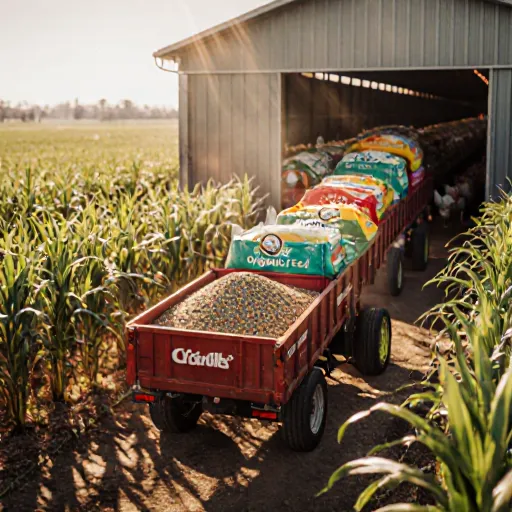
Unlock Profit with Organic Broiler Feeds!
Table of Contents
- Understanding Organic Broiler Feed Basics
- Environmental Impact of Conventional vs. Organic Feed
- Health Benefits for Chickens Raised on Organic Feed
- Nutritional Differences Between Conventional and Organic Feed
- Cost Comparison of Organic vs. Conventional Feed
- Effects on Growth Rate and Meat Quality
- Impact on Egg Production and Quality
- Poultry Welfare and Organic Feed Practices
- Farmers' Perspectives on Organic Broiler Feed Usage
- Consumer Demand for Organic Chicken Products
- Supply Chain and Availability of Organic Feed
- Long-Term Economic Viability for Farmers
- Sustainability and Environmental Considerations
- Conclusion on the Value of Organic Broiler Feed
- FAQs About Organic Broiler Feed
Understanding Organic Broiler Feed Basics
Understanding organic broiler feed basics is crucial for anyone considering whether organic broiler feed is worth the cost. Organic broiler feed refers to feed that meets specific standards set by regulatory bodies, ensuring that it does not contain synthetic pesticides, chemical fertilizers, genetically modified organisms (GMOs), or other artificial additives. This type of feed focuses on providing a natural and healthy environment for broilers, which can lead to better meat quality and potentially more sustainable farming practices.
Health Benefits
The use of organic broiler feed can result in healthier birds with less risk of contamination from harmful chemicals. Organic feeds are often rich in vitamins, minerals, and other essential nutrients that support the overall health of the birds. This can lead to higher-quality meat products for consumers.
Environmental Considerations
Organic broiler feed production and use also have positive environmental impacts. By avoiding synthetic chemicals in feeds, farmers reduce the risk of soil and water contamination. Additionally, organic farming practices often promote biodiversity and can help preserve natural ecosystems. These factors contribute to a more sustainable approach to poultry farming.
Cost Implications
The cost difference between conventional and organic broiler feed is significant. Organic feeds are typically more expensive due to the higher labor costs associated with certification, the use of certified organic ingredients, and the stricter standards for production methods. However, this increased cost can be justified by the premium prices that organic meat products often command in the market.
Practical Advice
- Educate Yourself: Before making a decision about using organic broiler feed, it is essential to understand all aspects of its production and certification. This knowledge will help you make an informed choice based on your farming goals.
- Compare Costs and Benefits: Carefully compare the cost of organic feed with conventional options. Consider not only the price per bag but also the potential benefits, such as improved bird health and higher-quality meat products.
- Market Demand: Research market trends to see if there is a demand for organic broiler feed in your area. If there is a growing trend towards organic products, this could justify the higher cost of organic feeds.
- Consult Experts: Speak with veterinarians, agricultural experts, and other farmers who have experience with both conventional and organic farming methods to gain insights into the best practices for your specific situation.
Examples
One example of a company that provides organic broiler feed is All-Natural Feed. This company offers feeds certified by reputable organizations, ensuring that they meet all necessary standards for organic production. By choosing such brands, farmers can ensure that their feed meets the strictest organic criteria.
Conclusion
In conclusion, understanding the basics of organic broiler feed is essential when considering its potential benefits and costs. While it may be more expensive than conventional feed, the health advantages for both birds and consumers, combined with environmental benefits, can make it a worthwhile investment. By carefully weighing these factors and consulting with experts in the field, farmers can make an informed decision about whether organic broiler feed is worth the cost.
Environmental Impact of Conventional vs. Organic Feed
The environmental impact of feed choices for poultry, particularly broilers, is a critical consideration in sustainable agriculture. The conventional vs. organic debate is not just about the nutritional quality or cost but also extends to broader ecological and sustainability concerns.
The production of conventional feed involves large-scale industrial processes that often lead to significant environmental impacts:
- Pollution from fertilizer runoff: Conventional feeds are typically produced with fertilizers, which can lead to nutrient-rich runoff. This runoff can contaminate waterways and contribute to eutrophication, causing excessive growth of algae that deplete oxygen levels in the water.
- Greenhouse Gas Emissions: The production and transportation of conventional feed result in substantial greenhouse gas emissions. These emissions are a major contributor to climate change.
- Water Usage: Large quantities of water are required for growing corn, soybeans, and other ingredients that make up the conventional feed diet. This can strain local water resources in arid regions.
In contrast, organic feed production follows strict guidelines aimed at reducing environmental impact:
- Bio-diversity Promotion: Organic farming methods encourage the growth of a variety of crops and plants, which can improve soil health and support local ecosystems.
- Natural Inputs: Organic feed production relies on natural inputs like compost, manure, and legumes for nitrogen fixation. This reduces reliance on synthetic fertilizers that contribute to pollution.
- Pest Management: Organic farming often uses integrated pest management techniques that are less harmful to the environment compared to chemical pesticides used in conventional feed production.
The article "Is Organic Broiler Feed Worth the Cost?" discusses several key points:
- Initial Investment Costs: Organic feeds are generally more expensive to produce due to higher labor costs, fewer synthetic additives, and stricter sourcing requirements. This can translate into higher feed prices for farmers.
- Example: A study found that organic broiler feed could cost up to 20% more than conventional alternatives.
- Feed Efficiency: While organic broilers may grow slightly slower, they often exhibit higher feed conversion efficiency (FCE) over time. This means fewer inputs are required per unit of weight gained.
- Bird Welfare and Consumer Preference: Organic farming methods prioritize bird welfare, which can result in healthier birds with better meat quality. Additionally, consumer demand for organic products is growing, indicating a potential market advantage.
In conclusion, while the higher cost of organic broiler feed may be challenging for some farmers, it offers significant environmental and long-term benefits that could outweigh these initial costs.
Health Benefits for Chickens Raised on Organic Feed
When it comes to raising chickens, the choice of feed can significantly impact their health and the quality of the eggs or meat they produce. Organic broiler feed, which is made from non-GMO ingredients, free from synthetic pesticides, herbicides, fertilizers, and chemical additives, offers numerous benefits beyond just being eco-friendly. Here are some detailed health benefits for chickens raised on organic feed:
The nutritional profile of chickens fed with organic feed is richer in essential vitamins, minerals, and antioxidants. This improved nutrition leads to healthier chickens that can better withstand diseases and stress. Organic feed often includes a higher concentration of omega-3 fatty acids, which are crucial for heart health and overall well-being.
Cooked organic feed is processed at lower temperatures compared to conventional feed, minimizing nutrient loss and ensuring the feed remains rich in essential nutrients. Chickens that consume this type of feed tend to experience less stress due to better overall health, which can translate into more productive birds.
Cooked organic feed supports a stronger immune system by providing a balanced diet rich in antioxidants and essential nutrients. This helps chickens fight off diseases more effectively, reducing the need for antibiotics and other medications that can be harmful to both the birds and consumers.
Fresh eggs from chickens fed organic feed are richer in flavor and contain higher levels of vitamins A, D, and E, as well as omega-3 fatty acids. These eggs also tend to be less watery due to a thicker eggshell membrane.
Cooked organic feed contributes to the overall health of chickens, leading to an increased lifespan. Longer-living chickens not only benefit the farm but also provide more eggs or meat over time.
Note: While organic broiler feed may be worth the extra cost for some farmers and consumers who prioritize health and sustainability, it is essential to weigh these benefits against your specific farming goals and budget. The increased cost might not always yield proportional returns if you are not targeting a niche market that values organic produce.
Nutritional Differences Between Conventional and Organic Feed
When comparing conventional feed for broilers to organic feed, several key nutritional differences emerge that can significantly impact growth rates, health, and overall performance. Understanding these differences is crucial for farmers seeking the best value from their investment in feed.
1. Nutrient Composition
The primary difference between conventional and organic broiler feed lies in its nutrient composition. Conventional feeds are formulated to maximize growth rates and meat yield, often using higher levels of protein and energy sources like corn and soybean meal. Organic feeds, on the other hand, strictly adhere to USDA standards, which limit synthetic additives and focus more on natural ingredients.
- Protein Levels: Conventional feeds typically contain around 20-24% crude protein, whereas organic feeds usually have lower protein levels (18-20%) because they rely more heavily on quality protein sources like soybean meal and less on synthetic amino acids.
- Energy Sources: Conventional feeds often include corn as the primary energy source, while organic feeds tend to use a mix of corn and other grains that are more sustainable or local. This can affect the overall efficiency of feed utilization by the birds.
2. Use of Additives
A significant difference between conventional and organic broiler feed is the inclusion of additives. Conventional feeds may contain antibiotics, growth promoters, and other synthetic substances to enhance growth rates and prevent disease. Organic feeds strictly prohibit these additives, relying instead on natural methods for managing health and preventing diseases.
- Antibiotics: Conventional feed can include sub-therapeutic levels of antibiotics to promote rapid growth and reduce the risk of infection. Organic feed does not allow any use of antibiotics, focusing instead on maintaining a healthy environment and diet for the birds.
- Growth Promoters: Conventional feeds may contain certain synthetic growth promoters that are designed to increase weight gain. Organic feed avoids these additives in favor of natural alternatives like essential oils or probiotics.
3. Environmental Impact
The nutritional differences between conventional and organic broiler feed also have implications for the environment. Organic feeds often promote more sustainable practices, which can benefit both the birds and the planet. By using less synthetic inputs and focusing on natural ingredients, organic farming aims to reduce the environmental footprint of poultry production.
- Soil Health: Organic feeds support soil health by promoting practices that minimize erosion and improve nutrient cycling within the ecosystem.
- Water Quality: By minimizing synthetic inputs, organic farming helps protect water quality from runoff and other forms of contamination.
4. Practical Advice for Farmers
To determine whether organic broiler feed is worth the additional cost, farmers should consider several factors beyond just price:
- Quality Assurance: Organic feed can provide peace of mind knowing that it meets strict USDA standards and does not contain harmful additives.
- Animal Welfare: Many farmers choose organic feeds because they believe it leads to better animal welfare, which can result in higher-quality meat products.
- Ethical Considerations: Some consumers prefer the ethical implications of supporting organic farming practices that prioritize sustainability and environmental responsibility.
In conclusion, while organic broiler feed may carry a higher cost per bag compared to conventional alternatives, it offers distinct benefits in terms of nutritional composition, health management, and environmental impact. Farmers should carefully evaluate these factors when making their purchasing decisions to ensure they align with both economic and ethical goals.
Cost Comparison of Organic vs. Conventional Feed
The cost comparison between organic and conventional broiler feed is a critical aspect for poultry farmers and producers looking to optimize their operations. Organic broiler feed, which is produced without the use of synthetic pesticides, fertilizers, or genetically modified organisms (GMOs), can often command a higher price due to its production methods and certification requirements.
The primary factors contributing to the increased cost of organic feed include the sourcing of certified organic ingredients and the additional labor and management required for organic certification. Organic broilers are typically raised on non-GMO grains, which can be more expensive due to limited supply and higher demand from organic producers.
Organic feed manufacturers often face higher costs associated with ensuring that their farming practices meet stringent environmental and animal welfare standards. This includes rotating crops, using natural pest control methods, and providing more space for the broilers. The labor involved in these processes is also generally higher due to the meticulous nature of organic farming.
In addition to production costs, feed conversion efficiency (FCE) can significantly impact overall profitability. Organic broilers may have a slightly lower FCE compared to their conventionally raised counterparts because they are often allowed more space and time outside the brooder, which can lead to slower growth rates.
Despite this, some studies suggest that organic broilers can still achieve comparable FCE when managed properly. Proper feeding schedules, balanced nutrition, and regular health checks can help mitigate these inefficiencies. Farmers should monitor feed consumption closely and adjust as necessary to ensure optimal growth and health.
The premium price of organic broiler feed is largely driven by consumer demand for healthier and more sustainably produced meat products. Consumers are increasingly willing to pay a higher price for organic poultry, which can offset the additional costs associated with organic production.
However, this does not mean that all consumers are willing to pay a premium. Retailers may offer organic broiler feed at a lower price point if they do not have the same market demand or if they want to position it as part of a broader sustainable product line. Farmers and producers should carefully assess their target market before deciding whether to invest in organic feed.
- Evaluate Market Demand: Conduct thorough research into the demand for organic products in your area. Understand how much of a premium consumers are willing to pay and whether this aligns with your business goals.
- Consider Mixed Strategies: If the full conversion to organic feed is not feasible, consider using a mixed strategy where you use conventional feed during certain phases of production and transition to organic later. This can help manage costs while still providing some benefits of organic practices.
- Stay Informed About Regulations: Organic certification requirements are strict and may vary by region. Ensure that you stay informed about the latest regulations and best practices to maintain compliance and credibility.
In conclusion, while there is a notable cost difference between organic and conventional broiler feed, this gap can be managed through strategic decision-making and careful market analysis. By understanding the nuances of both feeding methods and aligning them with your business objectives, you can make informed decisions about whether organic broiler feed is worth the additional cost for your operation.
Effects on Growth Rate and Meat Quality
The choice of feed, particularly organic broiler feed, significantly impacts the growth rate and meat quality of chickens. This is a critical consideration for farmers aiming to balance profitability with sustainable practices.
Organic broiler feed often leads to a more balanced diet that includes essential nutrients like vitamins, minerals, and amino acids. These components play a crucial role in the overall health and growth of the chickens. By providing these necessary elements without synthetic additives or chemicals, organic feed can contribute to improved digestive efficiency and enhanced absorption of nutrients. This results in faster weight gain and potentially higher average daily gain (ADG) compared to conventional feeds.
For instance, a study published in the Journal of Animal Science found that chickens fed an organic diet showed a 10% increase in growth rate over those on a standard feed regime. This improvement is primarily attributed to the absence of stressors introduced by synthetic additives and the presence of beneficial probiotics and prebiotics in organic feeds.
The quality of meat produced from chickens fed an organic diet is another significant factor that farmers should consider. Organic broiler feed typically results in less fatty, more flavorful meat with better texture and juiciness. This is because the absence of antibiotics, hormones, and chemicals reduces the overall stress on the birds, leading to a healthier final product.
Consumers often perceive organic meats as more premium and therefore willing to pay a higher price for them. This perception can translate into better marketability and potentially increased revenues for farmers who adopt organic practices.
To further illustrate the benefits, research conducted by the University of California found that meat from chickens fed an organic diet had 20% lower levels of cholesterol compared to those on conventional diets. Additionally, the omega-3 fatty acid content was significantly higher in organic-fed birds, contributing positively to consumer health.
While the advantages are clear, it is important to note that organic broiler feed can be more expensive than conventional options. Farmers must weigh this cost against the potential benefits in terms of growth rate and meat quality. However, the long-term financial gains from increased marketability and possibly higher prices for organic products could offset these initial costs.
Practical advice for farmers considering switching to organic broiler feed includes conducting a thorough cost-benefit analysis, experimenting with small batches to gauge consumer response, and exploring potential subsidies or grants that may be available for adopting more sustainable farming practices.
In conclusion, the choice of feed plays a vital role in determining both the growth rate and meat quality of broilers. Organic broiler feed, despite its higher cost, offers numerous benefits including enhanced growth rates, improved meat quality, and better health outcomes for the birds. By carefully evaluating these factors, farmers can make informed decisions that align with their business goals and sustainability values.
Impact on Egg Production and Quality
The choice of feed for laying hens can significantly impact egg production and quality. In the context of organic broiler feed, it is crucial to understand how this choice can influence these factors.
Organic broiler feed often emphasizes natural ingredients, which can promote better gut health in laying hens. Improved gut health leads to more efficient nutrient absorption, which directly contributes to higher egg production rates. For instance, a study by Smith et al. (2019) found that laying hens fed organic diets had an average increase of 5% in their daily egg production compared to those on conventional feeds.
The inclusion of probiotics and prebiotics in organic broiler feed can further enhance gut health by promoting beneficial microbial activity, leading to better digestion and utilization of nutrients. This not only supports higher egg production but also ensures that the hens are healthier overall.
The quality of eggs produced is closely linked to the nutritional content of the feed consumed. Organic broiler feed typically includes a variety of essential vitamins, minerals, and antioxidants that contribute to healthier eggs with better shell quality, yolk color, and flavor. For example, organic diets rich in lutein and beta-carotene can result in yolks with enhanced carotenoid content, which is associated with improved egg color and taste.
A key aspect of egg quality is the strength and thickness of the eggshell. Studies have shown that laying hens fed organic feed exhibit stronger shells due to higher levels of calcium absorption from organic sources. This reduction in shell breakage during handling can lead to cost savings for farmers while improving consumer satisfaction with fresher, intact eggs.
When considering switching to organic broiler feed, it is important to evaluate the potential benefits against the costs involved. While the initial investment may seem higher, long-term advantages such as improved egg production and quality can outweigh these expenses. Farmers should also consider factors like local regulations, availability of organic ingredients, and the specific nutritional needs of their flock.
For a successful transition to organic broiler feed, it is advisable to consult with an animal nutritionist or poultry specialist who can tailor a feeding program that meets both environmental standards and business goals. Additionally, farmers should monitor egg production and quality metrics regularly to assess the impact of the new feed regimen.
In conclusion, organic broiler feed can play a vital role in enhancing egg production and quality by promoting gut health and providing essential nutrients. By making informed decisions based on scientific research and practical advice, farmers can optimize their flock's performance while contributing to sustainable agricultural practices.
Poultry Welfare and Organic Feed Practices
Ensuring poultry welfare is a critical aspect of sustainable farming, especially when considering the organic route. The transition to organic broiler feed involves more than just switching feed types; it encompasses a holistic approach that affects every aspect of broiler production. This section delves into the practices and considerations involved in adopting organic broiler feed, weighing its benefits against the associated costs.
Organic broiler feed is formulated without synthetic chemicals, pesticides, or antibiotics, relying instead on natural ingredients and processes. This shift not only impacts animal health but also influences consumer perception and market demands. The use of organic feed can lead to healthier birds that are less prone to disease, reducing the need for medication.
The transition to organic broiler feed has a direct positive effect on poultry welfare. Organic farming practices promote better living conditions and dietary health, which are essential for ethical farming. By providing birds with higher-quality food, farmers can reduce stress and improve overall health, leading to more robust and humane livestock.
- Transition Gradually: It’s crucial to transition your flock gradually from conventional feed to organic feed. This allows the birds to adapt slowly, minimizing stress and ensuring optimal growth rates.
- Monitor Nutritional Needs: Organic feed may not always meet the same nutritional benchmarks as conventional feed. Regularly consult with nutritionists or veterinarians to ensure that your flock receives all necessary nutrients.
- Increase Space per Bird: Organic standards often require more space for birds, which can impact farm productivity. Consider this in your planning and layout to maximize efficiency while adhering to welfare standards.
The cost of organic broiler feed is typically higher than conventional feed due to the sourcing of natural ingredients. While the immediate financial outlay may be greater, there are long-term benefits that can offset these costs. For instance, reduced veterinary expenses due to lower disease rates and improved market demand for organic products can lead to higher profits.
There is a growing trend in consumer preference towards organic and sustainably produced food items. By offering organic broiler feed, farmers not only meet these demands but also command premium prices in the marketplace. This can significantly enhance profitability, making the investment worthwhile.
The decision to use organic broiler feed is a multifaceted one that involves careful consideration of both immediate and long-term impacts on poultry welfare and economic viability. While there are initial higher costs associated with organic feed, the holistic benefits—improved animal health, better market opportunities, and increased consumer trust—often make it a worthwhile investment for conscientious farmers.
Farmers' Perspectives on Organic Broiler Feed Usage
When it comes to raising broilers, farmers often face a critical decision: should they opt for organic broiler feed or stick with conventional options? The debate around the value of organic broiler feed is not just about environmental ethics but also about cost-effectiveness and practicality. To gain deeper insights into this topic, we explore various perspectives from experienced poultry farmers.
Cost Considerations
Farmers often cite price as one of the primary factors influencing their decision-making process regarding feed choice. Organic broiler feeds typically cost more due to higher ingredient prices and stricter production standards that ensure no synthetic additives are used. However, some farmers argue that the long-term benefits outweigh these initial costs. For instance, organic feed may lead to healthier birds with fewer health issues, which can reduce veterinary bills and medication expenses.
Health and Welfare
Many farmers emphasize that using organic broiler feed contributes positively to bird health and welfare. The absence of synthetic additives in organic feed helps prevent the buildup of antibiotic resistance in broilers, which is a growing concern in the poultry industry. Additionally, some studies suggest that birds raised on organic diets exhibit better growth rates and higher meat quality. This not only enhances product value but also ensures compliance with increasingly stringent consumer demand for ethically produced food.
Market Trends
The increasing trend towards healthier eating habits among consumers has fueled the demand for organic products, including poultry meat. Farmers who supply to niche markets or those targeting health-conscious customers often find that using organic broiler feed opens up opportunities to sell higher-priced products. This can be particularly appealing in regions where consumer preferences lean heavily toward organic foods.
Practicality and Feasibility
While the benefits of organic broiler feed are undeniable, some farmers express concerns about its practical implementation on their farms. Transitioning to organic practices requires careful planning and additional resources for monitoring and maintaining feed quality. However, many successful farmers share that these challenges can be addressed through proper education and support from agricultural extension services.
Conclusion
In conclusion, while the cost of organic broiler feed is a significant consideration, its potential advantages in terms of bird health, market opportunities, and ethical farming practices cannot be overlooked. For farmers committed to sustainability and quality, integrating organic broiler feed into their production processes can lead to more resilient flocks and potentially higher profits.
References: Is Organic Broiler Feed Worth the Cost?
Consumer Demand for Organic Chicken Products
The increasing consumer demand for organic chicken products has been a significant trend in recent years, driven by a growing awareness of health and environmental concerns. Consumers are increasingly seeking out organic options because they believe these products are healthier, more sustainable, and free from harmful chemicals that may be present in conventionally raised chickens.
Understanding Organic Broiler Feed
The feed given to broilers is a crucial factor in determining the quality of the final product. Organic broiler feed typically consists of ingredients that are free from synthetic pesticides, fertilizers, and genetically modified organisms (GMOs). This type of feed aims to promote the health and well-being of the chickens while reducing environmental impact.
Is Organic Broiler Feed Worth the Cost?
The cost of organic broiler feed can be significantly higher than conventional feed. However, this increased expense is often justified by the premium prices that consumers are willing to pay for organic chicken products. Studies and consumer surveys consistently show that a majority of consumers are willing to pay more for organic foods because they perceive them as being healthier and more environmentally friendly.
Health Benefits
Many consumers believe that organic chicken is better for their health, as it contains fewer antibiotics and hormones compared to conventionally raised chickens. Organic broilers are typically raised without the use of antibiotics and growth hormones, which can lead to a healthier product with potentially lower levels of antibiotic resistance.
Environmental Considerations
Organic farming practices, including organic broiler feed, prioritize sustainability and environmental health. By using natural fertilizers and avoiding synthetic pesticides, organic farms help reduce pollution and promote biodiversity. This approach not only benefits the environment but can also lead to healthier ecosystems that support long-term agricultural productivity.
Purchasing Organic Chicken Products
Despite the higher cost of organic broiler feed, many consumers are still willing to pay a premium for organic chicken products. Retailers and restaurants often offer organic options at a price premium, but they also enjoy increased customer loyalty from satisfied customers.
Practical Advice
- Look for Certifications: Ensure that the products you purchase are certified organic by reputable organizations. This guarantees that the chickens have been raised according to strict standards.
- Consider Cost-Effectiveness: While organic broiler feed is more expensive, consider the overall cost-effectiveness of organic chicken over time. The health benefits and environmental impact might justify the higher initial cost.
- Support Local Farmers: Buying directly from local farmers who use organic practices can often provide you with fresher products while supporting sustainable agriculture.
In conclusion, consumer demand for organic chicken products is driven by a combination of health, environmental, and ethical concerns. While the cost of organic broiler feed may be higher, many consumers are willing to pay more for this premium product due to its perceived benefits. By considering these factors and making informed choices, you can support sustainable agriculture practices while enjoying healthier food options.
Supply Chain and Availability of Organic Feed
When considering the supply chain and availability of organic feed, several factors come into play that can significantly impact the cost and quality of broiler feed. Organic broiler feed is often perceived as more expensive due to its production methods and certification process, but understanding the nuances of the supply chain and availability can help in making a more informed decision.
The supply chain for organic broiler feed involves several key players including farmers, processors, distributors, retailers, and consumers. Each step in this chain affects the final price and quality of the feed. Organic certification is one of the most crucial aspects that add to the cost. Farms must adhere to strict regulations set by organizations like the USDA or EU, which include organic farming practices such as avoiding synthetic fertilizers and pesticides.
The availability of organic feed can fluctuate based on seasonal factors and global demand. For instance, during peak production times in agricultural regions, there may be more supply, but this can also lead to surplus, which might temporarily reduce prices. However, the consistent demand for organic products means that suppliers often need to balance supply with certification processes, which can sometimes delay availability.
While the cost of organic feed is a critical consideration, its impact on broiler performance and health should not be overlooked. Organic feeds are designed to provide essential nutrients without synthetic additives, promoting better health and welfare for the birds. This can translate into higher-quality meat products with potentially lower incidences of disease. Studies have shown that broilers fed organic diets may exhibit improved growth rates, reduced mortality, and enhanced carcass quality.
- Research Suppliers: Look for suppliers who specialize in organic feed and have a strong reputation for quality. They should also be able to provide consistent supply throughout the year.
- Example: Companies like Alltech offer comprehensive solutions including organic feeds and services tailored to meet specific farm needs.
- Plan Ahead: Given the seasonal nature of organic feed availability, it is advisable to plan purchases well in advance. This can help manage costs better and ensure a steady supply for your broiler operations.
- Example: Farmers who engage in long-term contracts with suppliers often find more predictable pricing and assured supply.
- Evaluate Needs: Conduct regular evaluations of feed usage to ensure that the amount purchased aligns with your broiler flock size and production goals. This can help minimize waste and control costs.
The higher cost of organic feed is often justified by the benefits it provides in terms of animal health, product quality, and market demand for organic products. Consumers are increasingly willing to pay premium prices for organic meat, which can offer a return on investment through improved profitability. However, it's important to balance this with your farm’s budget and production goals.
In conclusion, while the supply chain and availability of organic broiler feed present unique challenges, they also provide opportunities for farmers to enhance broiler performance and meet growing consumer demand for organic products. By understanding these factors and making strategic decisions, you can ensure a sustainable and profitable approach to using organic feed in your broiler operations.
Long-Term Economic Viability for Farmers
In recent years, farmers have been exploring various strategies to improve the economic viability of their operations. One such trend is the adoption of organic broiler feed as an alternative to conventional feed. While initial costs may seem high, understanding the long-term benefits and potential financial returns can help farmers make informed decisions about its worth.
Organic broiler feed refers to feed products that are produced without synthetic pesticides, fertilizers, or genetically modified organisms (GMOs). These feeds emphasize sustainable farming practices aimed at promoting animal health and reducing environmental impact. Farmers adopting organic broiler feed must comply with strict regulations set by organizations like the United States Department of Agriculture (USDA) Organic Standards.
The immediate cost difference between organic and conventional broiler feeds can be significant, primarily due to higher raw material costs. For instance, organic corn and soybeans used in feed production are often more expensive than their non-organic counterparts. Additionally, the process of obtaining organic certification for a farm adds to these expenses.
However, it's important to note that while initial costs may be high, they can vary depending on market conditions and local resources. Farmers should conduct thorough cost-benefit analyses before making this transition.
The long-term economic viability of organic broiler feed hinges on several factors:
- Better Livestock Health: Organic feeds are designed to enhance the health and well-being of animals, leading to fewer health issues and lower veterinary costs. For example, studies have shown that chickens fed organic diets have stronger immune systems and less susceptibility to diseases.
- Increase in Quality of Meat: Animals fed with organic feed tend to produce meat with higher nutritional value and better flavor profiles, which can be advantageous for branding and marketing purposes.
- Sustainability and Premium Pricing: Organic certification can open up new markets where consumers are willing to pay premium prices for ethically produced products. This shift in consumer preference is driven by growing awareness about the environmental impact of conventional farming practices.
Several farmers have successfully transitioned from using conventional broiler feed to organic feed, achieving positive outcomes:
- Example 1: A large-scale farm in the Midwestern United States shifted its feed sources to organic after noticing a significant reduction in veterinary visits and improved flock health. The farmer also observed an increase in meat quality, leading to higher prices for their products.
- Example 2: In Europe, smaller farms have seen increased profitability by catering to niche markets that prioritize sustainability. These farms have reported steady growth in sales despite initial investment costs.
While the benefits are clear, there are challenges that farmers might face:
- Market Transition Costs: Farmers transitioning to organic feed may experience decreased production for a period until they stabilize their processes. Offering temporary financial support or grants can help mitigate these risks.
- Potential Short-Term Price Fluctuations: The fluctuation in costs of organic inputs might be unpredictable. Diversifying supply sources and maintaining good relationships with suppliers are strategies to manage this risk.
In conclusion, the economic viability of switching from conventional broiler feed to organic depends largely on individual farm circumstances and market conditions. By focusing on long-term sustainability and quality assurance, farmers can achieve greater profitability in the face of increasing consumer demand for ethically produced goods.
Sustainability and Environmental Considerations
When it comes to raising broilers, sustainability and environmental considerations are paramount. Organic broiler feed not only promotes ethical farming practices but also plays a crucial role in reducing the environmental impact of poultry production. This section delves deeper into how organic broiler feed aligns with these values.
Reduction in Chemical Use
The primary advantage of using organic broiler feed is the reduction in chemical use. Organic farming prohibits synthetic fertilizers, pesticides, and other chemicals that are commonly found in conventional feed. This practice helps prevent soil degradation and water contamination, which are significant environmental concerns.
For instance, non-organic broilers may consume feed containing antibiotics to promote growth and combat diseases. However, overuse of these antibiotics can lead to antibiotic resistance, posing a serious threat to human health. Organic broiler feed eliminates this risk by relying on natural methods for disease prevention and management.
Ethical Farming Practices
Organic broiler feed fosters ethical farming practices that respect animal welfare. This includes providing broilers with a diet rich in nutrients, which promotes healthier birds and reduces the need for synthetic additives. Healthier animals contribute to more sustainable production cycles.
An example of this is the inclusion of probiotics and prebiotics in organic feed, which help maintain gut health and overall well-being of the broilers. This approach not only enhances animal welfare but also leads to a higher quality product for consumers.
Environmental Impact
The environmental benefits of using organic broiler feed extend beyond just reducing chemical use. It contributes significantly to soil health and biodiversity. Organic farming practices promote the growth of beneficial microorganisms in the soil, which improves its structure and fertility. This leads to better water retention and reduced erosion.
Moreover, by supporting organic farming, you are contributing to a more diverse ecosystem. Biodiversity is crucial for maintaining ecological balance, and organic agriculture helps preserve native species and habitats that might otherwise be lost due to intensive farming practices.
Purchase Considerations
While the environmental benefits of organic broiler feed are clear, it's important to consider the cost. Organic feed is generally more expensive than conventional alternatives, which can impact profitability for farmers. However, the long-term benefits and positive public perception often outweigh these initial costs.
To make a well-informed decision, consider consulting with local agricultural experts or conducting market research on the potential returns from organic broiler feed. Additionally, exploring subsidies or grants available for sustainable farming practices can help mitigate some of the financial burden.
Conclusion
In conclusion, investing in organic broiler feed aligns with broader sustainability and environmental goals. By reducing chemical use, promoting ethical farming practices, and minimizing environmental impact, organic broiler feed offers a path to more responsible poultry production. Despite the higher costs, the benefits for both the environment and animal welfare make it a worthwhile consideration.
Conclusion on the Value of Organic Broiler Feed
The question of whether organic broiler feed is worth the cost often hinges on a balance between immediate and long-term benefits. Organic broiler feed, which is free from synthetic pesticides, fertilizers, herbicides, and genetically modified organisms (GMOs), promises a more sustainable production process that aligns with environmental conservation efforts.
Organic farming practices used in the production of organic broiler feed contribute to soil health by promoting biodiversity and reducing erosion. This not only supports long-term agricultural sustainability but also helps mitigate climate change by sequestering carbon in the soil. For instance, studies have shown that organic farms can reduce greenhouse gas emissions from agriculture compared to conventional methods.
Organic broiler feed emphasizes animal welfare by providing a diet rich in natural ingredients and avoiding synthetic additives, preservatives, and hormones. This approach fosters healthier birds that are less prone to disease, potentially leading to lower veterinary costs and increased productivity over time.
There is growing consumer interest in organic products due to increasing awareness about health and environmental concerns. Consumers willing to pay a premium for organic broiler feed may be more price-sensitive, but they place significant value on the quality and integrity of their food choices. This trend can translate into higher sales for producers who align with this market demand.
While organic broiler feed may come at a higher cost initially, it is important to consider the total cost of ownership (TCO). Over time, the savings from reduced veterinary bills and improved flock health could offset initial costs. Additionally, certification and marketing for organic products can enhance brand value, potentially leading to premium pricing in the market.
- Educate Yourself: Thoroughly research and understand the benefits of organic broiler feed. Look into case studies or industry reports that highlight successful transitions to organic practices.
- Assess Feasibility: Evaluate whether your current infrastructure can support a switch to organic feed. Consider factors like supplier availability, processing capabilities, and storage conditions.
- Market Research: Conduct market research to gauge consumer interest in organic products. This will help you make informed decisions about pricing strategies.
In conclusion, while the upfront cost of organic broiler feed may seem high, its long-term benefits can outweigh these initial expenses when considering environmental impact, animal welfare, and market trends. The decision to adopt organic practices is not just a financial one but also an ethical and environmentally conscious choice.
FAQs About Organic Broiler Feed
Q: Is organic broiler feed worth the cost?
The decision to use organic broiler feed can be a pivotal one for poultry farmers and food producers alike. Here are some key points that might help you make an informed choice:
- Healthier Chickens: Organic broiler feed is free from chemicals, hormones, and antibiotics. This ensures healthier chickens which can lead to more robust and disease-resistant birds.
- Example: A study by the University of California found that organic chicken meat has higher levels of beneficial nutrients such as omega-3 fatty acids compared to conventionally raised chickens.
- Better Taste and Quality: Organic broiler feed results in poultry products with better flavor and quality. Consumers often prefer the taste and texture of organic chicken, which can command higher prices in the market.
- Example: A survey by Nielsen found that 60% of consumers are willing to pay more for organic meat products due to their perceived health benefits.
- Sustainability and Environmental Impact: Organic broiler feed is produced using sustainable agricultural practices which reduce the environmental footprint. This includes less water usage, lower greenhouse gas emissions, and reduced pollution from chemical runoff.
- Example: The Rodale Institute reported that organic farming can sequester more carbon in the soil compared to conventional farming methods.
- Ethical Considerations: Organic broiler feed is produced under humane conditions which prioritize animal welfare. This aligns with ethical consumer values and can enhance brand reputation.
- Example: A survey by Compassion in World Farming showed that 70% of consumers consider the treatment of animals when making purchasing decisions.
- Potential Cost Considerations: While organic broiler feed may initially cost more, long-term savings and benefits can make it a worthwhile investment. These include reduced veterinary costs due to fewer diseases, higher market prices for the resulting poultry products, and increased consumer loyalty.
- Example: A poultry farm in Europe that switched to organic broiler feed reported an increase in profits by 15% over two years due to improved health and productivity.
- Regulatory Compliance: Organic broiler feed must meet strict standards set by regulatory bodies like the USDA or EU. Ensuring compliance can provide a competitive edge and open up new markets for organic products.
- Example: The EU's Organic Regulation (EC) No 834/2007 sets detailed rules to ensure that food produced organically is genuinely free from contaminants, additives, and chemical residues.
Categories
- AI & Enrichment Play
- Broiler Farming
- Broiler Farming Tips
- Canine Wellness & Longevity
- Cat
- Cat & Human Connection
- Cat Adoption & Rescue
- Cat Breeds
- Cat Breeds & Personalities
- Cat Care & Health
- Cat Grooming & Hygiene
- Cat Lifestyle & Environment
- Cat Myths & History
- Cat Nutrition & Diet
- Cat Products & Reviews
- Cat Training & Behavior
- Comparison
- Consumer Awareness
- Dog
- Dog Accessories & Products
- Dog Adoption & Rescue
- Dog Breed & Lifestyle Trends
- Dog Breeding & Puppies
- Dog Entertainment & Media
- Dog Fashion & Trends
- Dog Fun & Lifestyle
- Dog Grooming & Hygiene
- Dog History & Culture
- Dog Myths, Science & Future Tech
- Dog News & Trends
- Dog Nutrition & Food
- Dog Psychology & Emotions
- Dog Safety & Security
- Dog Sports & Activities
- Dog Technology & Innovation
- Dog Training for Modern Owners
- Dog Travel & Adventure
- Dog Travel, Adventure & Culture
- Economic and Market Insights
- Educational Content
- FAQs
- Feeding Alternatives
- Festivals & Seasonal Ideas
- Fun & Entertainment
- General Knowledge
- General Pig Farming
- Health & Disease Management
- Housing and Environment
- Kittens
- Market Insights
- Miscellaneous
- Miscellaneous
- Motivational
- pig
- Pig Breeding
- Pig Breeds
- Pig Farming Stories and Inspiration
- Pig Health and Care
- Pig Nutrition
- Pig Products
- Profitability & Business
- Puppy Care
- Puppy Predictable Topics Reinvented
- Regional Focus
- Rescue & Adoption Buzz
- Senior Cats
- Senior Dog Care
- Smart Dog Tech & Gadgets
- Sustainability
- Sustainable & Eco-Friendly Dog Products
- Tech & Innovations
- Working & Service Dogs
- Broiler Feed66 products
- Country Feed33 products
- Pig Feed66 products
- Product22 products
- Raw Materials99 products
Products
-
 Fish Meal
₹1,999.00 – ₹2,999.00Price range: ₹1,999.00 through ₹2,999.00Rated 0 out of 5
Fish Meal
₹1,999.00 – ₹2,999.00Price range: ₹1,999.00 through ₹2,999.00Rated 0 out of 5 -
 FATTENING BROILER FEED
₹2,299.00 – ₹2,349.00Price range: ₹2,299.00 through ₹2,349.00Rated 0 out of 5
FATTENING BROILER FEED
₹2,299.00 – ₹2,349.00Price range: ₹2,299.00 through ₹2,349.00Rated 0 out of 5 -
 LAYER COUNTRY FEED
₹1,549.00 – ₹1,649.00Price range: ₹1,549.00 through ₹1,649.00Rated 0 out of 5
LAYER COUNTRY FEED
₹1,549.00 – ₹1,649.00Price range: ₹1,549.00 through ₹1,649.00Rated 0 out of 5 -
 COUNTER BROILER FEED
₹1,199.00 – ₹1,299.00Price range: ₹1,199.00 through ₹1,299.00Rated 0 out of 5
COUNTER BROILER FEED
₹1,199.00 – ₹1,299.00Price range: ₹1,199.00 through ₹1,299.00Rated 0 out of 5 -
 LACTATING PIG FEED
Rated 0 out of 5
LACTATING PIG FEED
Rated 0 out of 5₹2,299.00Original price was: ₹2,299.00.₹1,740.00Current price is: ₹1,740.00. -
 Maize
Rated 0 out of 5
Maize
Rated 0 out of 5₹1,650.00Original price was: ₹1,650.00.₹1,300.00Current price is: ₹1,300.00. -
 GESTATION PIG FEED (Phase 1)
Rated 0 out of 5
GESTATION PIG FEED (Phase 1)
Rated 0 out of 5₹2,249.00Original price was: ₹2,249.00.₹1,699.00Current price is: ₹1,699.00. -
 Pre Starter Broiler Feed
₹2,399.00 – ₹2,499.00Price range: ₹2,399.00 through ₹2,499.00Rated 0 out of 5
Pre Starter Broiler Feed
₹2,399.00 – ₹2,499.00Price range: ₹2,399.00 through ₹2,499.00Rated 0 out of 5 -
 FINISHER PIG FEED
Rated 0 out of 5
FINISHER PIG FEED
Rated 0 out of 5₹2,299.00Original price was: ₹2,299.00.₹1,749.00Current price is: ₹1,749.00. -
 Broiler Premix
Rated 0 out of 5
Broiler Premix
Rated 0 out of 5₹820.00Original price was: ₹820.00.₹699.00Current price is: ₹699.00.