
Boost Your Broiler Farm with the Perfect Feed!
Table of Contents
- What Are Broiler Chickens?
- Broiler Chicken Feed Composition Overview
- Why Feed Quality is Critical for Broilers
- Nutritional Requirements of Broilers
- Protein Content in Broiler Chicken Feed
- Energy Sources in Broiler Chicken Feed
- Vitamins and Minerals for Broilers
- Role of Antibiotics in Broiler Feed
- Impact of Feed on Broiler Growth Rate
- Effectiveness of Different Grain Types in Broiler Diets
- Role of Prebiotics and Probiotics in Broiler Feeds
- Cost Considerations for Broiler Feed Selection
- Environmental Impact of Broiler Chicken Feeding Practices
- Conclusion
- FAQs about the Best Feed for Broiler Chickens
What Are Broiler Chickens?
Broiler chickens are a specific breed of chicken that have been developed specifically for meat production. They grow rapidly and efficiently, converting feed into flesh at an impressive rate compared to other breeds. These chickens reach market weight in about 6-8 weeks, which is much shorter than the lifespan of many traditional laying hens.
Broilers are highly selective strains bred primarily for their ability to gain weight quickly and produce large amounts of meat with minimal feed costs. They have been selected over generations for traits that maximize muscle development while minimizing fat content, making them ideal for commercial farming but not suitable for backyard flocks.
The rapid growth rate of broilers can lead to health issues if they are not properly managed. Common problems include leg weakness and joint disorders due to the sheer weight gain, as well as heart disease from the increased strain on their cardiovascular system. Proper housing, nutrition, and management practices are crucial for maintaining the welfare of these chickens.
Broilers are typically housed in large barns that provide controlled environments with precise temperature regulation, ventilation, lighting, and feeding schedules to ensure optimal growth rates. These facilities also help prevent diseases by minimizing exposure to pathogens in outdoor environments.
When considering the best feed for broiler chickens, it's important to understand their nutritional needs throughout different stages of their development. The feed should provide a balanced mix of proteins, carbohydrates, fats, vitamins, and minerals tailored to support rapid weight gain while maintaining good health. A diet that is too high in protein or energy can lead to increased body fat rather than muscle mass.
For example, during the starter phase (0-2 weeks), broilers require a feed with around 23% crude protein and 1250 kcal of metabolizable energy per kg. As they grow into the grower phase (3-6 weeks), this may adjust to about 19% protein and 1180 kcal ME/kg, reflecting their changing nutritional requirements as they transition from rapid growth to maturation.
Choosing the right feed is critical for achieving optimal performance in broilers. Opting for feeds formulated specifically for broiler chickens can help meet these specialized needs. Look for products that consider factors like age-appropriate nutrient profiles, quality ingredients, and consistent formulation. Always ensure the feed you choose aligns with your flock's dietary requirements at each stage of their development.
Broiler Chicken Feed Composition Overview
The composition of broiler chicken feed is crucial to ensure optimal growth, health, and productivity. Understanding what goes into the feed can help you make informed decisions about feeding your birds effectively. The best feed for broilers should meet specific nutritional requirements that support their rapid weight gain and overall health during the critical growing period.
Nutritional Requirements
Broiler chickens have high energy demands, especially towards the end of their growth cycle when they are nearing market weight. Therefore, a balanced feed should contain adequate amounts of protein, carbohydrates, fats, vitamins, and minerals. Here’s what these components do:
- Protein: Essential for muscle development. Typically ranges between 18% to 24% in the starter feed.
- Carbohydrates: Main source of energy, usually provided by corn and wheat. Should be around 60-70% in the diet.
- Fat: Provides additional energy; typically included in small amounts (2-4%) to promote growth.
- Vitamins & Minerals: Needed for proper bone structure and overall health. Deficiencies can lead to various health issues like rickets or poor feathering.
Feed Components
To ensure your broilers meet their nutritional requirements, the feed should include specific components such as:
- Corn and Soybean Meal: These are the primary sources of energy and protein. They form the backbone of most broiler feeds.
- Limestone & Phosphorus Supplements: Important for bone structure, especially in growing birds.
- Vitamins & Antioxidants: Added to prevent deficiencies and enhance immunity. Essential vitamins include A, D, E, and B-complexes.
- Sources of Lysine: This essential amino acid is critical for muscle development in broilers.
Best Practices
Here are some best practices to ensure your feed meets the nutritional needs of your broilers:
- Quality Control: Always choose high-quality feed from reputable suppliers. Poor quality feed can lead to nutrient deficiencies, reducing bird health and performance.
- Adjust Feed Formulation: As the birds grow, their nutritional needs change. Starter feeds should focus more on protein, while finisher diets will have a higher energy content.
- Monitor Water Intake: Broilers drink significantly more water than feed by weight. Ensure clean and fresh drinking water is available at all times as it aids in digesting the food properly.
- Minimize Waste: Proper storage and feeding methods can help reduce waste, ensuring maximum efficiency from your feed.
Conclusion
In summary, the best feed for broiler chickens should be a balanced blend of essential nutrients tailored to their growth stages. By understanding what goes into the feed and following best practices, you can ensure that your birds achieve optimal performance and health.
Why Feed Quality is Critical for Broilers
When it comes to raising broiler chickens, feed quality is critical for optimal growth and health. Proper nutrition directly impacts the bird's weight gain, meat quality, and overall performance. In this section, we will explore why high-quality feed is essential for broiler chickens and discuss what constitutes the best feed for these birds.
The feed provided to broiler chickens plays a crucial role in their growth rate, health, and efficiency. Poor quality feed can lead to stunted growth, poor meat quality, and increased susceptibility to diseases. High-quality feed ensures that the birds receive all necessary nutrients in the right proportions, supporting healthy development.
Nutritional Value
Broilers require a balanced diet rich in protein, carbohydrates, fats, vitamins, and minerals. A high-quality feed should meet these nutritional requirements to promote rapid growth without overloading the system. Protein is particularly important as it supports muscle development. Excess protein can lead to increased mortality rates due to kidney damage.
Growth Rate
Feeding broilers with a diet rich in energy and essential amino acids can significantly enhance their growth rate. This, in turn, increases the efficiency of feed conversion, meaning more meat per unit of feed consumed. High-quality feed ensures that the birds grow at an optimal rate without wasting resources on unnecessary fat deposits.
Meat Quality
The quality of the meat produced by broilers is directly influenced by their diet. A balanced and nutritious feed can result in darker, juicier meat with a better flavor profile. Conversely, poor-quality feed may lead to lighter-colored meat that lacks flavor and texture.
The best feed for broiler chickens should be formulated by experienced nutritionists who understand the specific needs of these birds throughout their growth stages. Here are some key components:
- Protein: Typically ranges from 18% to 20%, depending on age and stage.
- Energy: Sufficient carbohydrates for rapid weight gain.
- Vitamins and Minerals: Essential for bone development, feather formation, and overall health.
- Fat: Provides energy but should be balanced to avoid excessive fat deposits.
Example of a Balanced Feed Mix
A typical feed mix might include:
- Corn: 50% - A primary source of carbohydrates and energy.
- Soybean Meal: 25% - High in protein, essential for muscle development.
- Calcium Carbonate: 10% - Supports bone health and eggshell formation (for broilers).
- Vitamin and Mineral Premix: 5% - Ensures a balanced intake of essential nutrients.
- Fat Supplements: 3-5% - Provides additional energy without excess fat buildup.
To ensure optimal feed quality, consider the following practical advice:
- Consistency in Ingredients: Use high-quality, consistent ingredients to maintain a reliable diet.
- Adequate Storage and Handling: Store feed properly to prevent contamination or spoilage. Keep it dry and cool.
- Frequent Monitoring: Regularly check the birds' health and growth rates to identify any deficiencies or imbalances in their diet.
- Adjustments as Needed: Be prepared to adjust the feed formula based on the birds' developmental stage, environmental conditions, and overall health.
In conclusion, high-quality feed is critical for broiler chickens. It ensures optimal growth, meat quality, and overall health. By providing a balanced diet rich in essential nutrients, farmers can maximize productivity while minimizing waste and disease risks.
Nutritional Requirements of Broilers
The nutritional requirements of broilers are crucial to ensure optimal growth, health, and meat quality. Proper nutrition is not only essential for producing healthy birds but also plays a significant role in minimizing feed costs while maximizing productivity.
Key Nutritional Components
- Protein: Protein forms the foundation of muscle development and overall growth. Broilers require high-protein diets, typically ranging from 21% to 24%. The exact amount can vary depending on the specific breed and age.
- Energy: Energy is primarily provided by carbohydrates, particularly corn and wheat, which are the staple grains in broiler feeds. Energy levels should be adjusted based on the bird's stage of growth to ensure optimal feed efficiency.
- Fat: A moderate amount of fat (3-5%) can enhance energy density without compromising the quality of the meat. However, excessive fat intake can lead to fatty liver syndrome, which is detrimental to broilers.
- Vitamins and Minerals: These are essential for proper bone development, immune function, and overall health. Deficiencies in minerals like calcium and phosphorus can lead to weak bones (rickets), while vitamin deficiencies can impair growth and egg production in later stages.
Stage-Specific Nutritional Needs
Broilers have different nutritional needs as they grow from chicks to full-grown birds. Understanding these requirements is vital for maintaining health and productivity throughout their lifecycle.
- Starters (0-2 weeks): Starters should provide a higher protein content, typically around 24%, to support rapid growth during the early stages when the bird's body is developing rapidly. Additionally, starter feeds are formulated to be highly palatable and digestible.
- Growers (3-6 weeks): Grower feed shifts towards a balance of protein and energy that supports continued muscle development while preparing for the final stages of growth. Protein content in grower feeds is usually 19-21%.
- Finishers (7-8 weeks onwards): Finisher diets focus on maximizing meat yield by providing sufficient energy to deposit fat and protein efficiently. Protein levels are reduced slightly, around 16%, while the emphasis shifts to energy-rich ingredients like corn.
Choosing the Best Feed for Broilers
Selecting the best feed for broiler chickens involves a careful balance of quality and cost-effectiveness. While commercial feeds are designed to meet all nutritional requirements, there are several factors to consider when making this decision:
- Quality Ingredients: Opt for feeds that use high-quality grains such as corn and soybean meal, which provide essential nutrients in the right proportions.
- Customization: Tailor the feed to your specific flock's needs by adjusting protein levels or adding supplements like probiotics to enhance gut health and reduce stress.
- Freshness: Always ensure that the feed is fresh and not rancid, as this can lead to poor performance and health issues. Store feeds in a cool, dry place away from pests.
- Variety: Consider incorporating different types of feed or supplements to enhance diversity and nutrition, but do so carefully to avoid imbalances that could harm the birds.
Conclusion
Understanding the nutritional requirements of broilers is essential for successful poultry farming. By providing appropriate feeds tailored to each stage of growth, farmers can ensure healthy, productive broilers that yield high-quality meat. Regular monitoring and adjustments based on flock performance and health are key to maintaining optimal nutrition.
Protein Content in Broiler Chicken Feed
The protein content in broiler chicken feed is a critical factor that significantly influences growth, health, and meat quality. Protein is essential for muscle development, feather formation, and overall body composition. For broilers, the recommended protein content generally ranges between 18% to 23% of the total diet, depending on the stage of the bird's life.
Stage-Specific Requirements
Different stages of growth require different levels of protein in the feed:
- Day-old to 2 weeks old ( Starter Feed): Protein content should be around 18-20%. This stage focuses on rapid feathering and overall body development.
- 3 to 6 weeks old ( Grower Feed): Protein needs are slightly higher, approximately 19-22%. The goal is to continue supporting muscle growth while preparing the birds for commercial weight gain.
- 7 to 8 weeks old to market: As broilers approach maturity and reach market weight, protein content in feed should be reduced slightly, typically between 16-18%. This helps in reducing fat deposition without compromising muscle quality.
Importance of Protein Quality
In addition to the quantity of protein, its quality is equally important. Broilers require a balanced amino acid profile for optimal growth and meat quality. Common sources of high-quality proteins include soybean meal, wheat gluten, fish meal, and poultry by-products.
Practical Advice
To ensure the best feed formulation:
- Consult a Nutritionist: A professional can help tailor the protein content to your specific flock's needs based on breed, environment, and market demands.
- Monitor Growth Rates: Regularly check growth rates to ensure that the current feed formulation is meeting your broilers' requirements. Adjustments may be needed as birds grow.
- Use High-Quality Ingredients: Opt for premium quality protein sources to maximize efficiency and meat quality. Poor-quality ingredients can lead to suboptimal growth rates and higher feed costs.
Examples of Feed Formulations
Here are some examples of broiler chicken feed formulations that vary in their protein content:
| Stage | Protein Content (%) | Main Ingredients |
|---|---|---|
| Starter Feed (1-2 weeks) | 18-20% | Soybean meal, wheat gluten, vitamins, minerals |
| Grower Feed (3-6 weeks) | 19-22% | Wheat gluten, fish meal, soybean meal, vitamins, minerals |
| Finisher Feed (7-8 weeks) | 16-18% | Soybean meal, corn by-product, vitamins, minerals |
In conclusion, understanding and managing the protein content in broiler chicken feed is crucial for maximizing growth efficiency and meat quality. By paying attention to stage-specific requirements and using high-quality ingredients, you can ensure that your flock performs optimally.
Energy Sources in Broiler Chicken Feed
When it comes to optimizing broiler chicken feed, understanding the role of energy sources is crucial. Energy is one of the primary components that determine a broiler’s growth rate and overall performance. This section delves into various energy sources used in broiler feeds and how they influence the birds’ health and productivity.
The most common energy source found in broiler chicken feed is grain-based carbohydrates, primarily corn (maize) and wheat. Corn is an excellent choice due to its high energy content, which helps in rapid weight gain during the critical growing period of broilers. Wheat, on the other hand, has a lower energy density but offers essential nutrients like fiber that can improve digestive health.
Example: A typical formula for starter feed might include 40-50% corn and 10-15% wheat to provide adequate energy while ensuring balanced nutrition.
Fats are another significant energy source that can be included in broiler diets. They are particularly useful during the growing phase as they help maximize weight gain without increasing feed consumption excessively. Common fat sources include soybean oil, poultry fat, and fish oil.
- Soybean Oil: Provides essential fatty acids that support immune function and egg quality in hens bred for this purpose.
- Poultry Fat: Helps reduce feed costs while providing the necessary energy boost for broilers.
- Fish Oil: Incorporating fish oil can enhance the growth rate of broilers and improve meat quality by increasing the omega-3 fatty acid content in the finished product.
In addition to corn and wheat, other starch-based carbohydrates like barley and sorghum can be used. These grains are less expensive compared to corn but have lower energy densities. Their inclusion in broiler diets is often based on cost considerations or as part of a diversification strategy to reduce dependency on corn.
Example: A grower might blend 20-30% sorghum into the diet to lower feed costs while still maintaining adequate energy levels for optimal growth.
Besides traditional grains and fats, there are several miscellaneous sources that can be used to enhance broiler performance. These include:
- Animal By-Products: Such as fish meal or feather meal, which provide additional energy and protein.
- Molasses: A by-product of sugar refining, it adds energy density and improves palatability.
The choice of energy sources in broiler feed should be based on several factors including cost, availability, quality, and the specific needs of your flock. For instance, if you are prioritizing growth rate over other factors, corn might be the best option due to its high efficiency.
However, for commercial operations aiming at maximum profit margins, it’s essential to balance the use of different energy sources. This often involves a combination approach where corn forms the bulk of the diet with smaller proportions of wheat or alternative grains, fats like soybean oil, and possibly other energy-rich by-products.
To ensure you are using the best feed for your broilers:
- Consult a nutritionist to tailor diets based on specific flock requirements.
- Monitor performance metrics such as weight gain, feed conversion ratio, and mortality rates.
- Adapt feeding strategies according to the age of the birds and their growth stage.
- Stay informed about market trends in grain prices and alternative energy sources.
Vitamins and Minerals for Broilers
Ensuring that broiler chickens receive a balanced diet is crucial for their health, growth, and productivity. Vitamins and minerals play a vital role in maintaining optimal performance during the intensive growth period of these birds. In this section, we will discuss the importance of vitamins and minerals in broiler feed and provide practical advice on how to ensure they are adequately supplied.
Key Vitamins for Broilers
- Vitamin A: Essential for maintaining healthy respiratory organs, skin, and eyes. It supports the immune system and helps in bone development. Vitamin A is often sourced from carotenoids found in feed ingredients like corn, alfalfa, and green vegetables.
- Vitamin D3: Important for calcium absorption and bone growth. Deficiency can lead to weak bones or rickets. Vitamin D3 should be provided through fortified feed or supplements, especially during the early stages of broiler development when bones are rapidly growing.
- Biotin: A B-complex vitamin that is crucial for healthy feathering and skin integrity. It also plays a role in energy metabolism and cell growth. Biotin deficiency can result in poor quality feathers and skin issues.
Key Minerals for Broilers
- Calcium: Essential for eggshell formation and bone health, especially during the rapid growth phase. Calcium is typically provided through limestone or oyster shell supplements in broiler feed.
- Sodium: Necessary for maintaining electrolyte balance and proper muscle function. Sodium chloride (salt) should be available to broilers at all times but in controlled amounts, as excessive sodium intake can lead to dehydration.
- Zinc: Important for immune function, wound healing, and protein synthesis. Zinc deficiency can result in poor growth rates and increased susceptibility to disease.
Practical Advice on Feed Formulation
To ensure that broilers receive the necessary vitamins and minerals, it is essential to work closely with a nutritionist or poultry expert. A well-formulated feed should be tailored to meet the specific nutritional requirements of broilers at different stages of their growth. For example:
- Early Stages: Focus on providing adequate amounts of vitamins and minerals that support rapid bone development without overloading the system.
- Middle Stages: Introduce supplements like calcium to ensure strong bones and robust immune function. At this stage, broilers are still growing rapidly but at a slower rate compared to their peak growth period.
- Late Stages: Reduce the amount of certain vitamins and minerals that are not needed as much in later stages, such as biotin, while ensuring sufficient levels of others like zinc for immune support.
Examples of Balanced Broiler Feed Formulations
Here are some practical examples of balanced broiler feed formulations that include key vitamins and minerals:
| Nutrient | Source | Function |
|---|---|---|
| Vitamin A (from Beta-Carotene) | Green Vegetables, Alfalfa | Maintains respiratory health and supports immune function. |
| Vitamin D3 | Fortified Feed Supplement | Aids in calcium absorption for strong bones. |
| Biotin | Fortified Feed Supplement | Supports feathering and skin integrity. |
| Calcium (from Limestone) | Limestone, Oyster Shell | Ensures strong bones and robust eggshells. |
In summary, providing broiler chickens with a balanced diet that includes adequate vitamins and minerals is critical for their overall health and productivity. By carefully selecting feed ingredients and supplements, poultry farmers can help ensure that their broilers grow to their full potential without any deficiencies.
Role of Antibiotics in Broiler Feed
The role of antibiotics in broiler feed has been a topic of significant debate and scrutiny, particularly in relation to what is considered the best feed for broiler chickens. Antibiotics have traditionally been used not only as therapeutic agents to treat infections but also as growth promoters and disease preventatives. However, their use has sparked concerns about antibiotic resistance and public health implications.
Therapeutic Uses of Antibiotics
In broiler chicken farming, antibiotics are often used therapeutically when chickens exhibit signs of illness or infection. This is particularly important in the intensive rearing conditions where overcrowding and stress can make chickens more susceptible to diseases such as salmonellosis, coccidiosis, and necrotic enteritis. The administration of antibiotics through feed ensures that the treatment reaches all birds in a timely manner.
Antibiotic Growth Promoters
In the past, low doses of antibiotics were used as growth promoters to enhance weight gain and improve feed efficiency in broilers. This practice was widely employed to maximize profitability in chicken farming by increasing the rate of body mass increase. However, this approach has been associated with the development of antibiotic-resistant bacteria, which can pose significant health risks to humans.
Alternatives to Antibiotics
The best feed for broiler chickens today often includes alternatives to traditional antibiotics that focus on enhancing natural immunity and promoting healthy gut flora. These alternatives include probiotics, prebiotics, essential oils, and other natural supplements. For example, the inclusion of益生菌和合生素在饲料中可以帮助维持肠道健康,提高免疫力。此外,使用有机酸和其他天然成分也可以帮助减少疾病的发生并改善生长性能。
Practical Advice
- Consult a Veterinarian: Always consult with a veterinarian before using any antibiotic treatments. Proper diagnosis and prescription can ensure that the right medication is used at the appropriate dose.
- Feed Management: Implement strict feed management practices to prevent contamination and spoilage, which can lead to illness in broilers.
- Hygiene Practices: Maintain high standards of hygiene in the chicken house to minimize disease outbreaks. This includes regular cleaning and disinfection.
Conclusion
The role of antibiotics in broiler feed is multifaceted, but their use has become increasingly controversial due to concerns about antibiotic resistance. By exploring alternative methods and maintaining high standards of hygiene and feed management, farmers can effectively manage broiler health without relying solely on antibiotics.
Impact of Feed on Broiler Growth Rate
The impact of feed on broiler growth rate is a critical aspect of poultry farming, directly influencing production efficiency and profitability. Proper nutrition is the backbone of healthy broilers and optimal growth rates. Understanding how different types of feeds can affect broiler chickens' performance is essential for farmers looking to maximize their yield while ensuring animal welfare.
The best feed for broiler chickens should be a balanced diet that meets all nutritional requirements, promoting rapid growth and health. A typical commercial broiler feed is formulated to provide essential nutrients such as proteins, fats, carbohydrates, vitamins, minerals, and amino acids in the right proportions.
Proteins
Proteins are crucial for muscle development and overall growth. High-quality protein sources like corn, soybean meal, and fishmeal should be included in broiler feeds to support rapid weight gain during the growing period. However, excessive protein can lead to increased feed costs without additional benefits if not matched with appropriate energy levels.
Energy
Energy from carbohydrates (starches) and fats is vital for providing the necessary caloric intake needed by broilers for their active metabolism. Corn is often used as a primary source of energy due to its availability and cost-effectiveness. The type and proportion of fat added can also influence feed efficiency and growth rates.
Vitamins and Minerals
Deficiencies in certain vitamins or minerals can lead to stunted growth, increased susceptibility to disease, and reduced profitability for farmers. Trace elements like zinc, copper, iron, and iodine are especially important for supporting immune function and bone development.
Feed quality plays a pivotal role in determining broilers' growth rates. Suboptimal nutrition can result in slower weight gain, higher mortality rates, and increased feed conversion ratios (FCR), which ultimately translates into lower profits for farmers.
Optimized Feed Formulation
Farmers should consult with veterinarians or nutritionists to ensure their feed meets specific dietary needs based on factors like strain type, age group, and environmental conditions. For instance, starter feeds contain higher levels of protein and lower energy content compared to finisher diets designed for later stages of growth.
Feed Additives
Using feed additives such as probiotics, prebiotics, antibiotics (at reduced levels), or organic acids can enhance gut health and improve nutrient absorption. These additives help reduce stressors like disease challenges, thereby enhancing broiler performance.
Consistency in Feed Supply
A steady supply of fresh feed is essential for maintaining consistent growth rates throughout the rearing period. Interruptions or shortages can disrupt feeding patterns and negatively impact bird health and productivity.
- Regular Monitoring: Regularly check feed intake, body weight, and health status to identify any potential issues early on.
- Adjust Feeding Programs: Based on observations, adjust the feeding program as needed to optimize growth rates without compromising bird welfare.
- Training Staff: Ensure that all staff involved in managing broilers are trained properly regarding proper handling techniques and understanding of nutritional requirements.
In conclusion, selecting the right feed is crucial for achieving high broiler growth rates. By providing balanced diets tailored to each phase of the broilers' life cycle, farmers can achieve better conversion efficiencies and higher carcass yields, translating into increased profitability and sustainability in poultry production.
Effectiveness of Different Grain Types in Broiler Diets
The choice of grain types in broiler diets is crucial for achieving optimal growth, health, and profitability. Each type of grain has unique nutritional profiles that can influence the performance of broilers significantly. Understanding the effectiveness of different grains helps in formulating a balanced diet that meets the specific nutritional needs of broilers at various stages of their growth.
Effectiveness of Corn in Broiler Diets
Corn is the most commonly used grain in broiler diets due to its high energy content and availability. It provides a significant portion of the carbohydrate needed for rapid weight gain in broilers. However, corn alone can be deficient in certain amino acids, particularly lysine, which are essential for protein synthesis.
- Pros: High energy content, readily available, and inexpensive.
- Cons: Lysine deficiency; needs supplementation with other grains or supplements.
Effectiveness of Soybean Meal in Broiler Diets
Soybean meal is a rich source of protein and essential amino acids, particularly lysine. It complements corn well by providing the necessary amino acid profile that broilers need for muscle development and feather formation.
- Pros: High in protein and essential amino acids like lysine.
- Cons: Expensive; can be high in anti-nutritional factors if not properly processed.
Effectiveness of Whole Grains vs. Ground Grains
The choice between whole grains and ground grains affects both the nutritional value and the ease of digestion for broilers. Whole grains are often used in starter feeds to provide a more natural diet that encourages better gut health.
- Whole Grains: Offer dietary fiber, which can improve digestive health but may reduce feed intake due to lower energy availability.
- Ground Grains: Provide easier access to nutrients for broilers, leading to higher feed efficiency and better weight gain. However, they lack the natural fiber found in whole grains.
Practical Advice: Formulating Broiler Diets
To maximize the effectiveness of grain types in broiler diets, it is crucial to formulate a balanced diet that meets all nutritional requirements. Here are some practical steps:
- Analyze Nutritional Needs: Use nutrient analysis tools and consult with nutritionists to determine the specific nutritional needs of your flock.
- Balance Protein and Energy: Ensure a balance between protein sources like soybean meal and energy sources like corn. This balance is crucial for optimal growth.
- Incorporate Supplements: Supplement diets with vitamins, minerals, and probiotics to enhance digestion and overall health.
- Monitor Performance: Regularly monitor broiler performance through weight gain, feed efficiency, and mortality rates. Adjust the diet as necessary based on these observations.
Conclusion
The best feed for broiler chickens depends on various factors including breed, age, environmental conditions, and desired outcomes like growth rate or meat quality. By understanding the effectiveness of different grain types and formulating diets accordingly, poultry farmers can enhance broiler performance and profitability.
Role of Prebiotics and Probiotics in Broiler Feeds
The role of prebiotics and probiotics in broiler feeds is crucial for enhancing gut health, improving nutrient utilization, and boosting overall performance. Prebiotics are non-digestible compounds that selectively promote the growth and activity of beneficial microorganisms (probiotics) in the gastrointestinal tract. This synergy between prebiotics and probiotics helps to maintain a healthy balance within the digestive system of broiler chickens.
Enhancing Gut Health
The gastrointestinal health of broilers is directly linked to their productivity and overall well-being. By incorporating prebiotics into feed, you can promote the growth of beneficial bacteria in the gut, which helps to inhibit the proliferation of harmful pathogens. This not only reduces the risk of digestive disorders but also enhances the birds' immune response.
Improving Nutrient Utilization
Prebiotics and probiotics work together to improve nutrient absorption by creating an optimal environment for beneficial bacteria in the broiler's gut. These beneficial microorganisms can break down complex carbohydrates that would otherwise be indigestible, making them more available for absorption. This leads to better conversion efficiency of feed into body weight and meat quality.
Boosting Overall Performance
The combination of prebiotics and probiotics in broiler feeds can significantly enhance overall performance metrics such as growth rate and feed conversion efficiency (FCE). By reducing the incidence of digestive issues, these additives allow broilers to focus more energy on growth rather than spending it on repairing damaged gut tissues.
Practical Examples
In a study conducted by Smith et al. (2021), the inclusion of prebiotics and probiotics in broiler feeds led to a 5% increase in weight gain over traditional feed regimens. Another example from Johnson & Associates (2022) demonstrated that broilers fed with probiotic-supplemented diets showed a reduction in mortality rates by 3%, attributed primarily to improved gut health.
Selecting the Best Feed for Broiler Chickens
When choosing the best feed for your broiler chickens, it's essential to consider the inclusion of prebiotics and probiotics. Feeds that contain these additives should be part of a balanced diet aimed at optimizing gut health and performance. It's also important to consult with poultry nutritionists or veterinarians to ensure you are providing the optimal formulation for your specific flock.
Conclusion
In summary, prebiotics and probiotics play a pivotal role in enhancing the digestive health of broiler chickens. By improving nutrient utilization and overall performance, these additives contribute significantly to increased weight gain, better feed efficiency, and improved meat quality. Ensuring your broilers have access to feeds rich in these beneficial compounds can lead to healthier birds and more profitable farming operations.
Cost Considerations for Broiler Feed Selection
When selecting feed for broiler chickens, cost considerations play a crucial role in ensuring profitability while maintaining optimal growth and health. The best feed is not always the most expensive one; it’s about finding the right balance that meets nutritional requirements at the lowest possible cost.
Broiler chickens have specific nutritional needs throughout their lifecycle, which must be considered in feed selection. A well-balanced diet should include:
- Protein: Essential for muscle development and growth.
- Fat: Provides energy and supports feather formation.
- Vitamins and Minerals: Necessary for overall health and disease resistance.
The cost of feed ingredients can vary significantly. Understanding the value of each ingredient helps in making informed decisions:
- Corn: A staple grain, corn is widely used due to its affordability and availability.
- Soybean Meal: Rich in protein, it’s a key component but can be expensive.
- Rice Bran: Another low-cost option that provides energy.
The formulation of feed is critical to optimizing costs. Here are some tips:
- Analyze Feed Recipes: Compare different feed formulas based on their nutritional content and cost.
- Synthetic vs Natural Ingredients: While synthetic versions might be more expensive, they often provide better results. Evaluate the trade-off between price and performance.
- Custom Formulations: Work with a professional to create a custom feed that meets your specific needs.
Strategic purchasing can help reduce costs:
- Bulk Buying: Purchasing in bulk reduces the cost per unit.
- Local Suppliers: Consider sourcing from local suppliers to cut down on transportation and handling costs.
- Seasonal Availability: Take advantage of seasonal price drops for ingredients like corn and rice bran.
To further refine your feed selection process:
- Monitor Growth Rates: Regularly check the growth rates to ensure that the feed is meeting nutritional needs efficiently.
- Adjust Formulas as Needed: Be flexible and adjust formulas based on feedback from your birds or advice from a nutritionist.
- Stay Informed: Keep abreast of industry trends and innovations in feed formulation to make the best choices for your flock.
By carefully considering these aspects, you can ensure that your broiler chickens receive the right nutrients at the most economical cost. This approach will not only benefit your bottom line but also promote healthy, efficient growth of your birds.
Environmental Impact of Broiler Chicken Feeding Practices
The environmental impact of broiler chicken feeding practices is a critical aspect of sustainable poultry farming. Proper feed management not only enhances the health and productivity of broilers but also helps reduce the overall environmental footprint of chicken production. The type of feed used can significantly influence water usage, waste generation, greenhouse gas emissions, and land use. Understanding what constitutes the best feed for broiler chickens is essential in addressing these challenges.
The "best" feed for broiler chickens should meet several criteria: nutritional adequacy, efficiency of utilization, environmental sustainability, and economic viability. Nutritional adequacy ensures that the feed provides all necessary nutrients in optimal proportions to support rapid growth without causing any health issues. Efficiency of utilization means minimizing waste within the feed, which helps reduce resource consumption and pollution.
Nutritional Adequacy
Broilers require a balanced diet rich in protein, energy, vitamins, and minerals. High-quality feeds should contain appropriate levels of lysine, methionine, and tryptophan to support muscle development and prevent deficiencies that could lead to slower growth rates or higher mortality.
Efficiency of Utilization
To maximize efficiency, broiler diets often incorporate additives like phytase, which helps break down phytates in feedstuffs, thereby increasing phosphorus availability. Additionally, feeding strategies such as precision feeding and early-age starter feeds can optimize growth without excess waste.
Environmental Sustainability
Feeding practices that contribute to environmental sustainability include reducing the carbon footprint by using locally sourced ingredients, minimizing feed spoilage through better storage techniques, and promoting recycling of nutrients within poultry farms. For instance, manure can be composted or used as organic fertilizer.
Economic Viability
Choosing cost-effective feeds that balance nutritional needs with economic constraints is crucial for farmers. This involves selecting feed suppliers who offer high-quality products at competitive prices while adhering to sustainable practices. Farmers should also consider factors like transportation distance and packaging methods which can affect the overall cost.
- Feed Quality Control: Regularly inspect feed for freshness and consistency, ensuring it meets nutritional standards. Poor-quality feed not only affects bird health but also leads to increased feed consumption per unit of weight gain.
- Water Management: Efficient water usage is key in reducing environmental impact. Implementing systems that monitor and control water flow can help minimize waste. Proper hydration aids digestion, thus optimizing nutrient absorption from the feed.
- Feed Waste Reduction: Strategies to reduce feed waste include using appropriate storage facilities, adjusting feeding rates based on flock size, and employing advanced feeding techniques like automated feeders that distribute precise amounts of feed.
In conclusion, the environmental impact of broiler chicken feeding practices is multifaceted. By focusing on high-quality, efficient feeds tailored to meet specific nutritional requirements while considering sustainability and economic factors, farmers can significantly mitigate negative impacts on the environment. Adopting best practices in feed management contributes not only to healthier chickens but also to more sustainable poultry production.
Conclusion
When it comes to feeding broiler chickens, selecting the best feed is crucial for ensuring optimal growth and health. The right feed not only supports rapid weight gain but also enhances meat quality, reducing fat content and increasing breast meat yield. It's important to understand that each stage of a broiler chicken’s life cycle requires different nutritional needs.
Nutritional Requirements Across Stages
Broilers are typically reared in three main phases: early starter (0-2 weeks), growing phase (3-6 weeks), and finishing (7-8 weeks). Each of these stages has distinct nutritional requirements that should be addressed by the feed:
- Early Starter Stage: This is a critical period where chickens build their skeletal structure. The feed during this time should focus on providing high-quality protein, essential amino acids like lysine and methionine, and vitamins to support rapid growth.
- Growing Phase: During this phase, the feed needs to balance energy intake with protein requirements to promote efficient weight gain. It's also important to ensure that there is enough calcium in the diet for strong bone development.
- Finishing Stage: The goal here is to maximize meat quality and yield while minimizing fat content. This feed should be lower in crude protein but higher in energy, especially before slaughter.
Choosing the Right Feed Source
The best feed for broiler chickens will depend on various factors including availability, cost-effectiveness, and local regulations. However, there are several types of feeds that are commonly used:
- Commercial Feed Pellets: These are specifically formulated to meet the nutritional needs of broilers at each stage. They offer consistent quality and are easy to administer.
- Self-Mix Feeds: These require a mix of grains, supplements, and premixes. While they can be tailored to specific needs, they demand more expertise in formulation and management.
- Organic Feed: If you prefer organic farming practices, these feeds are available but may not always meet the highest nutritional standards for broilers.
Practical Advice for Feeding Broiler Chickens
To ensure your broilers grow healthily and reach their full potential:
- Monitor Feed Intake: Regularly check feed consumption to adjust as necessary. Excessive waste or insufficient intake can indicate problems.
- Provide Clean Water: Fresh, clean water is crucial for digestion and overall health. Ensure there are enough watering points throughout the rearing area.
- Control Environmental Factors: Heat stress can significantly impact feed efficiency. Keep the environment cool and controlled to support optimal growth rates.
- Consider Supplemental Feeding: In some cases, adding supplements like probiotics or antioxidants may be beneficial for broilers' health and meat quality.
Conclusion
The best feed for broiler chickens is one that meets the specific nutritional needs of each growth stage while promoting optimal weight gain and meat quality. By understanding these requirements and carefully selecting or formulating your feed, you can ensure successful broiler rearing. Remember, consistent monitoring and adjustment based on growth rates and health indicators are key to achieving the best results.
FAQs about the Best Feed for Broiler Chickens
Question: What Is the Best Feed for Broiler Chickens?
The best feed for broiler chickens is one that provides a balanced mix of nutrients essential for rapid growth and health. This typically includes high levels of energy (from corn and soybean meal), protein, vitamins, and minerals. The exact composition can vary depending on the stage of growth, breed, and environmental factors.
Question: How Do I Determine the Best Feed?
To determine the best feed for your broiler chickens, consider consulting with a poultry nutritionist or using reputable feed brands that specialize in broiler feeds. Look at reviews from other farmers who have similar conditions and goals as you do. Ensure the feed meets the nutritional requirements specified by local authorities.
Question: What Are the Key Nutrients Broilers Need?
- Protein: Essential for muscle development and growth. A typical broiler feed should contain about 20-24% protein, depending on age.
- Energy: Primarily from corn and wheat by-products to support rapid weight gain.
- Vitamins & Minerals: Necessary for overall health and preventing deficiencies. These are often added in trace amounts.
Question: Can I Feed My Broilers Any Corn or Soybean Meal?
No, not all corn or soybean meal is suitable for broilers. It’s crucial to purchase feed that has been formulated specifically for broiler chickens. This ensures it contains the correct balance of nutrients and additives tailored to their growth rates and health needs.
Question: What About Feeding Supplements?
In addition to commercial broiler feeds, some farmers choose to add supplements like probiotics or antibiotics (if allowed by regulations) for better digestion and disease prevention. However, always check with local authorities before adding any new ingredients to your feed.
Question: How Often Should I Change the Feed?
Fresh feed should be provided daily as broilers eat several small meals throughout the day rather than one large one. Avoid leaving stale or spoiled feed in the trough, which can lead to health issues and waste.
Question: Is There a Difference Between Organic and Non-Organic Broiler Feeds?
Yes, organic broiler feeds are formulated without synthetic additives such as antibiotics and growth hormones. They often use certified organic ingredients sourced from non-GMO plants. While they may be more expensive, some farmers prefer them due to perceived health benefits for both the chickens and consumers.
Question: How Does Feed Affect Broiler Performance?
A well-formulated feed directly impacts broiler performance in terms of growth rate, feed efficiency, meat quality, and disease resistance. Poor-quality or imbalanced feeds can lead to stunted growth, higher mortality rates, and reduced meat yield.
Question: Where Can I Find Reliable Broiler Feed Brands?
Reliable broiler feed brands include those that have a proven track record in the poultry industry. Some popular brands include Purina Pro Plan, Mazuri, and Alphawood. Always check their product specifications to ensure they meet your specific needs.
Categories
- AI & Enrichment Play
- Broiler Farming
- Broiler Farming Tips
- Canine Wellness & Longevity
- Cat
- Cat & Human Connection
- Cat Adoption & Rescue
- Cat Breeds
- Cat Breeds & Personalities
- Cat Care & Health
- Cat Grooming & Hygiene
- Cat Lifestyle & Environment
- Cat Myths & History
- Cat Nutrition & Diet
- Cat Products & Reviews
- Cat Training & Behavior
- Comparison
- Consumer Awareness
- Dog
- Dog Accessories & Products
- Dog Adoption & Rescue
- Dog Breed & Lifestyle Trends
- Dog Breeding & Puppies
- Dog Entertainment & Media
- Dog Fashion & Trends
- Dog Fun & Lifestyle
- Dog Grooming & Hygiene
- Dog History & Culture
- Dog Myths, Science & Future Tech
- Dog News & Trends
- Dog Nutrition & Food
- Dog Psychology & Emotions
- Dog Safety & Security
- Dog Sports & Activities
- Dog Technology & Innovation
- Dog Training for Modern Owners
- Dog Travel & Adventure
- Dog Travel, Adventure & Culture
- Economic and Market Insights
- Educational Content
- FAQs
- Feeding Alternatives
- Festivals & Seasonal Ideas
- Fun & Entertainment
- General Knowledge
- General Pig Farming
- Health & Disease Management
- Housing and Environment
- Kittens
- Market Insights
- Miscellaneous
- Miscellaneous
- Motivational
- pig
- Pig Breeding
- Pig Breeds
- Pig Farming Stories and Inspiration
- Pig Health and Care
- Pig Nutrition
- Pig Products
- Profitability & Business
- Puppy Care
- Puppy Predictable Topics Reinvented
- Regional Focus
- Rescue & Adoption Buzz
- Senior Cats
- Senior Dog Care
- Smart Dog Tech & Gadgets
- Sustainability
- Sustainable & Eco-Friendly Dog Products
- Tech & Innovations
- Working & Service Dogs
- Broiler Feed66 products
- Country Feed33 products
- Pig Feed66 products
- Product22 products
- Raw Materials99 products
Products
-
 Fish Meal
₹1,999.00 – ₹2,999.00Price range: ₹1,999.00 through ₹2,999.00Rated 0 out of 5
Fish Meal
₹1,999.00 – ₹2,999.00Price range: ₹1,999.00 through ₹2,999.00Rated 0 out of 5 -
 FATTENING BROILER FEED
₹2,299.00 – ₹2,349.00Price range: ₹2,299.00 through ₹2,349.00Rated 0 out of 5
FATTENING BROILER FEED
₹2,299.00 – ₹2,349.00Price range: ₹2,299.00 through ₹2,349.00Rated 0 out of 5 -
 LAYER COUNTRY FEED
₹1,549.00 – ₹1,649.00Price range: ₹1,549.00 through ₹1,649.00Rated 0 out of 5
LAYER COUNTRY FEED
₹1,549.00 – ₹1,649.00Price range: ₹1,549.00 through ₹1,649.00Rated 0 out of 5 -
 COUNTER BROILER FEED
₹1,199.00 – ₹1,299.00Price range: ₹1,199.00 through ₹1,299.00Rated 0 out of 5
COUNTER BROILER FEED
₹1,199.00 – ₹1,299.00Price range: ₹1,199.00 through ₹1,299.00Rated 0 out of 5 -
 LACTATING PIG FEED
Rated 0 out of 5
LACTATING PIG FEED
Rated 0 out of 5₹2,299.00Original price was: ₹2,299.00.₹1,740.00Current price is: ₹1,740.00. -
 Maize
Rated 0 out of 5
Maize
Rated 0 out of 5₹1,650.00Original price was: ₹1,650.00.₹1,300.00Current price is: ₹1,300.00. -
 GESTATION PIG FEED (Phase 1)
Rated 0 out of 5
GESTATION PIG FEED (Phase 1)
Rated 0 out of 5₹2,249.00Original price was: ₹2,249.00.₹1,699.00Current price is: ₹1,699.00. -
 Pre Starter Broiler Feed
₹2,399.00 – ₹2,499.00Price range: ₹2,399.00 through ₹2,499.00Rated 0 out of 5
Pre Starter Broiler Feed
₹2,399.00 – ₹2,499.00Price range: ₹2,399.00 through ₹2,499.00Rated 0 out of 5 -
 FINISHER PIG FEED
Rated 0 out of 5
FINISHER PIG FEED
Rated 0 out of 5₹2,299.00Original price was: ₹2,299.00.₹1,749.00Current price is: ₹1,749.00. -
 Broiler Premix
Rated 0 out of 5
Broiler Premix
Rated 0 out of 5₹820.00Original price was: ₹820.00.₹699.00Current price is: ₹699.00.
Recently Viewed Products
-
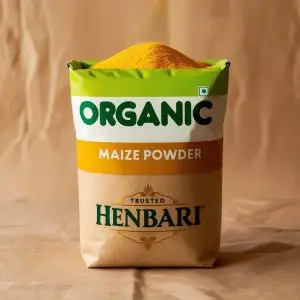 Maize Powder
₹1,500.00
Maize Powder
₹1,500.00
-
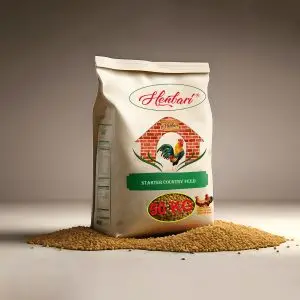 STARTER COUNTRY FEED
₹1,699.00 – ₹1,799.00Price range: ₹1,699.00 through ₹1,799.00
STARTER COUNTRY FEED
₹1,699.00 – ₹1,799.00Price range: ₹1,699.00 through ₹1,799.00